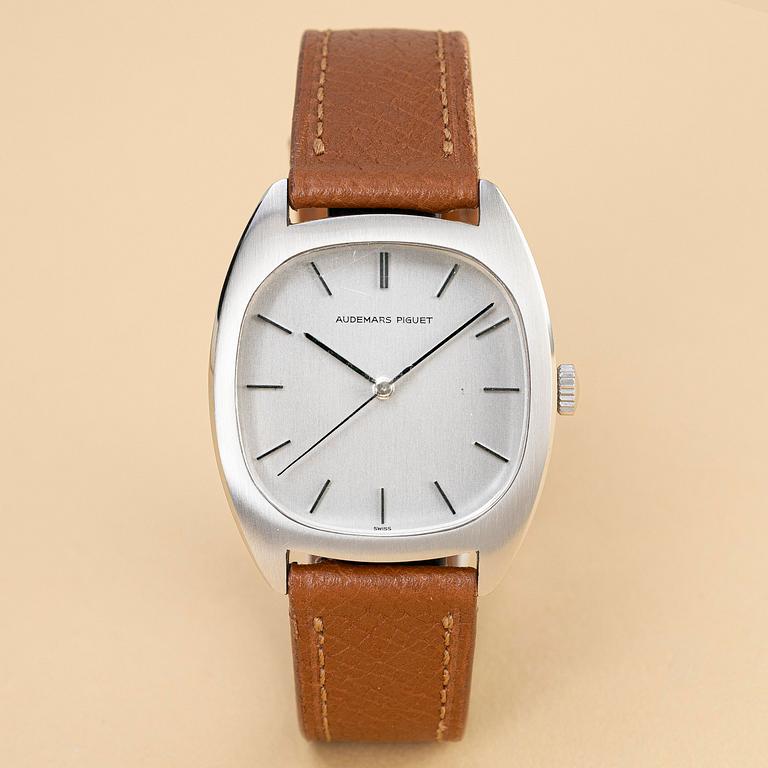
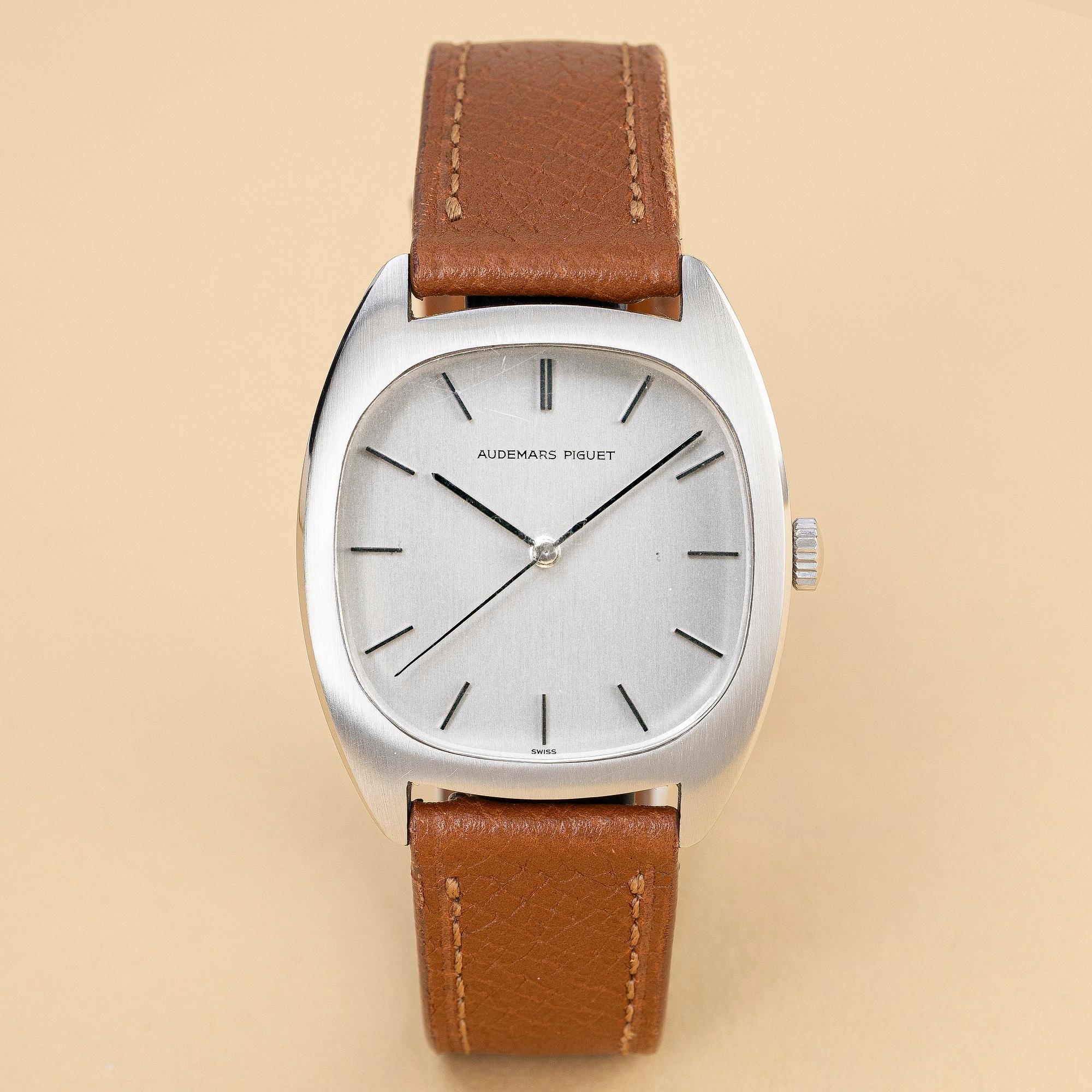
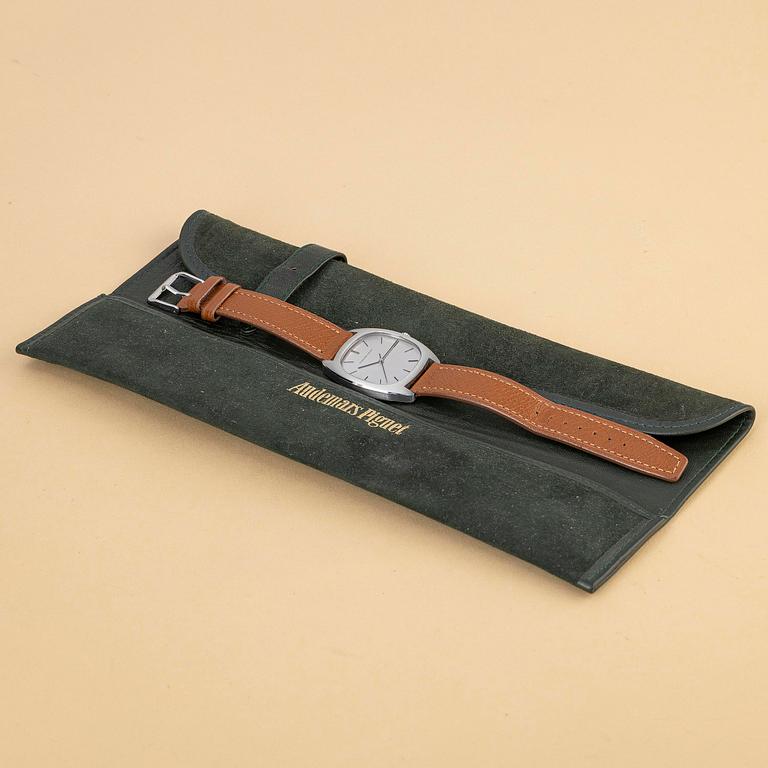
Storlek: 33,5 mm
Material: stål
Urverk: manuell, caliber K2002/1A
År: cirka 1973
Glas: plexiglas
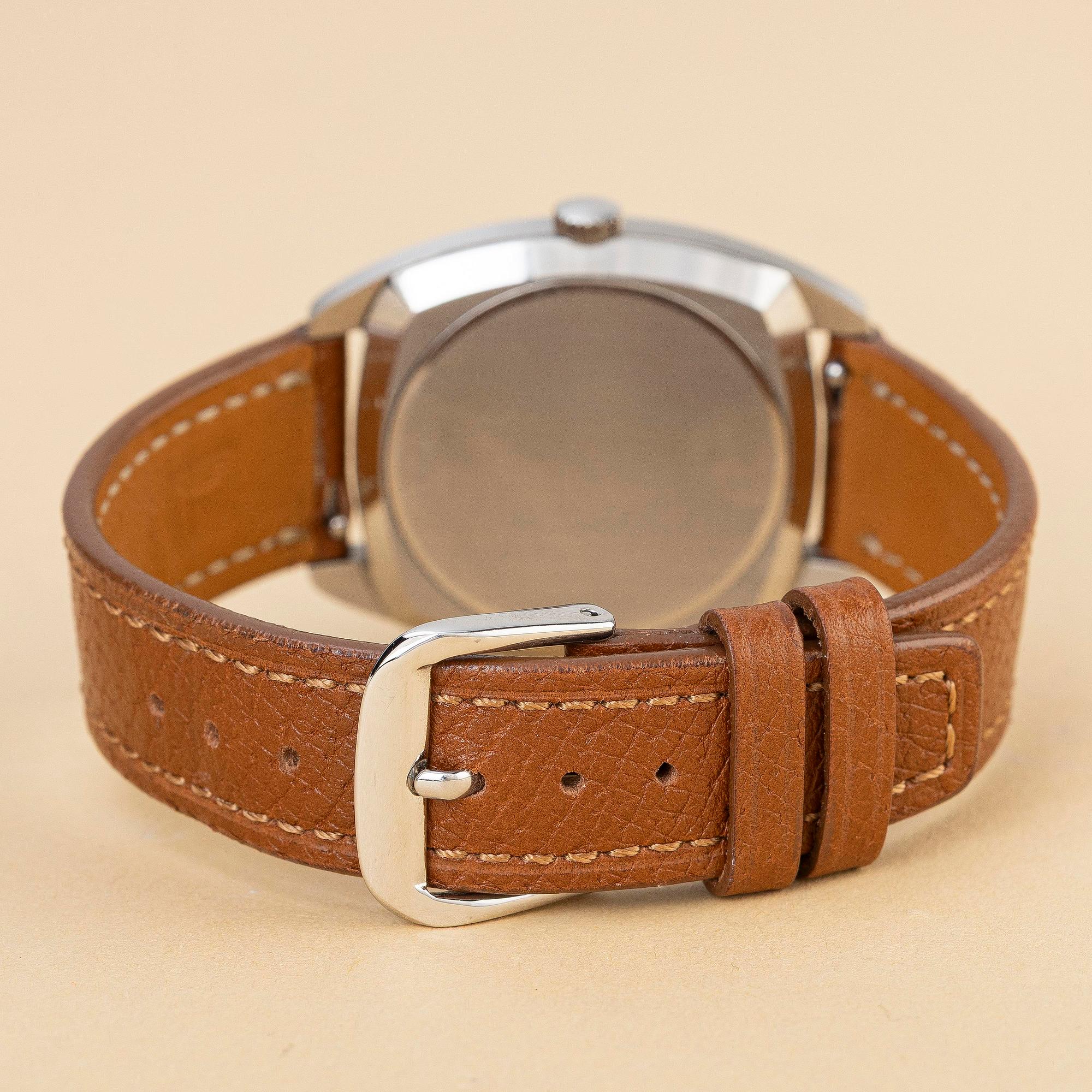
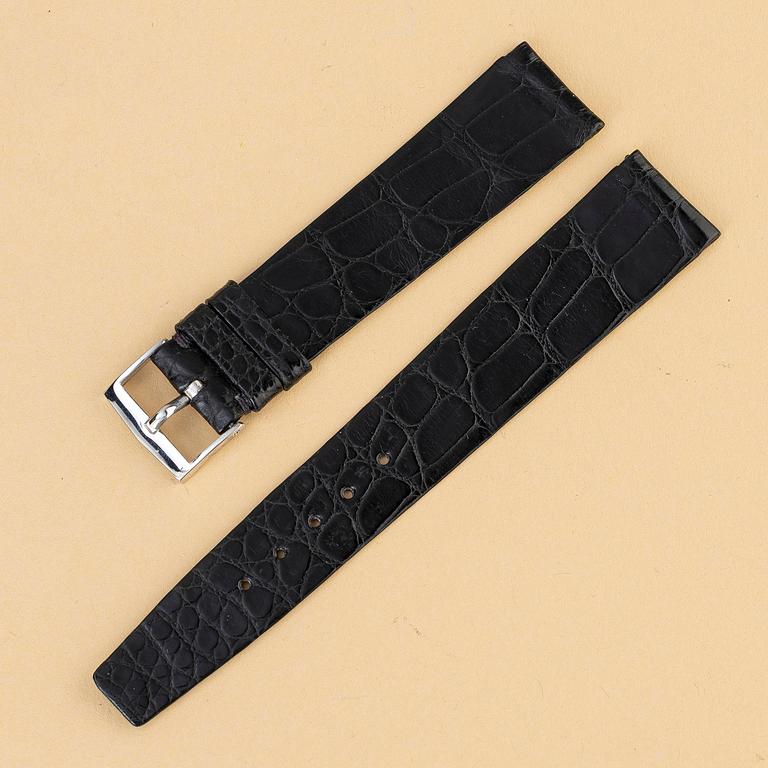
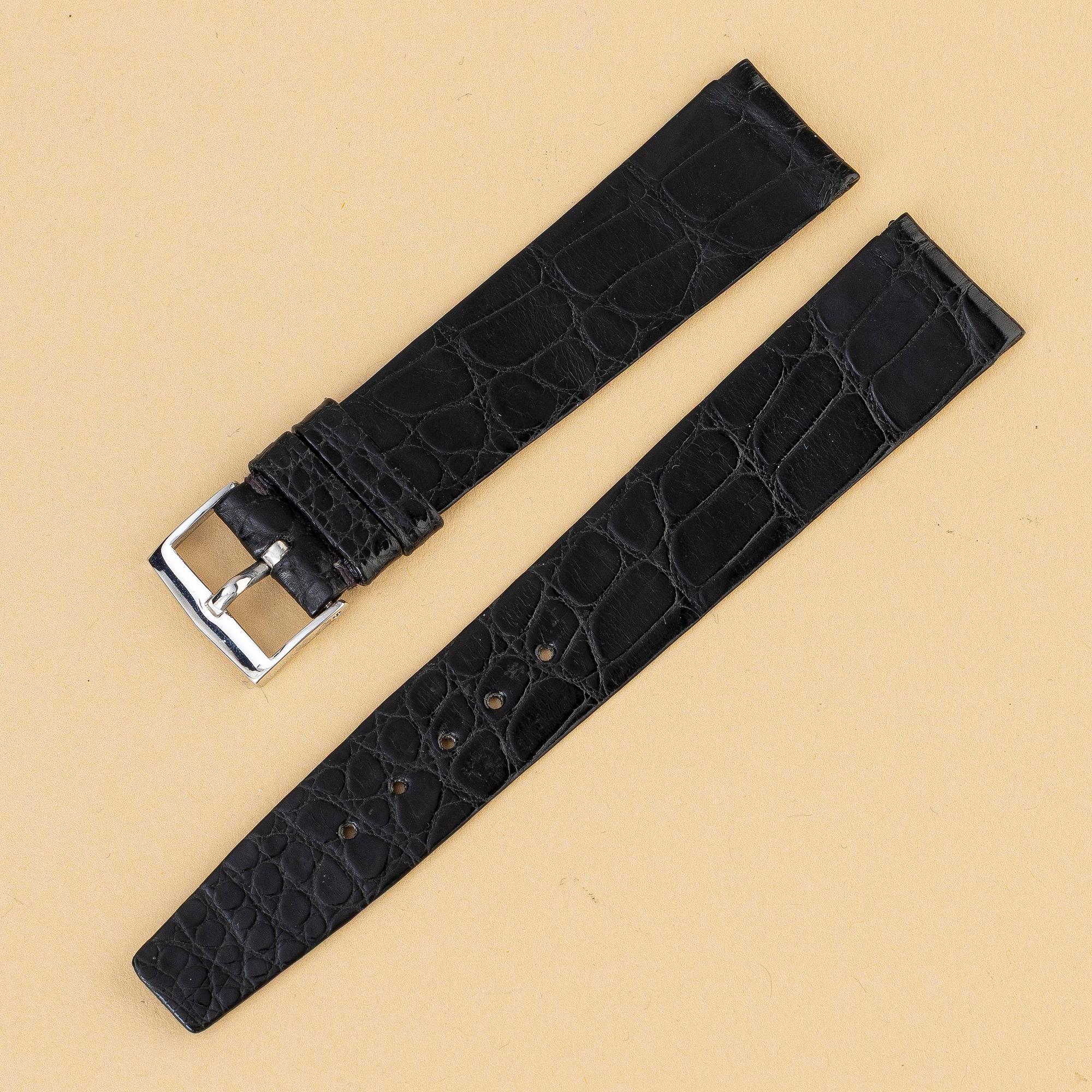
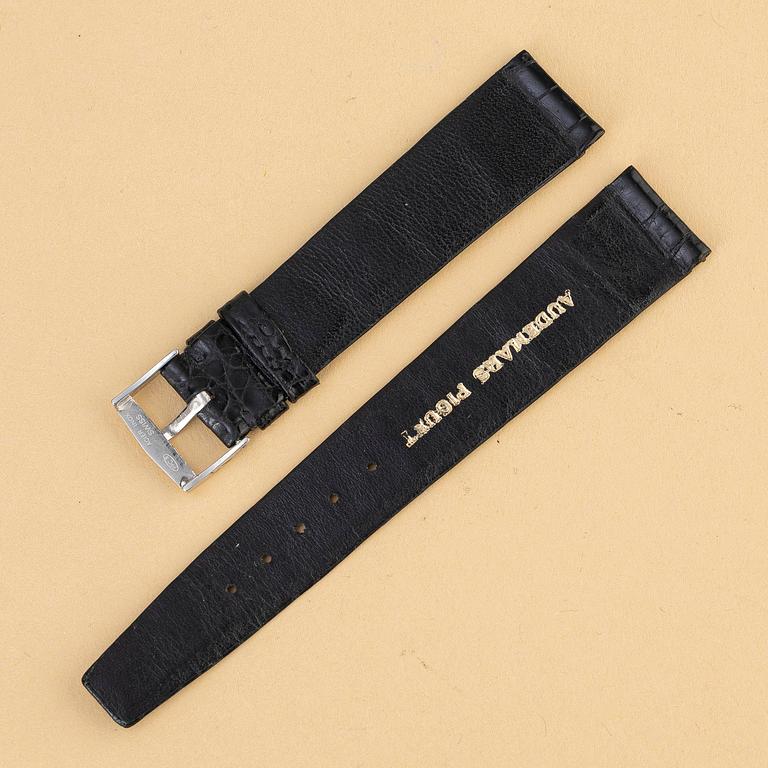
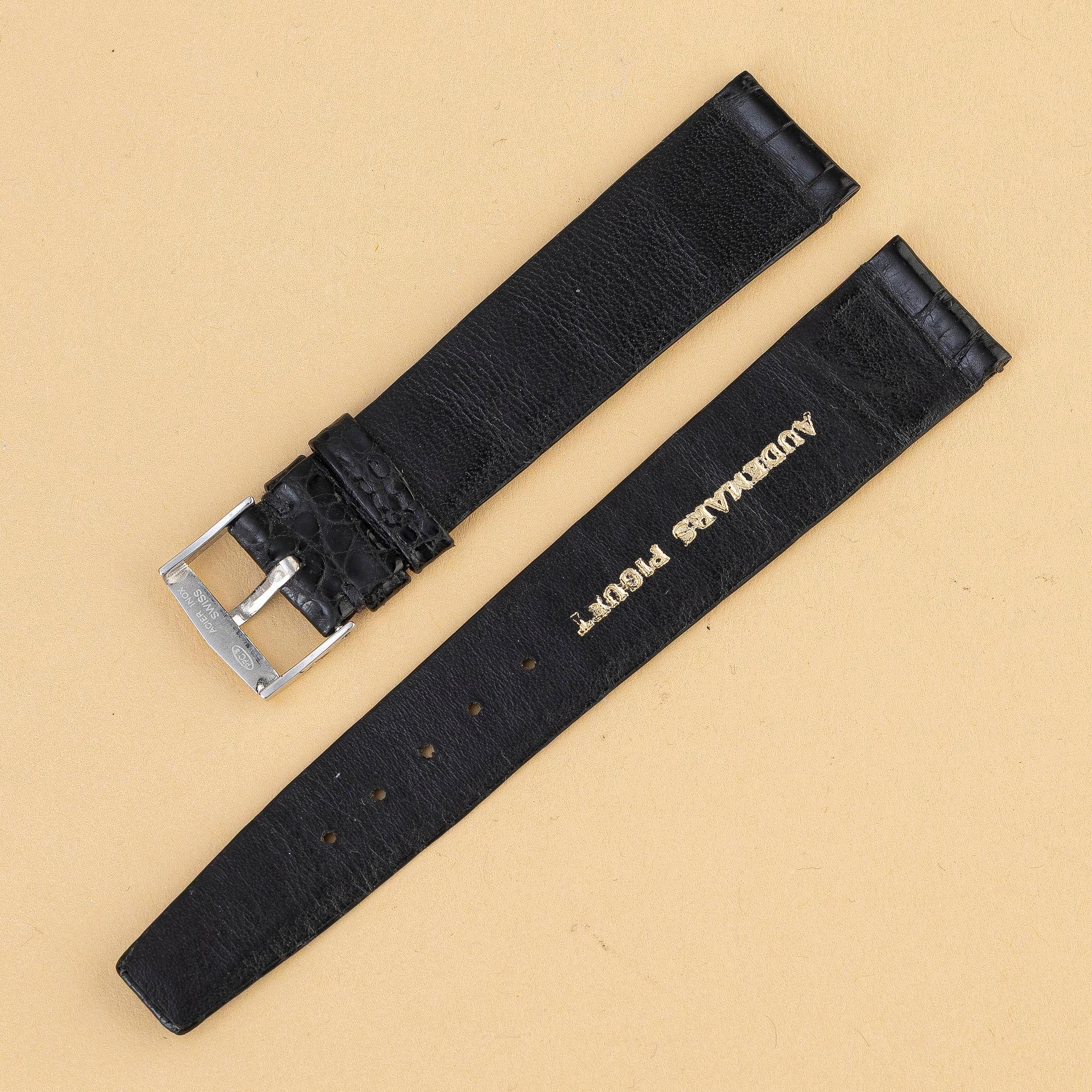
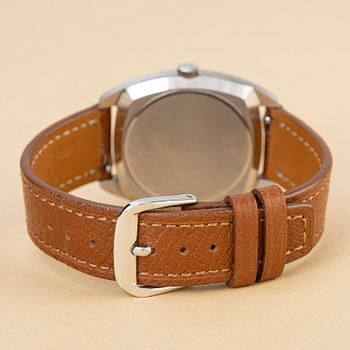
Armband: läderband
Referensnummer: 5369
Verknummer: 144'192
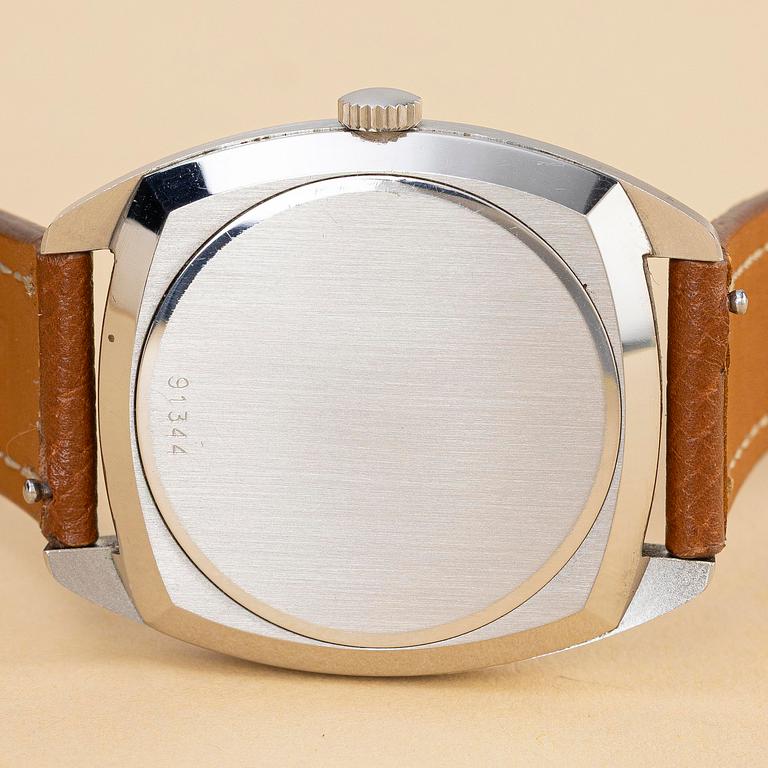
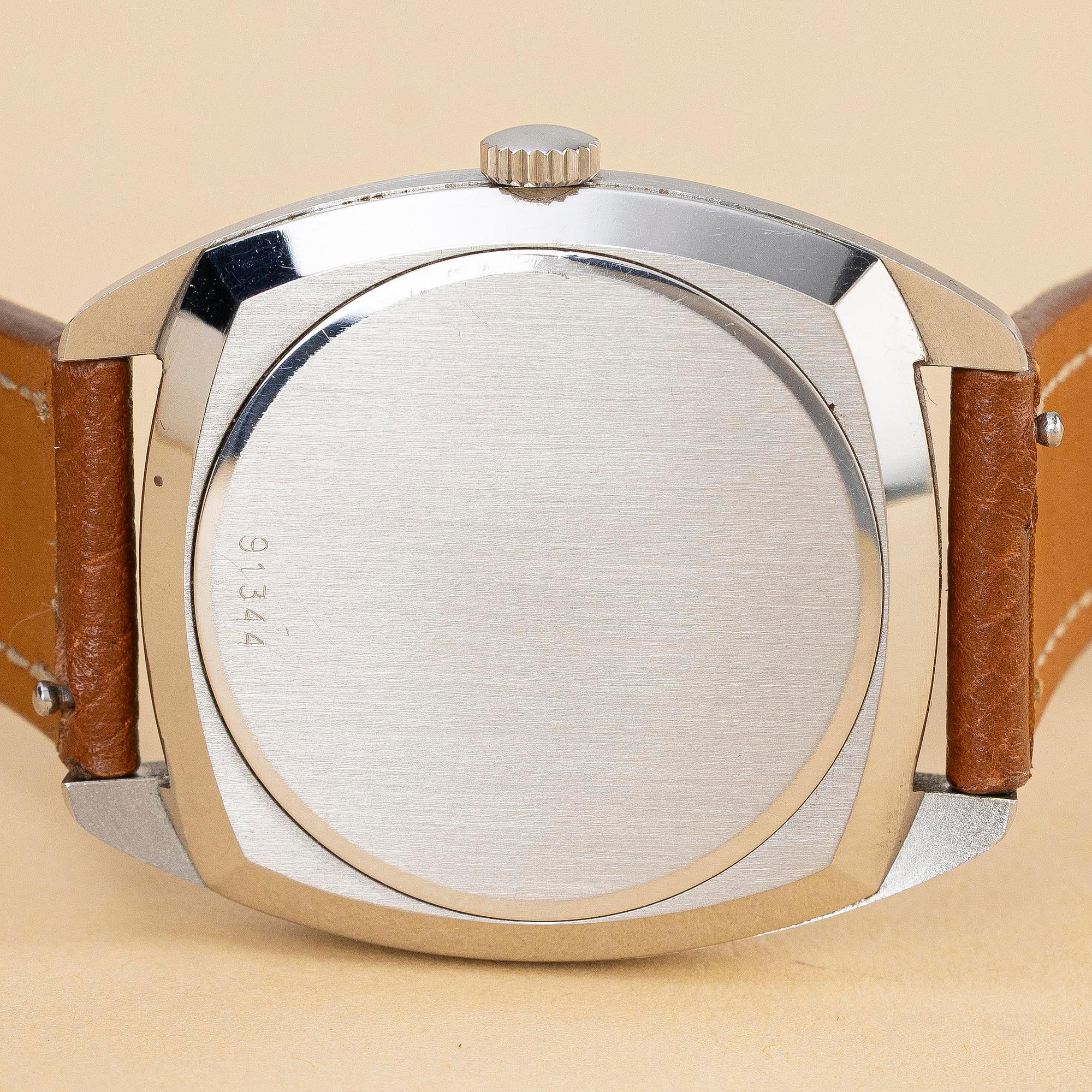
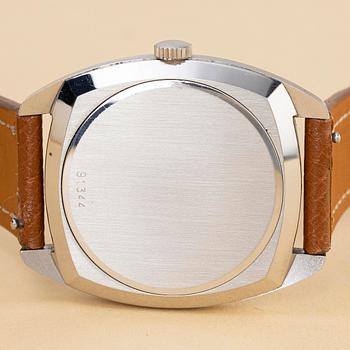
Boettnummer: 91'344
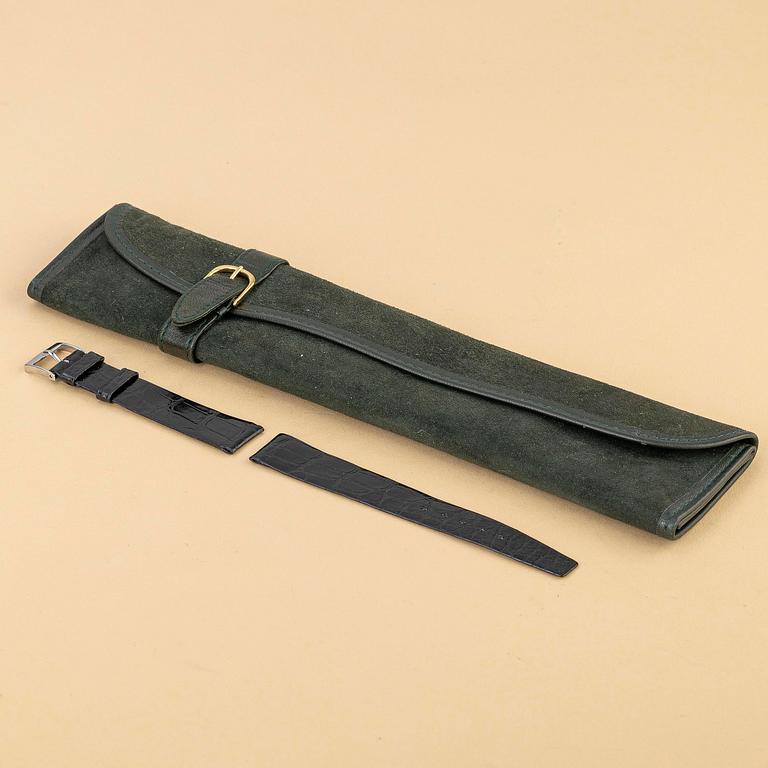
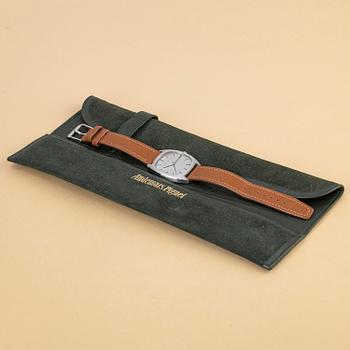
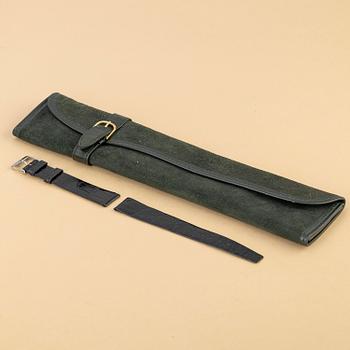
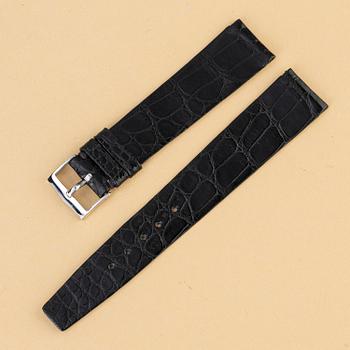
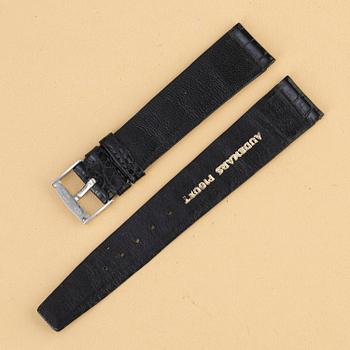
Tillbehör: etui, extra läderband
Urverksbilder finns på begäran. Potentiella köpare bör inspektera varje klocka för att försäkra sig om dess skick. För mer information, vänligen läs våra Köpvillkor.
Övrig information
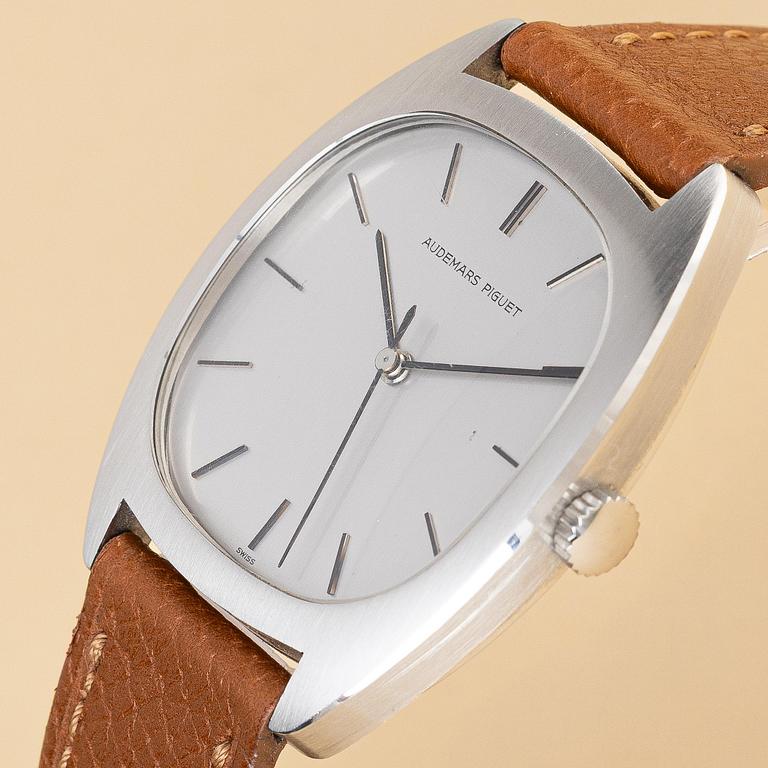
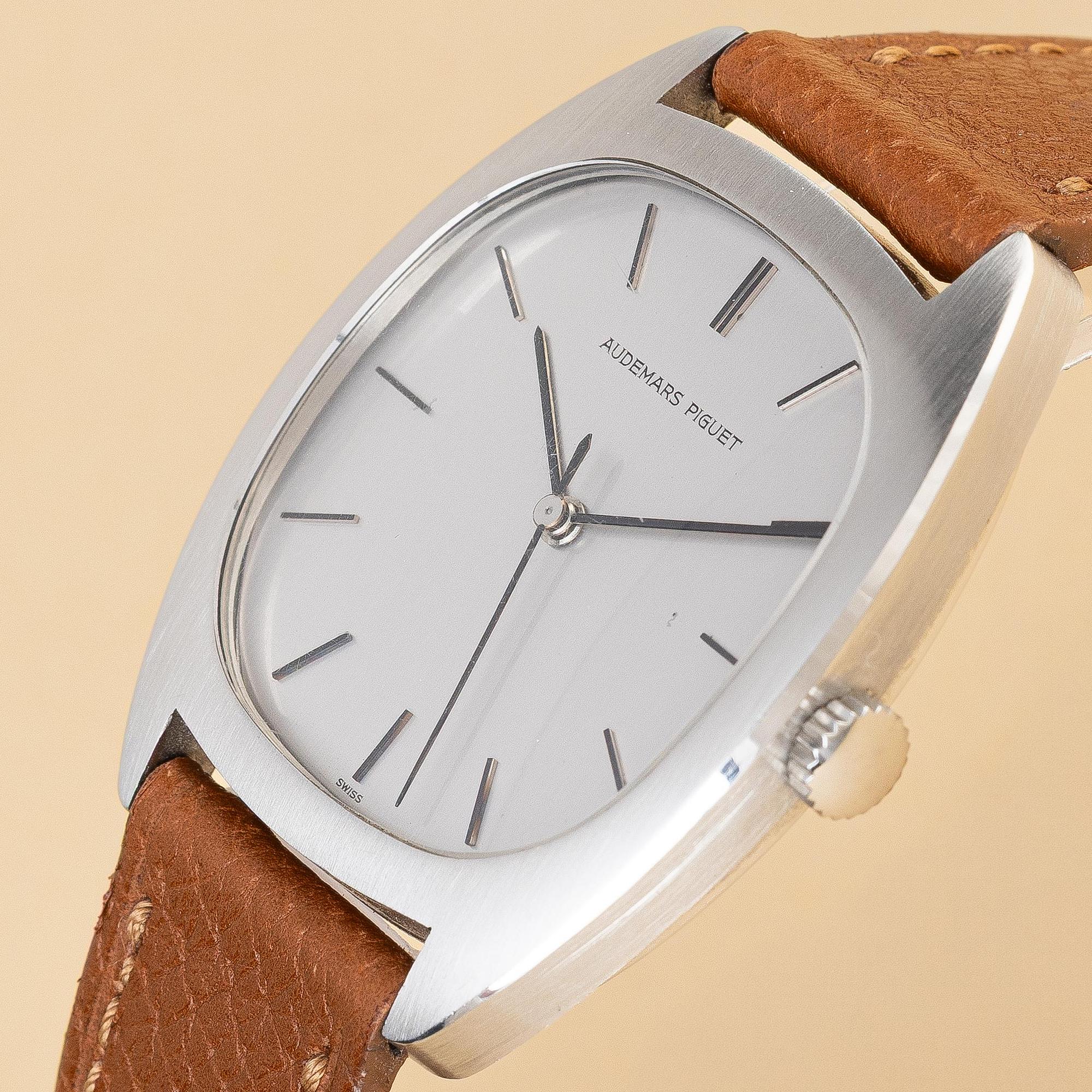
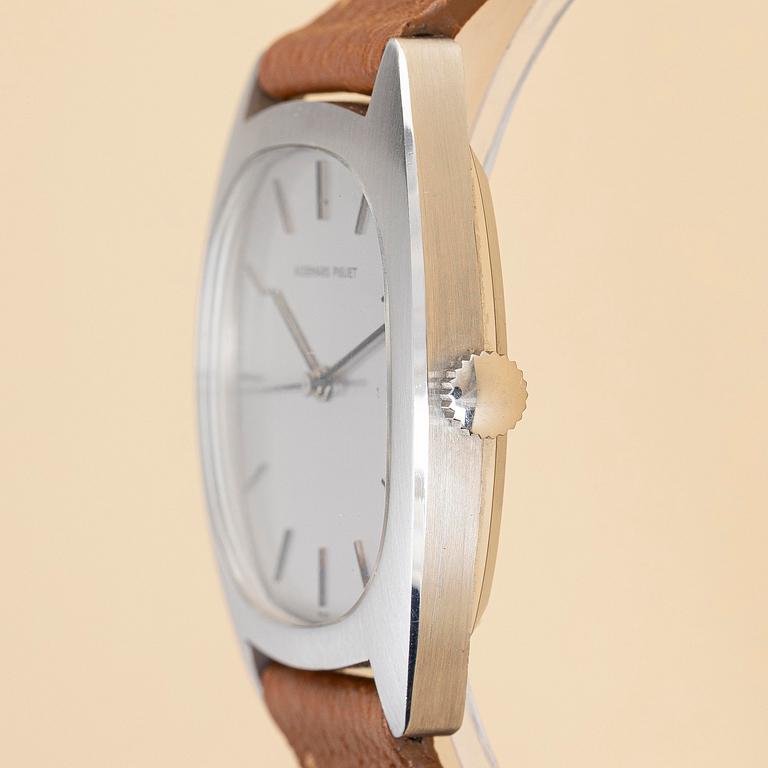
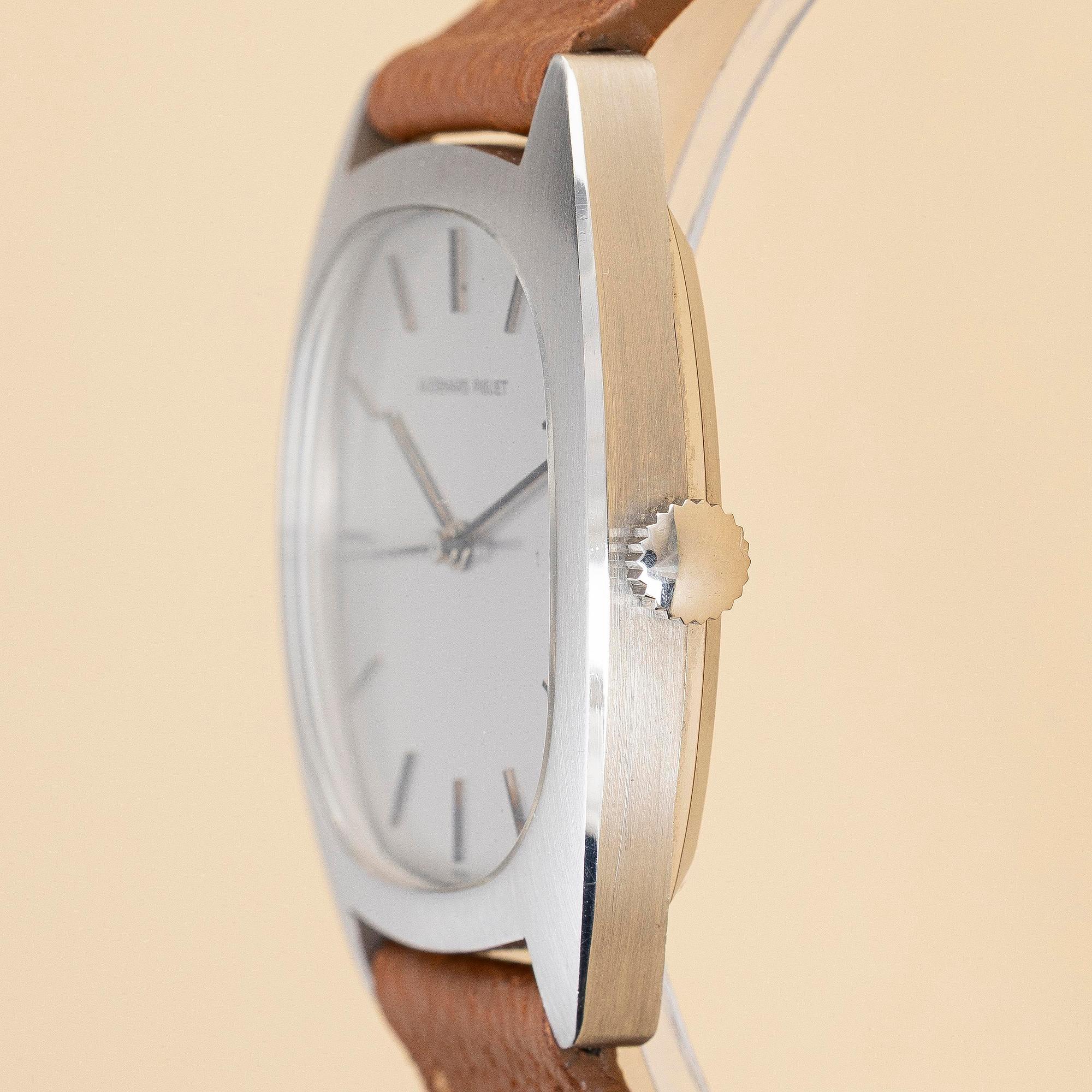
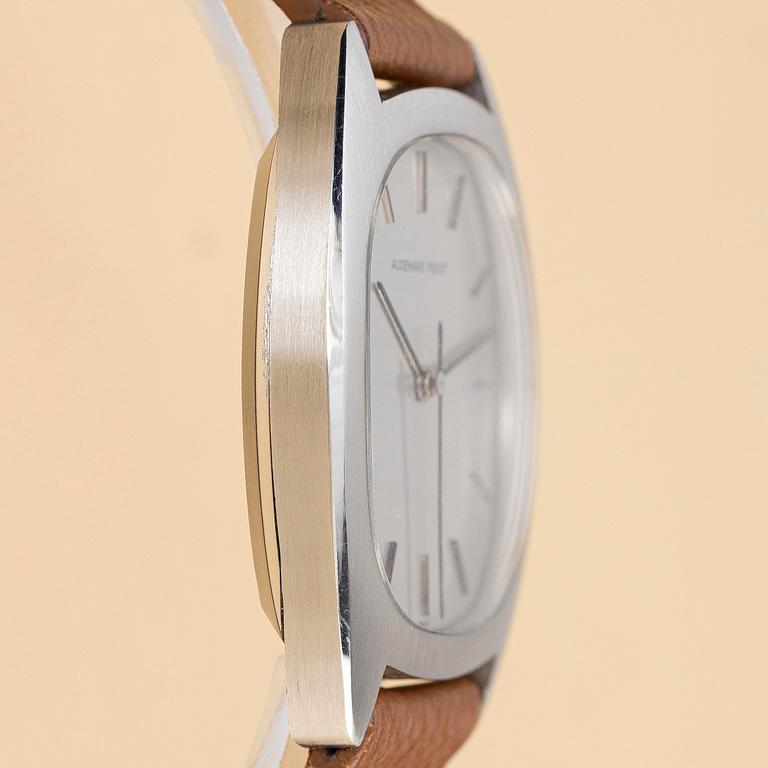
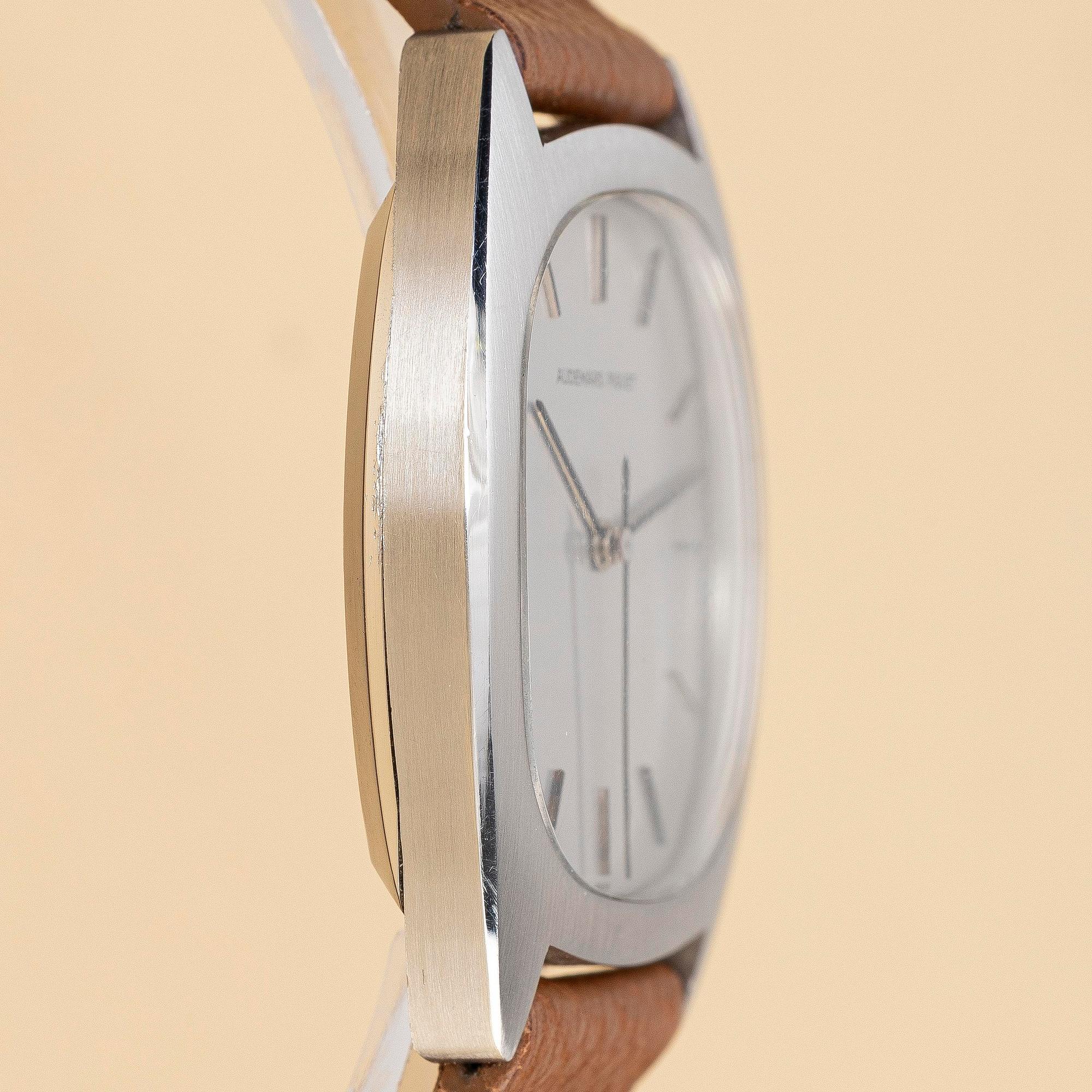
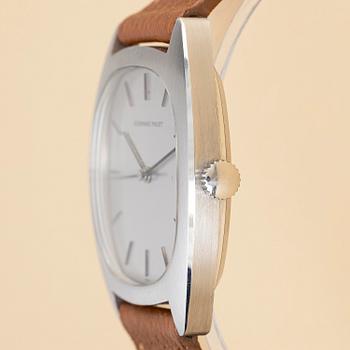
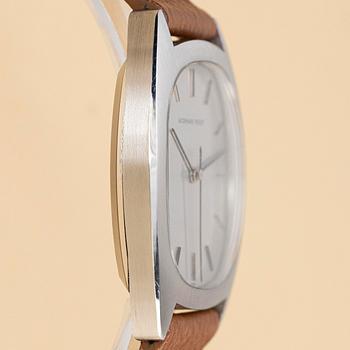
Reference 5369 is one of the more unusual Audemars Piguet wristwatches of the early 1970s. Its sculptural tonneau-shaped case, contrasting brushed surfaces and polished bevels reflect a period of considerable experimentation in watch design, when traditional dress-watch proportions were increasingly combined with more architectural forms and the use of stainless steel.
The reference is widely attributed to Gérald Genta, whose collaboration with Audemars Piguet reached its greatest intensity during the years immediately preceding the introduction of the Royal Oak in 1972. While Audemars Piguet’s published archives do not appear to specifically identify reference 5369 as a Genta design, both Phillips and Sotheby’s have attributed the model to him. The watch therefore offers an intriguing glimpse into the same creative period in which Genta was redefining the possibilities of the luxury wristwatch.
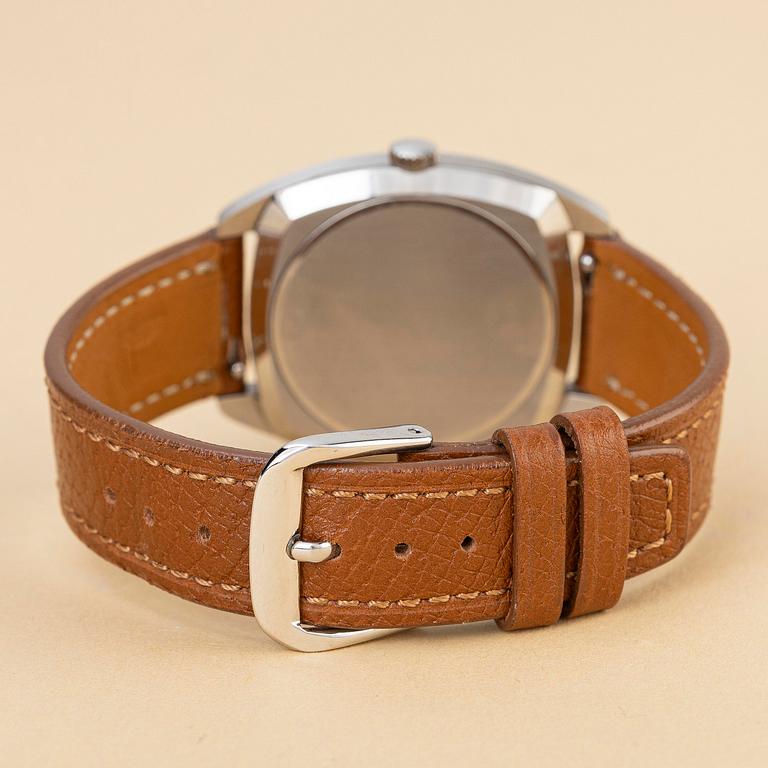
Particularly noteworthy is the construction of the case. Rather than relying on a conventional case-back arrangement, reference 5369 employs an unusual multi-part architecture in which the circular movement and dial assembly is housed within the tonneau-shaped outer case. The back is secured by four screws together with a retaining ring, resulting in a technically elaborate construction while allowing the watch to retain its relatively slim profile.
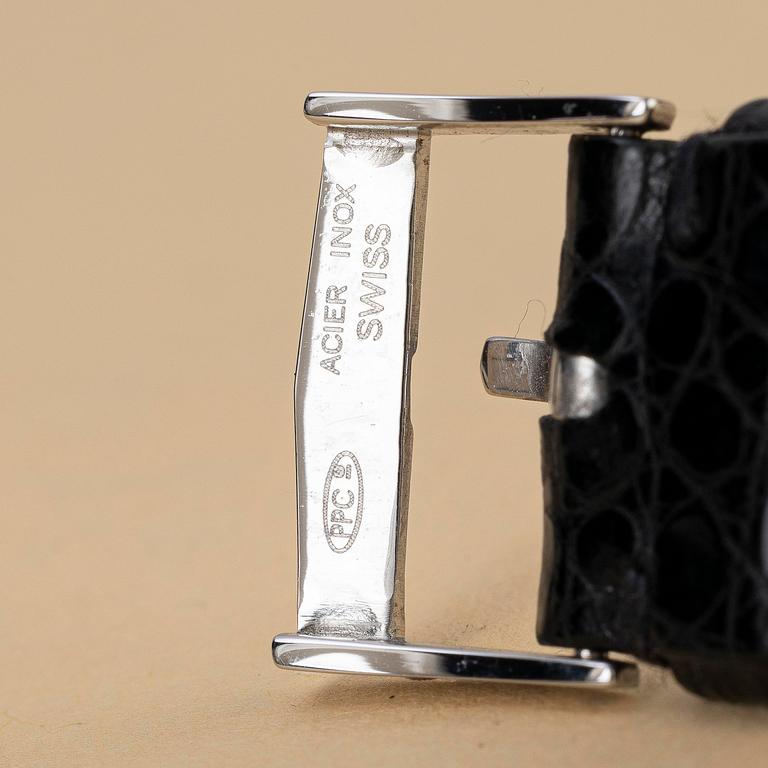
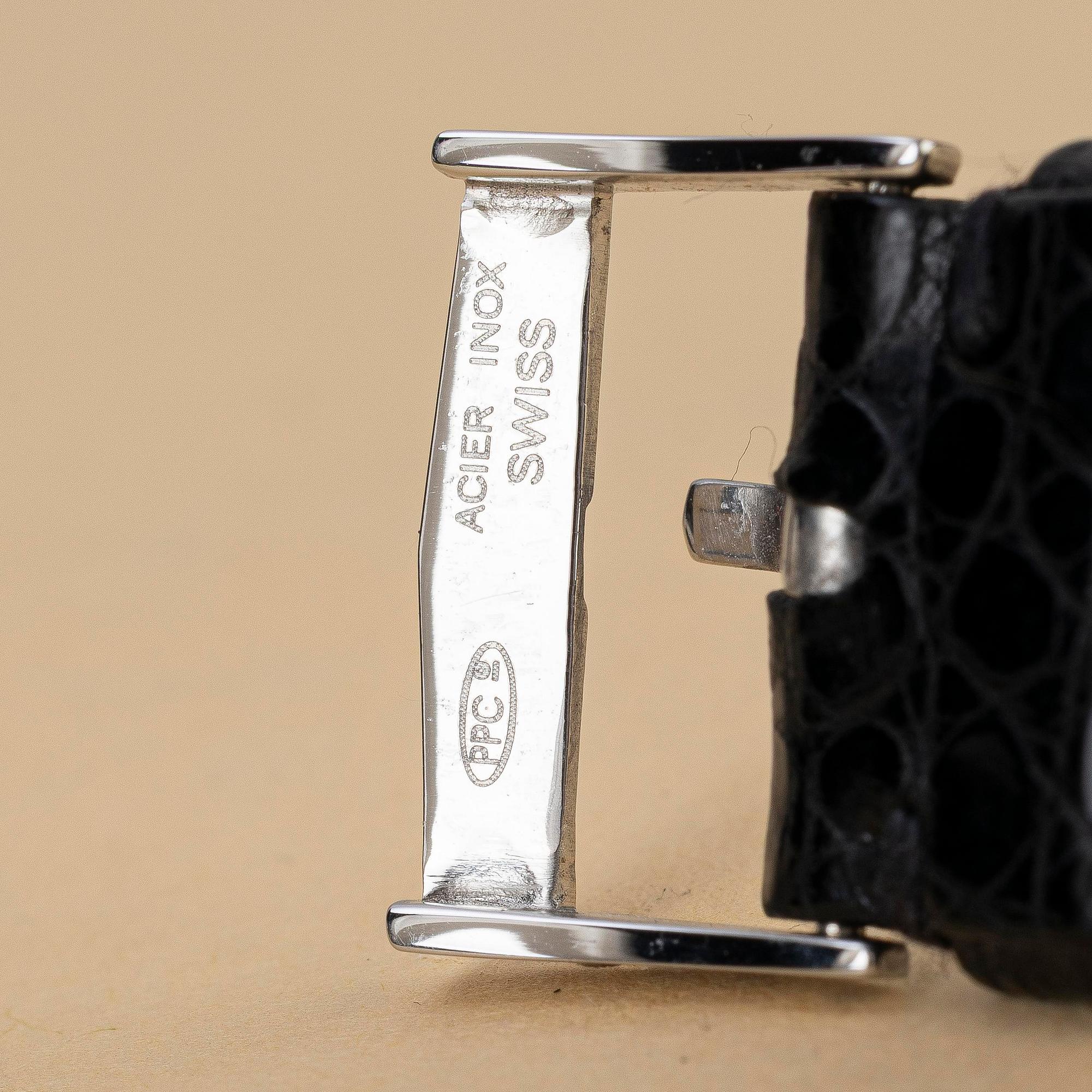
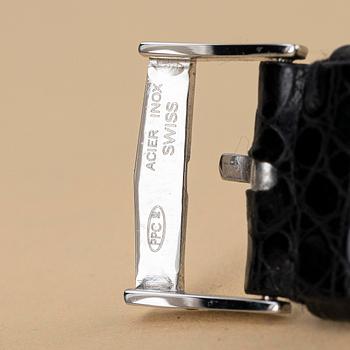
The case of the present watch is stamped F&P, the registered maker’s mark of A. & M. Favre & Perret SA of La Chaux-de-Fonds, one of the specialist case manufacturers employed by Audemars Piguet during the period. The connection is particularly interesting in the context of Gérald Genta: Audemars Piguet’s archives document Favre-Perret’s involvement in the development of the Royal Oak case, working directly with Genta and producing both prototypes and early steel cases. The F&P mark therefore provides a fascinating link to the network of specialist craftsmen and designers that helped shape Audemars Piguet’s increasingly adventurous approach to watch design at the beginning of the 1970s.
At its heart is the manually wound calibre K2002/1A, an uncommon centre-seconds movement dating from a relatively brief chapter in Audemars Piguet’s production. Published production records support a dating of the present watch to circa 1973, placing it firmly within this particularly creative period in the manufacture’s history.
För konditionsrapport kontakta specialist

Vad kostar transporten?
Andra har även tittat på