Ei yhteyttä palvelimeen
Online-teemahuutokaupat
Gunnel Nyman – Eternal Beauty in Glass F787
Huutokauppa:
Curated Timepieces – January F758
Huutokauppa:
A Classic Selection F752
Huutokauppa:
Selected Modern Silver F764
Huutokauppa:
Selected Fashion – A Private Collection F771
Huutokauppa:
Islamic Works of Art and Oriental Carpets  E1310
Huutokauppa:
Kitchen Stories E1284
Huutokauppa:
Modern Design, Timeless Weave E1292
Huutokauppa:
Live-huutokaupat
Contemporary Art & Design 670
Huutokauppa: 21.−22. huhtikuuta 2026
Important Timepieces 671
Huutokauppa: 21. huhtikuuta 2026
Modern Art & Design 672
Huutokauppa: 20.−21. toukokuuta 2026
Important Spring Sale 673
Huutokauppa: 10.−12. kesäkuuta 2026
1343
133659

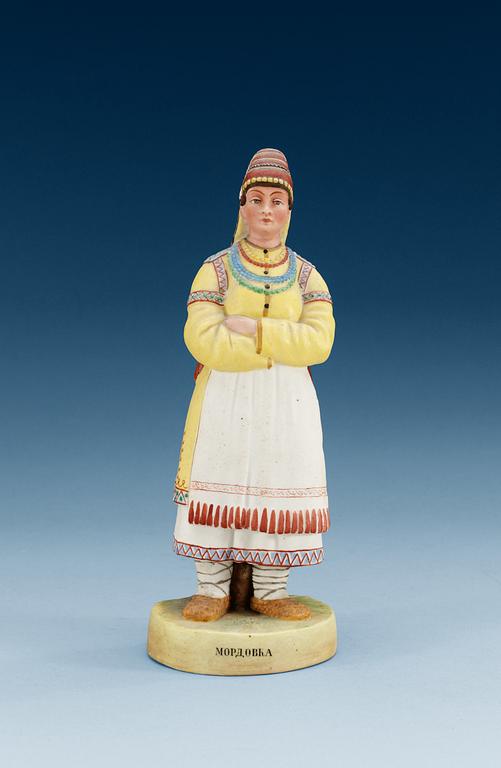
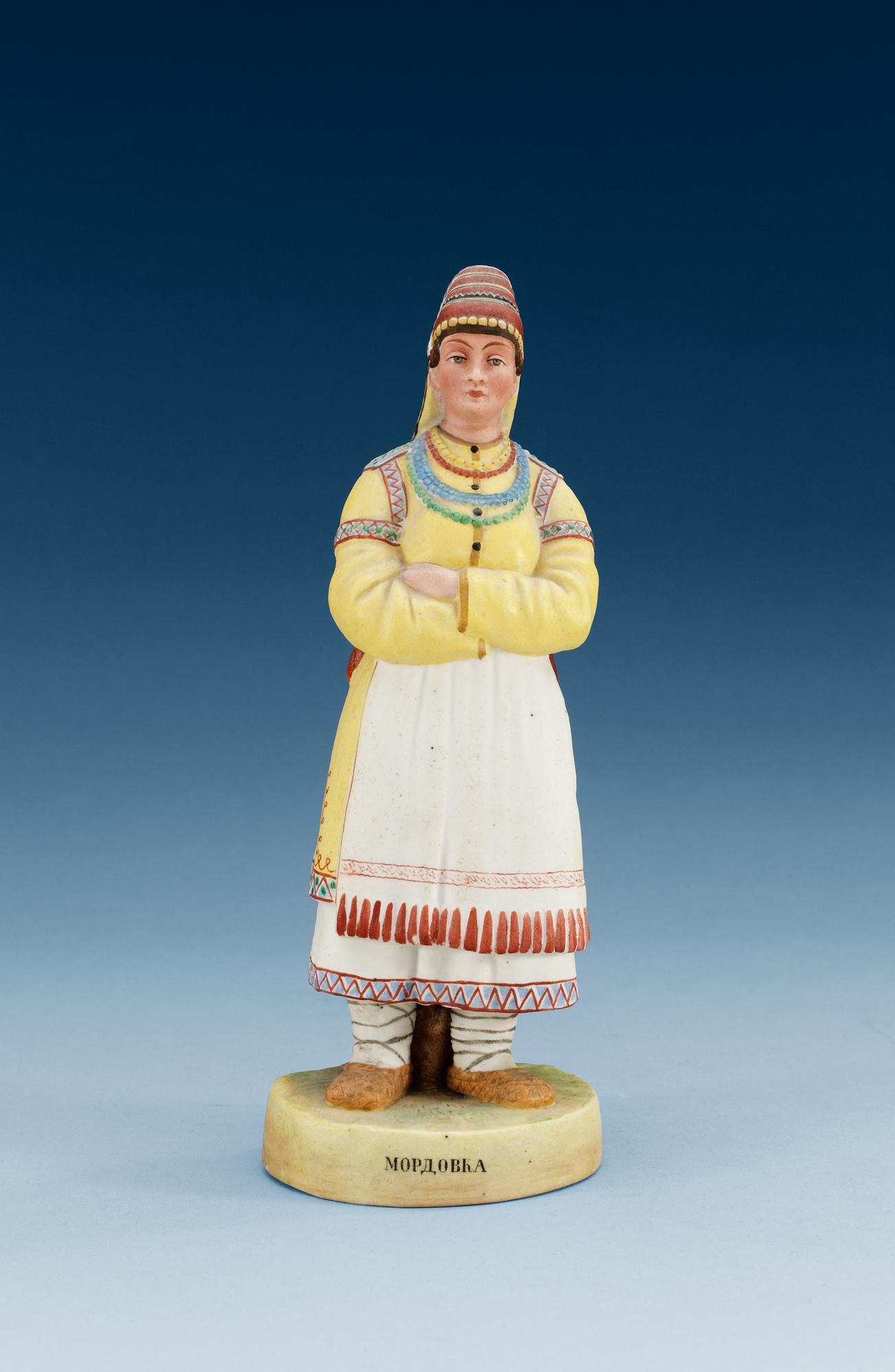
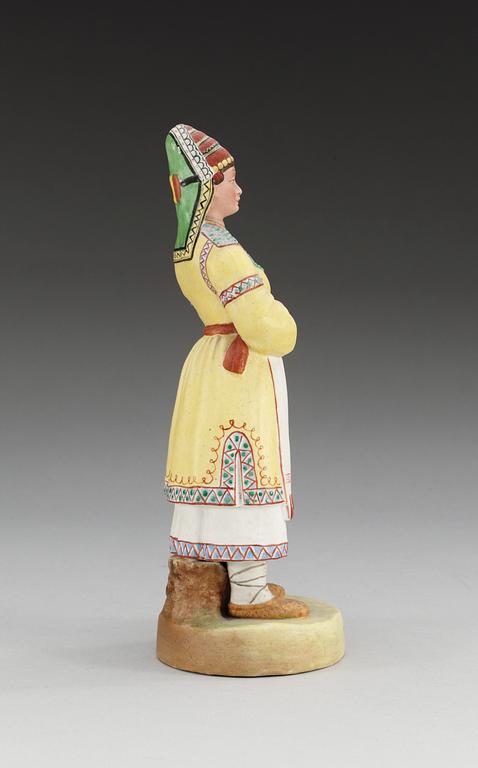
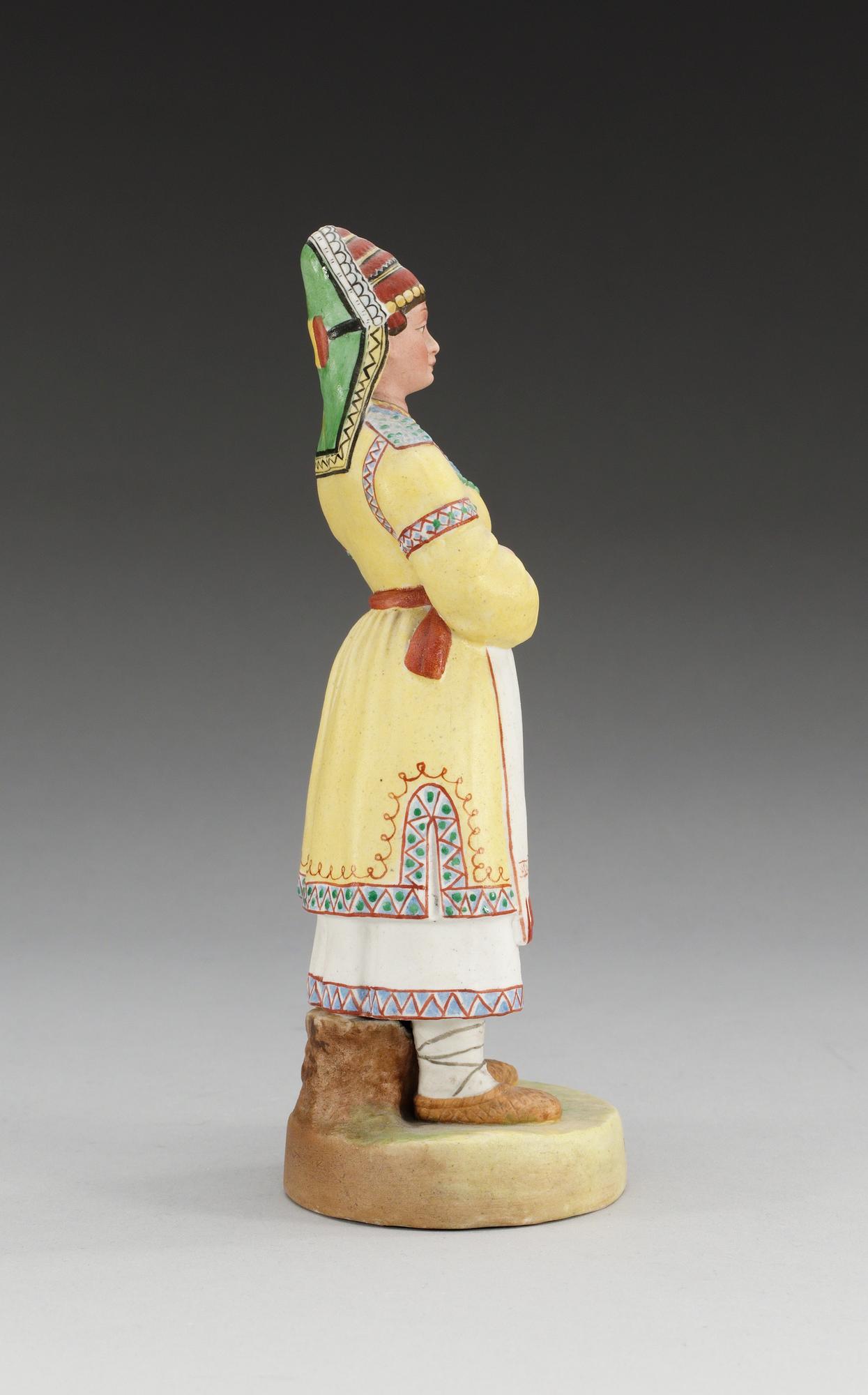
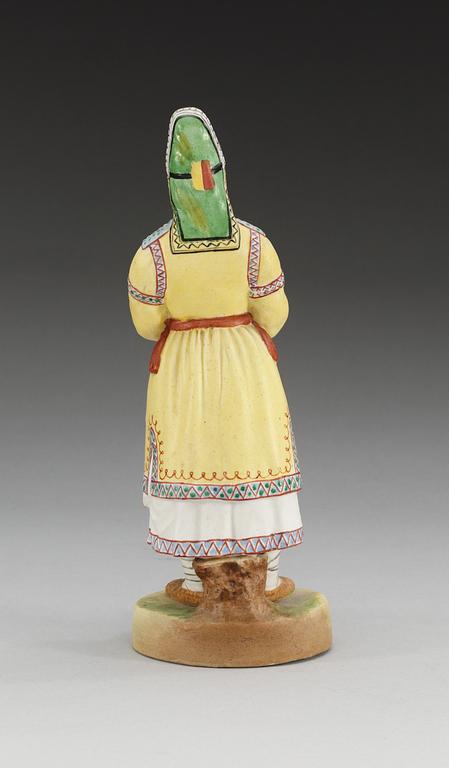
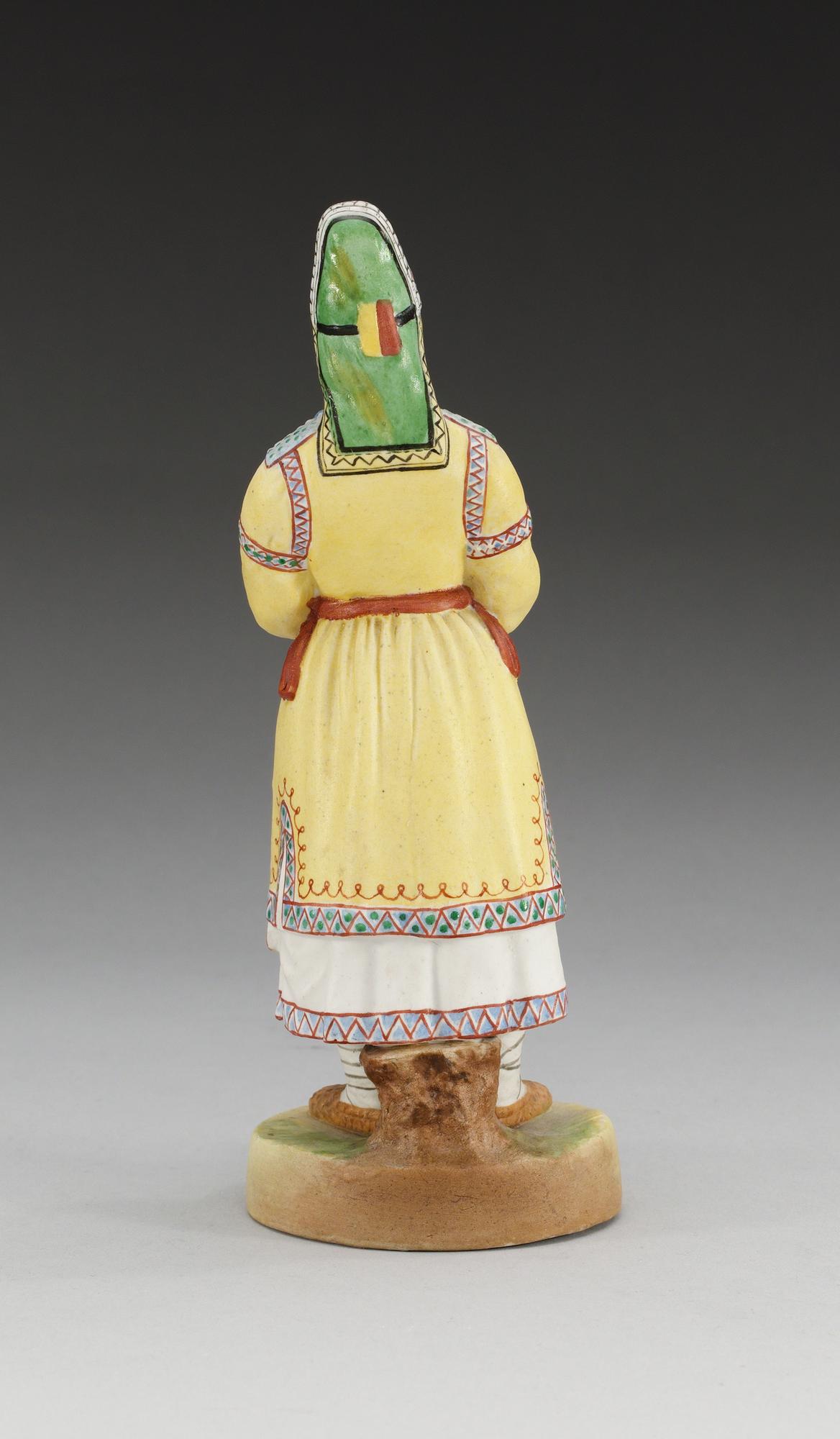
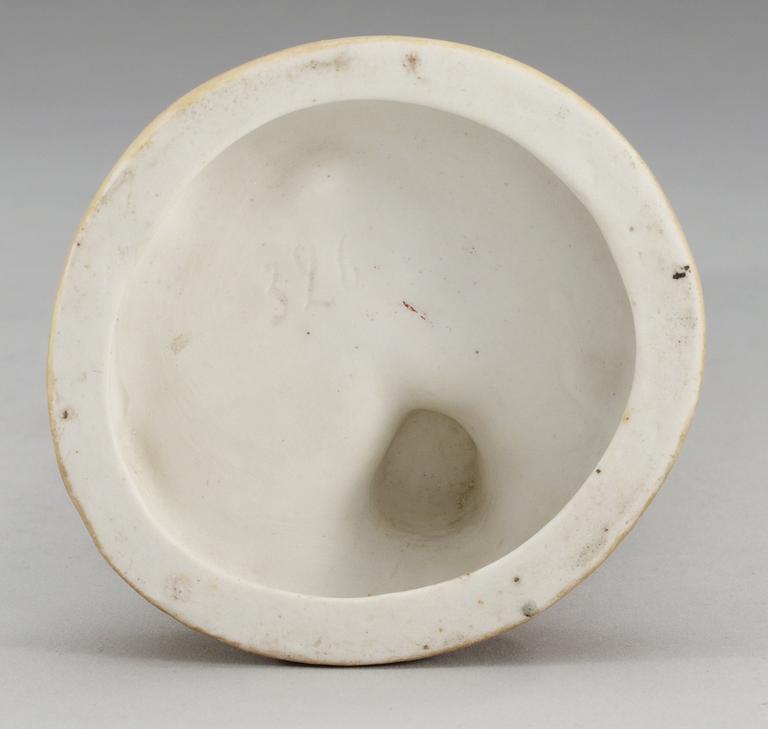
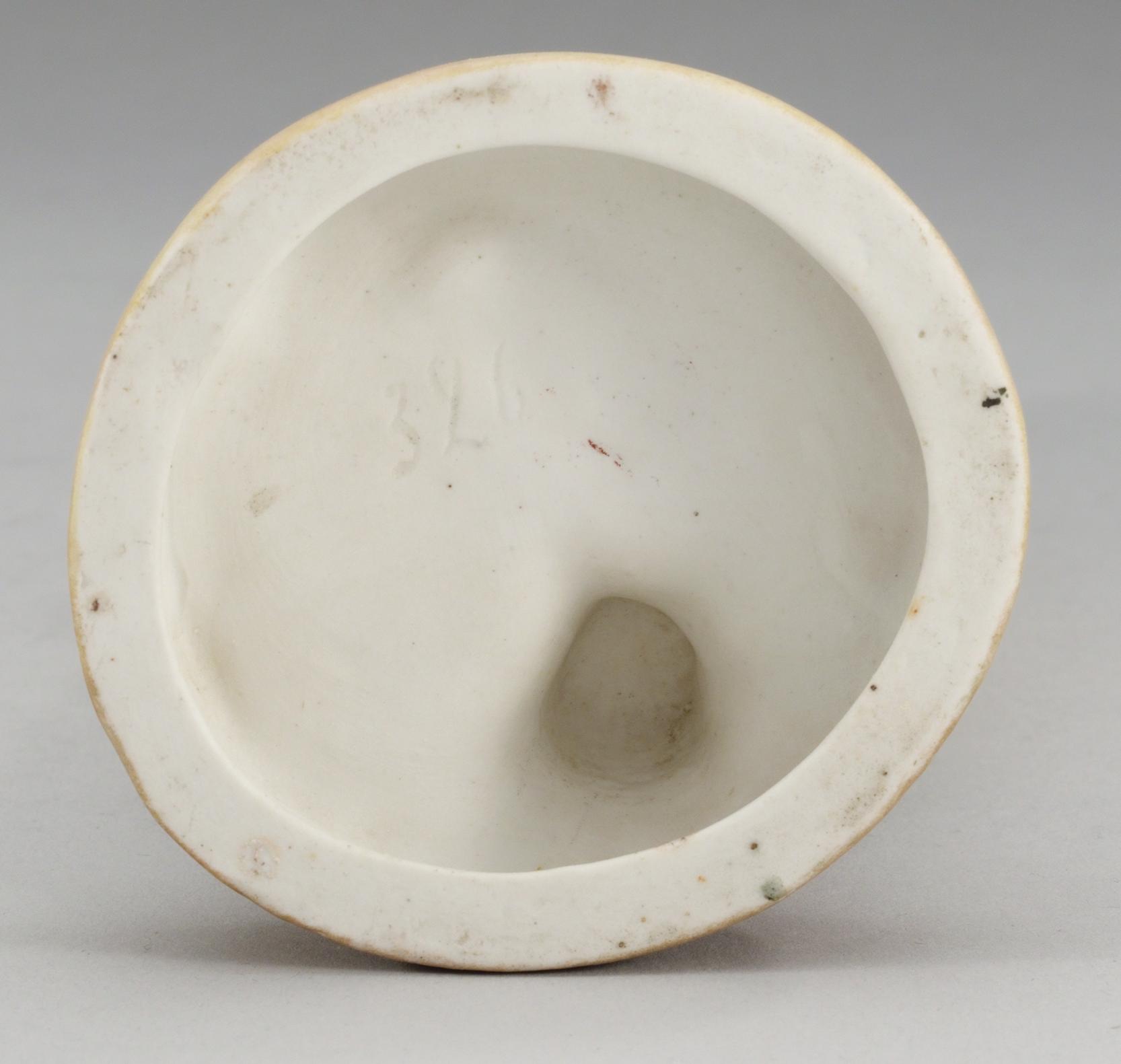
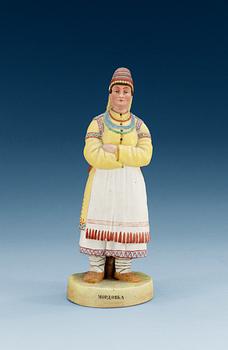
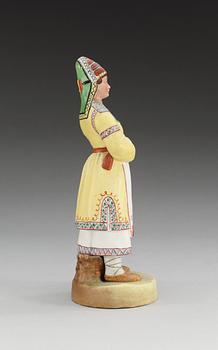
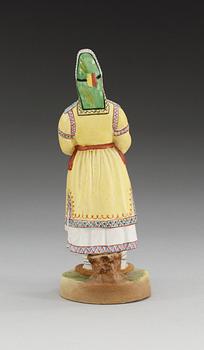
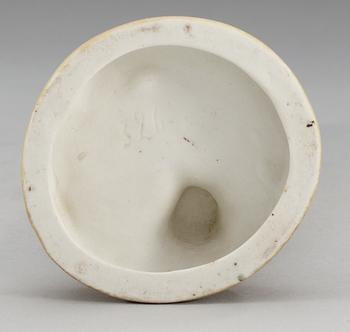
A unmarked Russian bisquit figure depicting a Mordvinian woman, ca 1900.

Lähtöhinta
8 000 - 10 000 SEK
775 - 969 EUR
887 - 1 110 USD
Vasarahinta
18 000 SEK
Tarjouksen tekeminen vaatii erillisen hyväksynnän
Tietoa ostamisesta
Lisätietoja ja kuntoraportit
Cecilia Nordström
Tukholma
Cecilia Nordström
Johtava asiantuntija – itämainen keramiikka & taidekäsityö, eurooppalainen keramiikka ja lasi
+46 (0)739 40 08 02
A unmarked Russian bisquit figure depicting a Mordvinian woman, ca 1900.

Height 24,5 cm.

Alkuperä - Provenienssi

From the 'People of Russia' series.

Kirjallisuus

Porcelain in Russia. 18th - 19th centuries. The Gardner Factory. SPb: Palace Editions, 2003. Chapter V. Pl 10.

Muut tiedot

The Gardner factory in Moscow started to produce the ‘People of Russia’ series in the 1870’s, the complete series consists of approximately 50 figures. The series were based on colour lithographies from a book published 1861 by T de Pauli. The book was called ‘Description Ethnografique des peoples de la Russie’, and was presented at the celebration of the Russian Empire millennium. It gives us a broad coverage of the people under the Russian Emperors reign, showing subjects ranging from Hindus, Balkans, Greeks all the way to the Siberians and the Russian Americans. This series follows the tradition of the J.D. Rachette series of the Imperial porcelain manufactory (1780’s). The figures truly are like small sculptures, all very individual.

Mordvinian - a member of the agricultural people living in the central Volga provinces of European Russia.