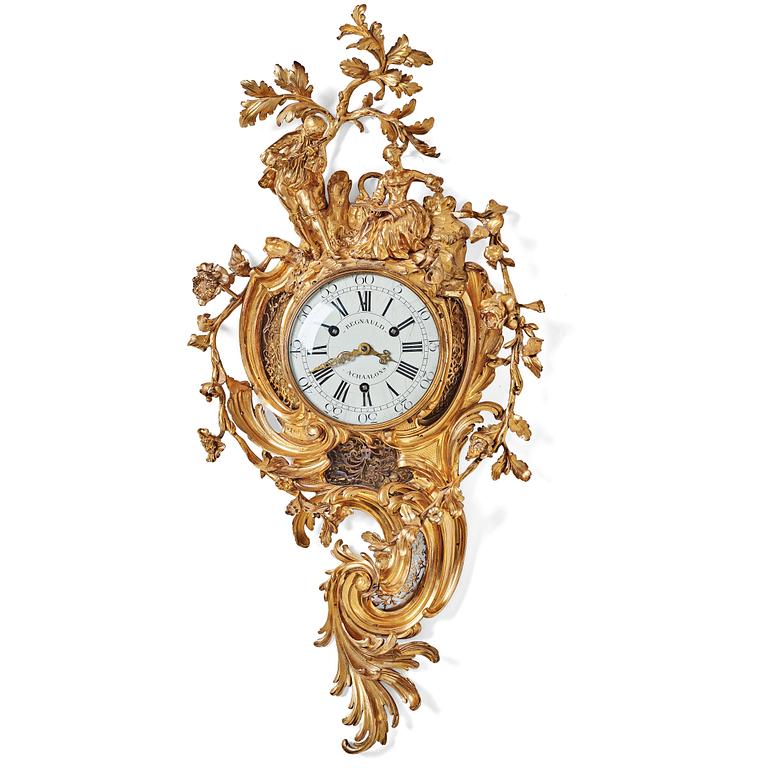
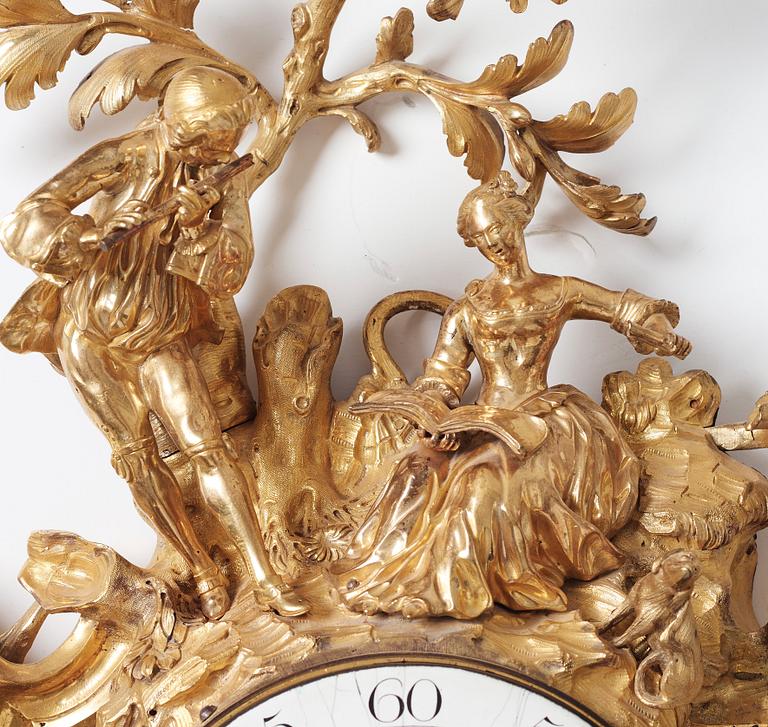
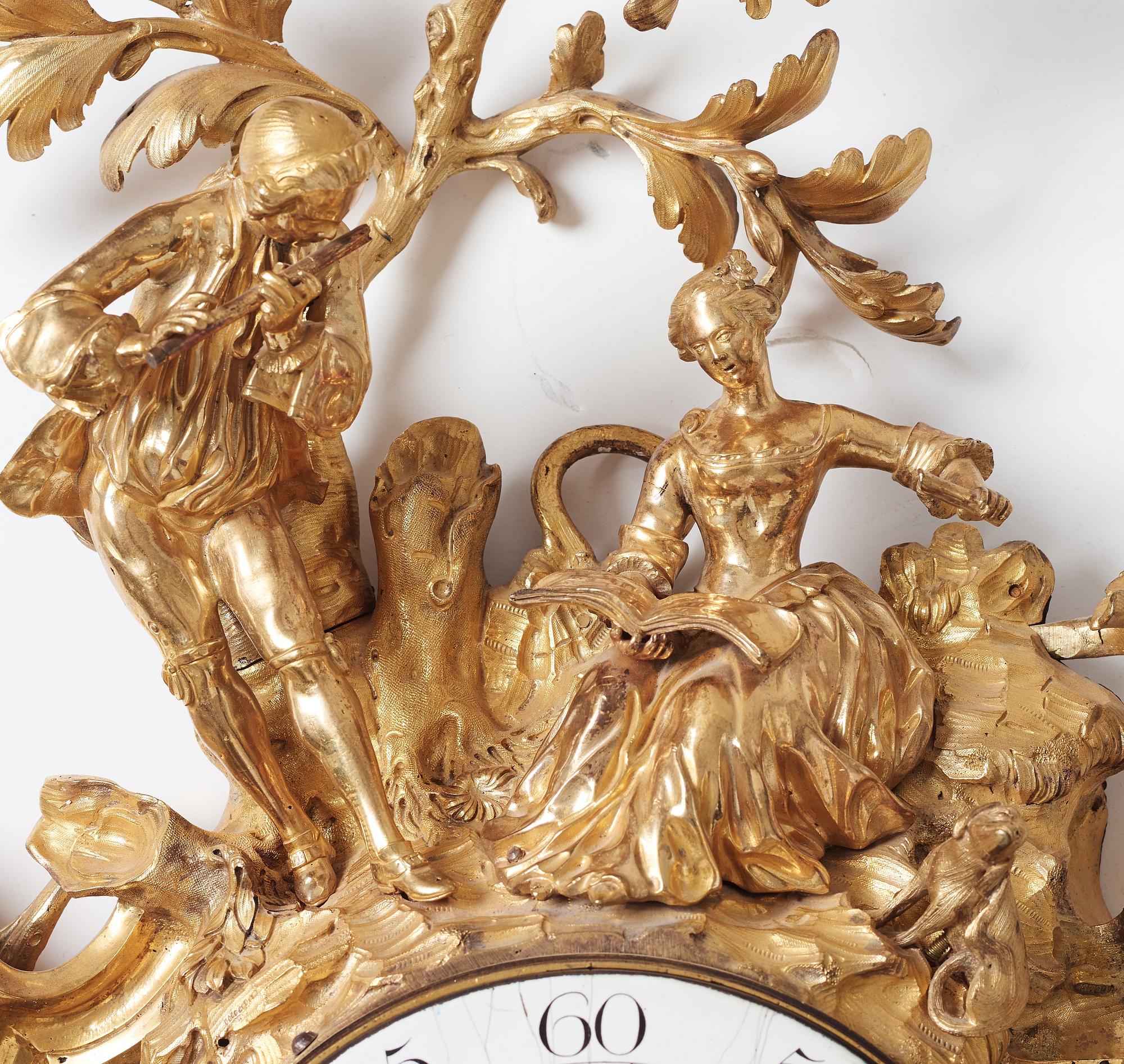
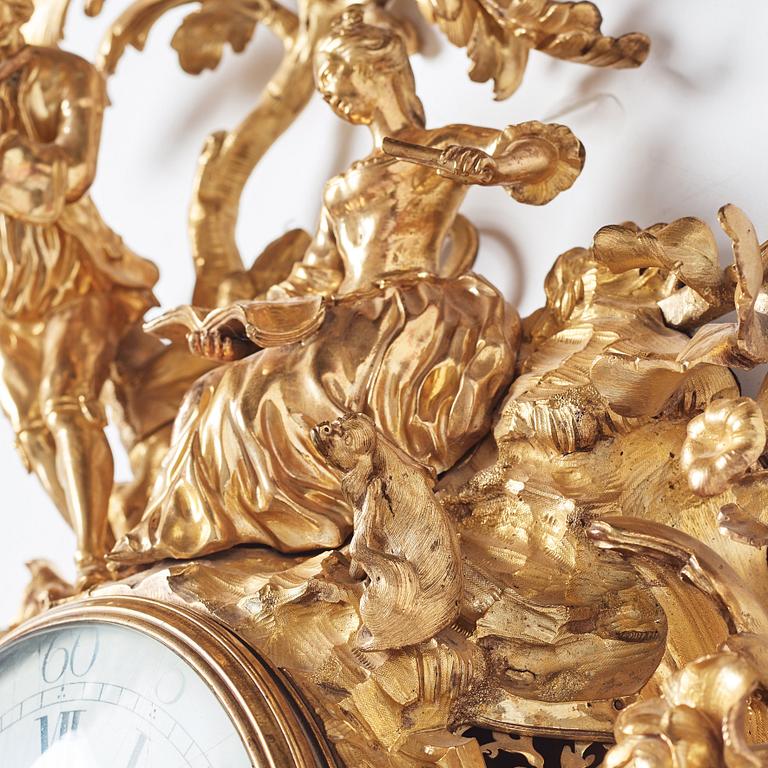
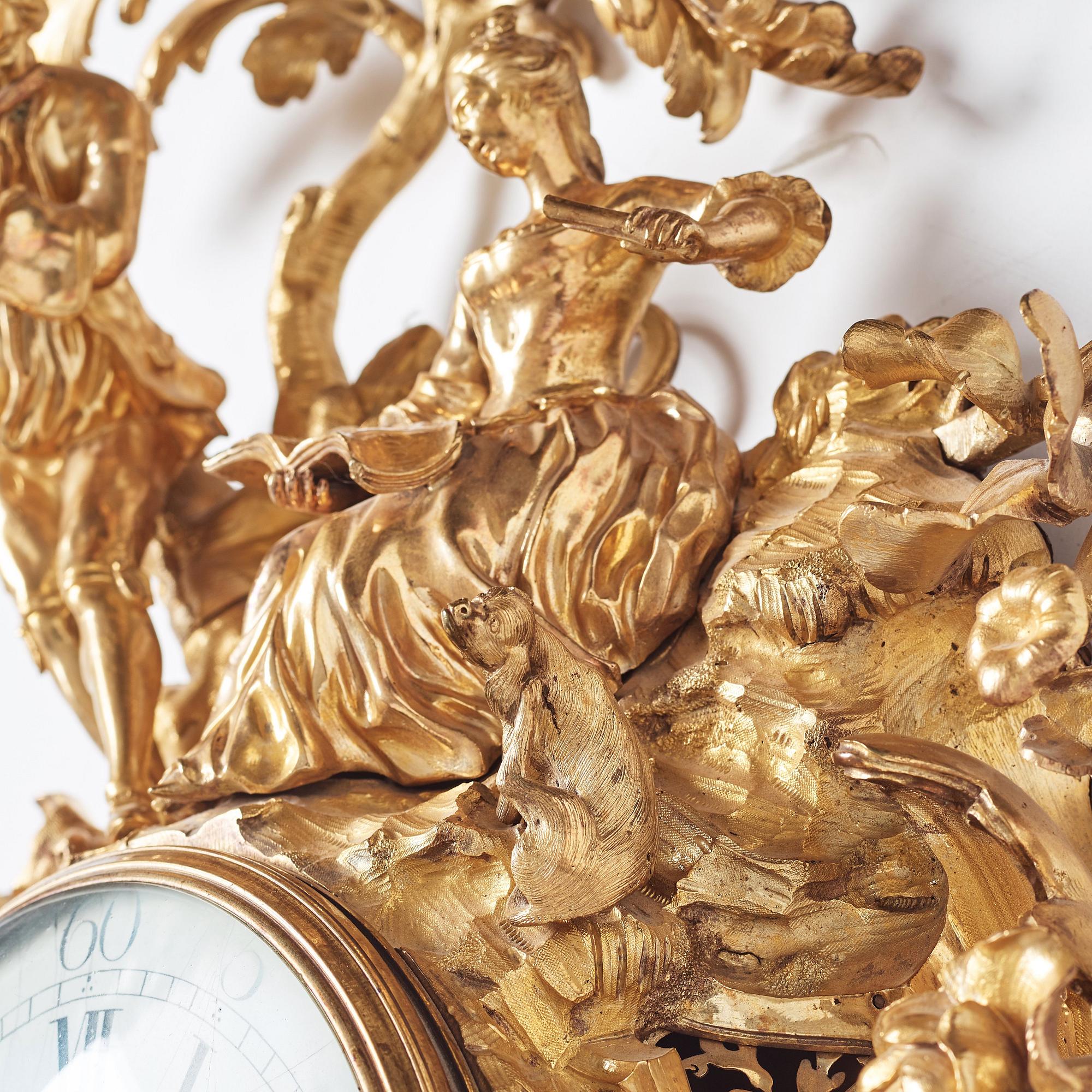
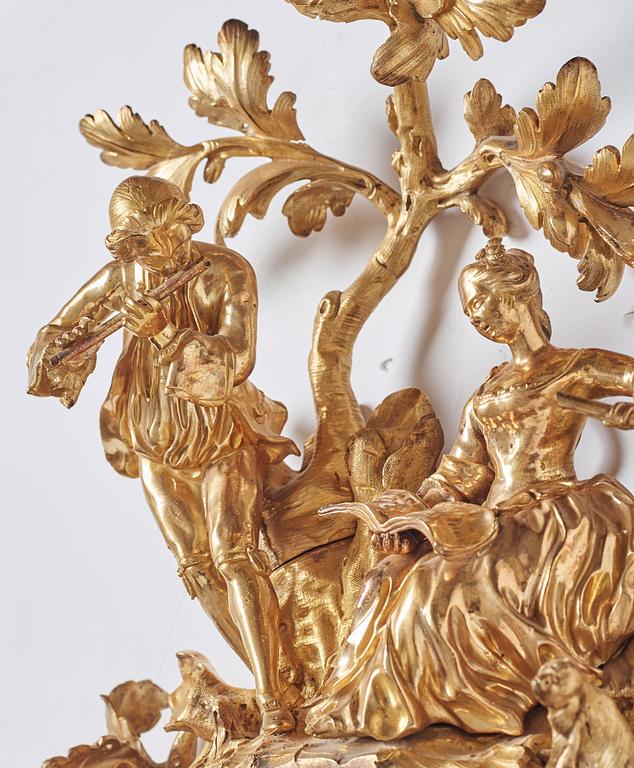
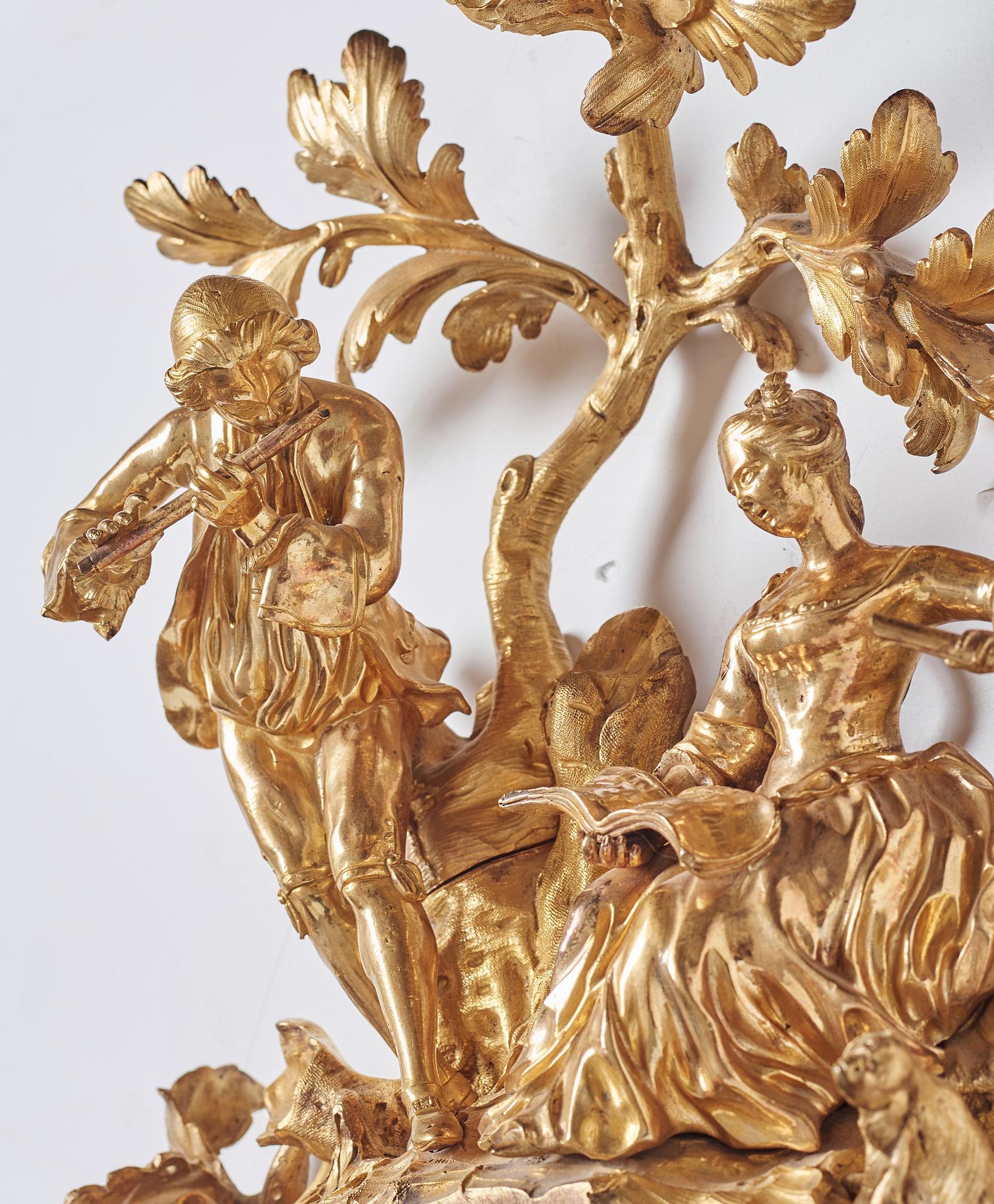
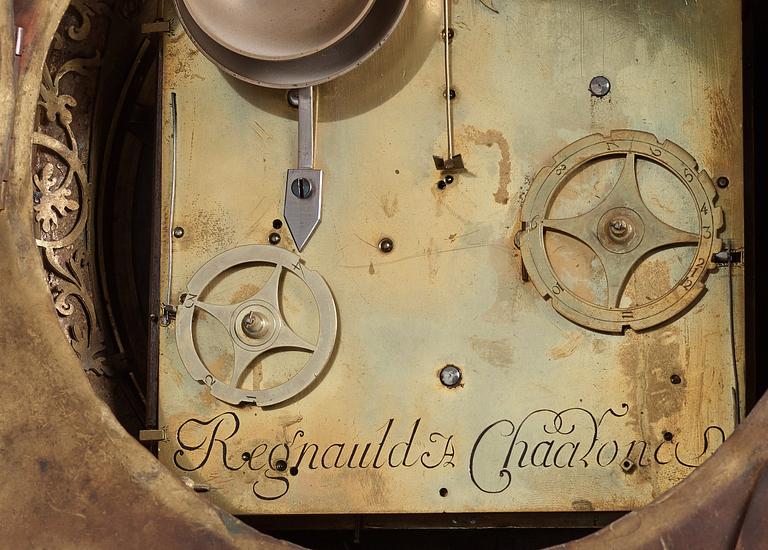
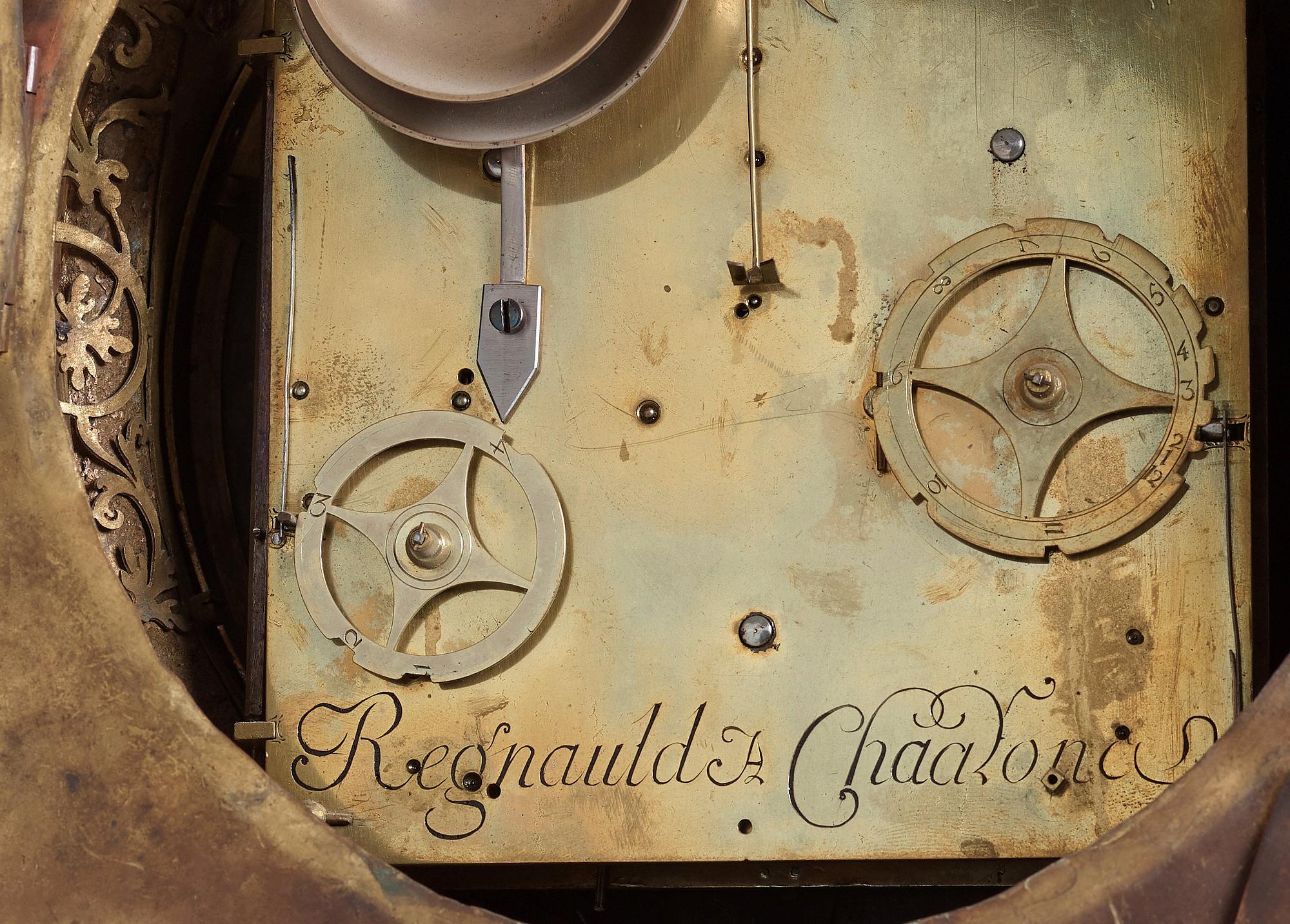
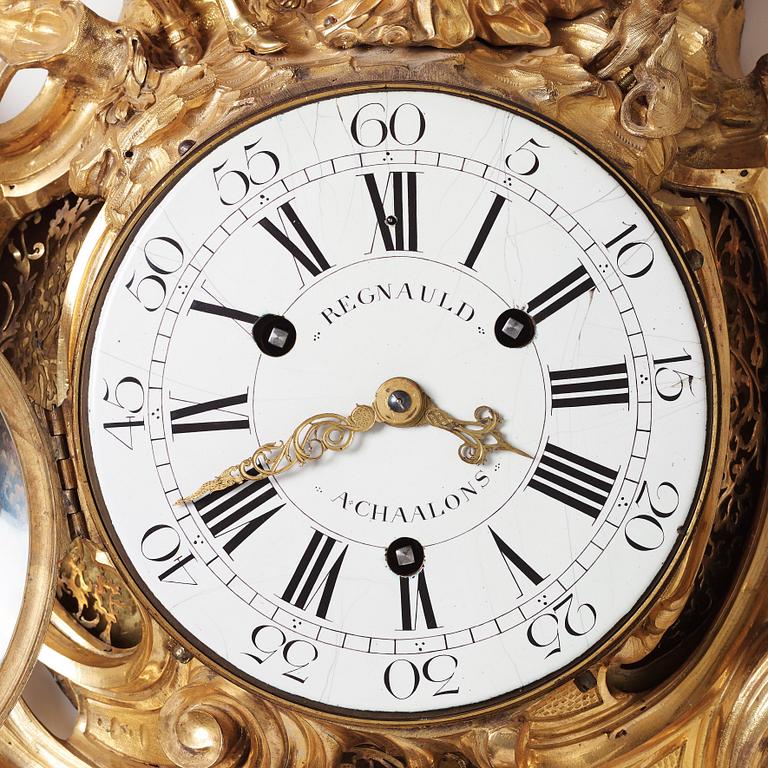
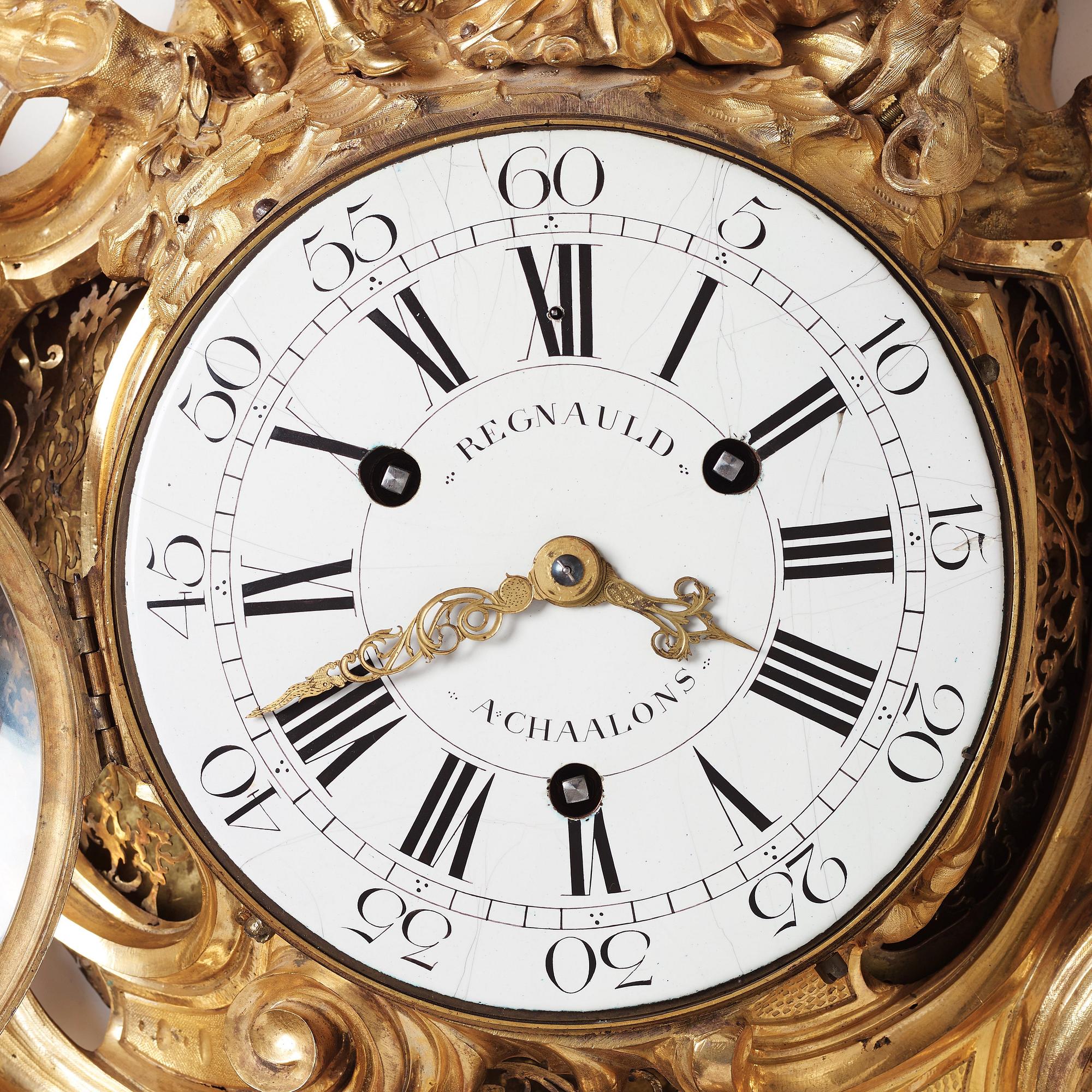
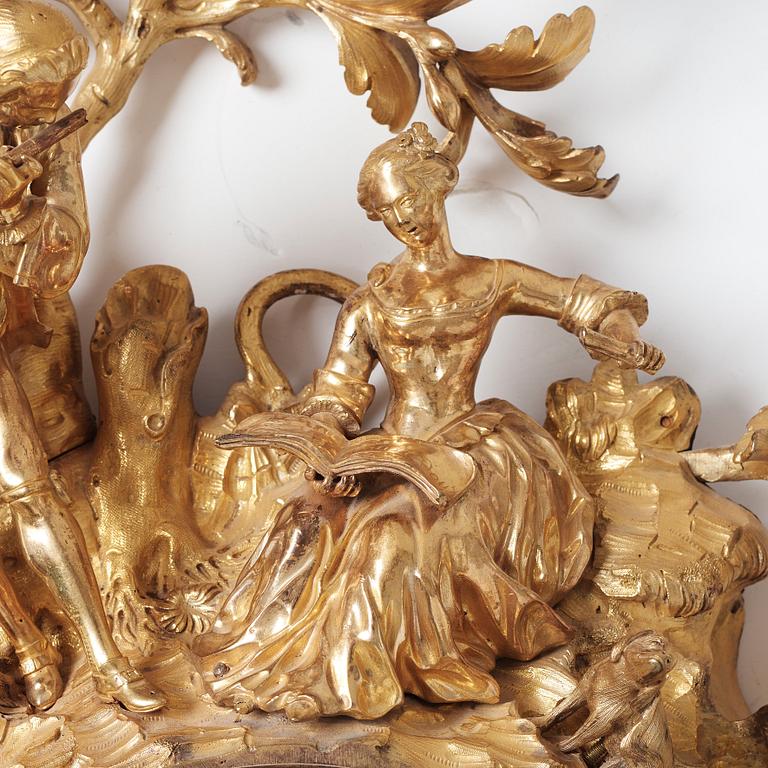
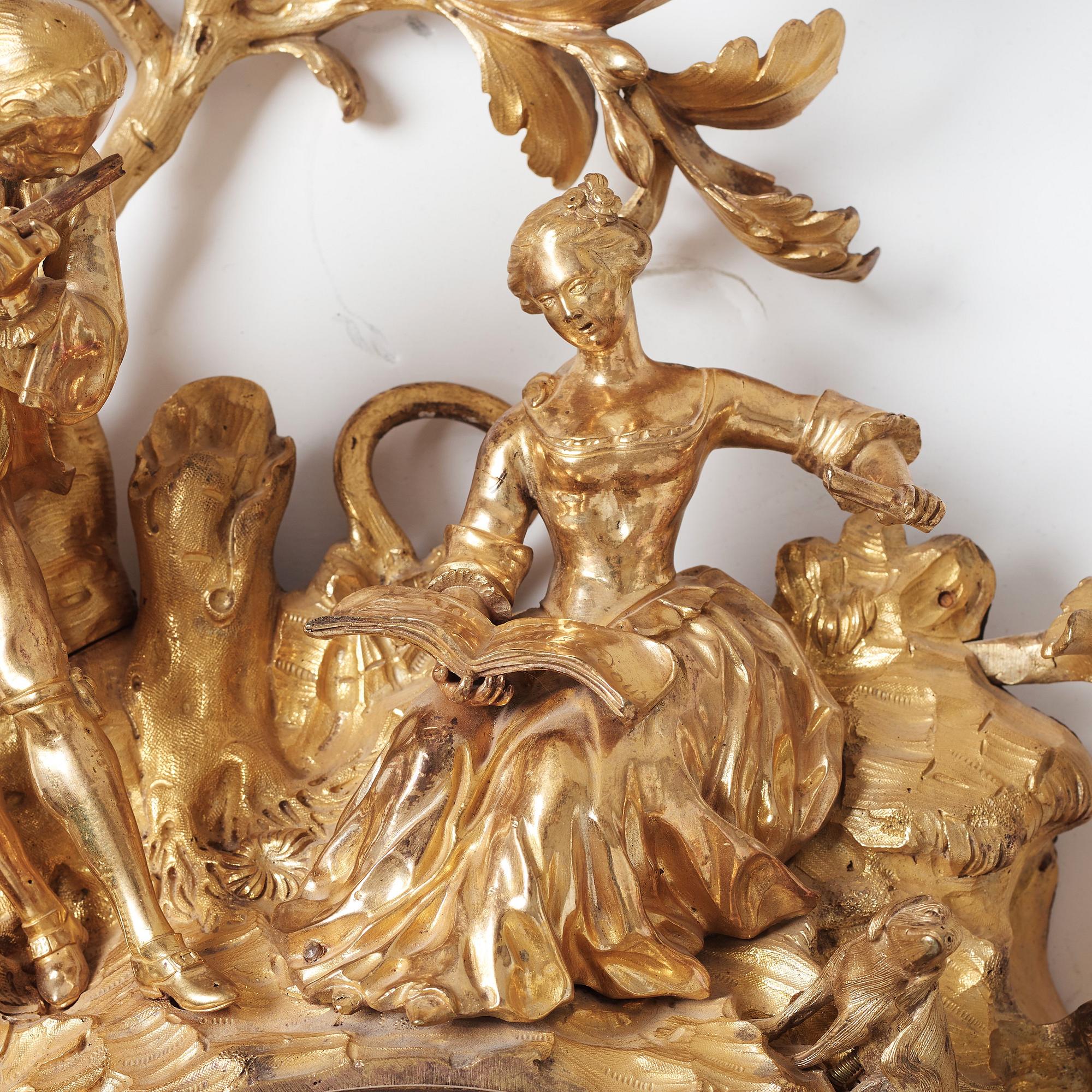
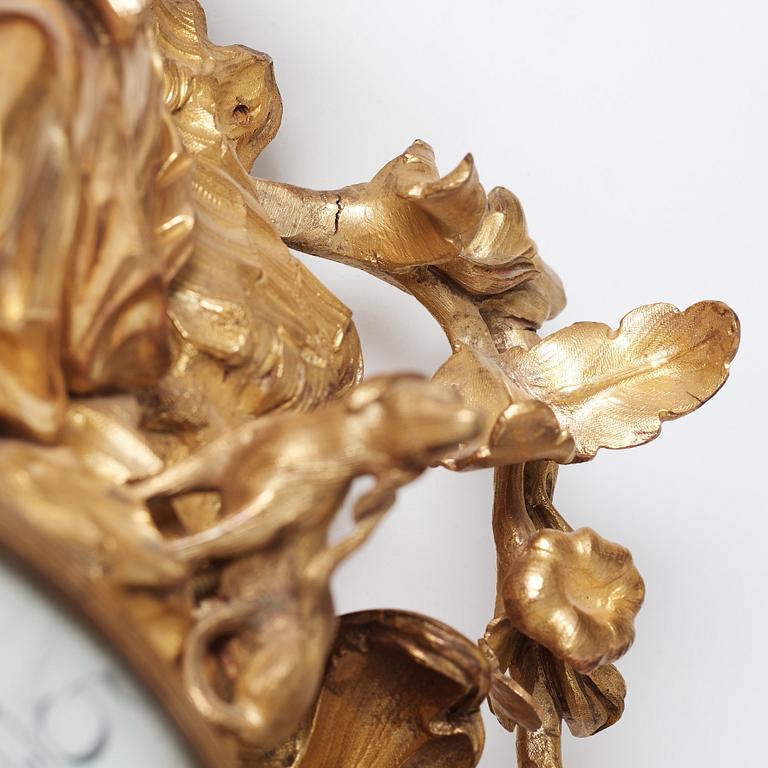
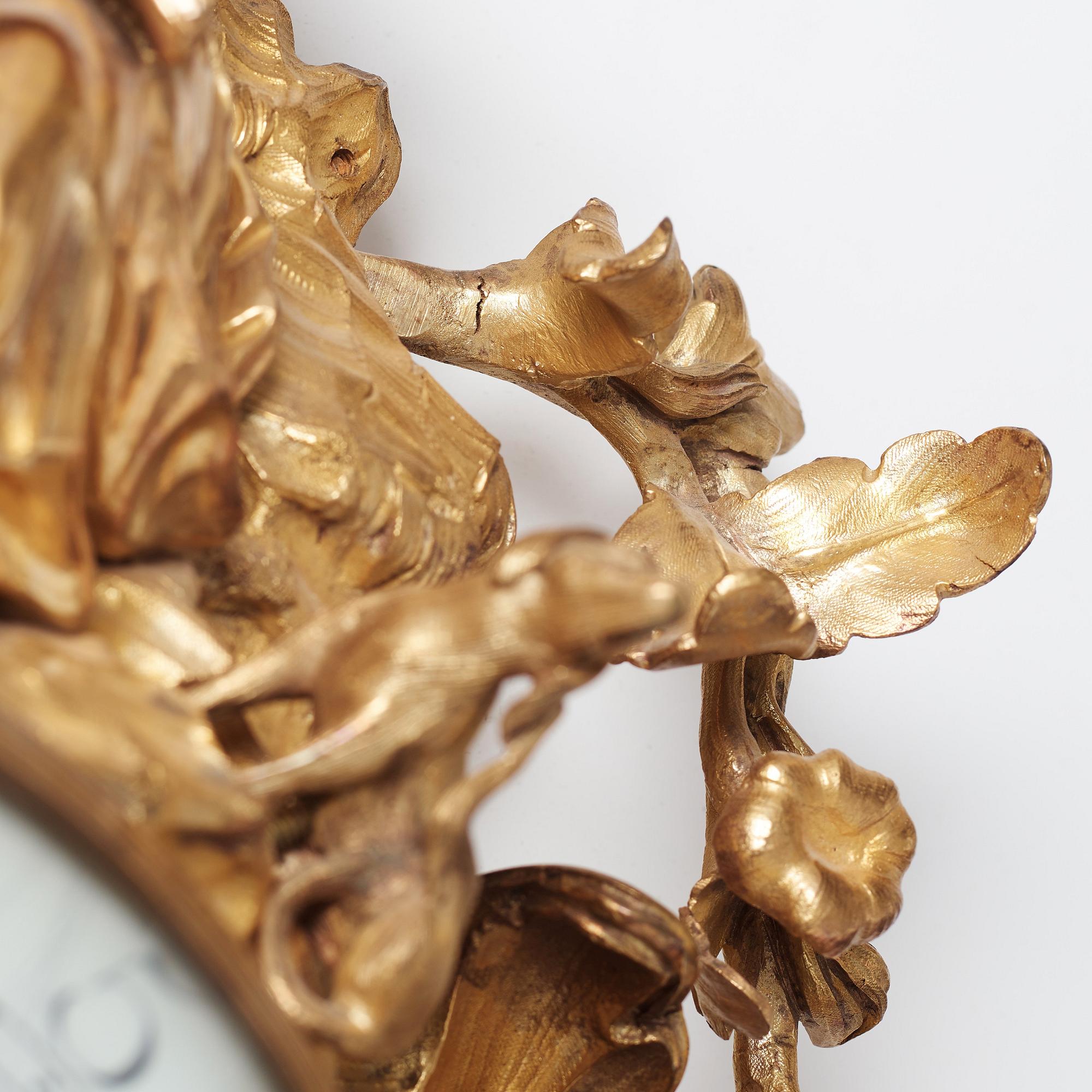
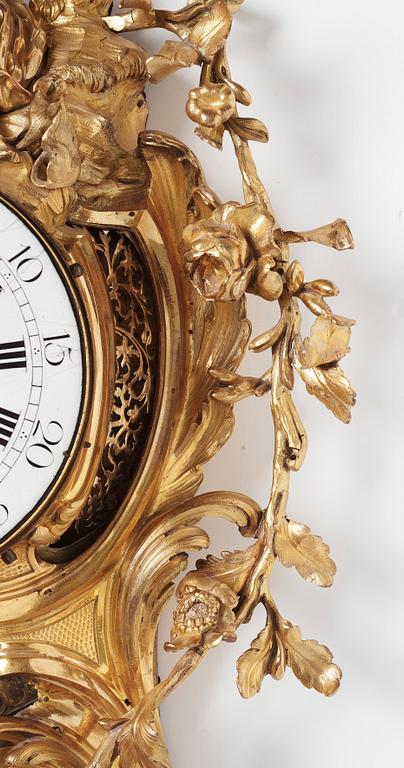
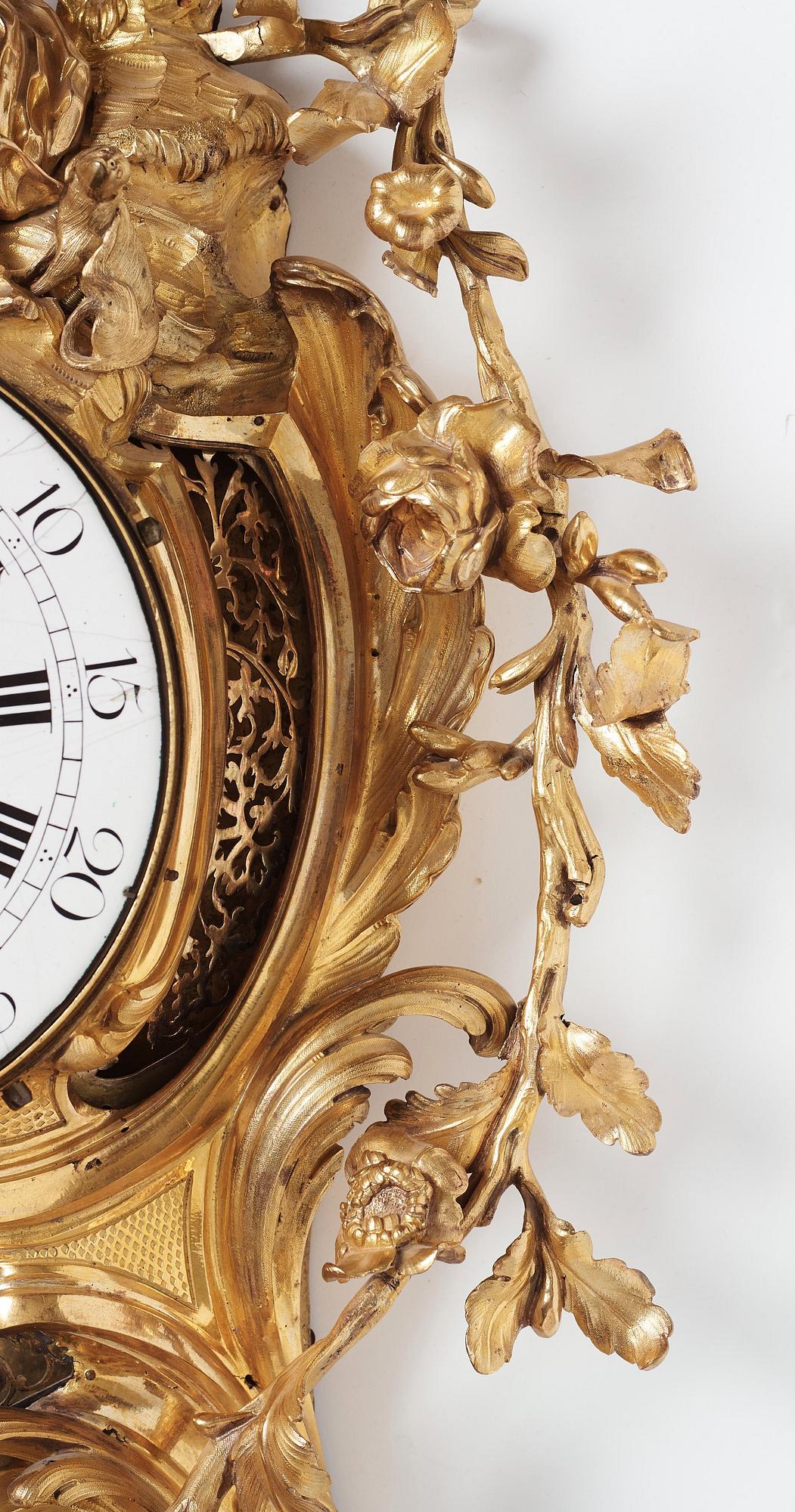
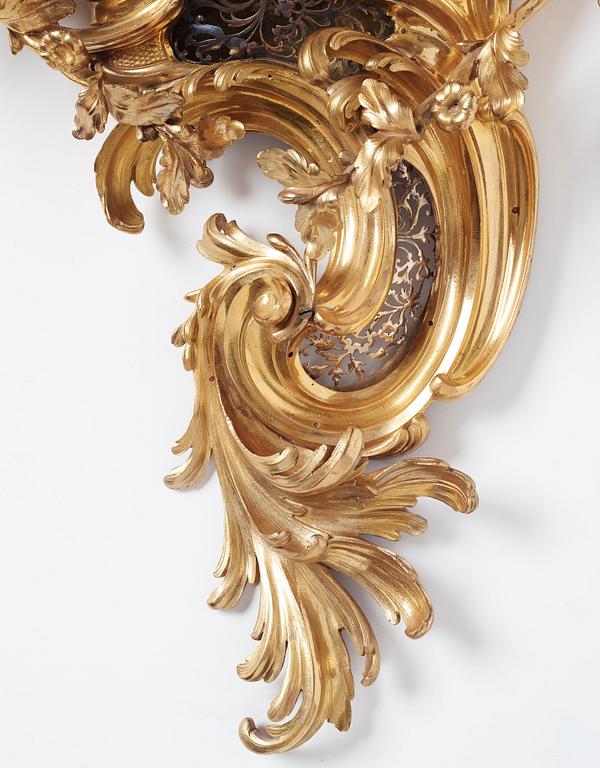
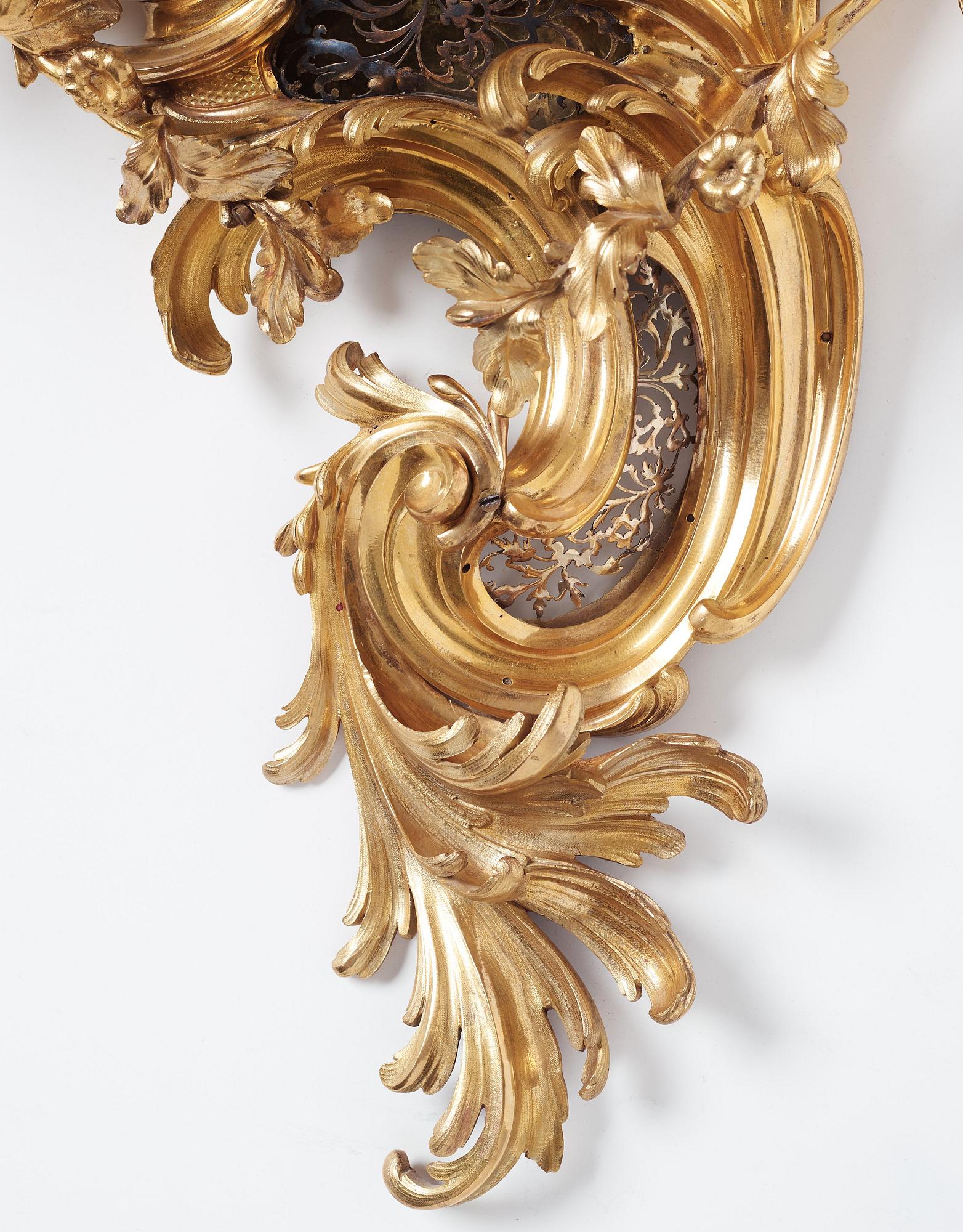
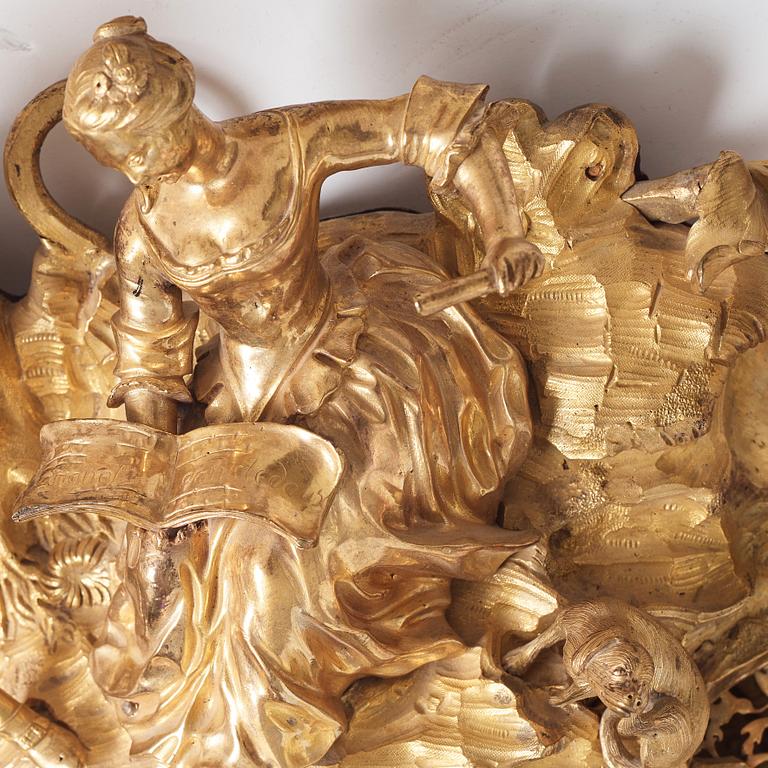
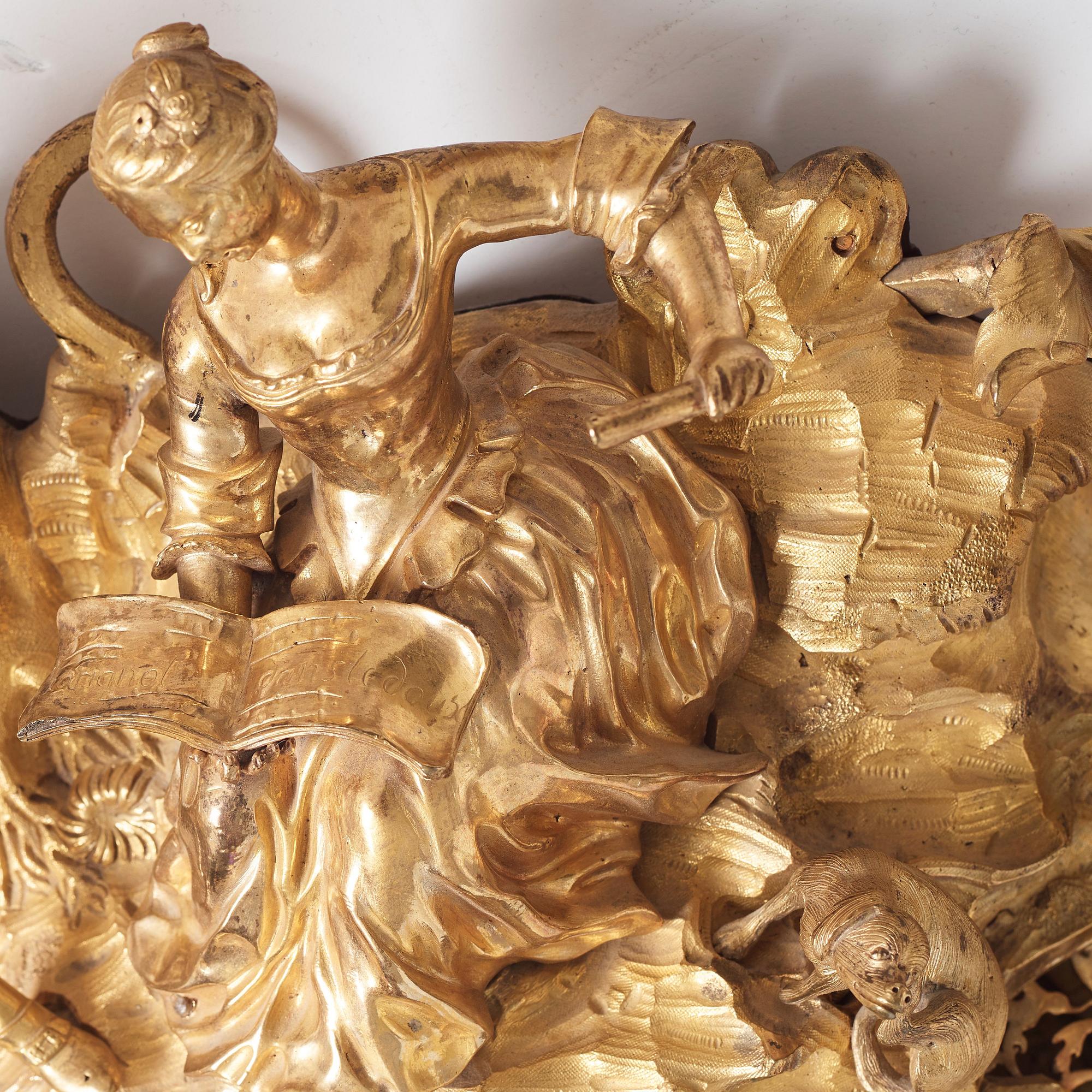
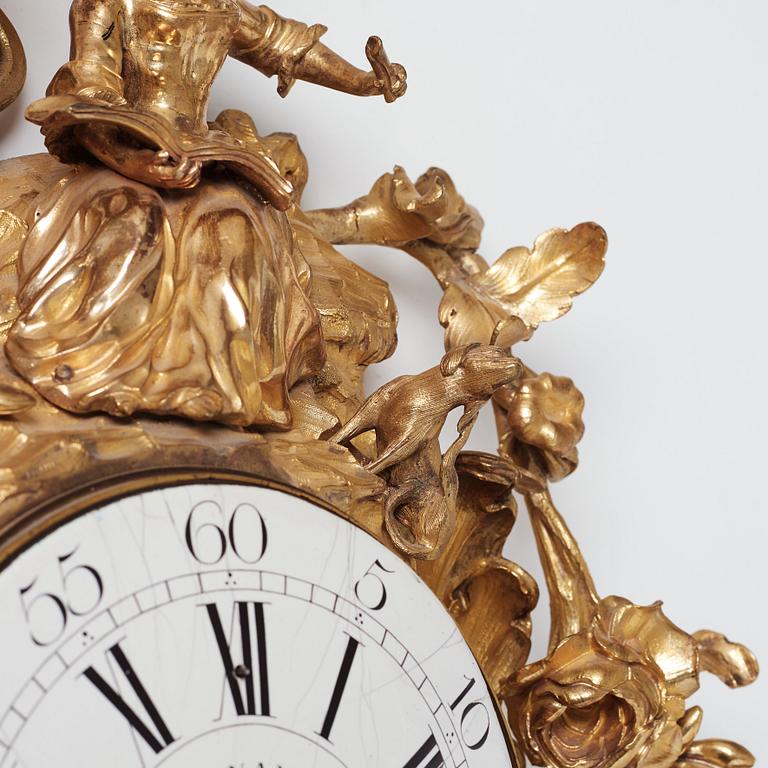
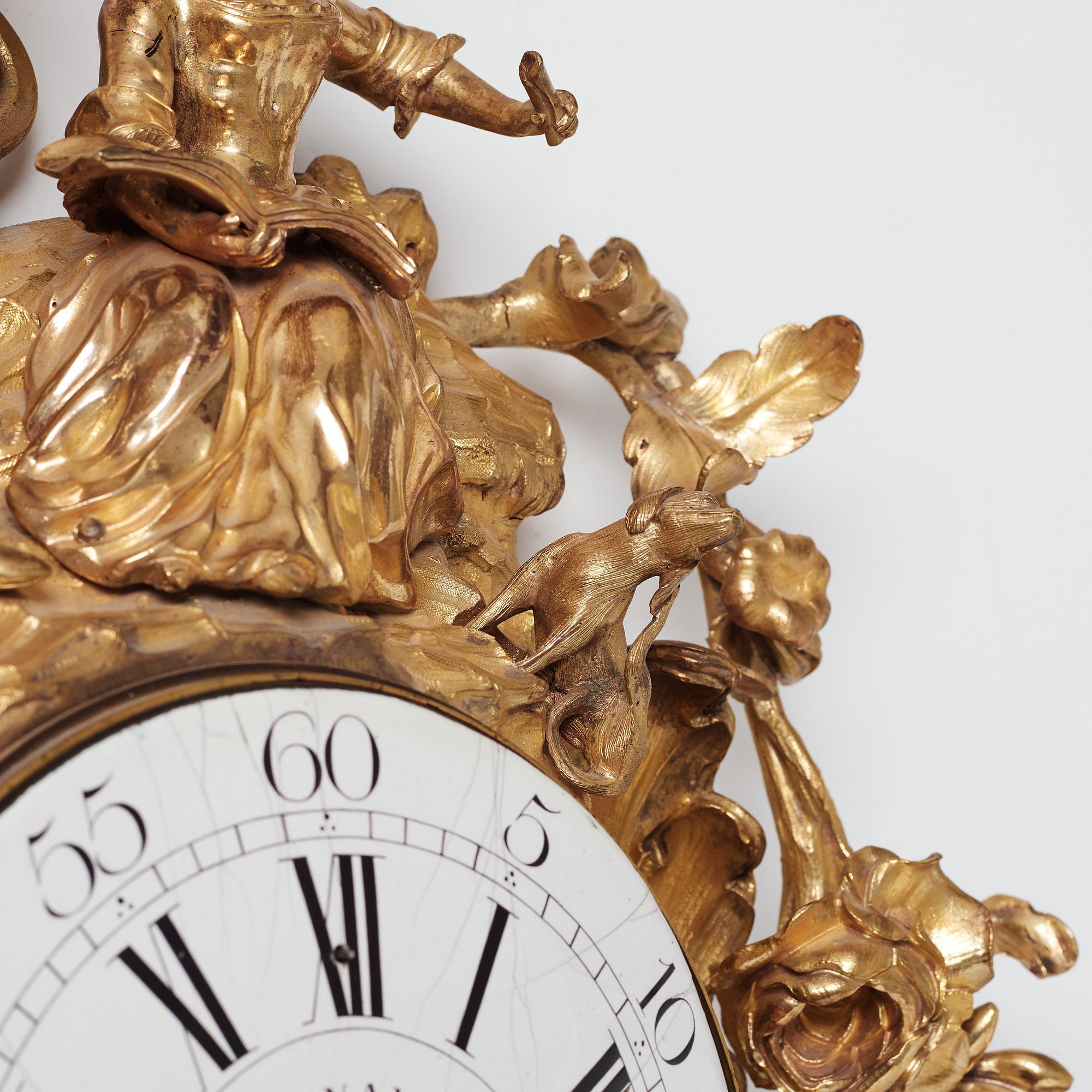
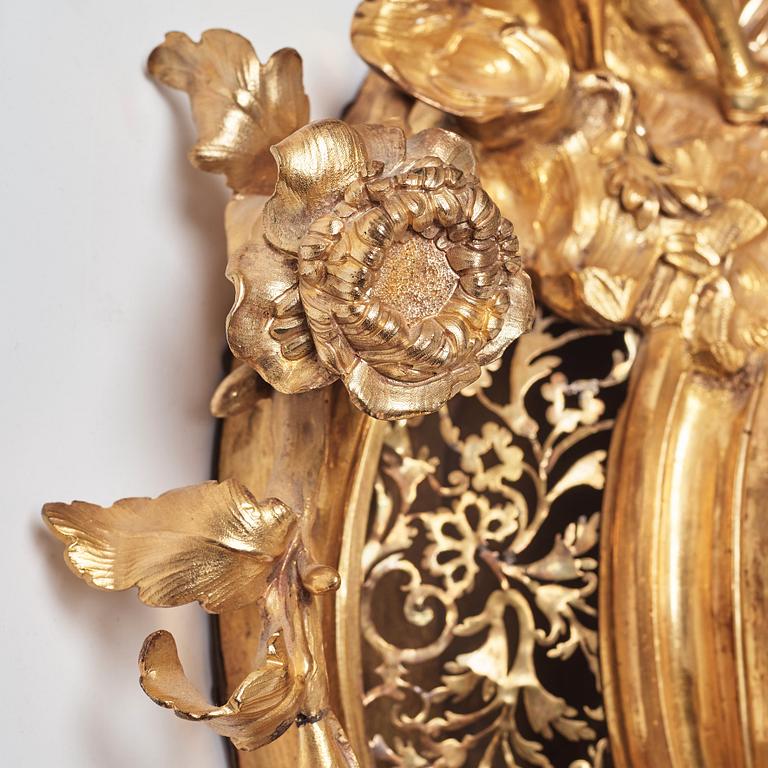
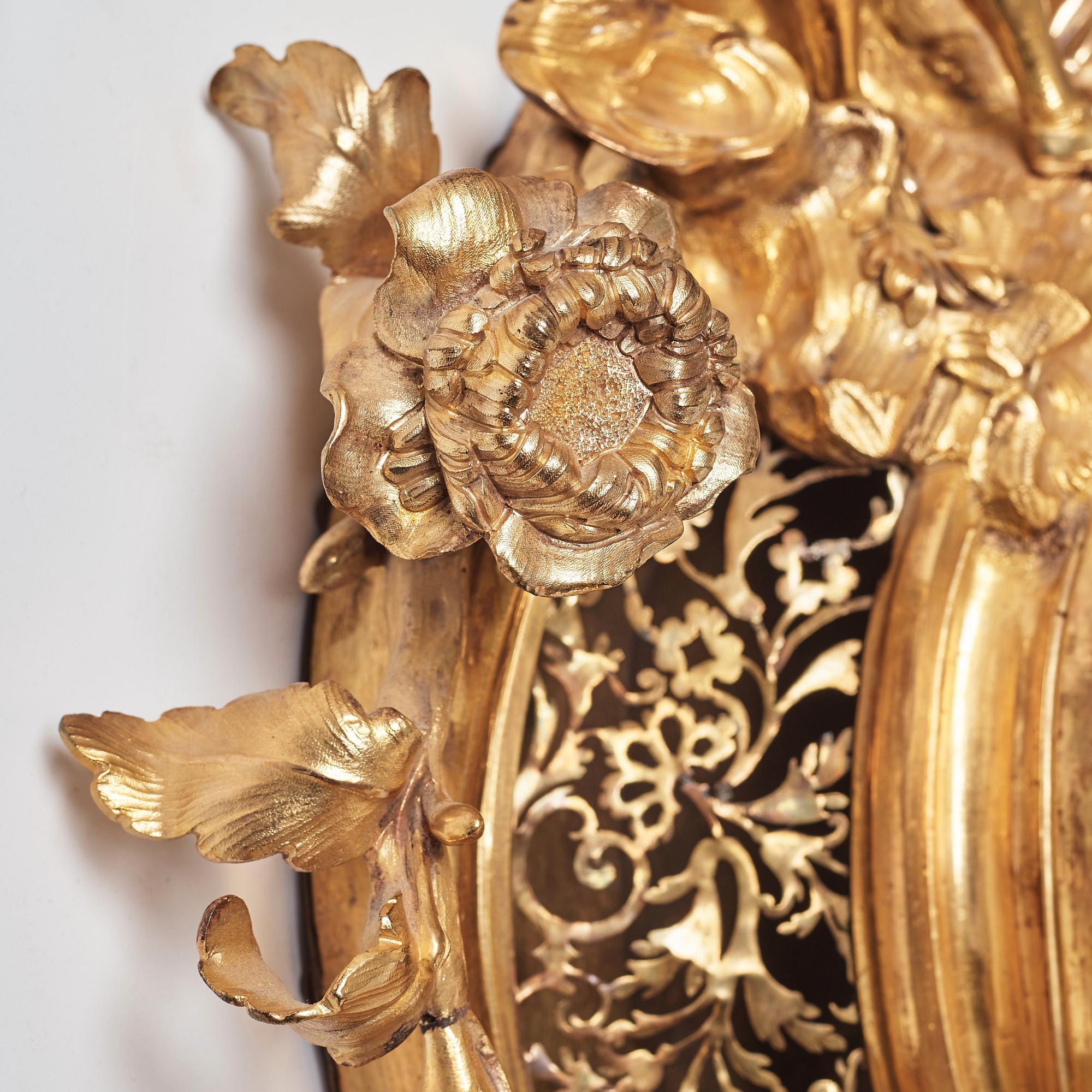
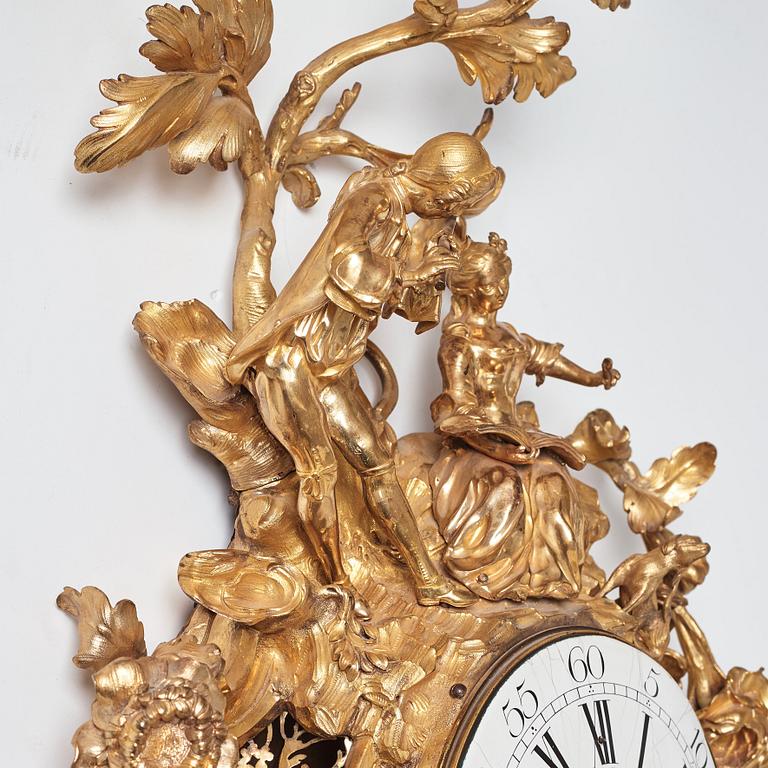
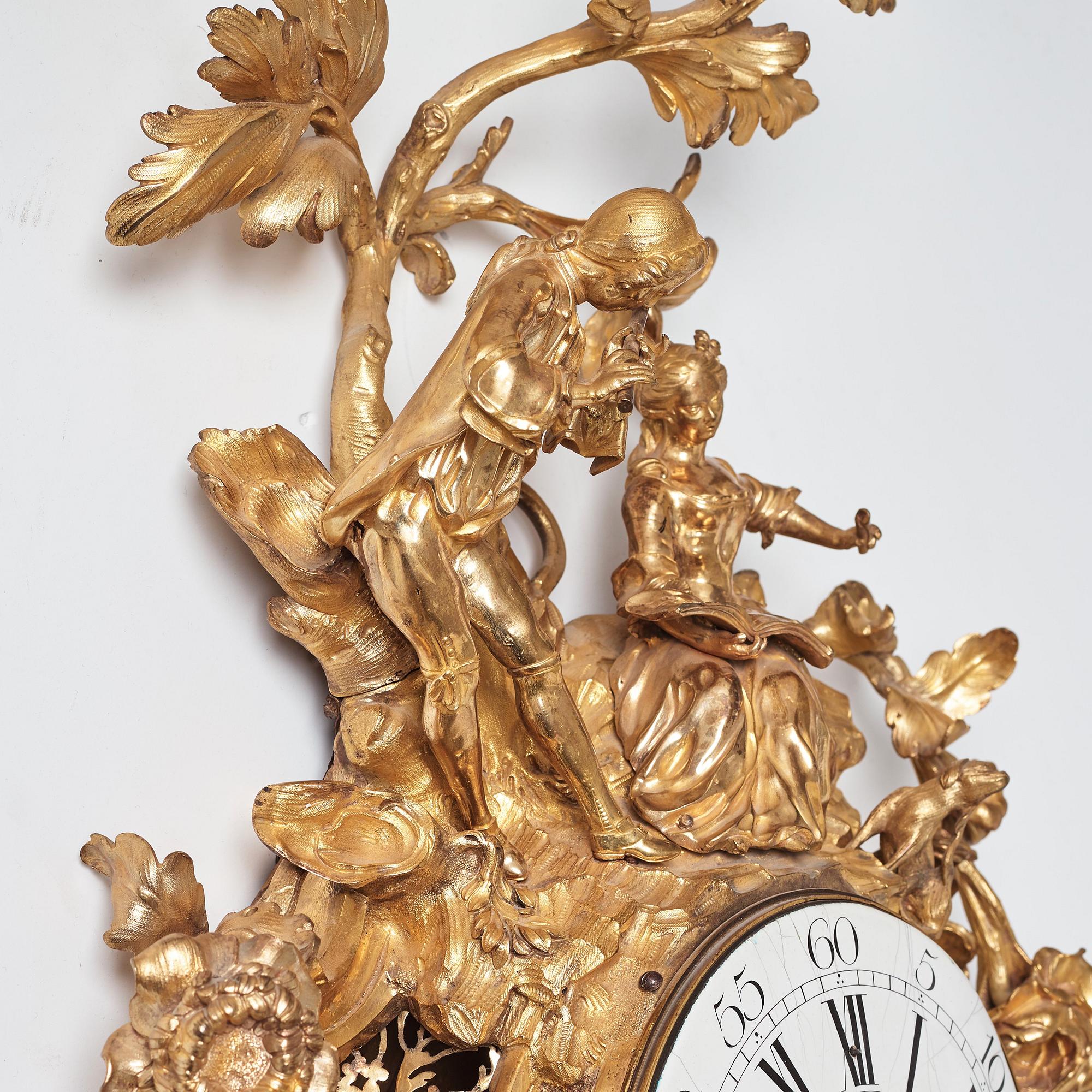
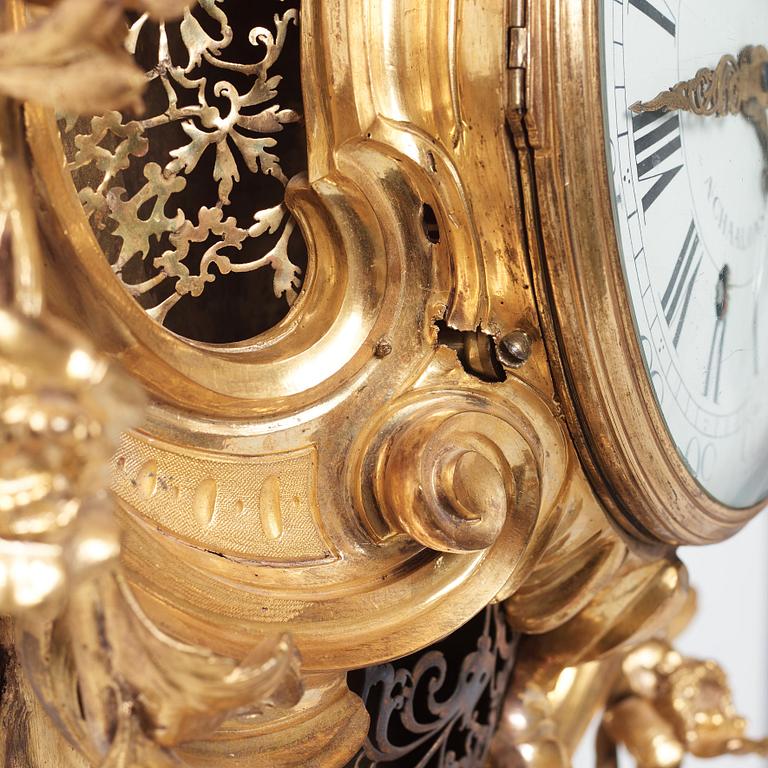
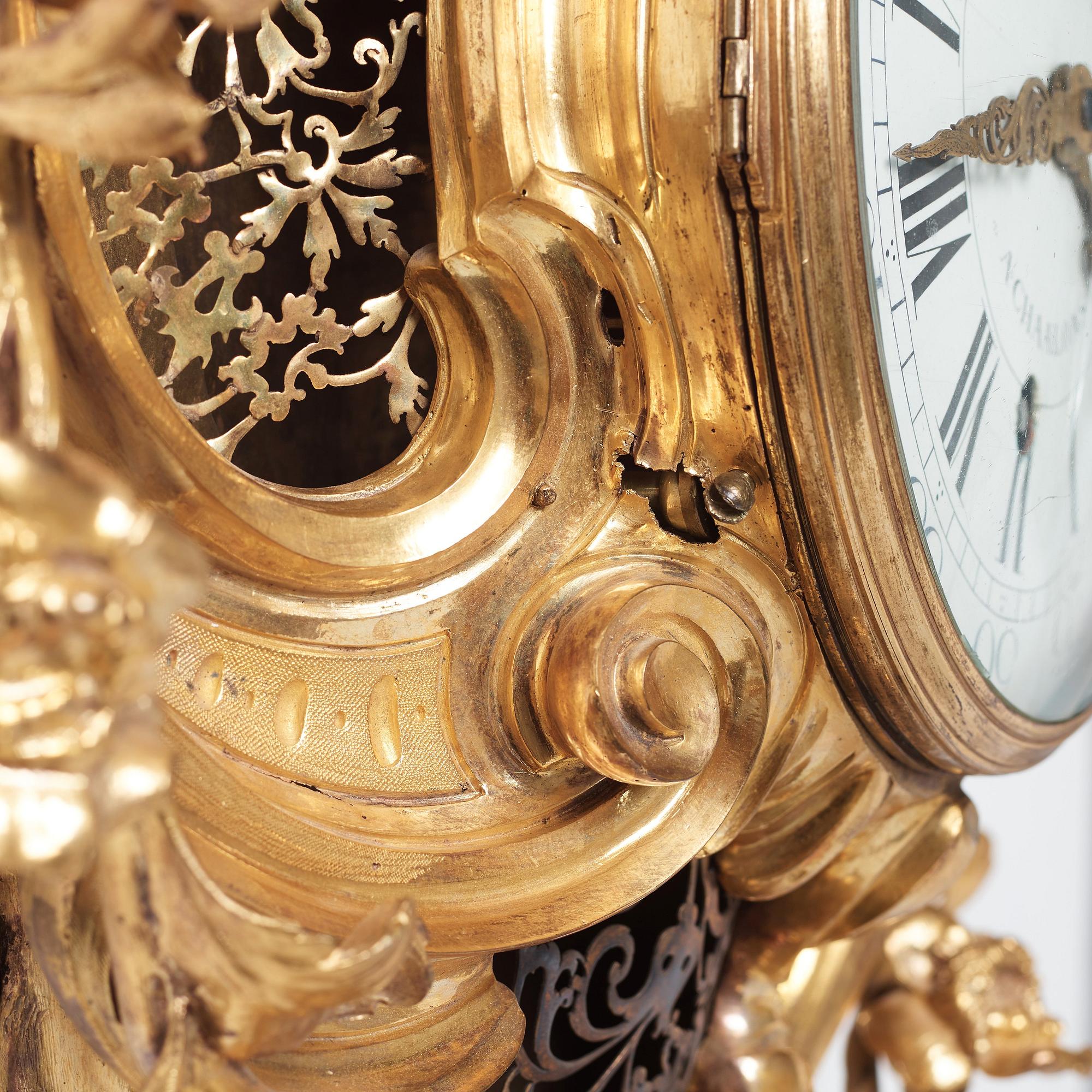
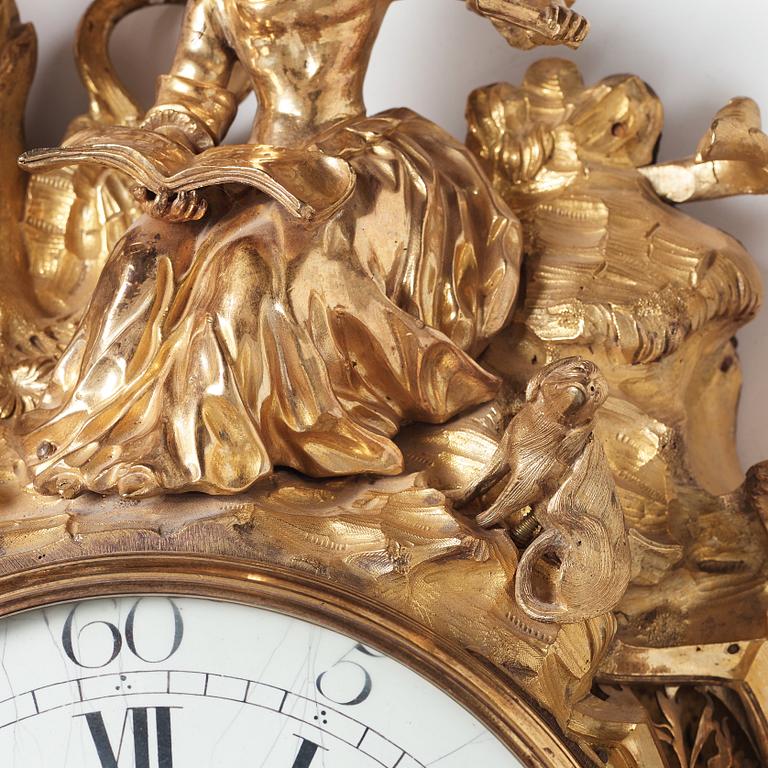
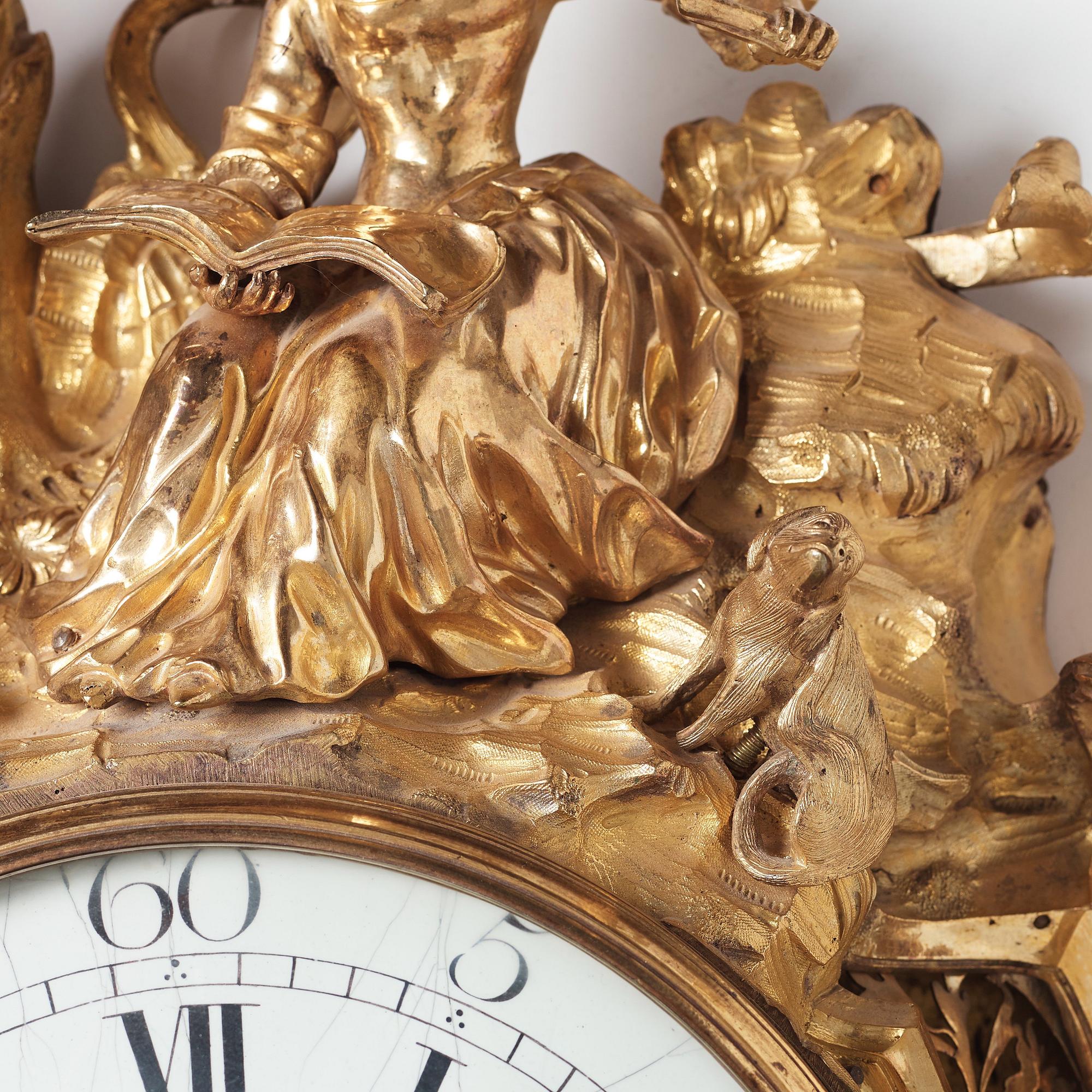
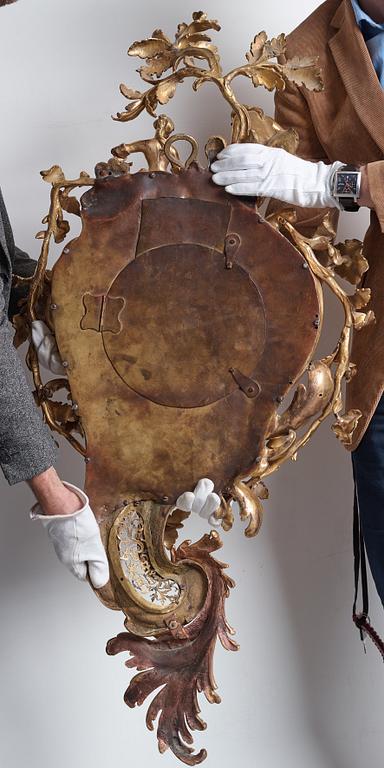
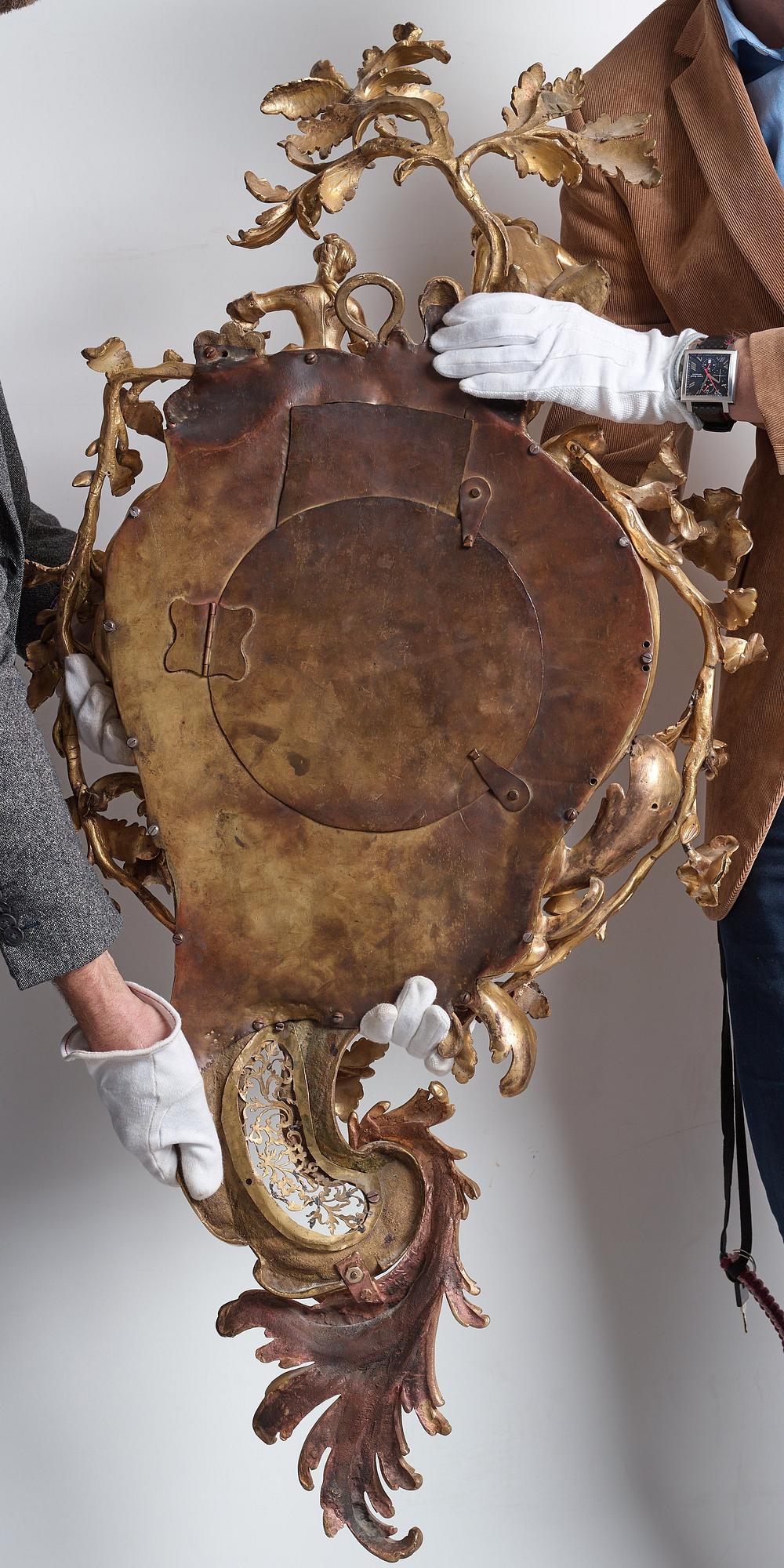
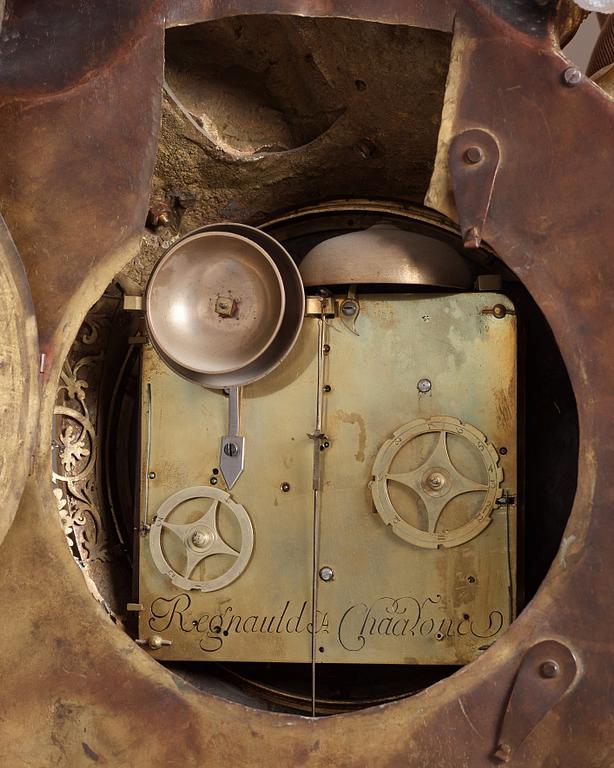
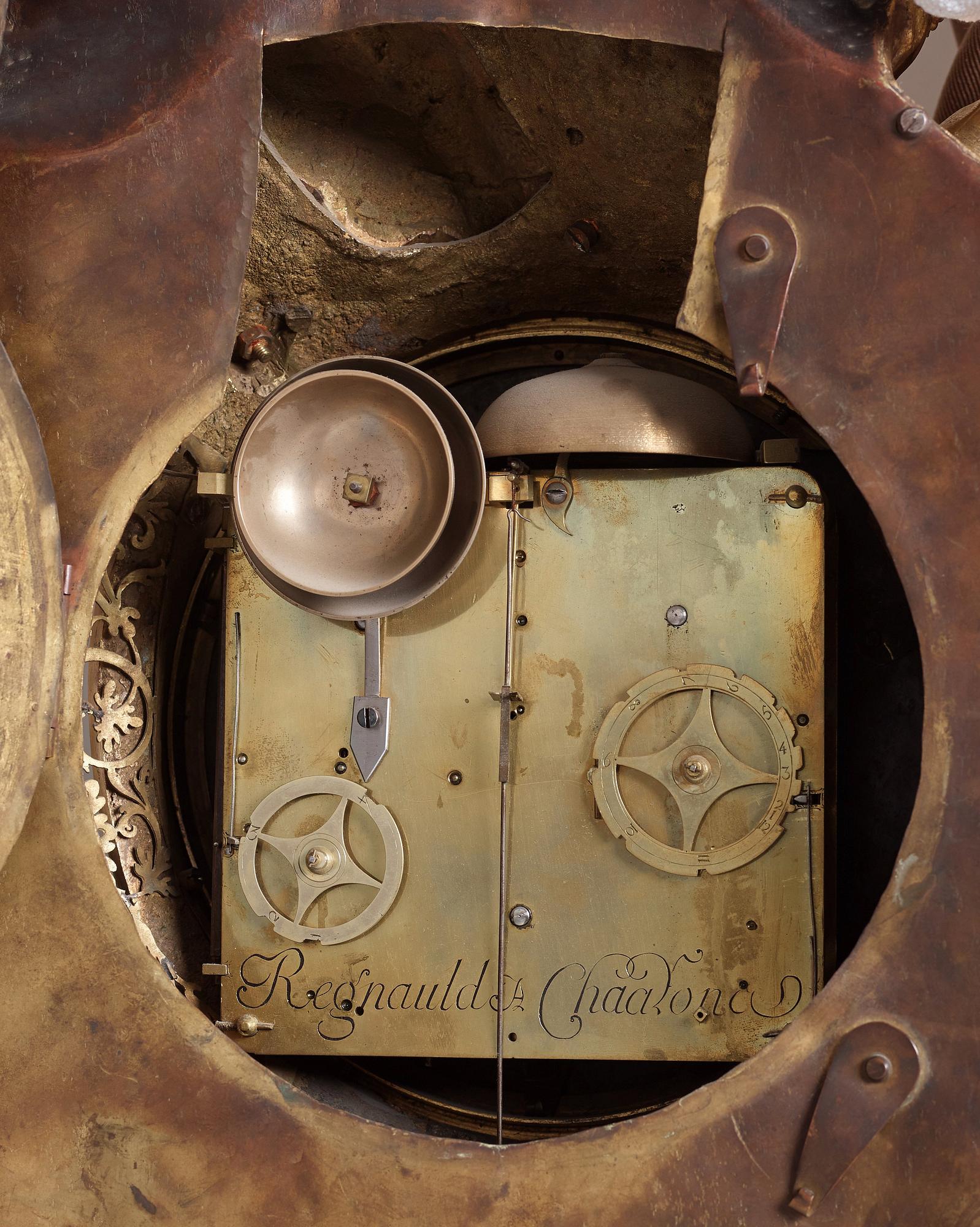
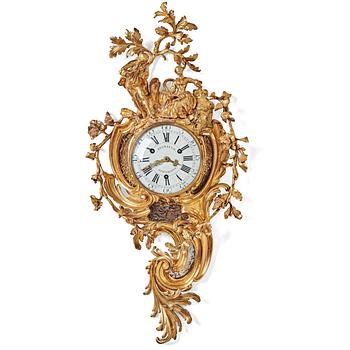
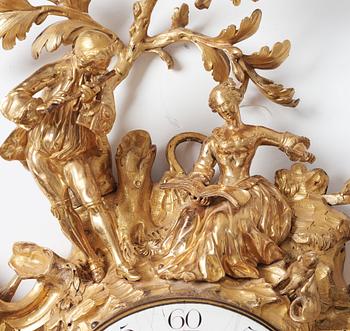
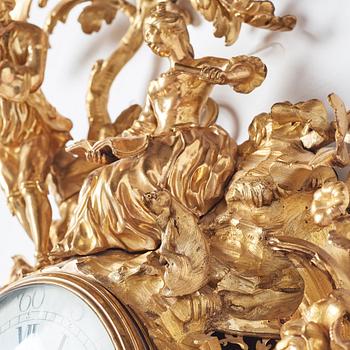
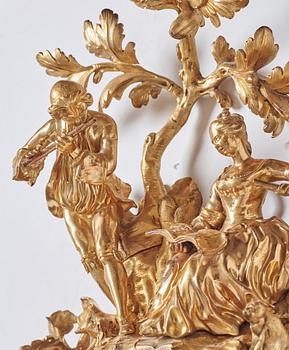
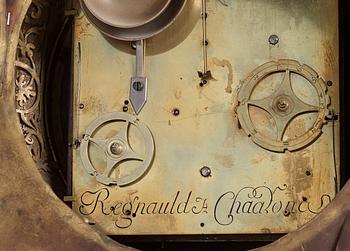
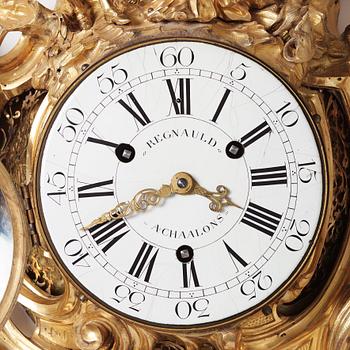
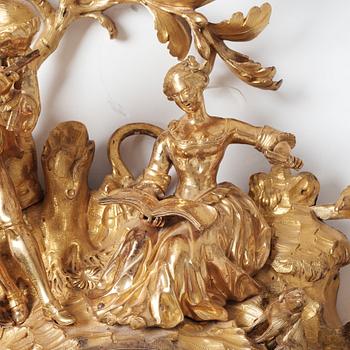
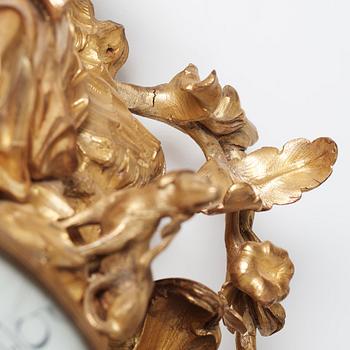
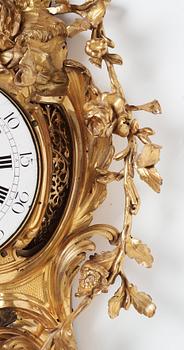
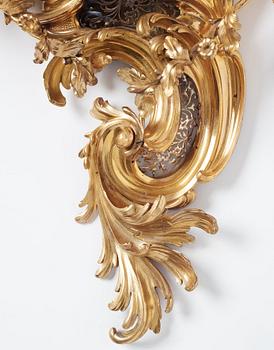
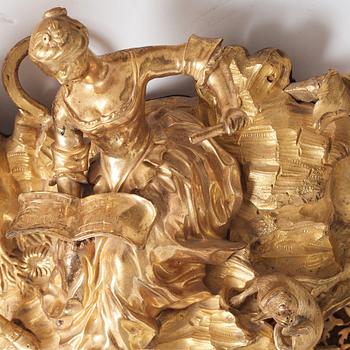
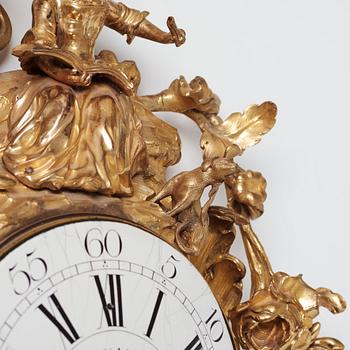
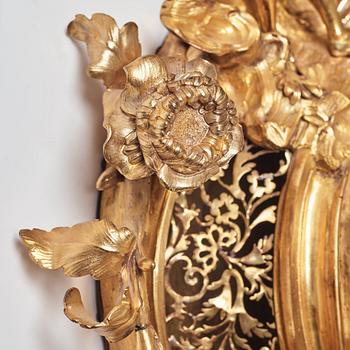
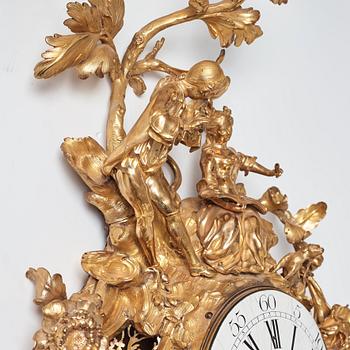
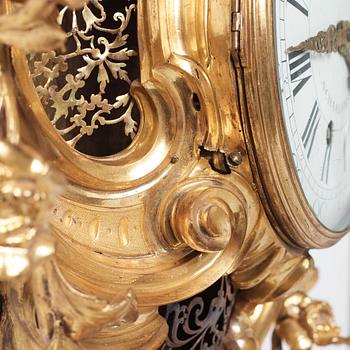
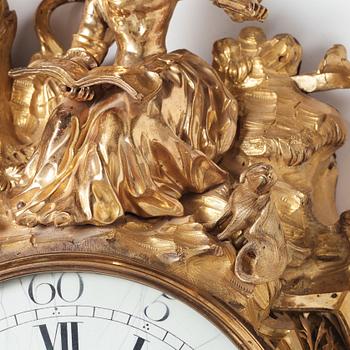
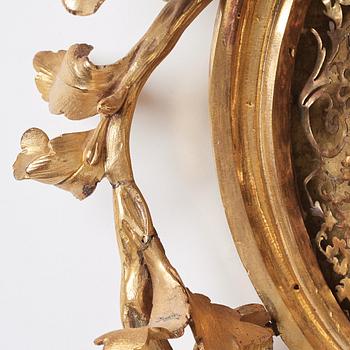
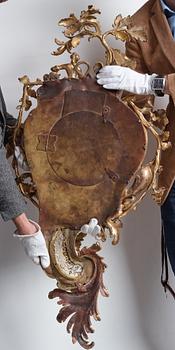
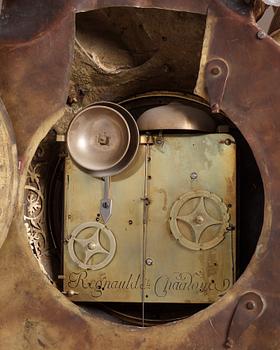
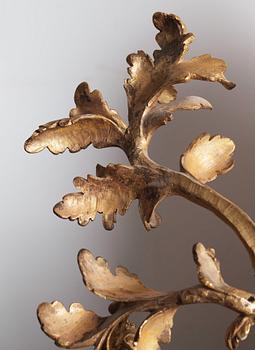
Top with musicians and a dog. Rich foliage with flowers. Lady's note book with engraved text "Rosignol dans le doux" (probably music composed by Jean-Baptiste Drouart de Bousset, France 1662-1725). White enamel dial. Dial and clockwork marked "Regnauld A Chaalons". Quarter striking, three bells. Height 120, width 55 cm. Pendulum included.
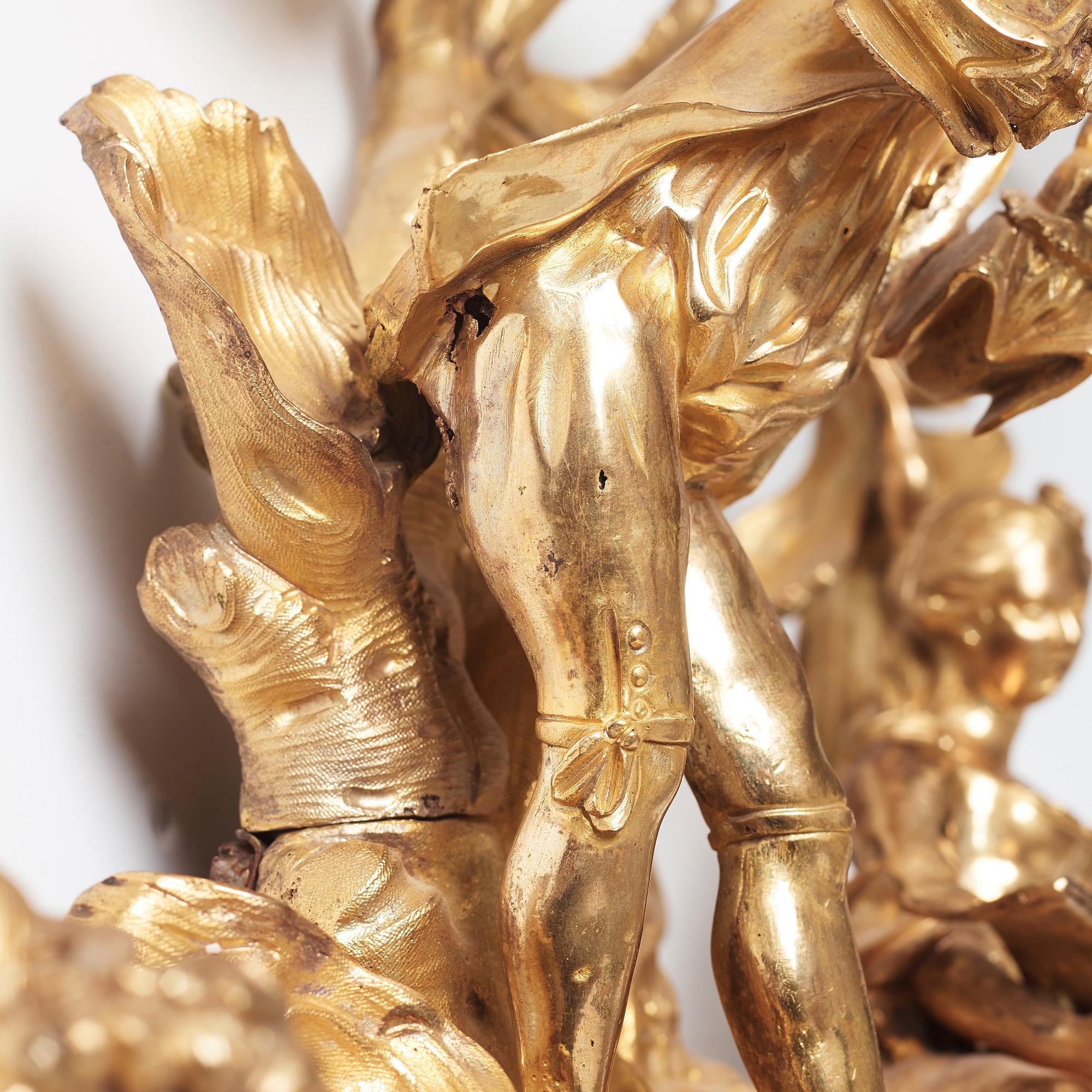
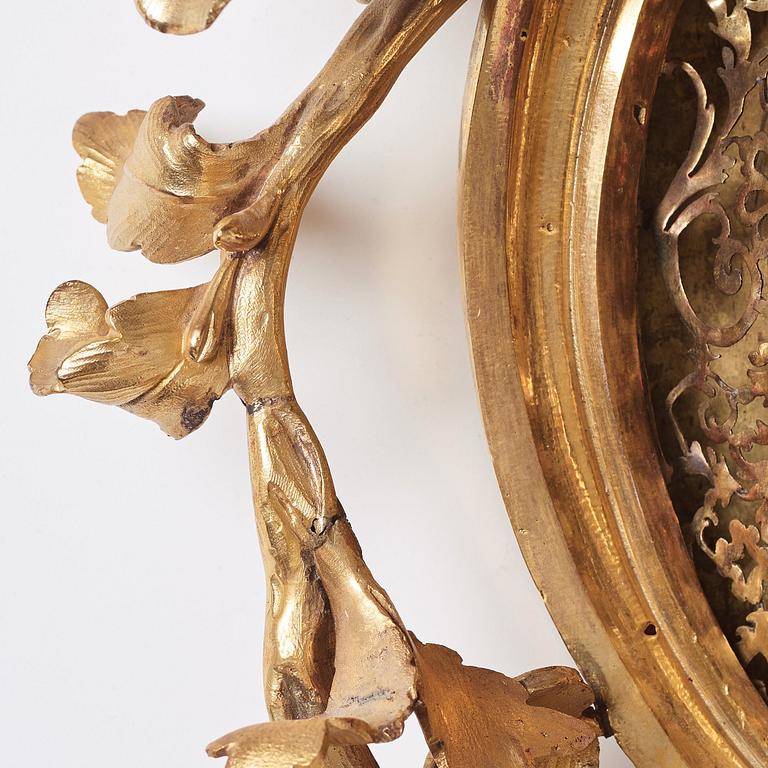
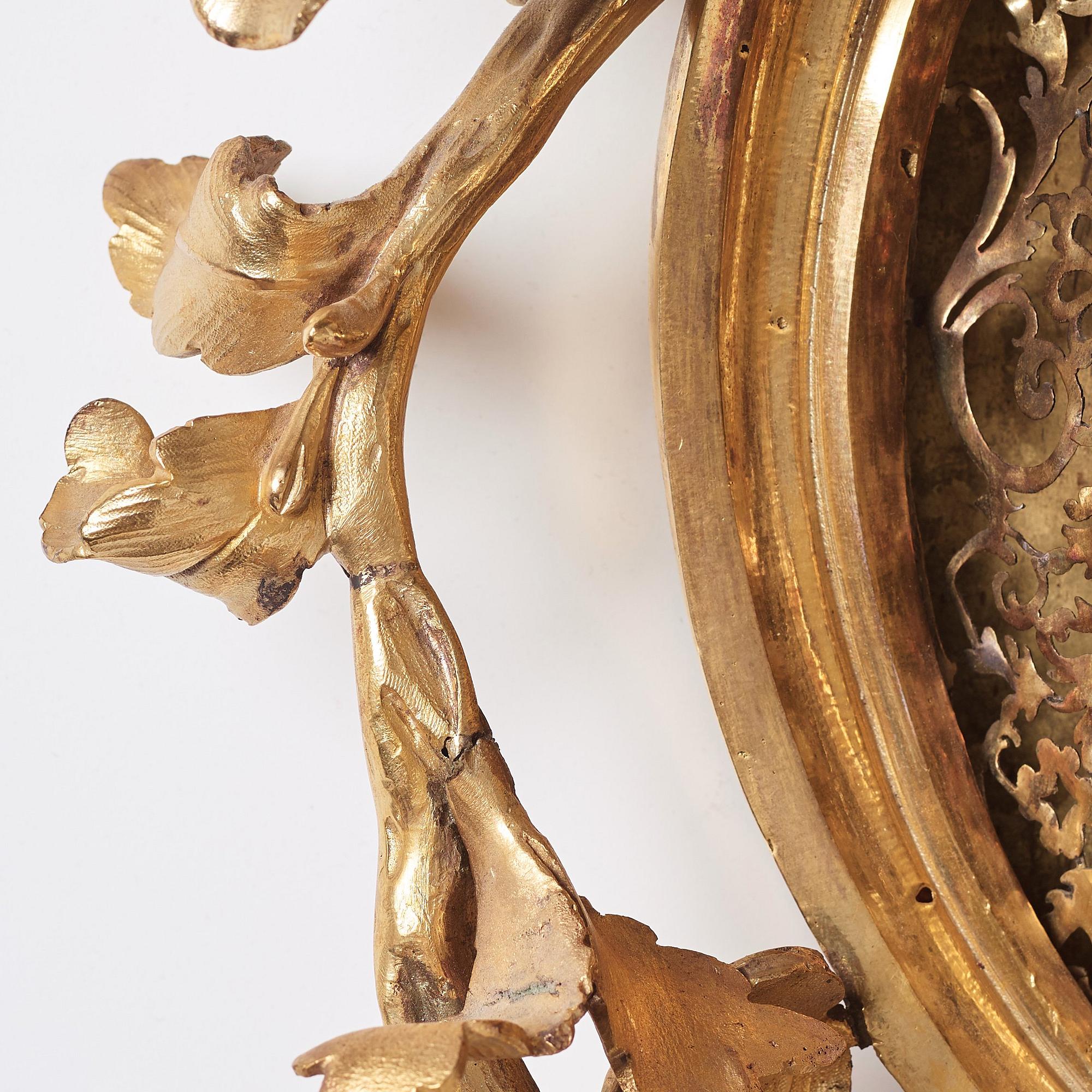
Clock case with décor losses, bursts, holes and repairs. Dial with enamel cracks.
Kirjallisuus
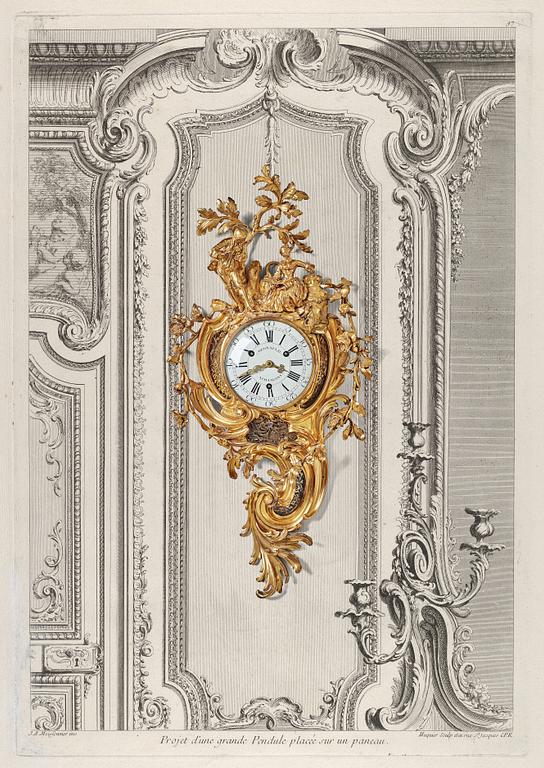
Kjellberg, Pierre, Encyclopédie de la pendule Francaise du Moyen Age au XXe siècle, Paris 1997, compare similarly wall clock on the book cover, and pictured p. 102.
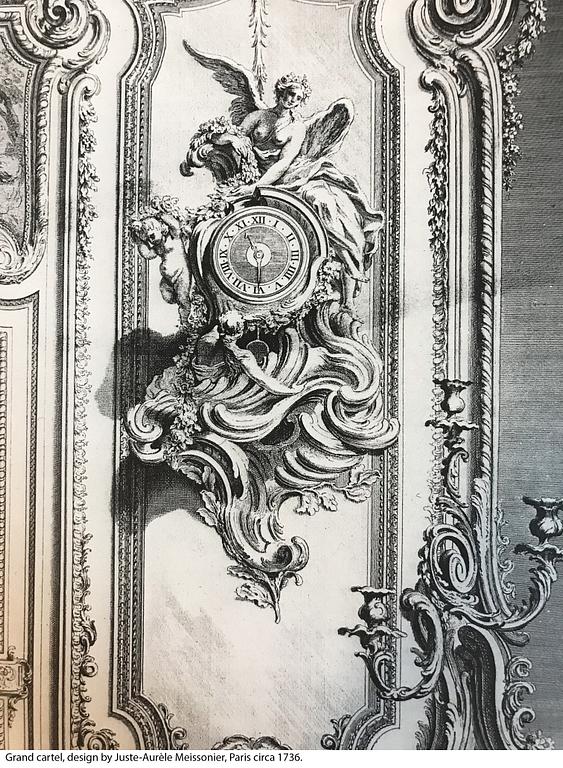
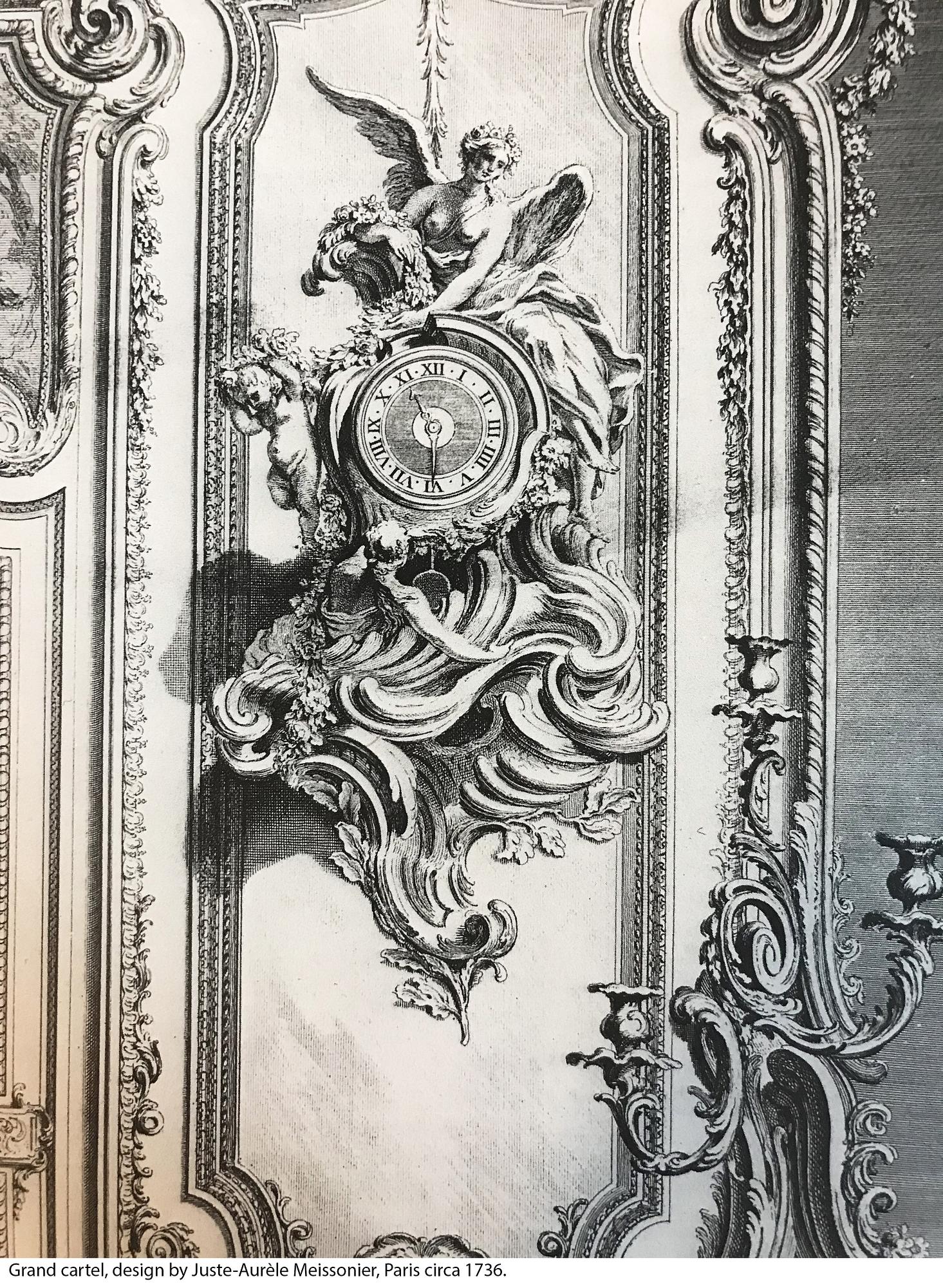
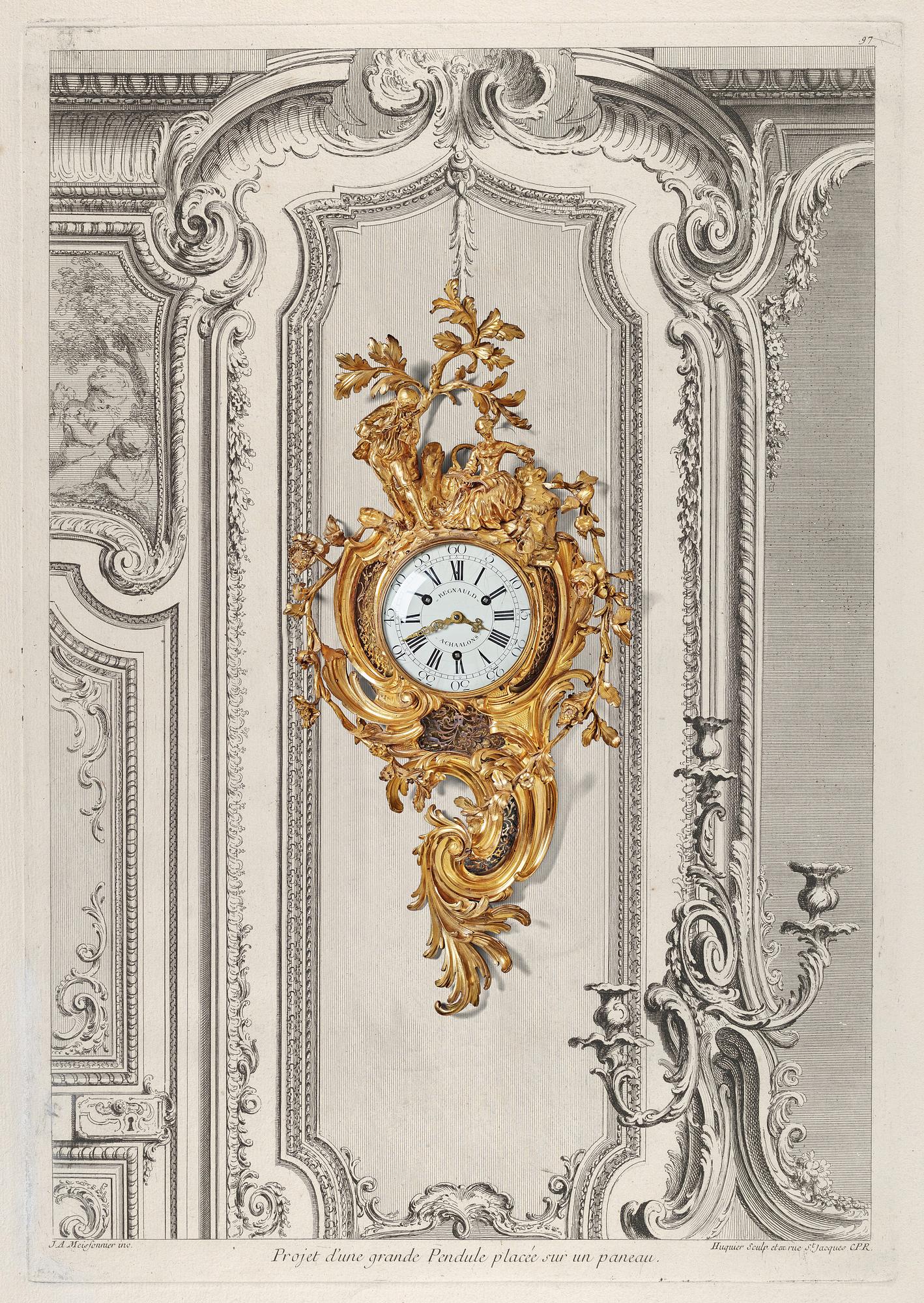
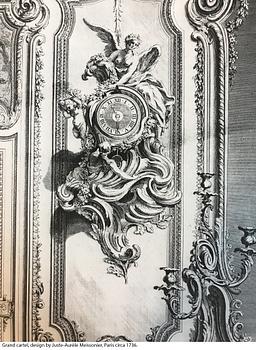
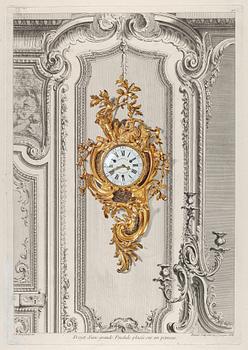
Juste-Aurèle Meissonnier (1695-1750), engraving, "Projet d'une grande Pendule placée sur un paneau".
Muut tiedot
The attribution to Jean-Joseph de Saint-Germain (1719-1791), fondeur-ciseleur, is based on its advanced design, playful ingenuity and high-quality execution and chasing. St Germain worked in Paris as an ouvrier libre from 1742 and became master in 1748. He was one of the most important designers during the Rococo period and had studied both botany and animals, which he often included in the décor for the clock cases. The lot's dog, which scratches the ear, is a playful detail that characterizes Saint-Germain's artistic creativity.
A few high quality bronze cases are signed "ST. GERMAIN." Most of these are in Rococo and some are made in the latter neoclassical taste. He advertised that his workshop in rue St Nicolas sold clock cases and gilded bronzes after drawings and wax models. He created many famous clock cases with bronze figures in the form of Chinese figures, rhinos, elephants, etc.
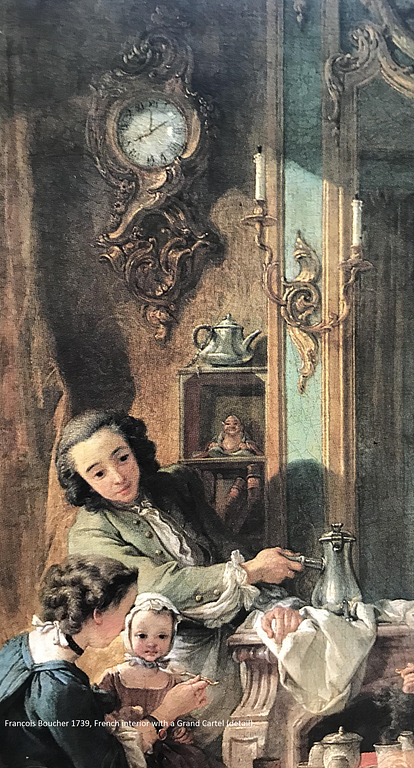
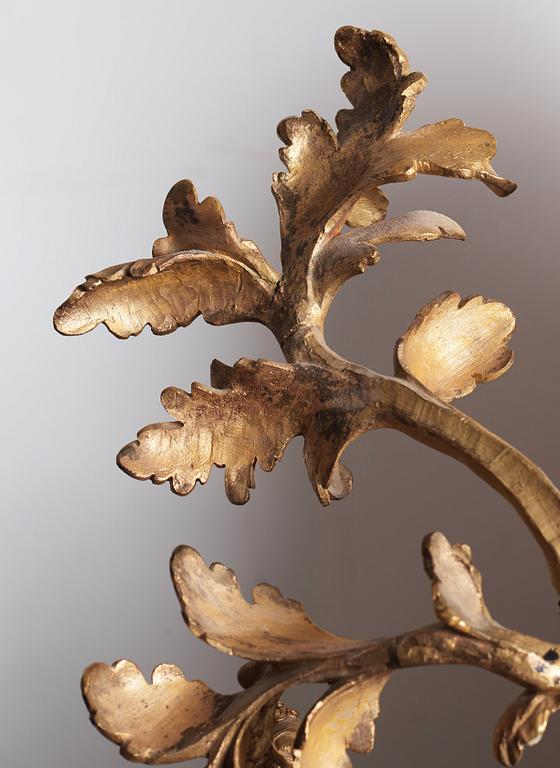
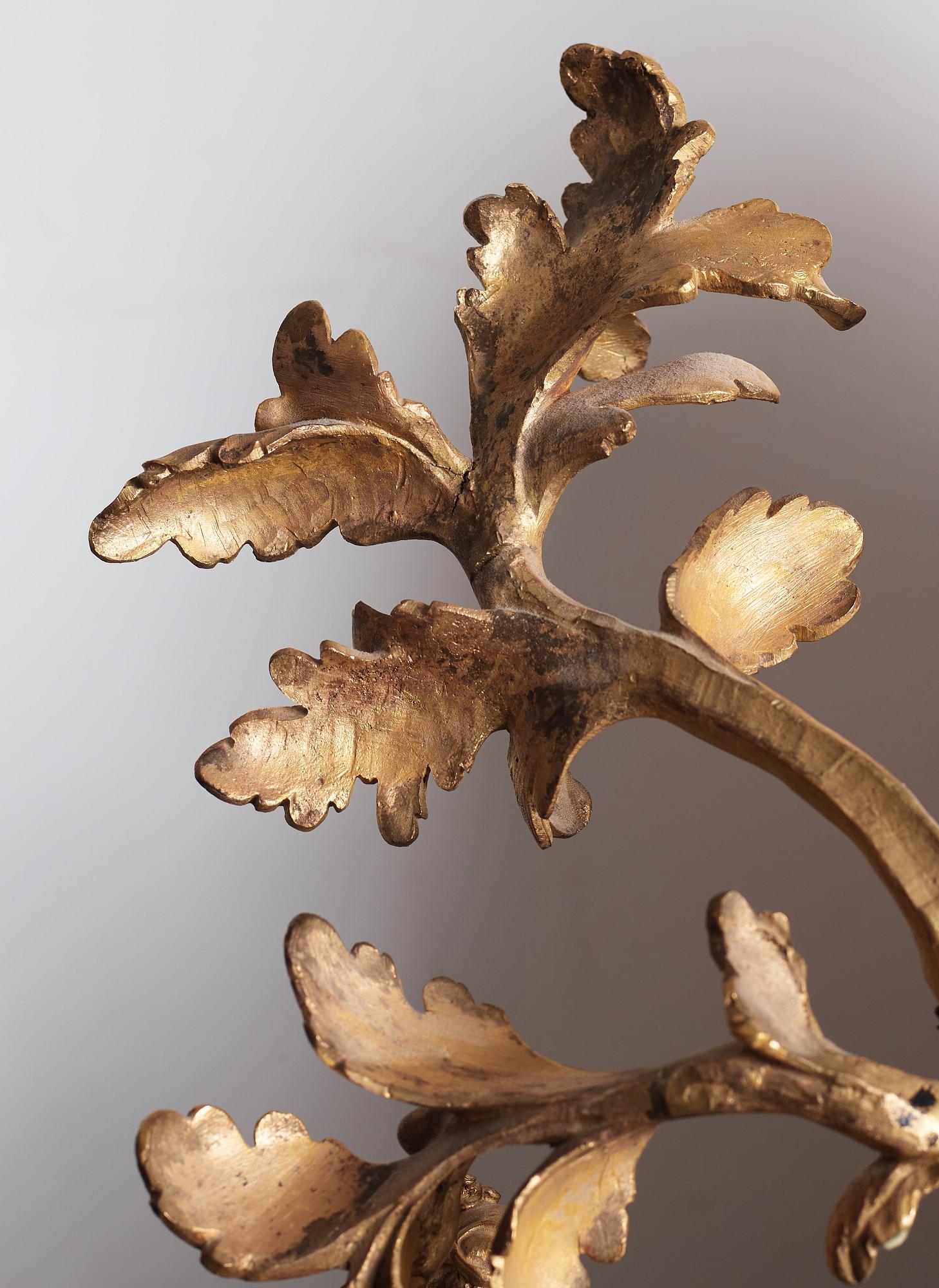
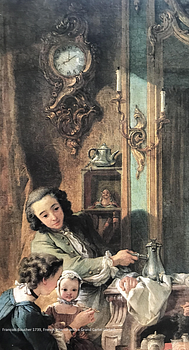
The lot is an excellent representative of the French Rococo in the 1730s-1750s. The playful and nature-loving Rococo was a reaction to the severe Baroque that had dominated the French art scene during Louis XIV's long reign. Rococo (Louis XV) was largely an interior style, which, with its asymmetric idiom, broke the former classicism. Nature was a great source of inspiration and objects such as console tables and wall clocks, mirrors, chandeliers and furniture were decorated with flowers and foliage in different materials. An overall effect was achieved by the fact that the fixed wall decoration was designed in the same style, with foliage and flowers that climbed illusively along the walls.
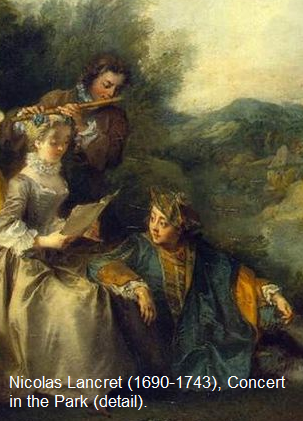
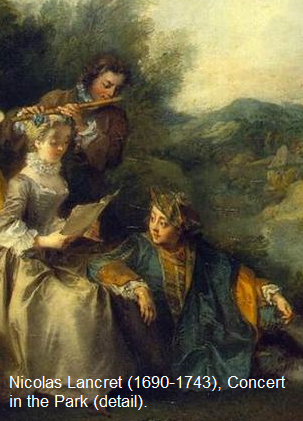
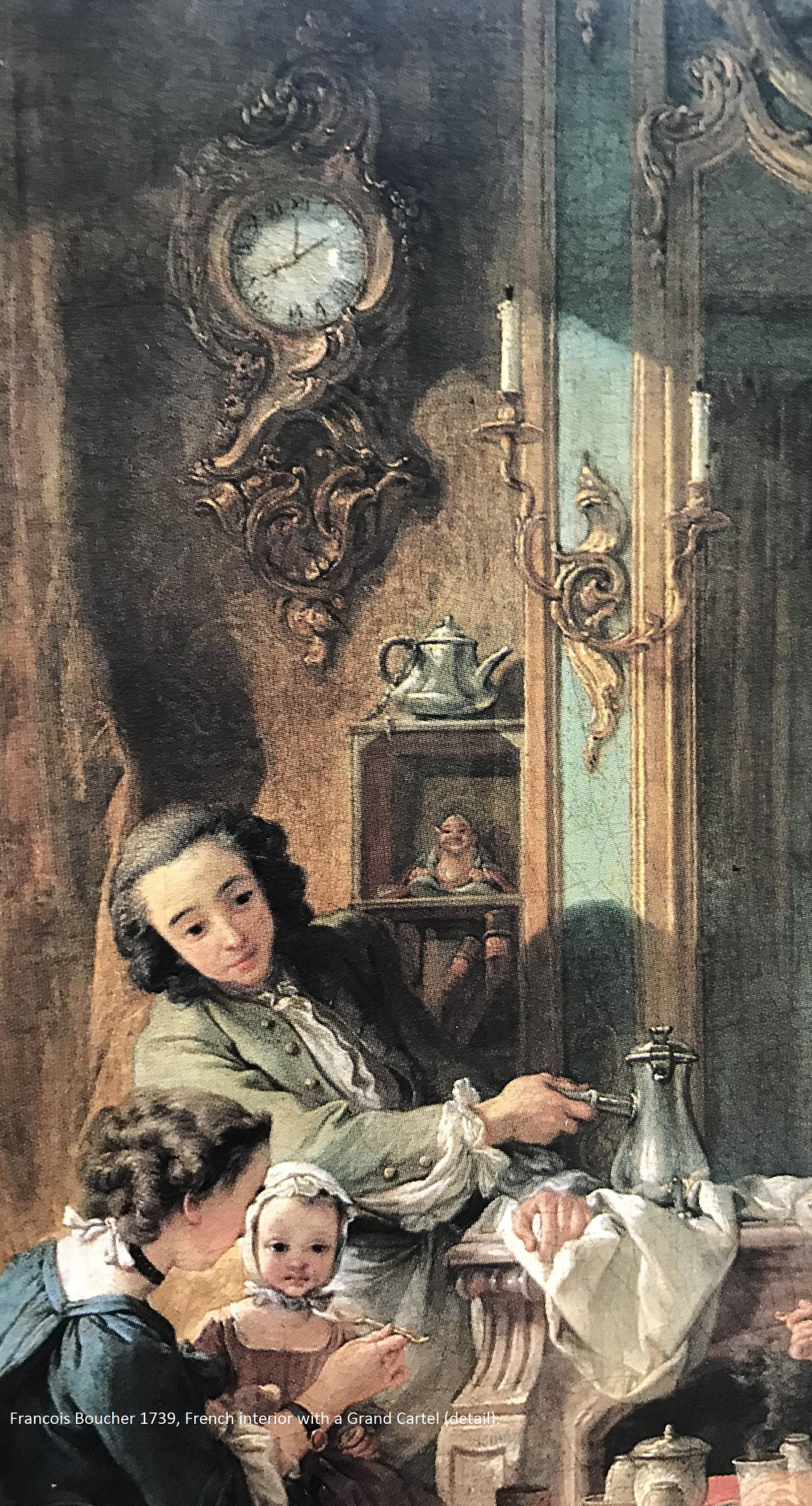
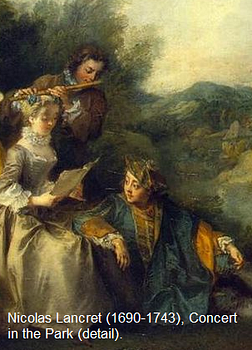
In art, Watteau, Lancret and Boucher depicted idyllic land and park landscapes with amorous figure scenes, so-called fête galante. The lot carries on the crest a music-making couple, of which the woman holds a note book with the engraved text "Rosignol dans le doux" (The Nightingale in the Sweet). Probably the quote originates from a piece of music by Jean-Baptiste Drouart de Bousset (France 1662-1725). The dog that keeps the couple company symbolizes faithfulness. It scratches one of its ears, which is a typical expression for Rococo's carefree and elegant nonchalance.
The auction's wall clock consists of gilt bronze, which was a very expensive material. Bills of furniture and works of art from the 18th century shows that the price of the metal was the biggest share of the cost. The manufacture of expensive works of art required a specific client or intermediary who could finance the production. In view of the romantic motif, of the couple playing music in company of a dog symbolizing fidelity, it was probably ordered for the wife's apartments, which during the 18th century was usually the most expensive part of the house. During the Rococo era the women's parlour became the most important social arena for both sexes.
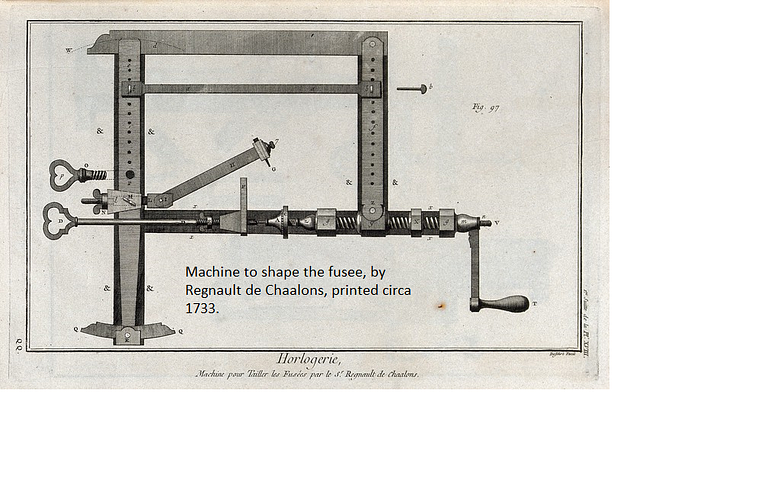
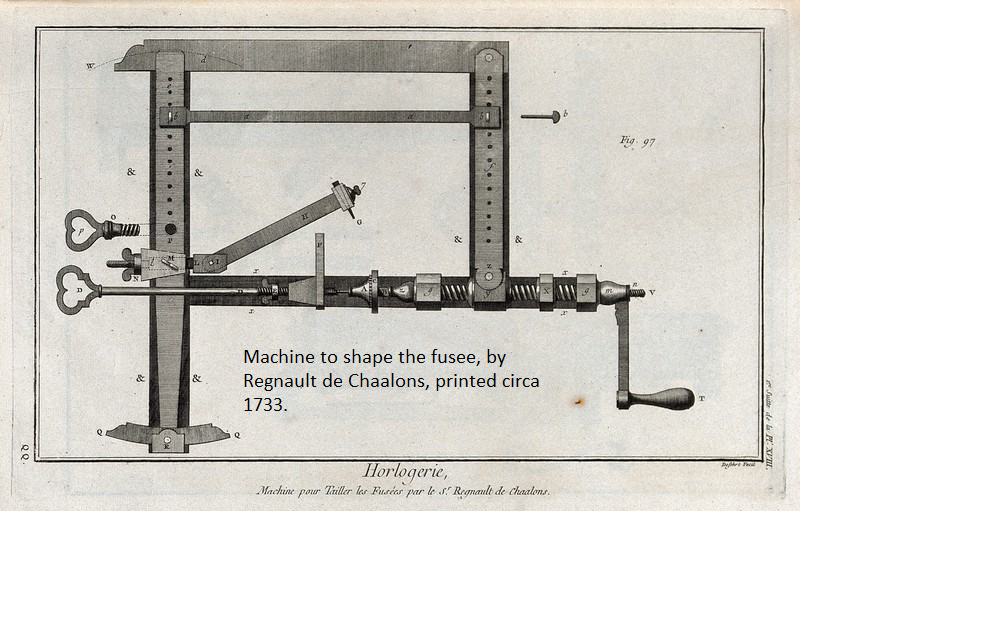
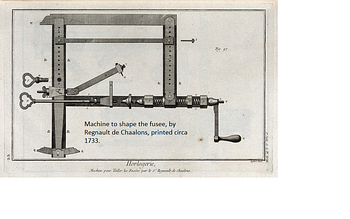
Regnault de Chaalons contributed in improving the movement and its exact time, including a compensation pendulum whose length would not be changed due to the air's heat variations and thus did not change the clock movement. This was achieved by the fact that the pendulum consisted of various metal bars (steel and brass) which took out each other's influence of heat. He also designed a machine for manufacturing certain clock parts to reduce friction. The machine was printed around 1733.
Tietoa ostamisesta


Muiden katsomia kohteita