"SOENE"
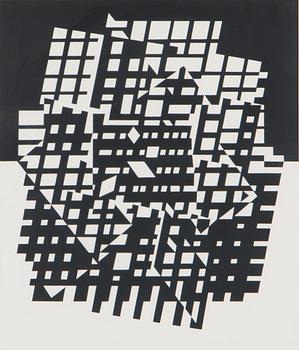
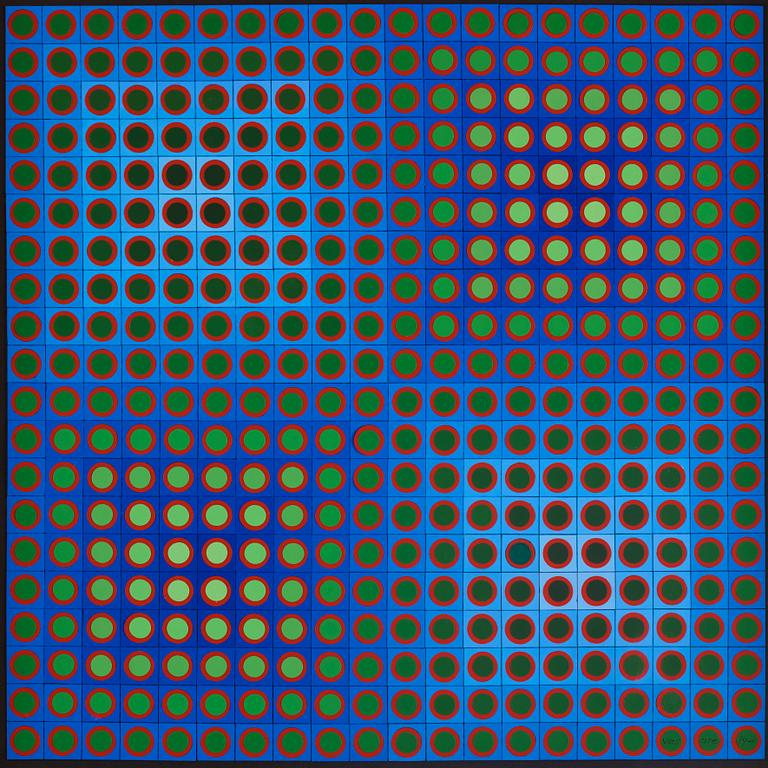
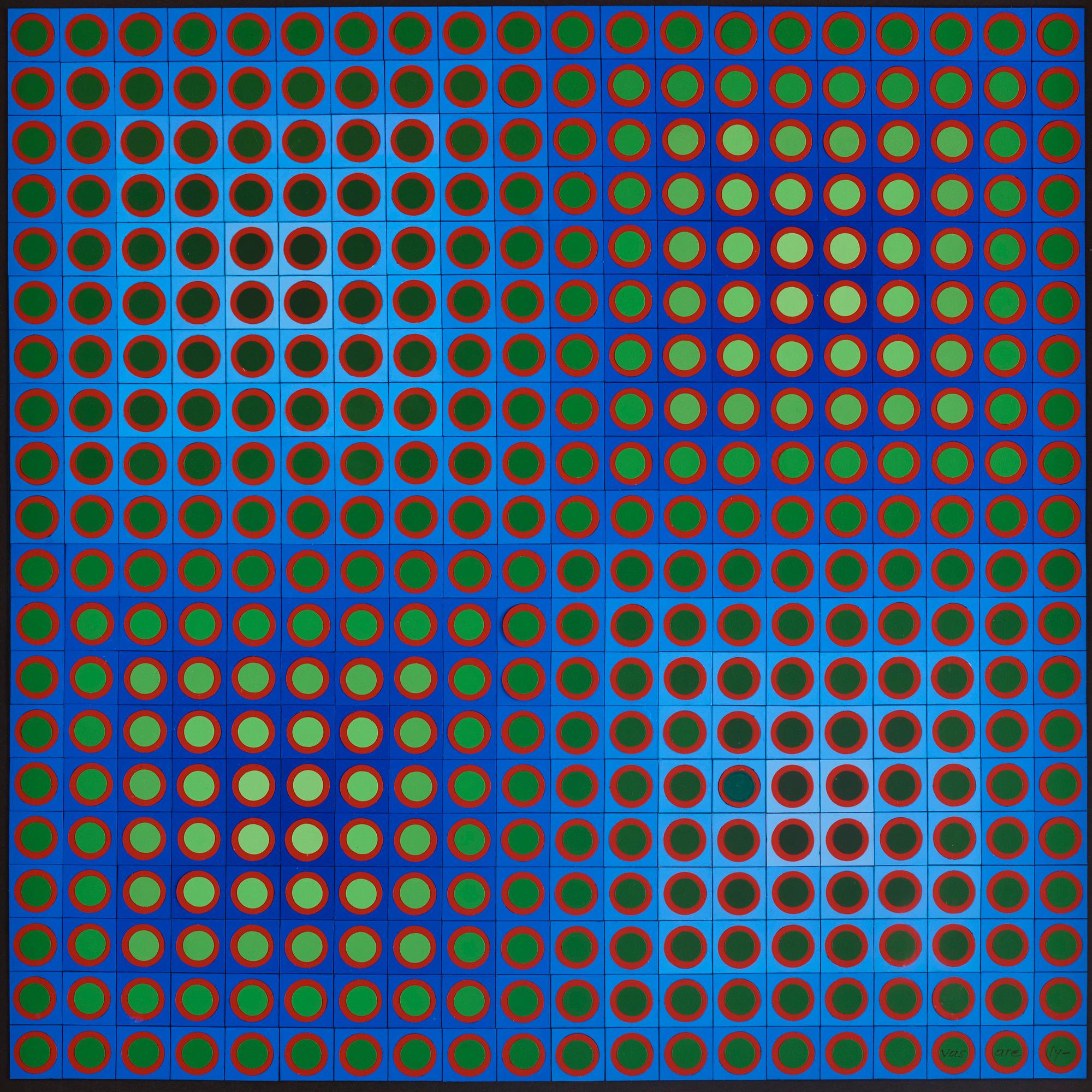
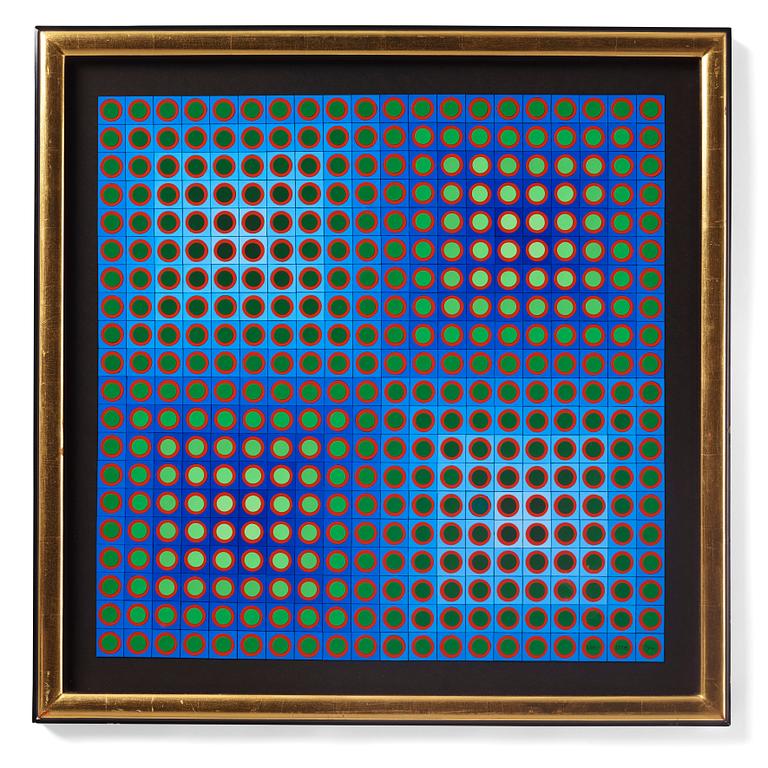
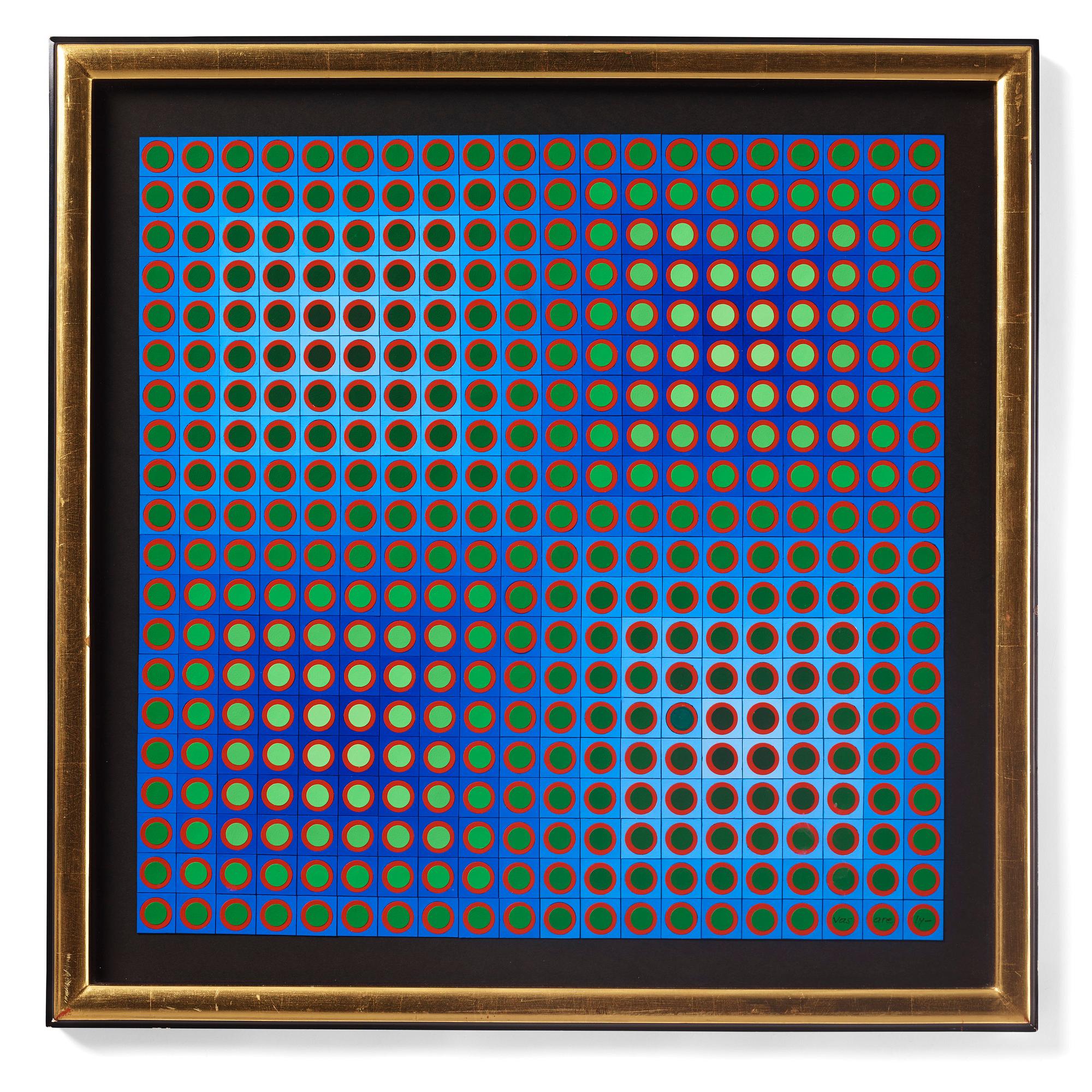
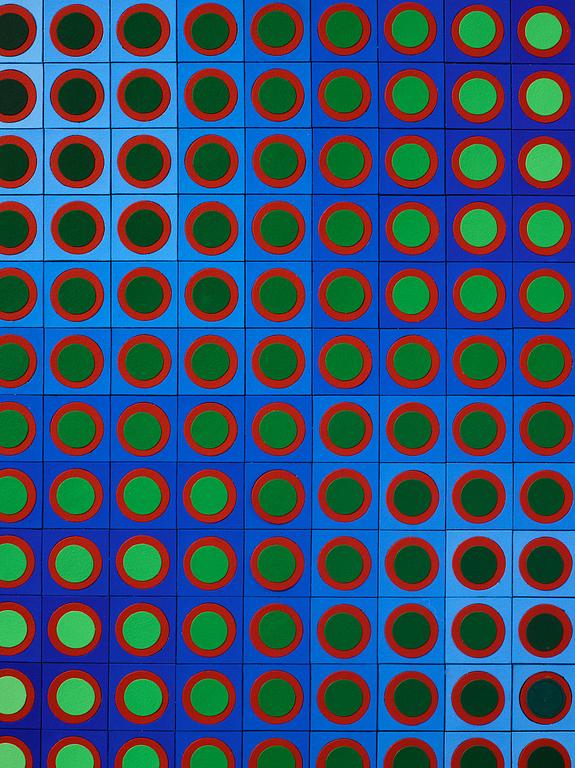
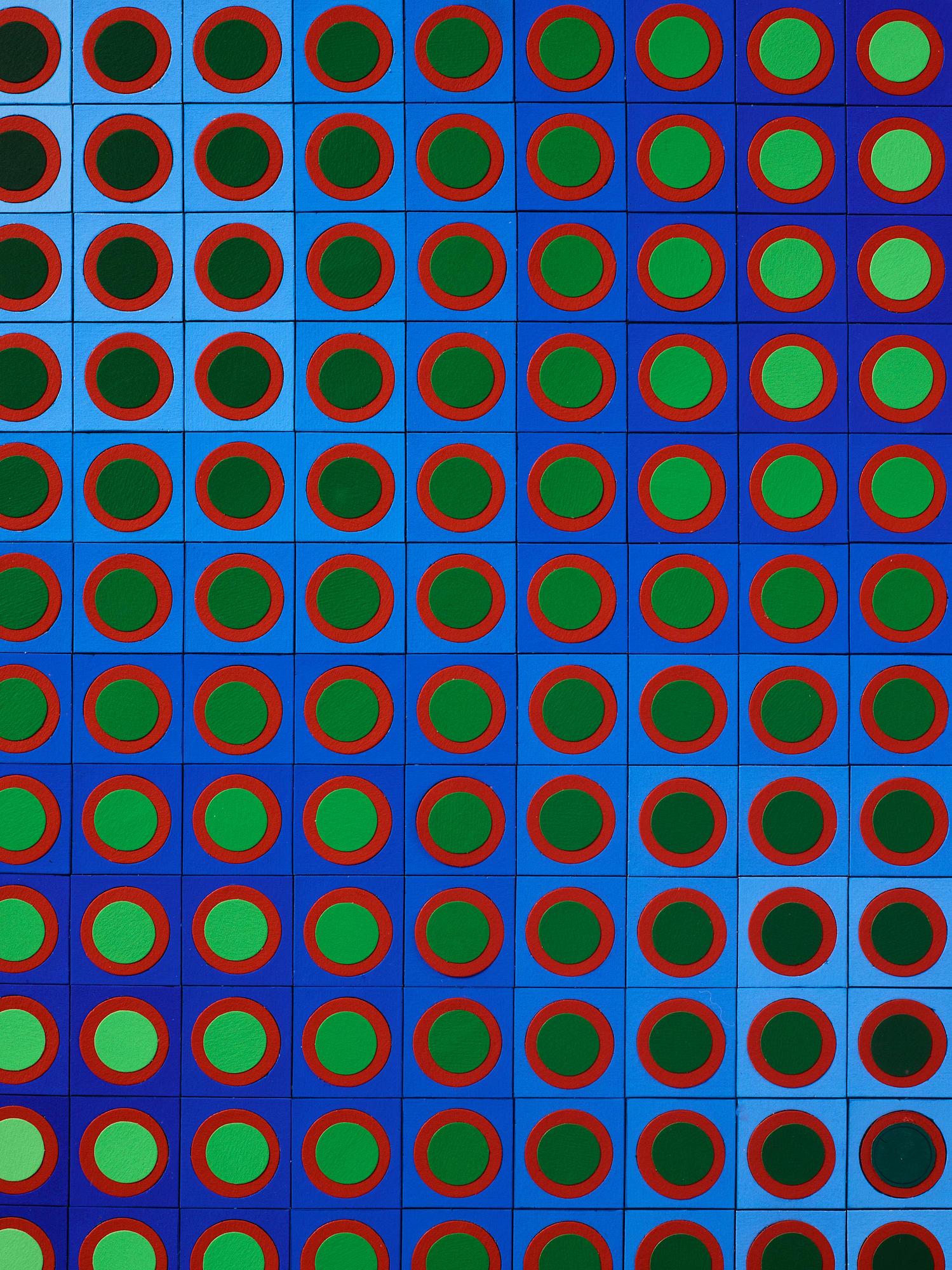
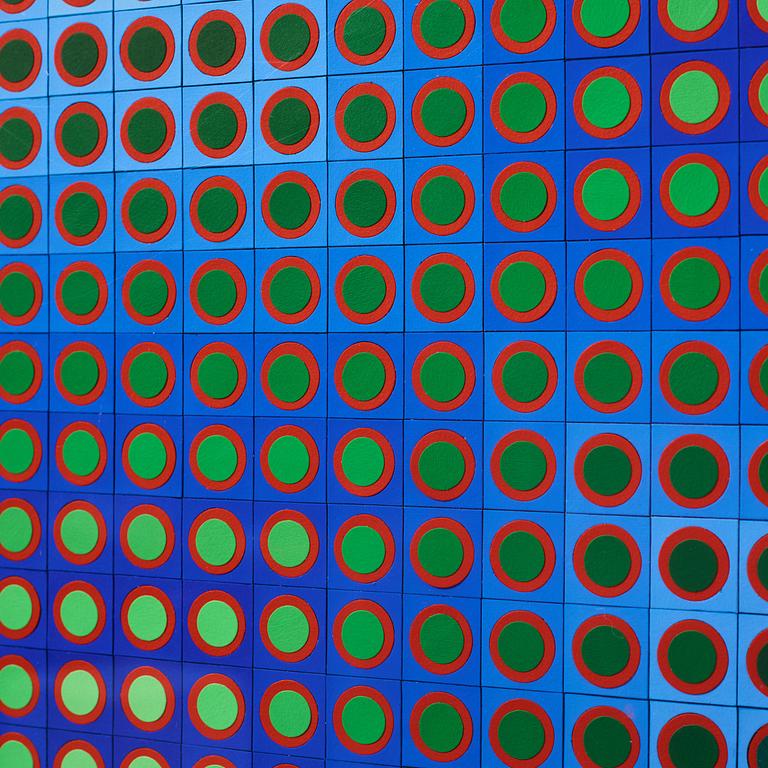
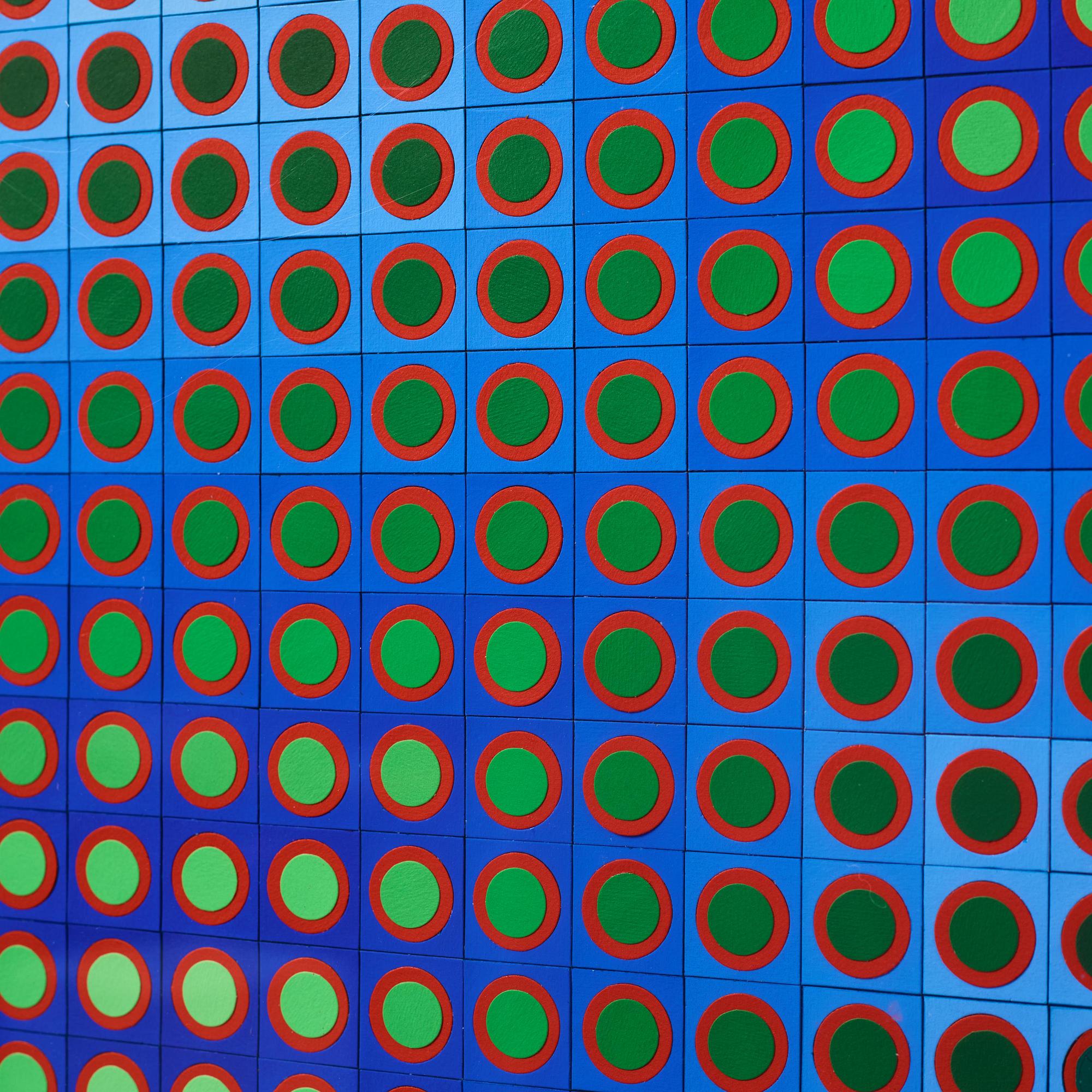
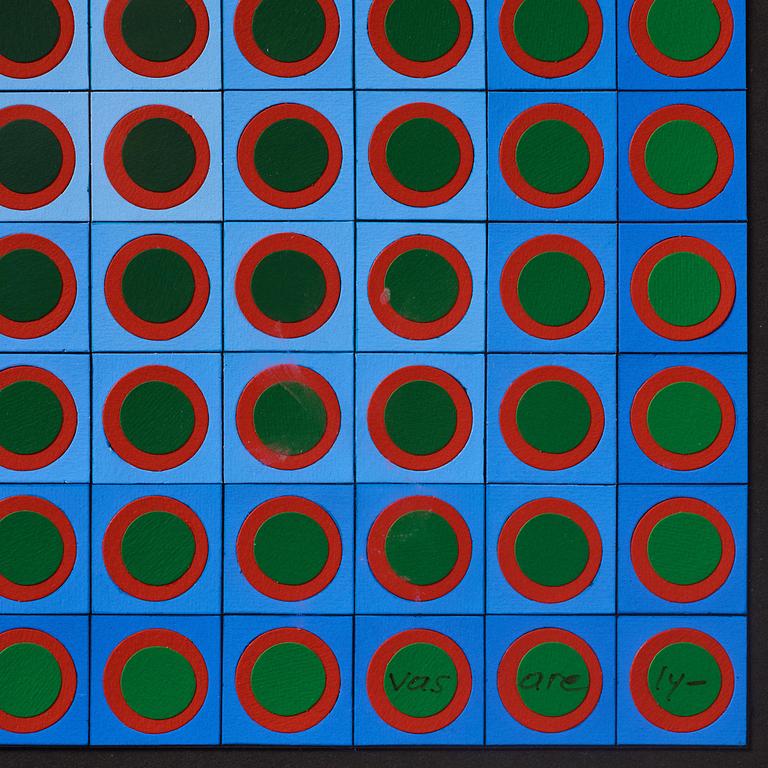
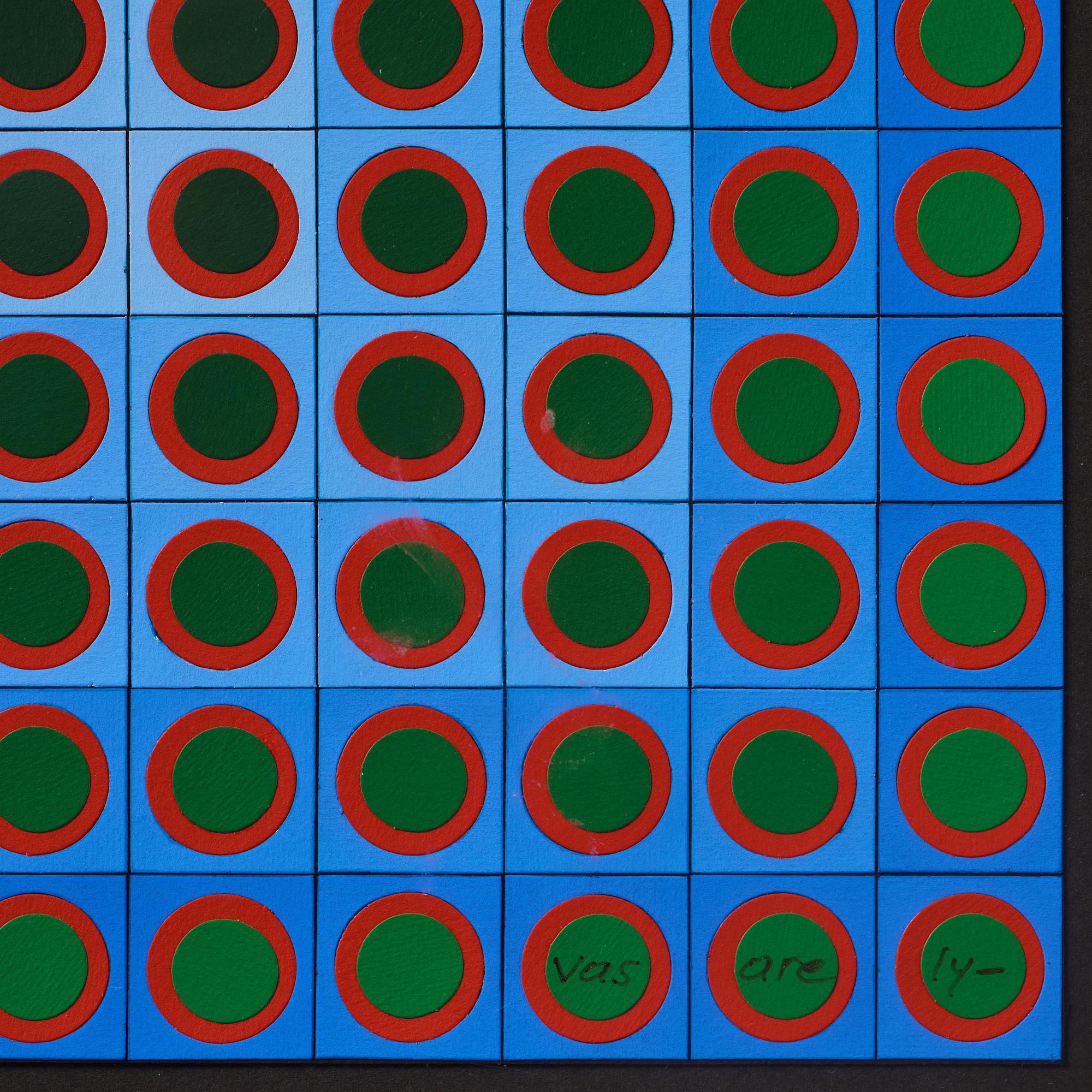
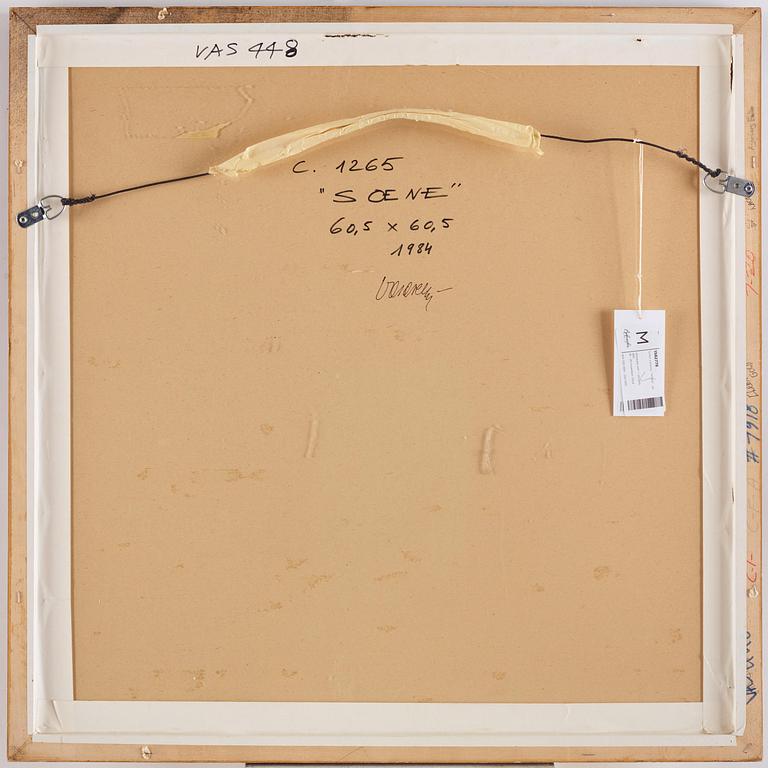
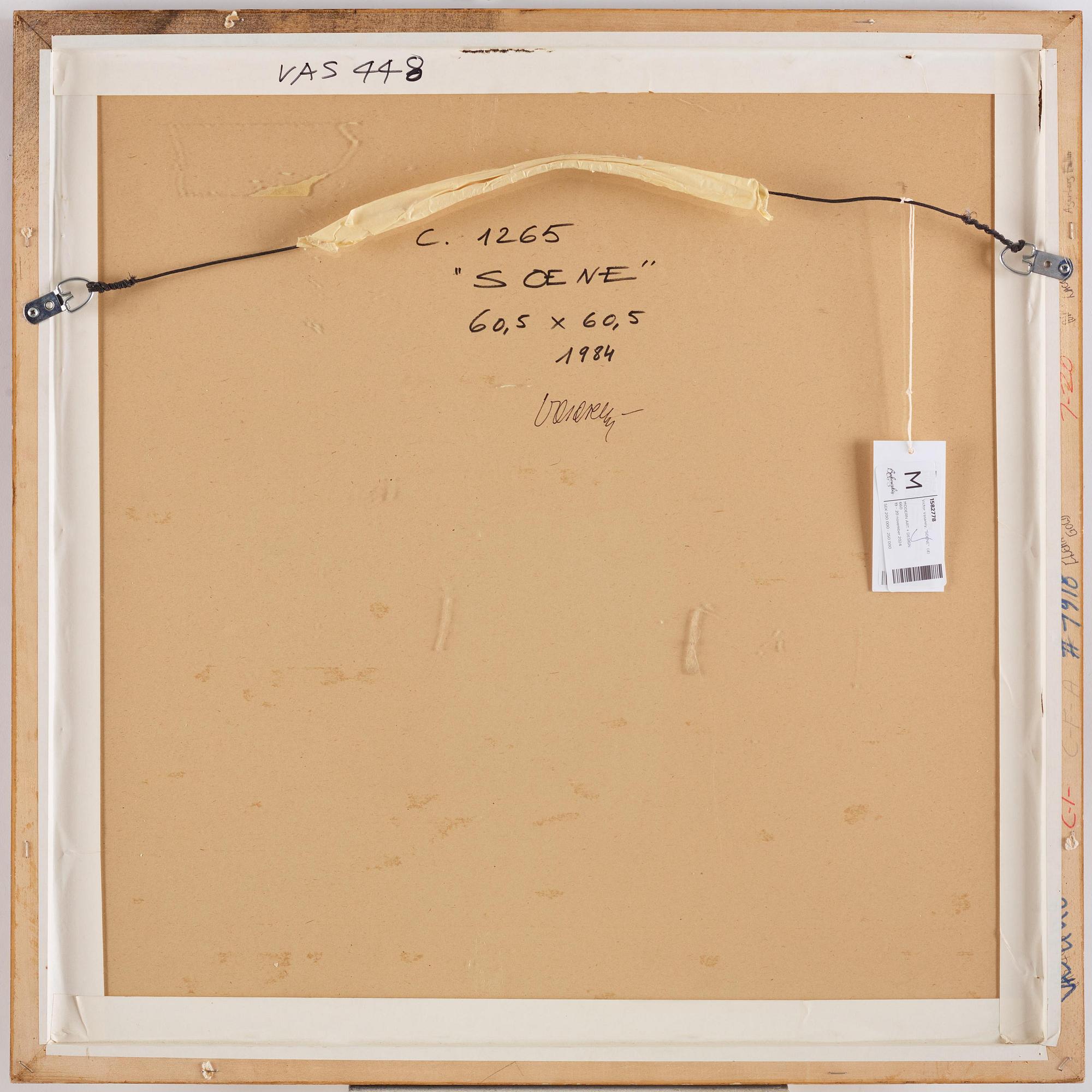
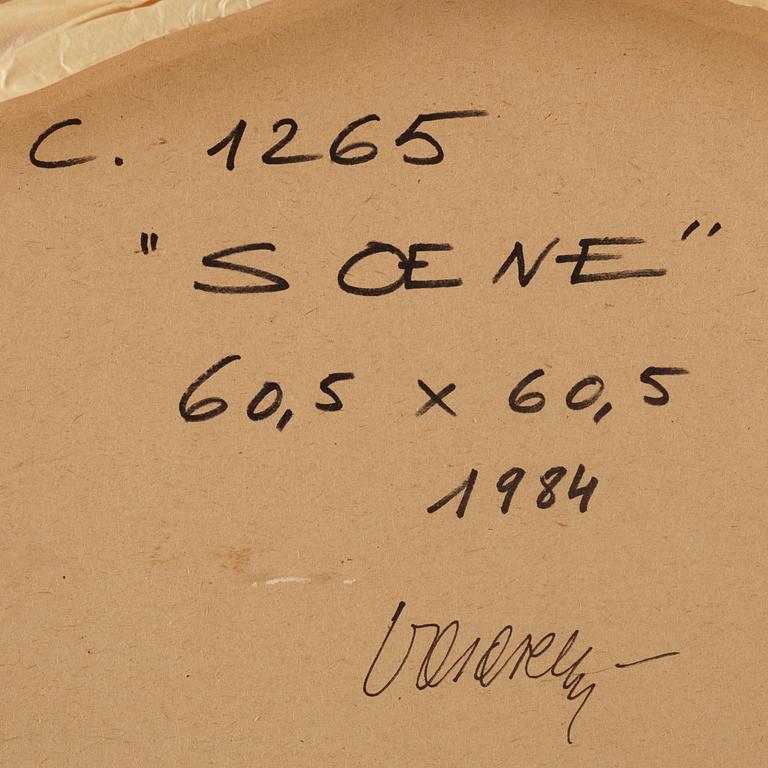
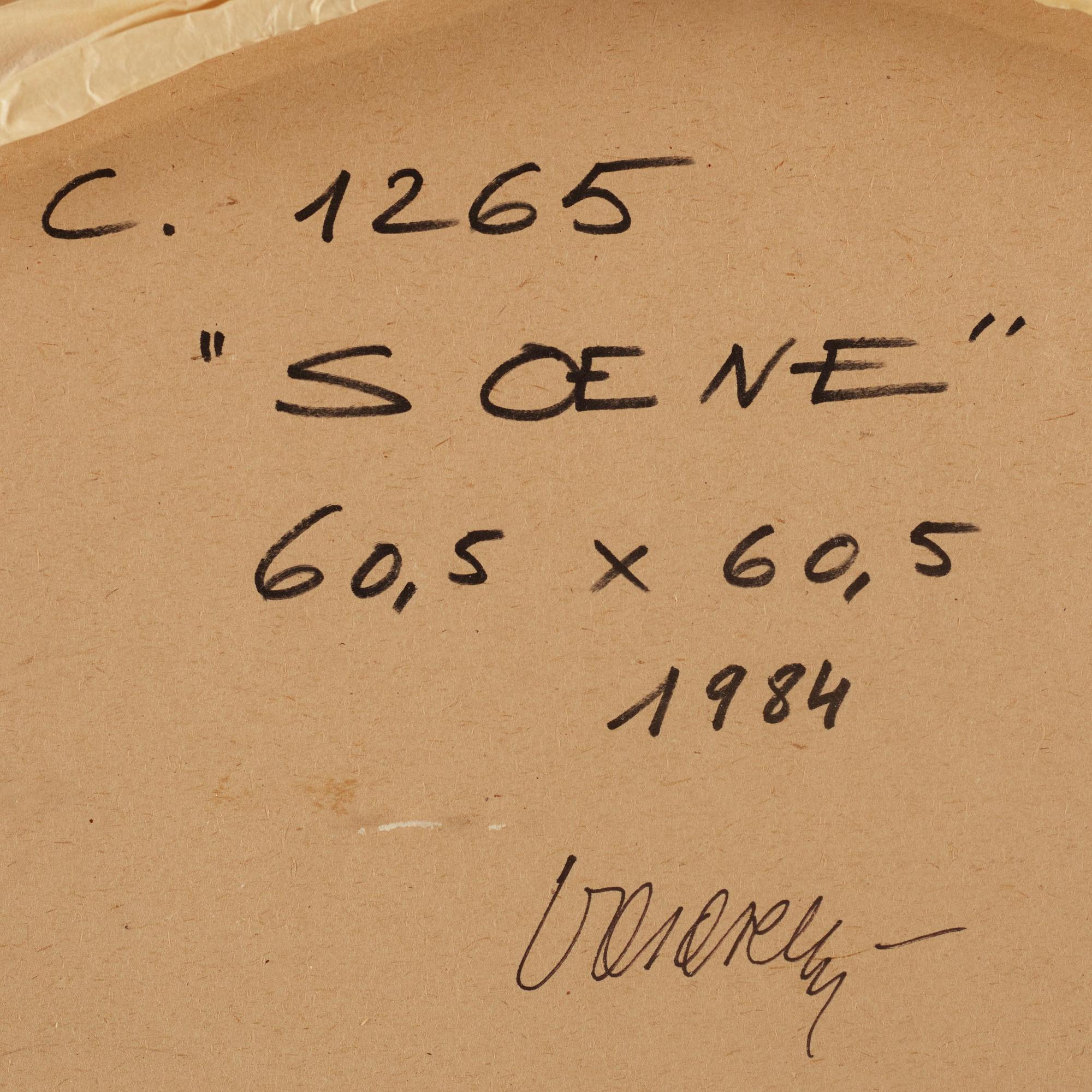
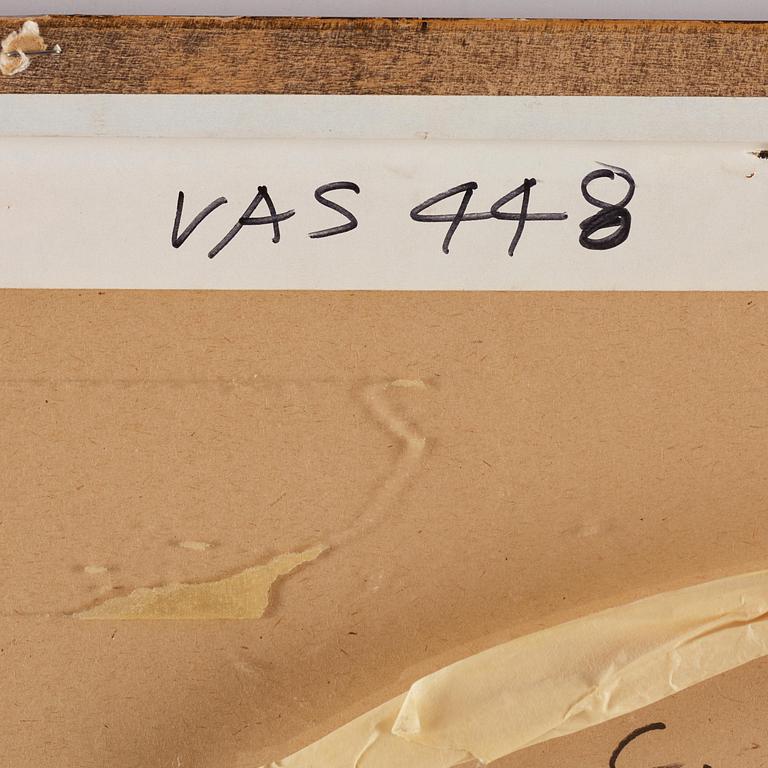
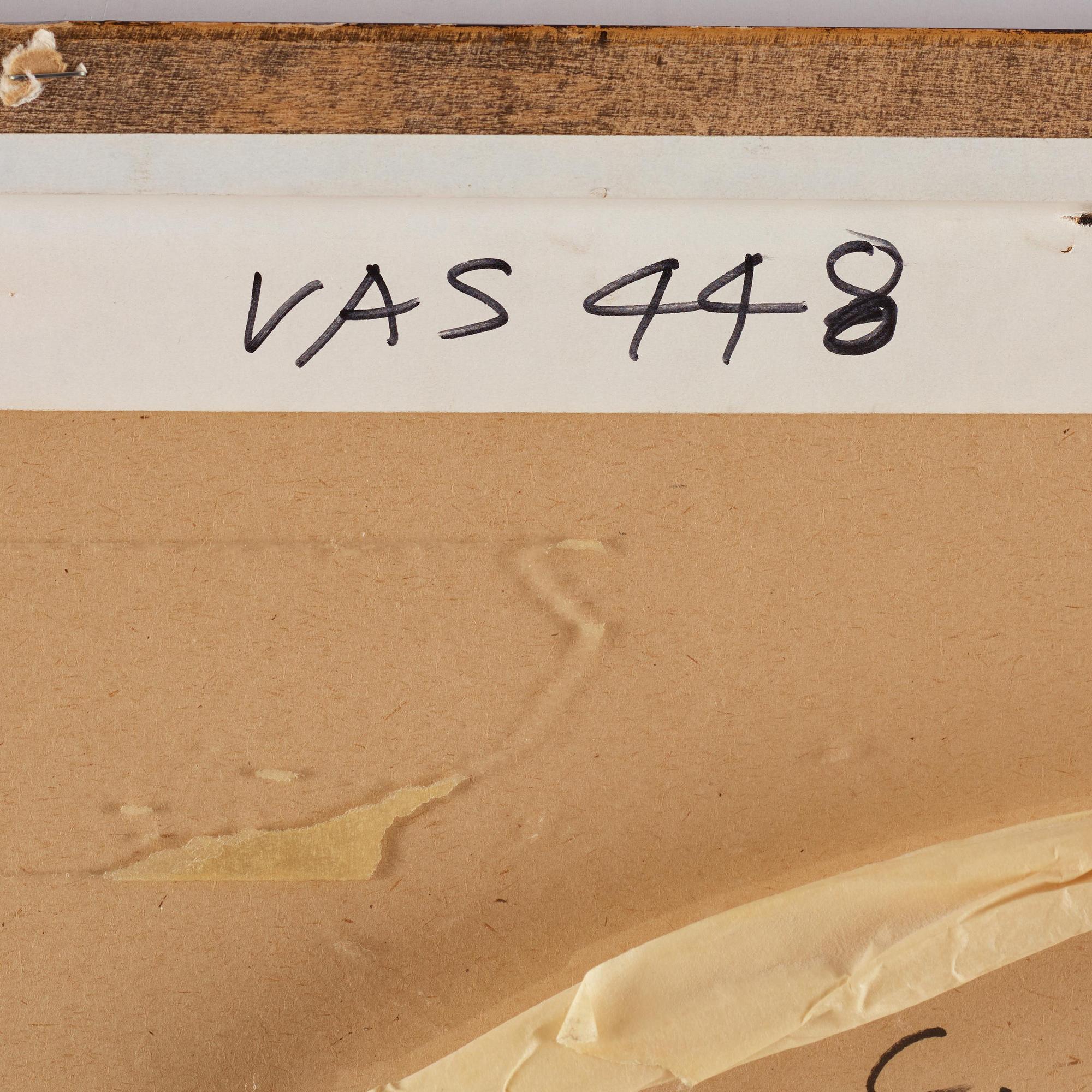
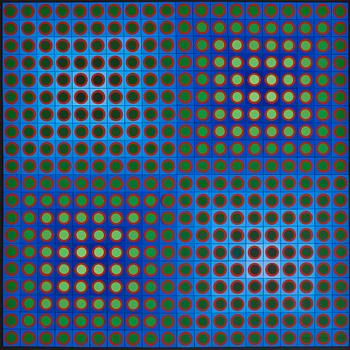
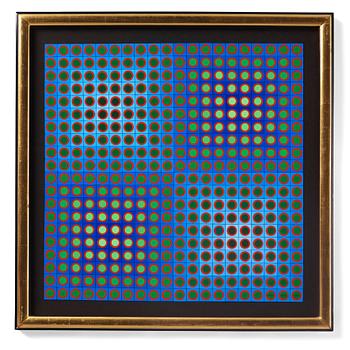
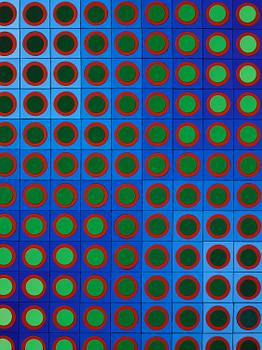
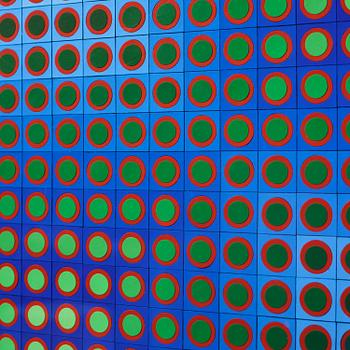
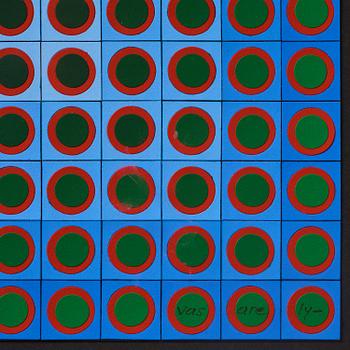
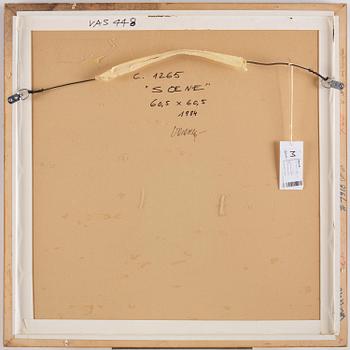
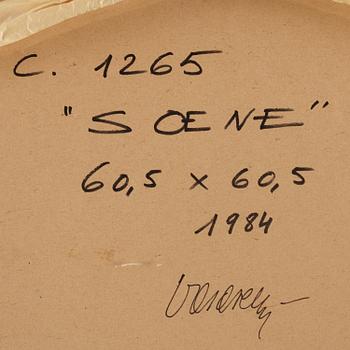
Signed Vasarely and also signed and dated on the reverse 1984. Numbered C. 1265. Collage 60.5 x 60.5 cm. A certificate from Circle Fine Art from 1987 accompanies the work.
Alkuperä - Provenienssi
Circle Fine Art, Chicago, purchased directly from the artist. Private Collection.
Muut tiedot
Victor Vasarely, born in 1906 in Hungary, with his innovative art focusing on contrasting colors and optical illusions, is considered one of the main figures behind the Opkonst movement. Taught by Láslo Moholy-Nagy, he came into contact with the work of Kandinsky, Gropius, Le Corbusier and Mondrian, as well as the functionalism of the Bauhaus, which also made a strong impression on him. In 1930 Vasarely moved to Paris where he worked successfully as a graphic designer, systematically exploring the optical and emotional range of the various graphic techniques. This led to a greater understanding of the geometric form and its ability to evoke a sensual perception of space, matter and energy. Vasarely developed his own form of geometric abstraction, which he varied endlessly, creating different optical patterns with kinetic effect. Color and form he considered inseparable and geometric shapes were arranged in fluorescent colors in such a way that the eye perceived a fluctuating movement. Vasarely himself summed up this approach with the words: “Every form is the basis of a color, every color is the attribute of a form”. In this way, forms from nature were transferred into purely abstract elements in his paintings.
Lisätietoja ja kuntoraportit
Kuuluu jälleenmyyntikorvauksen piiriin
Tietoa ostamisesta
Kuvan käyttöoikeudet
Tämän tietokannan taideteokset ovat tekijänoikeudella suojattuja, eikä niitä saa kopioida ilman oikeudenhaltijoiden lupaa. Teokset kopioidaan tässä tietokannassa Bildupphovsrättin lisenssillä.
Muiden katsomia kohteita