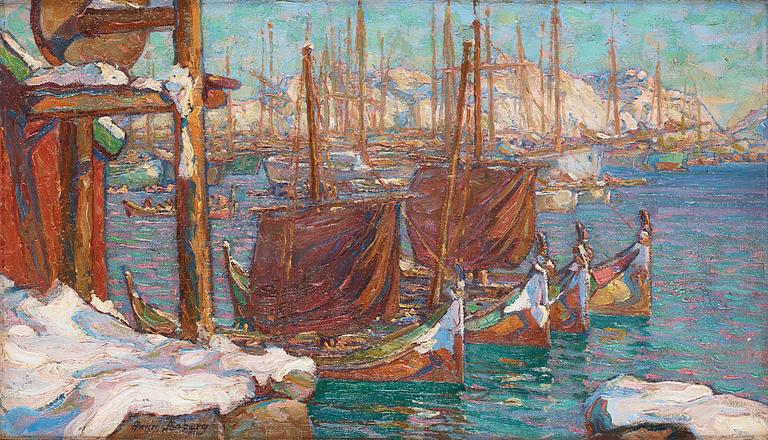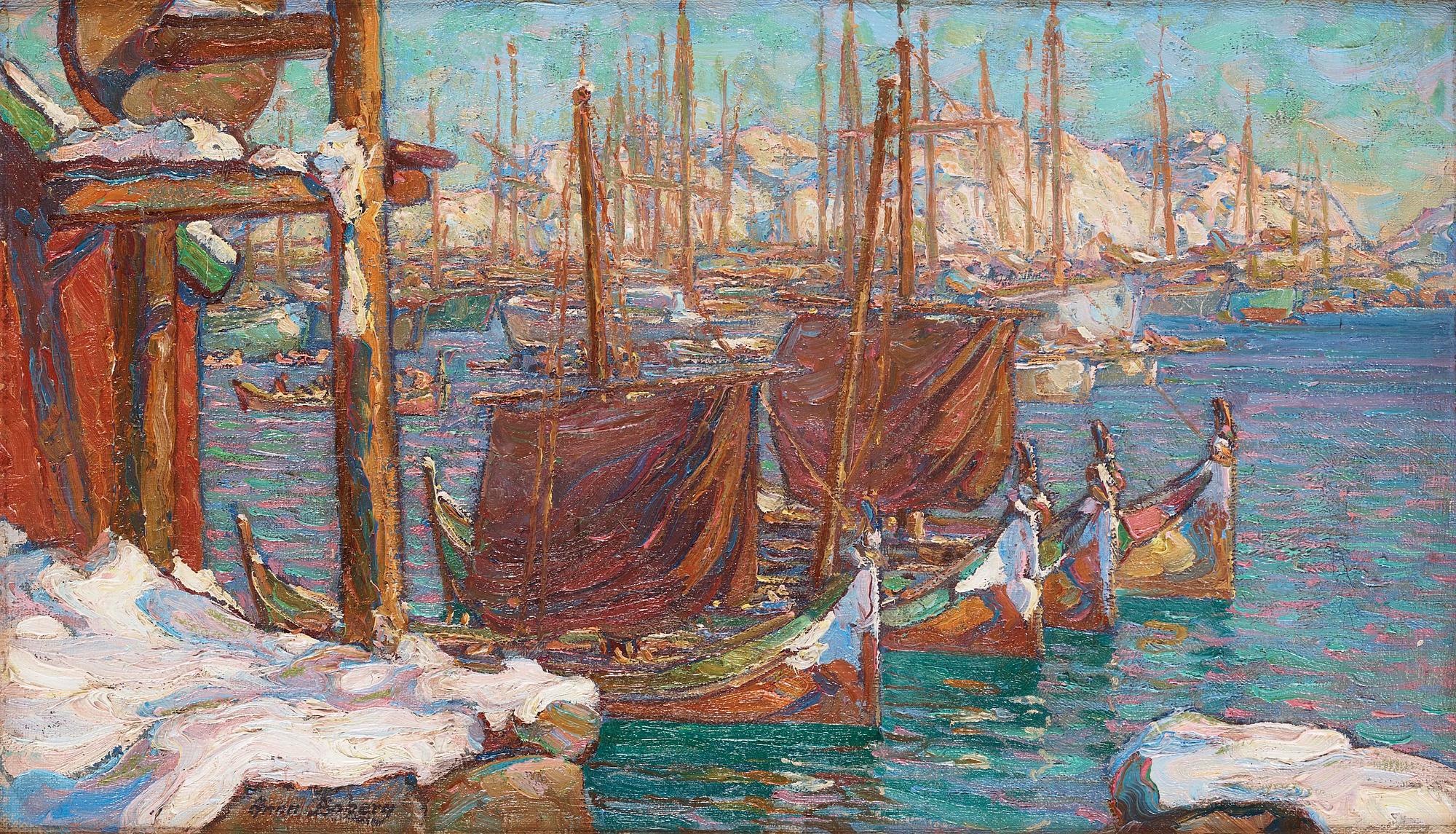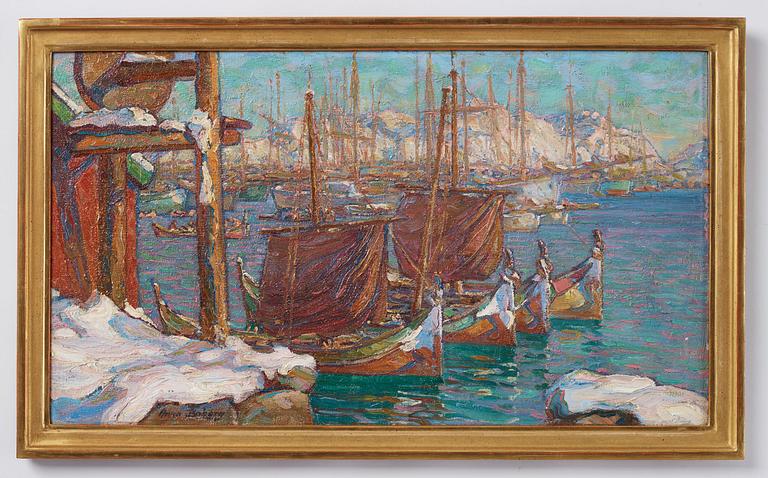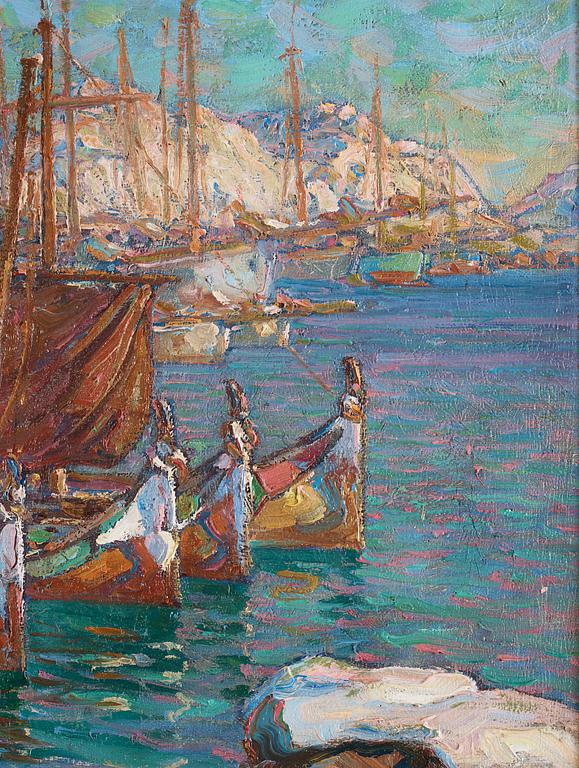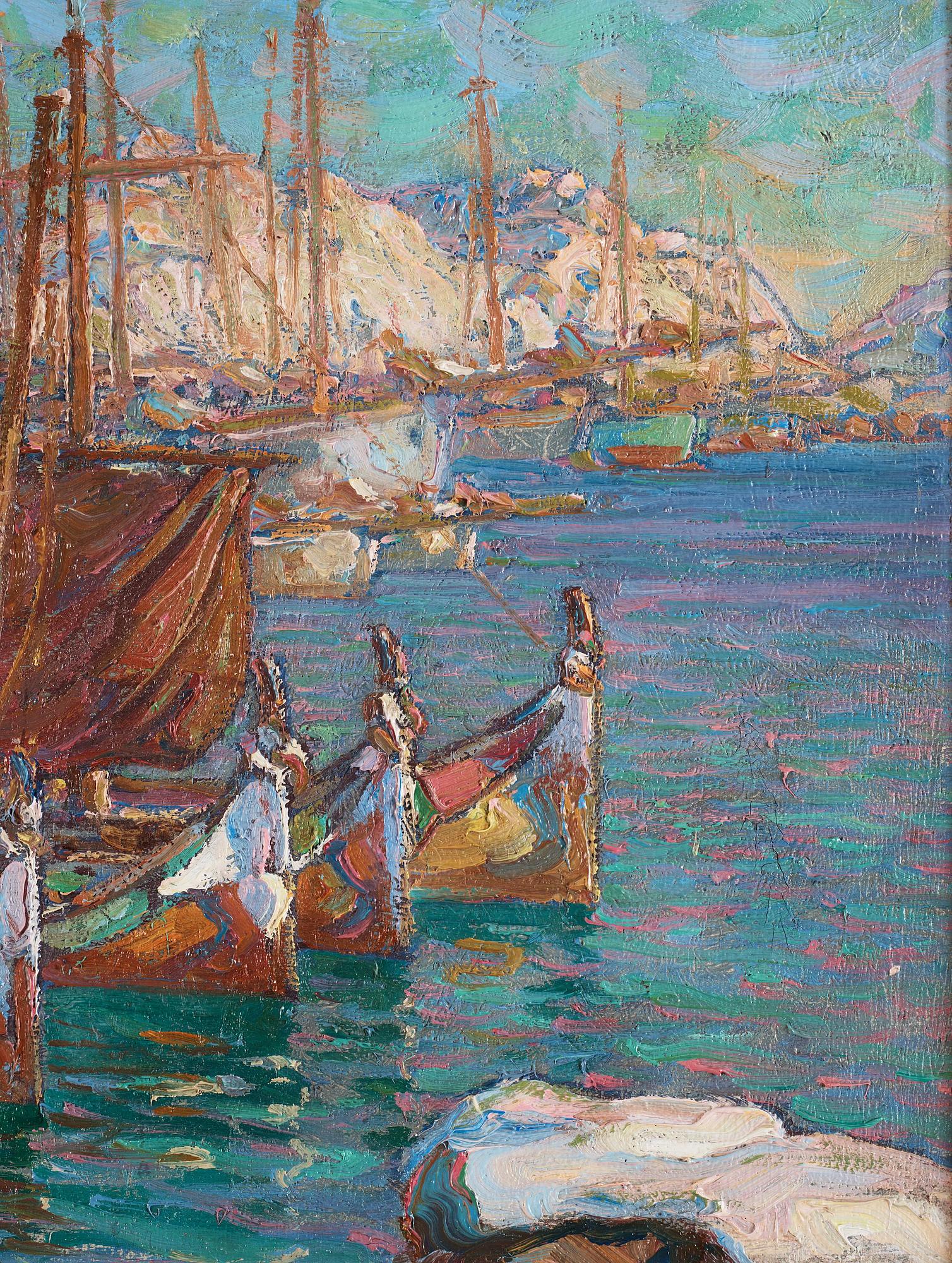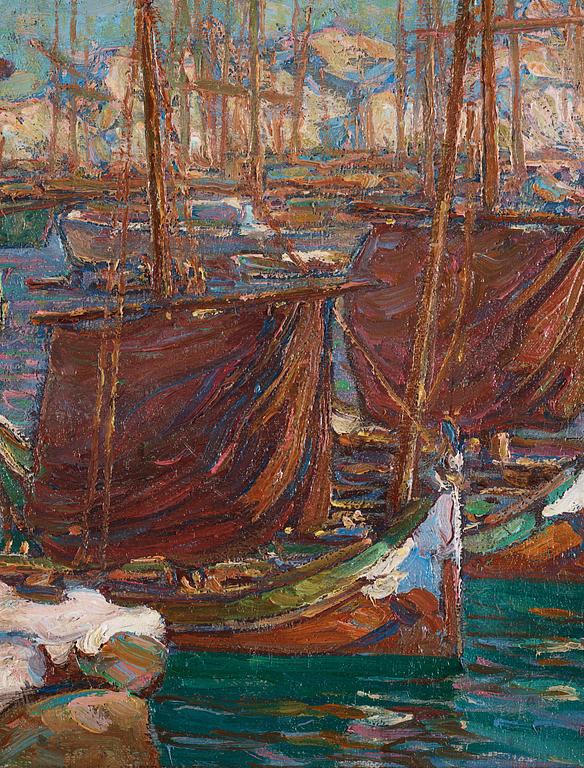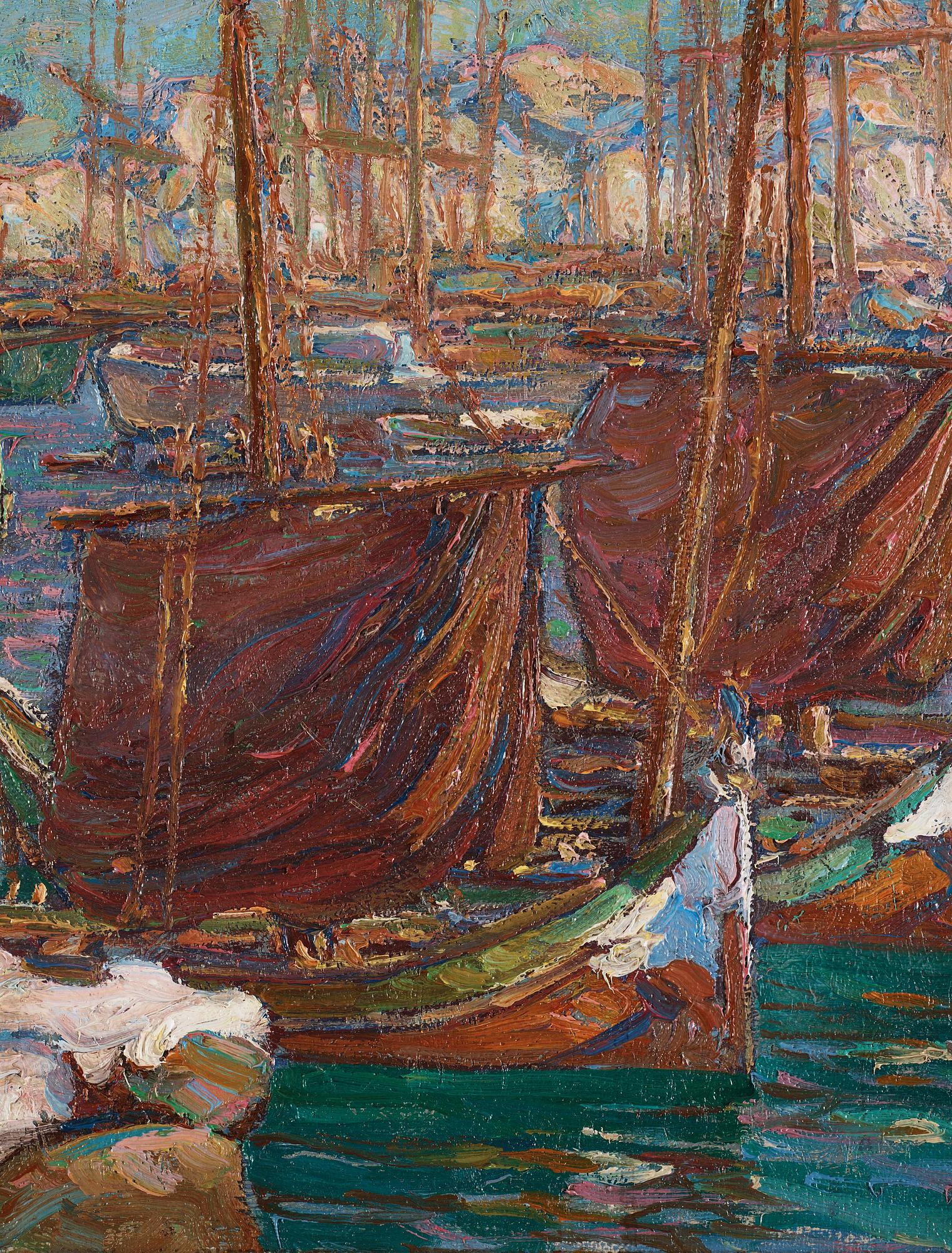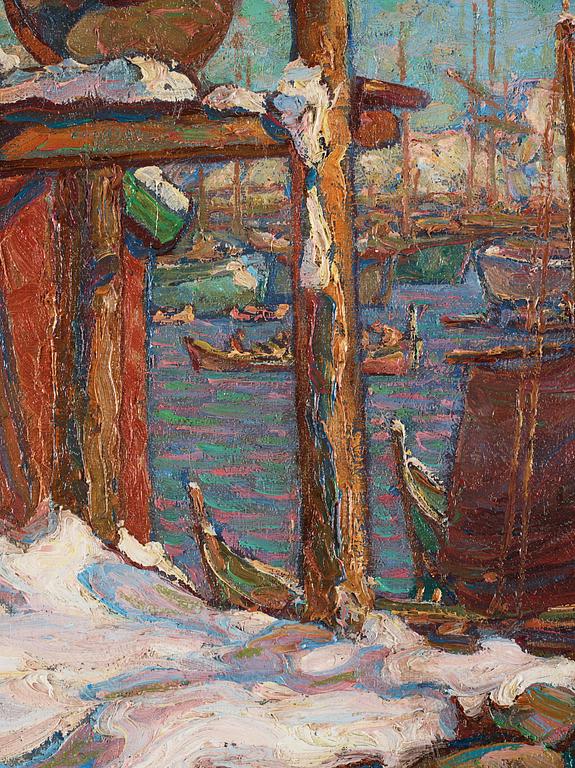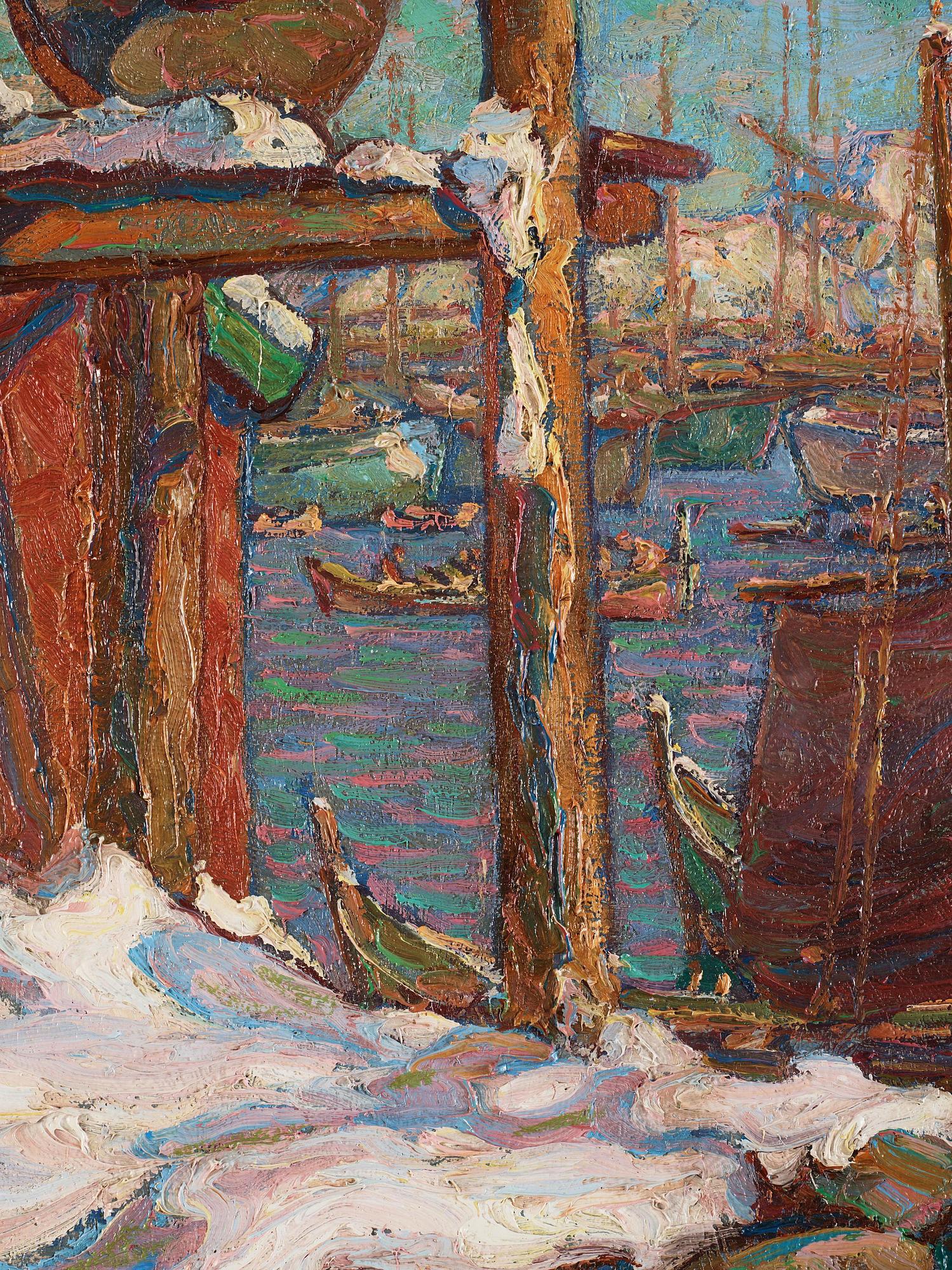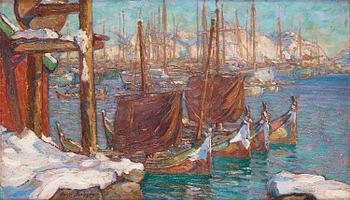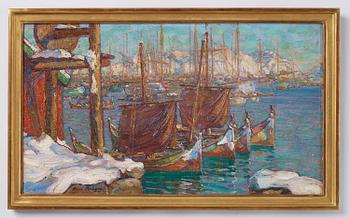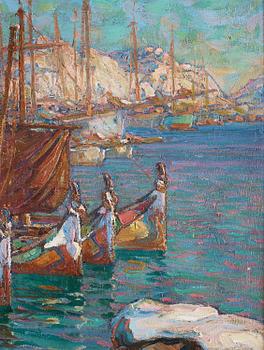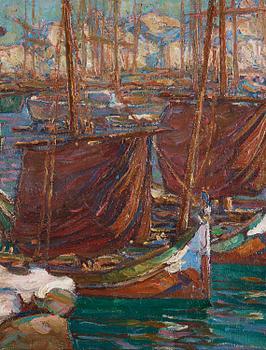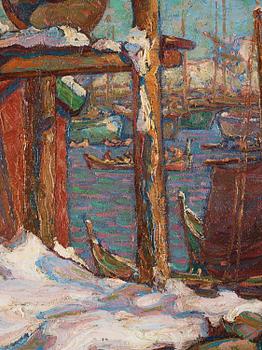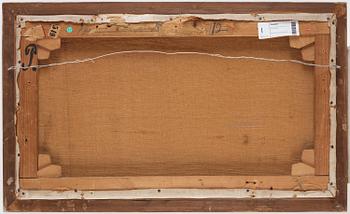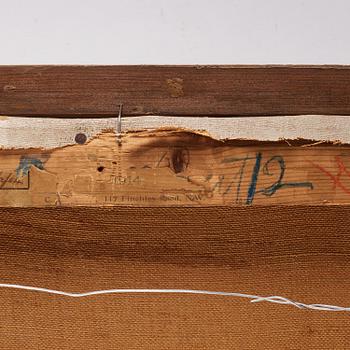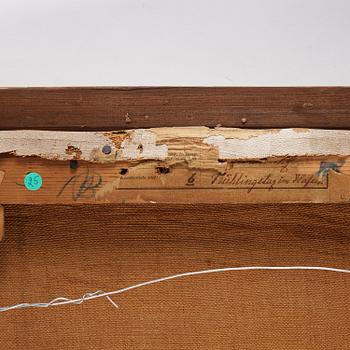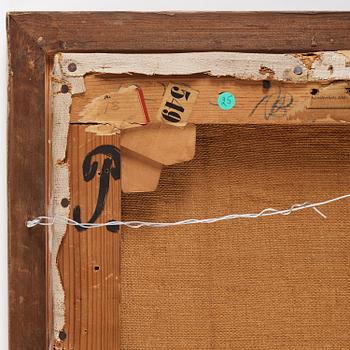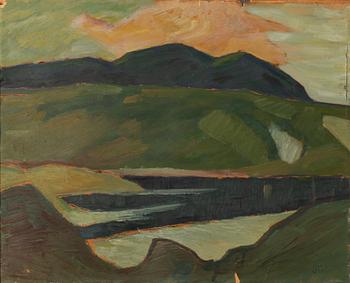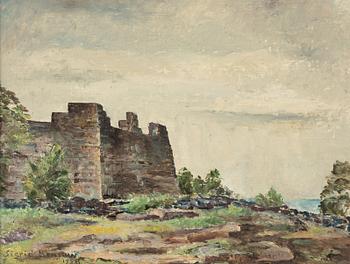
Spring day by the harbour (motif from Lofoten)
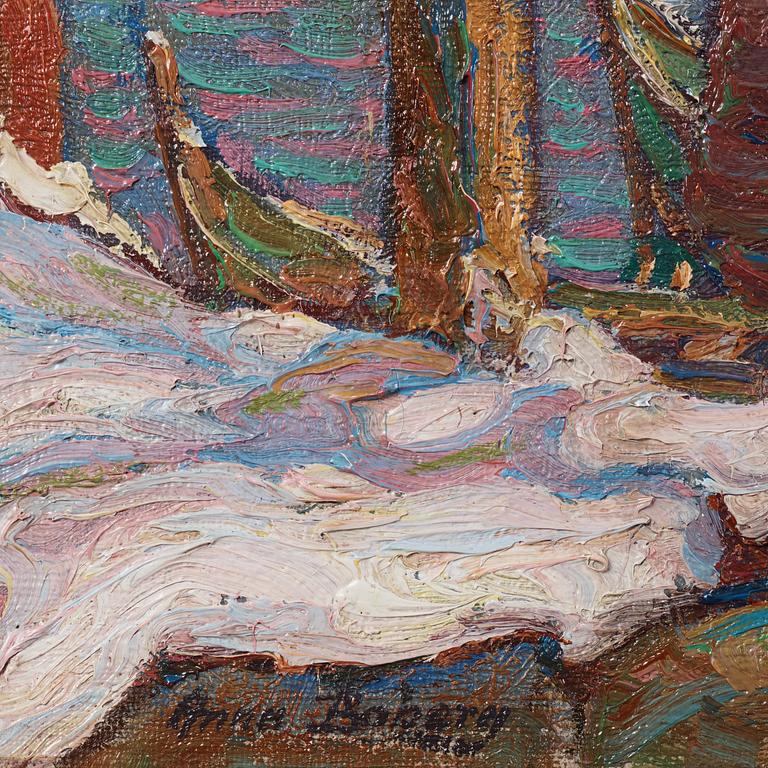
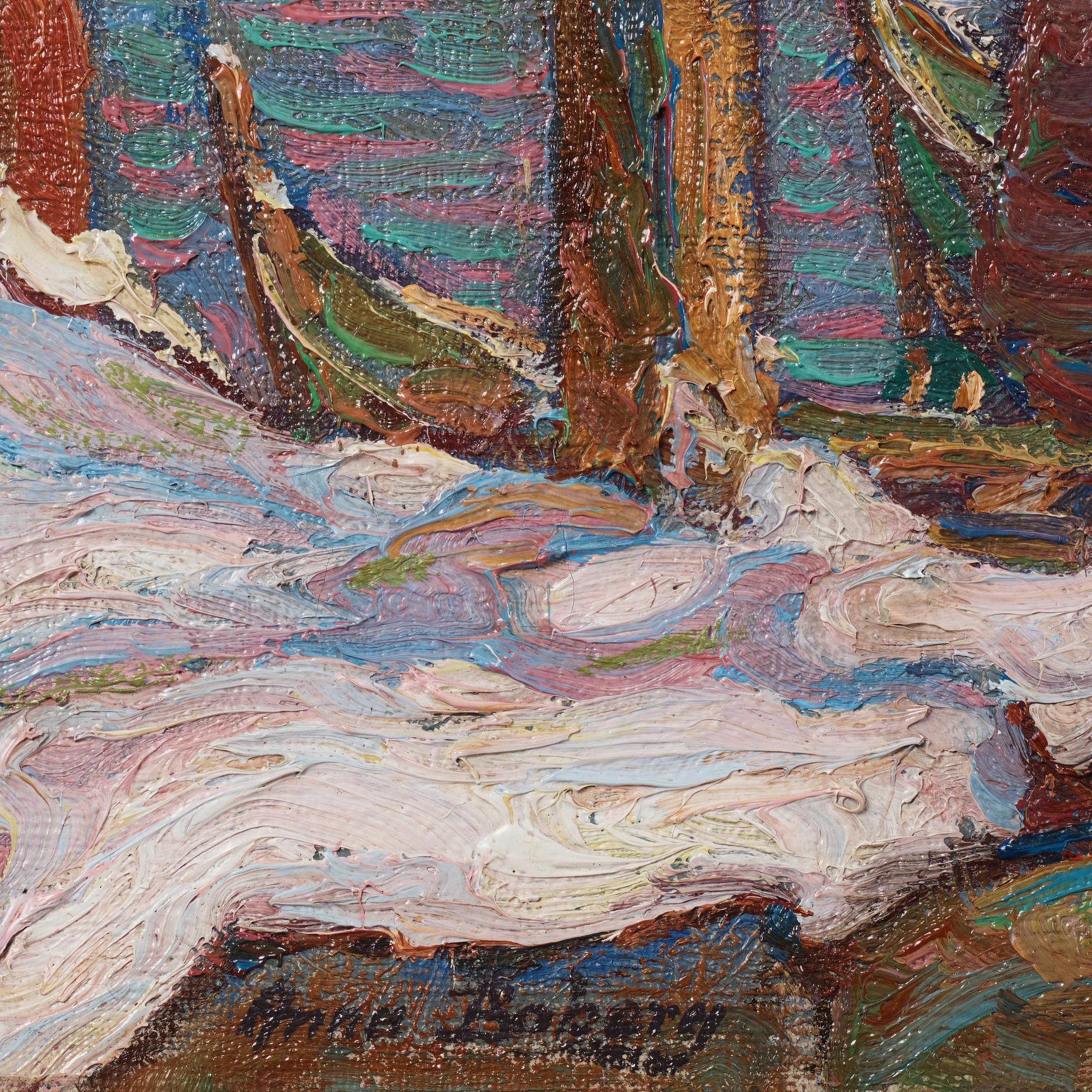
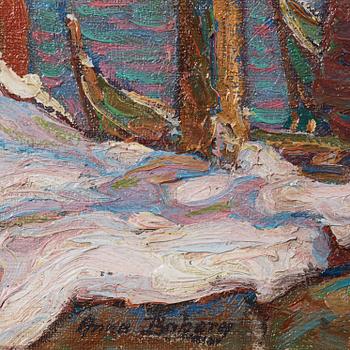
Signed Anna Boberg. Oil on canvas 40 x 70 cm.
Muut tiedot
In 1901, it would become a decisive year in the artist Anna Boberg's career. It was the year when she, together with her husband, the architect Ferdinand Boberg, first travelled to Lofoten in Norway. The experience made a strong impression on her, and she describes in her autobiography how during a later visit that same year, she was so captivated that she refused to leave. She only wanted to paint. Her husband is said to have immediately understood the situation and wrote from Stockholm that he had begun to draw a studio cabin, "but with room for two."
The journey to Lofoten would shape Boberg's art for decades to come. In February 1903, Boberg exhibited her winter paintings from Lofoten at the Art Association's venue on Västra Trädgårdsgatan 10 in Stockholm, and the exhibition then travelled to Berlin, where it became a sensation. The literary historian and critic Karl Warburg noted Boberg's "very peculiar" painting technique, which appeared as if she was "filling in." Like van Gogh, she often used a palette knife instead of a brush to almost sculpt her compositions. Warburg compared the effective distance effect that arose to works by Claude Monet and Giovanni Segantini.
Boberg's successes continued in 1905 with an exhibition at the Galerie des artistes modernes in Paris. She participated in several exhibitions in Paris in the following years, all of which received enthusiastic reviews, both from Swedish foreign correspondents and European and American critics. French critics believed that she could paint "everything – full daylight and black night, hurricane, storm, calm, with equal fervent will as clear intelligence."
Lisätietoja ja kuntoraportit

Tietoa ostamisesta