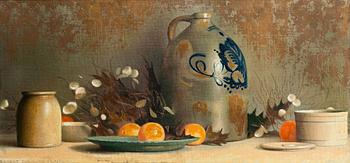
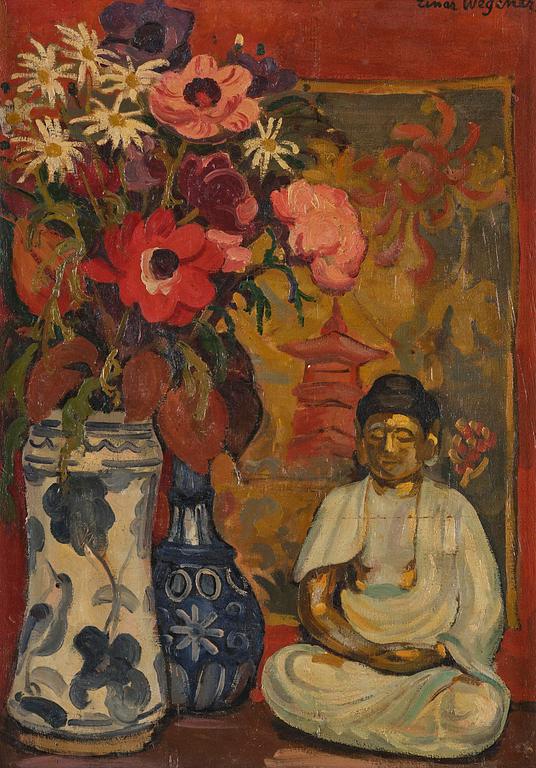
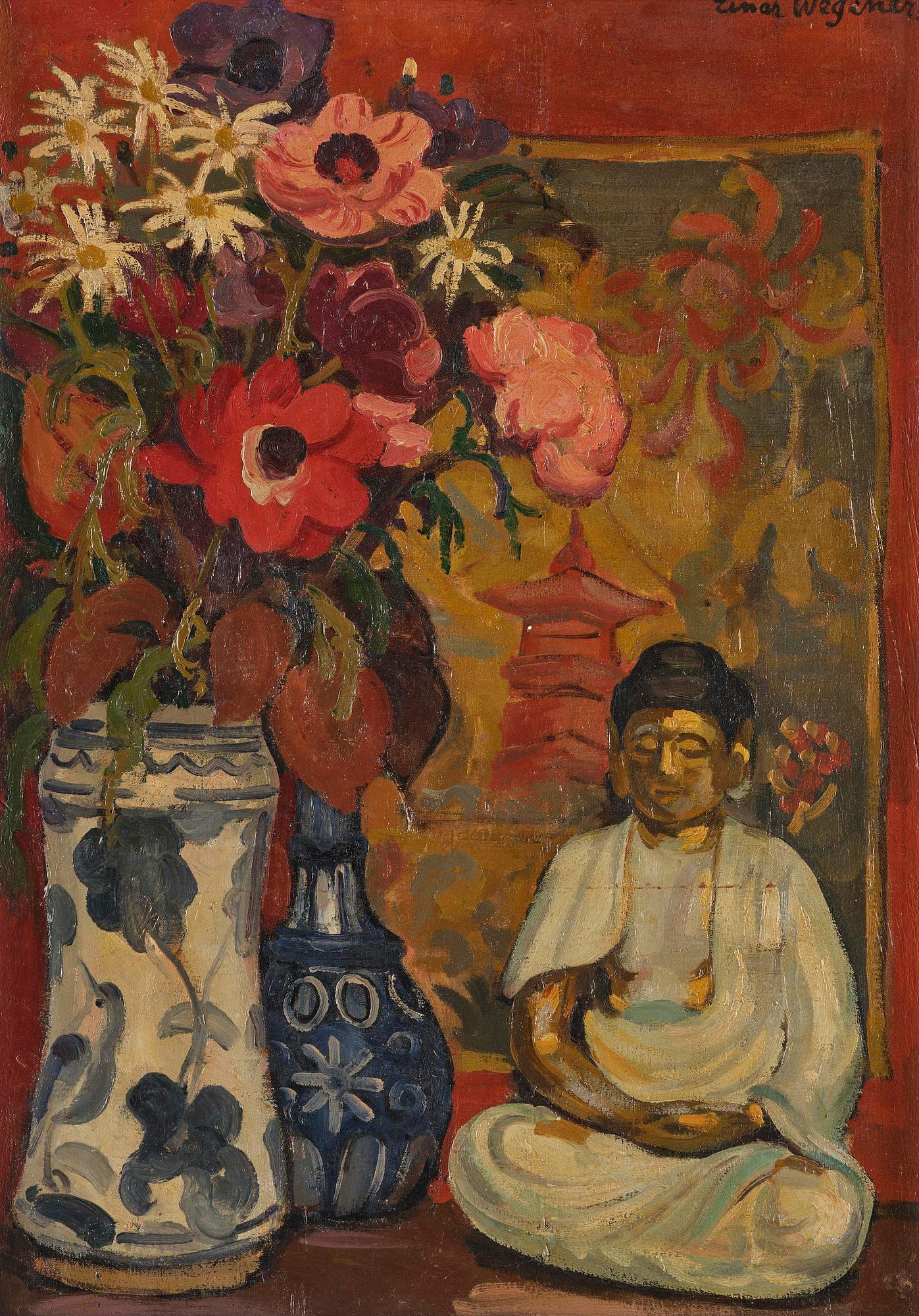
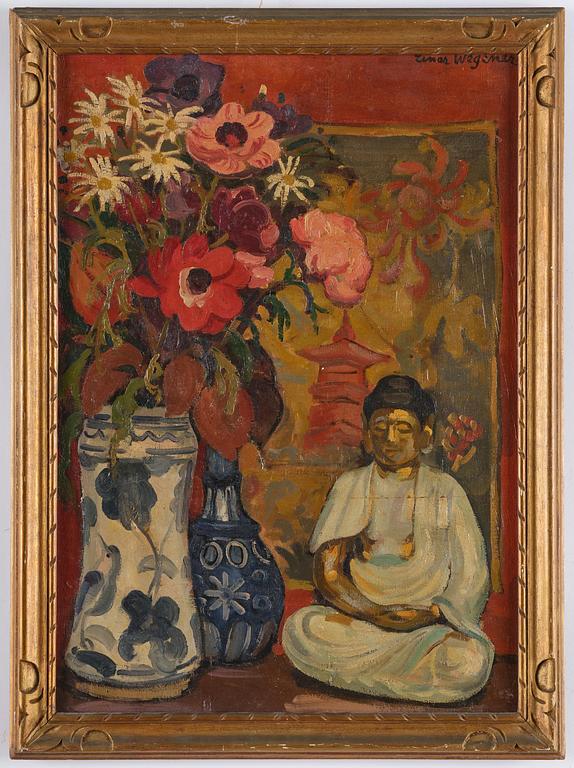
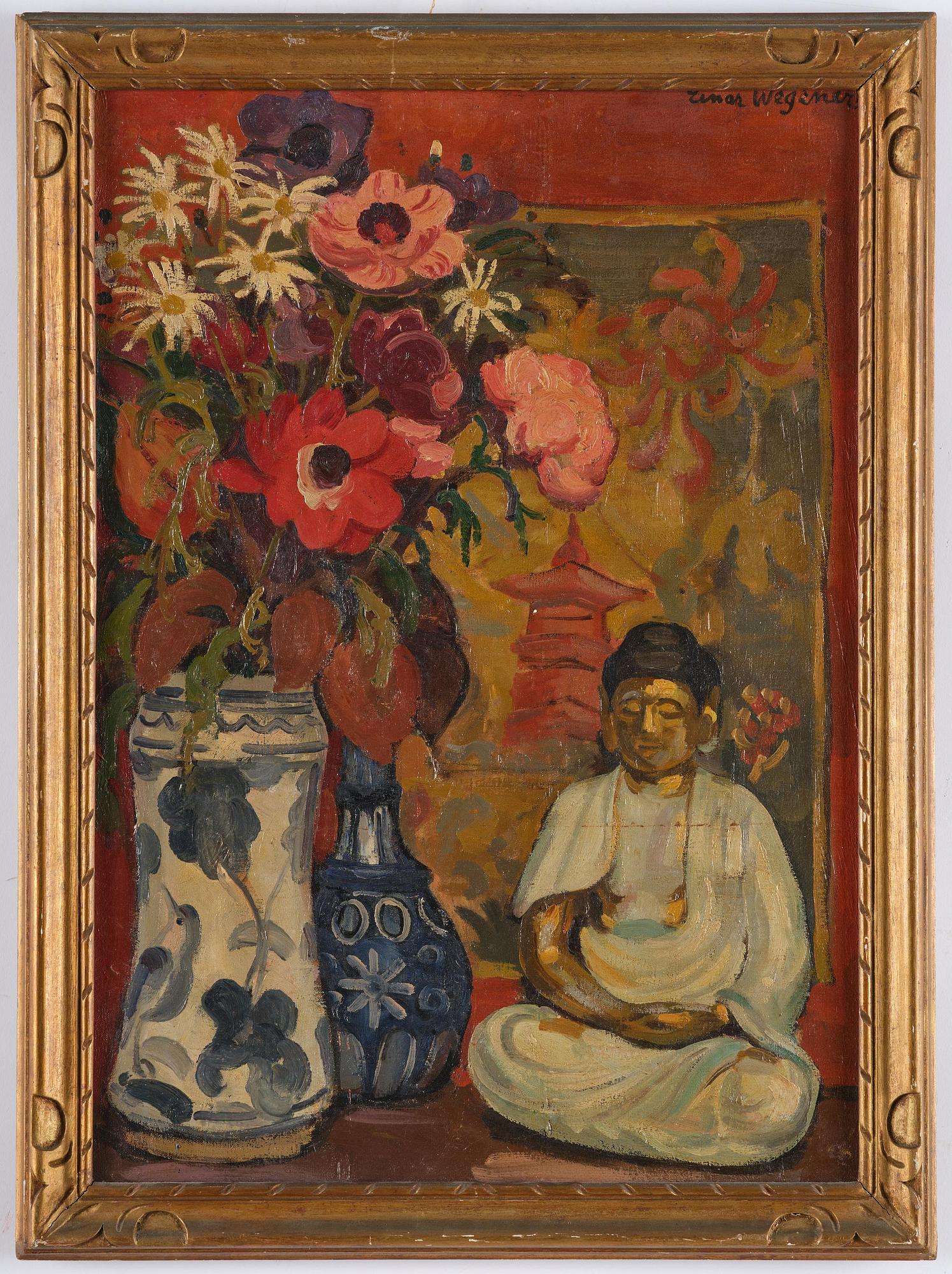
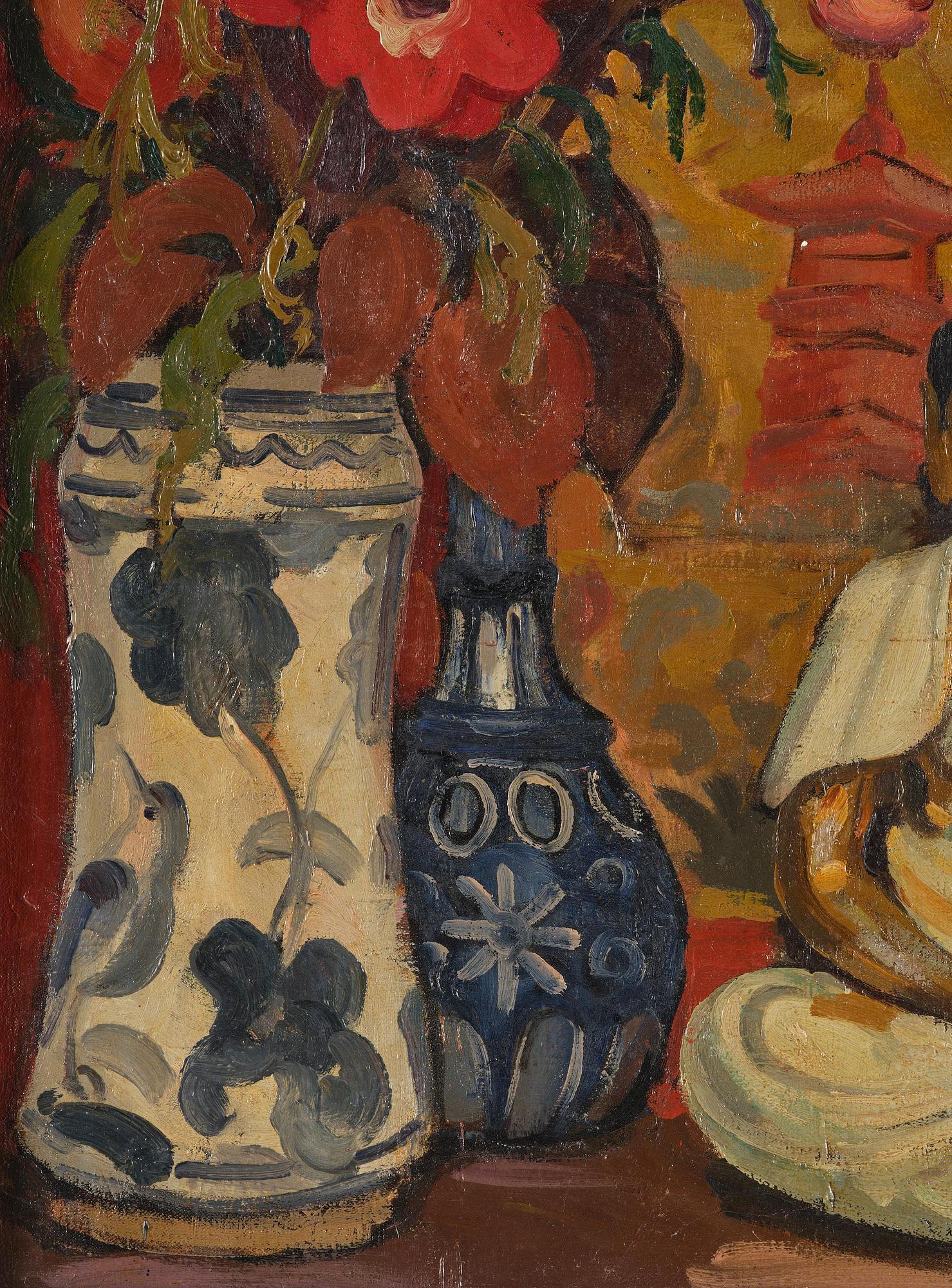
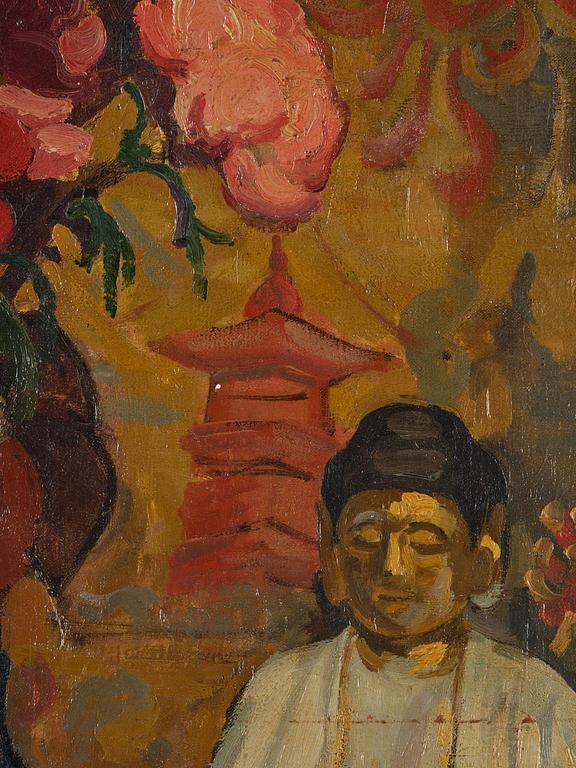
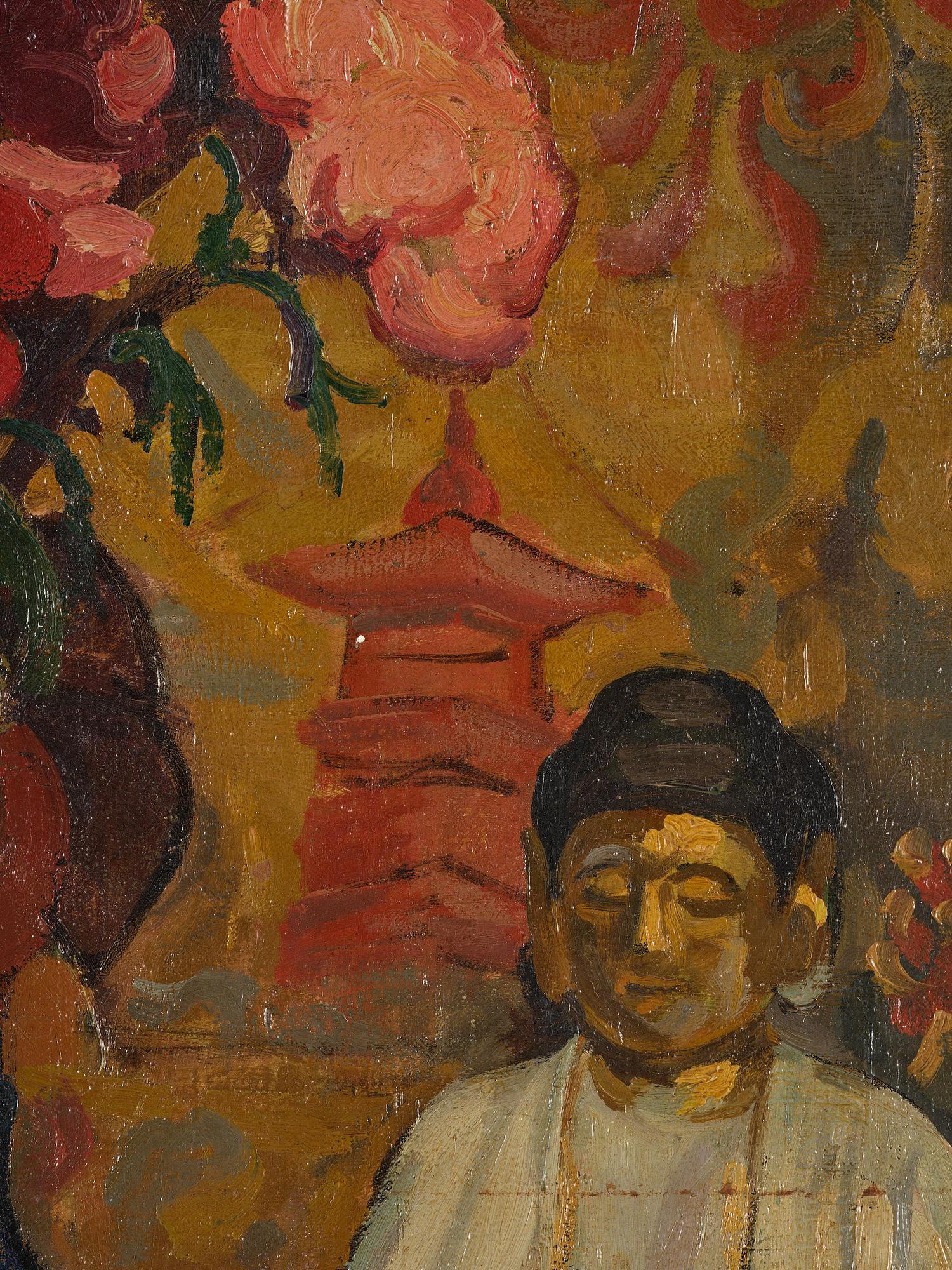
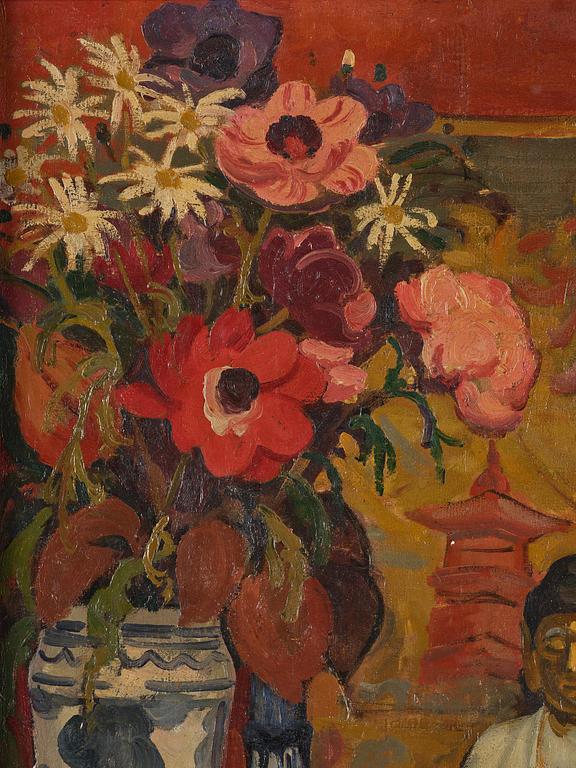
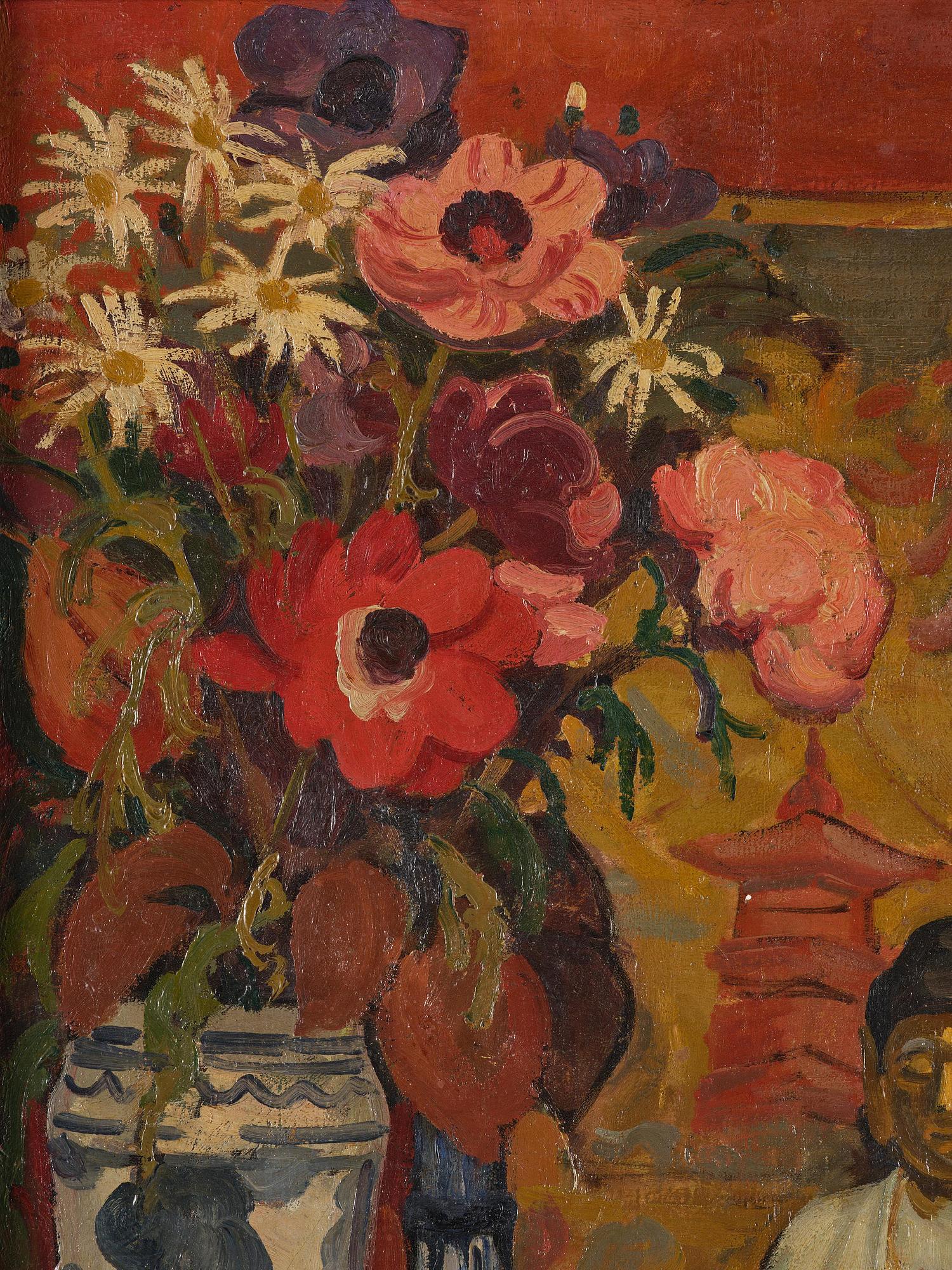
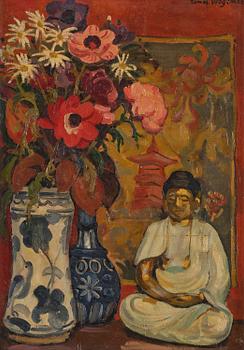
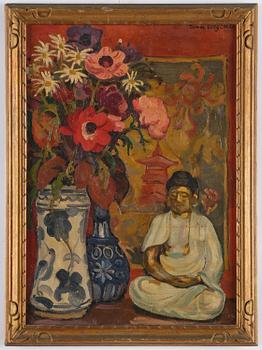
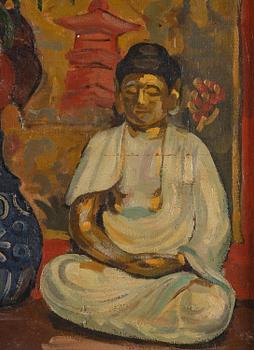
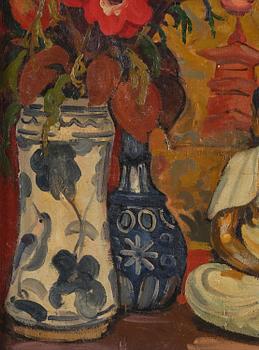
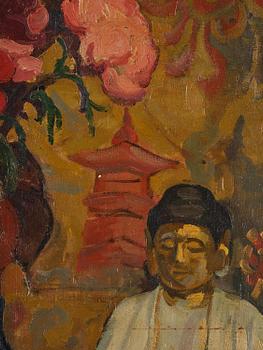
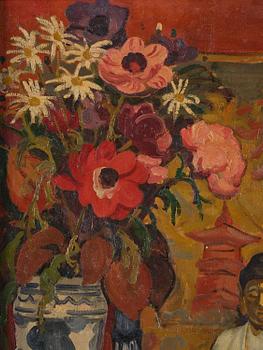
Still life with flowers
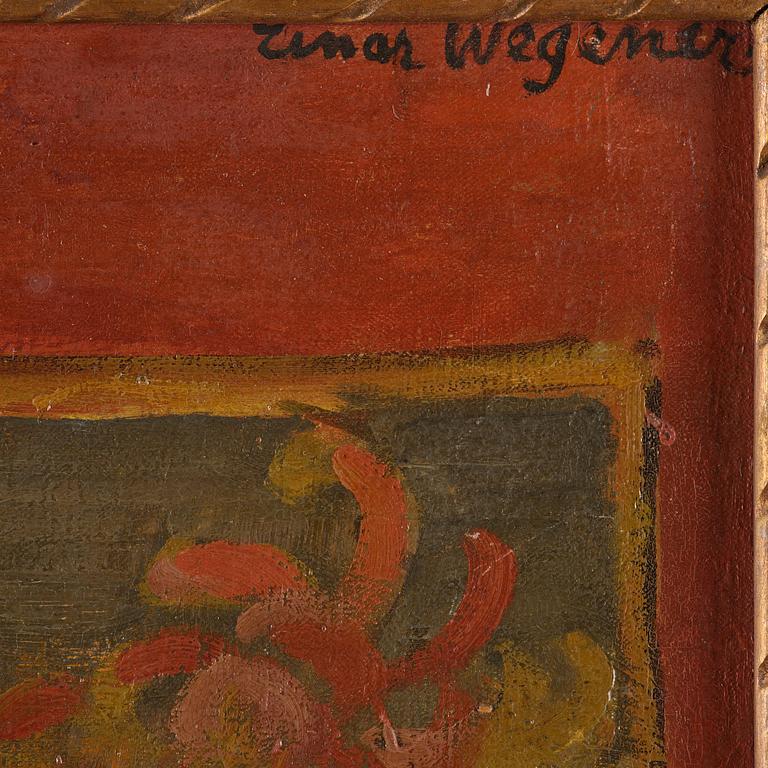
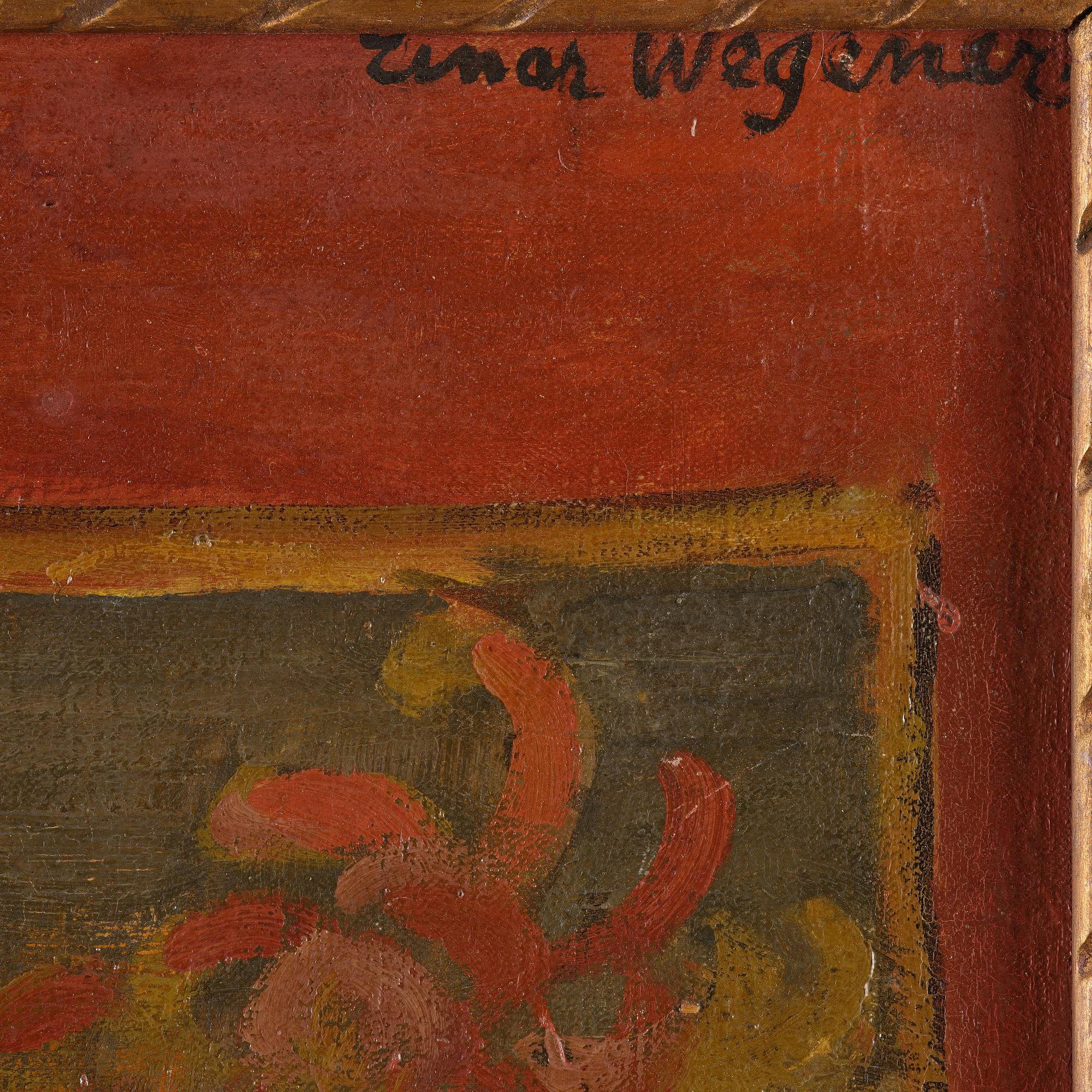
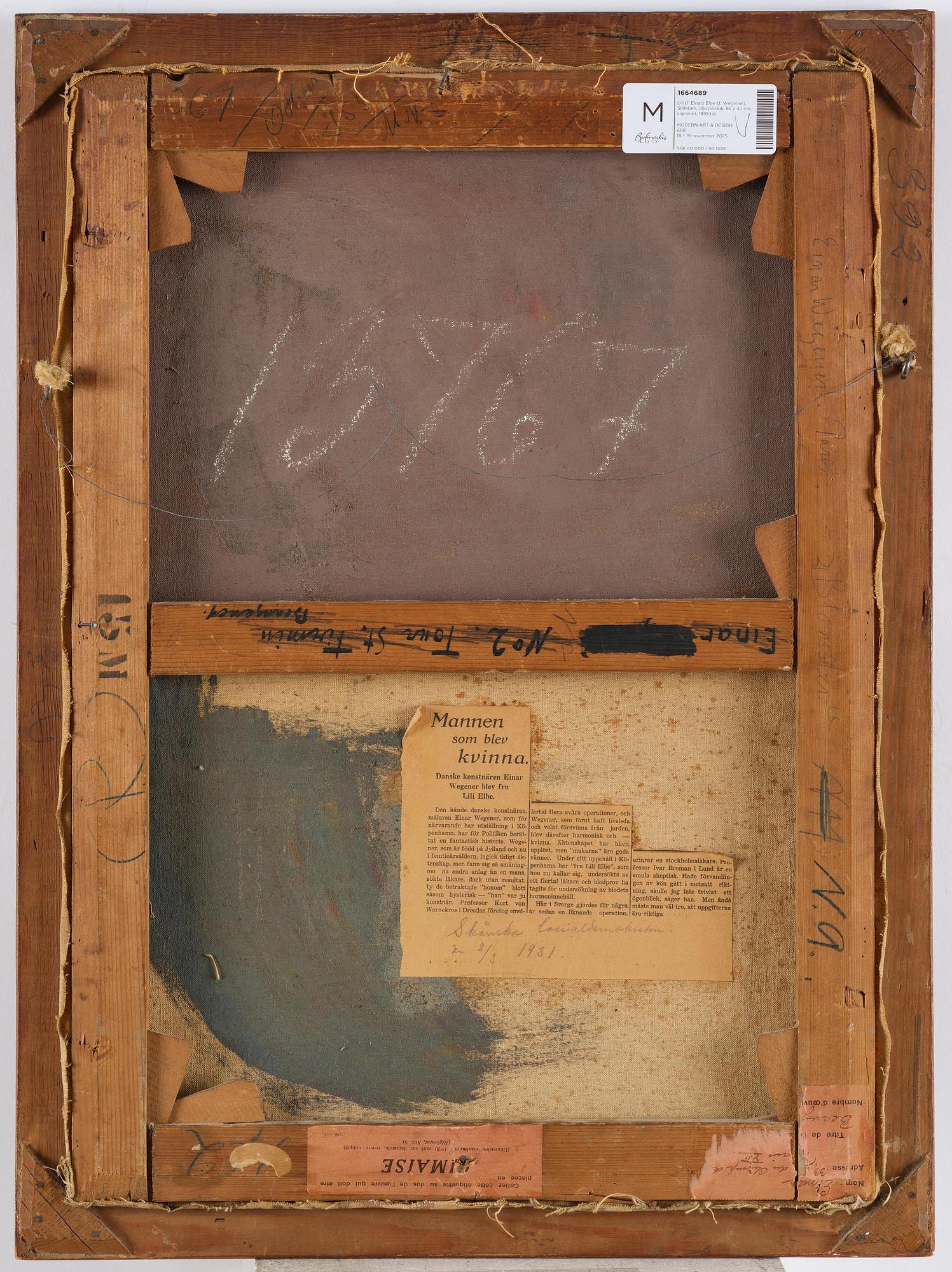
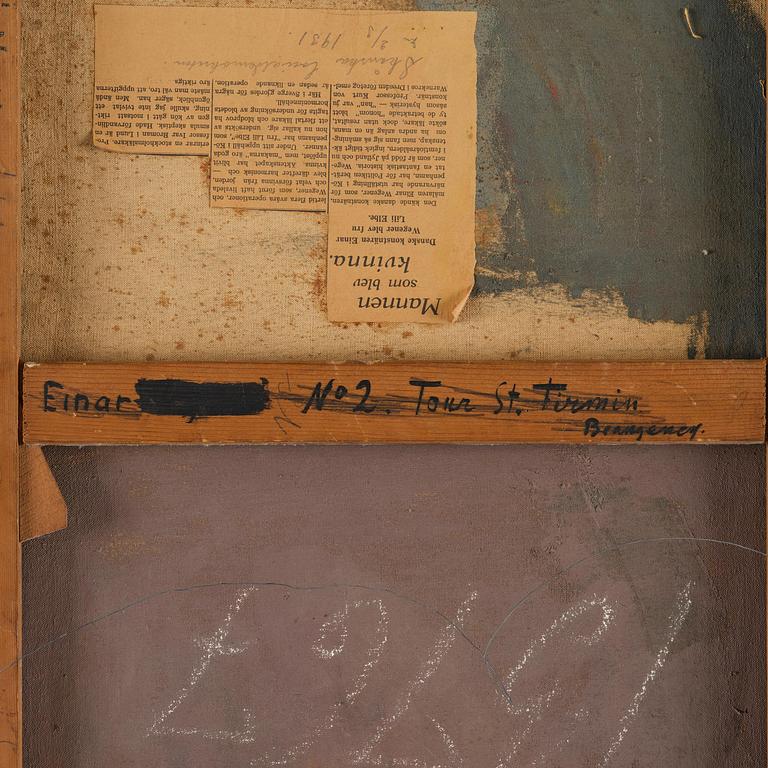
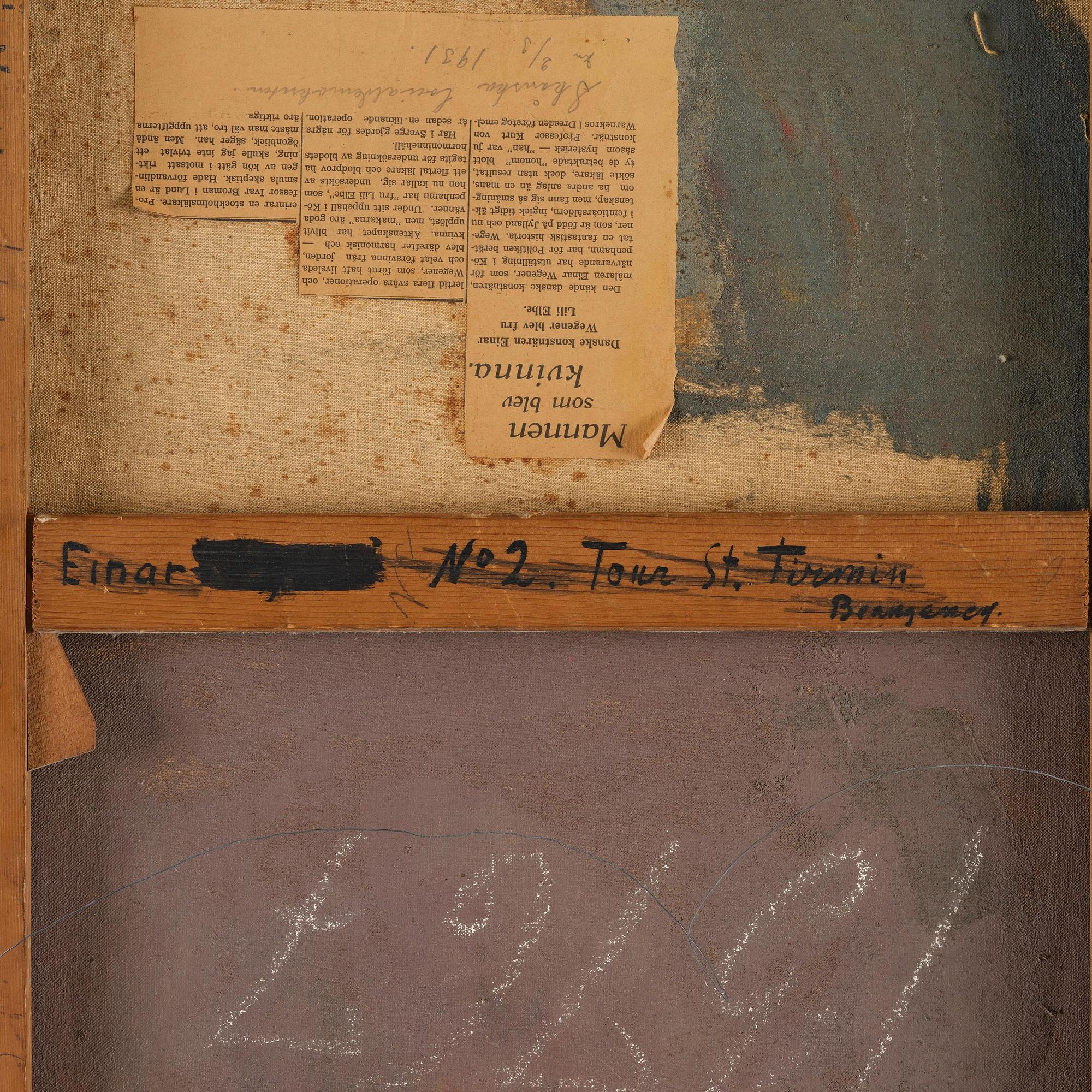
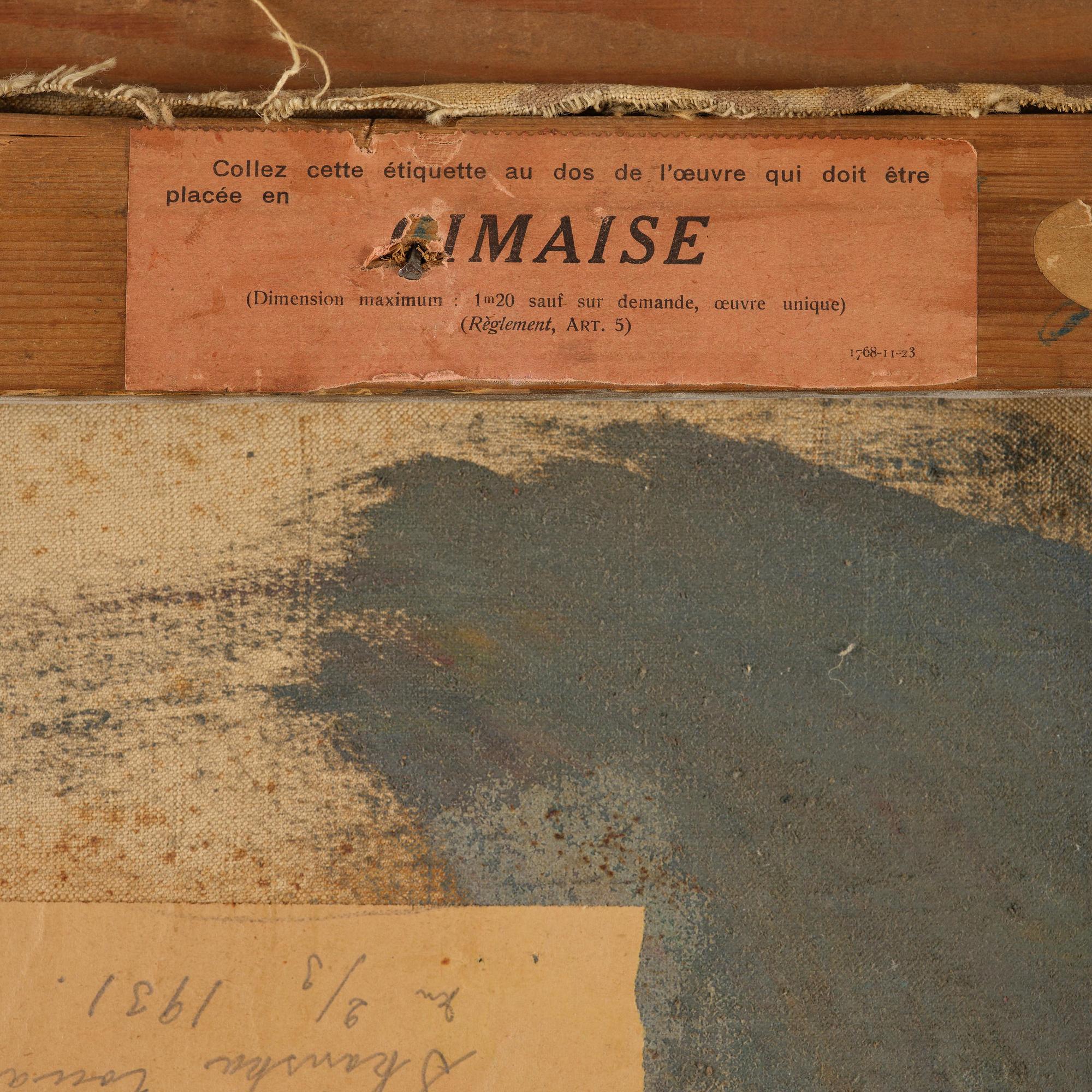
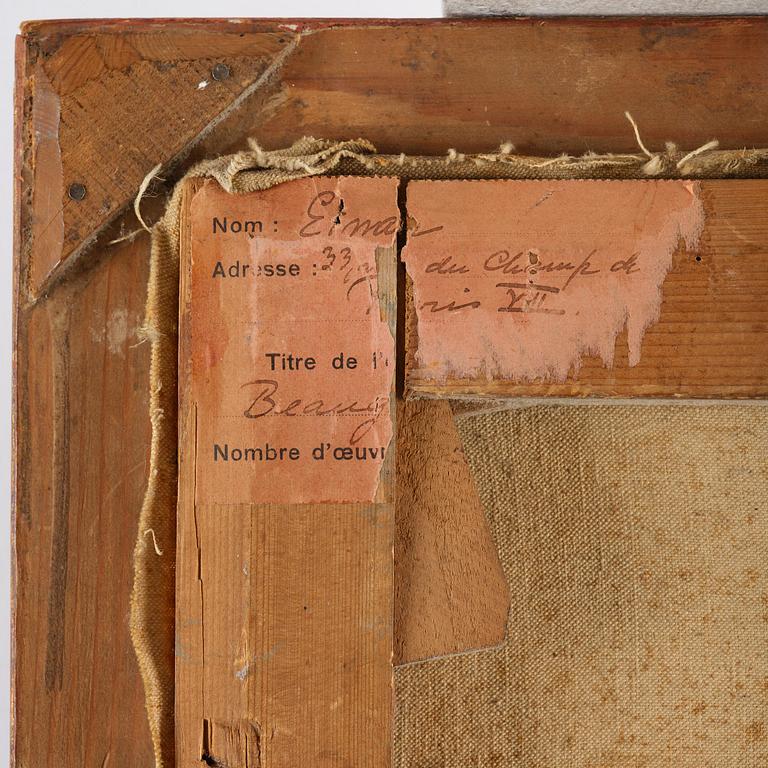
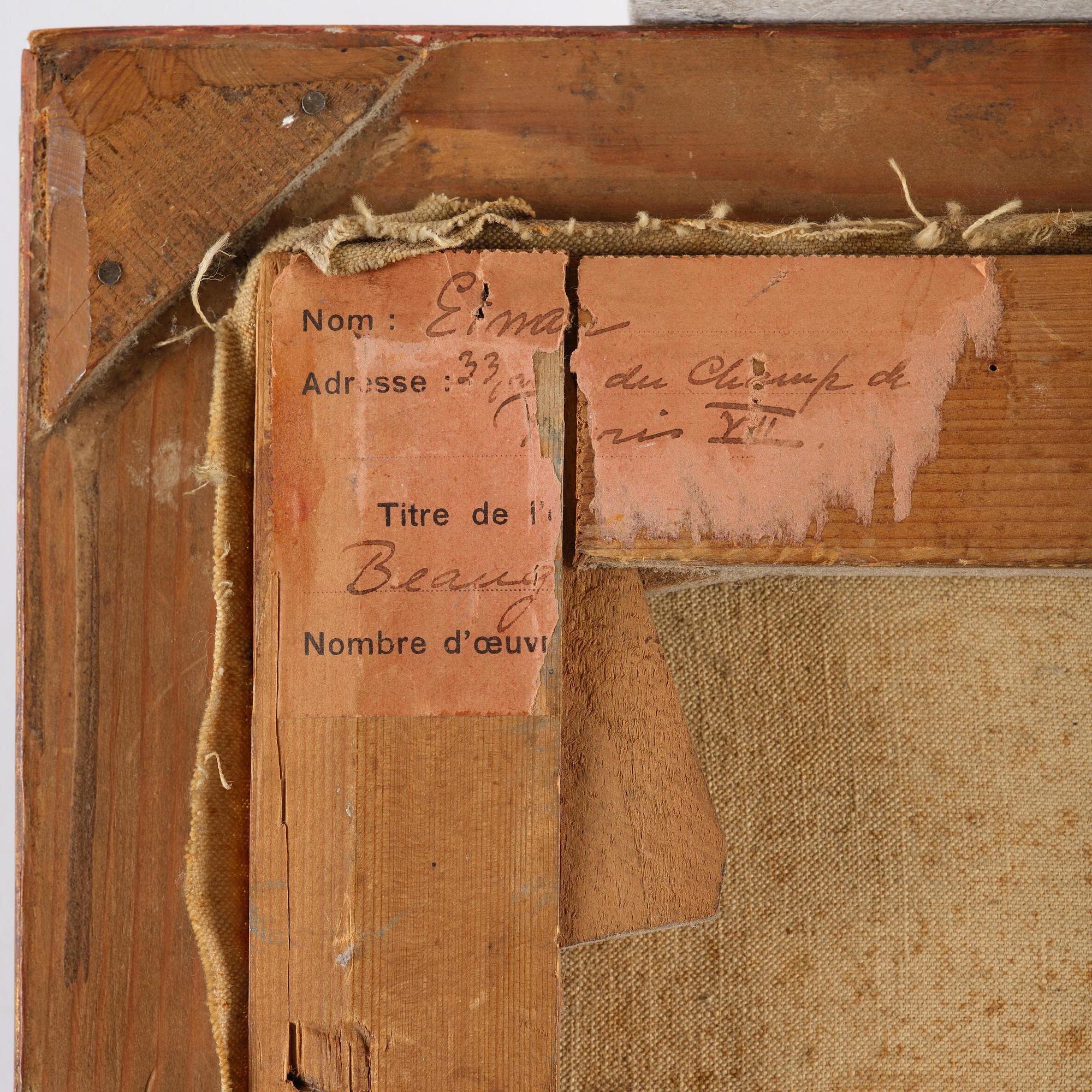
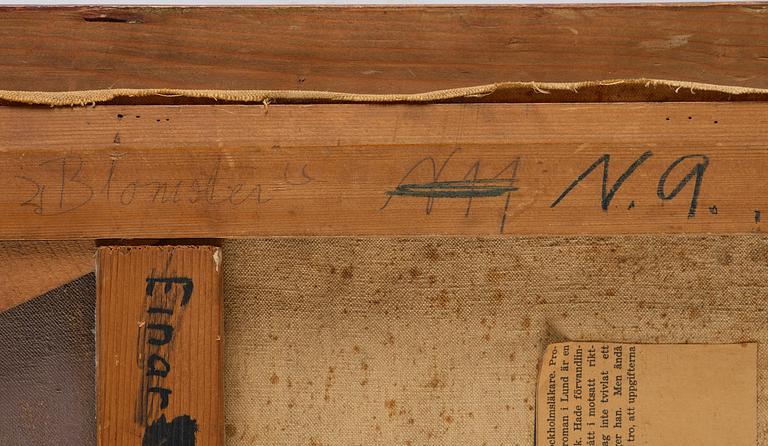
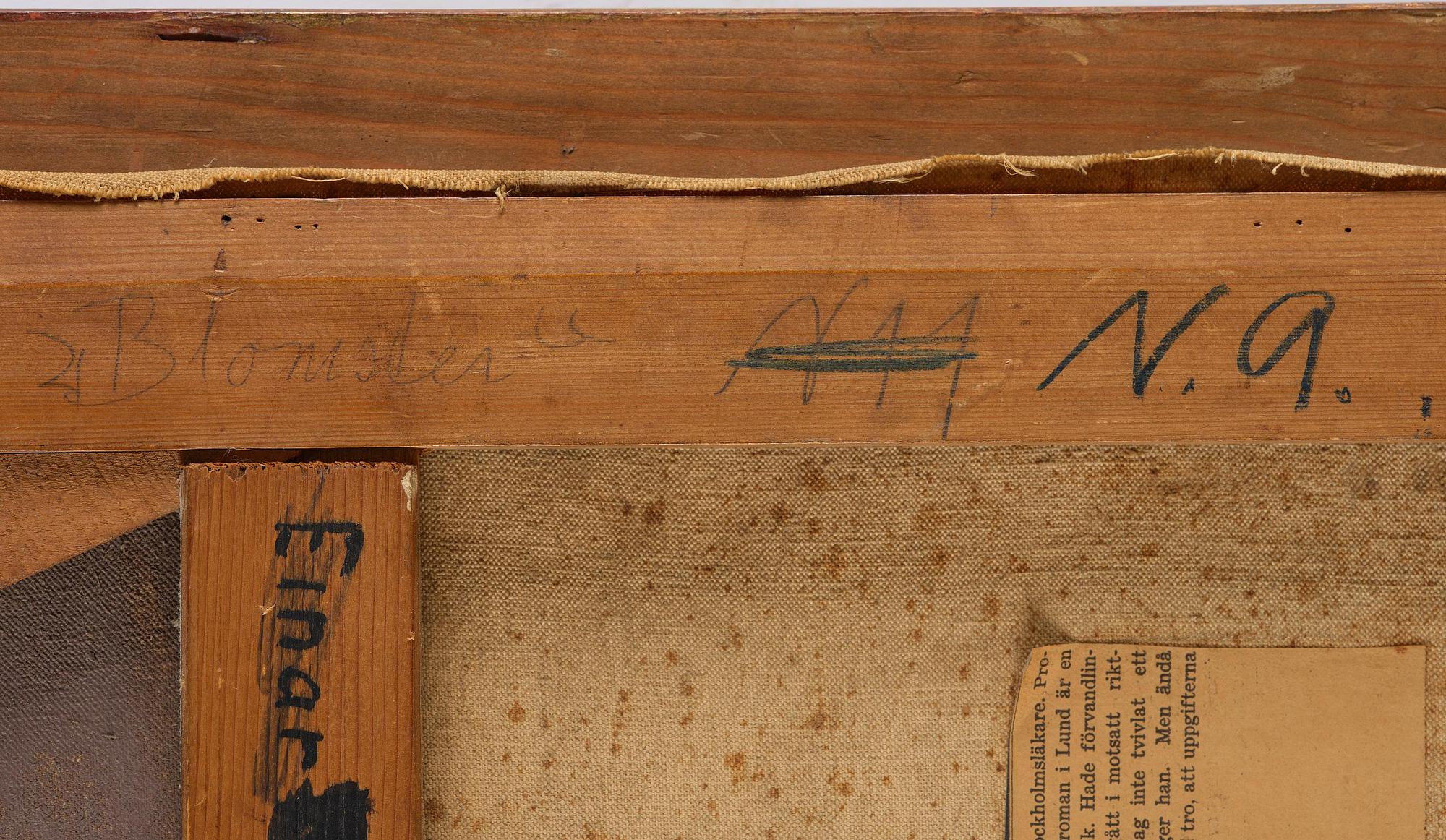
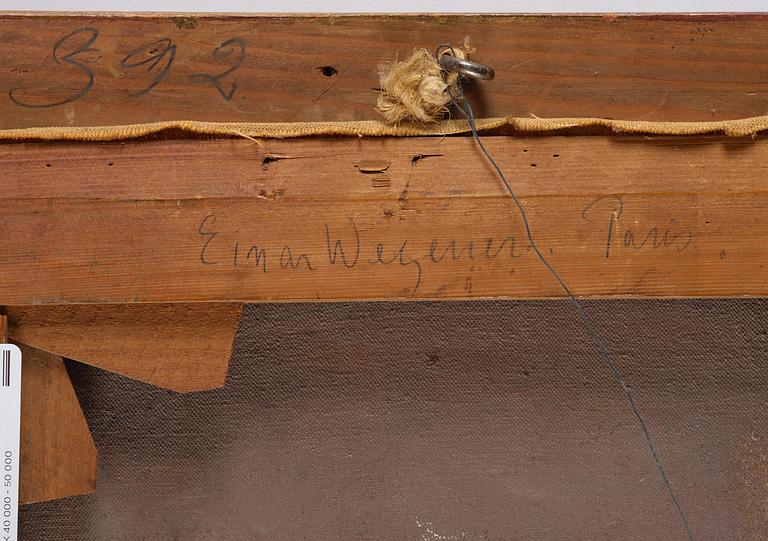
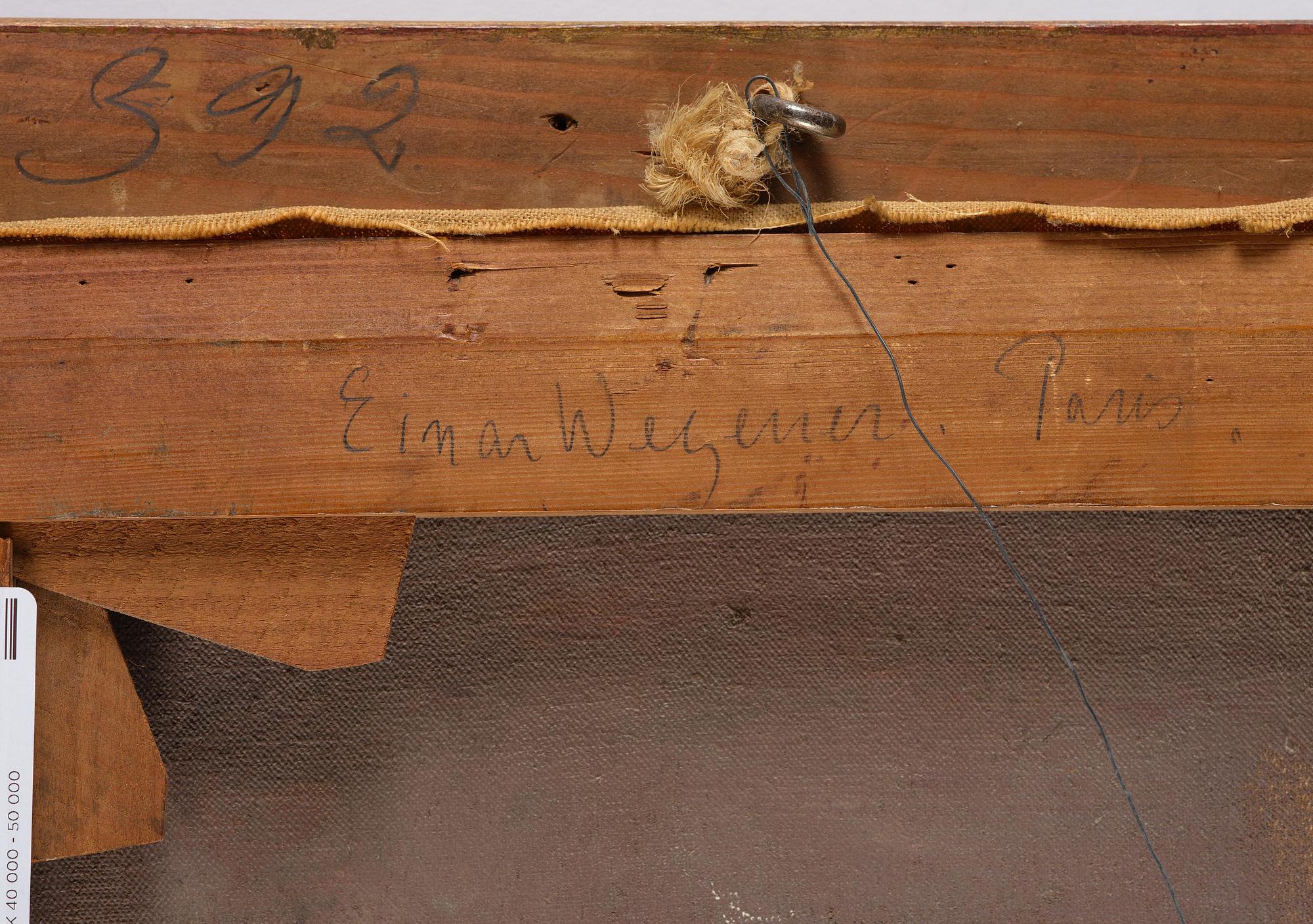
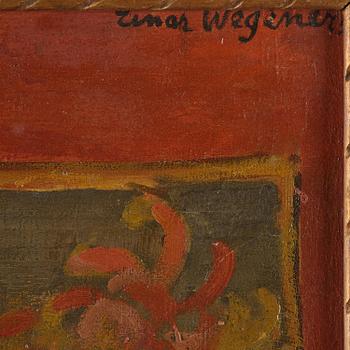
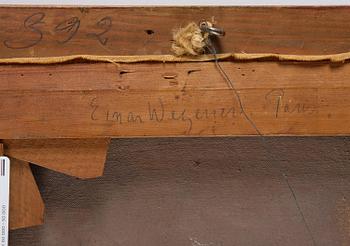
Signed Einar Wegener. Executed in the 1910s. Canvas 65.5 x 47 cm.
Muut tiedot
Beginning early in the first decade of the 20th century, Lile Elbe (then Wegener) studied art at the Royal Danish Academy of Fine Arts in Copenhagen and met Gerda Gottlieb there. The two fell in love and got married about 1905. Together, they formed an intimate partnership, both personally and artistically, which shaped the careers of both artists.
As an artist, Einar initially had a realist and traditional style. His works consisted primarily of portraits, landscapes, still lifes and genre paintings. Later in her career, she became more intimate, personal, and experimental, especially in her portrayals and photographs of Gerda, reflecting her exploration of femininity.
In 1924 her work—which included landscapes, interior scenes, still lifes, and portraits—was shown in Paris at the Salon d’Automne and the Salon des Indépendants. Once Wegener began to transition to a woman, she and Gerda had their marriage annulled. After Elbe publicly started her transition, she stopped painting. In her autobiography, she explains that she closely associated her painting with masculinity and, thus, regarded it as increasingly
Lili Elbe created a number of still life paintings during her career as a painter, primarily in her earlier years before she transitioned and stopped painting. Lili Elbe's still life works were part of her early artistic training and career. After undergoing gender-affirming surgery and transitioning, she stopped painting altogether to become her wife's, Gerda Wegener’s, model.
Her art, under both identities, was personal, but her style shifted over time as she navigated her new identity. Her still life paintings are now seen as a significant part of her early artistic output.
The story of Einar Wegener’s transition to Lili Elbe was published shortly after her death (with pseudonyms applied to all people named in the book) and has since been retold in The Danish Girl (2000), a novel by David Ebershoff, and a major feature film by the same name (2015).
Tietoa ostamisesta
Muiden katsomia kohteita