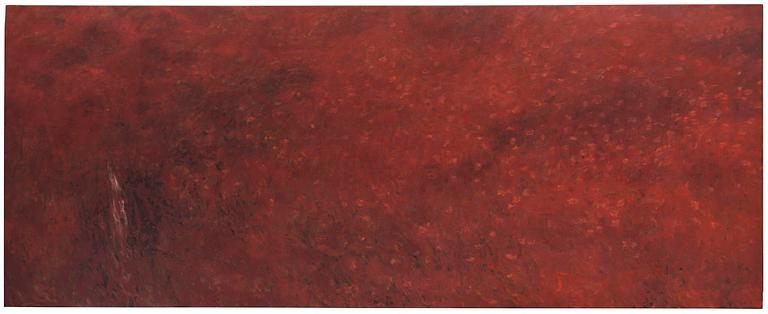
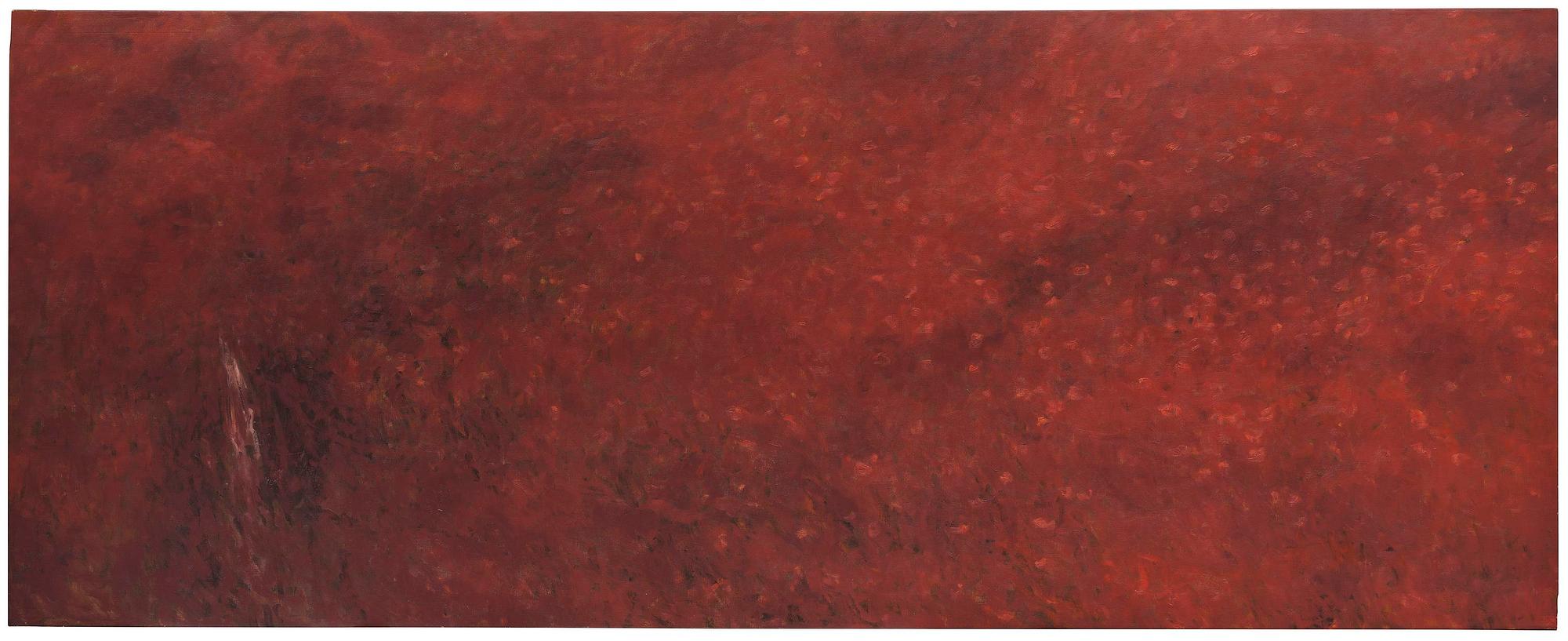
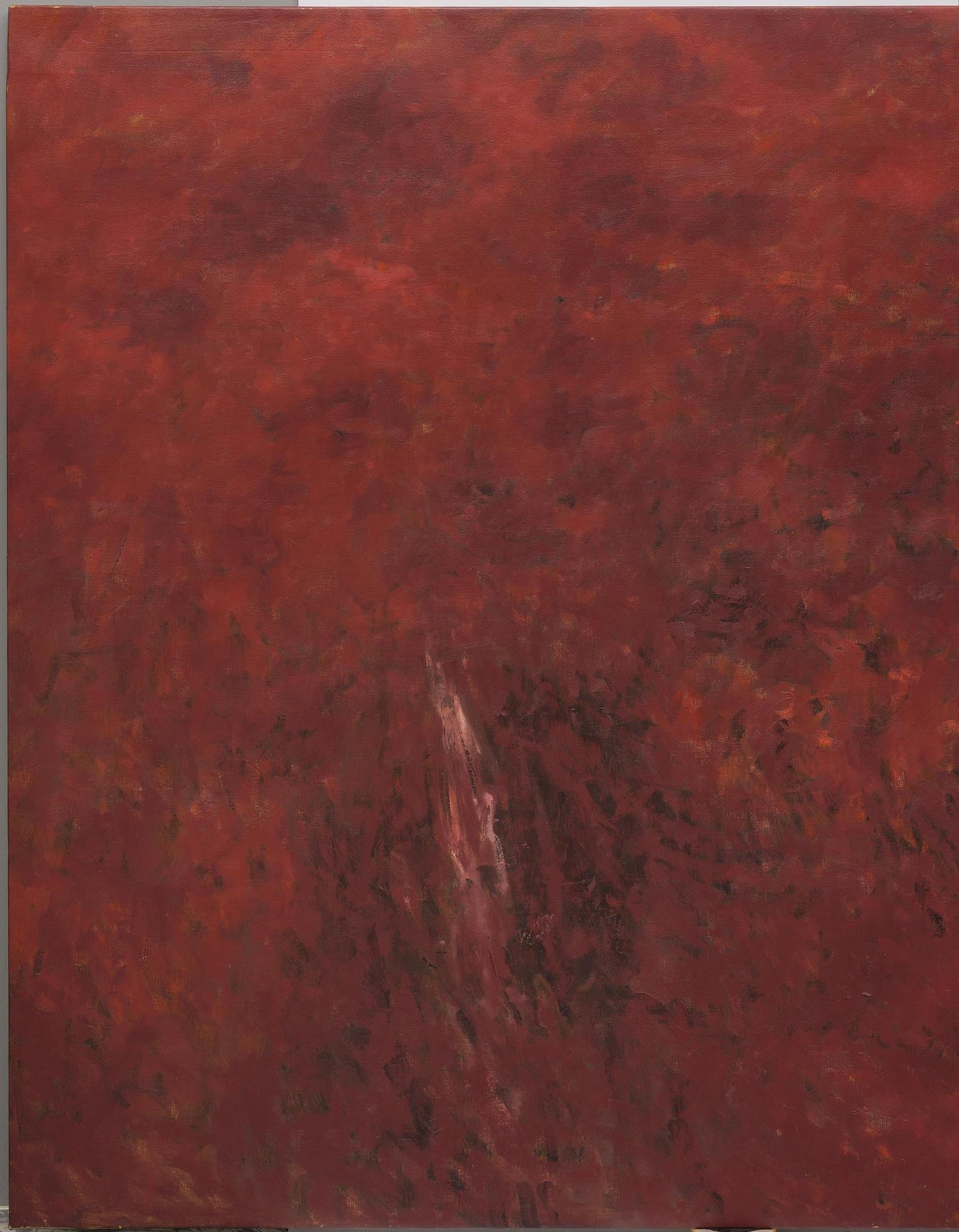
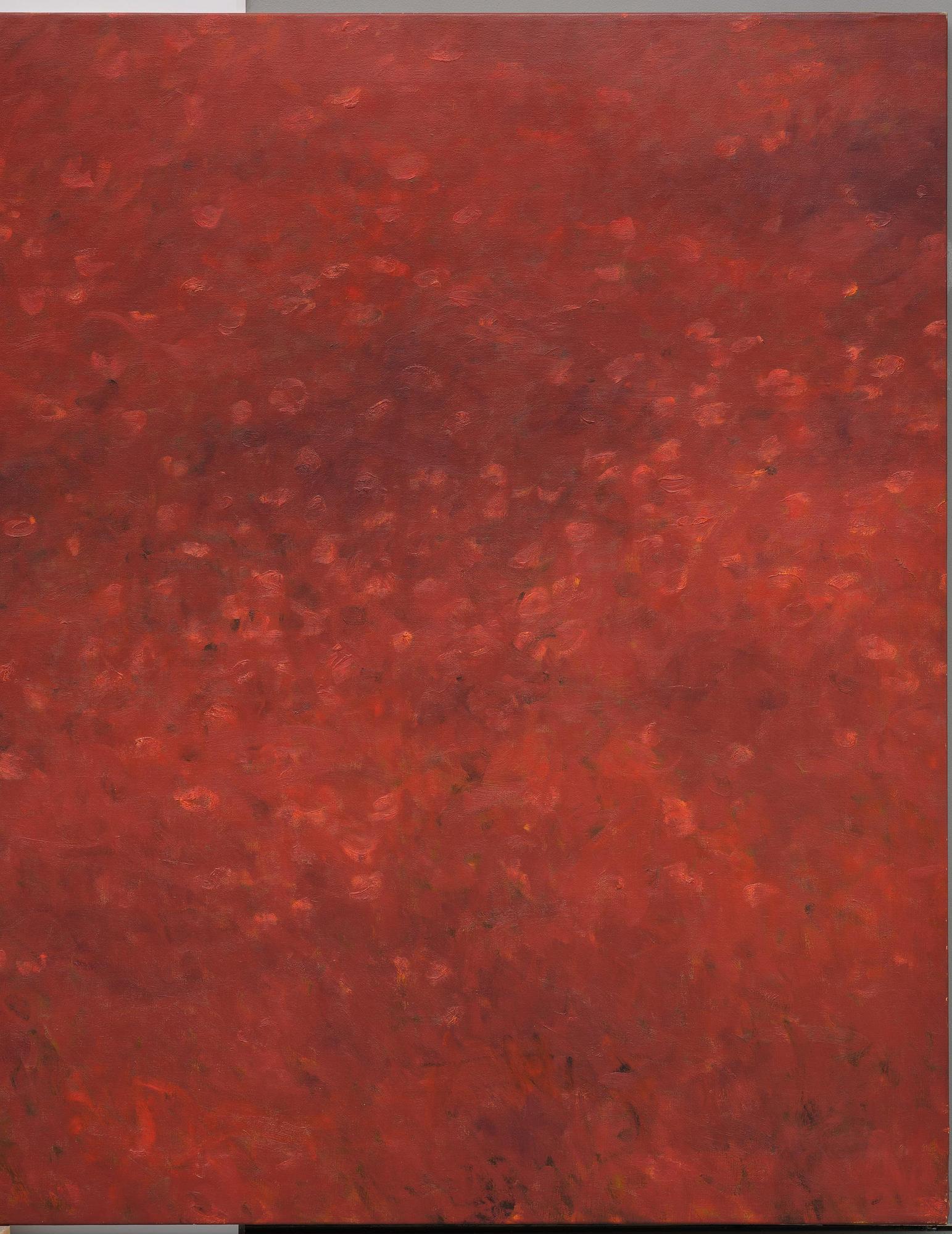
”Monolog”
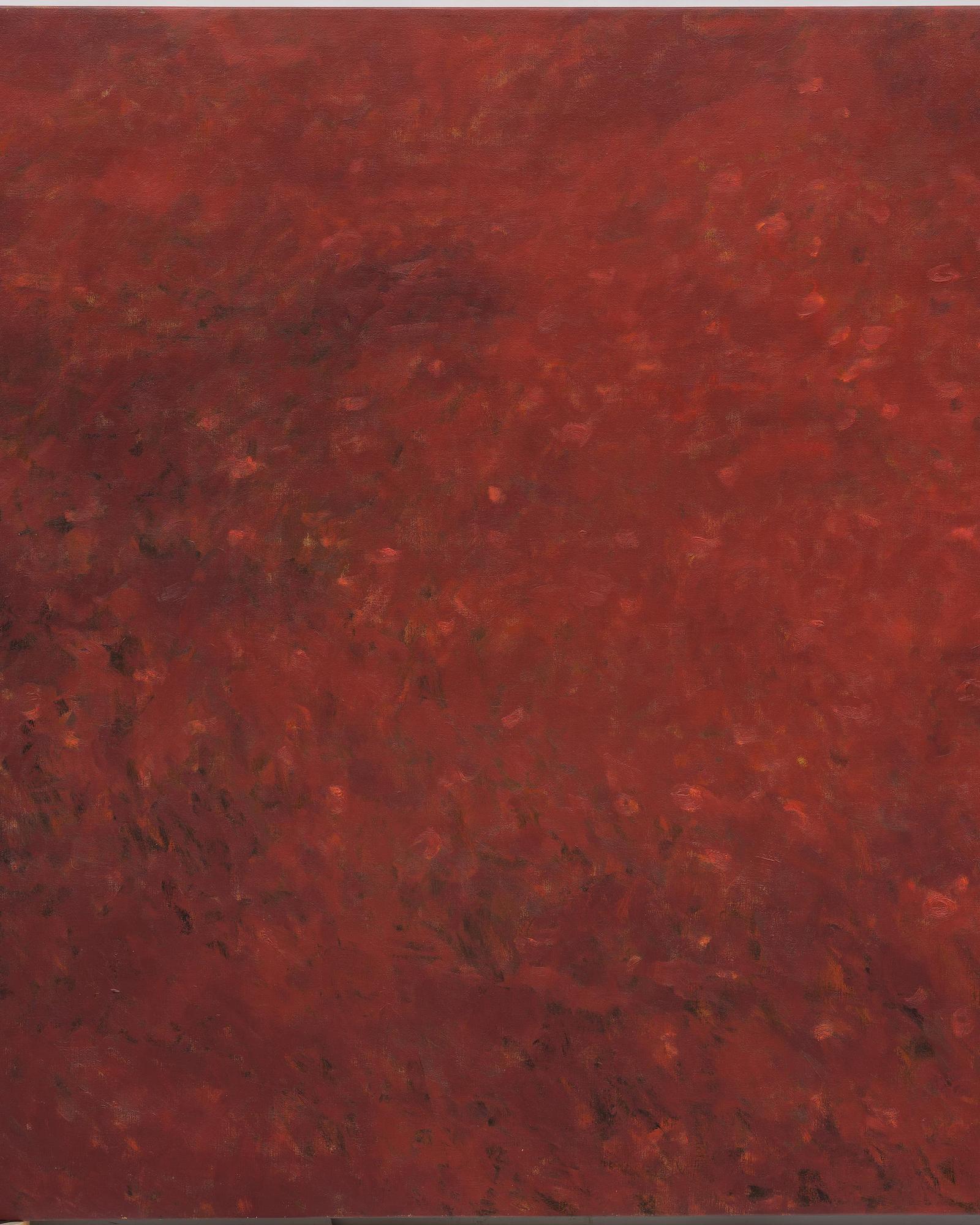
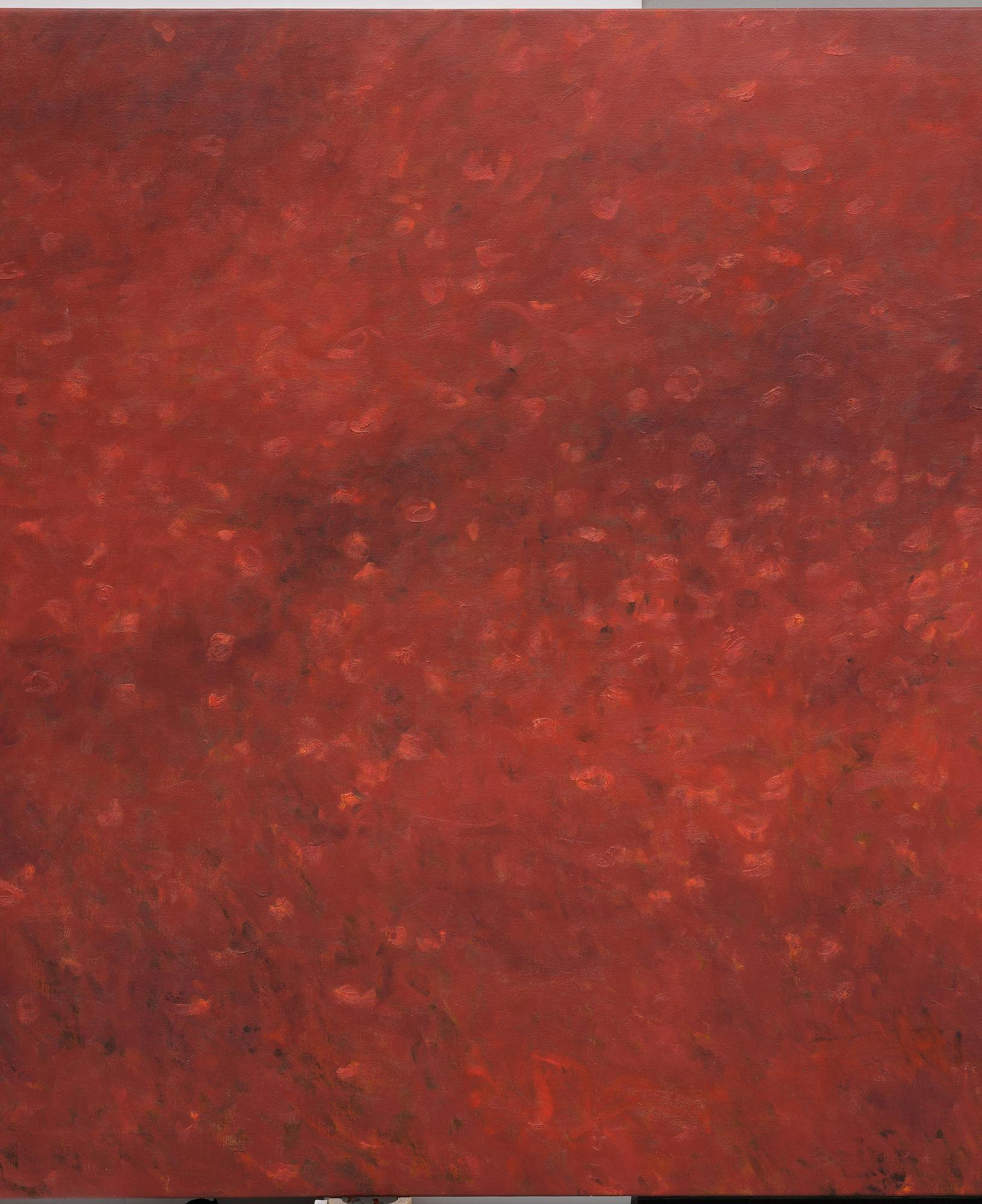
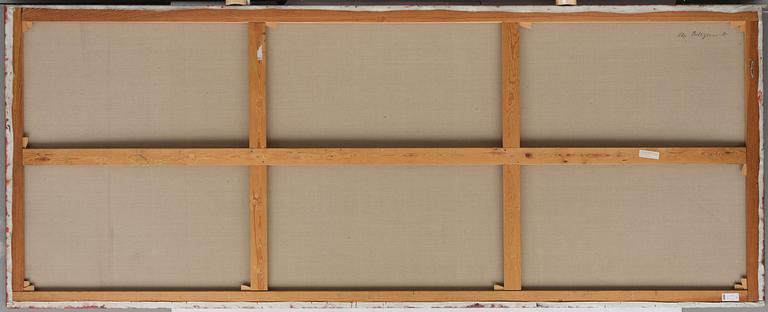
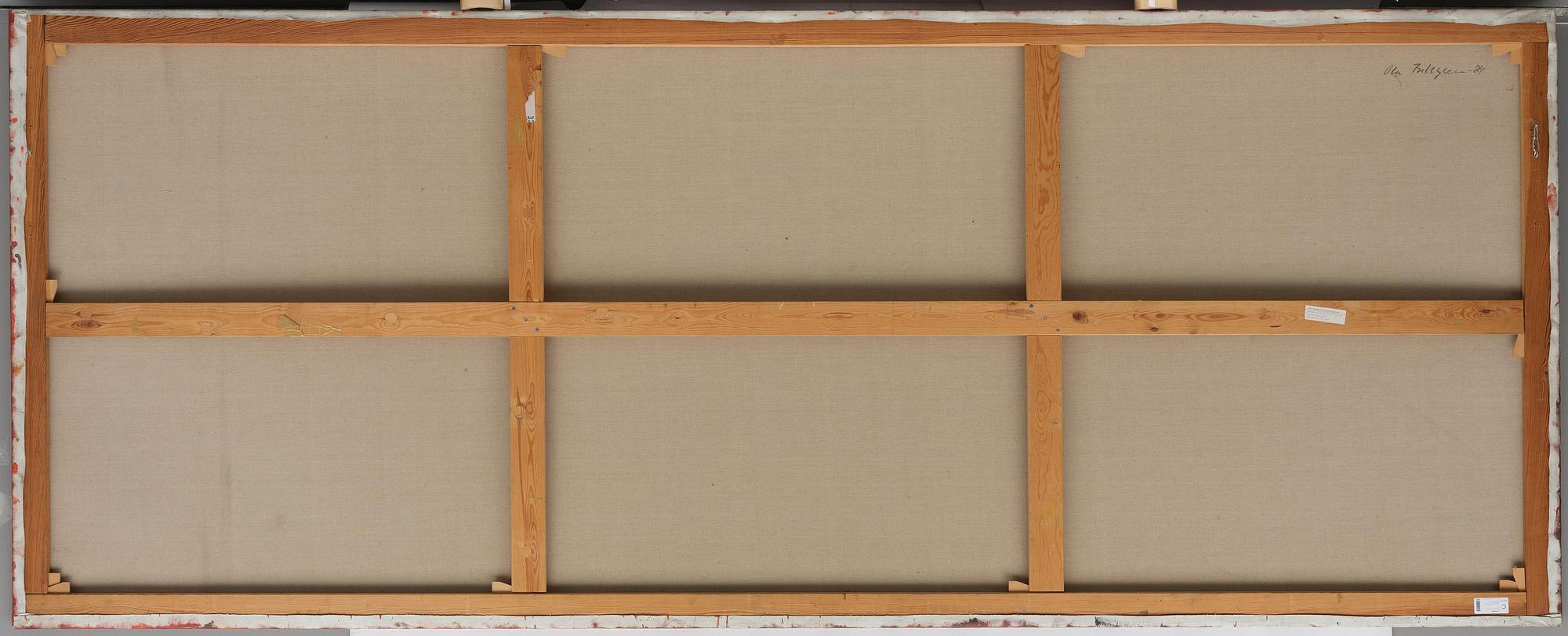
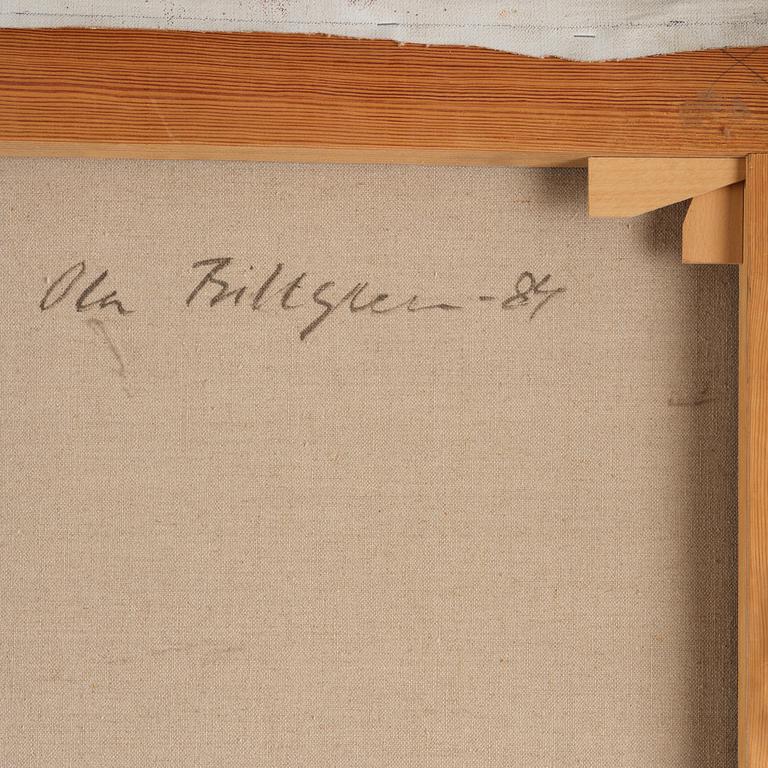
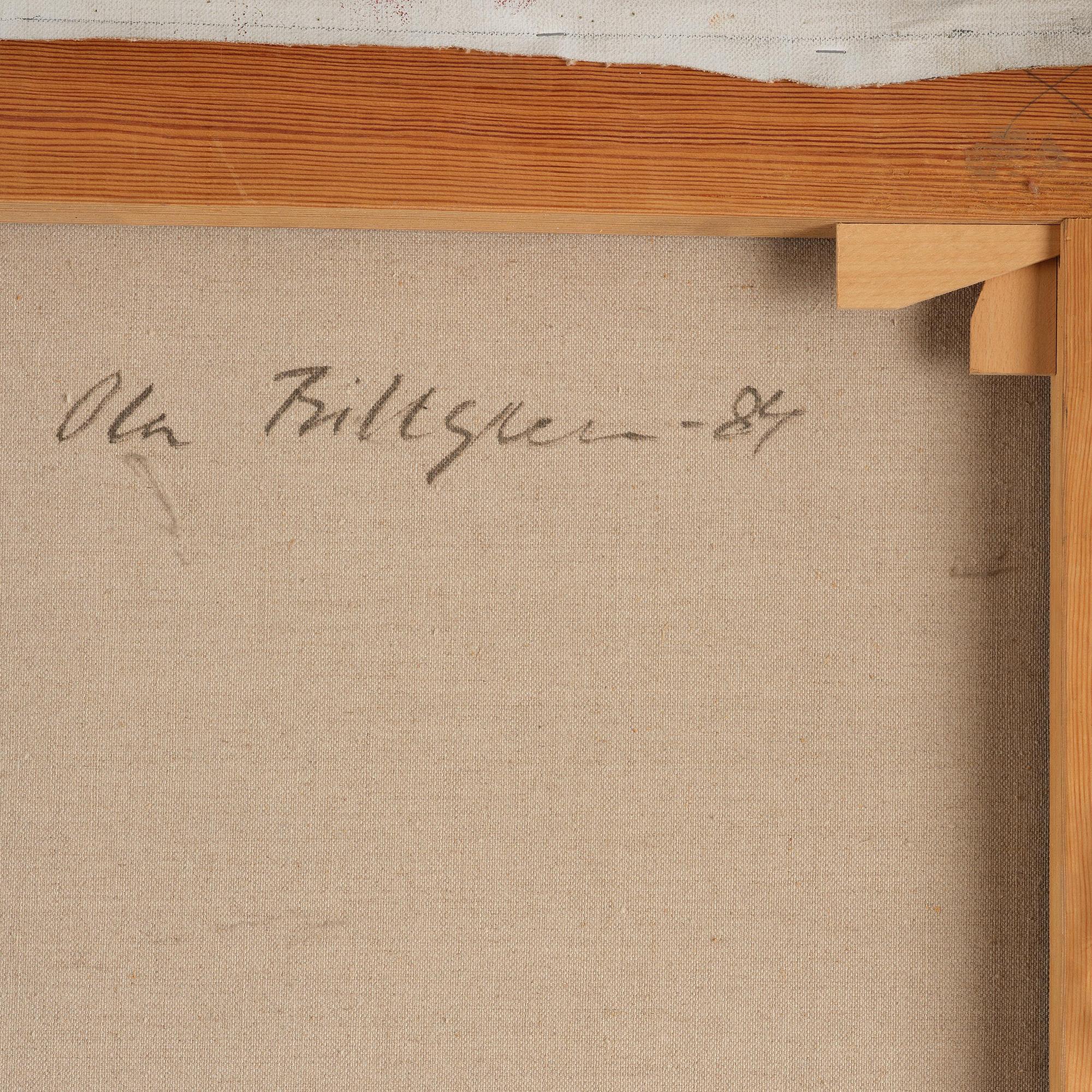
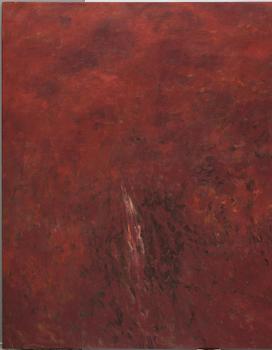
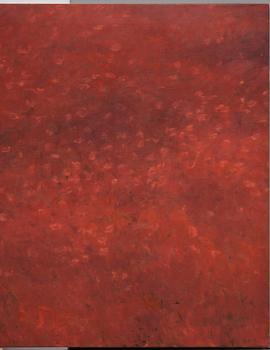
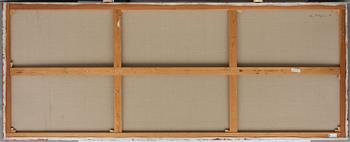
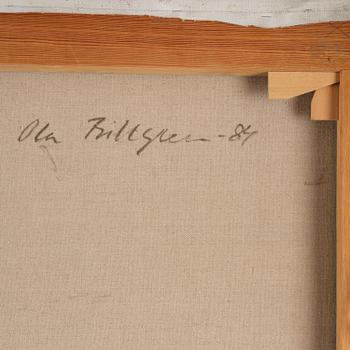
Signed Ola Billgren and dated -84 verso. Oil on canvas 161 x 401 cm.
Alkuperä - Provenienssi
Cornelis Janssen (1940–2009), artistic director at Kosta Boda. Private Collection, Sweden, acquired from the above in 1992.
Näyttelyt
Göteborgs konstmuseum, "Ola Billgren: paintings 1964-1995", 20 September - 16 November 1997, cat. no. 9.
Sundsvalls Museum, "Ola Billgren: paintings 1964-1995", 6 December 1997 - 25 January 1998, cat. no. 9.
Kirjallisuus
Lena Boëthius and Ola Billgren, "Ola Billgren: målningar 1964-1995", 1997, illustrated on p. 20-21.
Douglas Feuk and Anne Ring Petersen, "Ola Billgren - Måleri/Paintings", 2000, illustrated on p. 268-269.
Douglas Feuk, "Livslång Rörelse - En essä om Ola Billgrens konstnärsskap", 2024, illustrated on p. 300-301, mentioned on p. 302.
Muut tiedot
Ola Billgren had his breakthrough in the 1960s as one of the leading representatives of Swedish New Realism. His early painting is characterized by an almost photographic way of seeing, where reality is presented through fragments and carefully selected details. This objective approach has clear connections to the ideas of the French writer Alain Robbe-Grillet, who likewise sought to distance himself from a romanticized view of artistic creation. During the 1970s, Billgren’s expression changed as the human figure became more central in his work.
In the transition to the 1980s, he abandoned the realist mode of expression and instead developed a freer, more color-based painting, which he himself referred to as “romantic landscapes.” This shift followed an artistic crisis and resulted in a more abstract visual world in which color assumed an increasingly dominant role. The color red in particular became central—something that can be traced from “Fröken i April” (1966) and further developed in works such as “Procession” (1987) and “Sevillamorgon” (1989).
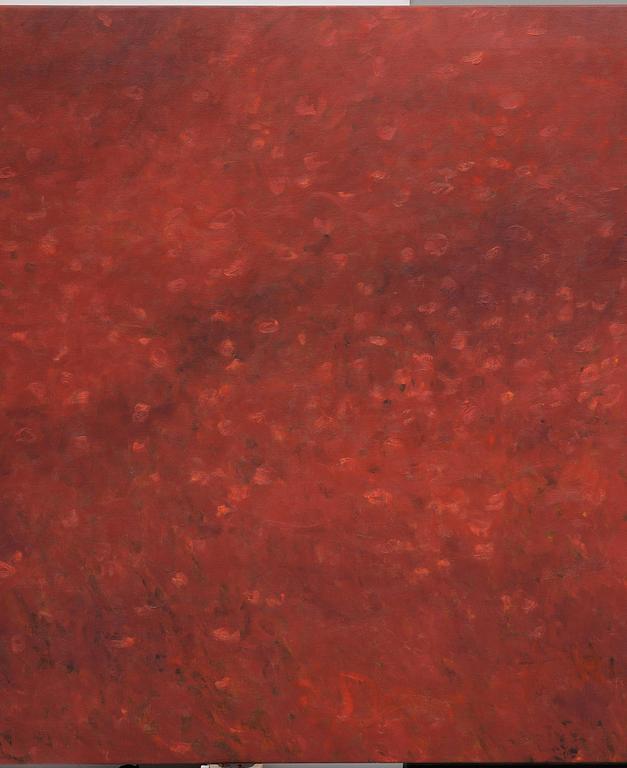
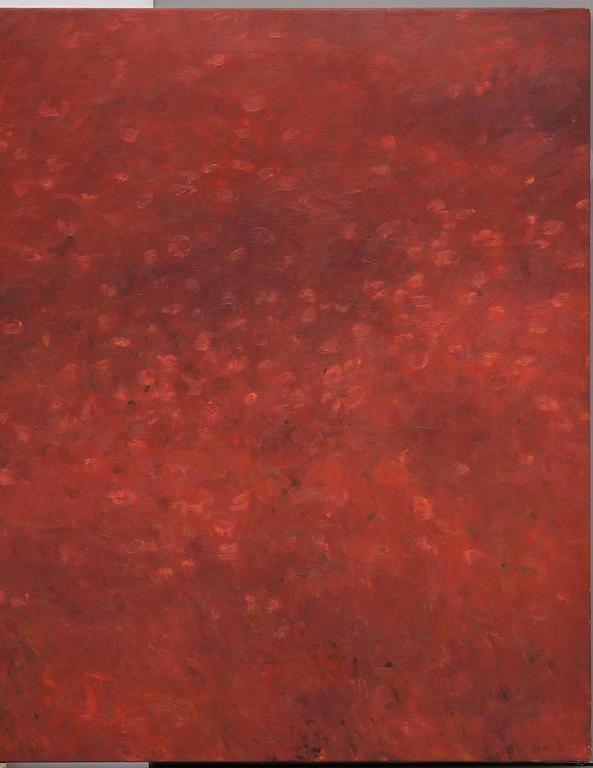
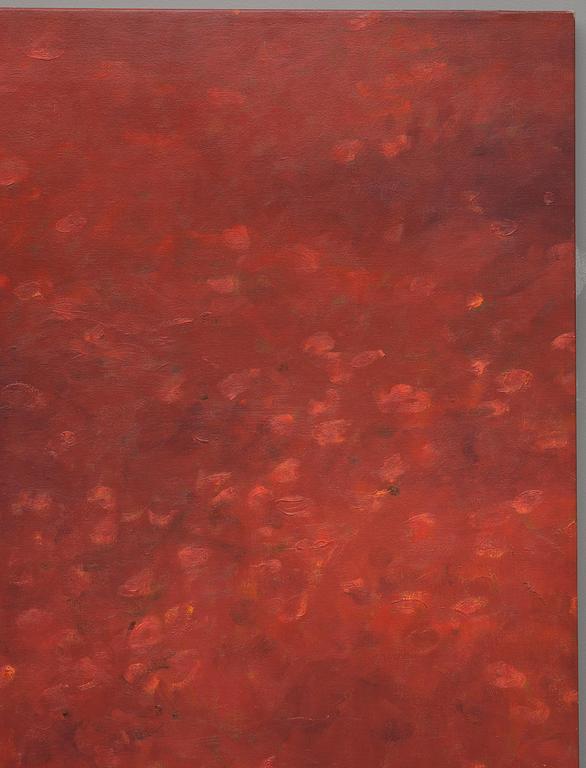
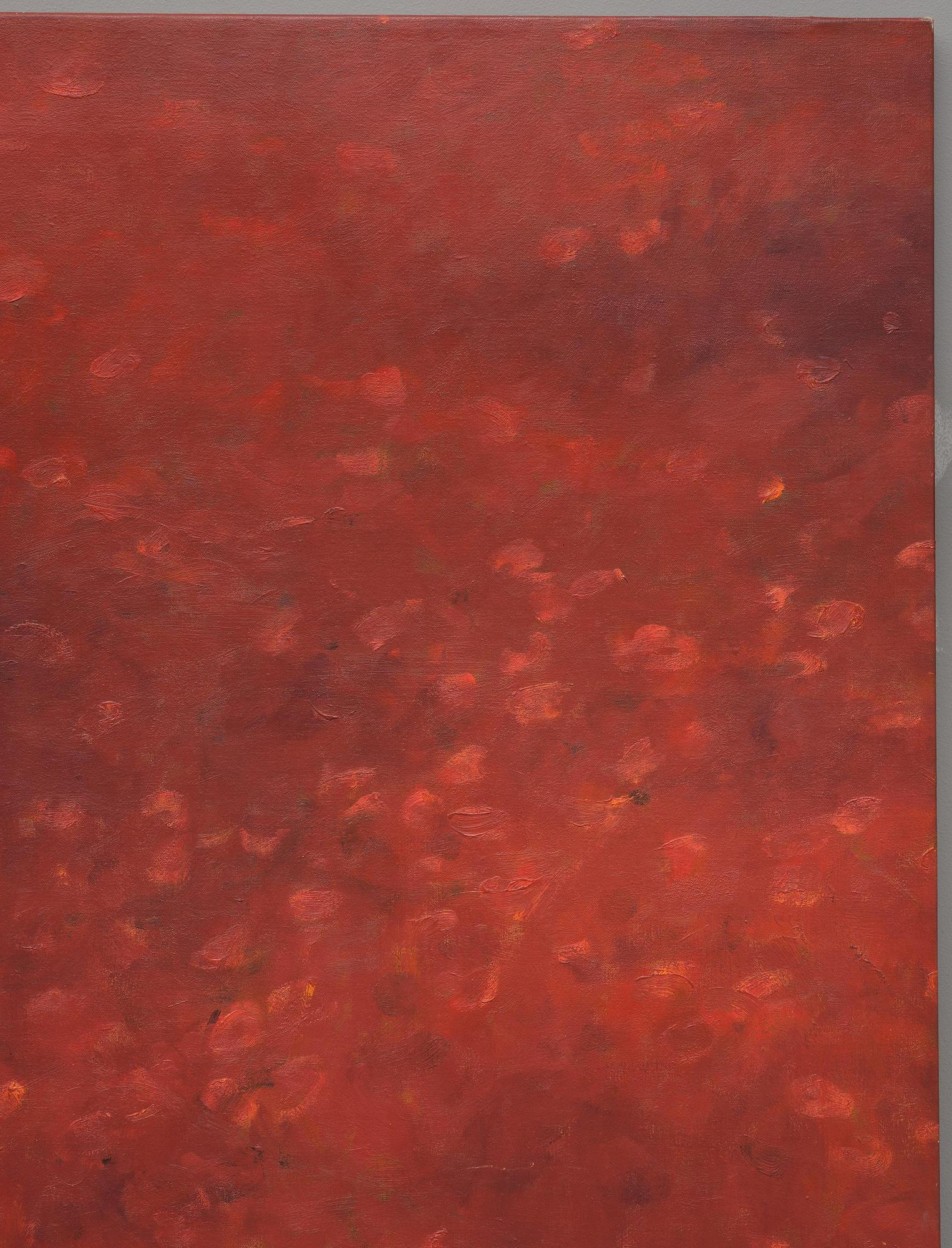
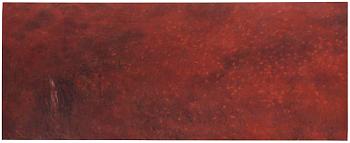
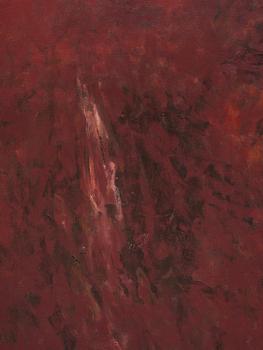
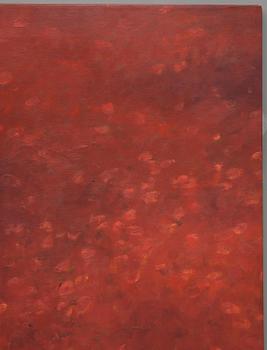
This development reaches a peak in “Monolog,” a monumental painting in which the color red dominates the entire pictorial surface, creating an intense and immersive experience. When the work was exhibited at the Gothenburg Museum of Art in 1997 and later at the Sundsvall Museum, it attracted considerable attention. In the exhibition catalogue, the painting is described in detail:
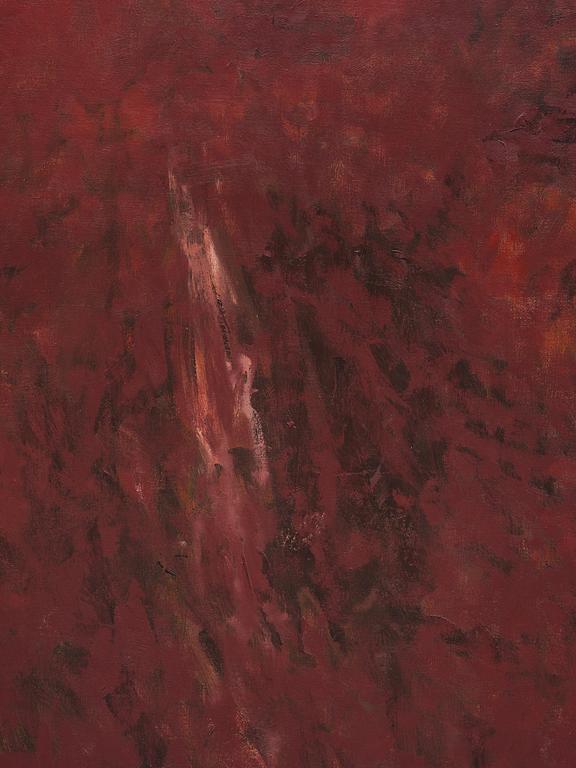
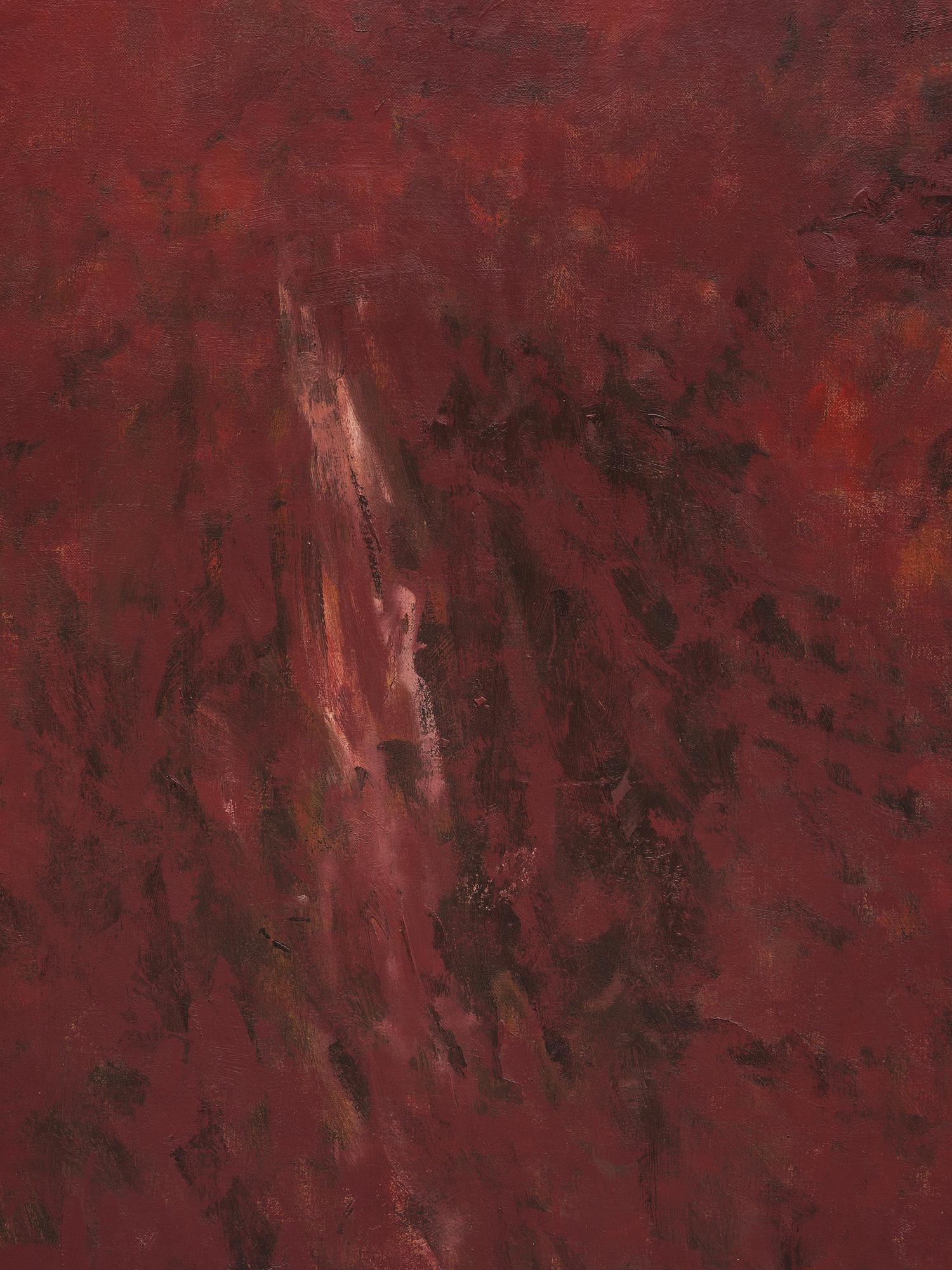
“The painting is relatively unknown, created roughly ten years before the red period of the 1990s, during a time when Billgren’s painting was more non-figurative. The canvas has the grand format of 1.5 x 4 meters and is filled from edge to edge with a dark, blood-suffused hue […]. Of motif, however, only a certain ambiguous spatiality remains, something that evokes a sense of an intimate natural scene, a thicket, foliage—or perhaps a more ground-level panorama (scattered with poppy-red patches)? It is admittedly not possible to distinguish individual flowers or tufts of grass, and the experience does not primarily concern an external landscape.”
The quotation highlights how the painting balances between representation and dissolution. Billgren often used a technique in which he first painted the motif and then dragged a metal blade across the wet paint, blurring details and instead creating a more immediate, physical presence. The viewer is drawn into the depth of the color and encounters an image that is as much an experience as it is a depiction.
The red color in these works has been interpreted as being strongly charged with bodily and emotional meanings. In Anne Ring Petersen’s book Måleri/Paintings, she describes this significant period in Billgren’s work:
“its saturated redness and body-sized formats carry distinctly corporeal associations to the rich emotional register of passion, euphoria, eroticism, and aggression. But they also evoke a lovingly enveloping motherhood, a life-giving force, and, in a broader sense, an original state of unity: the unborn child’s symbiosis with the mother, blissfully unaware of the first separation that entry into life entails, and equally unaware of the final separation that is life’s inevitable end.”
Lisätietoja ja kuntoraportit

Kuuluu jälleenmyyntikorvauksen piiriin
Tietoa ostamisesta
Kuvan käyttöoikeudet
Tämän tietokannan taideteokset ovat tekijänoikeudella suojattuja, eikä niitä saa kopioida ilman oikeudenhaltijoiden lupaa. Teokset kopioidaan tässä tietokannassa Bildupphovsrättin lisenssillä.
Muiden katsomia kohteita