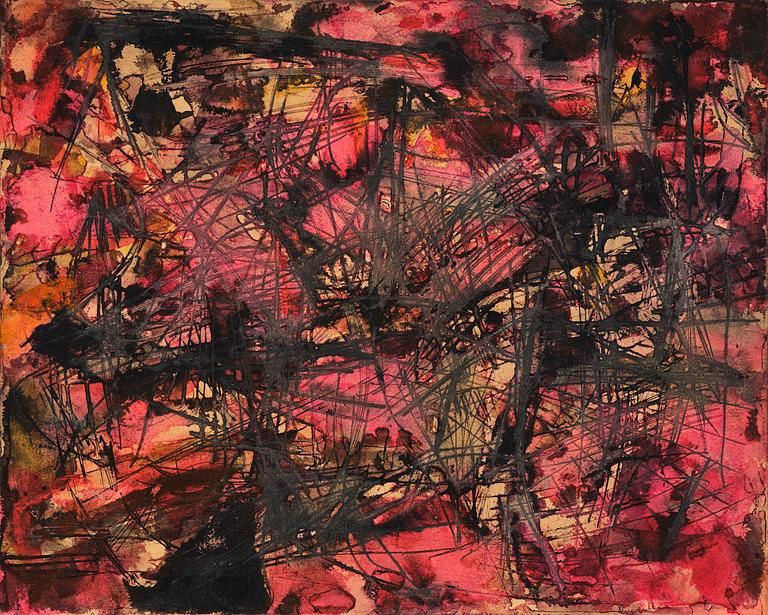
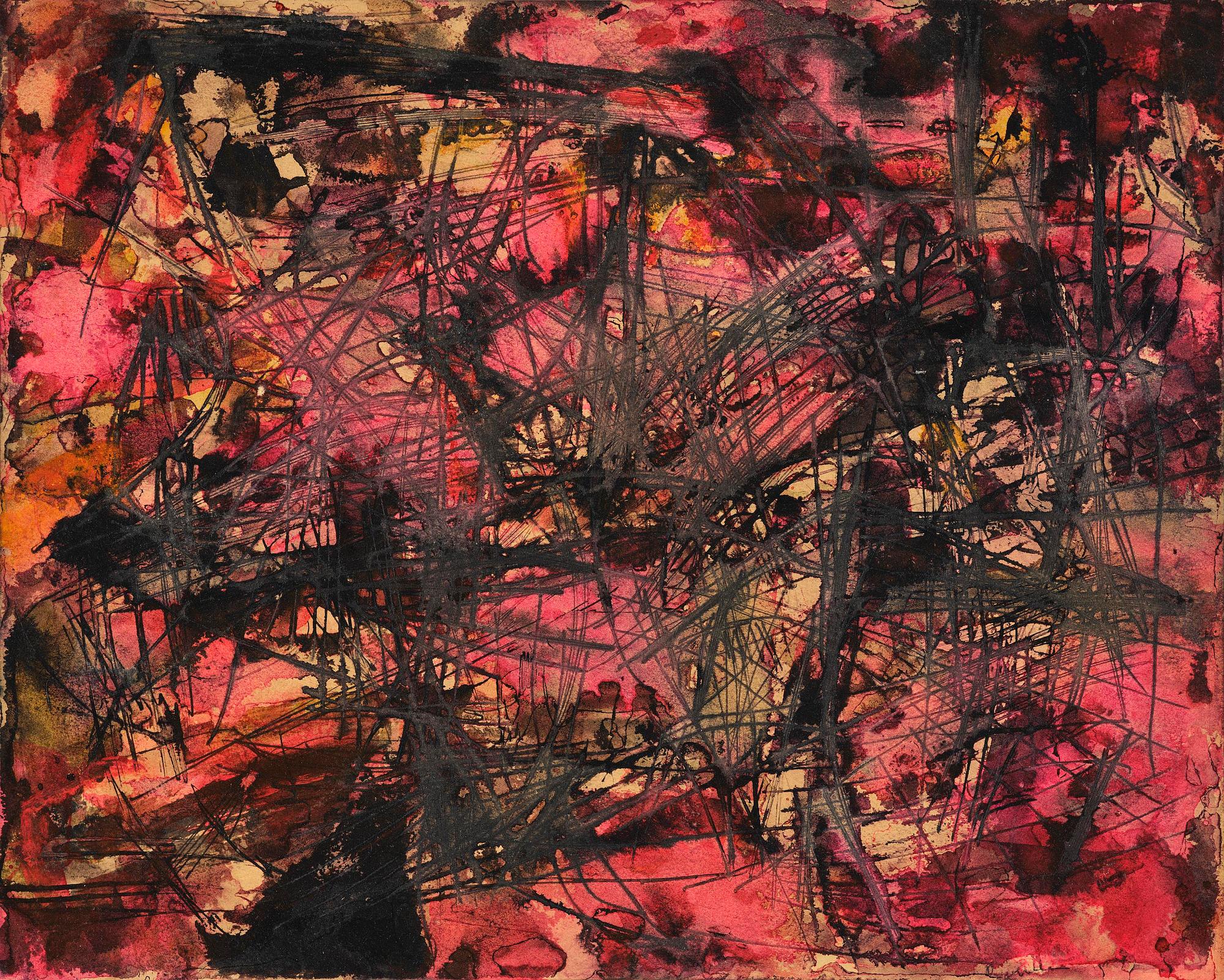
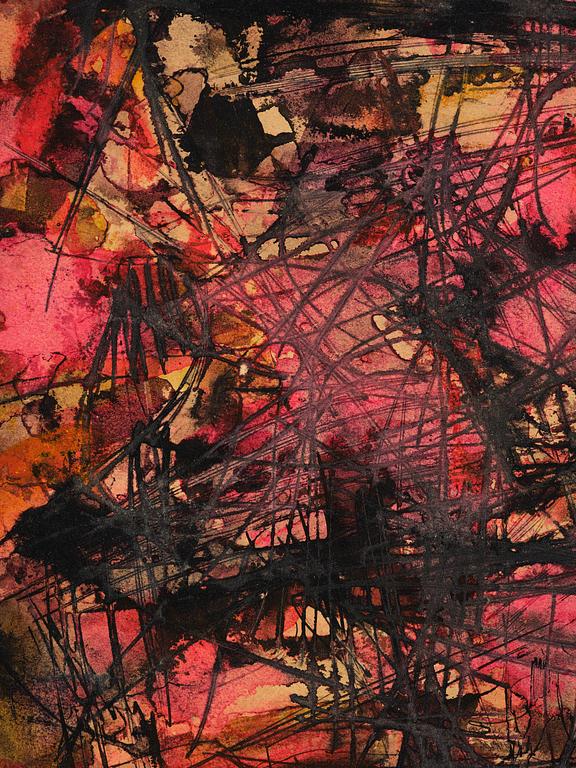
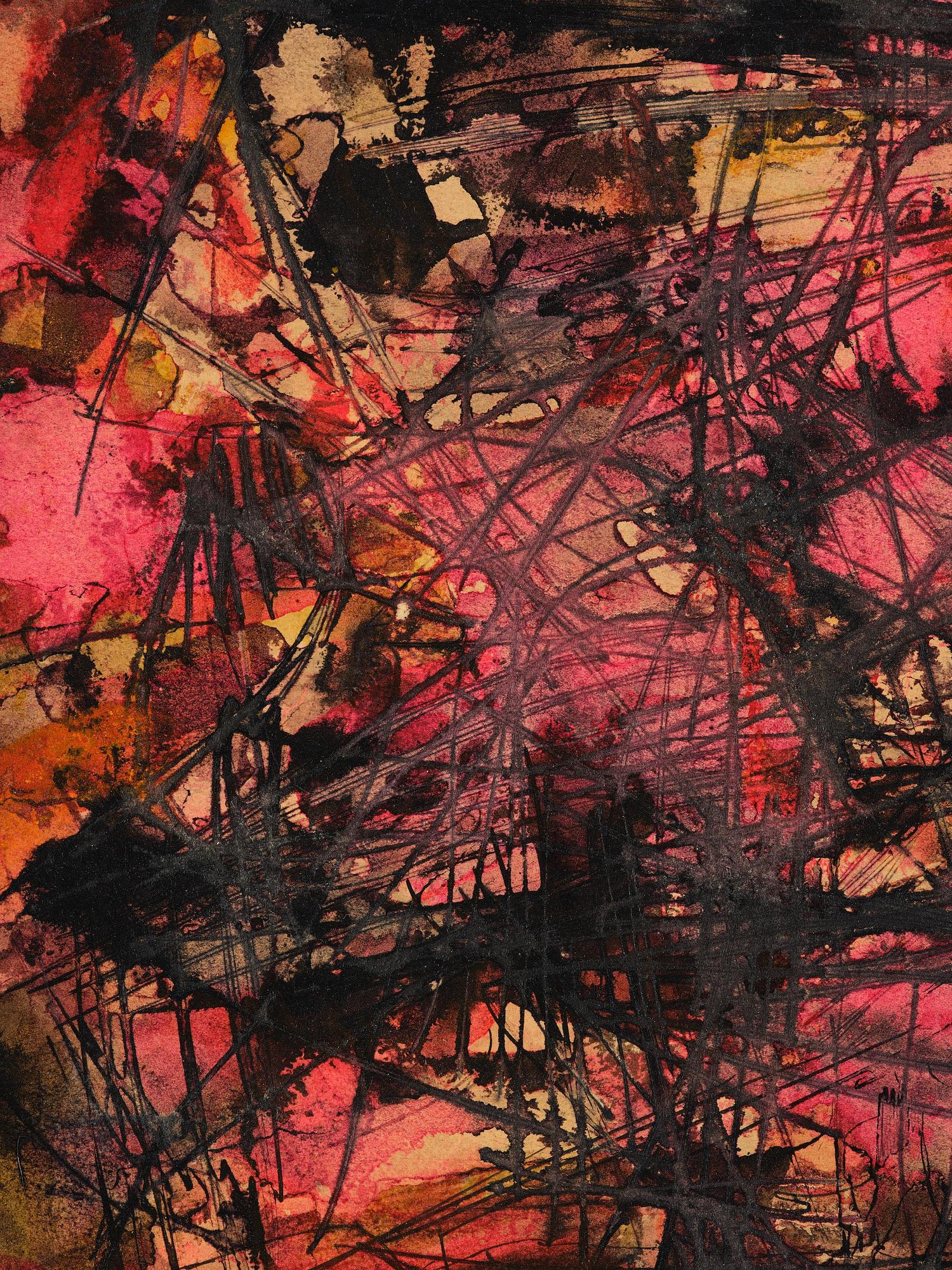
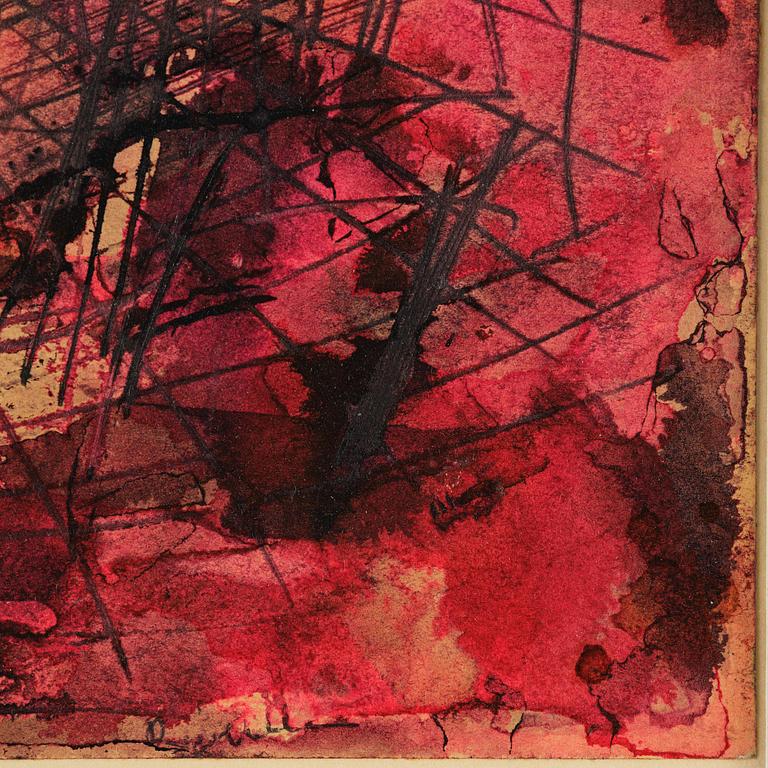
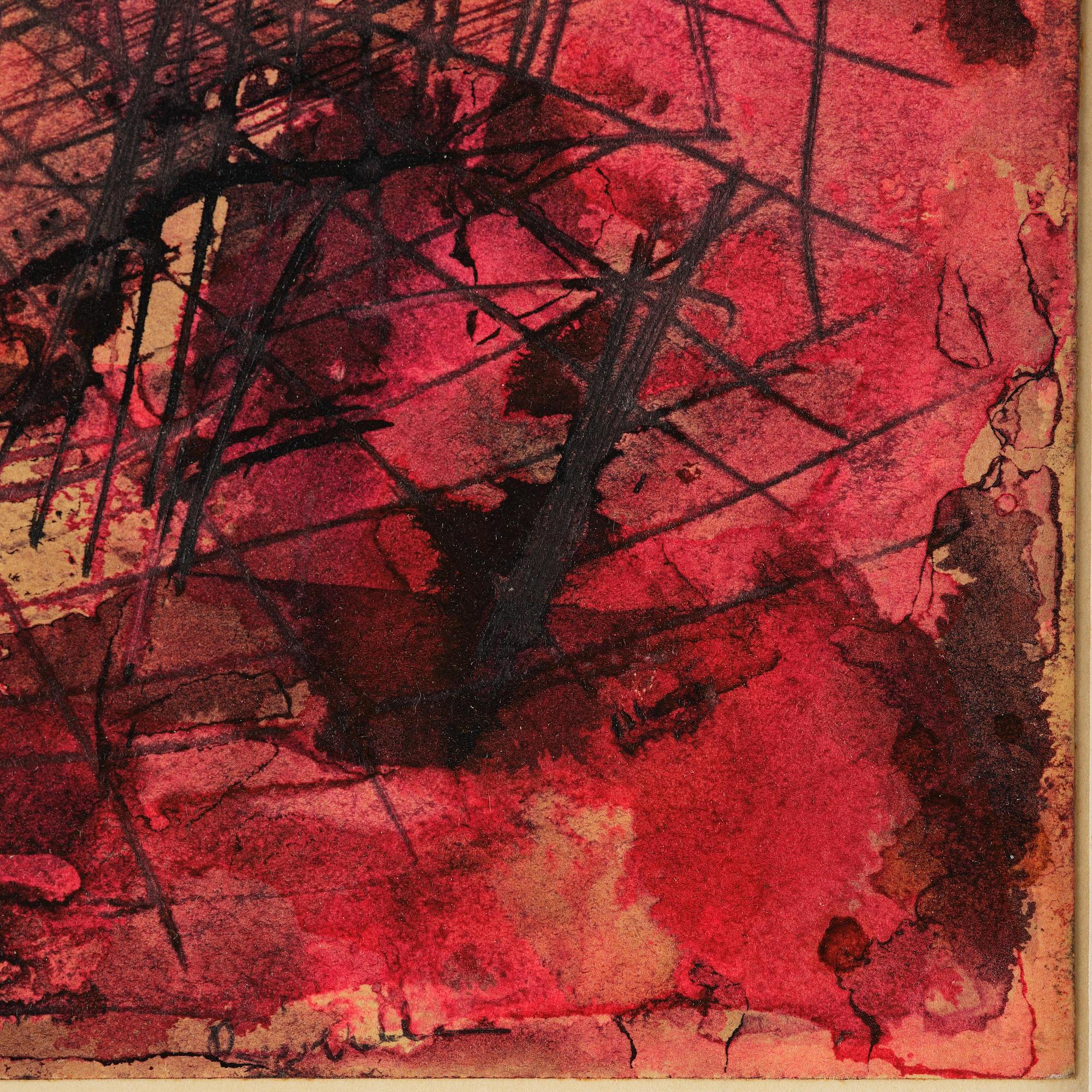
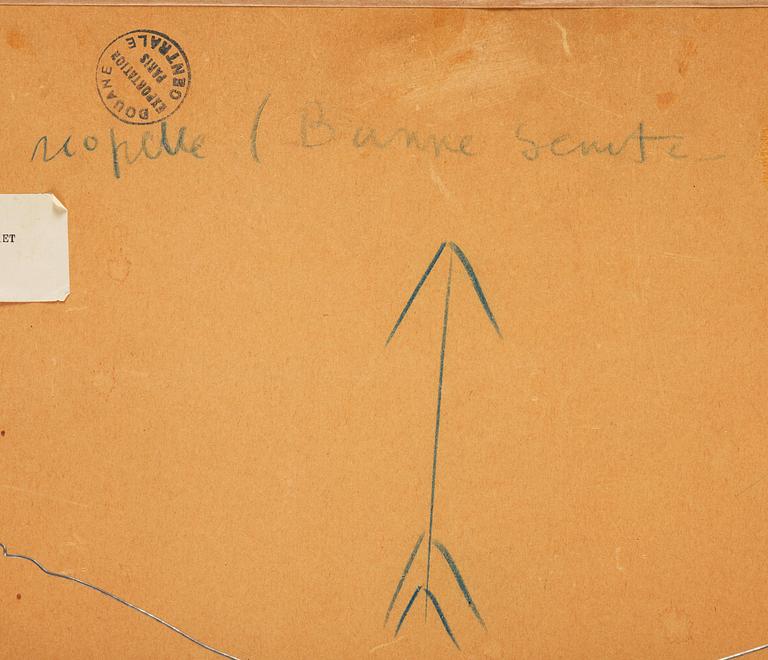
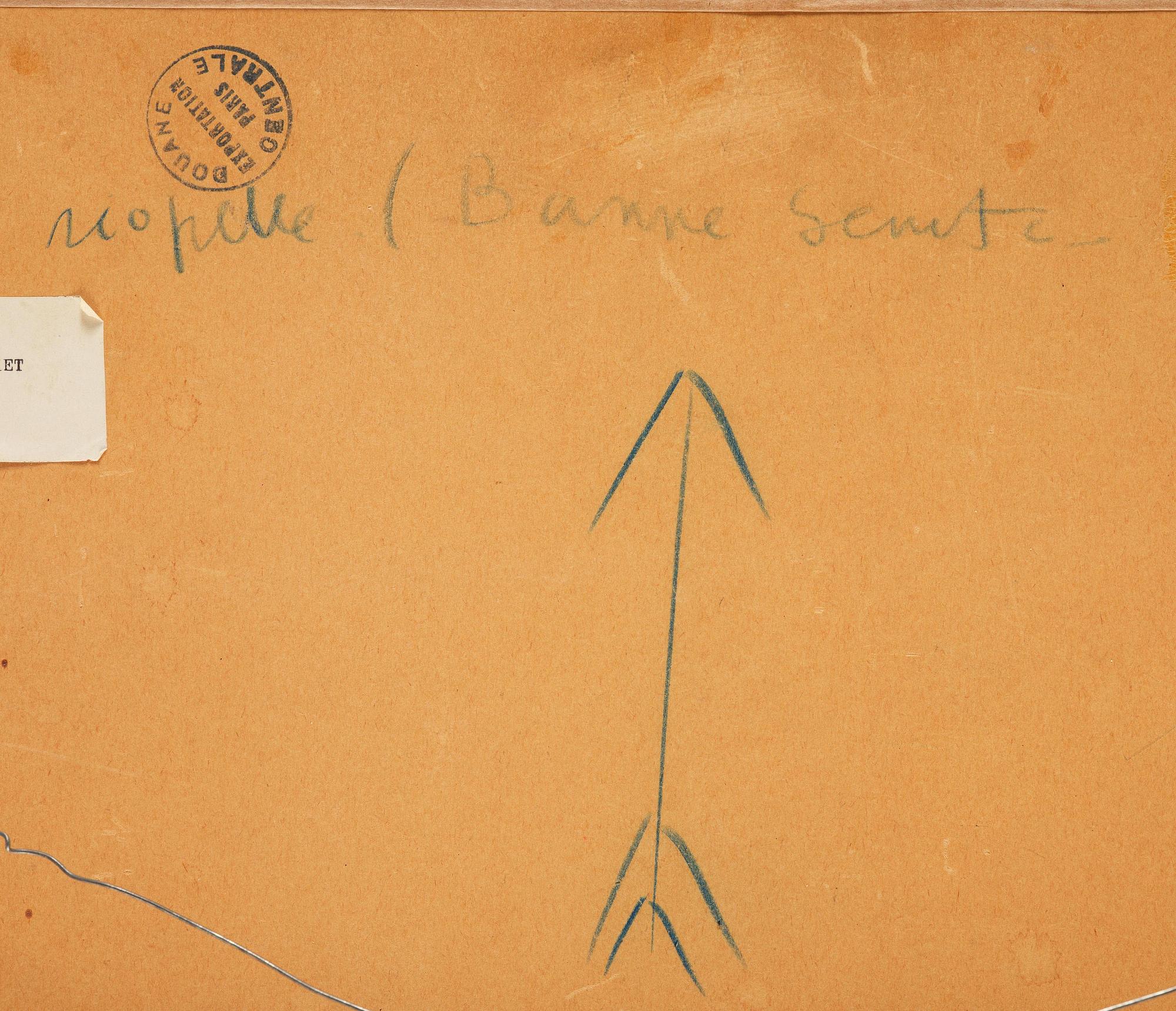
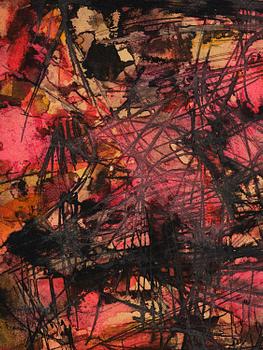
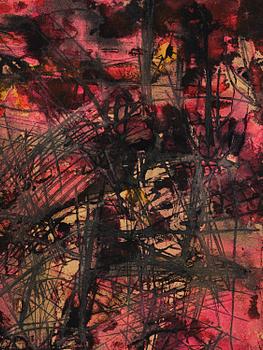
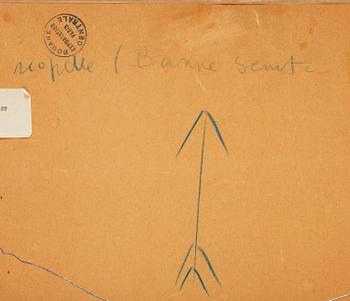
"Bonne Senite".
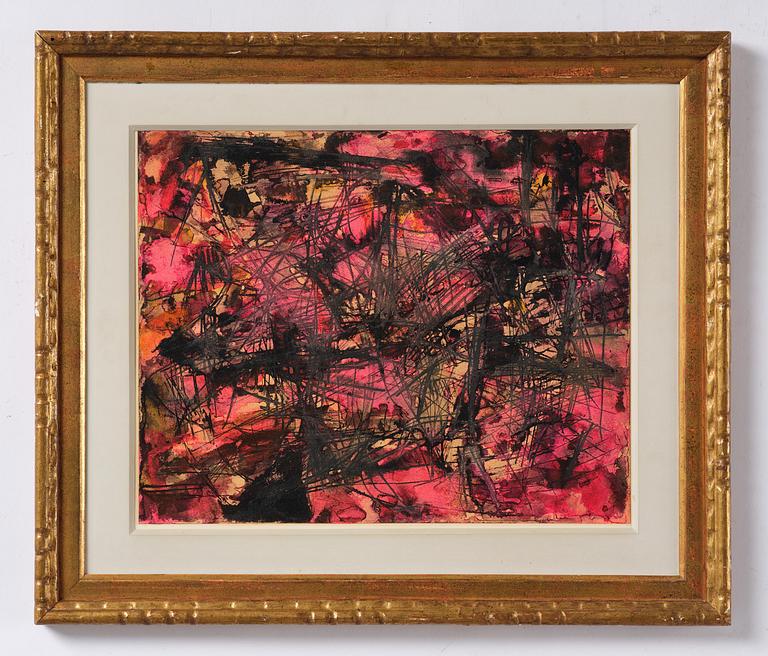
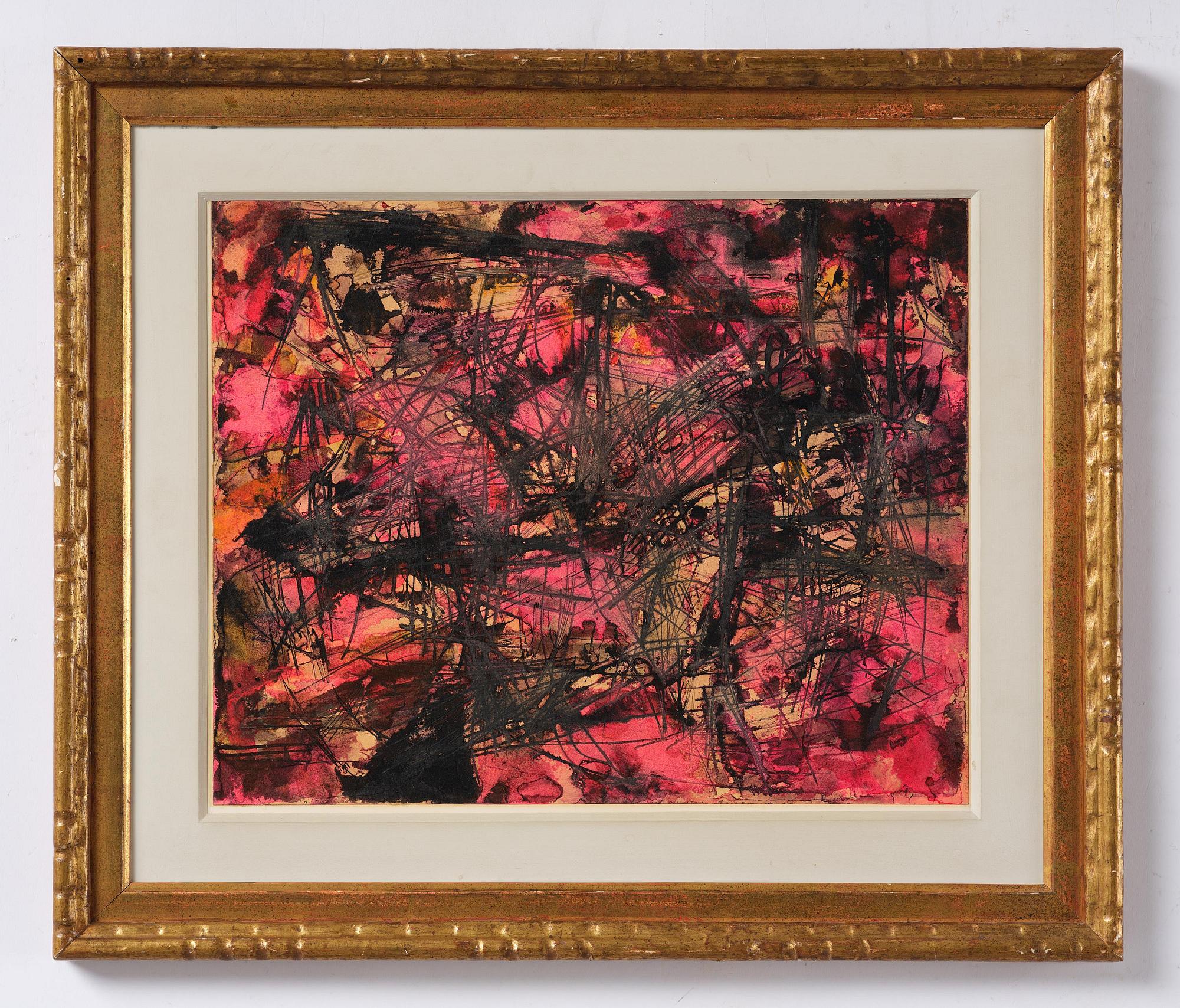
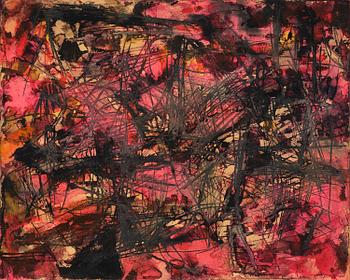
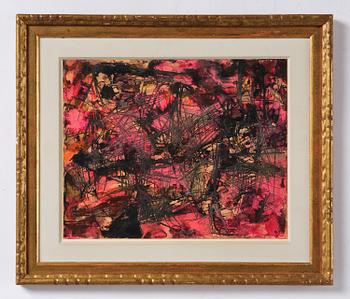
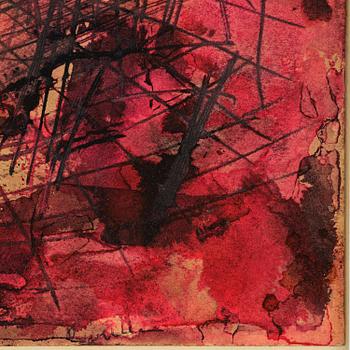
Signed Riopelle. Mixed media on paper mounted on cardboard 33 x 41 cm.
The authenticity is confirmed by Yseult Riopelle, and a certificate can be issued to the buyer for a fee.
Alkuperä - Provenienssi
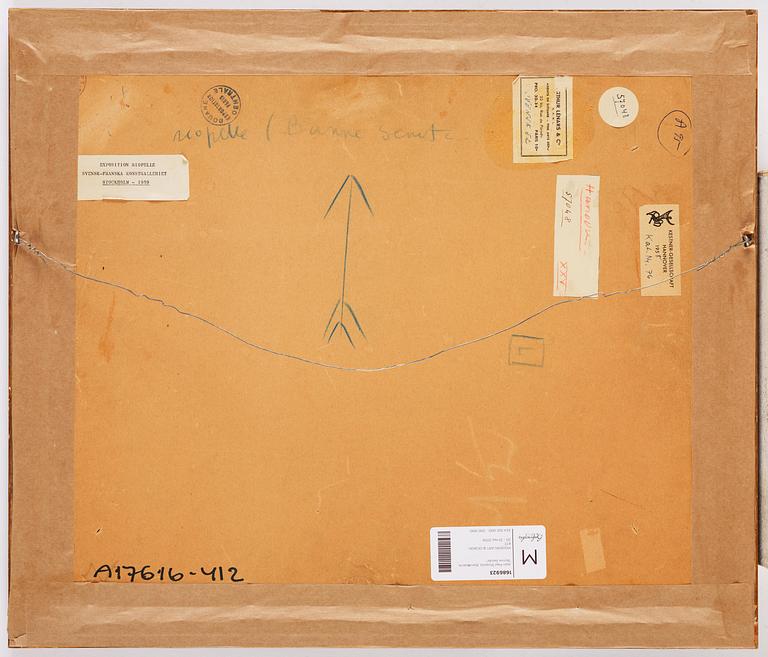
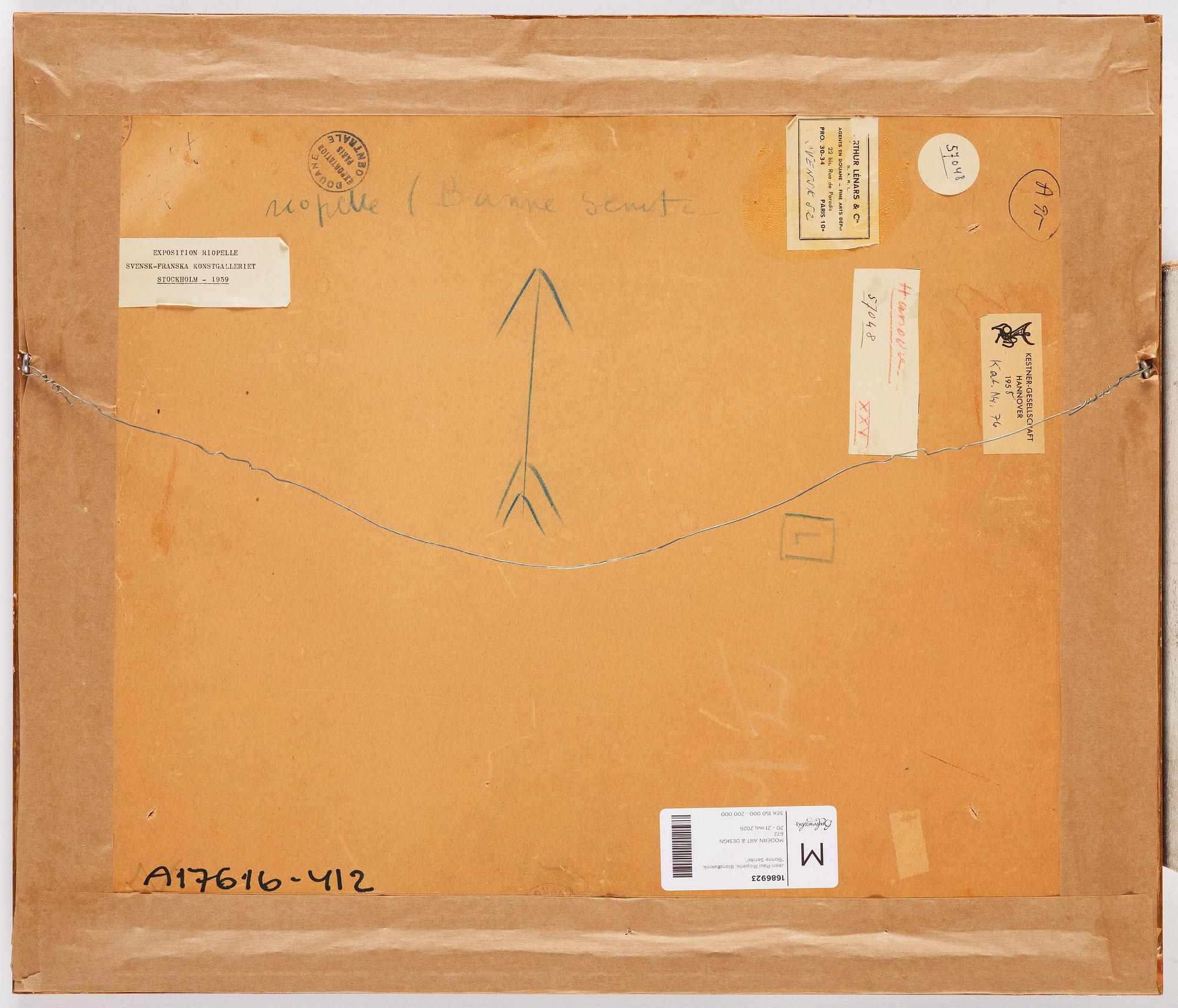
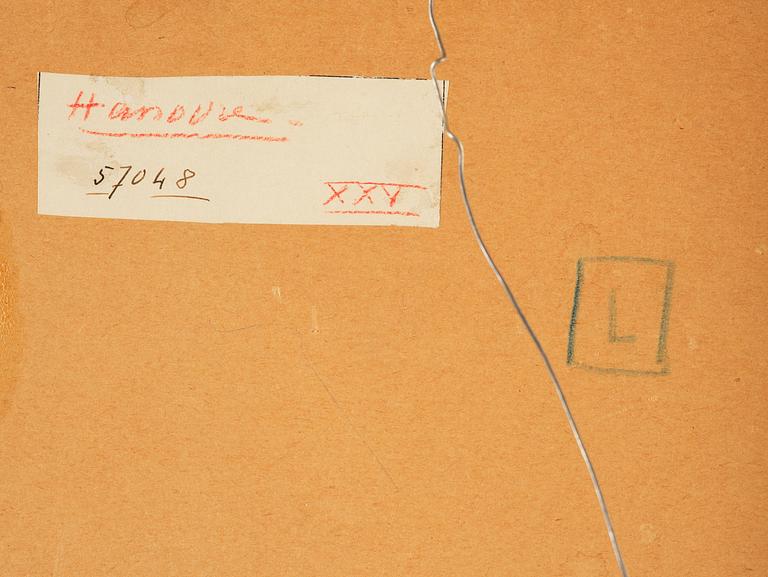
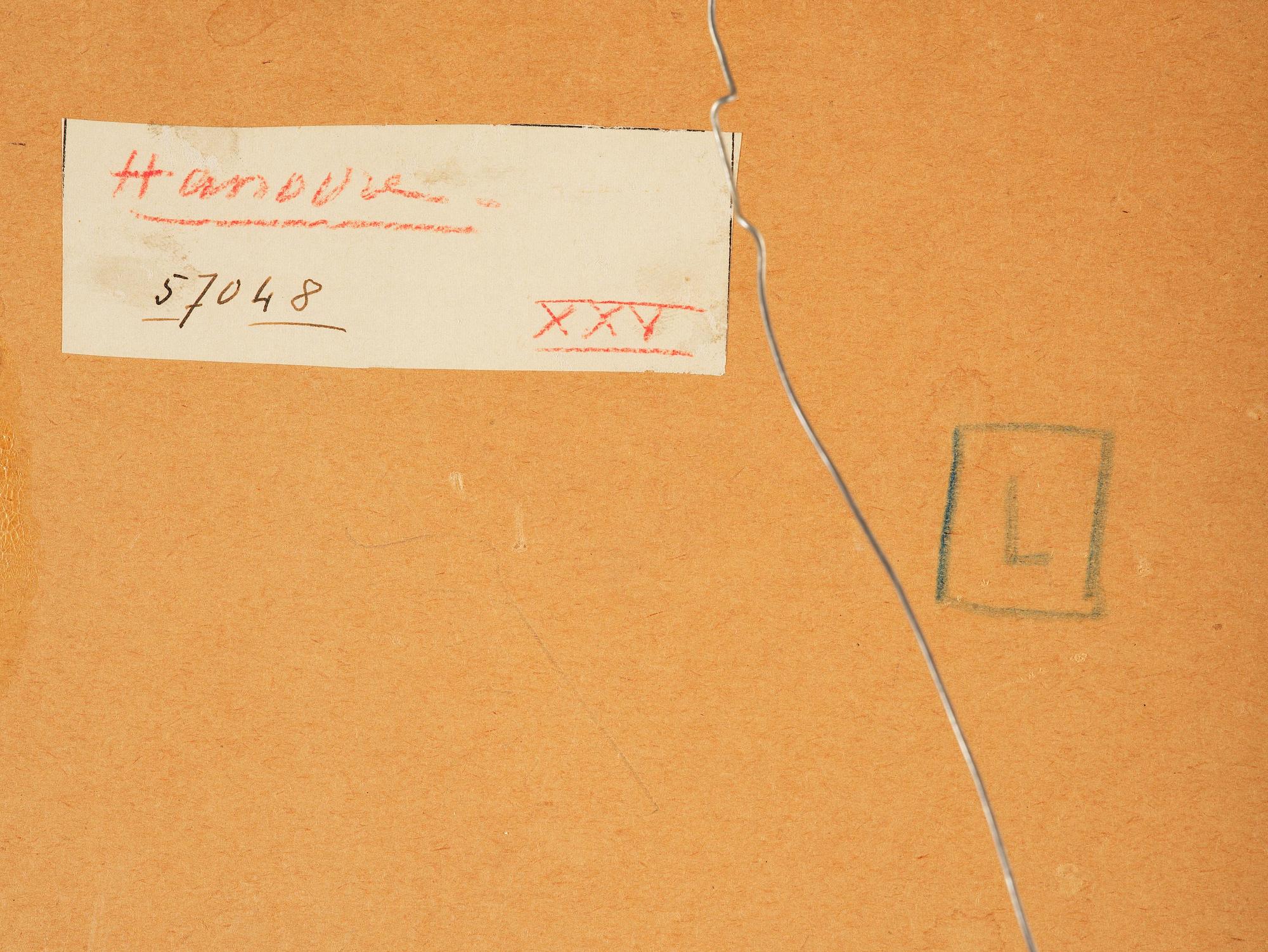
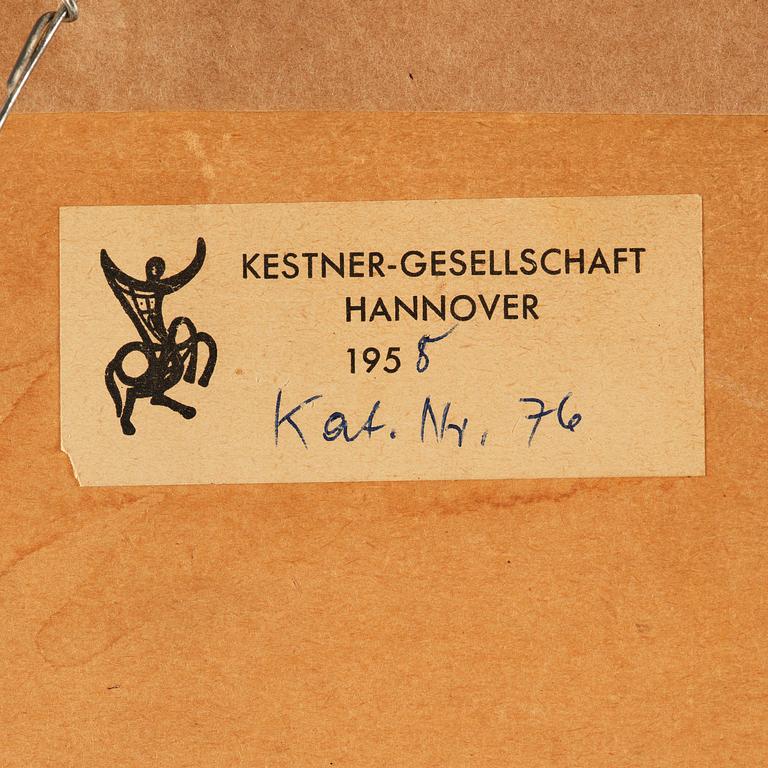
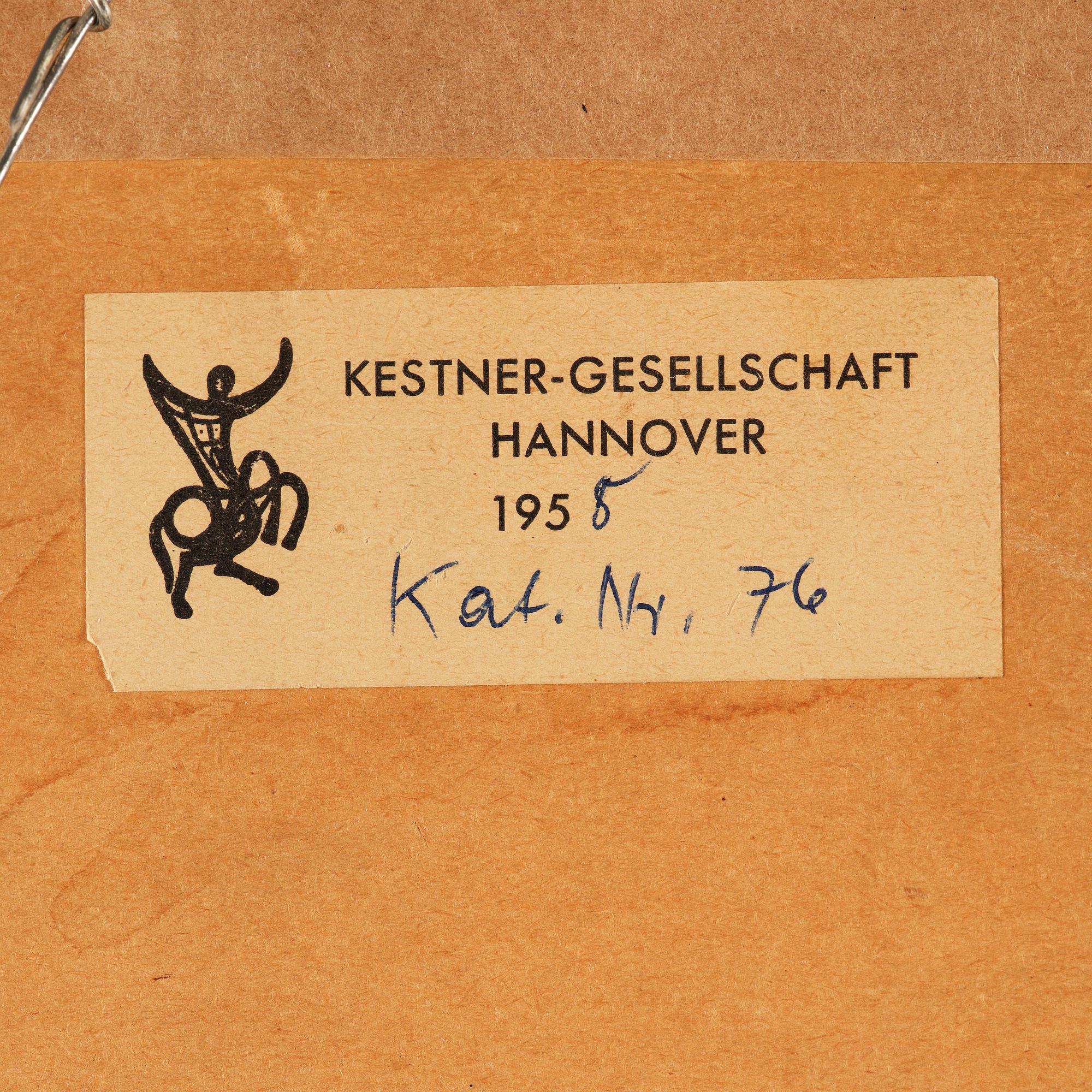
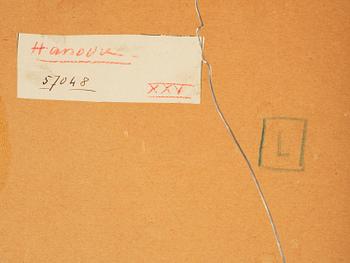
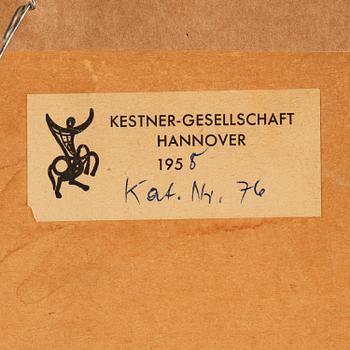
Kestner-Gesellschaft Hannover, Germany.
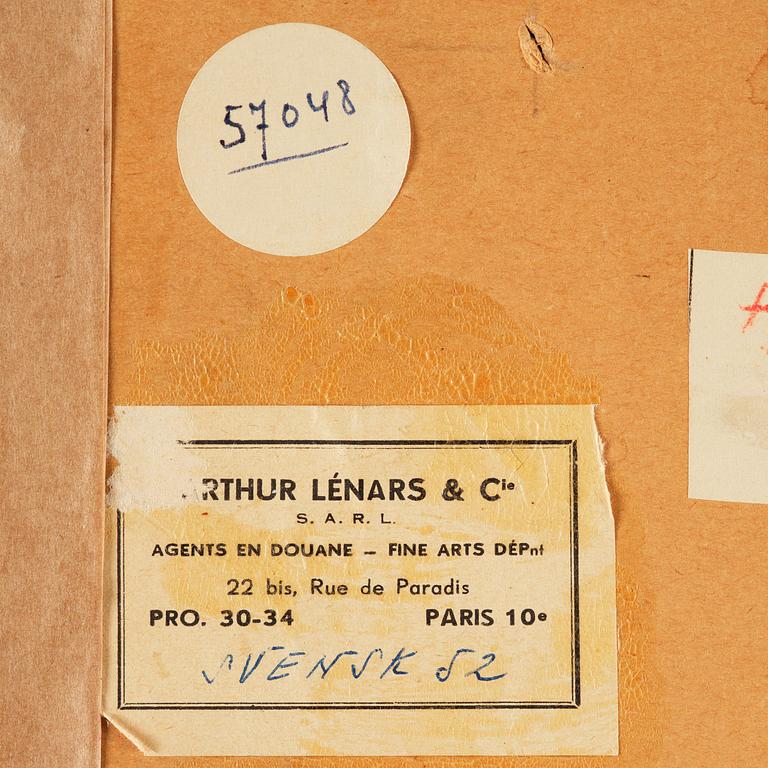
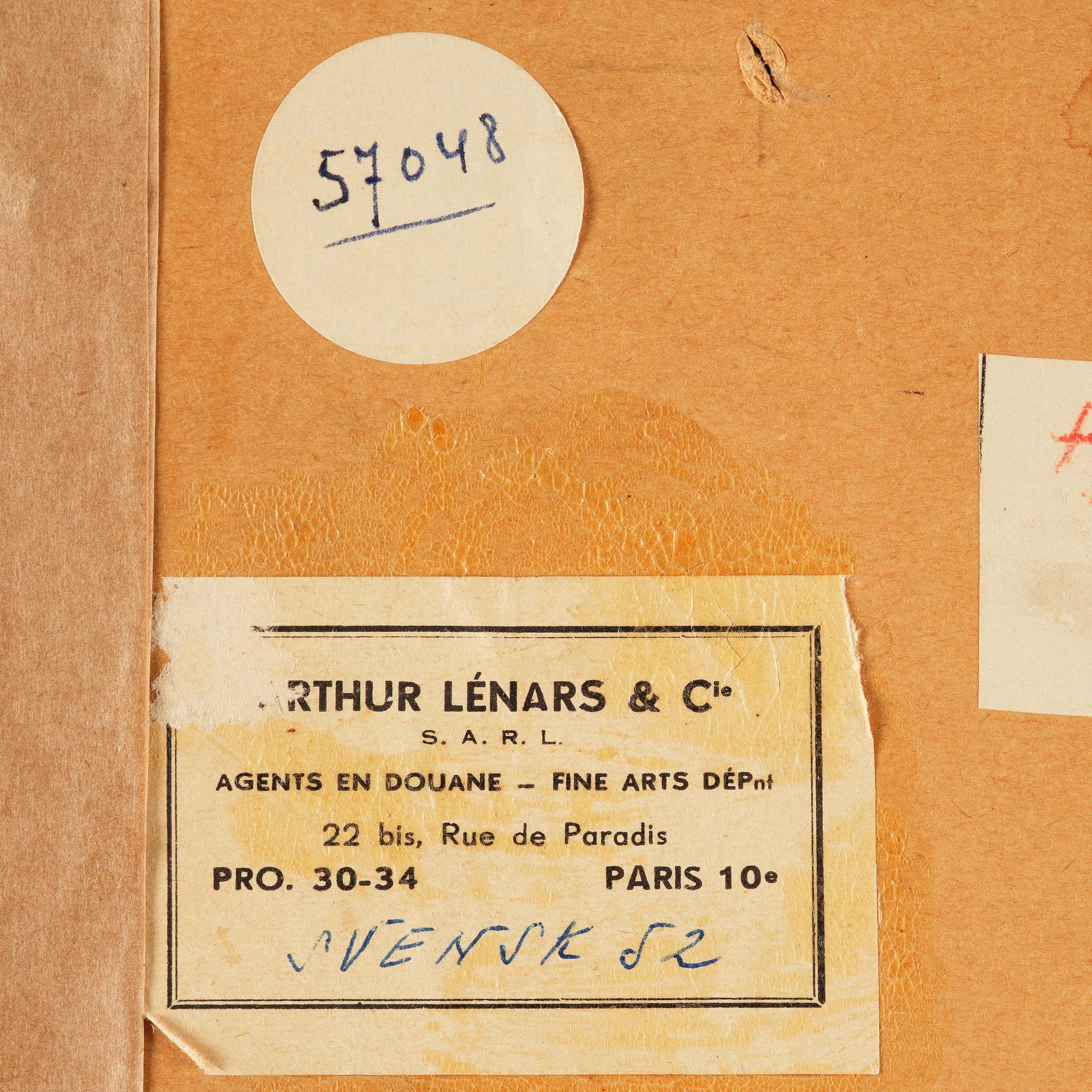
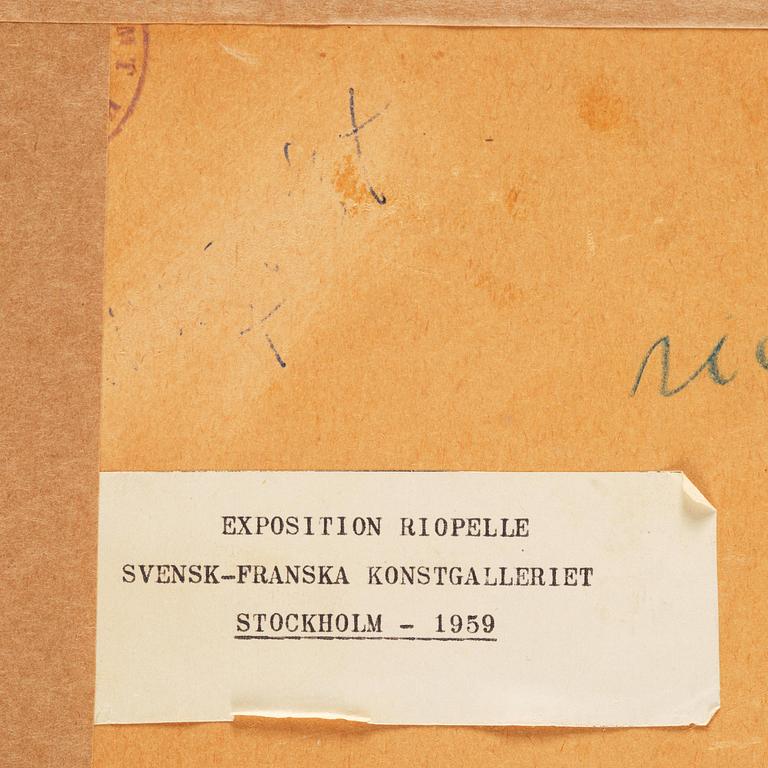
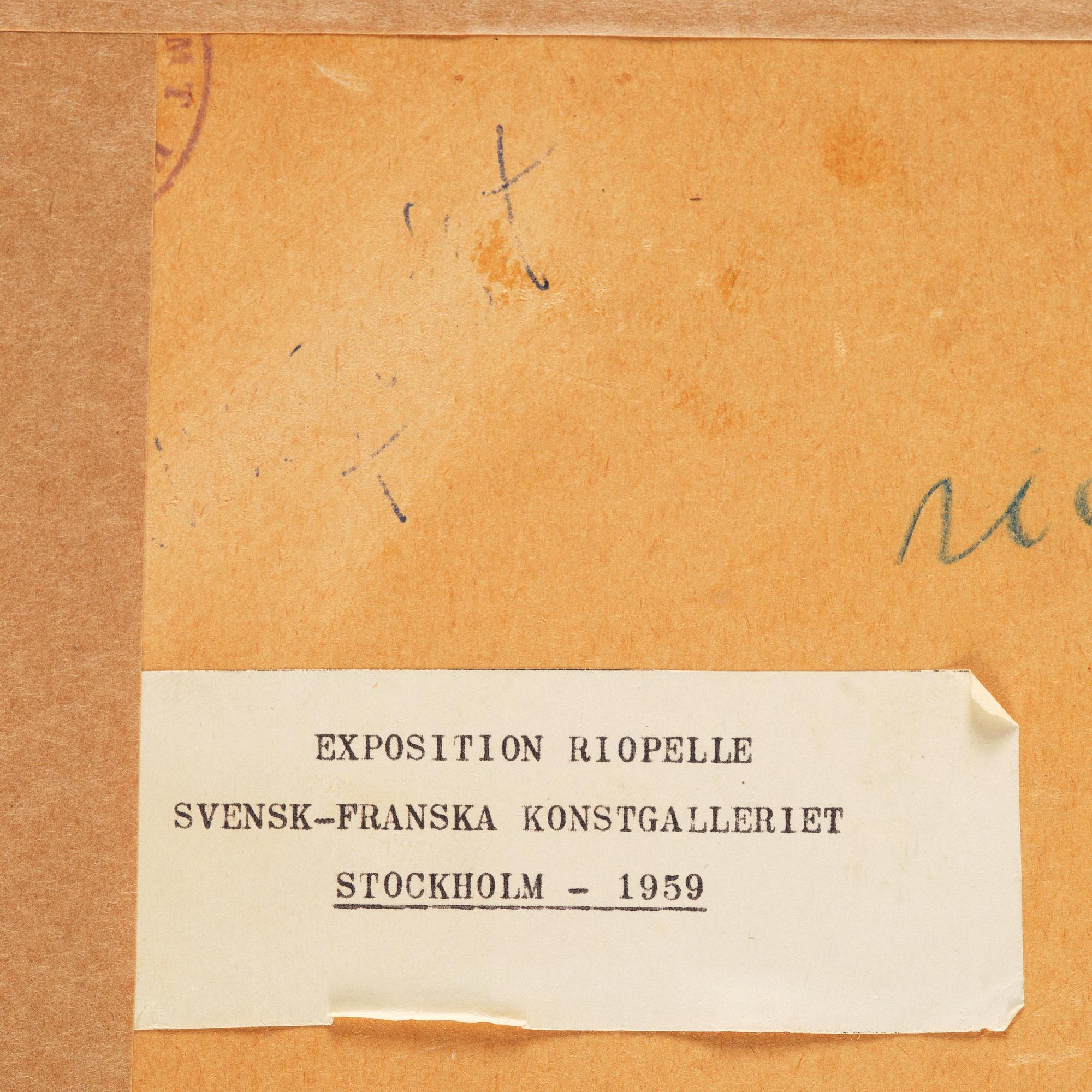
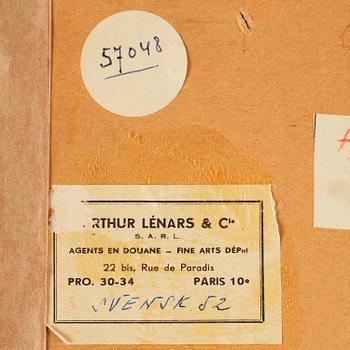
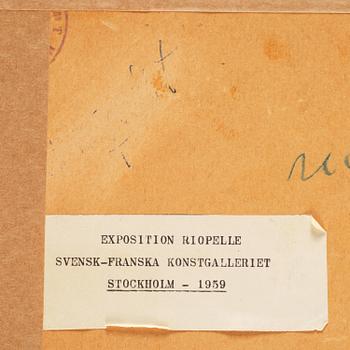
Svensk-franska konstgalleriet, Stockholm, 1959.
Pivate Collection, Sweden.
Näyttelyt
Kestner-Gesellschaft Hannover, 1958, cat. no. 76.
Svensk-franska konstgalleriet, Stockholm, "Jean-Paul Riopelle", 1959.
Muut tiedot
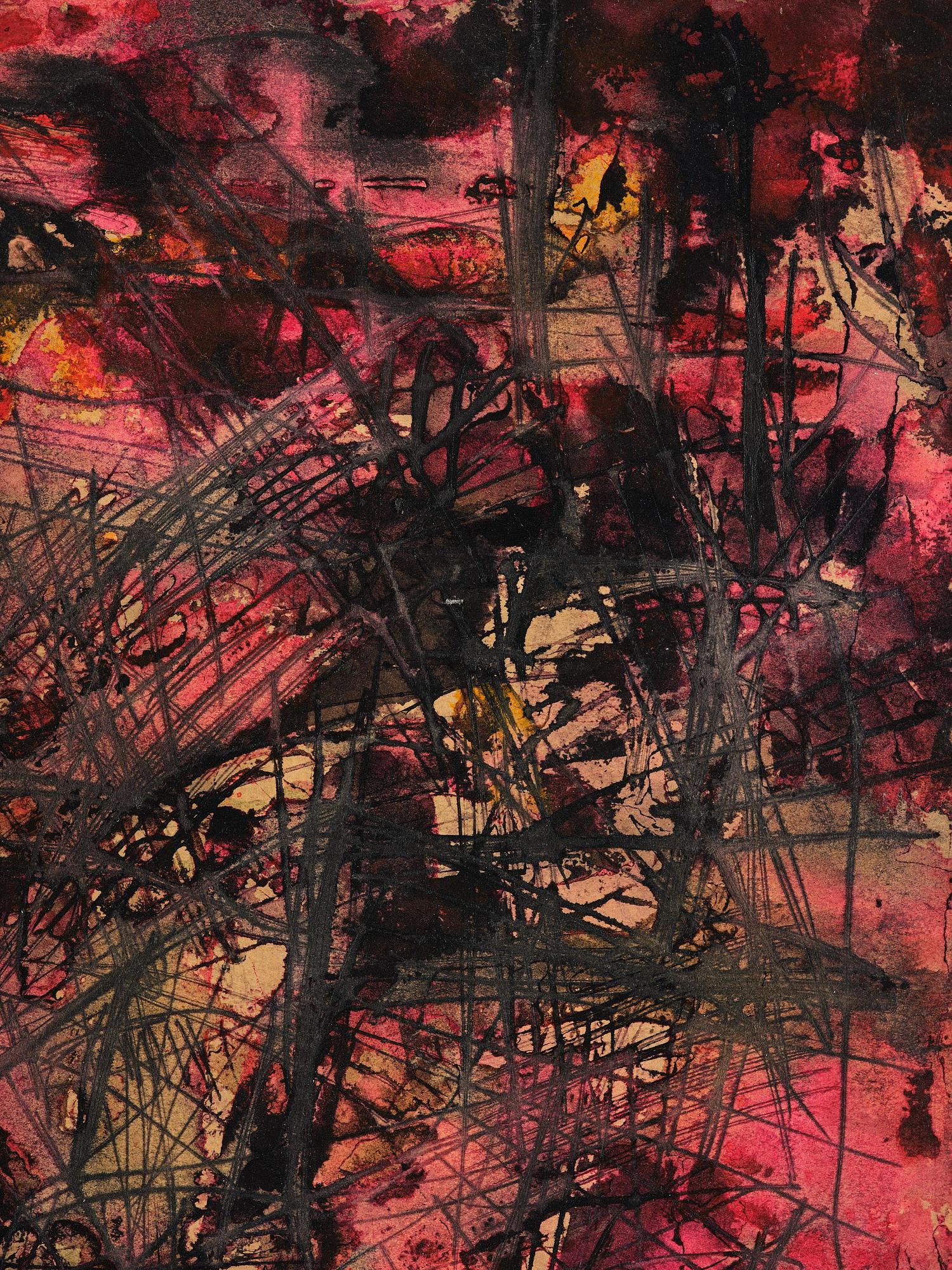
The Canadian Jean-Paul Riopelle is undoubtedly one of the foremost representatives of spontaneity. Layer upon layer, colours are applied to one another in large swathes, and on top of that, lighter strands of colour create strong contrasts.
Riopelle was born in Montreal, where in the 1930s he took drawing lessons alongside his studies in architecture, photography, and construction engineering. In the 1940s, he continued his studies at the École des Beaux-Arts and became a member of the movement "Les Automatistes." After reading André Breton's Le Surréalisme et la Peinture, he began experimenting with "non-objective" paintings. Riopelle then moved to Paris, where he was the only Canadian to exhibit alongside the surrealists and became known as the "wild Canadian." His first solo exhibition was at Galerie La Dragonne in Paris, where he also met his soulmate in the American artist Joan Mitchell. Their relationship was fruitful both intellectually and artistically, but unfortunately also very tumultuous, marked by significant alcohol problems. In 1979, Joan Mitchell passed away, a tragedy that Jean-Paul Riopelle took very hard; as late as 1992, he painted the work that is now considered his greatest in his oeuvre: Hommage à Rosa Luxemburg, a tribute to love and Joan Mitchell.
Riopelle created his artworks in one sweep; before starting a painting, he prepared all the colours he thought he would need in order to concentrate entirely on the canvas. He described the process like this: "I would even go as far to say—obviously I don't use a palette, but the idea of a palette or a selection of colours that is not mine makes me uncomfortable, because when I work, I can't waste my time searching for them. It has to work right away."
"Bonne Senite" was purchased at the Svensk Franska Konstgalleriet in Stockholm in 1959. The gallery had made a name for itself by introducing significant international artists such as Pablo Picasso, Paul Cézanne, Henri Matisse, among others, to the Swedish public during the 20th century in Stockholm. Riopelle exhibited at the Swedish-French Art Gallery in 1959, an exhibition that, along with a show at the Pierre Matisse Gallery in New York, contributed to creating a great demand for Riopelle's works worldwide in the 1960s. Jean-Paul Riopelle is undoubtedly regarded as one of Canada's most important artists of the 20th century. He became famous during the post-war scene in Paris, where he worked alongside his artist friends and colleagues André Breton, Sam Francis, and Samuel Beckett.
Lisätietoja ja kuntoraportit

Tietoa ostamisesta
Kuvan käyttöoikeudet
Tämän tietokannan taideteokset ovat tekijänoikeudella suojattuja, eikä niitä saa kopioida ilman oikeudenhaltijoiden lupaa. Teokset kopioidaan tässä tietokannassa Bildupphovsrättin lisenssillä.
Muiden katsomia kohteita