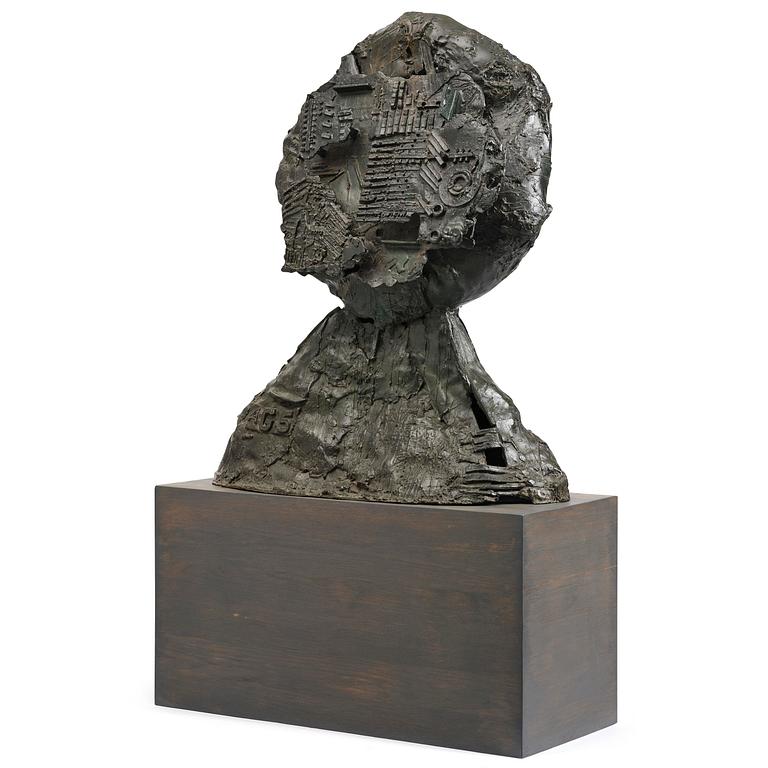
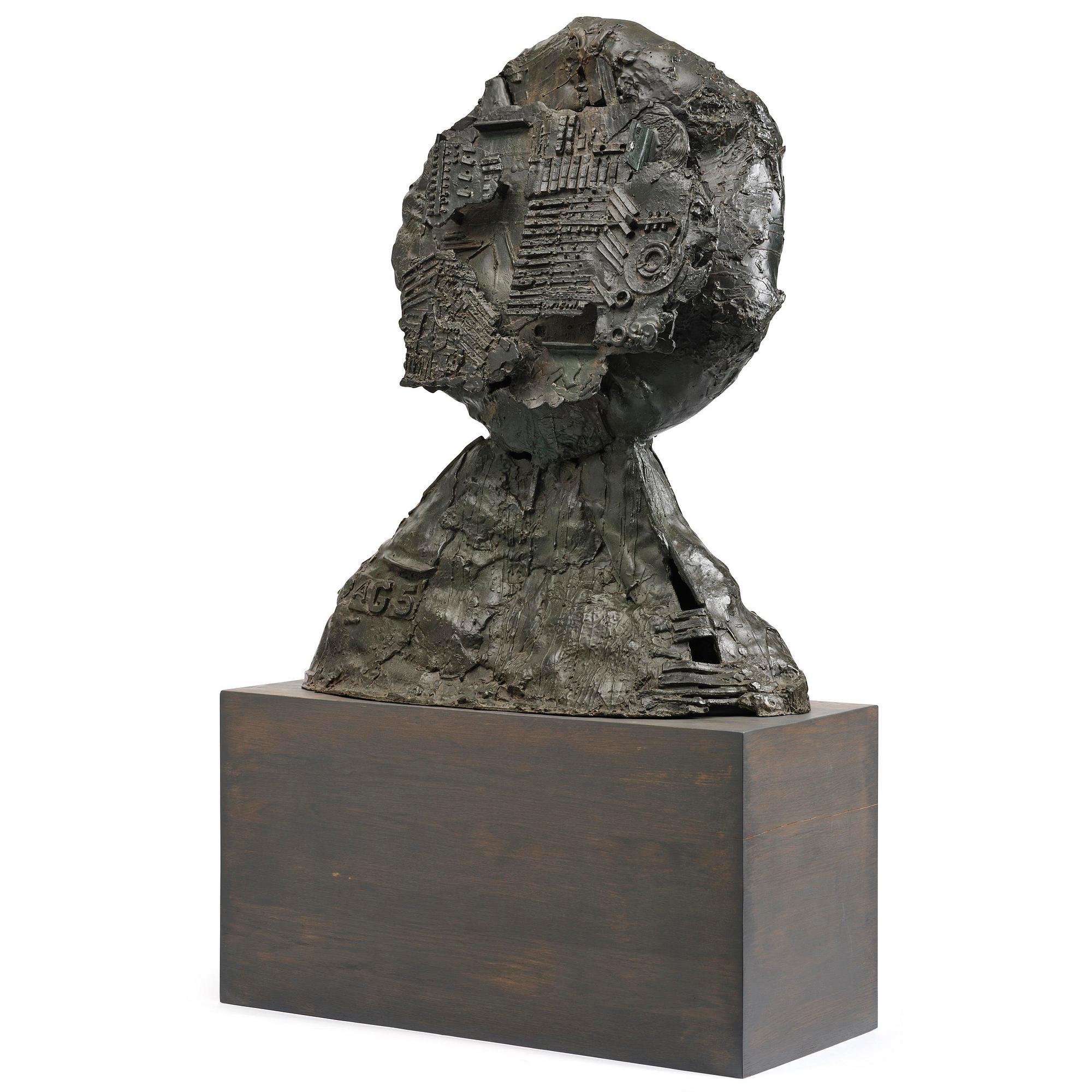
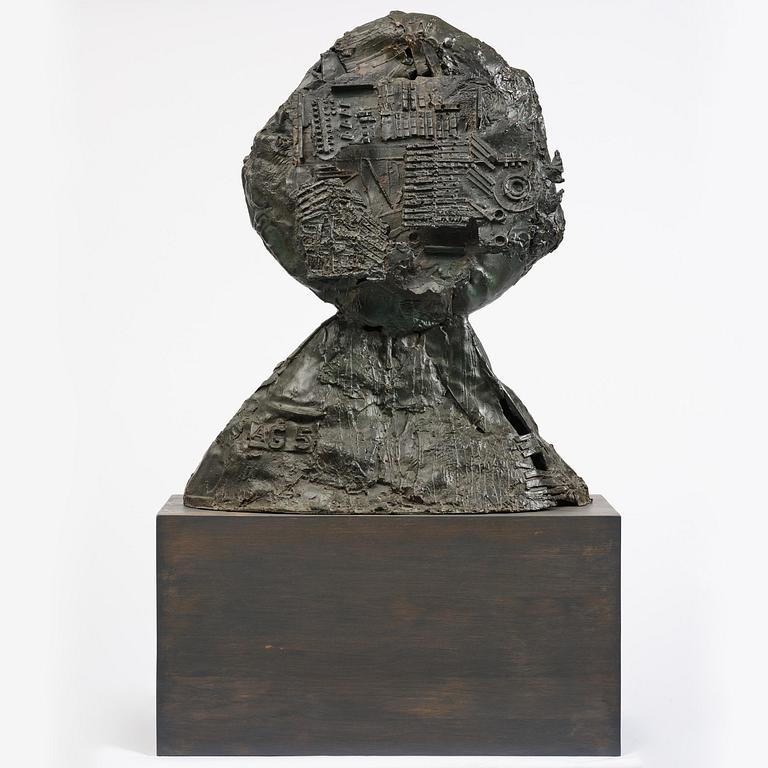
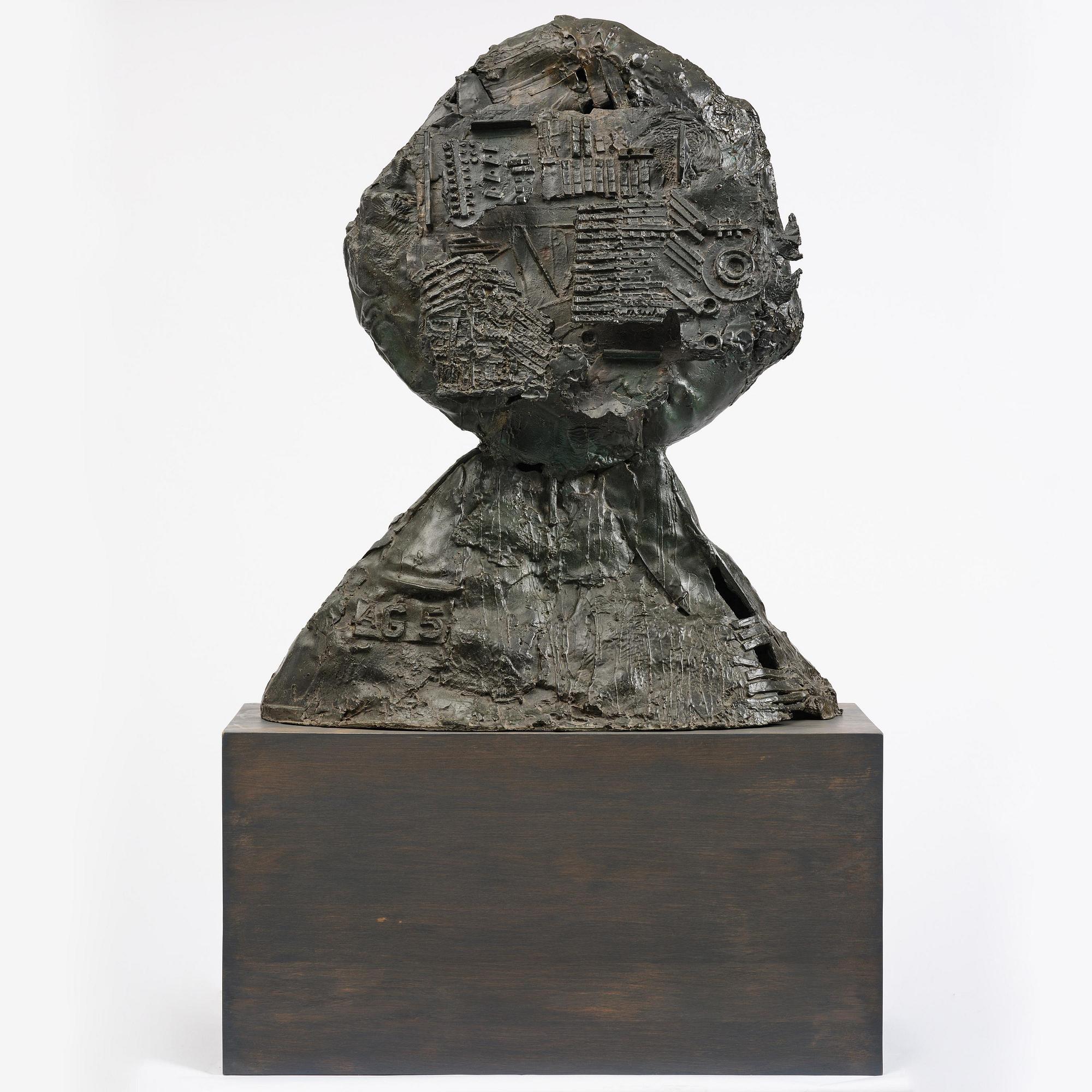
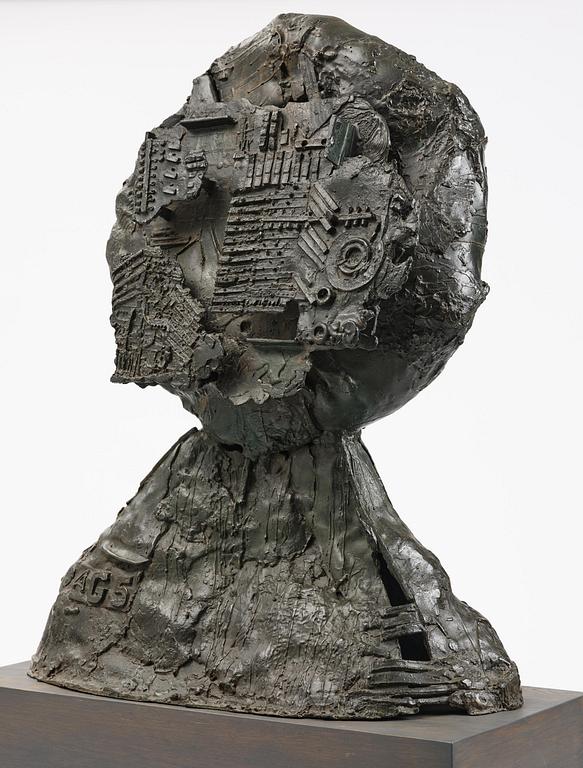
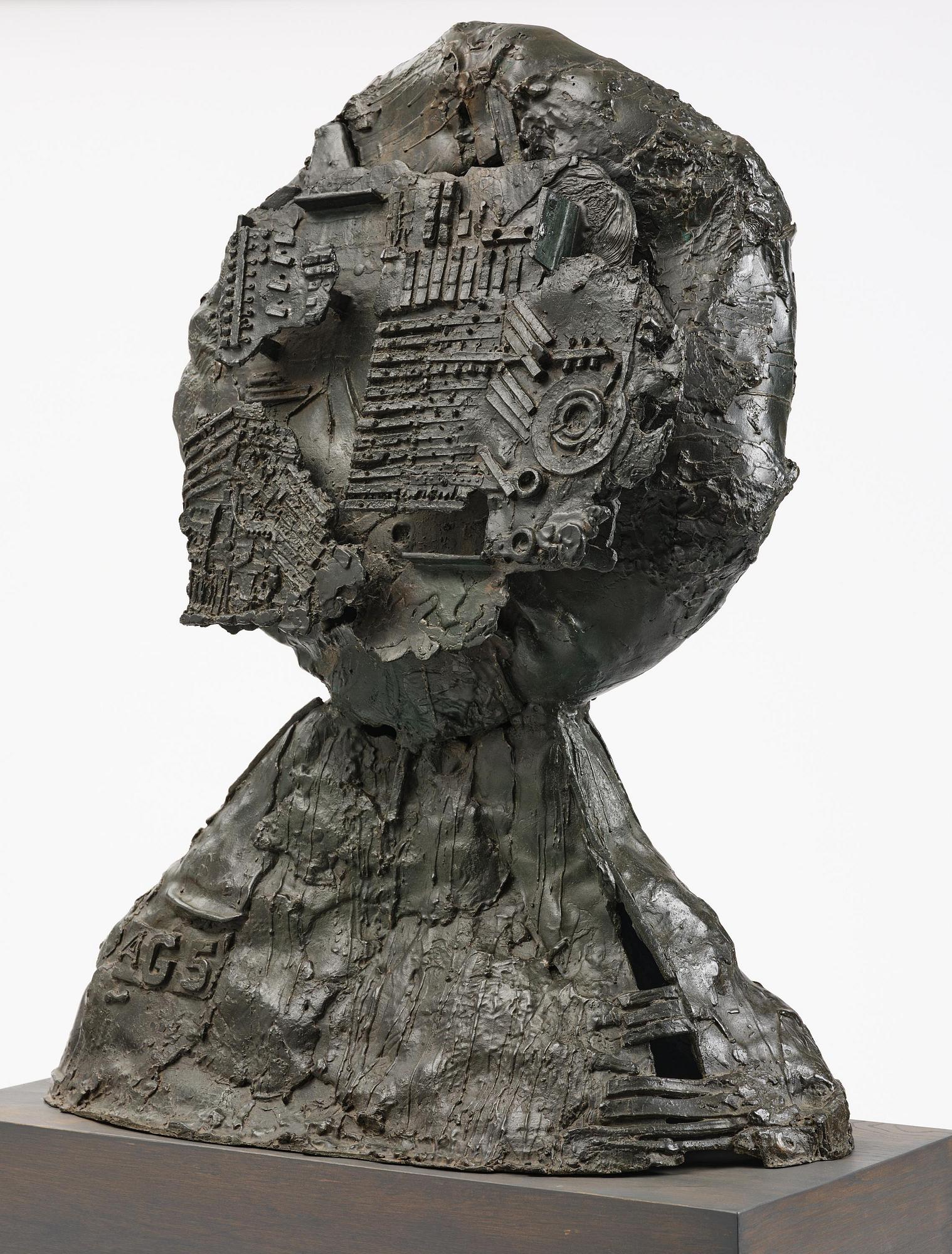
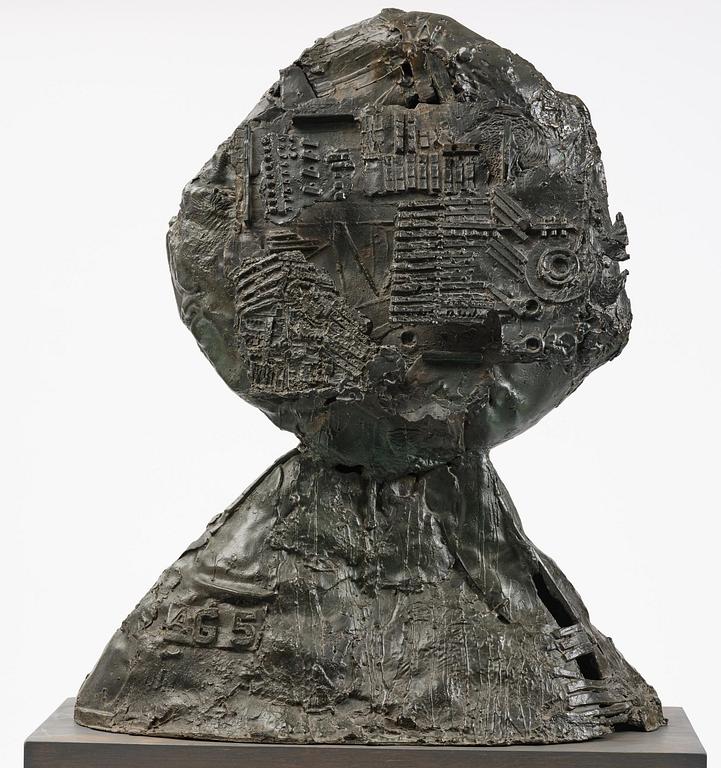
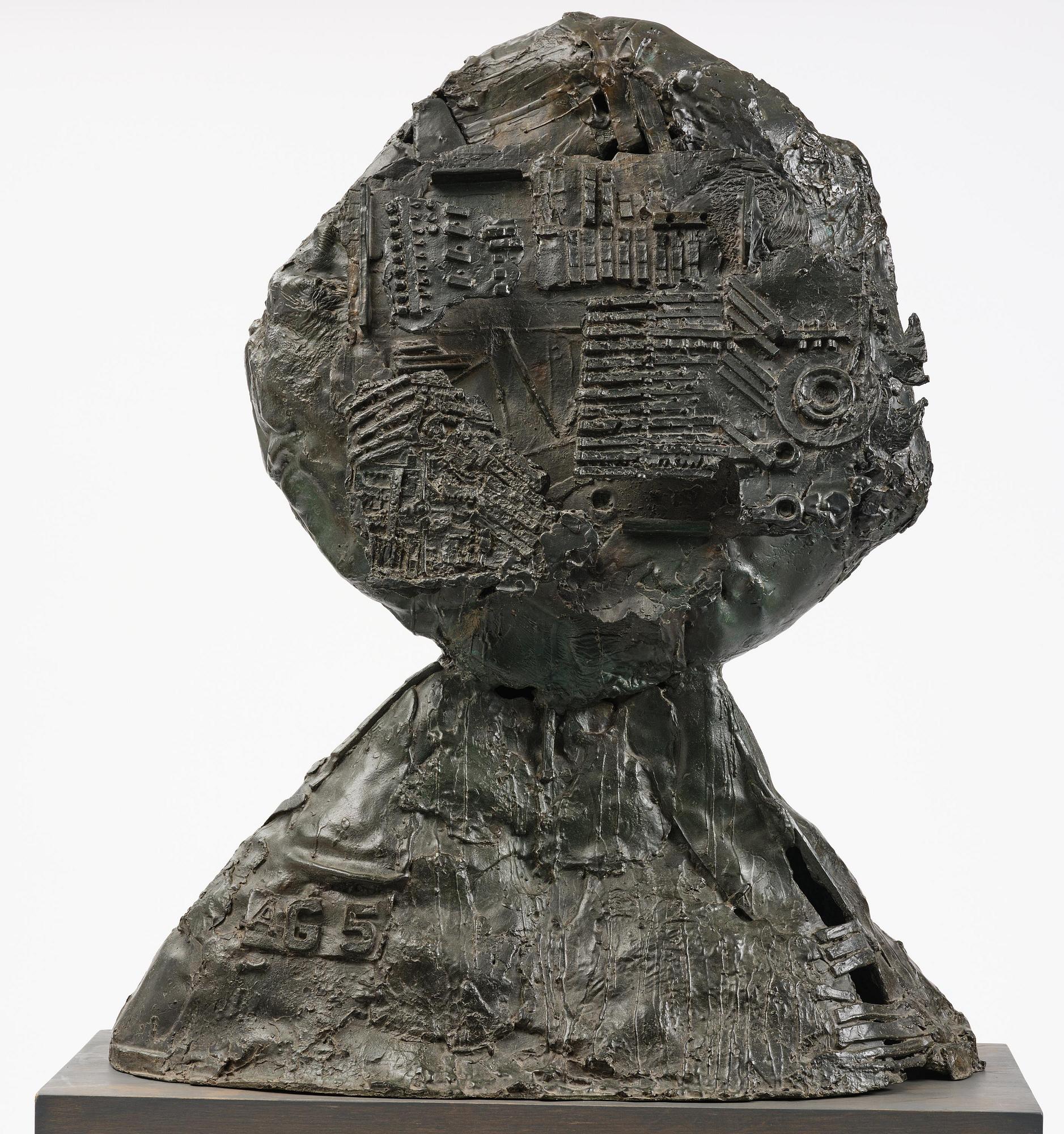
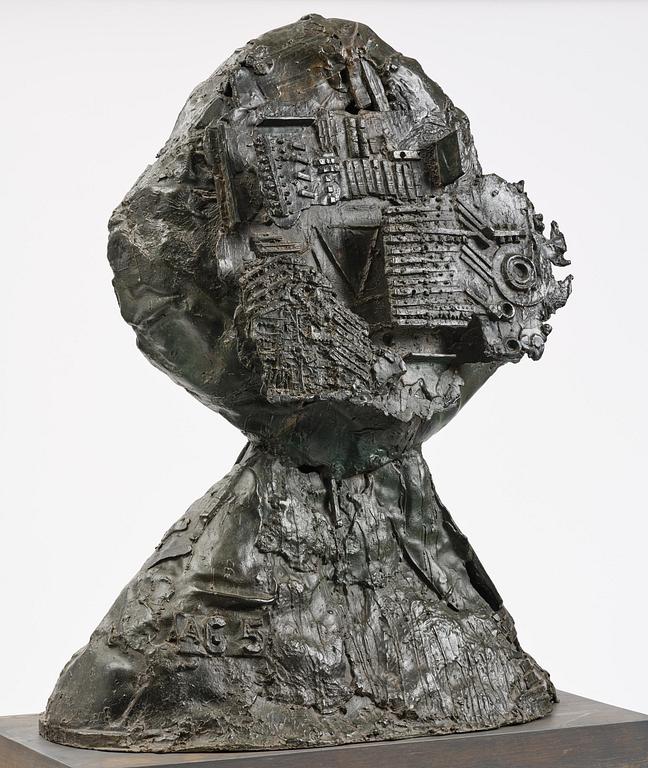
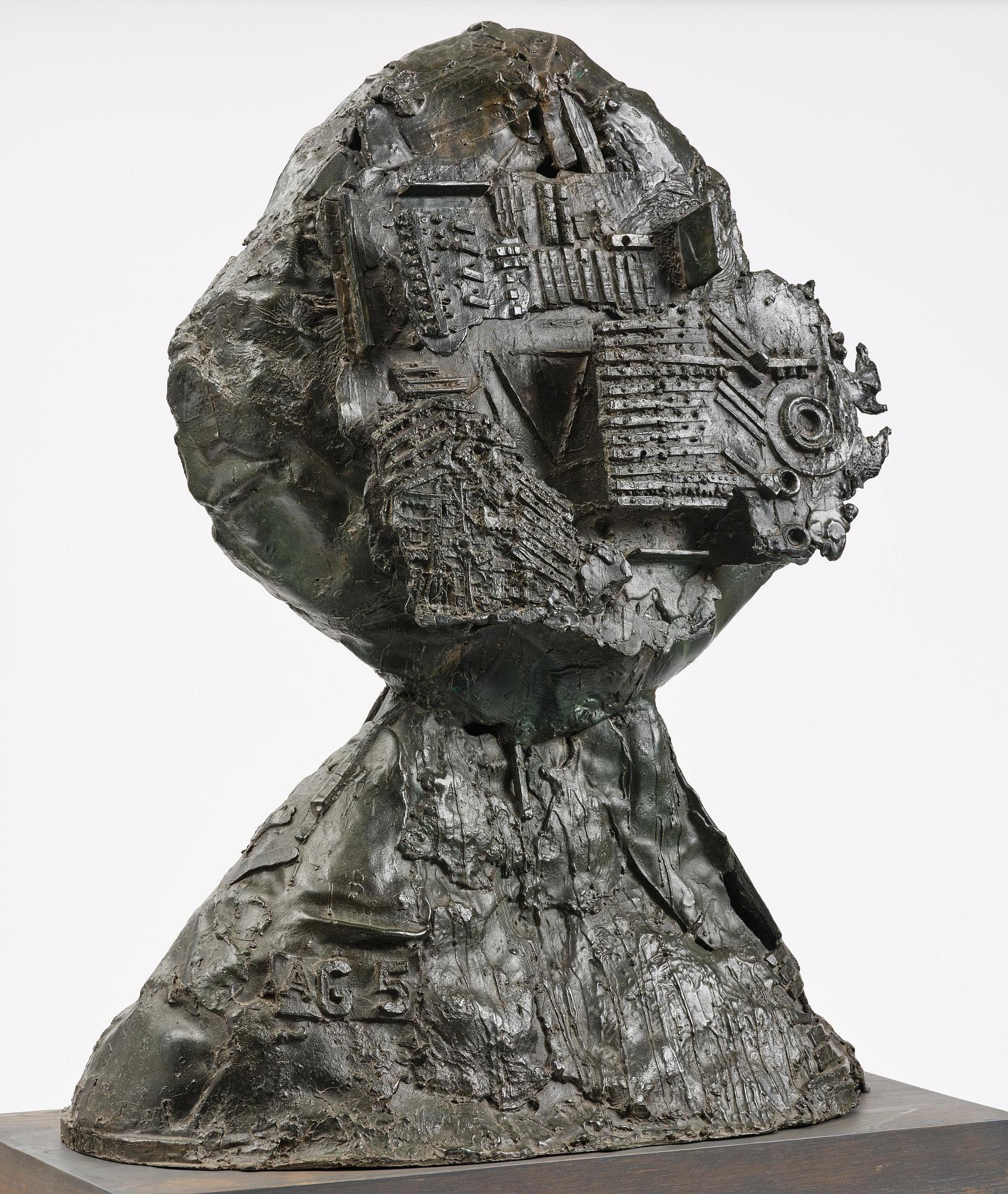
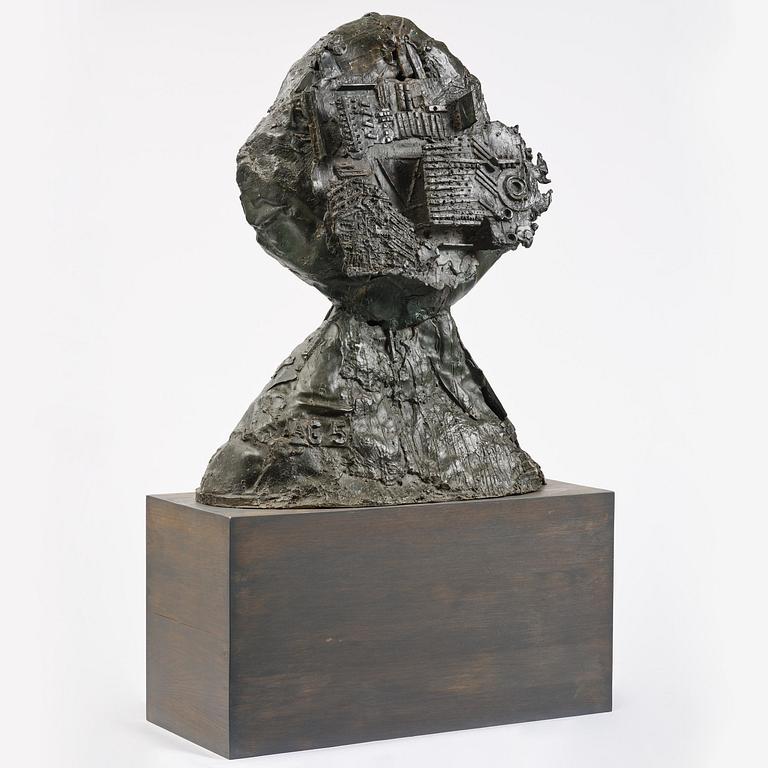
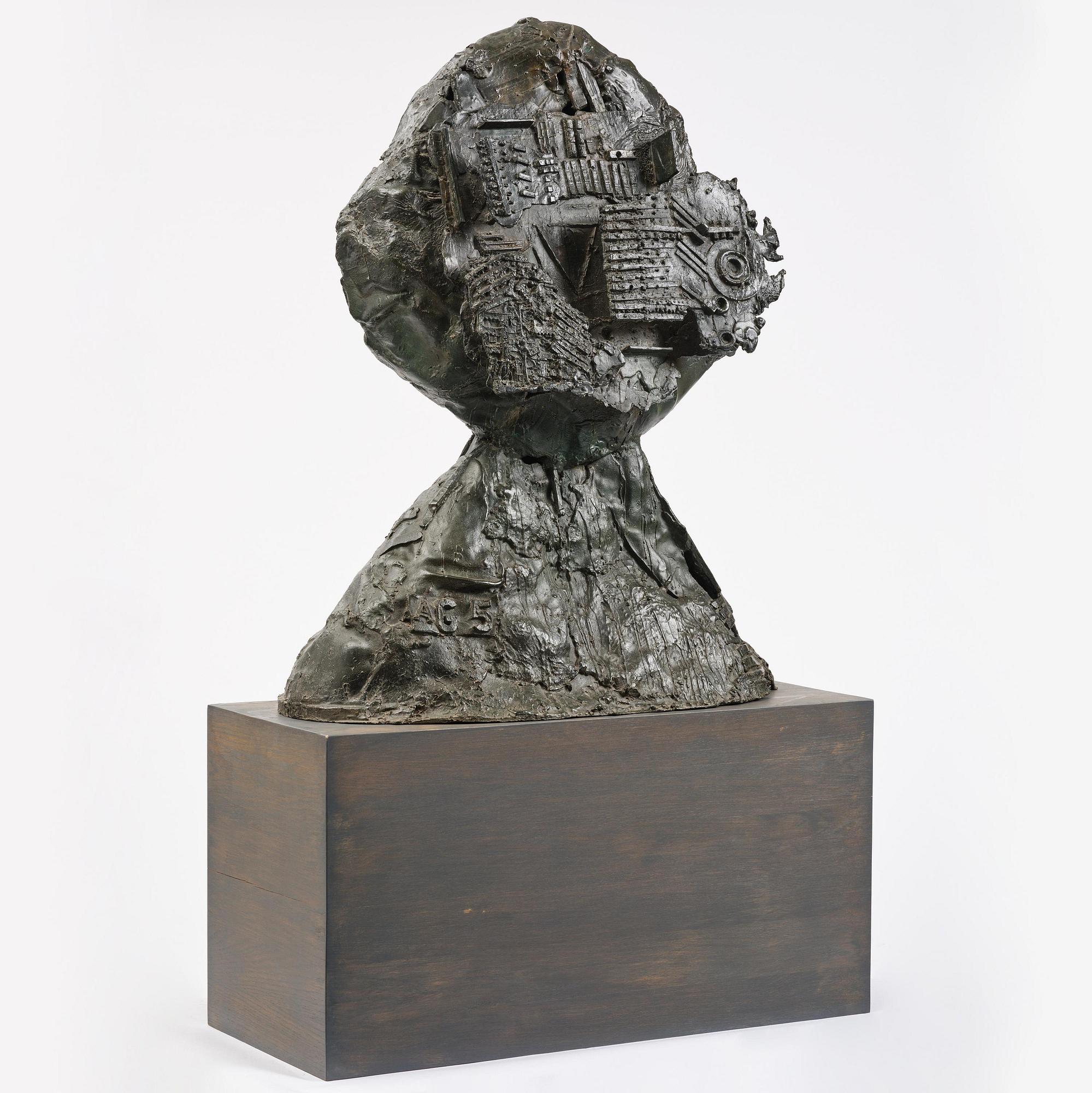
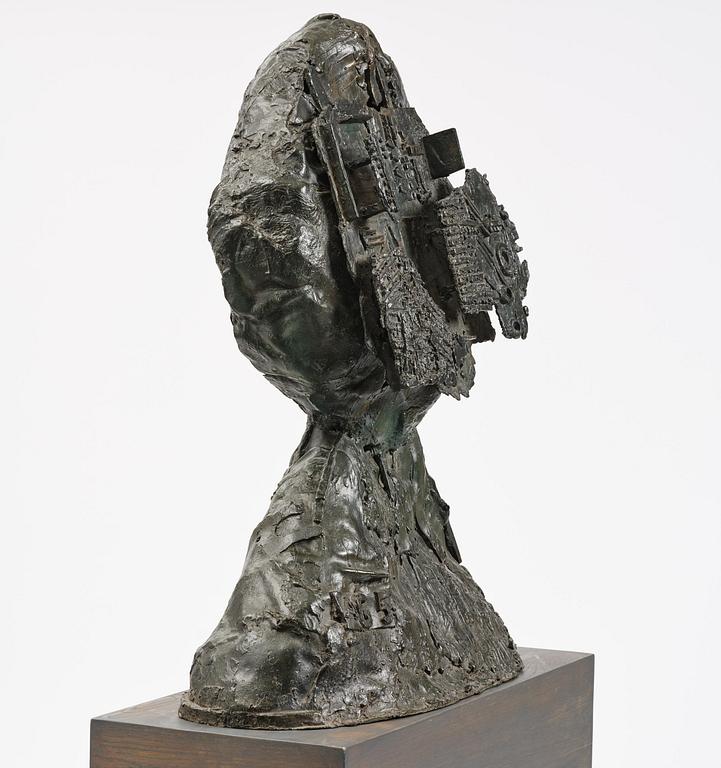
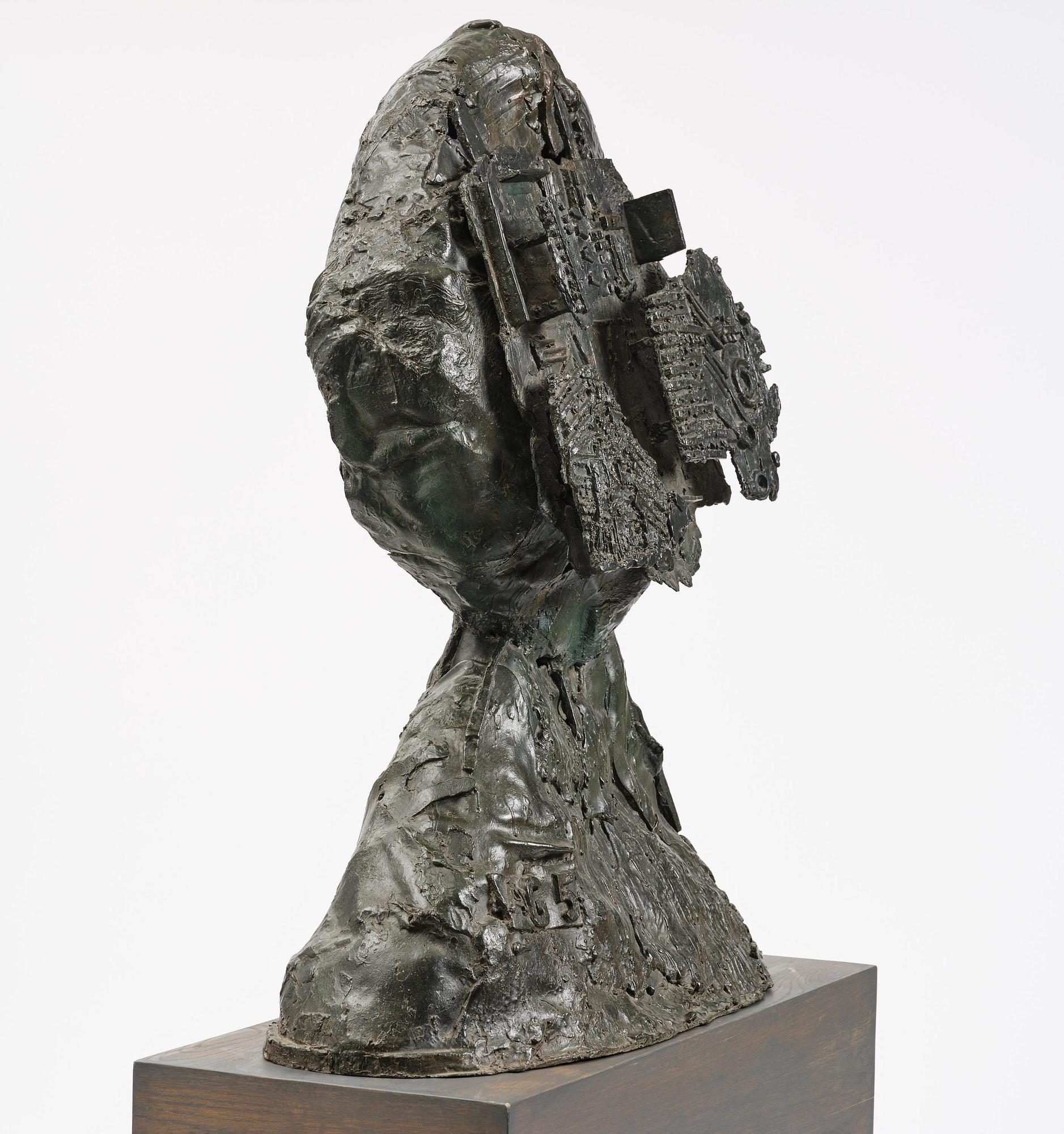
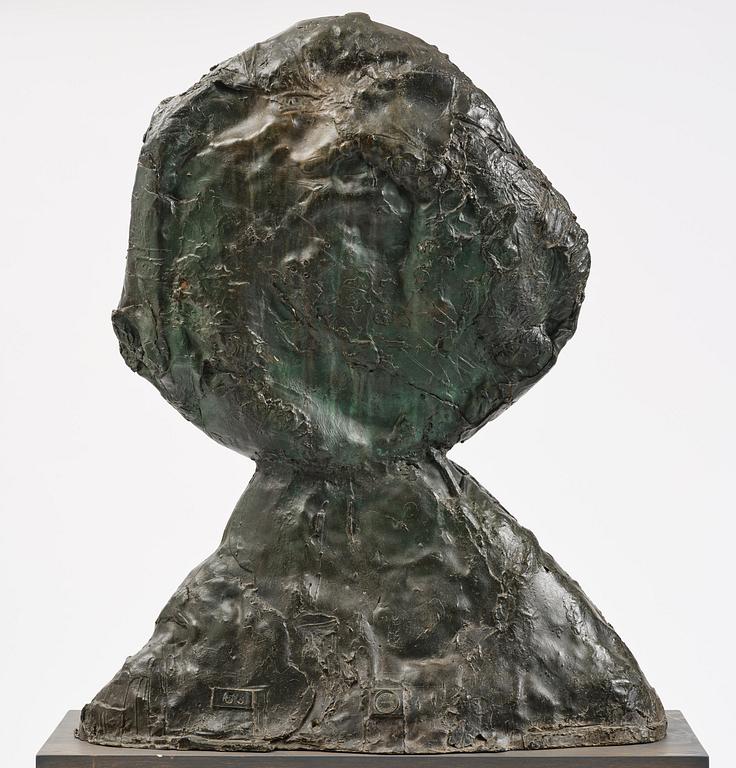
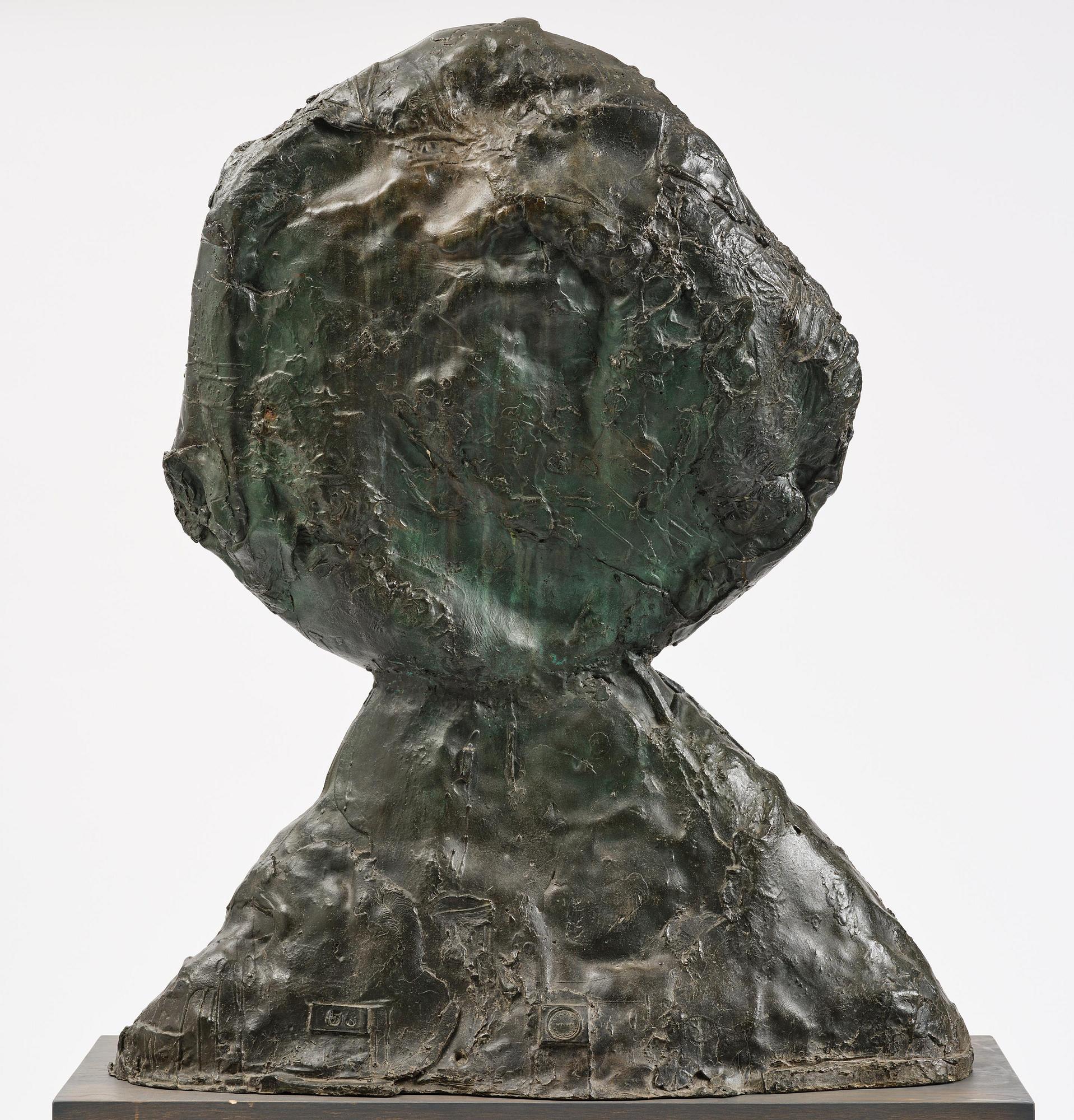
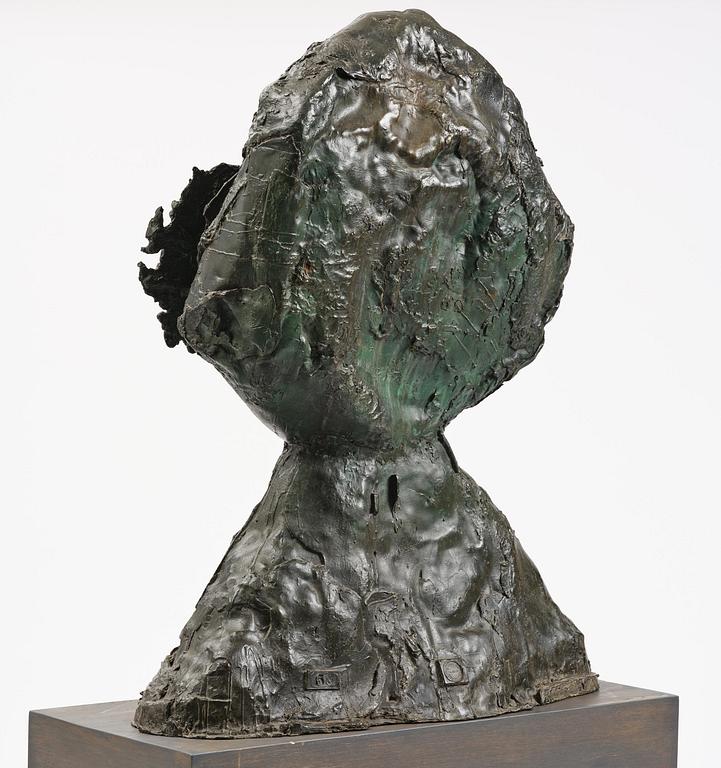
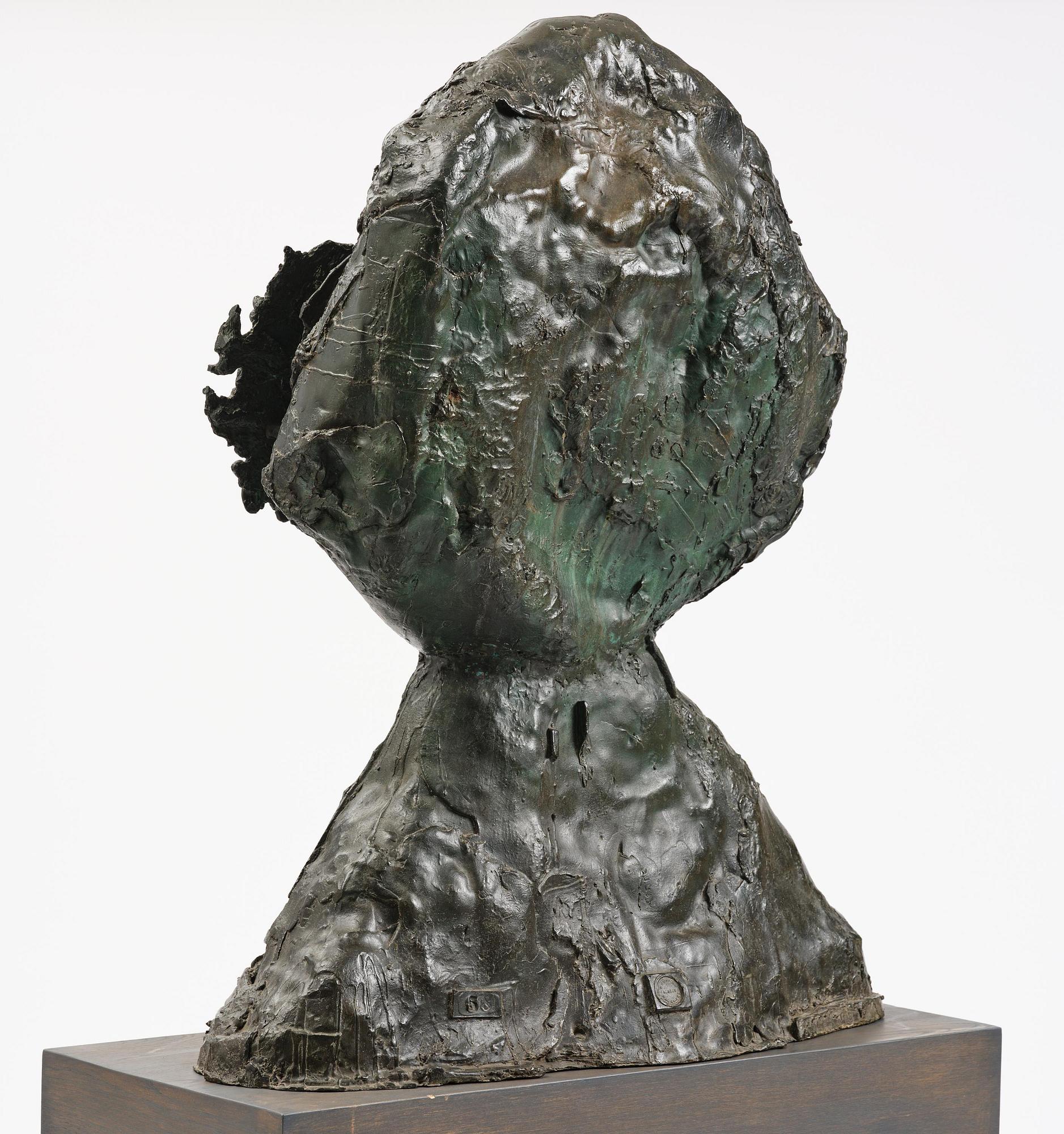
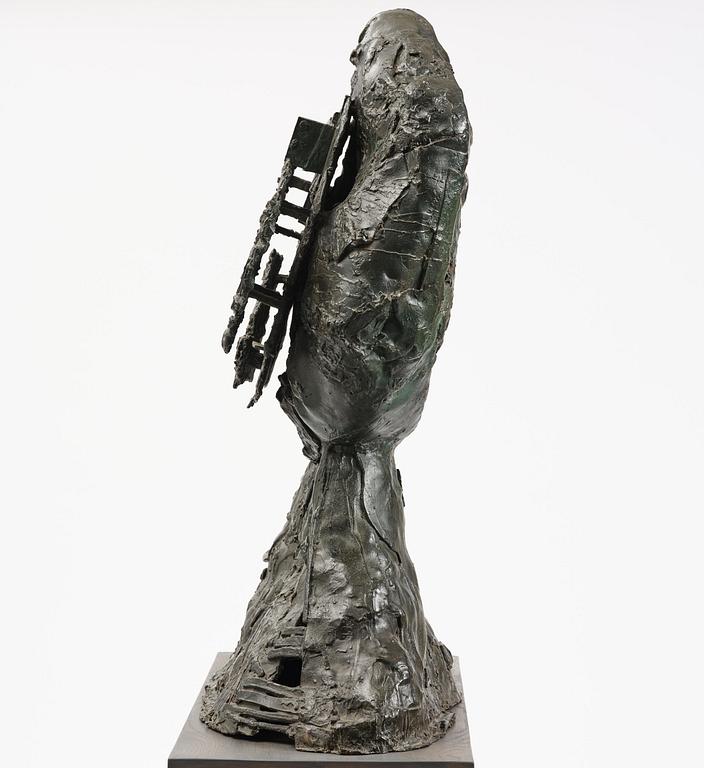
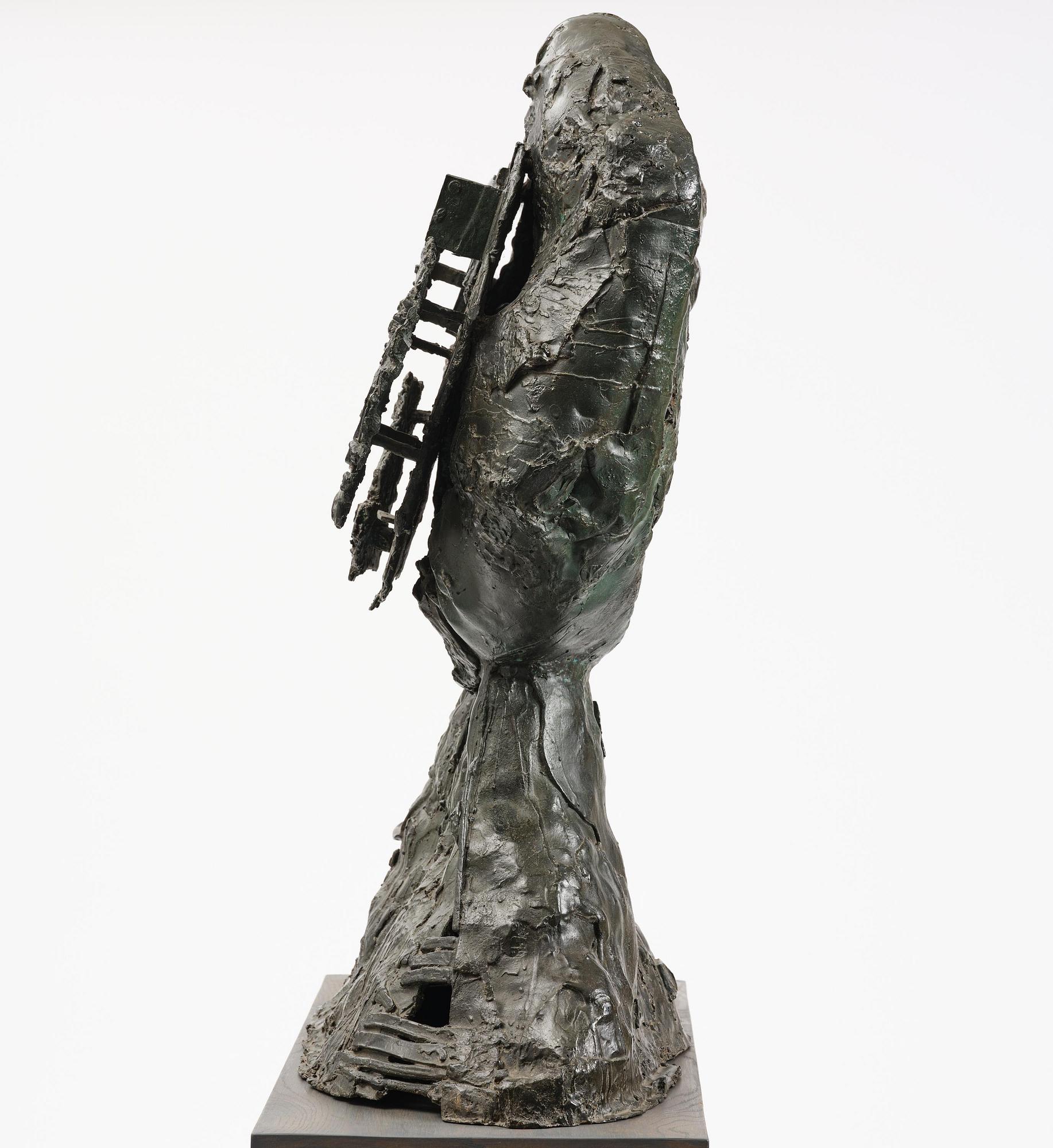
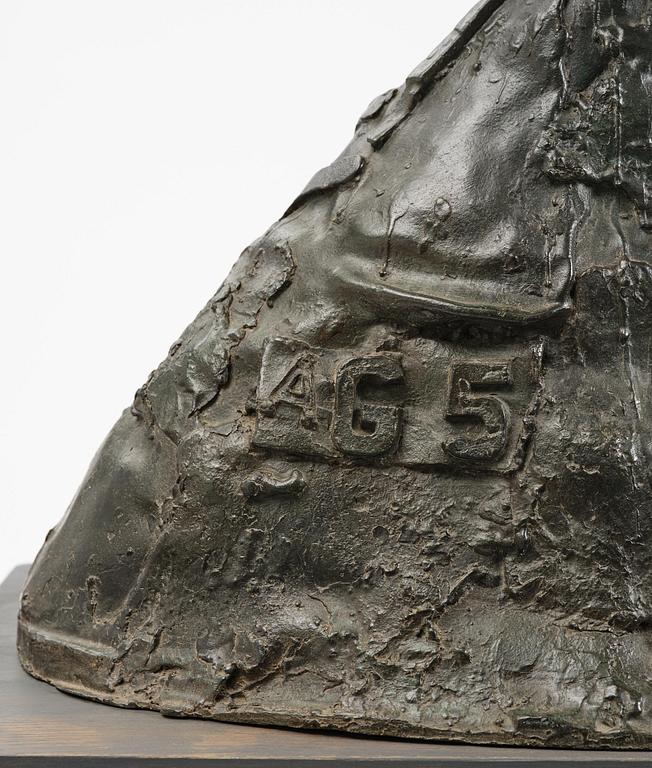
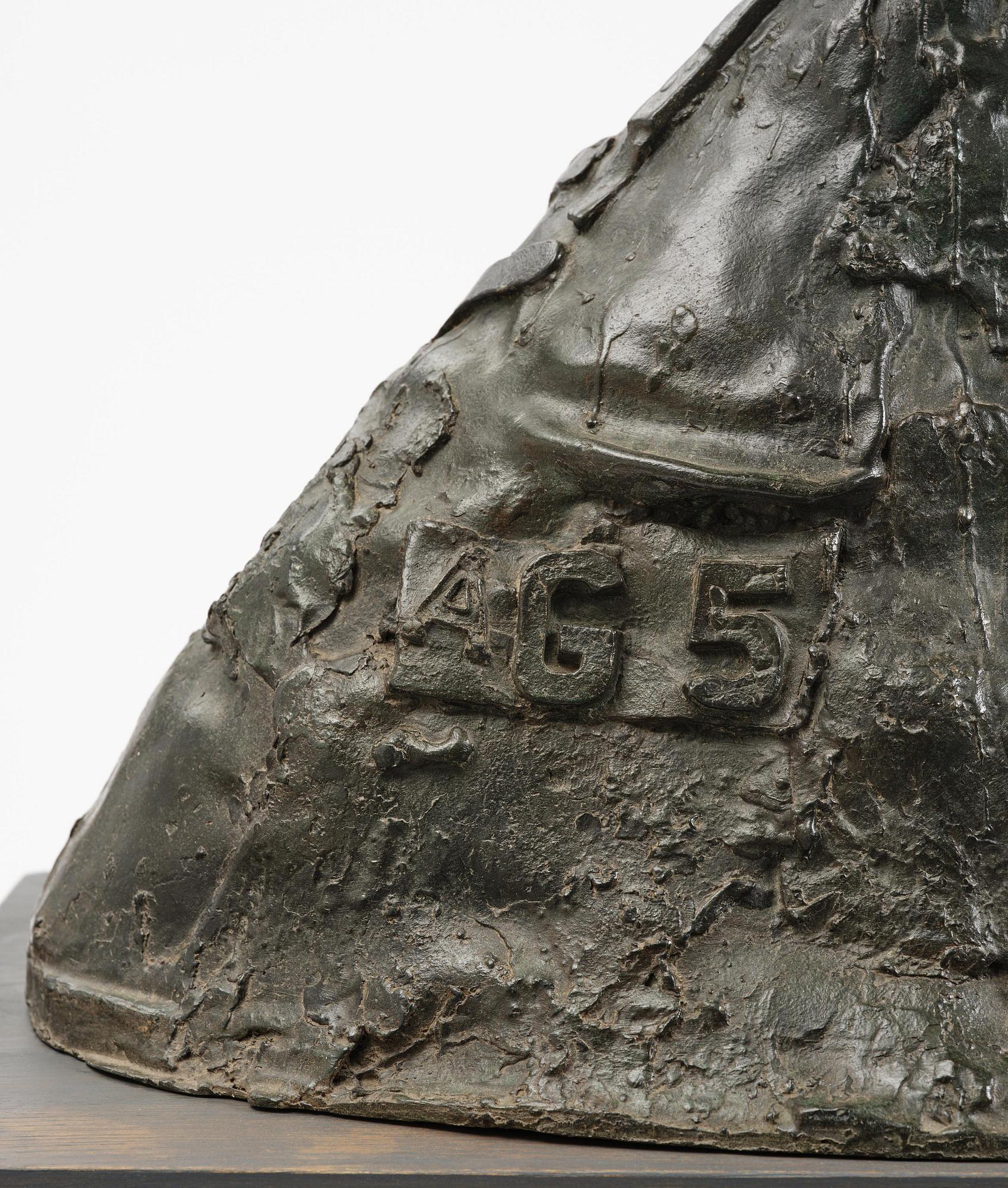
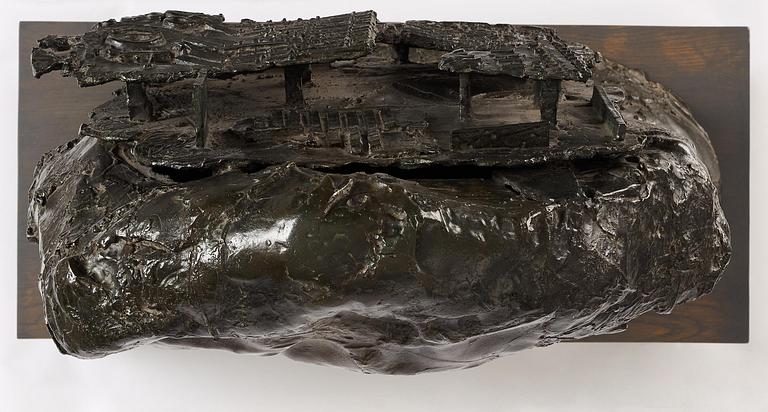
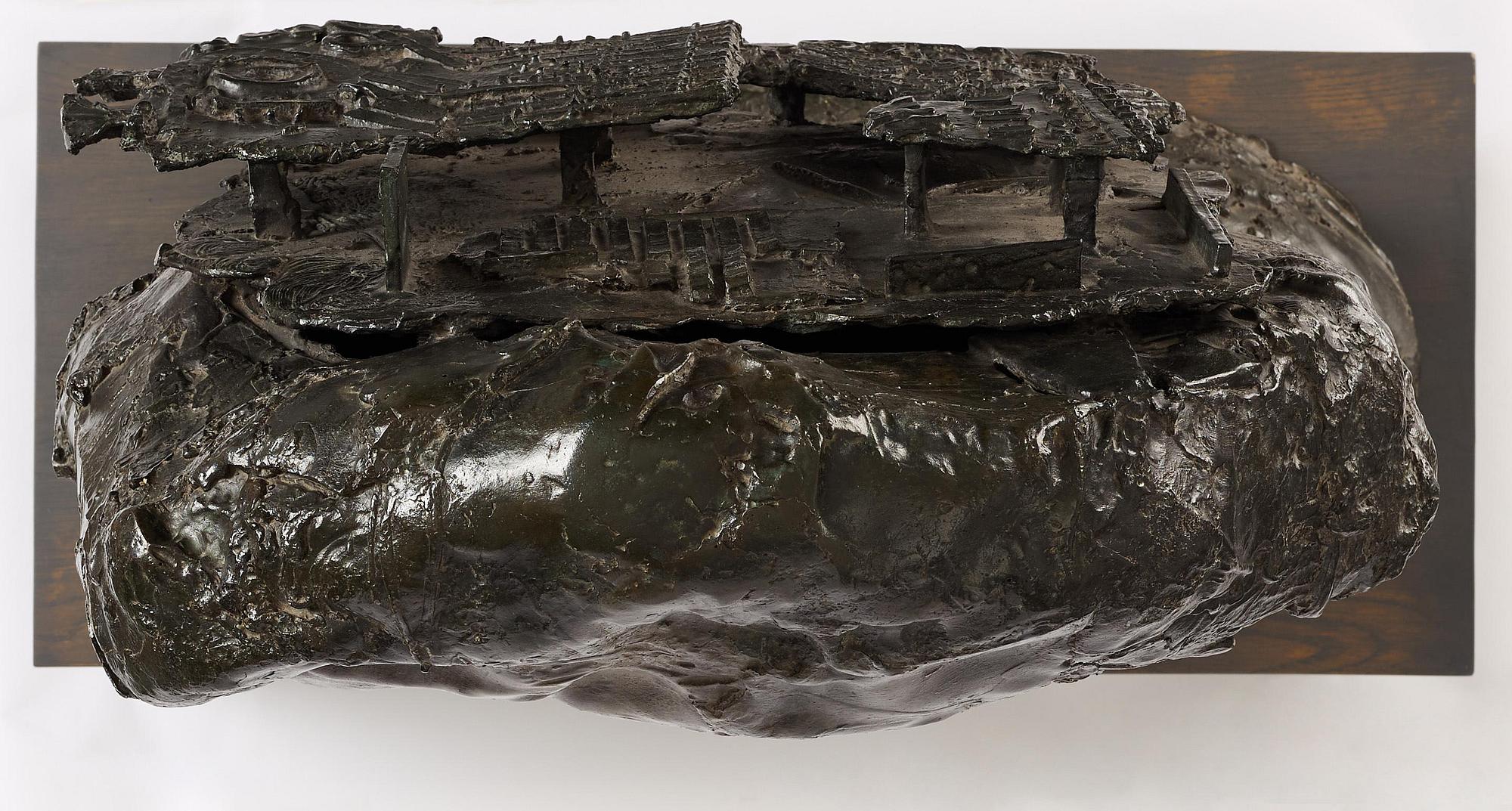
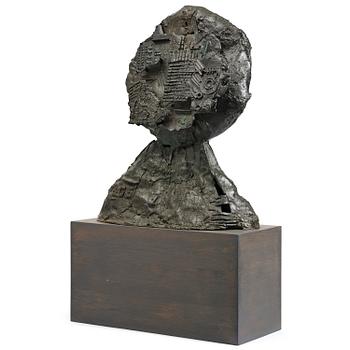
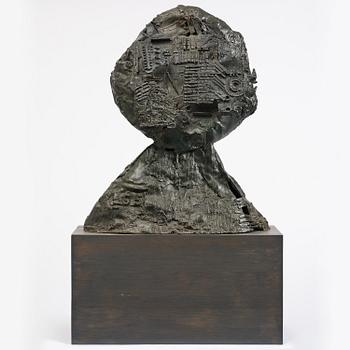
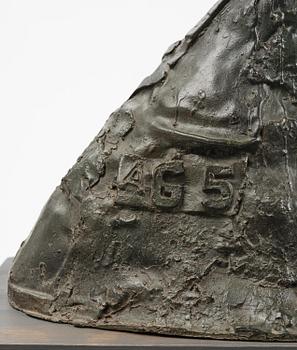
”A.G.5”
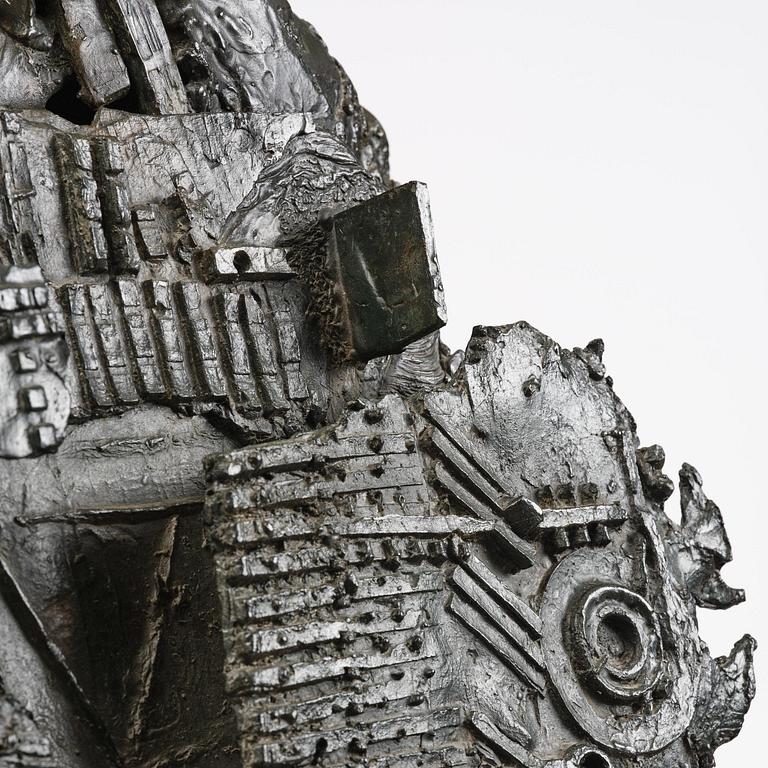
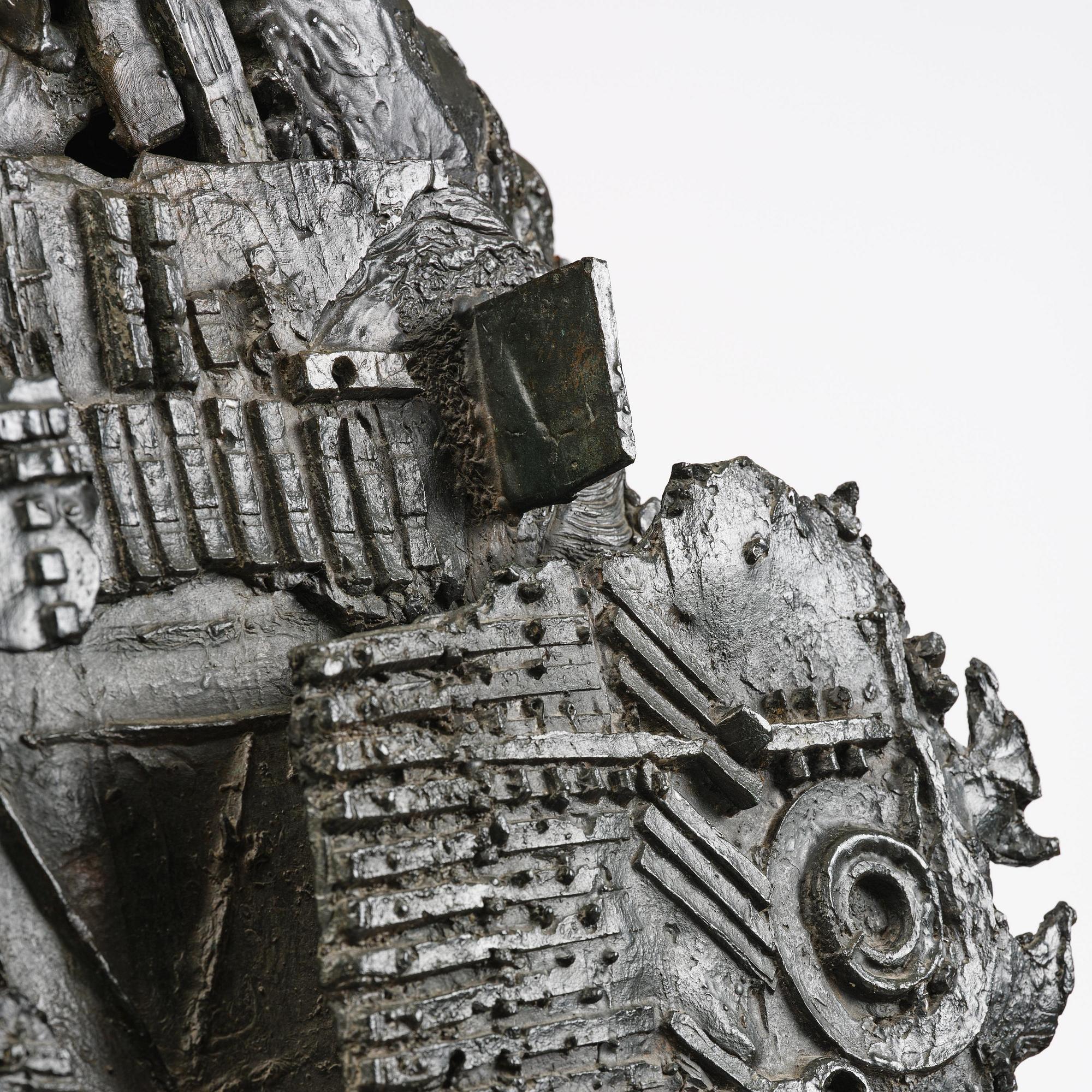
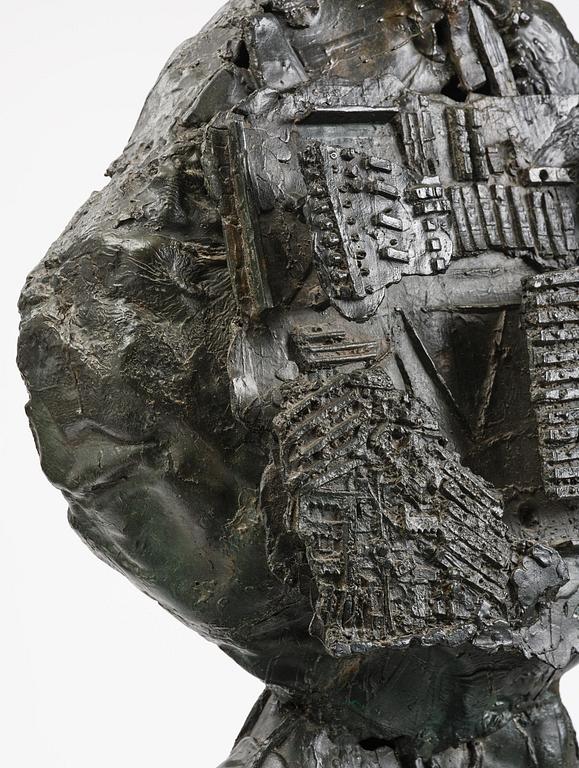
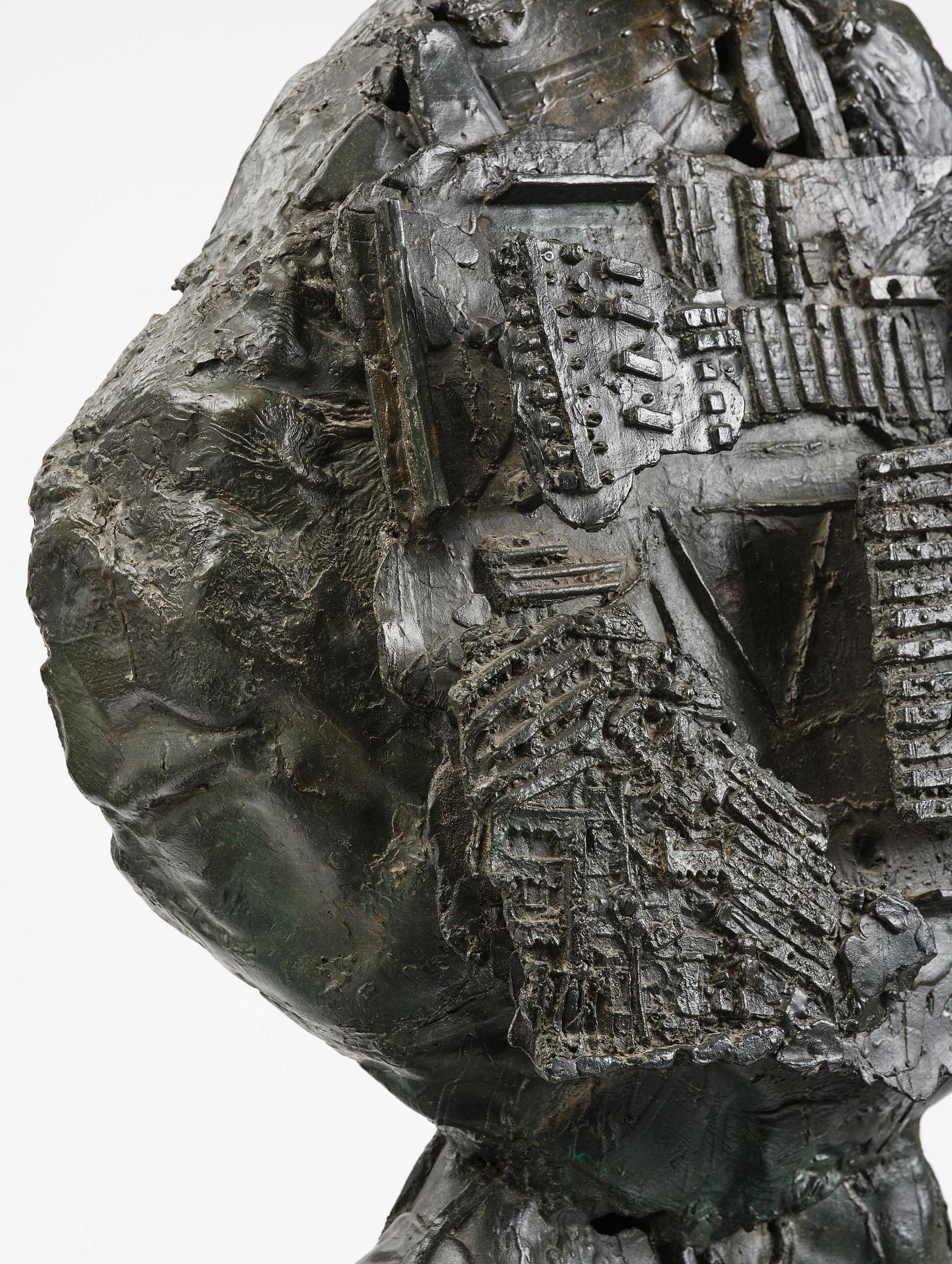
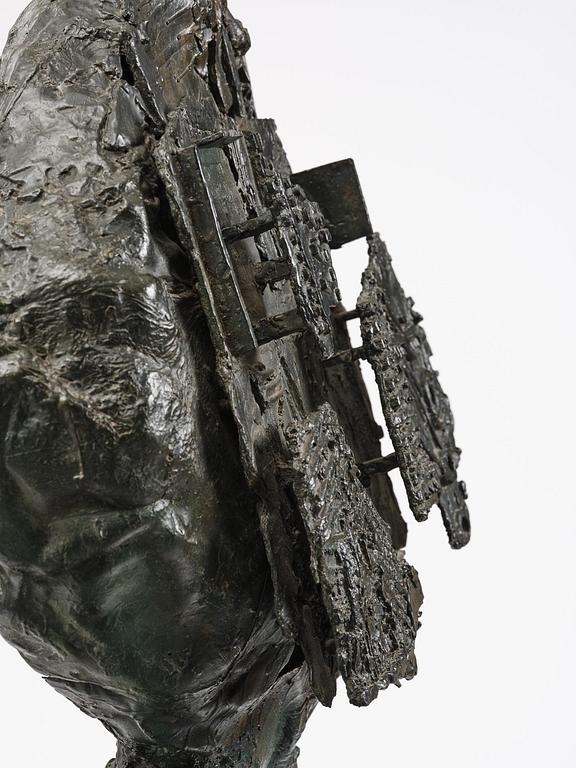
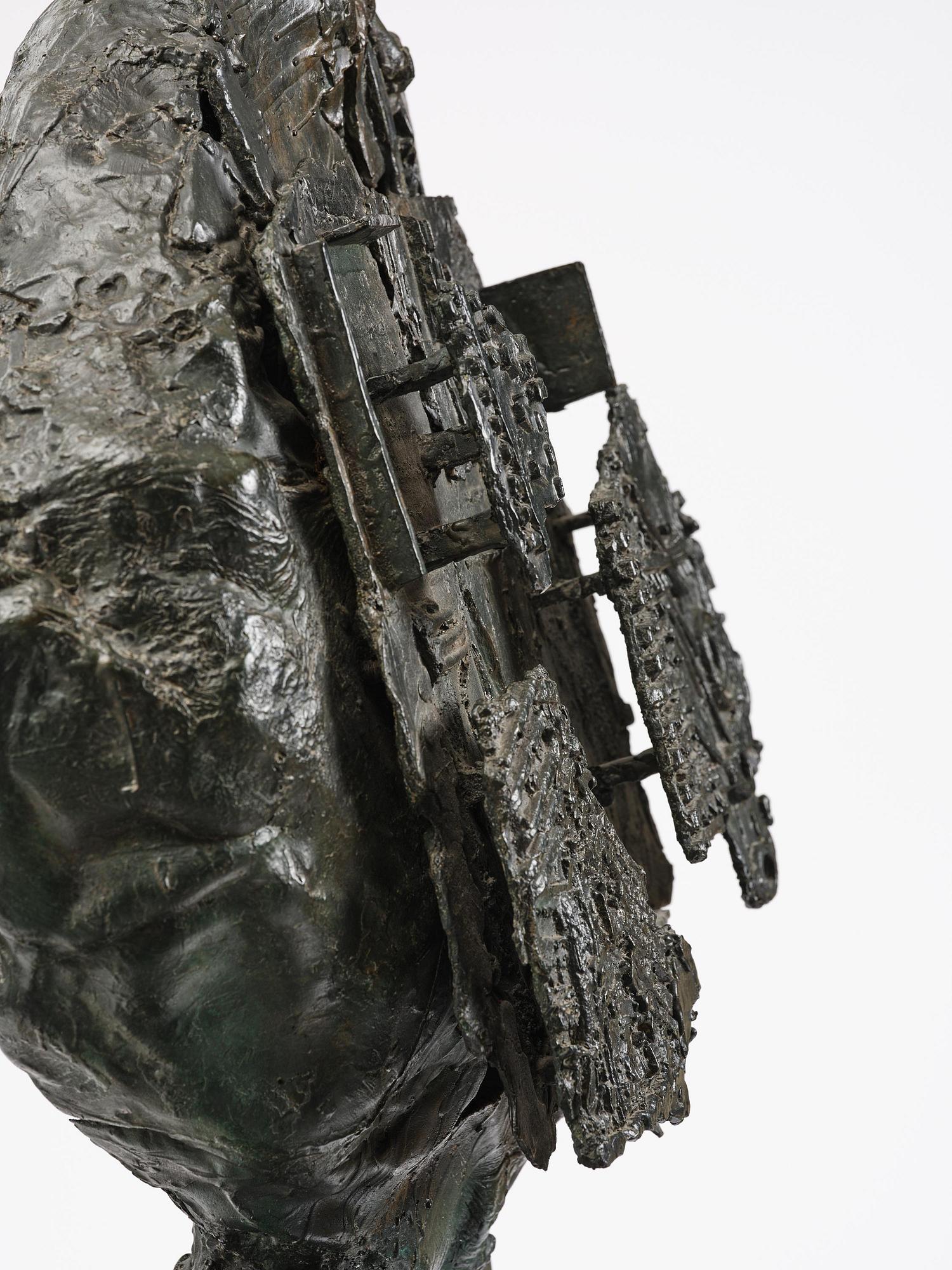
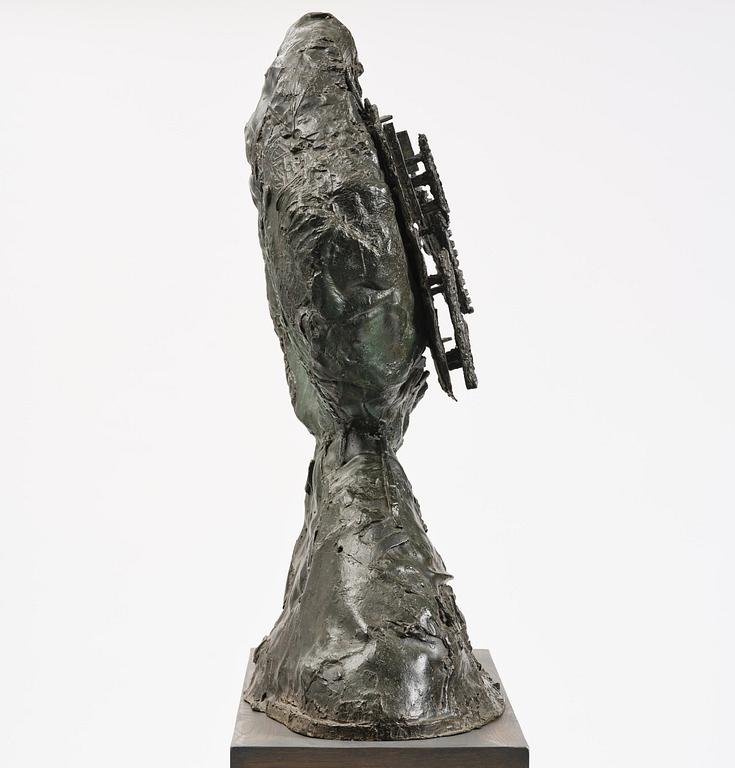
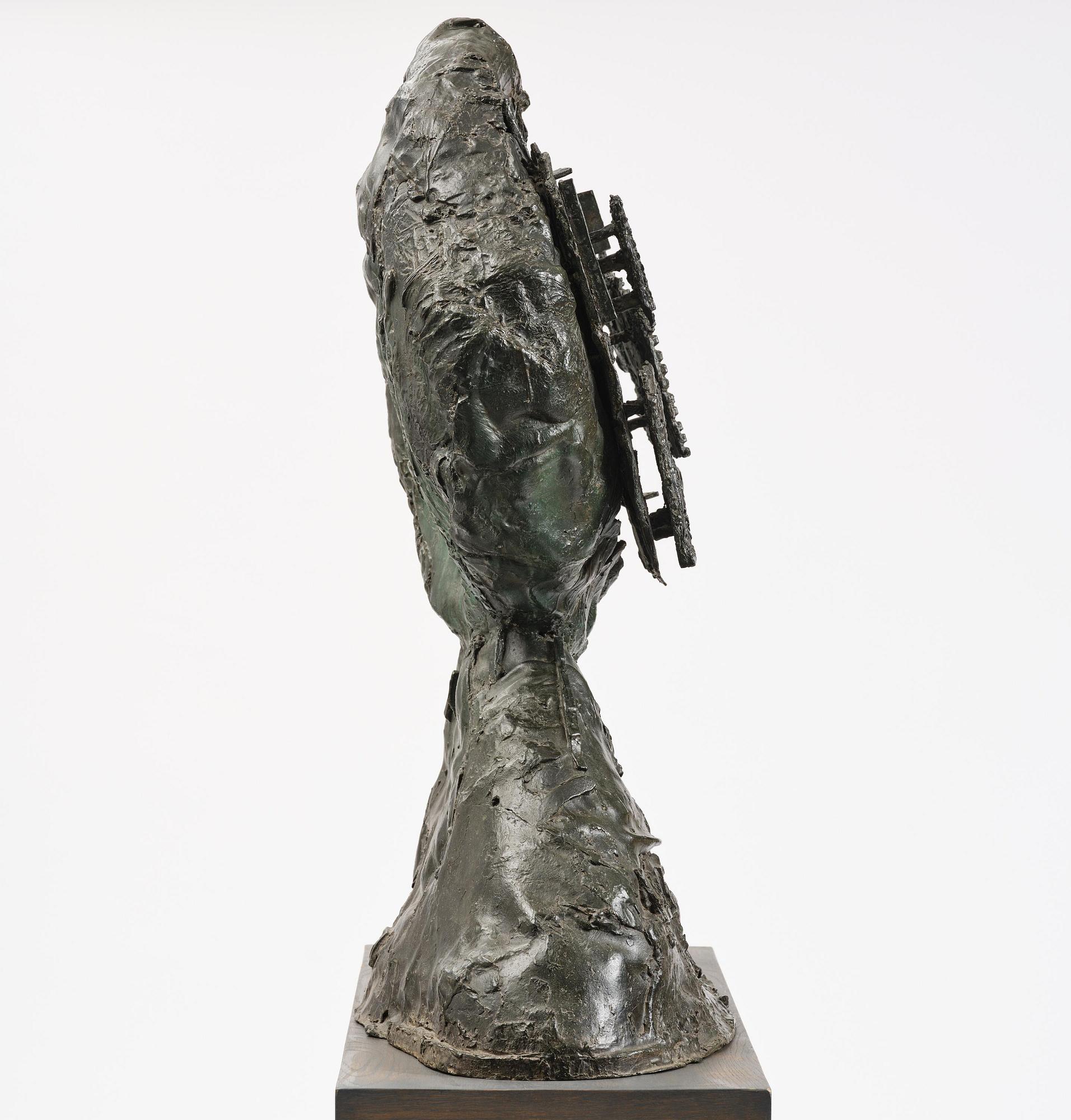
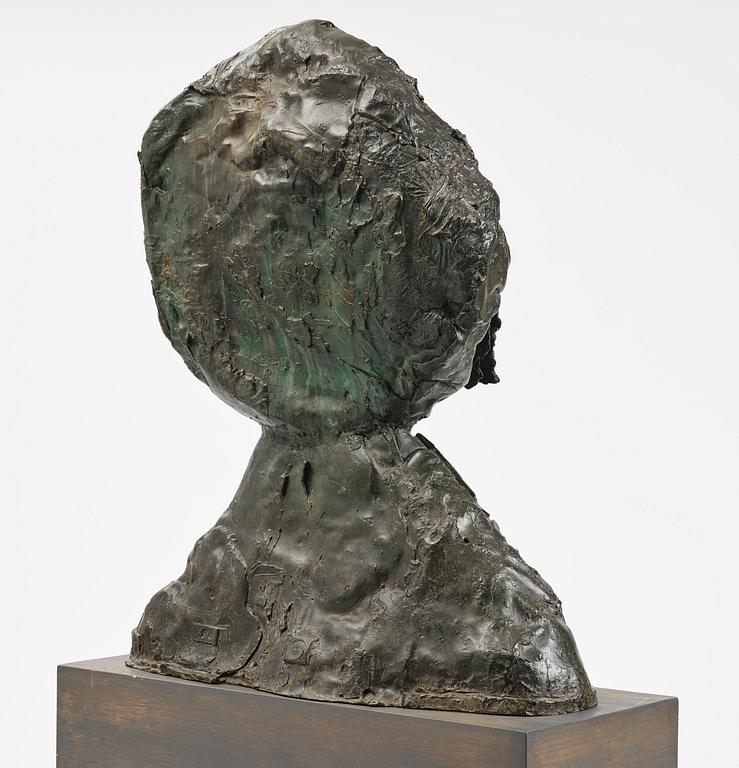
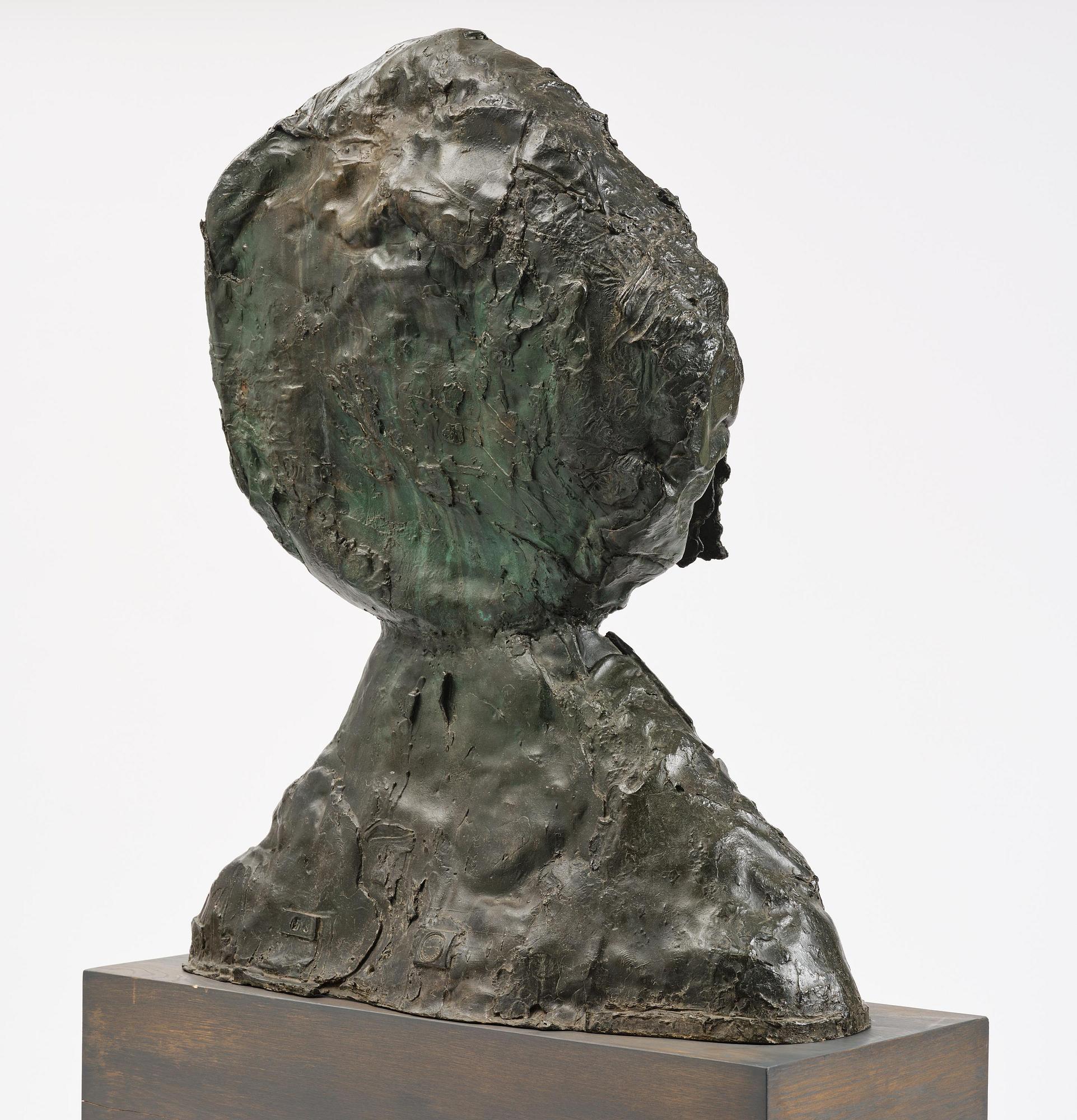
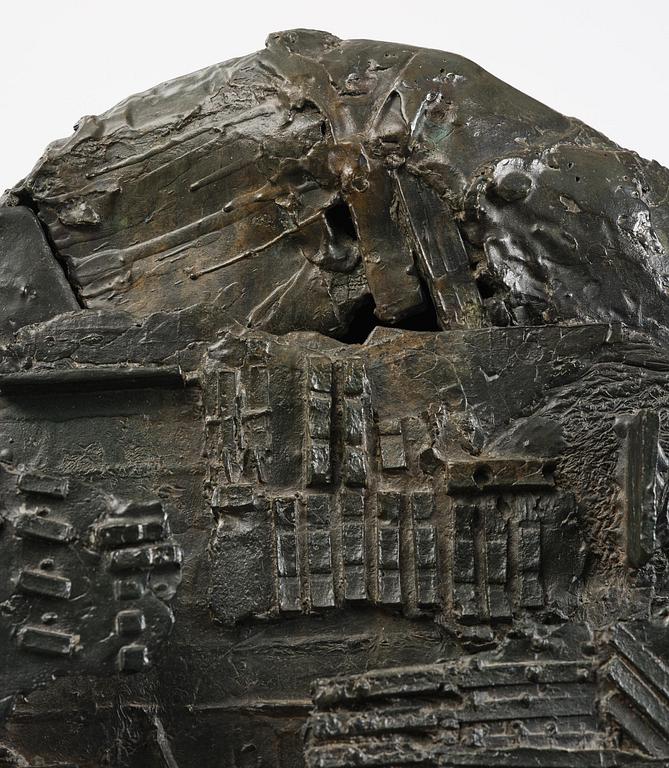
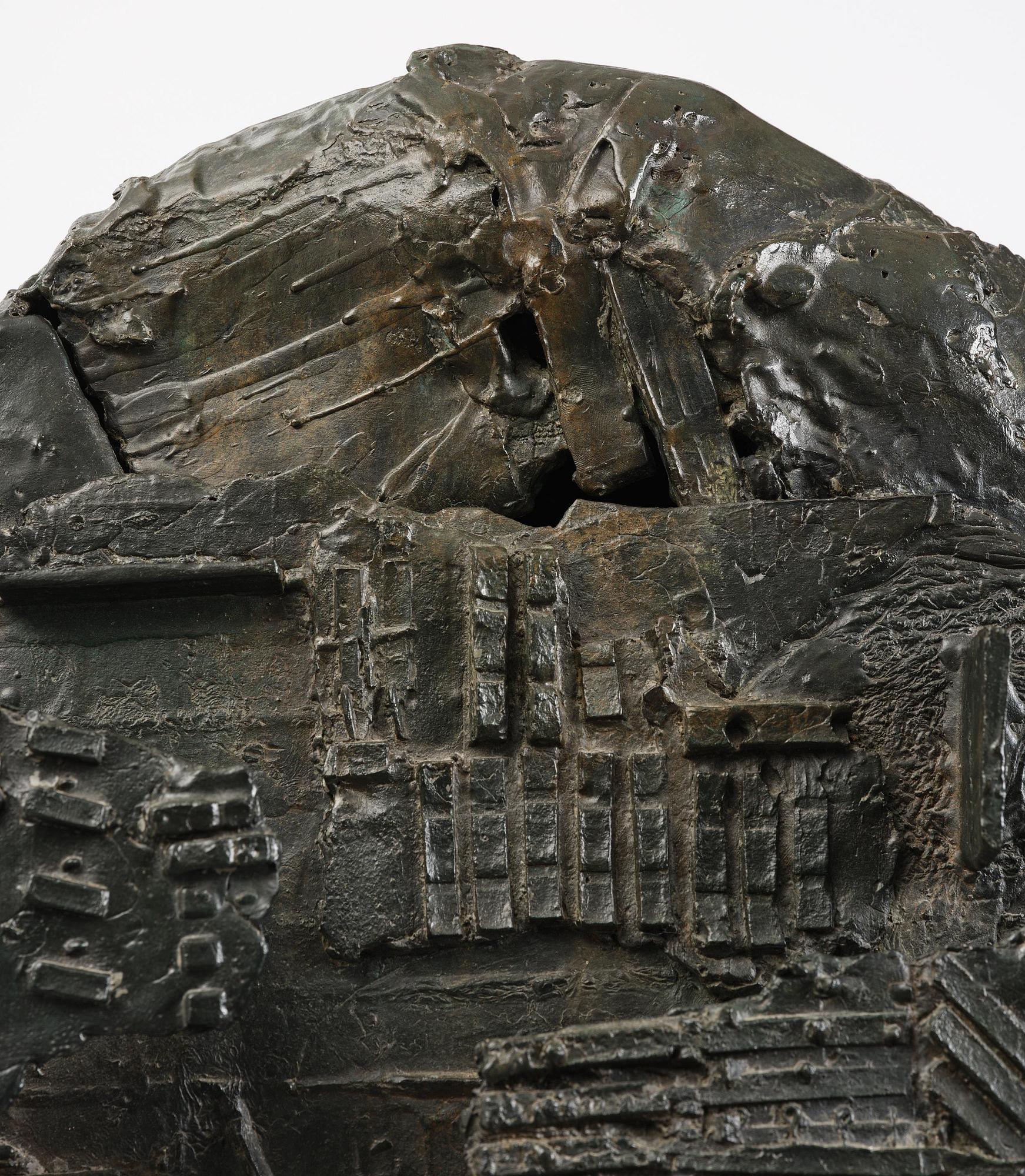
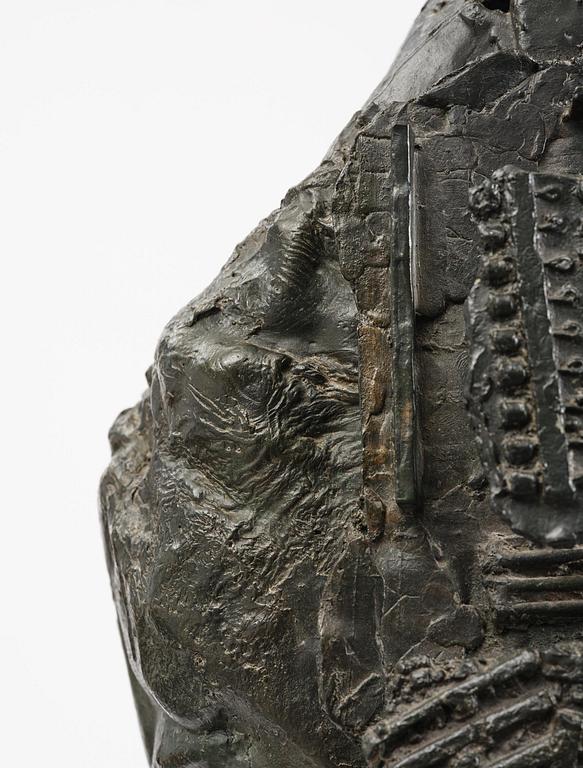
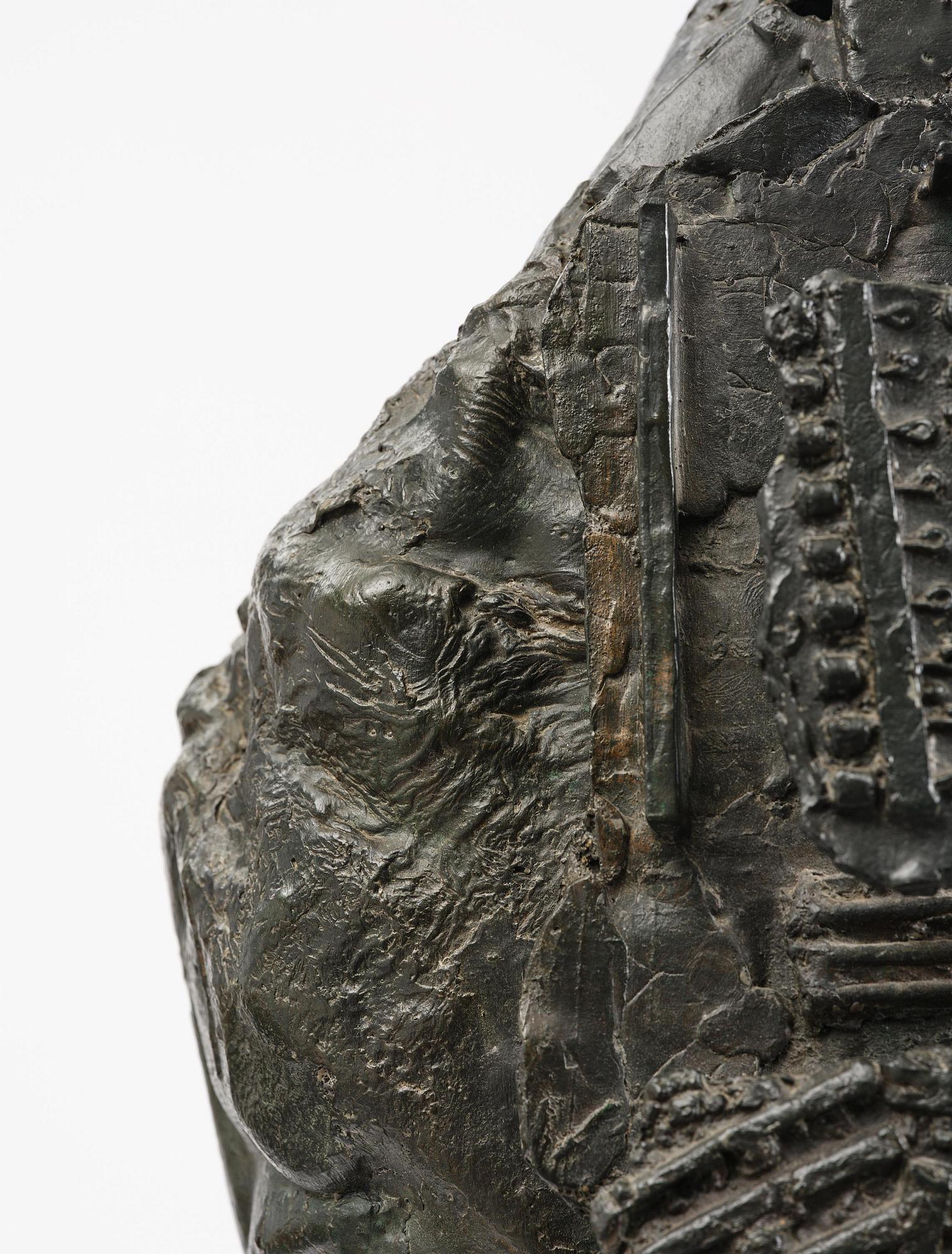
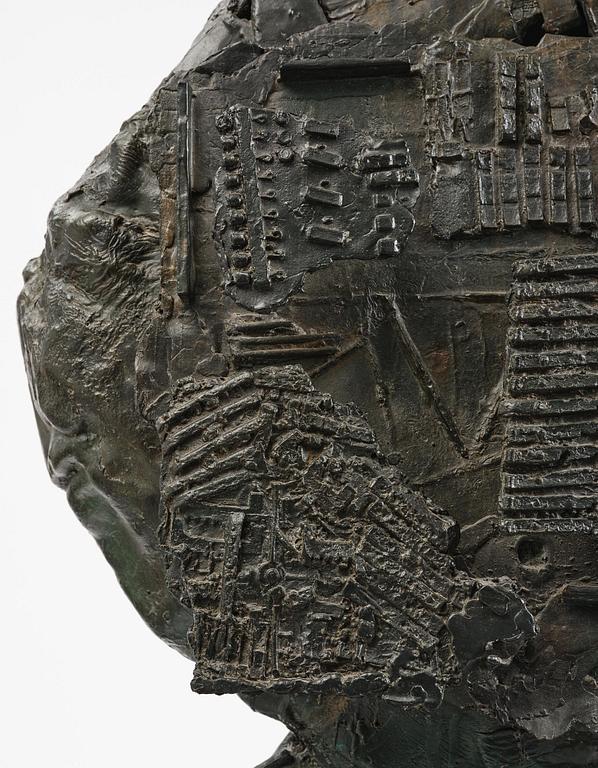
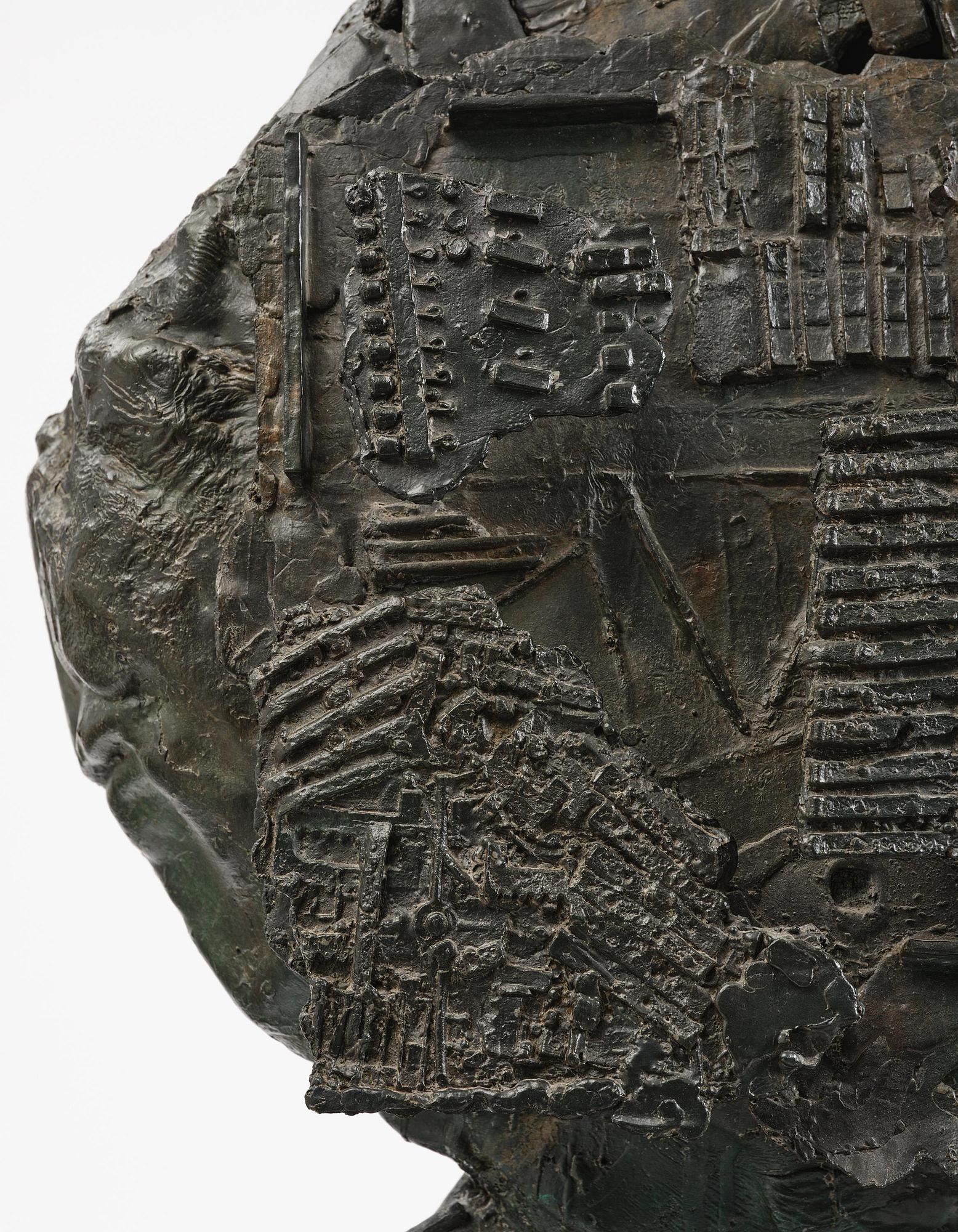
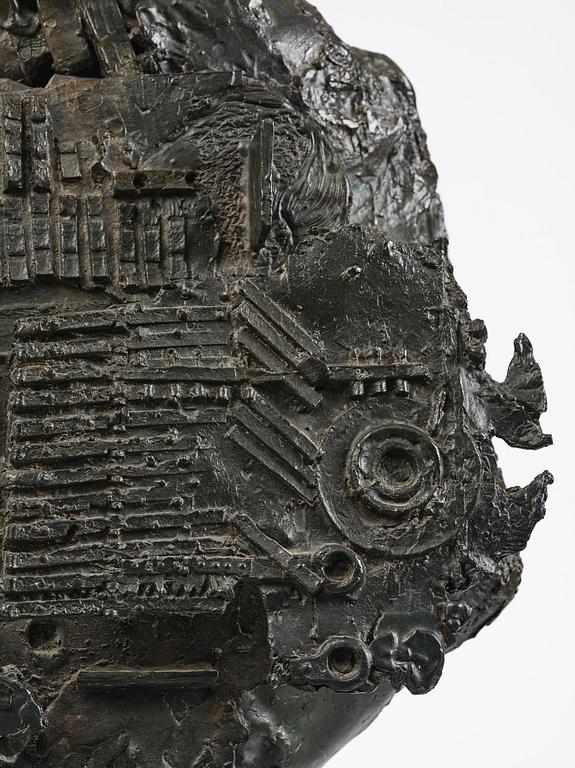
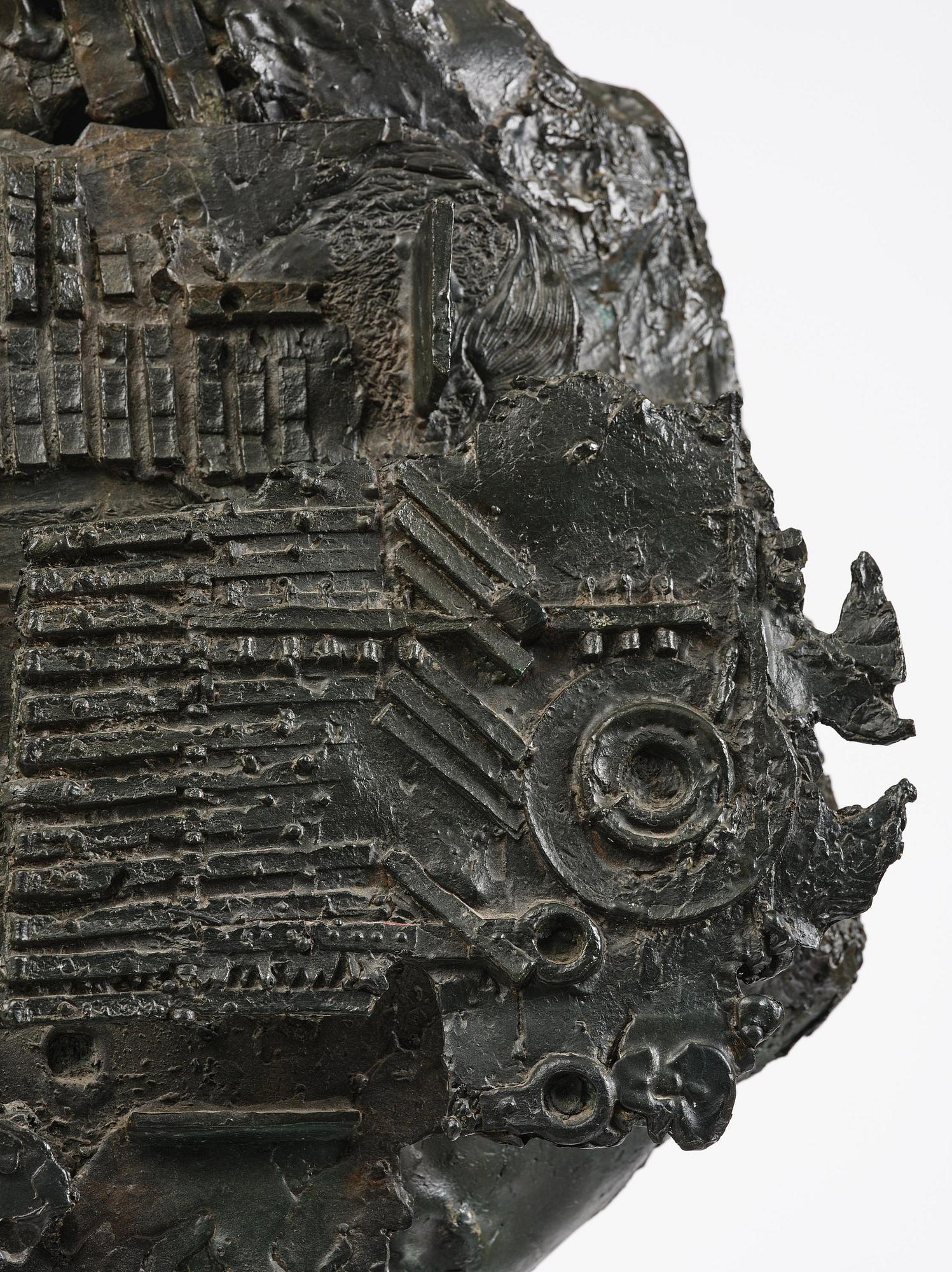
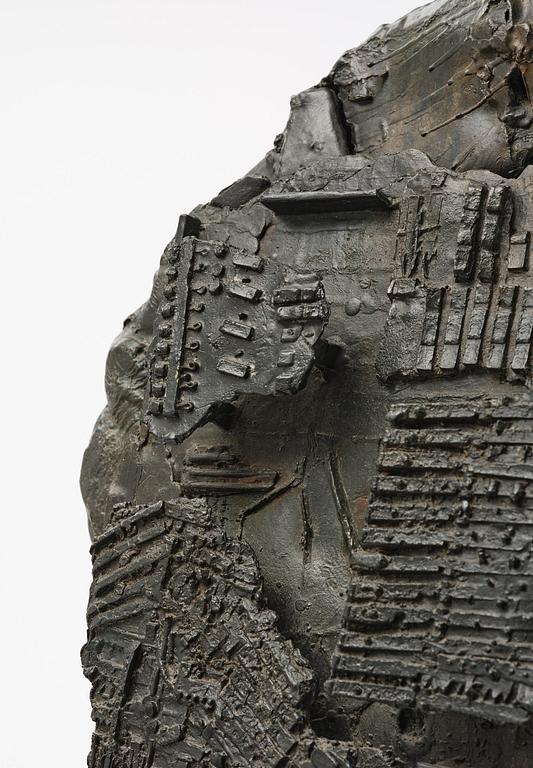
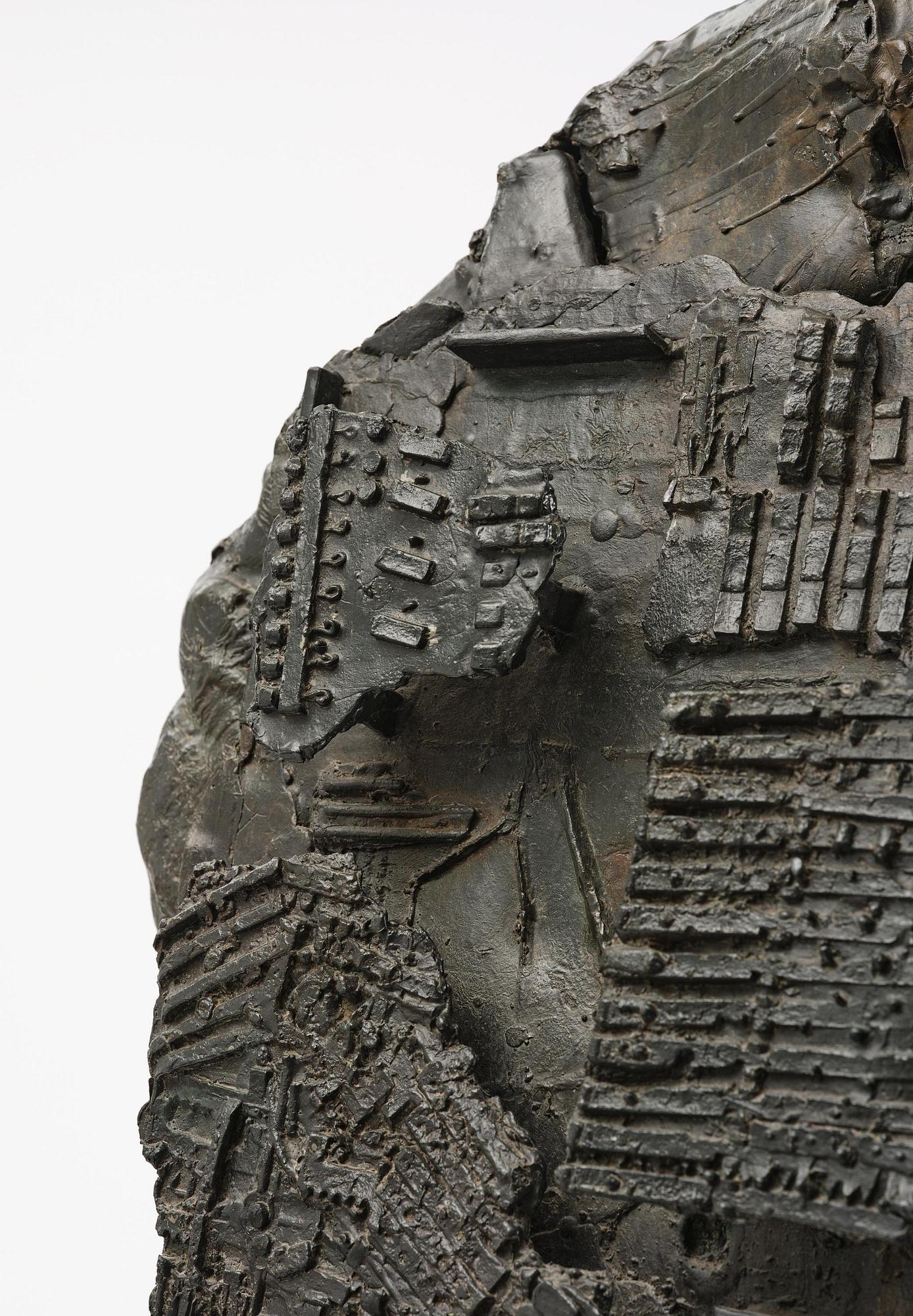
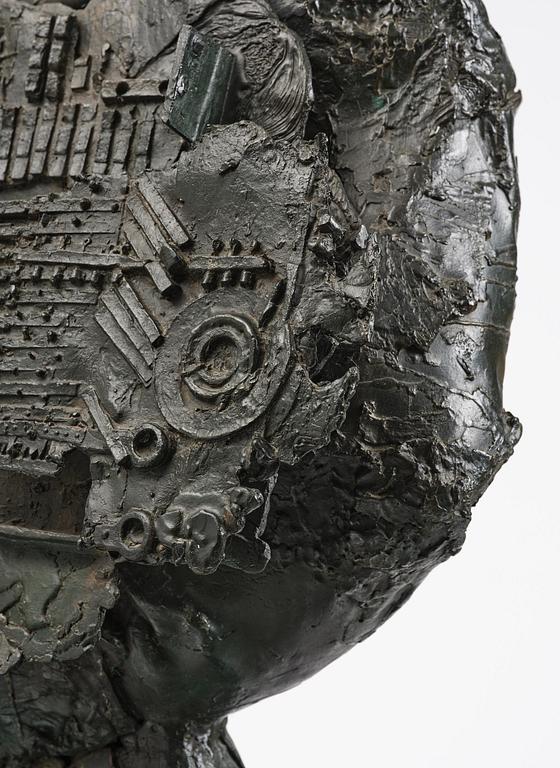
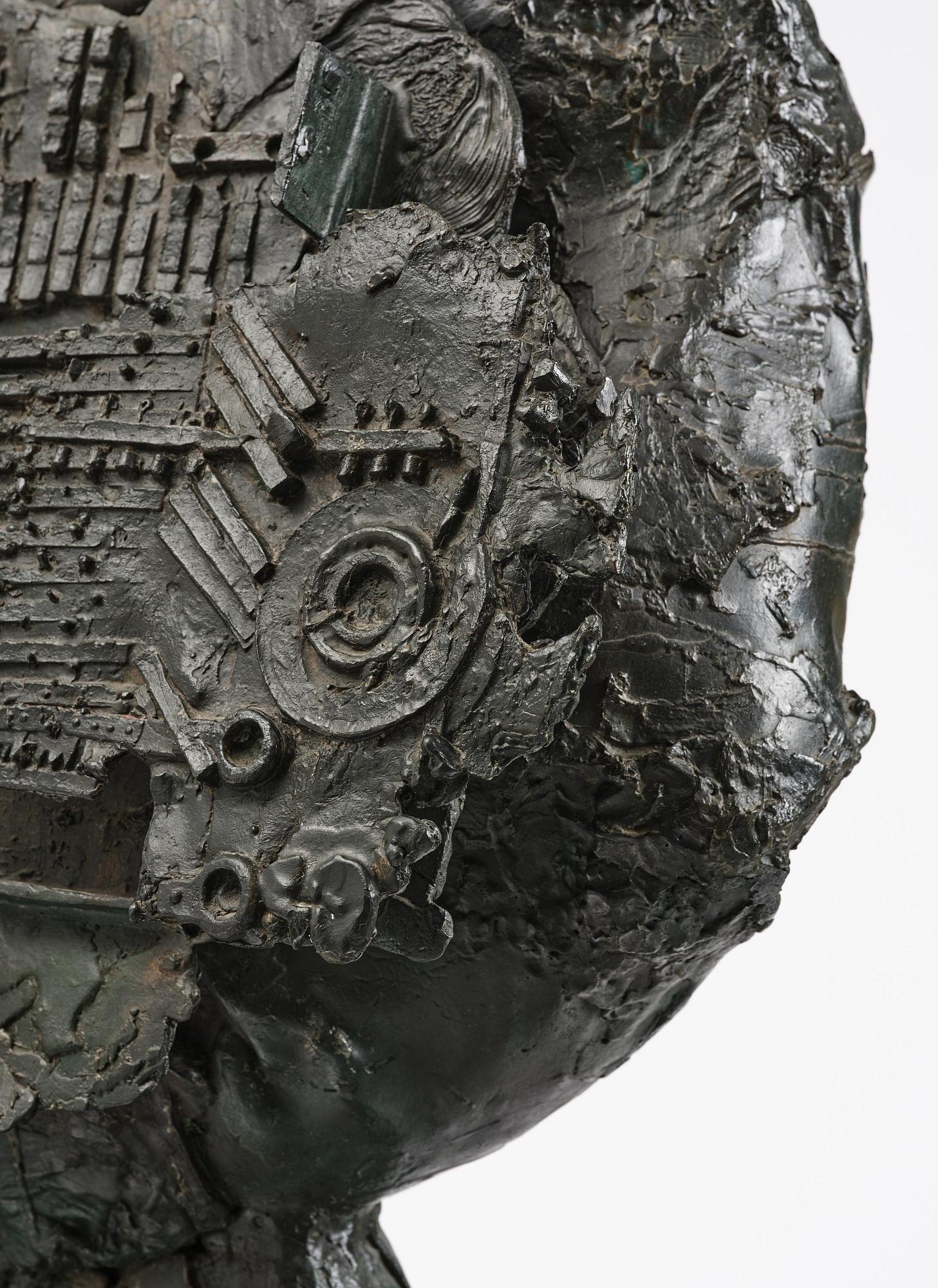
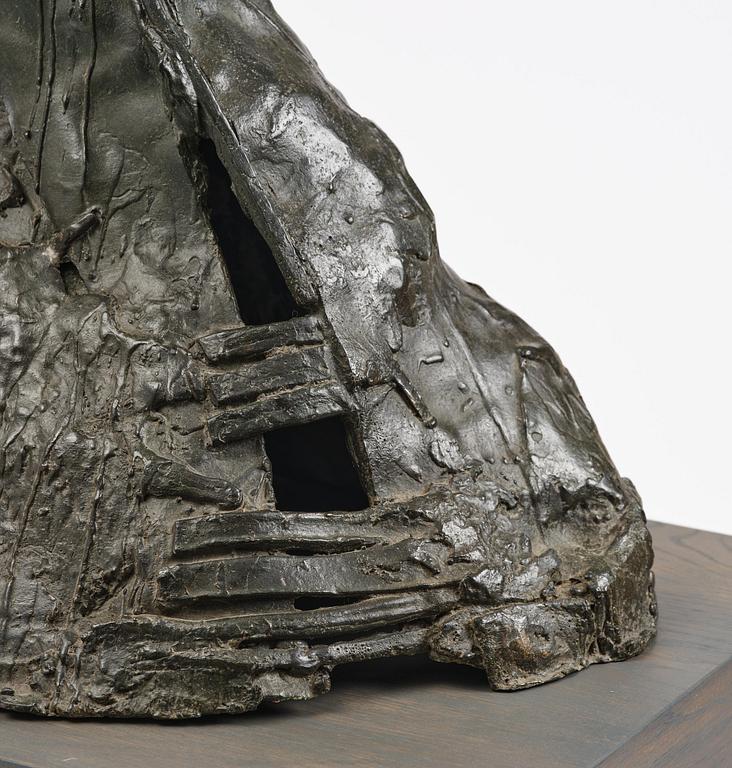
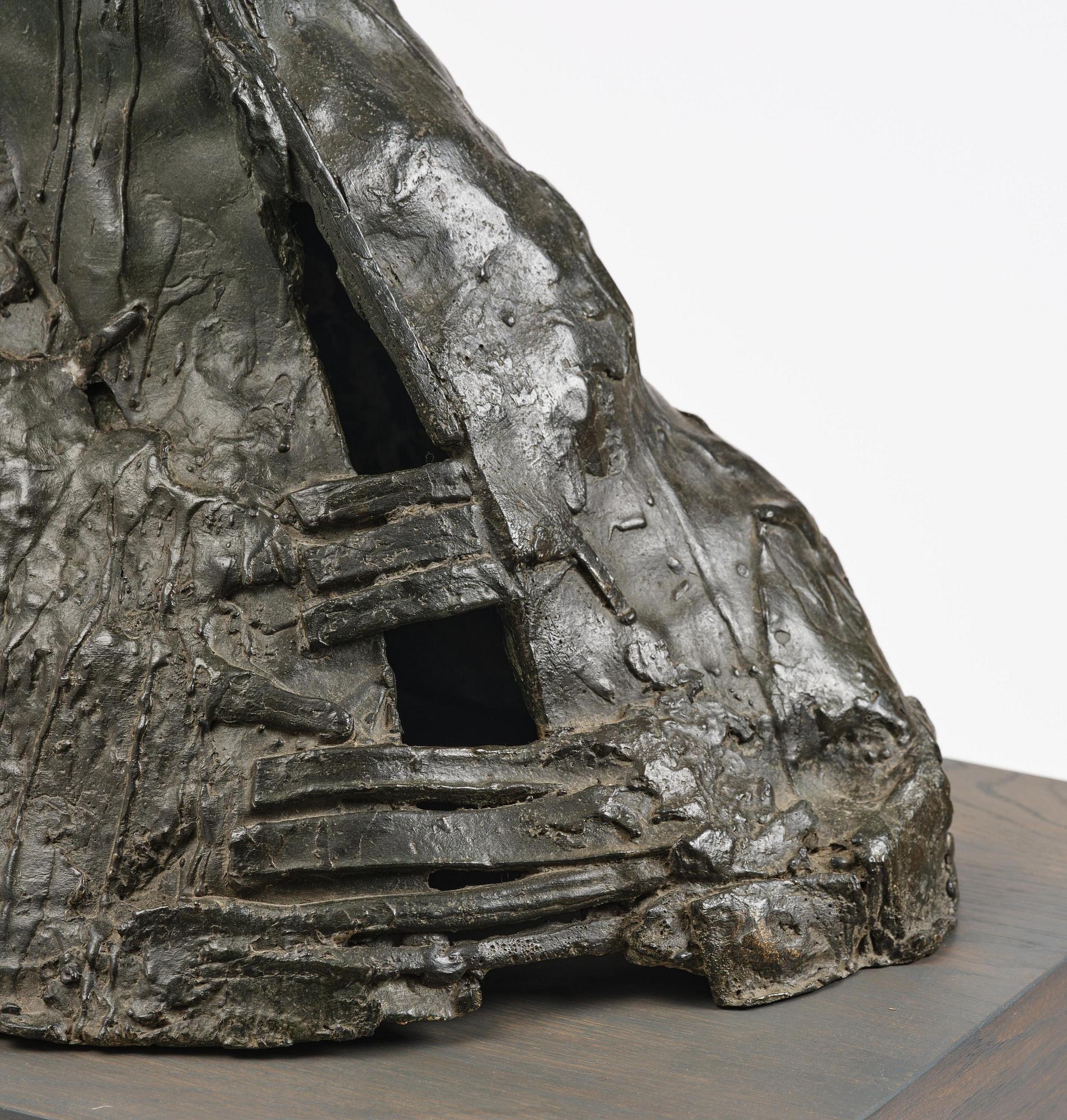
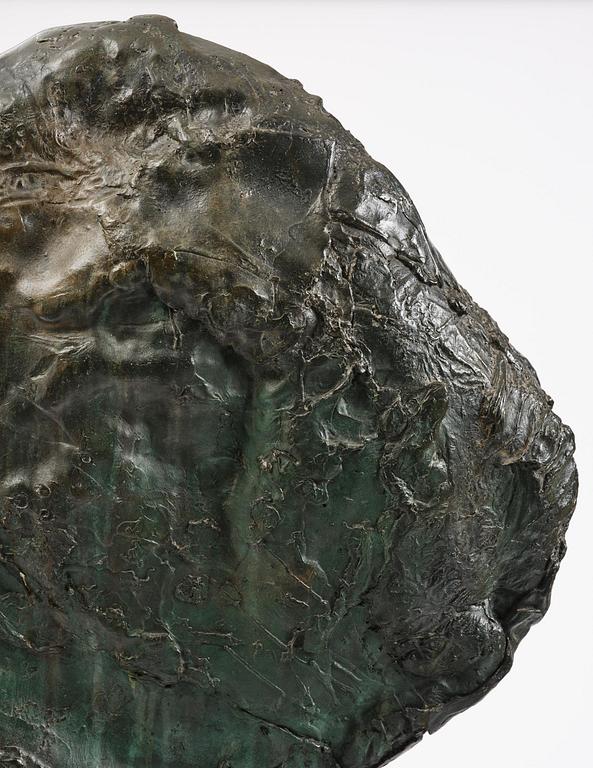
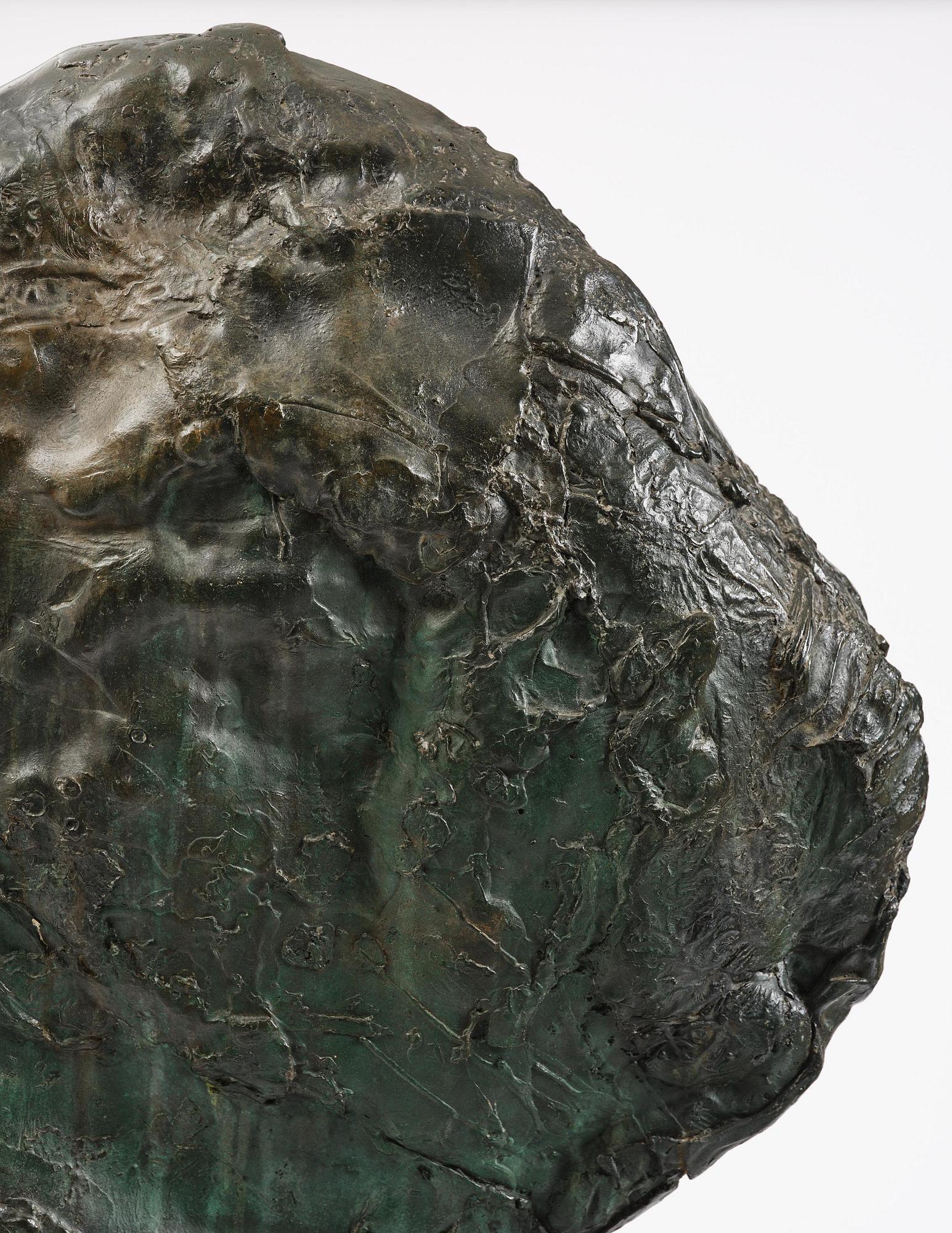
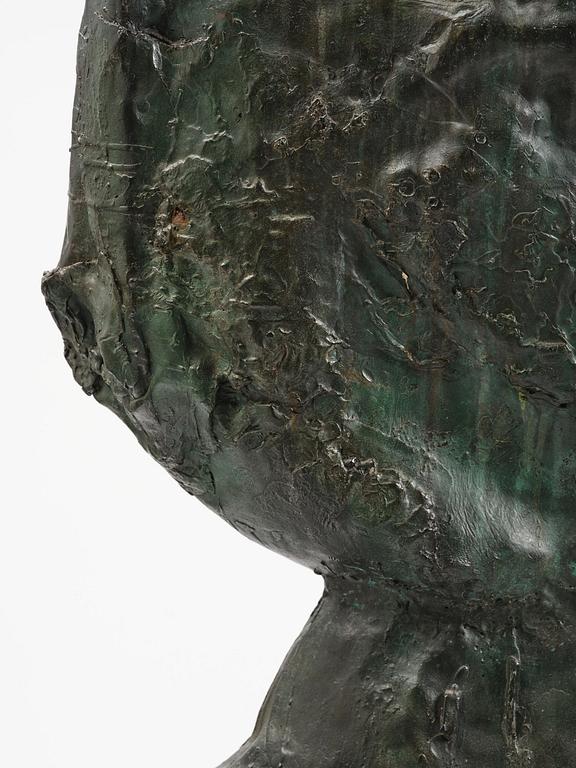
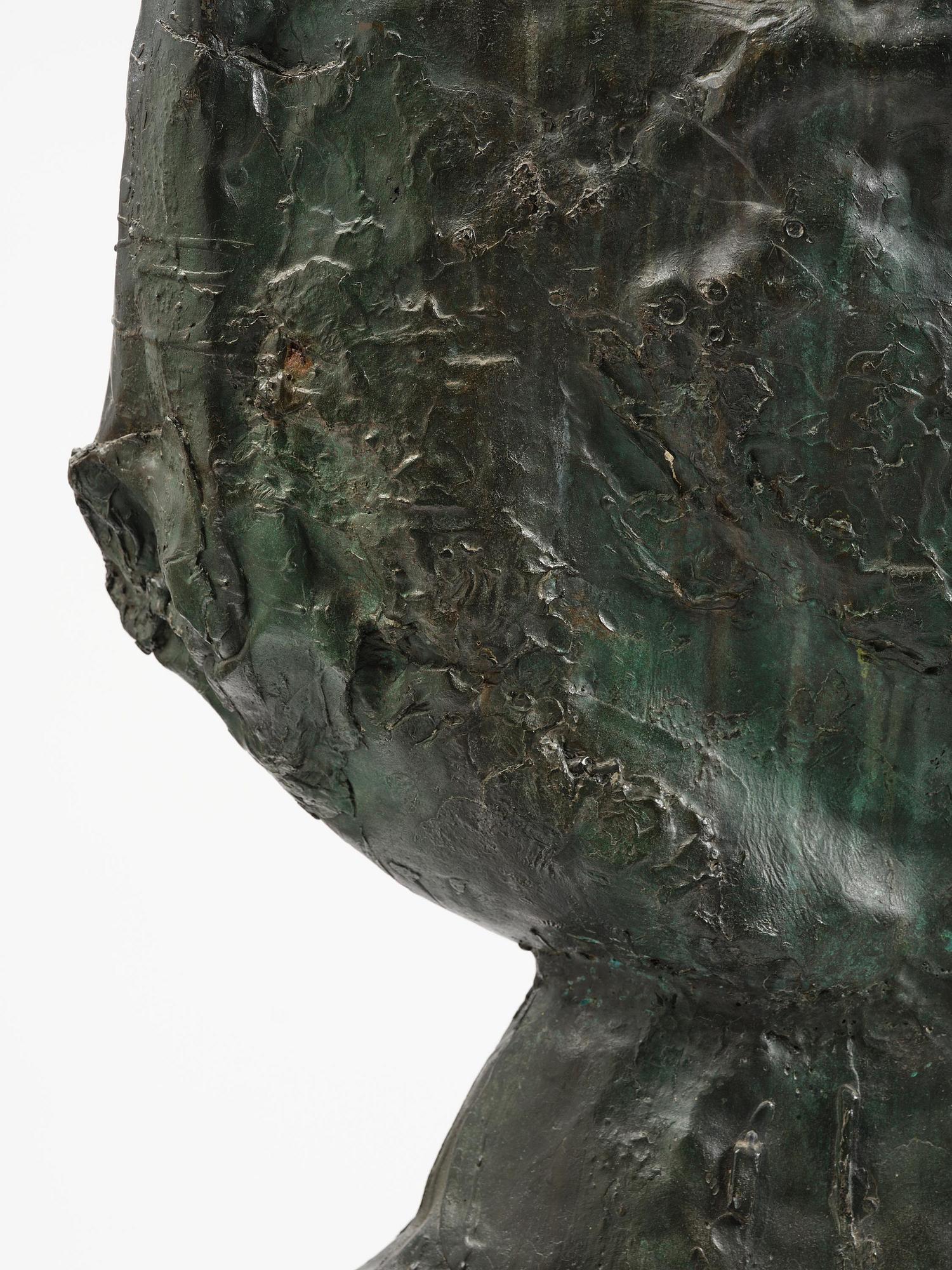
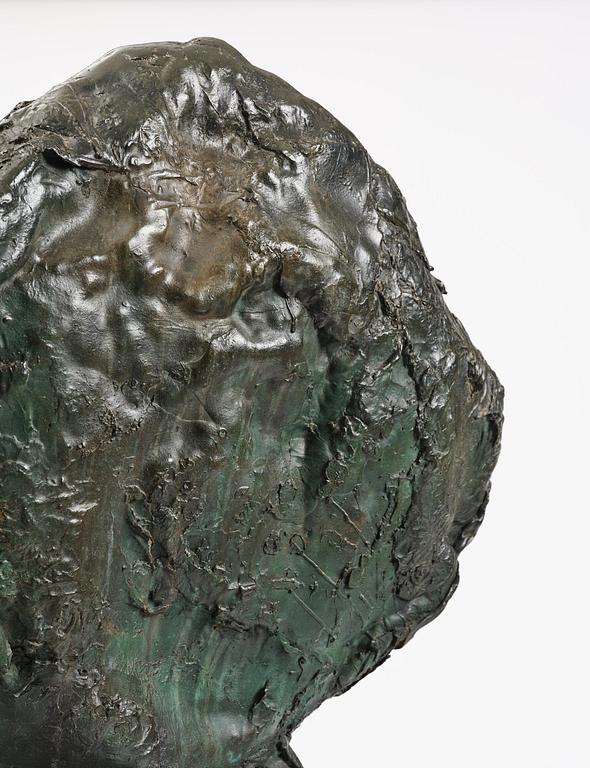
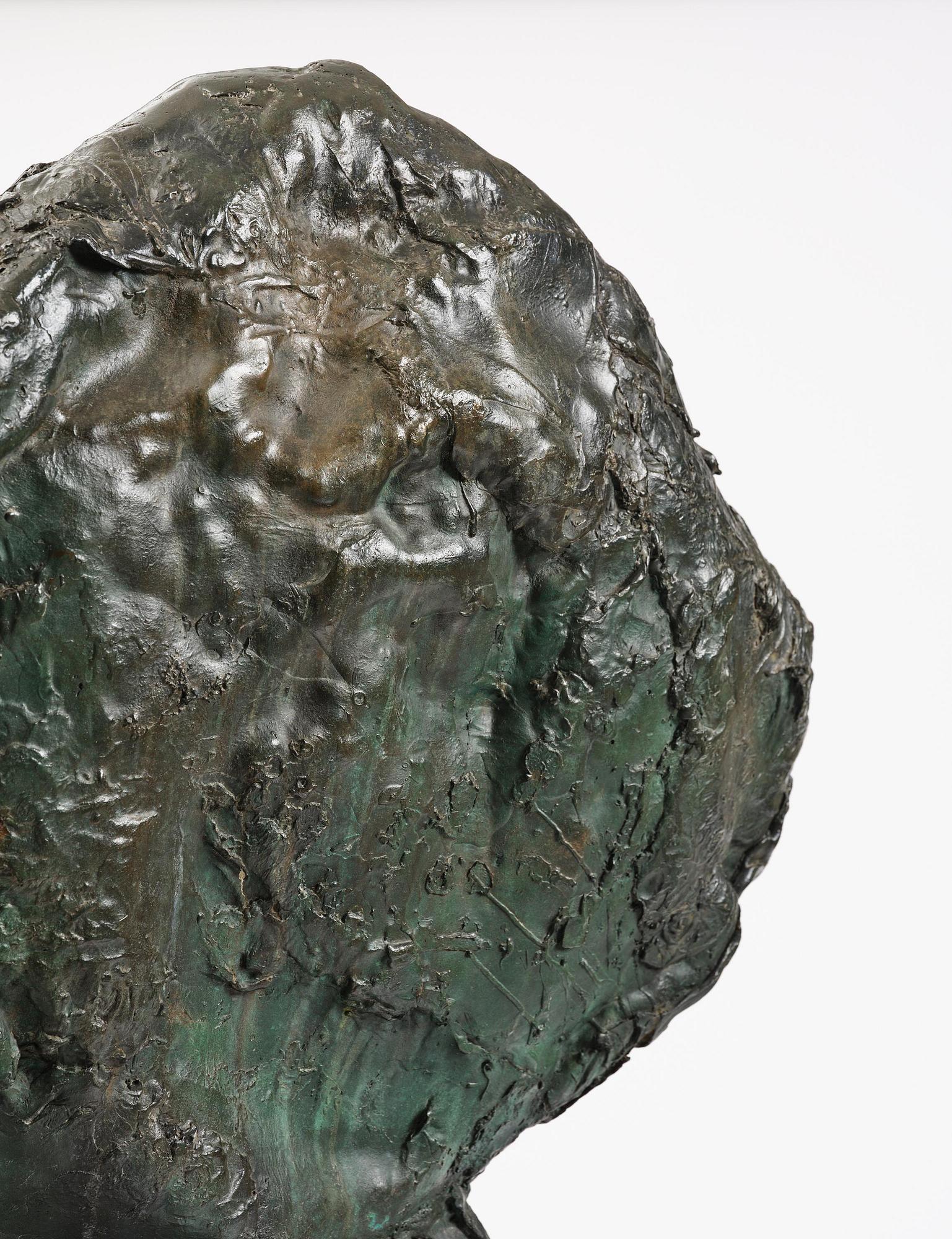
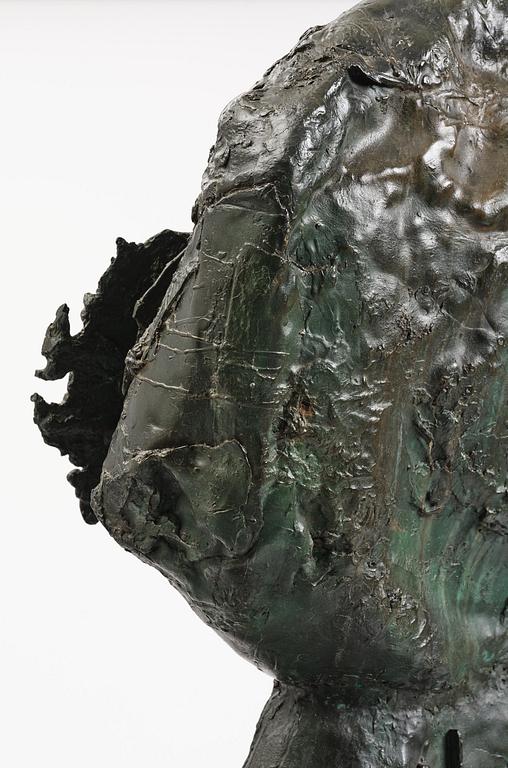
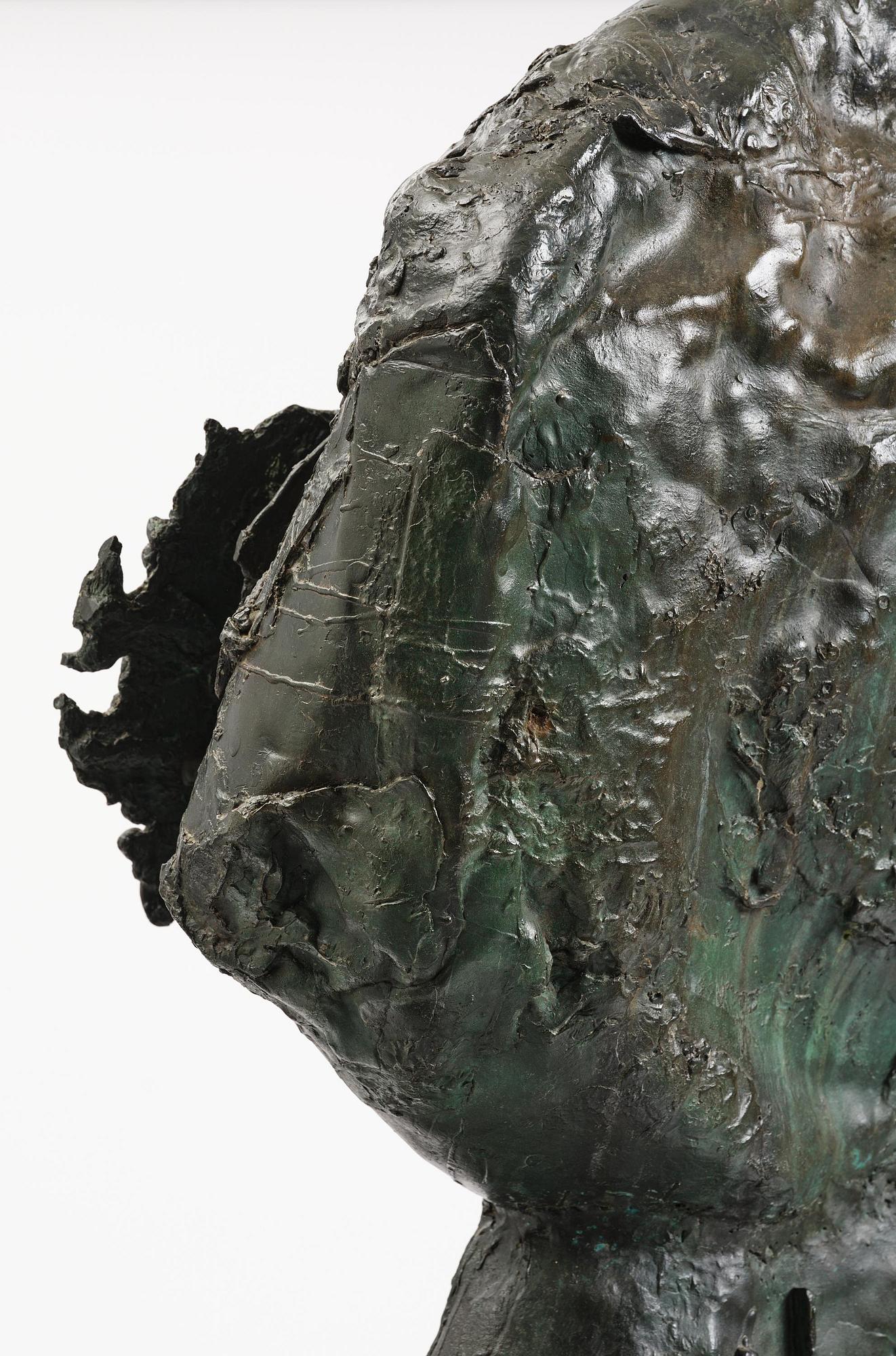
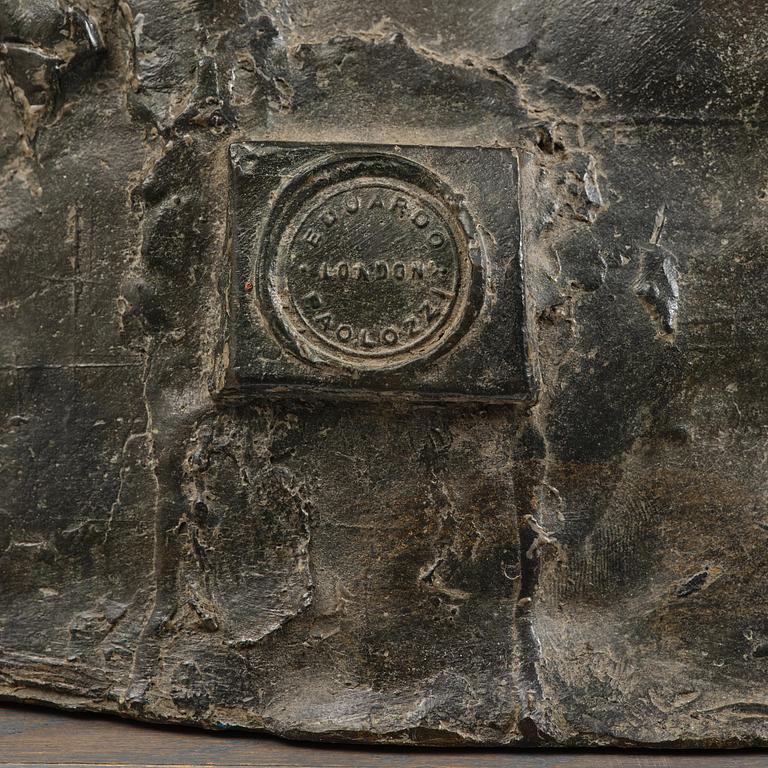
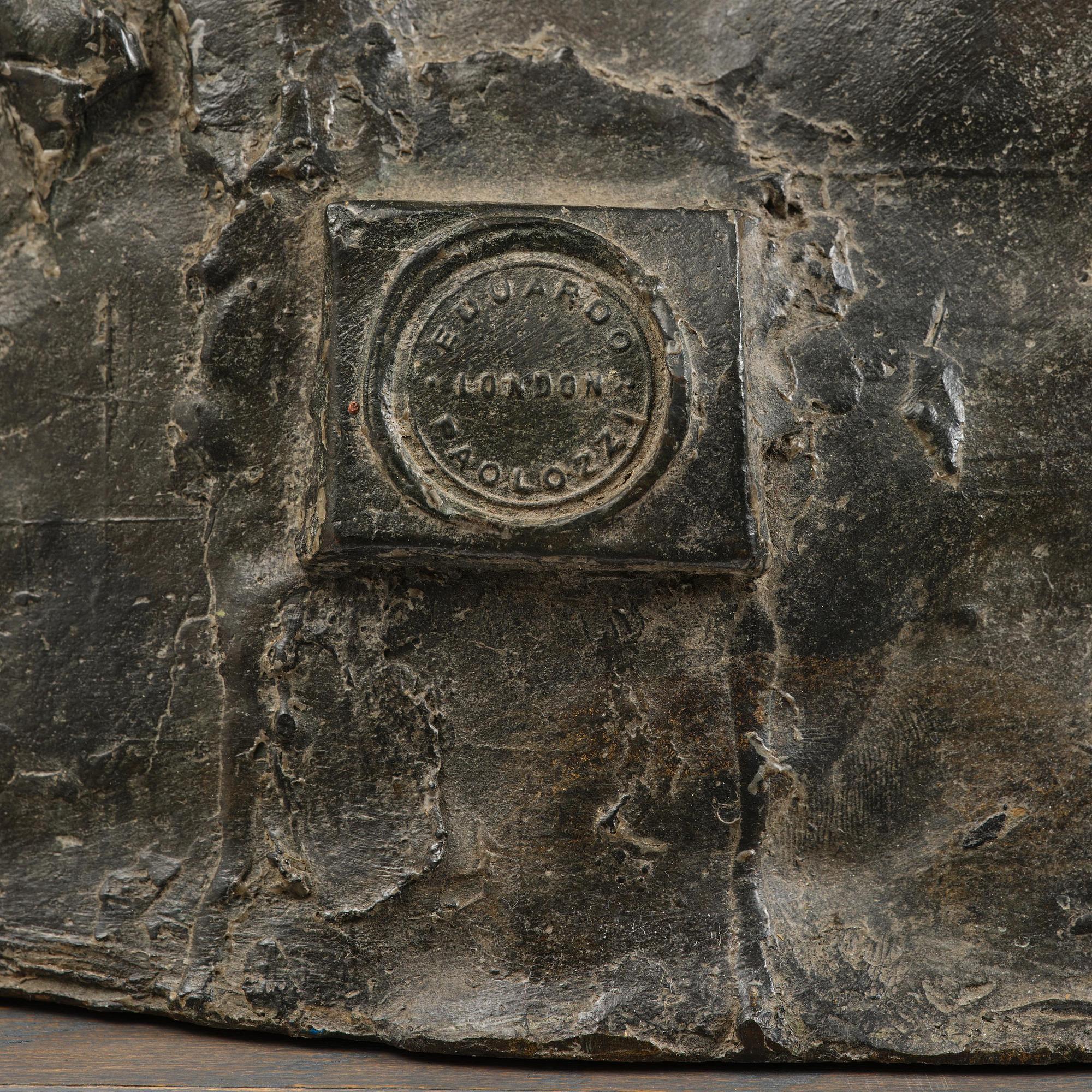
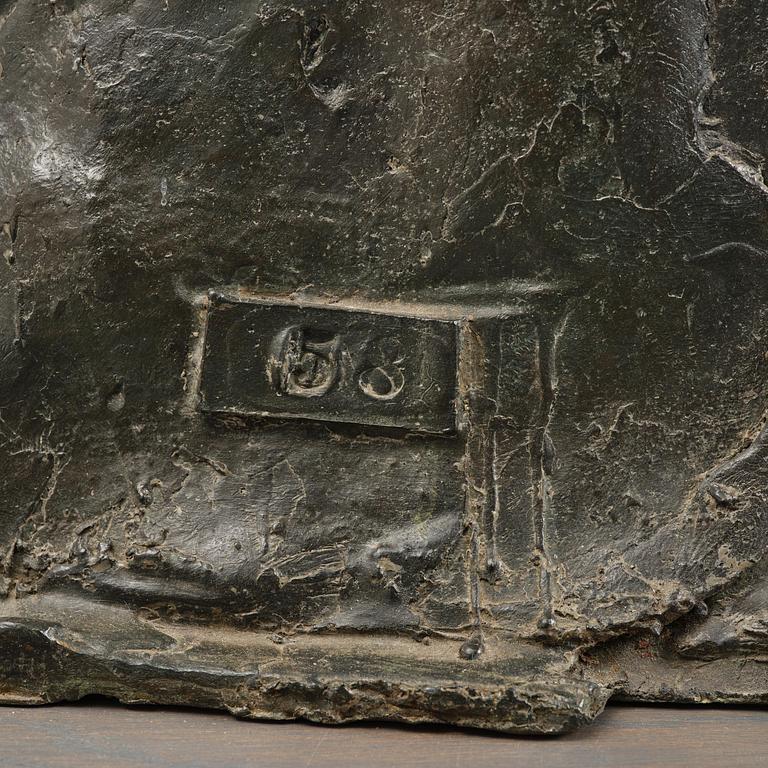
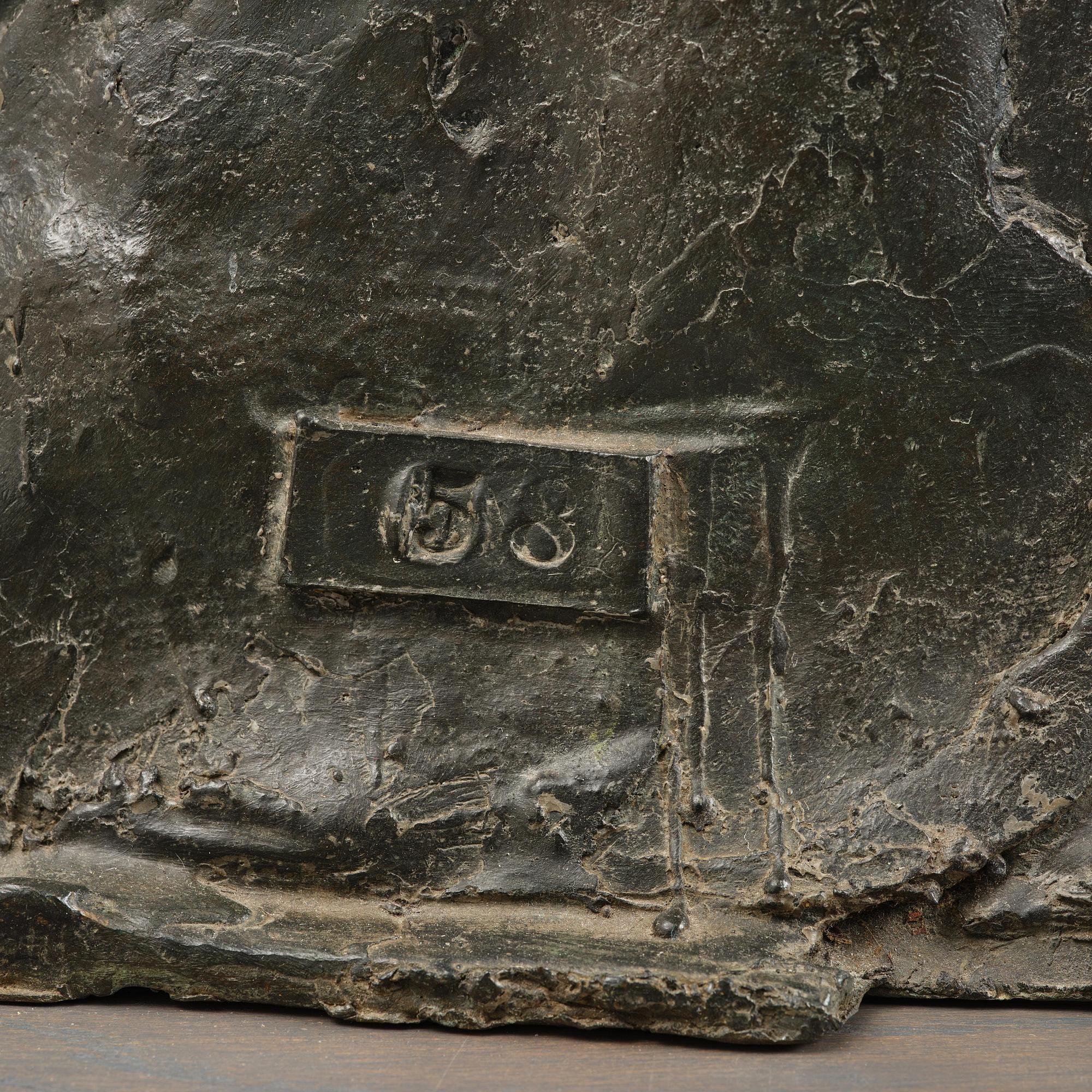
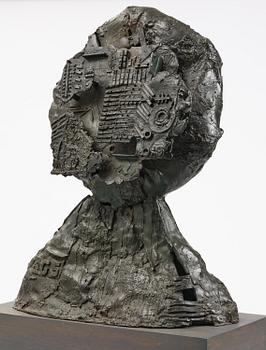
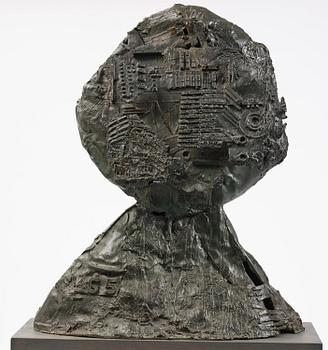
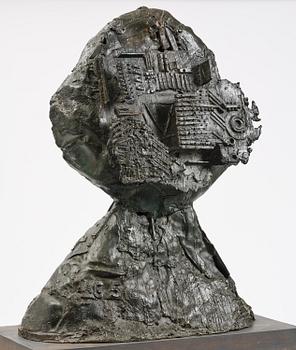
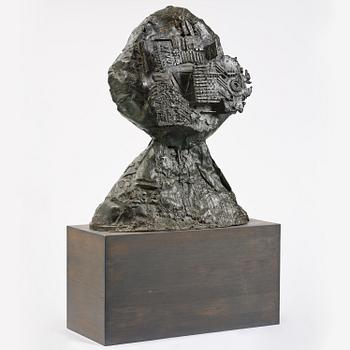
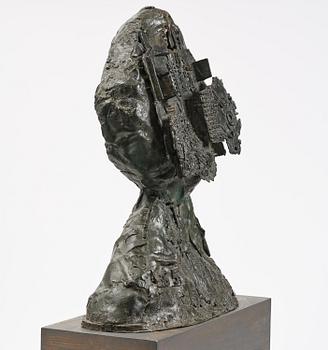
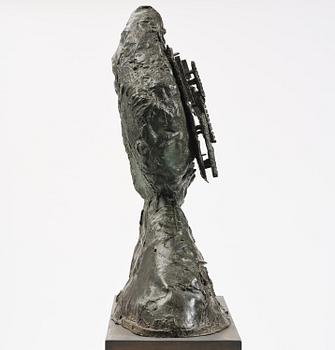
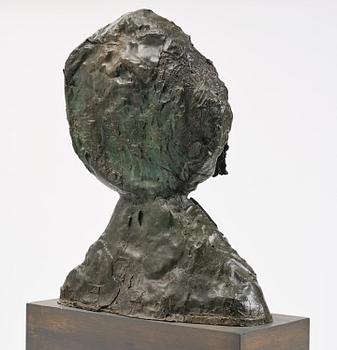
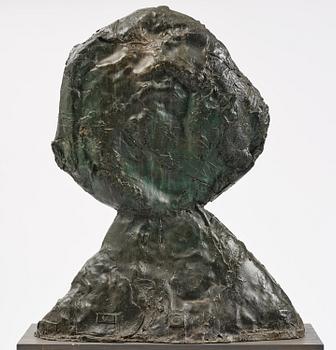
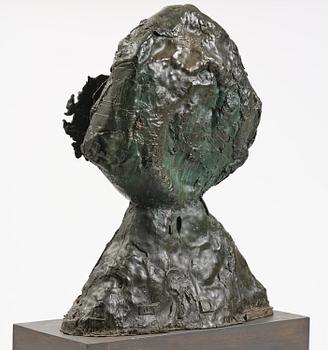
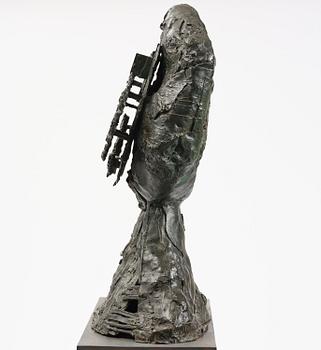
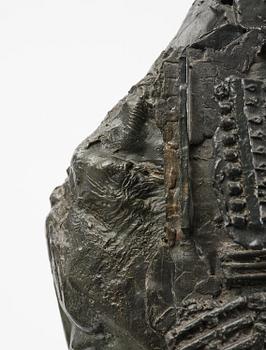
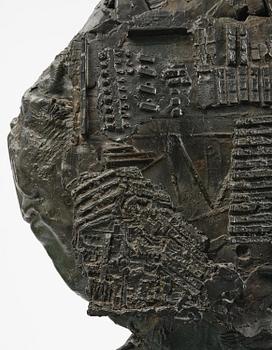
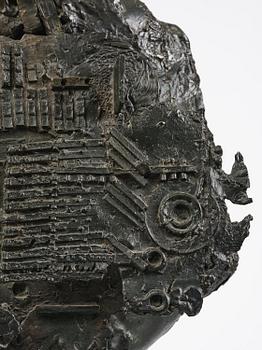
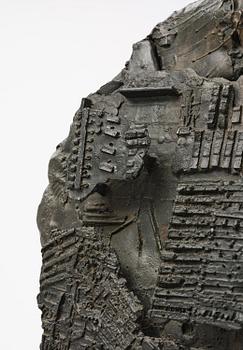
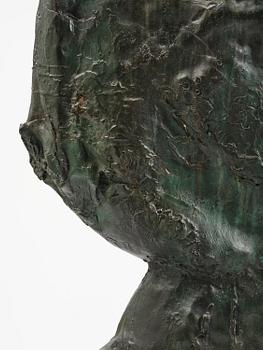
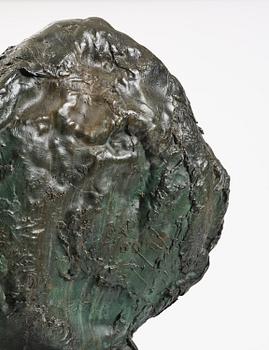
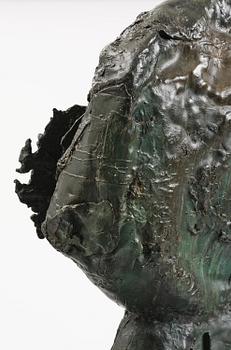
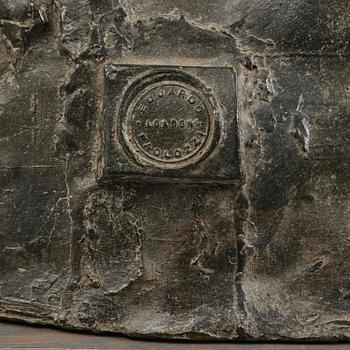
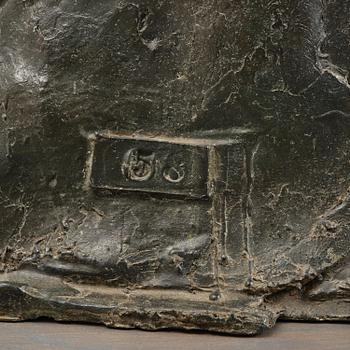
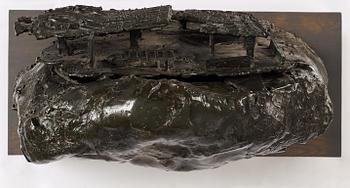
Stamp-signed and dated Eduardo Paolozzi -58. Patinated bronze, 101.5 x 84 x 38 cm.
One of three known bronze casts, each unique. Another version is held in the collections of Leeds Museums and Galleries, inv. no. LEEAG.SC.1988.0044.
Alkuperä - Provenienssi
Malborough Fine Art, London.
Private Collection, Europe, acquired from the above in the 1970s.
Offer Waterman & Co, London.
Private Collection, acquired from the above.
Näyttelyt
British Council, British Pavilion, XXX Biennale, Venice, 1960, cat. no. 58.
Musée des Arts Decoratifs, Paris, “Victor Pasmore, Eduardo Paolozzi”, 1961, cat. no. 55.
Stadtische Kunstgalerie, Bochum, “Eduardo Paolozzi”, 1961, cat. no. 24.
Stedelijk Museum, Amsterdam, " Pasmore + Paolozzi", British Council, 1961, cat. no 57.
Bienal VII, São Paulo, 1963, cat. no. 6.
Kirjallisuus
"Eduardo Paolozzi, Sculpture, Drawings, Graphics 1949–1968", British Council touring exhibition, 1982, cat. no. 30, a large-scale photograph of AG5 was exhibited in this exhibition.
Robin Spencer, "Eduardo Paolozzi: Recurring Themes", 1984, cat. no. A1.7, p. 23, illustrated.
Winfried Konnertz, "Eduardo Paolozzi", 1984, p. 91, illustrated b/w plate 174.
Serpentine Gallery, "Eduardo Paolozzi Sculptures from a Garden", 1987, cat. no. 10, pp. 26–27, illustrated.
Robin Spencer (ed.), "Eduardo Paolozzi: Writings and Interviews", 2000, p. 150.
Simon Hucker, John-Paul Stonard et al., "Edouard Paolozzi - Archaeology of a used future sculpture", Jonathan Clark Fine Art, 2011, exhibition catalogue, illustrated p.54, cat. no 15.
Judith Collins, "Eduardo Paolozzi", 2014, p. 118, pl. 97, illustrated.
Osborne Samuel, "Modern British Art", 2019, p. 50, illustrated p. 51.
Muut tiedot
Sir Eduardo Paolozzi (1924–2005) was one of the most influential British artists of the post-war period and one of the pioneers of Pop Art. Born in Scotland to Italian parents, he carried with him a dual cultural identity that came to shape his view of modern society. His practice encompassed sculpture, printmaking, collage and large-scale public art, through which he continually explored the boundary between humanity, technology and mass culture.
During the 1950s, Paolozzi became a central figure within the Independent Group in London, a circle of artists and intellectuals who challenged traditional notions of high and popular culture. His sculptural language developed towards increasingly monumental and industrially inflected forms. His fascination with machines, cogs and technological progress found expression in bronze figures that often resembled fragmented or mechanised beings. These forms reflected both the technological optimism of the post-war era and the deeper anxiety that characterised the Atomic Age.
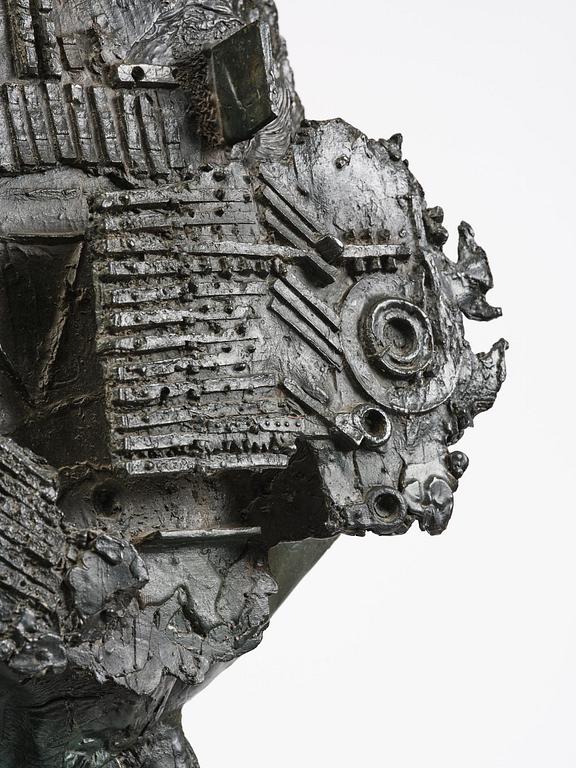
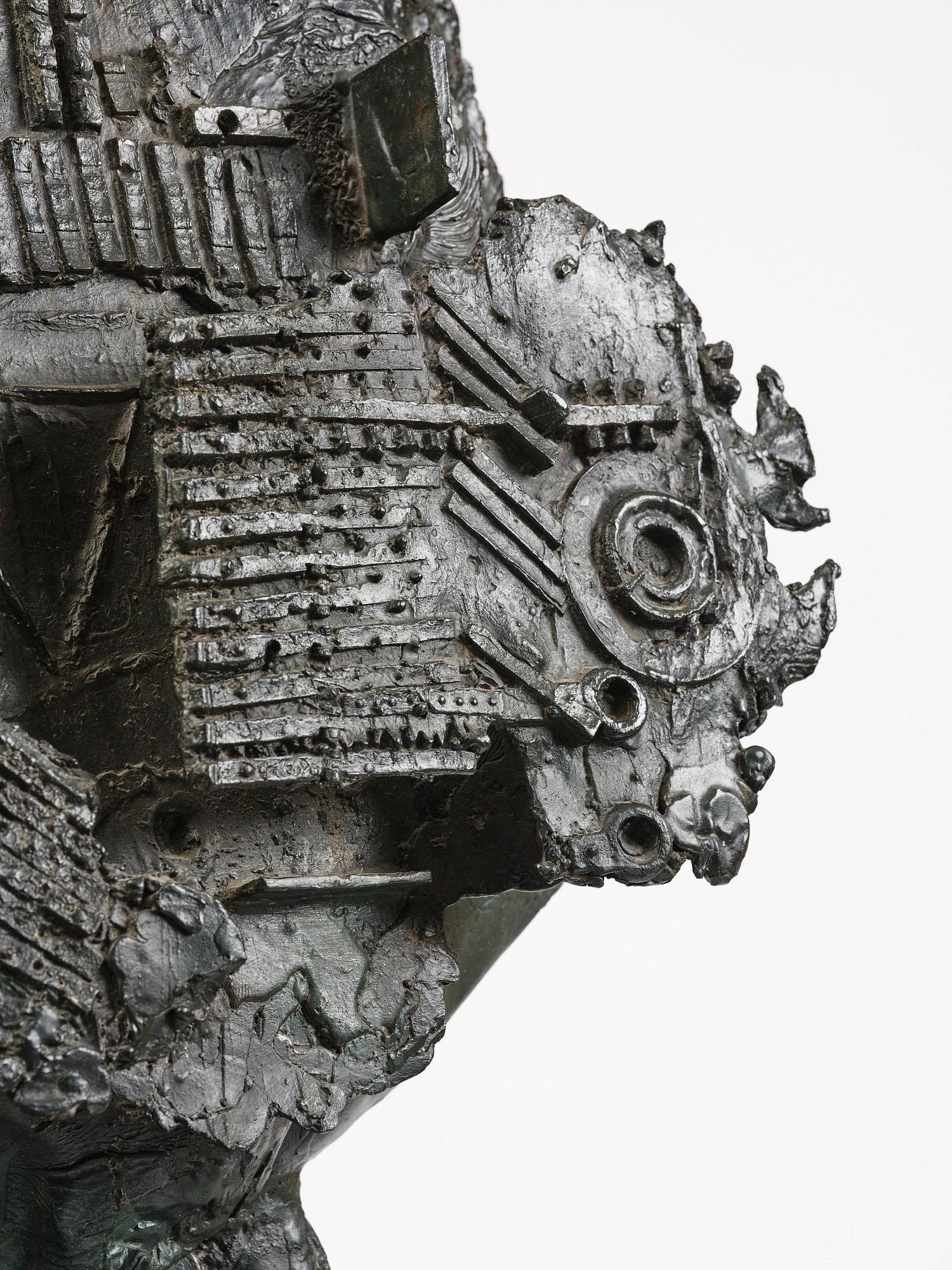
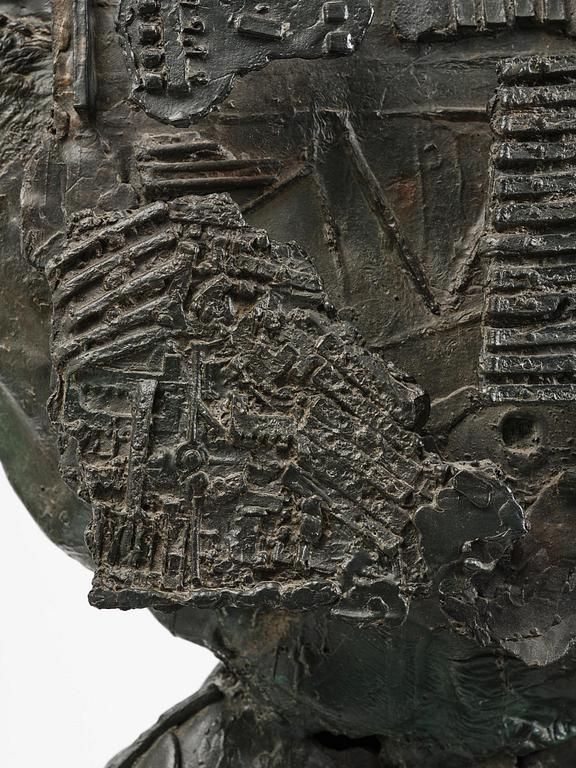
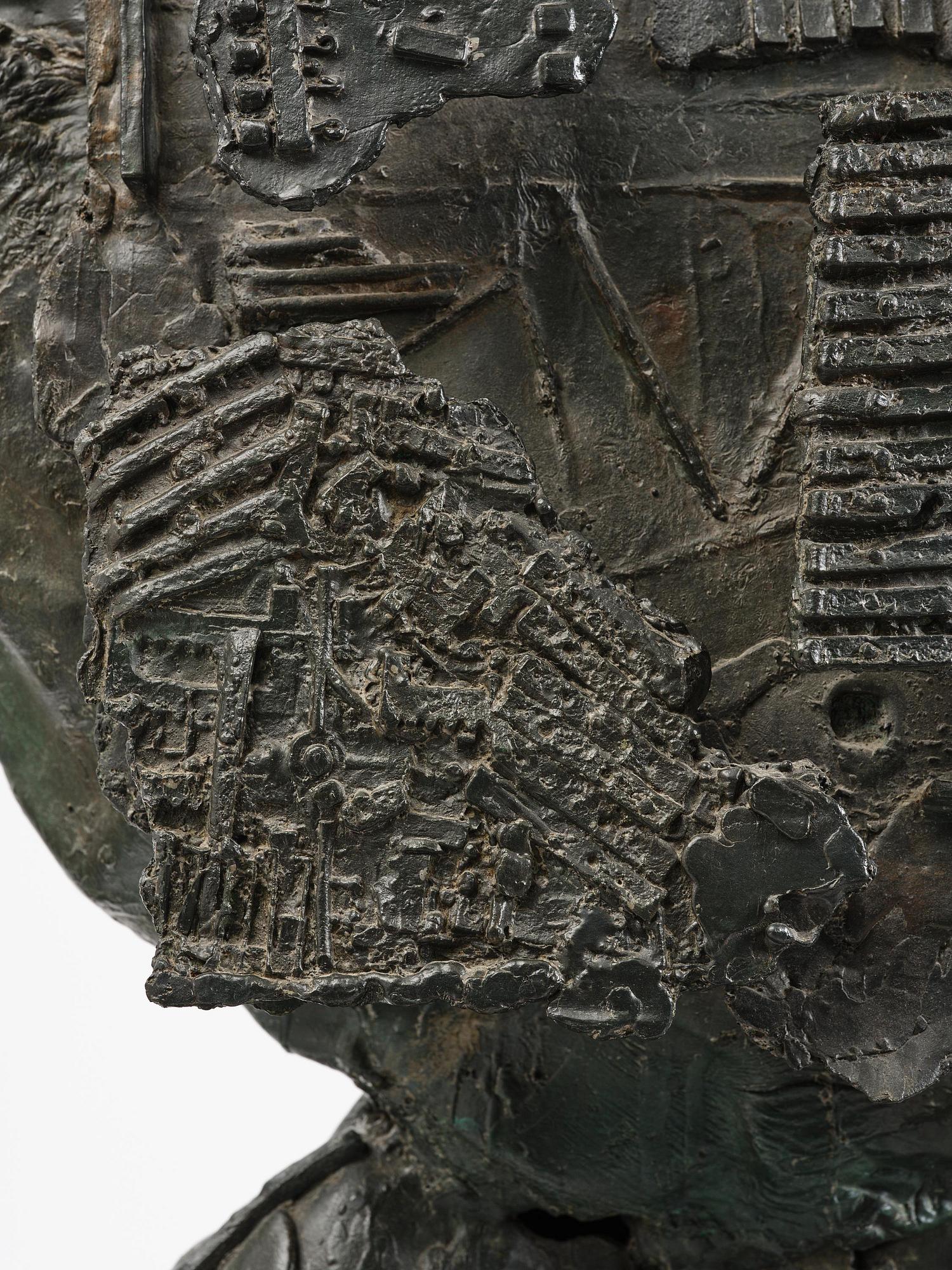
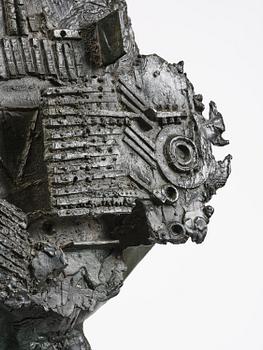
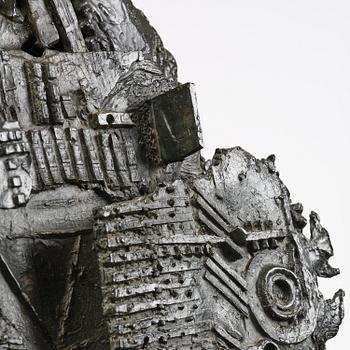
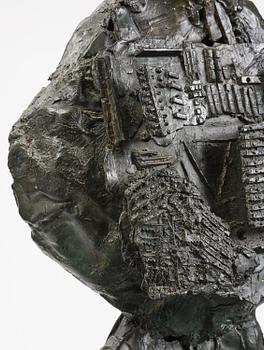
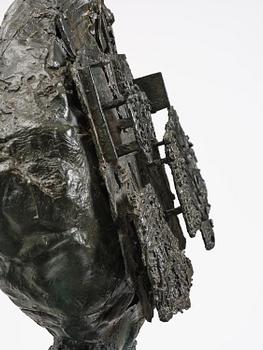
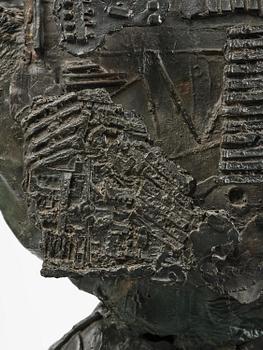
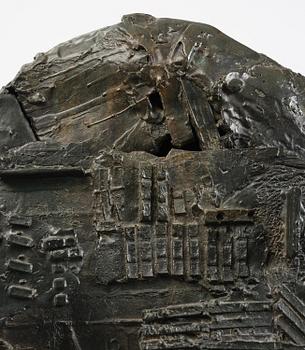
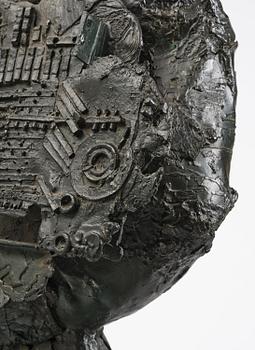
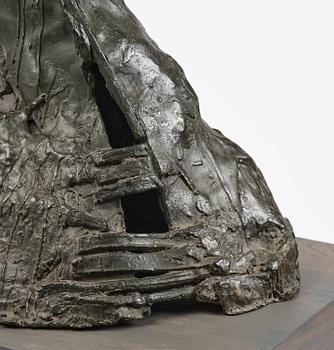
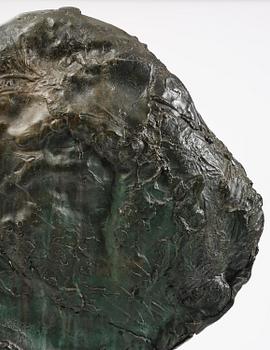
In the latter part of the 1950s, Paolozzi introduced the principles of collage into sculpture by incorporating casts of mass-produced everyday objects, so-called ‘objets trouvés’. By bringing together fragments from industrial and material everyday life, he created hybrids in which the organic and the mechanical merged. A clear example is the sculpture ‘A.G.5’, whose head is constructed from elements cast in wax and subsequently welded together into a hollow structure. The work’s title is derived from the typographic characters attached like token of honour on the figure’s chest. The figure appears both human and alien, transformed into a kind of circuit board composed of industrial remnants.
In ‘A.G.5’, not only different materials and forms are brought together, but also distinct layers of time. As the art historian John-Paul Stonard points out, Paolozzi introduces contemporary objects into a timeless realm, where the future appears as a ruin and antiquity as a premonition of that ruin. Past, present and future seem to exist simultaneously in the sculpture’s coarse surface and fragmented construction. The result is a figure whose origins and sense of belonging remain uncertain – an image of humanity in a world where technology both shapes and redefines what it means to be human.
Paolozzi’s bronze heads also have an art-historical foundation. Alongside his graphic work, his interest in the sixteenth-century Italian painter Giuseppe Arcimboldo was highly significant. In Arcimboldo’s composite portraits, the human face is constructed from plant parts and other organic elements, creating an uncertainty between humanity and nature. Paolozzi encountered these works at close range in the exhibition Wonder and Horror of the Human Head at the Institute of Contemporary Arts (ICA) in London in 1953. While some of his sculptural heads retain an organic, almost botanical character, ‘A.G.5’ is more clearly rooted in the tension between human being and machine.
The interplay between humanity, technology and everyday culture runs throughout Paolozzi’s practice and also recurs in his public works. His monumental glass mosaics at Tottenham Court Road Underground station in London transformed an everyday subterranean commuter route into a vivid, kaleidoscopic work of art. By weaving together geometric patterns, machine-like forms and urban symbols, he captured the pulse of the metropolis and the visual richness of the industrial age. In these works, as in ‘A.G.5’, everyday materials become the starting point for a broader examination of the conditions of modern humanity.
Lisätietoja ja kuntoraportit

Mitä kuljetus maksaa?
Toimituksen voi tilata vain ottamalla yhteyttä osoitteeseen specialdelivery@bukowskis.com.
Tietoa ostamisesta
Kuvan käyttöoikeudet
Tämän tietokannan taideteokset ovat tekijänoikeudella suojattuja, eikä niitä saa kopioida ilman oikeudenhaltijoiden lupaa. Teokset kopioidaan tässä tietokannassa Bildupphovsrättin lisenssillä.
Muiden katsomia kohteita