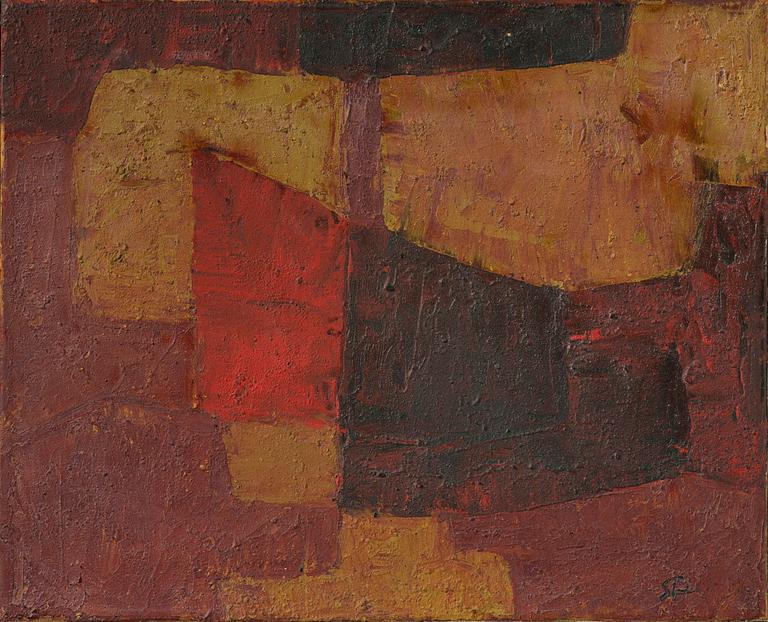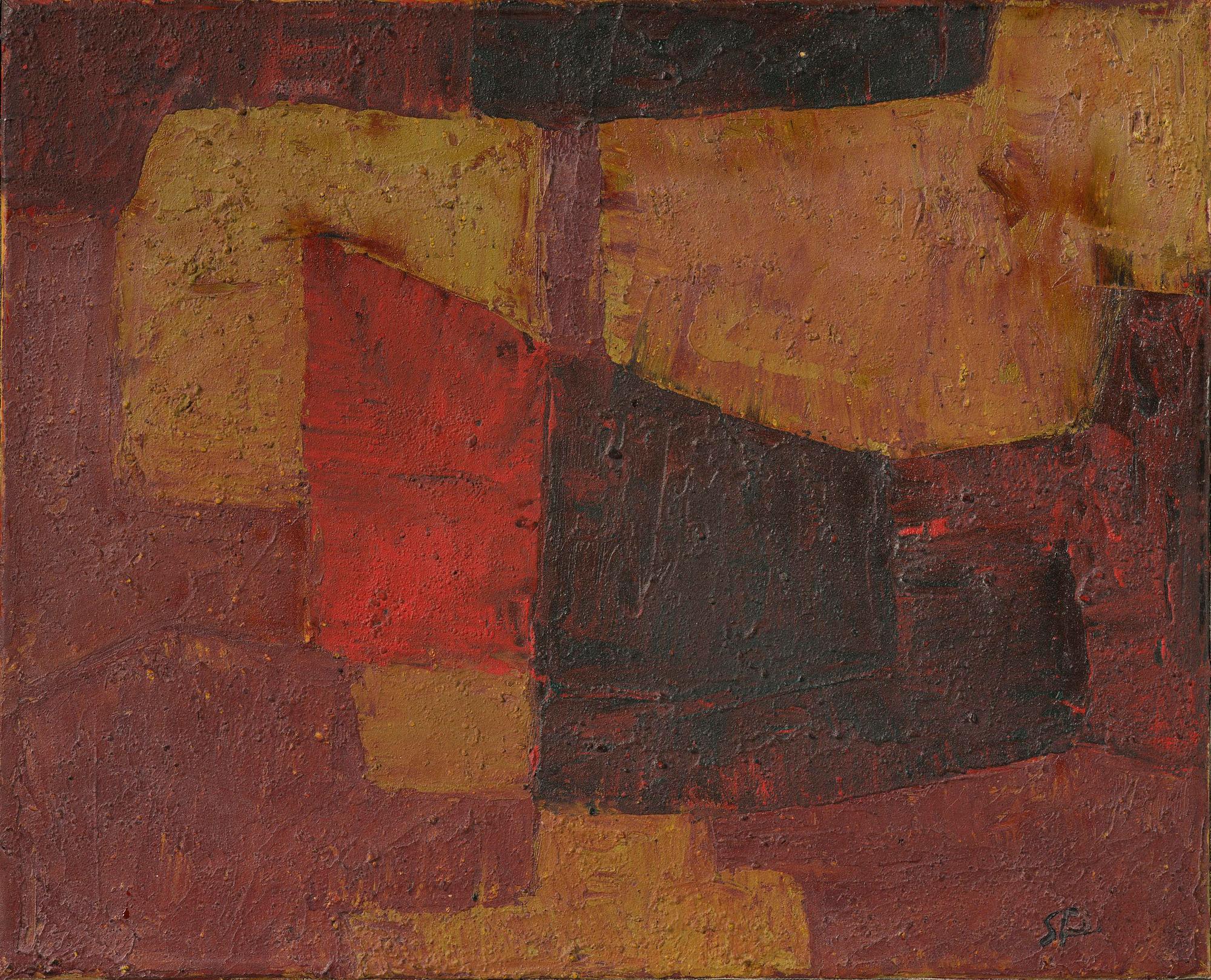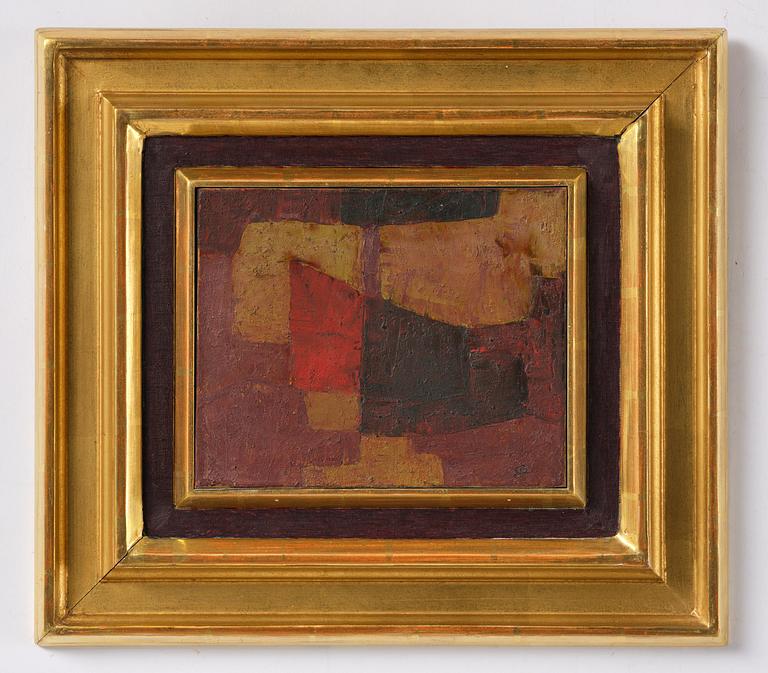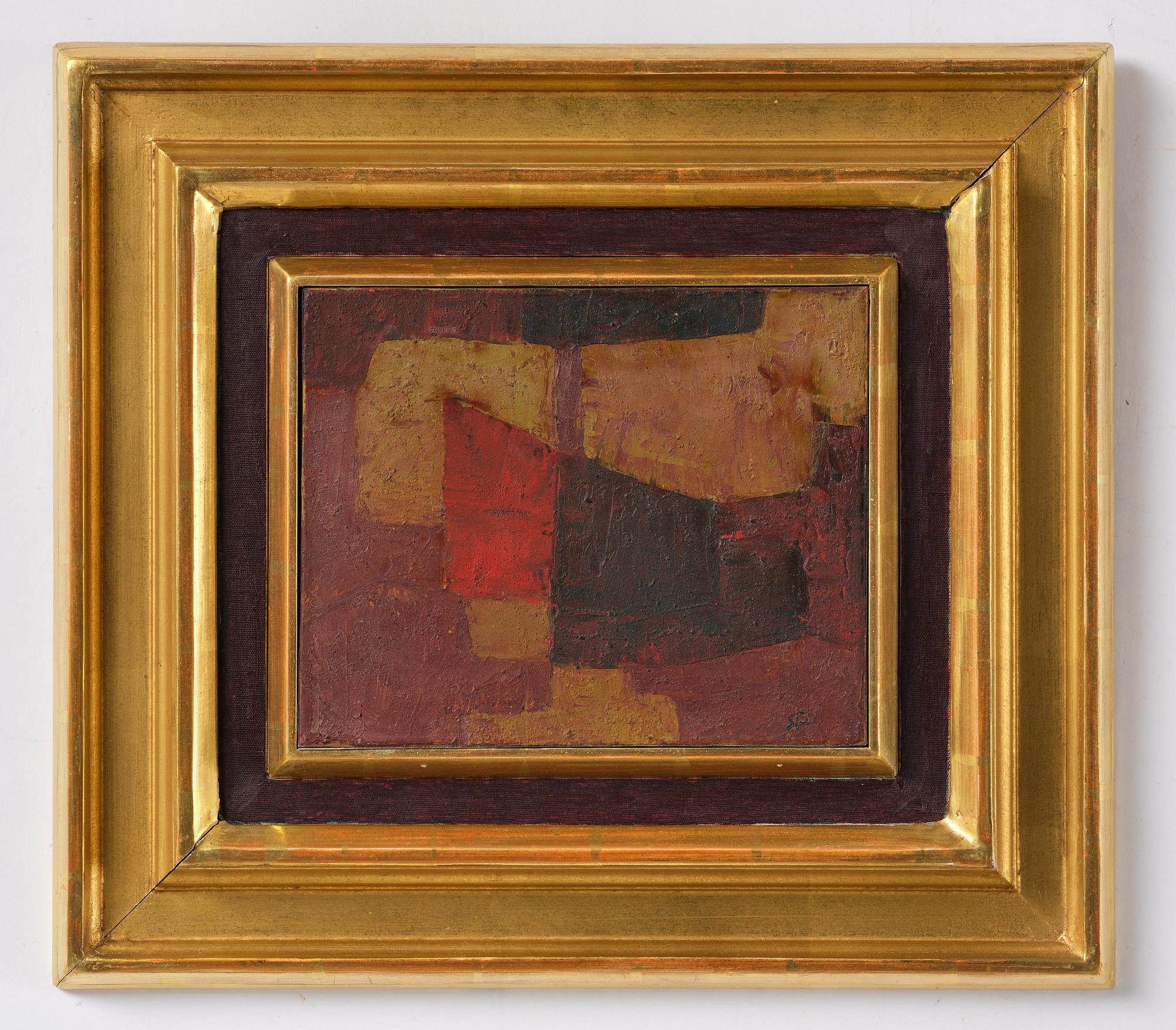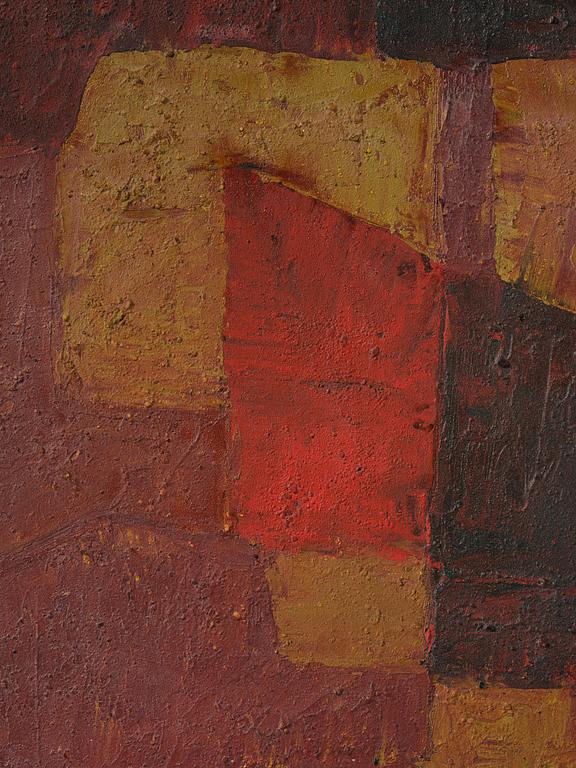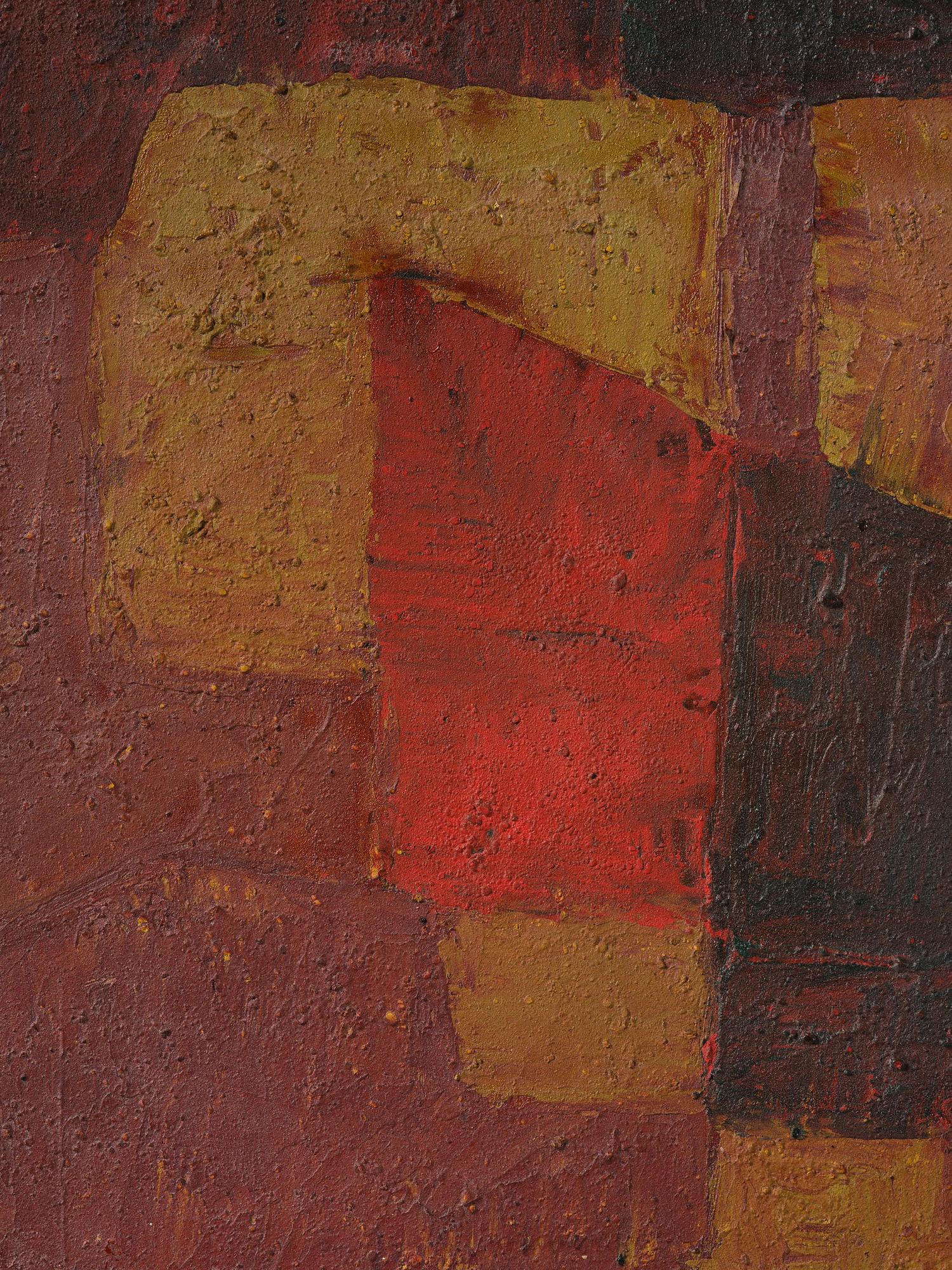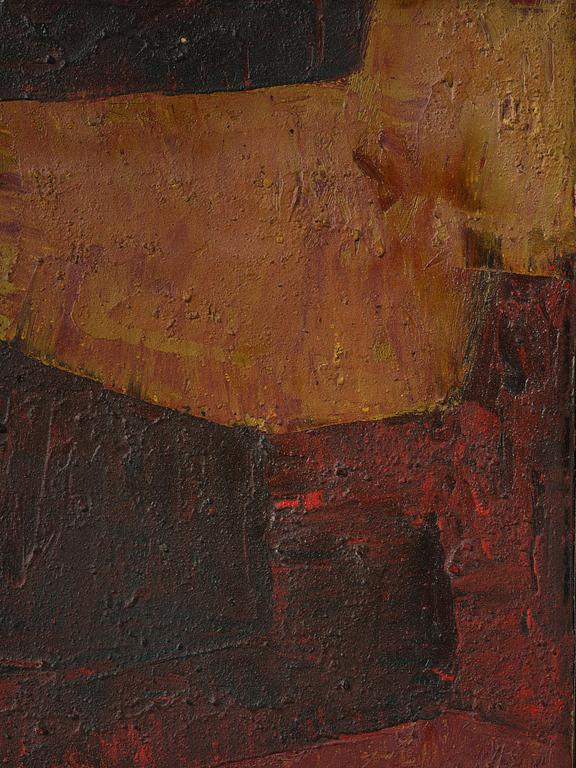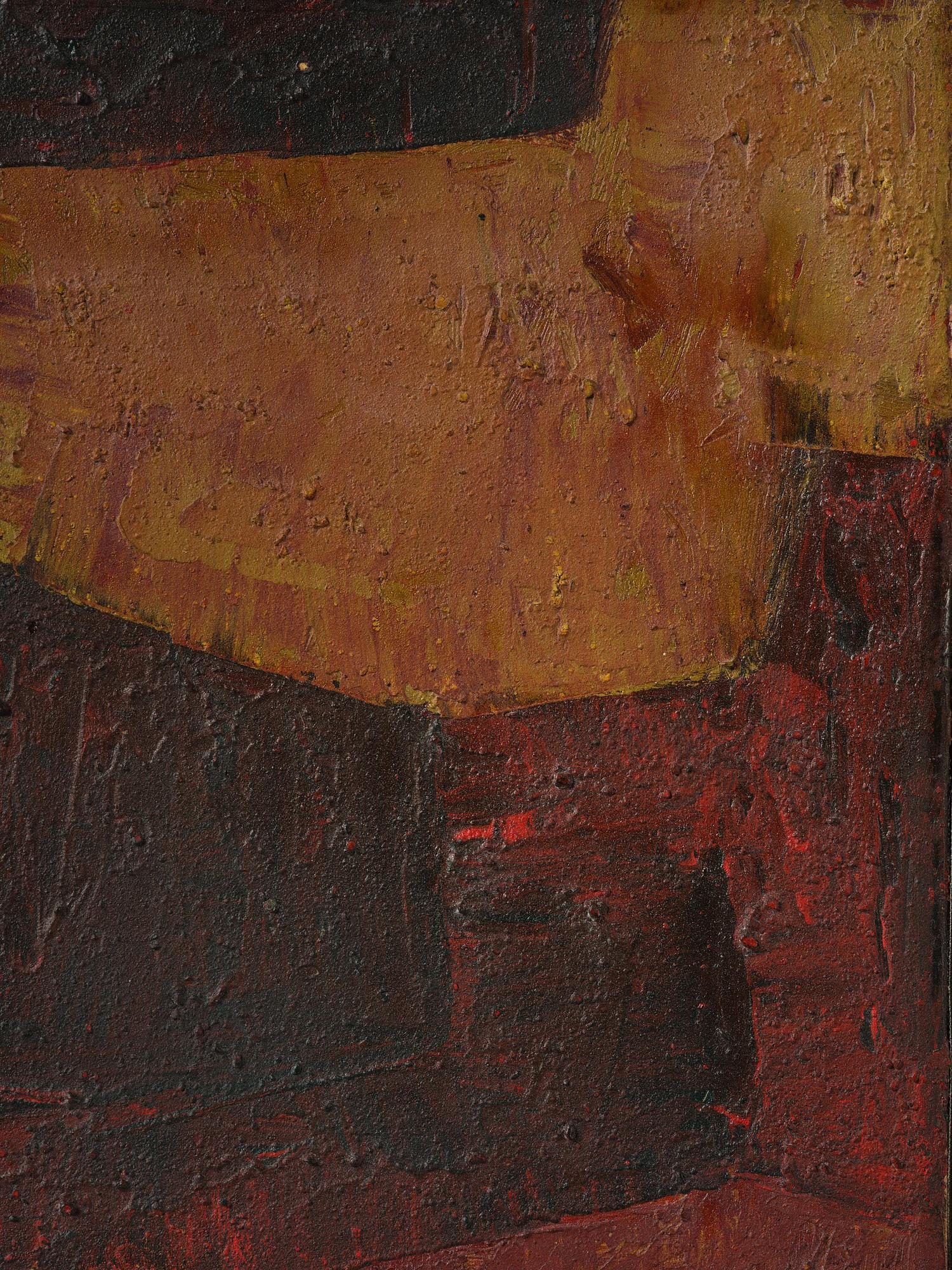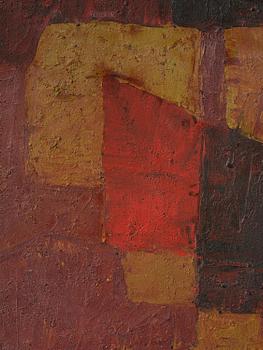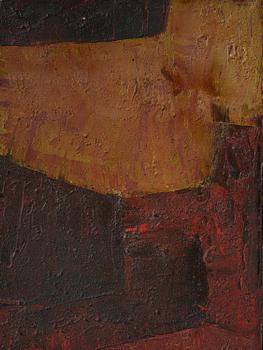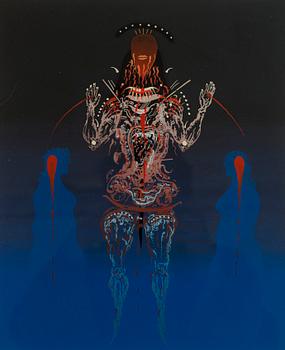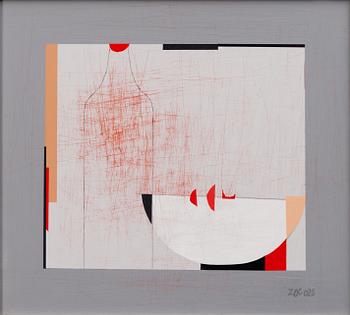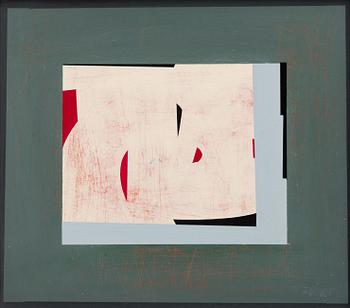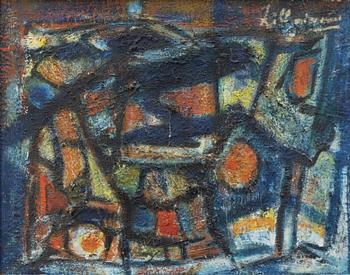
"Composition abstraite"
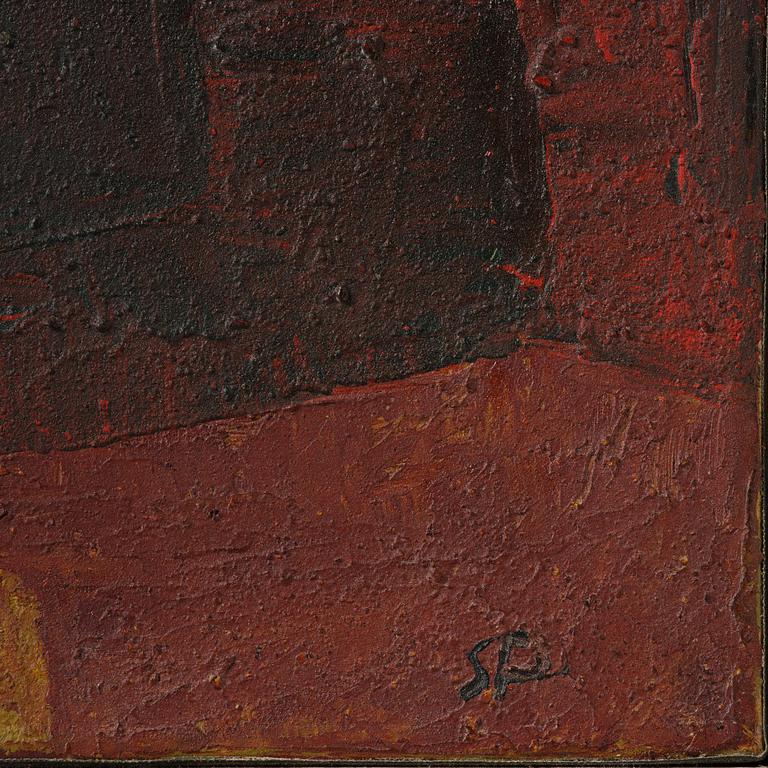
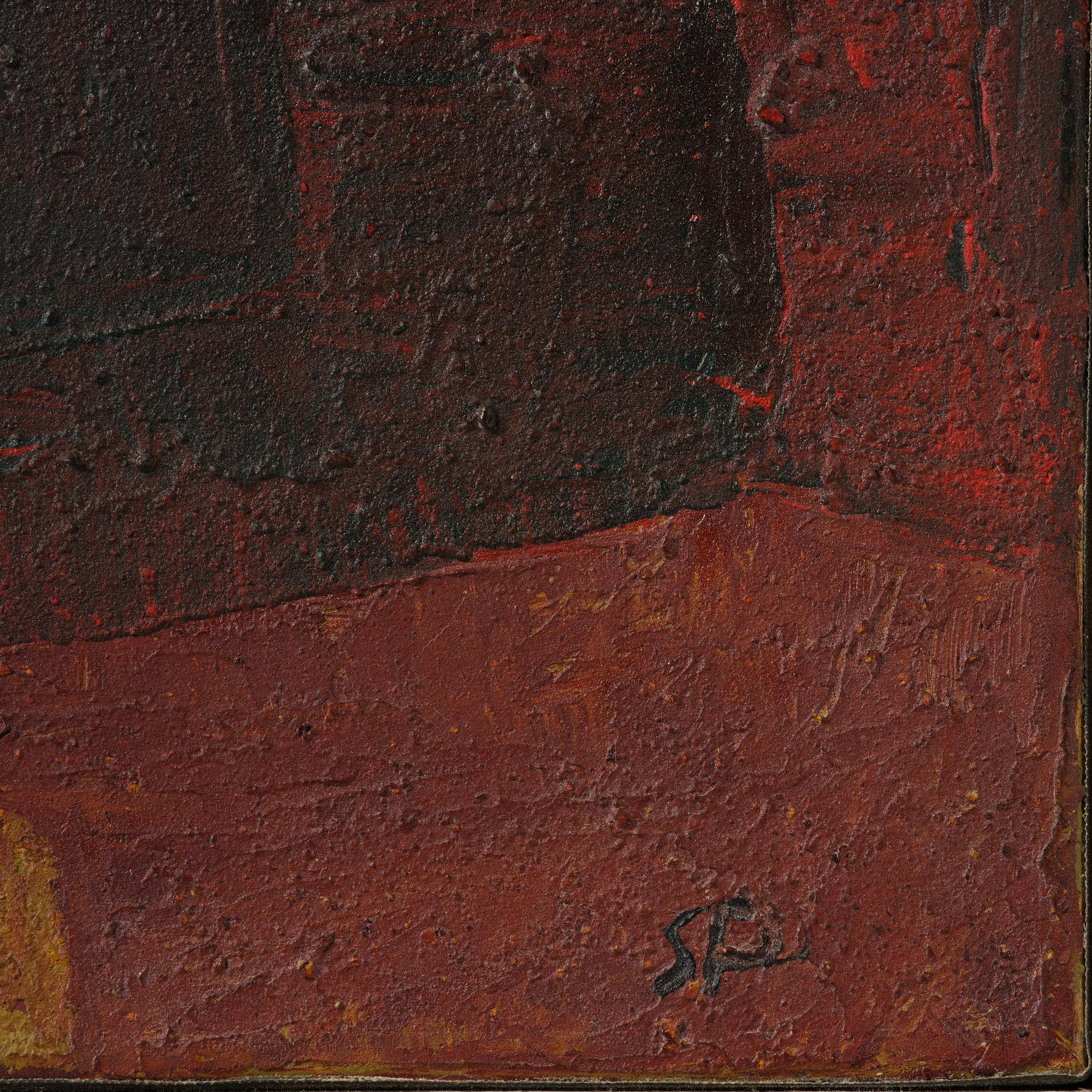
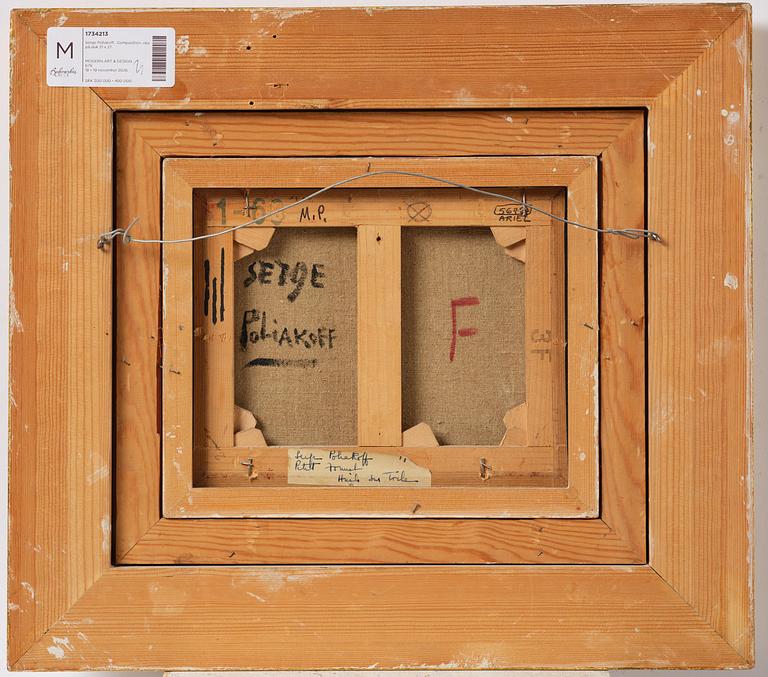
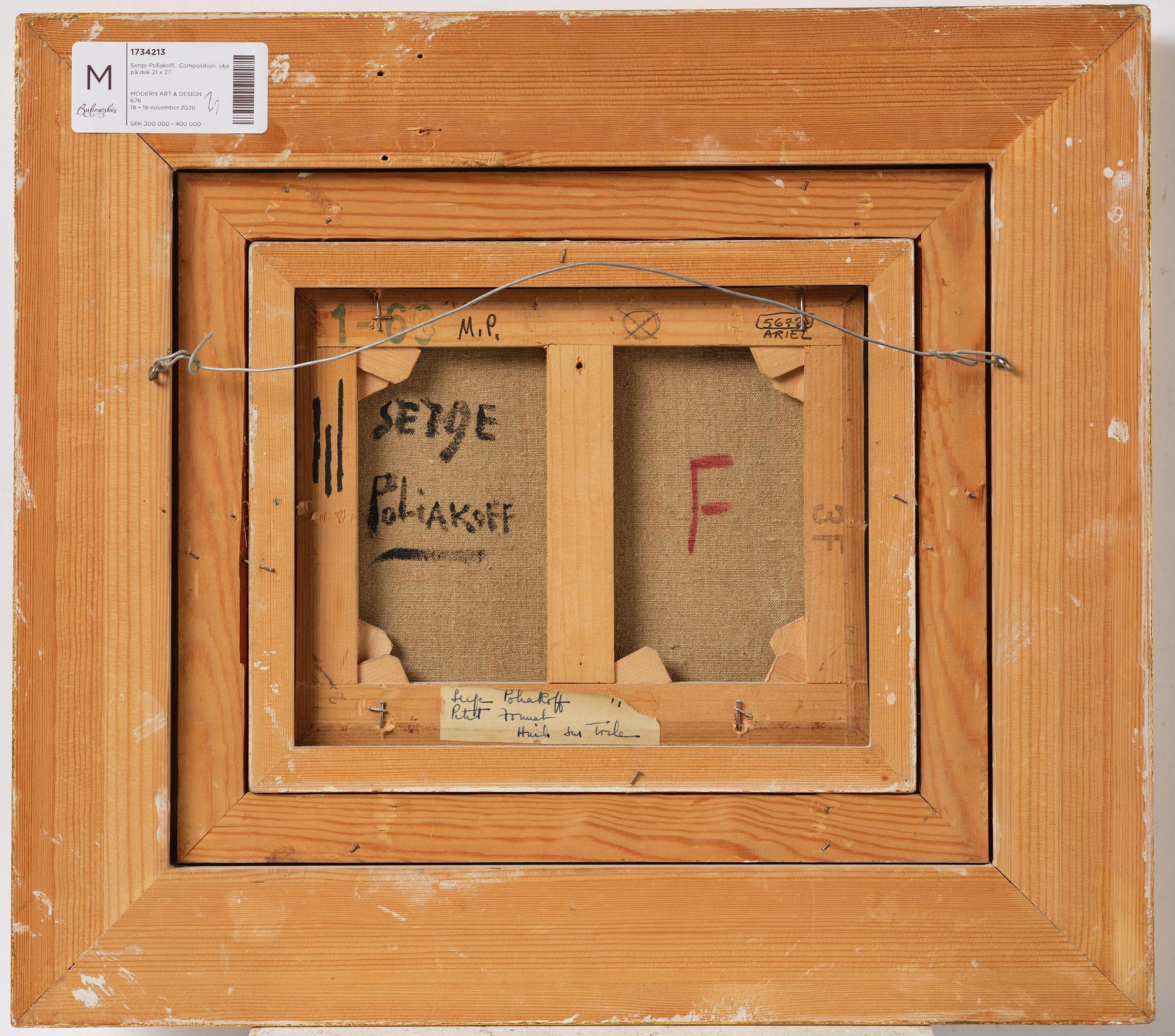
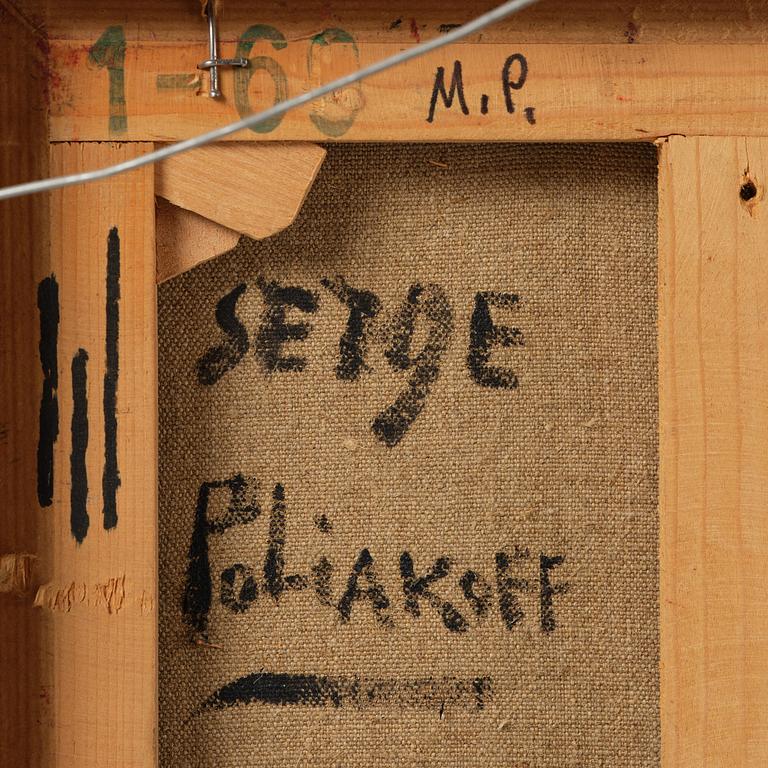
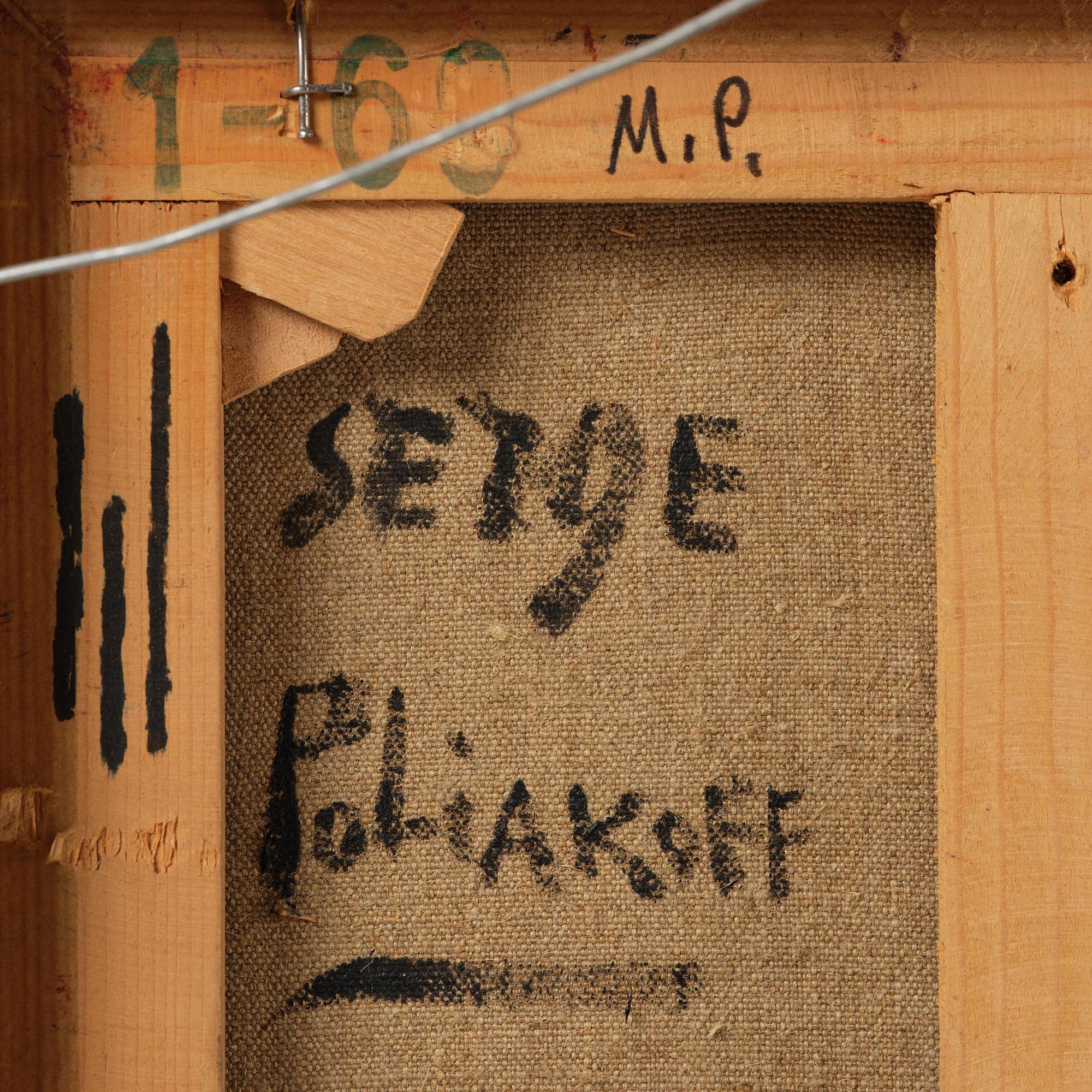
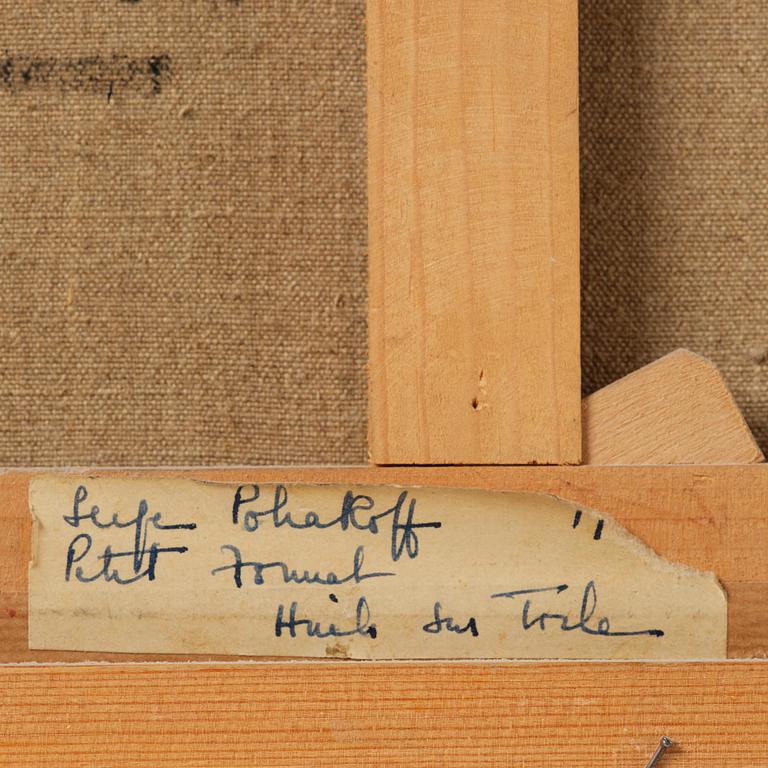
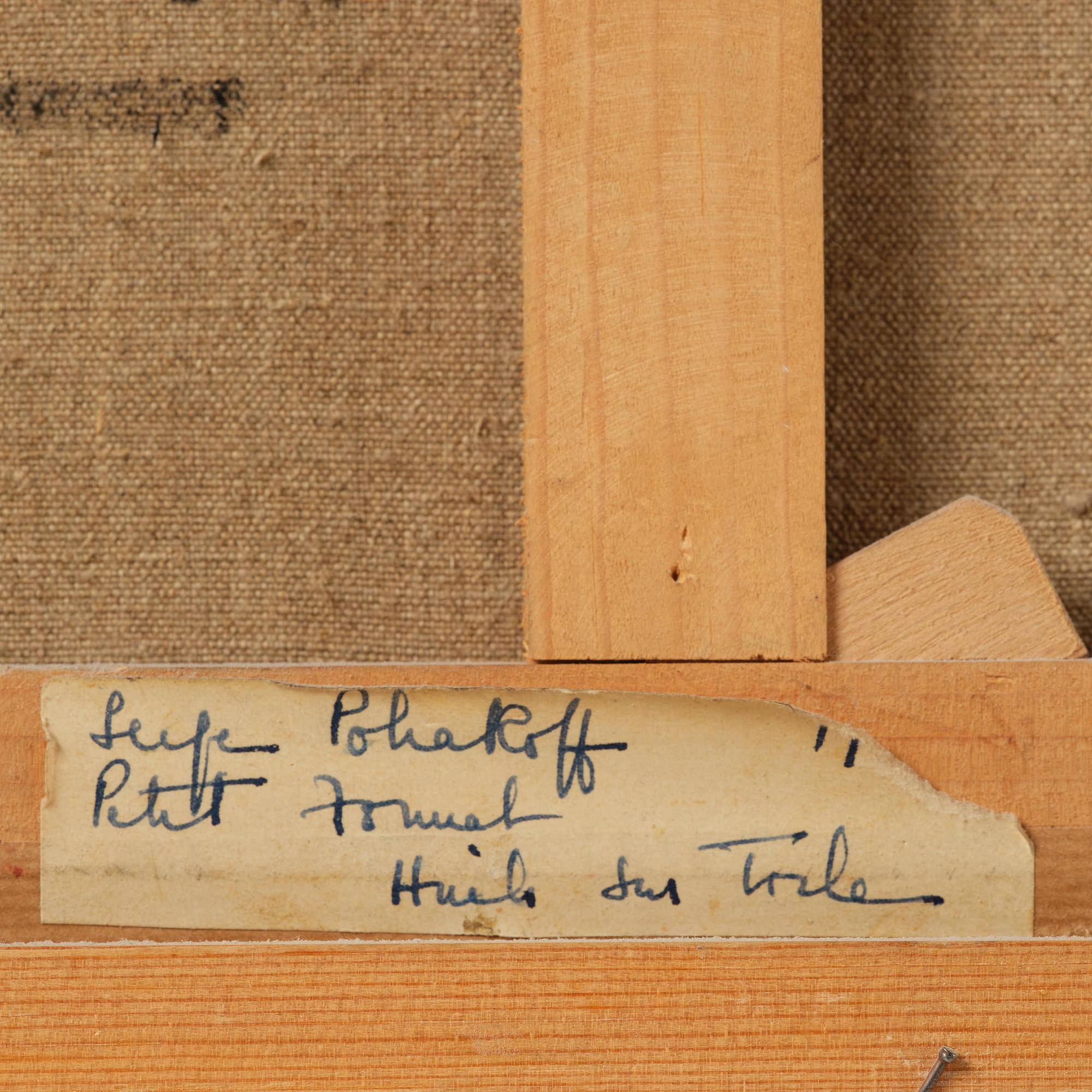
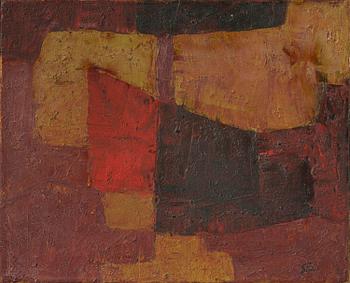
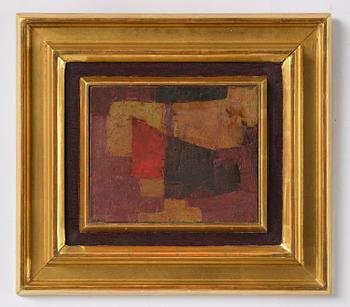
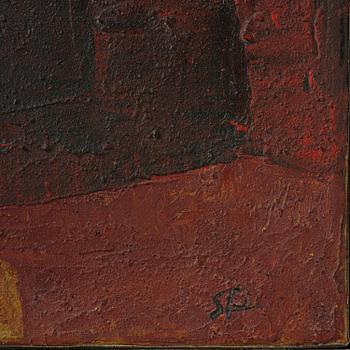
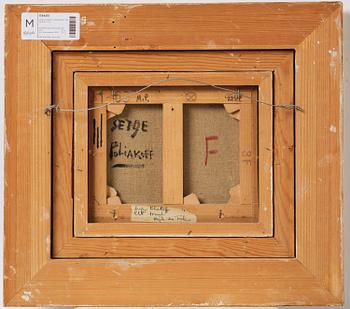
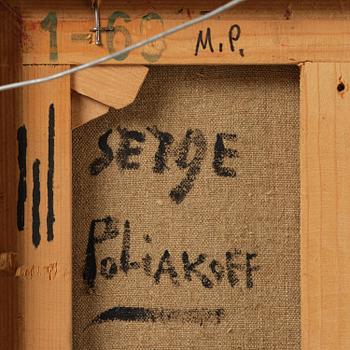
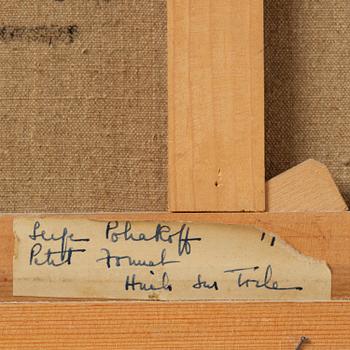
Signed with monogram SP and signed Serge Poliakoff verso. Executed circa 1965. Oil on canvas, 22 x 27 cm. The work is registered in the Serge Poliakoff archives under no. 965014. Bukowskis thanks Thaddée Poliakoff for valuable information in the cataloguing of this work.
Alkuperä - Provenienssi
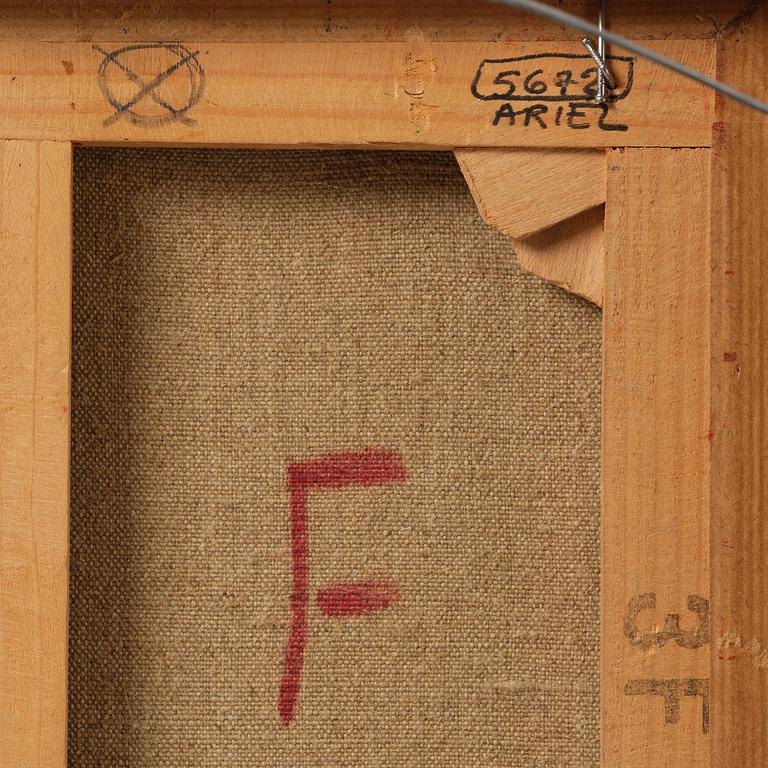
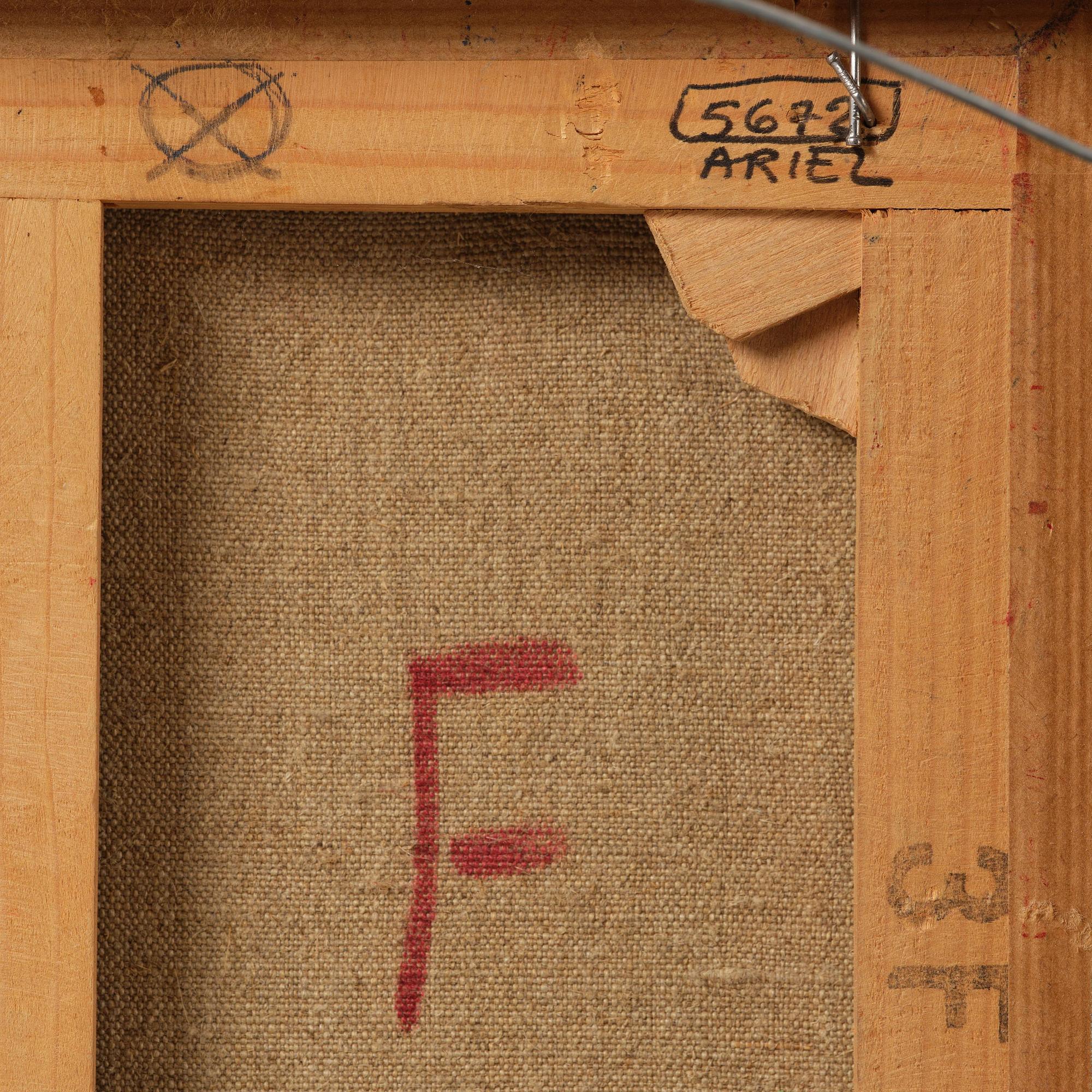
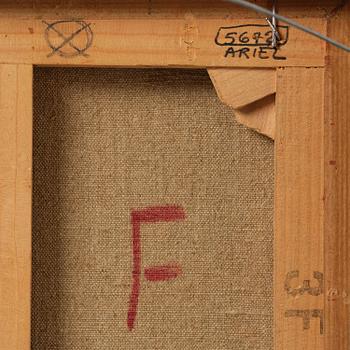
Galerie Ariel, Paris.
Galerie Birch, Copenhagen, numbered 5672.
Private Collection, Sweden.
Kirjallisuus
Alexis Poliakoff, Catalogue raisonné de l’œuvre de Serge Poliakoff, 2012, volume IV 1963–1965, Munich, Éditions Galerie Française, no. 65-61 in the illustrated catalogue, black and white, p. 258.
Muut tiedot
Serge Poliakoff was one of the foremost figures in the development of abstract painting during the 20th century. Born in Moscow in 1900, he began his studies at the city’s Academy of Fine Arts but was forced to leave Russia following the Revolution of 1917. For several years, he led a nomadic life across Eastern Europe, earning his living as a musician and cabaret performer. A skilled guitarist, he frequently found work along the way before eventually arriving in Paris in 1923.
In Paris, Poliakoff studied at the Académie Frochot and later at the Académie de la Grande Chaumière. In 1935, he continued his training at the Slade School of Fine Art in London. Upon returning to Paris, he came into contact with prominent artists such as Wassily Kandinsky, Sonia and Robert Delaunay, and Otto Freundlich, and later Victor Vasarely, Jean Deyrolle and Jean Dewasne. During these years, he became part of the emerging abstract art movement.
Poliakoff’s art is characterised by a strong emphasis on the autonomous value of colour and the picture surface. His geometrically structured forms serve primarily to emphasise the relationships between different fields of colour. Over time, this approach evolved into a highly personal visual language that would establish him as one of the most significant representatives of the so-called École de Paris.
His works were regularly exhibited at the Salon des Indépendants between 1938 and 1945, after which he became one of the most prominent artists at the Salon des Réalités Nouvelles. In the post-war years, he consolidated his position as one of the leading artists of the French School.
In the years following the war, his palette became noticeably darker. Rather than relying on strong contrasts, Poliakoff worked with muted ochre and earth tones in a deliberate effort to avoid an overly decorative effect. From the early 1950s onwards, partly inspired by the ideas of Kazimir Malevich, his painting underwent further development. Increasingly, the focus shifted towards the material and sensory qualities of colour rather than form itself. The earlier sharp, pointed shapes gave way to larger, softer fields of colour, brought together in harmonious compositions. To achieve precisely the right balance, the artist mixed his own pigments and carefully developed the subtle nuances that characterise his mature work.
The work offered at auction, executed around 1965, is an excellent example of Poliakoff’s late painting. It belongs to the period in which his distinctive visual language had reached full maturity and gained international recognition. During the 1960s, his art was presented in several major exhibitions, including a large retrospective at the Whitechapel Art Gallery in London in 1963, followed by acclaimed presentations in Venice, Tokyo and St. Gallen, among other cities.
Lisätietoja ja kuntoraportit
Mitä kuljetus maksaa?
Toimituksen voi tilata vain ottamalla yhteyttä osoitteeseen specialdelivery@bukowskis.com.
Kuuluu jälleenmyyntikorvauksen piiriin
Tietoa ostamisesta
Kuvan käyttöoikeudet
Tämän tietokannan taideteokset ovat tekijänoikeudella suojattuja, eikä niitä saa kopioida ilman oikeudenhaltijoiden lupaa. Teokset kopioidaan tässä tietokannassa Bildupphovsrättin lisenssillä.