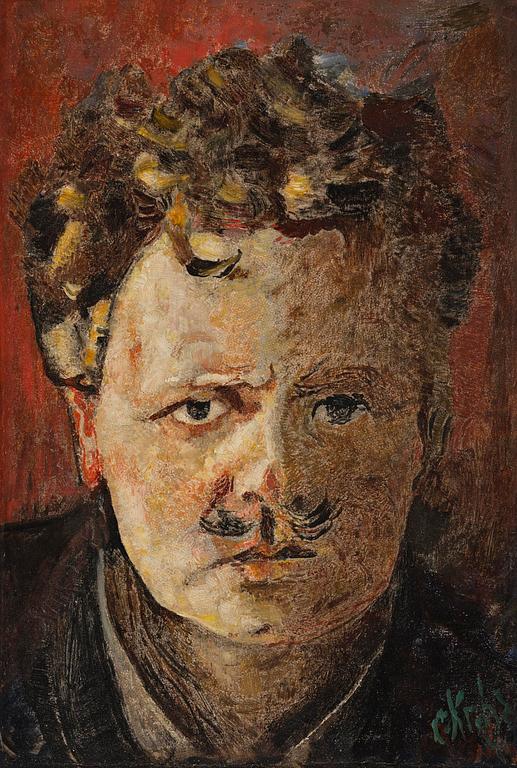
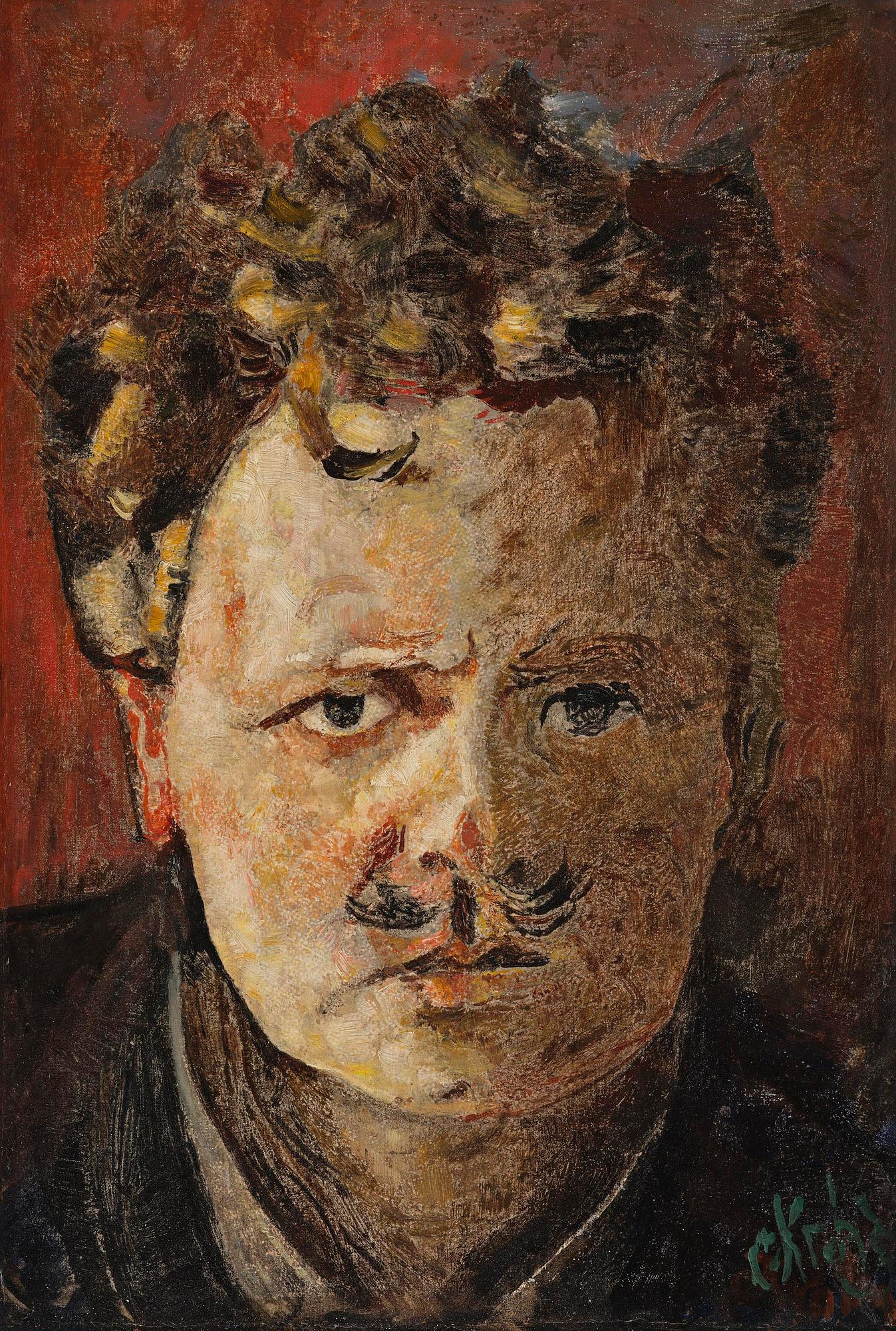
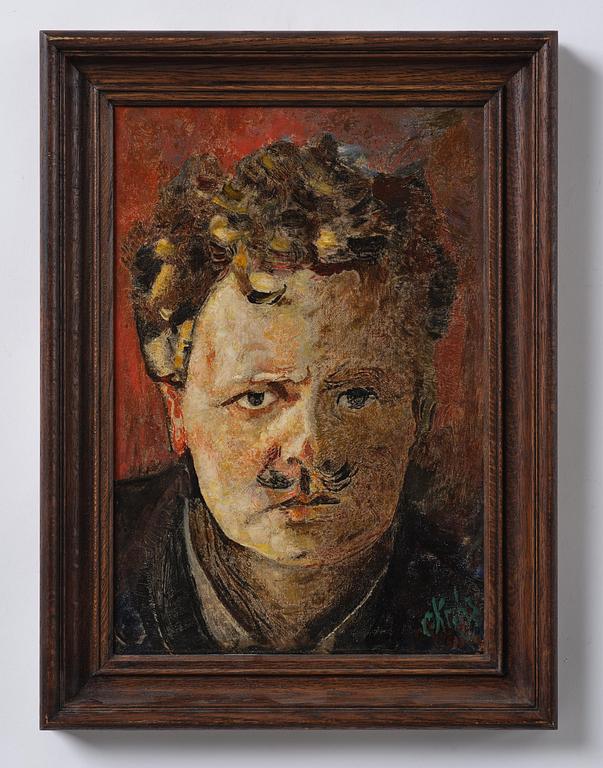
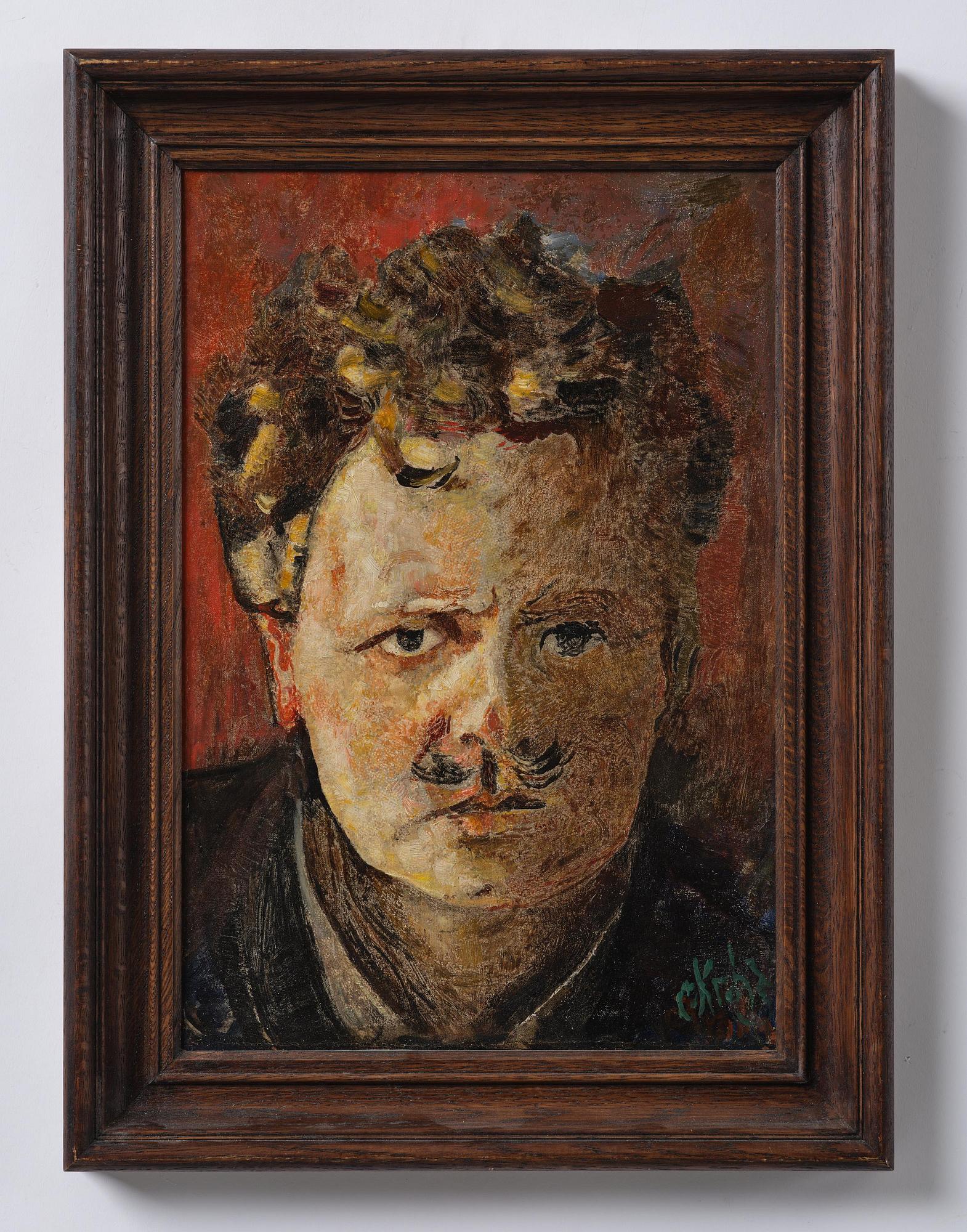
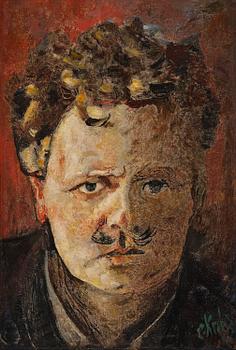
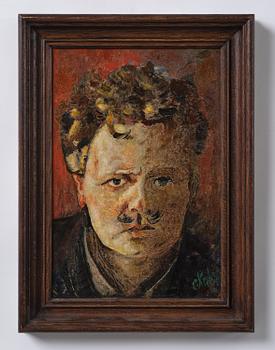
Christian Krohg (Norja, 1852-1925) Portrait of August Strindberg
Portrait of August Strindberg
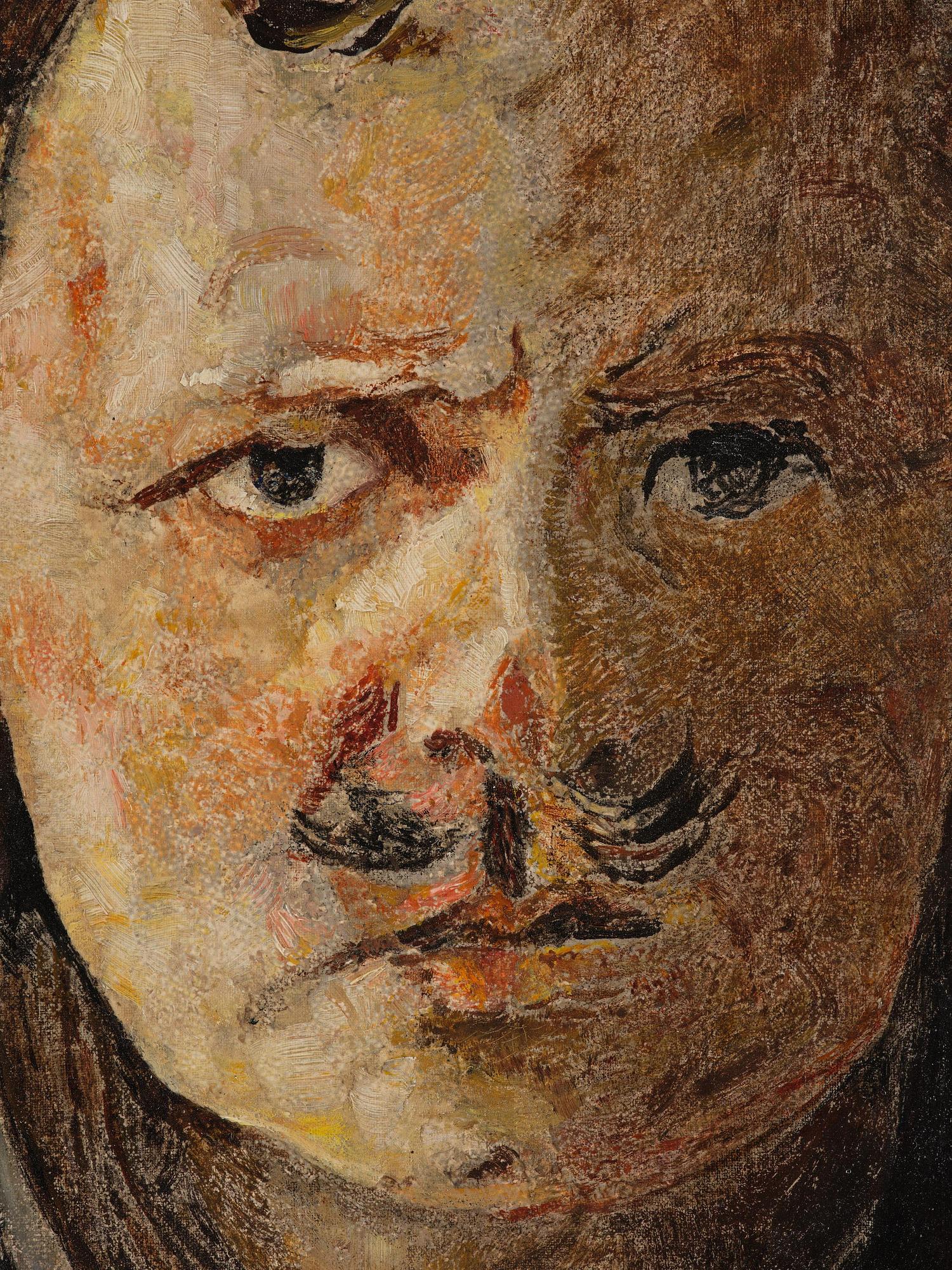
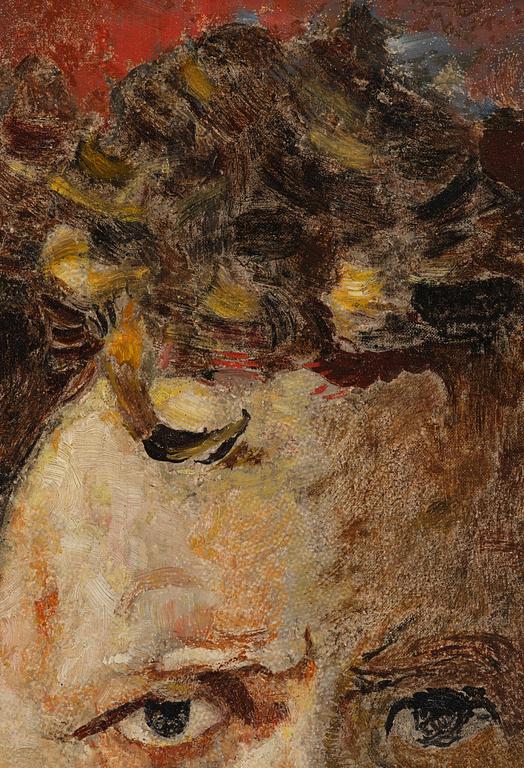
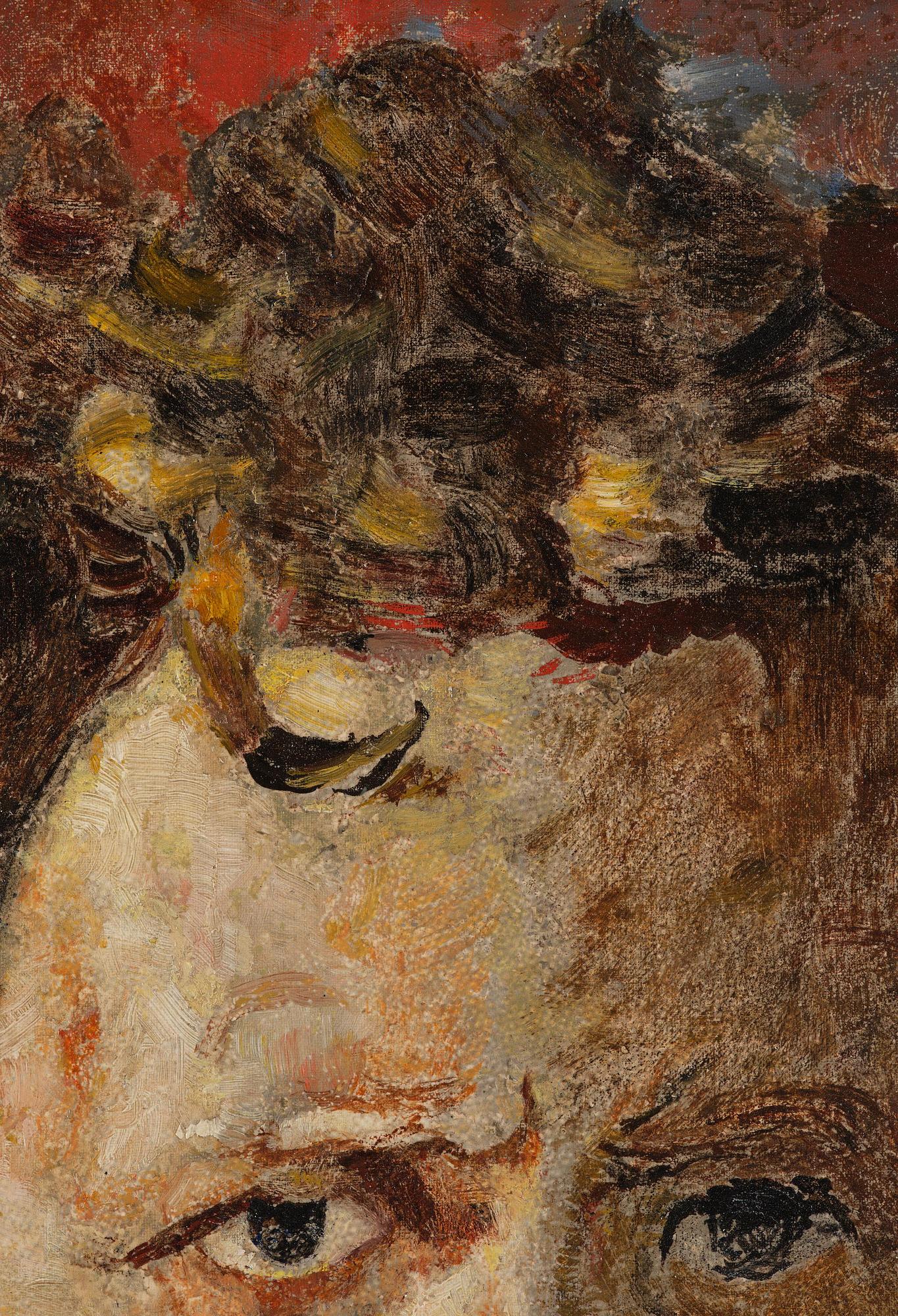
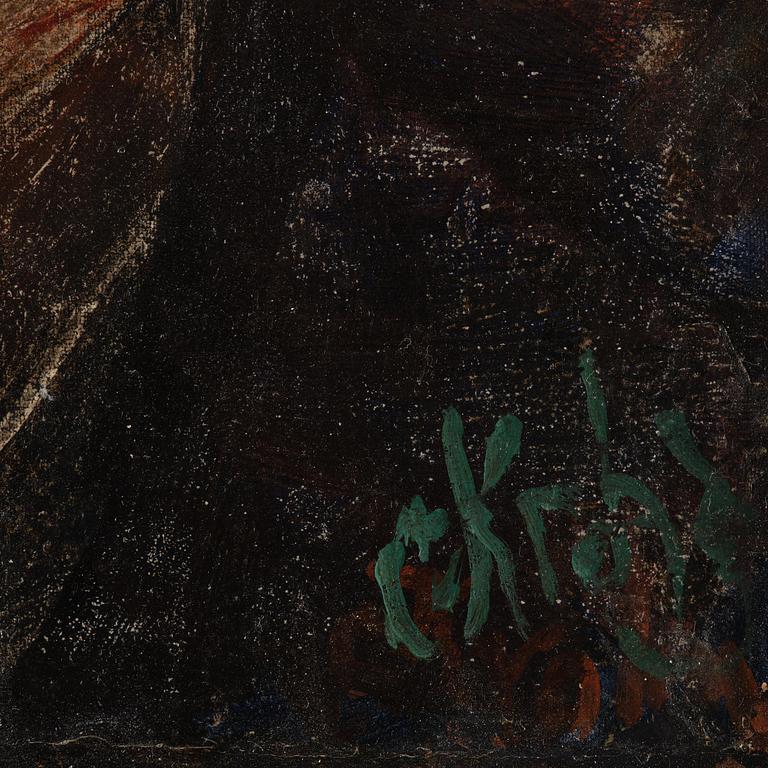
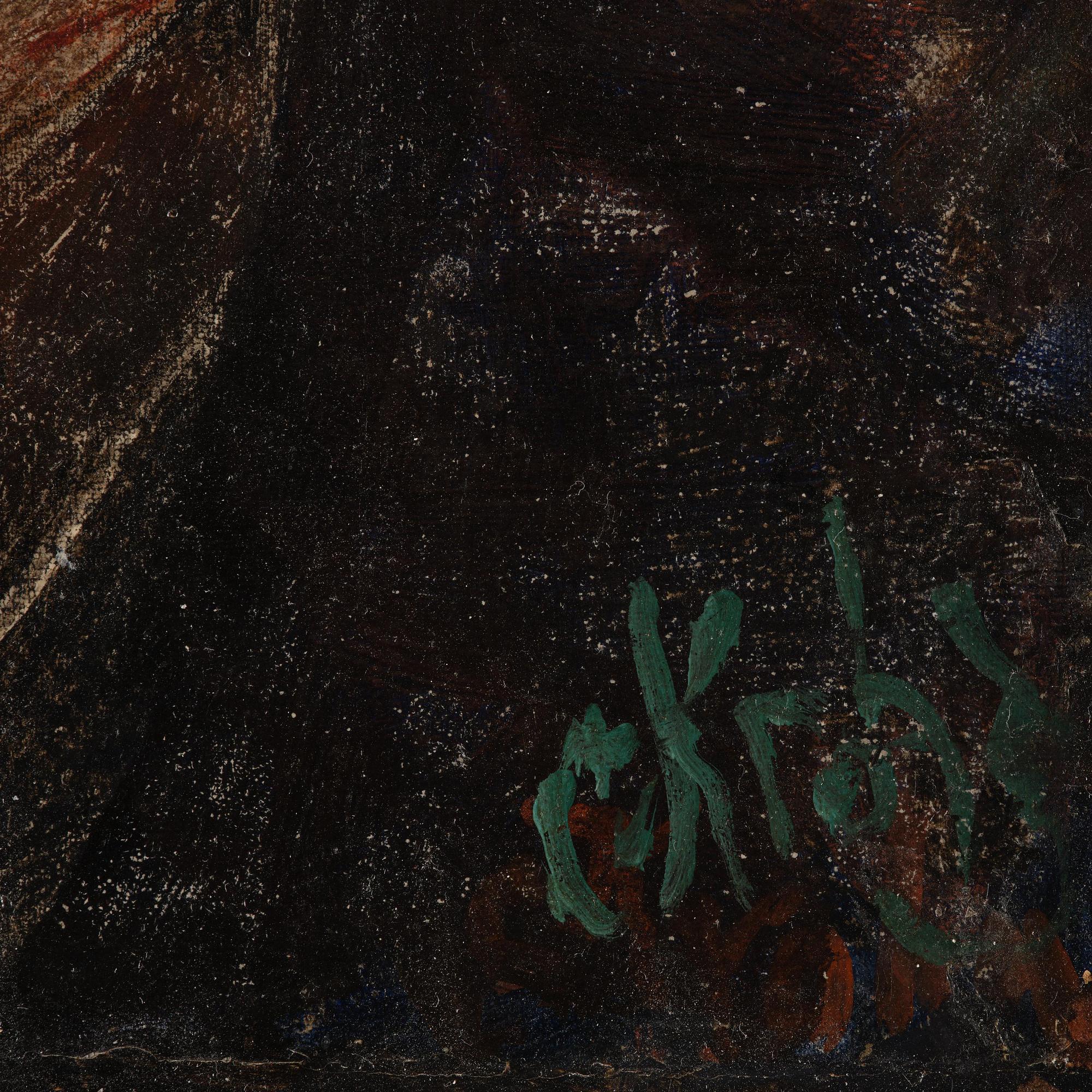
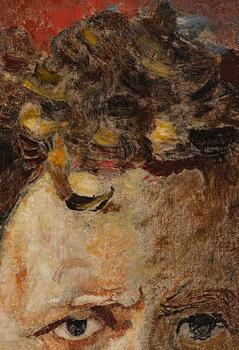
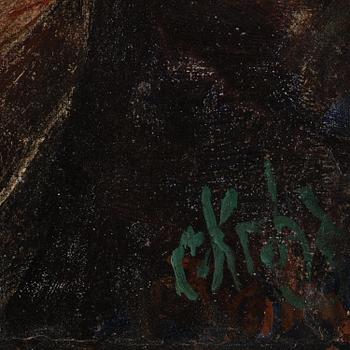
Signed C. Krohg twice. Oil on paper laid down on board, 41.5 x 28.5 cm. Painted in Berlin, probably in February 1893.
Alkuperä - Provenienssi
With Kaare Berntsen, Oslo, Norway 1971.
Kirjallisuus
O. Thule, "Christian Kroghs portretter", 1971, no. 559, pl. 61.
A. Rasmussen, "Strindbergs porträtt", 1991, p. 69, 72, illustration no. 40.
Muut tiedot
In 1892, August Strindberg experienced writer's block, which led to a drastic reduction in his income. Depression followed as he was unable to meet his financial obligations to support his children and former wife. A fund was set up through an appeal in a German magazine. This money allowed him to leave Sweden and during the autumn 1892 he joined artistic circles in Berlin. Otto Brahms’s Freie Bühne theatre premiered some of his works, including The Father, Miss Julie, and Creditors. Twenty years earlier Strindberg had frequented The Red Room at Berns in Stockholm, a meeting point for artistic circles; he now became a regular in Zum schwartzen Ferkel (The Black Porker), a name bestowed by him for a tavern in Berlin which was a meeting point for artists, writers and composers.
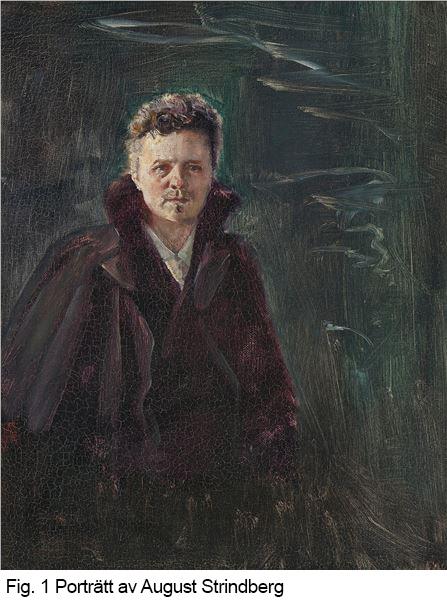
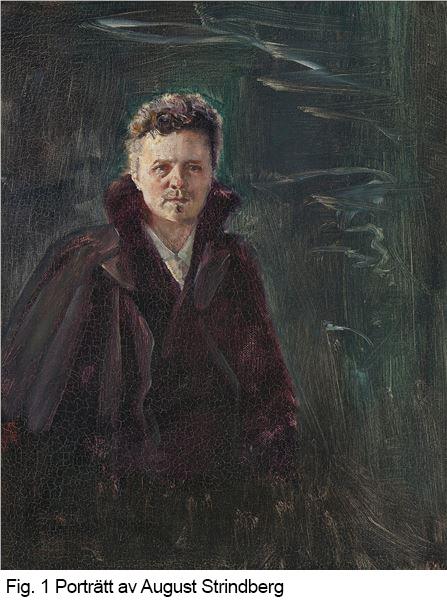
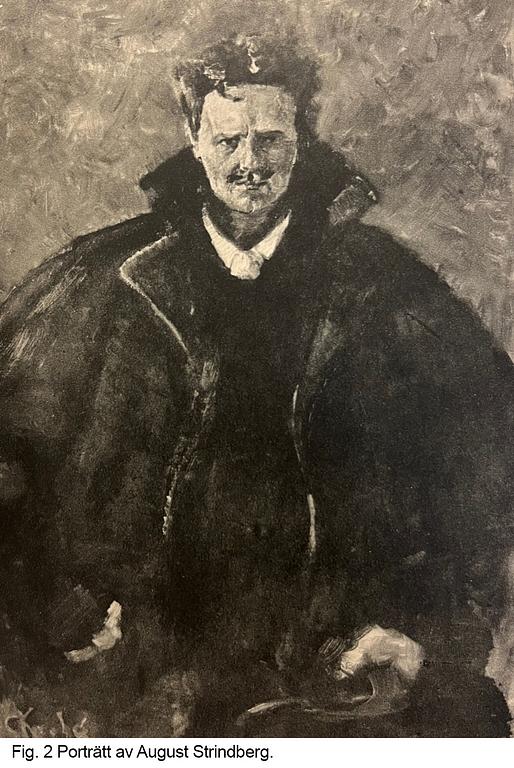
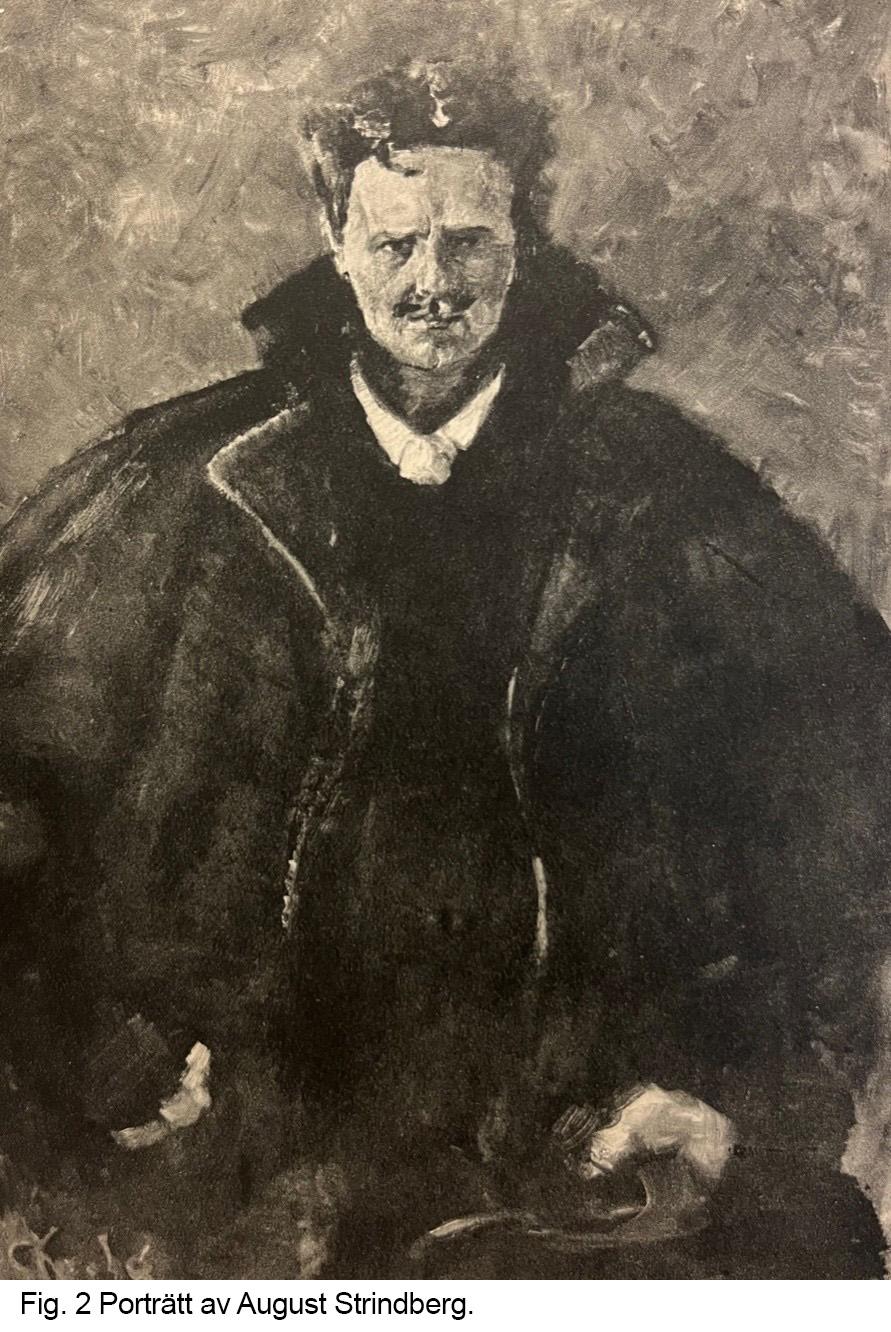
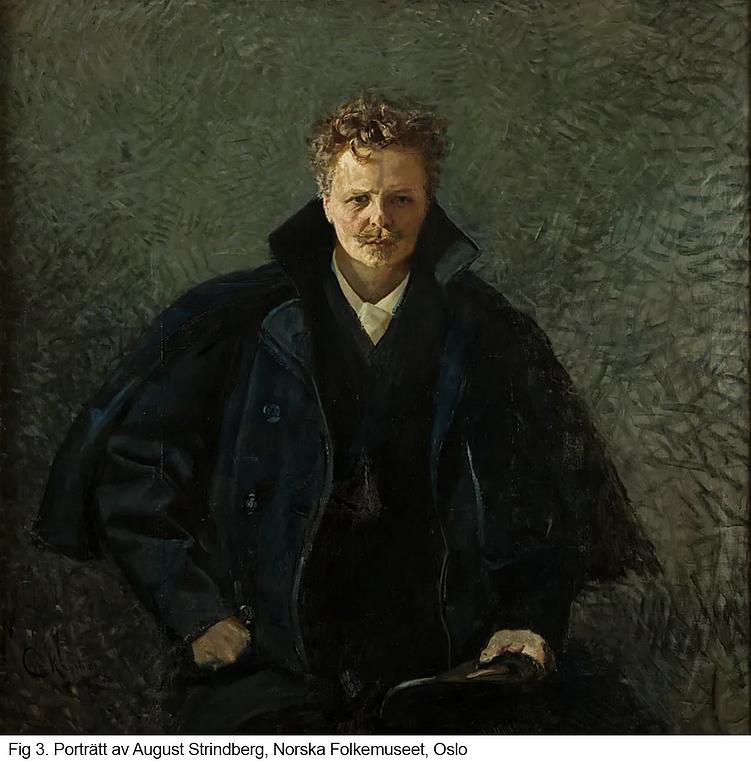
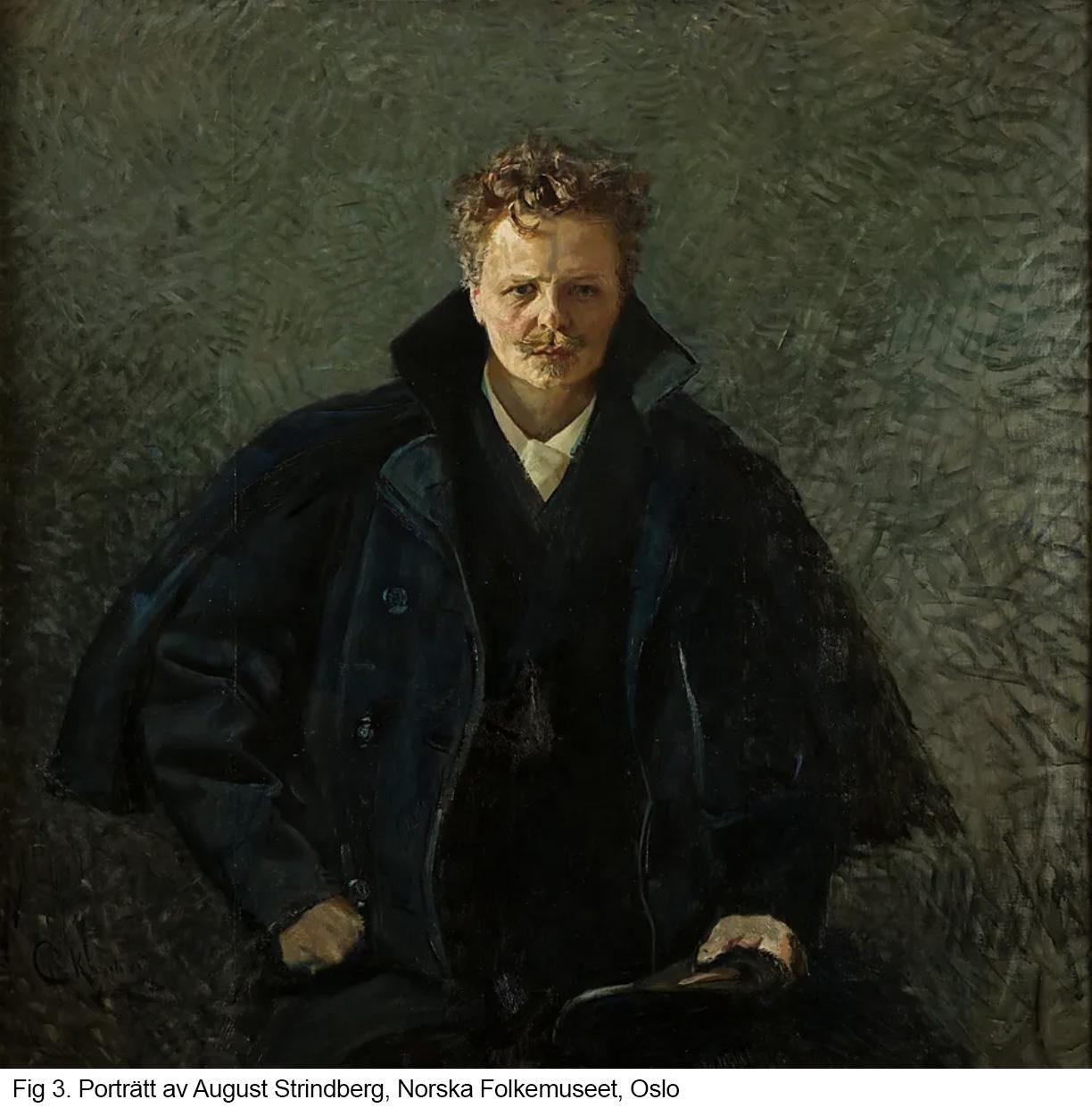
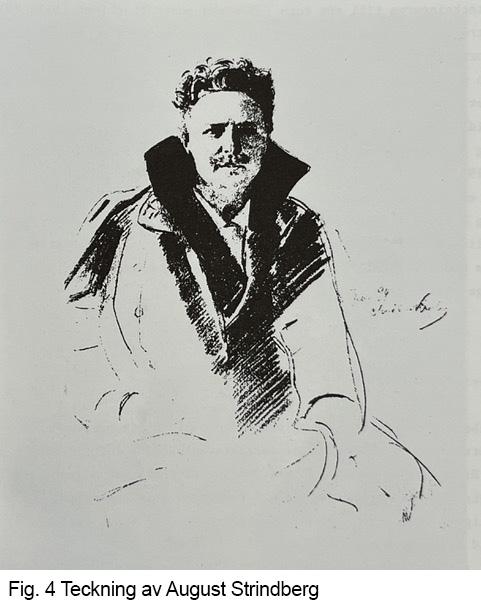
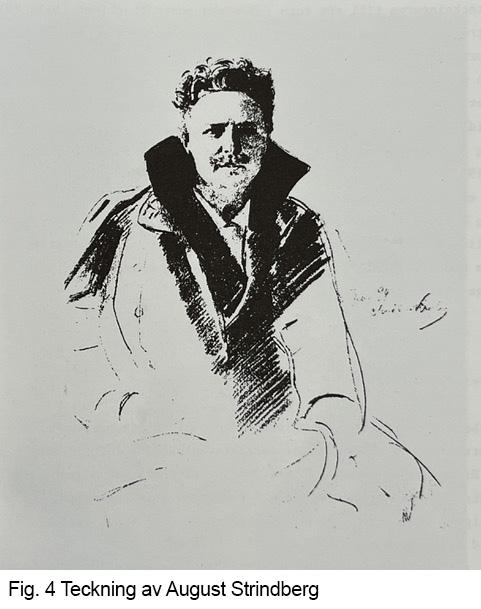
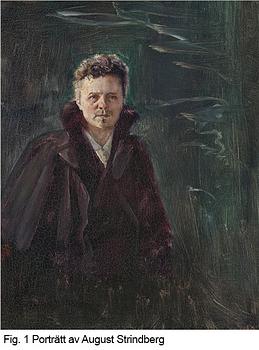
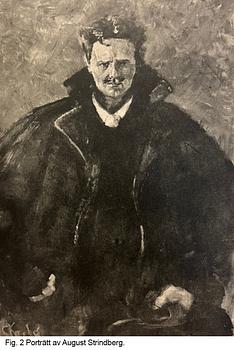
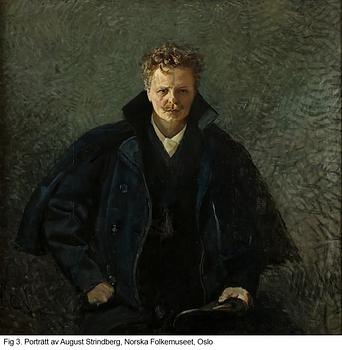
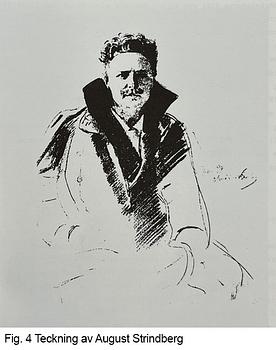
Christian Krohg and his wife Oda arrived in Berlin in early February 1893 where they stayed in pension Finch on Friedrichstrasse. Soon after Krohg’s arrival he portrayed Strindberg in his hotel room. On 18 February Strindberg writes that he sat for Krohg between 10-12.30 every day. On 1 March he is still posing for Krohg. Krohg painted at least three portraits of Strindberg in Berlin, the present work most likely being the first (Fig. 1 Private collection, fig. 2, formerly collection Thorsten Laurin, Stockholm). The final portrait he painted of Strindberg, which he sold to Hendrick Ibsen in 1895, is the one that today is best known (Norske Folkemuseum, Oslo) (fig. 3). This portrait may have been painted in Berlin, alternatively in Oslo on his return. In addition he also made a drawing of Strindberg in Berlin which he signed at a later stage and erroneously dated 1894 (fig. 4). Krohg has portrayed Strindberg next to a light source that lets his right face; either by a lamp or by a window. The fact that the picture is signed twice, suggests that Krogh continued work on it in preparation for the larger portrait.
In his memoires, Kampen for Tilværelsen, 1-4, 1920, Krohg describes his meeting with Strindberg in Berlin and the various sessions when he portrayed him in his hotel room. He emphasize that it was his idea that Strindberg should turn the collar of his coat upwards during the sitting sessions in order to give him a more monumental and demonic expression.
In April 1893 one of Christian Krohg’s portraits of Strindberg was exhibited in Berlin, together with a portrait of Strindberg by Edvard Munch and the Swedish lieutenant Seglecke. In an article on Strindberg in Berliner Tageblatt, published in three parts (17th and 24 April and 1st of May 1893), the writer Theodor Wolff discuss the three portraits. Wolff takes these portraits as a starting point to make a deep analysis of Strindberg’s personality and his work, both as a writer and painter. Wolff had met Strindberg on several occasions and knew him well. The article begins with detail descriptions of the three exhibited portraits ("Strindberg. Tre porträtt", in Strindbergiana 31, 2016, pp. 152-177):
"Three portraits of August Strindberg can currently be seen in Berlin. The first is painted by Christian Krohg, who has now also wandered here from Norway. It is in a monotonous room in a sober house complex on Friedrichstrasse, Krohg's studio. The colors are just as strongly and freshly applied as in all pictures of this painter who is broad-shouldered in art as well as real life. But this healthy vigor conflicts with Strindberg's true nature. Krohg's Strindberg with his coat thrown back has something grand and imposing that is foreign to Strindberg’s character. Krohg's Strindberg is the Strindberg of literary history, the monument - if you like (even if it sounds abominable) the "idealized" Strindberg. It is the poet, as you see him in front of the curtain, after his success, congratulated and crowned with laurels - as you experience him, before you meet him in the lonely chamber, where the ghosts of doubt huddle behind the inkwell…"
Wolff's description of the portrait suggests that it was either the portrait previously in the Laurin collection that was exhibited or the final picture purchased by Henrik Ibsen, both of which show Strindberg wearing a coat with the collar up-turned.
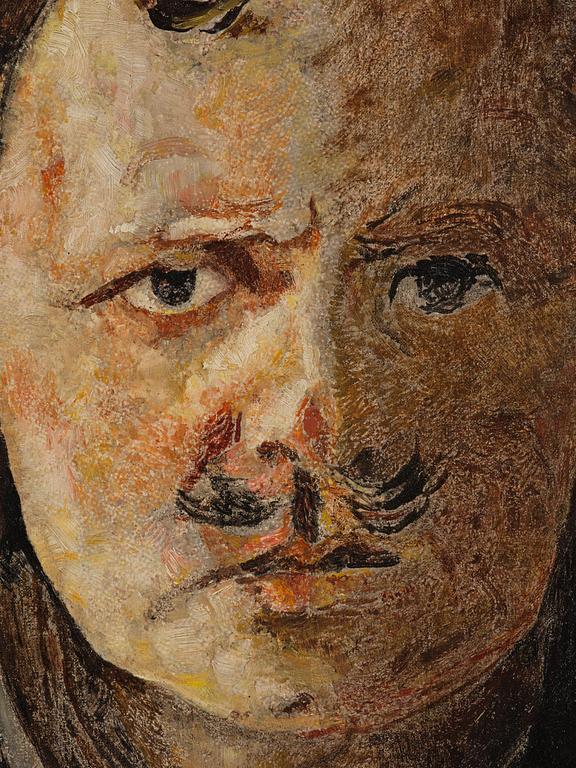
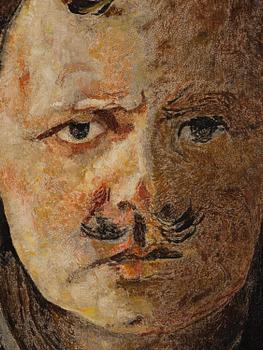
In his article Wolff makes a description of Strindberg's physiognomy. It is interesting to compare his description with Strindberg’s physiognomy in the present work:
"There is an abundance of special physiognomies, remarkable appearances and heads. But none more remarkable than Strindberg. A large, muscular, but withdrawn figure. Dark blond hair flows from the forehead in many soft curls. The forehead is broad, energetic, it is the masculine thing in Strindberg's physiognomy. It is often wrinkled, contracted into folds like those of people suffering from headaches. Strong bushy eyebrows lie above the eyes, which are not very large and at one moment are sharply searching at the next moment are weak and can look delayed. The somewhat broad, ordinary nose is the only uninteresting thing in Strindberg's face. But what can those who interpret physiognomies not read from this ugly, girlish mouth, which his blond moustache does not cover, and from this feminine chin! This lower part of the head, mouth and chin, separated from each other by a slight "fly", is the pronounced feminine thing in Strindberg's physiognomy, in the same way as the upper part, the forehead, is absolutely male."
Lisätietoja ja kuntoraportit
Mitä kuljetus maksaa?
Toimituksen voi tilata vain ottamalla yhteyttä osoitteeseen specialdelivery@bukowskis.com.
Tietoa ostamisesta
Muiden katsomia kohteita