Eugène Jansson (Ruotsi, 1862-1915) ”Månskensnatt i februari" (Moonlit Night in February)
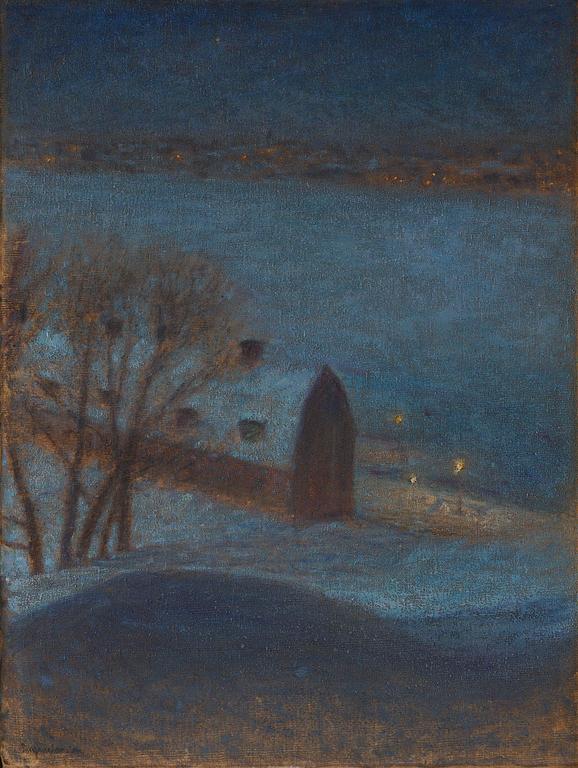
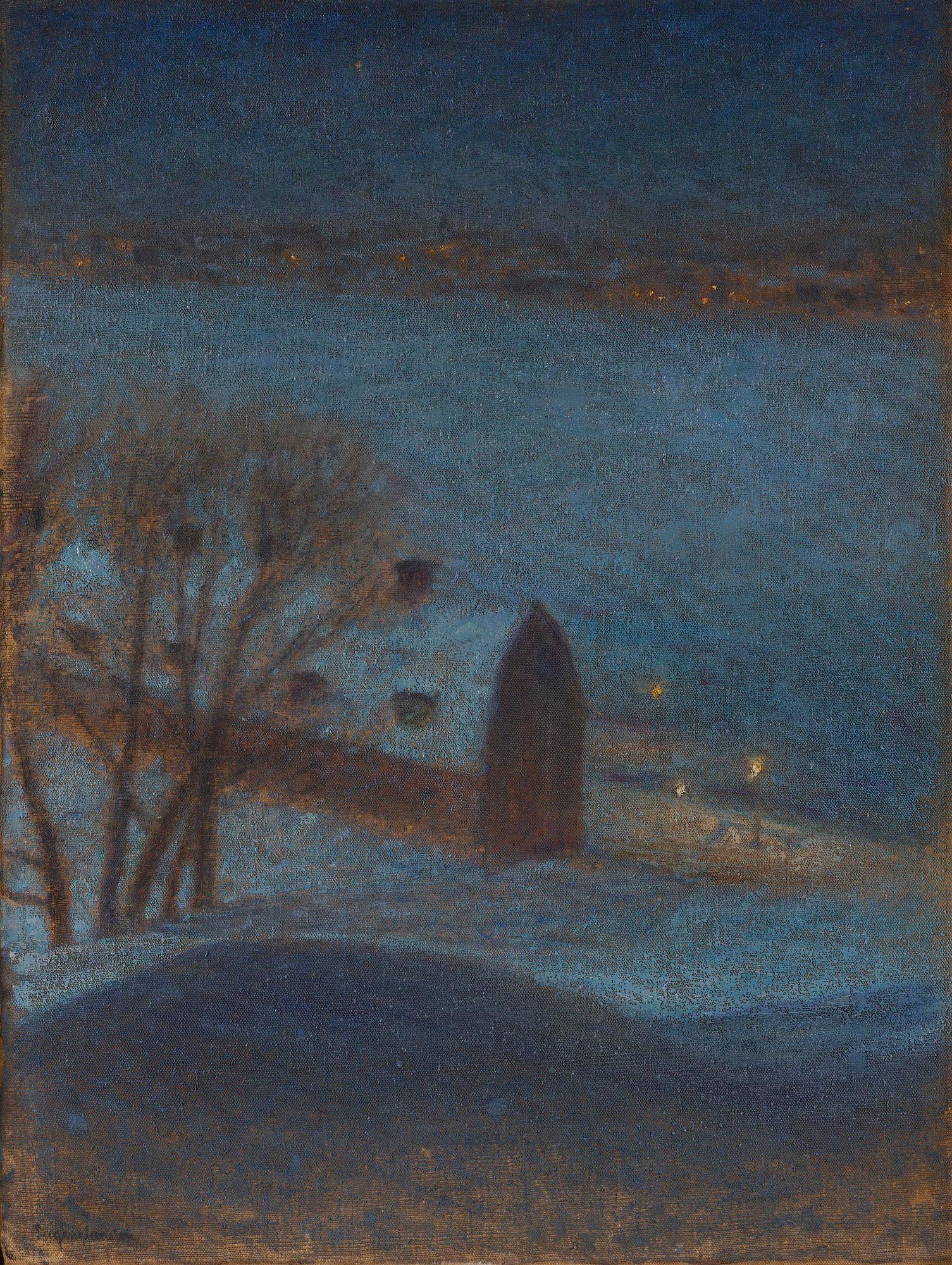
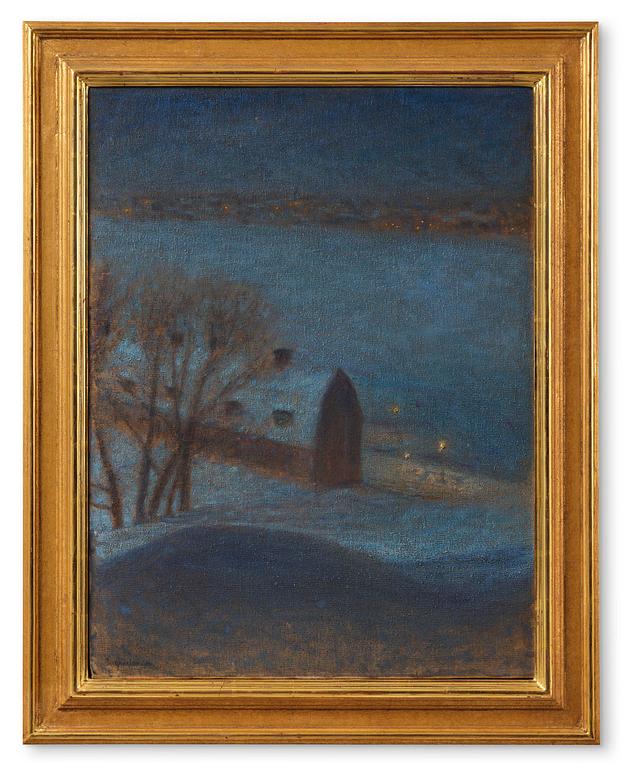
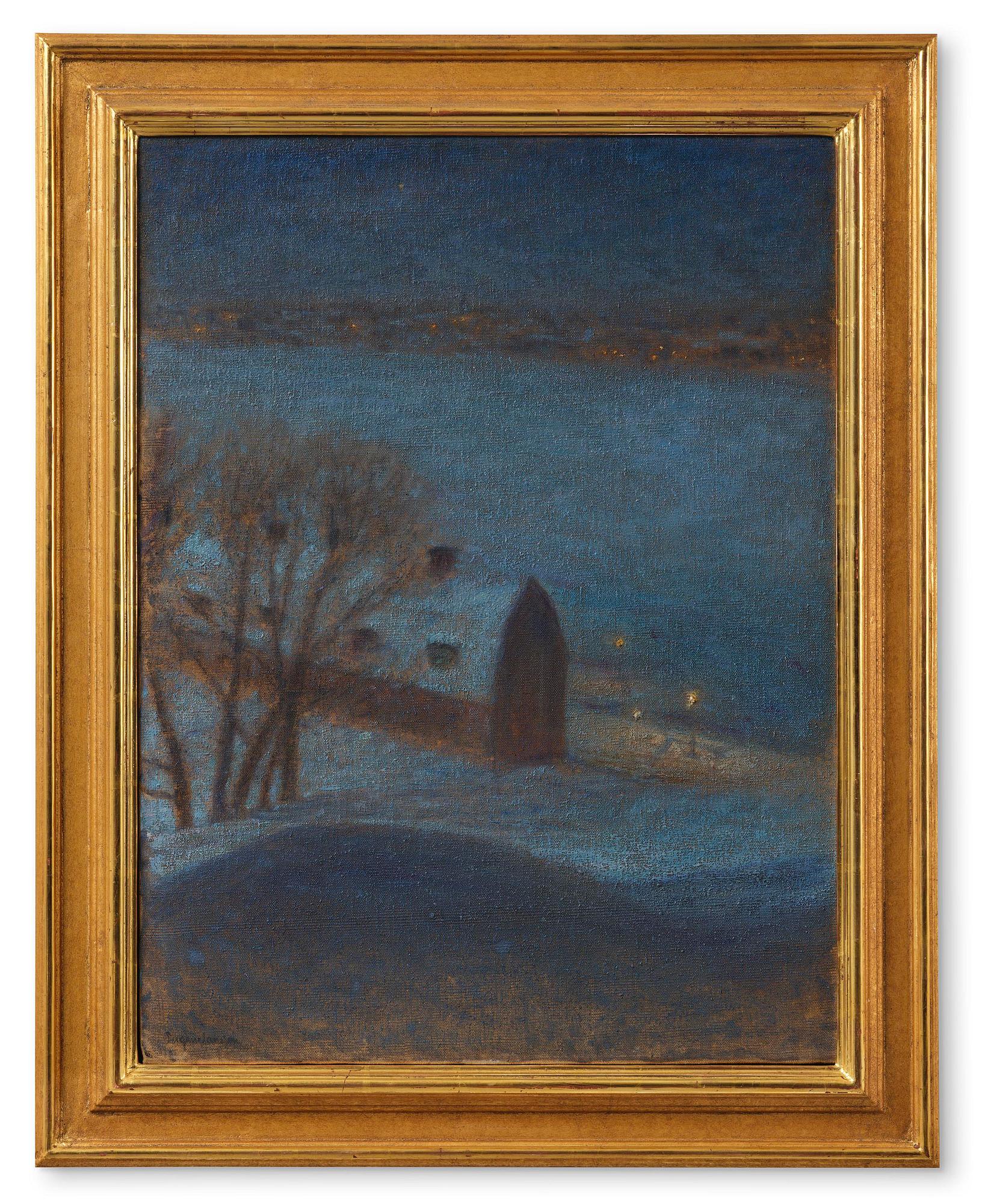
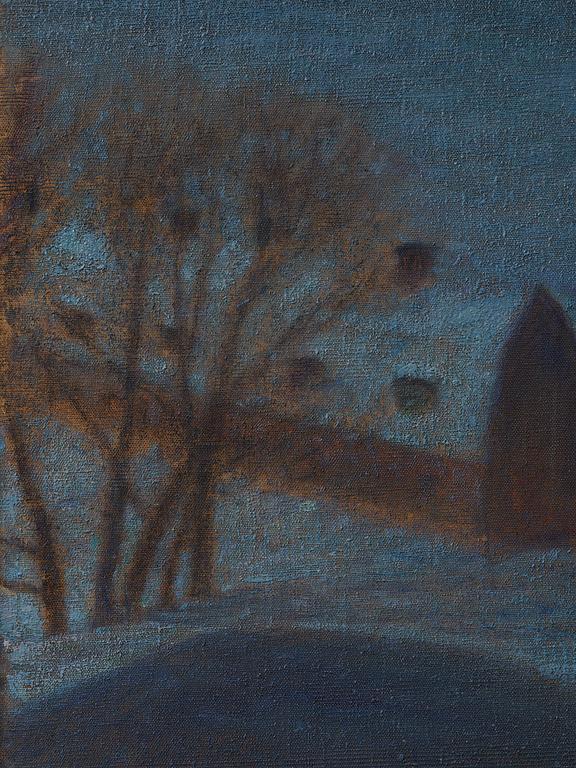
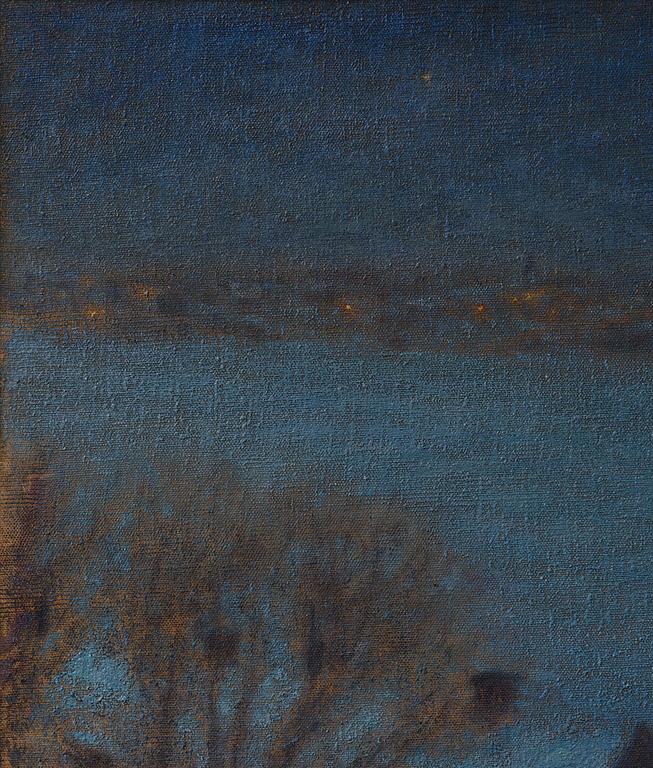
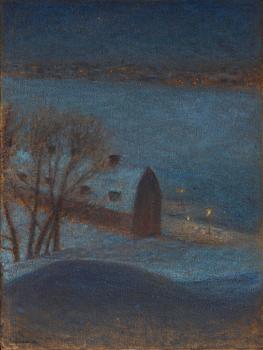
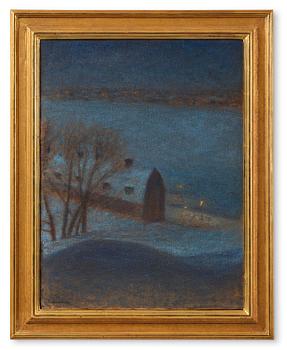
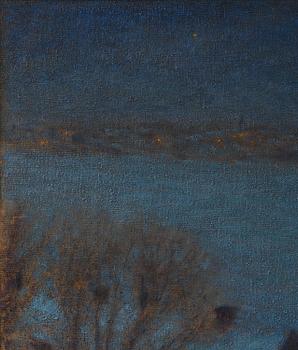
”Månskensnatt i februari" (Moonlit Night in February)
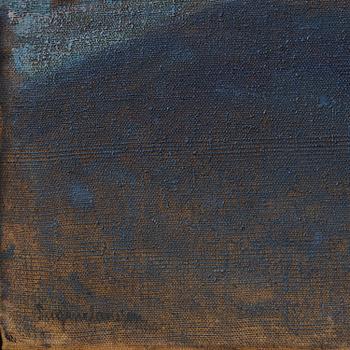
Signed Eugène Jansson. Executed in 1893. Oil on canvas 75.5 x 57 cm.
Alkuperä - Provenienssi
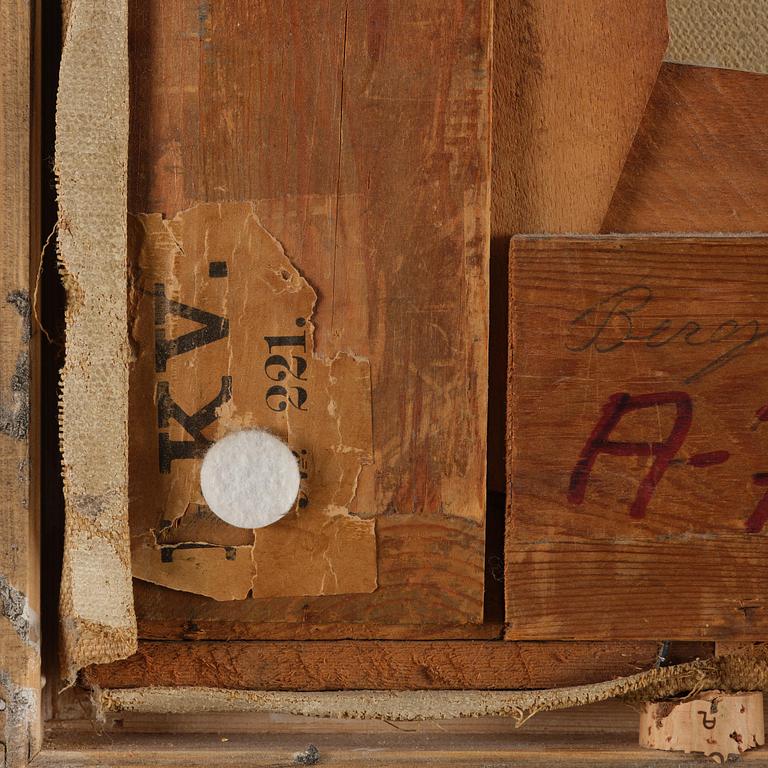
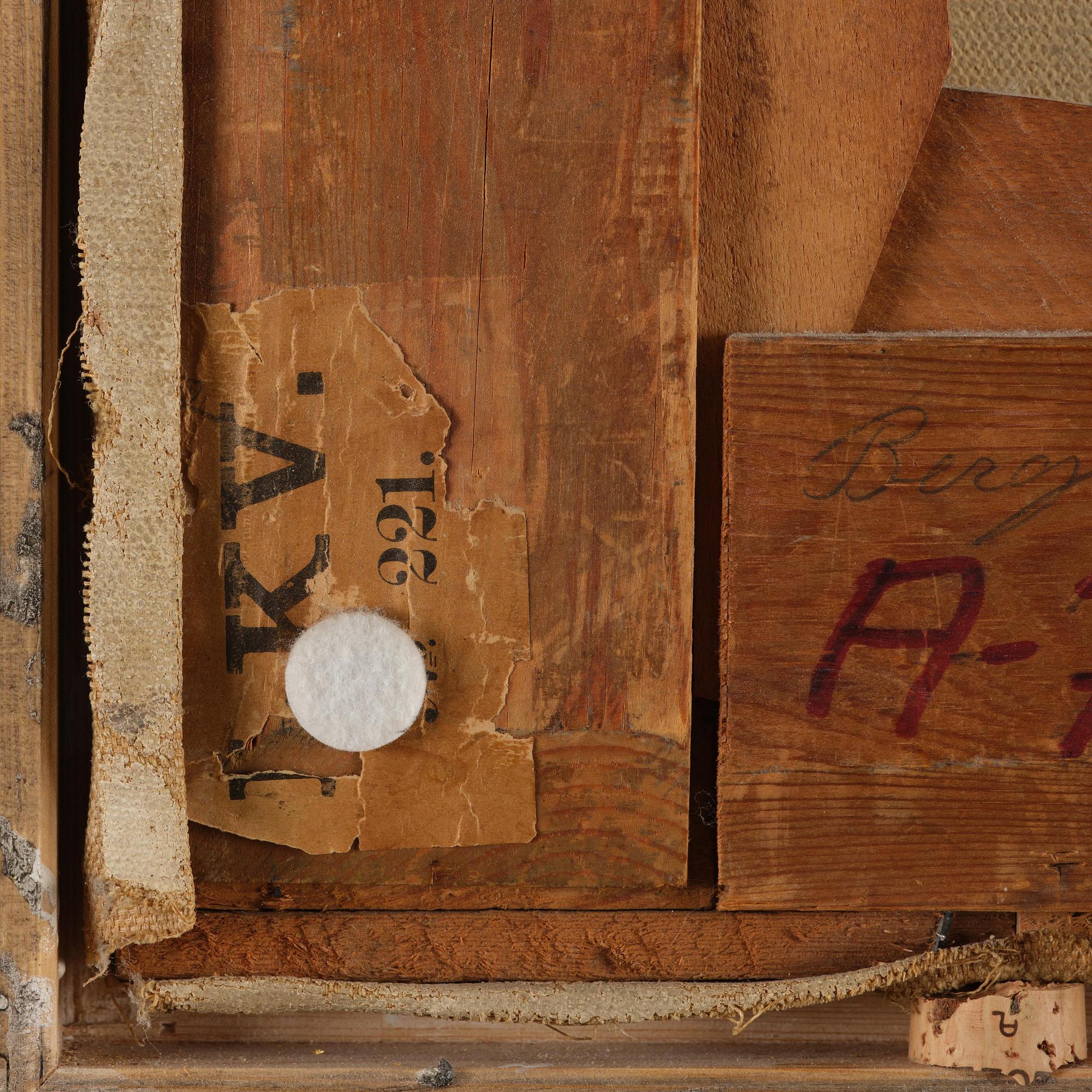
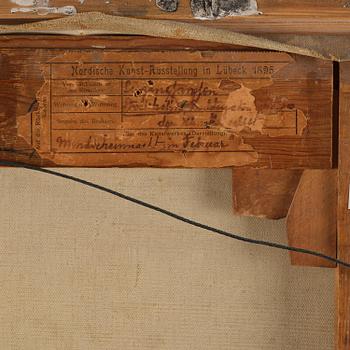
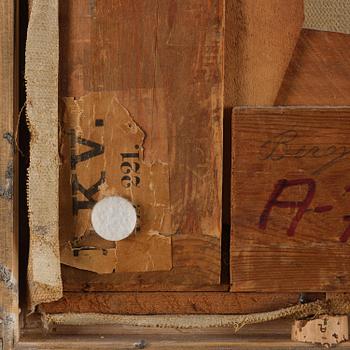
The artist Richard Bergh (1858–1919) and his wife Gerda Bergh (née Winkrans, 1864–1919), Storängen.
Their daughter, the artist Kerstin Bergh-Bergman (1891–1949), Östertälje.
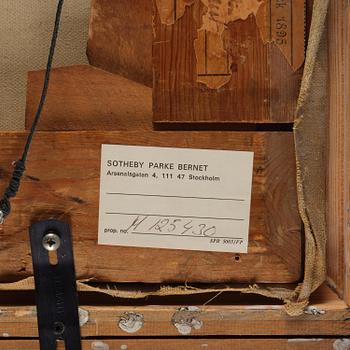
Beijers auktioner, Stockholm, 7–9 November 1989, lot 161.
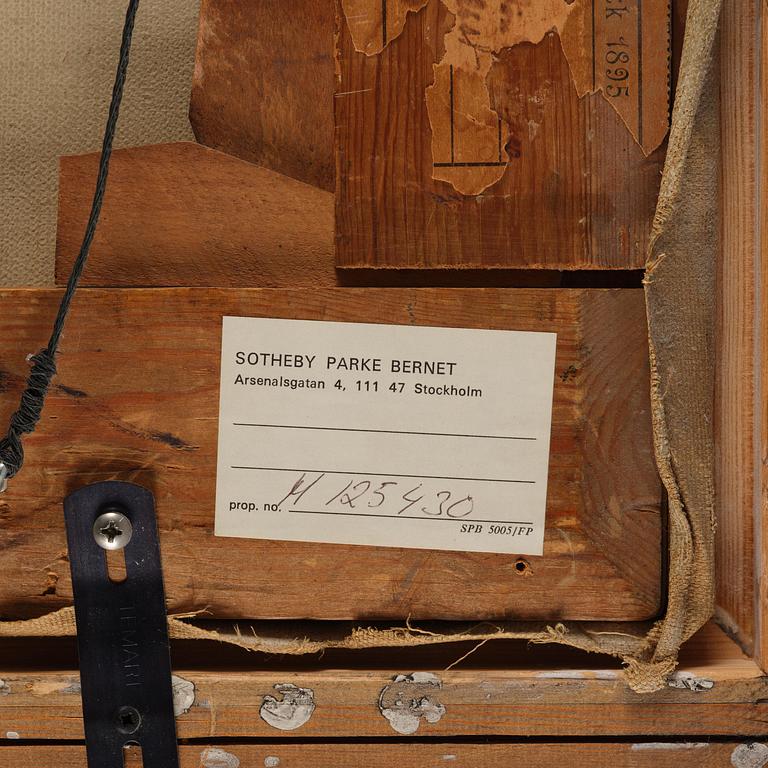
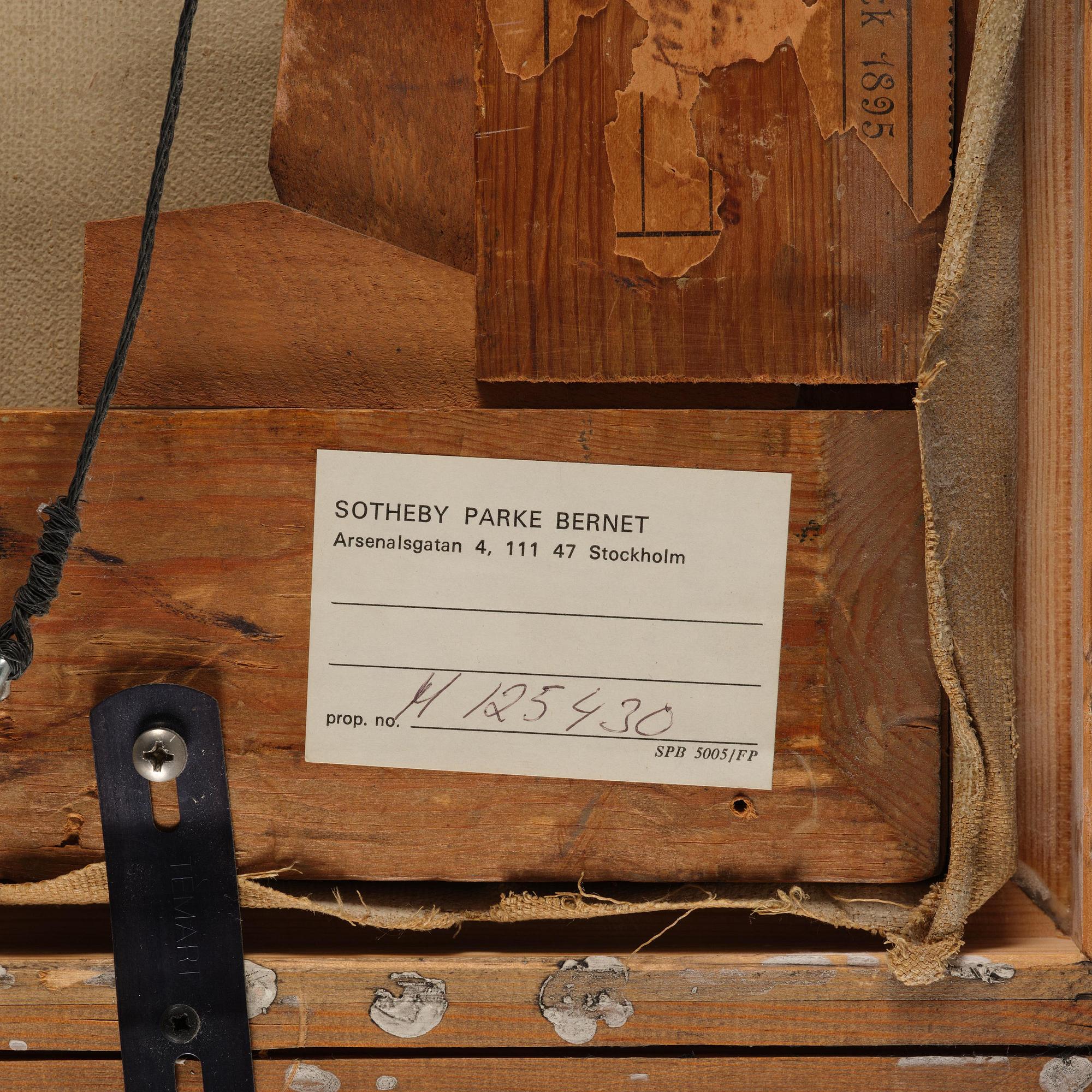
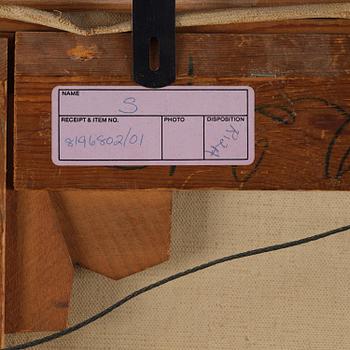
Sotheby’s, New York, 23 October 1990, lot 195.
Swedish private collection, acquired at the above auction.
Näyttelyt
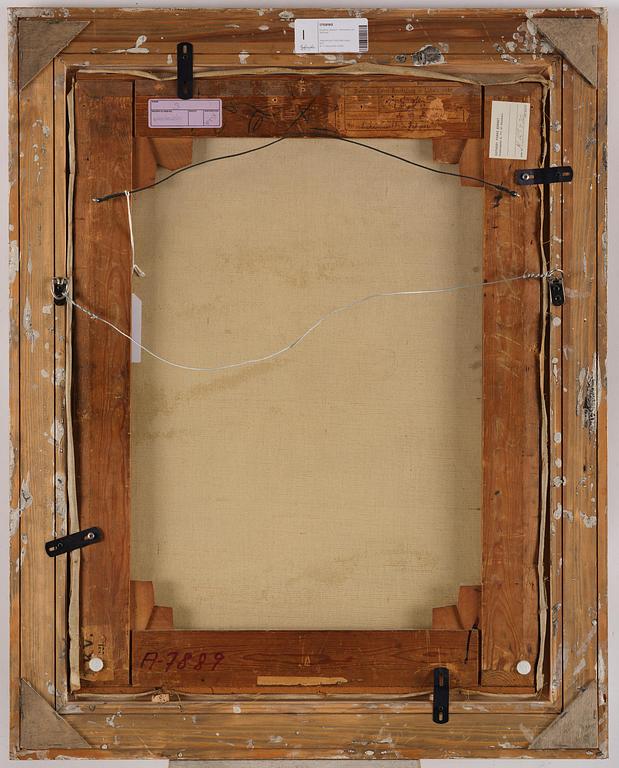
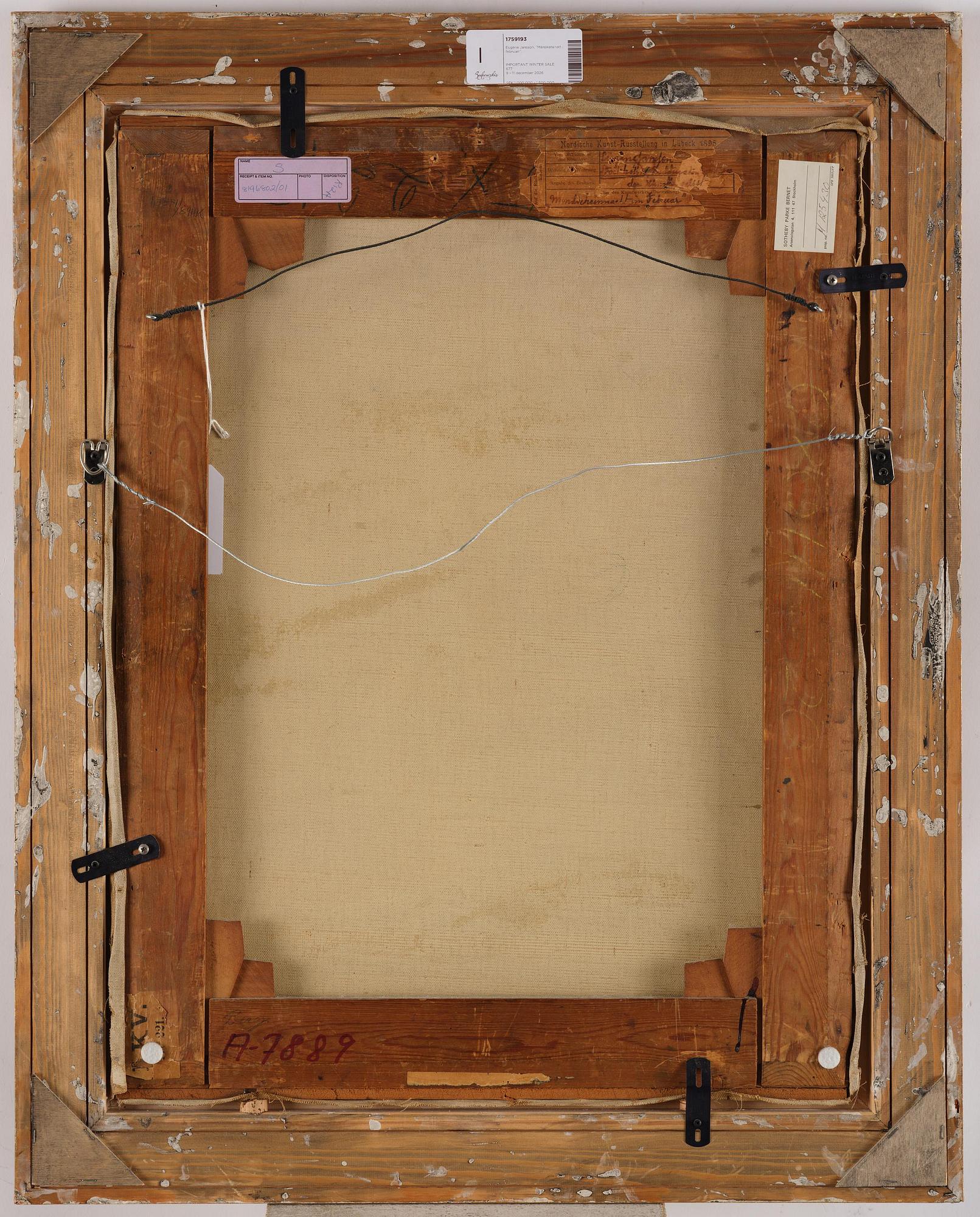
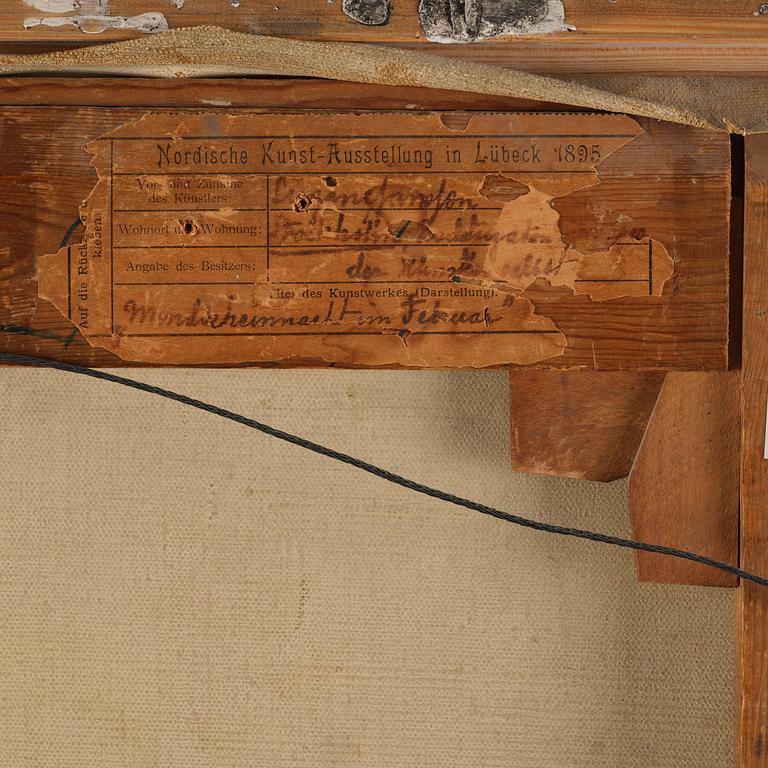
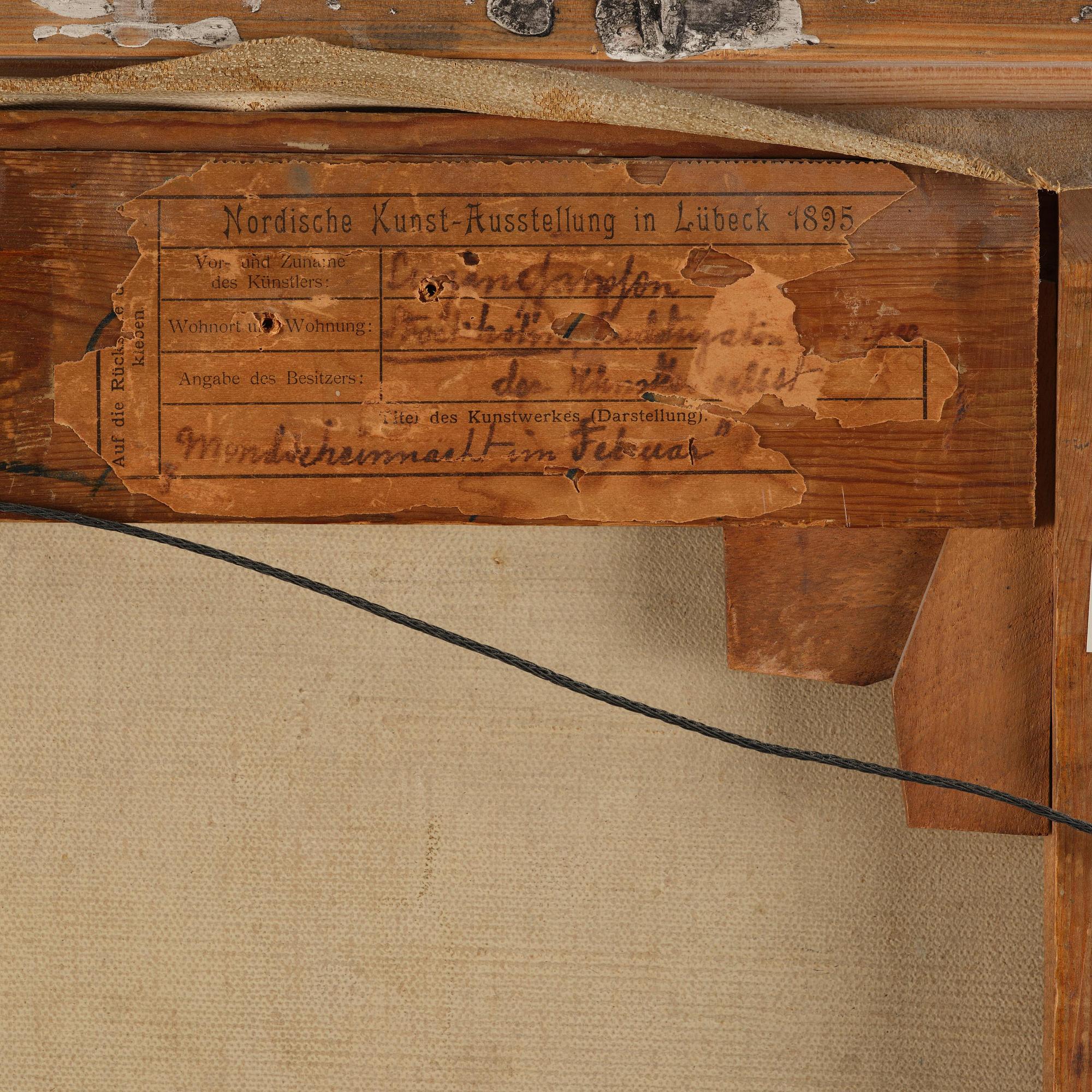
Lübeck, "Nordische Kunst-Austellung",1895.
Kirjallisuus
Nils G. Wollin, "Eugène Janssons måleri", 1920, cat. no. 42.
Inga Zachau, "Eugène Janson - Den blå stadens målare", 1997, p. 67‑68, illustrated p. 69.
Muut tiedot
Eugène Jansson found much of his artistic inspiration in the view from his home in Södermalm, Stockholm. Through the window, he could follow the changing appearance of Riddarfjärden, from the warm colours of morning to the deep blue tones of night. The city’s light, water and atmosphere came to play a decisive role in his oeuvre and helped establish him as one of Sweden’s most highly regarded artists.
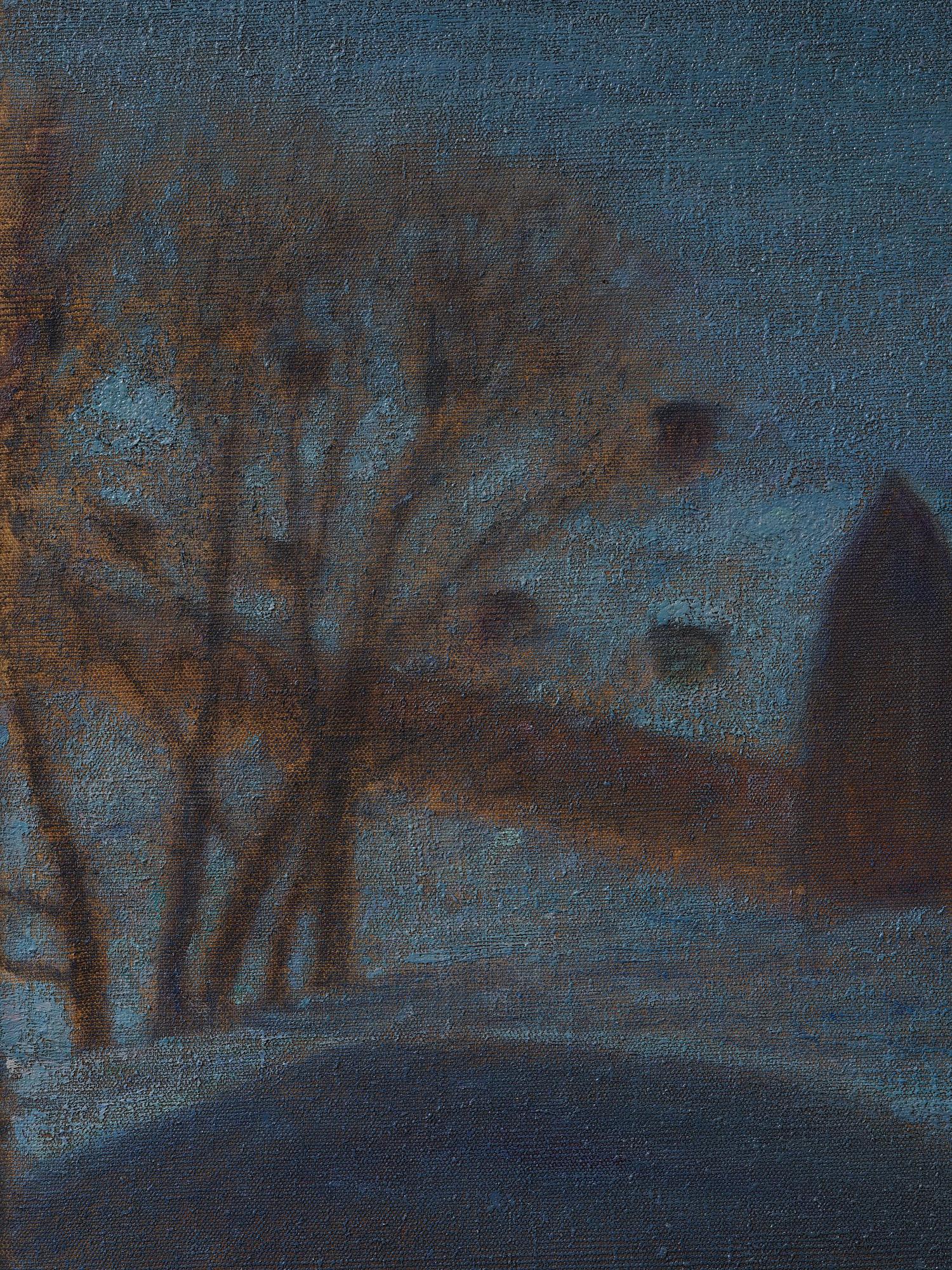
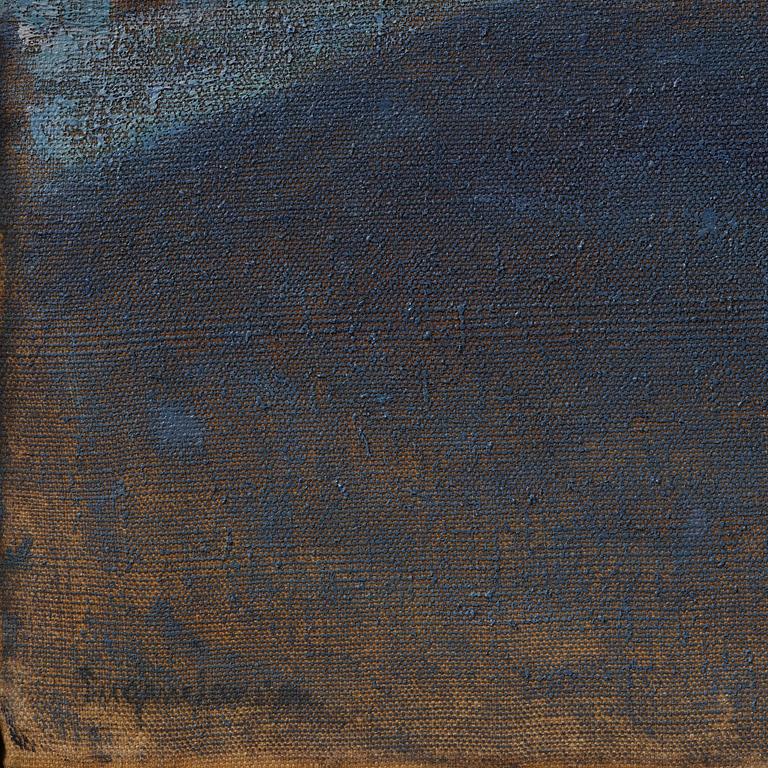
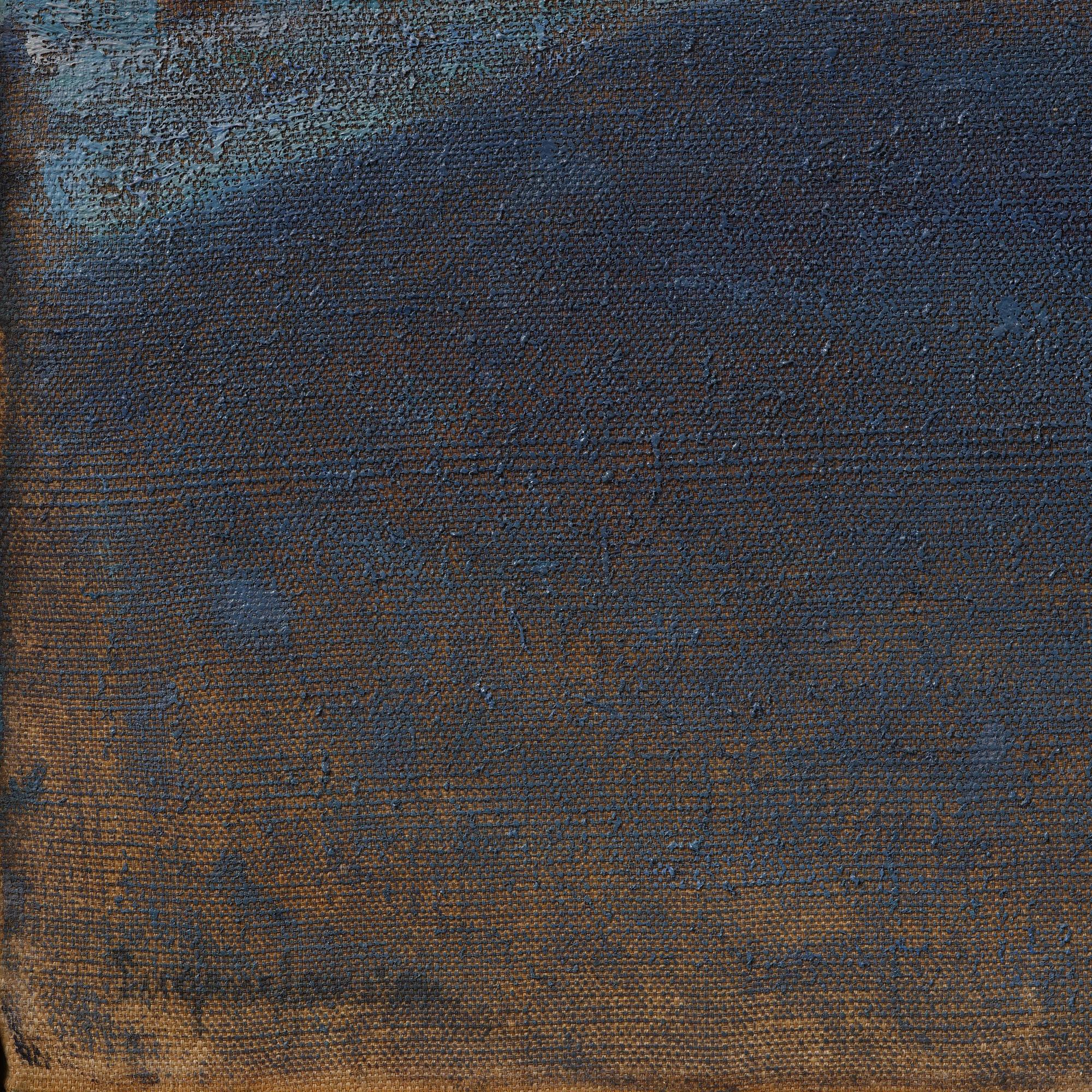
When Jansson moved to Timmermansgatan 2 with his mother and younger brother, his artistic development gained new momentum. After studying at the Royal Academy of Fine Arts, he had chosen to remain in Stockholm, partly because of his limited financial means. He had previously worked extensively in pastel, but gradually began to explore oil painting. Inspired by his artist friend Karl Nordström, he experimented with painting on unprimed canvas. The absorbent surface gave the paint a more matt and softer appearance, creating a distinctive sense of light and atmosphere. He used this technique, among other works, in ”Månskensnatt i februari”.
One of the artist’s biographers, Inga Zachau, describes Jansson’s early blue paintings in “Eugène Jansson – den blå stadens målare”, 1997: “Eugène Jansson had the privilege of having his native city, the glittering jewel known as Stockholm, directly outside his windows. When dusk fell, his heart must surely have swelled with devotion and his thoughts drifted out into the ‘fluid’ to become one with ‘the blue’. There he could find rest; perhaps there lay the answers to all of life’s riddles. ‘Thoughts, whose struggles only the night sees…’ Perhaps, in such moments of rapture, he would sit down at the piano and let his fingers slowly glide across the keys.” Perhaps it was Chopin’s nocturnal melodies that he played, nocturnes that unfolded on his canvas just as they did at the piano.
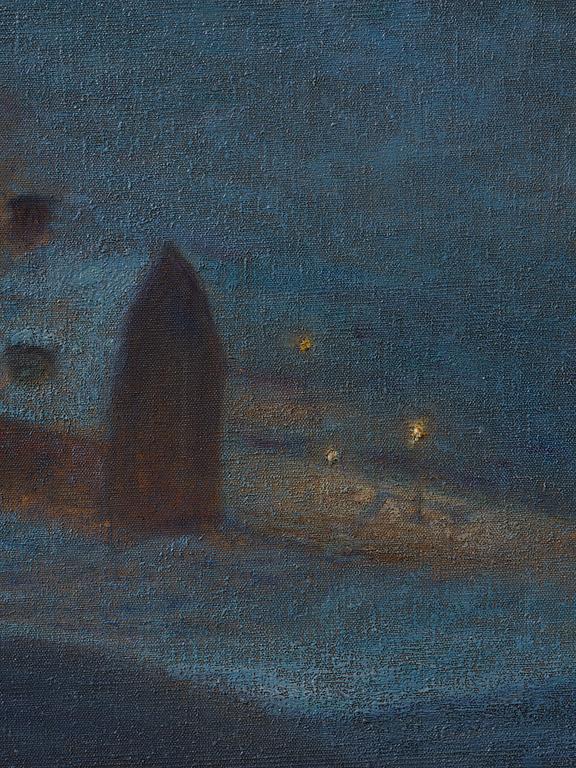
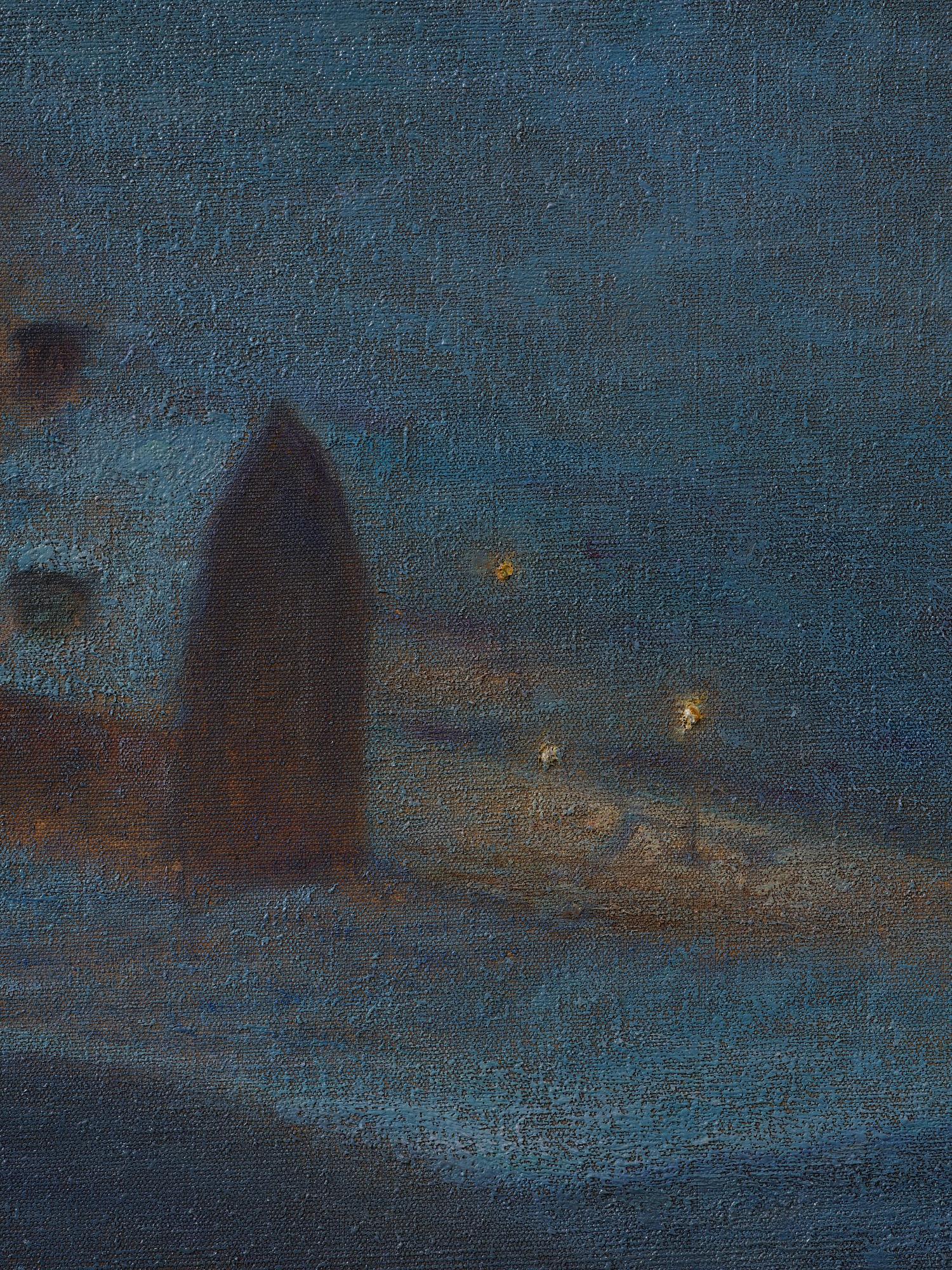
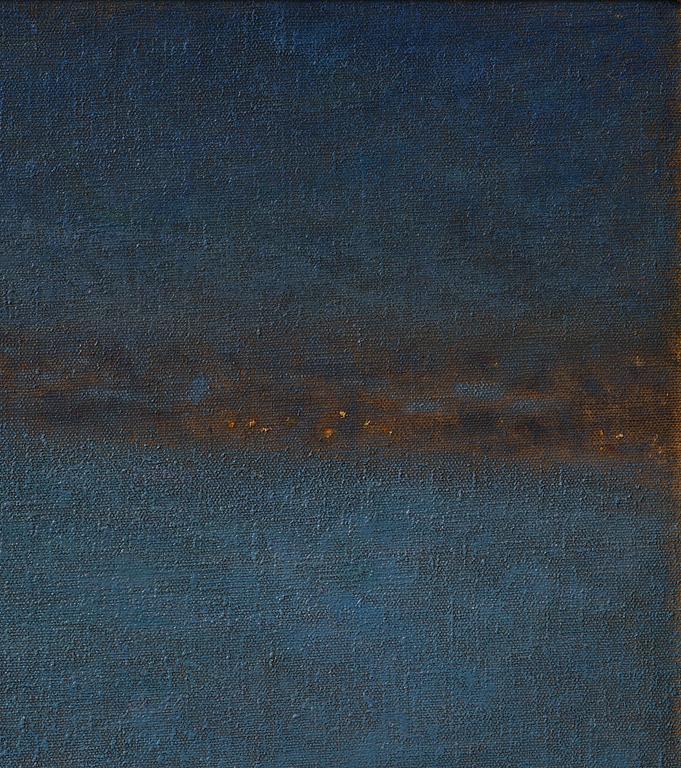
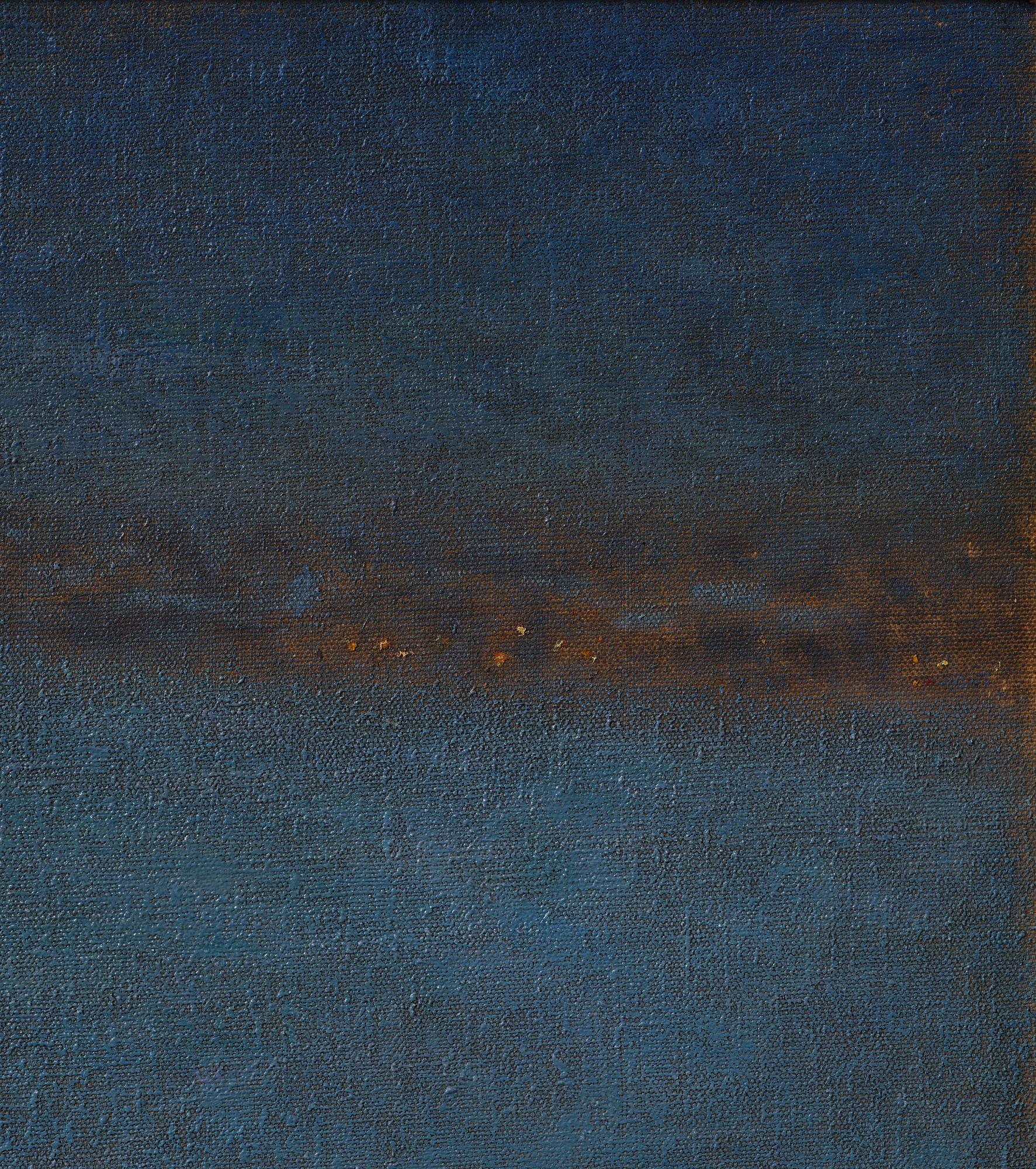
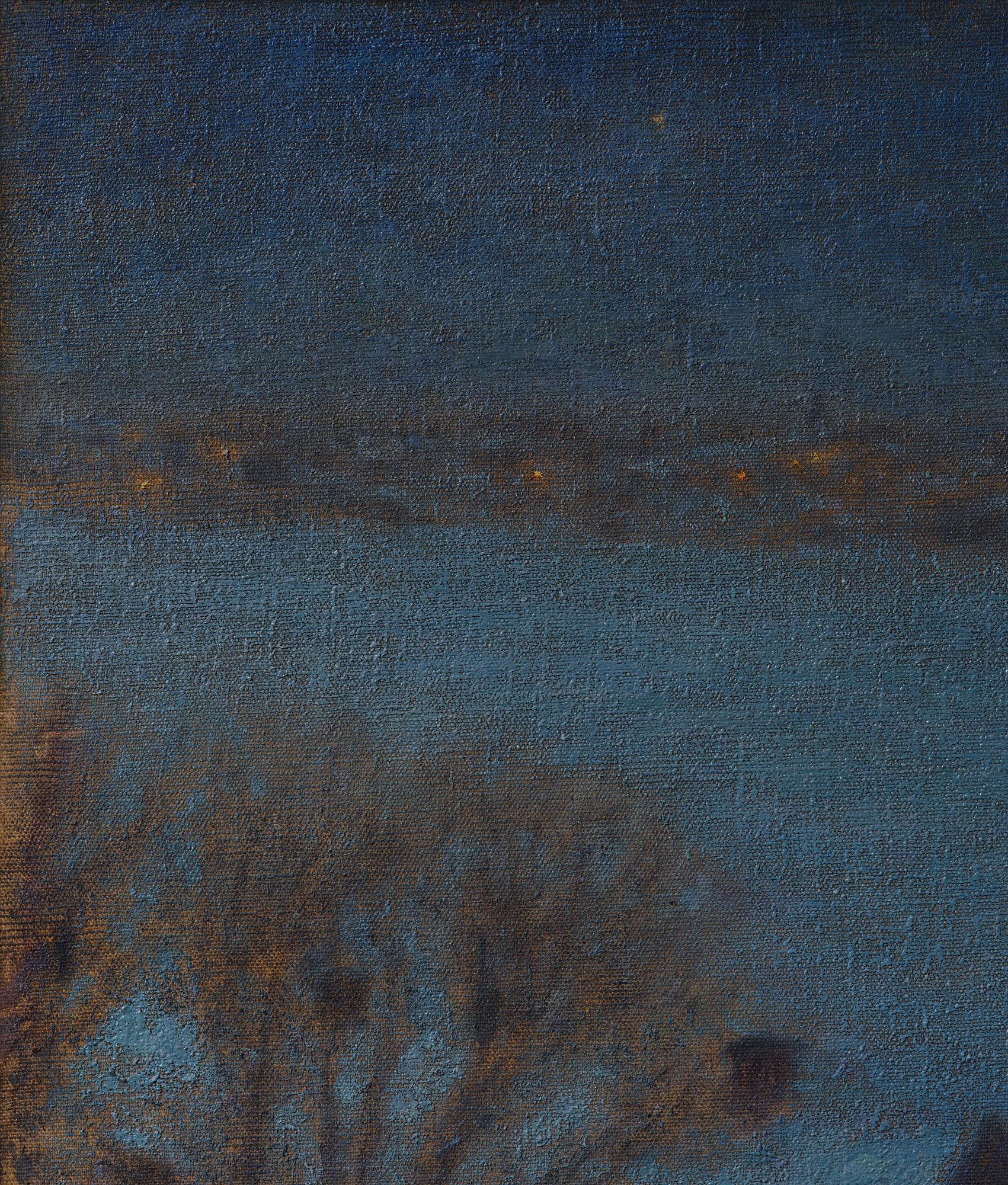
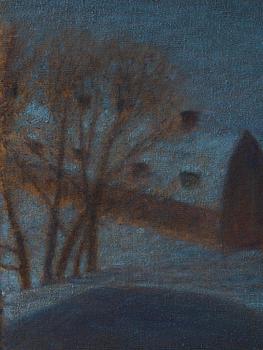
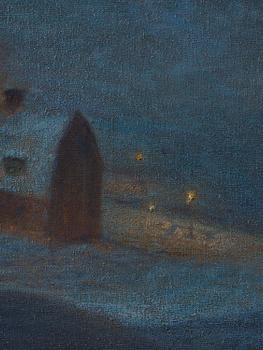
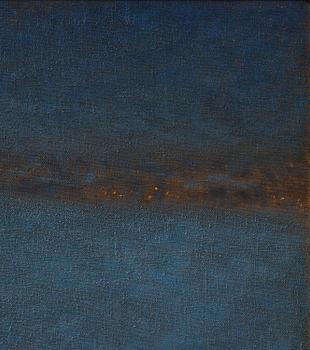
The auction painting ”Månskensnatt i februari”, also known as “Månsken”, executed in 1893, is considered one of Jansson’s early so-called blue paintings. It depicts an atmospheric winter evening in Stockholm, dominated by blue moonlight. The paint has been applied thinly, creating a sense of the cold, faint evening light. The ultramarine sky is reflected in the violet snow, while the illuminated lamps along the quay provide warm contrasts to the cool palette. The reddish-brown tones of the canvas simultaneously contribute to the painting’s depth and atmosphere.
Jansson’s artist friend Richard Bergh was given the opportunity to see his paintings before they were shown publicly and was particularly taken with ”Månskensnatt i februari”, which he later acquired for his private collection. This demonstrates that the painting was recognised at an early stage and held significance for Jansson’s artistic development. Other works from the same period were also admired, including by the art collector Pontus Fürstenberg and the Gothenburg Museum of Art.
”Månskensnatt i februari” is a significant example of the beginnings of the blue painting for which Eugène Jansson would later become known. His nocturnal depictions of Stockholm are characterised by stillness, solitude and a powerful emotional expression. The sparsely scattered points of light bring life to otherwise deserted settings and heighten the paintings’ mysterious character. The nocturnal motifs may also be understood in relation to Jansson’s personal life. Under the cover of darkness, the city could live its second life. So could Eugène Jansson. In the concealed hours of dusk, the flame of the flickering heart was kindled. It was a light in the darkness, allowed to burn freely at a time when forbidden longing was constrained by what was considered permissible. The darkness of night and the city’s seclusion may have functioned as symbols of freedom and the possibility of expressing concealed emotions. Later in his career, he also depicted naked, physically fit men in daylight. Through his personal visual language and distinctive use of blue tones, Jansson created an oeuvre that continues to fascinate and occupies an undisputed place in Swedish art history.
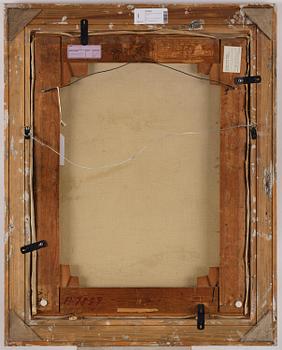
Lisätietoja ja kuntoraportit

Mitä kuljetus maksaa?
Toimituksen voi tilata vain ottamalla yhteyttä osoitteeseen specialdelivery@bukowskis.com.
Tietoa ostamisesta
Muiden katsomia kohteita