Lilla Bukowskis – A Playful Mix of All Eras

Lilla Bukowskis Returns to the Auction Scene. With roots in the much-loved live auctions of the 1990s, Lilla Bukowskis now presents a curated selection where quality, expression, and character take centre stage.
Weekdays 11 AM – 5 PM
Weekends 11 AM – 4 PM
Starting at 1 PM
Bidding takes place online between March 13–23, with a concluding live auction on March 23 at Arsenalsgatan 2 in Stockholm.
It was during the 1990s that Lilla Bukowskis established itself as an auction with its own identity – playful, eclectic, and meticulously composed. Now, this vibrant auction concept returns in a contemporary form, where art, design, and antiques meet across eras. It serves as an inspiring complement to Bukowskis’ other Fine Art auctions.
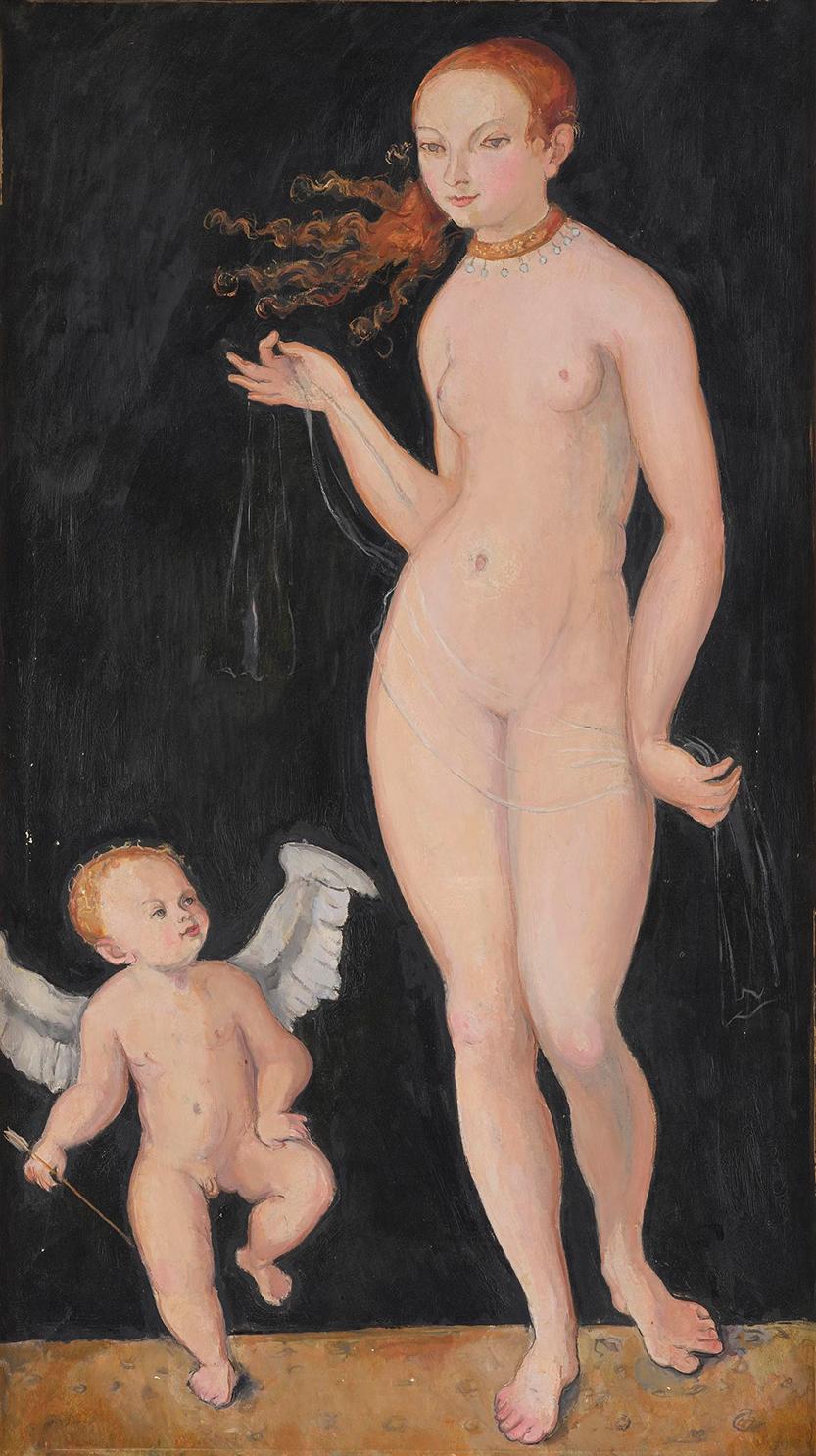
Nils von Dardel, born in Bettna in Södermanland, was a Swedish artist who spent much of his career abroad. He studied at the Royal Academy of Fine Arts in Stockholm, in Paris, and on travels to Asia and the Middle East. Dardel is chiefly known for his landscapes and figure paintings, often imaginative and reminiscent of Hieronymus Bosch, with touches of inspiration from Henri Matisse.
His best-known work is The Dying Dandy at the Moderna Museet, distinguished by its vibrant colours and flowing forms. Dardel’s art was in constant evolution: from cubist experiments through pointillism to a linear, Japan-inspired style during his stay in Japan in 1917–1918. He was fascinated by Oriental motifs, fables, and animals, particularly monkeys and rabbits.
His painting is imaginative and playful, a blend of dream and reality, often placing the decadent dandy at the centre. In his later works, the bizarre gives way to elegant female portraits and realistic depictions from North Africa, Sicily, and Mexico.

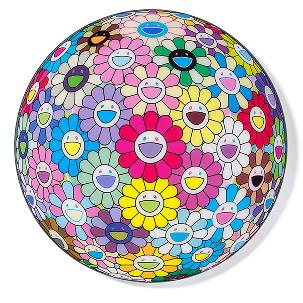
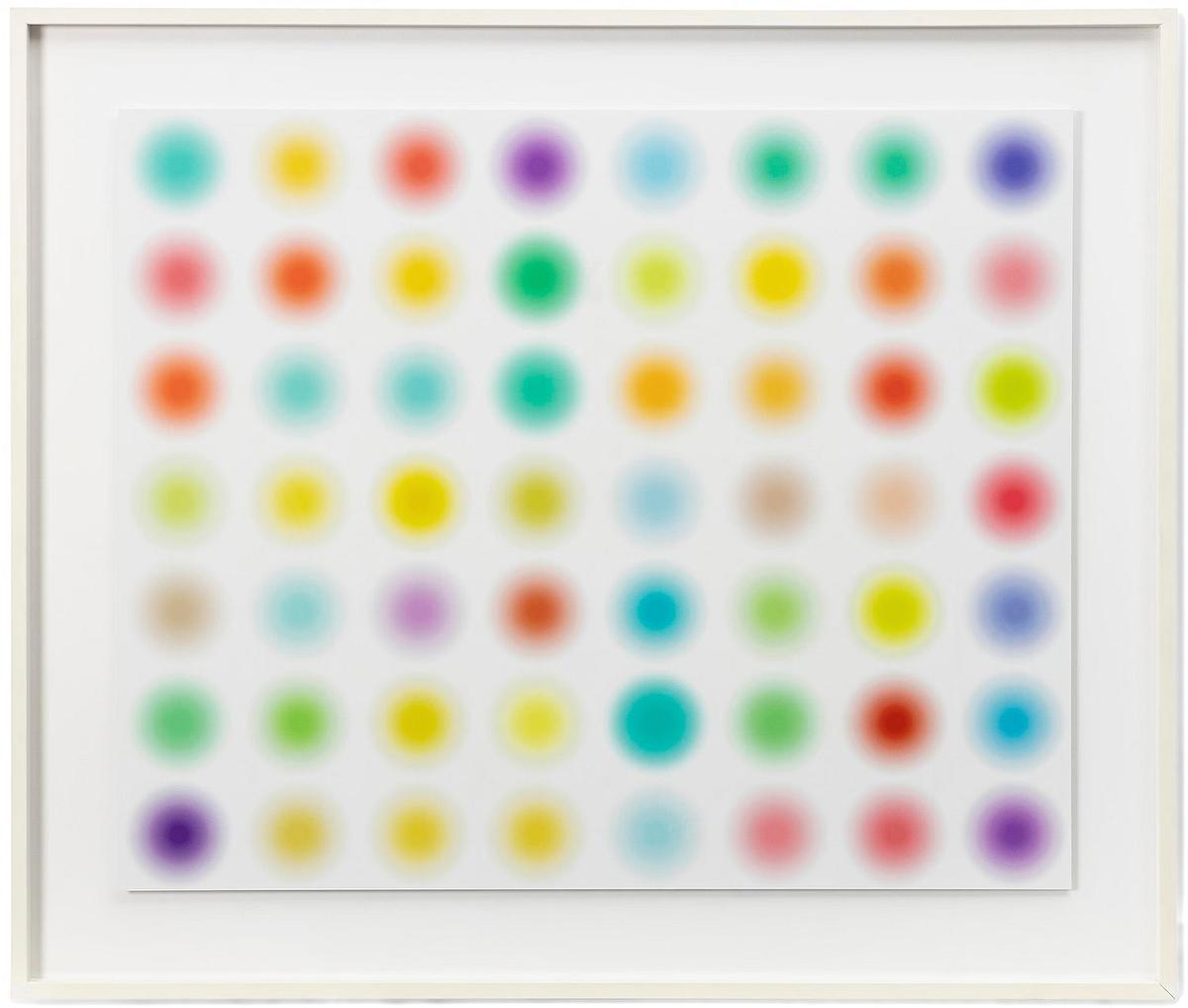
"Ecce Humor (2016)"
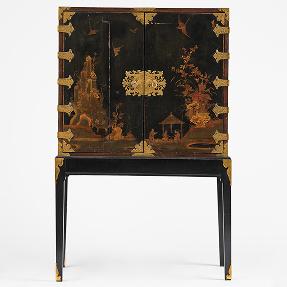
Presumably German, mid 18th century.
When David Tägström painted this portrait in Florence, the First World War was just around the corner. Earlier that same year, Tägström had received a scholarship and went on a journey to Switzerland, France, and Italy, but at the outbreak of the war, he had to cut his trip short and return to Stockholm. There, he rented a studio together with his artist friends Axel Fridell and Bertil Bull Hedlund.
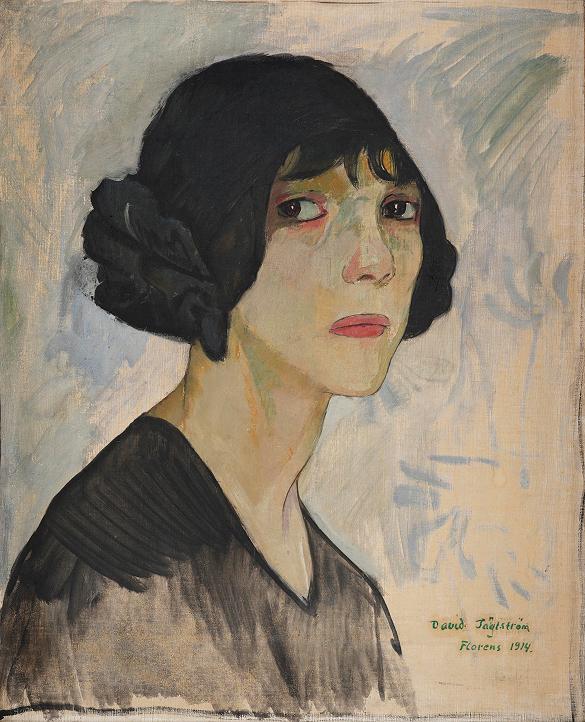
"Il Greco"
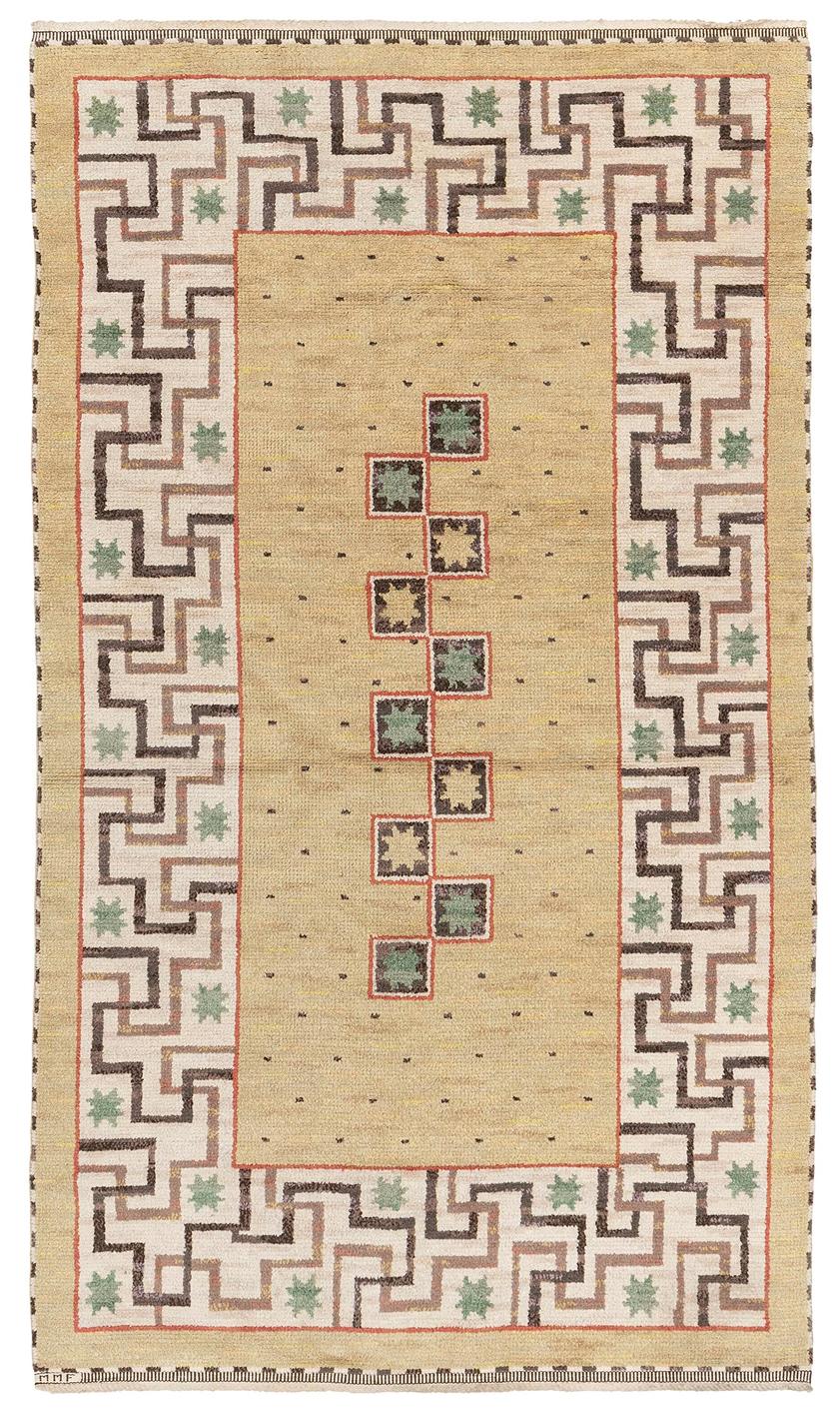
Märta Måås-Fjetterström, born in Kimstad, Östergötland, was a distinguished Swedish textile artist. She trained at the Higher School of Art and Design in Stockholm and subsequently worked both at Kulturen in Lund and in her own workshop. Her major breakthrough came in 1934, when she exhibited at Liljevalchs Art Hall alongside, among others, Elsa Gullberg, Carl Malmsten, and Svenskt Tenn. Måås-Fjetterström is primarily renowned for her rugs woven in the rölakan technique and for her wall hangings, often characterised by harmonious colours and stylised plant motifs.
Enquiries and Condition Reports