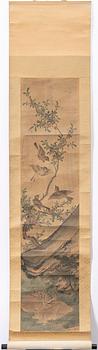
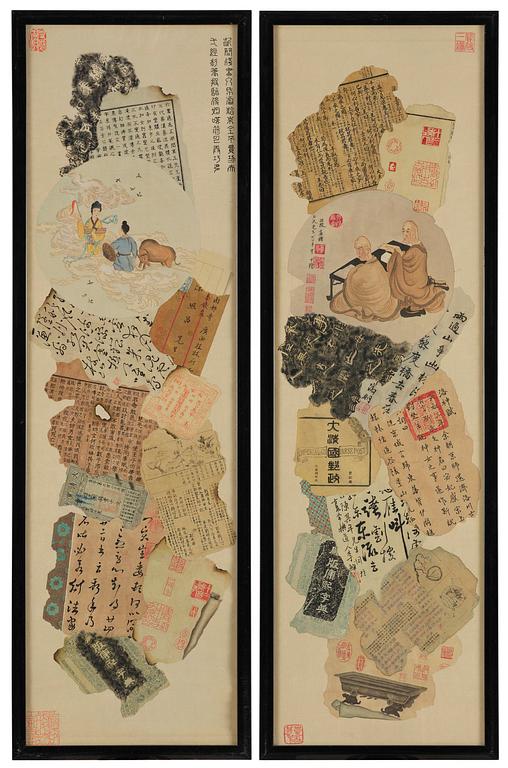
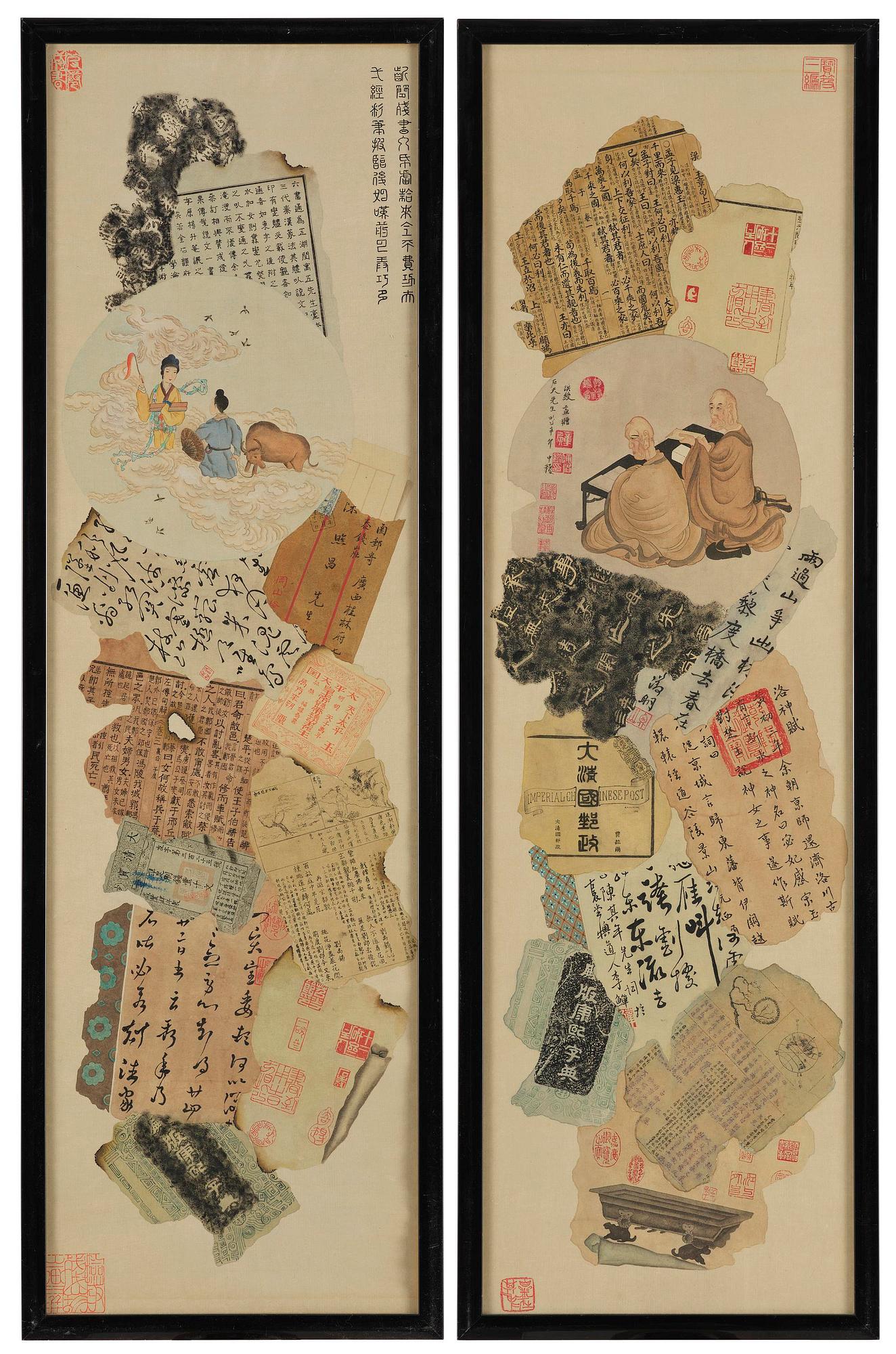
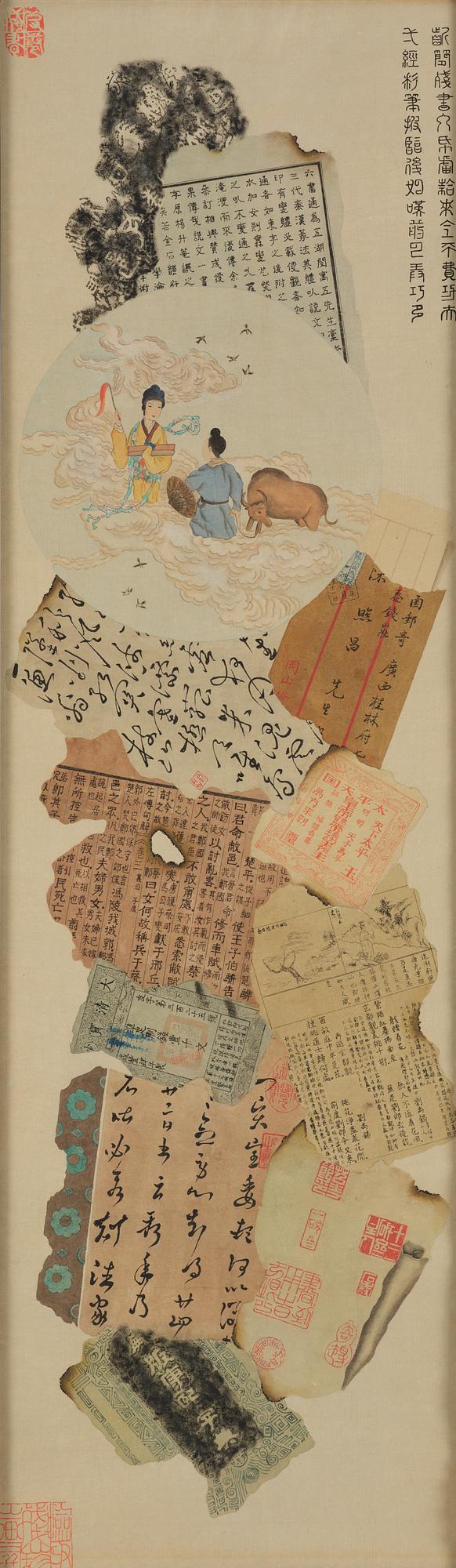
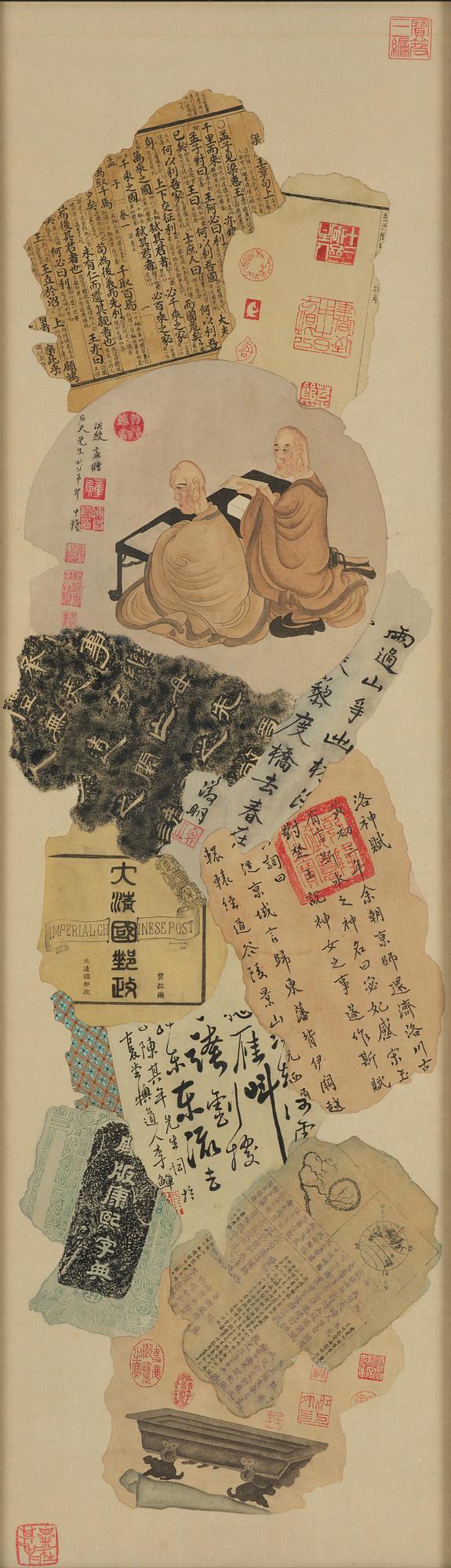
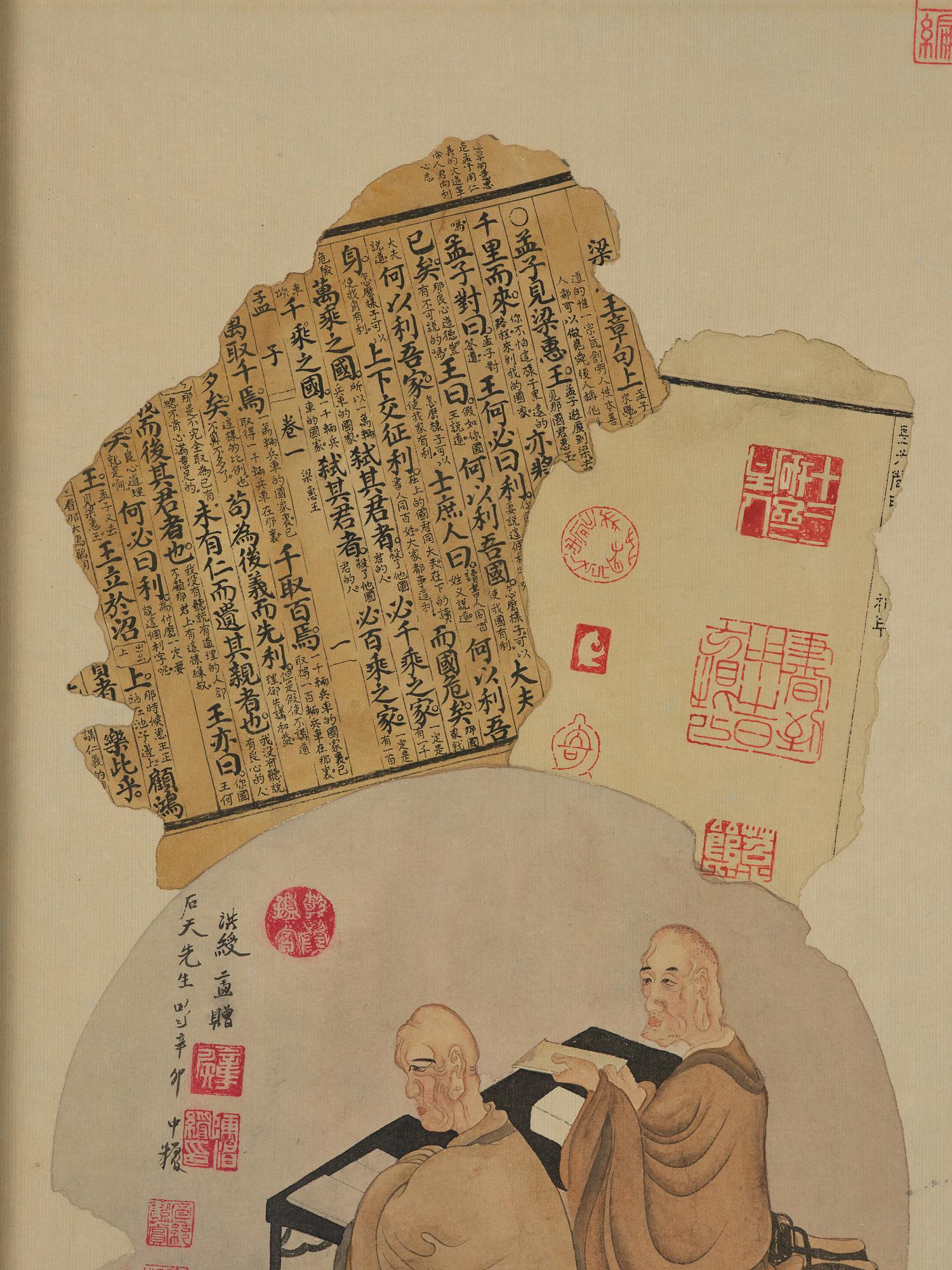
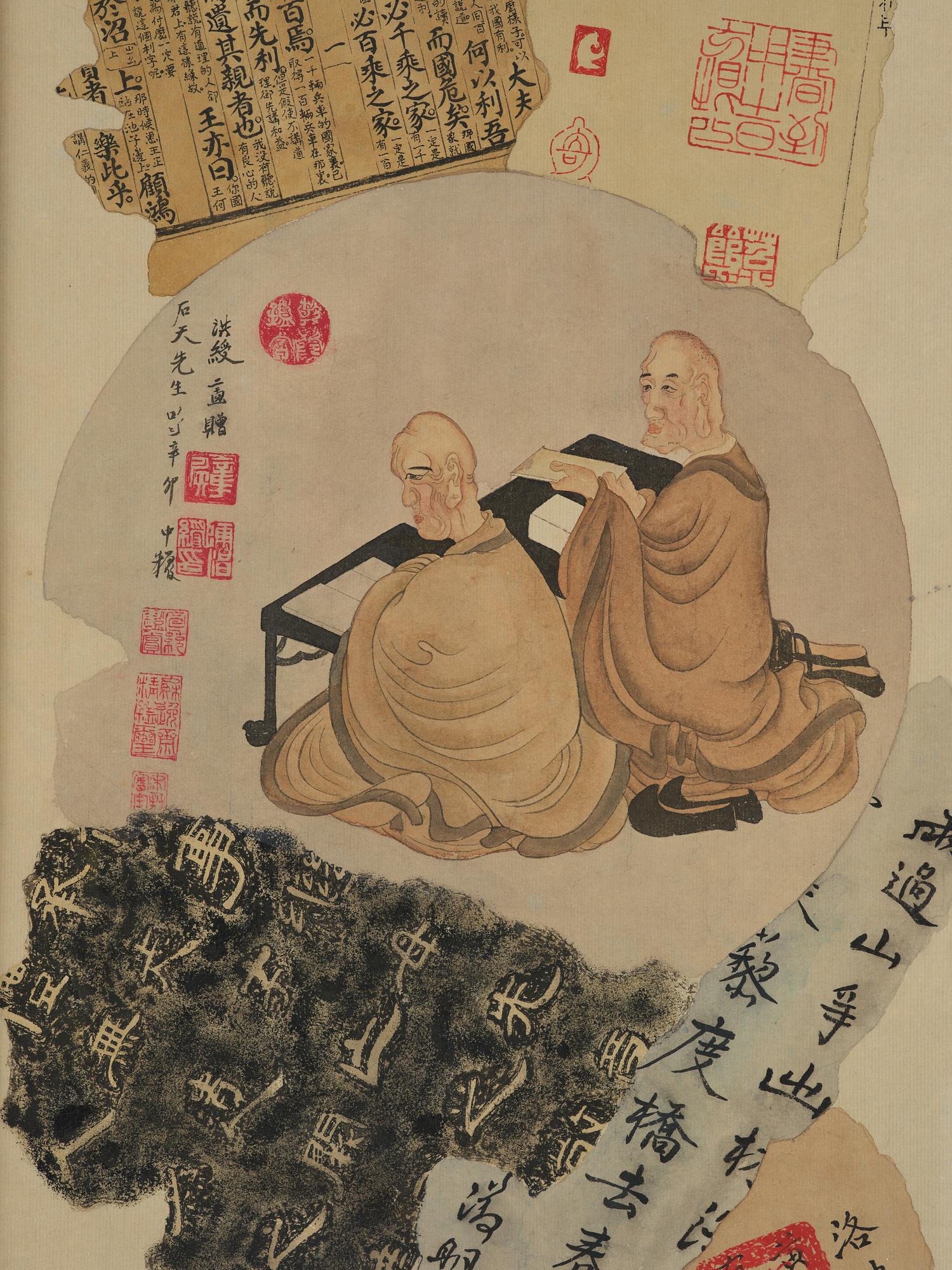
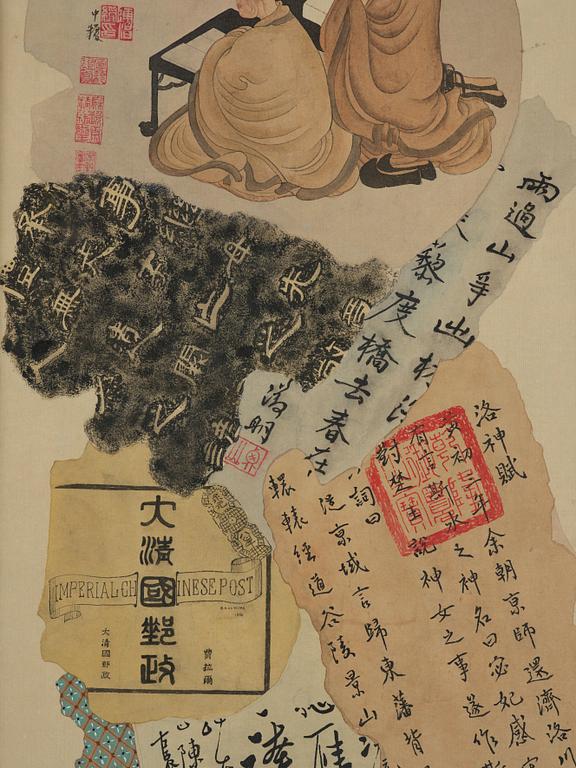
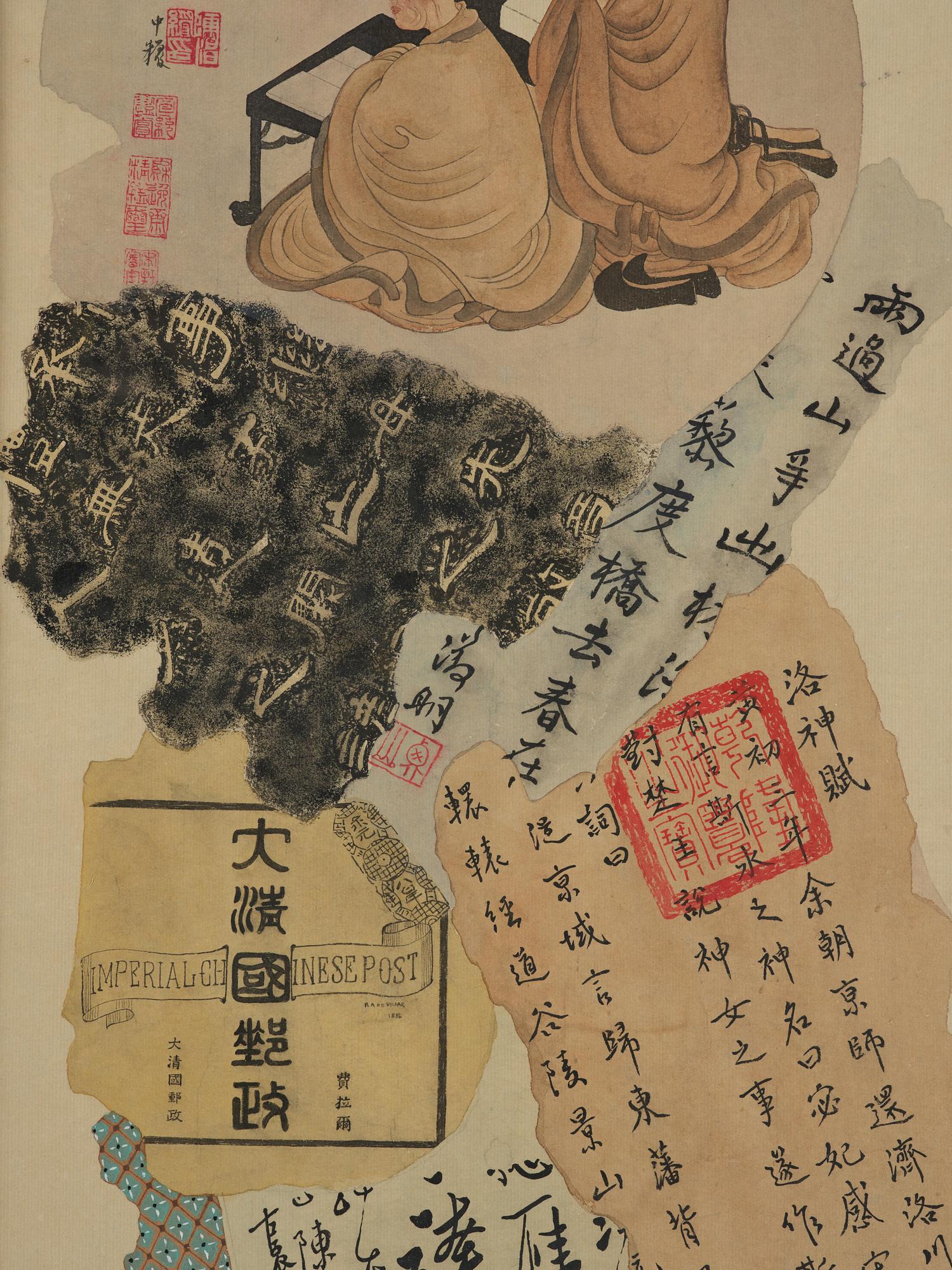
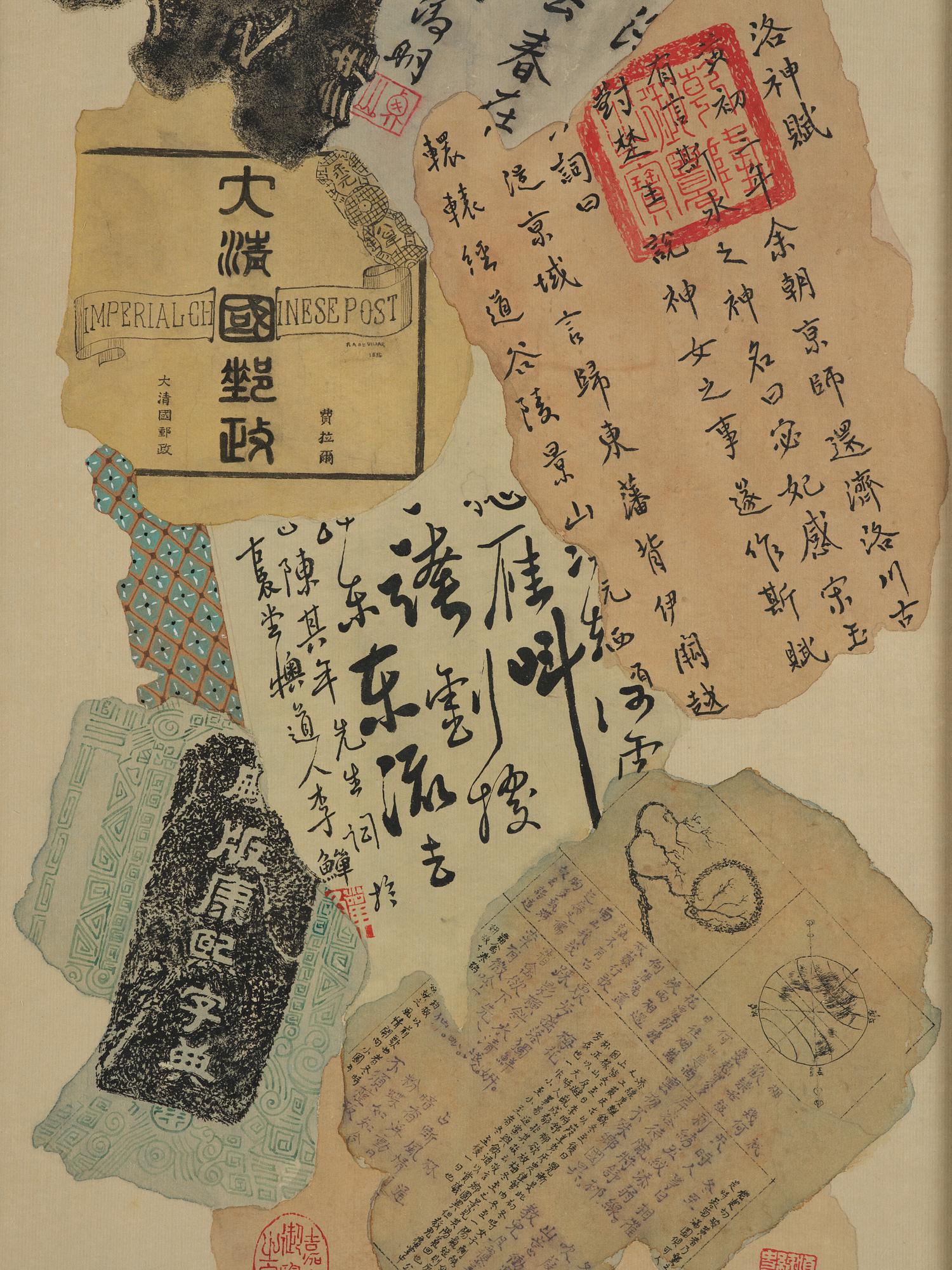
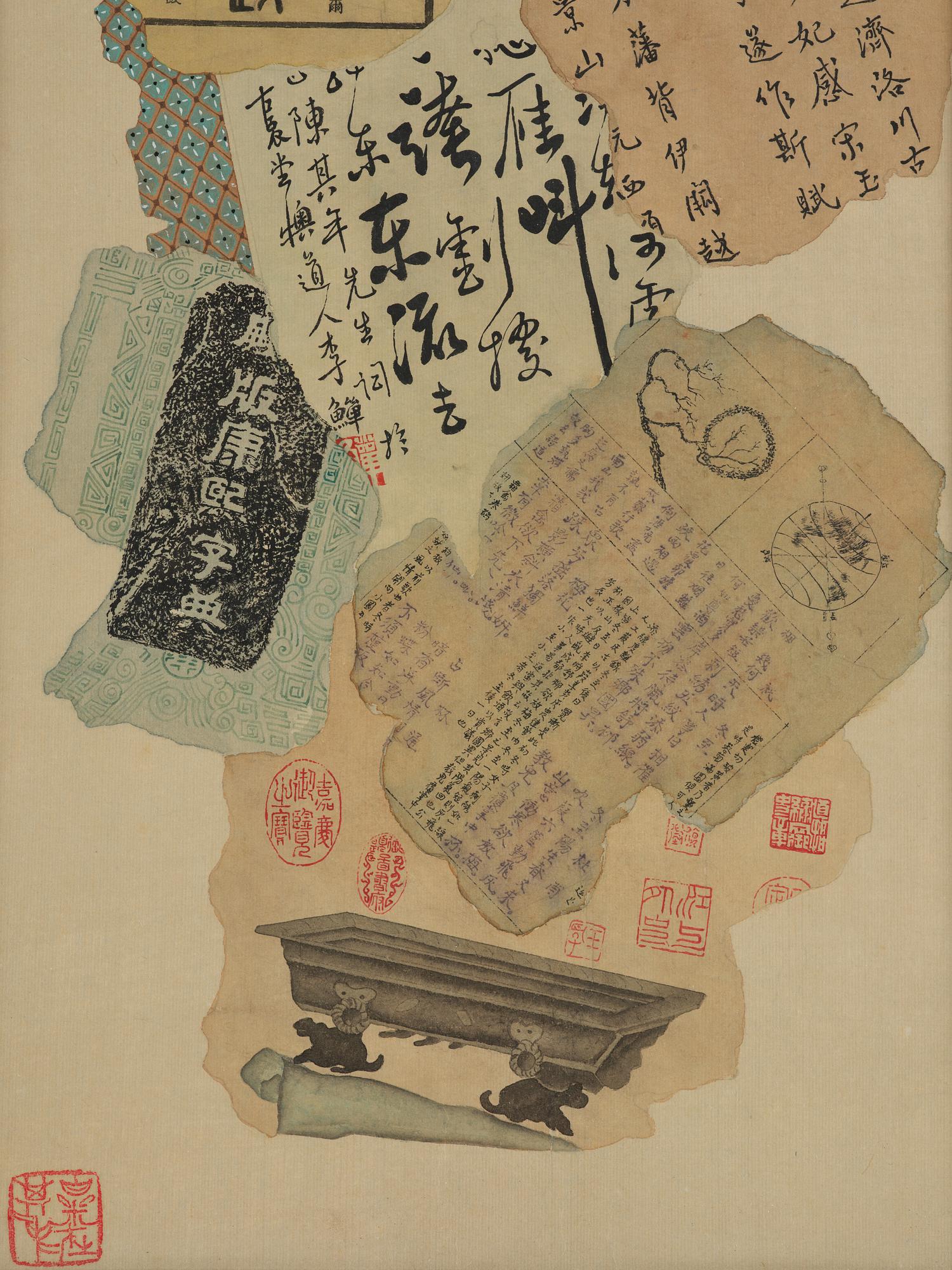
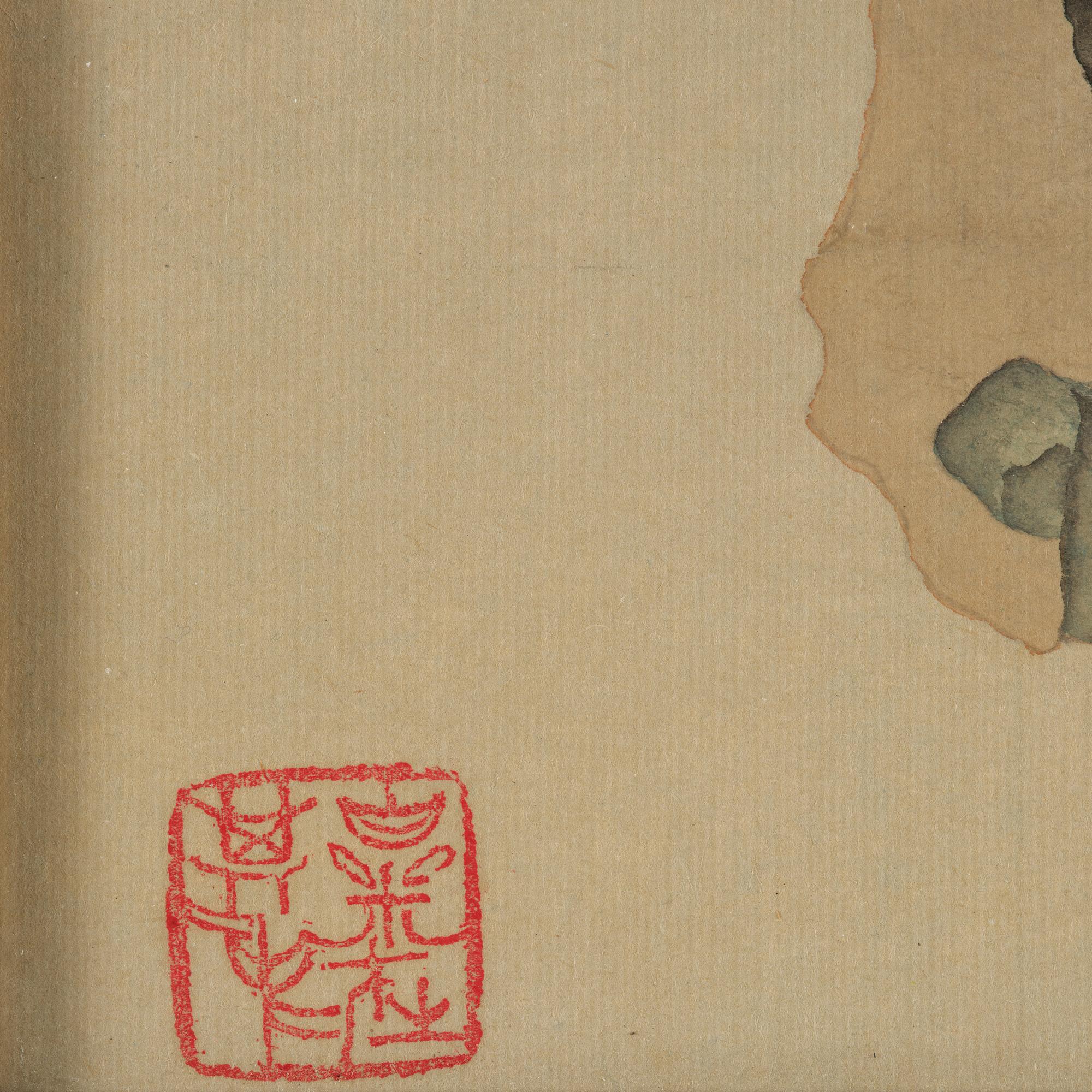
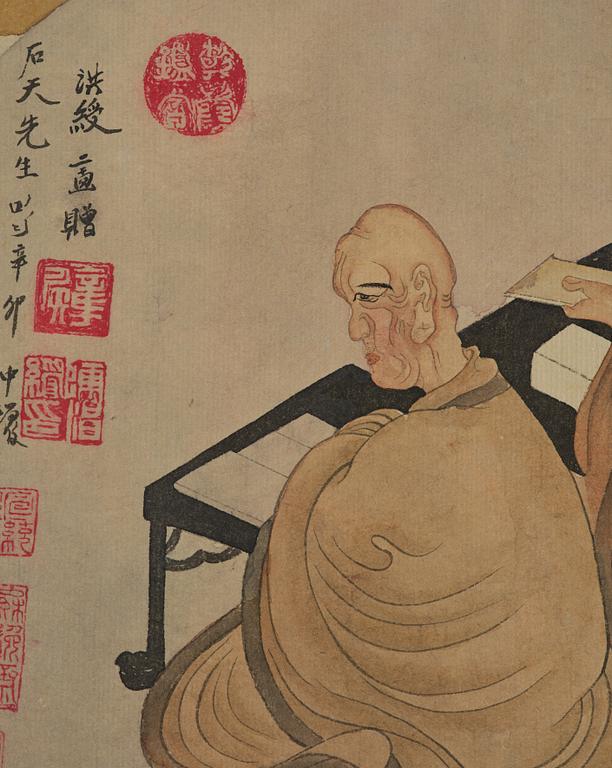
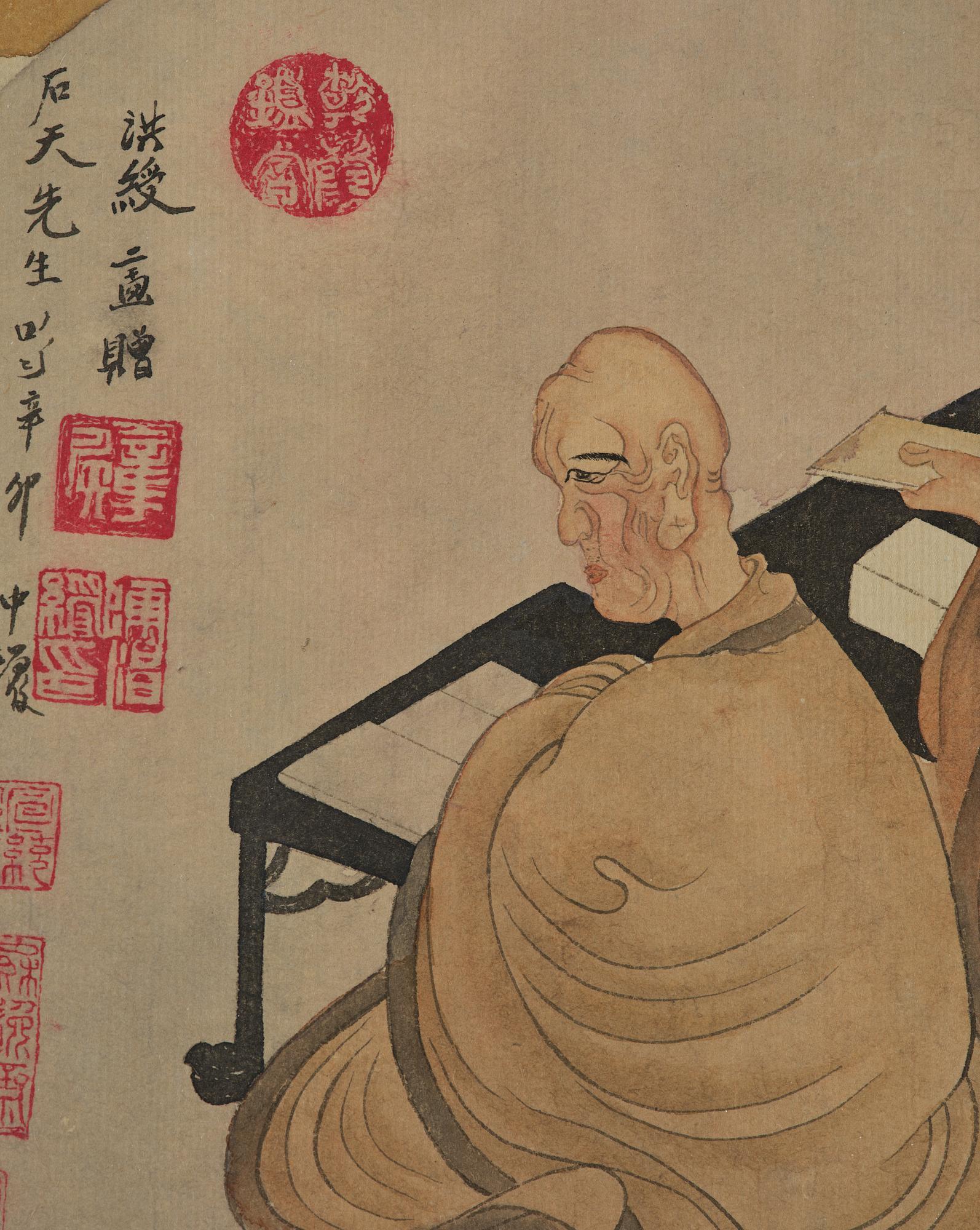
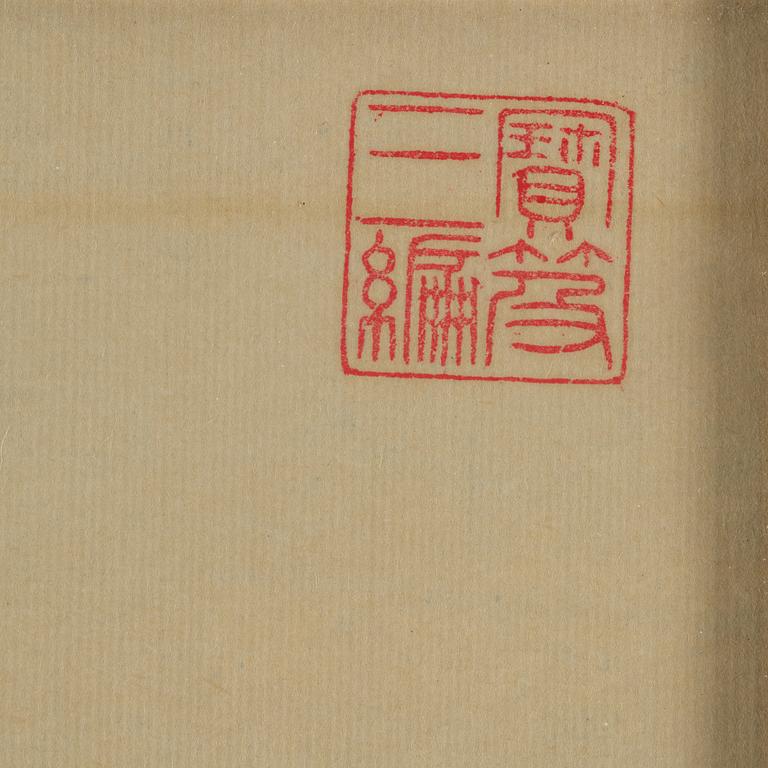
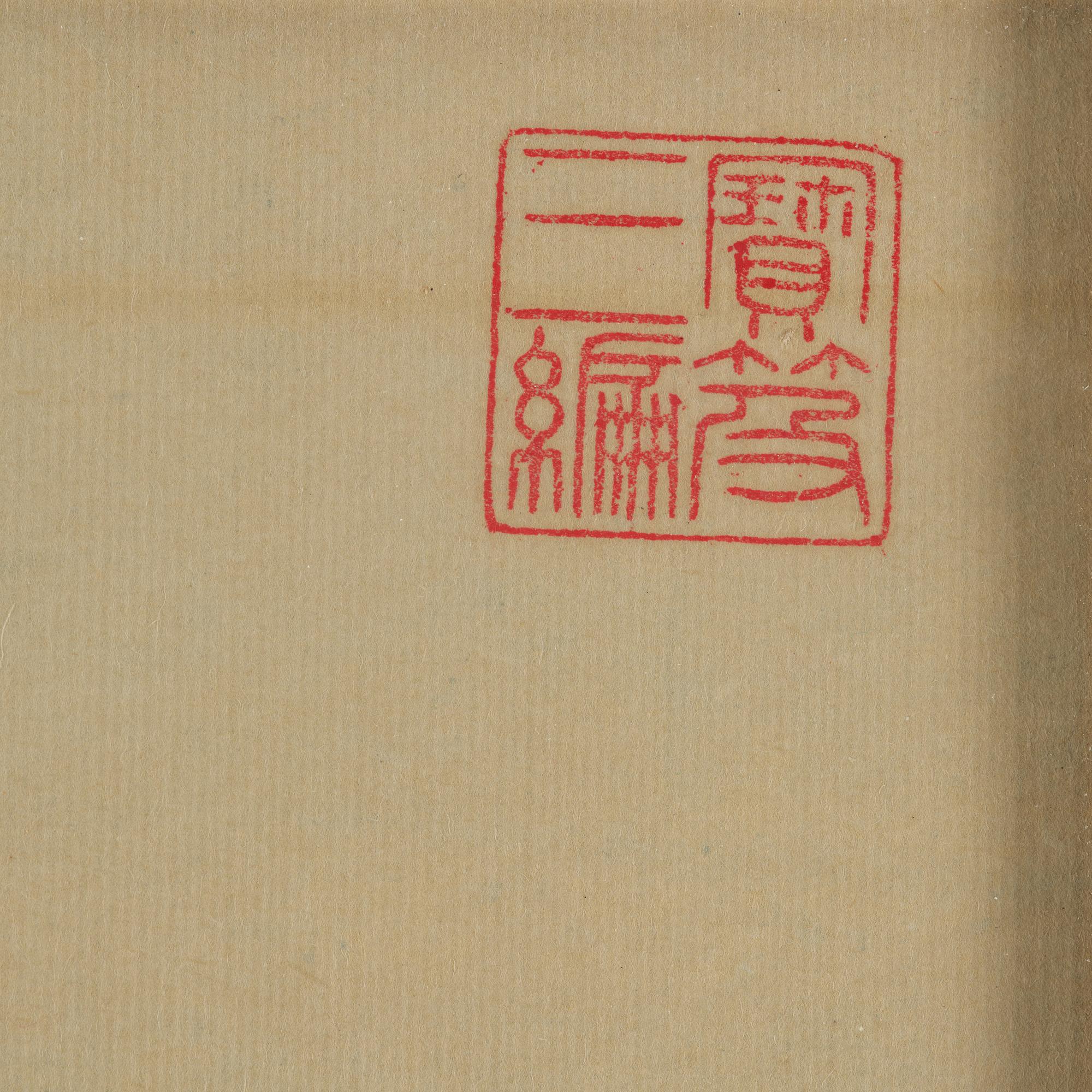
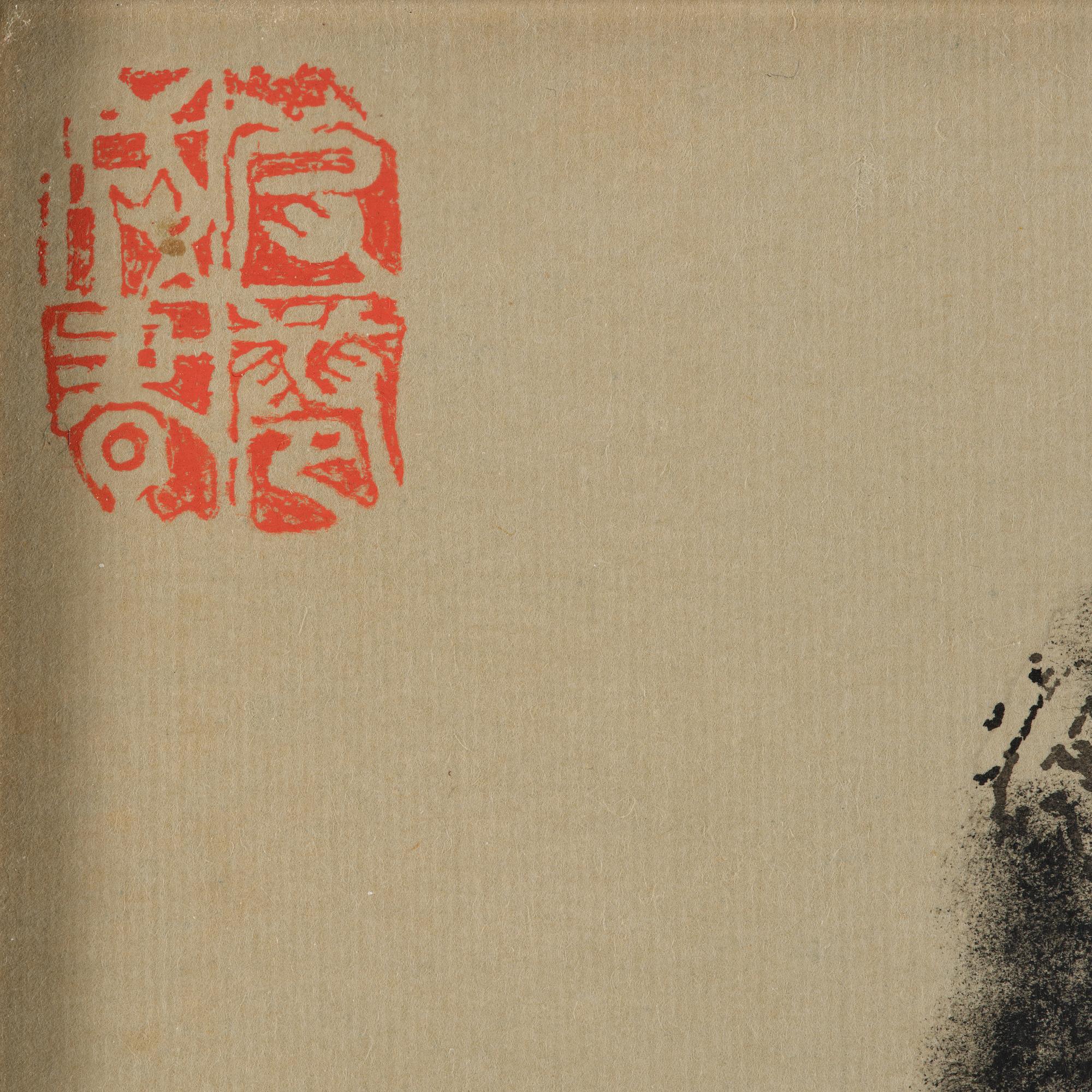
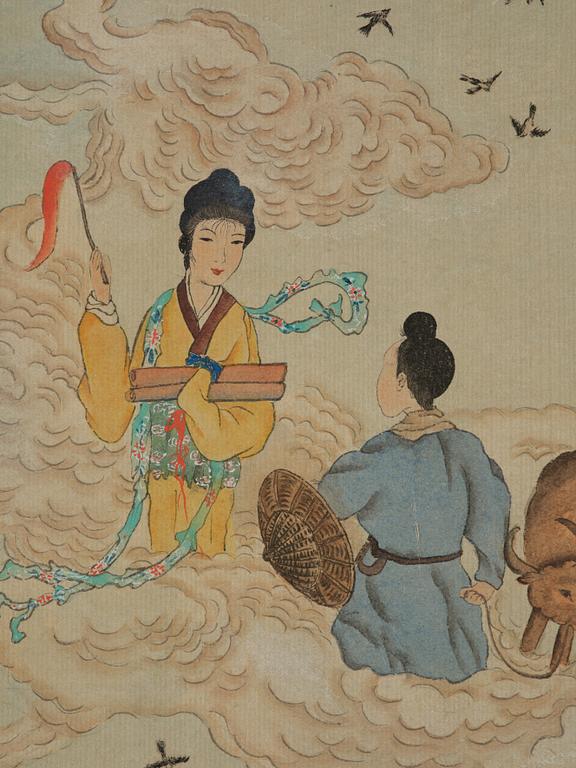
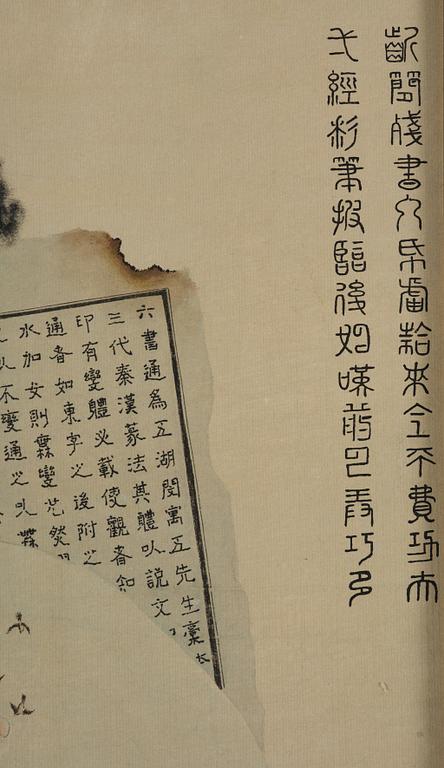
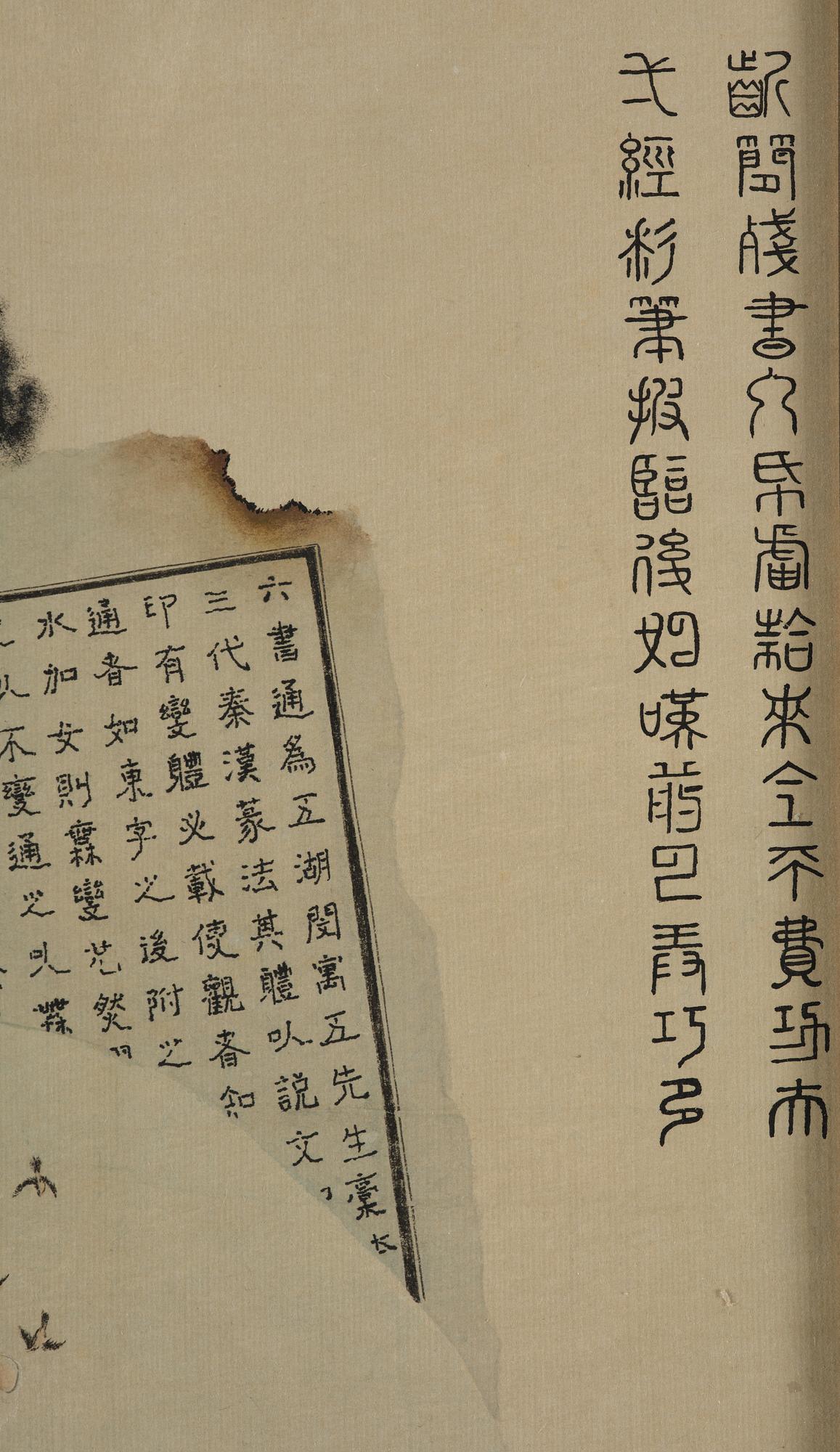
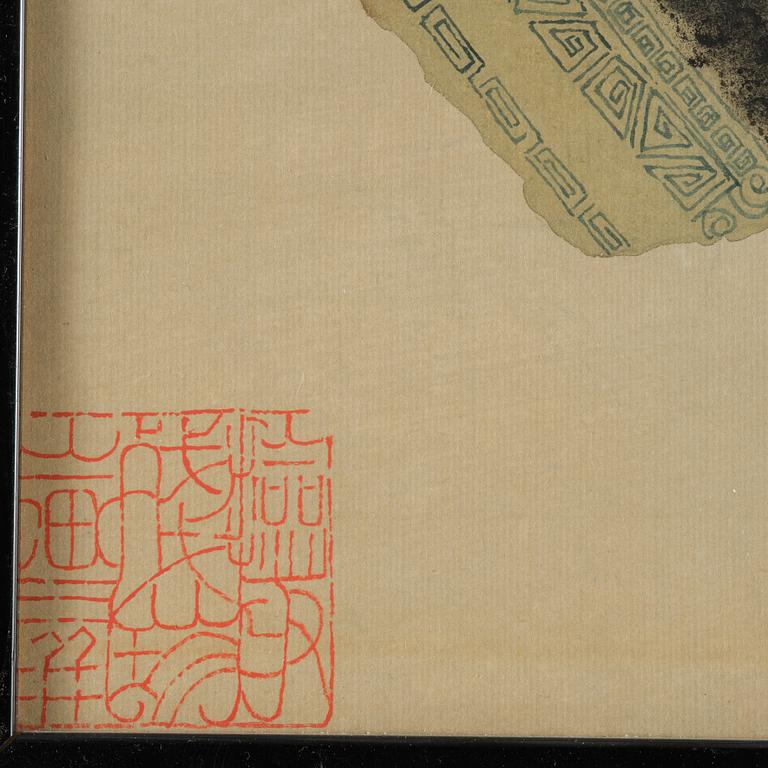
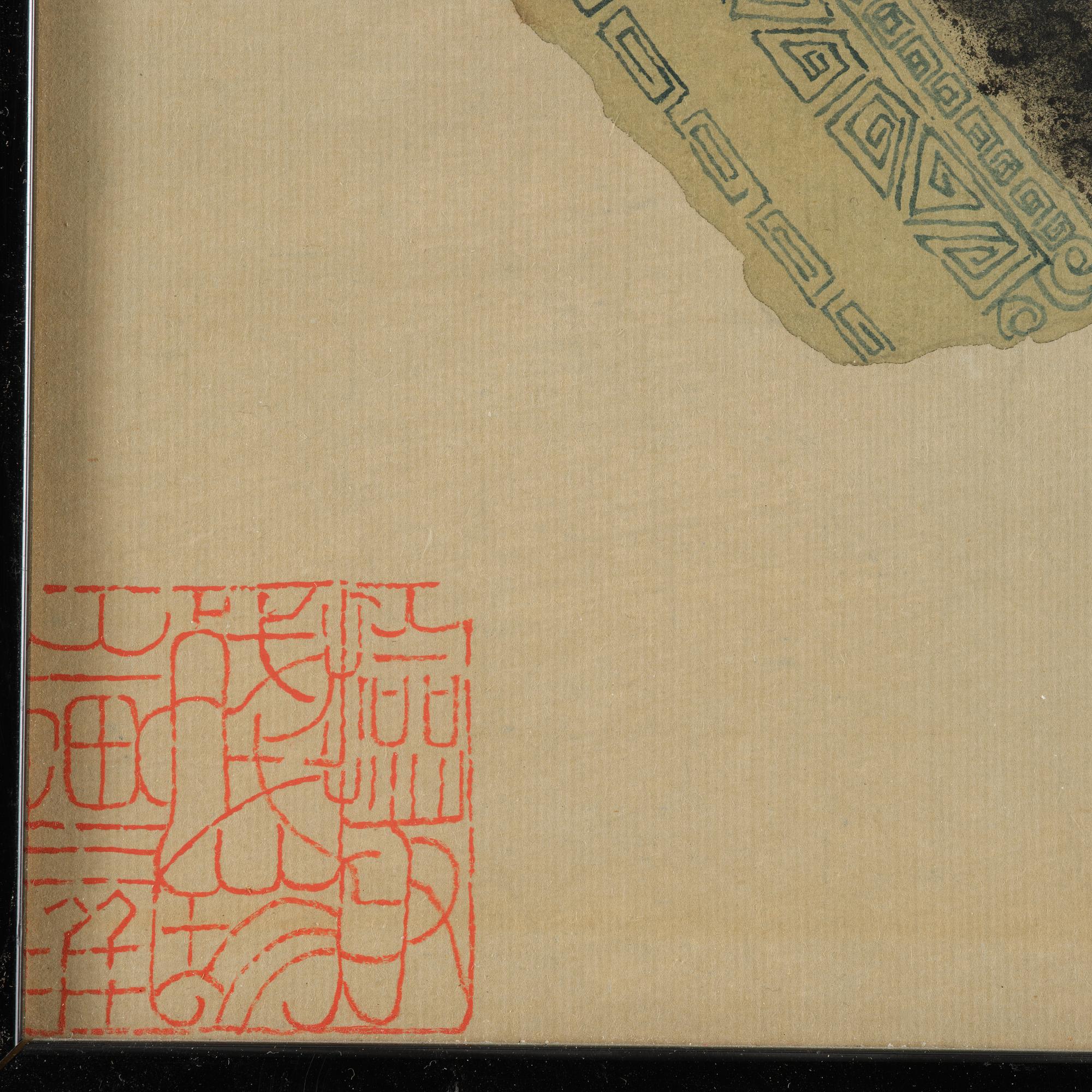
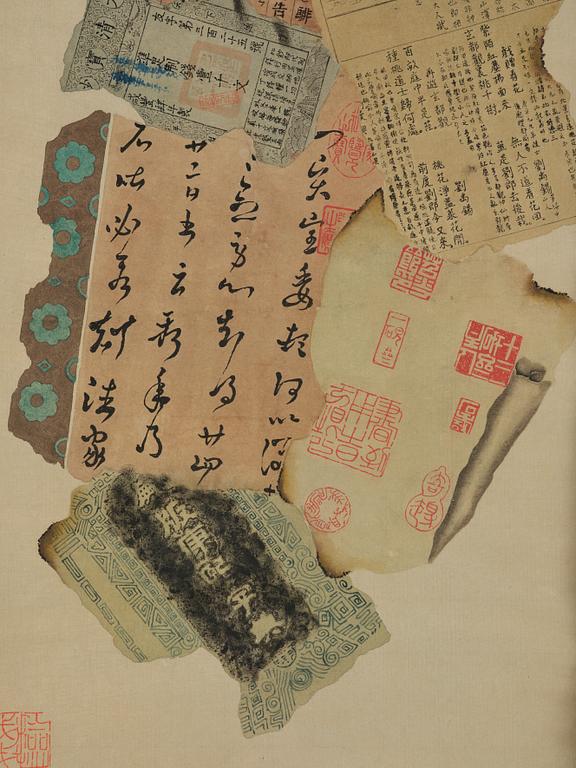
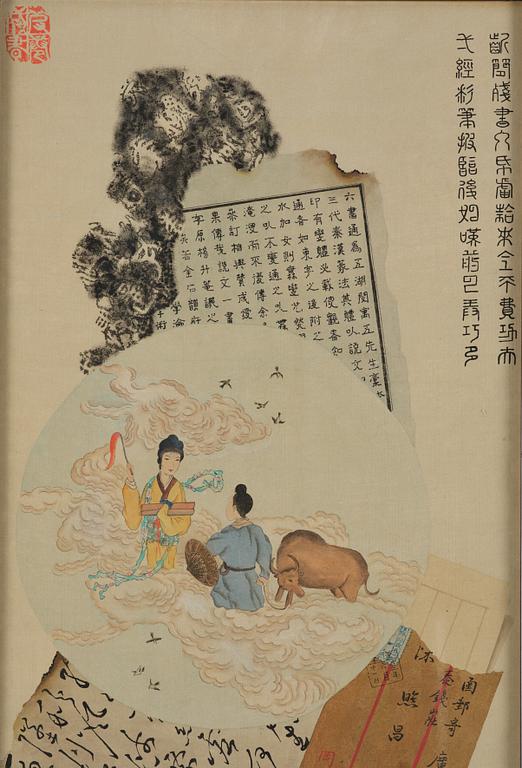
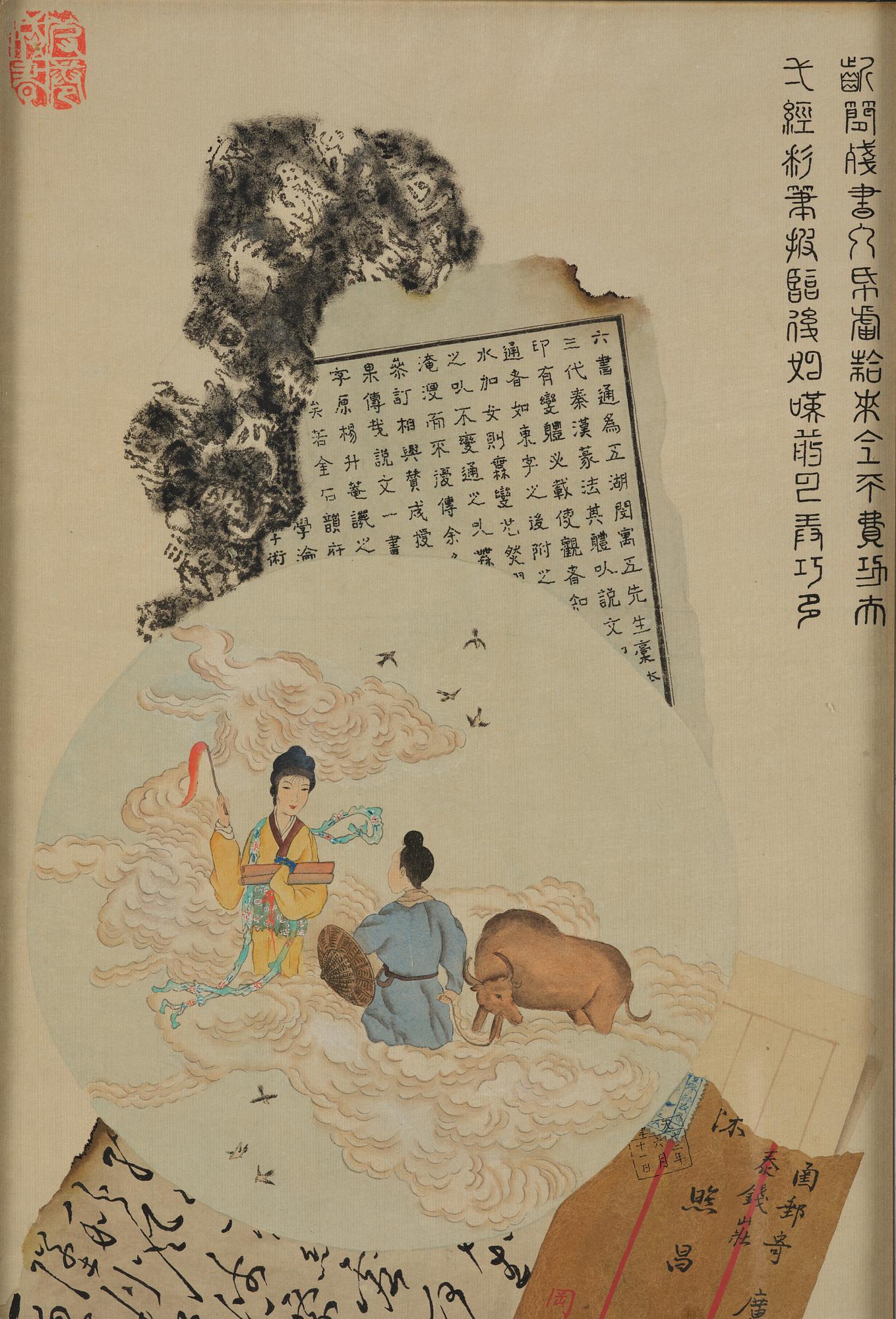
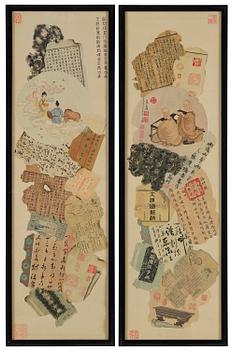
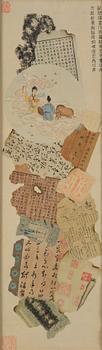
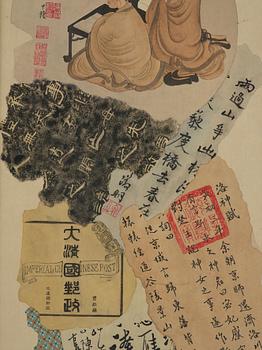
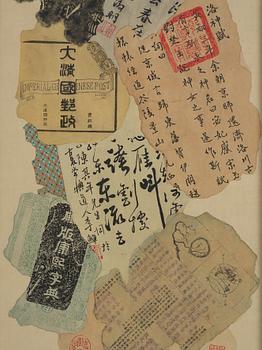
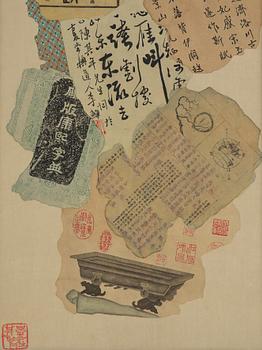
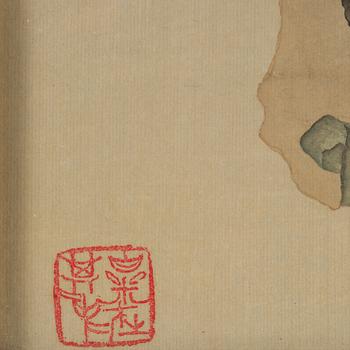
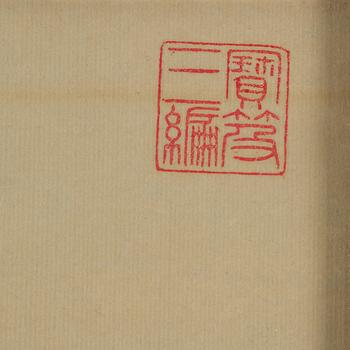
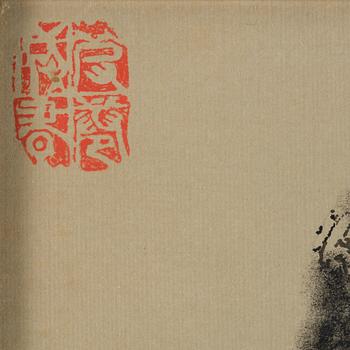
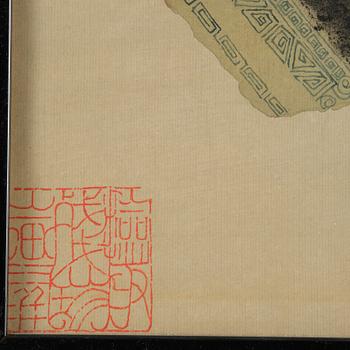
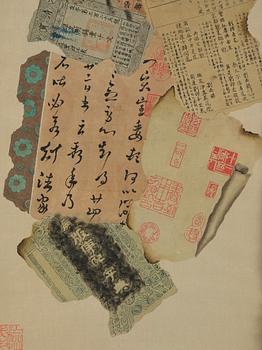
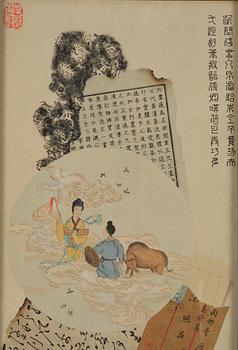
Akvarell och tusch på papper. Med signatur och kalligrafi. Mått 31x105,5 cm. Measure with frame 35x107,5 cm.
Litteratur
Read, Nancy Berliner, "The 'Eight Brokens', Chinese Trompe-l'oeil Painting", Orientations February 1992, pp. 61-66.
Chinas hidden century 1796-1912. Edited by Jessica Harrison-Hall, and Julia Lovell. See chapter 3, Elite Art.
Övrig information
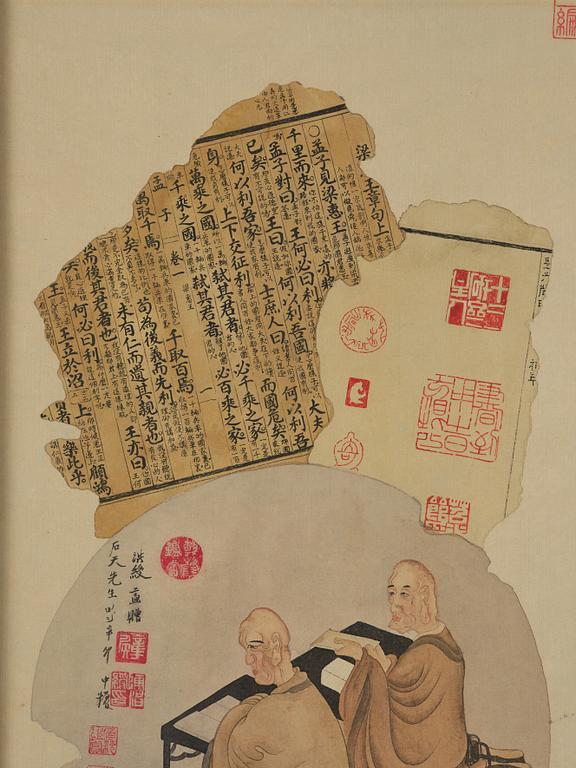
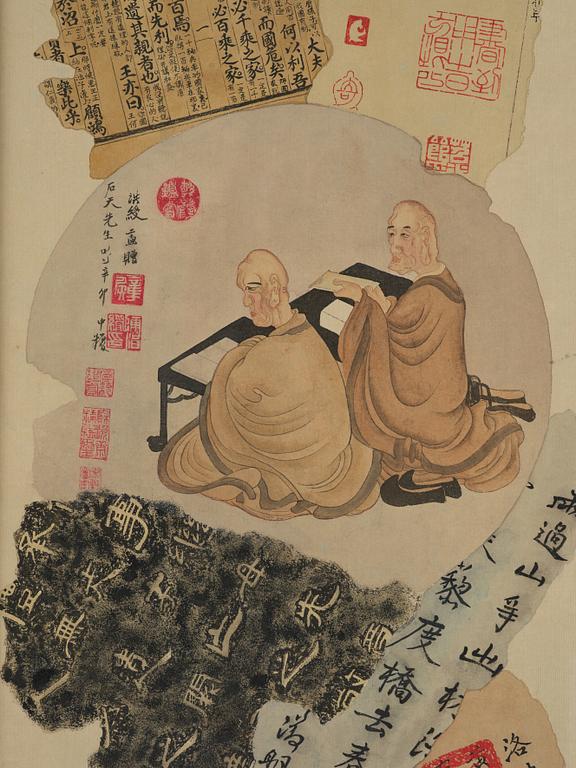
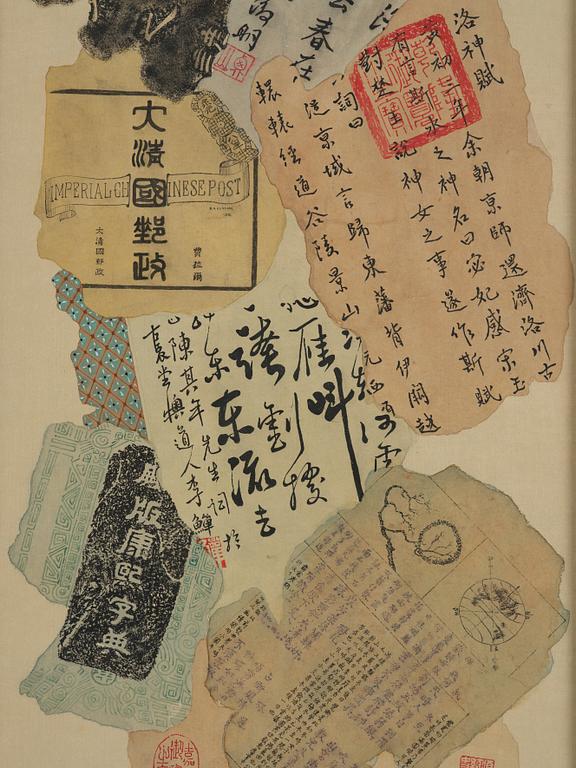
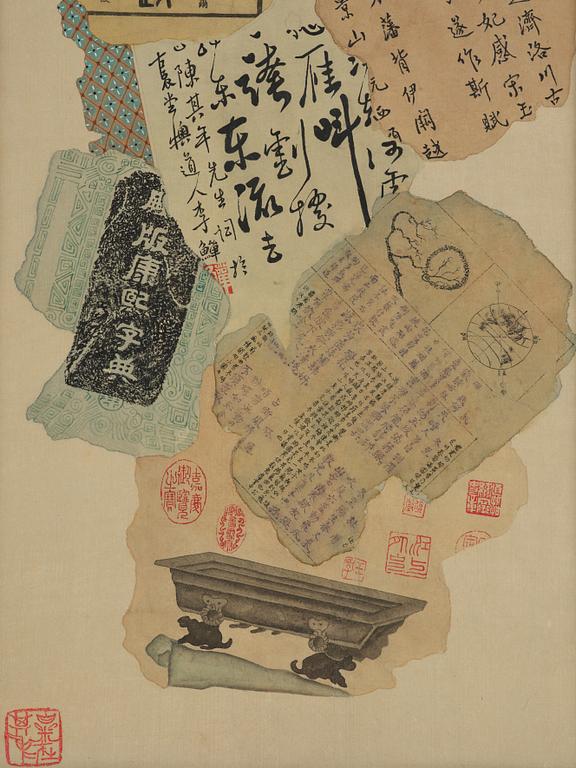
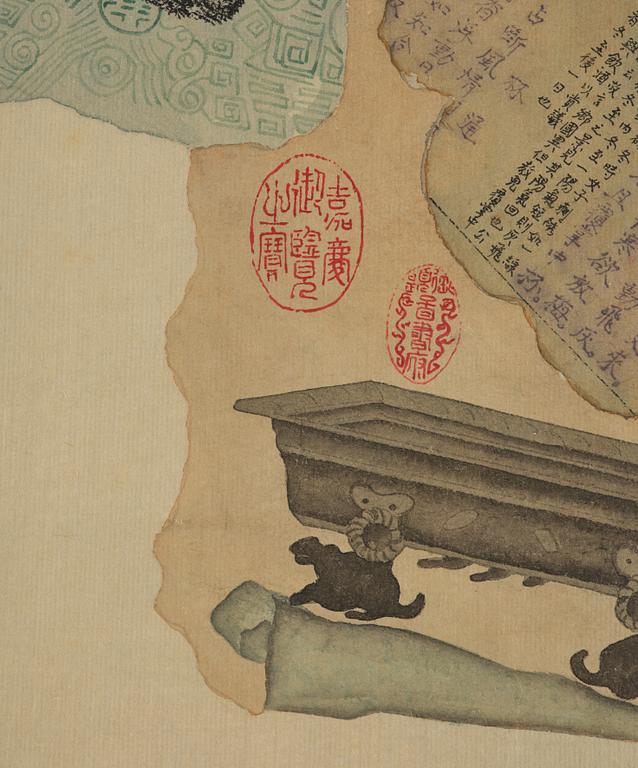
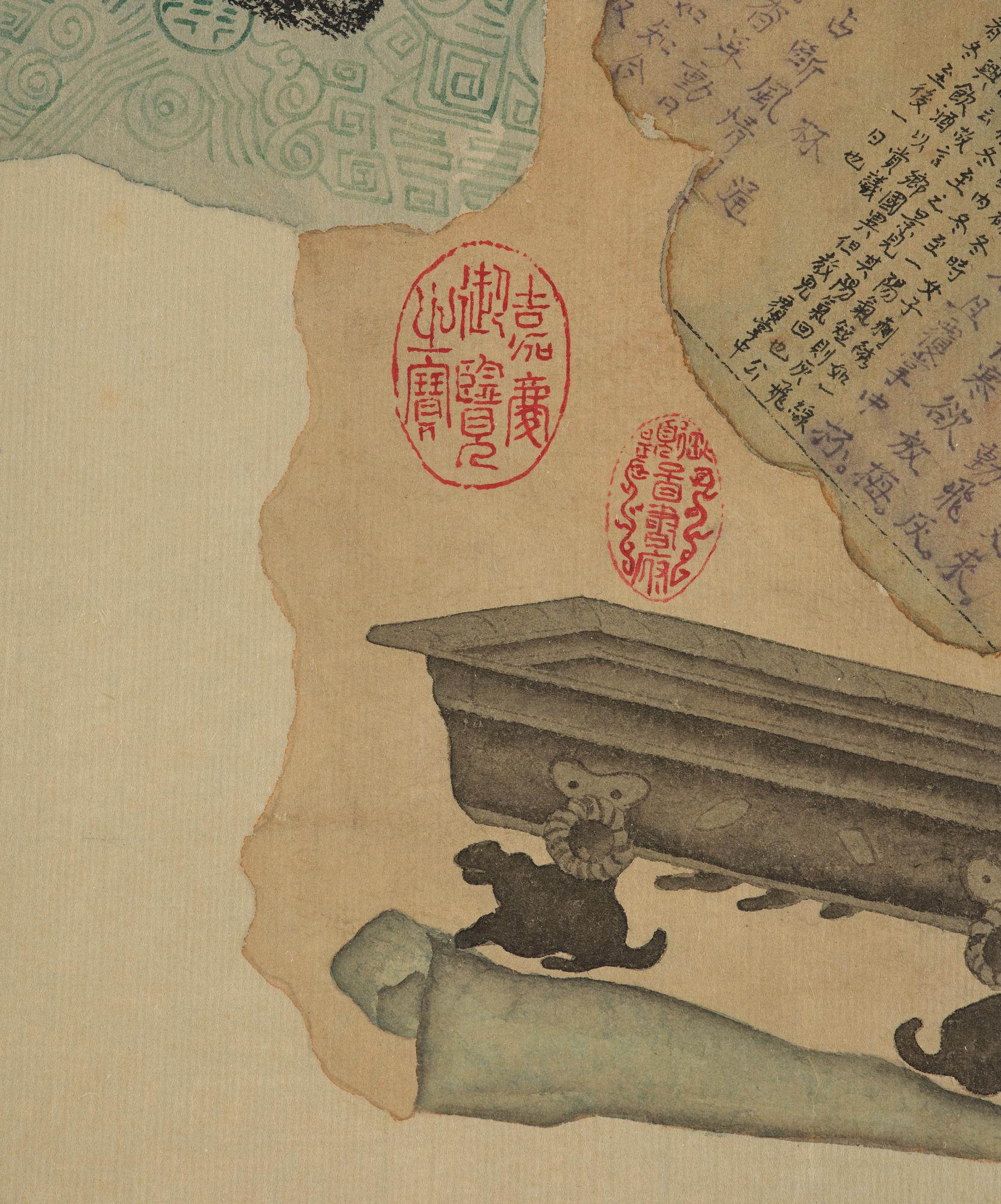
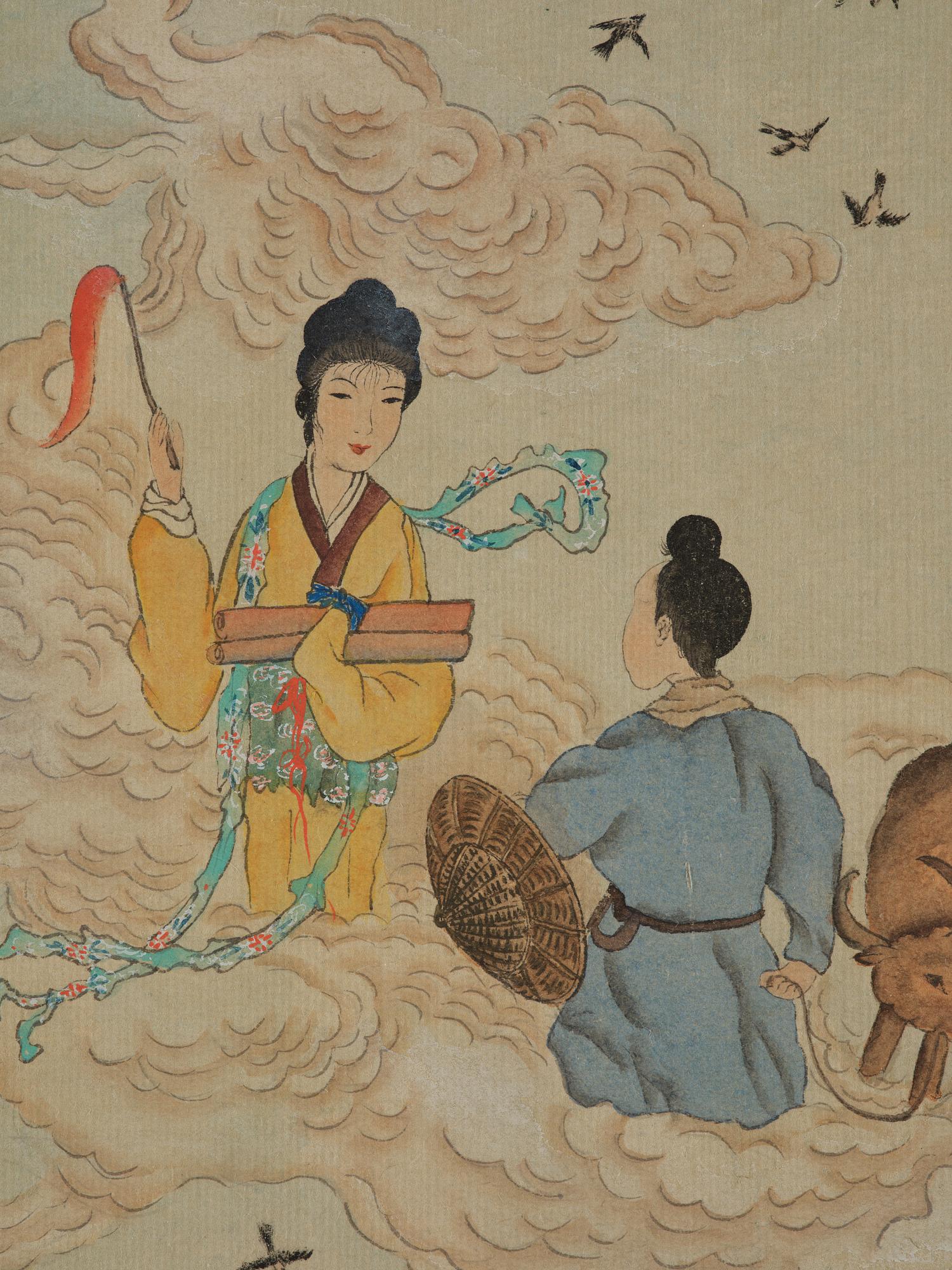
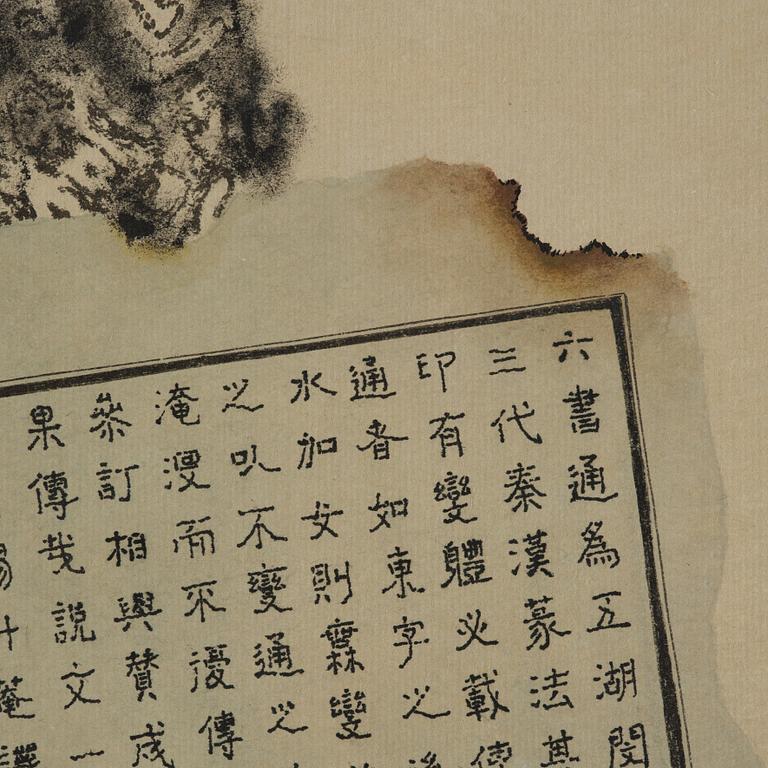
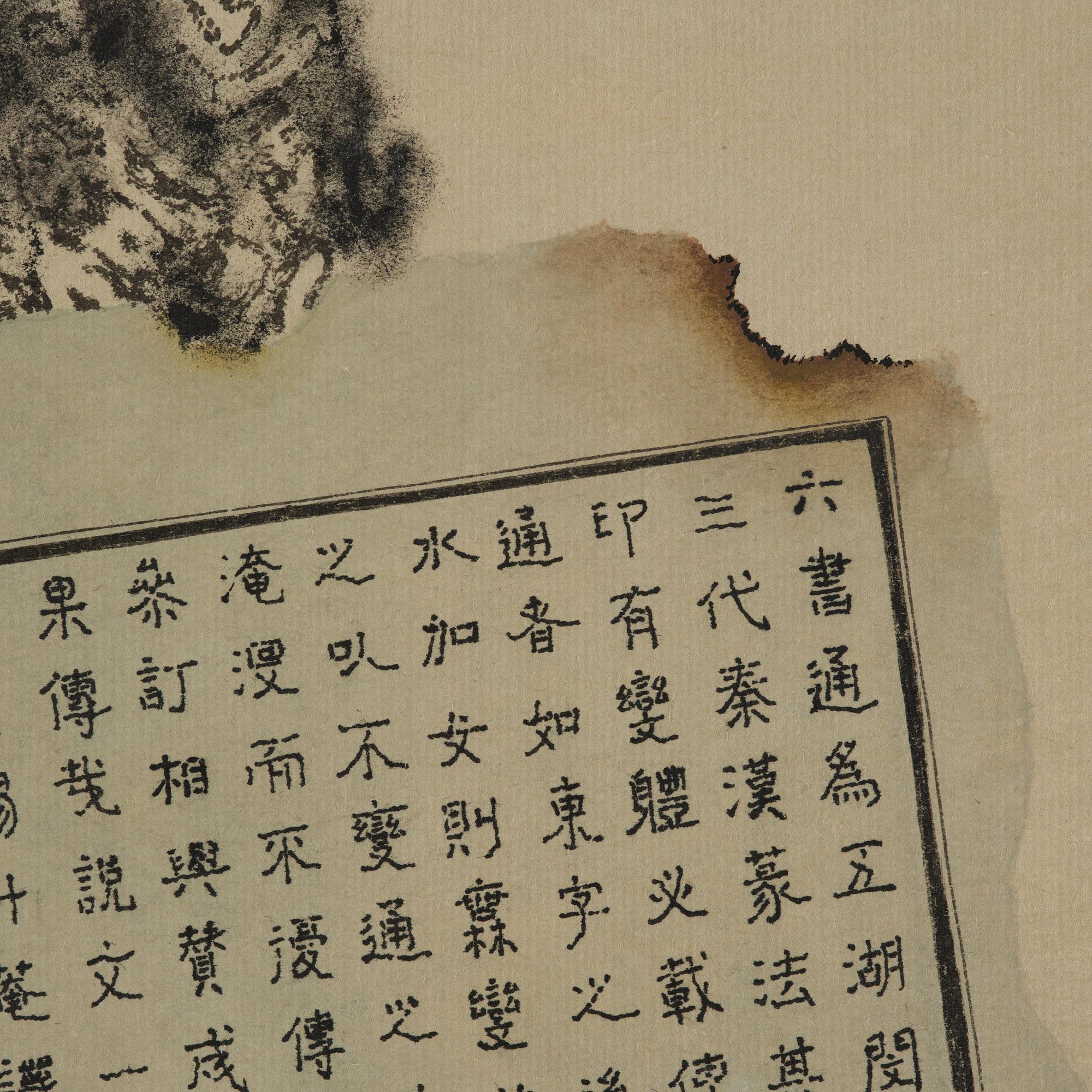
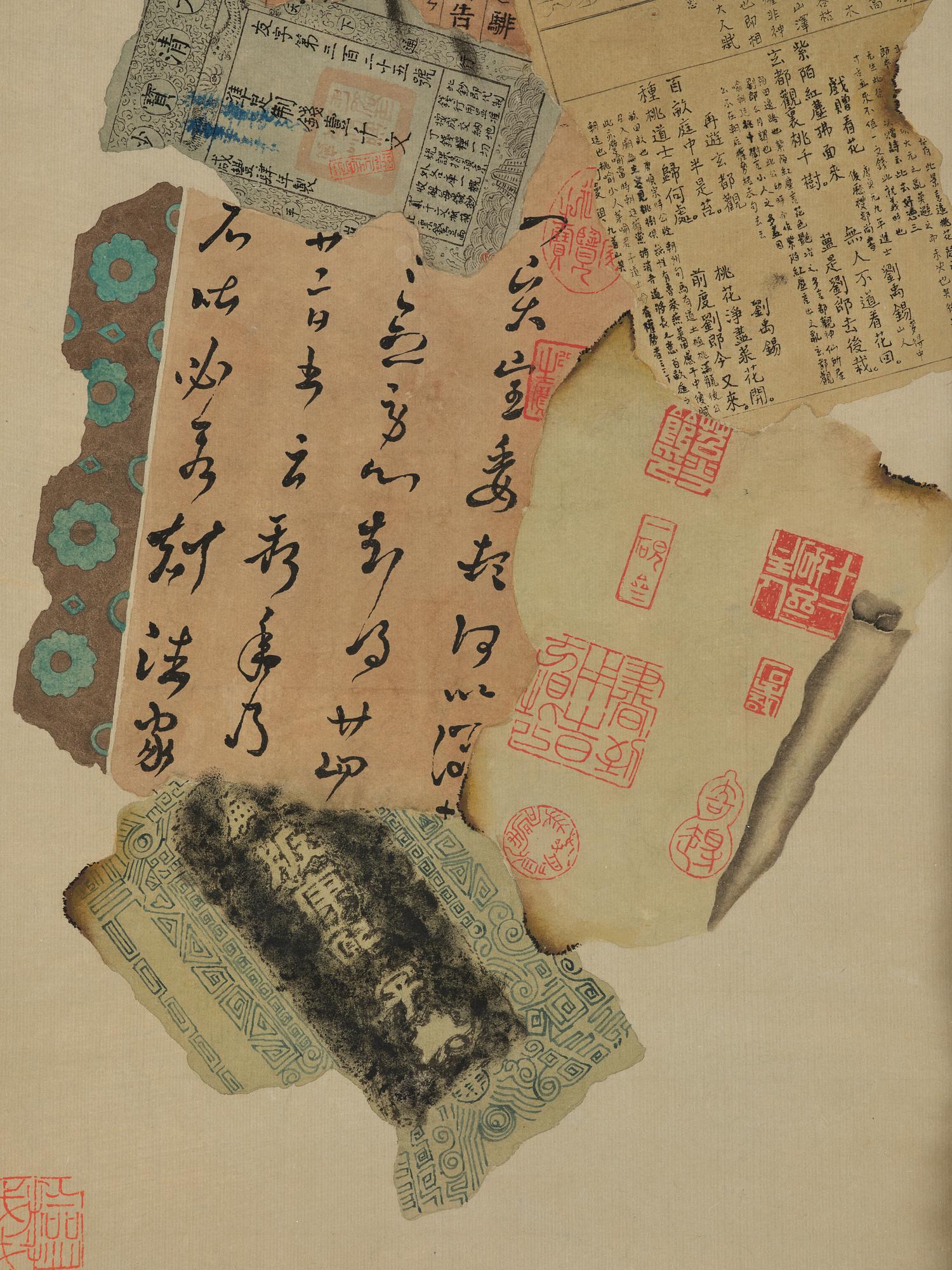
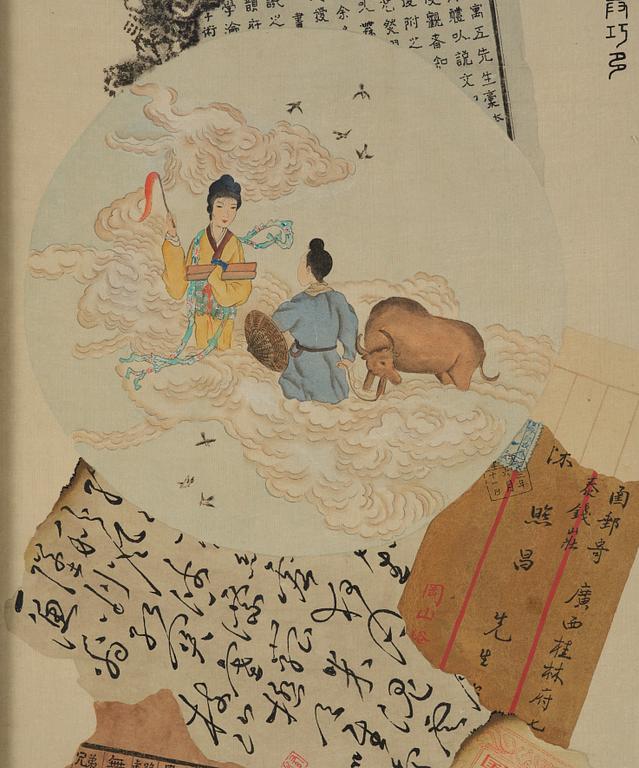
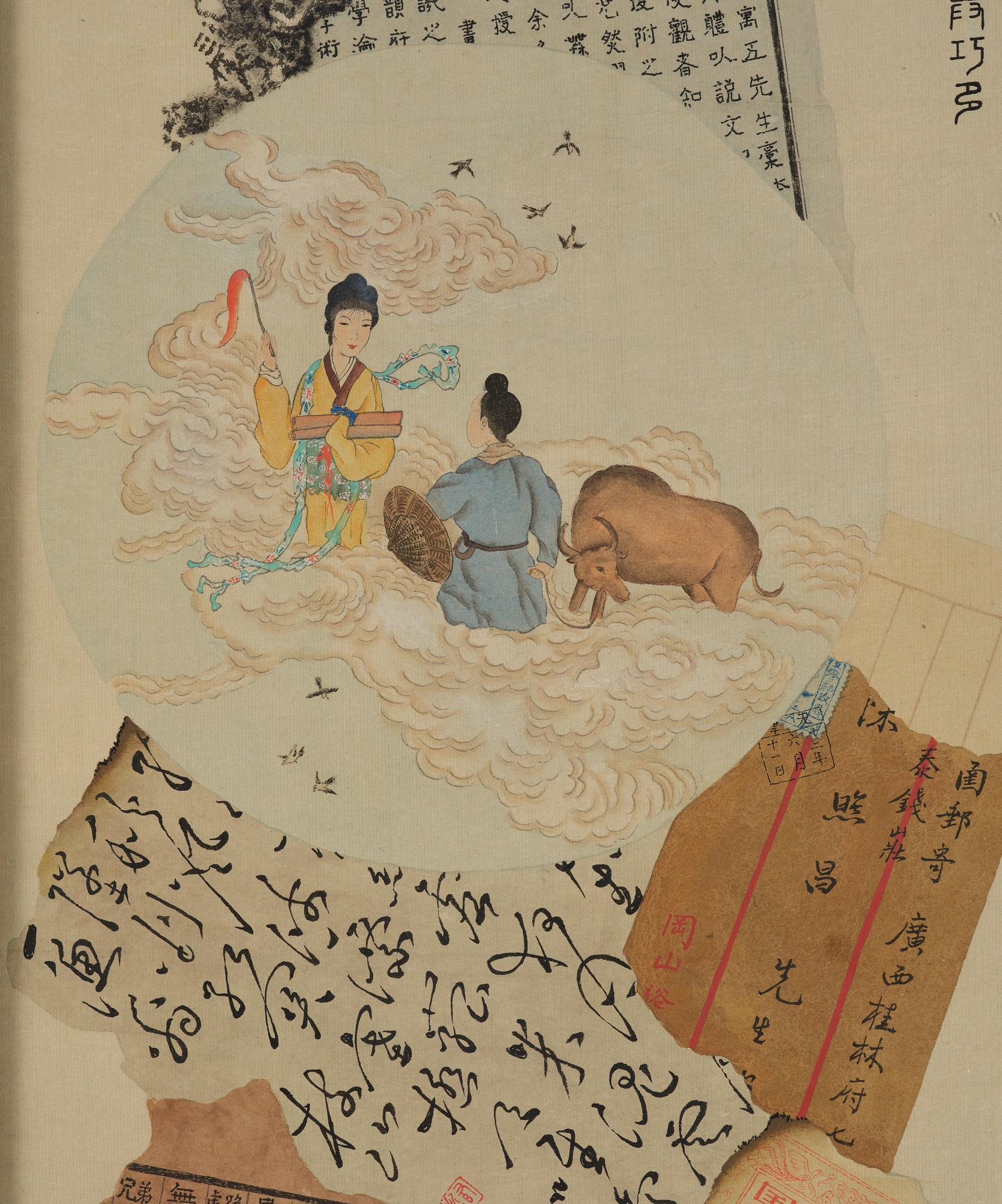
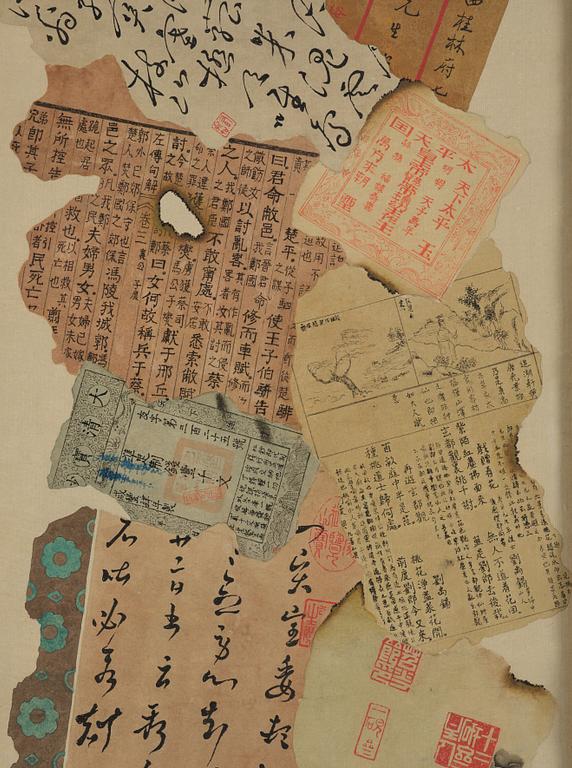
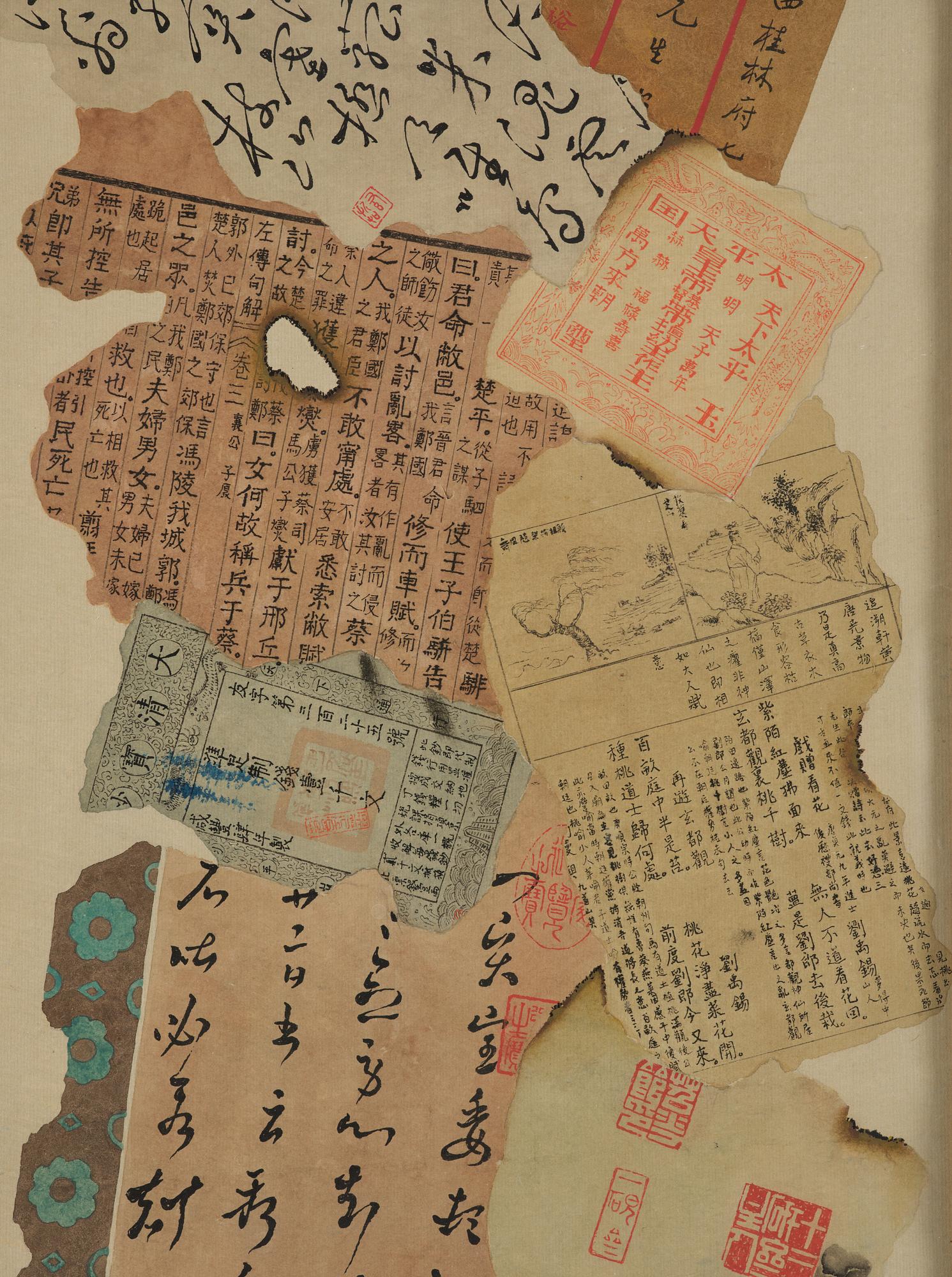
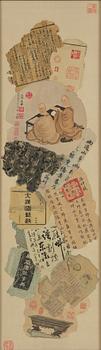
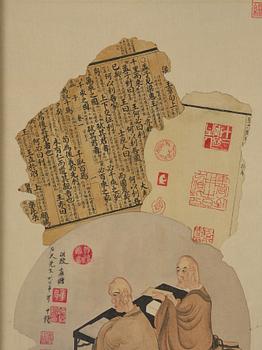
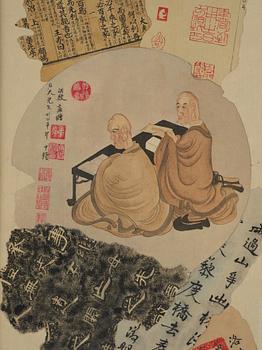
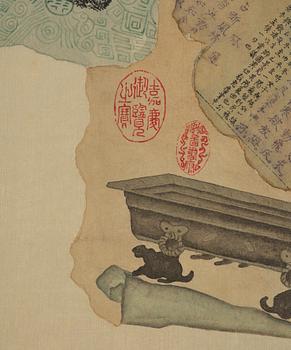
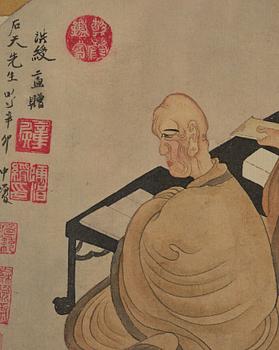
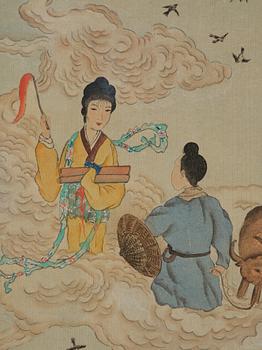
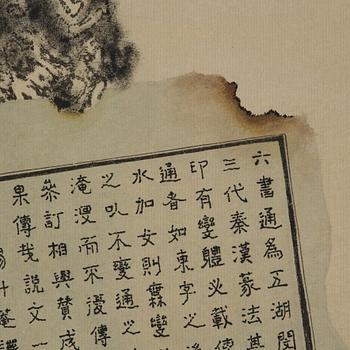
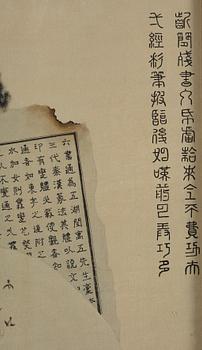
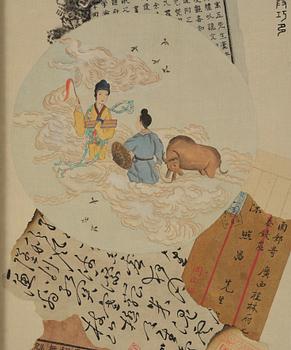
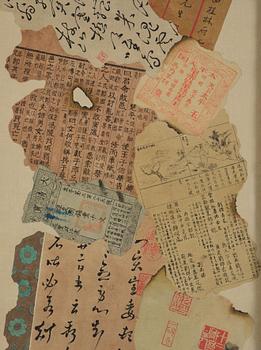
Bapo 八破 (literally 'eight-brokens') or jinhuidui 錦灰堆 (literally 'a pile of brocade and ashes') is a fascinating genre of Chinese painting that emerged in the late Qing and was popular in the early 20th century. Using trompe-l'oeil techniques, artists carefully created seemingly random collages of two dimensional images, including fragments of paintings, book pages, calligraphic rubbings, letters and ephemeral scraps.
The subject matter of these paintings bear a humble countenance--they are folded and torn, burnt or scarred. However a closer examination of the individual elements reveals the artist's deep understanding of the traditions of calligraphy and painting.
För konditionsrapport kontakta specialist

Andra har även tittat på