Untitled
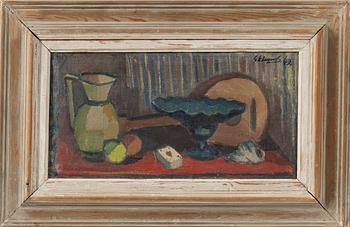
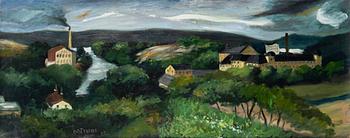
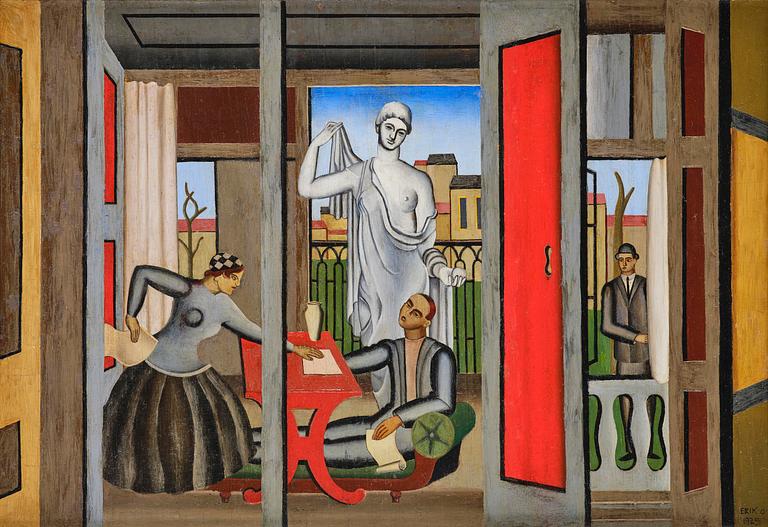
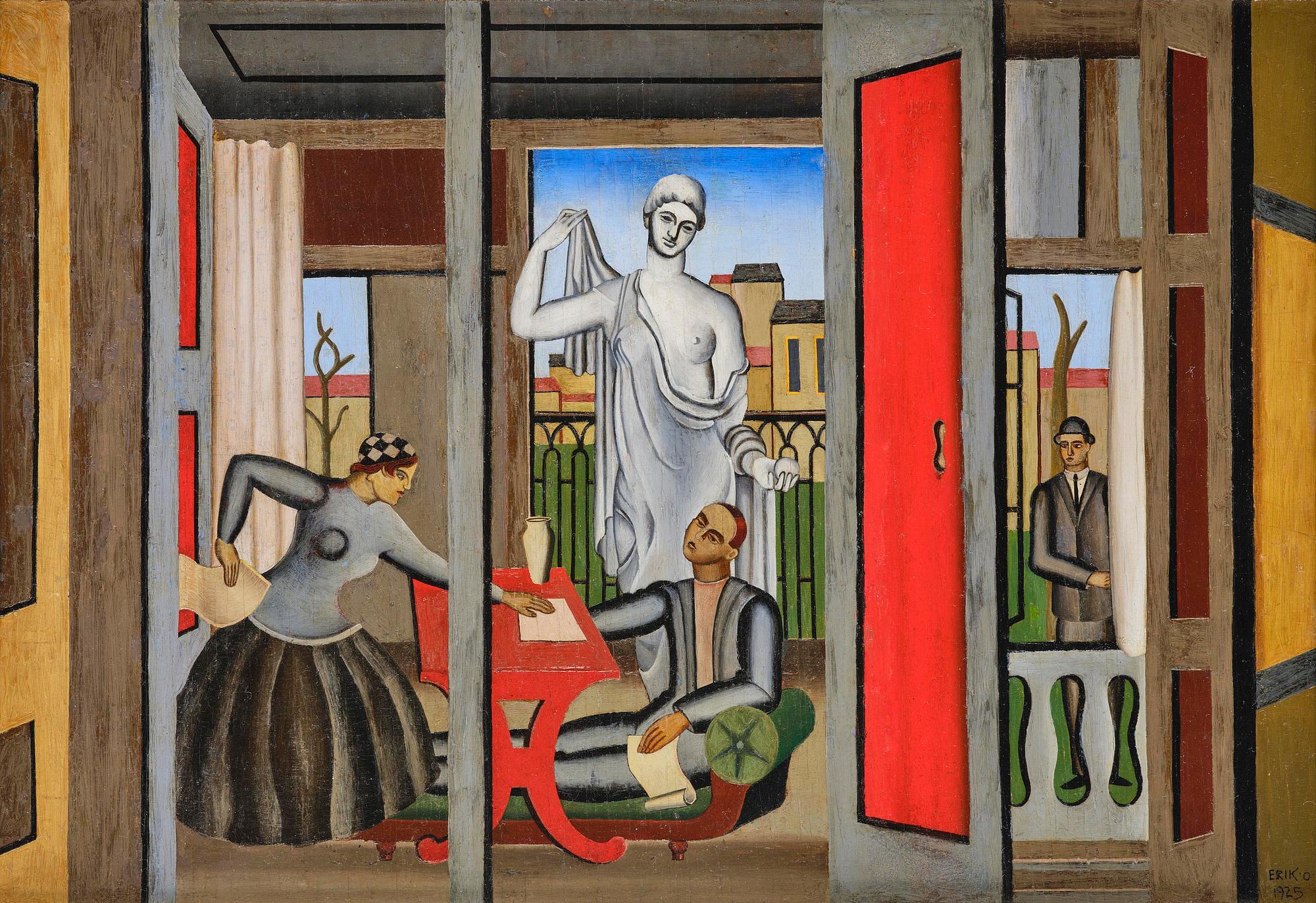
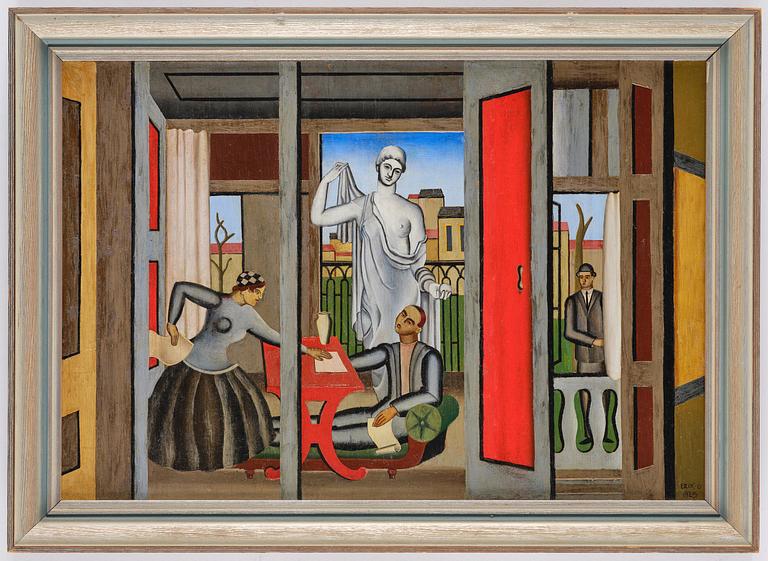
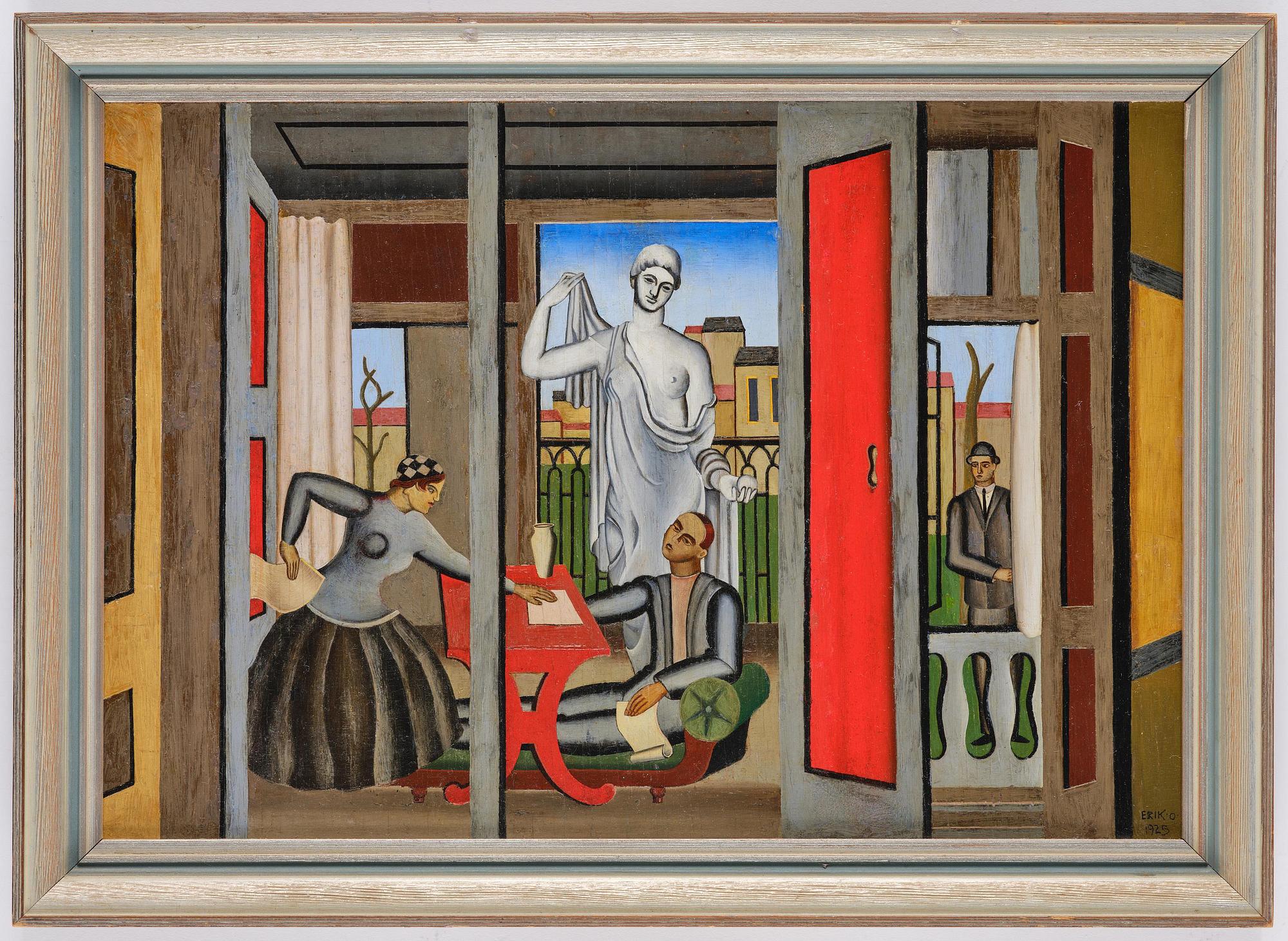
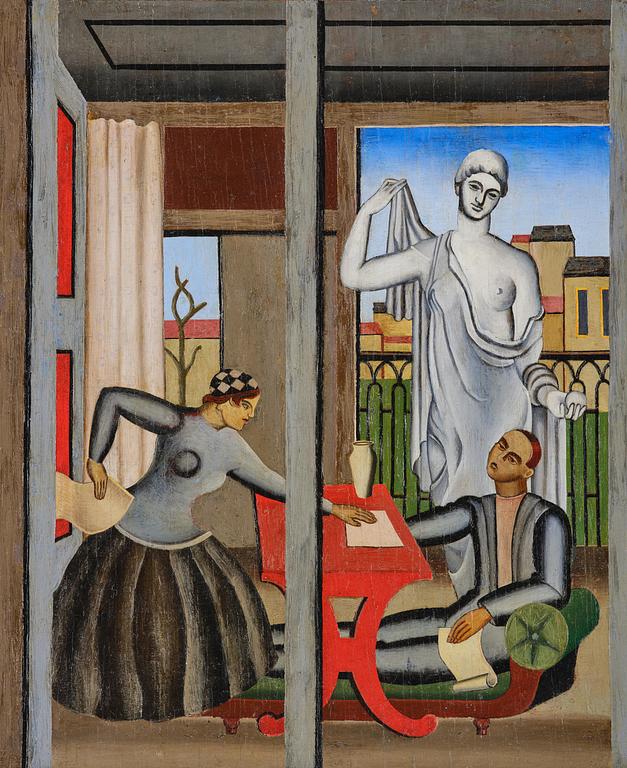
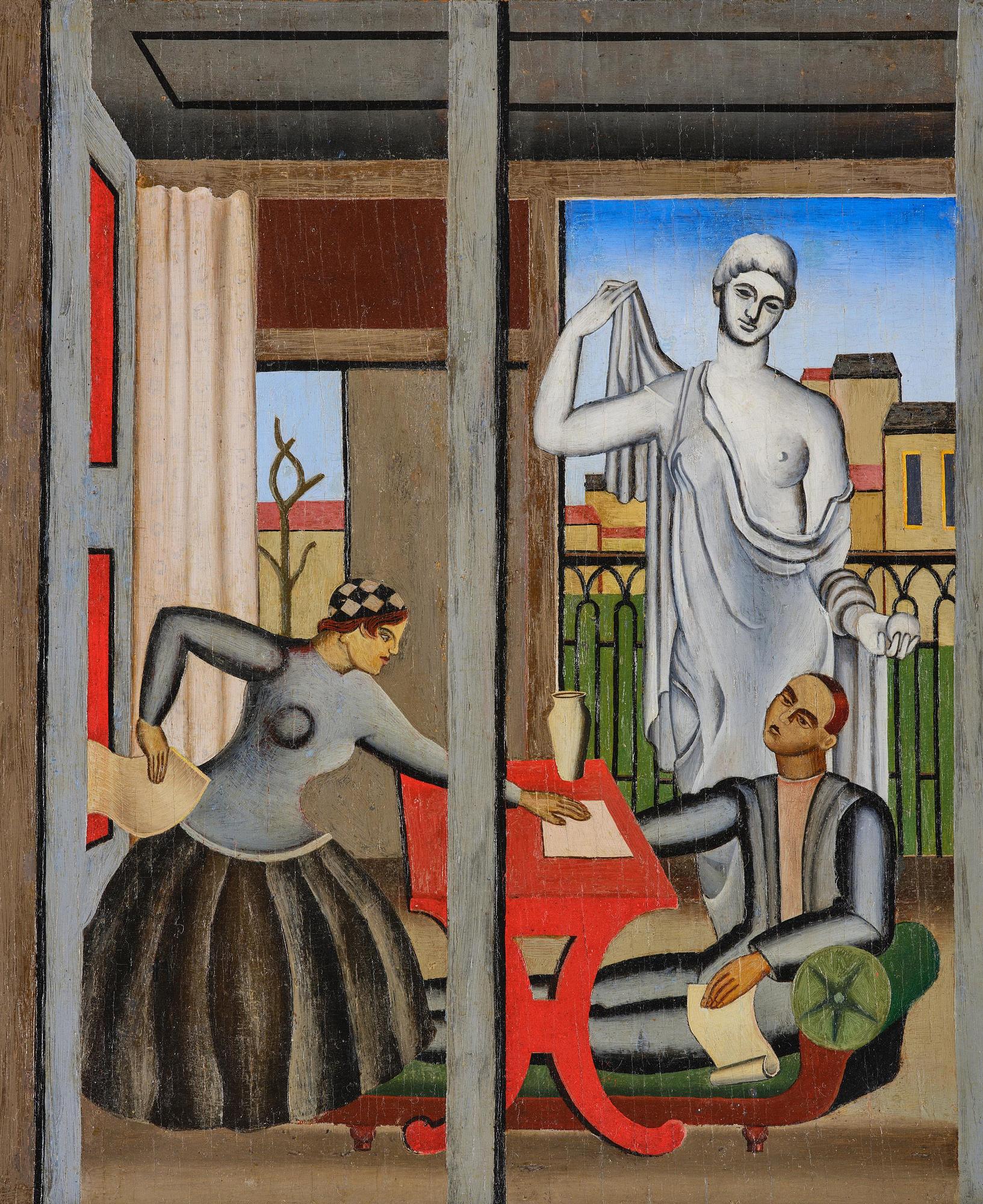
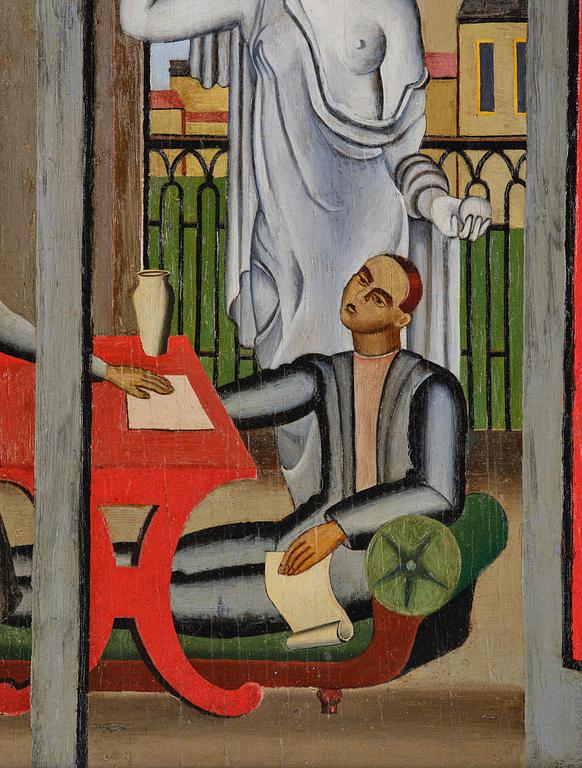
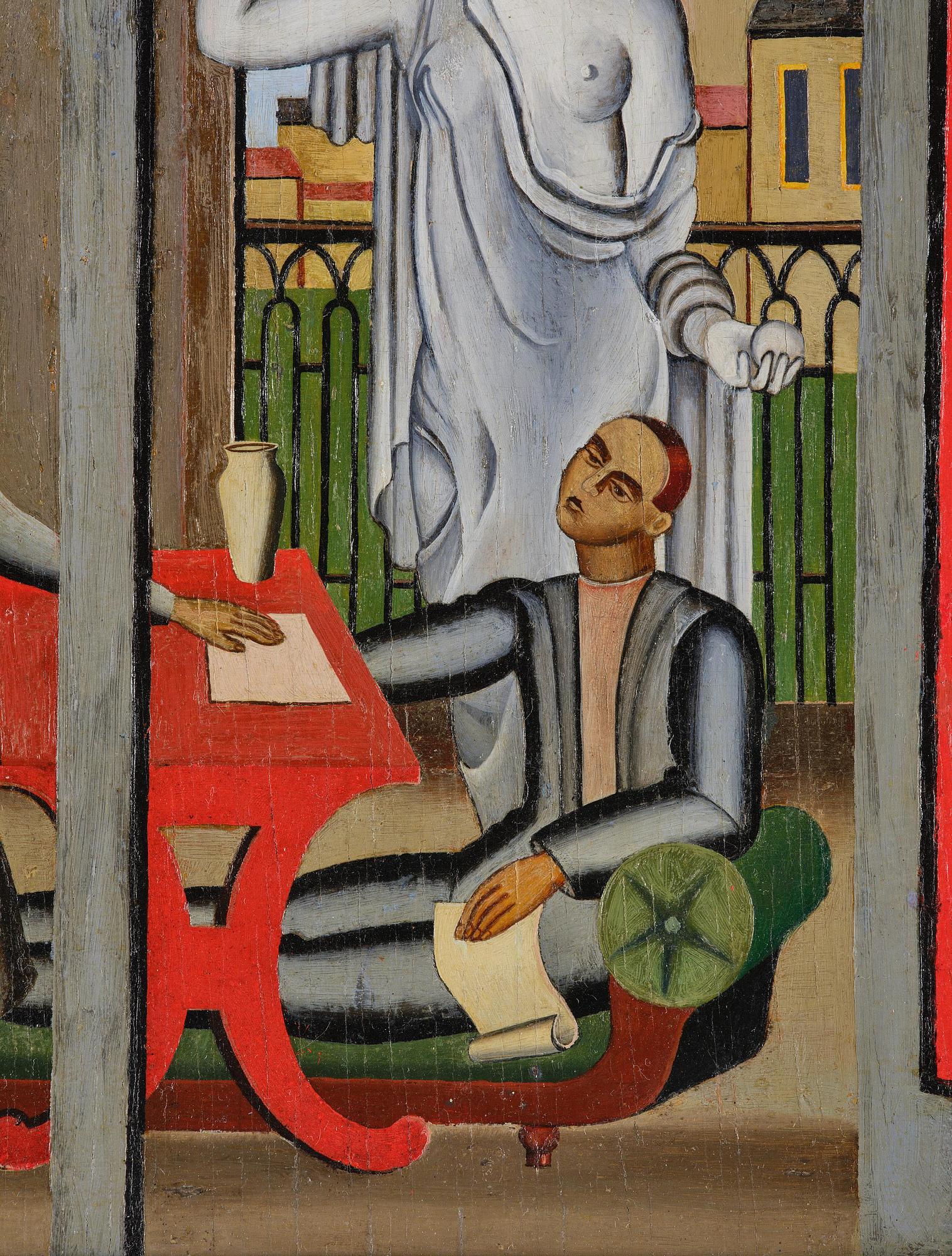
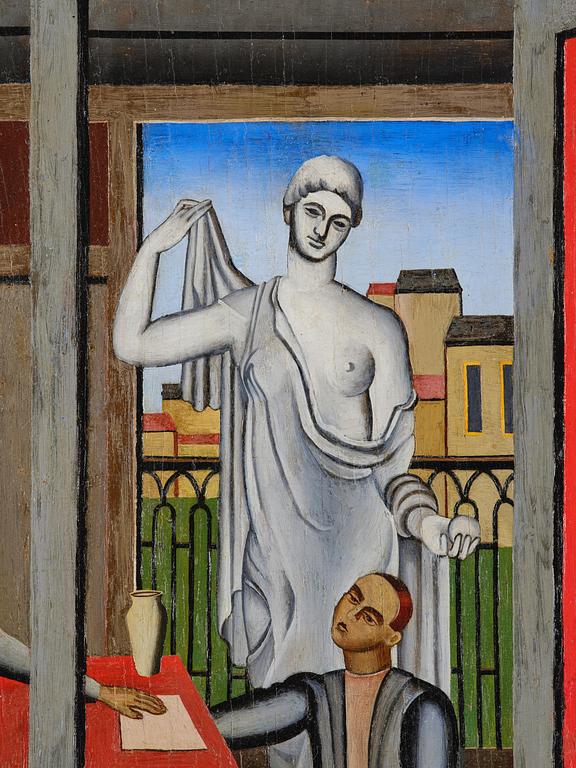
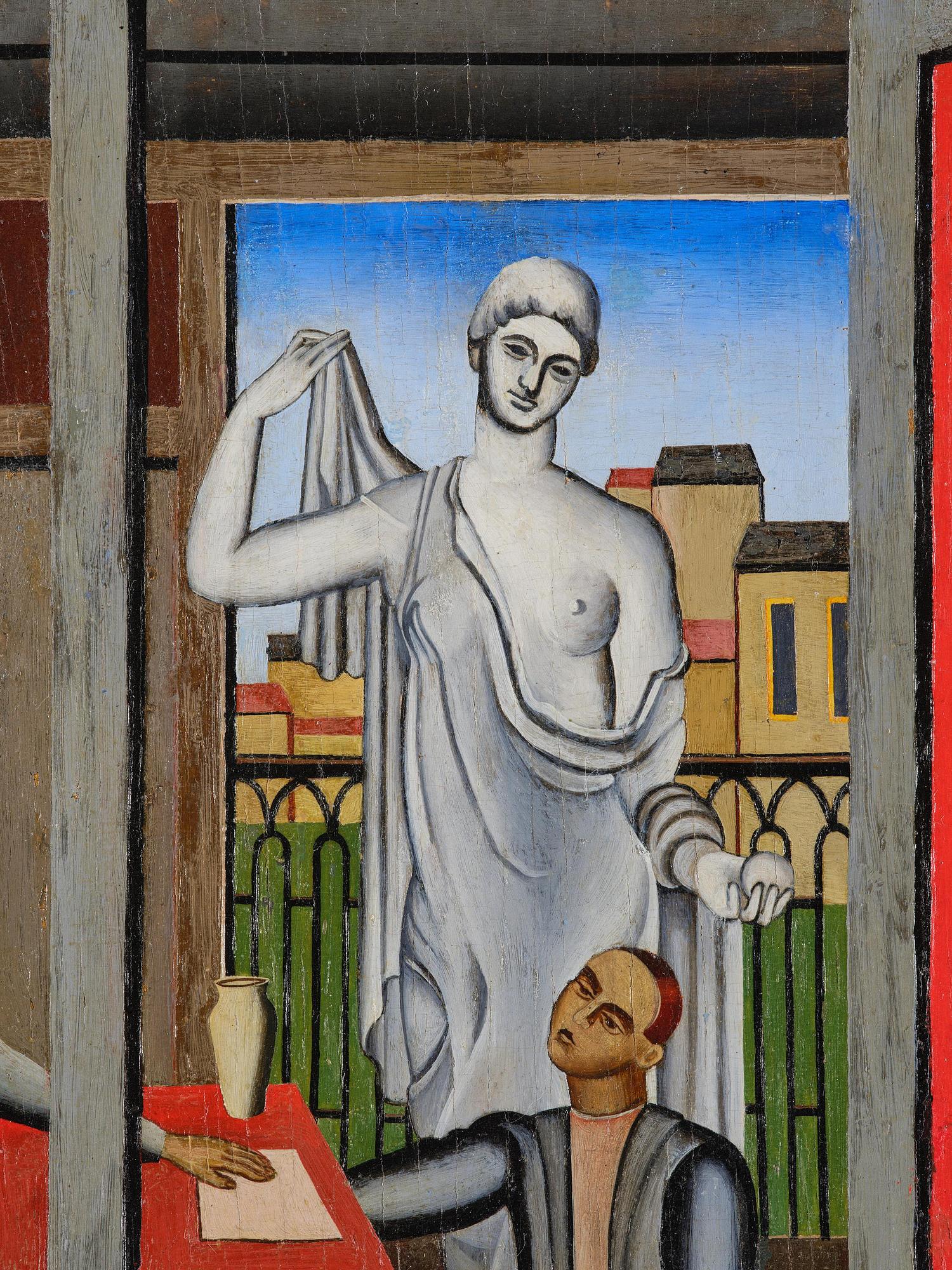
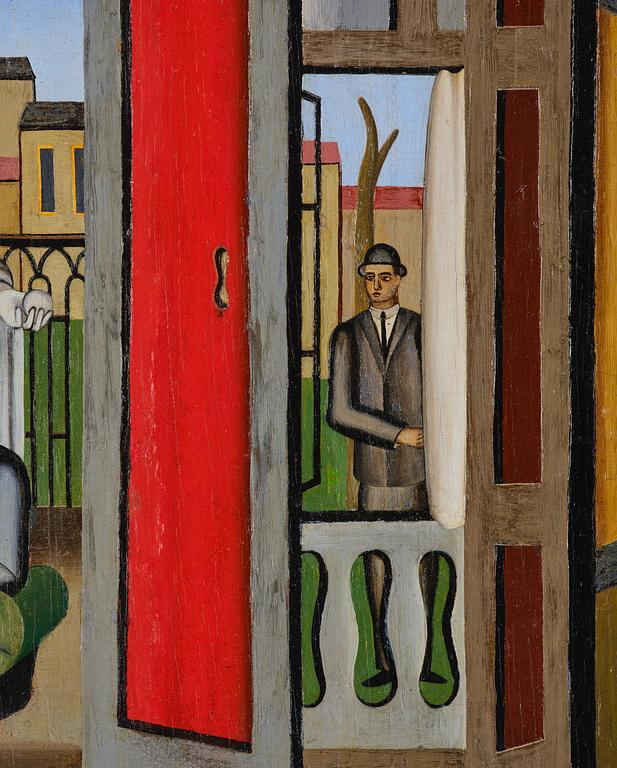
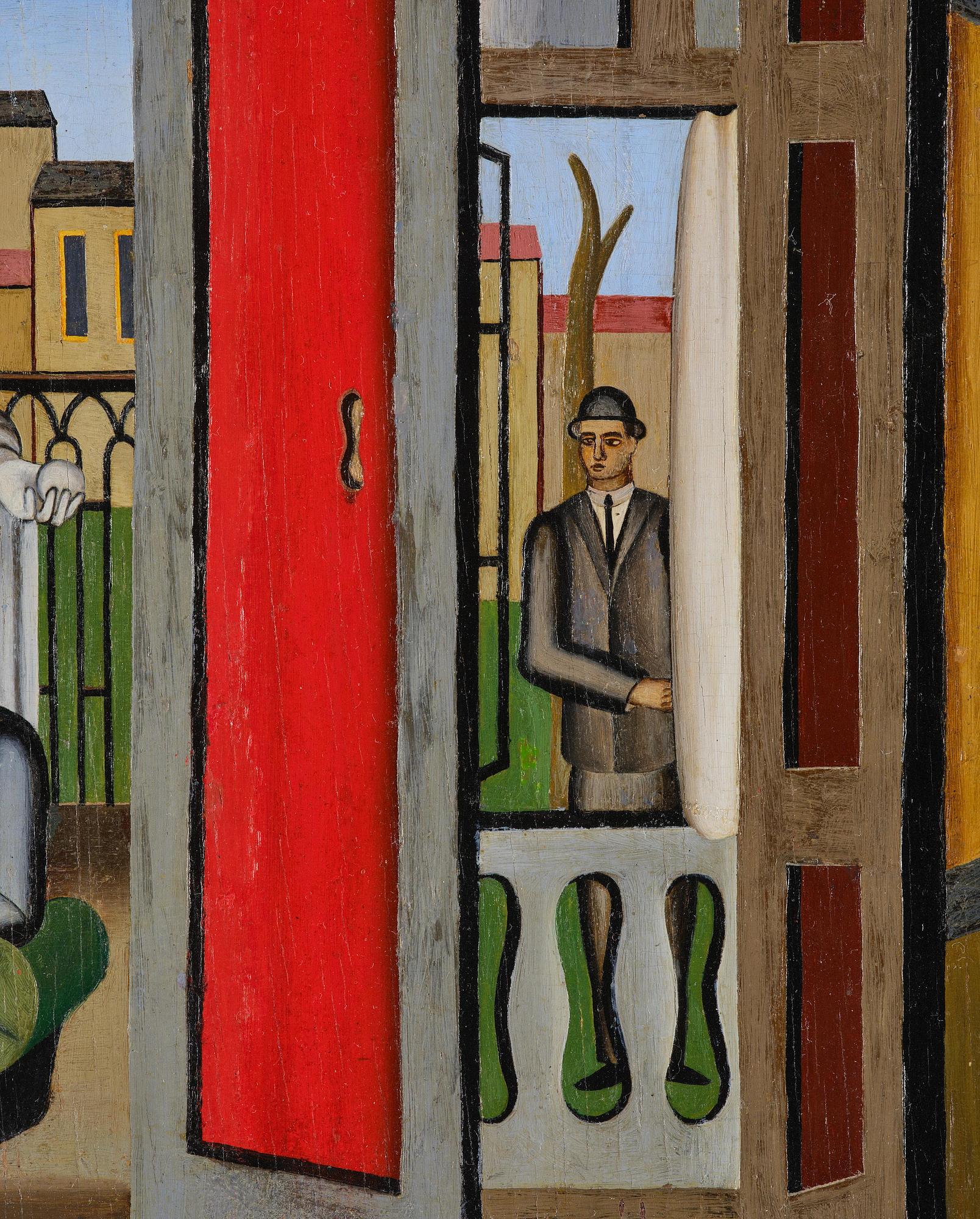
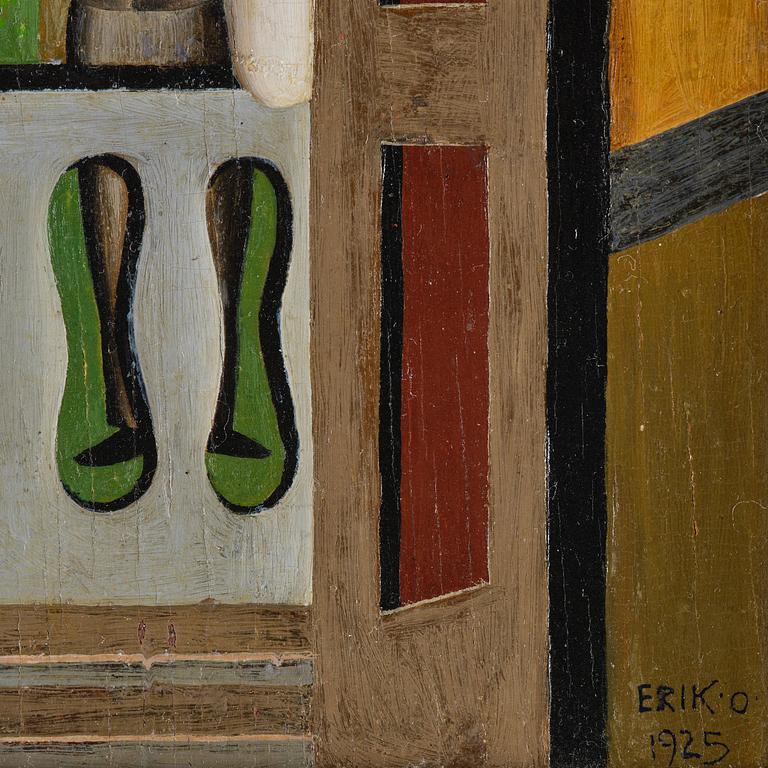
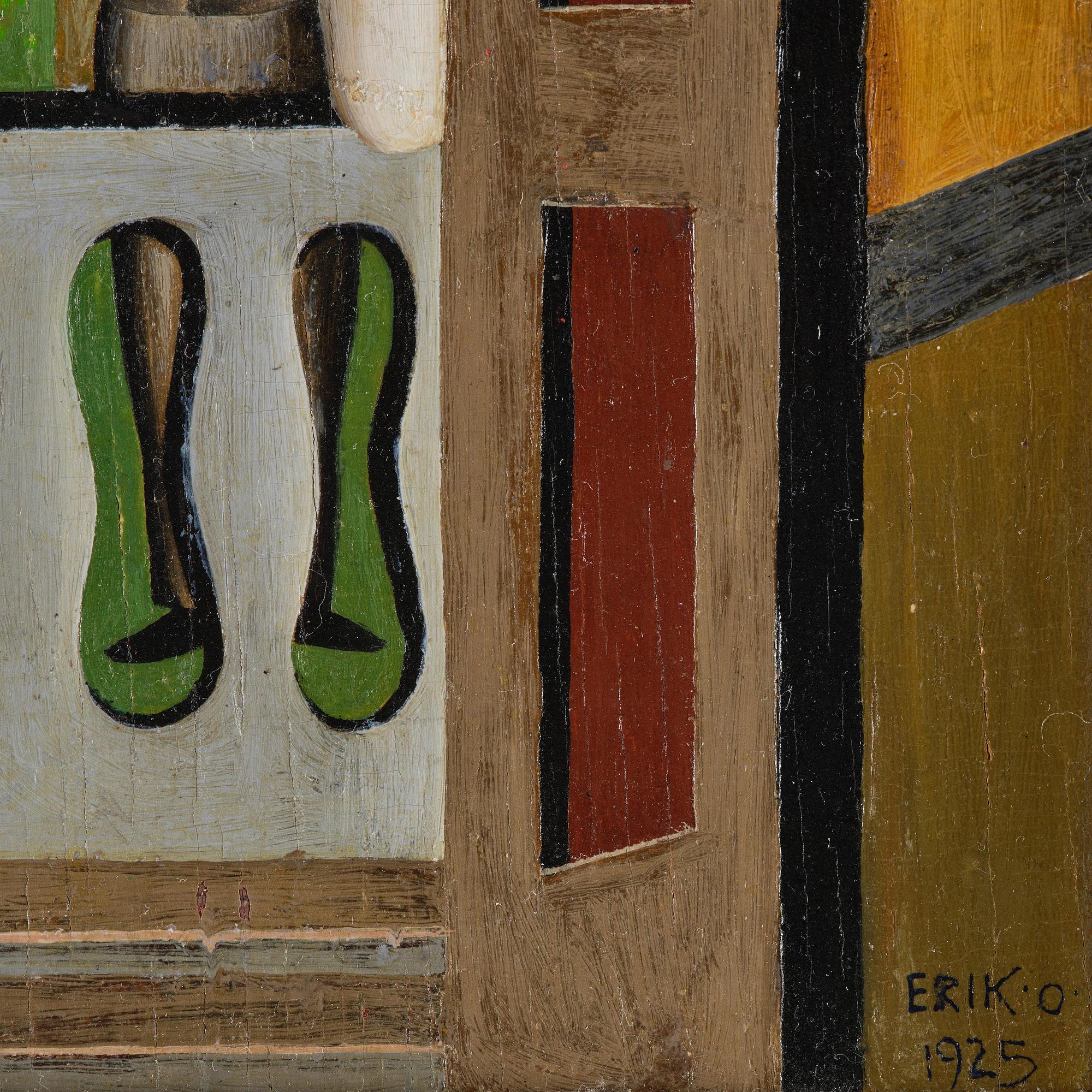
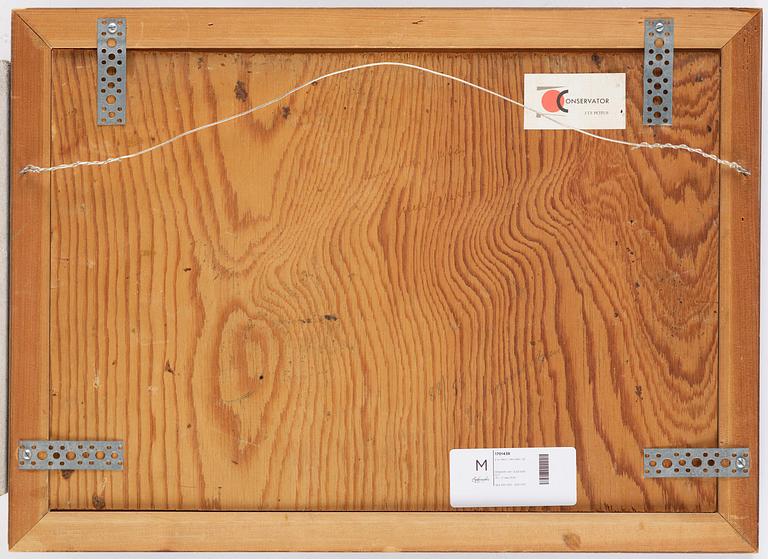
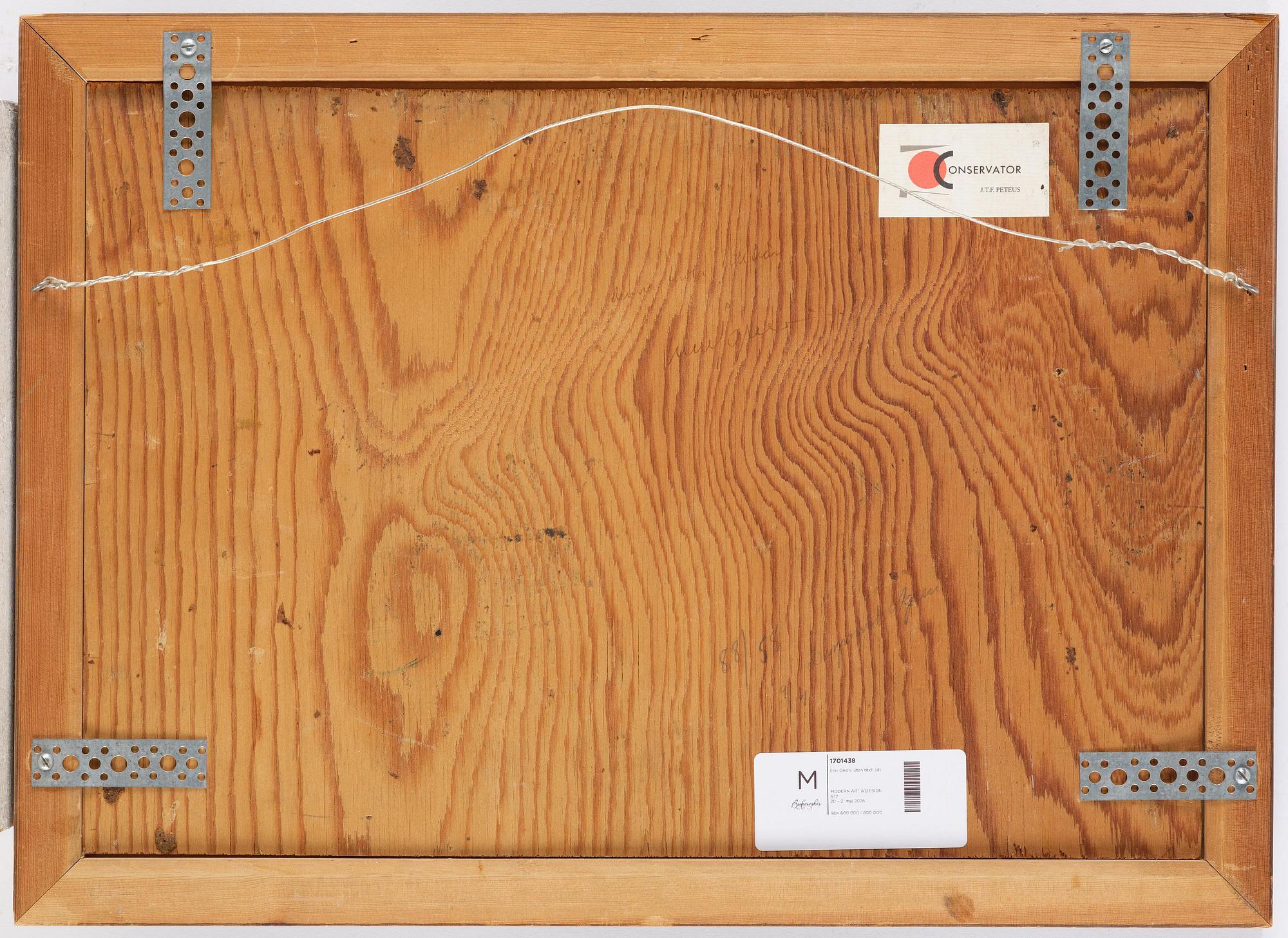
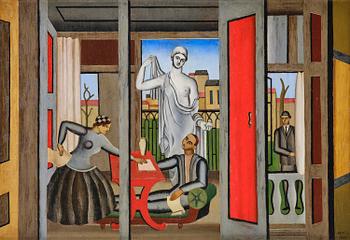
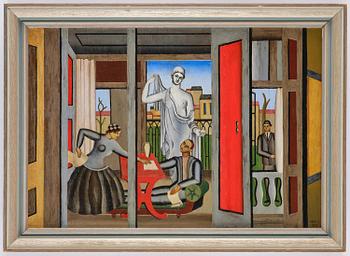
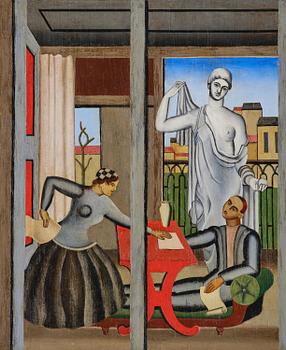
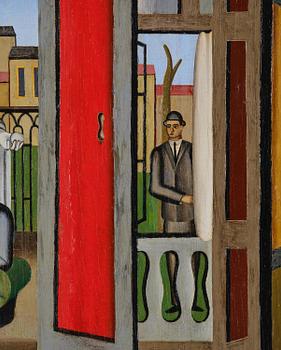
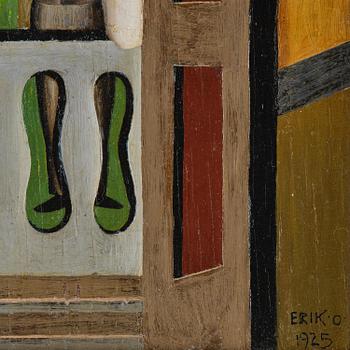
Signed Erik O and dated 1925. Oil on panel 32.5 x 47 cm.
Alkuperä - Provenienssi
Purchased directly from the artist in Halmstad.
Thence by descent to the present owner.
Muut tiedot
Erik Olson was born straight into the century of the modern era. Industrialism, socialism, and modernism were some of the movements that were creating a different society than that experienced by his parents' generation. Despite growing up in a working-class home, Erik, along with his brother Axel, were early on clear about wanting to become artists. Together with their cousin Waldemar Lorentzon, they formed the artist group Gnistan in 1915.
A pivotal event for the three young artists occurred in 1919 when the group Gnistan was noticed at an amateur exhibition in Halmstad by engineer Egon Östlund, who introduced them to his protégé Gösta Adrian-Nilsson. GAN was already internationally established and became the one to show the young Halmstad artists the way to European avant-gardism. It was also GAN who became the ticket to Léger's Académie Moderne in Paris, which Erik Olson travelled to with Waldemar Lorentzon in early 1924. The two cousins managed to rent an apartment right in the middle at 86, rue Notre-Dame-des-Champs, where they became neighbours with both GAN and Grünewald. On the ground floor was Léger's academy, which now had two new students in Erik and Waldemar.
At Léger's, Erik Olson got to know Otto G. Carlsund, who took the two young Swedes into Parisian nightlife and to places where the avant-garde of the time gathered, such as Dôme, Rotonde, and later La Coupole. Erik felt as if he were in paradise, absorbing the new winds blowing in Paris, the Mecca of avant-garde art. Although he lived on the brink of ruin, he managed not only to study under the master Léger but also set off at every opportunity on study trips around Europe, eagerly studying everything from Giotto and Cimabue's monumental art to Kandinsky's abstract paintings.
By the end of 1924, Erik Olson managed to negotiate an additional contribution from his patron, Doctor Oelrich, to continue his stay in Paris. With the money in hand, he changed his plans and went to Italy. There, he lived extremely spartanly but equally productively. This is recounted by Egon Östlund in the book Halmstadgruppen: "The stay in Italy meant for Erik Olson a time of concern for food and shelter. Oelrich believes he has acted recklessly and against a previously made agreement, which is why they refuse to provide further support. The small sums that are scraped together in other ways do not last long. But Erik stays and starves. He works feverishly on his own compositions and with copies. Eventually, however, it becomes impossible, and he goes home!" (Egon Östlund et al., "Halmstadgruppen", 1970, p. 17).
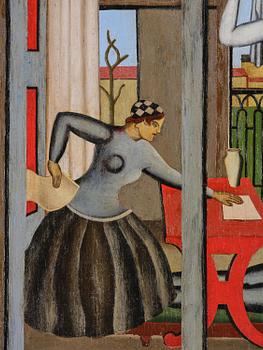
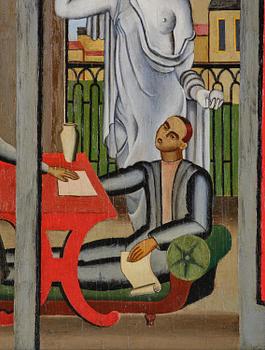
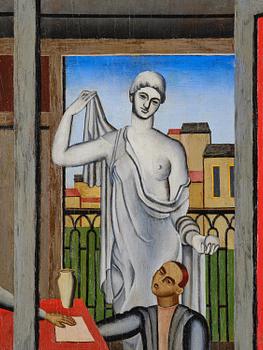
In the painting, offered at this auction, one can clearly see the inspiration from the Italian masters he encountered in Florence, where he visited the Uffizi, among other places. He himself describes the experiences in a letter to his brother Axel dated 12/12 1924; "...In the afternoon, I saw the Uffizi Gallery, first a mass of baroque oil paintings – dreadful monsters and Dutch ones, mushy and dull. I rushed through eternity-long corridors of portraits, as unhappy as I had never expected to be – until I reached some halls, from whose walls the heavenly kingdom shone: Cimabue, Giotto, Monaco; the primitive Italians [...] Life is hard in most cases, but it can melt into gold and sun and blue skies before just a few small pictures from the Museo di S Marco. I was there today and wandered through Fra Angelico's beautiful dream world, which is surely among the most untainted that has ever existed." (Viveka Bosson, "Erik Olson – A Seeker's Journey Part I", 2001, pp. 82-83).
These travels and encounters laid the foundation for Erik Olson's position as one of the most important Swedish artists of his time, and his refined paintings from the 1920s are among his most celebrated. Works from this period are rarely found on the auction market, and the painting at auction was purchased directly from the artist in Halmstad and has remained in the same family's possession ever since.
Lisätietoja ja kuntoraportit

Kuuluu jälleenmyyntikorvauksen piiriin
Tietoa ostamisesta
Kuvan käyttöoikeudet
Tämän tietokannan taideteokset ovat tekijänoikeudella suojattuja, eikä niitä saa kopioida ilman oikeudenhaltijoiden lupaa. Teokset kopioidaan tässä tietokannassa Bildupphovsrättin lisenssillä.
Muiden katsomia kohteita