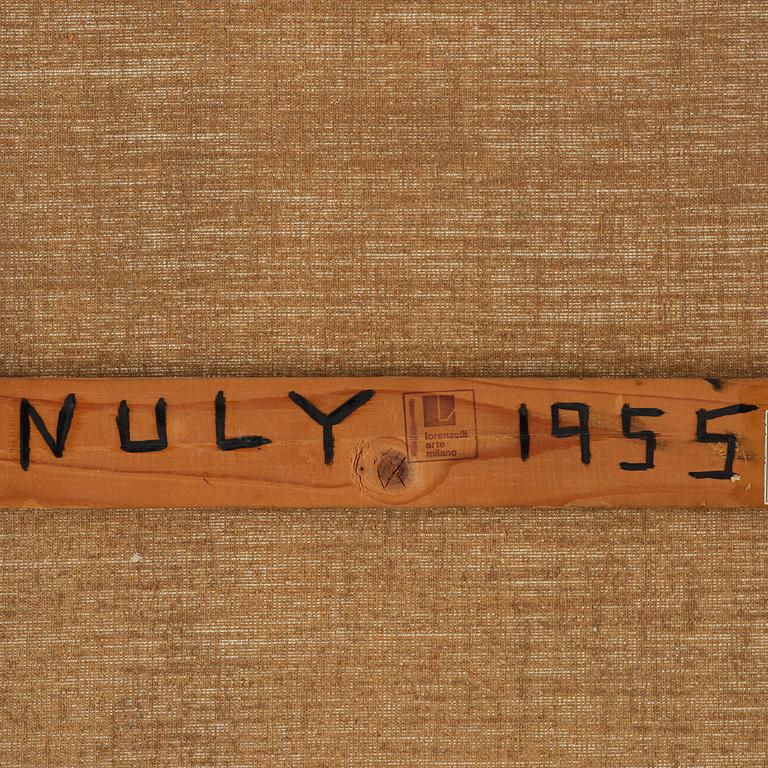
"NULY"
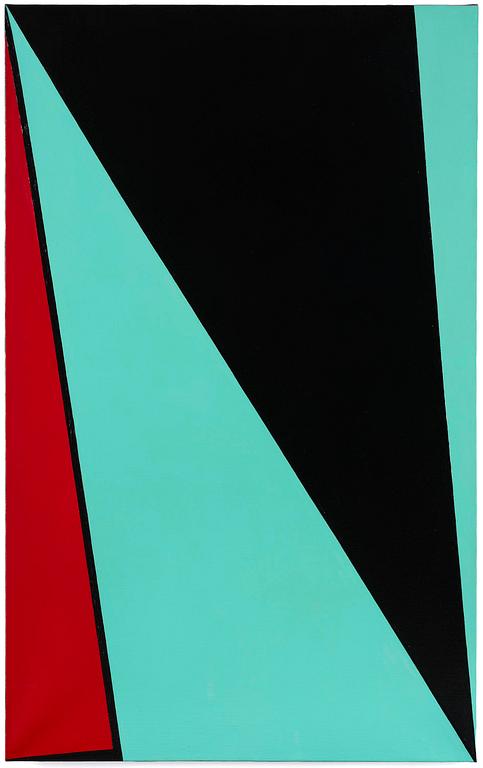
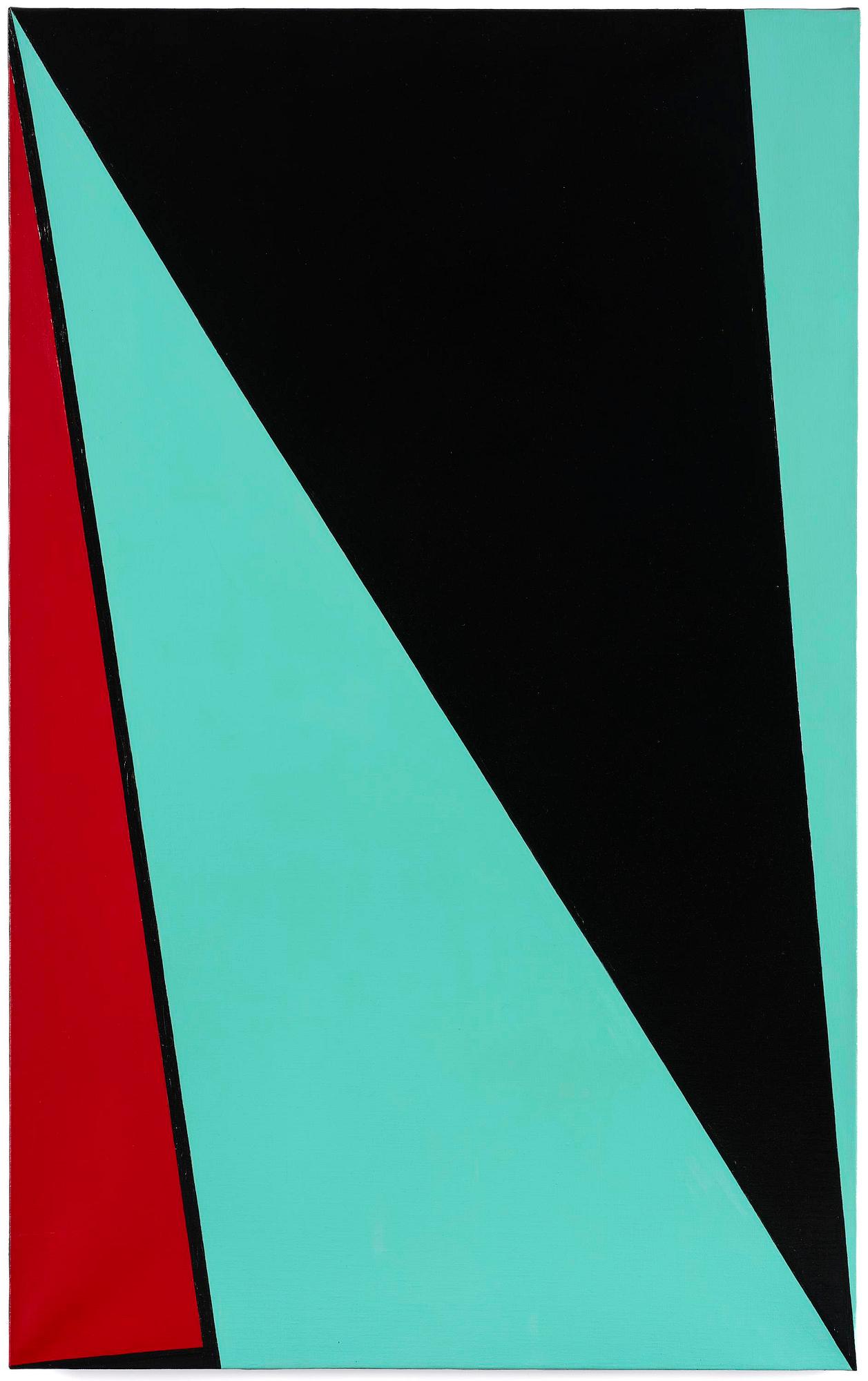
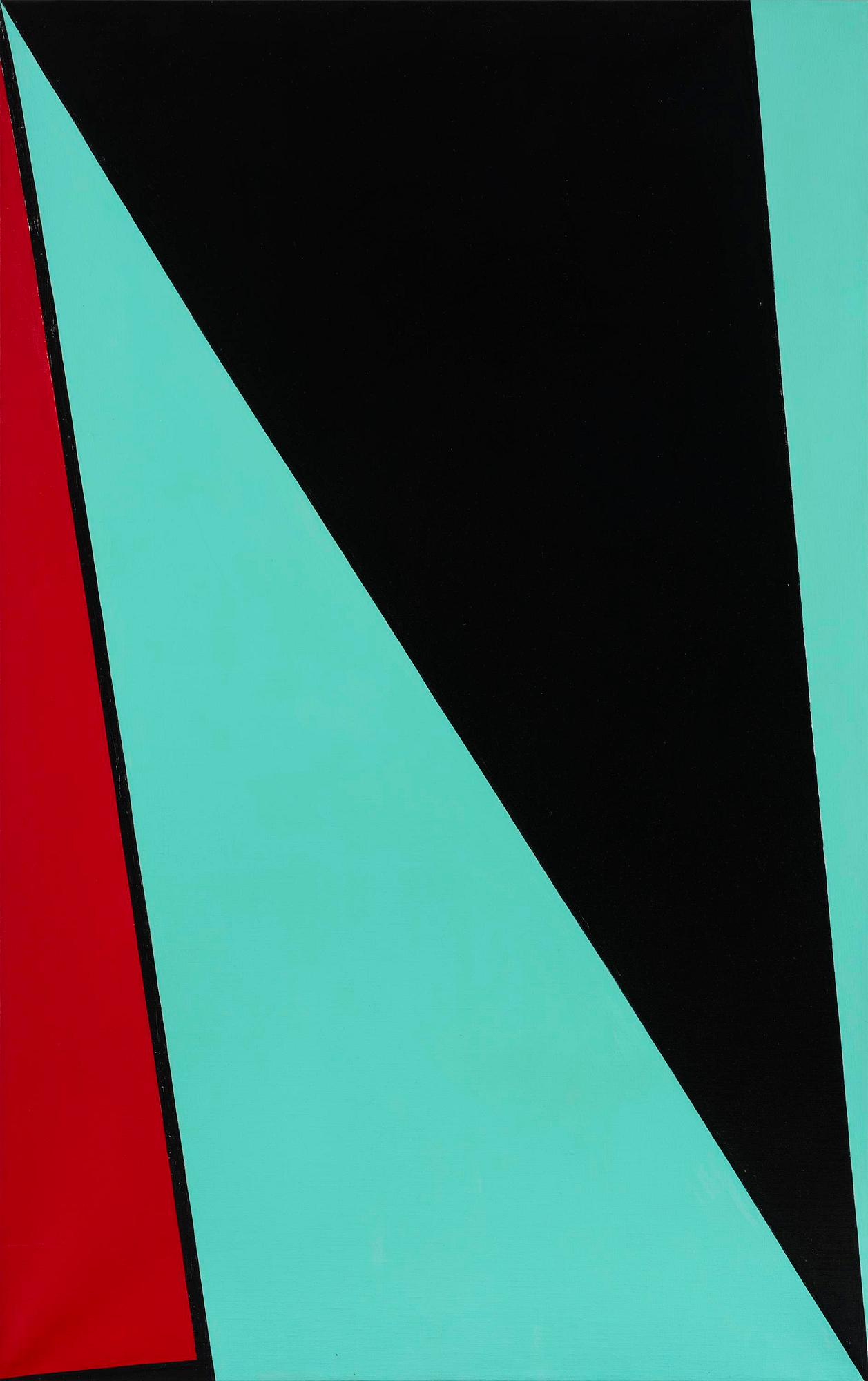
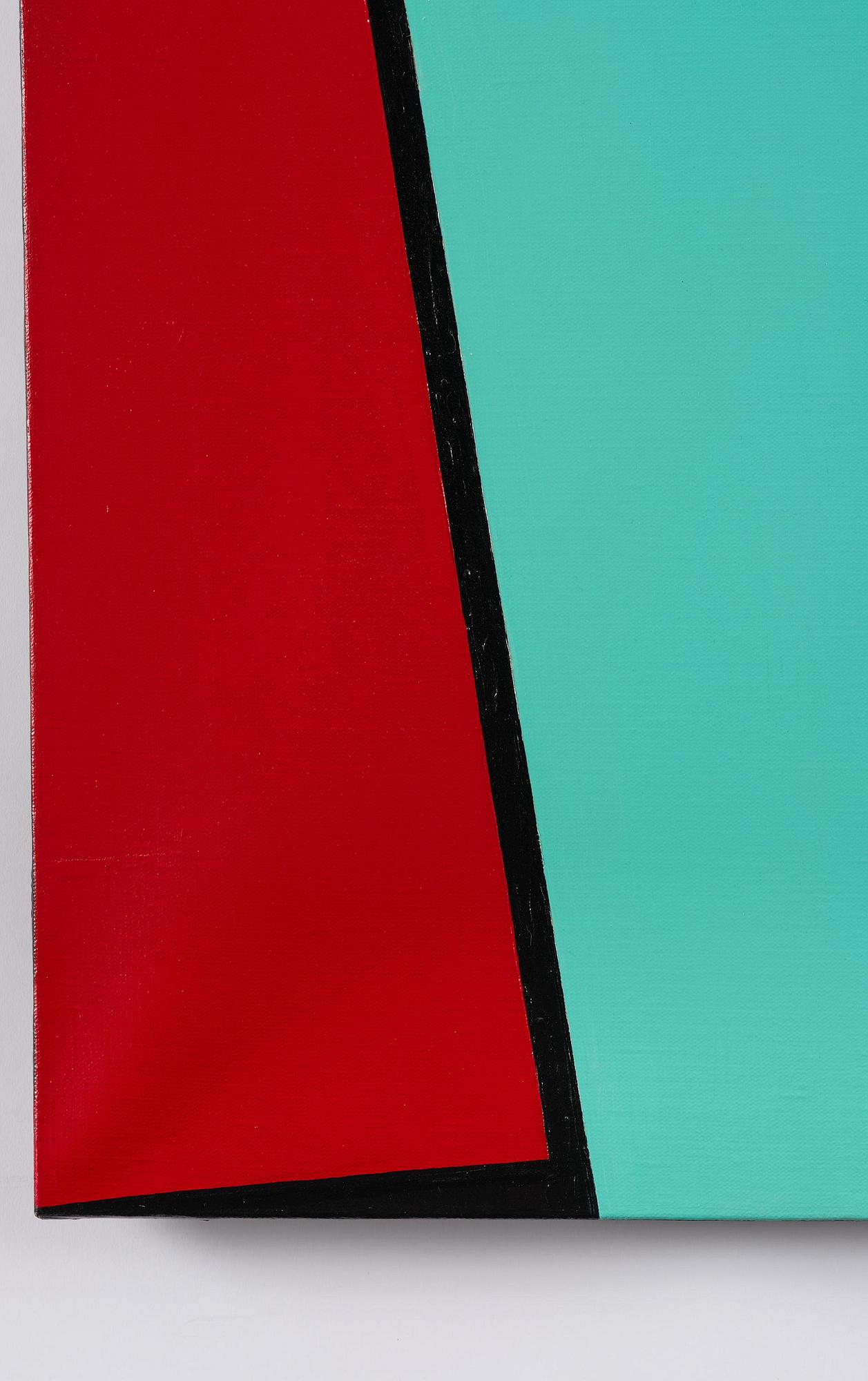
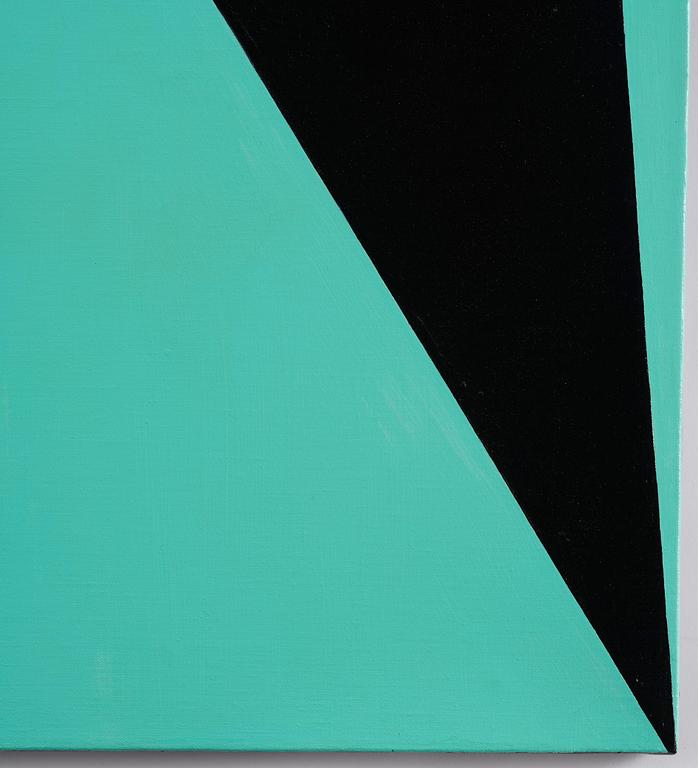
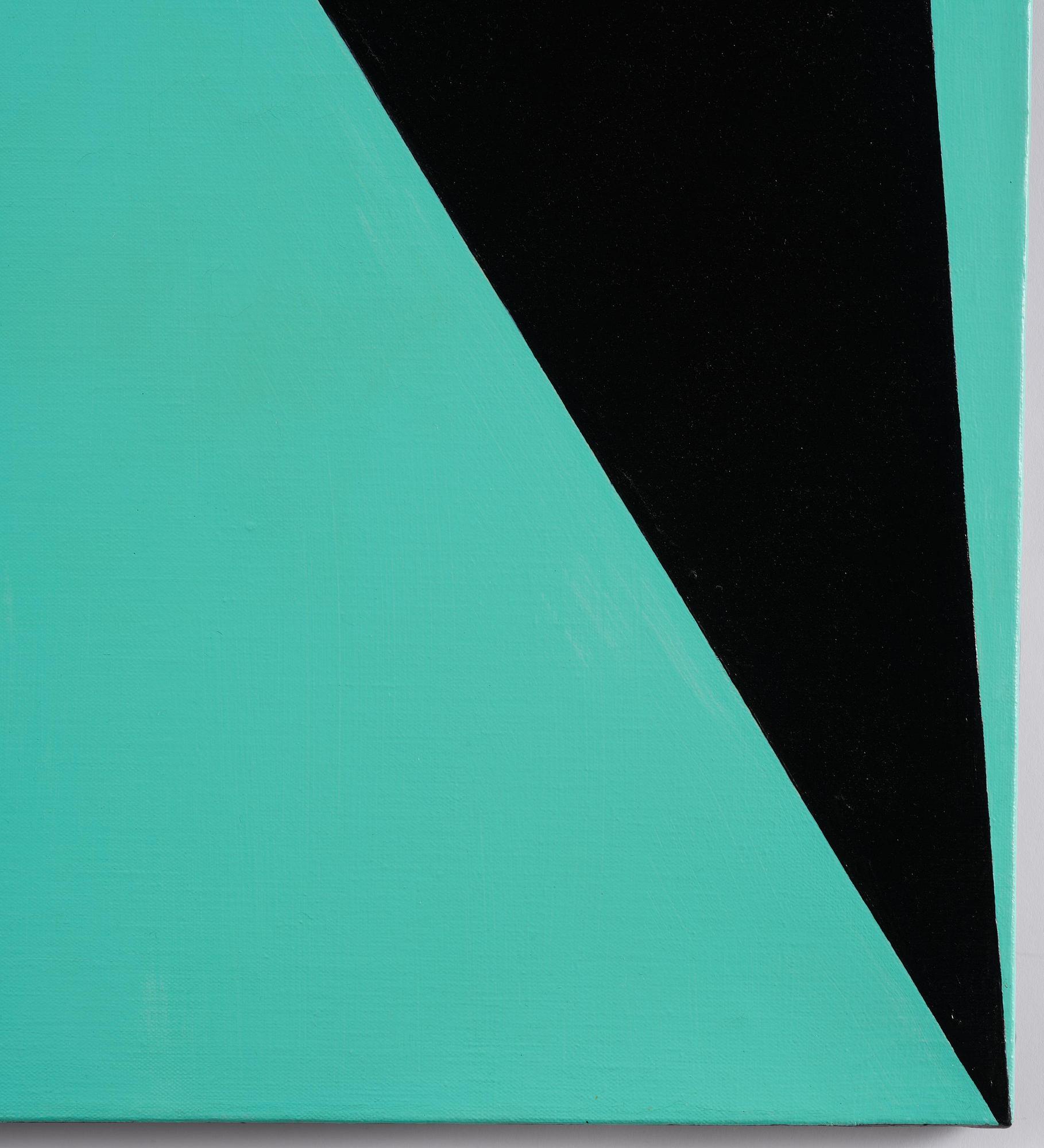
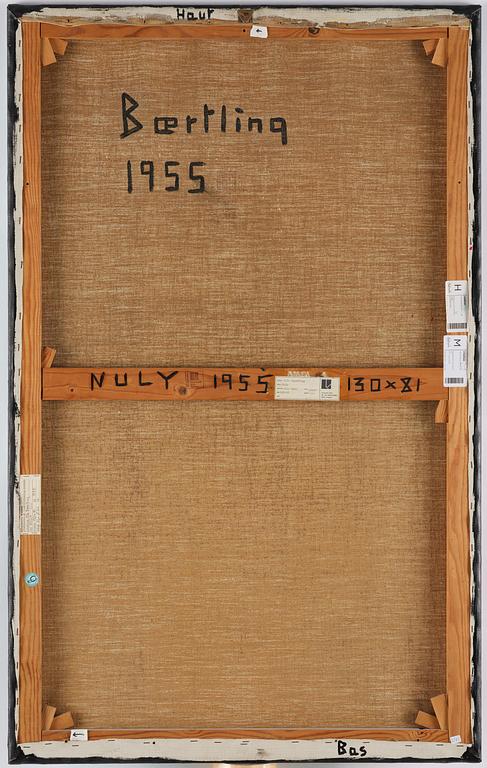
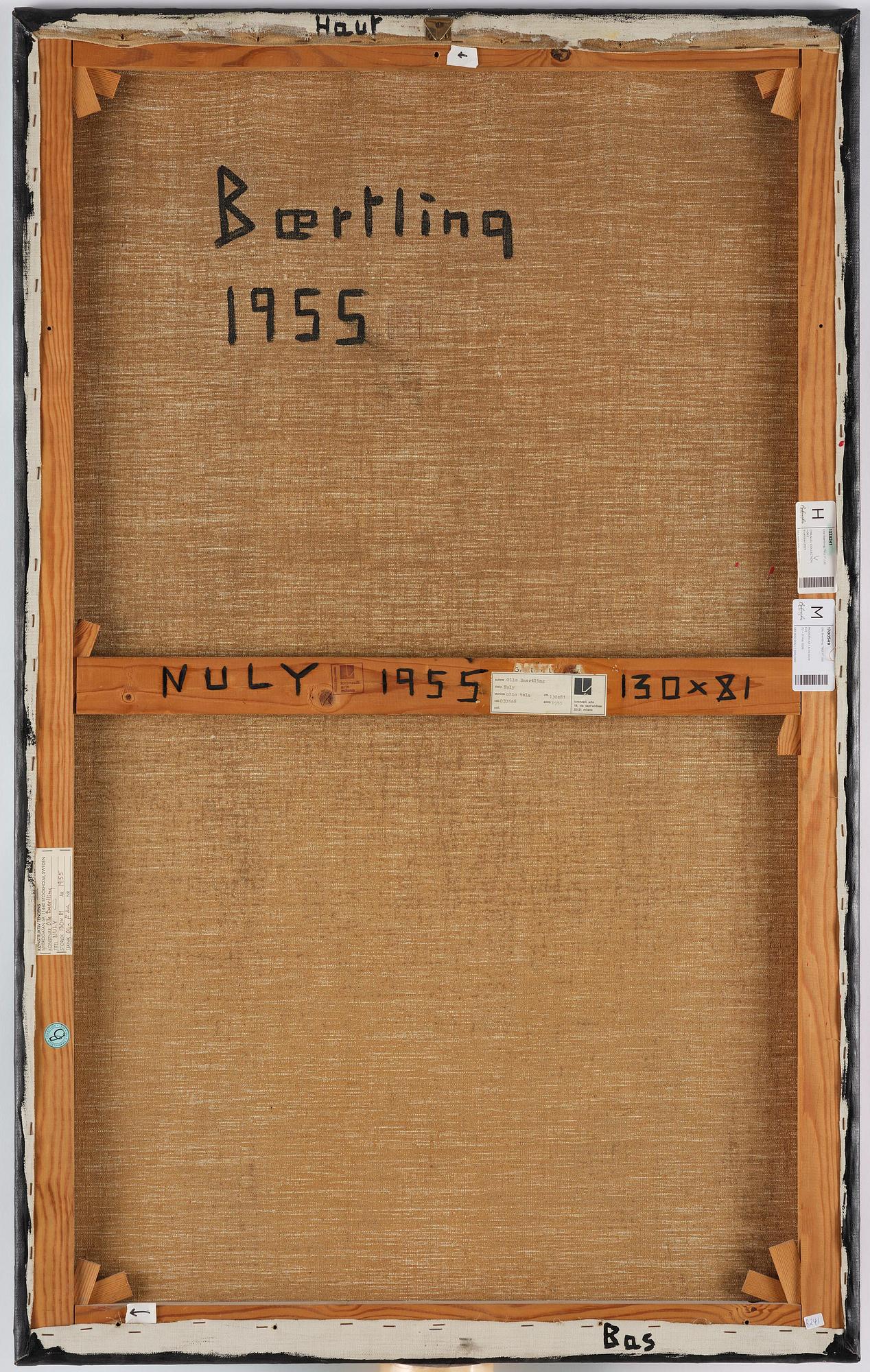
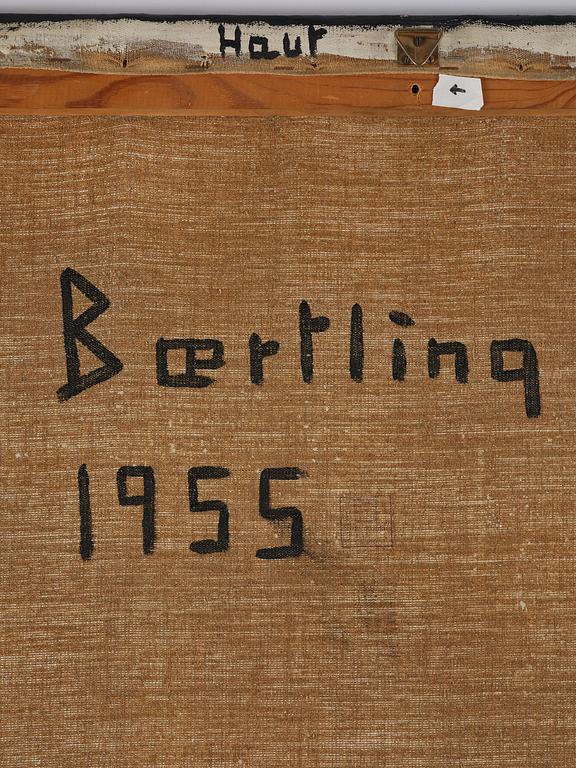
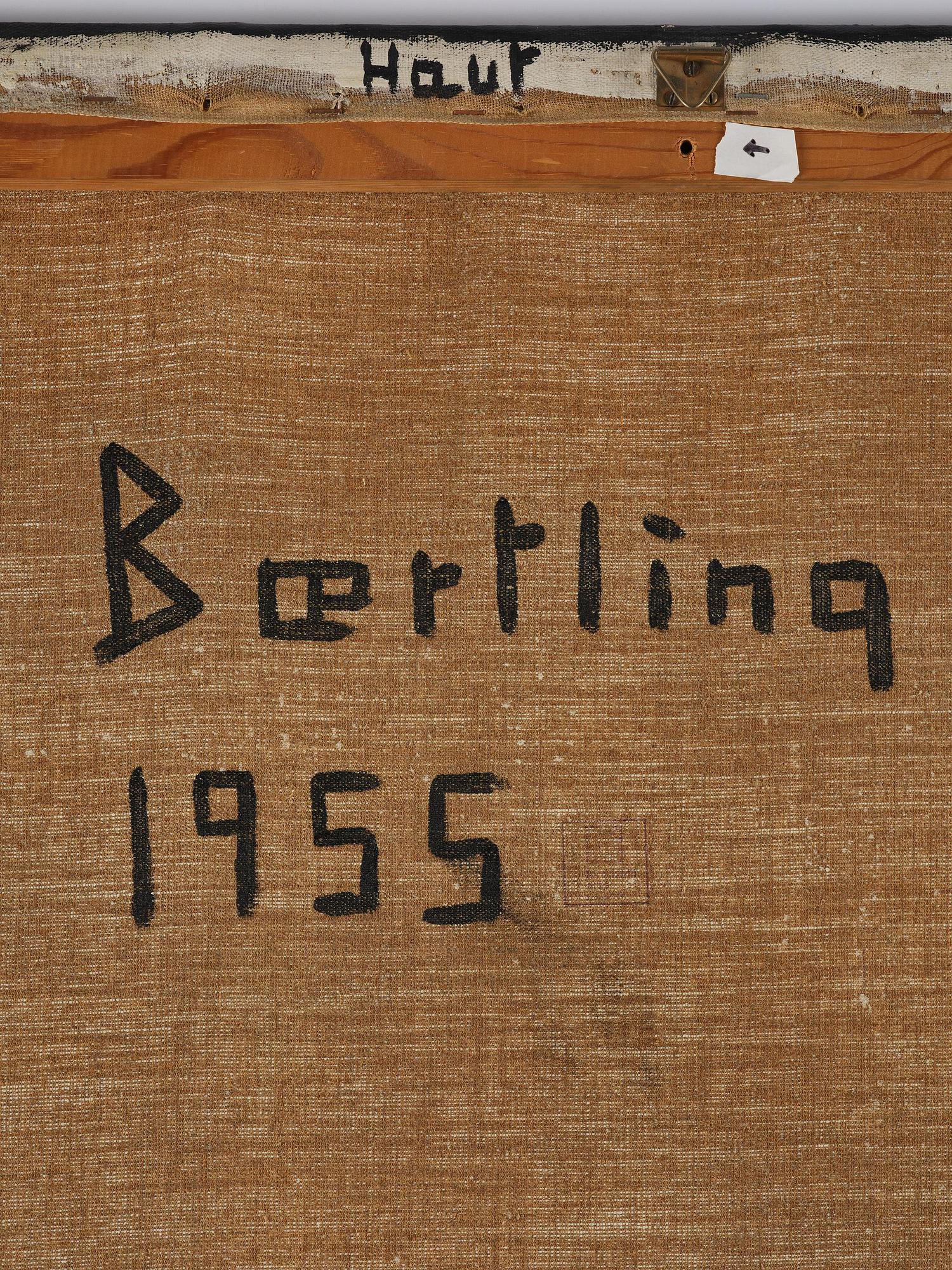
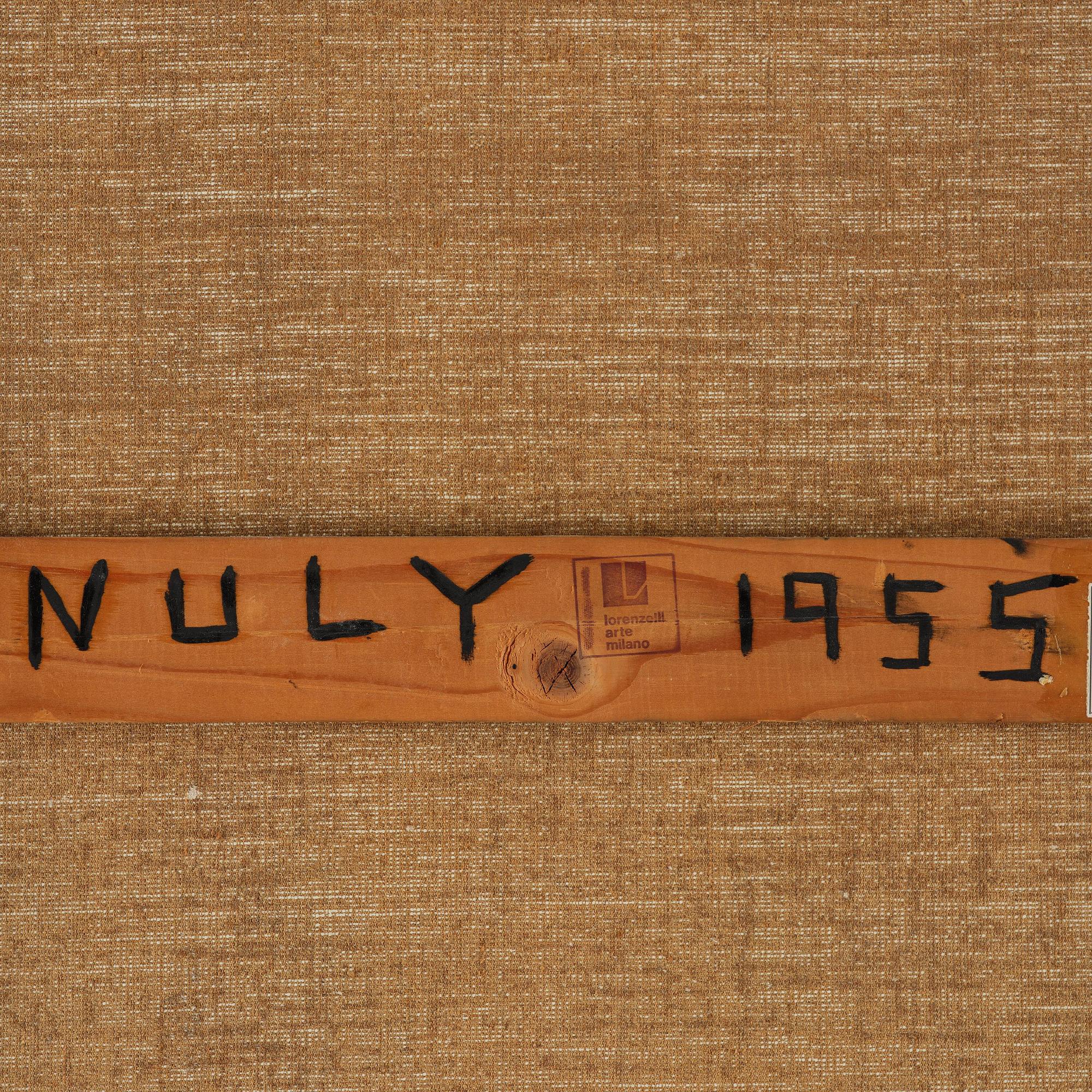
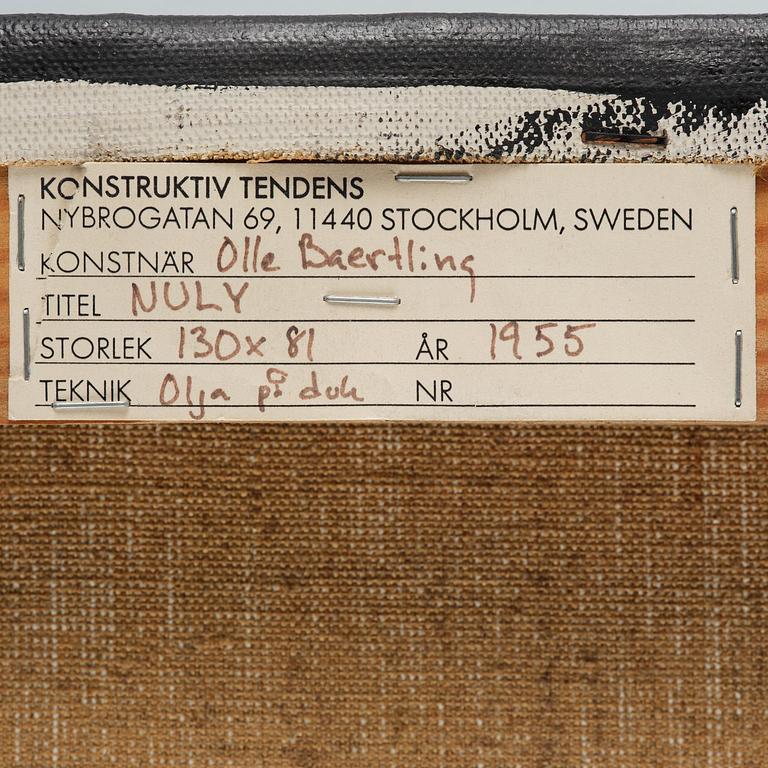
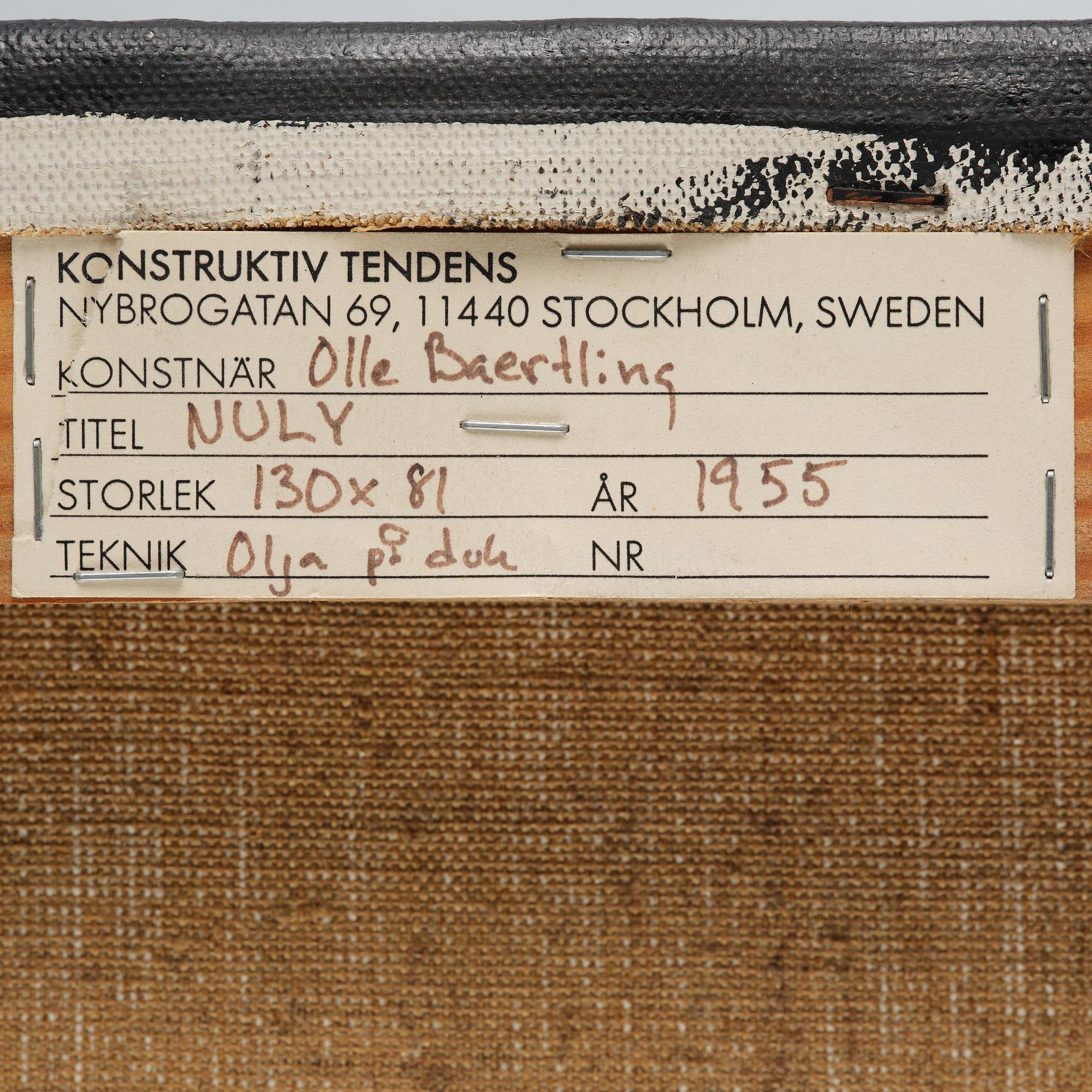
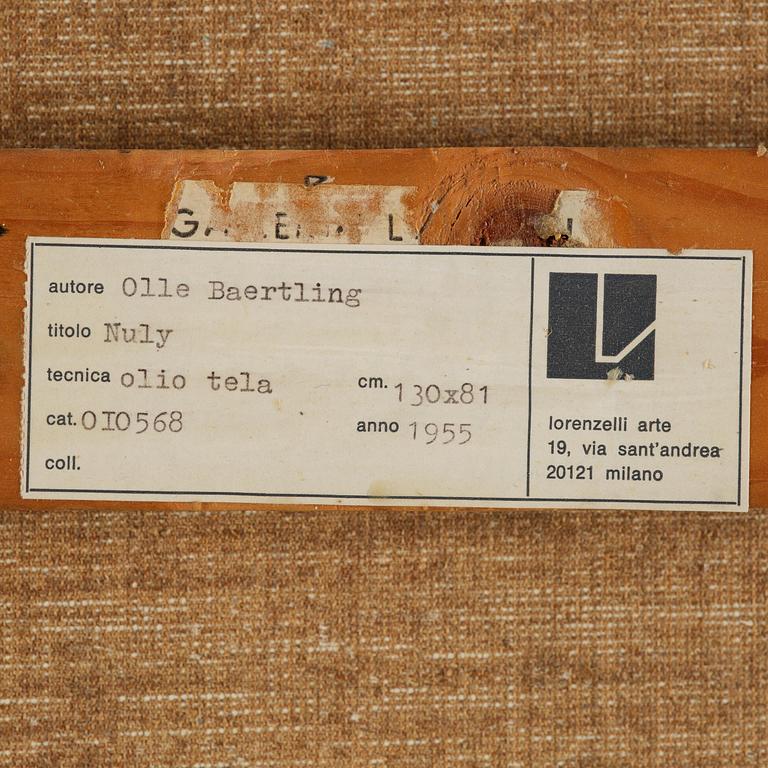
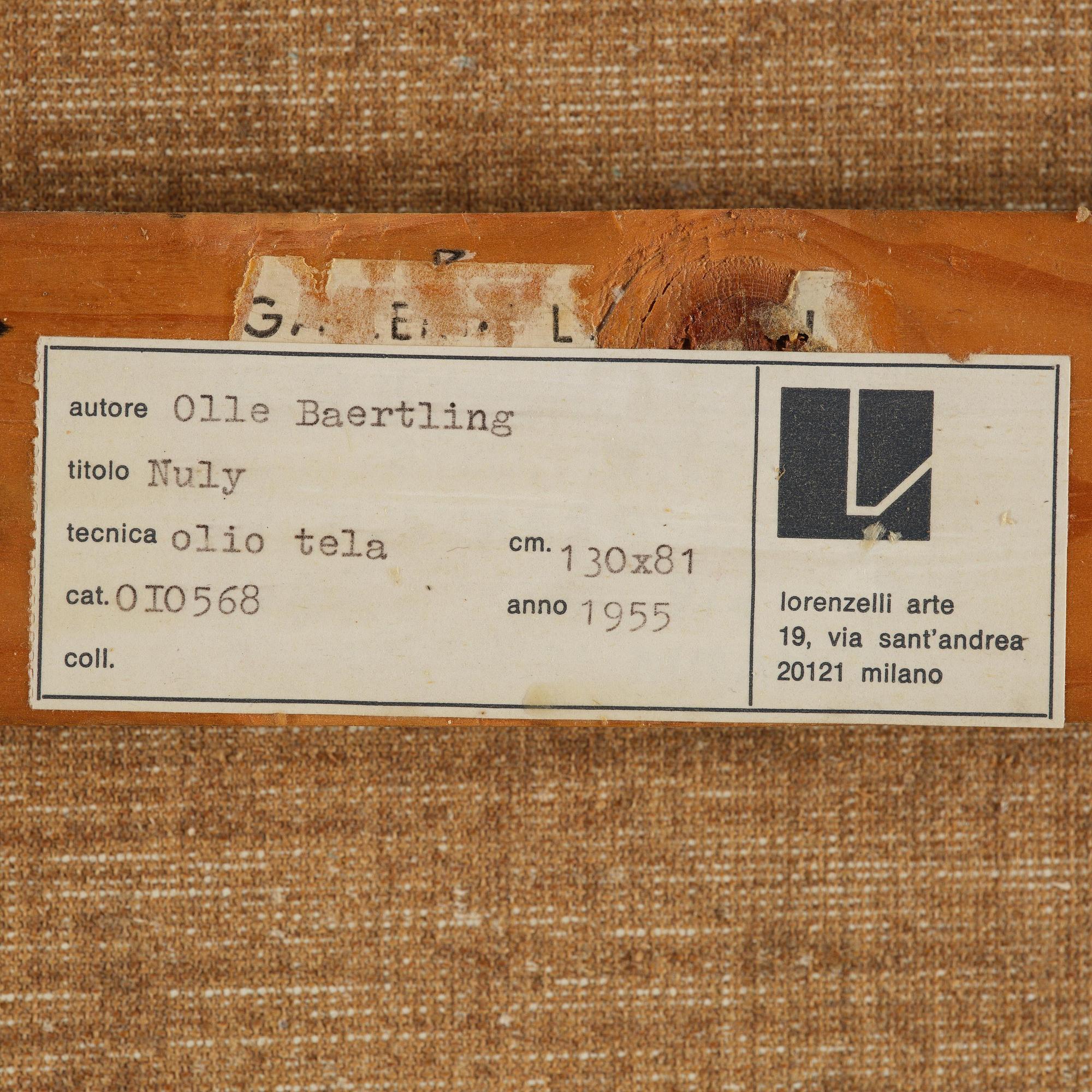
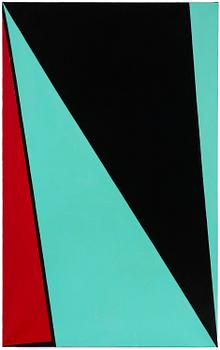
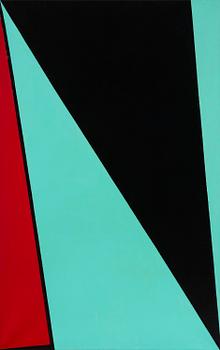
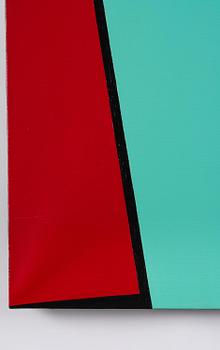
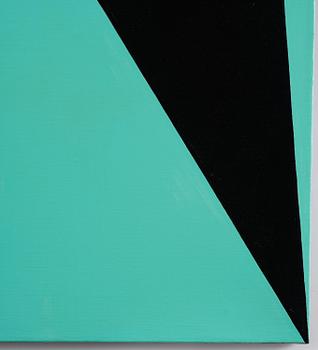
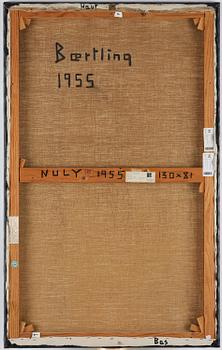
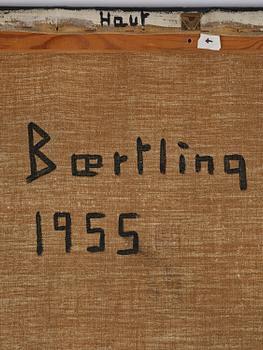
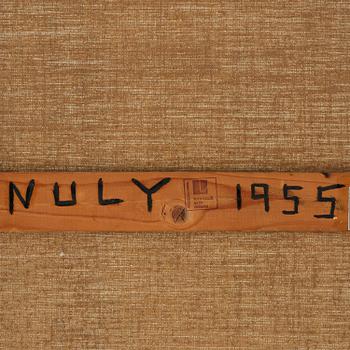
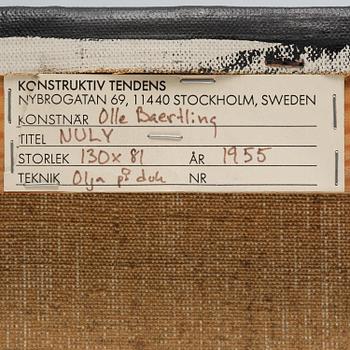
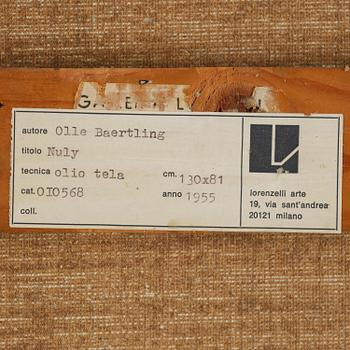
Signed Baertling and dated 1955 on the reverse. Oil on canvas 130 x 81.5 cm.
Alkuperä - Provenienssi
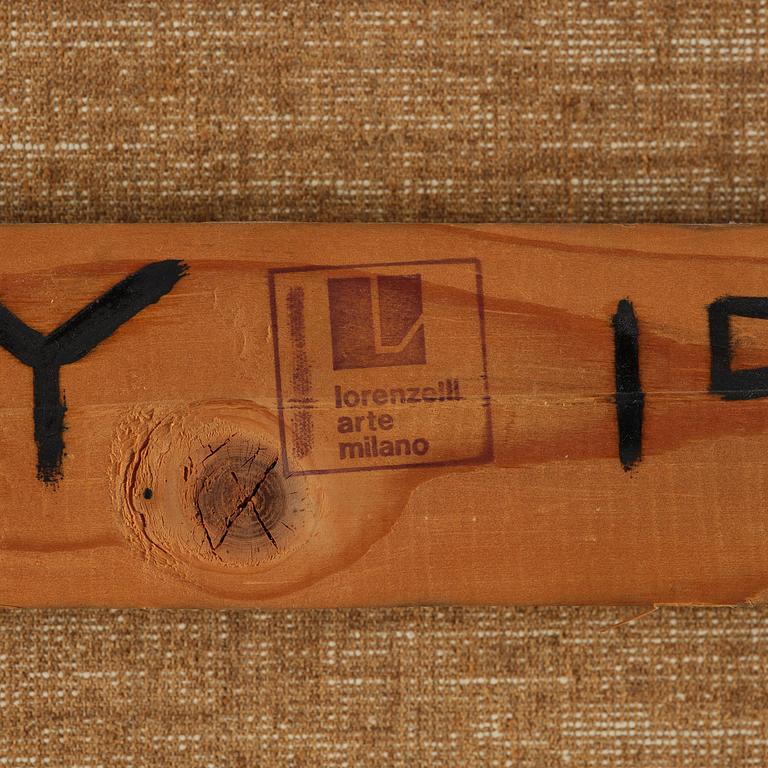
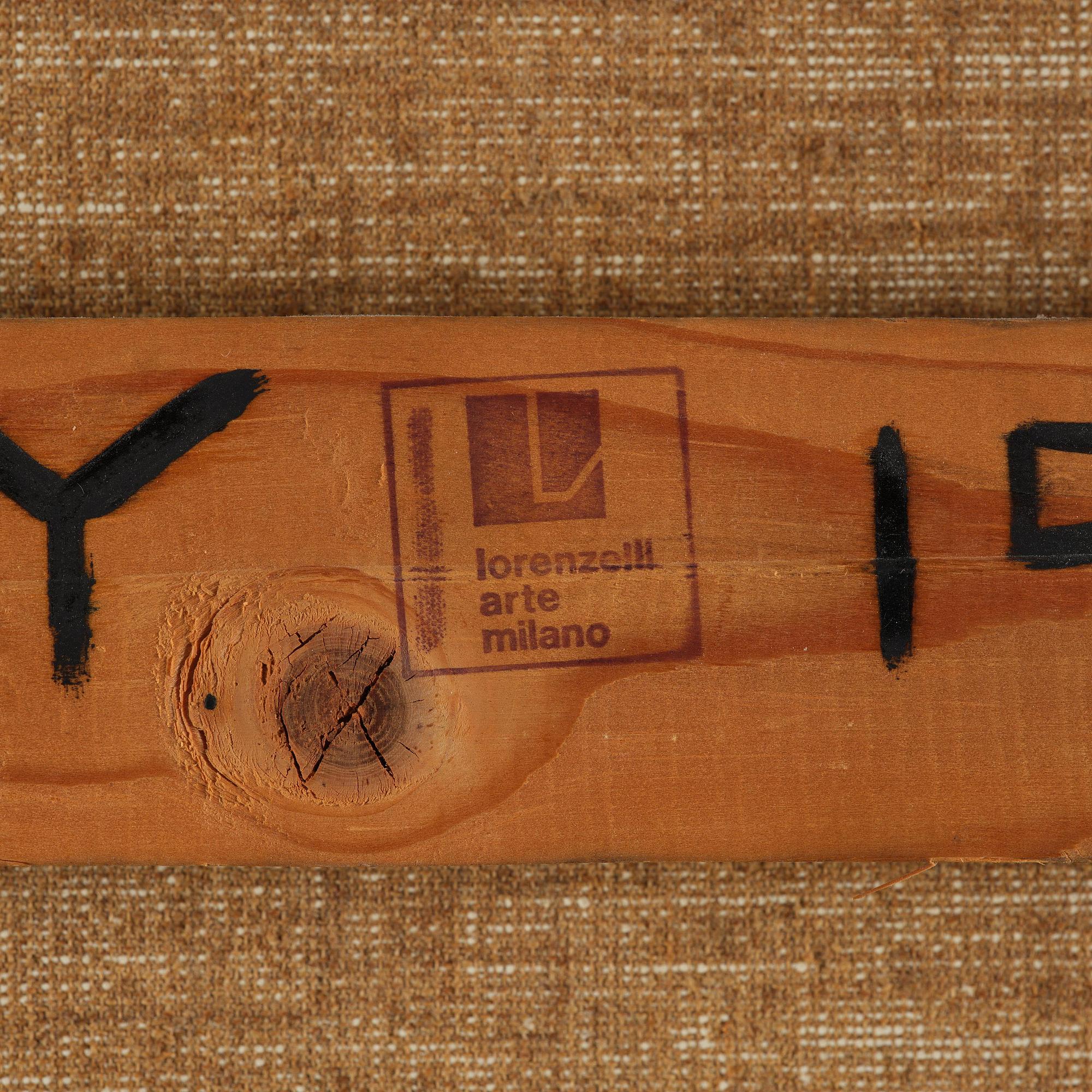
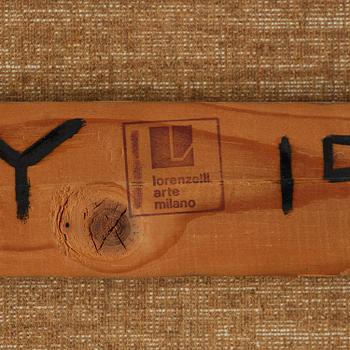
Lorenzelli Arte, Milan.
Konstruktiv Tendens, Stockholm, acquired in 1987.
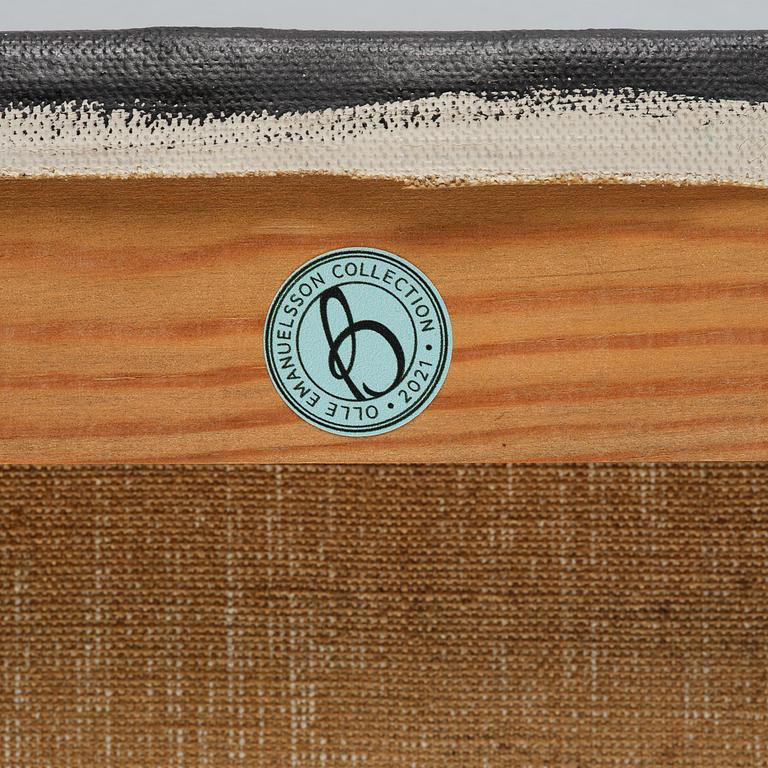
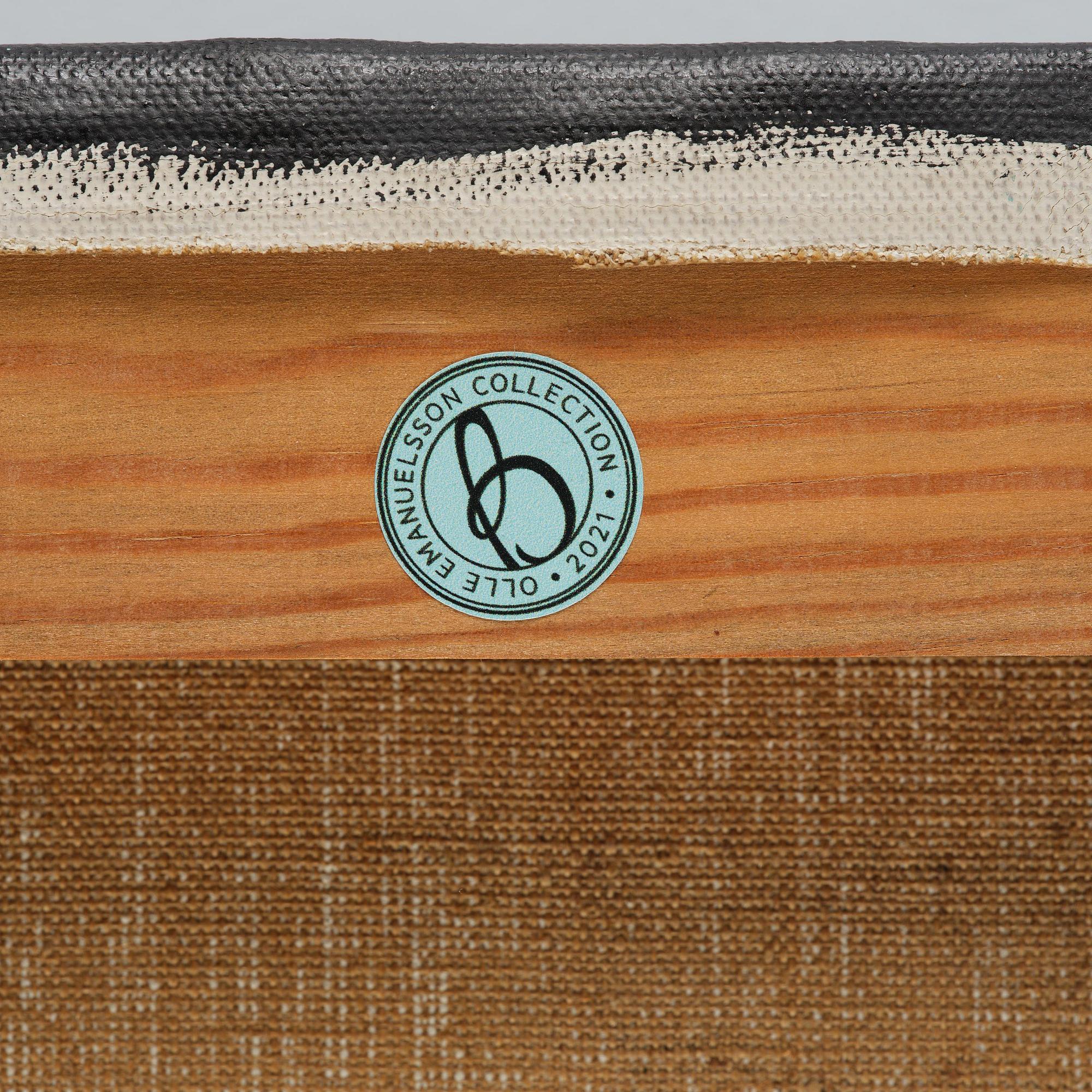
Olle Emanuelsson Collection.
Bukowski Auctions, Stockholm, 6 October 2021, cat. no. 163.
Muut tiedot
Olle Baertling's unique artistry appeals to new art collectors each year who find his "open form" engaging and suggestive. Like many other artists, Baertling faced resistance during his time; for a long time in Sweden, he was "the perpetually controversial banker who tried to paint," despite the fact that, unlike many contemporary artists, he reached far beyond his homeland's borders during his lifetime.
Baertling's painting evolved from the figurative in the 1940s, step by step towards the non-figurative. When the borders opened after the Second World War, Baertling, like many others, sought out the new art's hunting ground – France. The 1950s were his most important decade. During the early years of the 50s, he took longer and longer leaves from his banking career at Skandinaviska Banken and travelled to Paris. There, in the Mecca of art, he came into contact with the new artistic currents at the Salon des Réalités Nouvelles and sought out artists such as André Lhote, Fernand Léger, Victor Vasarely, Richard Mortensen, and Auguste Herbin. The latter became crucial for his continued development as an artist. Herbin introduced Baertling to the forward-thinking gallerist Denise René, who immediately included him in her "stable" of constructivists.
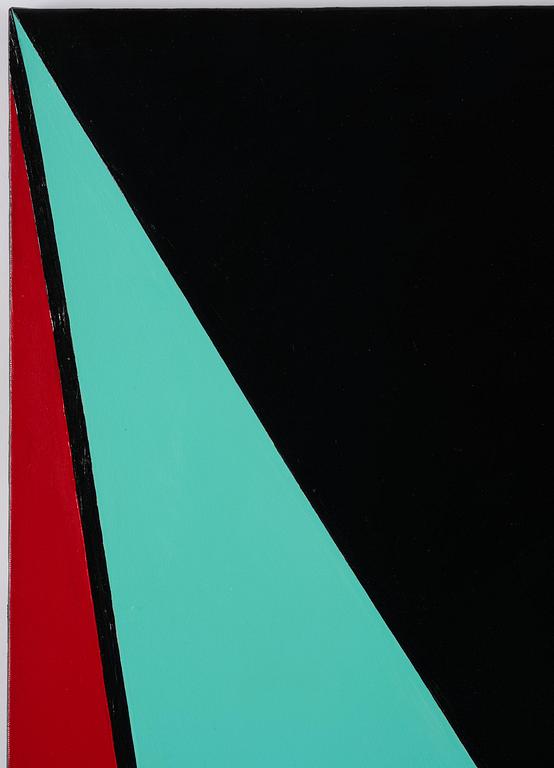
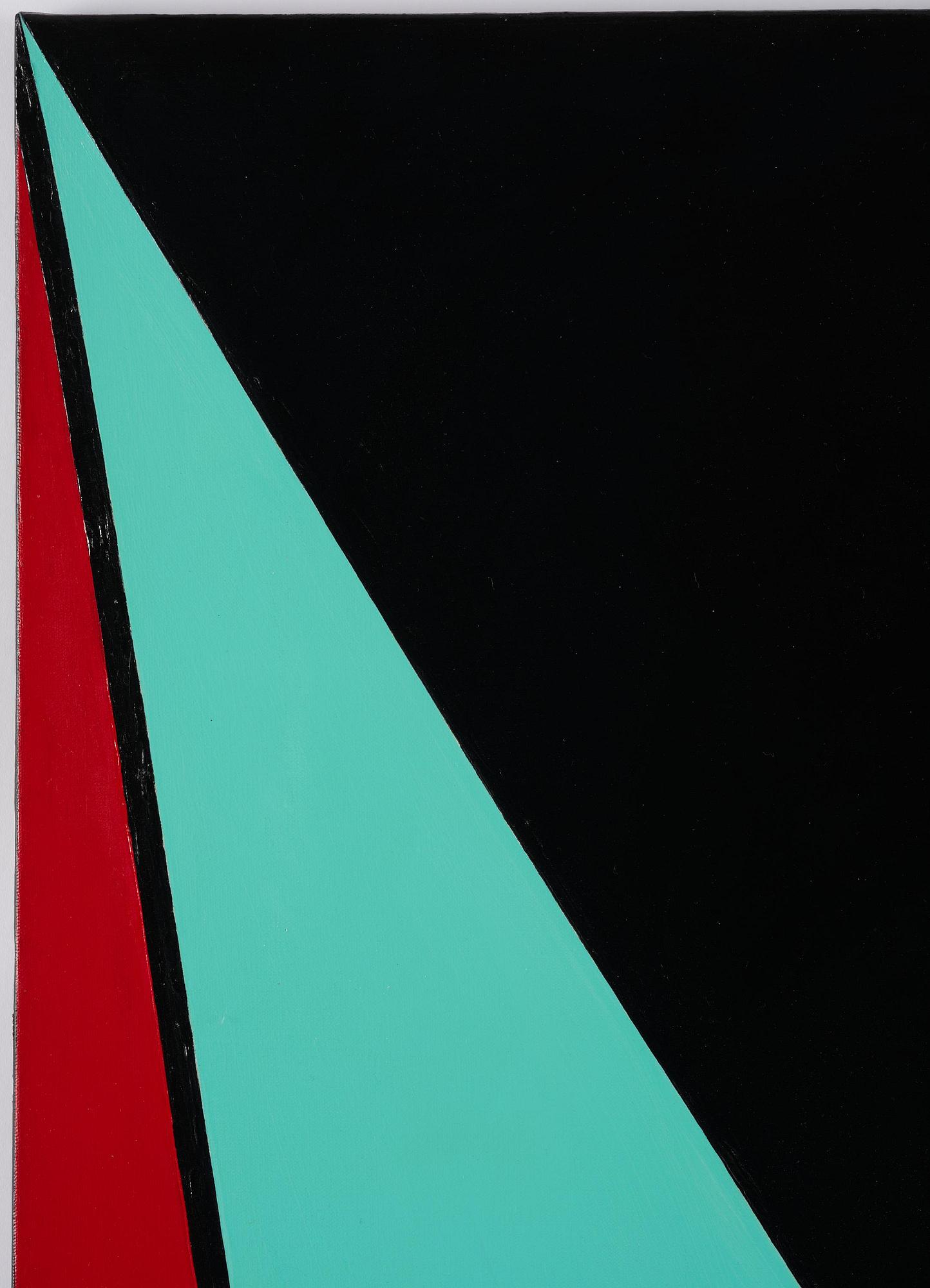
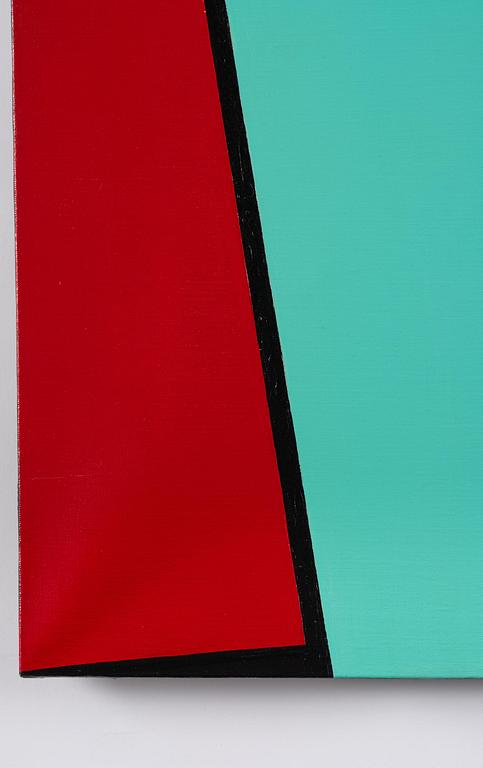
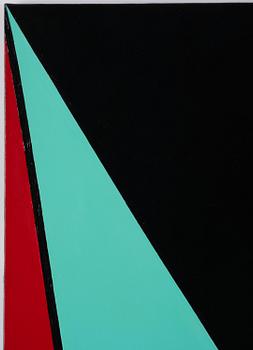
Baertling abandoned the OP art that had inspired him for a time and began to create a style of his own where triangles and diagonals became the main theme. From geometric basic elements, he built a new pictorial world of proportions, relationships, and synthetic, programmed colour harmonies. Everything was methodically executed; the geometric instinct took over, and "the open form" was born. In the concept of "the open form," Baertling sought to depict space and movement through his geometric shapes that continue beyond the surface of the canvas.
Lines and large fields of colour in black characterise his paintings, contrasted against "Baertling white," a unique broken white hue. Baertling preferred artificial colour shades that did not evoke associations with nature and believed that black was a magical colour, both light, joyful, and beautiful.
Lisätietoja ja kuntoraportit

Kuuluu jälleenmyyntikorvauksen piiriin
Tietoa ostamisesta
Kuvan käyttöoikeudet
Tämän tietokannan taideteokset ovat tekijänoikeudella suojattuja, eikä niitä saa kopioida ilman oikeudenhaltijoiden lupaa. Teokset kopioidaan tässä tietokannassa Bildupphovsrättin lisenssillä.
Muiden katsomia kohteita