"The Spine"
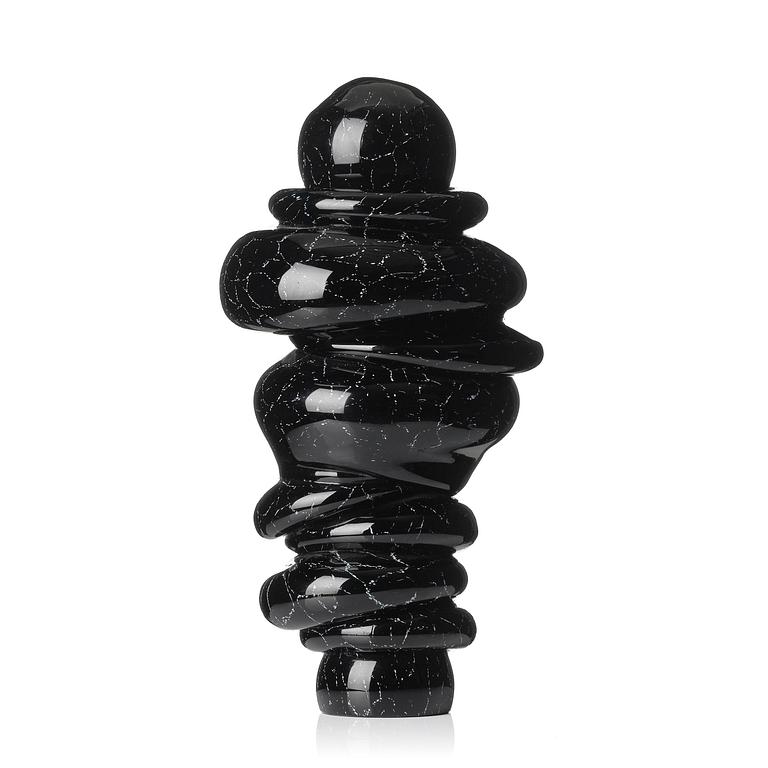
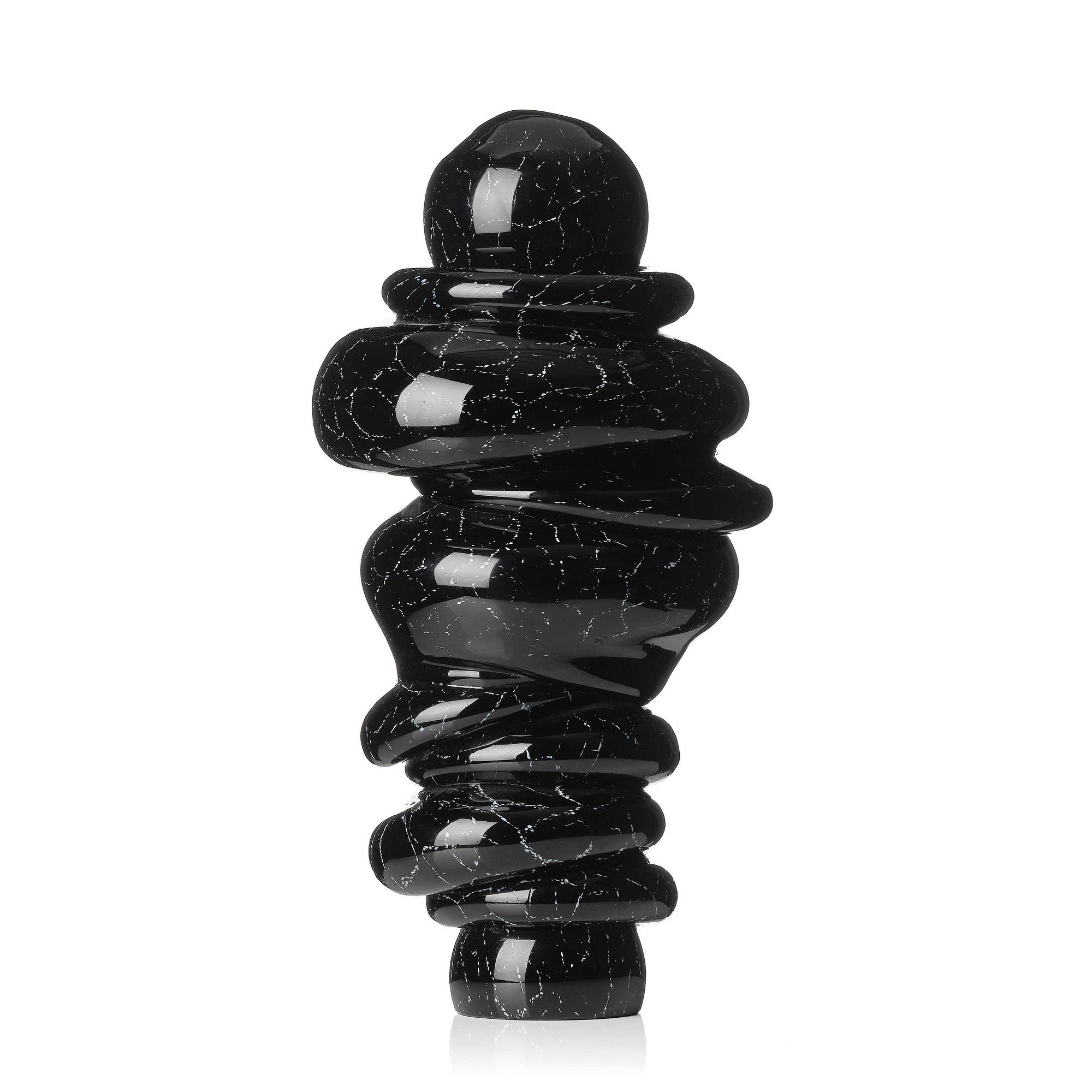
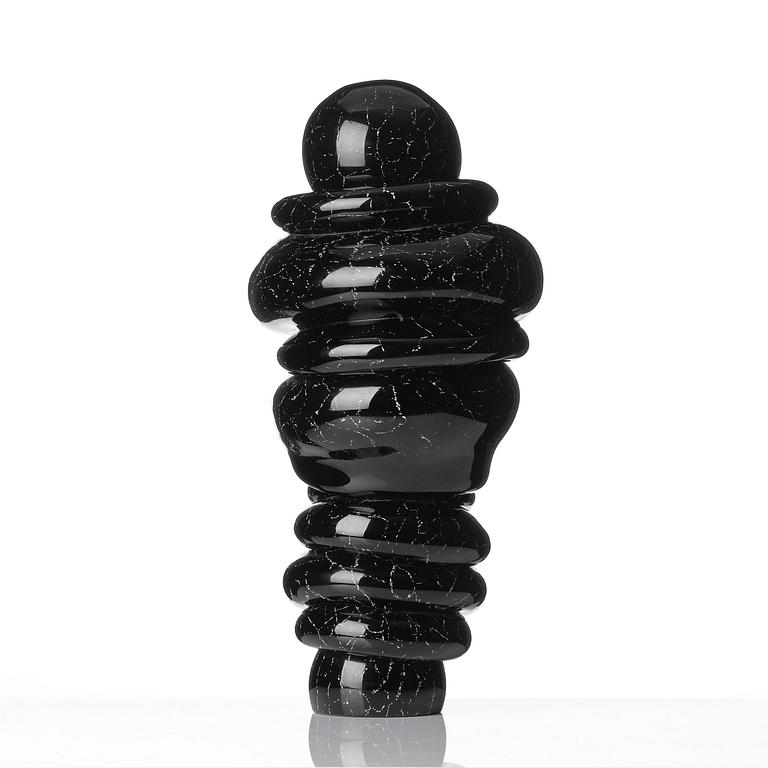
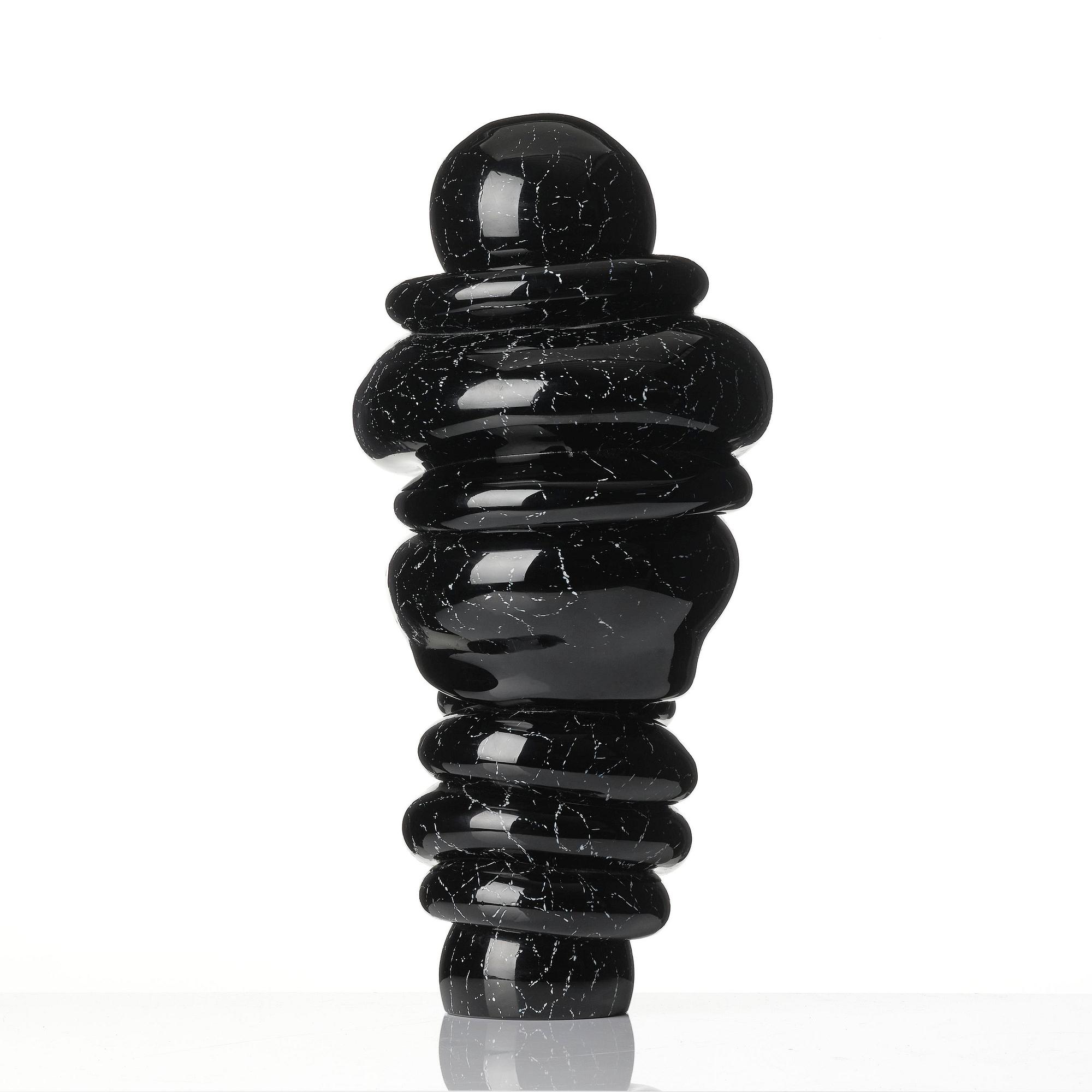
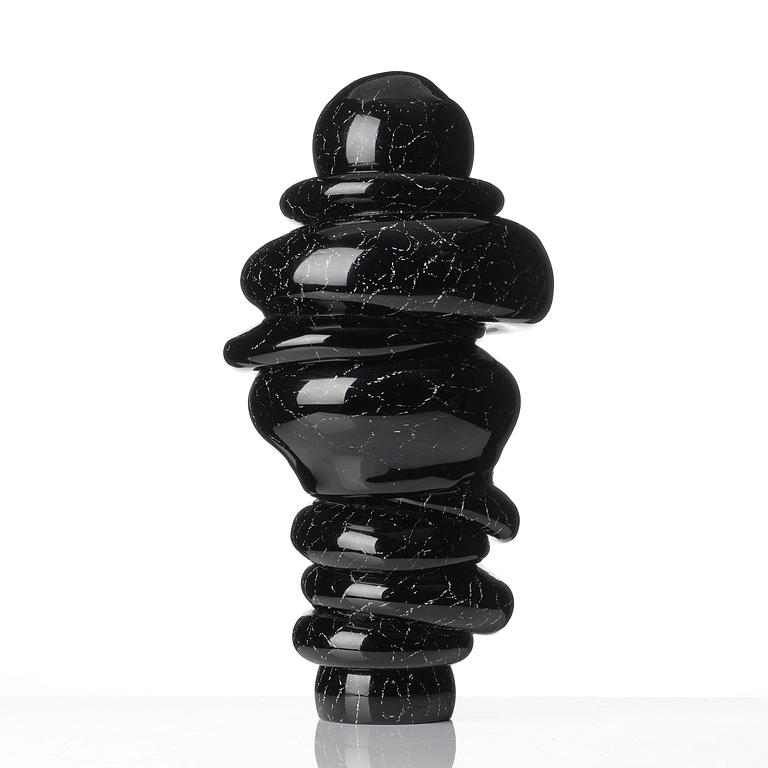
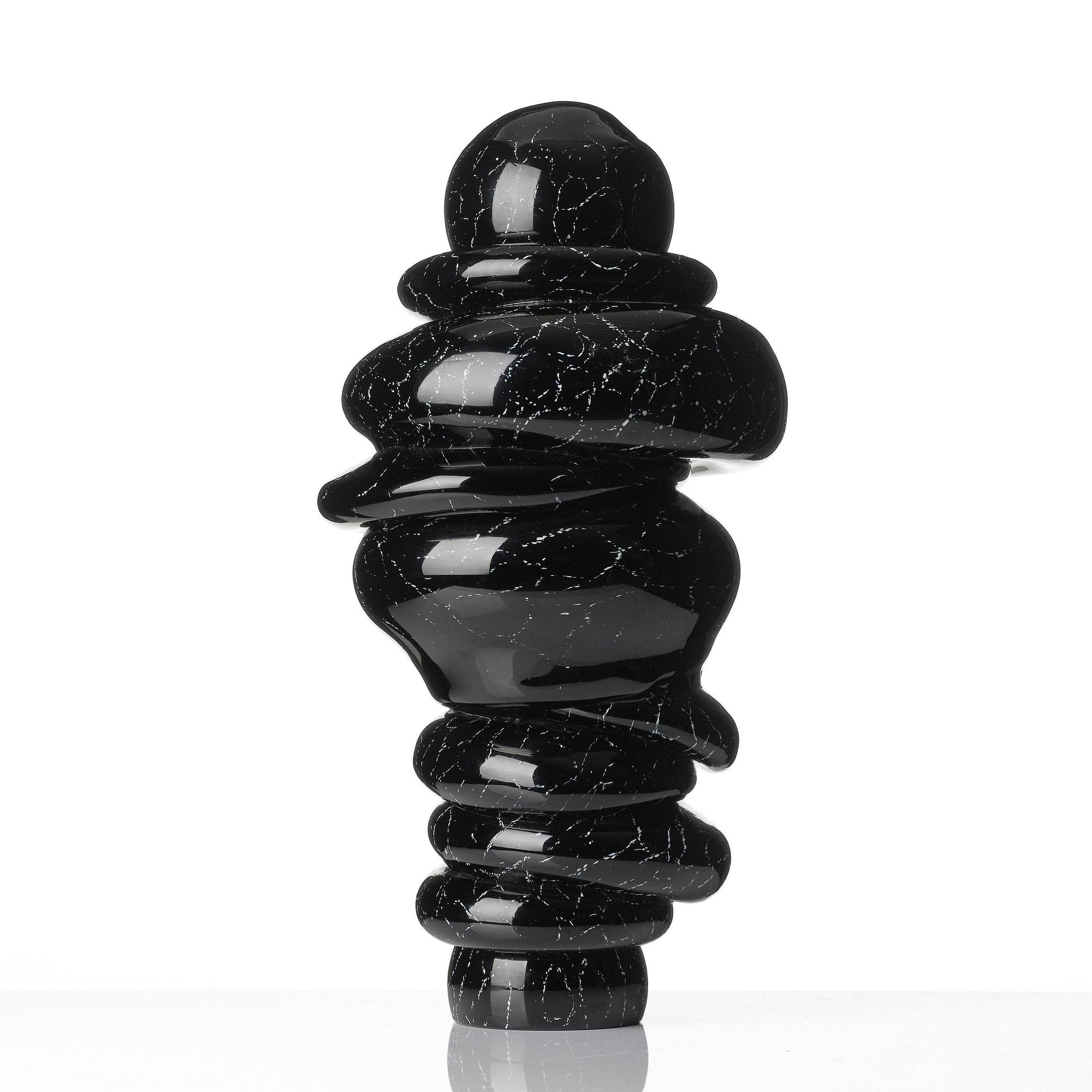
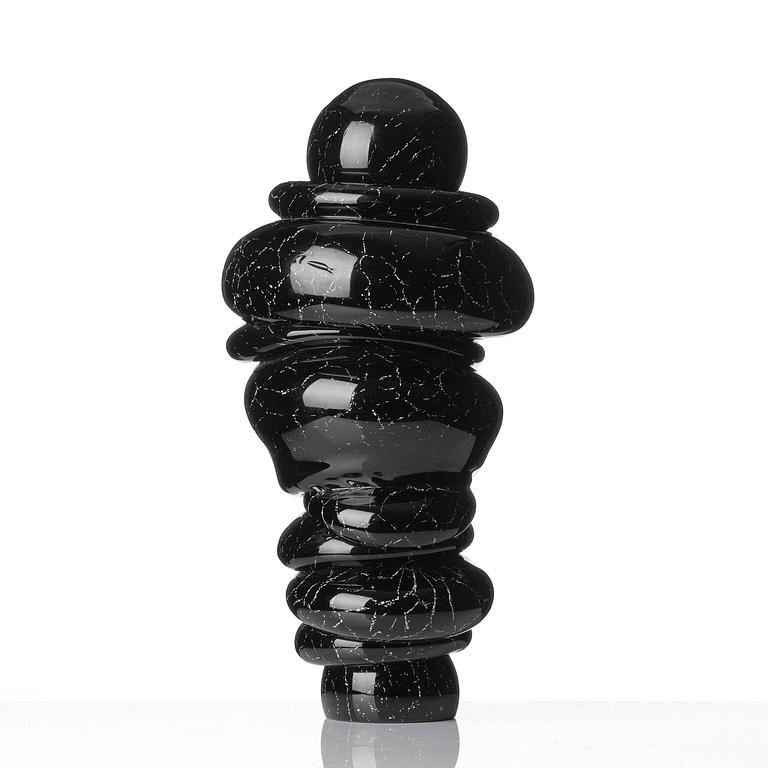
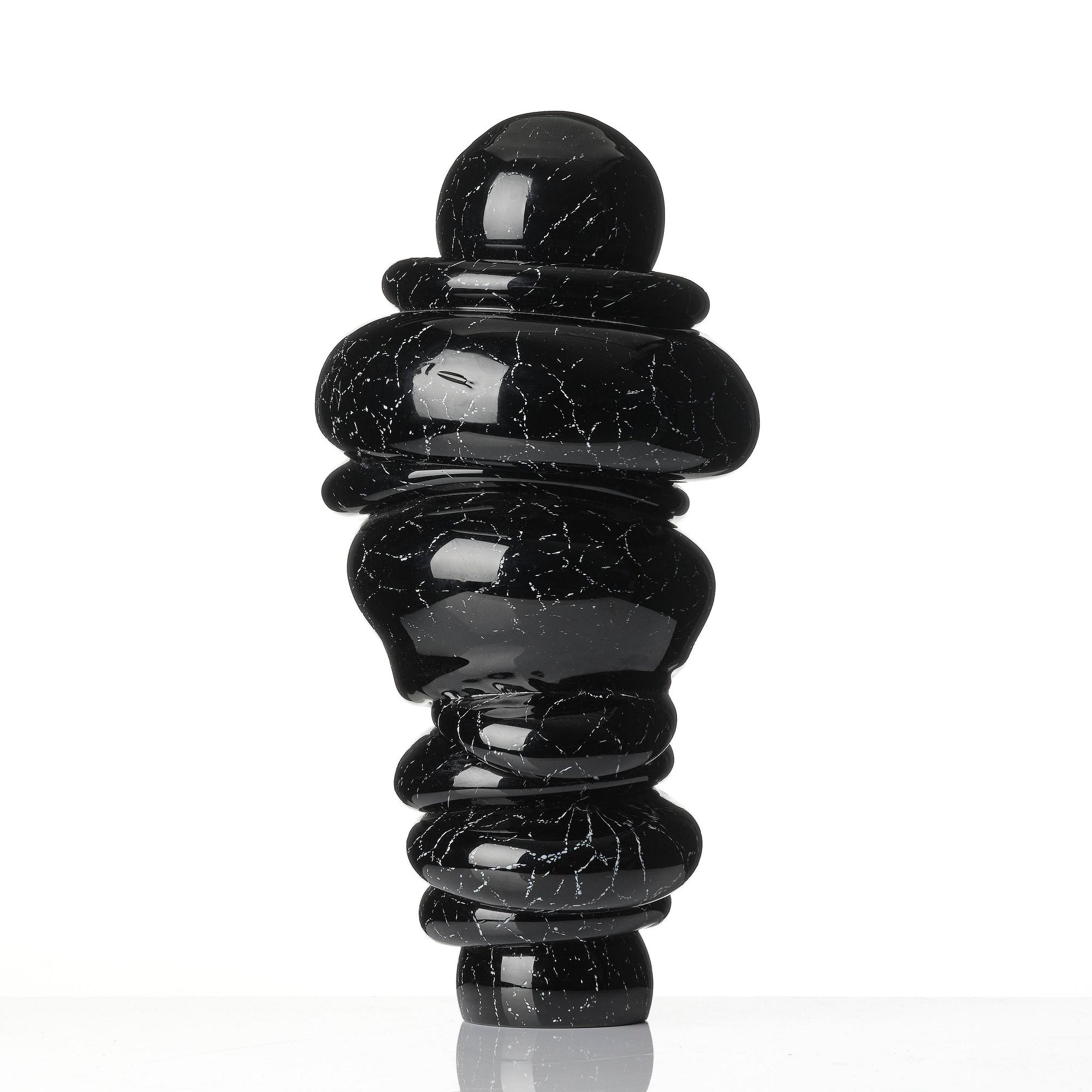
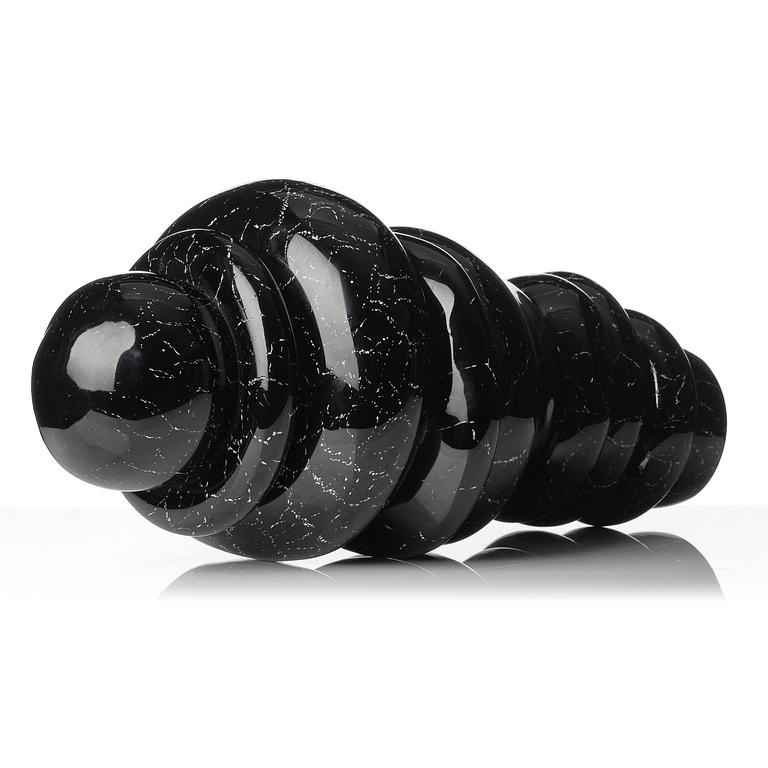
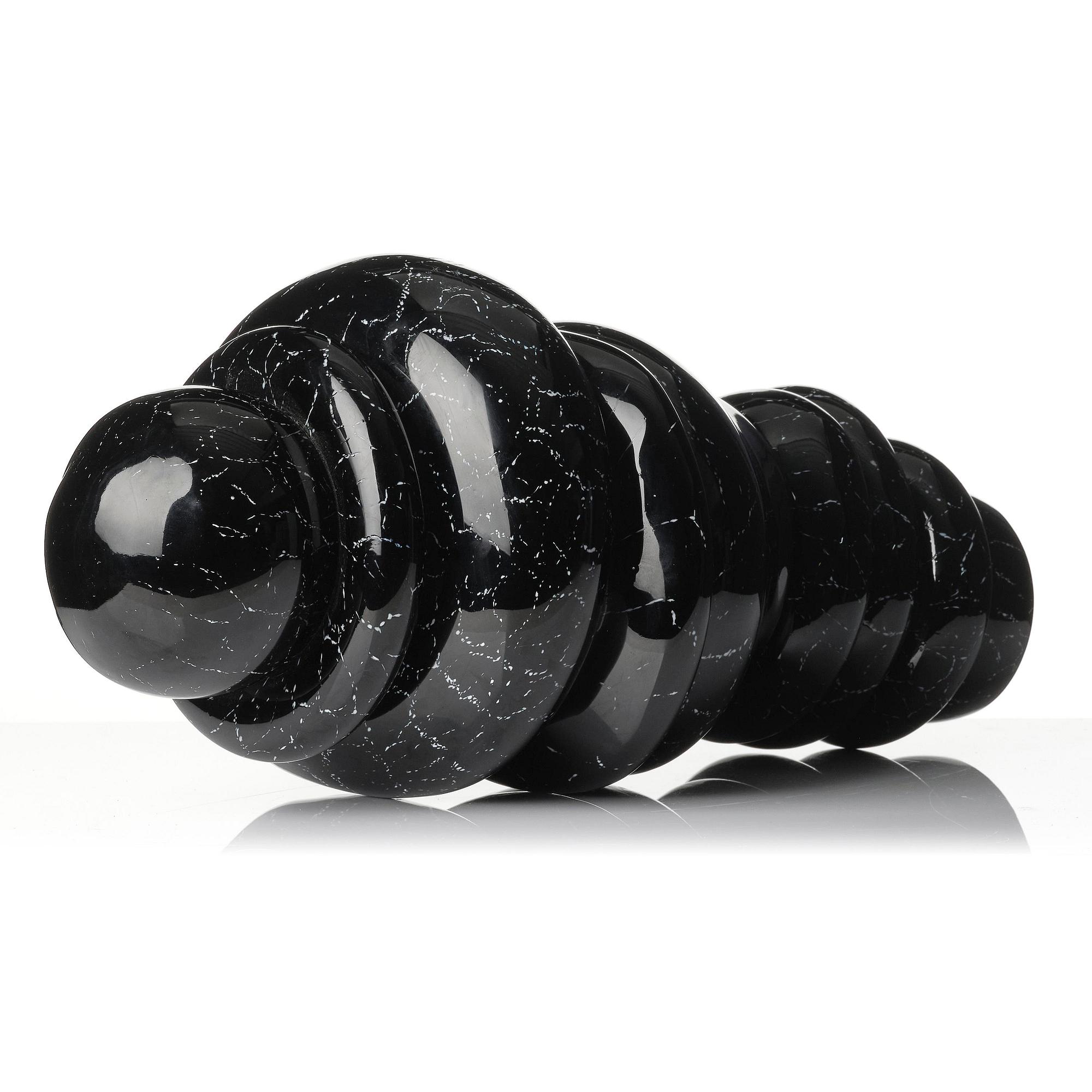
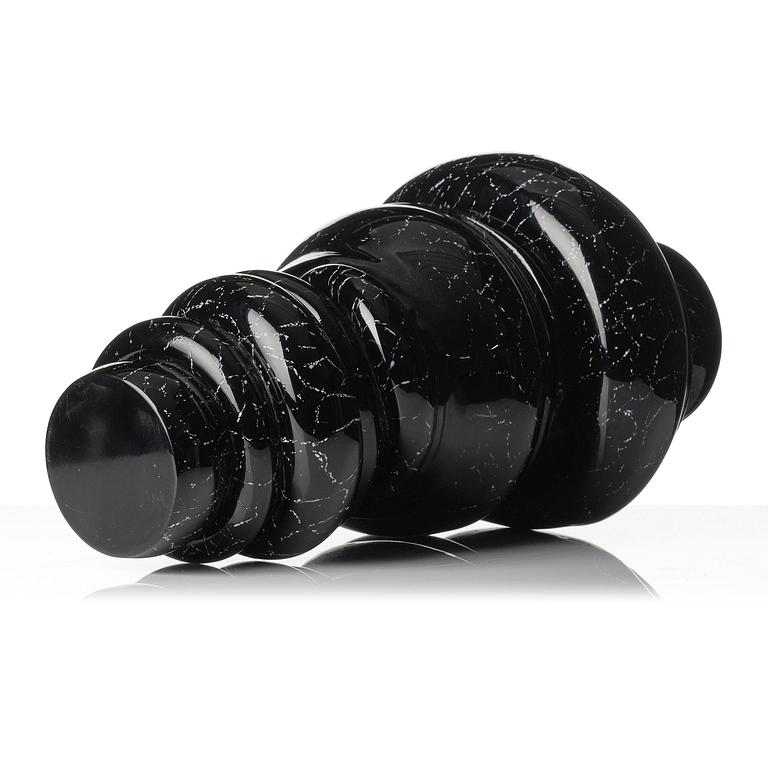
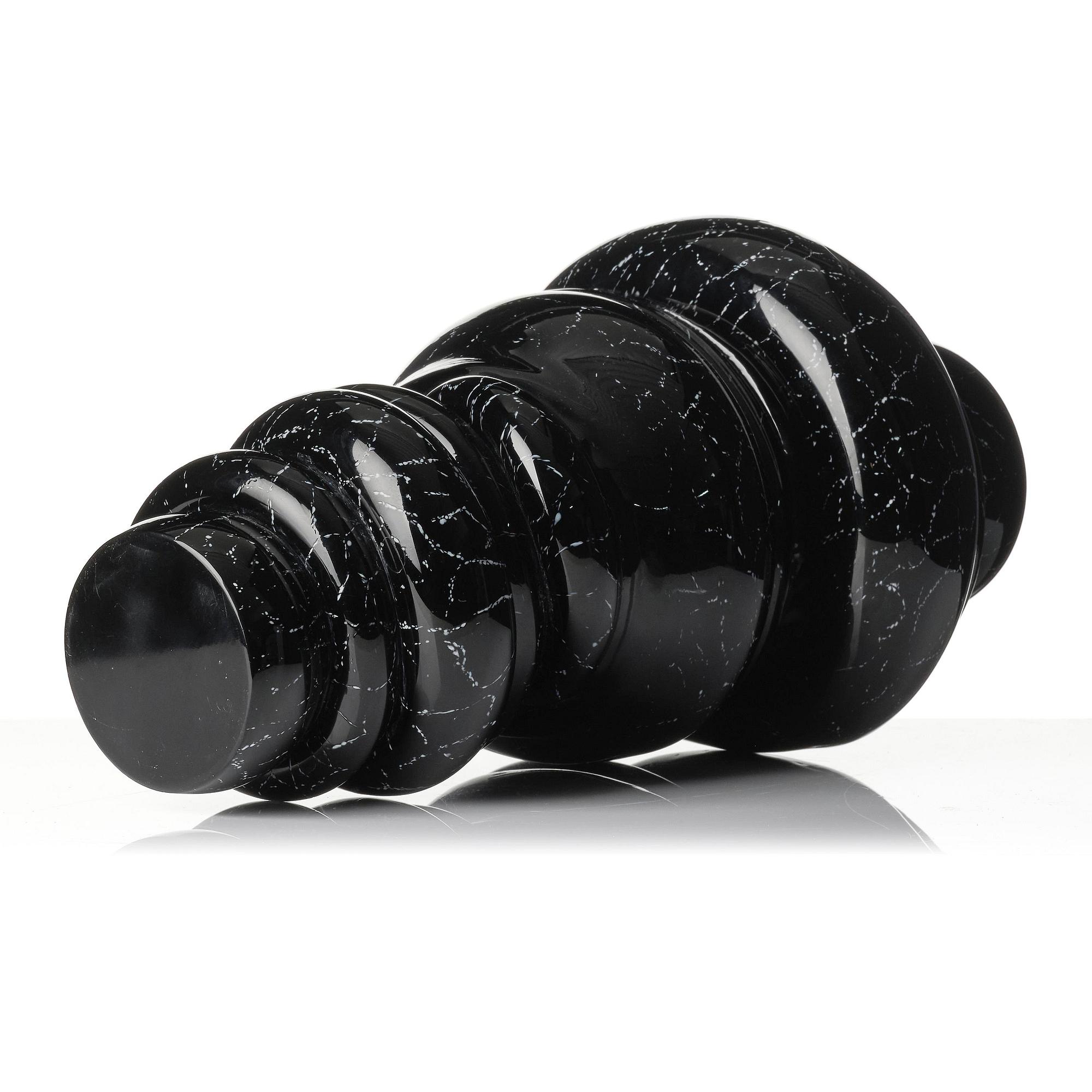
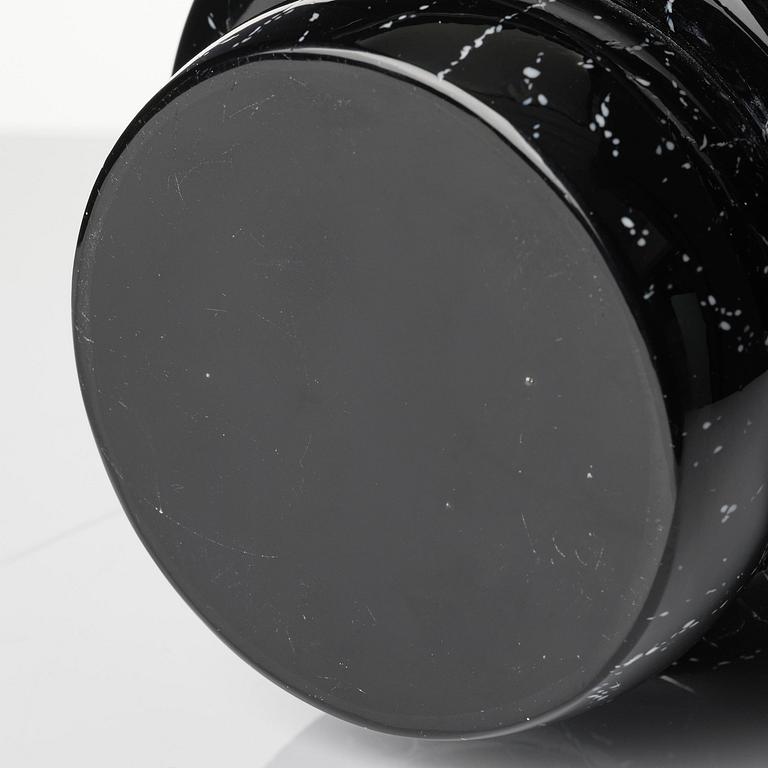
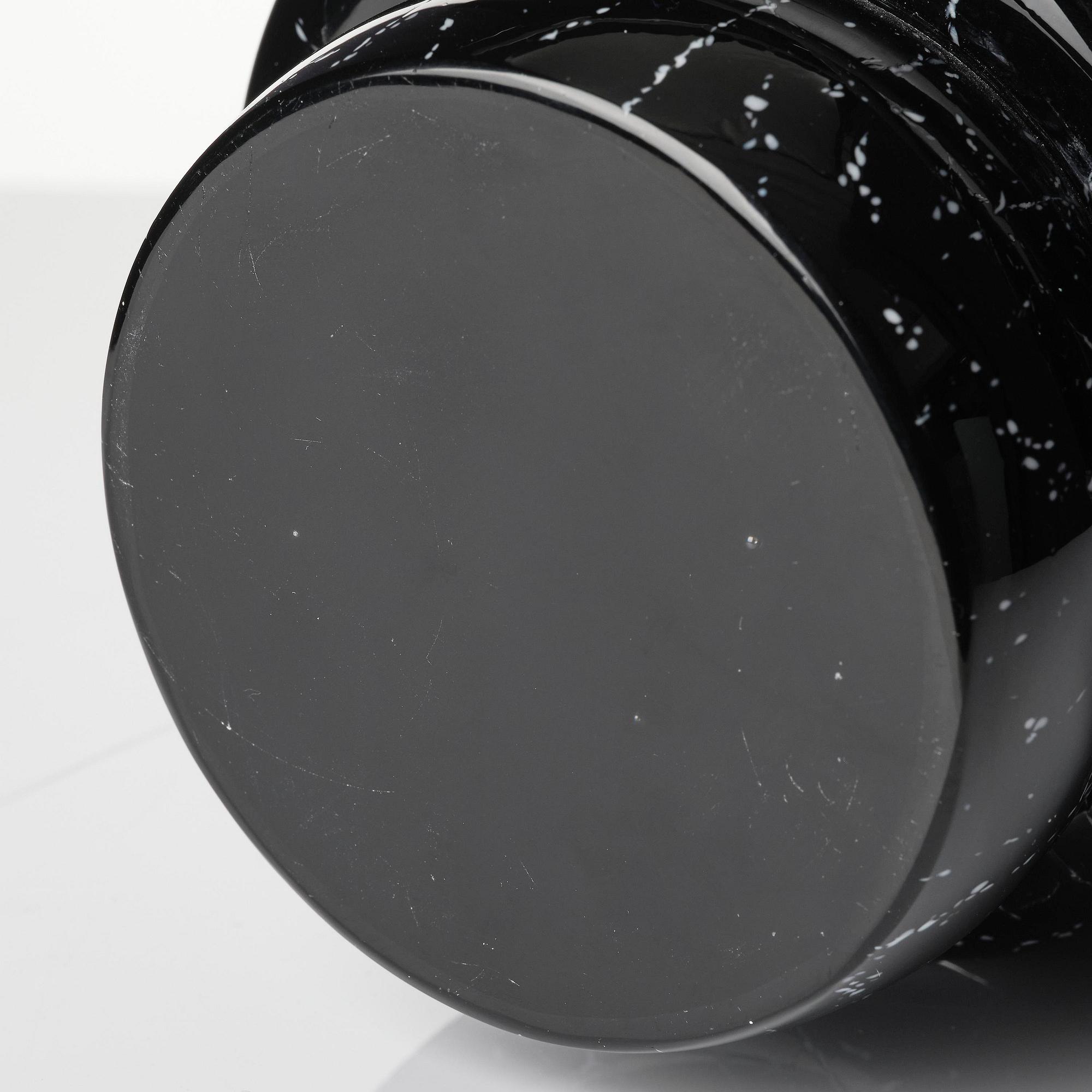
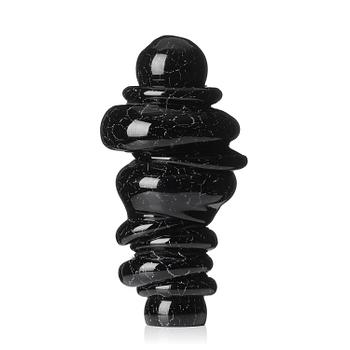
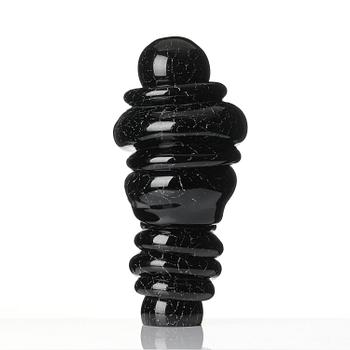
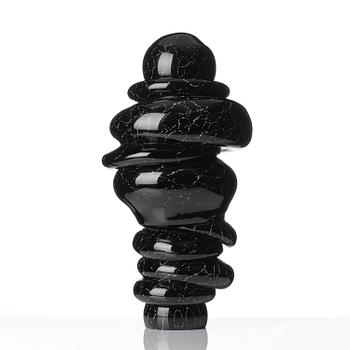
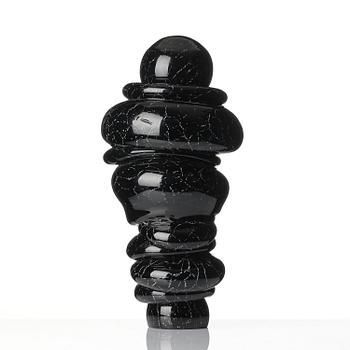
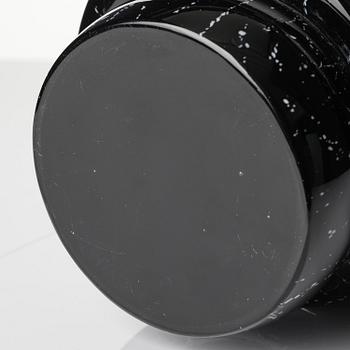
Executed in 2022. Unique. Glass, height 60 cm.
Alkuperä - Provenienssi
Galleri GSA, Stockhom.
Private Collection, Stockholm.
Näyttelyt
GSA Gallery, Stockholm, "Tony Cragg, Sculpture", 7 April – 14 May 2022.
Muut tiedot
Tony Cragg is one of the most significant artists in contemporary sculpture. Born in Liverpool in 1949, he has lived and worked in Wuppertal since the late 1970s, exploring the possibilities of sculpture through a wide range of materials for more than five decades. His international breakthrough came in 1988, when he was awarded the Turner Prize and represented Great Britain at the Venice Biennale in the same year. In 2007, he received the Praemium Imperiale for Sculpture.
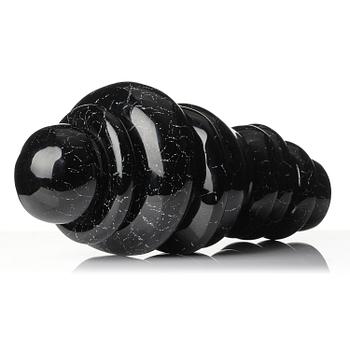
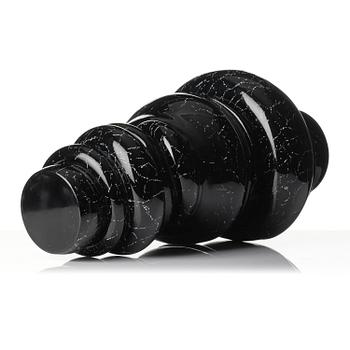
In "The Spine" Cragg takes the spine as his point of departure. The rounded forms are stacked on top of one another and offset in relation to each other, creating a twisting, upward-growing movement. The shape evokes the human body, but also vegetation and other organic structures. It is characteristic of Cragg to begin with something familiar and then develop the form in a more abstract direction.
Cragg has long been interested in structures found in the body, nature and science. Works such as "Chromosomes", "Molecular Composition","Mineral Vein" and "Wirbelsäule" reflect this interest. For him, form is not simply something to depict, but a means of investigating how we perceive our surroundings.
"The Spine" is made of glass, a material that gives the sculpture a distinctive character. Its dark, glossy surface captures the light and reflects the space around it. As the viewer moves around the work, both its silhouette and the play of light across its surface change. What initially appears to be a solid, enclosed and heavy form thus takes on a lighter and more fluid character.
Throughout his career, Cragg has worked with a wide range of materials, including plastic, wood, stone, bronze, steel and glass. His interest lies not only in the appearance of a material, but also in how it can transform a form. This becomes particularly evident in his work with glass. The material's weight and transparency, the reflections of light and the sculptural form interact, allowing the work to be experienced differently from different viewpoints.
In the 1970s, Cragg began working with found objects and industrial materials, placing them in new contexts. Although his later sculptures are often more refined and formally distilled, the same spirit of investigation remains. He has also held professorships at institutions including the Kunstakademie Düsseldorf and the École Nationale Supérieure des Beaux-Arts in Paris. In 2005, he founded the Cragg Foundation and the Waldfrieden Sculpture Park in Wuppertal, which opened in 2008.
Cragg also has close ties to Sweden through his summer studio on the island of Tjörn and his recurring exhibitions in the country, including at Pilane. His significance for international sculpture is also recognised through the European Culture Prize 2026, awarded to him in recognition of his longstanding artistic career and his influence on the contemporary art scene. Through his artistic practice and his work with Skulpturenpark Waldfrieden in Wuppertal, Cragg has also helped establish the city and the state of North Rhine-Westphalia as an important international destination for contemporary sculpture.
"The Spine" clearly demonstrates Cragg's approach of allowing a simple point of departure to evolve into a complex sculptural form. The association with the spine remains, yet in glass it becomes something more: an autonomous form in constant transformation, shaped by the light, the surrounding space and the viewer's position.
Lisätietoja ja kuntoraportit

Mitä kuljetus maksaa?
Toimituksen voi tilata vain ottamalla yhteyttä osoitteeseen specialdelivery@bukowskis.com.
Kuuluu jälleenmyyntikorvauksen piiriin
Tietoa ostamisesta
Kuvan käyttöoikeudet
Tämän tietokannan taideteokset ovat tekijänoikeudella suojattuja, eikä niitä saa kopioida ilman oikeudenhaltijoiden lupaa. Teokset kopioidaan tässä tietokannassa Bildupphovsrättin lisenssillä.
Muiden katsomia kohteita