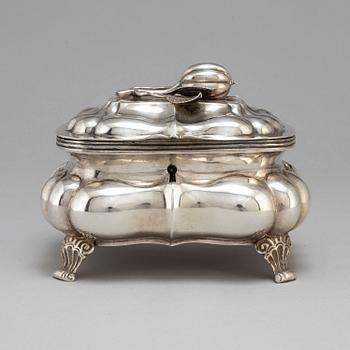
Russian Silver
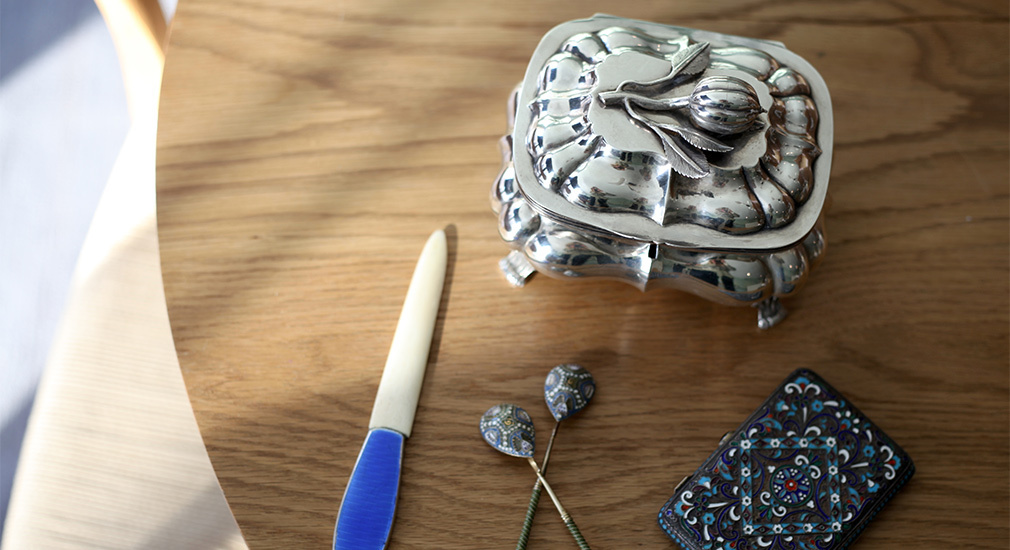
So what is typical for Russian style in silver and what influenced it?
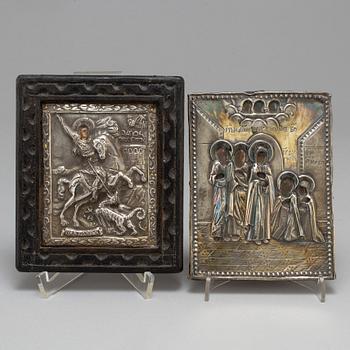
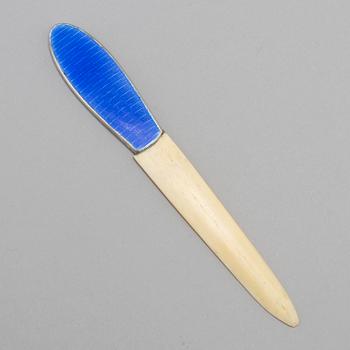
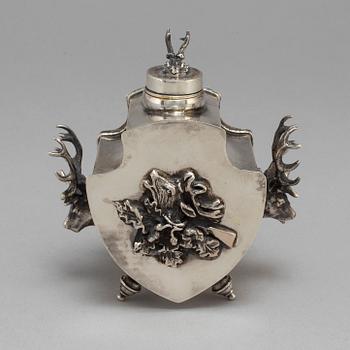
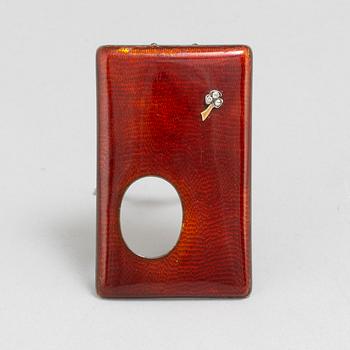
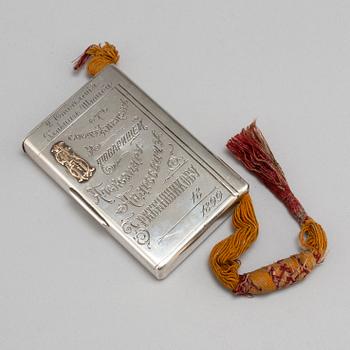
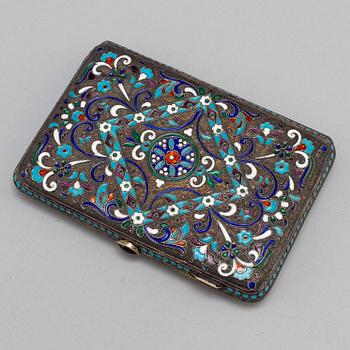
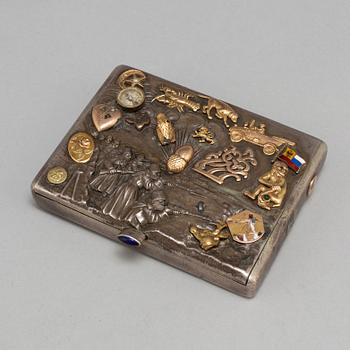
Peter the Great had an early interest in European culture and encouraged foreign silversmiths to move to Russia and bring their skills and designs with them. The majority of the foreign makers originated from Scandinavia and Germany, and the peak of the typical Russian style were produced in the late 19th and early 20th century.
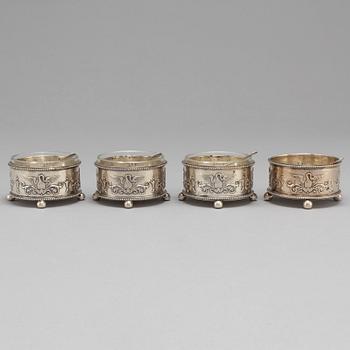
Old Russia had huge differences in standard of living and a strong religious belief which formed the cultural development. Traditions did also play an important role with strong influences for the Russian silver. Good examples are the kovsh, charka and the salt-cellar, types of items that reflect old drinking traditions, and the importance of the visitor being welcomed with bread and salt upon arrival. It was the important meeting between the new techniques and design of the foreign craftsmen together with the Old Russian traditions and the taste of the wealthy Russians led to the typical style of Russian silver.

Suodatin
Esinekategoriat
TeemahuutokaupatRussian Silver
JärjestäVähiten tarjouksia