Untitled
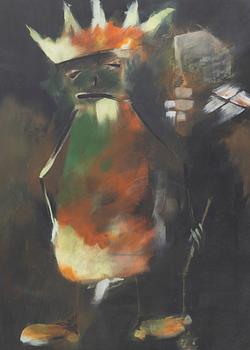
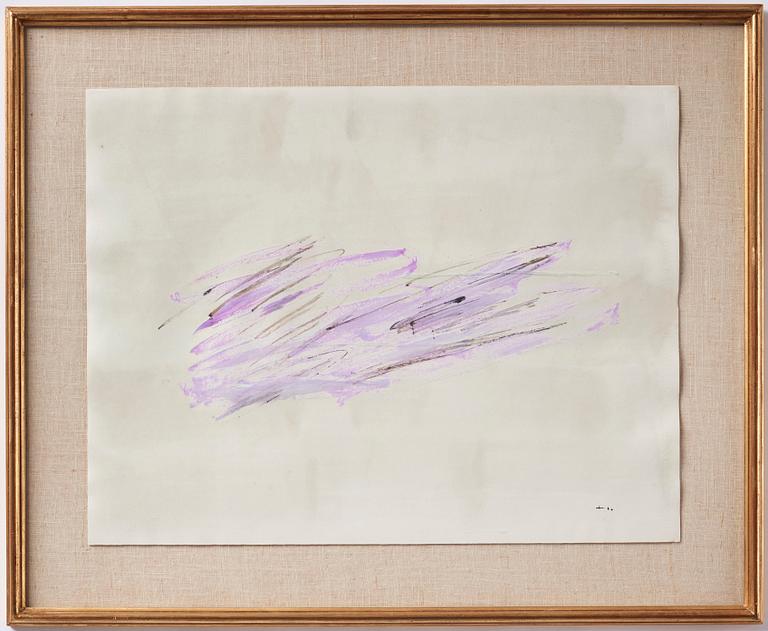
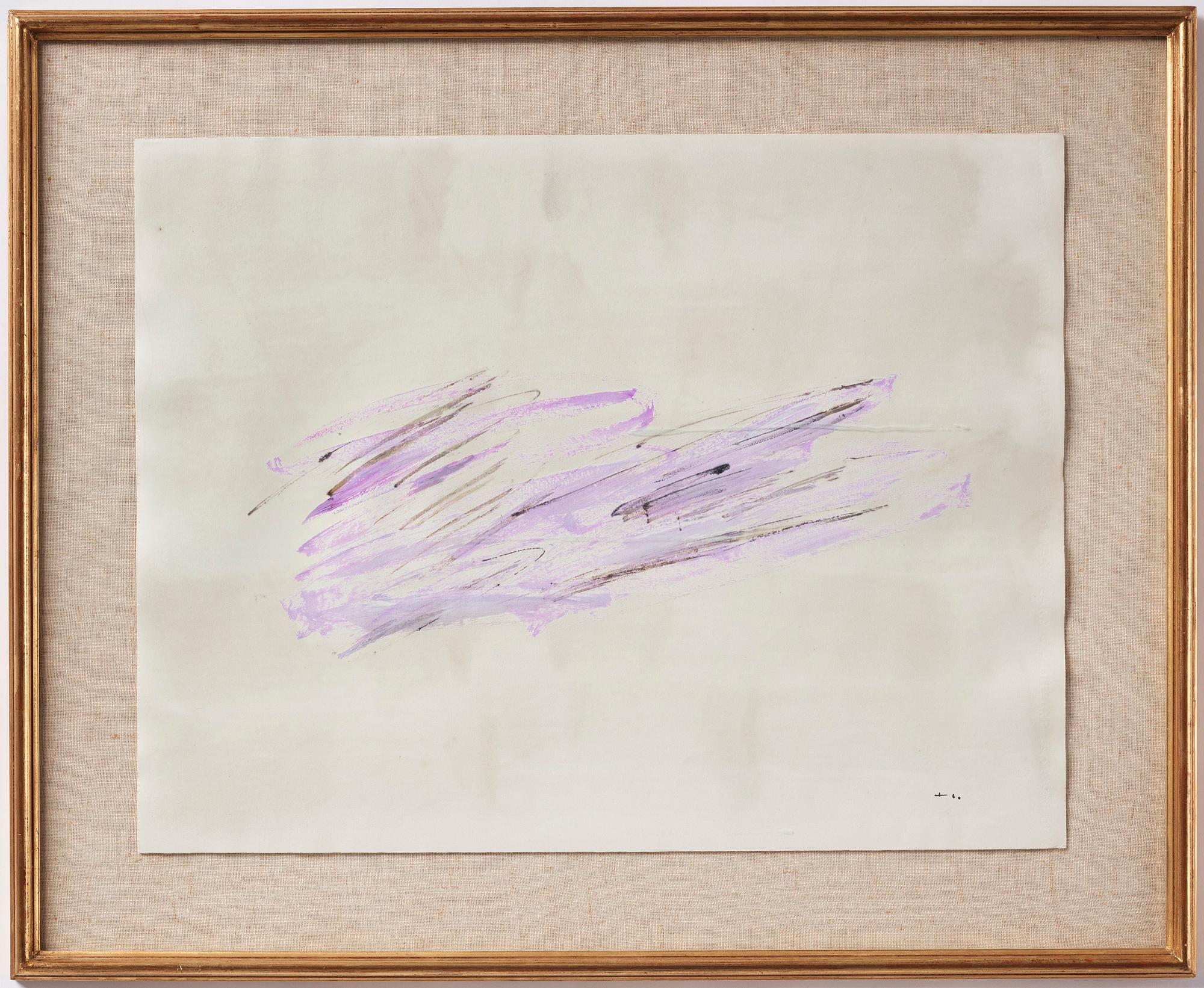
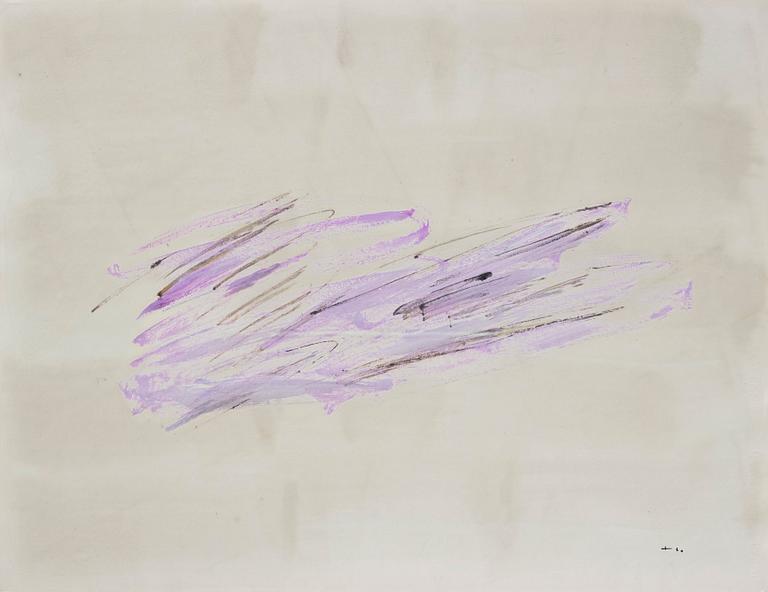
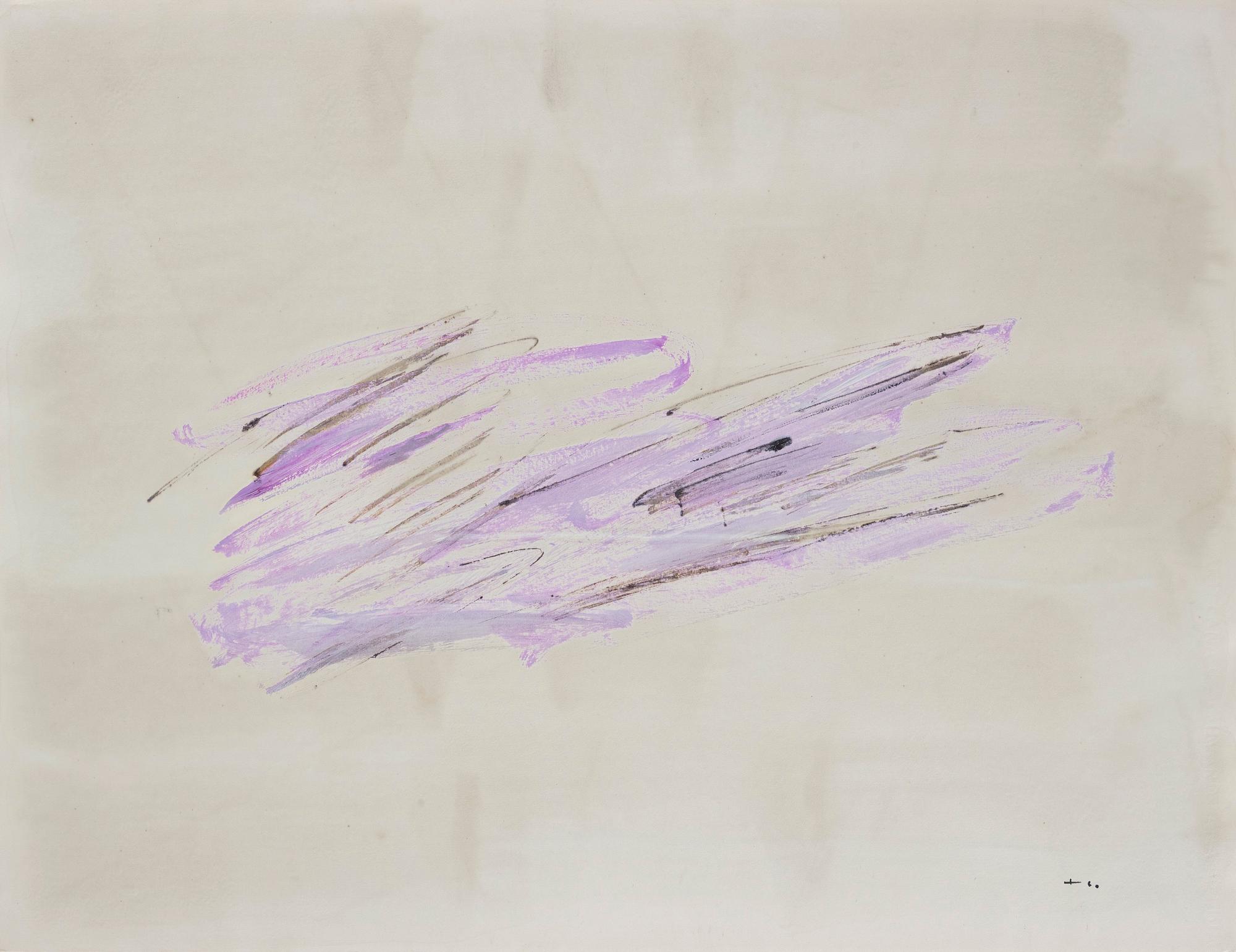
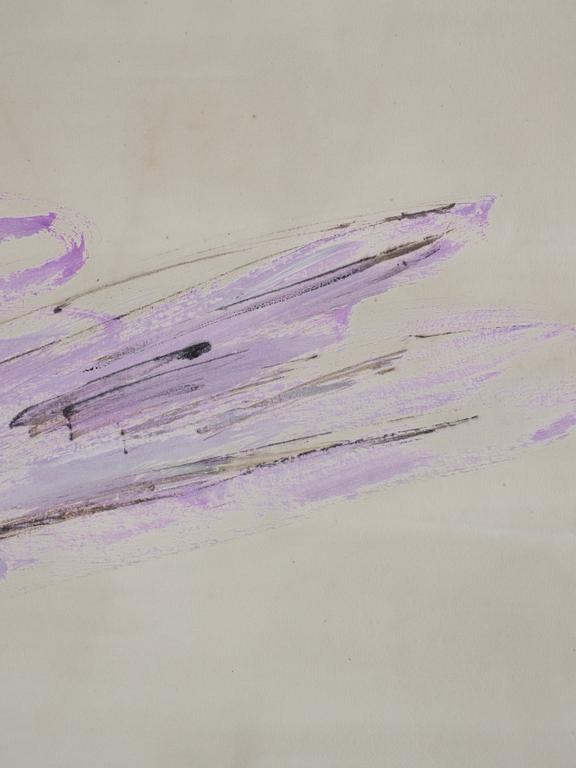
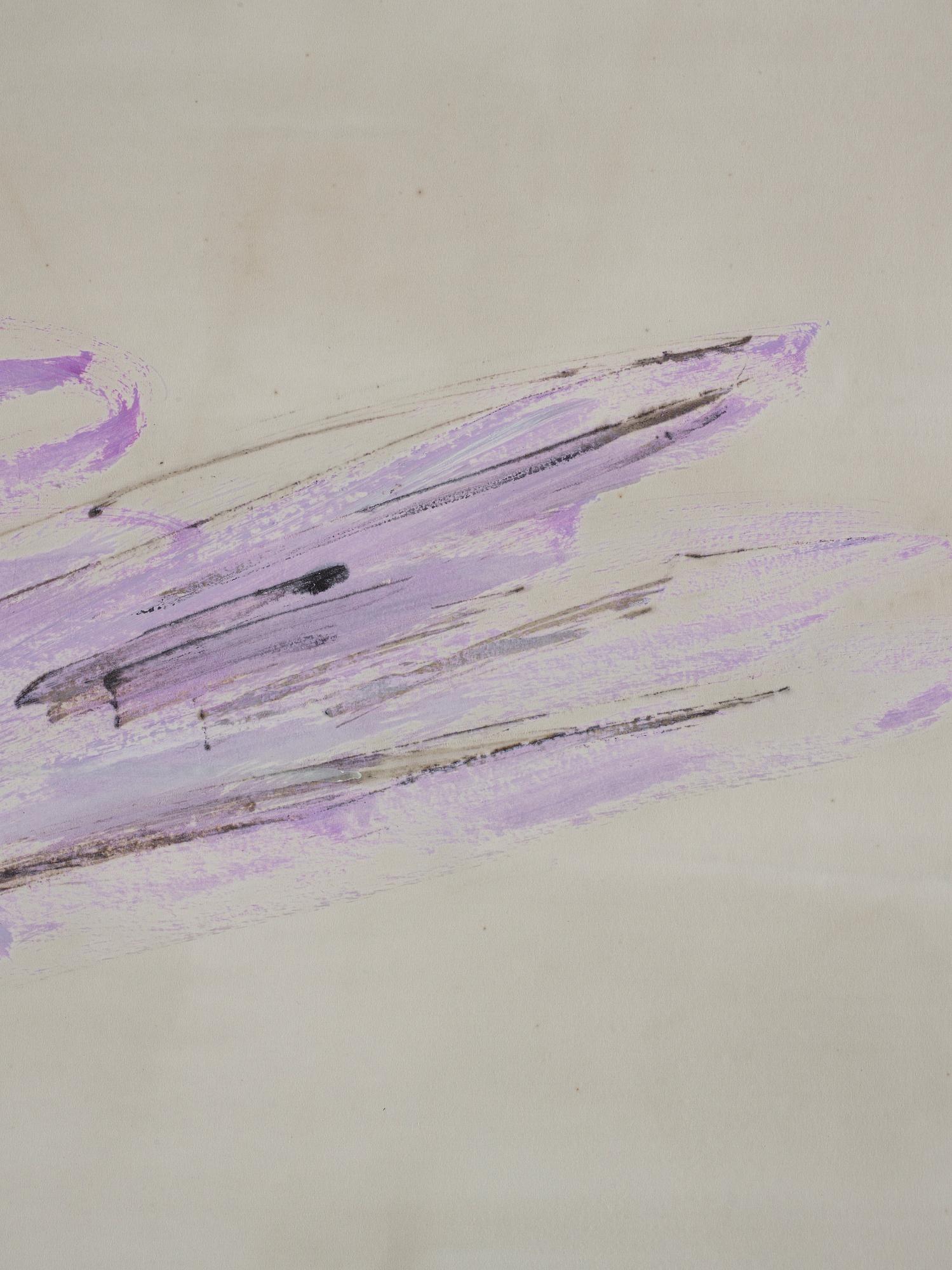
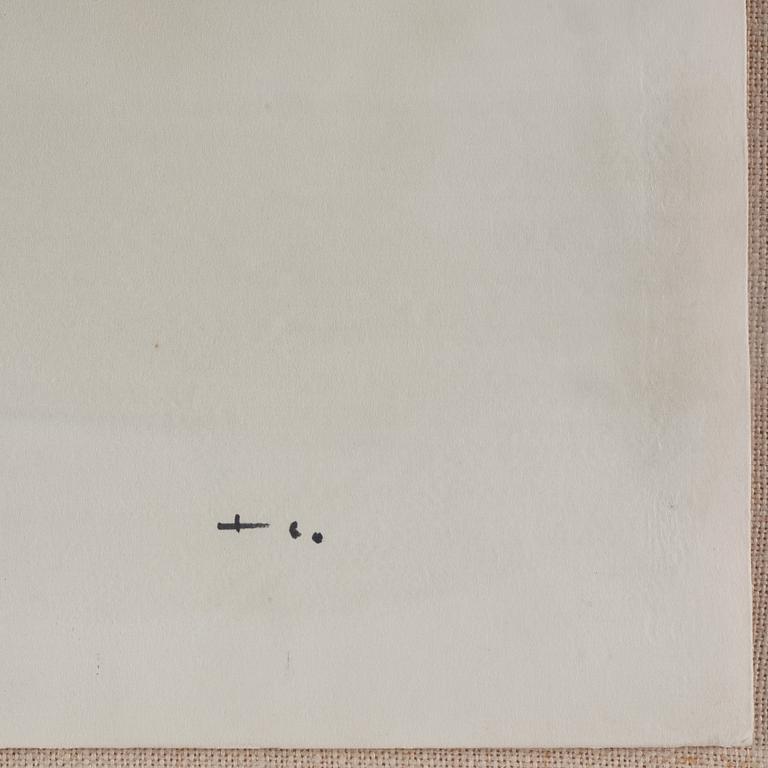
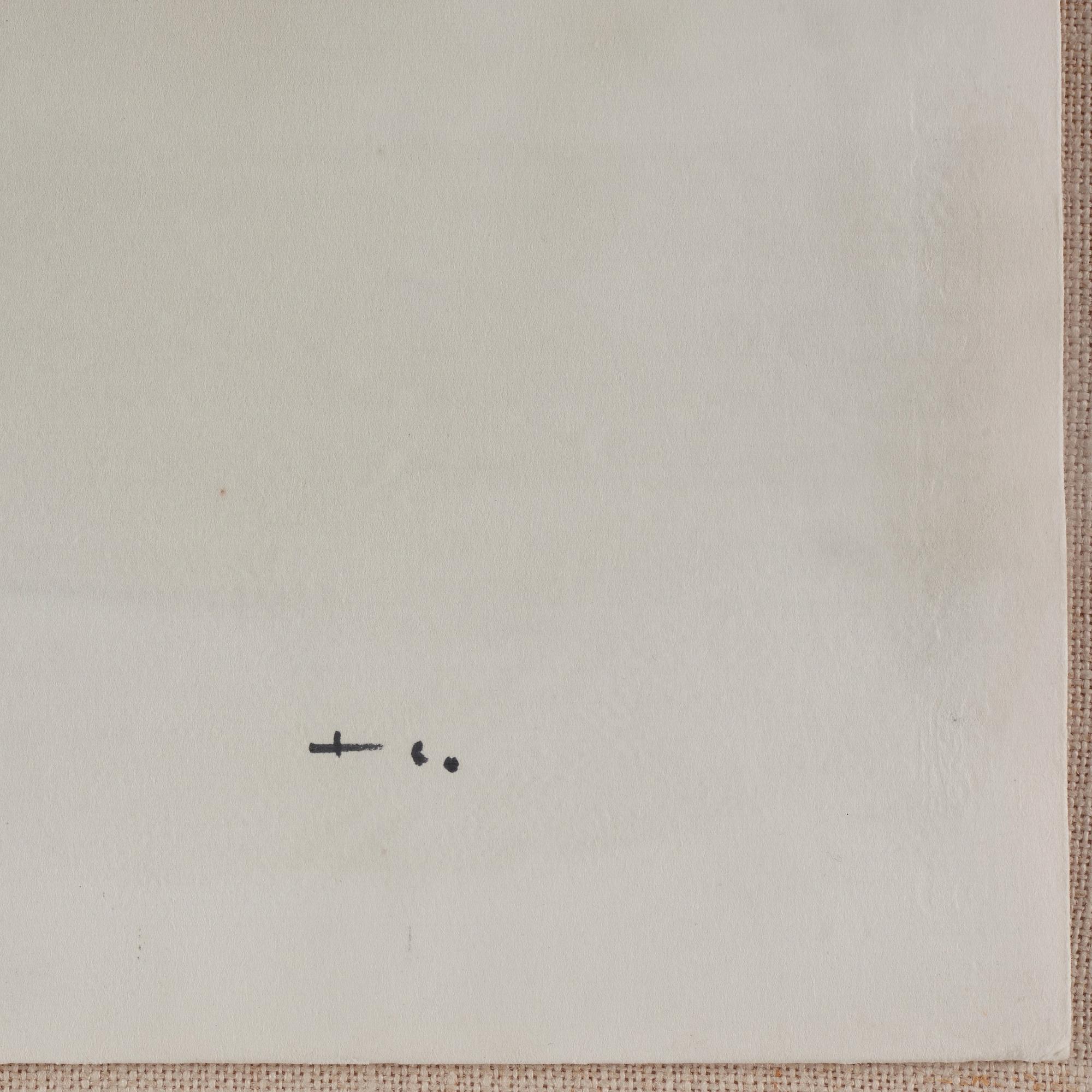
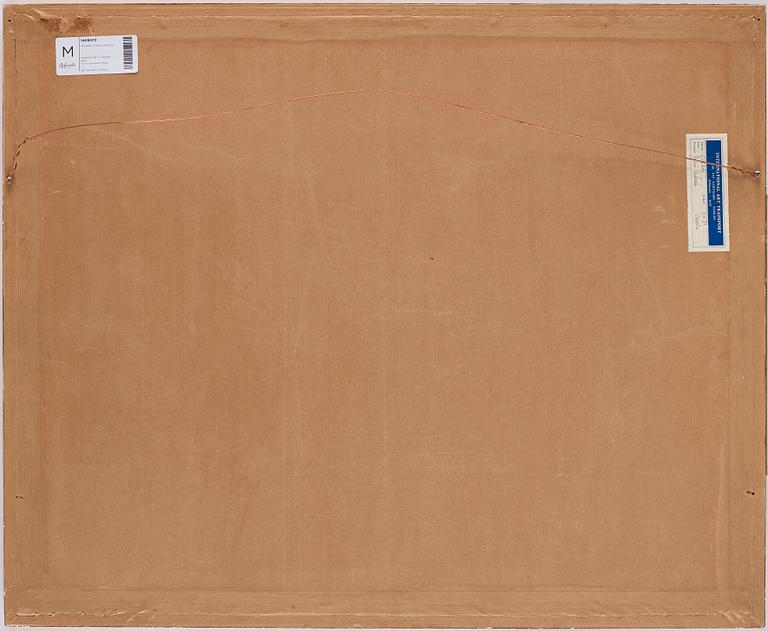
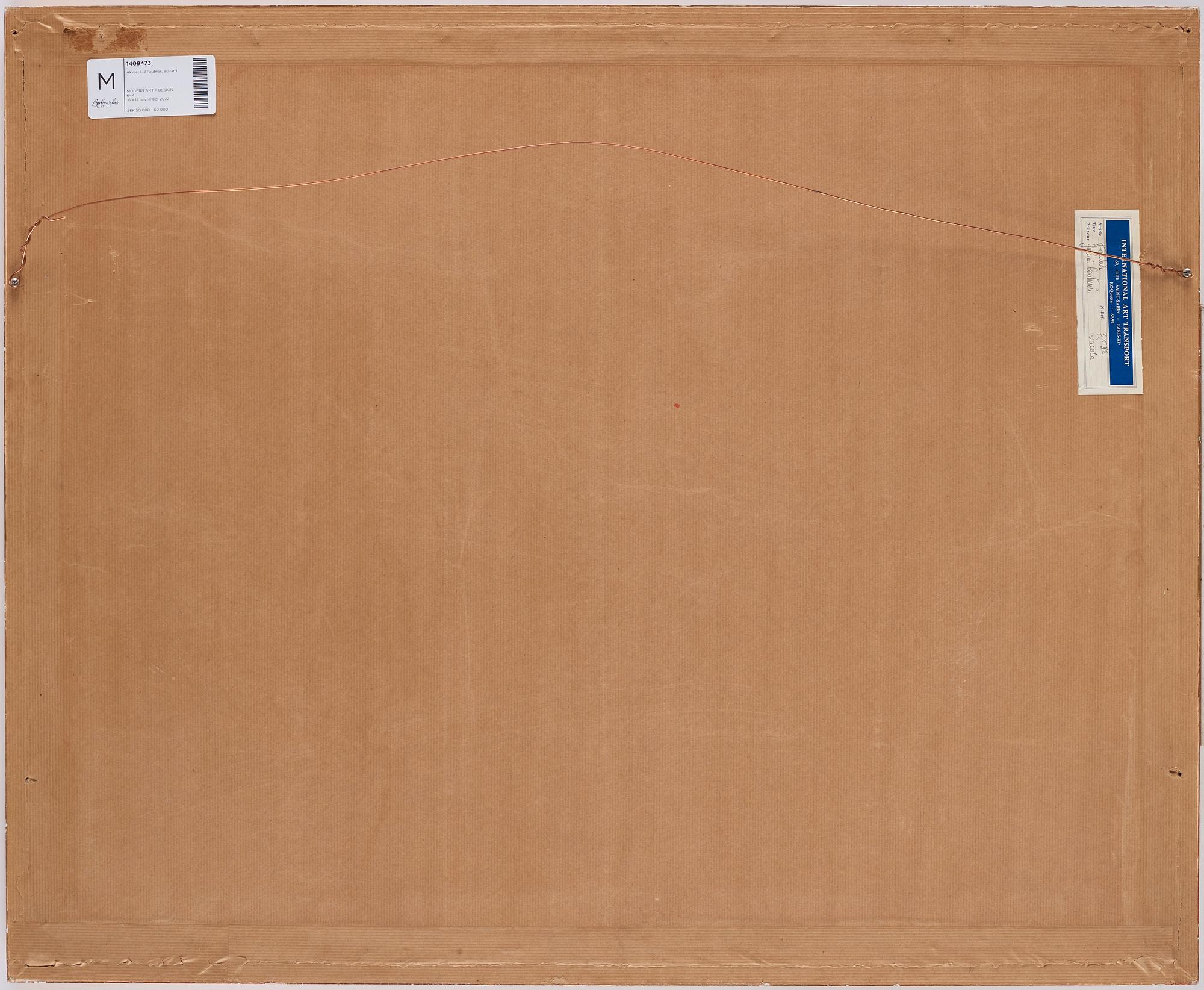
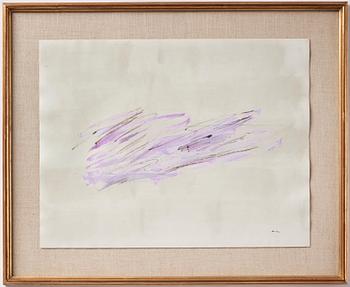
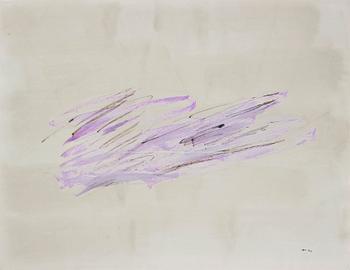
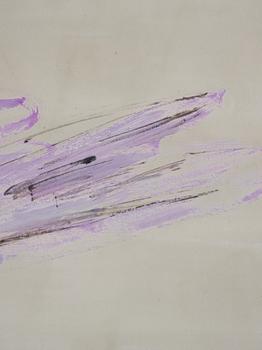
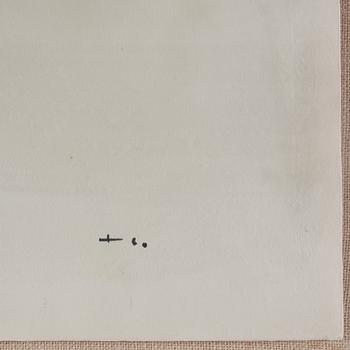
Signed Fautrier. Gouache on paper, 49.5 x 64 cm. Bukowskis thank Eric Couturier for confirming the authenticity of the work.
More about Jean Fautrier
Jean Fautrier was a French painter and printmaker. His first pieces in the beginning of the 1920s were figurative, where he built up forms with thick layers of paint. Two decades later, he was fully immersed in non-figurative painting, with a strong emphasis on the materiality of color. In this phase, he made marks with a brush or spatula, creating simple forms called "Otages" in muted colors, often only in shades of gray. Fautrier became a leading figure in the development of material as a means of expression towards "new realism" in the late 1950s. In his graphic work, he used lines as a contrast to the heavy color matter in his paintings.
Read moreFor condition report contact specialist

Covered by droit de suite
Image rights
The artworks in this database are protected by copyright and may not be reproduced without the permission of the rights holders. The artworks are reproduced in this database with a license from Bildupphovsrätt.
Others have also viewed