


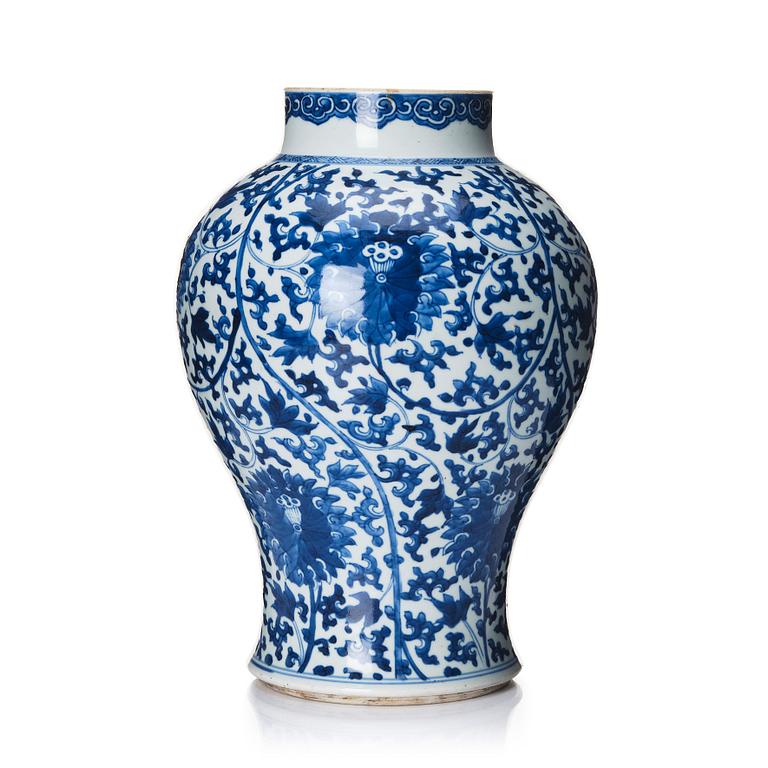
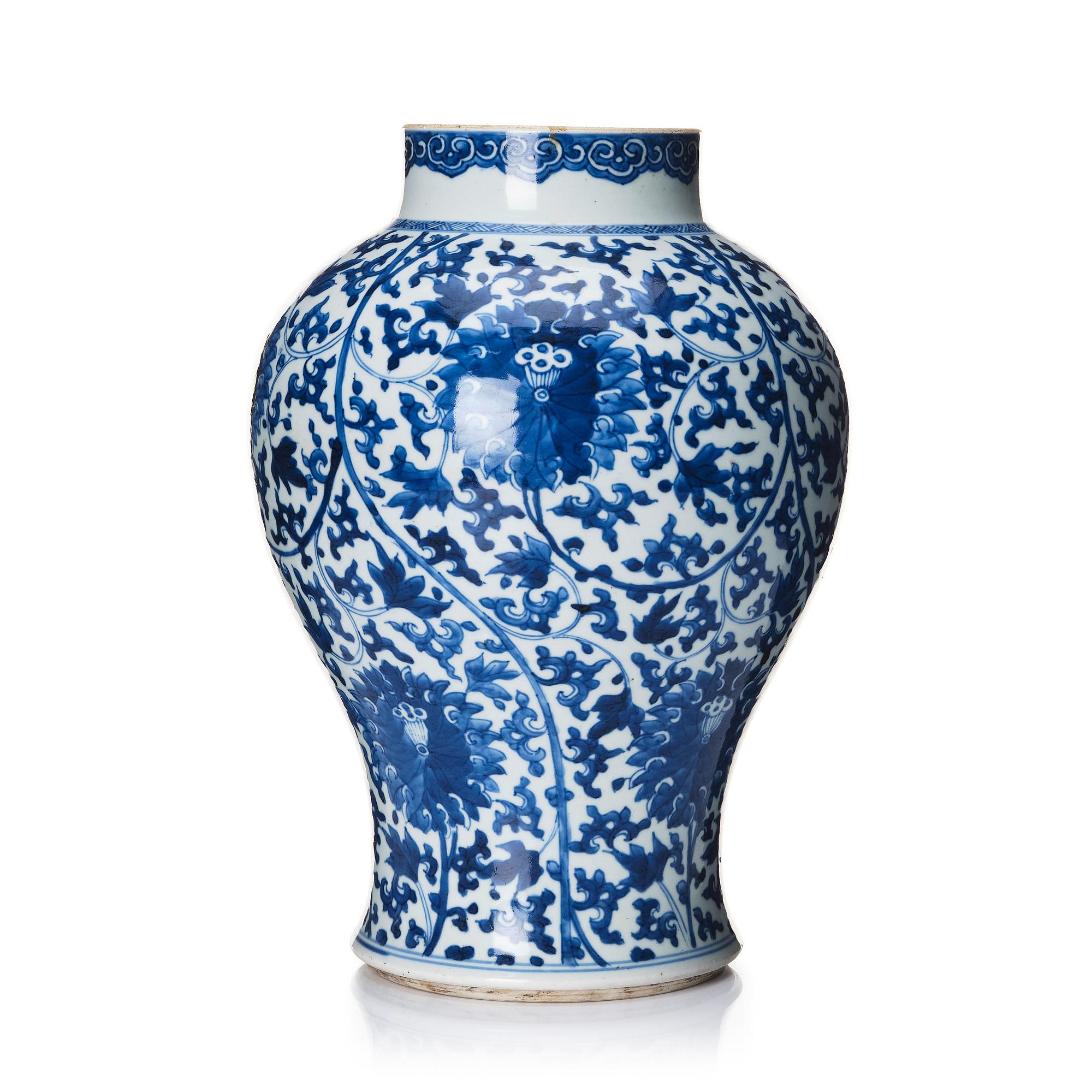
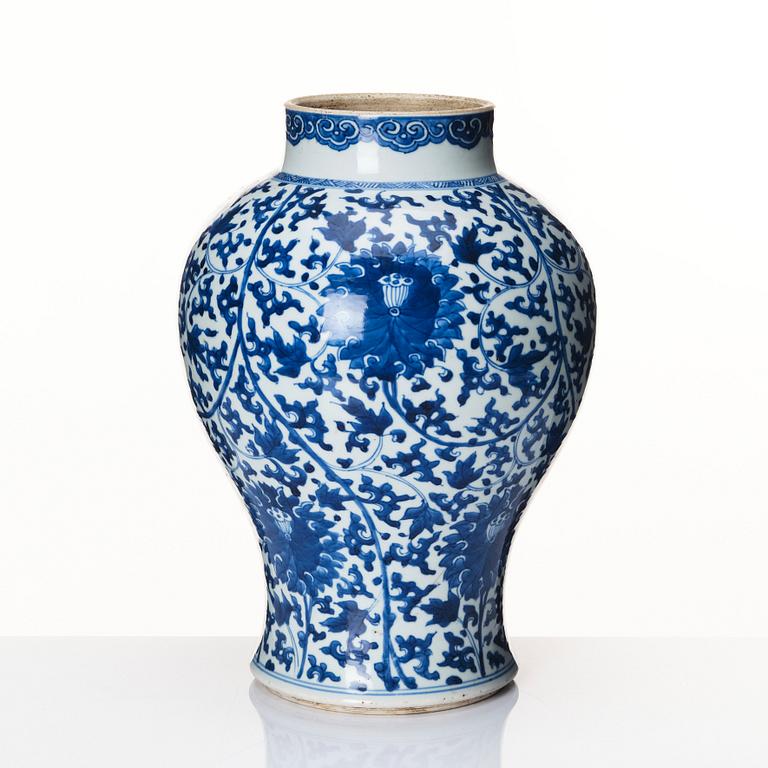
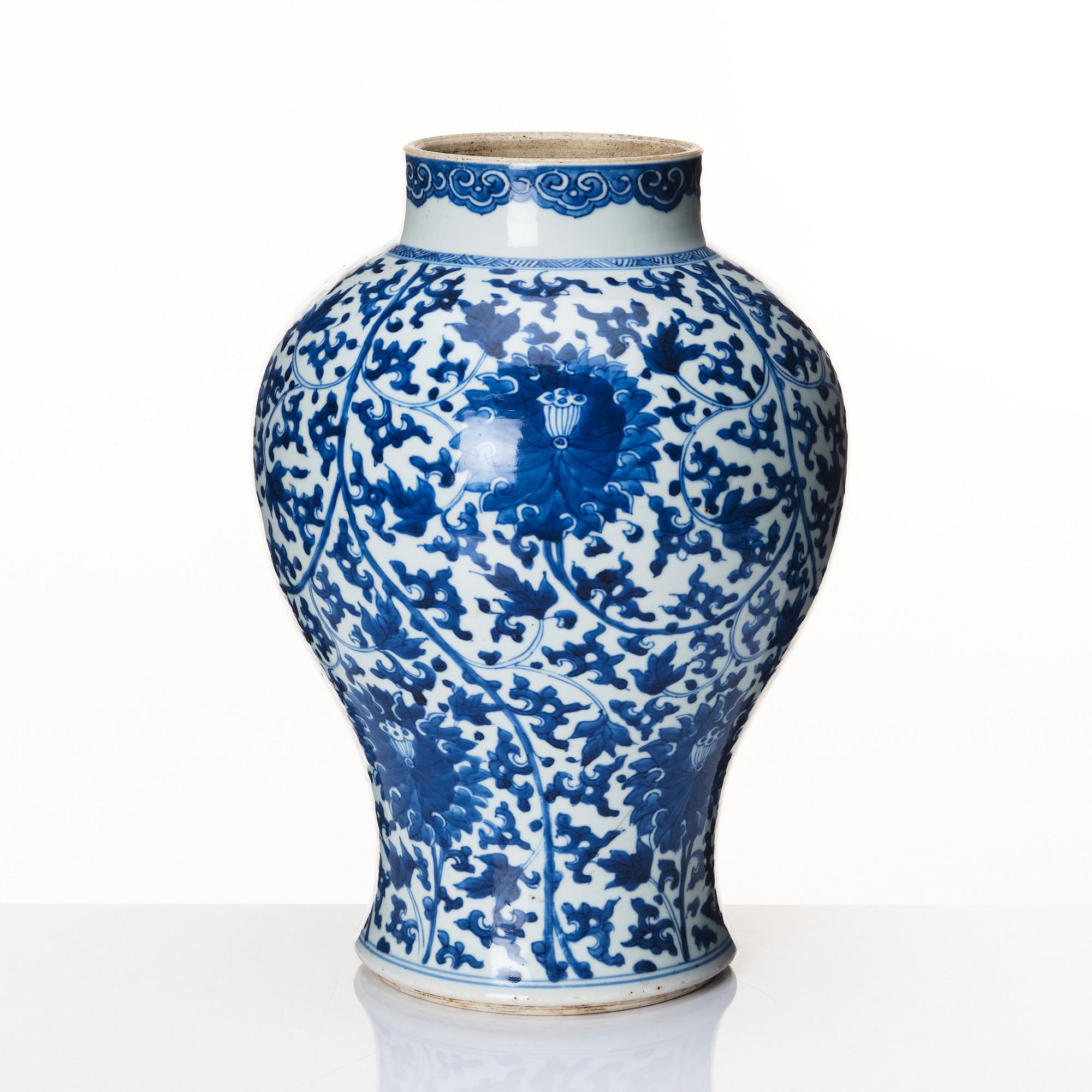
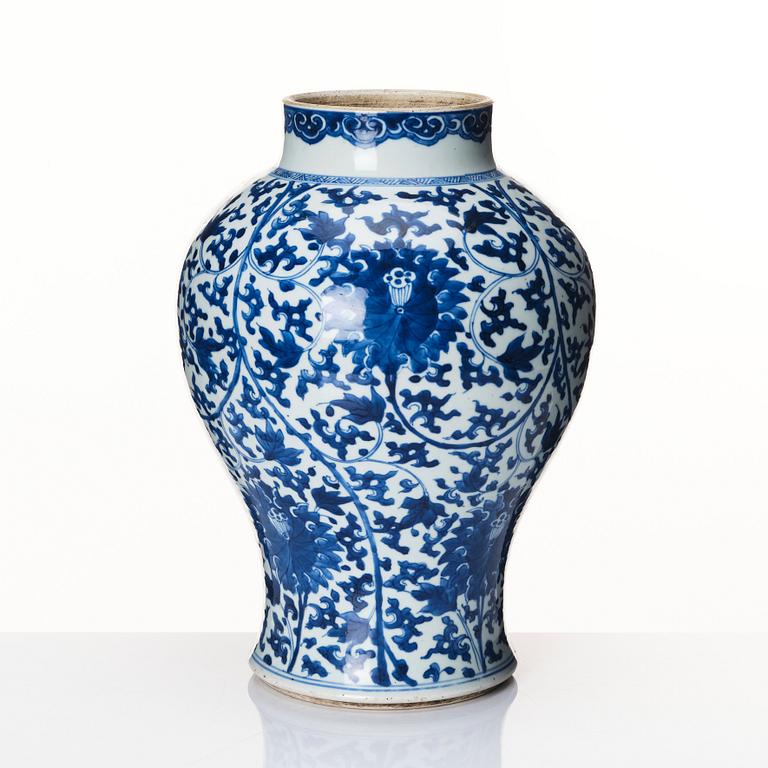
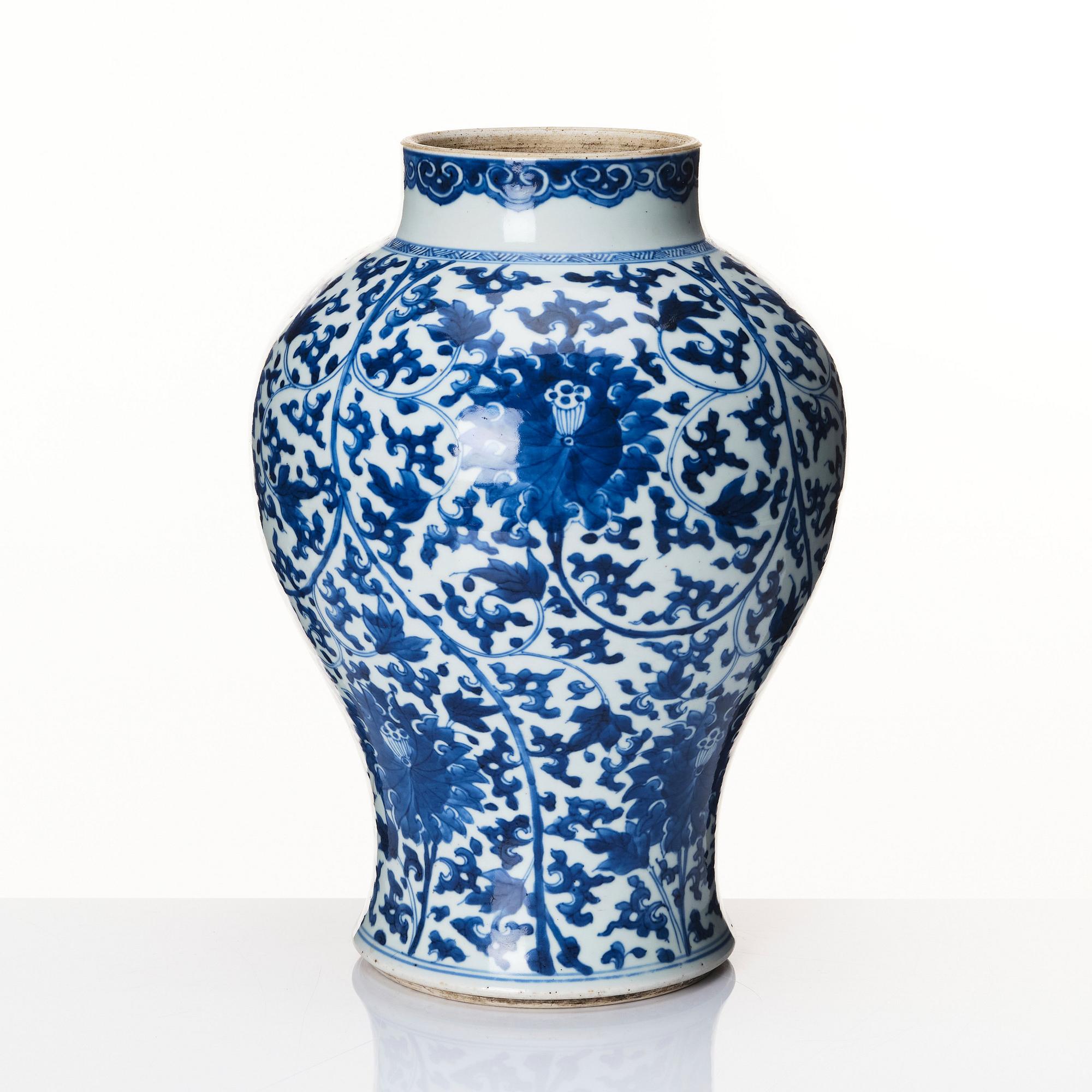
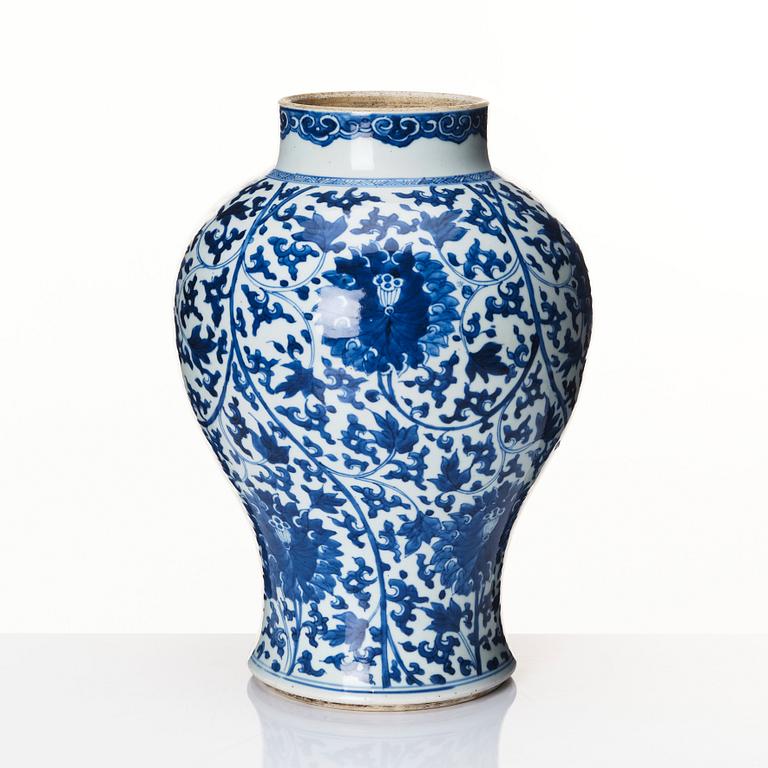
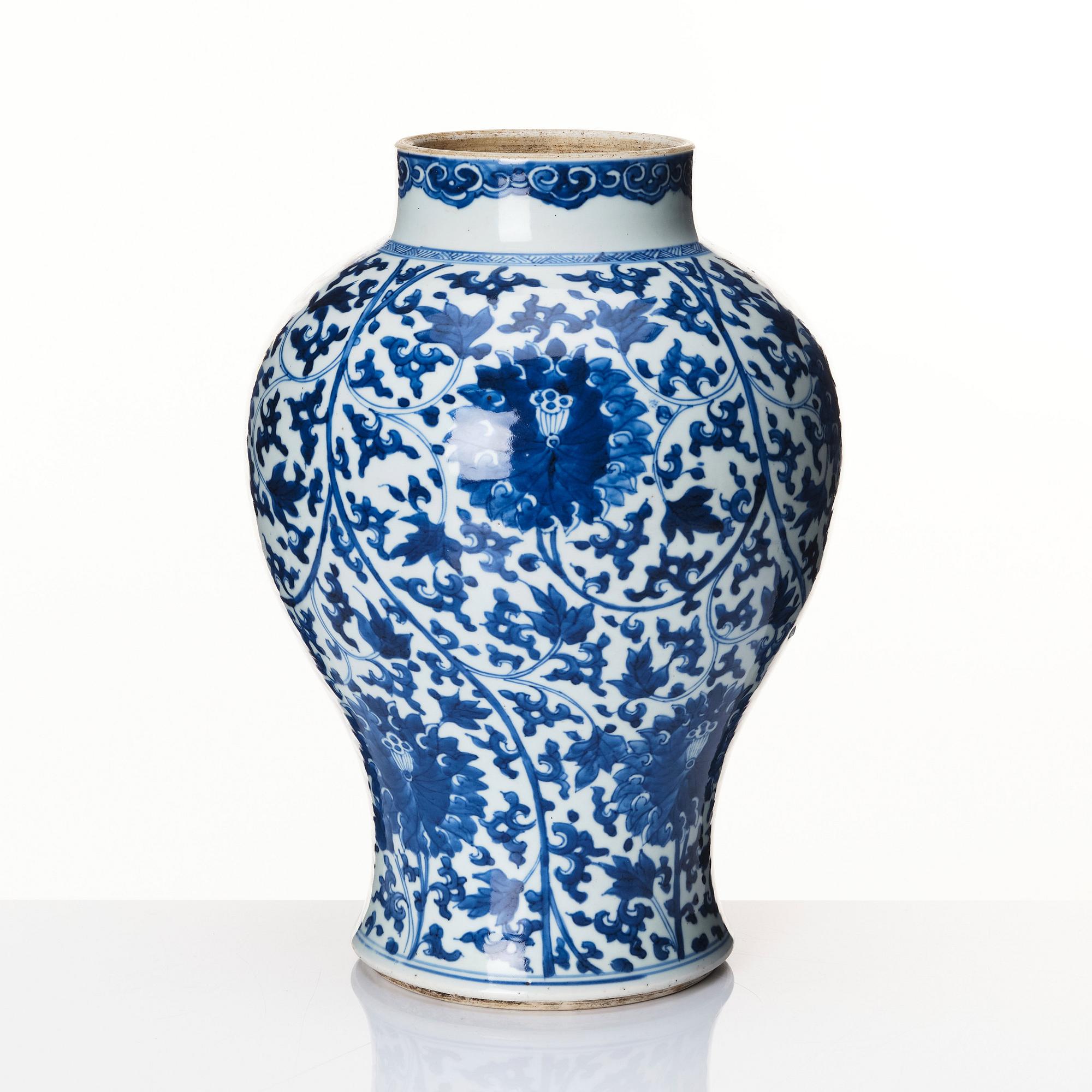
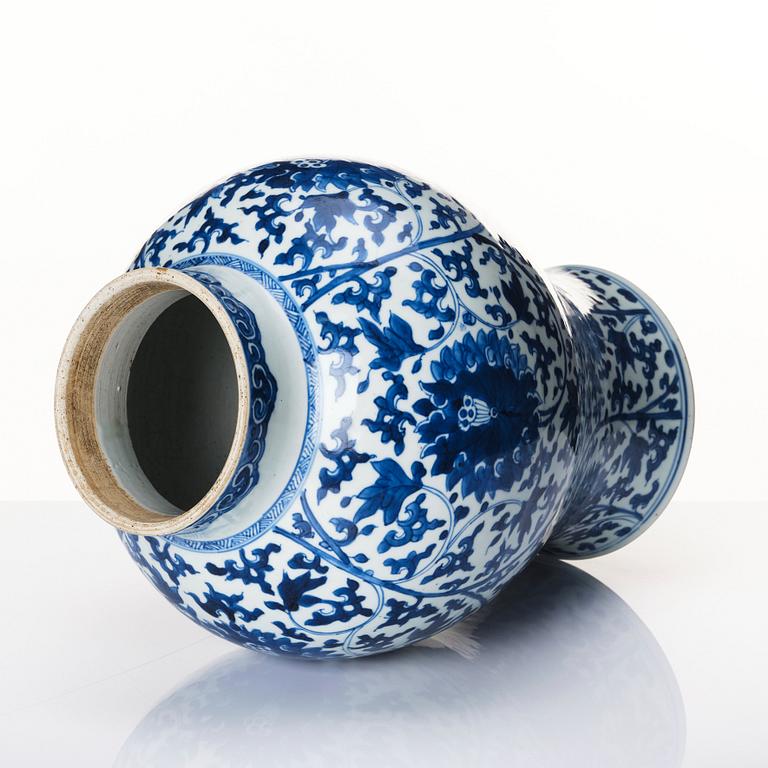
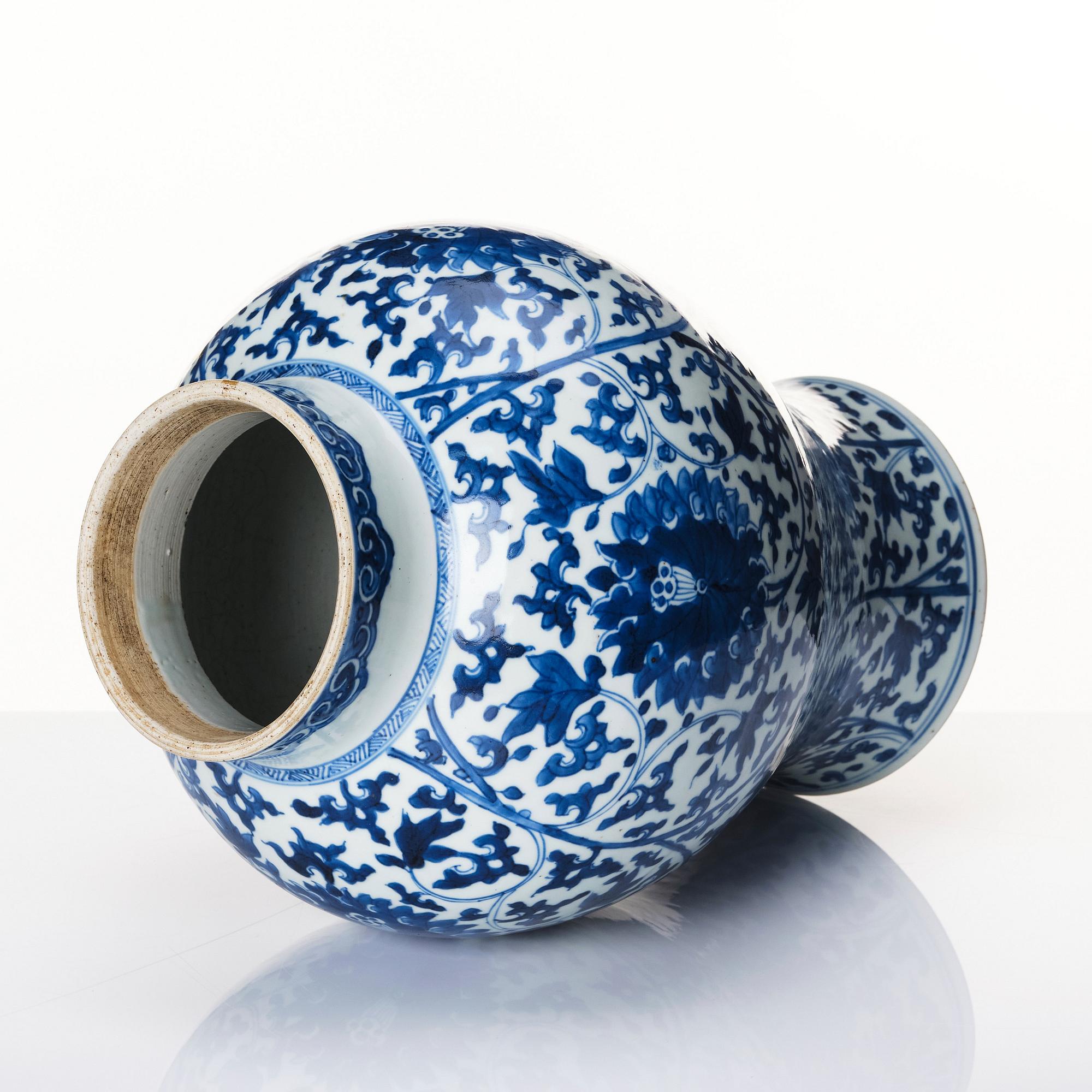
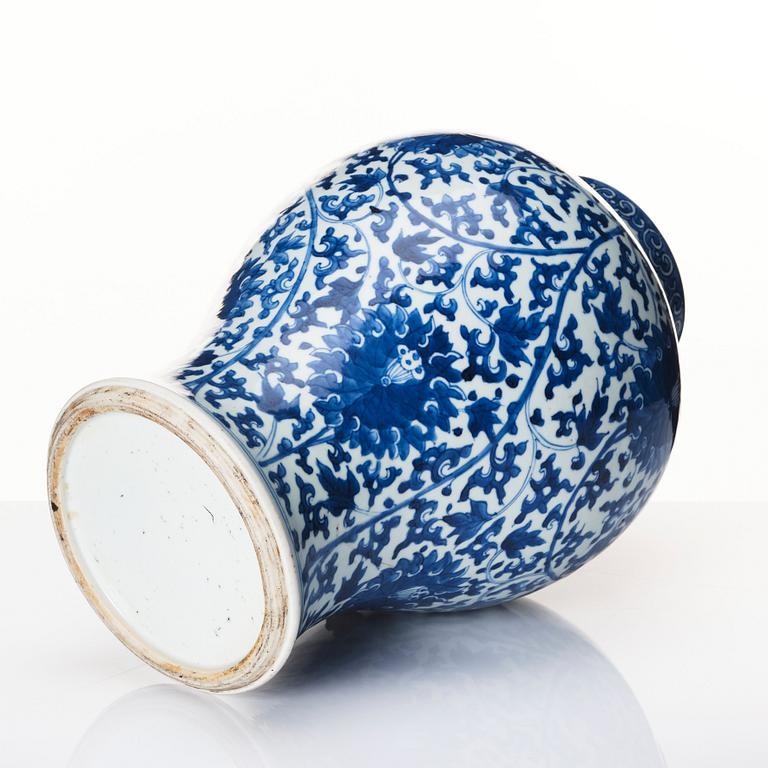
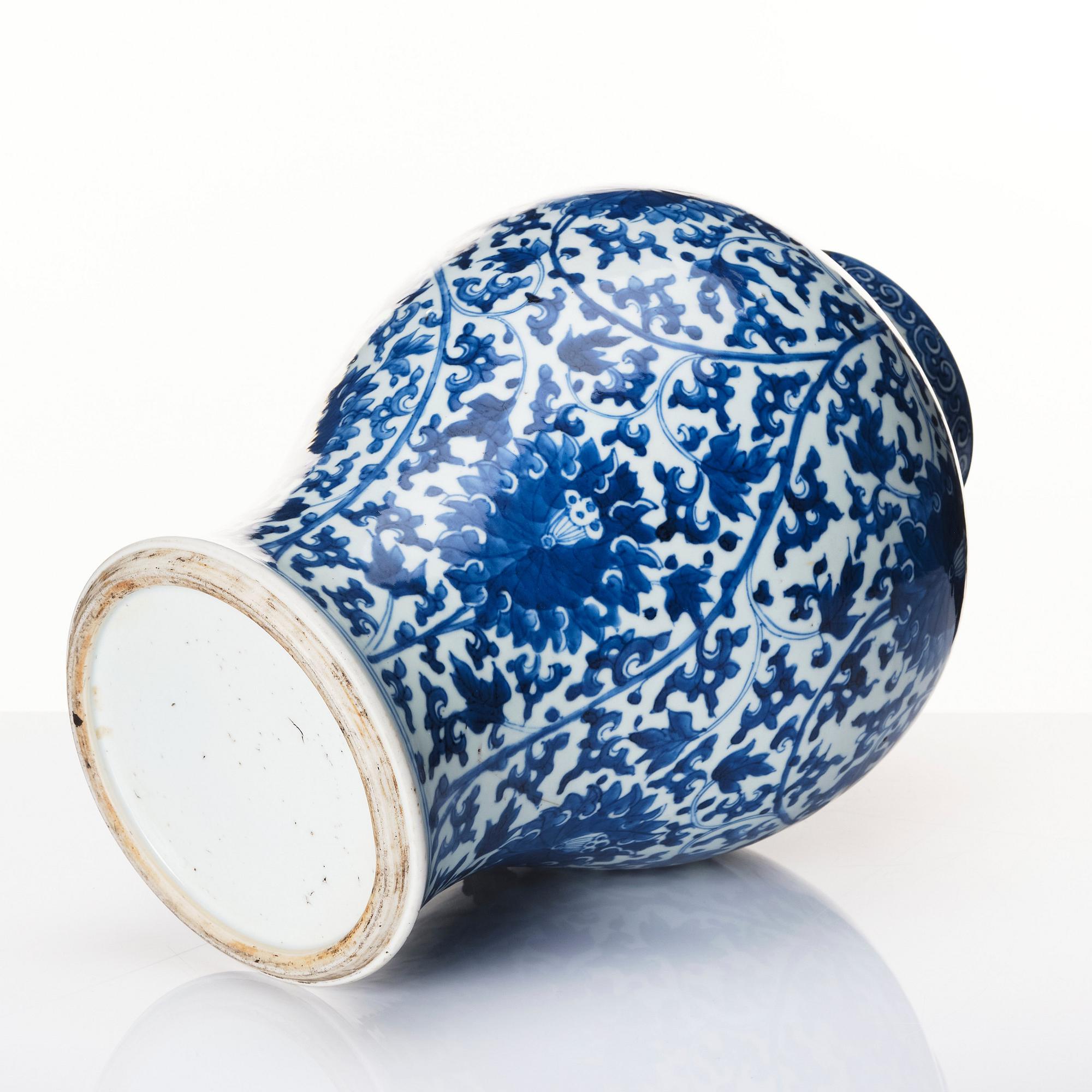
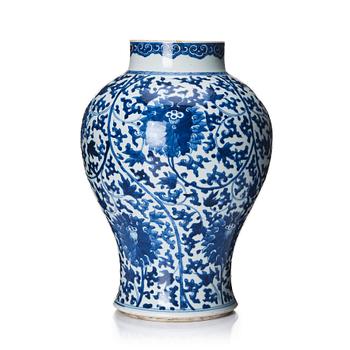
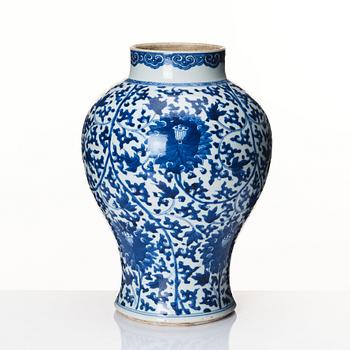
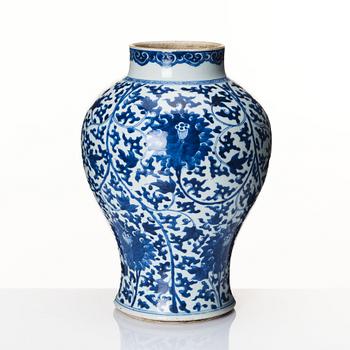
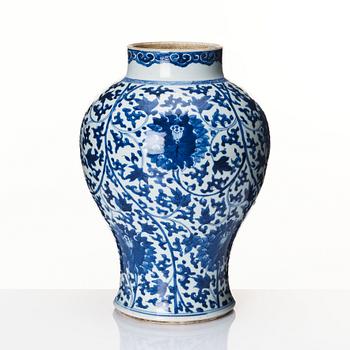
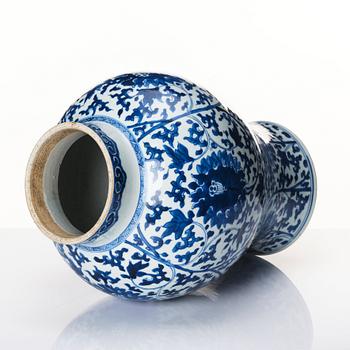
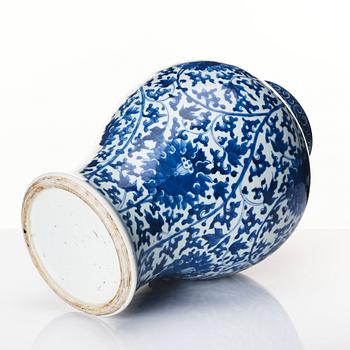
A blue and white lotus jar, Qing dynasty, Kangxi (1662-1722).
Of baluster shape, decorated with a contionous lotus scroll. Height 37 cm.
Crack. Interior starcracks.
More information
Lotus flowers are commonly associated with purity, inner strength and tranquility, but its symbolism extends beyond that. The flower plays a symbolic role in various religions such as Hinduism, Buddhism, Sikhism, and Jainism.
Buddhists see the lotus as a representation of life. The mud is the suffering, challenges, and obstacles we face, and the flower symbolizes overcoming those obstacles. This growth can be viewed as progressing towards a state of purity or the path to enlightenment. Also related to life, Buddhists see the flower as representing rebirth and reincarnation. Buddhas are often depicted seated on a lotus throne.
For condition report contact specialist

Others have also viewed
1731981
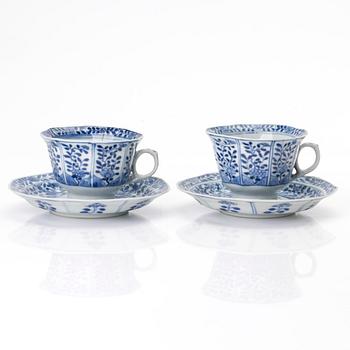
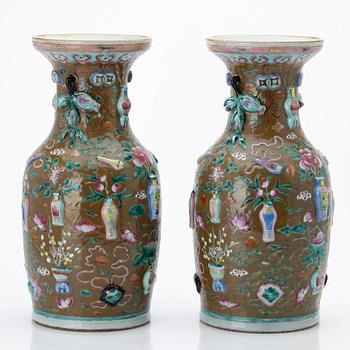
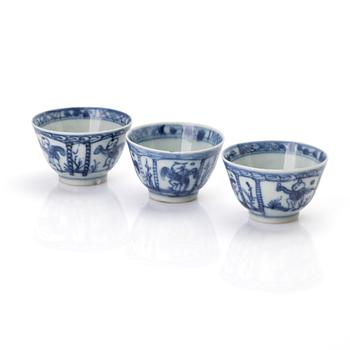
Two cups with saucers,
2 pieces, porcelain, Qing dynasty, circa 1900.
No bids
4d 20h
Estimate
2 500 SEK
1731980
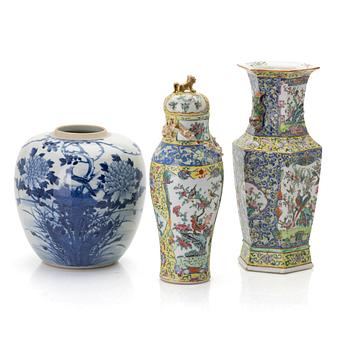
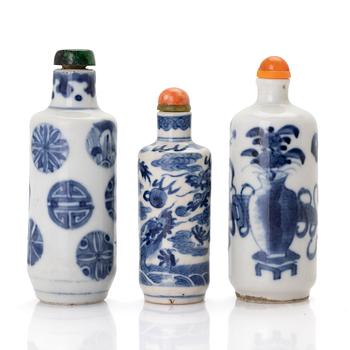
Copper cups,
3 pcs, porcelain, China, Qing dynasty, 19th century.
No bids
4d 20h
Estimate
2 500 SEK
1732001
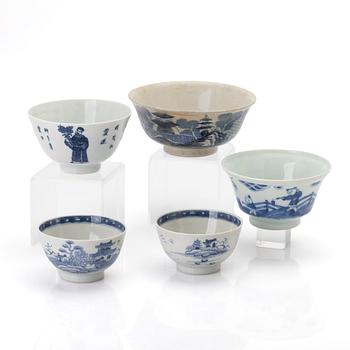
Bowls,
5 pcs, porcelain, China, Qing dynasty, 19th/20th century.
No bids
4d 20h
Estimate
2 500 SEK
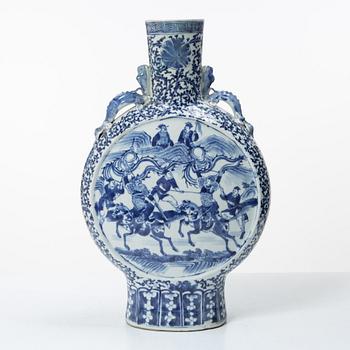
1731968
A large Chinese blue and white porcelain moon flask,
Qing dynasty, 19th century.
No bids
6d 2h
Estimate
6 000 SEK

1736598
Two Chinese blue and white export porcelain sauceboats and a teapot,
Qing dynasty, Qianlong (1736-95).
No bids
5d 23h
Estimate
2 500 SEK