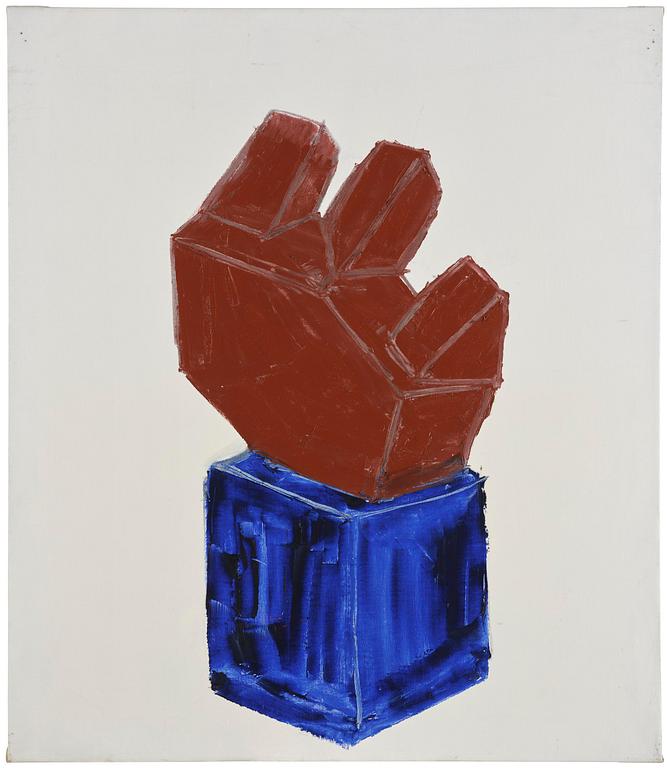
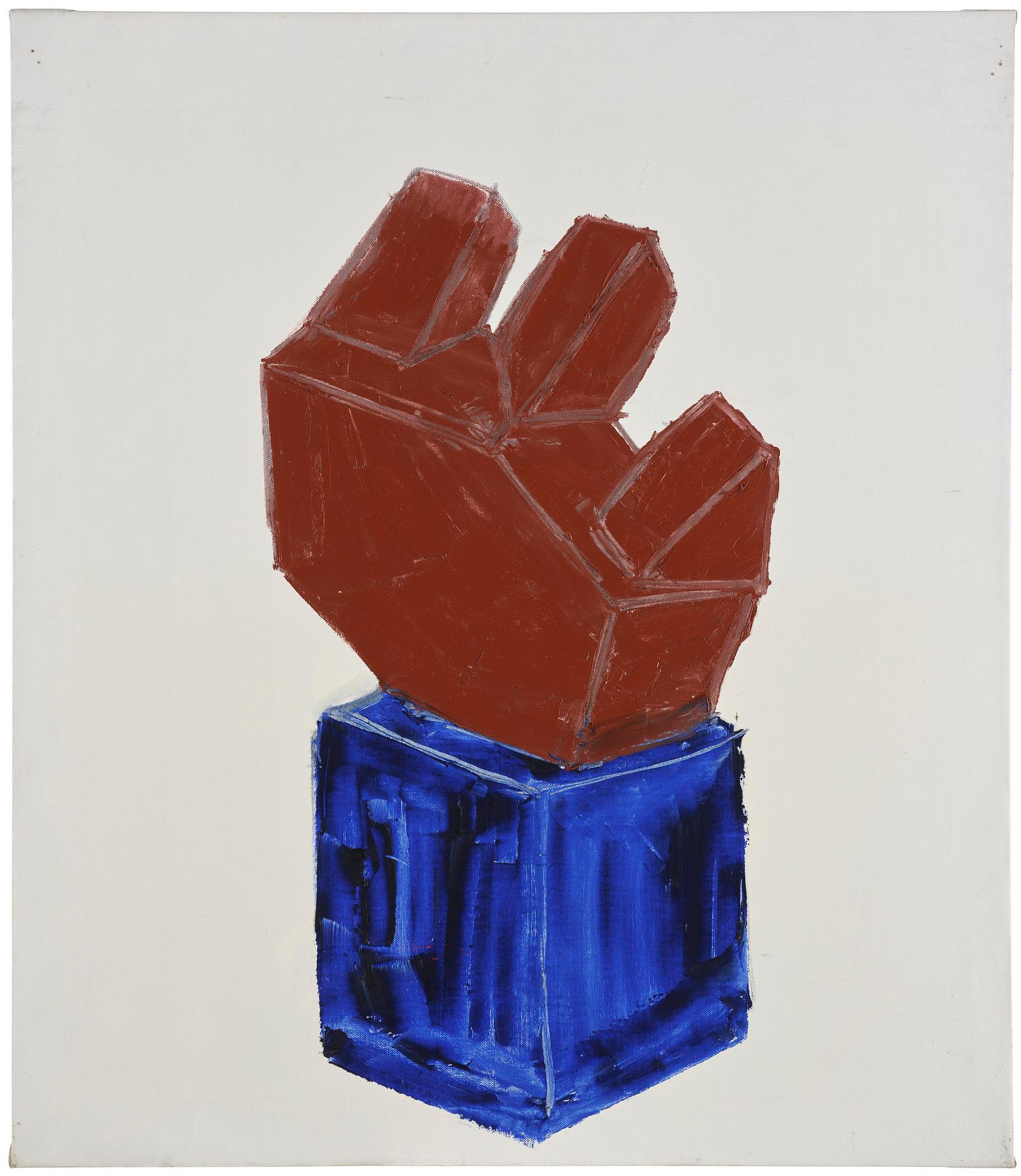
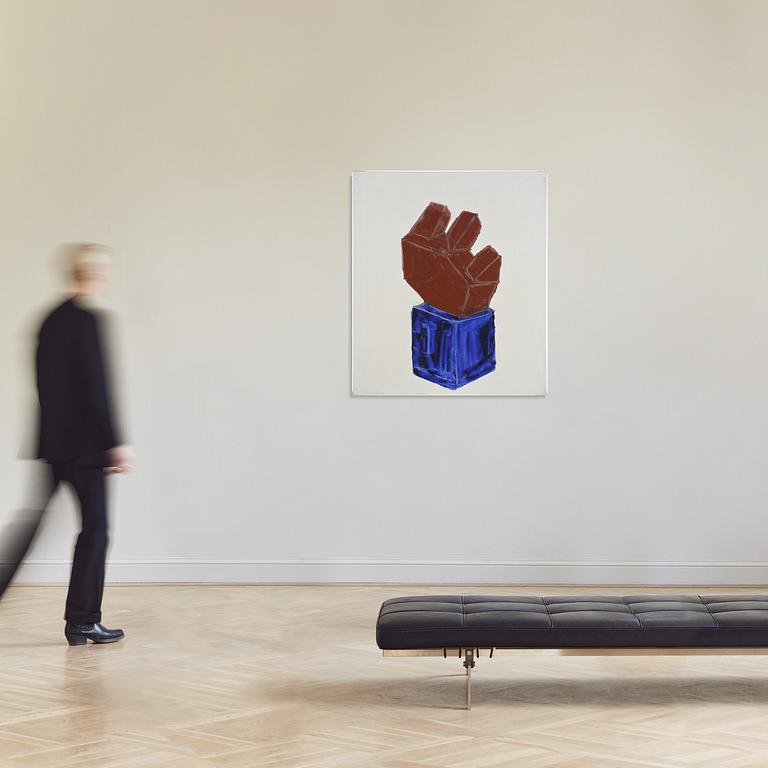
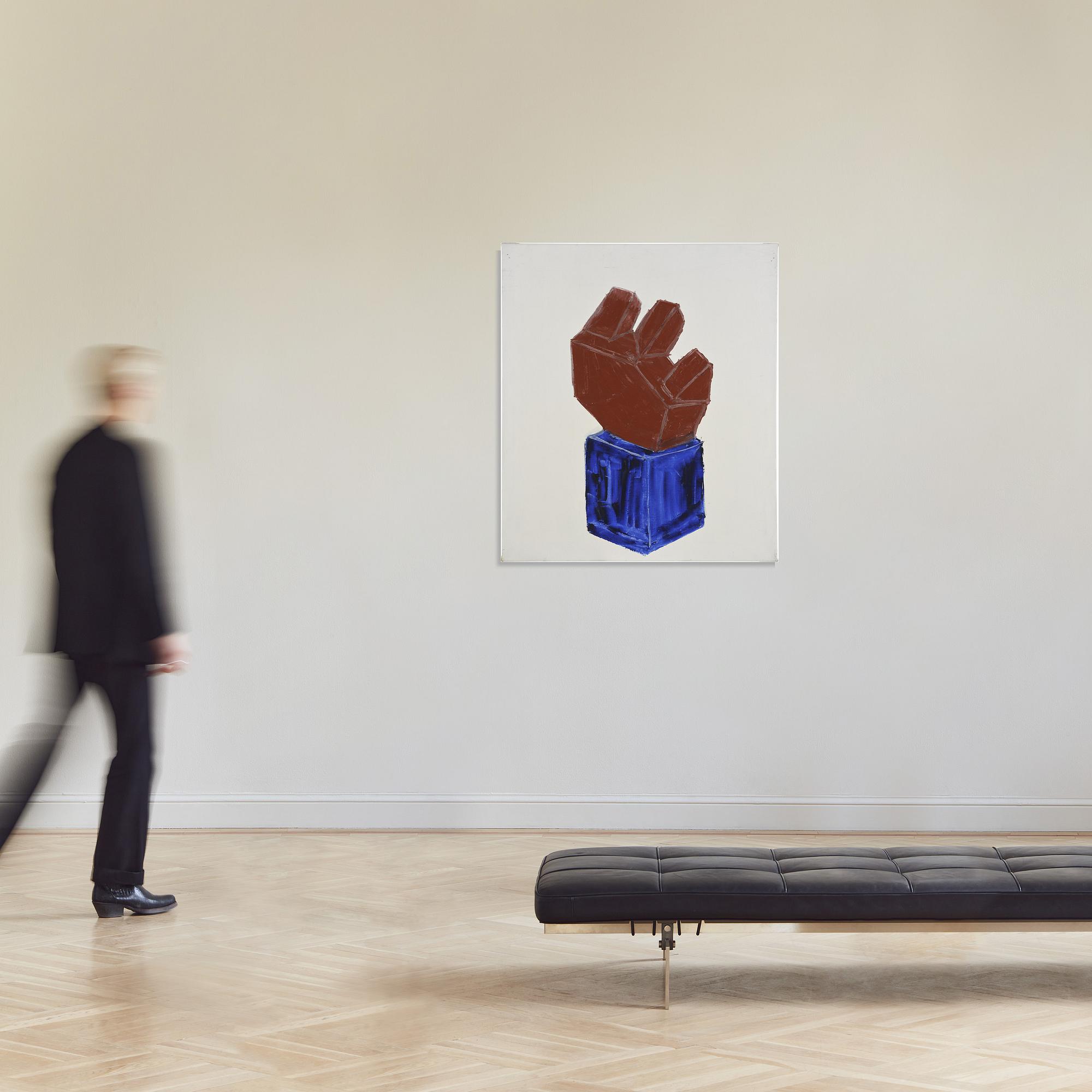
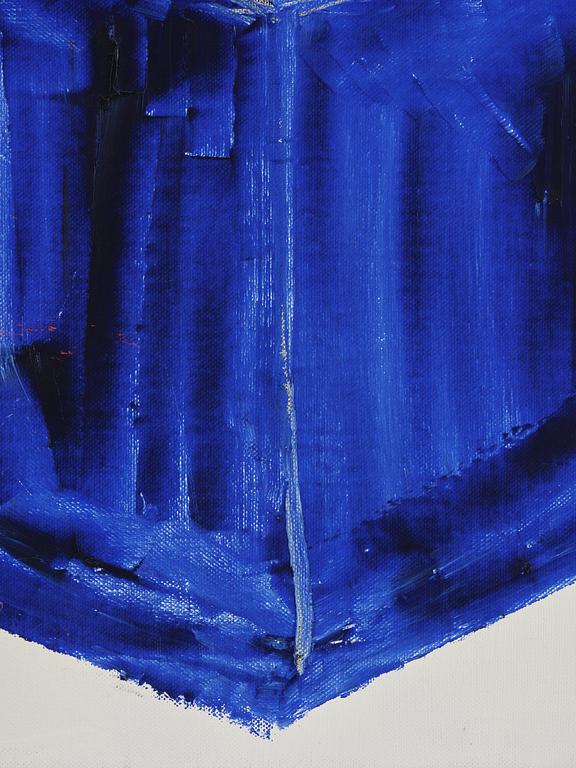
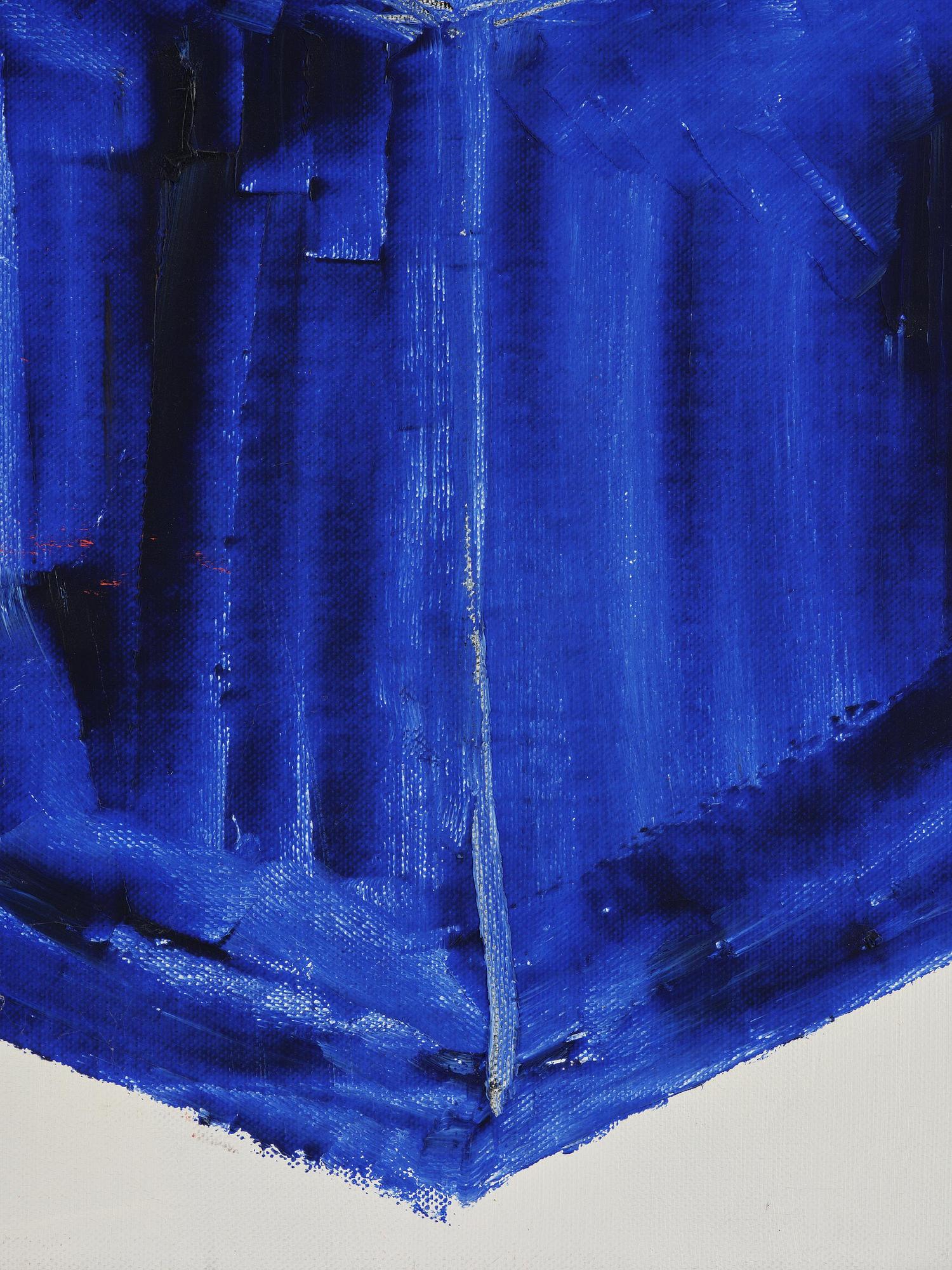
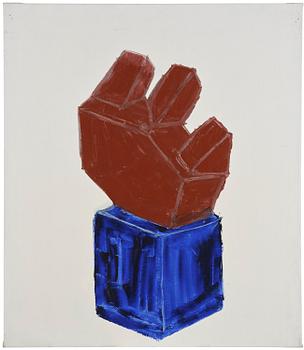
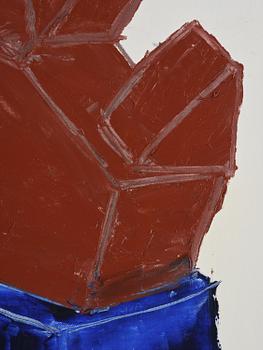
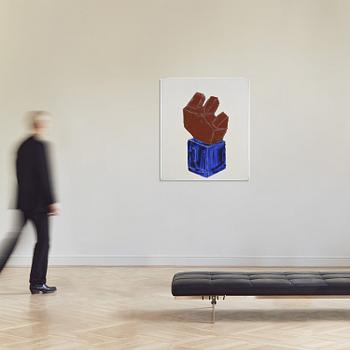
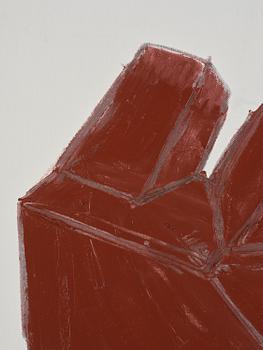
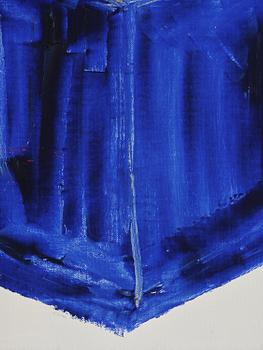
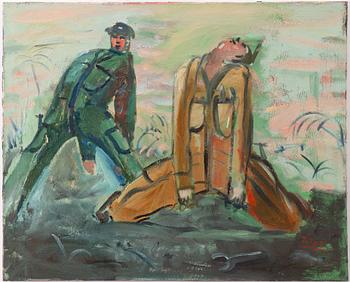
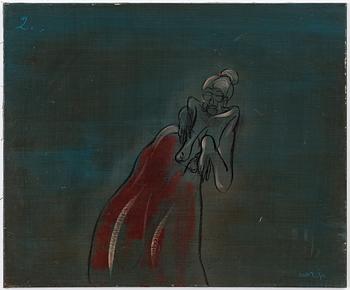
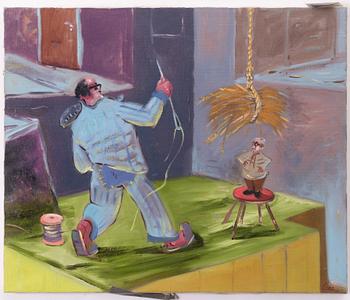
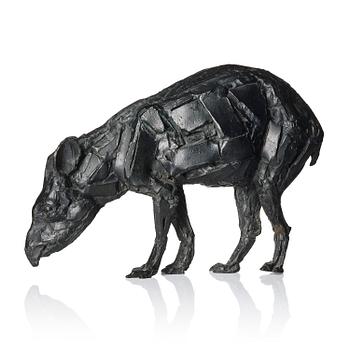
Untitled
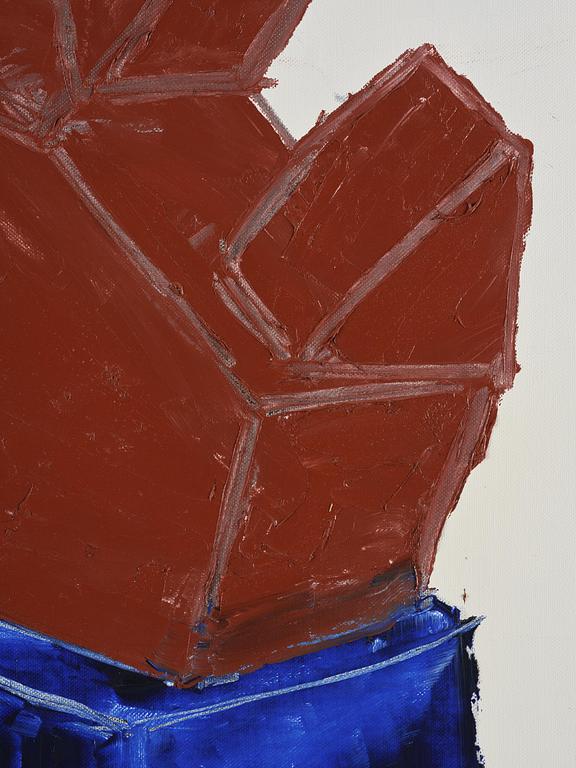
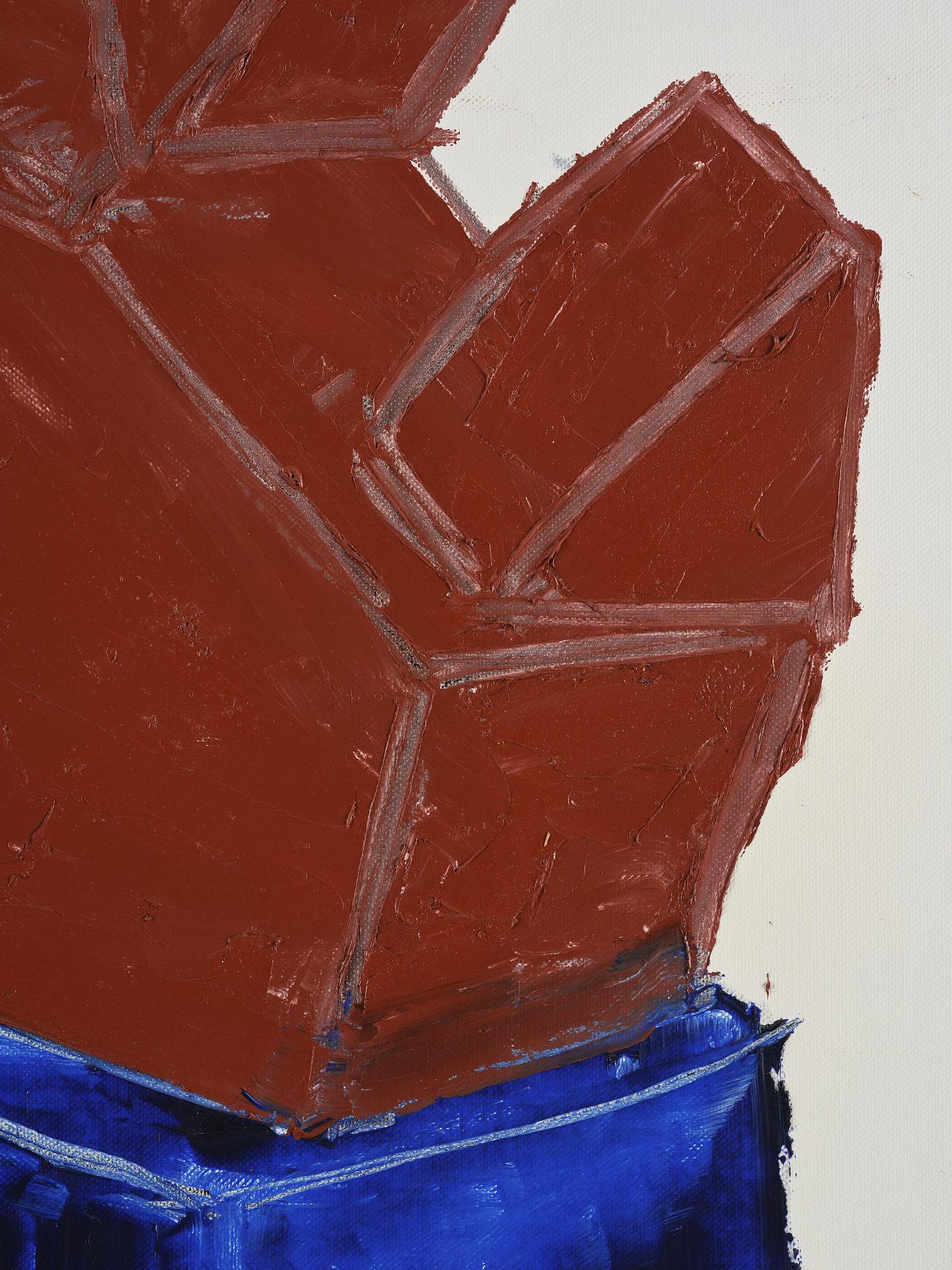
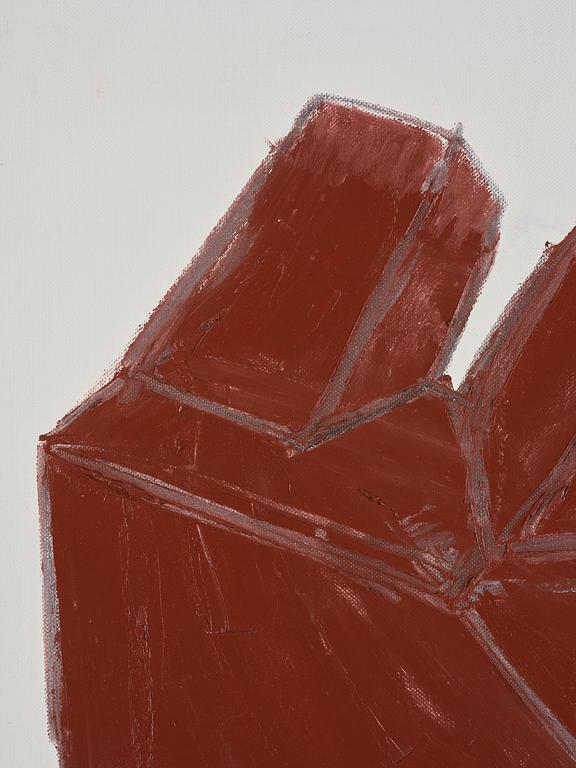
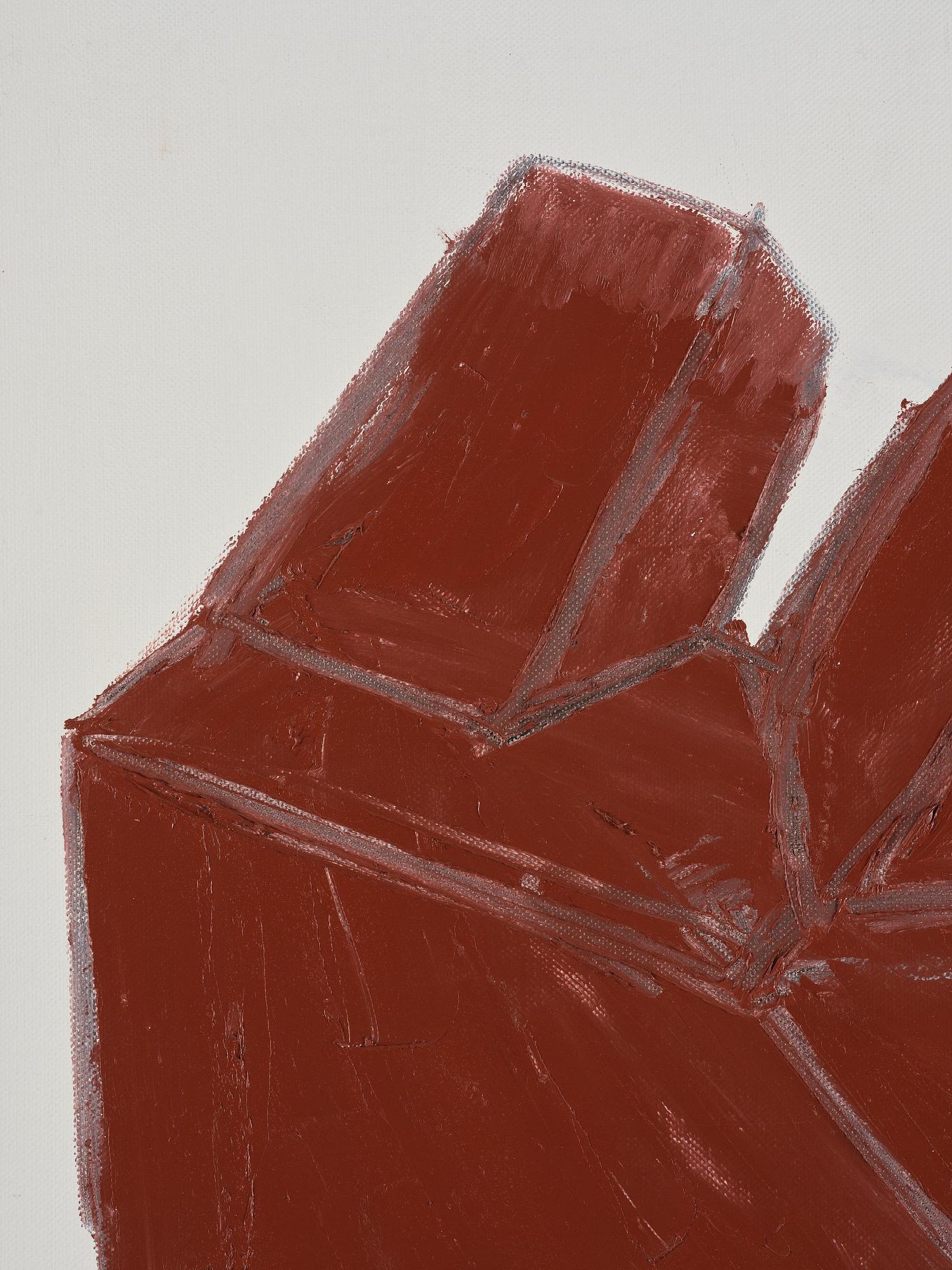
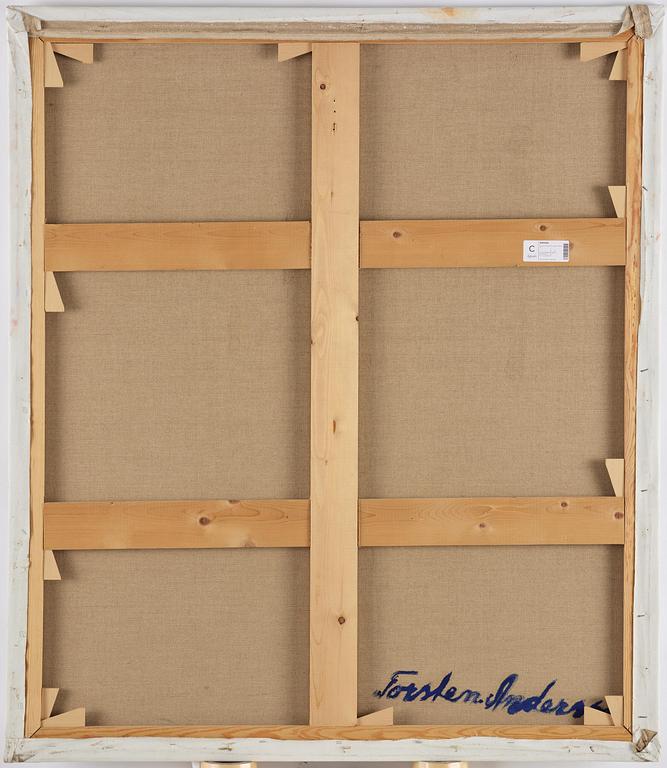
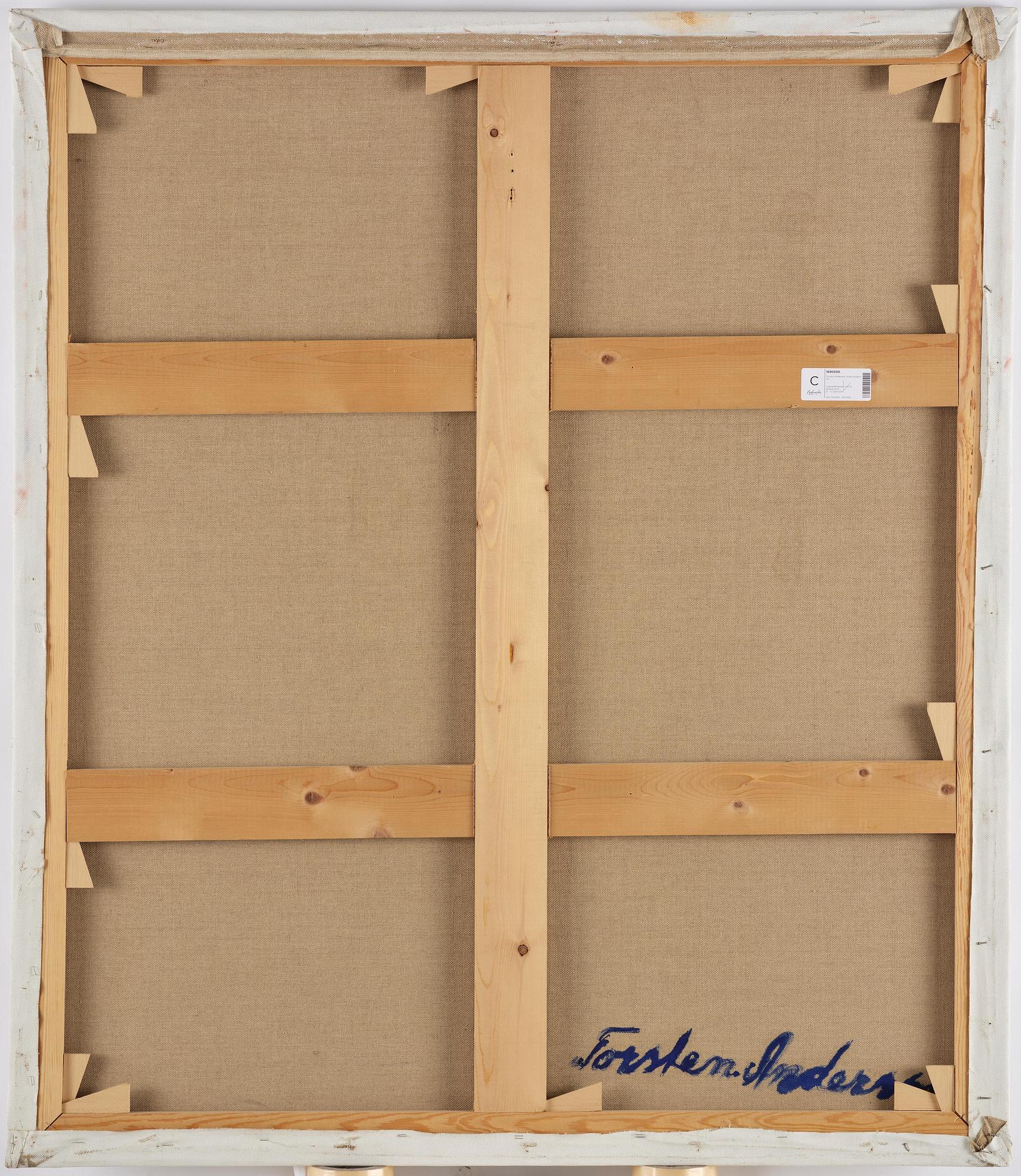
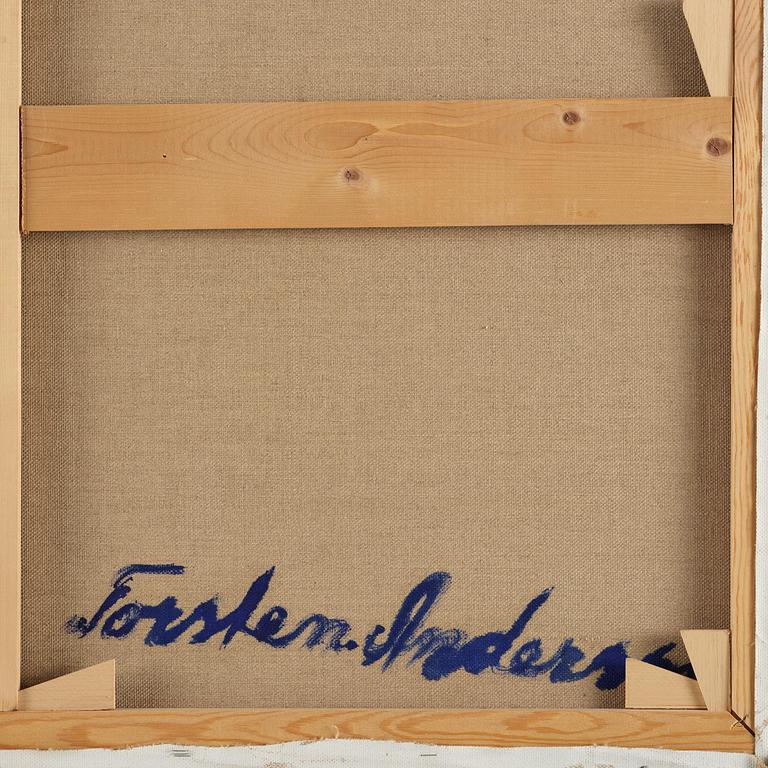
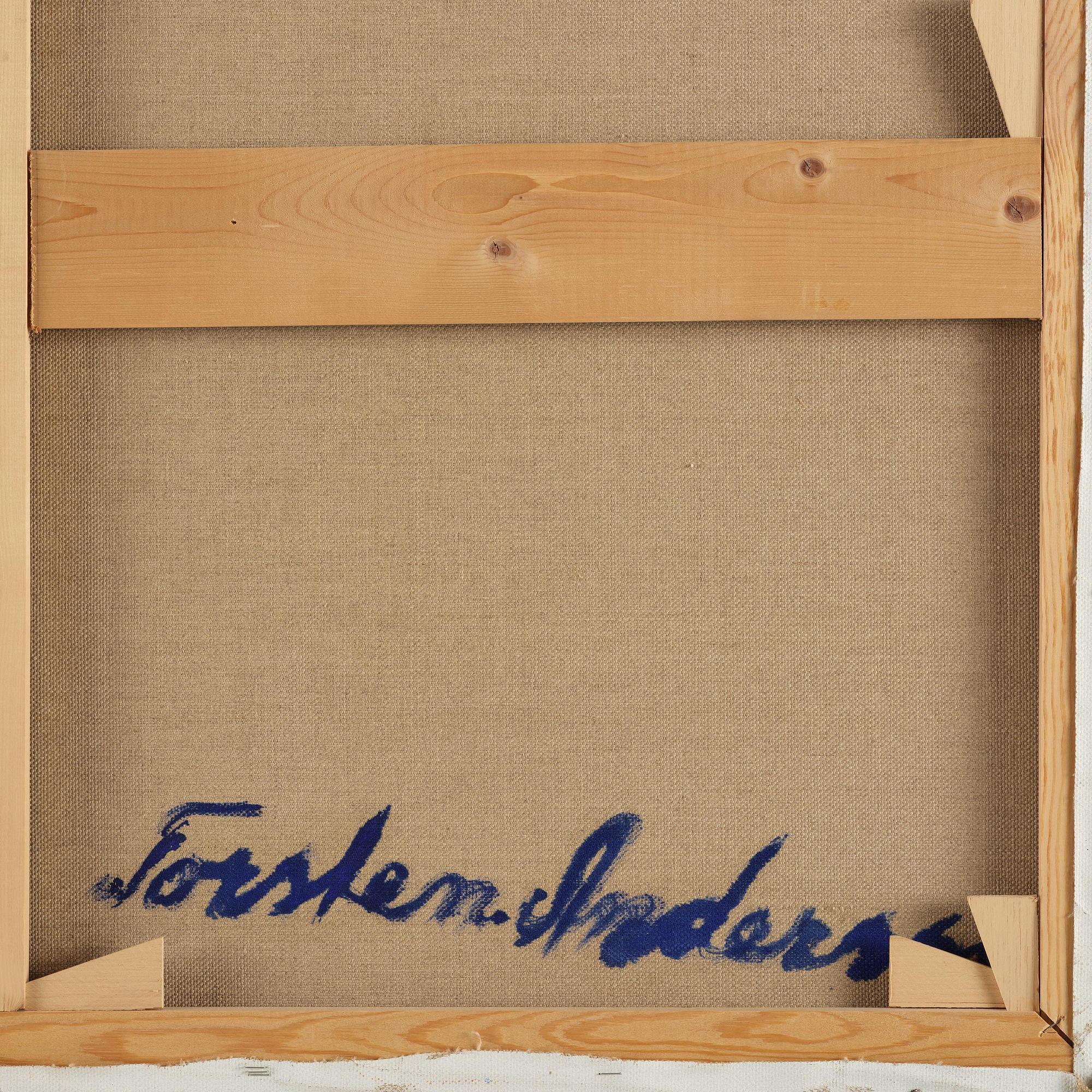
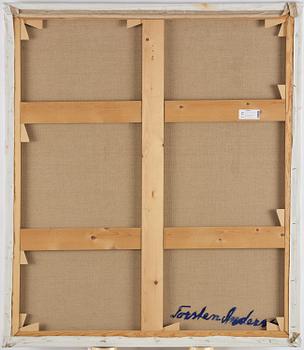
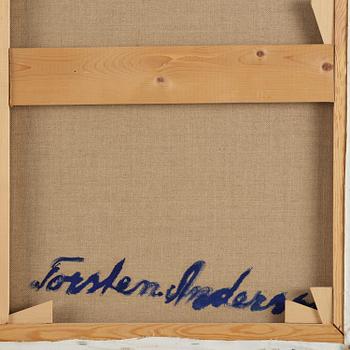
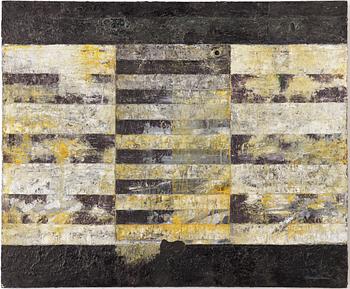
Signed Torsten Andersson verso. Canvas 147 x 127 cm.
Saleroom notice
Provenance:
Private Collection, Sweden. Acquired directly from the artist by the present owner.
Provenance
Private Collection, Sweden. Acquired directly from the artist by the present owner.
More information
Torsten Andersson was one of Sweden’s most legendary artists – acclaimed by critics and colleagues, an inspiration to many, yet also enigmatic and known for destroying most of what he created. For every painting, he often produced hundreds of sketches and drafts, only to burn everything that did not meet his standards. His self-criticism was so extreme that he would even ‘destroy’ paintings that had been finished for many years and exhibited in several museums and art galleries.
Torsten Andersson studied in 1945 at Otte Sköld’s painting school in Stockholm, in 1947 at the Royal Danish Academy of Fine Arts, and from 1946 to 1950 at the Royal Academy of Fine Arts in Stockholm. In his early paintings, he worked on portraits of abstract objects with nature as his model, as a way of rediscovering the possibilities of painting in a new era following modernism. Slowly but surely, he carved out his own visual language and freed himself from both his predecessors and prevailing traditions.
It is telling that his exhibition at Galerie Burén in 1962 was titled ‘Images from Frosta härad’ – the area in Skåne where he spent his childhood and grew up. There he exhibited some of his later best-known works: The Seagull – an ascetic, white-painted linen canvas with a sewn-in, bird-like form – and The Spring – paintings consisting of two parts: a painted surface and, beneath this, a black plank symbolising the dark water. Here the introspective content is reinforced.
In the 1980s, after many years of silence, he exhibited a series of paintings of abstract sculptures with poetic origins. He painted distinctive, object-like forms against monochrome backgrounds – sculptures that did not exist, but which were given titles and references to the real world. Over time, the motifs became more concrete, and in the early 2000s his canvases were filled with soft, textile-like forms and symbols. His visual language developed and became established.
Although Andersson was regarded as a radical non-conformist, he was a professor at the Royal Academy of Fine Arts in Stockholm from 1960 to 1966. At the same time, he took part in several international exhibitions and represented Sweden at the São Paulo Biennial in 1959 and 1983, as well as the Venice Biennale in 1964. Among other honours, he was awarded the Prince Eugen Medal in 1995, the Rolf Schock Prize in 1997, and the Carnegie Art Award in 1998 and 2008.
This year, Torsten Andersson would have turned 100. His work is held in several important private collections, as well as at Moderna Museet, the National Museum in Stockholm and Helsingborg Museum. The most significant collection of his works is held at Malmö Art Museum, thanks to a donation from the artist in the 1990s.
More about Torsten Andersson
Torsten Andersson is a Swedish visual artist who was a student at the Royal Institute of Art in Stockholm from 1946-50 and then professor from 1960-66. He has twice received the Carnegia Art Award, winning first prize in 2008, and winning the Chock prise in 1997. Andersson has dedicated himself to an explorative form of painting, seeking what he terms his own language and a new path for painting. In the early 1960s, Andersson reached a breakthrough with his paintings “Måsen” and “Källan”. Later he focused on painting portraits of fictional sculptures. Known for his vigorous self-criticism, Andersson is known for destroying works that he believes don’t live up to his fullest potential.
During his lifetime Andersson exhibited internationally and participated in the 32nd Venice Biennale in 1964 and the São Paulo-Biennale in 1959 och 1983. Retrospective exhibitions of his work was held at Moderna Museet in 1986 and Malmö Konsthall in 1987. His work was featured but not limited to solo and group exhibitions at Gothenburg’s Art Museum (2008), Moderna Museet in Stockholm (2006), Zeno X Gallery in Antwerp (2003), Konstmuseum Bonn (1999), Louisiana Museum of Modern Art, Humlebæk (1997), Malmö Konstmuseum (1995), and Centre Georges Pompidou, Paris (1981).
For condition report contact specialist

Covered by droit de suite
Image rights
The artworks in this database are protected by copyright and may not be reproduced without the permission of the rights holders. The artworks are reproduced in this database with a license from Bildupphovsrätt.