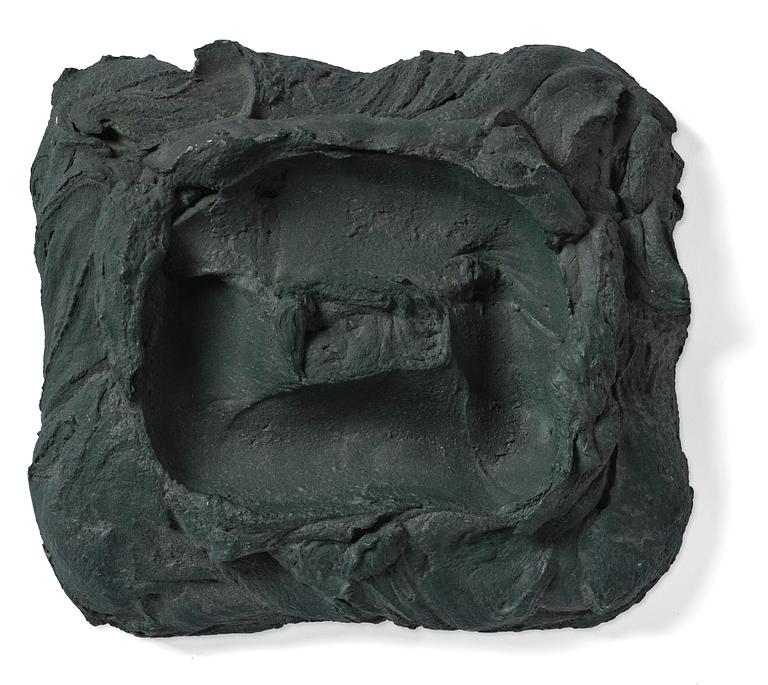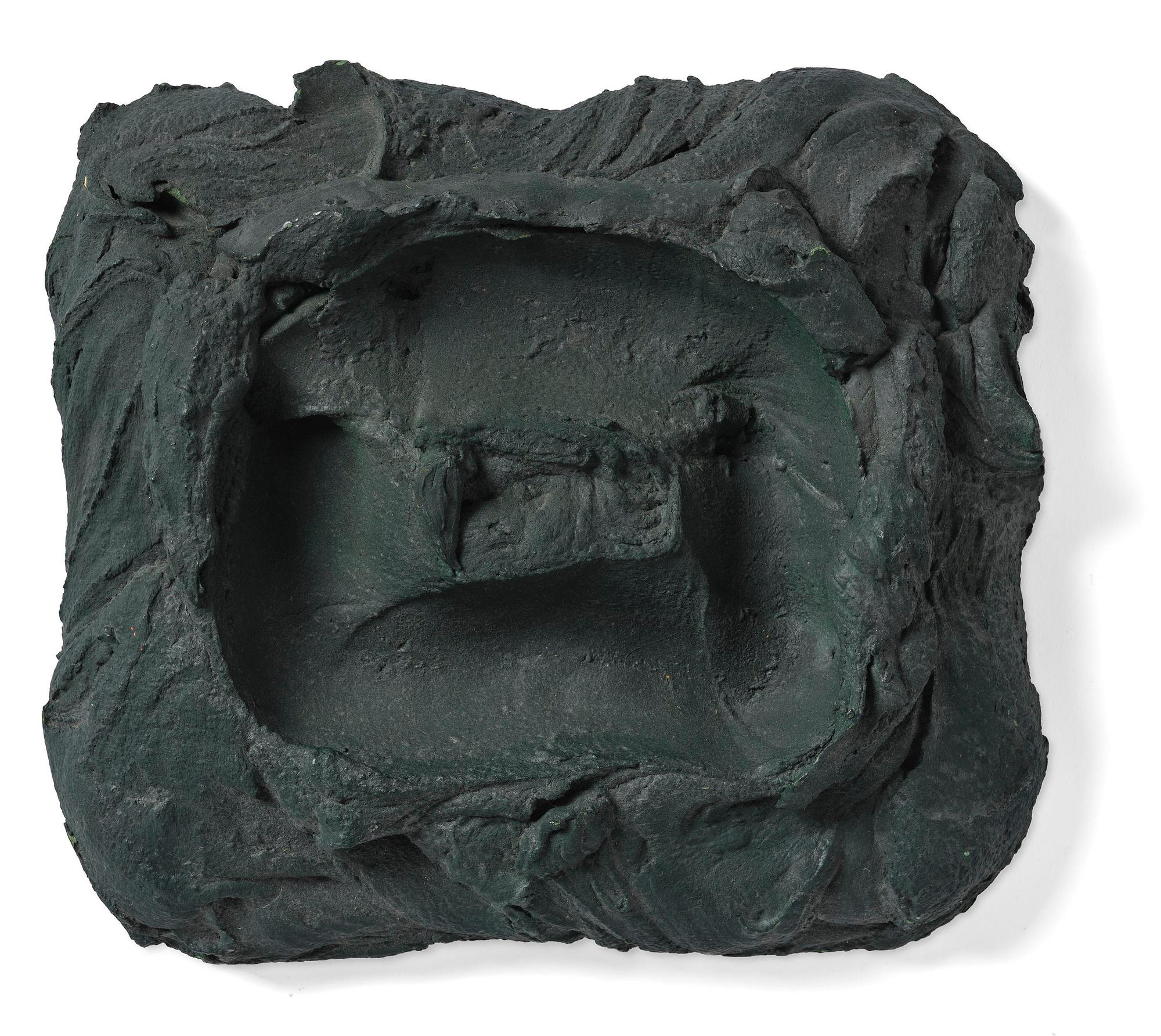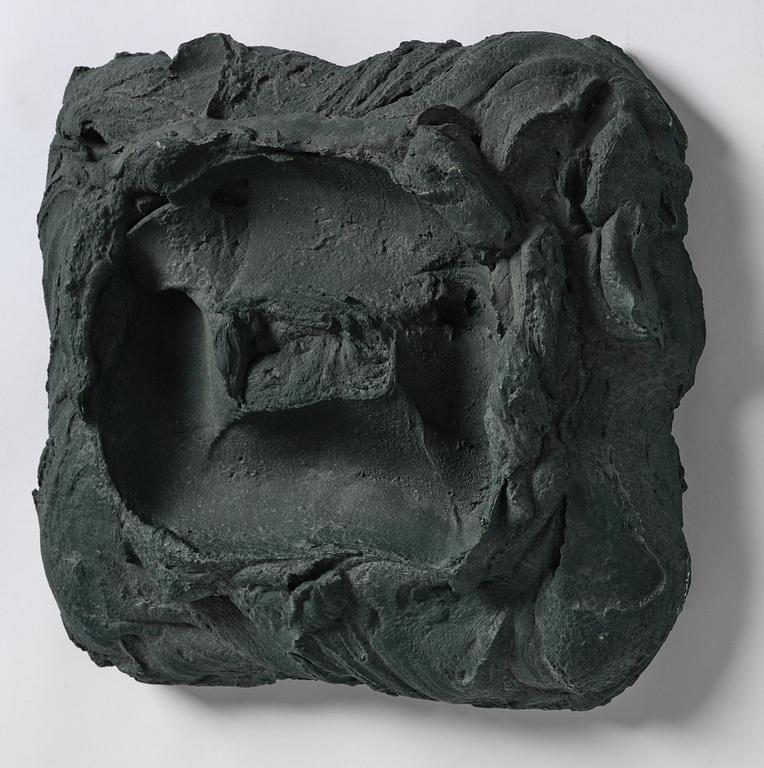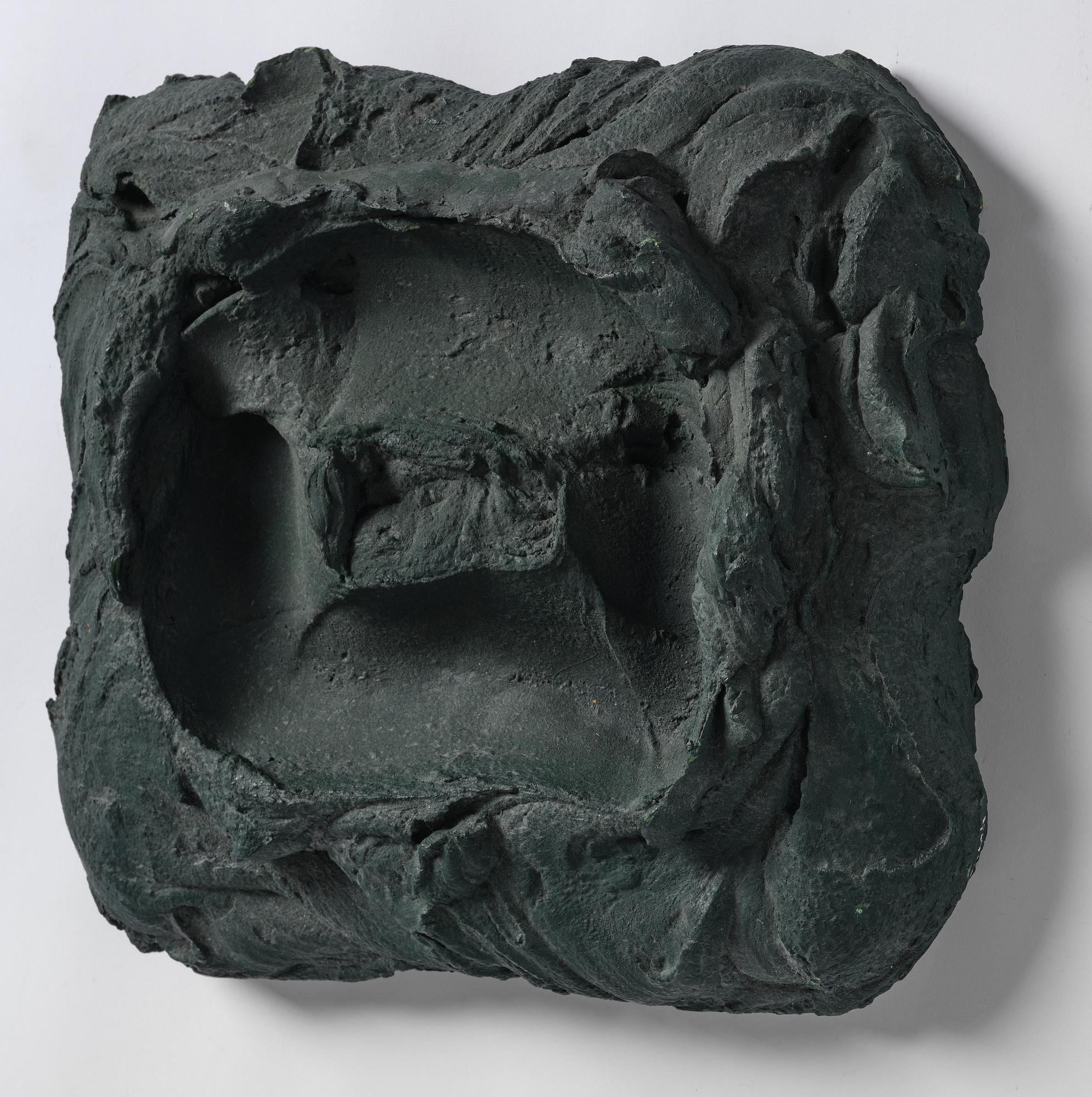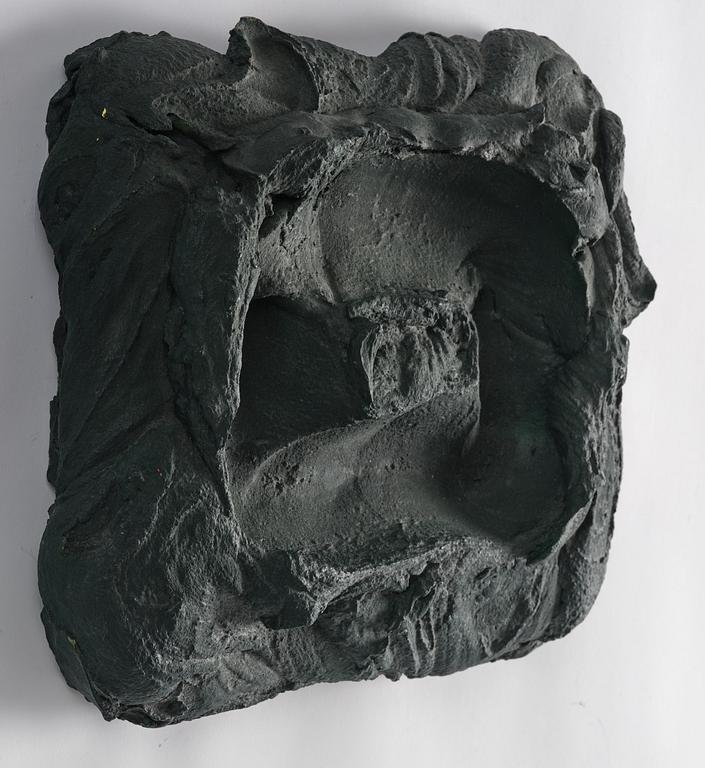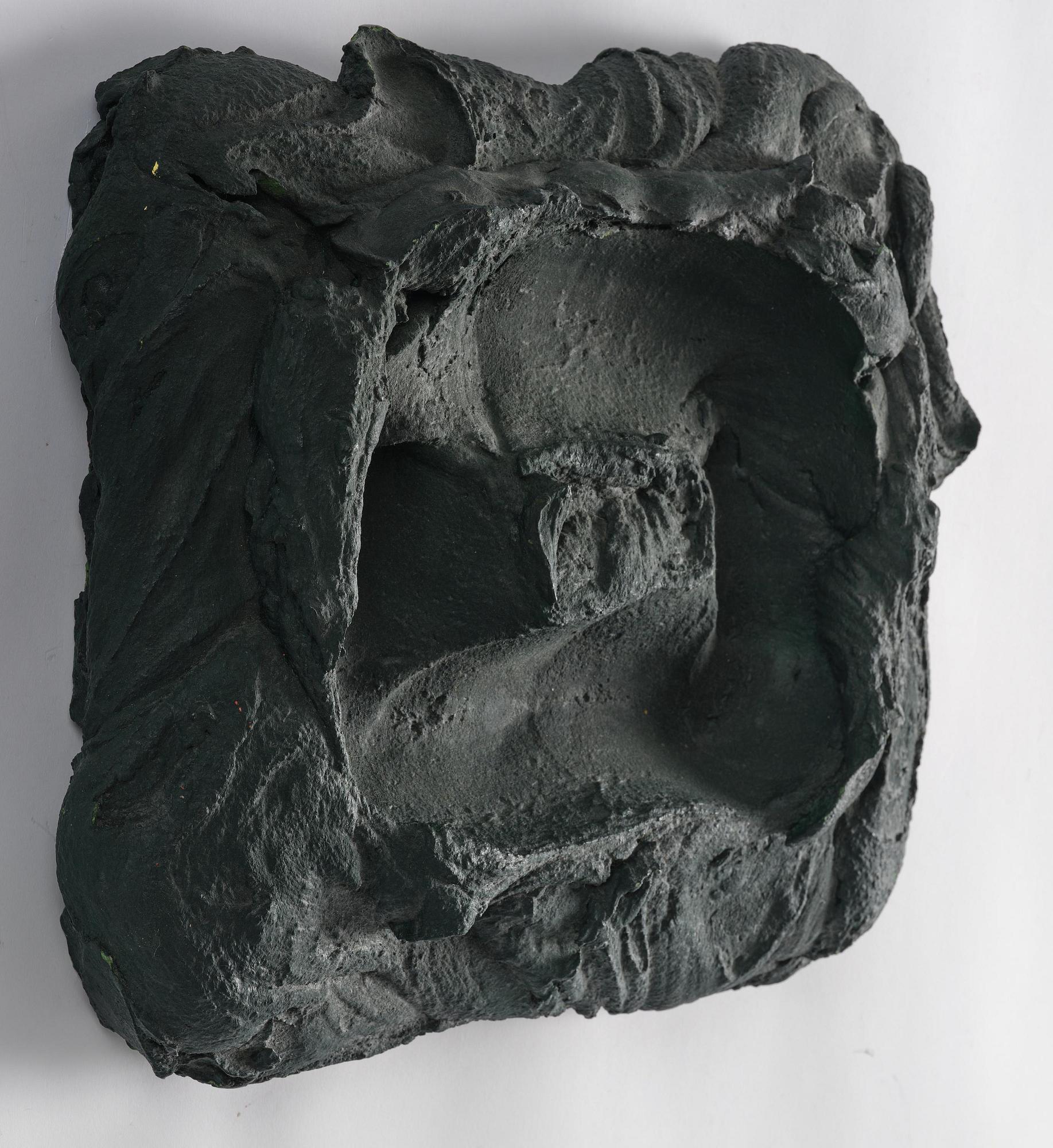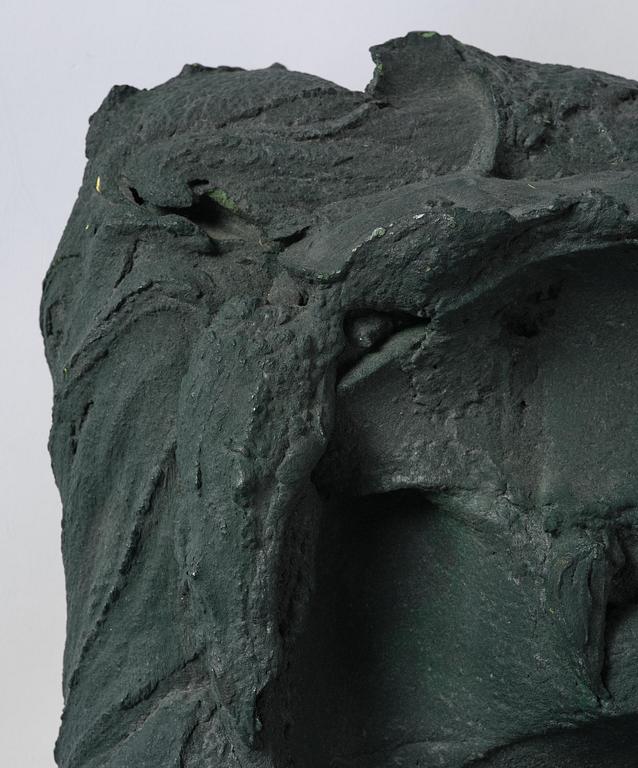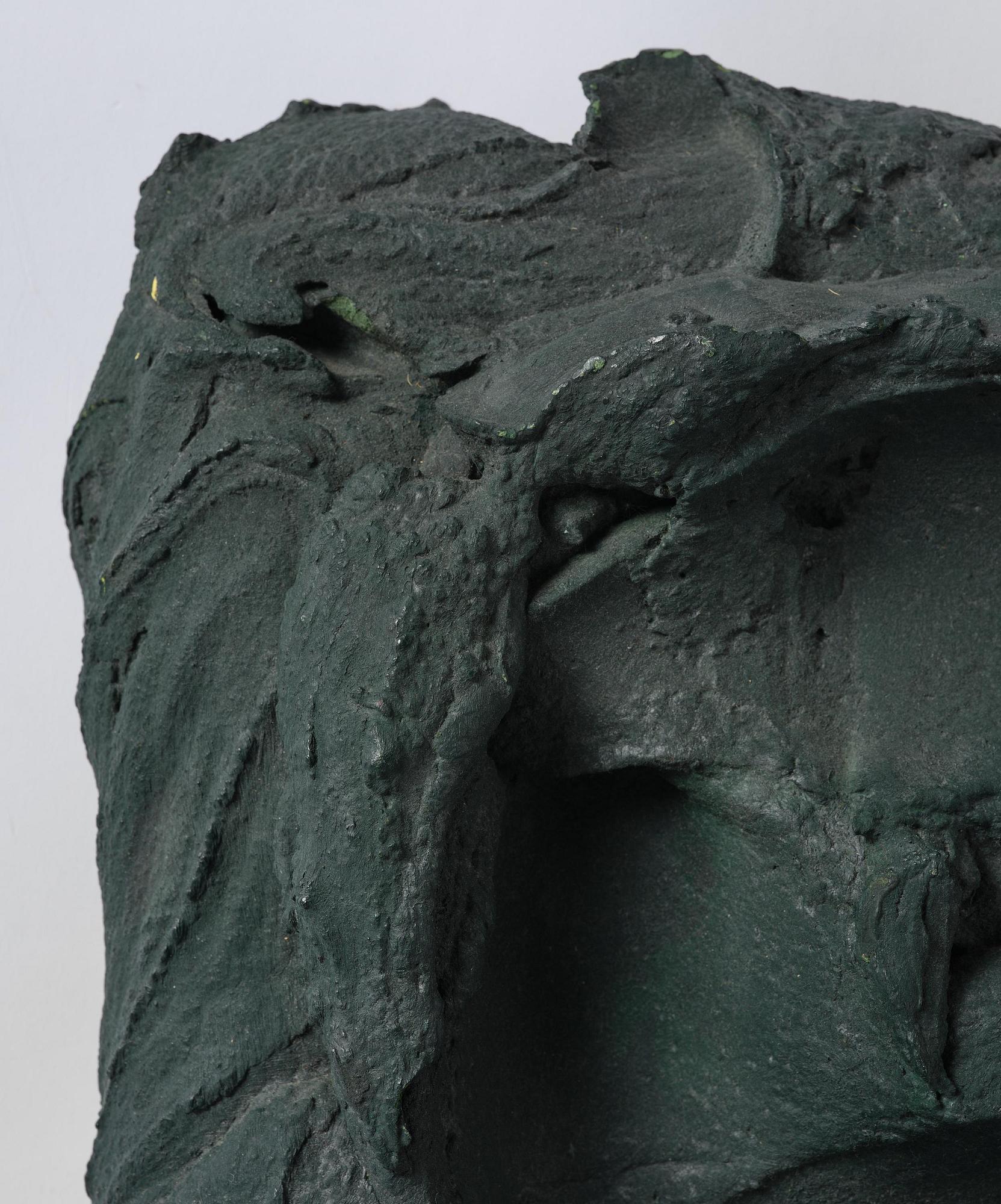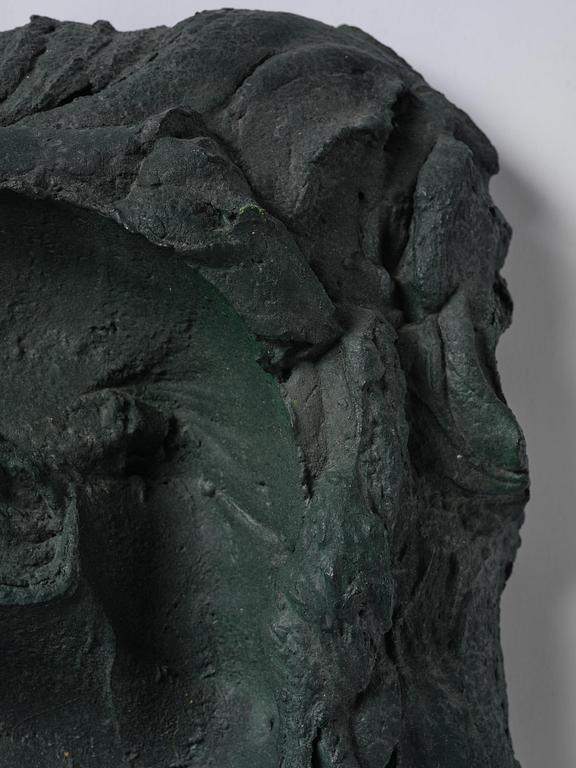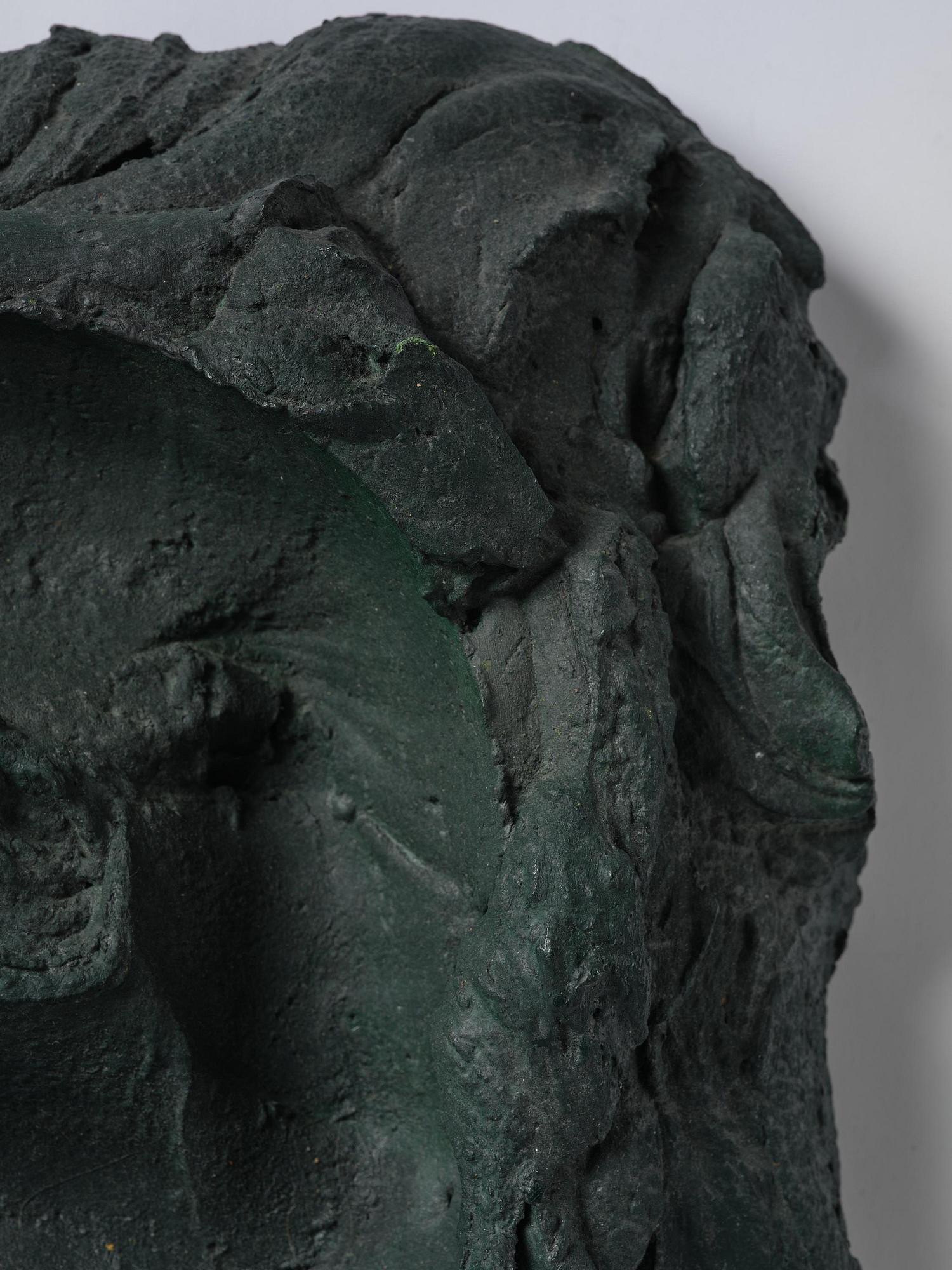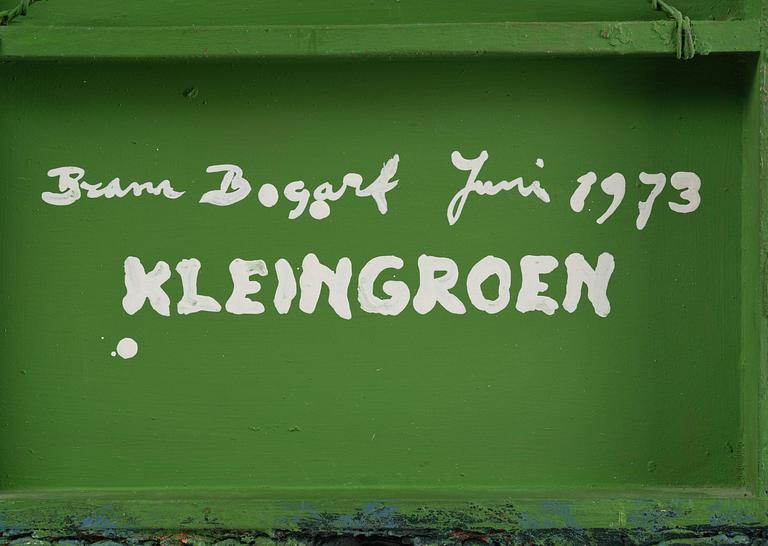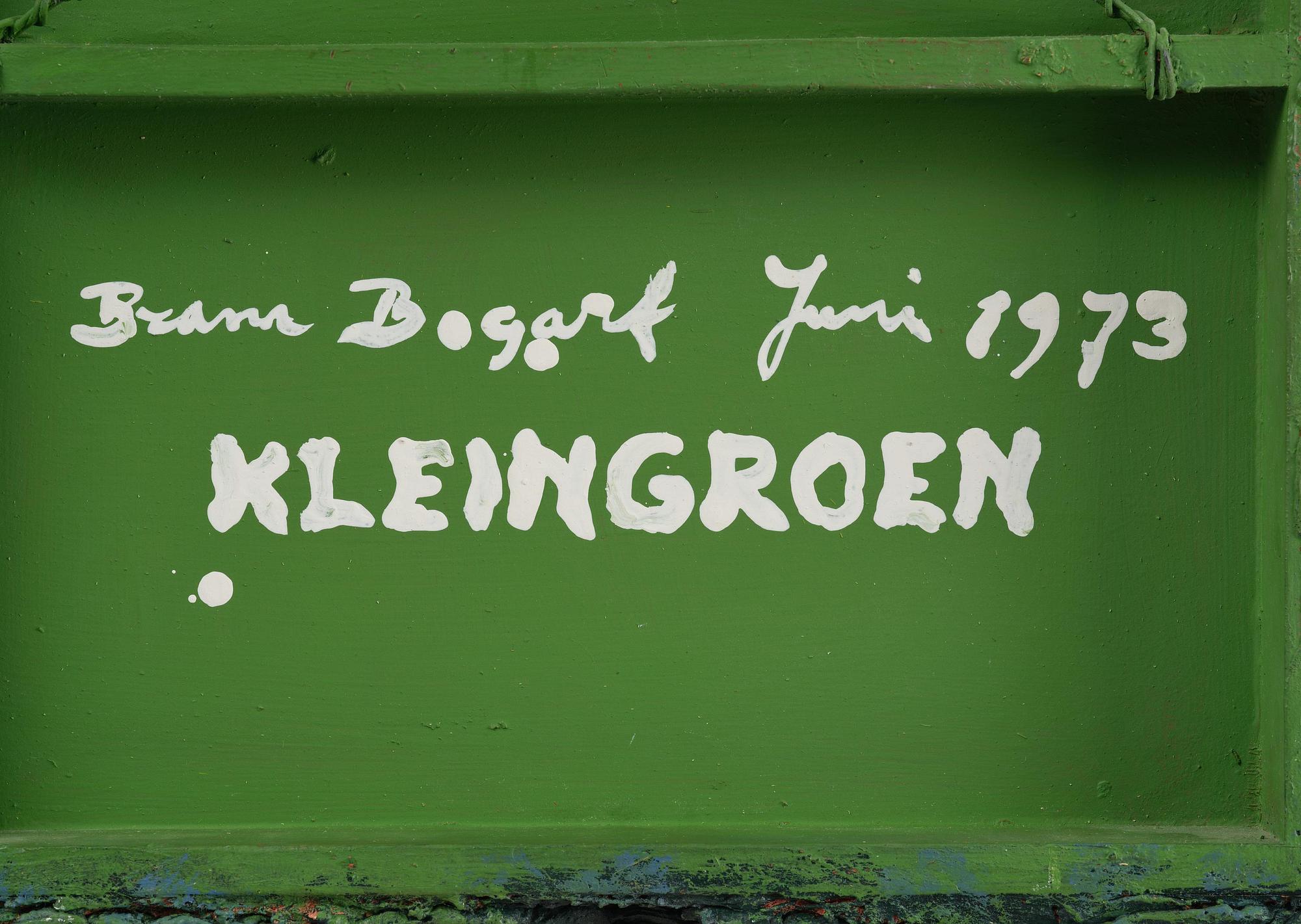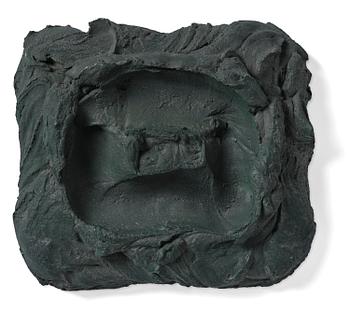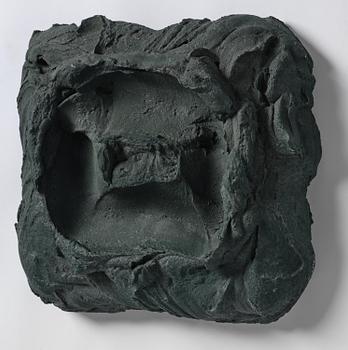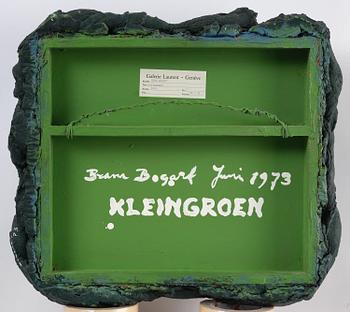
"KLEINGROEN"
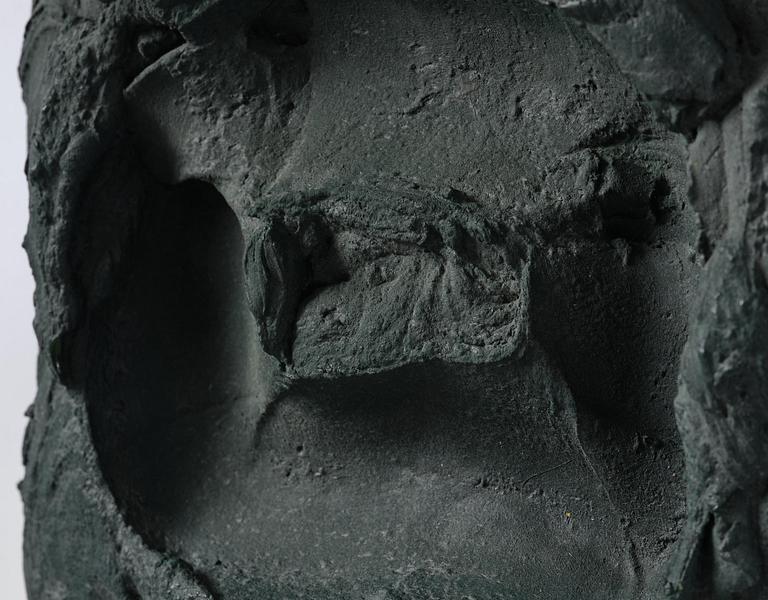
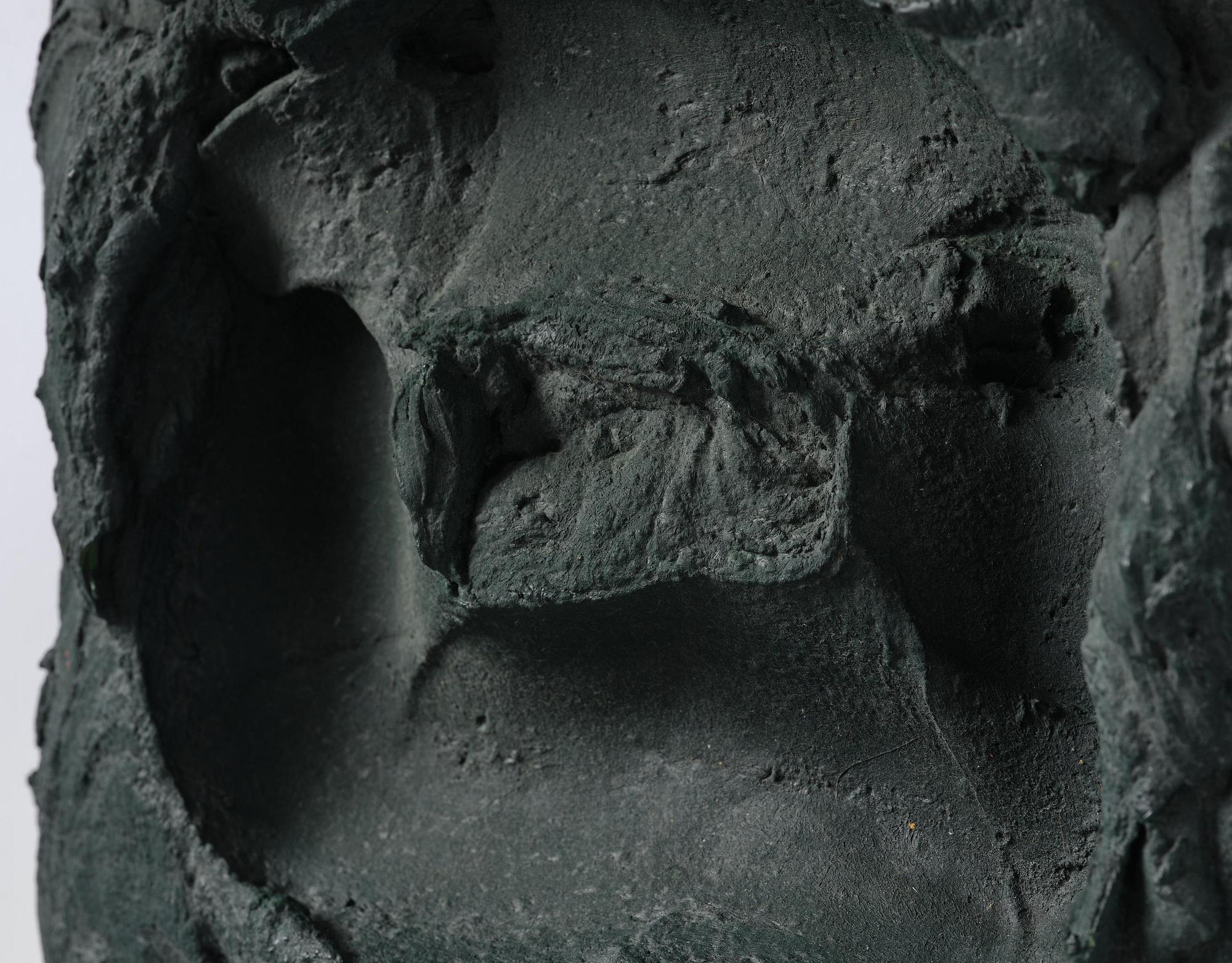
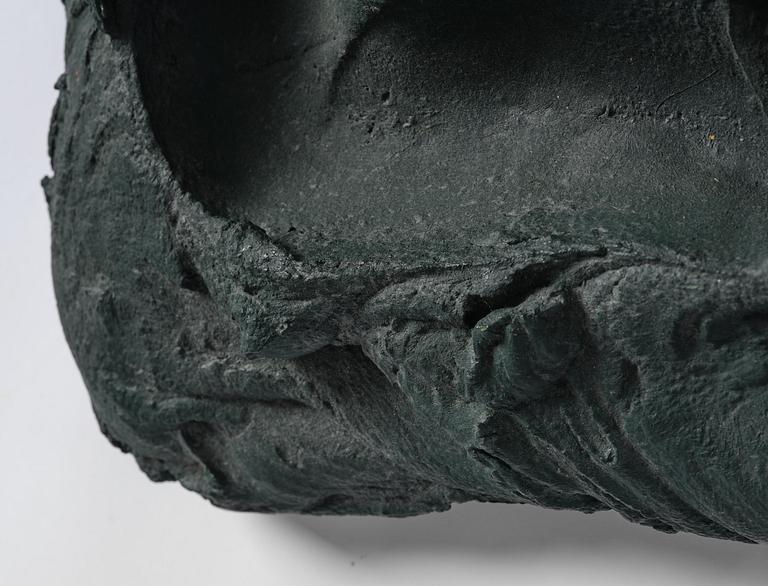
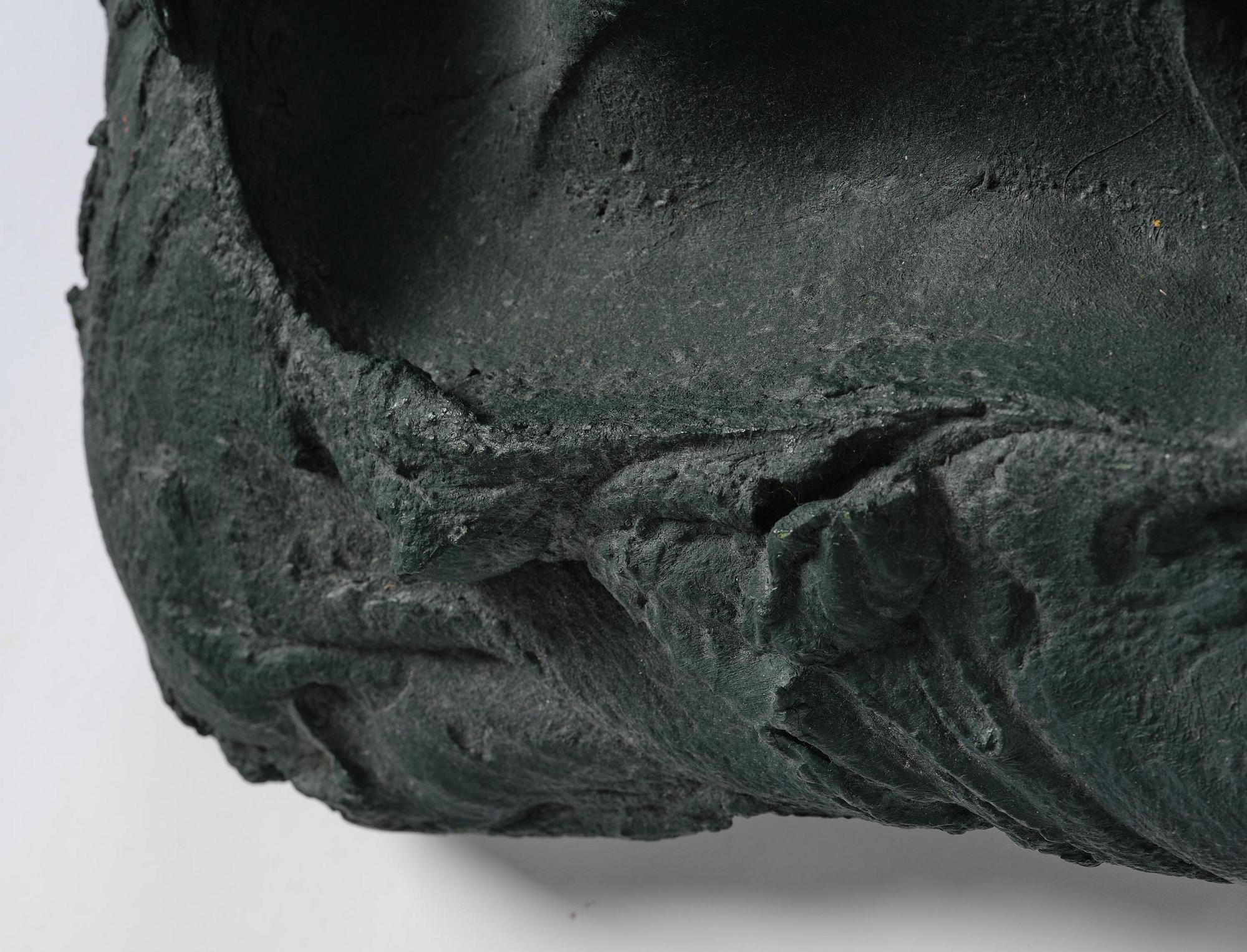
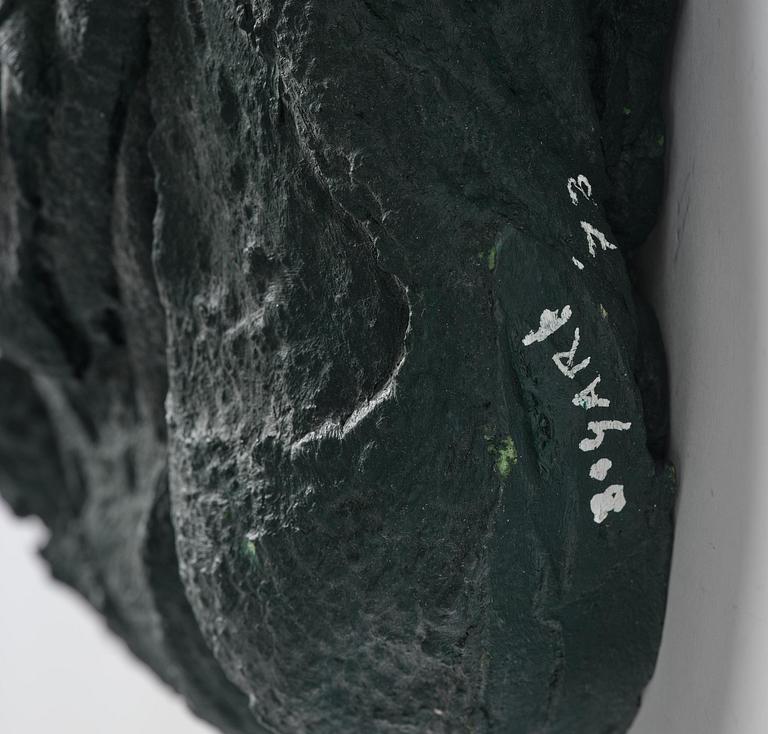
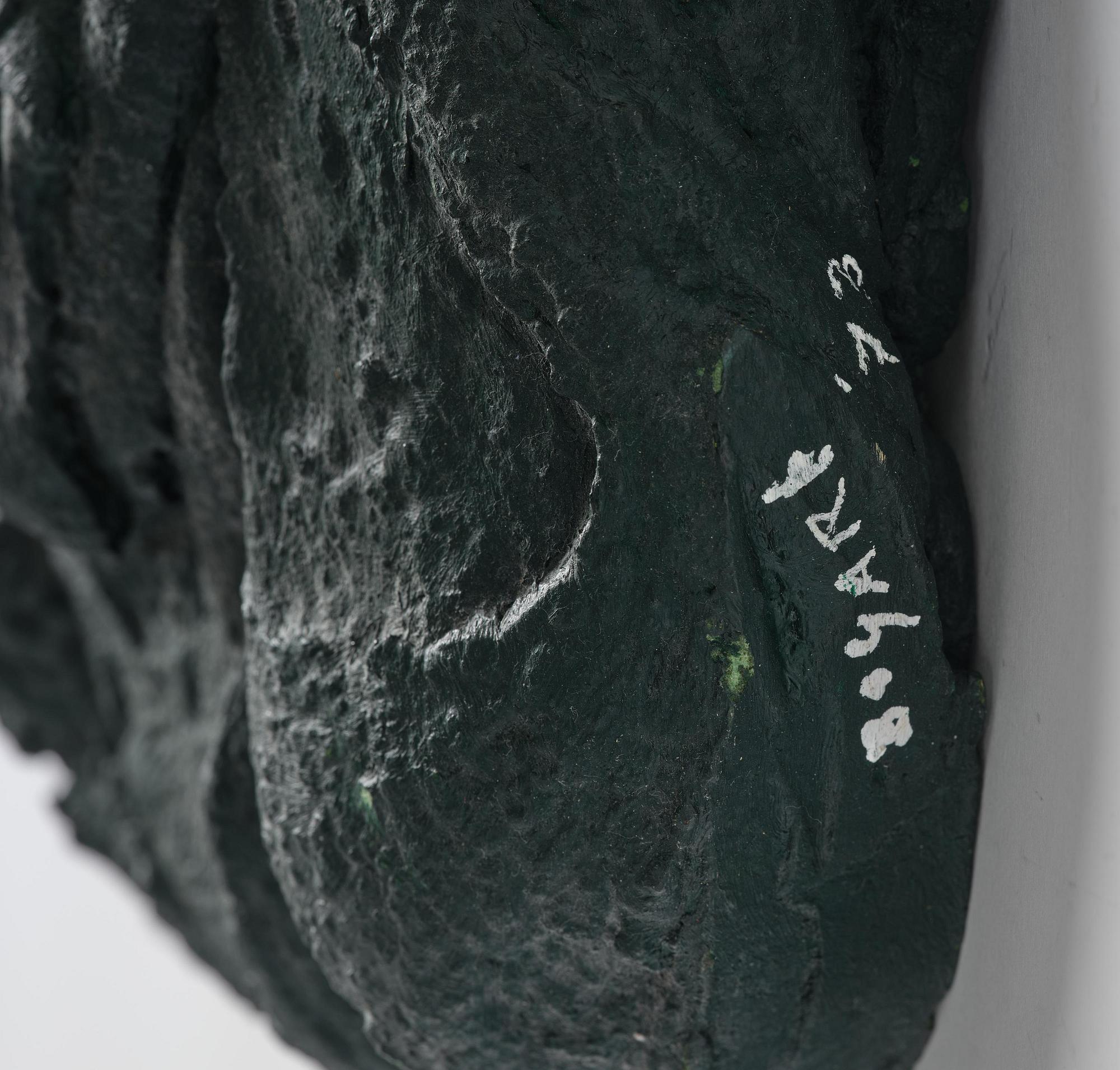
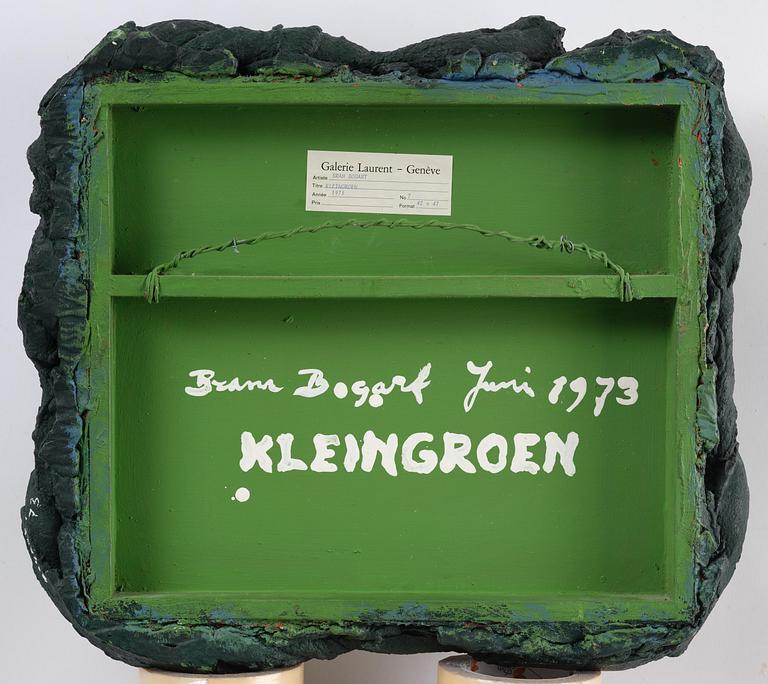
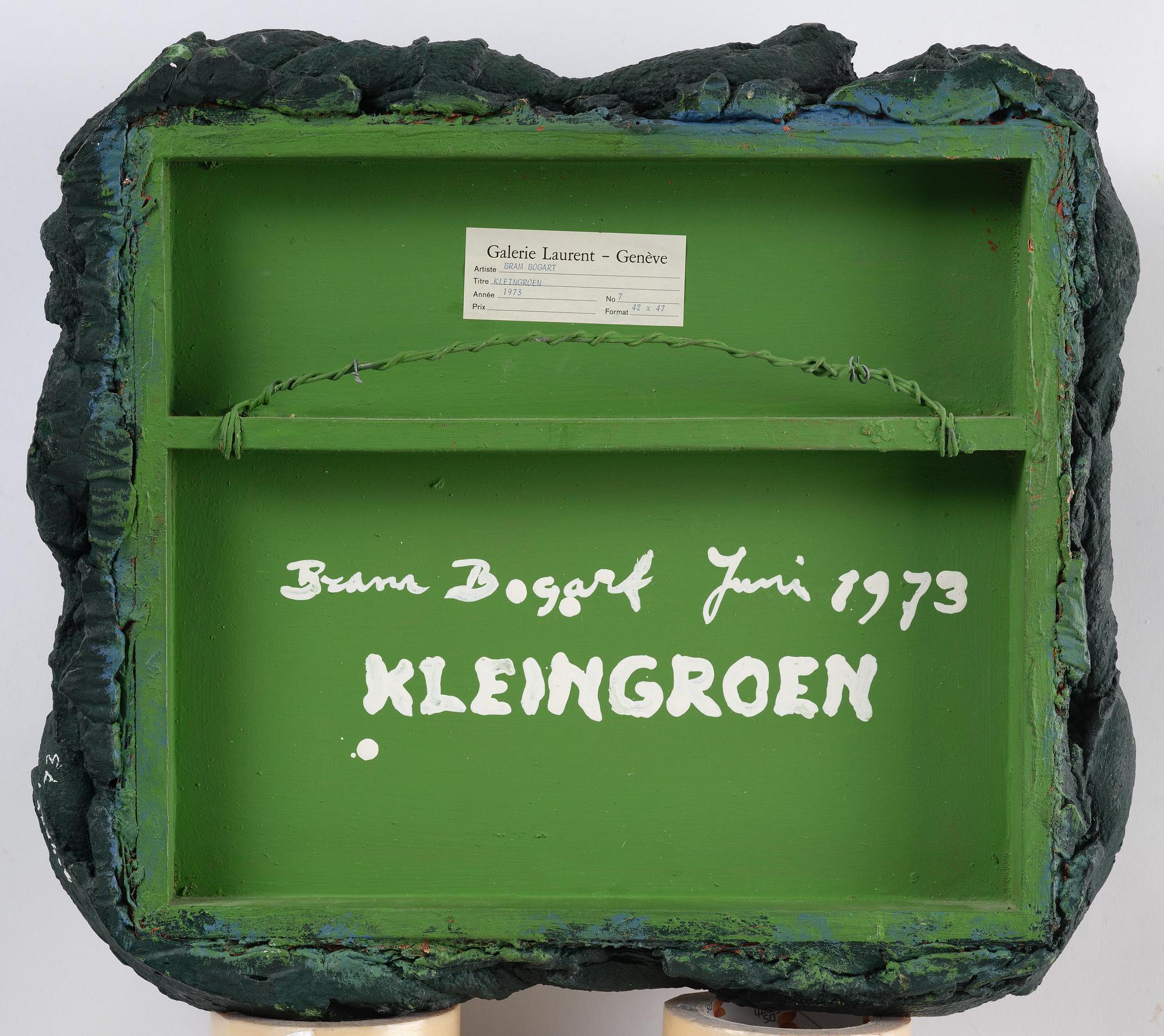
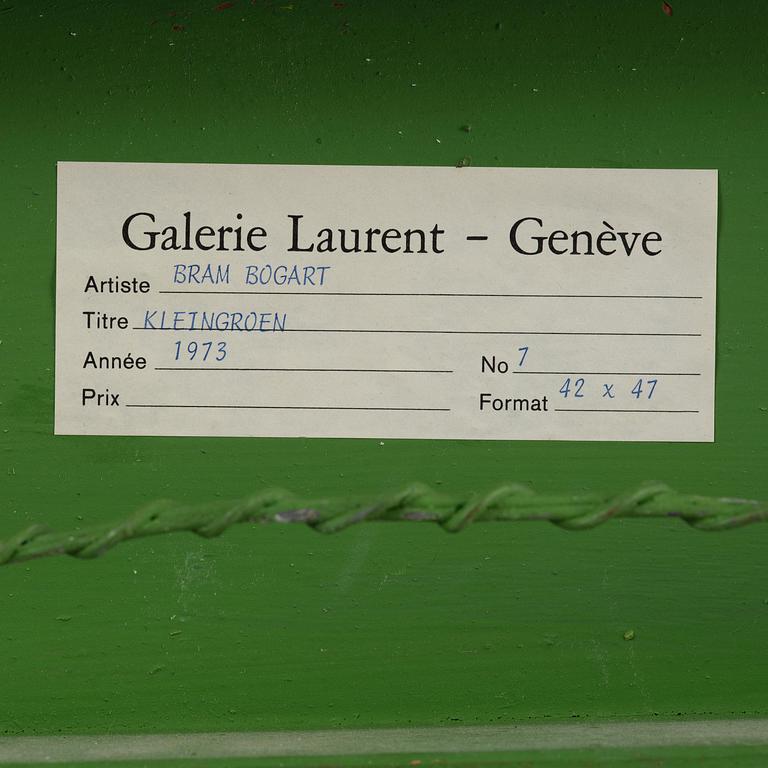
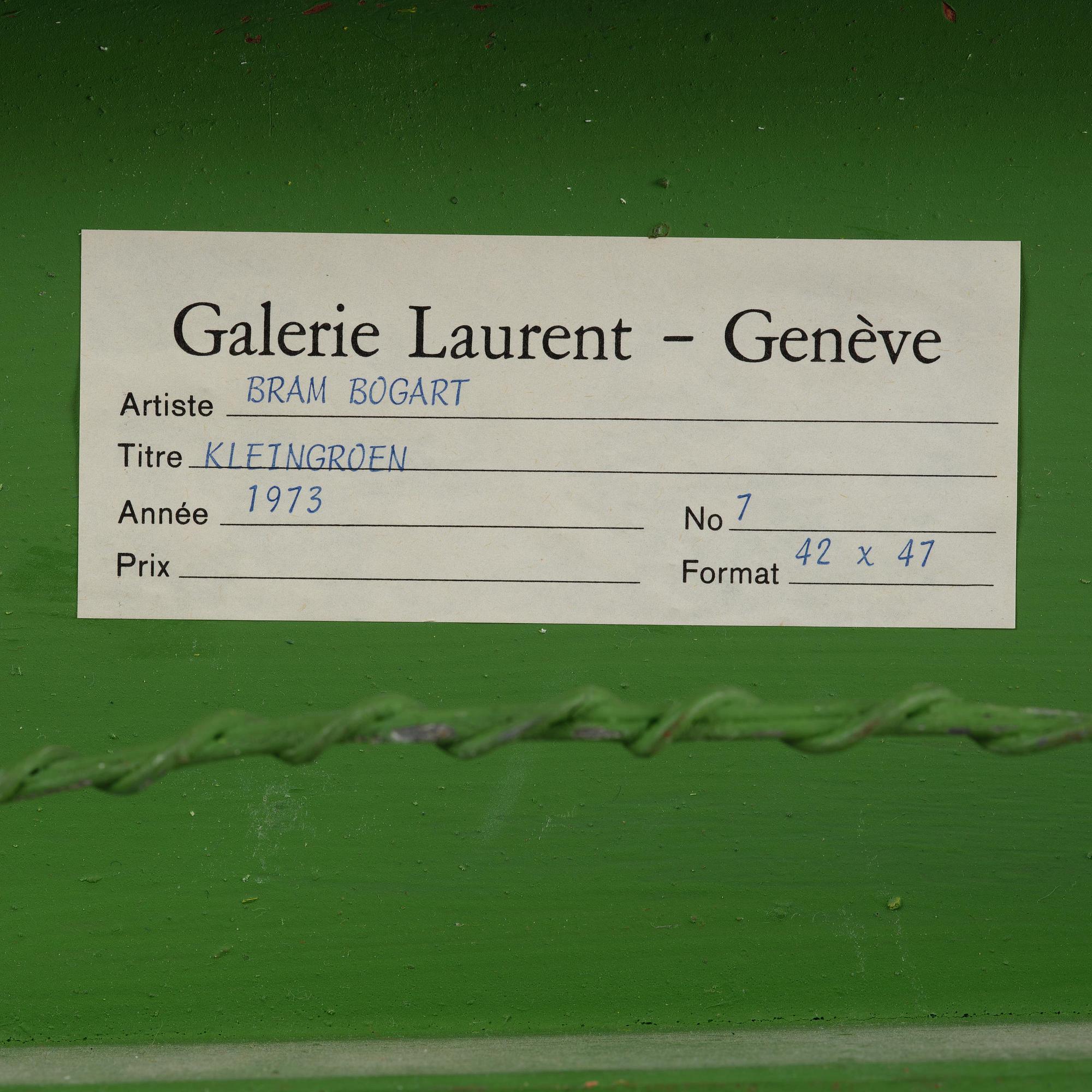
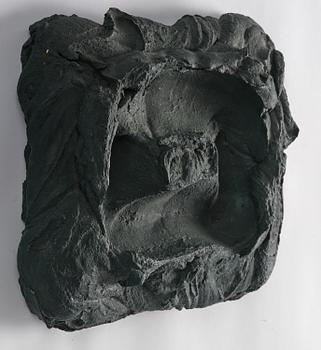
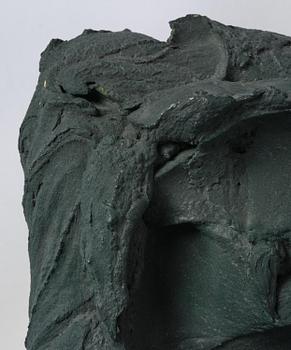
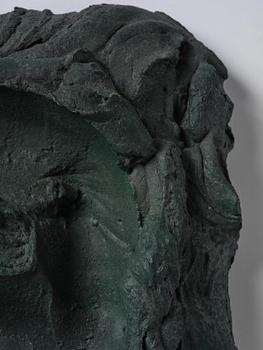
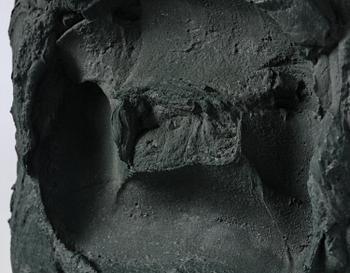
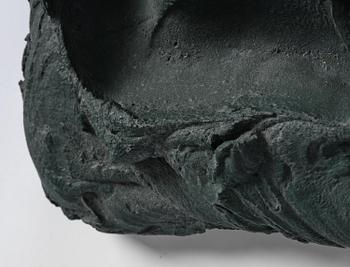
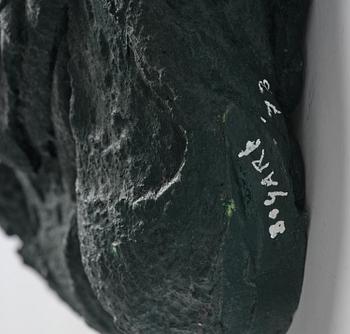
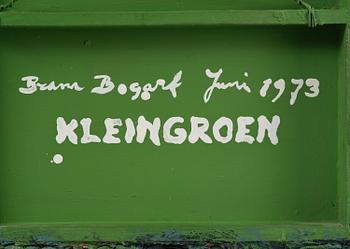
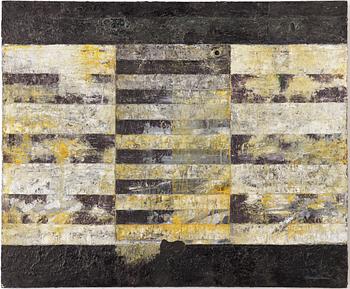
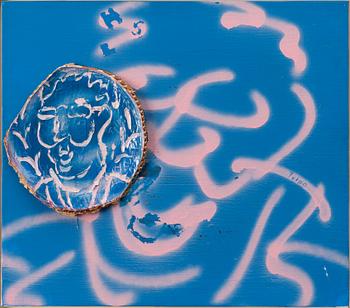
Signed Bogart and dated -73, as well as verso signed and dated June 1973. Painted relief in mixed media on panel 43 x 47 cm.
Provenance
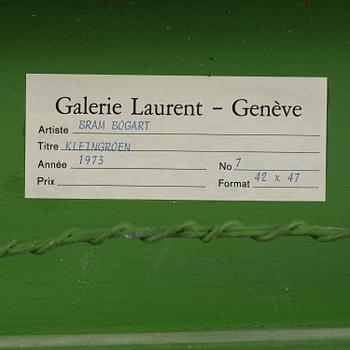
Galerie Laurent, Geneva.
Galleri 92, Frösön, Östersund.
Acquired from the above.
Literature
Östersunds-Posten, 23 April 1988, illustrated.
More information
Bram Bogart came into contact with the Swedish art market through his friendship with the Swedish artist Bengt Lindström as early as the 1960s. He exhibited, among other places, at the art association in Östersund, Gävle Museum, the Gothenburg Art Museum, and Lund's Konstall.
Bengt Lindström also became the common link between Bogart and the Swedish teacher, turned gallerist Kjell Wikner in Östersund. When Wikner, for a time, studied French in Paris, he worked part-time cleaning brushes in Lindström's studio. There, a strong and lasting interest in art was awakened, which later led him, together with his wife Astrid, to establish Galleri 92.
For more than 25 years, the gallery showcased paintings and sculptures by both Swedish and international artists. The premises were located at Byvägen 92 – an address that also gave the gallery its name. Being a gallerist became as much a lifestyle for Wikner as it was a profession. Through the gallery, a new world of travel and meetings opened up across Europe. Astrid and Kjell Wikner established connections with both established and young, promising artists, several of whom came to Frösön to exhibit and stayed with the family during their visits to Sweden.
At the inaugural exhibition in 1975 in Frösön, Bogart was represented with ten works, marking the beginning of a long-lasting collaboration.
Östersunds-Posten reviewed the exhibition on January 15, 1975:
“Colour and form have become one in the thickly applied paint material, which gives the impression of spontaneous movement, while the slightest modelling seems meaningful. The overall impression is dualistic: his heavily sculpted, intensely colour-glowing paintings evoke both a sense of serene balance and an inherent dynamism of nervous movement. It pulses as if from the waves of life in powerfully sculpted canvases with shocking colour chords.”
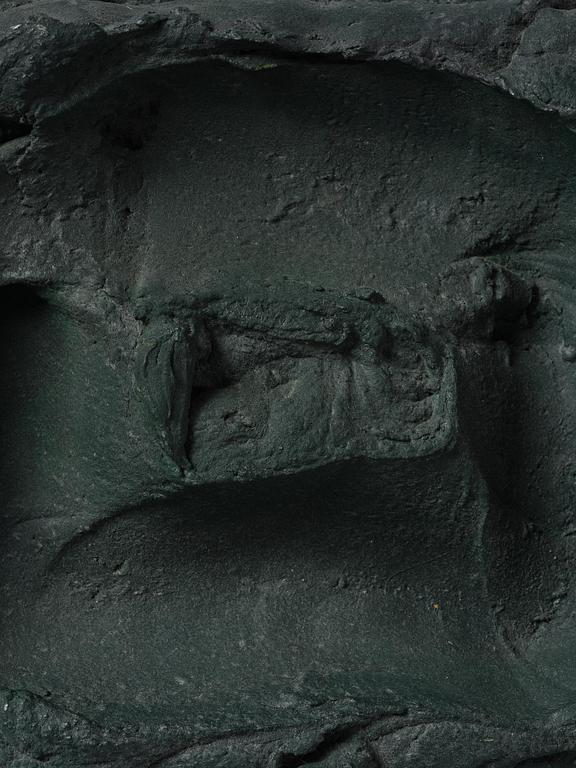
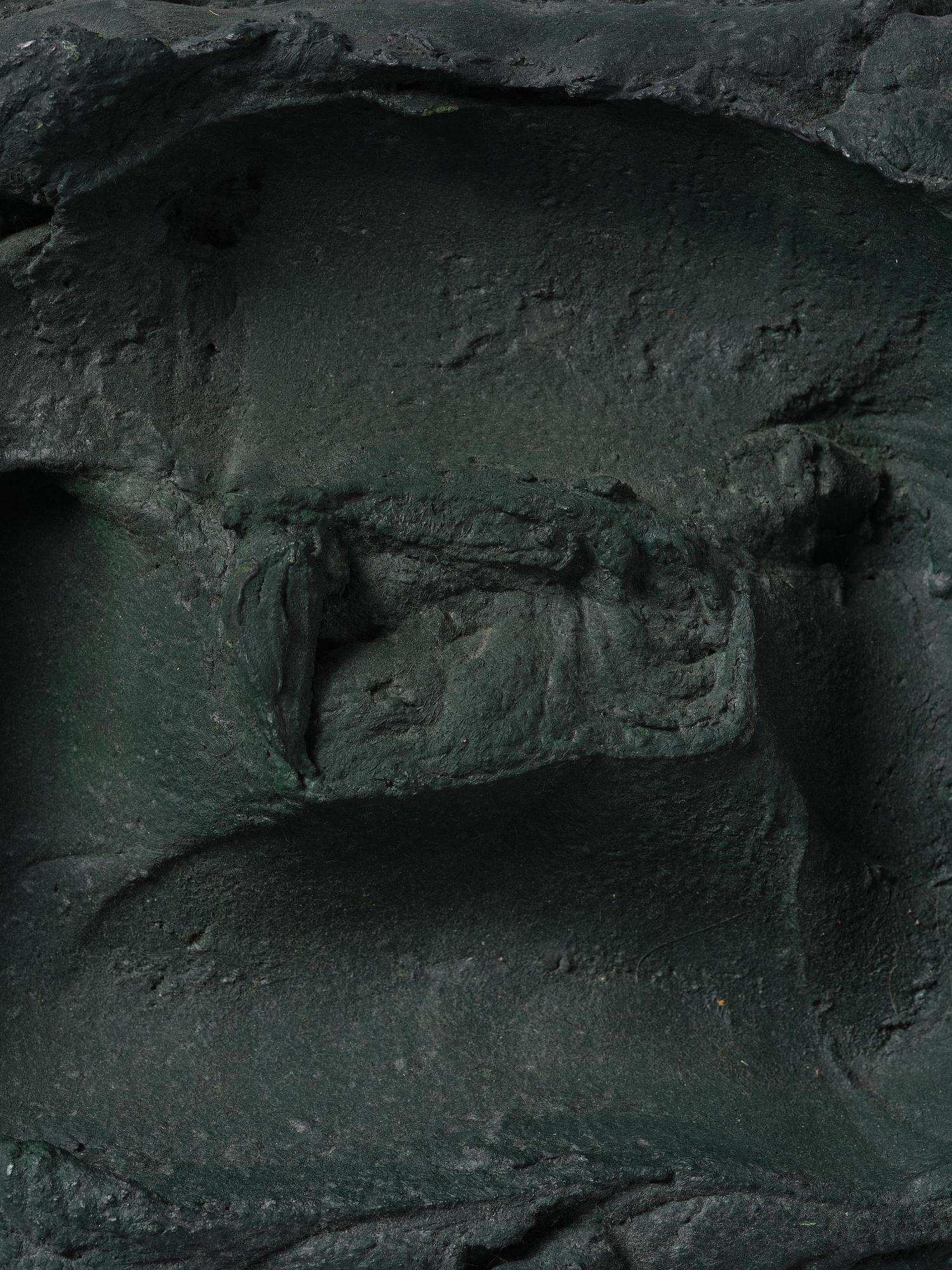
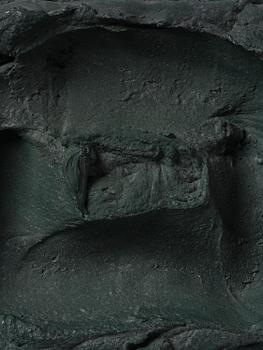
For Bram Bogart, the material was the central component of art, unlike artists who see the choice of material merely as a means. In the early 1960s, he developed the expression that would characterise his entire oeuvre: monumental, powerful formations built up of thick layers of pigment, water, varnish, and powdered chalk. The result was very heavy works, which led him to construct his own metal frames to support the weight.
This technique and expression followed him throughout his life and resulted in a unique artistic career that achieved international fame. Bogart's works are found in many private international collections and have been exhibited at renowned institutions such as the Guggenheim in New York, the Louvre, and the Centre Pompidou in Paris.
In northern Sweden, it was Astrid and Kjell Wikner at Galleri 92 on Frösön who, for many years, introduced and presented Bram Bogart to the Swedish audience.
For condition report contact specialist

Covered by droit de suite
Image rights
The artworks in this database are protected by copyright and may not be reproduced without the permission of the rights holders. The artworks are reproduced in this database with a license from Bildupphovsrätt.