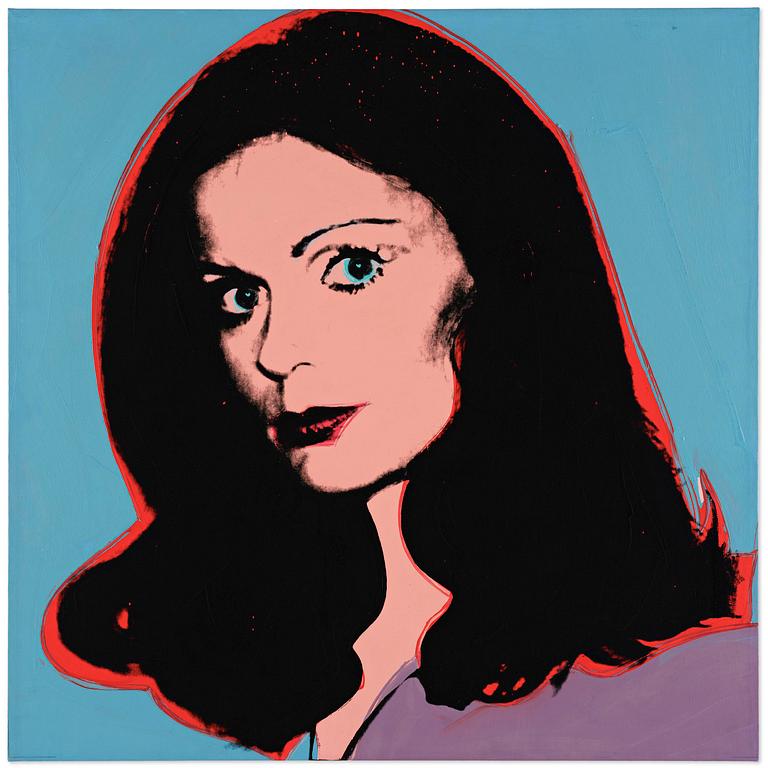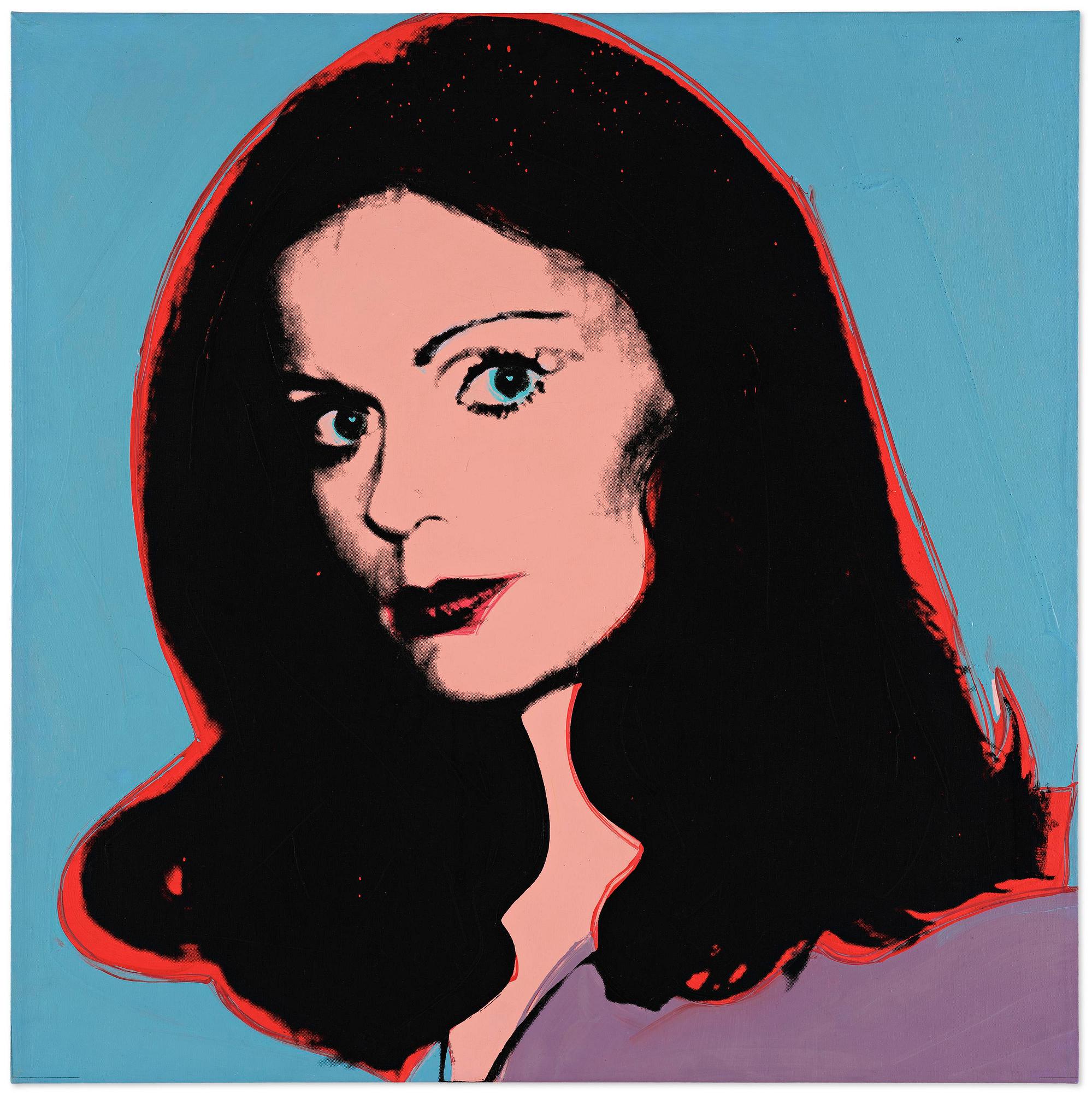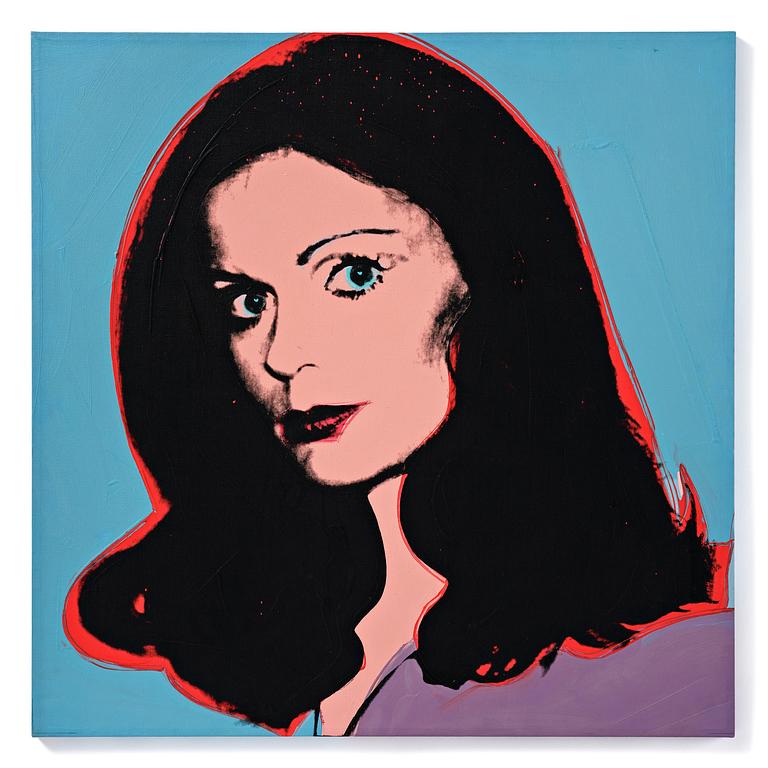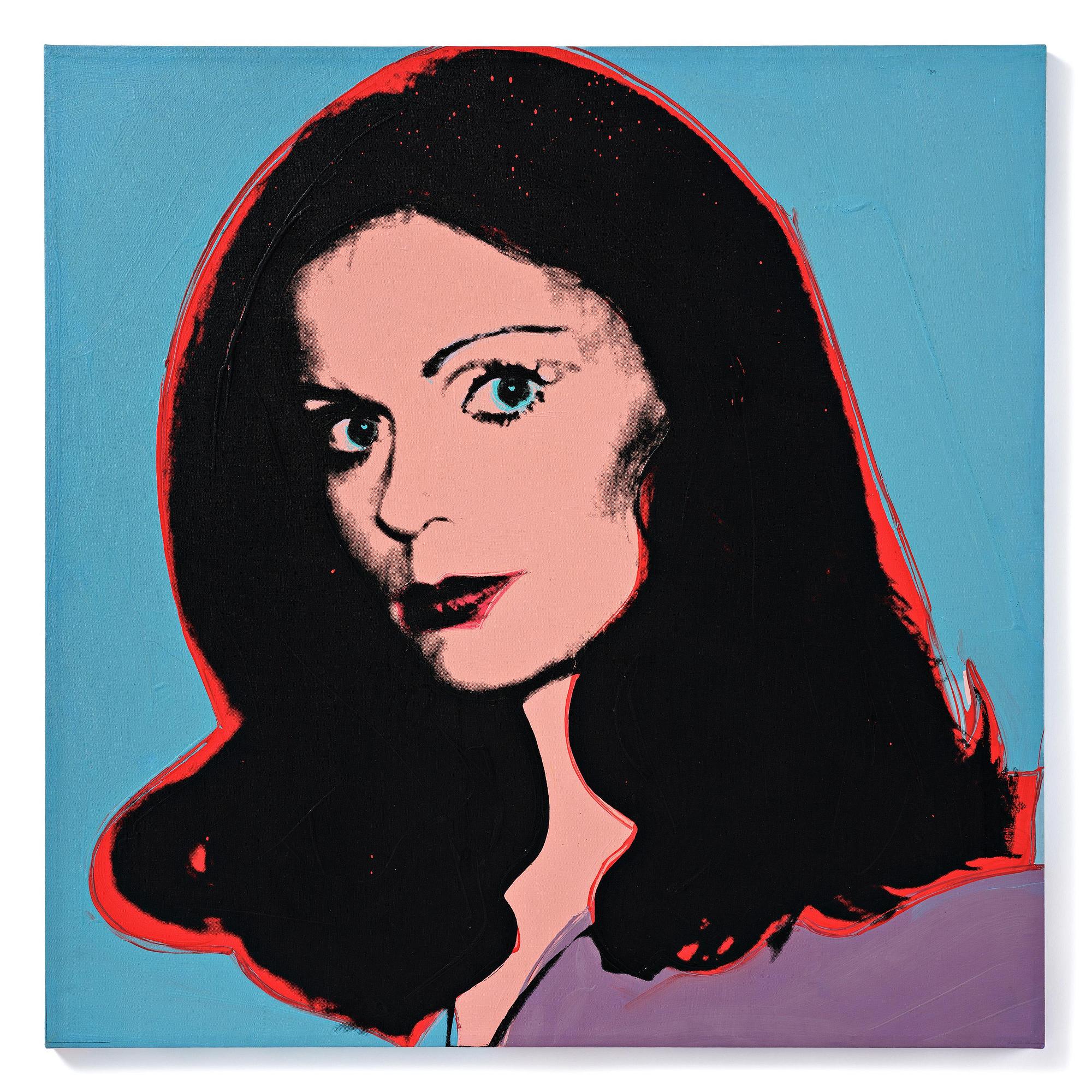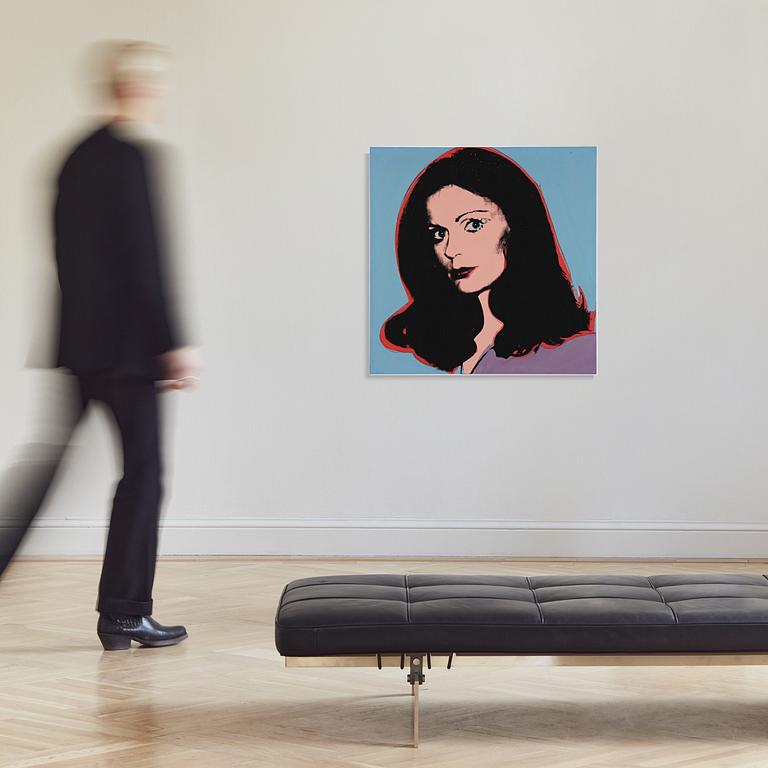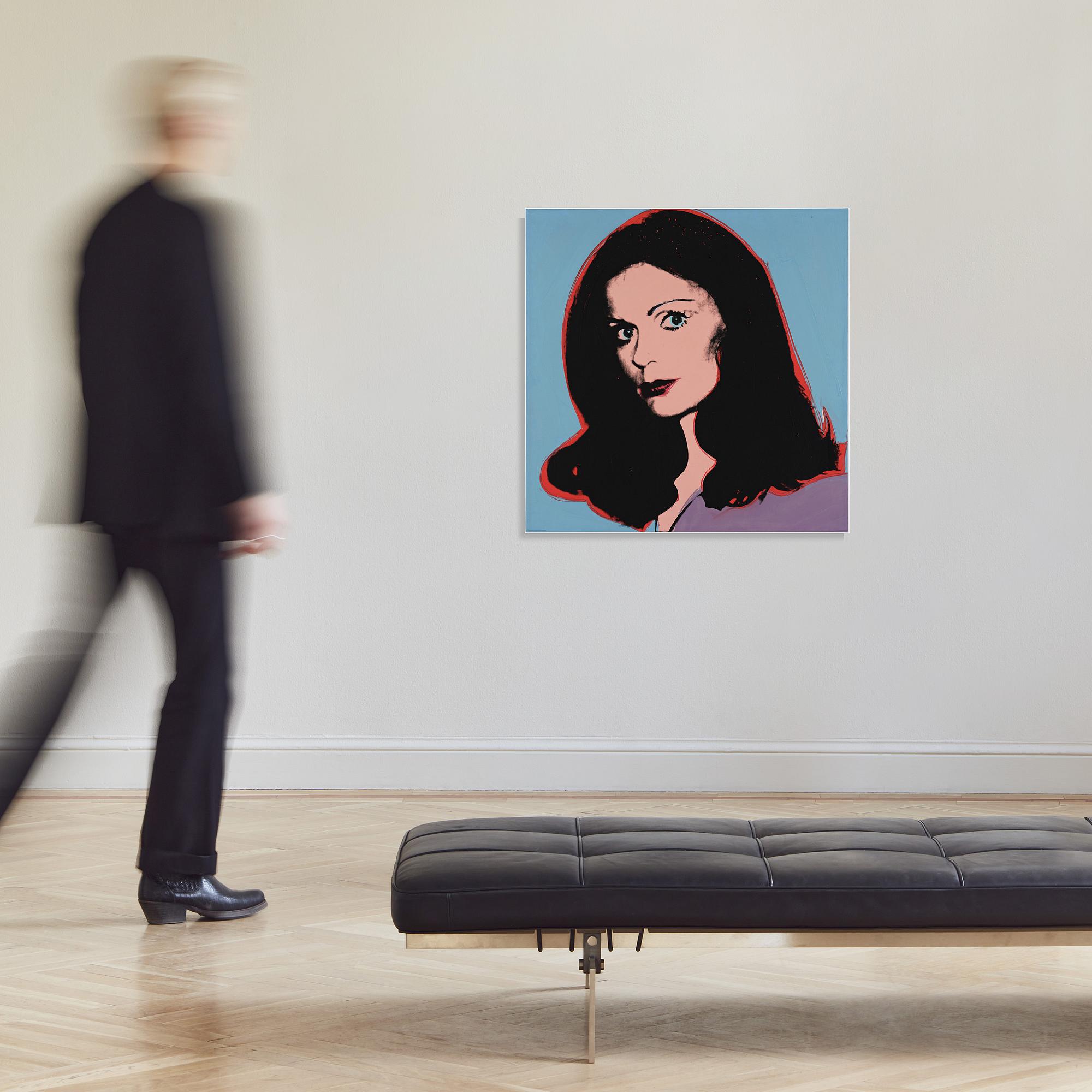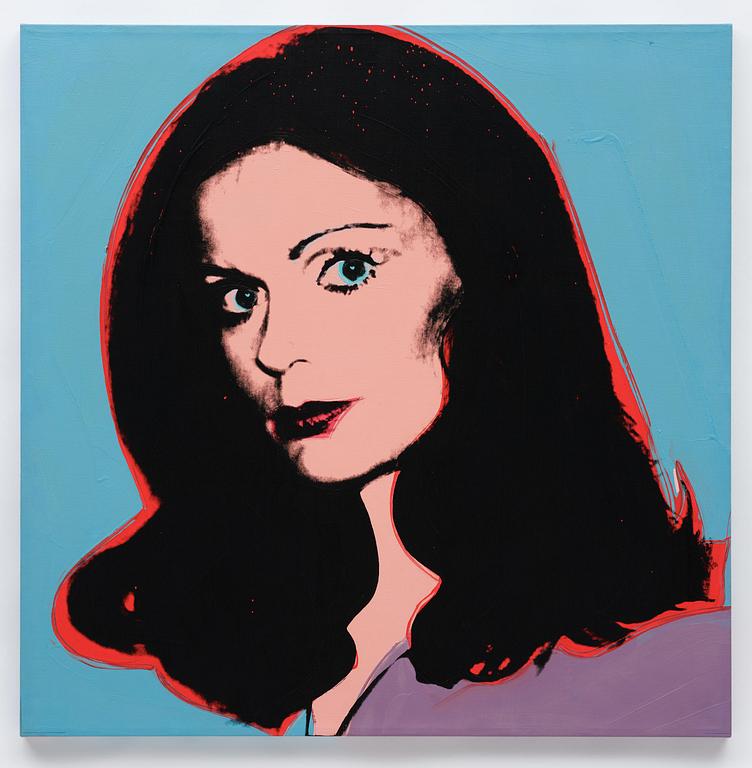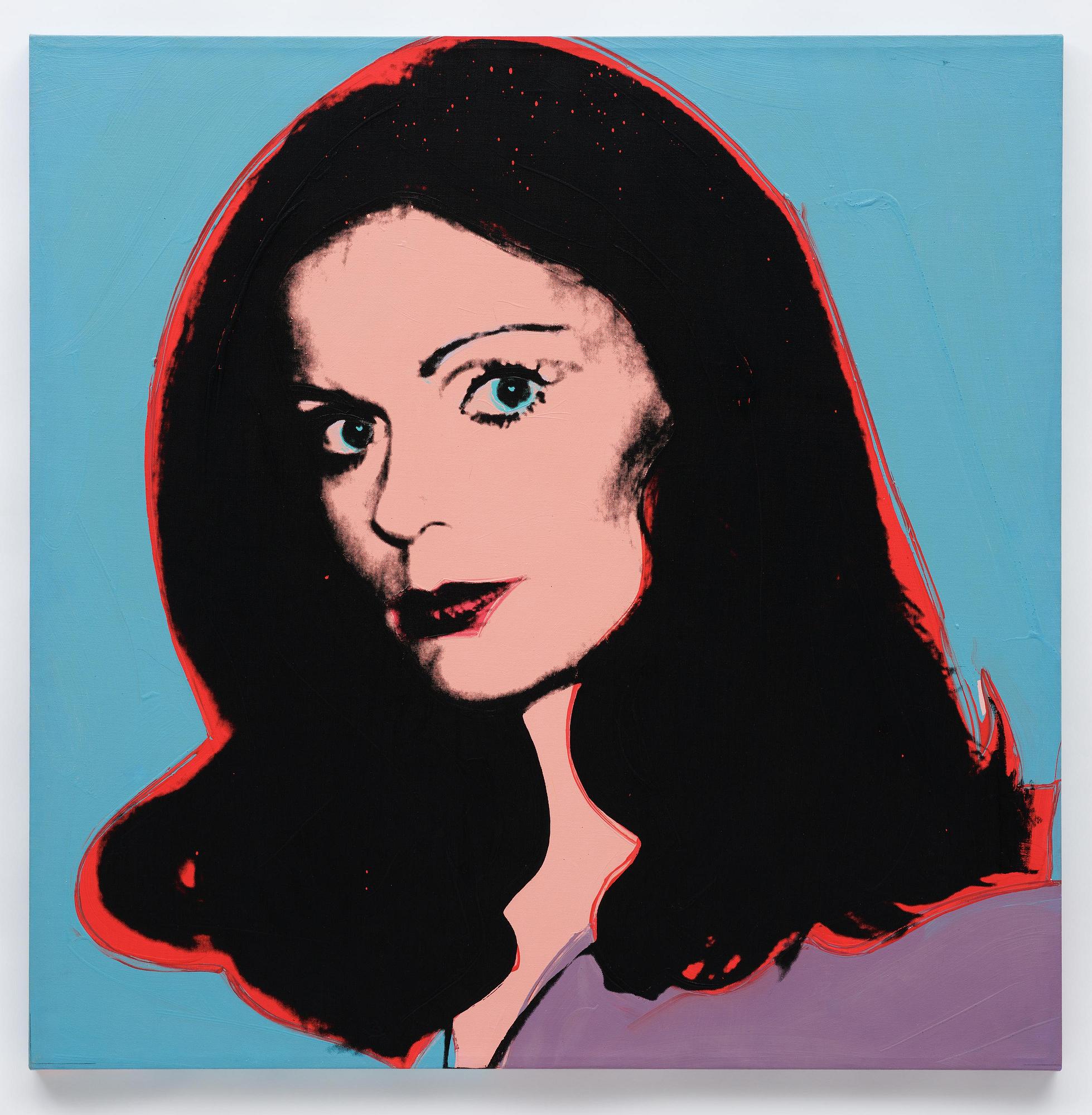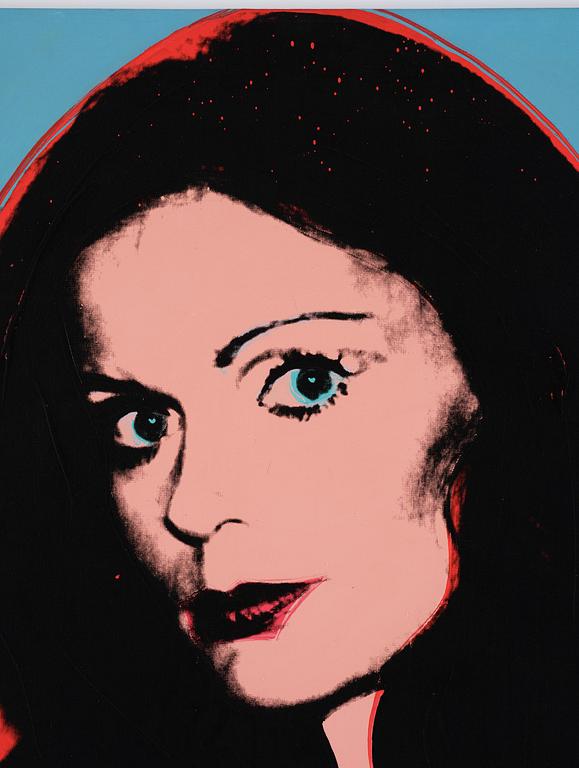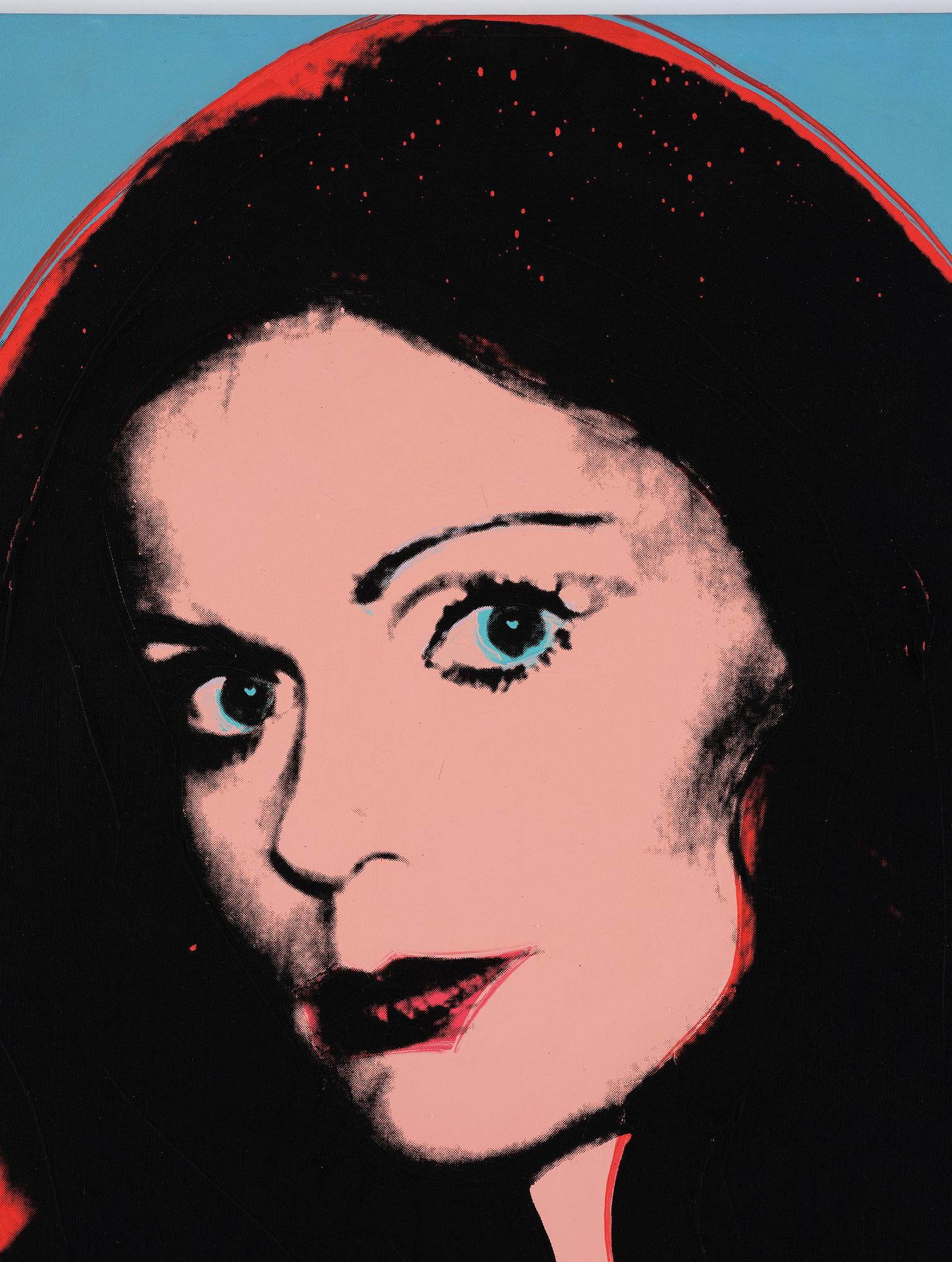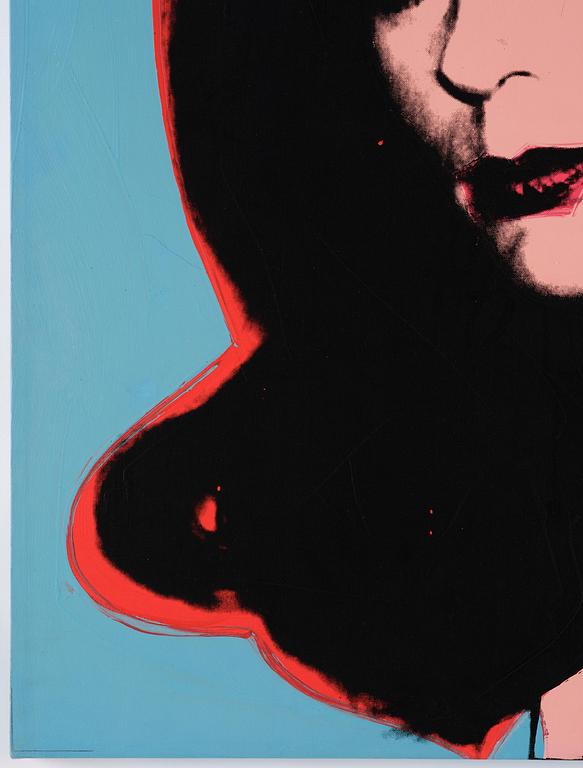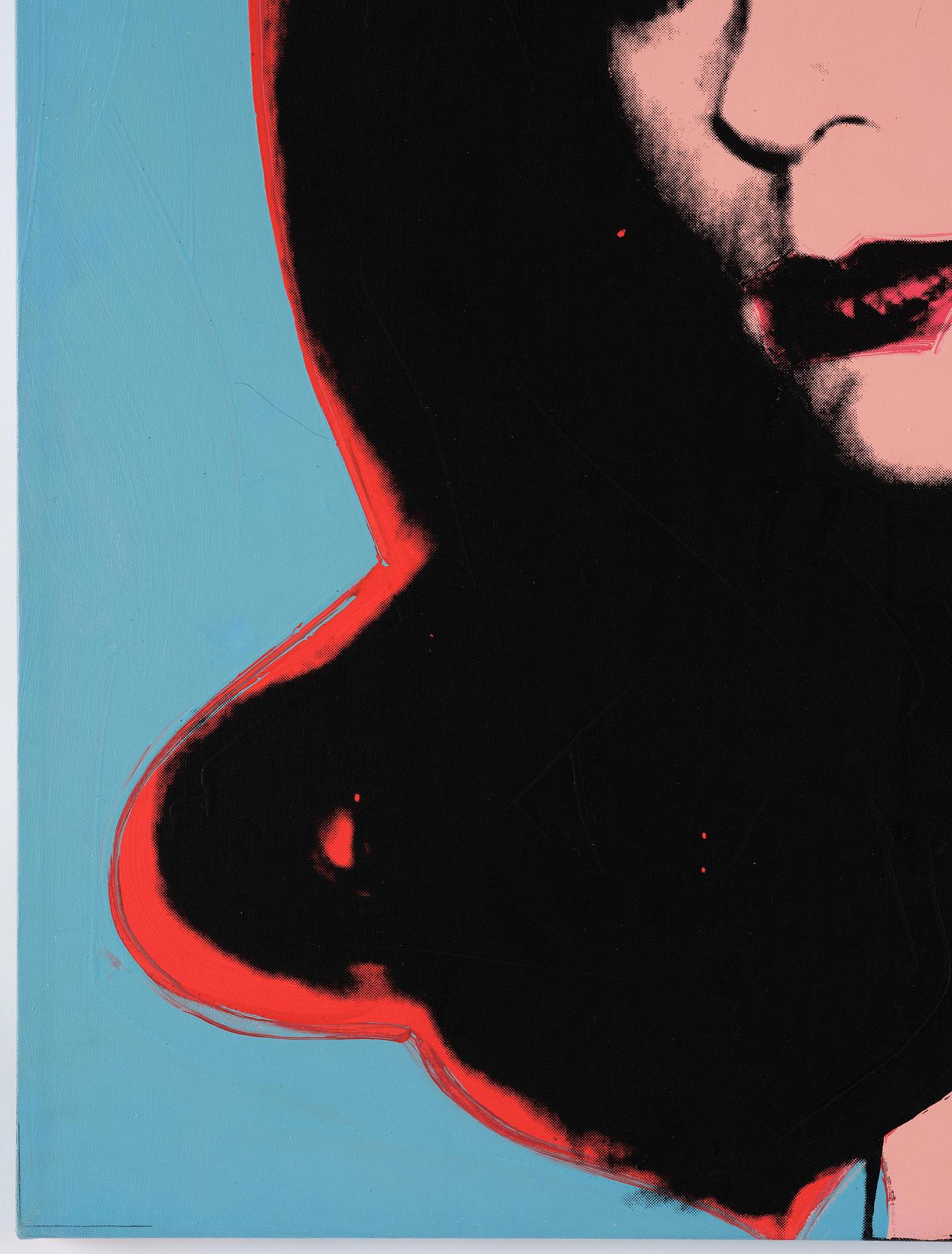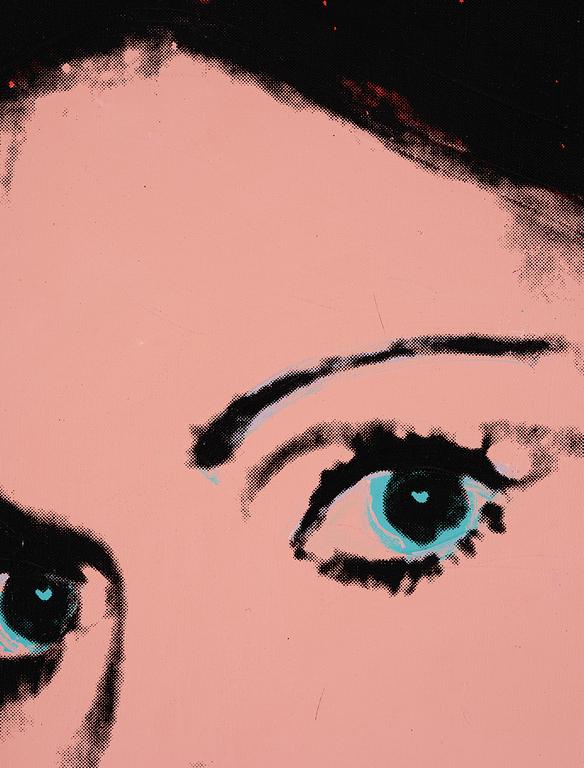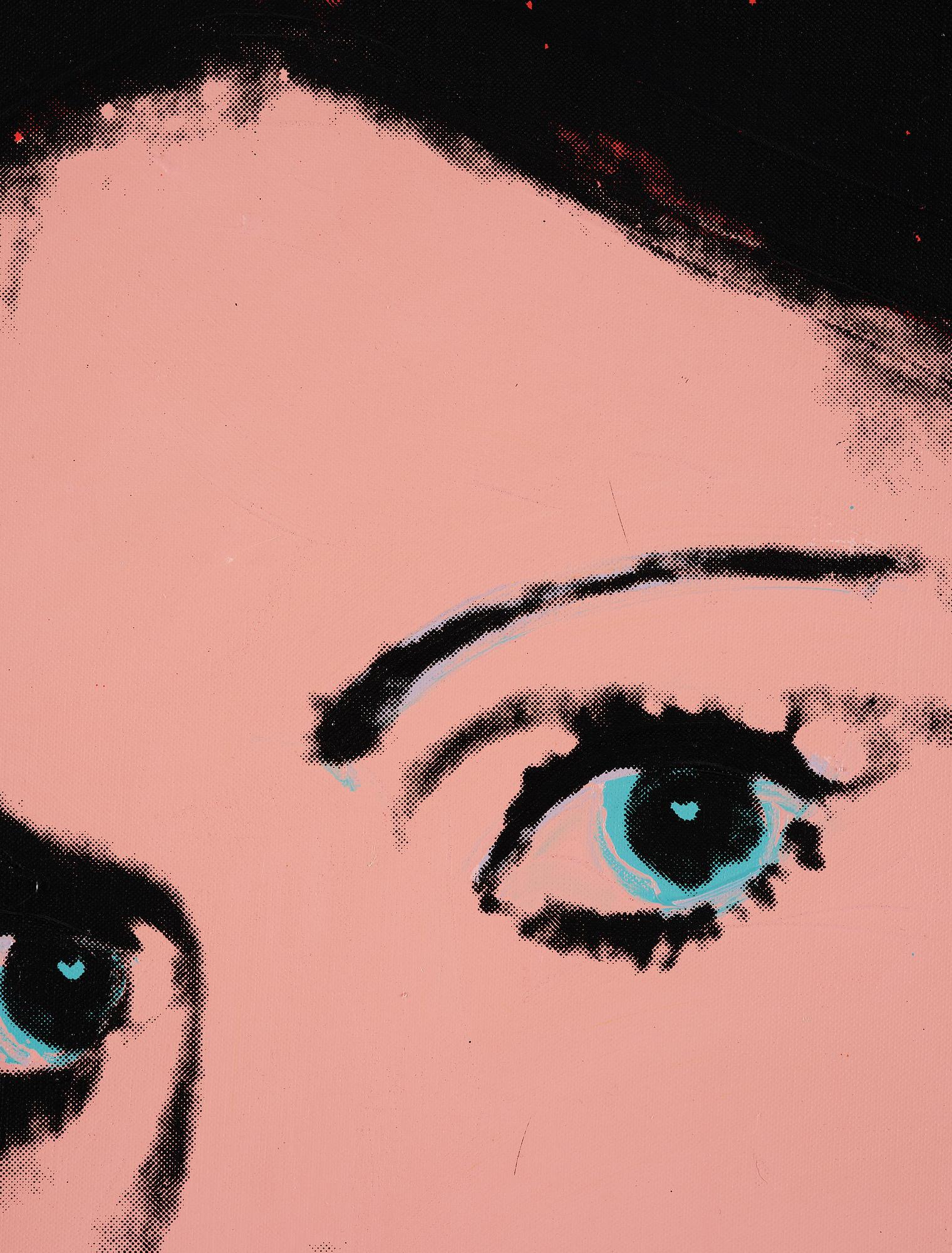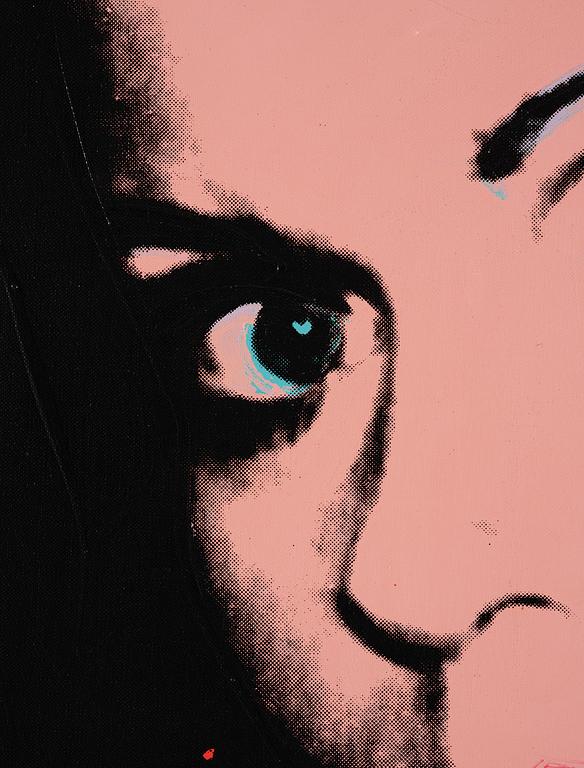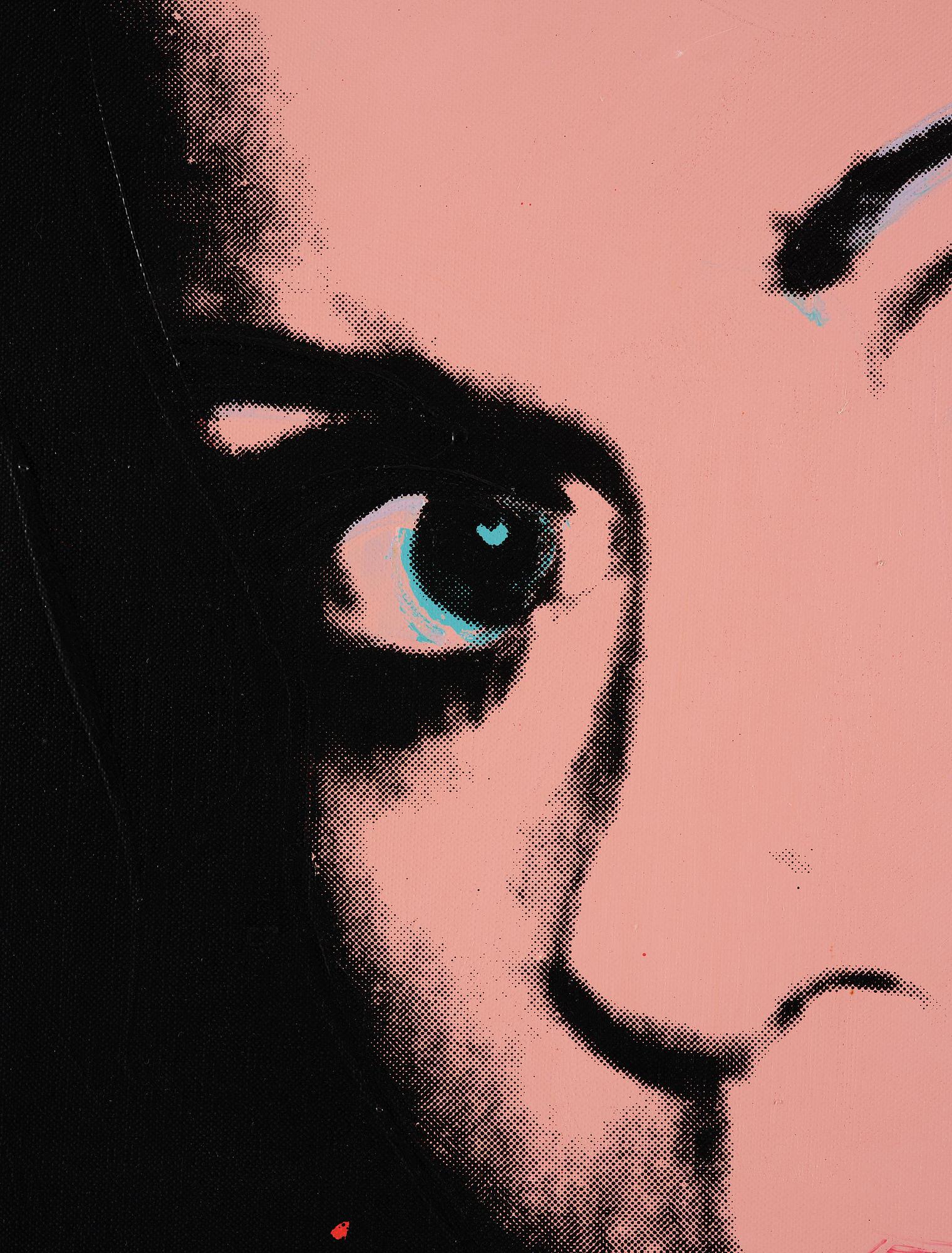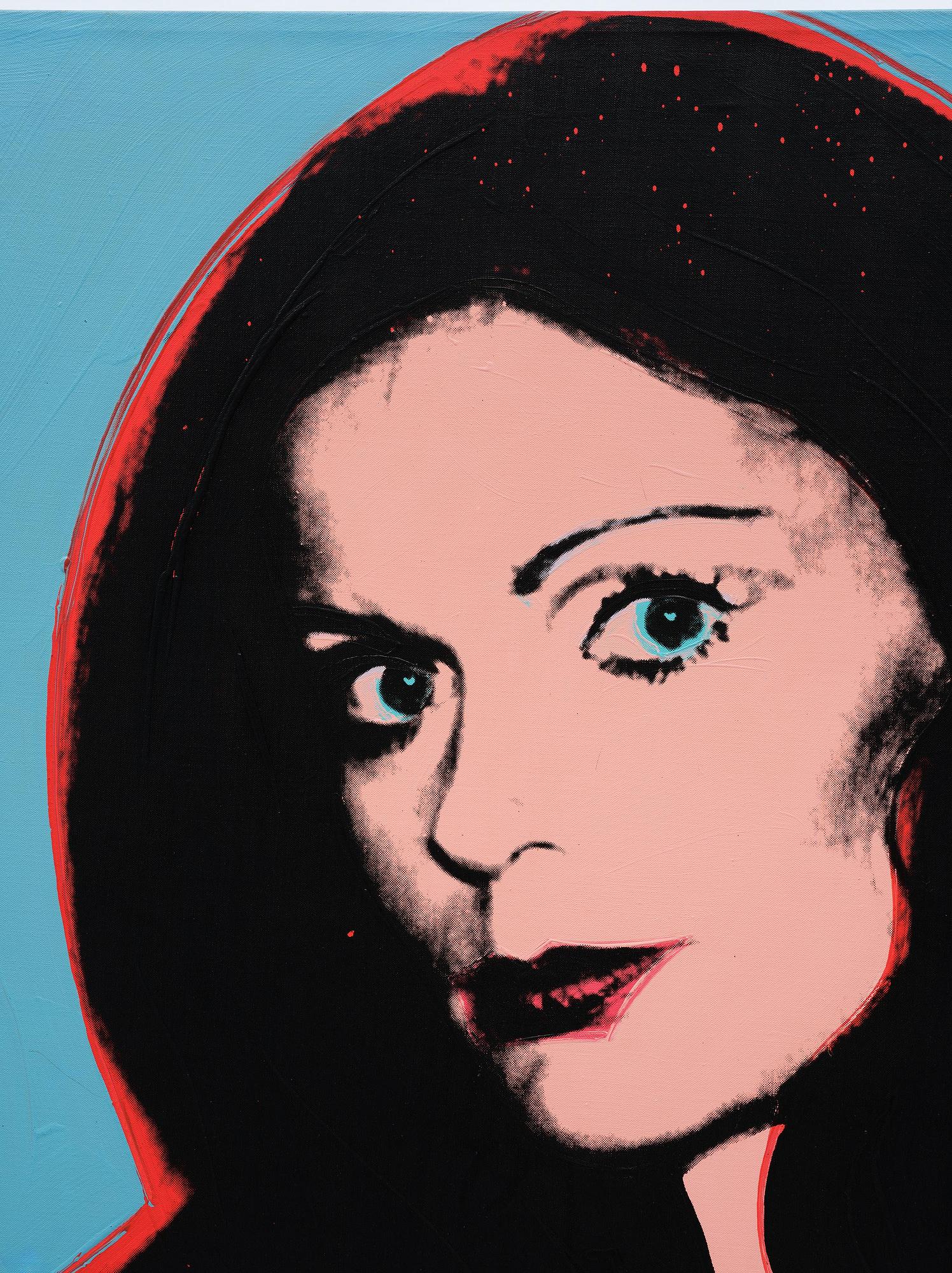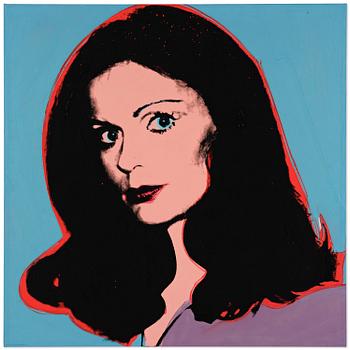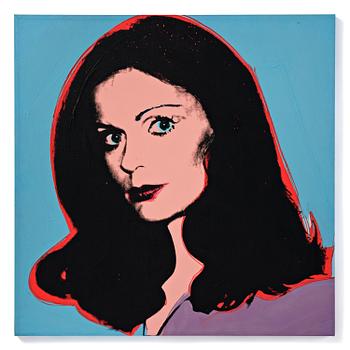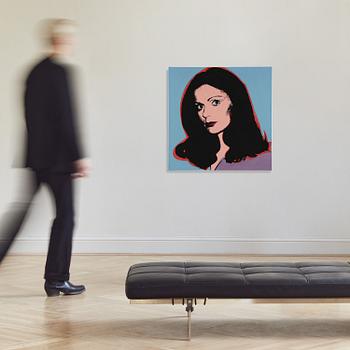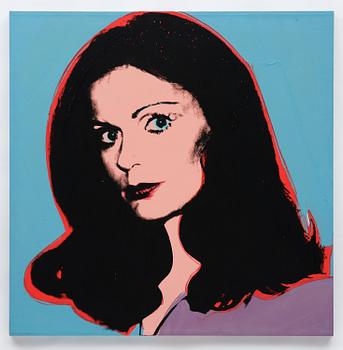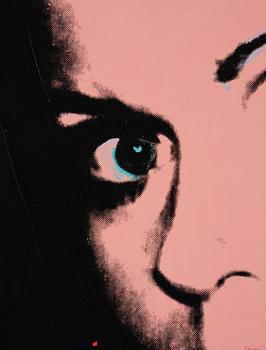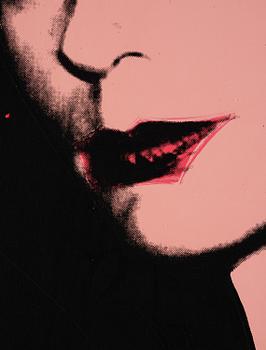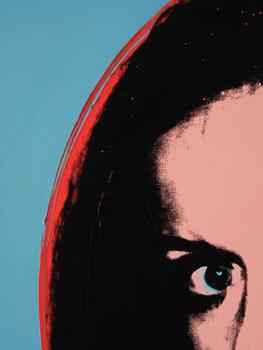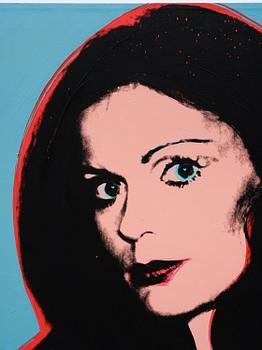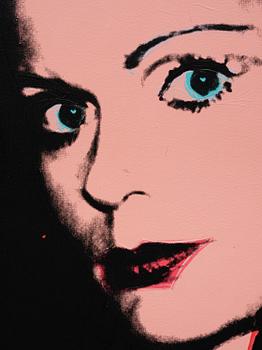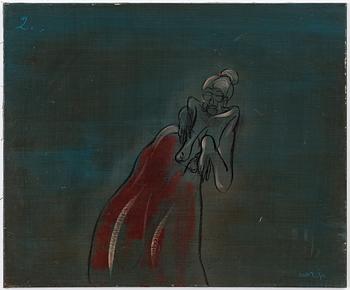
Scandinavian Beauty II
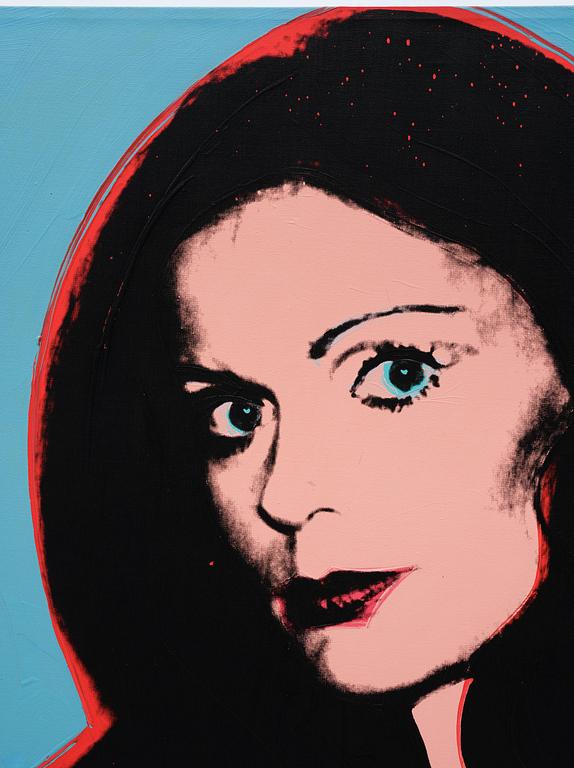
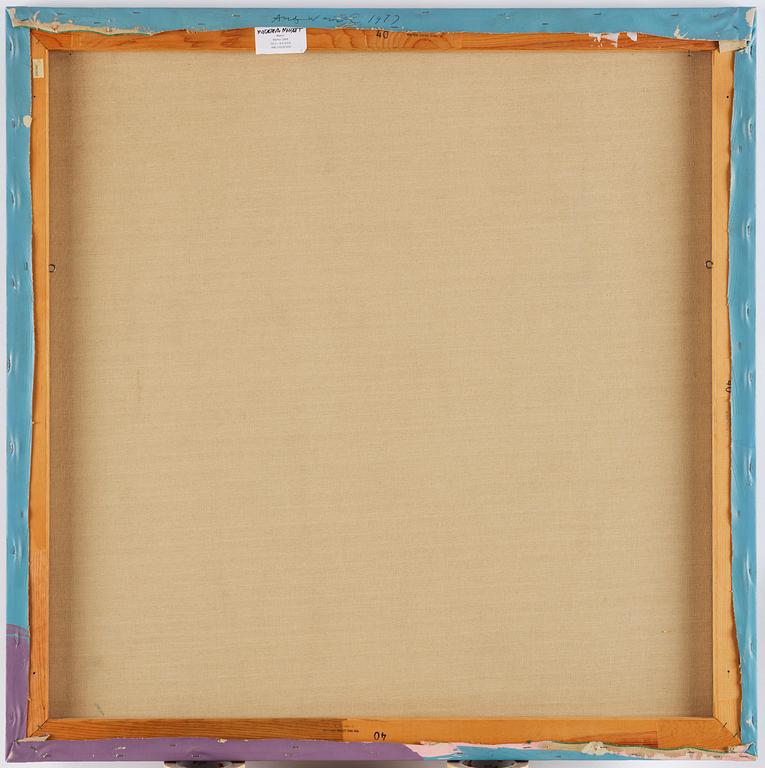
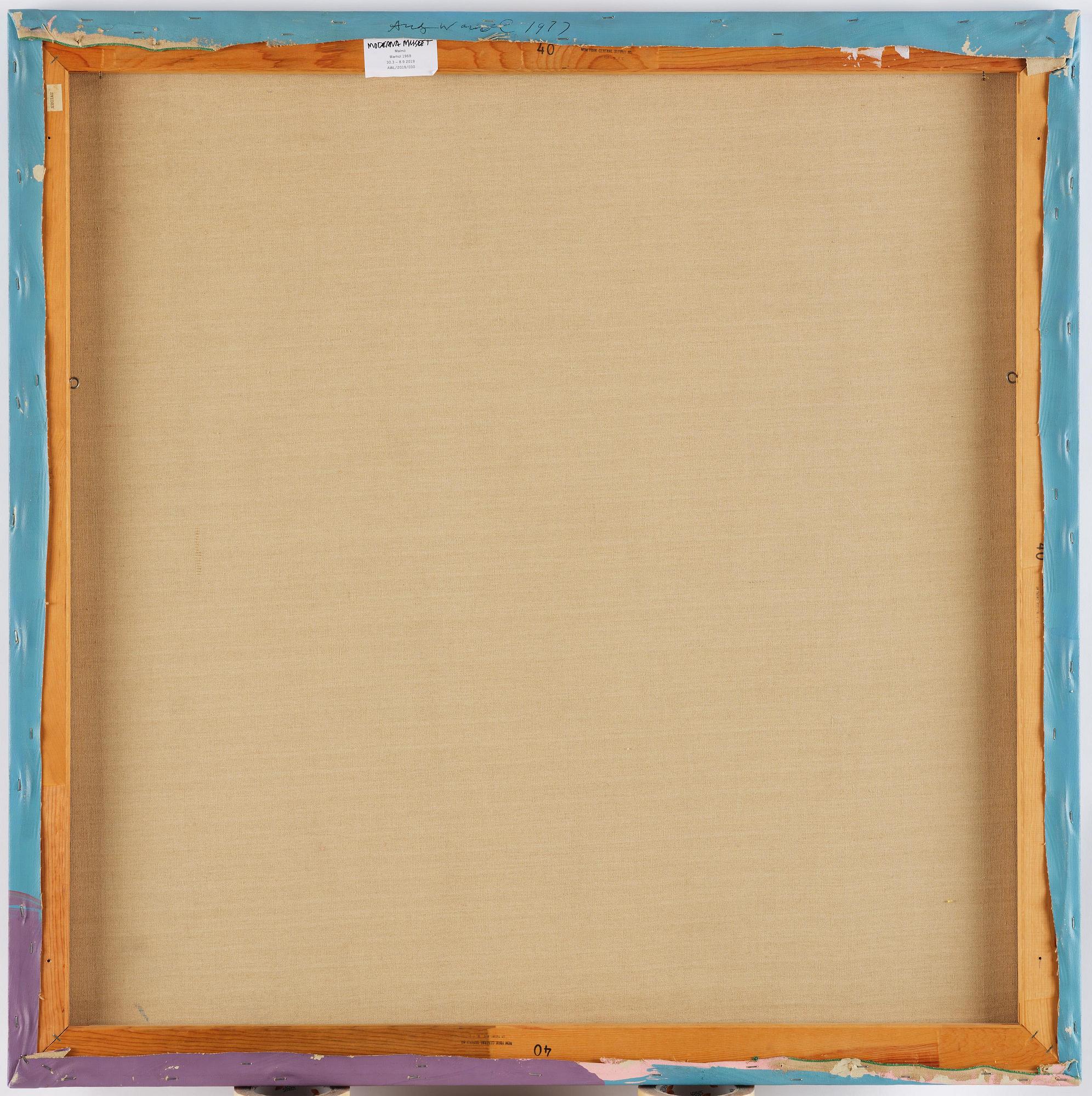
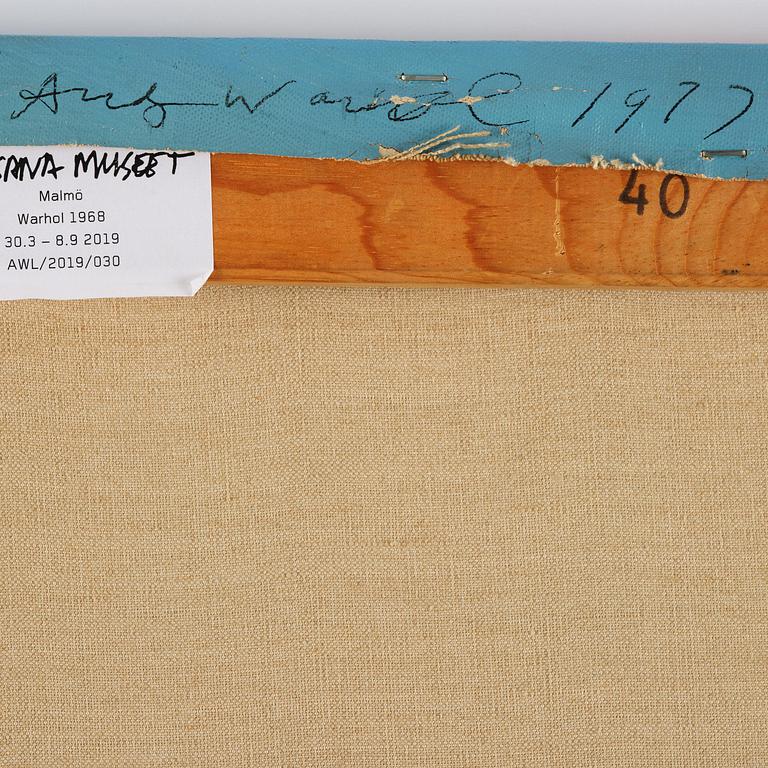
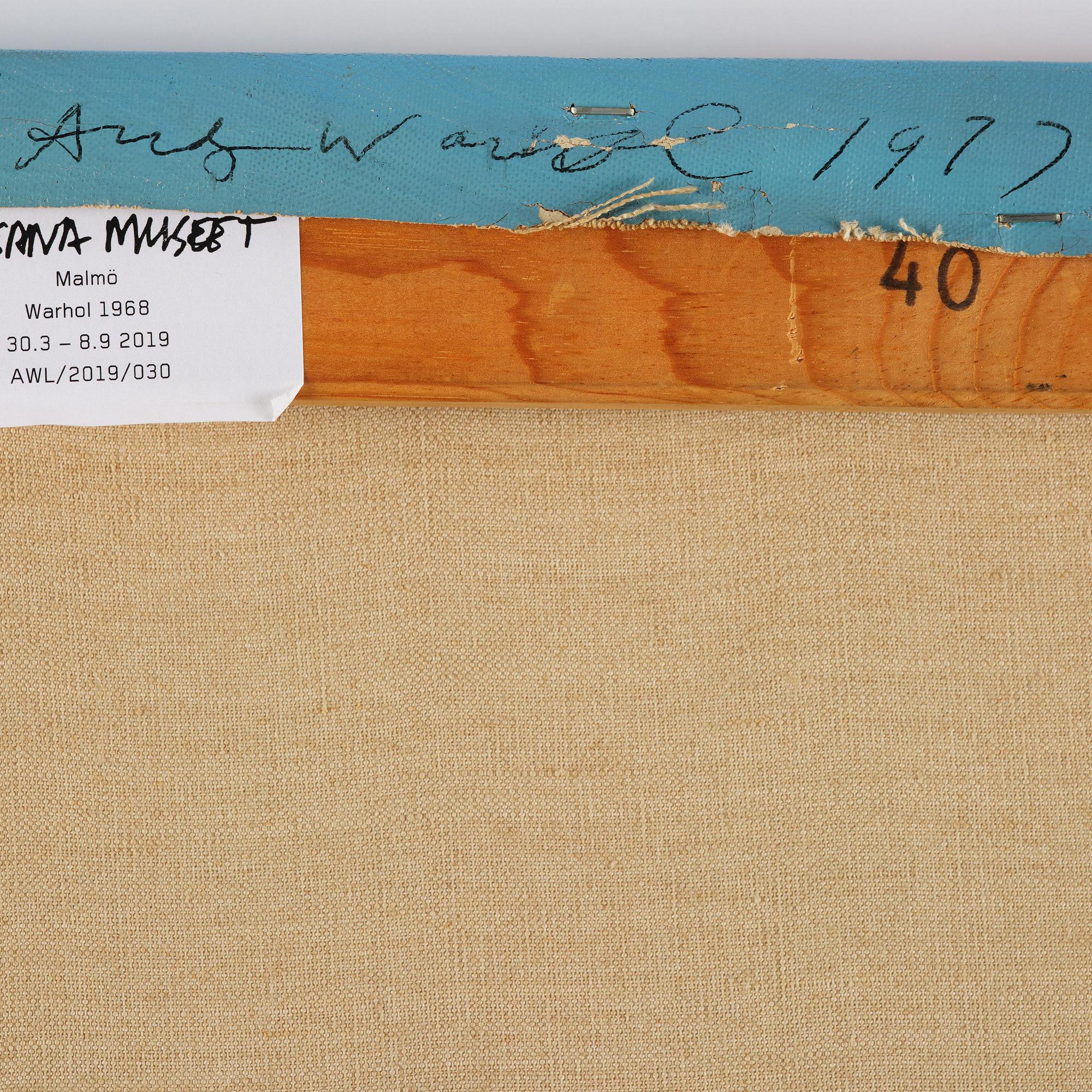
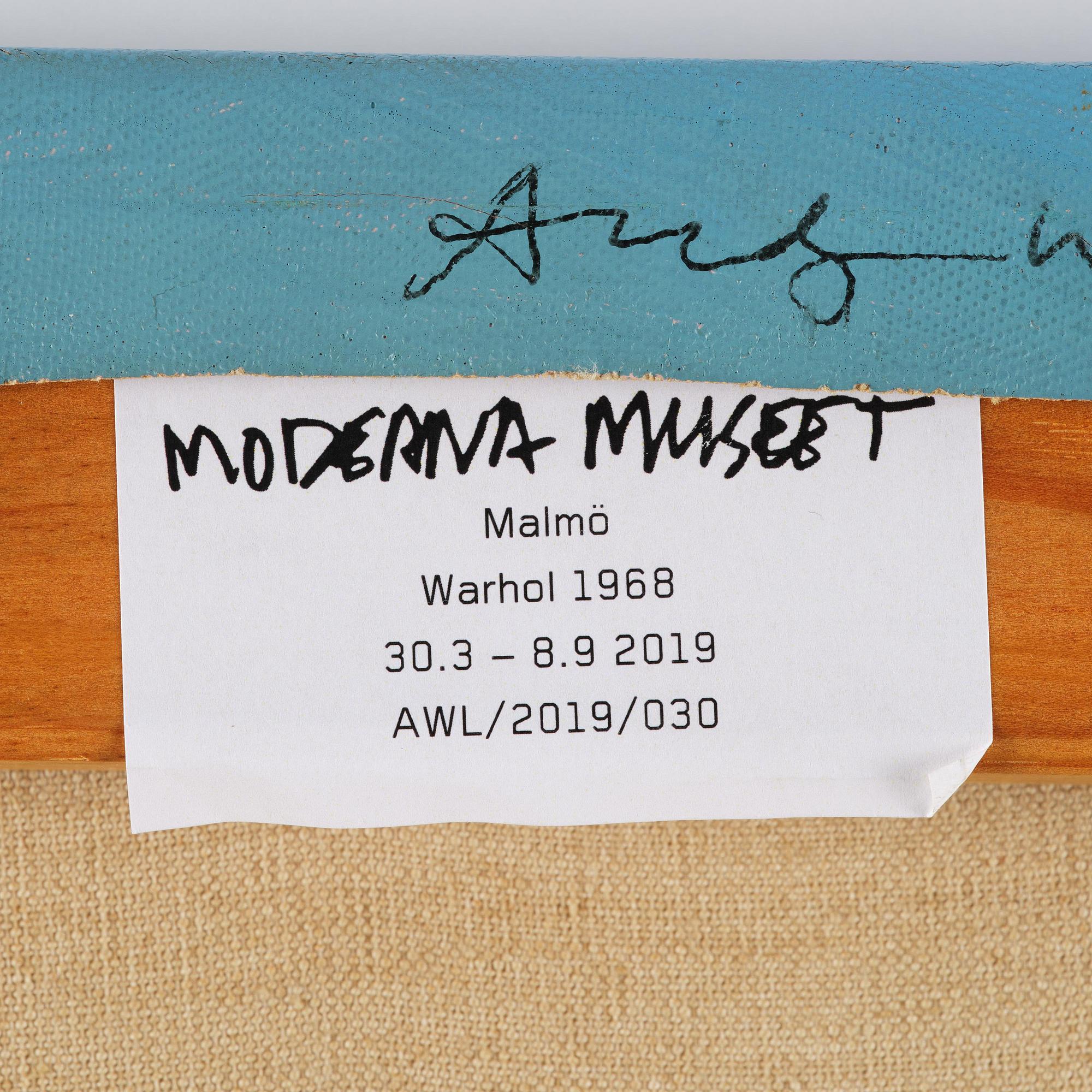
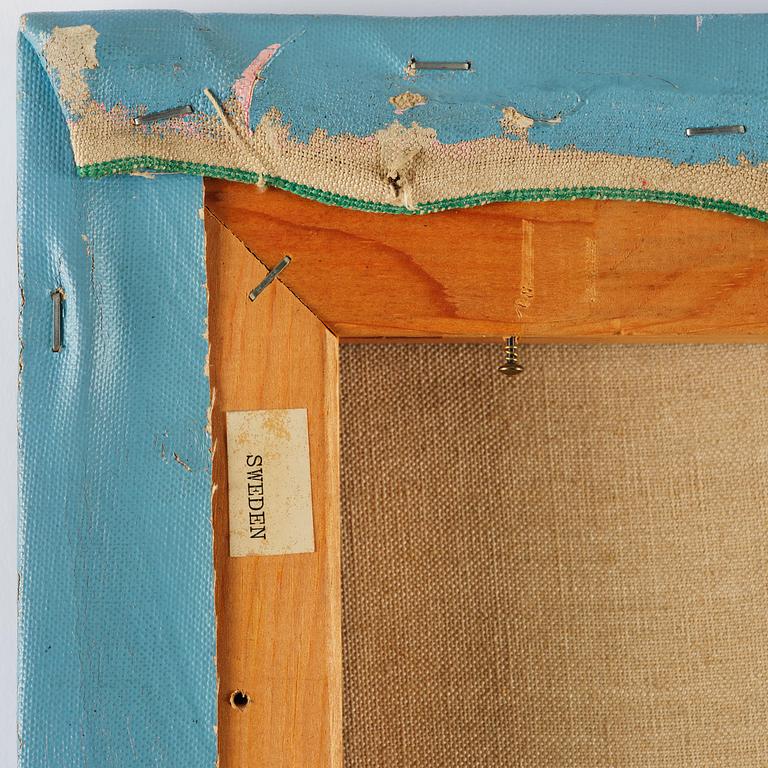
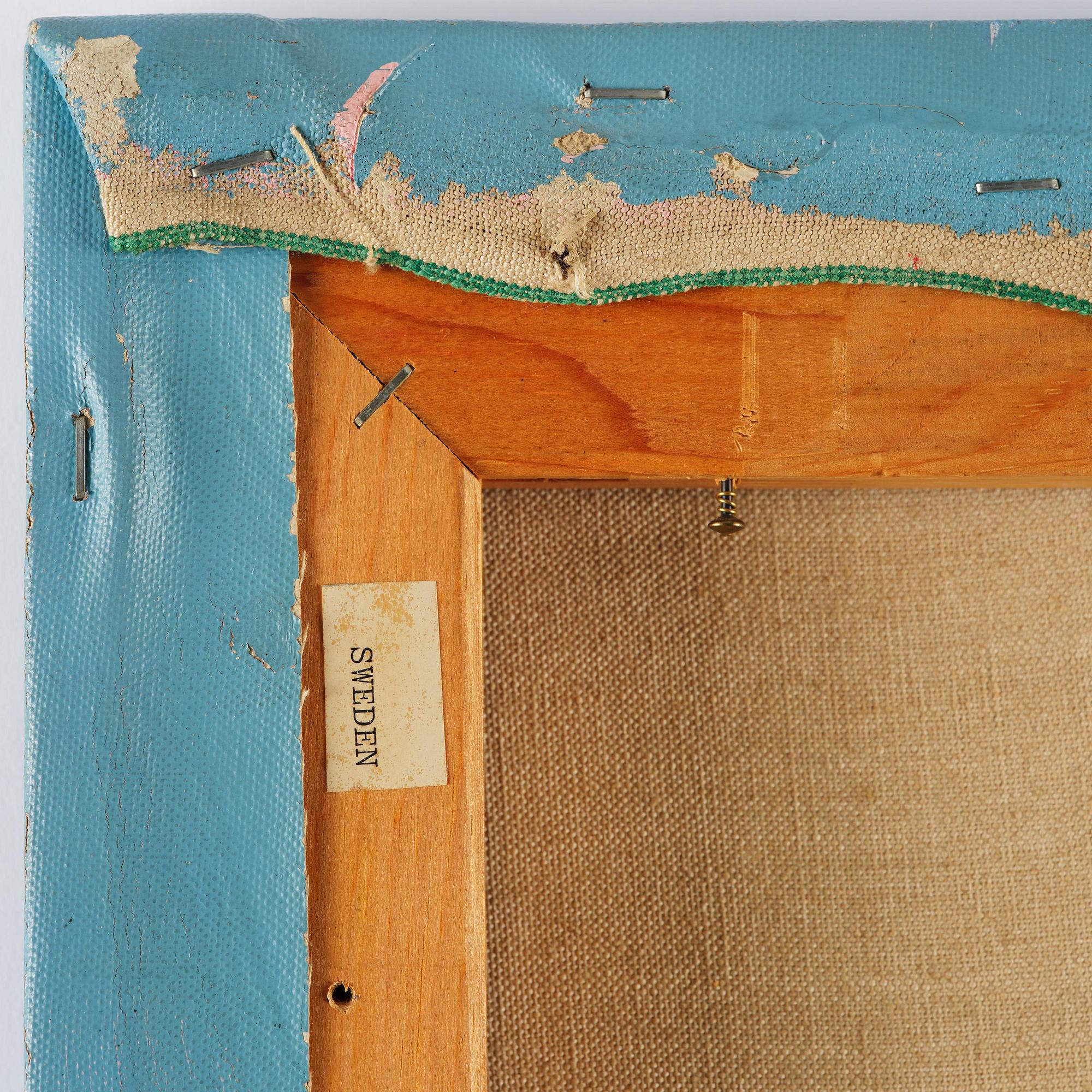
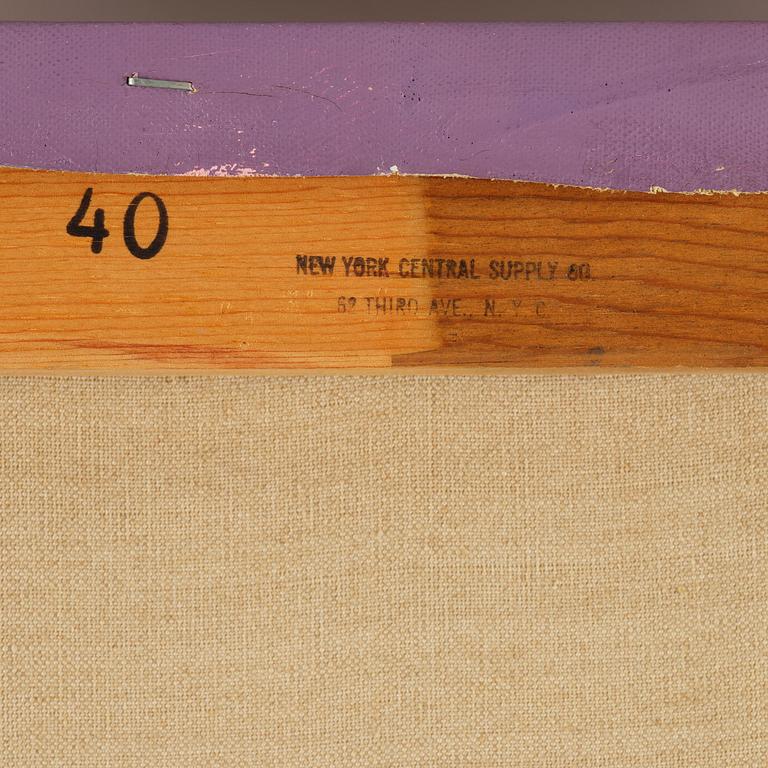
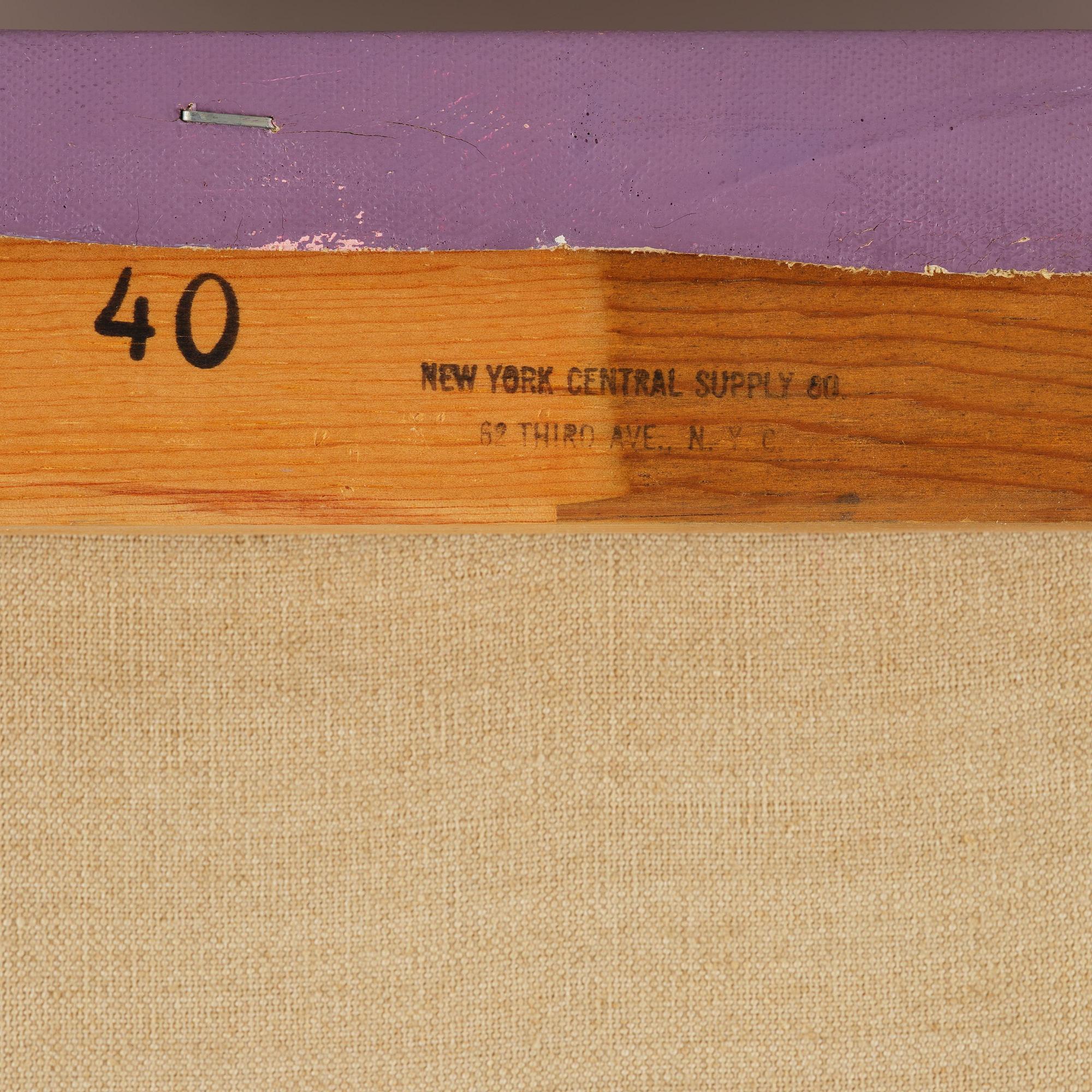
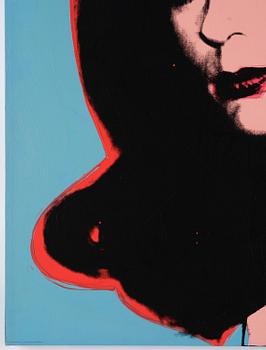
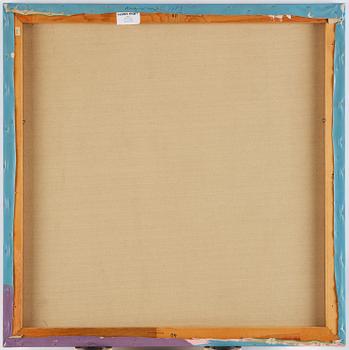
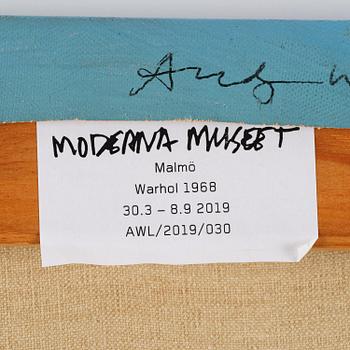
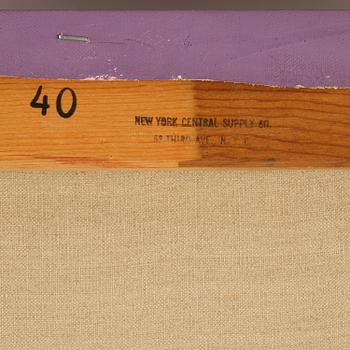
Signed Andy Warhol and dated 1977 on the overlap. Acrylic and silkscreen ink on linen 101.6 x 101.6 cm.
Provenance
Acquired directly from the artist.
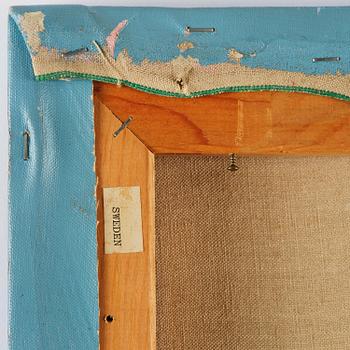
Private Collection, Sweden.
Exhibitions
Moderna Museet, Stockholm, "Andy Warhol 1968", 15 September 2018 - 17 February 2019.
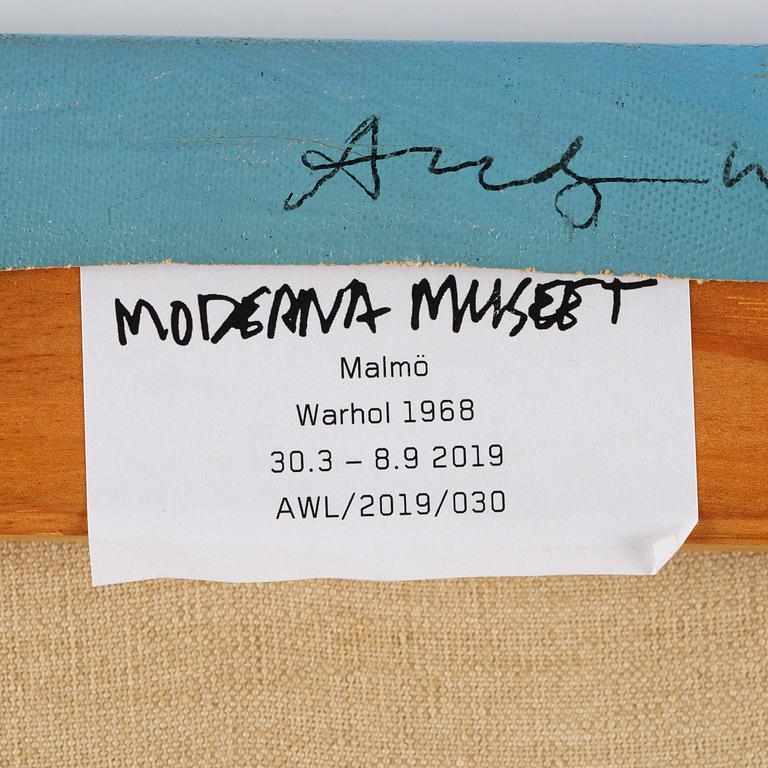
Moderna Museet, Malmö, "Andy Warhol 1968", 30 March - 8 September 2019.
Literature
N. Printz and S. King-Nero (ed.), The Andy Warhol Catalogue Raisonné: Paintings 1976-1978, vol. 5A, 2018, no 3614, illustrated p. 211.
More information
As a portrait painter, Andy Warhol occupies a unique position in the history of postwar art. During the 1970s, he further developed his celebrated “society portraits”- images depicting the celebrities of the era and transforming them into stylized, timeless icons. “Everyone became a star, not just for fifteen minutes, but, through this incarnation captured on canvas, forever.”* In the autumn of 1976, a strikingly beautiful Swedish woman caught Warhol’s attention, and the following year two completed canvases were sent from the artist’s studio in New York to Stockholm.
In a widely noted sale at Bukowskis in the spring of 2011, Scandinavian Beauty, the sister painting to the present work, was sold. Now, Scandinavian Beauty II is offered for sale for the first time, presenting an exceptional opportunity to acquire Warhol’s iconic depiction of a Swedish beauty.
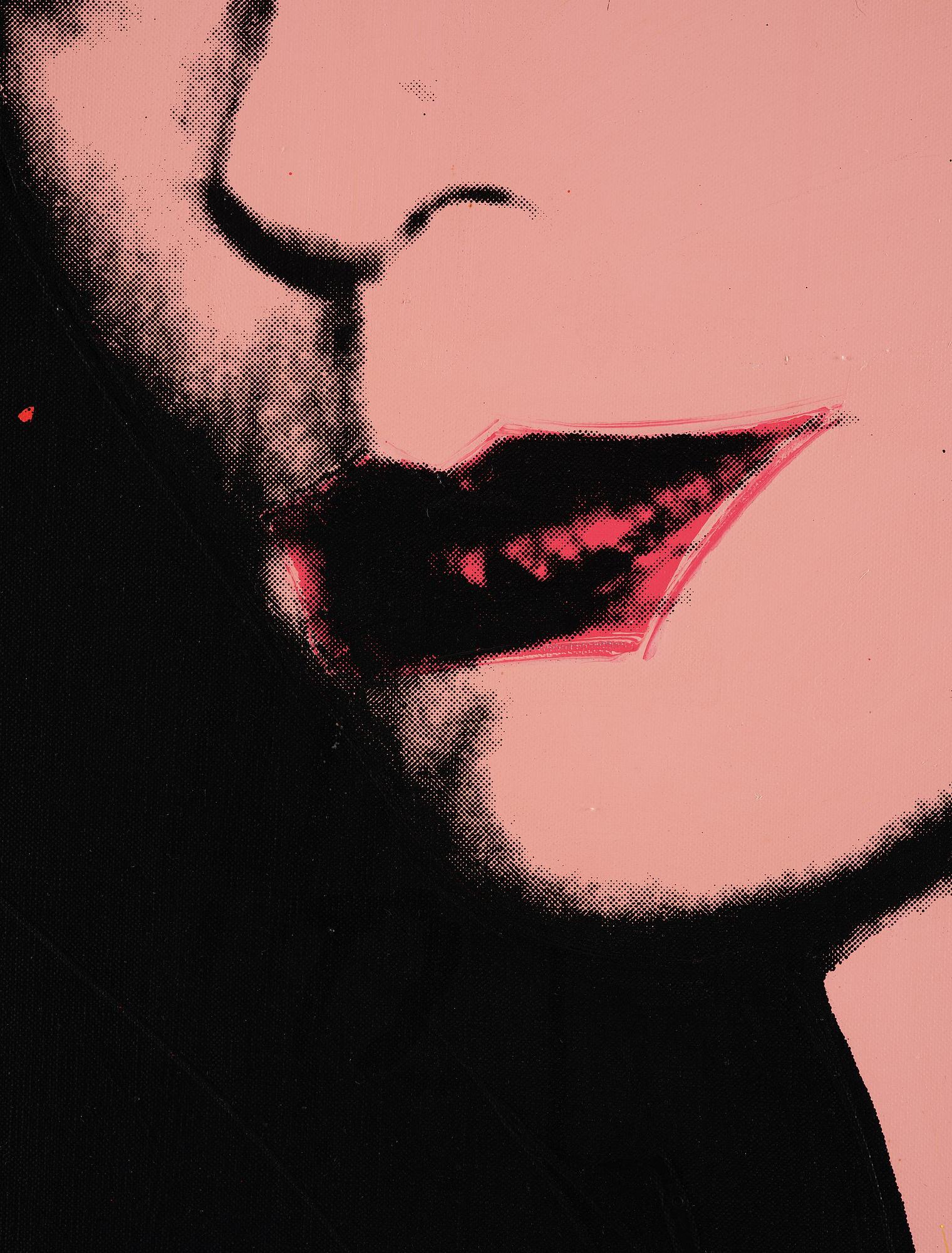
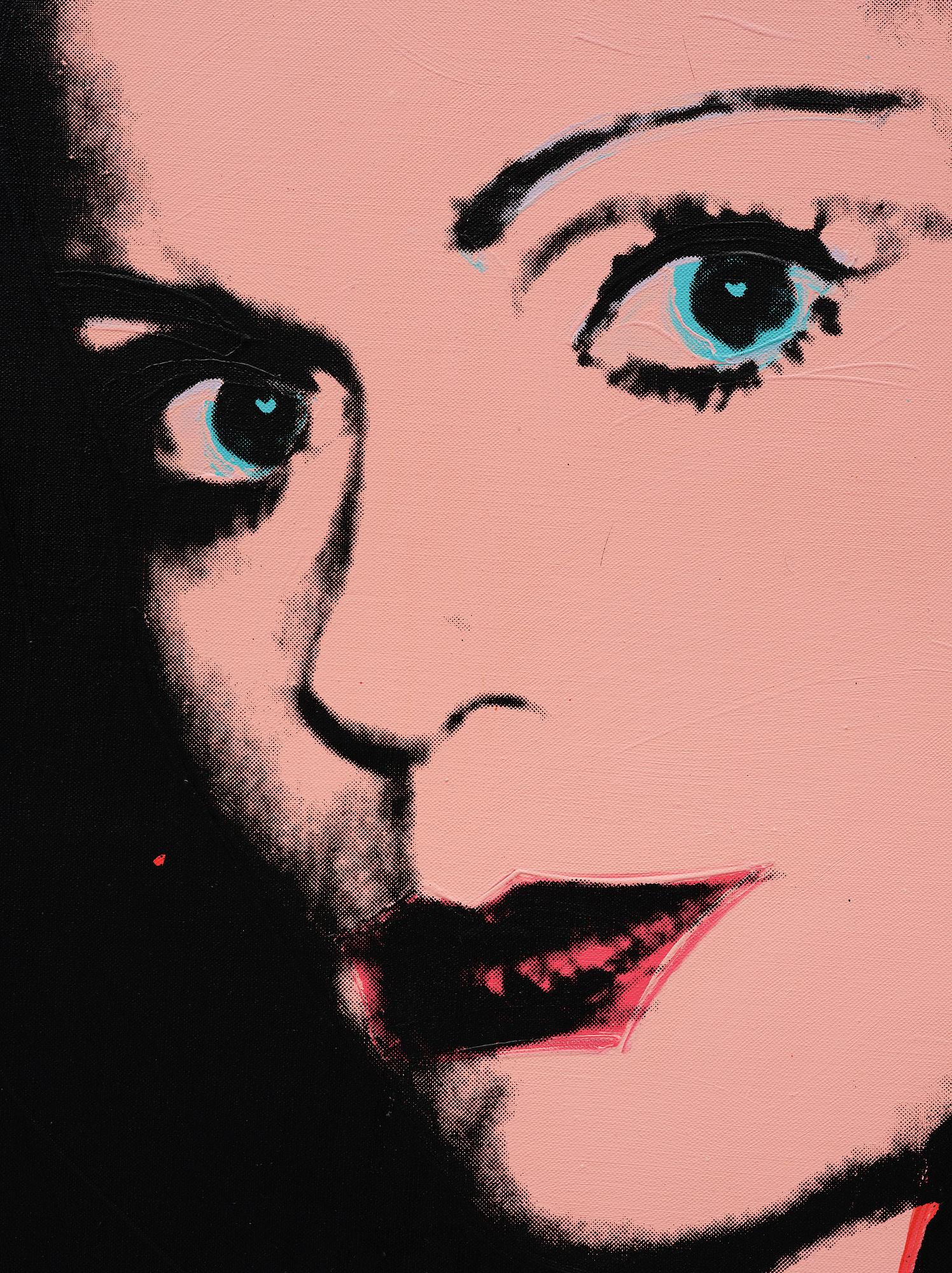
At this time, Warhol was a central figure in the international art and social scene, and his portraits were sought after by collectors and gallerists as well as celebrities, businessmen, and prominent members of the cultural elite. His working process was both systematic and intuitive: using Polaroid photographs, he isolated the sitter’s most expressive features, which were then transferred to canvas through silkscreen printing and hand-painted fields of color. In this process, the face was reduced to its most striking elements - the gaze, the lips, the contours - while the colors imparted an intense, almost electric presence.
Warhol received the commission for the present portrait toward the end of 1976. During the opening of his exhibition of portraits of cats and dogs at Galerie Nova on Strandvägen in Stockholm in October of that year, an impromptu photo session was arranged. The woman in question - whom Warhol would come to call his “Scandinavian Beauty”- was summoned at short notice and hurriedly left her home to sit for him. The session bore all the hallmarks of Warhol’s method: concentrated, repetitive, and intense. Using his Polaroid camera, he took approximately fifty photographs in rapid succession, carefully recording subtle variations in expression and pose.
When the photo session concluded, something unusual occurred. Despite an otherwise meticulously planned schedule, Warhol found himself with an entire evening free of commitments. In this unexpected interval, the “Scandinavian Beauty” took the initiative and offered to show him the city. Together they ventured into Stockholm’s nightlife, and the evening extended late into the night with visits to restaurants and bars in the Old Town. The atmosphere was unusually relaxed; Warhol, often described as reserved and observant, revealed a more spontaneous and unguarded side. His new acquaintance entertained him with her forthright personality and sharp sense of humor and the conversation flowed easily, punctuated by frequent laughter.
Some time later, during her stay in New York, they encountered each other by chance in the elevator at The Pierre by Central Park. Recognition was immediate, and the sense of familiarity established in Stockholm returned effortlessly. What began as a brief reunion soon developed into a long evening together in the hotel bar, where conversation resumed as if it had never been interrupted.
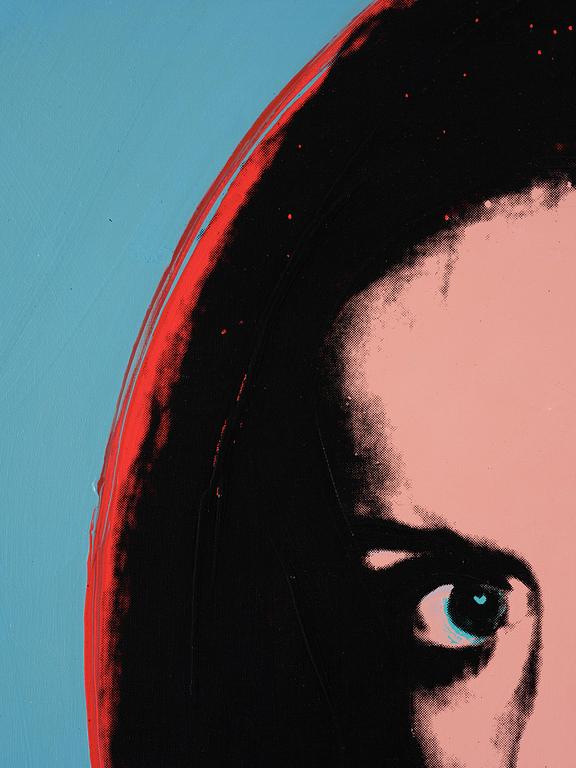
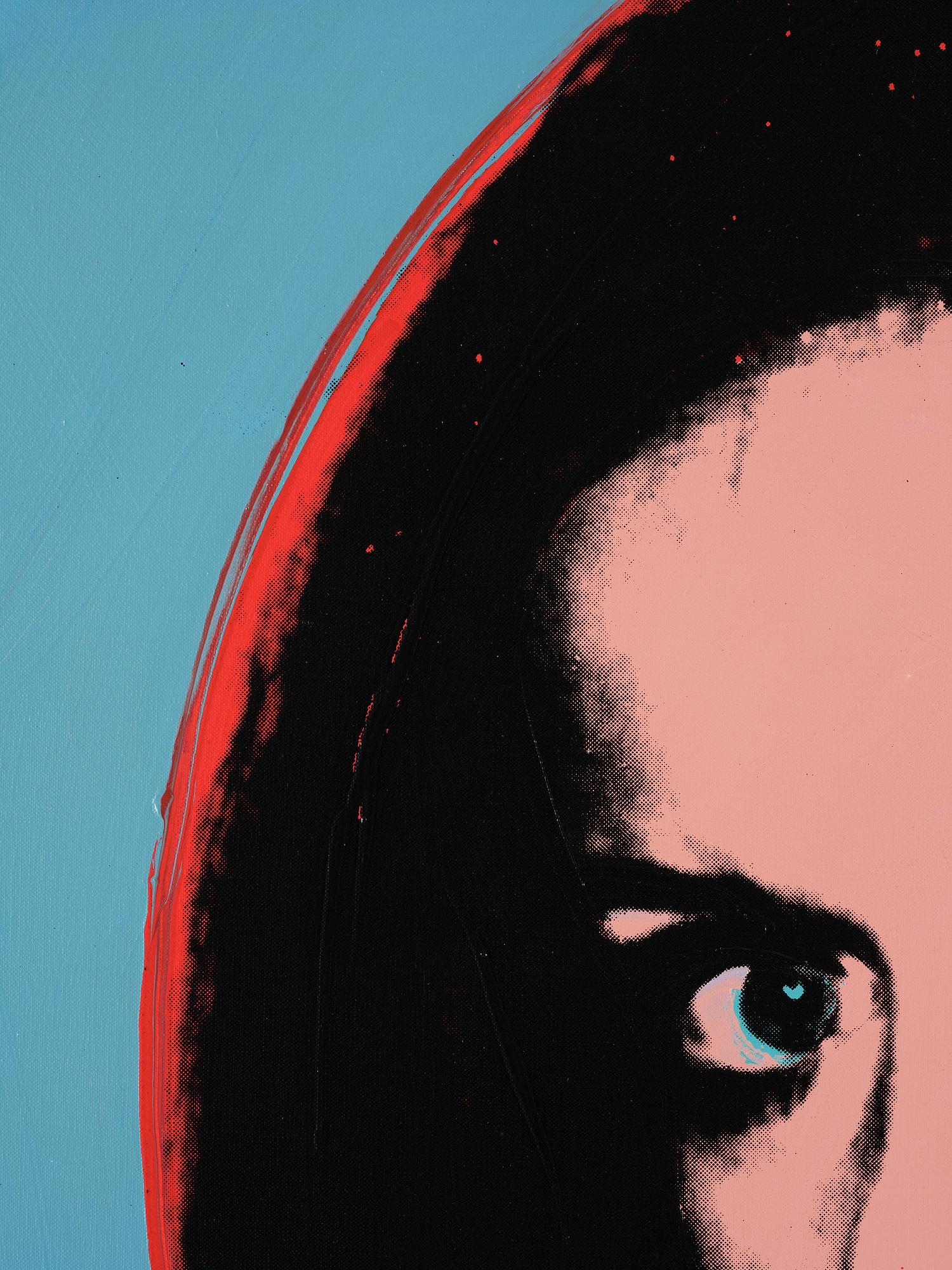
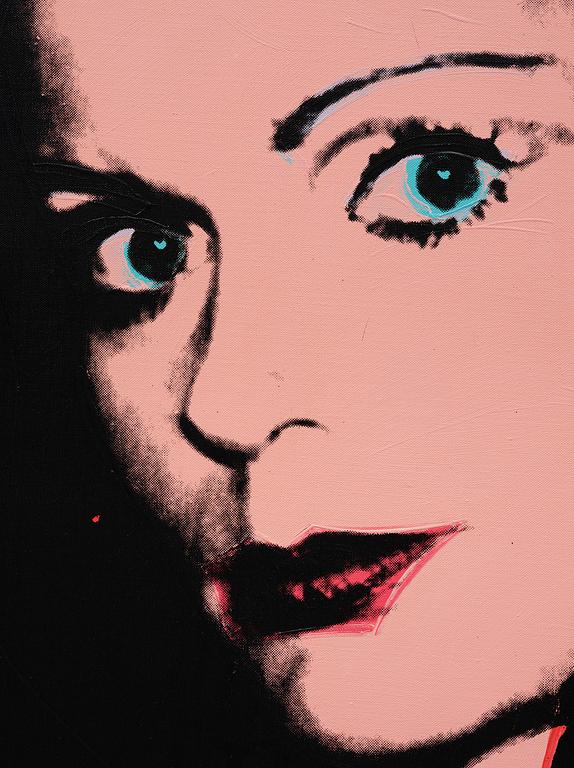
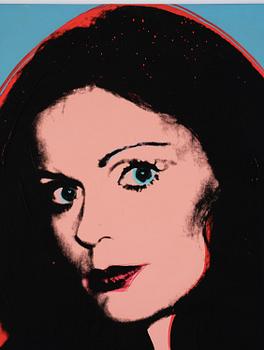
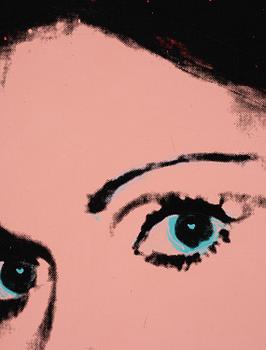
When Warhol later completed the portrait in his New York studio, the circumstances had changed. The original commission had, through these encounters, taken on a more personal dimension. On his own initiative, he executed not just one but two paintings of his Swedish model. As Warhol came to know her, a complex and shifting personality increasingly emerged. Fascinated by repetition, he often juxtaposed different facets of character. Scandinavian Beauty and Scandinavian Beauty II do not appear as straightforward commissioned portraits, but are clearly shaped by the artist’s memory and the moments they shared. In their final form, the model appears in a classic three-quarter profile, her face filling the pictorial space with striking monumentality. Warhol emphasizes her most distinctive features: chestnut-colored hair silhouetted against a saturated red field, and a wide, luminous gaze in light blue eyes, accented with shades of green and blue. The two works enter into direct dialogue with other key portraits from the period, such as those of Diane von Fürstenberg (1974), Mick Jagger (1975), and Liza Minnelli (1978), in which the accentuation of eye shadow and lips plays a decisive role. As in these works and, by extension, in the iconic portrayals of Marilyn Monroe, Elizabeth Taylor, and Jackie Kennedy, it is not naturalistic likeness that takes precedence, but heightened presence: the image of the individual that Warhol chose to fix for posterity.
- Henry Geldzahler, “Andy Warhol: Virginal Voyeur,” exhibition catalogue, Sydney, Museum of Contemporary Art, Andy Warhol: Portraits, 1993, p. 26.
More about Andy Warhol
American artist, printmaker, and filmmaker. He studied at the Carnegie Institute of Technology from 1945 to 1949 and began his career as an art director for the magazines Vogue and Harper’s Bazaar. His success in the advertising industry led to the Art Directors Club Medal in 1957.
Warhol is considered one of the leading figures of Pop Art. His artistic practice consists largely of portraits, often of well-known individuals, executed in silkscreen technique. He also worked with reproduced documentary images as well as installations in which everyday consumer objects, such as packaging, were given a central role. The underlying idea was that beauty and energy can be found everywhere in modern society, even in things often regarded as banal. As a result, detergent boxes and soup cans became artistic motifs. Campbell’s soup cans and Brillo boxes were transformed through his work into some of the most iconic artworks of the 20th century.
From 1963 onward, he produced and participated in a large number of films in his own studio, The Factory, which simultaneously developed into an important meeting place for New York’s artistic and bohemian scene. Warhol continuously documented his surroundings with a film camera and later also a Polaroid camera. In his so-called Screen Tests, he filmed a number of internationally known figures, including Mick Jagger, Bob Dylan, Marcel Duchamp, and Salvador Dalí. According to his will, The Andy Warhol Foundation for the Visual Arts was established in New York in 1987, and in 1994 The Andy Warhol Museum opened in Pittsburgh.
Read moreFor condition report contact specialist

Image rights
The artworks in this database are protected by copyright and may not be reproduced without the permission of the rights holders. The artworks are reproduced in this database with a license from Bildupphovsrätt.