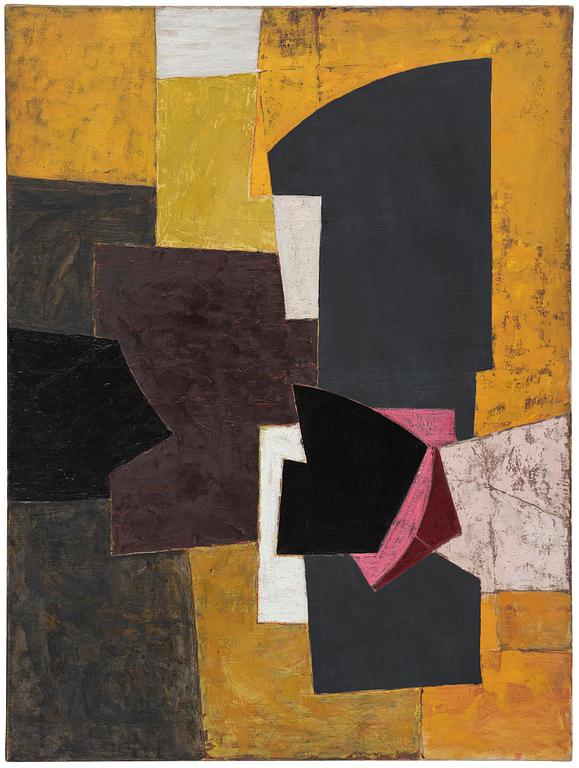
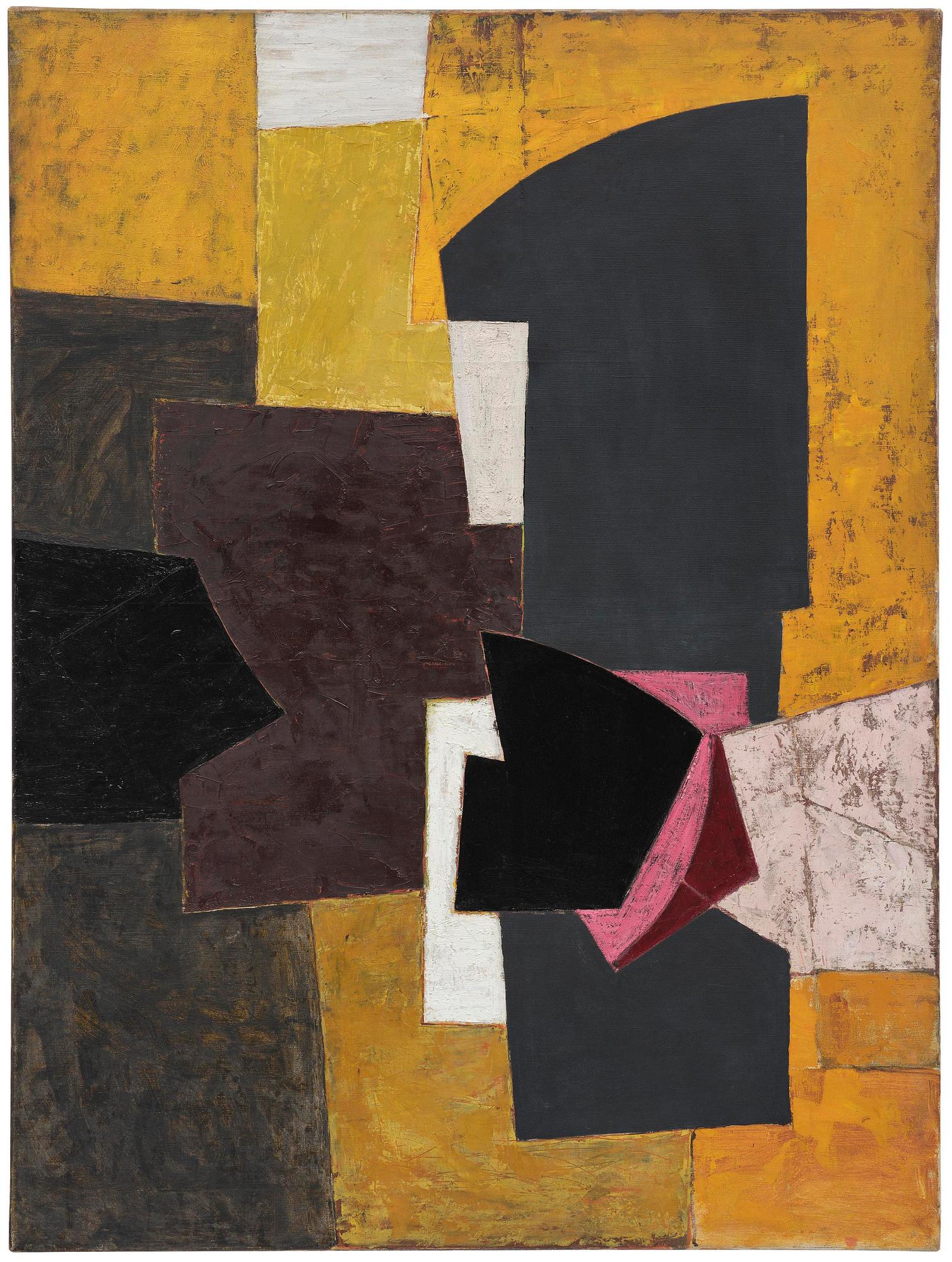
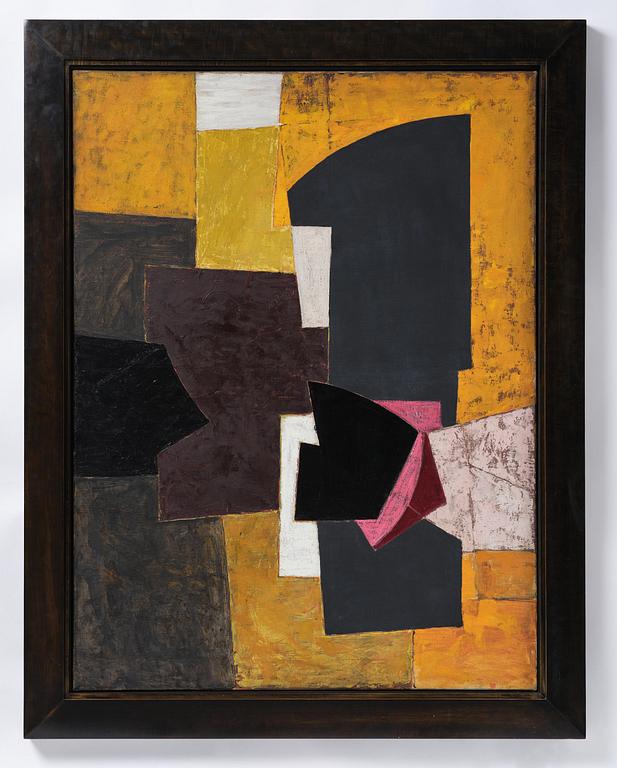
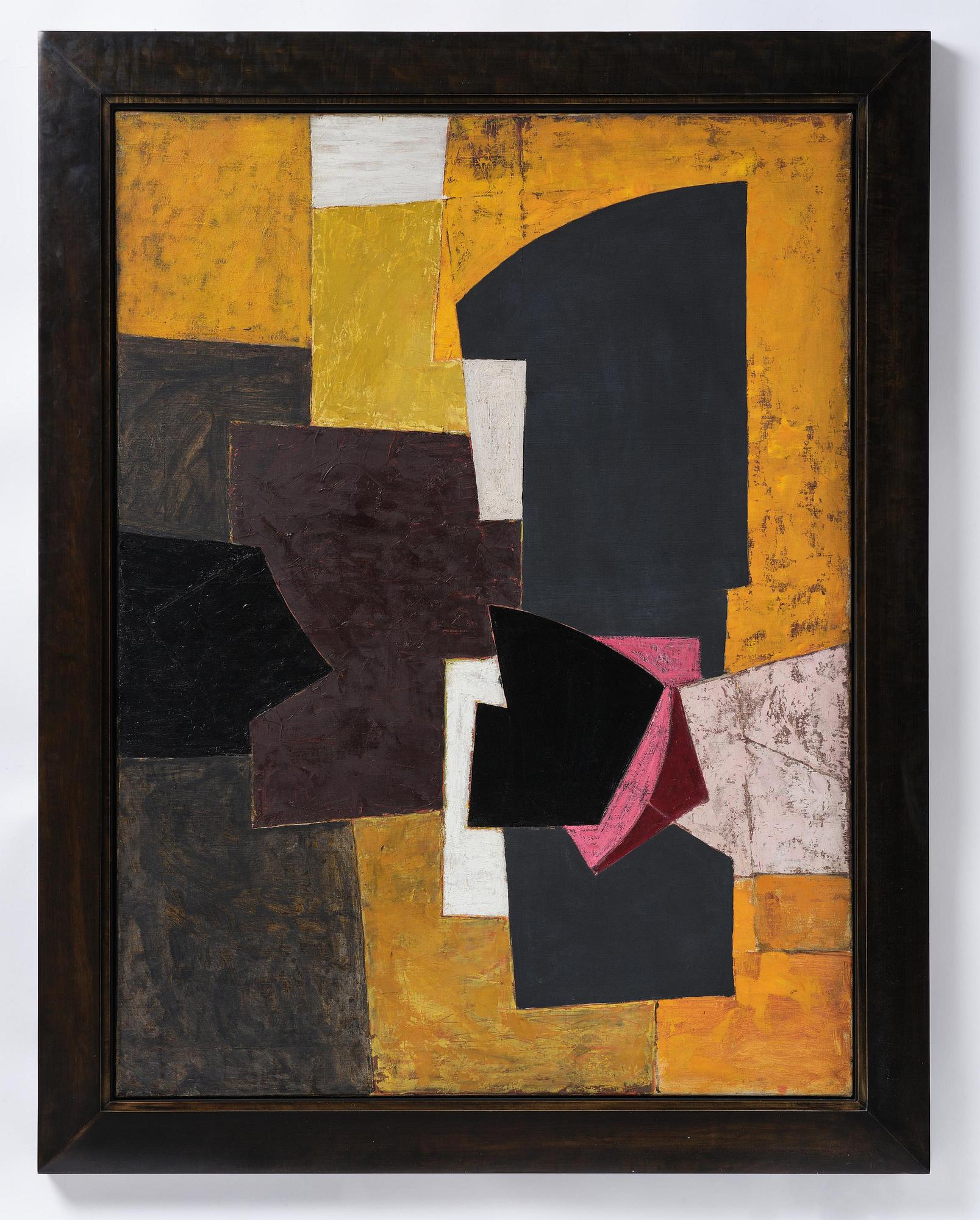
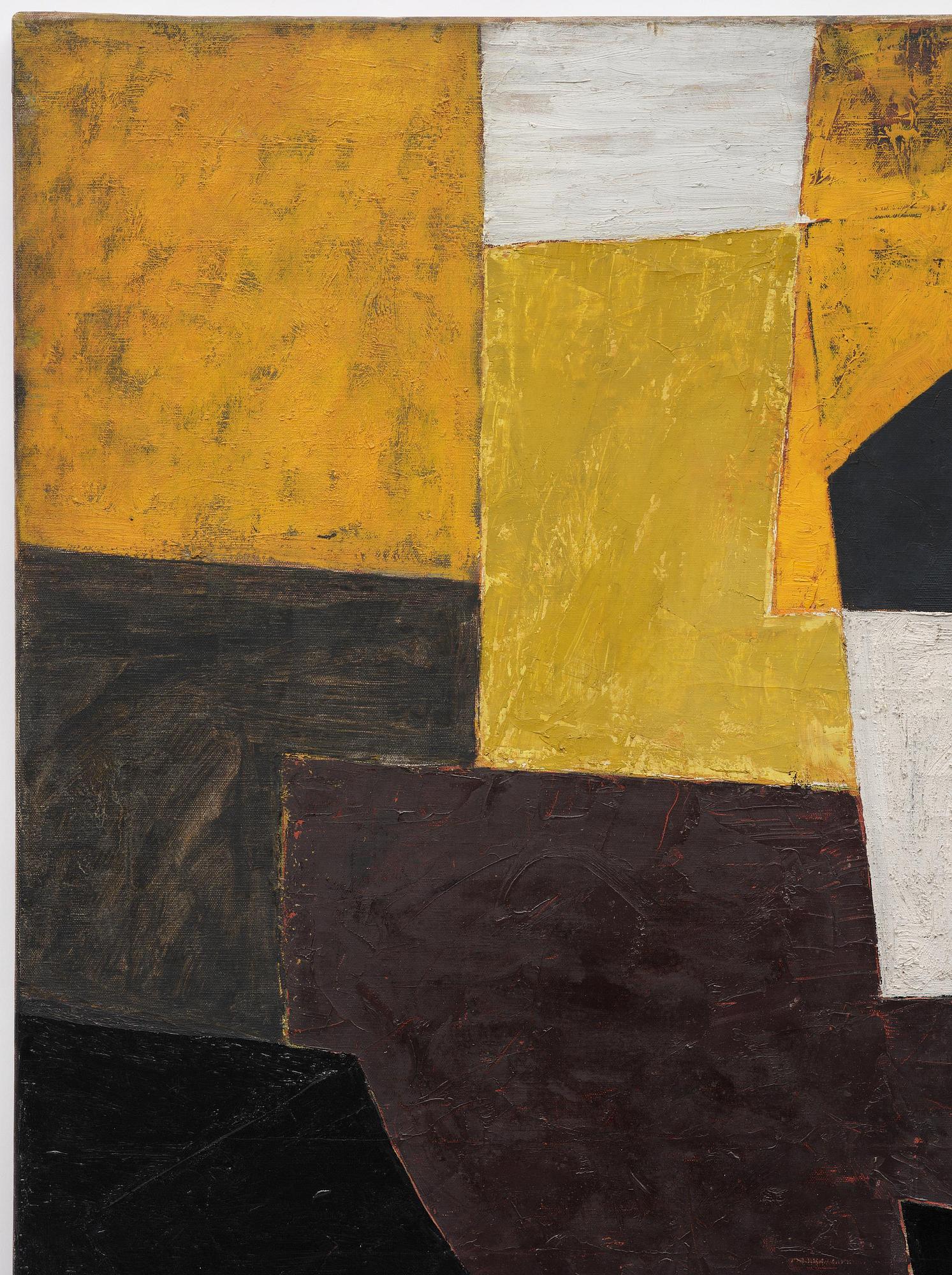
"Composition: Yellow, Black and Pink"
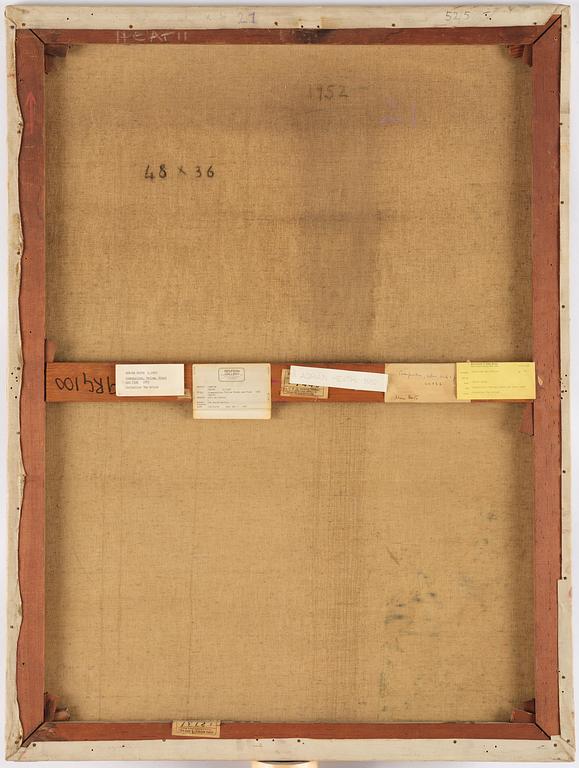
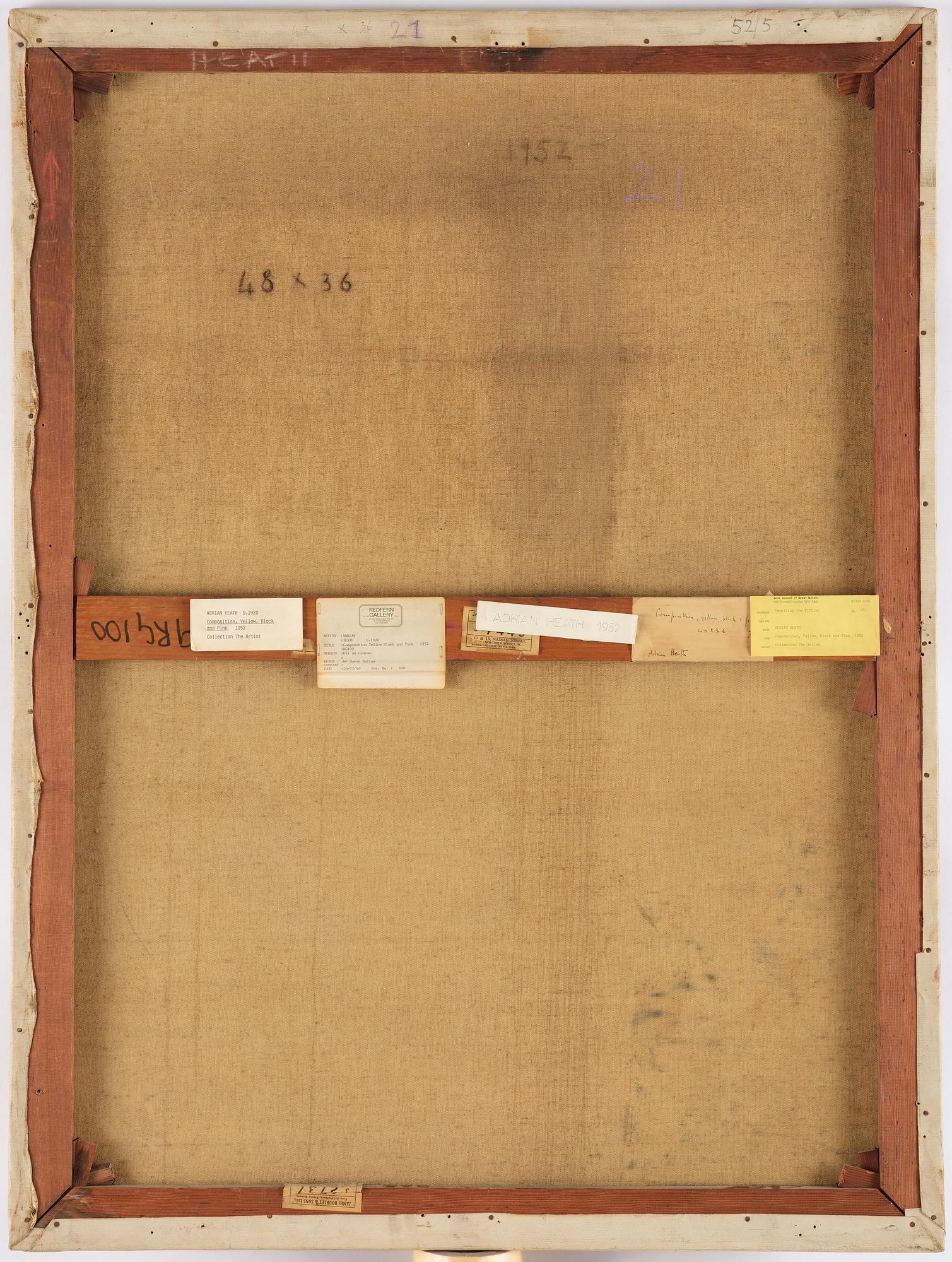
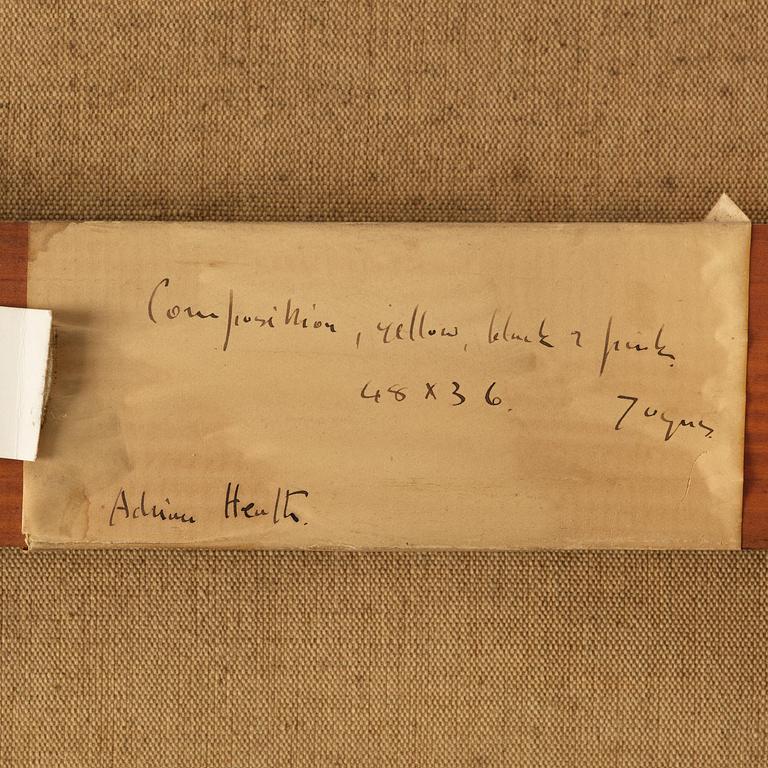
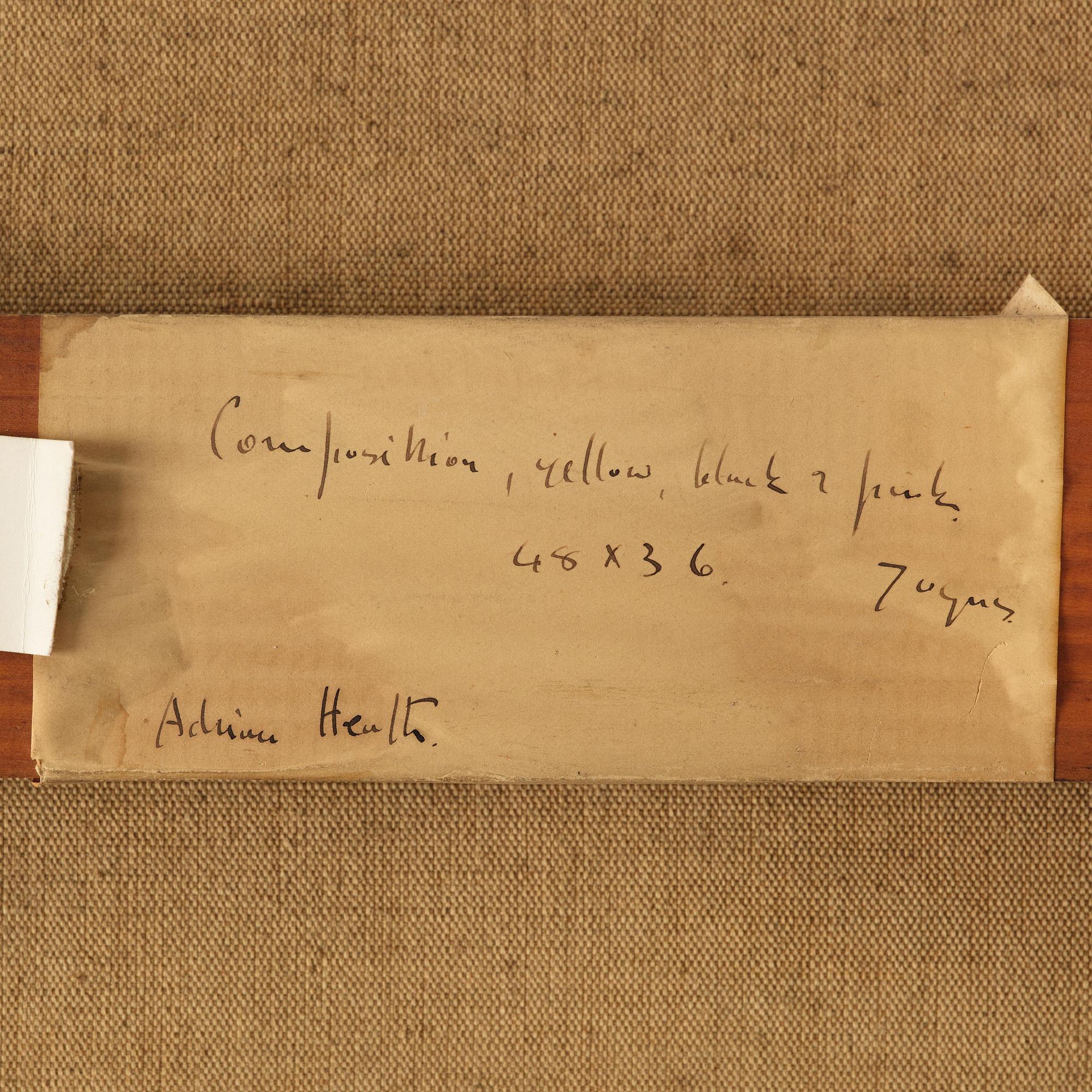
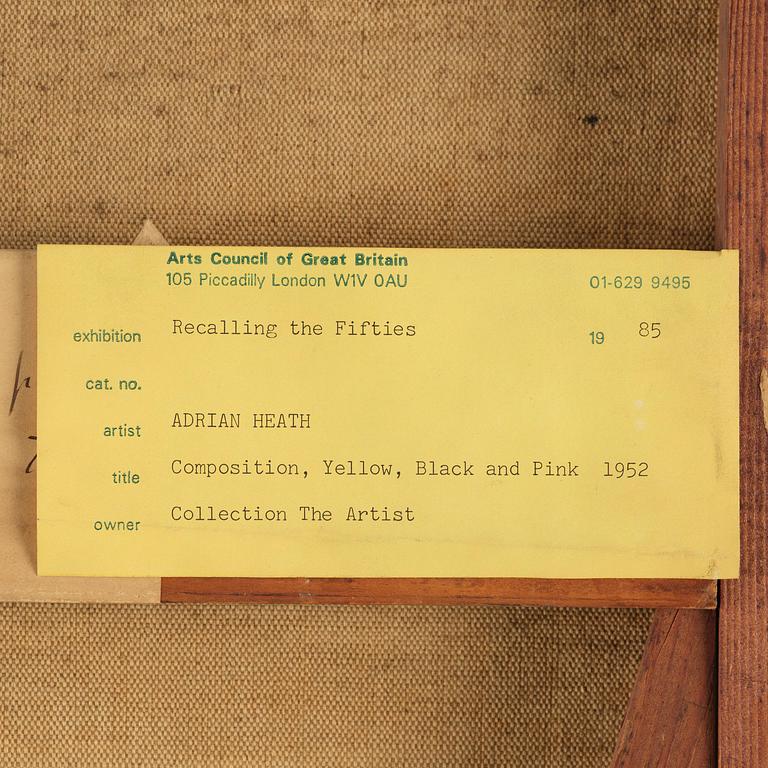
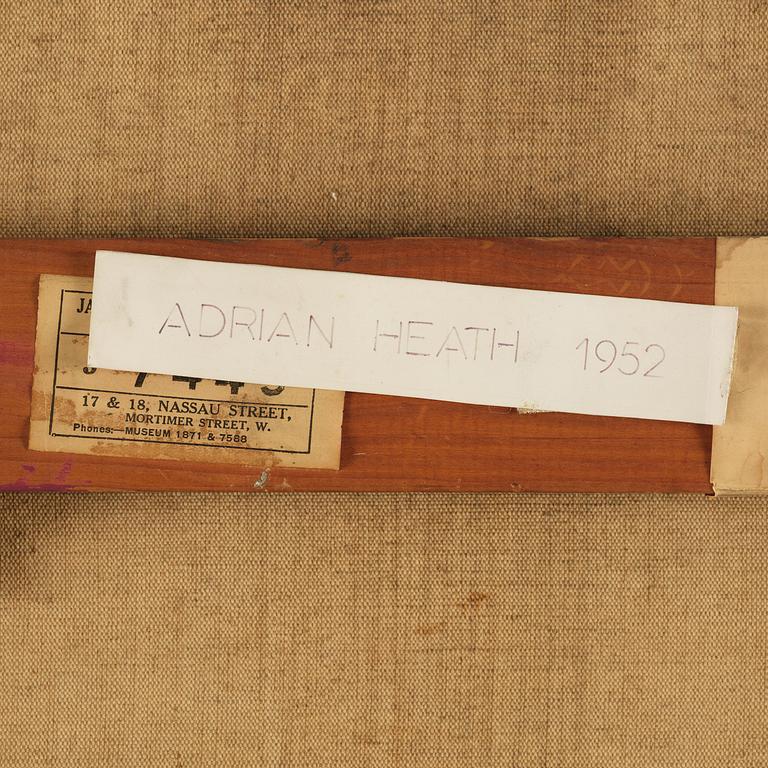
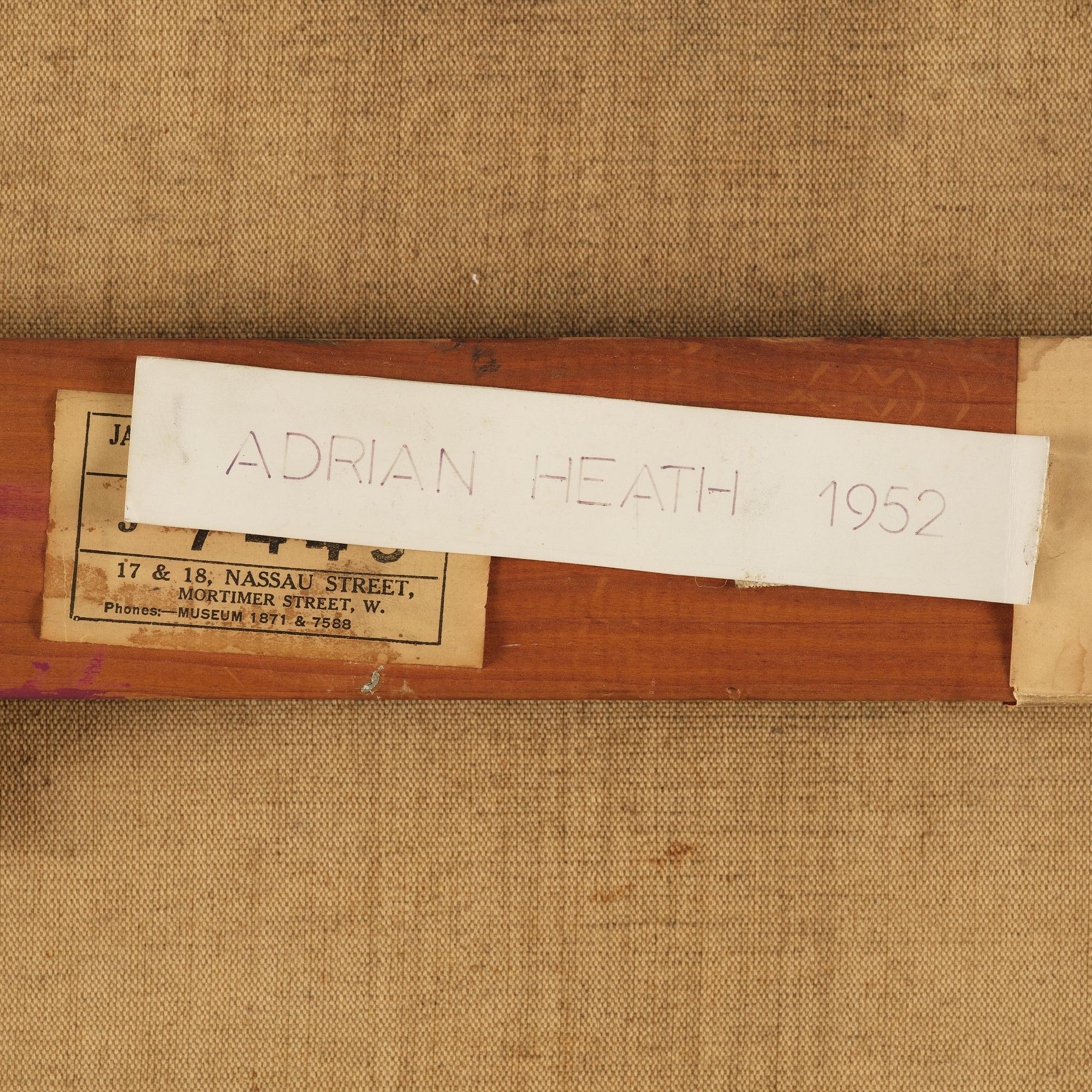
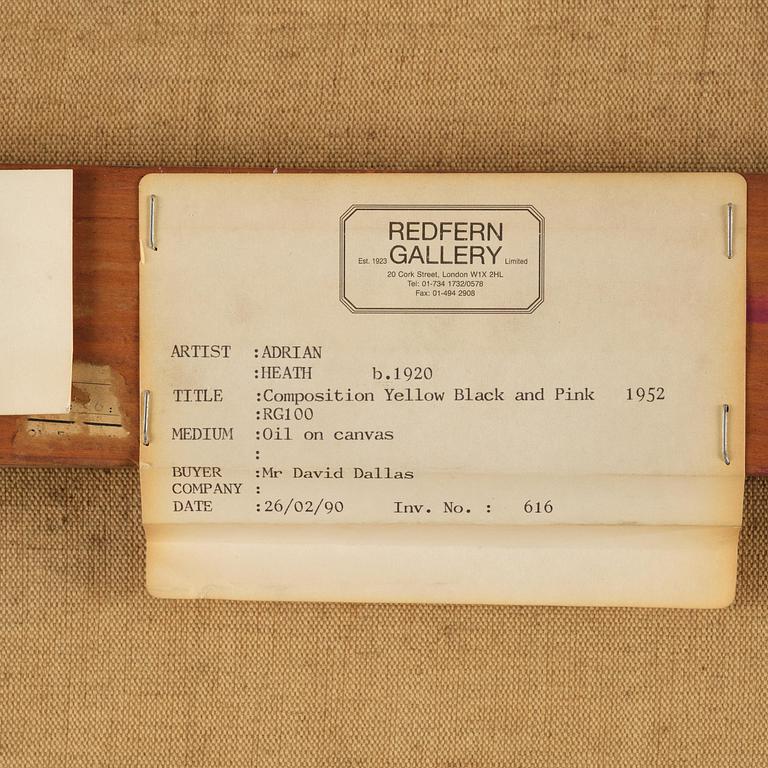
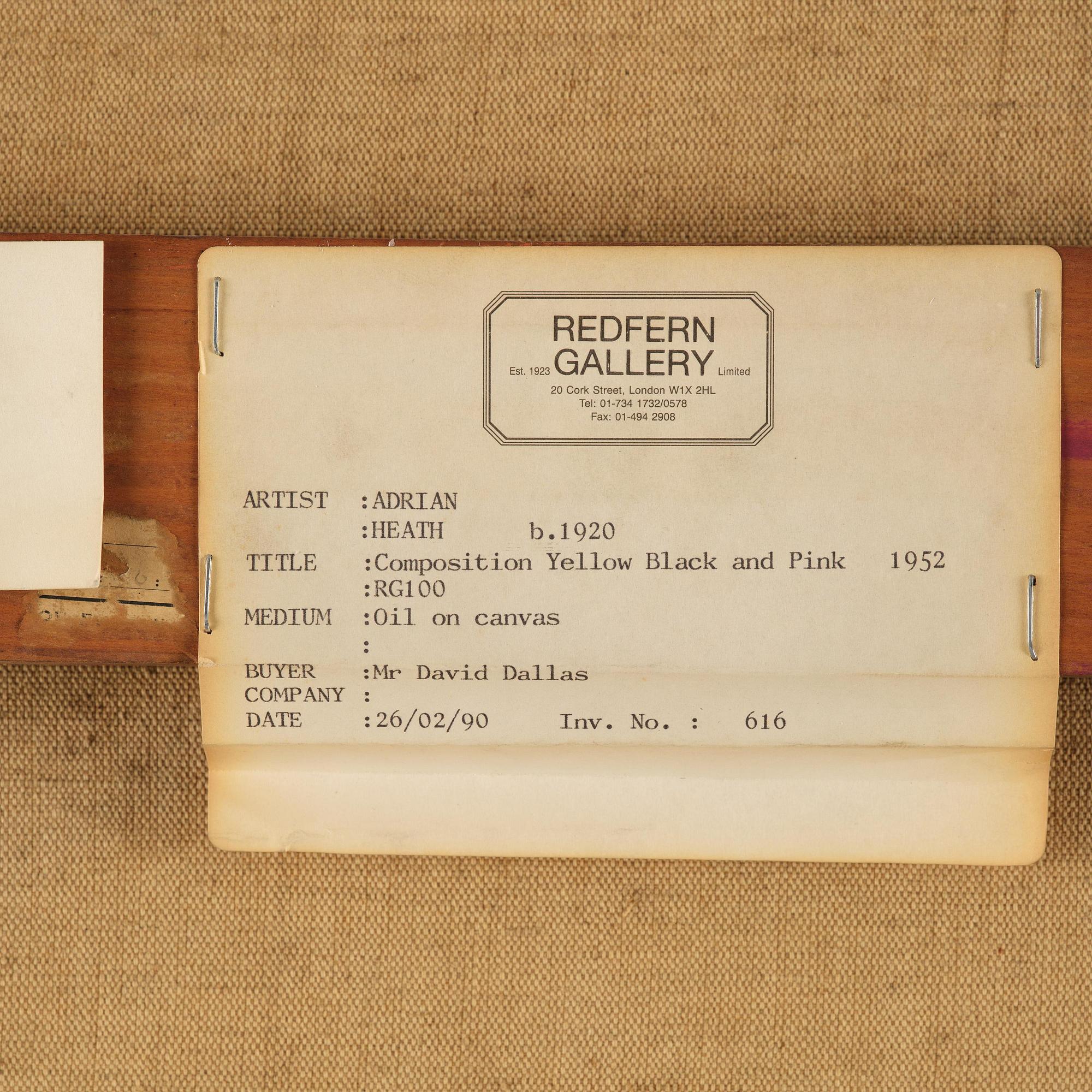
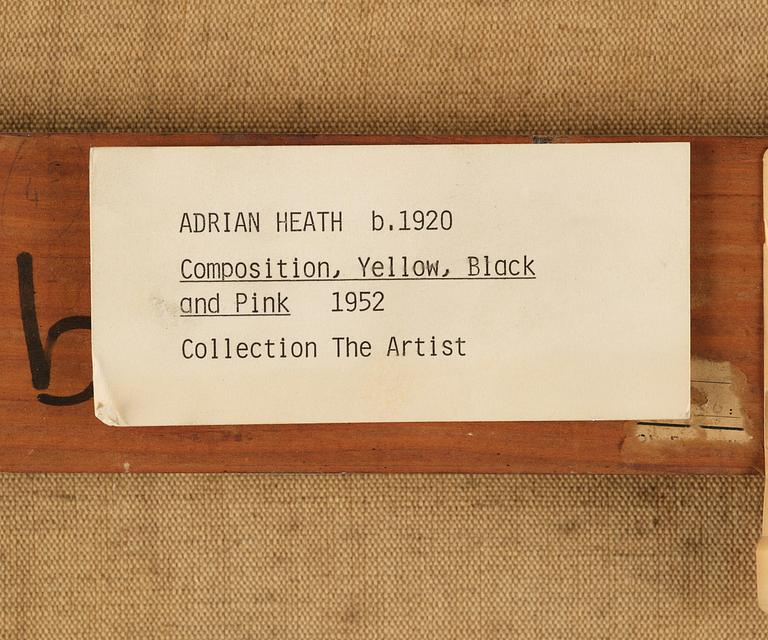
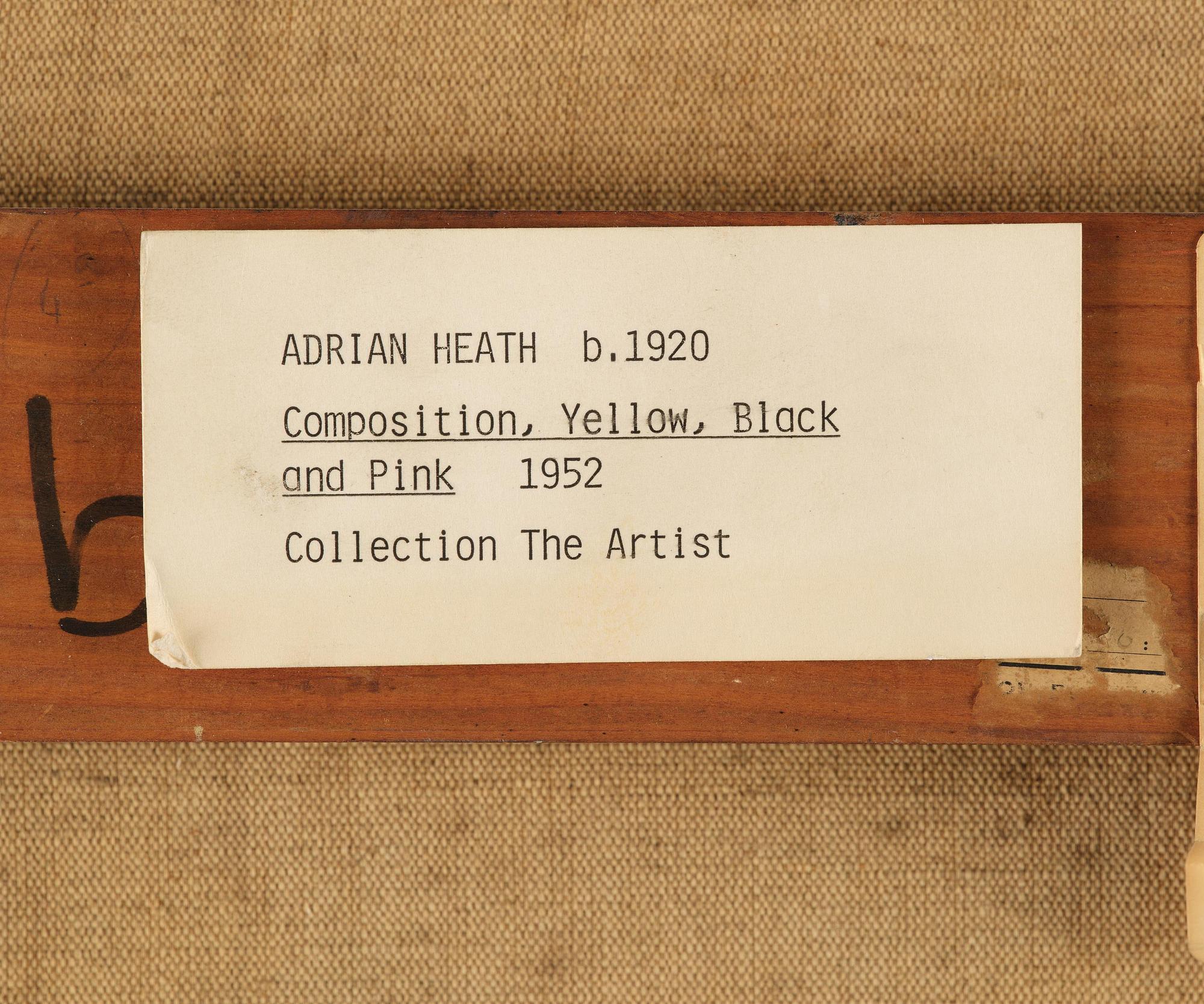
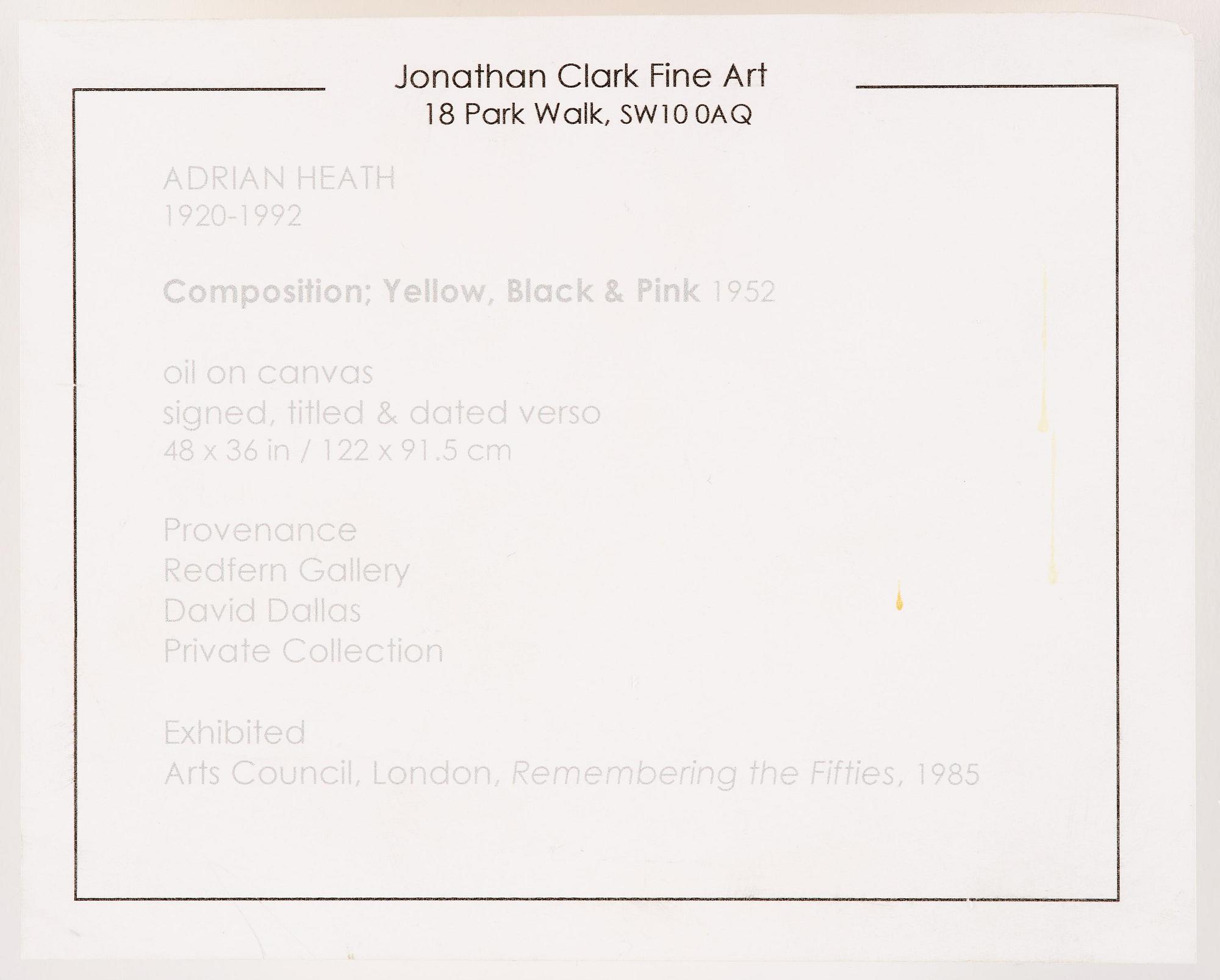
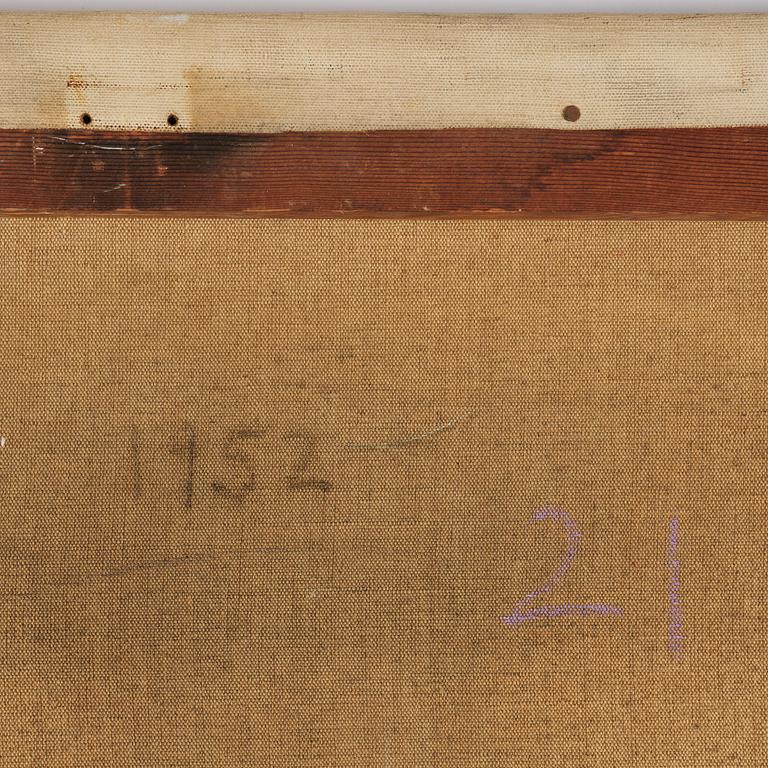
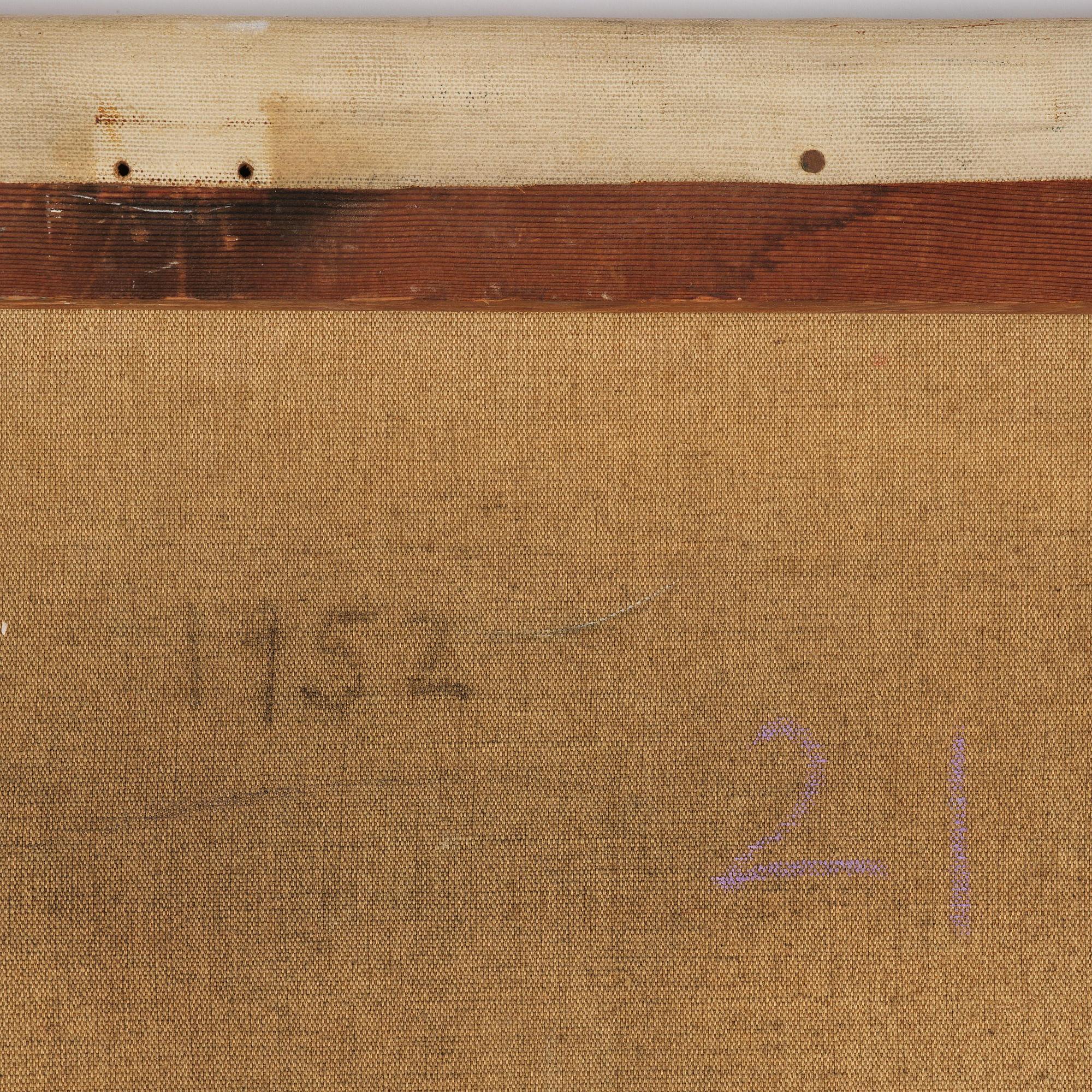
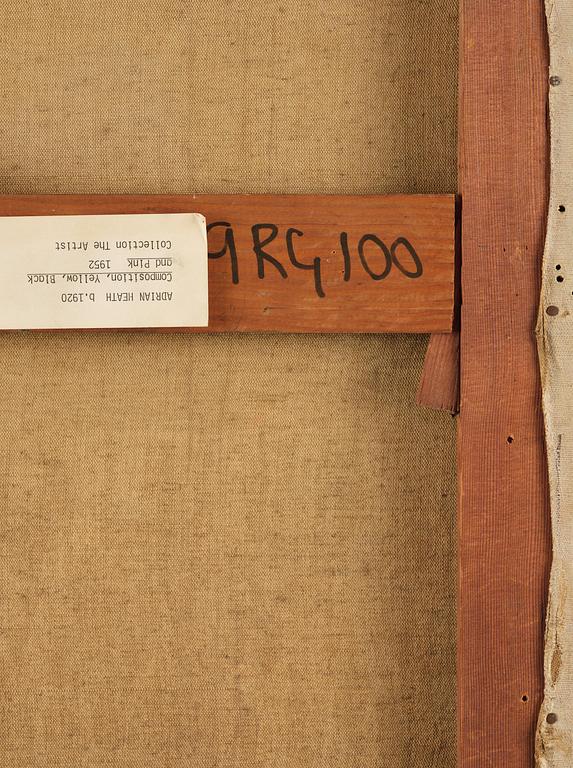
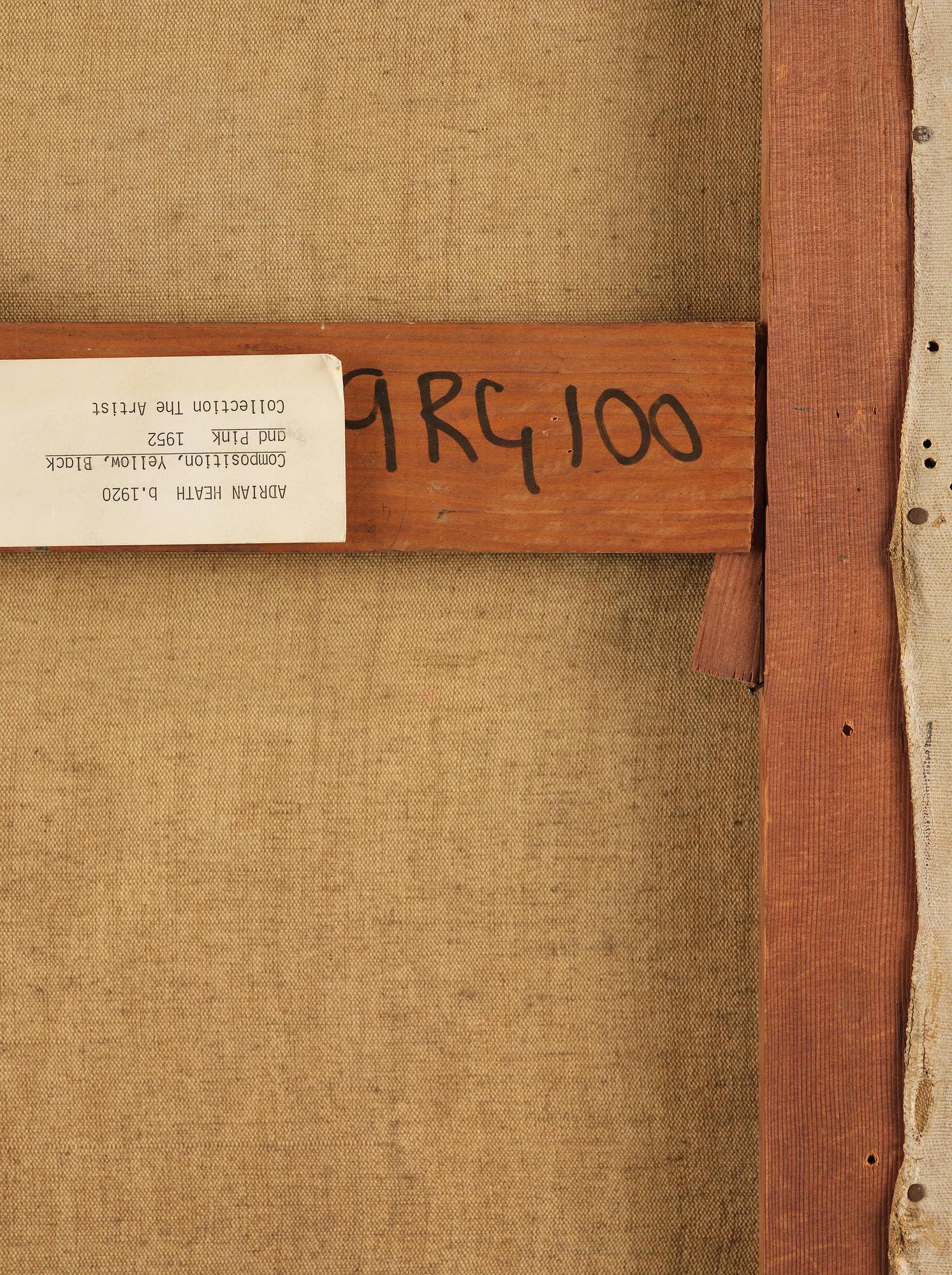
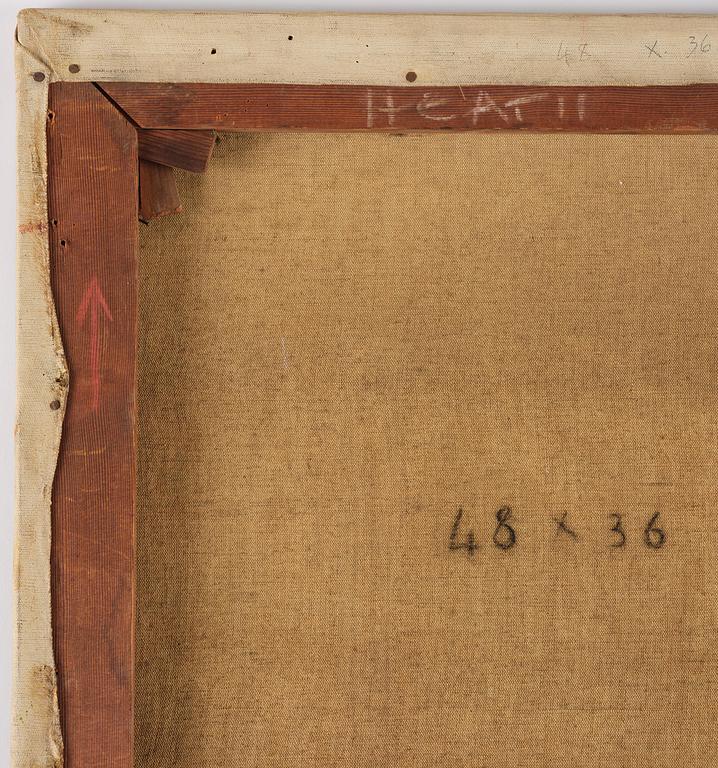
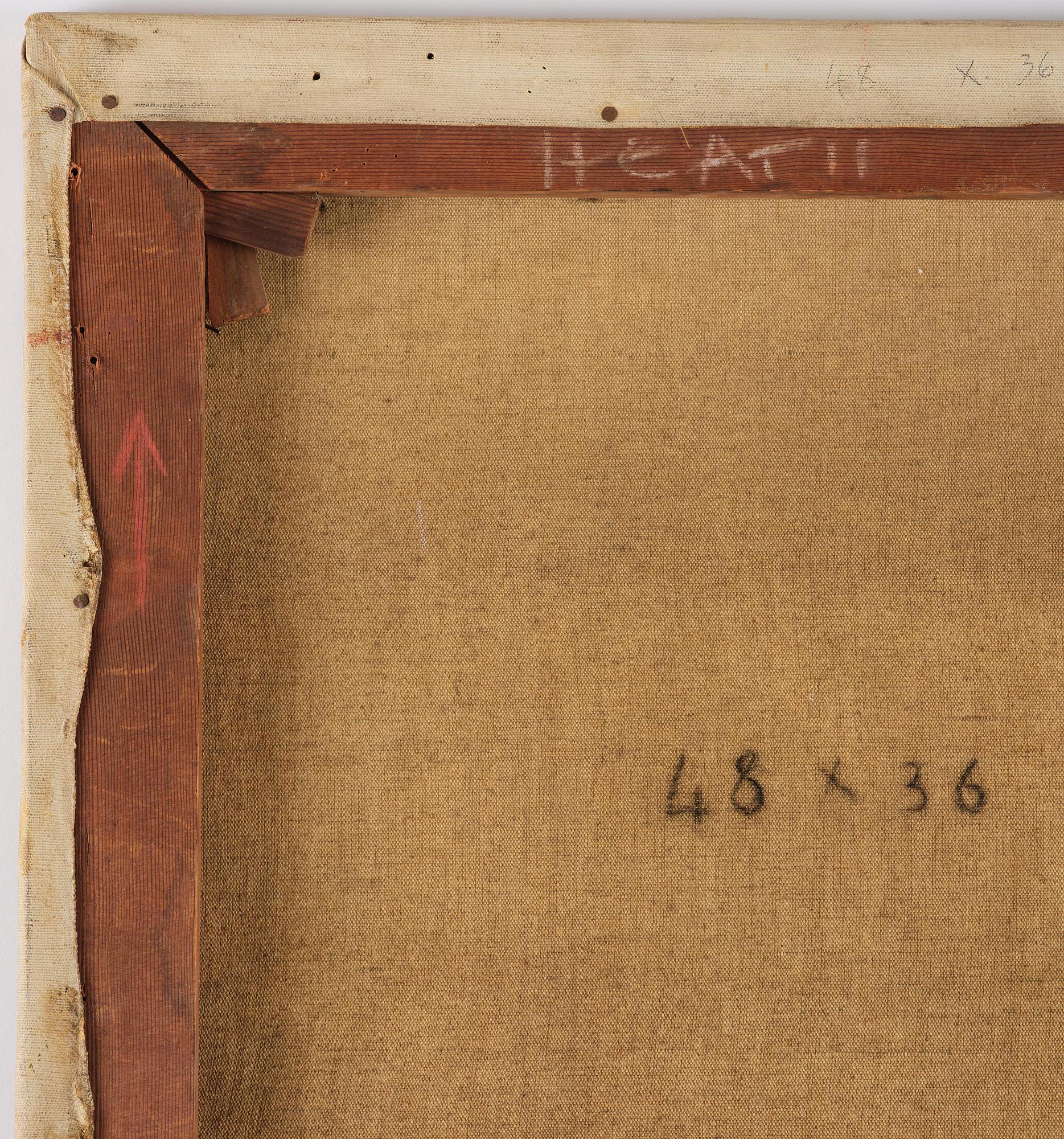
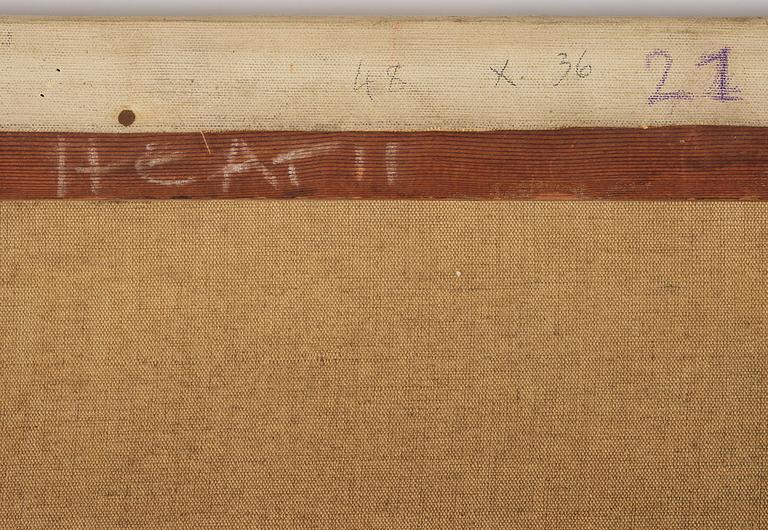
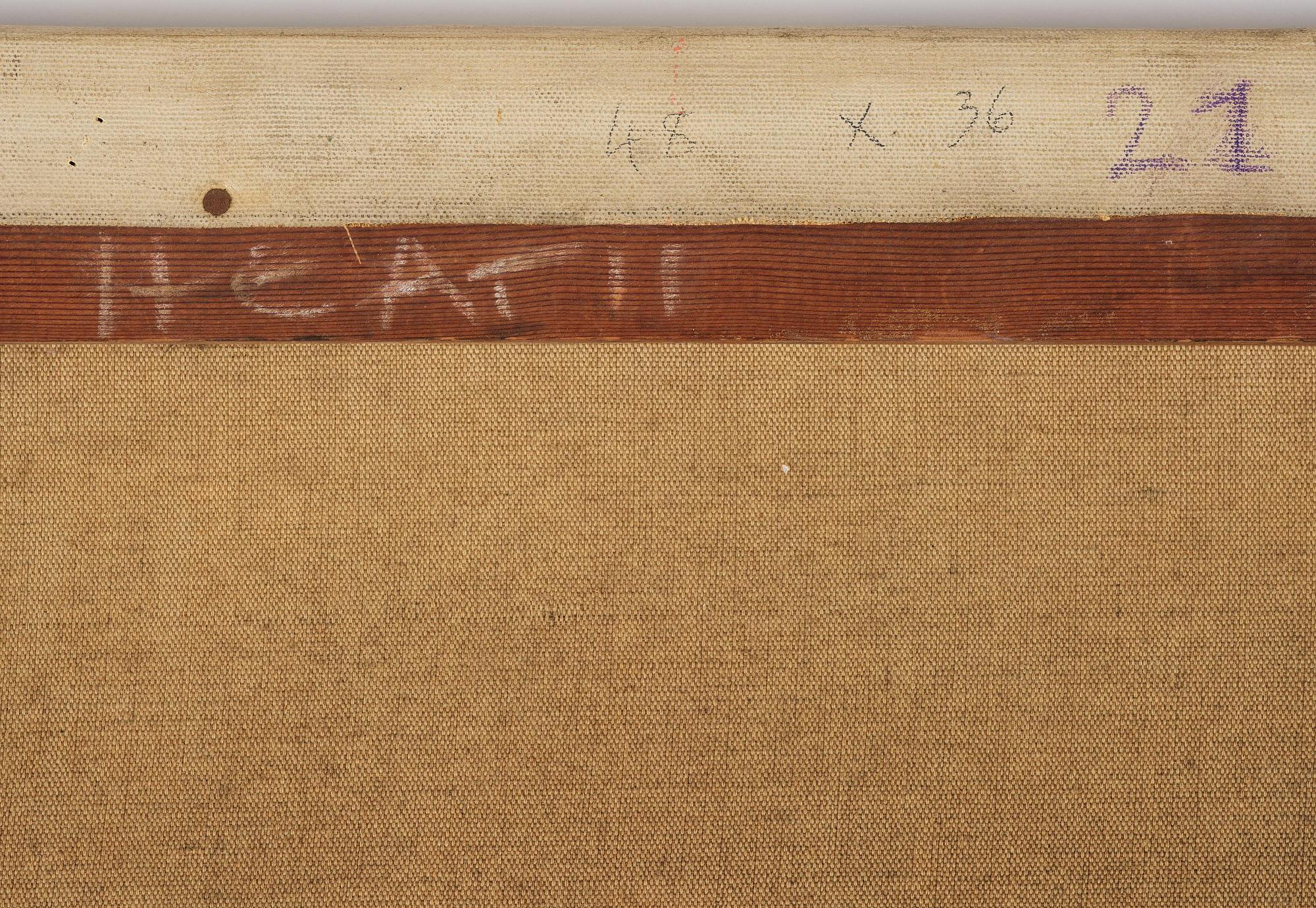
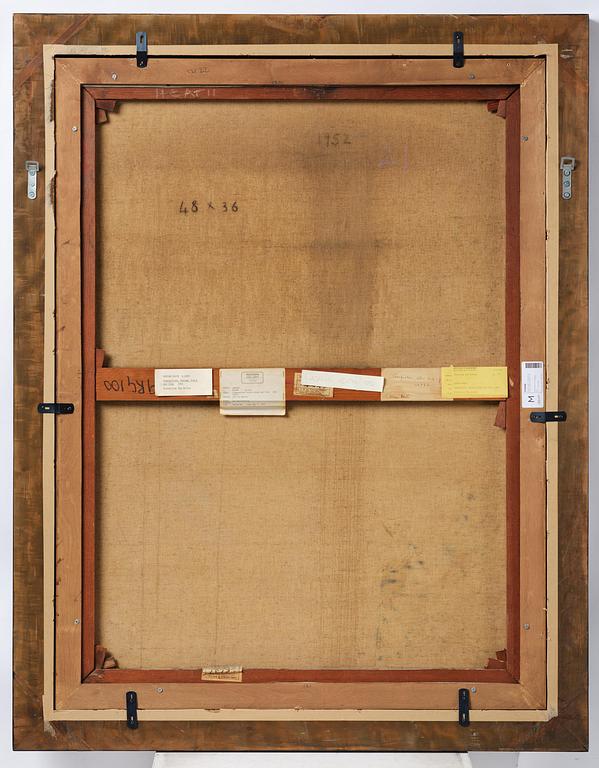
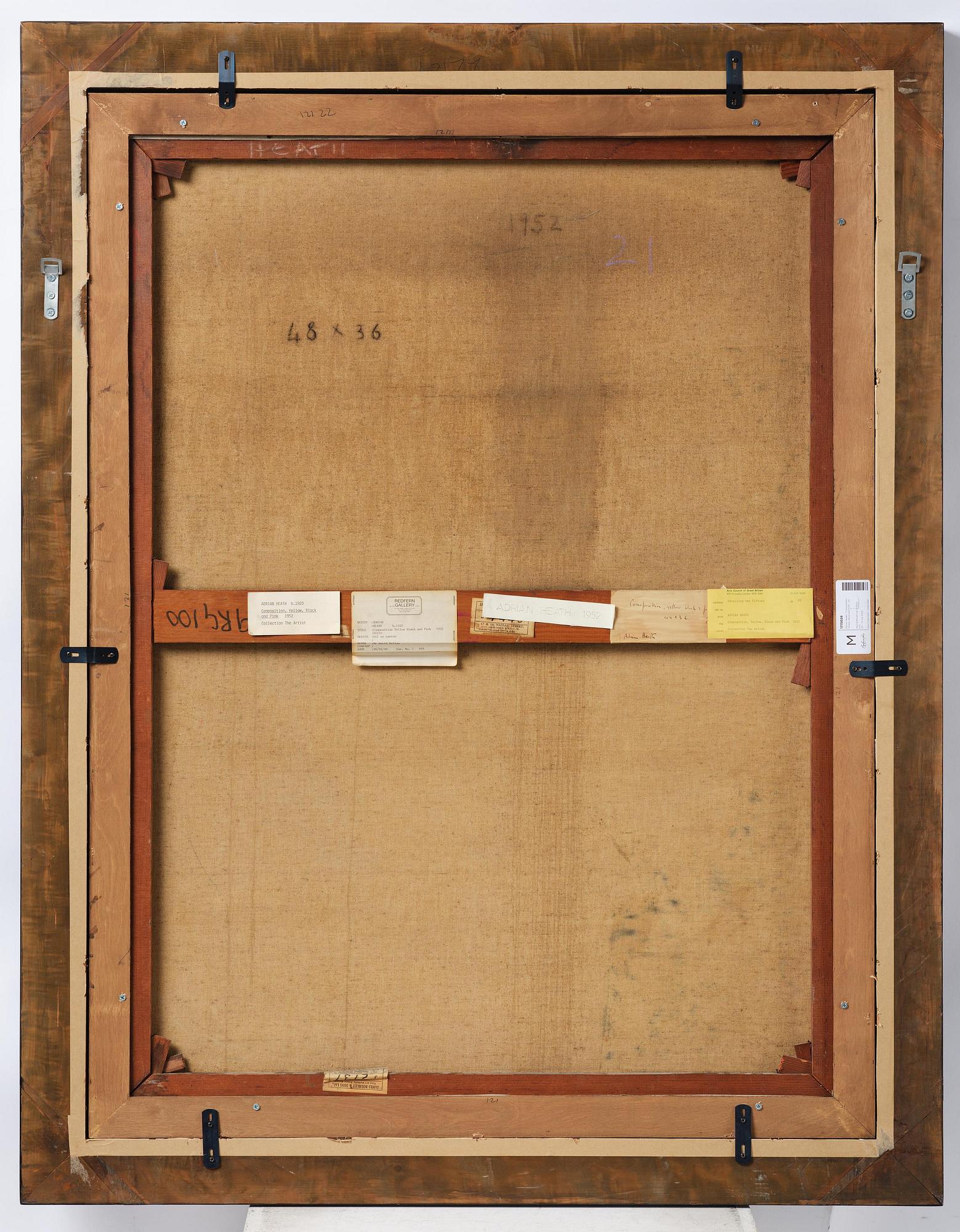
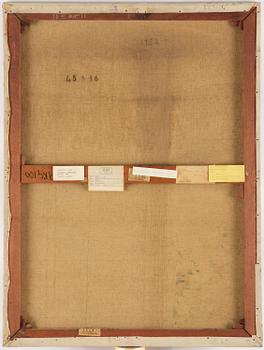
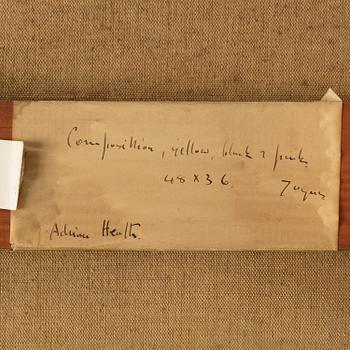
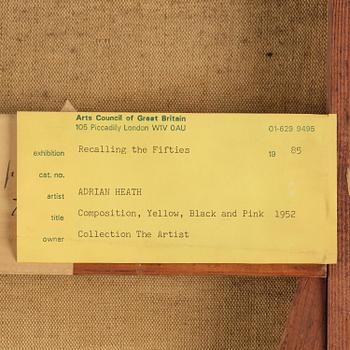
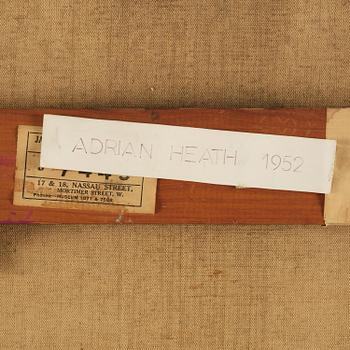
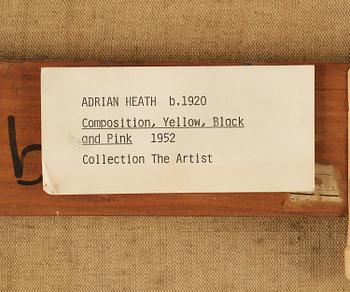
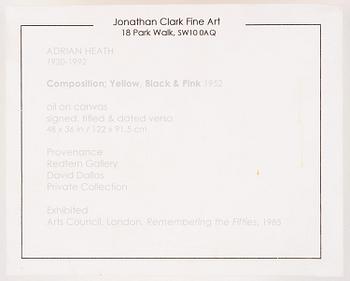
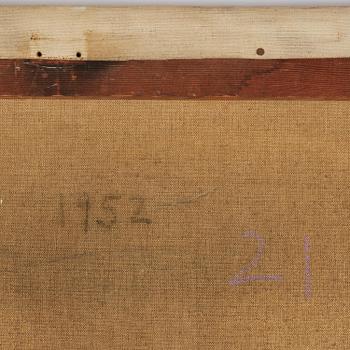
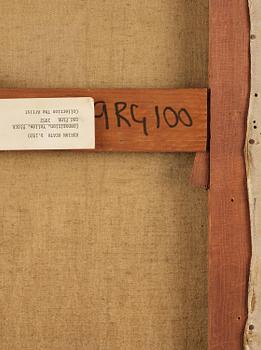
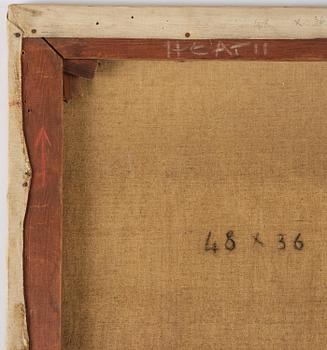
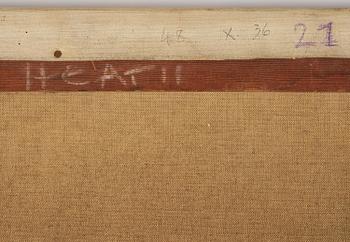
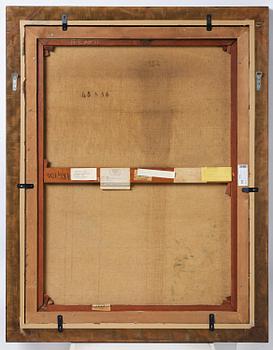
Signed Adrian Heath and titled on a label on the stretcher. Dated 1952 on the reverse. Oil on canvas 122 x 91.5 cm.
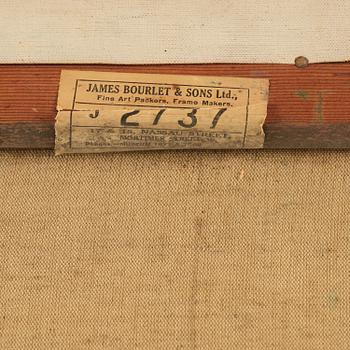
Provenance
Collection of the artist.
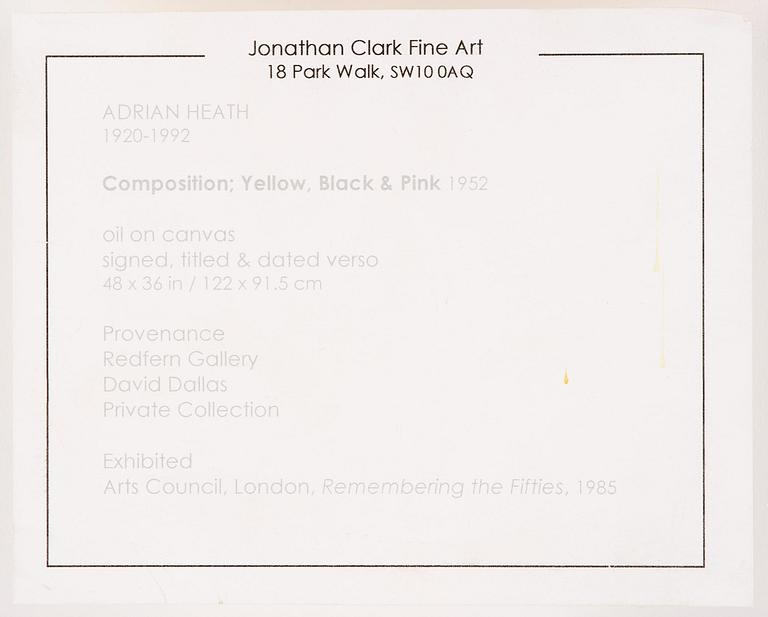
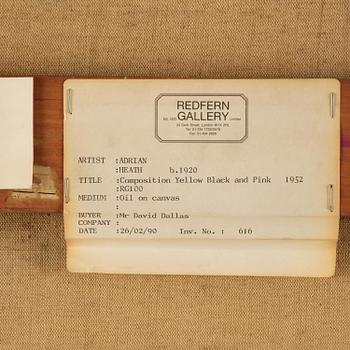
Redfern Gallery, London.
Mr David Dallas.
Private Collection.
Jonathan Clark Fine Art, London.
Private Collection.
Exhibitions
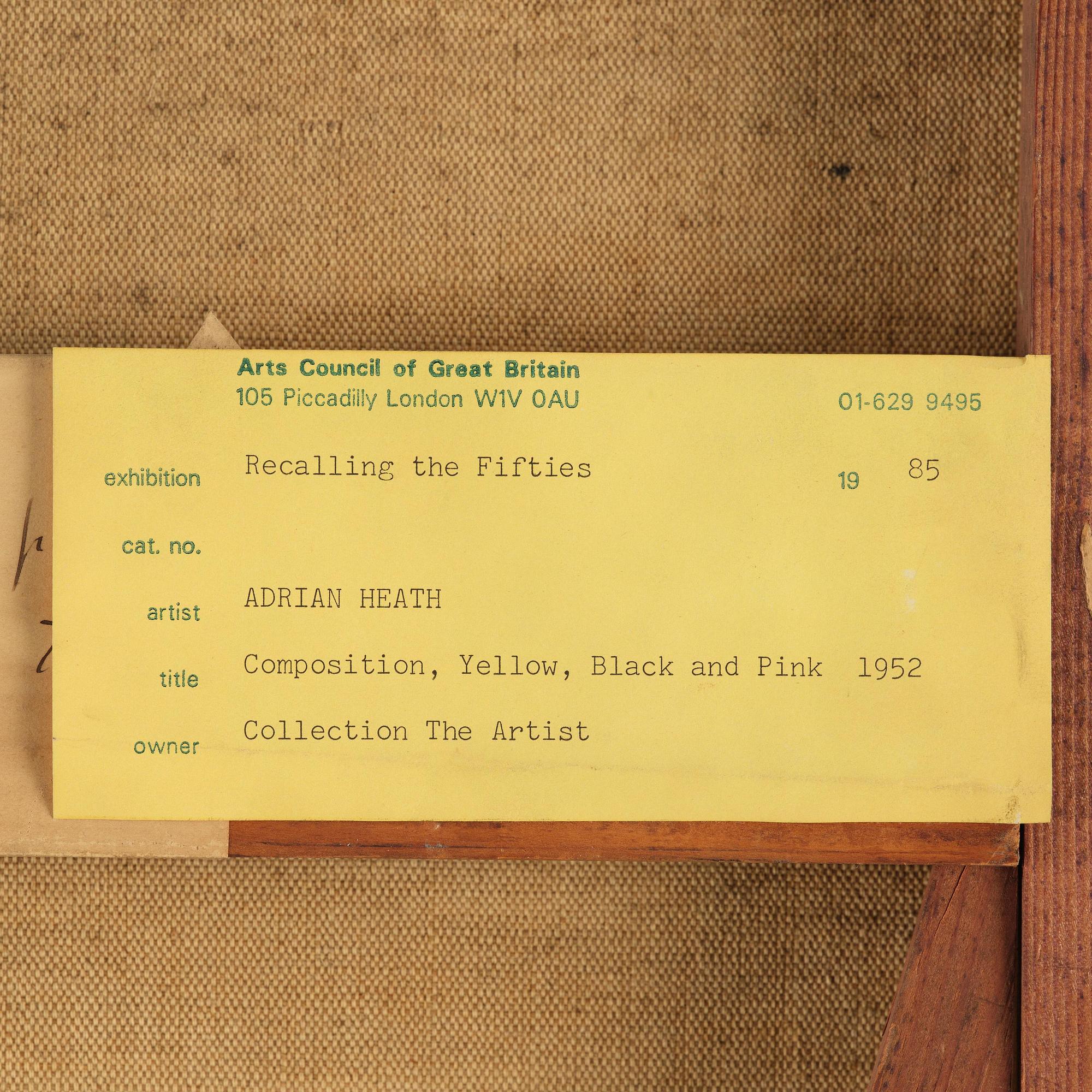
Arts Council of Great Britain, London, "Recalling the Fifties", 1985.
Literature
Jane Rye, Adrian Heath, 2012, illustrated on the cover as well as full page p. 85.
More information
Adrian Heath (1920–1992) is regarded as one of the most significant figures in postwar British abstraction, and his early works from the beginning of the 1950s mark a decisive phase in the development of a new constructive pictorial language in the United Kingdom. Trained at the Slade School of Fine Art and shaped by his experiences during the Second World War, including time spent as a prisoner of war, Heath sought, in the postwar years, to establish a visual language capable of uniting intellectual structure with the material and perceptual possibilities of painting.
It is during the early 1950s that Heath fully articulates his abstract expression. In close dialogue with contemporaries such as Victor Pasmore and Anthony Hill, he occupies a central position in what became the breakthrough of Constructive Abstraction in Britain. At the same time, his painting retains a distinctive sensitivity to colour and surface, setting him apart from a more strictly geometric tradition.
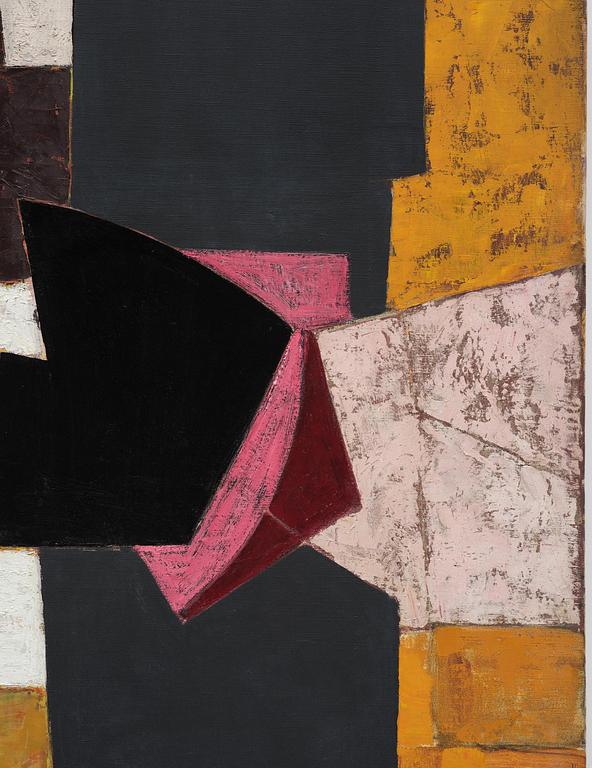
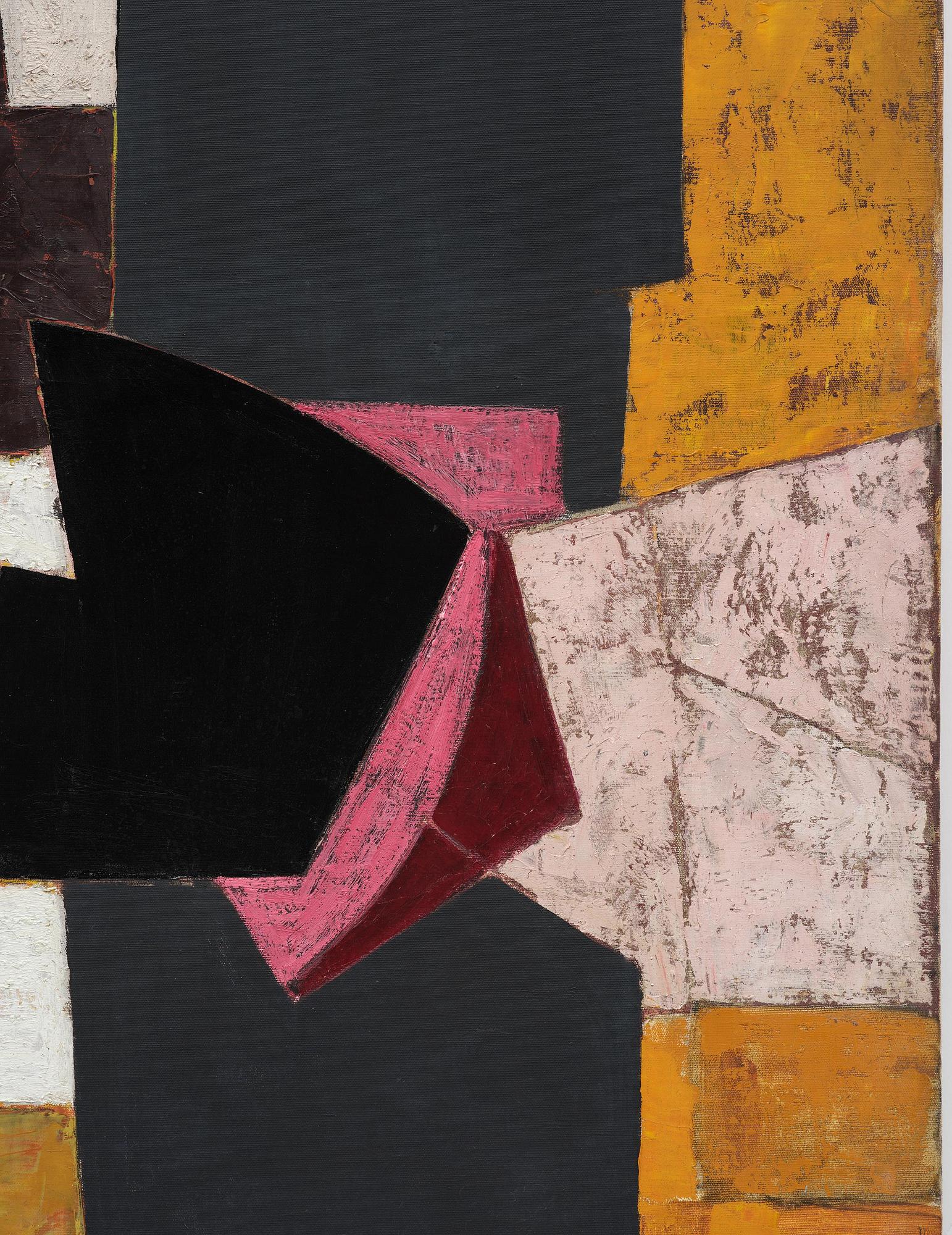
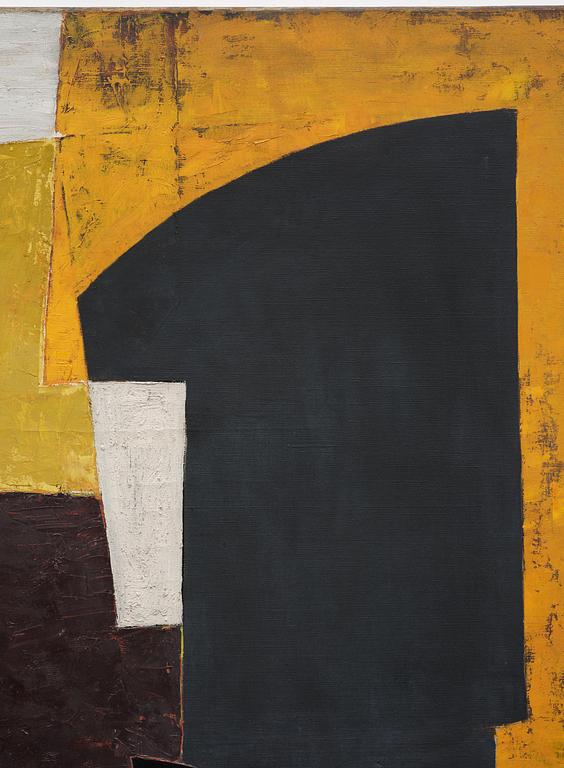
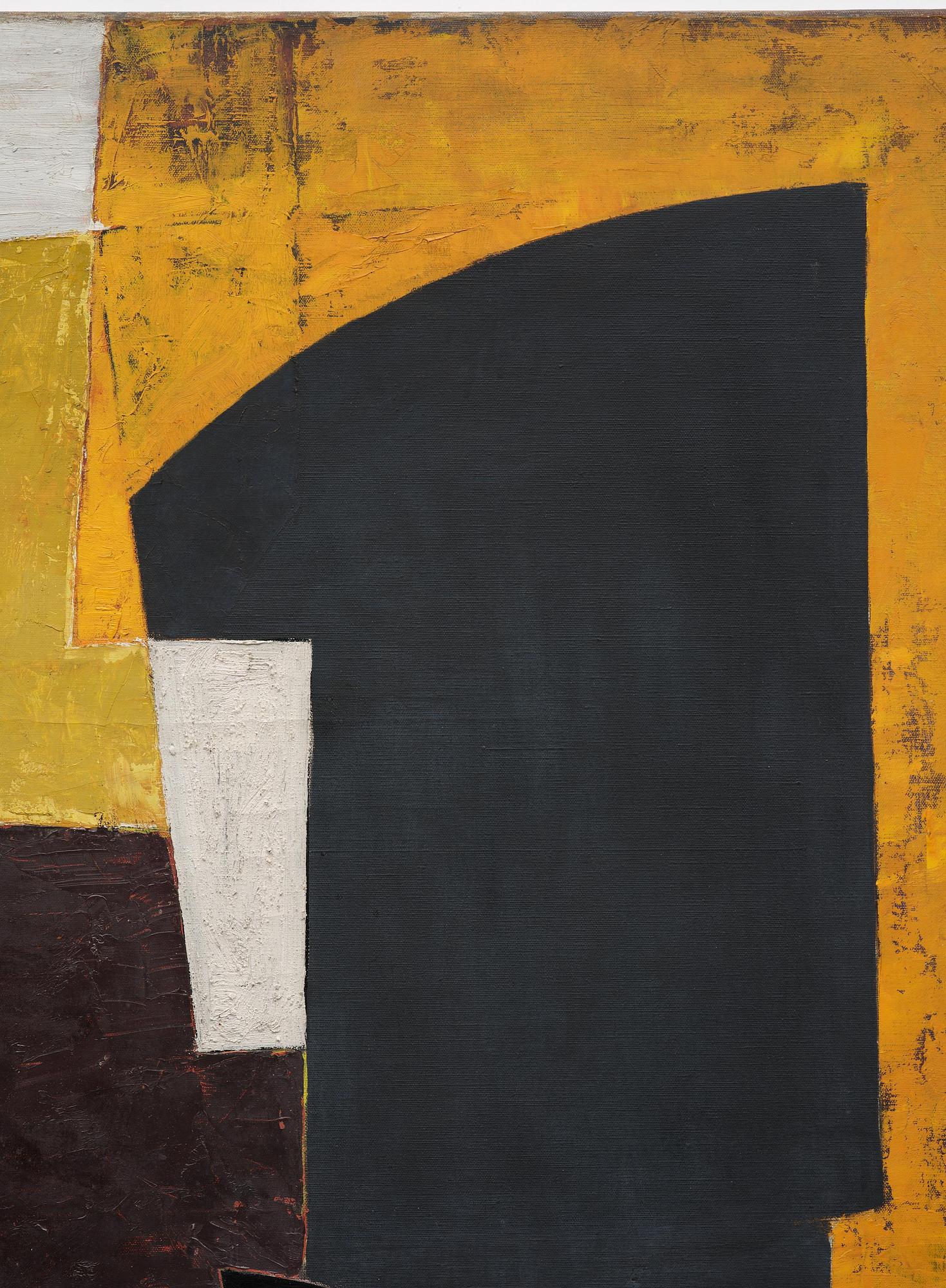
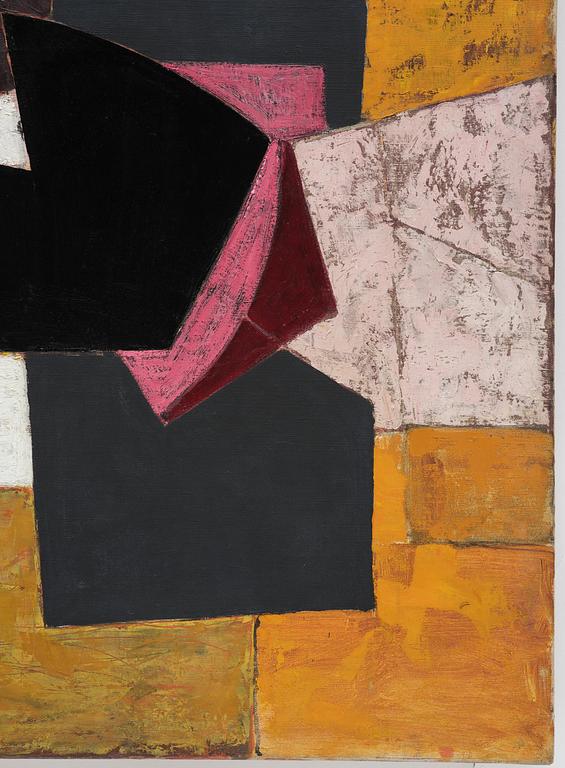
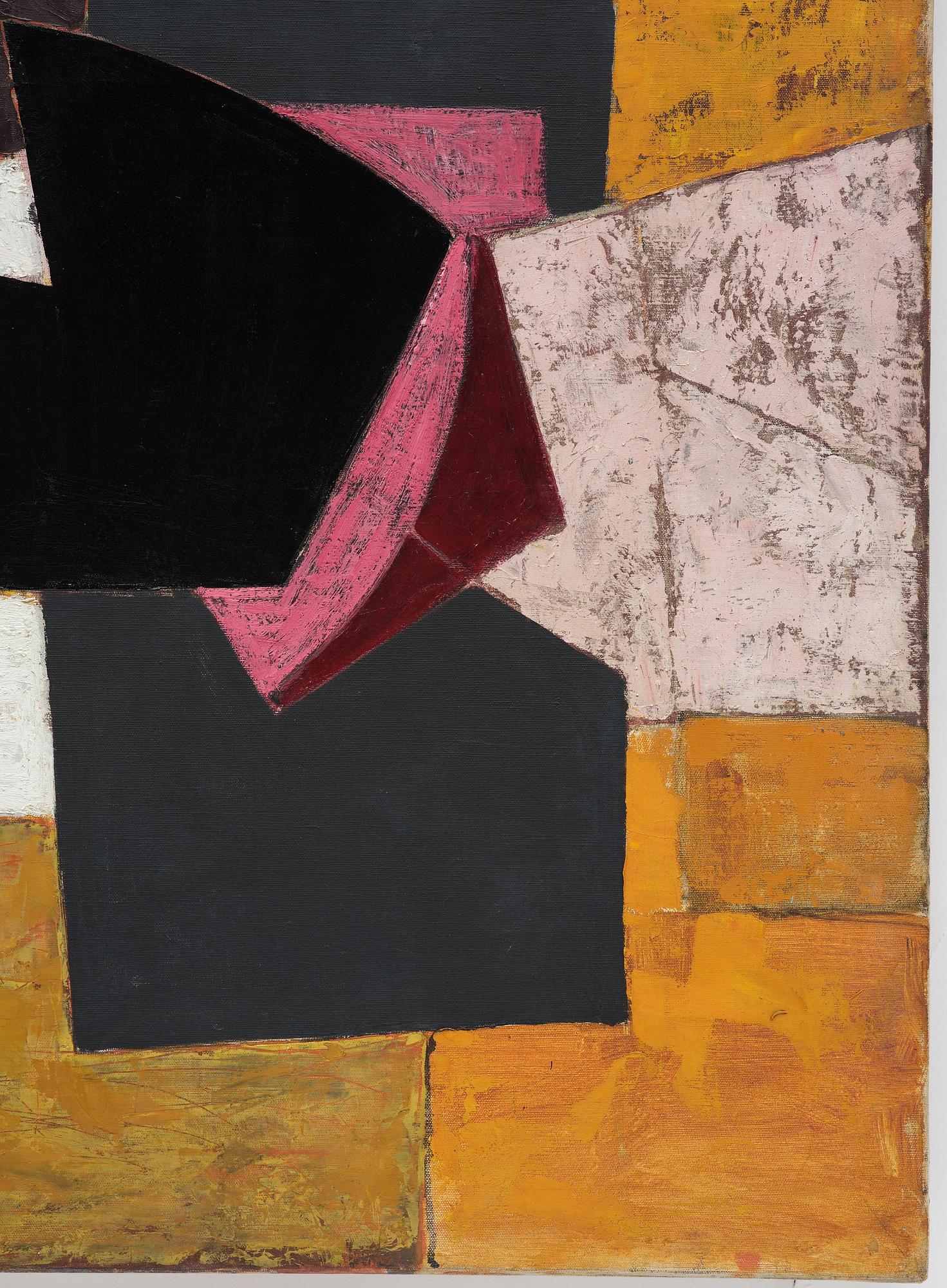
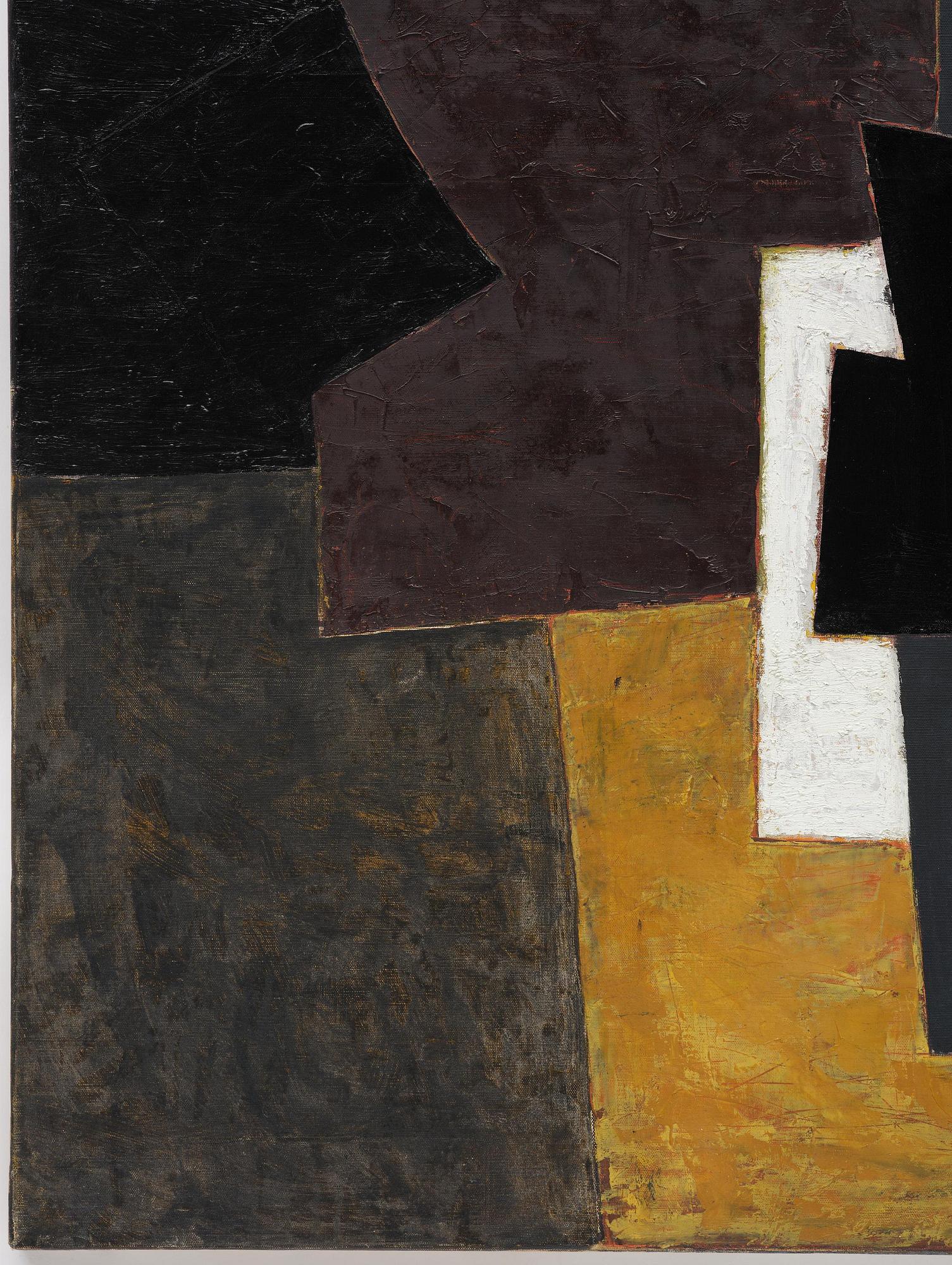
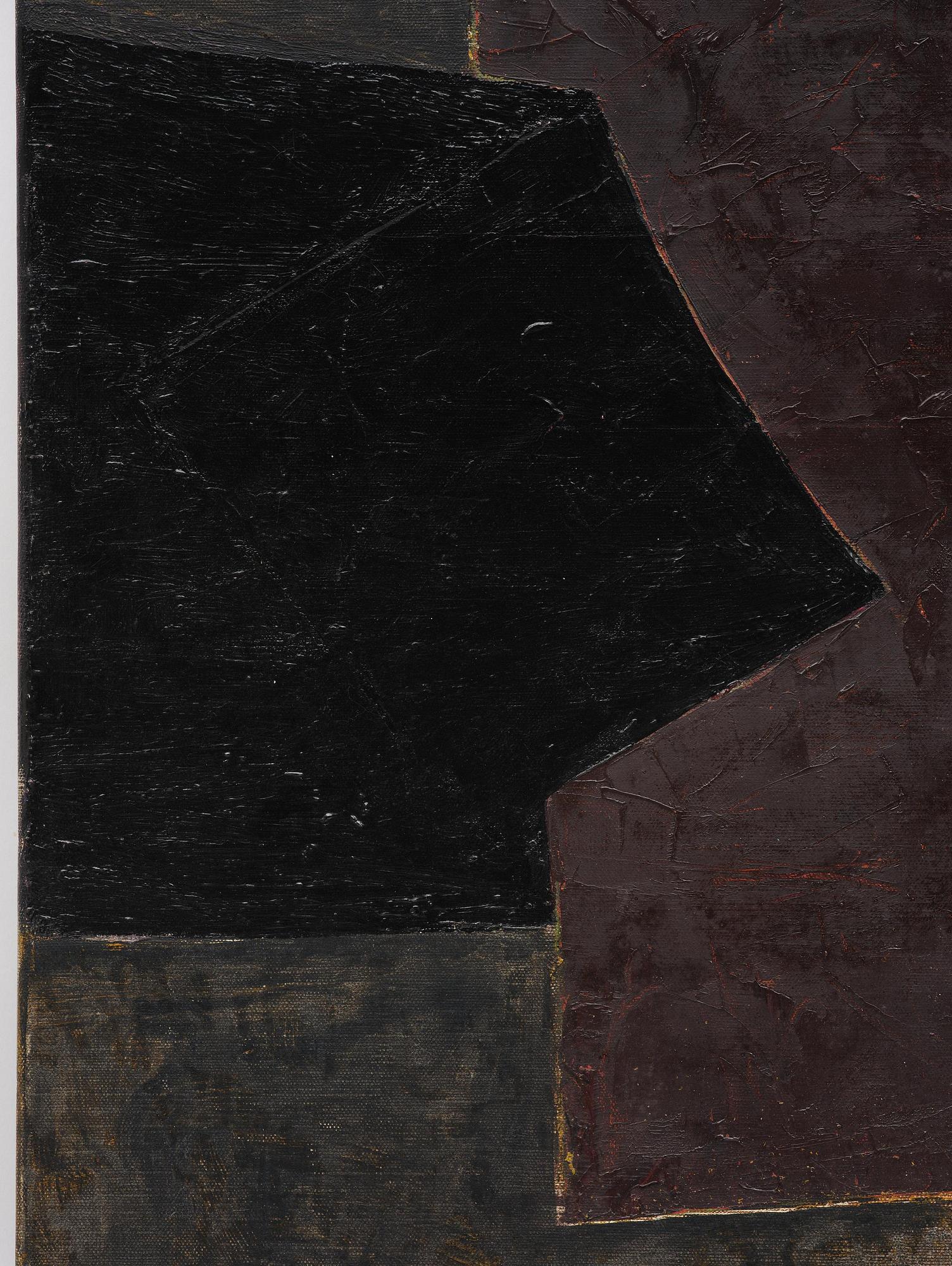
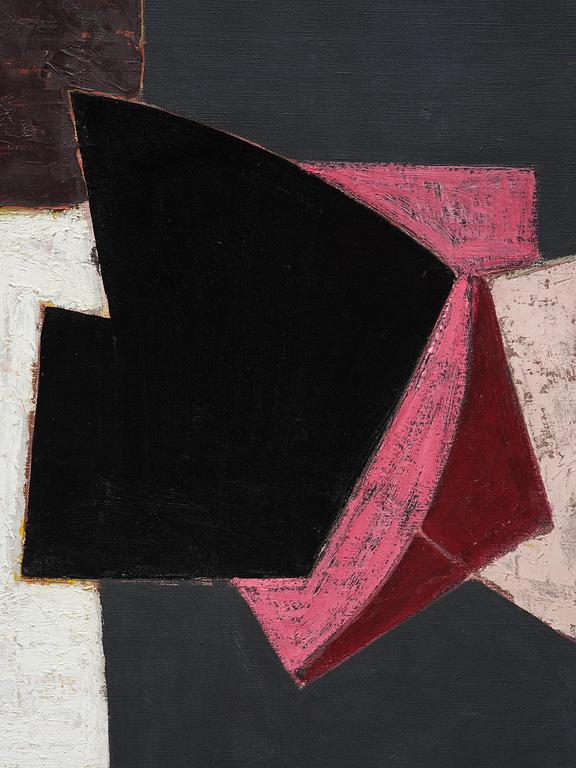
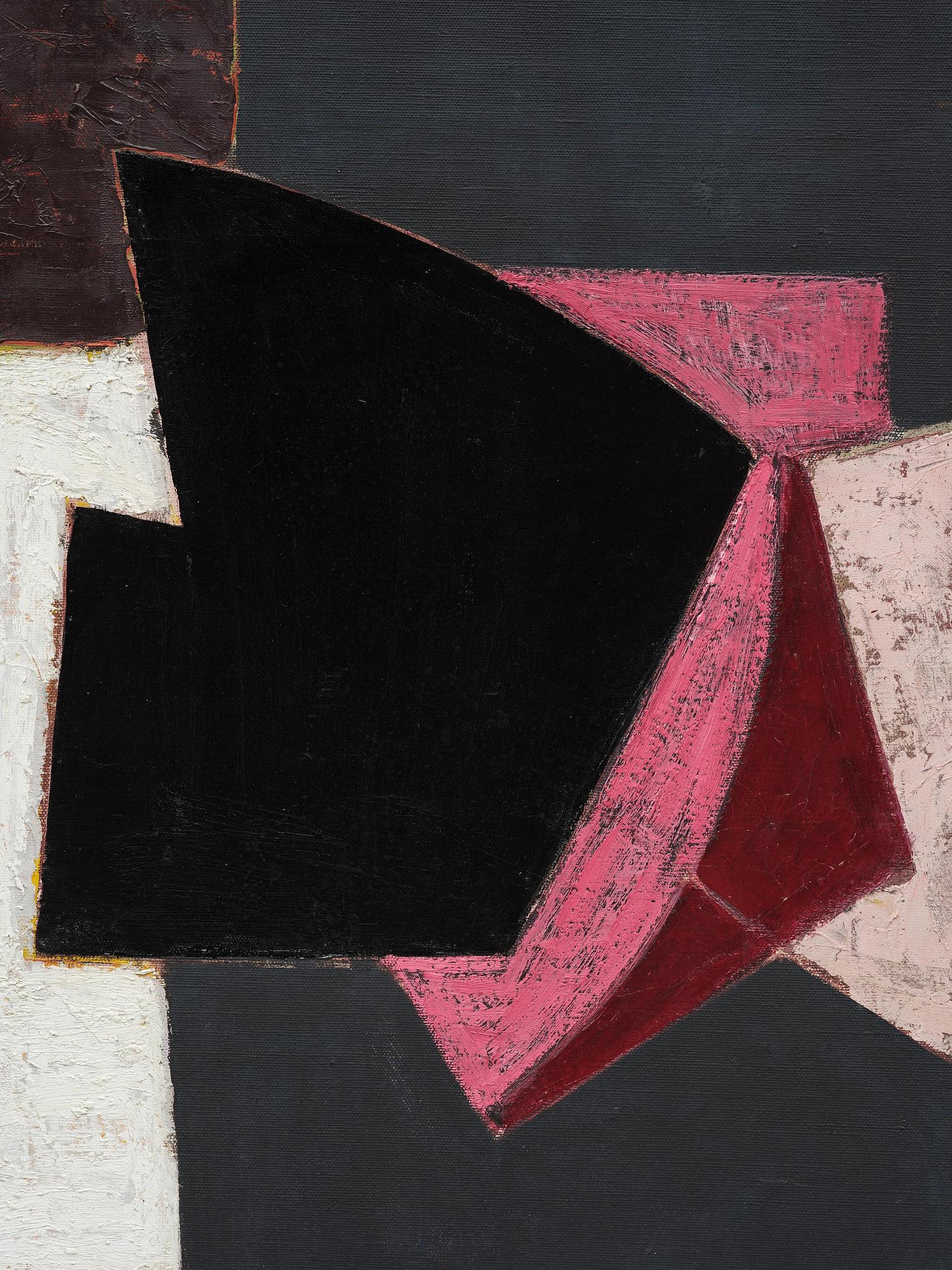
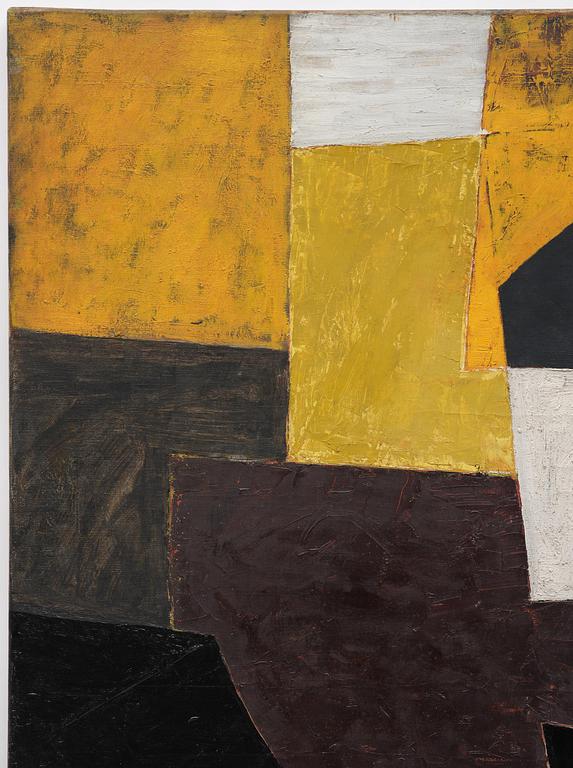
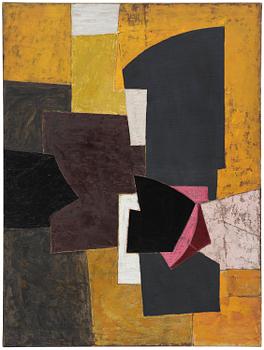
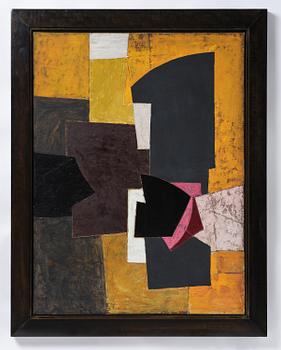
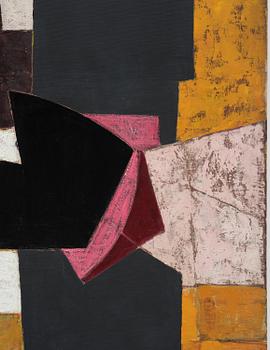
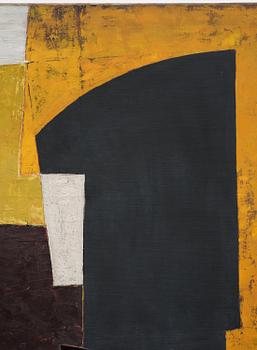
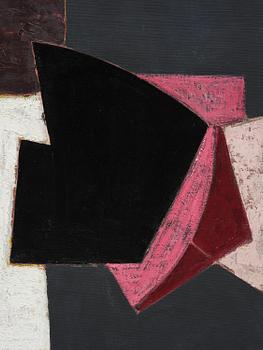
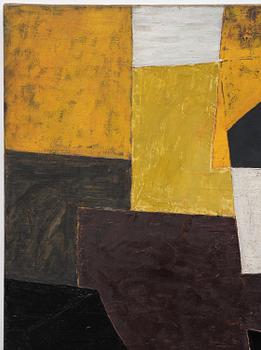
The painting Composition: Yellow, Black and Pink from 1952, included in the auction, is an excellent example of this pivotal period. Here, the pictorial surface is organised through clearly defined areas of colour, in which yellow, black and pink interact within a carefully balanced composition. Rather than creating illusionistic depth, Heath constructs a sense of spatiality that emerges from the interplay of colour intensity, proportion, and relational dynamics. The result is an image in which each element is essential to the equilibrium and rhythm of the whole. Janye Rye, in her monograph on the artist states: "The technique of allowing one colour to penetrate another was adopted by Heath from the Russian artist Serge Poliakoff, but whereas in Poliakoff's it leads often to a diaphanous lightness, so that his shapes float over the canvas, in Heath's hands it is used to create a feeling of weight and substance not acheived by any of his abstract colleagues." The painting belongs to Heath’s most important body of work and was featured on the cover of Jane Rye’s monograph, published in 2012.
Heath’s working method during this period is characterised by an intuitive yet controlled process, in which composition develops through successive adjustments rather than predetermined systems. He himself emphasised that forms must “grow out of the act of painting,” an idea clearly manifested in the work’s organic structure. Despite its geometric clarity, the painting is perceived as alive and in flux, with colour fields appearing to have found their place through a natural visual logic.
Colour plays a decisive role in Heath’s early 1950s paintings. In the present work, yellow functions as a luminous, unifying force; black introduces structure and weight; while pink adds a softer tone that creates balance and visual resonance. This carefully calibrated palette underscores the work’s duality between strict construction and sensuous chromatic experience.
Composition: Yellow, Black and Pink succinctly encapsulates Adrian Heath’s contribution to British modernism during this period. It combines constructive clarity with painterly presence and bears witness to an artist who, in the early 1950s, formulated one of the most compelling responses to the postwar search for new abstract expressions. At the same time, it is a painting that transcends its historical context. In its immediate presence, luminous chromatic harmony, and precise yet open structure, the work carries an unusual combination of stillness and energy. It is an image that does not merely come into being before the viewer, but continues to unfold in the act of looking—where the colour fields seem to vibrate in subtle motion, and the composition appears both resolved and in constant transformation.
For condition report contact specialist

Covered by droit de suite
Image rights
The artworks in this database are protected by copyright and may not be reproduced without the permission of the rights holders. The artworks are reproduced in this database with a license from Bildupphovsrätt.
Others have also viewed