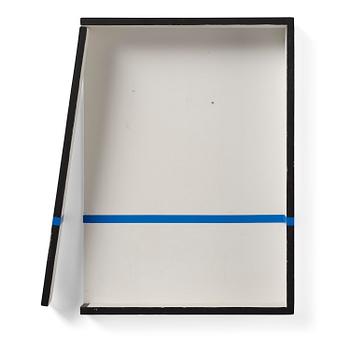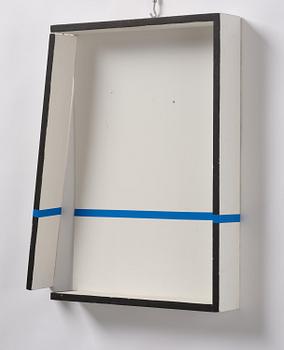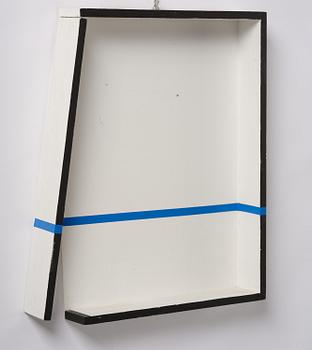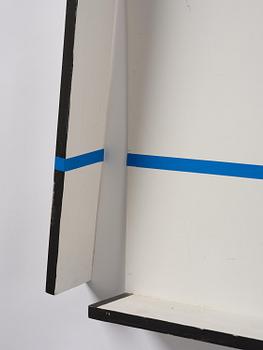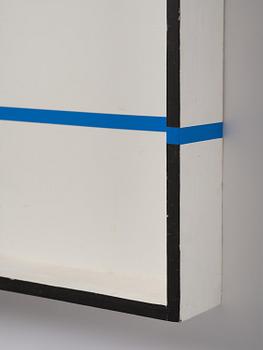
Untitled
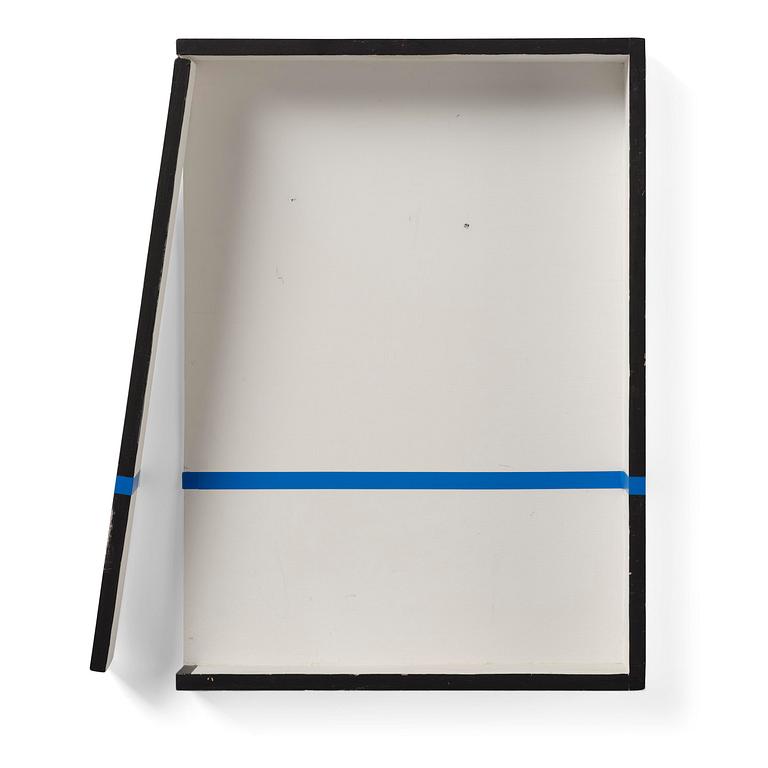
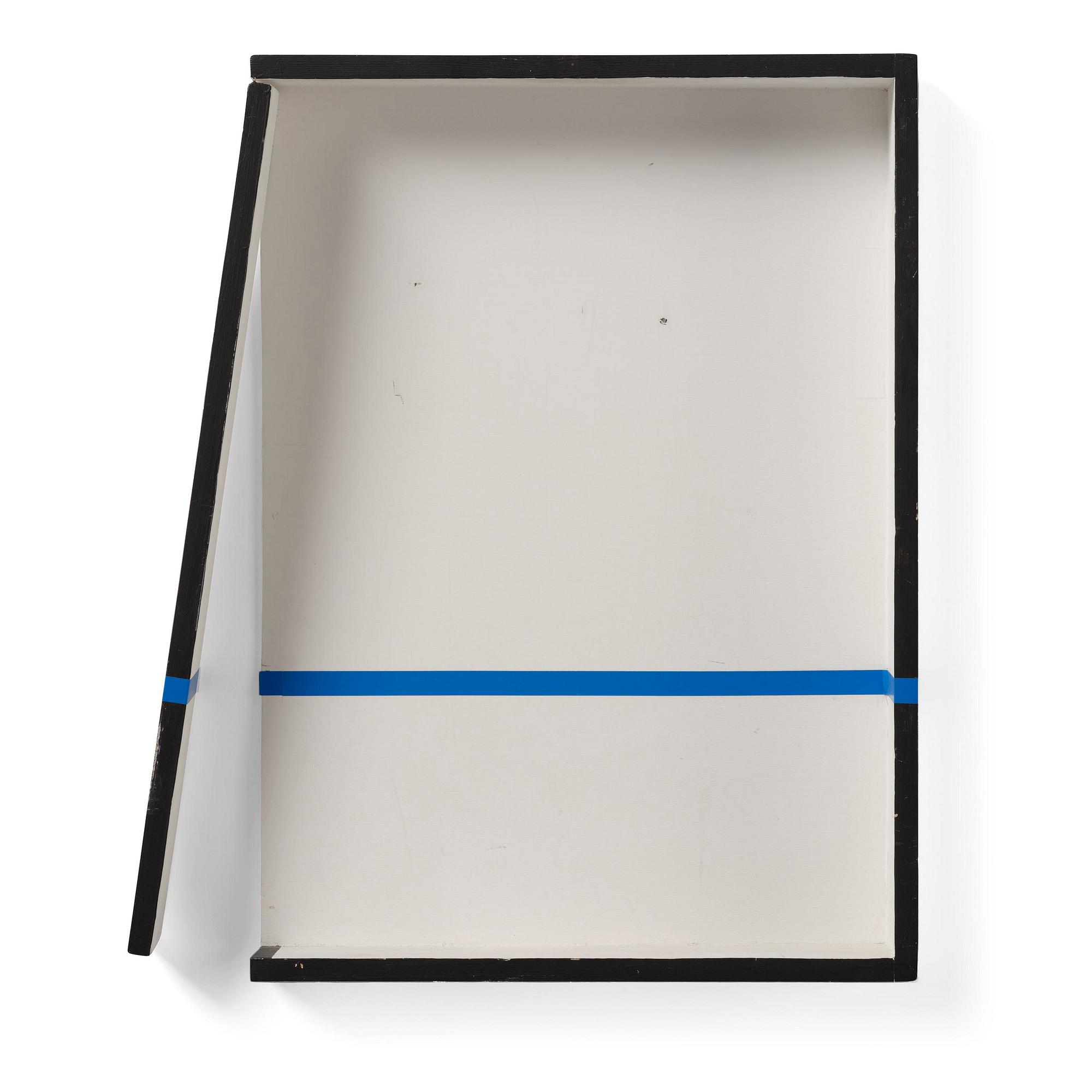
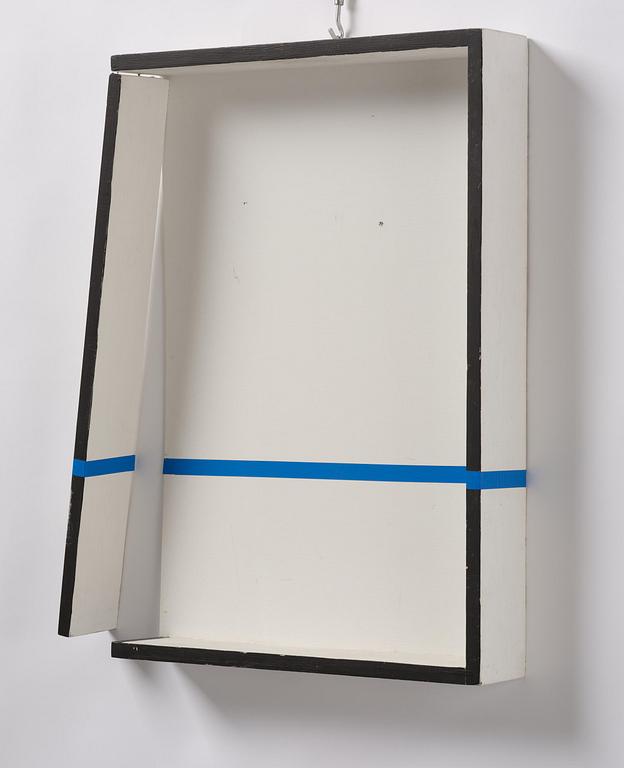
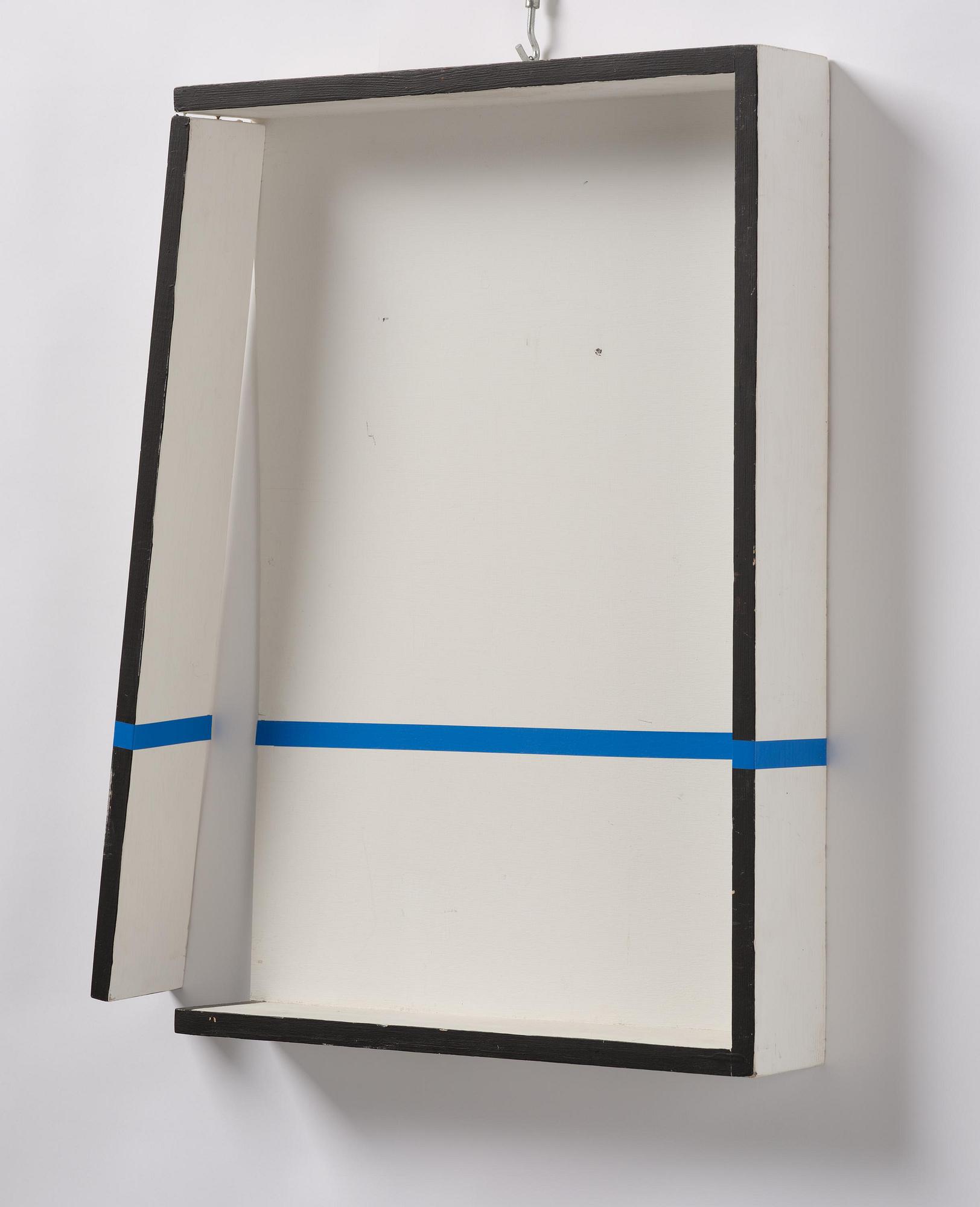
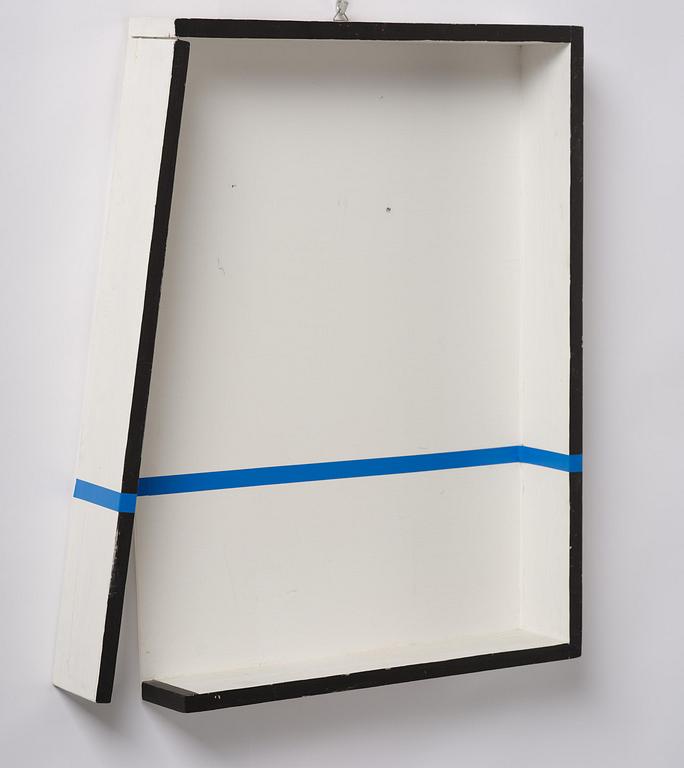
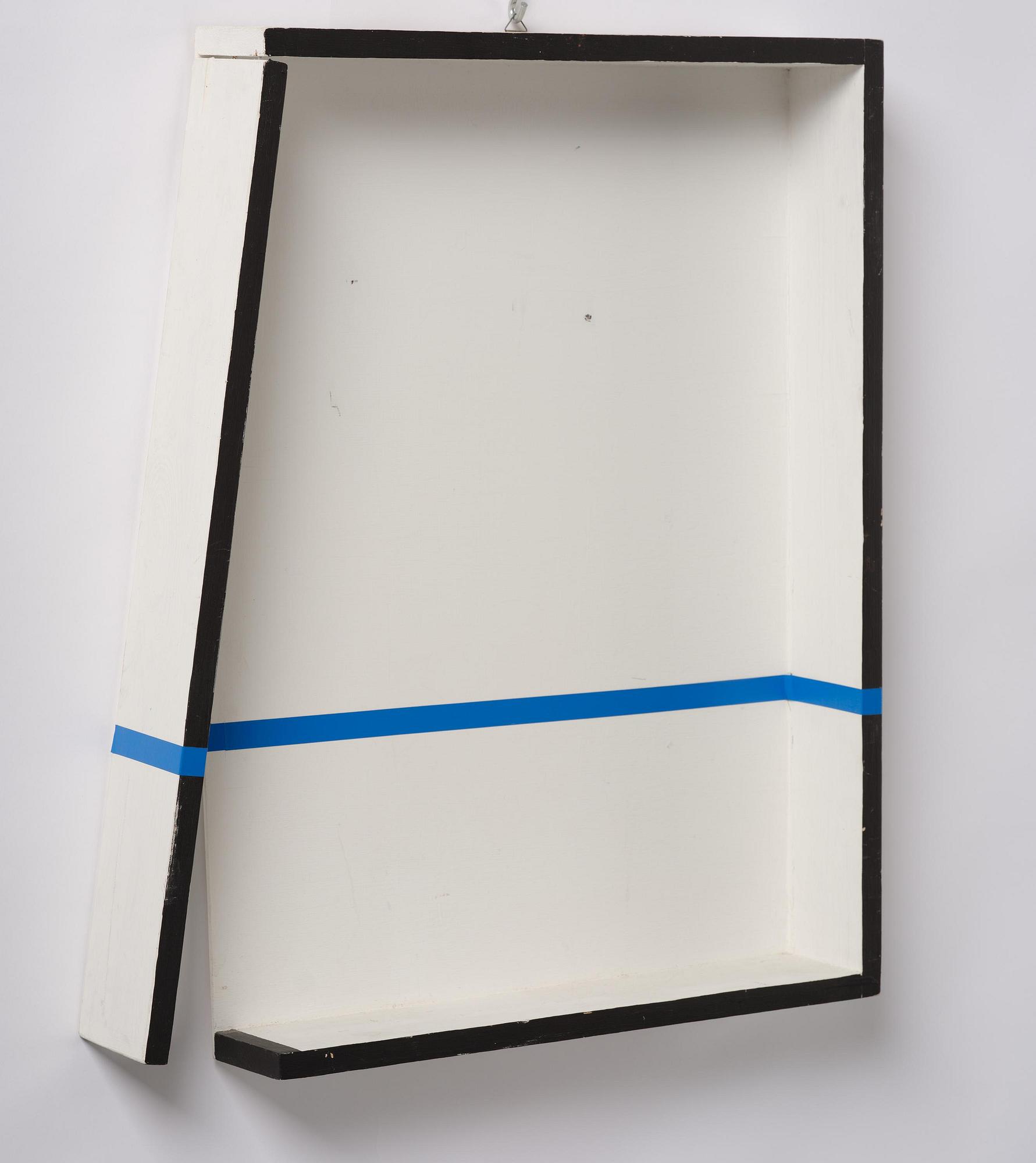
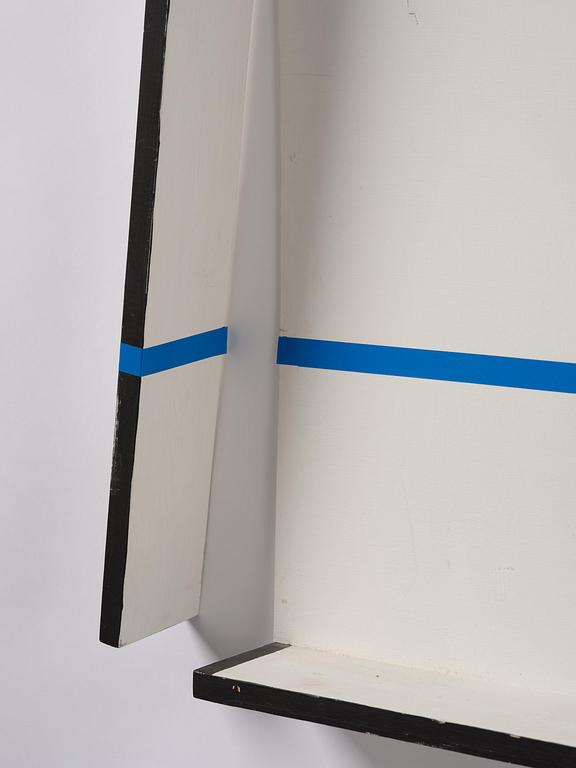
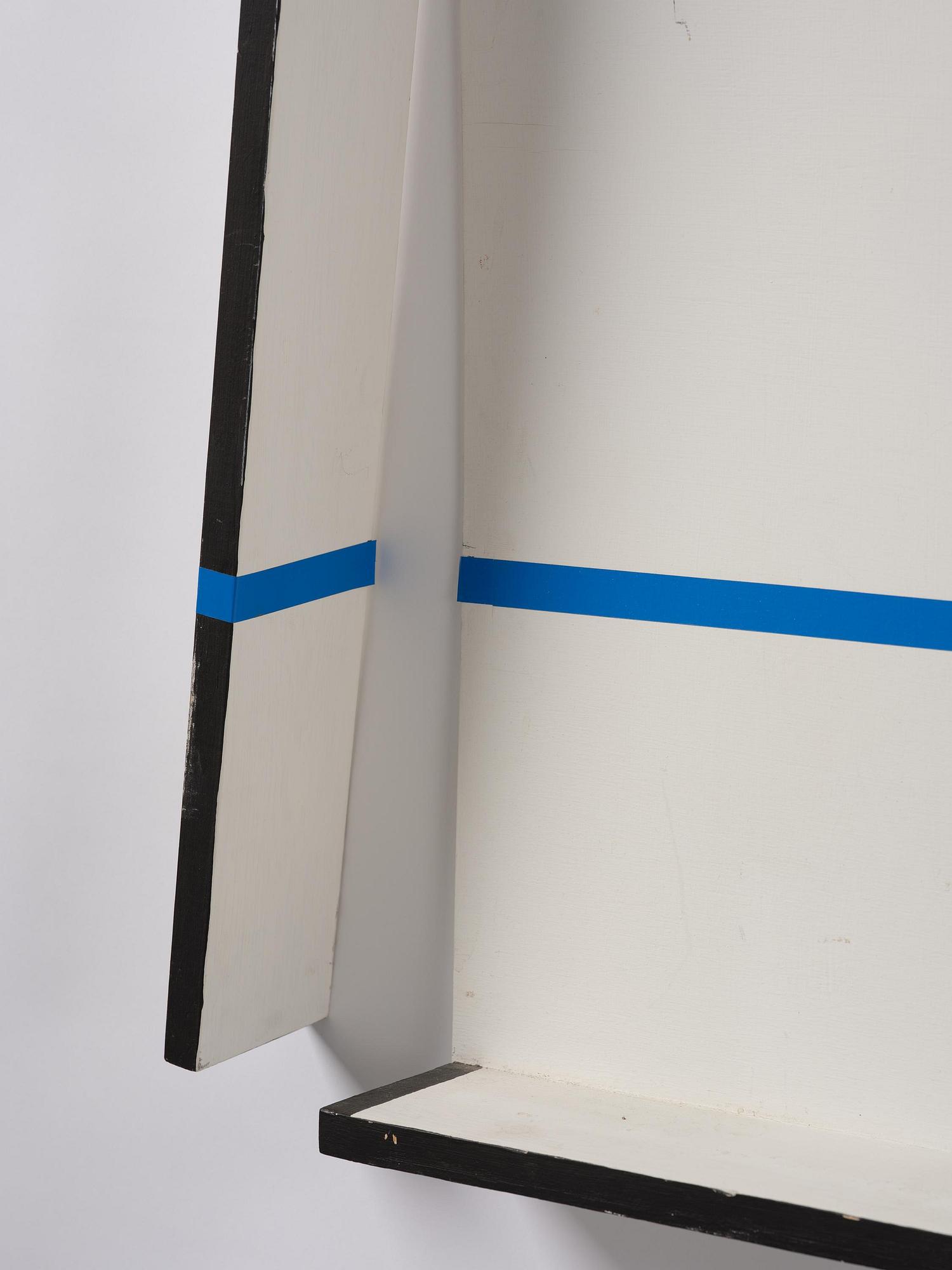
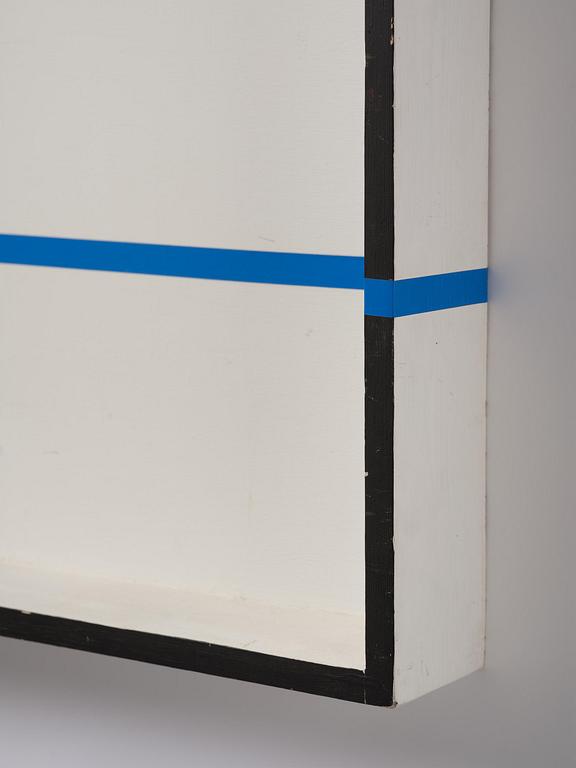
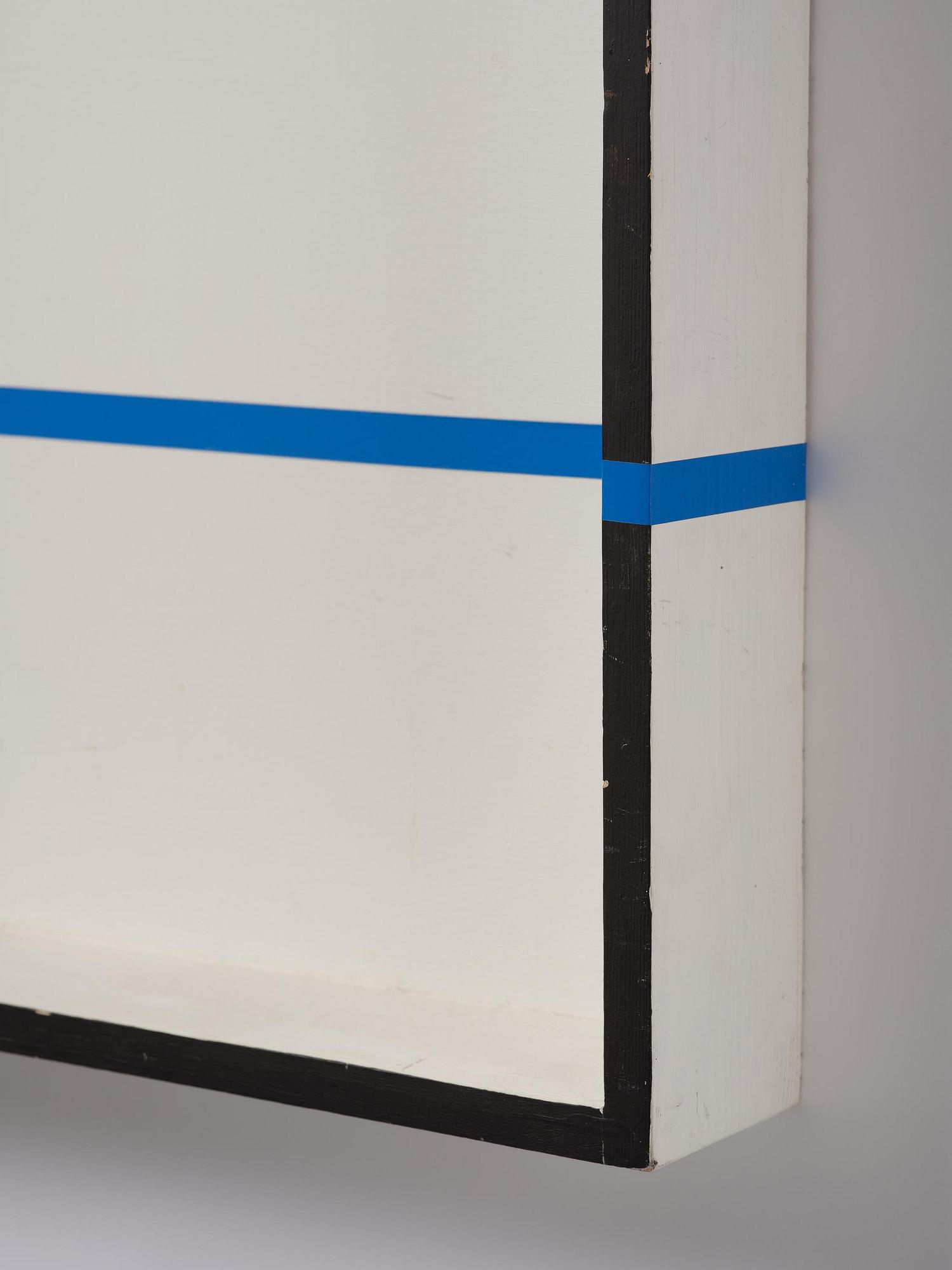
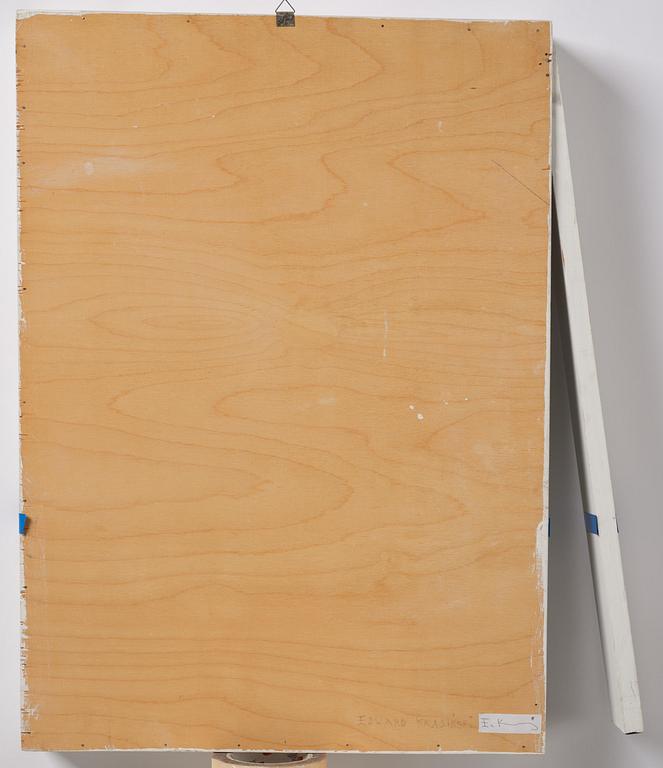
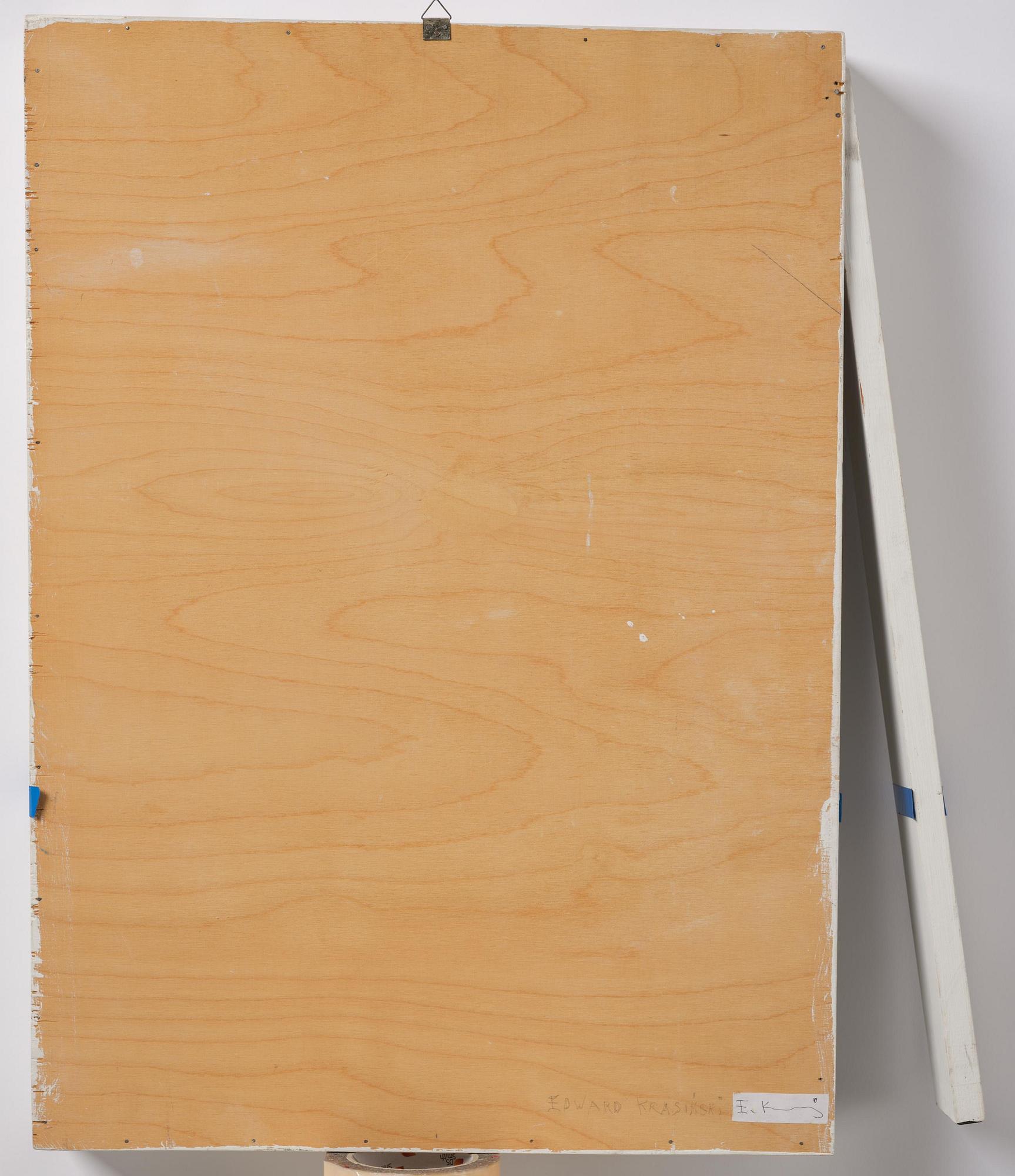
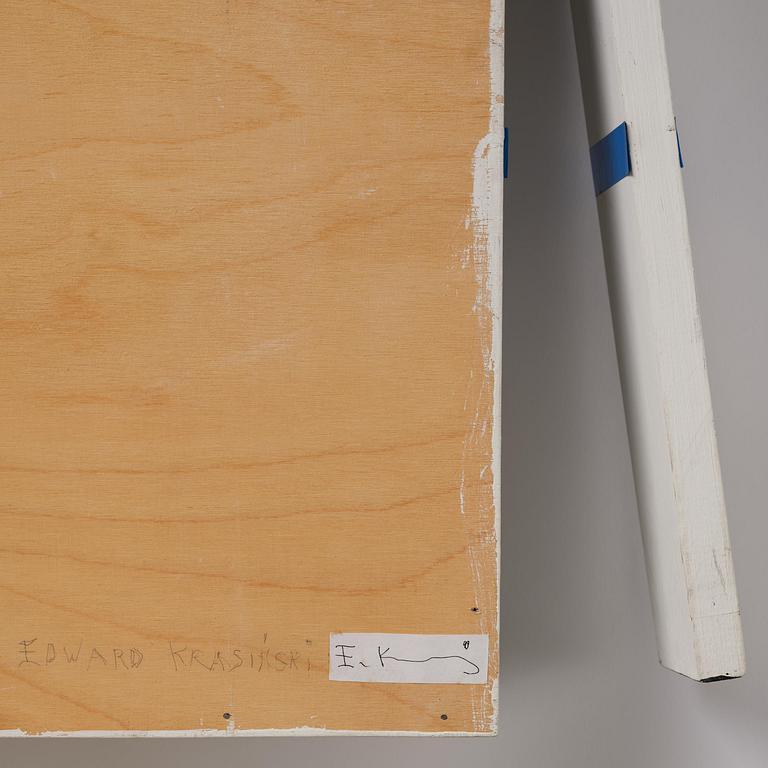
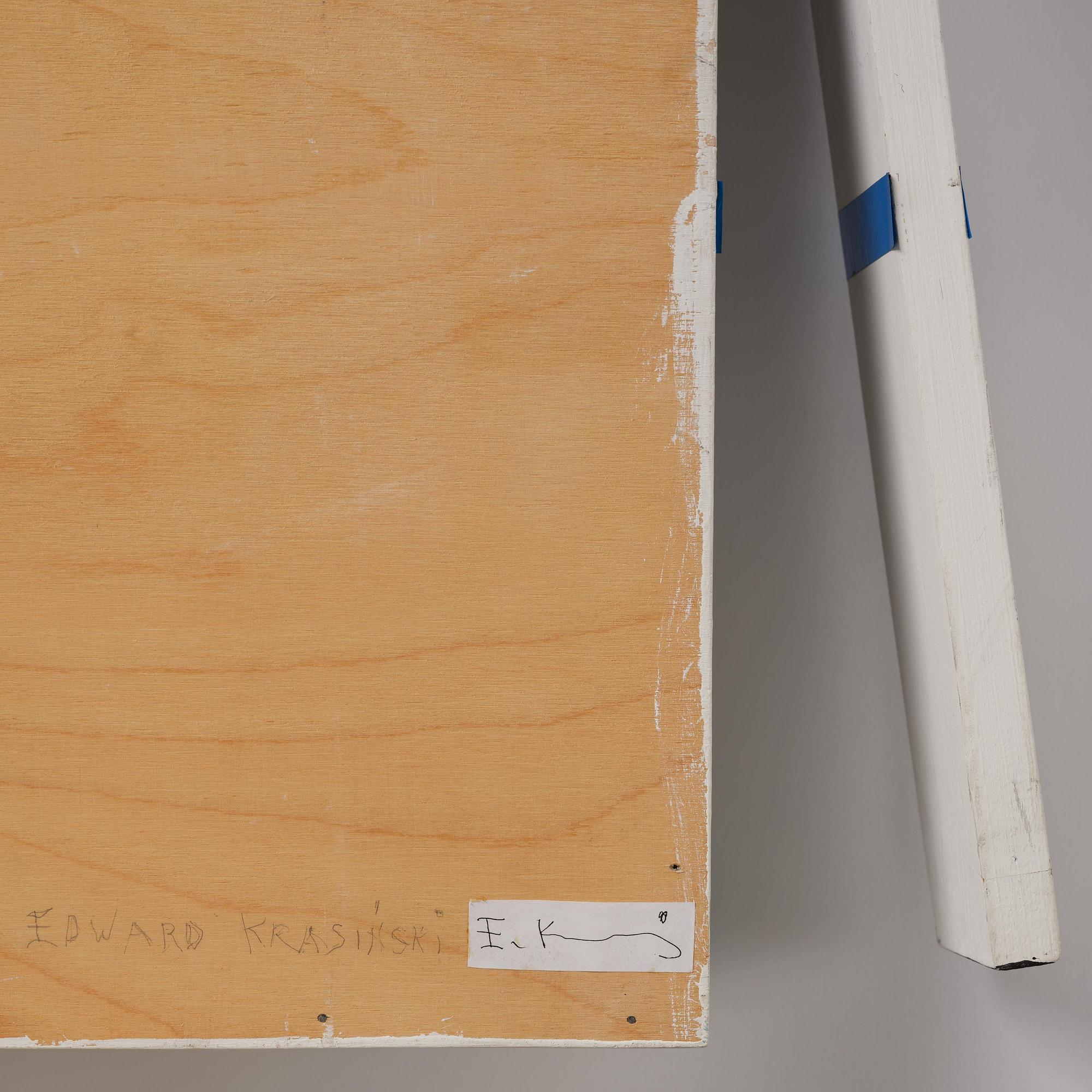
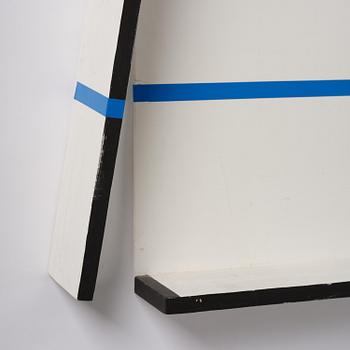
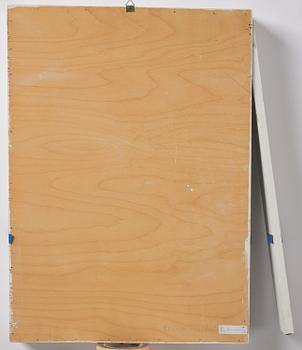
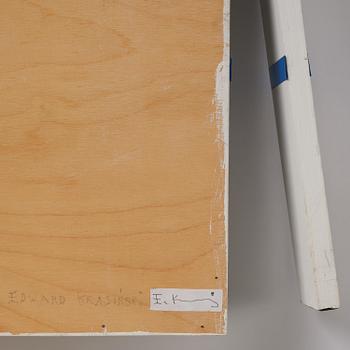
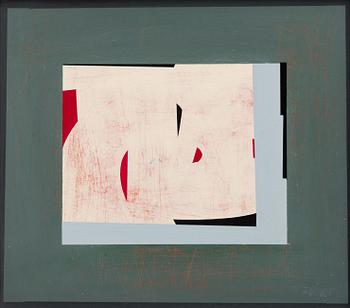
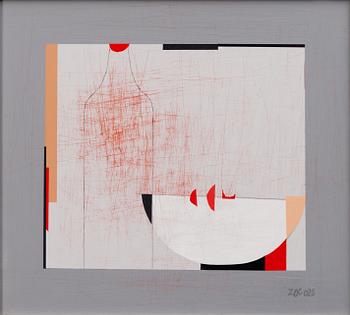
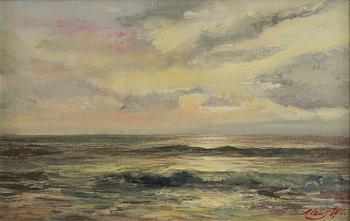
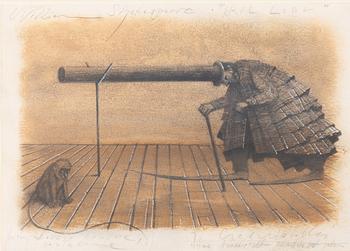
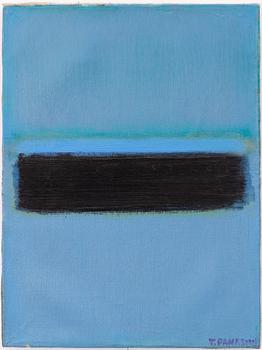
Signed in pencil a tergo, also stamp-signed on label verso. Mixed media, acrylic, adhesive tape on board. Asymmetrical, 69 x 60 cm.
Provenance
Galleri Art-On, Halmstad, Sweden.
More information
Edward Krasiński (1925–2004) was a central figure in the Polish Neo-Avant-Garde and one of the most significant Eastern European artists of the twentieth century. His artistic career took shape relatively late. After studying design and painting in Kraków, he moved to Warsaw in 1954, where he worked as an illustrator and designer. Alongside his professional work, he developed a style of painting influenced by Dadaism and Surrealism before abandoning traditional painting in favour of exploring new forms of artistic expression. In 1965, at the age of forty, he held his first solo exhibition.
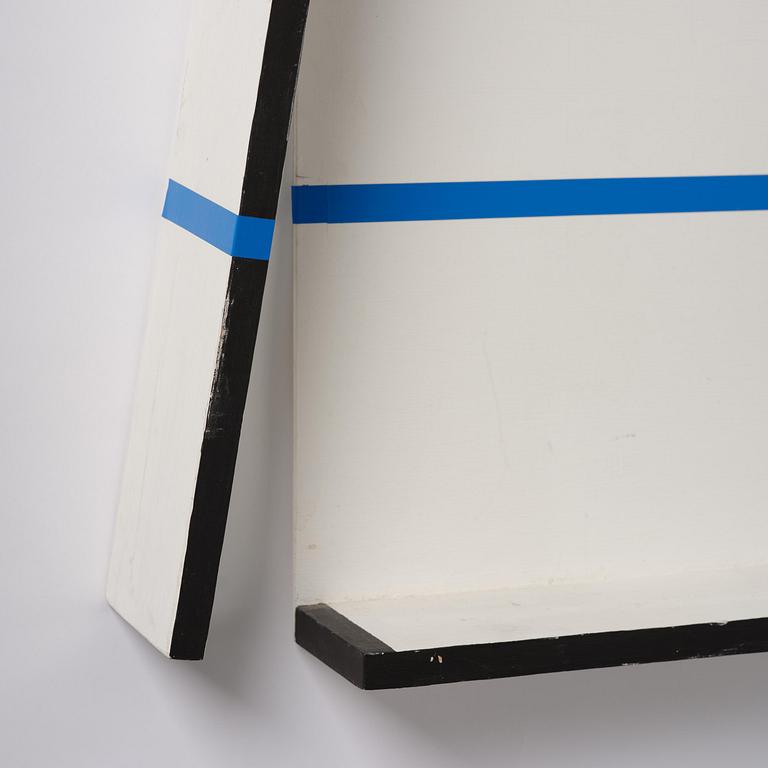
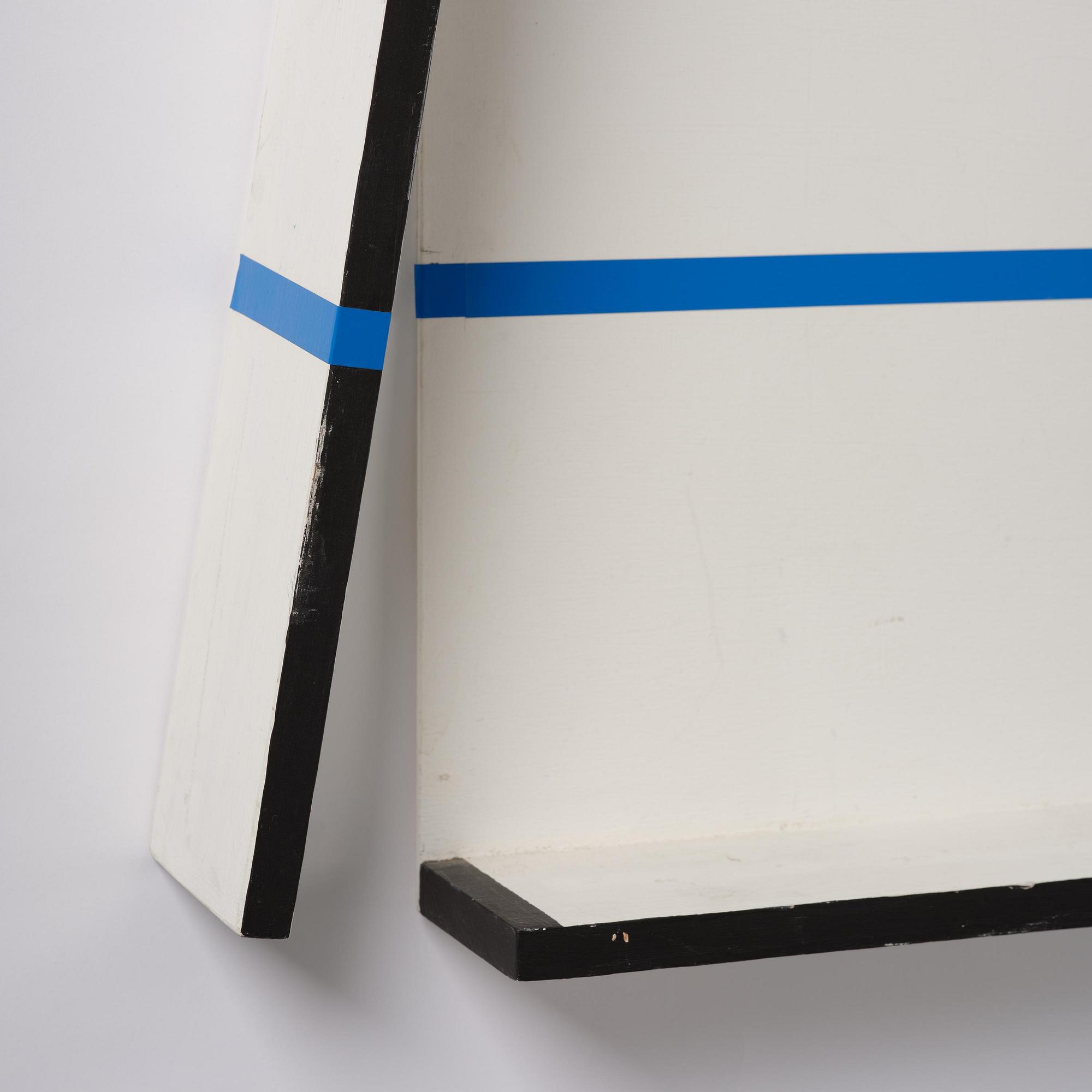
One of Krasiński’s most distinctive artistic devices was his use of blue adhesive tape, which, from 1968 onwards, became a recurring and iconic element of his practice. The artist described his method in his own words: “I place it horizontally, at a height of 130 centimetres, everywhere and on everything.” The blue line evolved from what appeared to be a simple intervention in the surrounding environment into an independent artistic language.
In 1970, Krasiński moved into the Warsaw apartment of Polish Constructivist artist Henryk Stażewski. Stażewski became a close friend and important mentor, introducing him to influential gallery owners. Following Stażewski’s death in 1988, Krasiński processed his loss through temporary works and installations.
In 1989, he presented the exhibition Homage to Stażewski at Foksal Gallery, which he had also helped to establish. Here, he recreated their shared home through large-scale photographs of various parts of the interior, including bookshelves, walls and Stażewski’s paintings, combined with Krasiński’s own works. The installation forms the basis of what is now known as the Avant-Garde Institute.
Krasiński’s international breakthrough gained further momentum in 1970, when he participated in the 10th Tokyo International Biennial, Between Man and Matter. When his artworks were delayed in transit, he responded with an action that would become highly significant to his practice and has since been regarded as a precursor to Polish Conceptual Art.
Rather than wait for the works to arrive, he sent a telex in which the word “BLUE” was repeated five thousand times. He had previously sent a telegram to the organisers, instructing them to place the long paper strip on a pedestal alongside the earlier telegram.
The approximately 80-metre-long strip was exhibited until the intended works arrived. At Krasiński’s instruction, the telex strip was then placed inside a bulletproof glass case. Through this seemingly simple yet radical gesture, the focus shifted from the physical art object to the idea, the instruction and the artistic act itself.
Founded in Halmstad in 1989, Galleri Art-On established itself as an important presence on the Swedish art scene. Through an ambitious exhibition programme, it presented both Swedish and international artists, with a particular focus on contemporary Polish art. The gallery also organised exhibitions in collaboration with external institutions and helped introduce several international artists to Swedish audiences.
For condition report contact specialist

What will the transport cost?
Shipping can only be arranged by contacting specialdelivery@bukowskis.com.
Covered by droit de suite
Image rights
The artworks in this database are protected by copyright and may not be reproduced without the permission of the rights holders. The artworks are reproduced in this database with a license from Bildupphovsrätt.