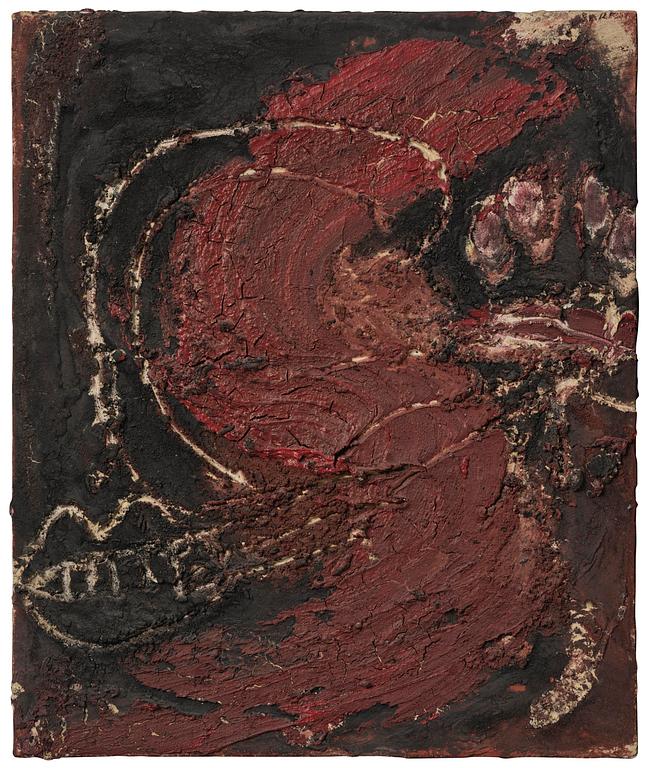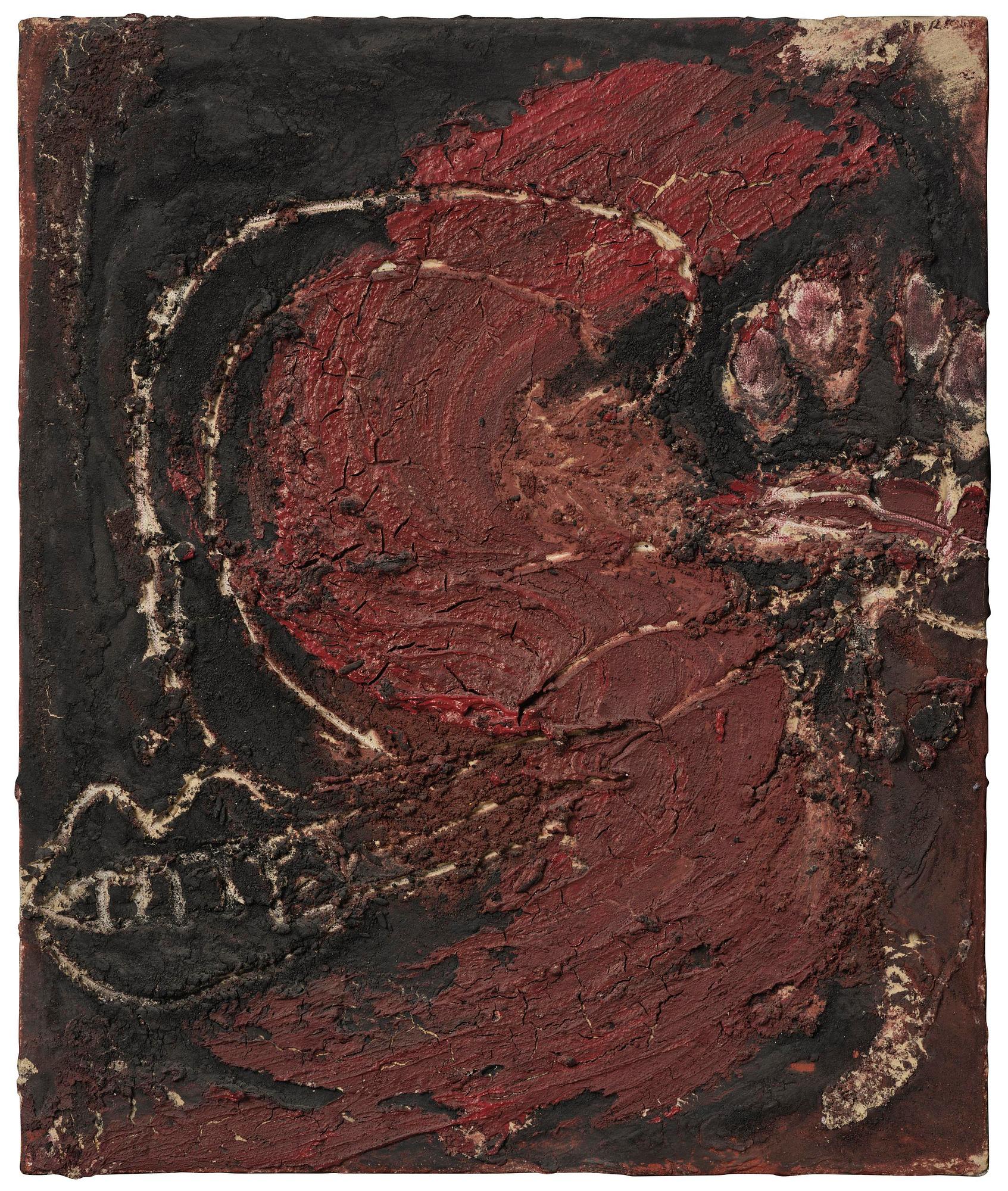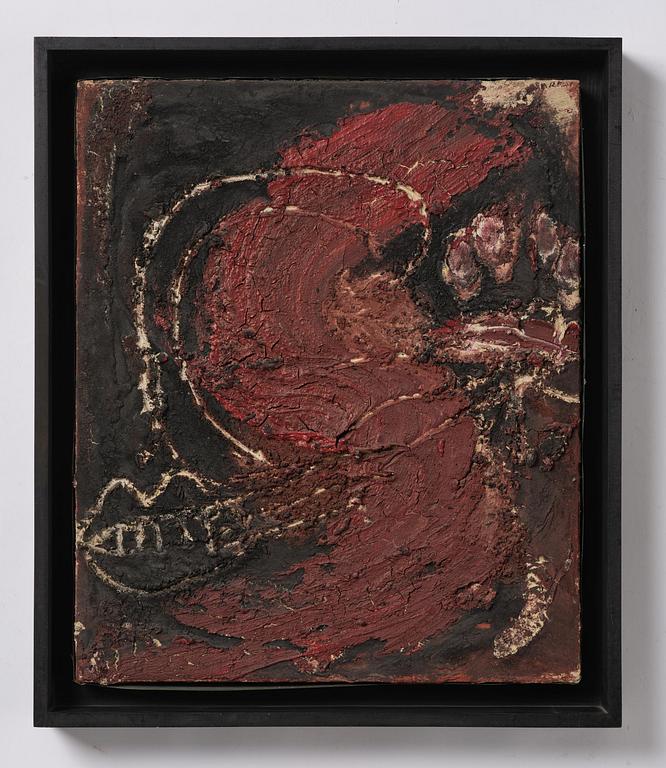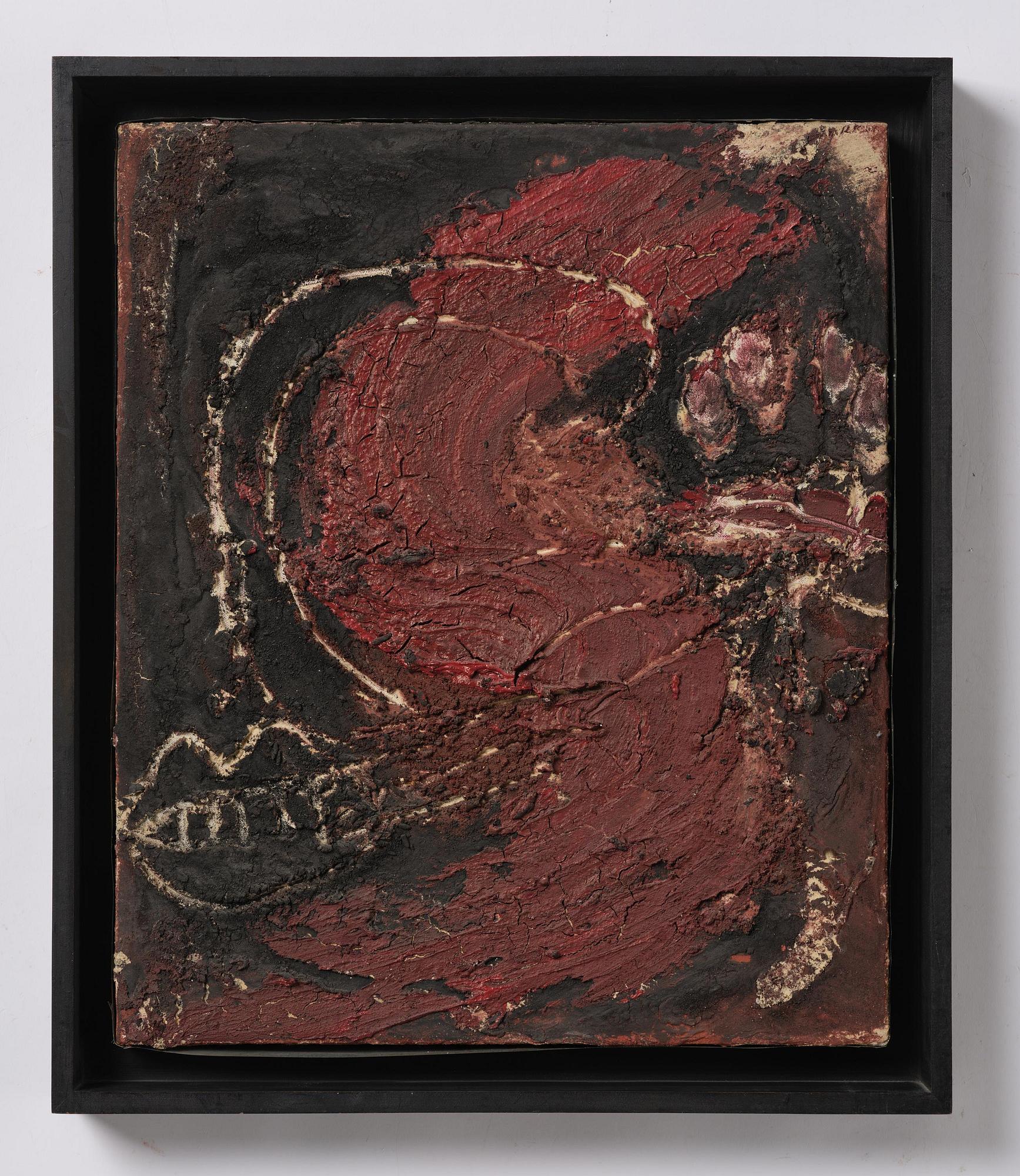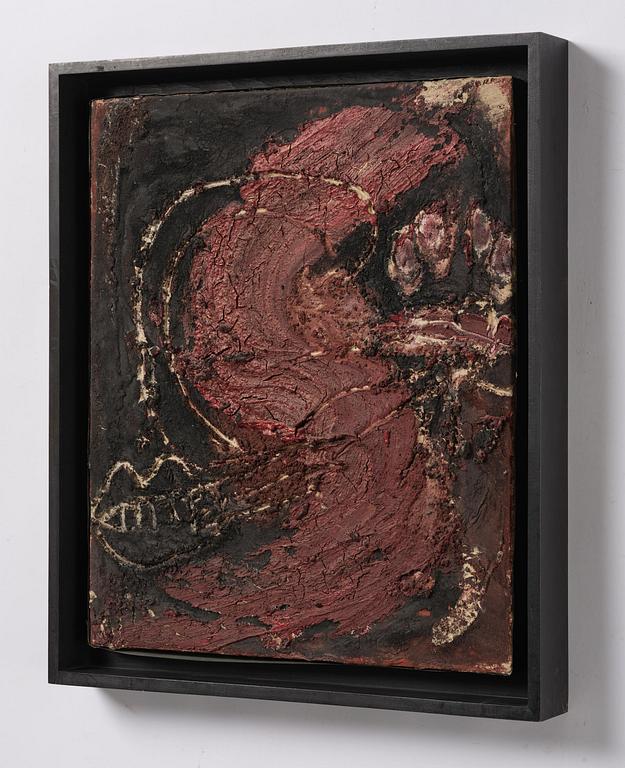
"Petita S vermella"
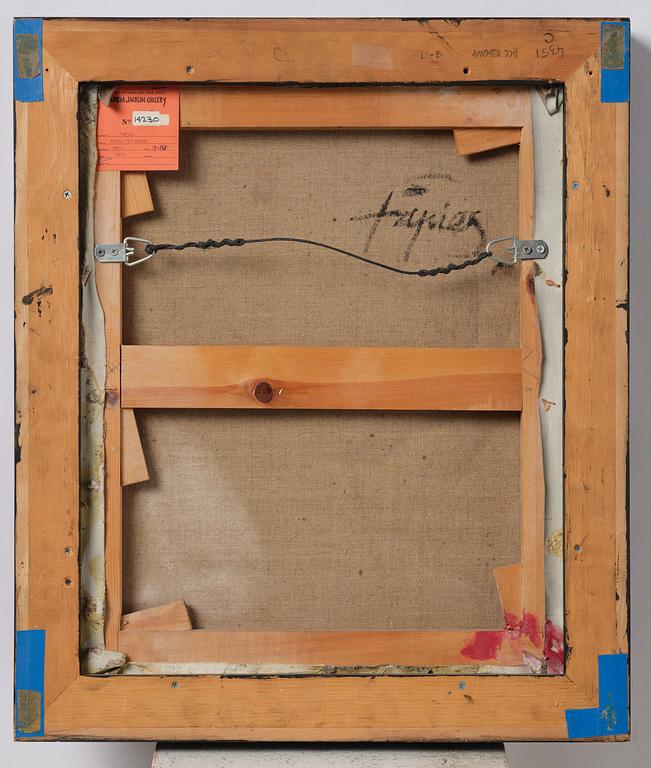
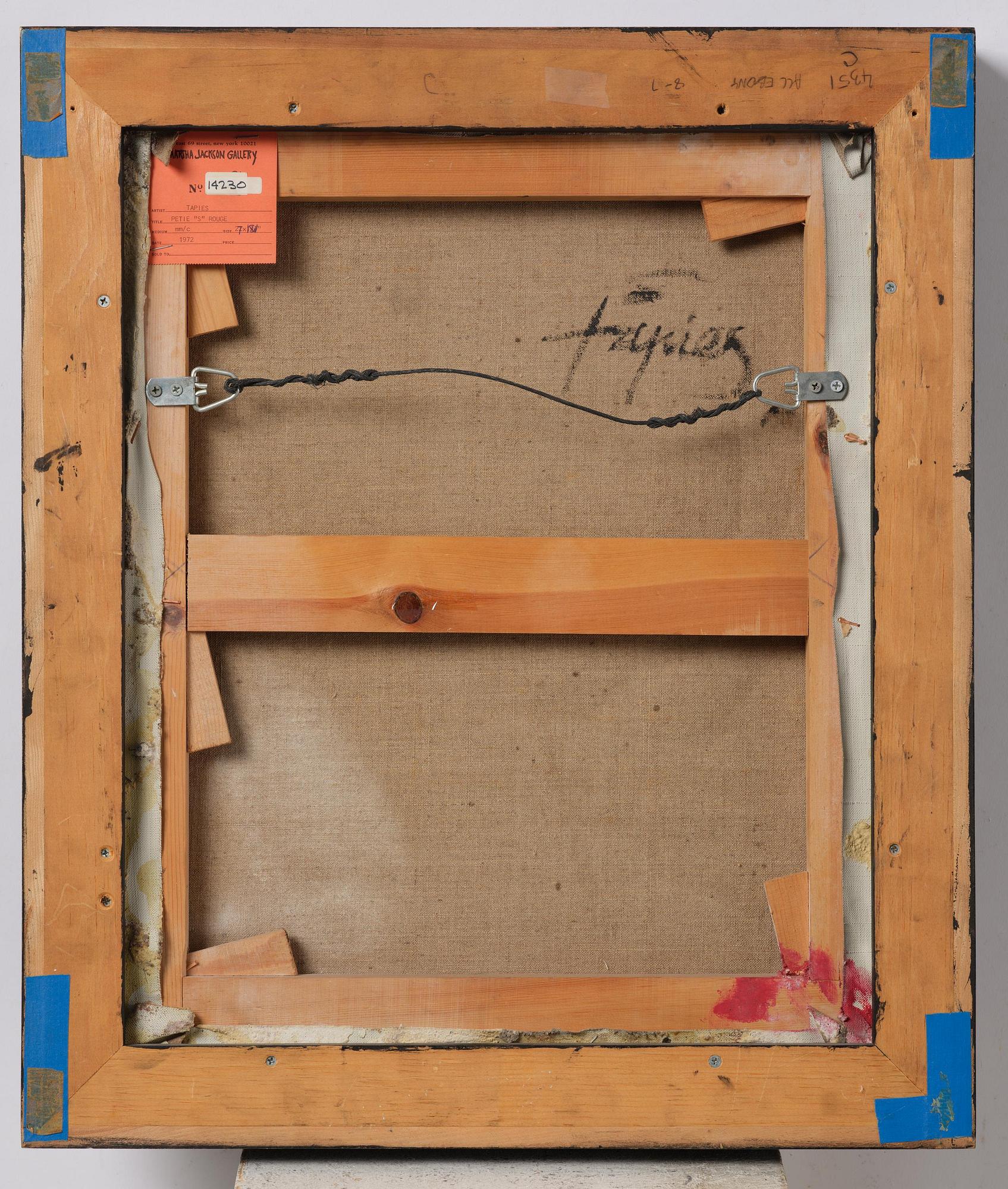
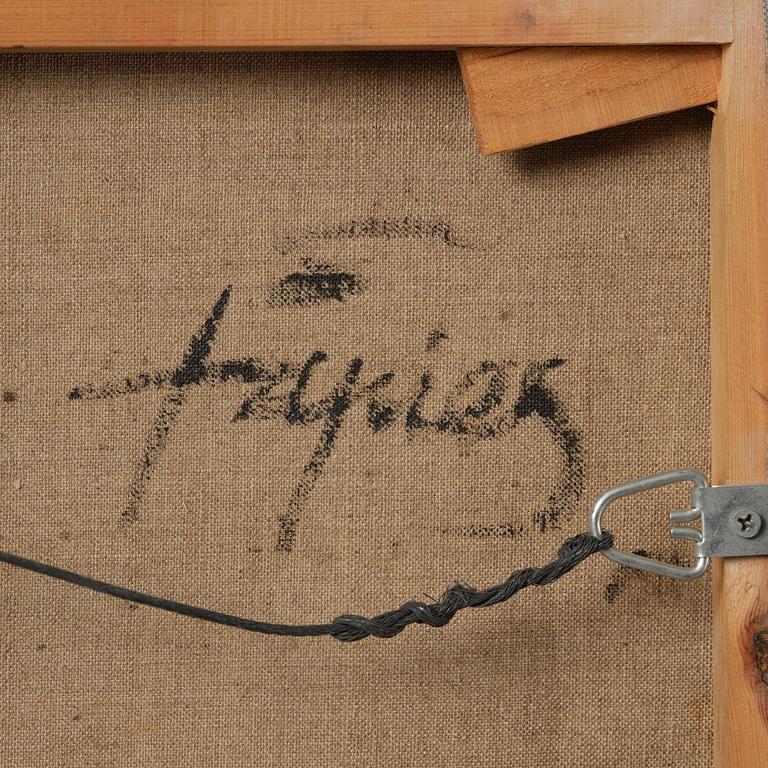
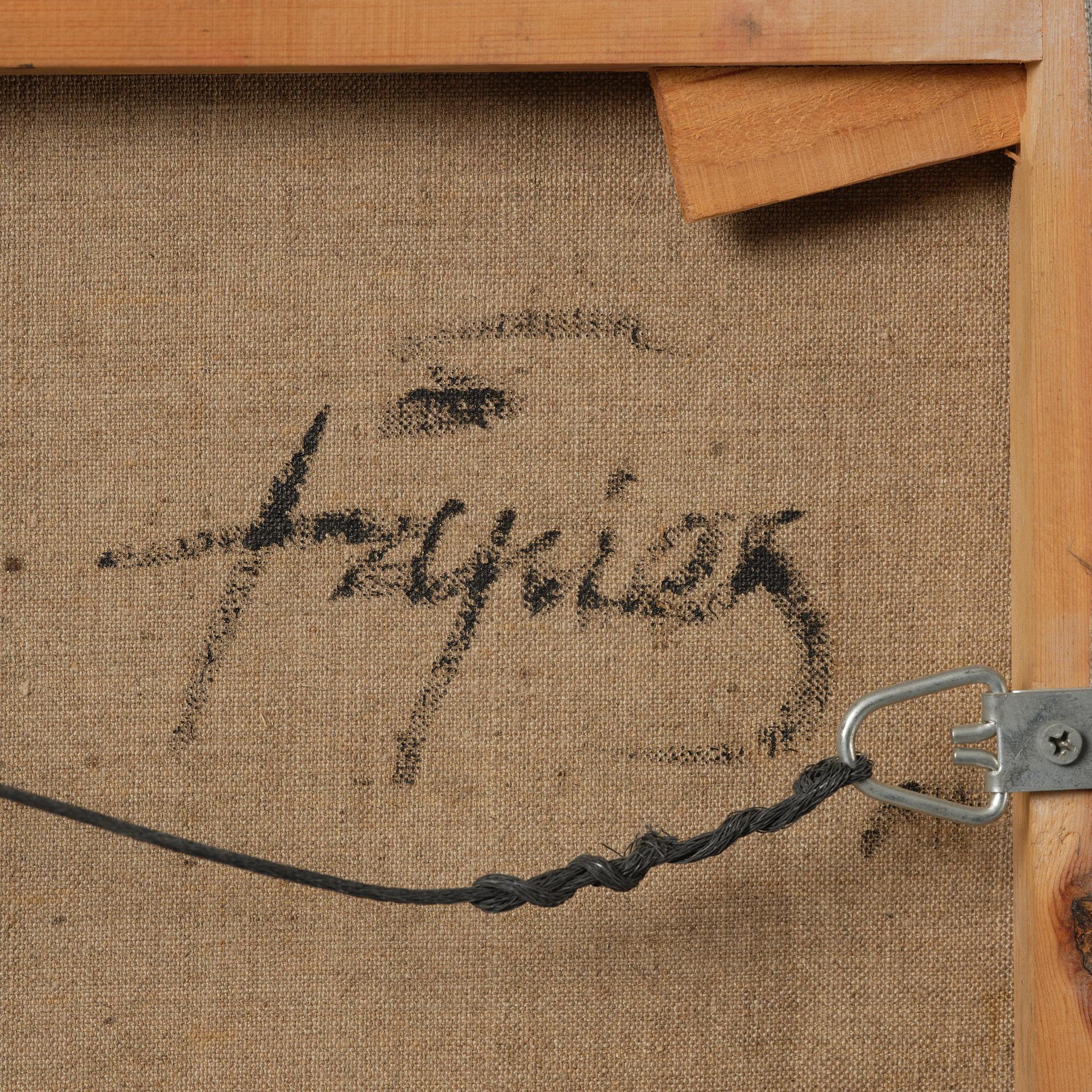
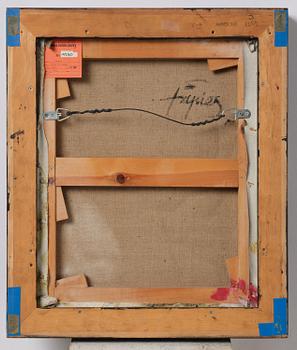
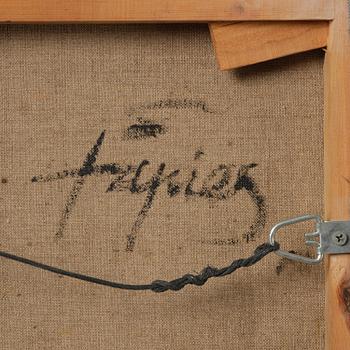
Signed Tàpies verso. Executed in 1972. Oil on canvas, 55 x 46 cm.
Provenance
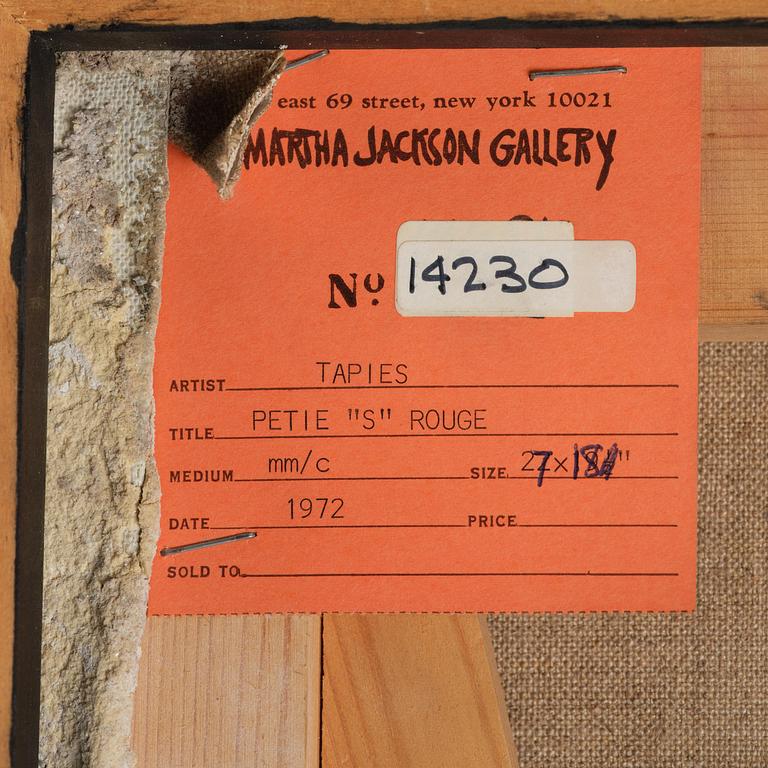
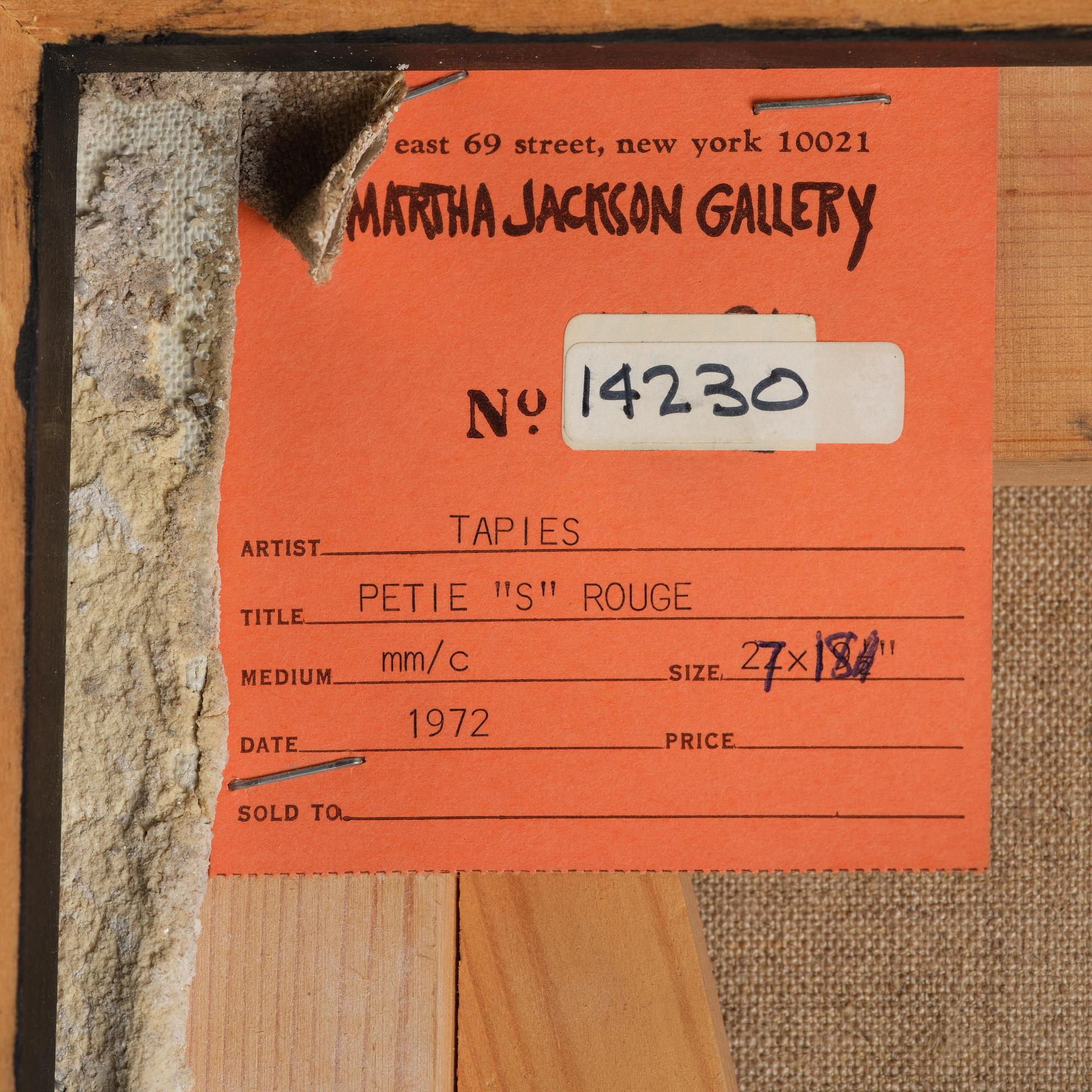
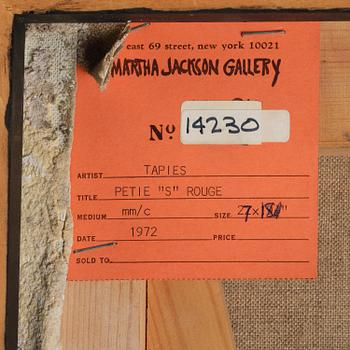
Martha Jackson Gallery, New York.
Galerie Löwenadler, Stockholm.
Galleri 69, Gothenburg.
Private Collection.
Literature
Anna Agustí, “Tàpies: The Complete Works: Vol. 2”, 1961–1968, Barcelona 1990, no. 2497.
More information
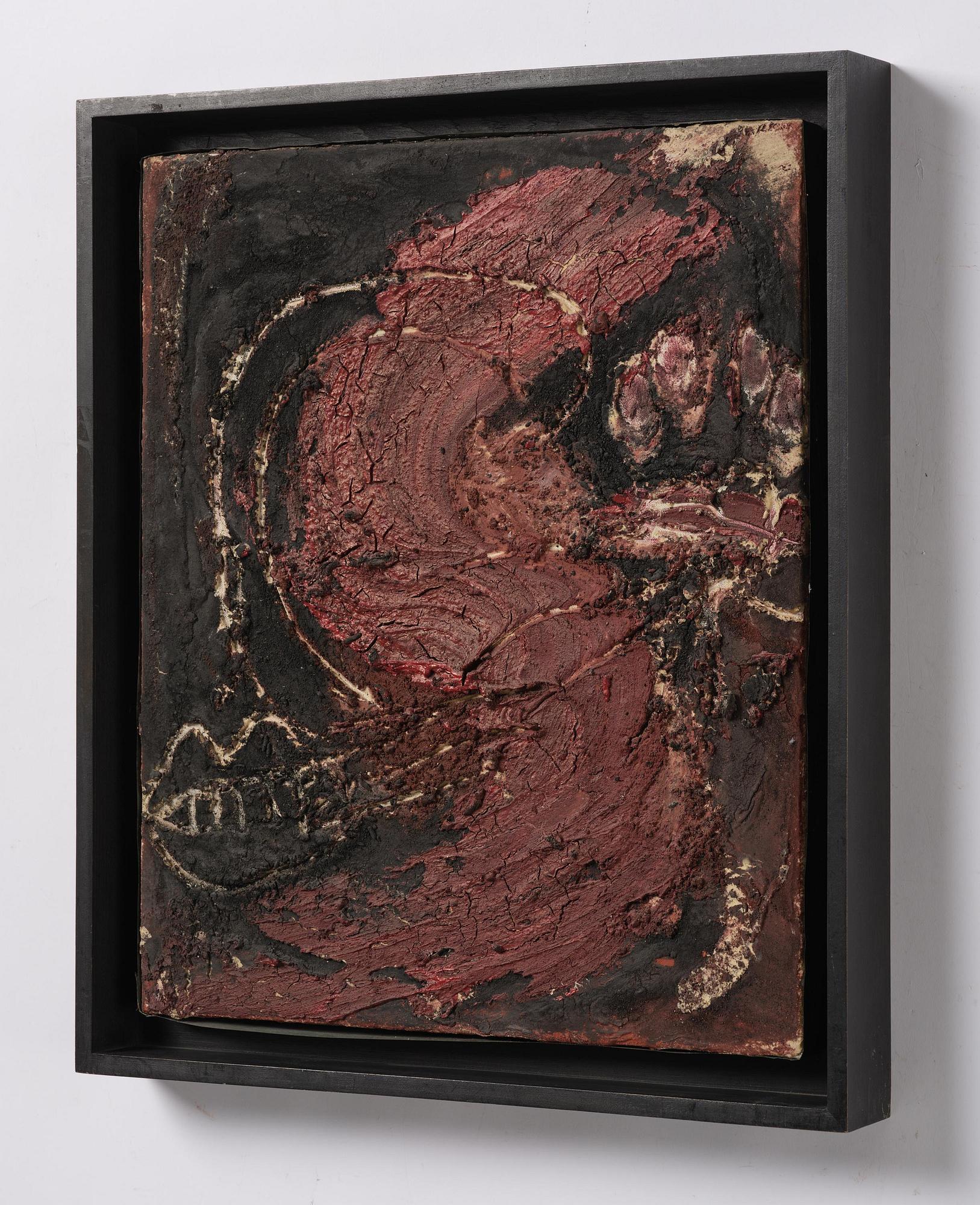
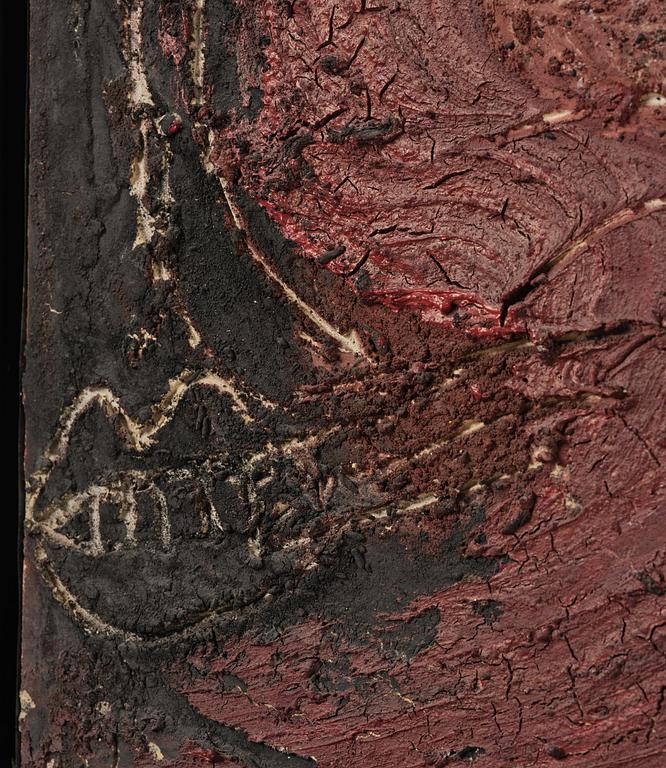
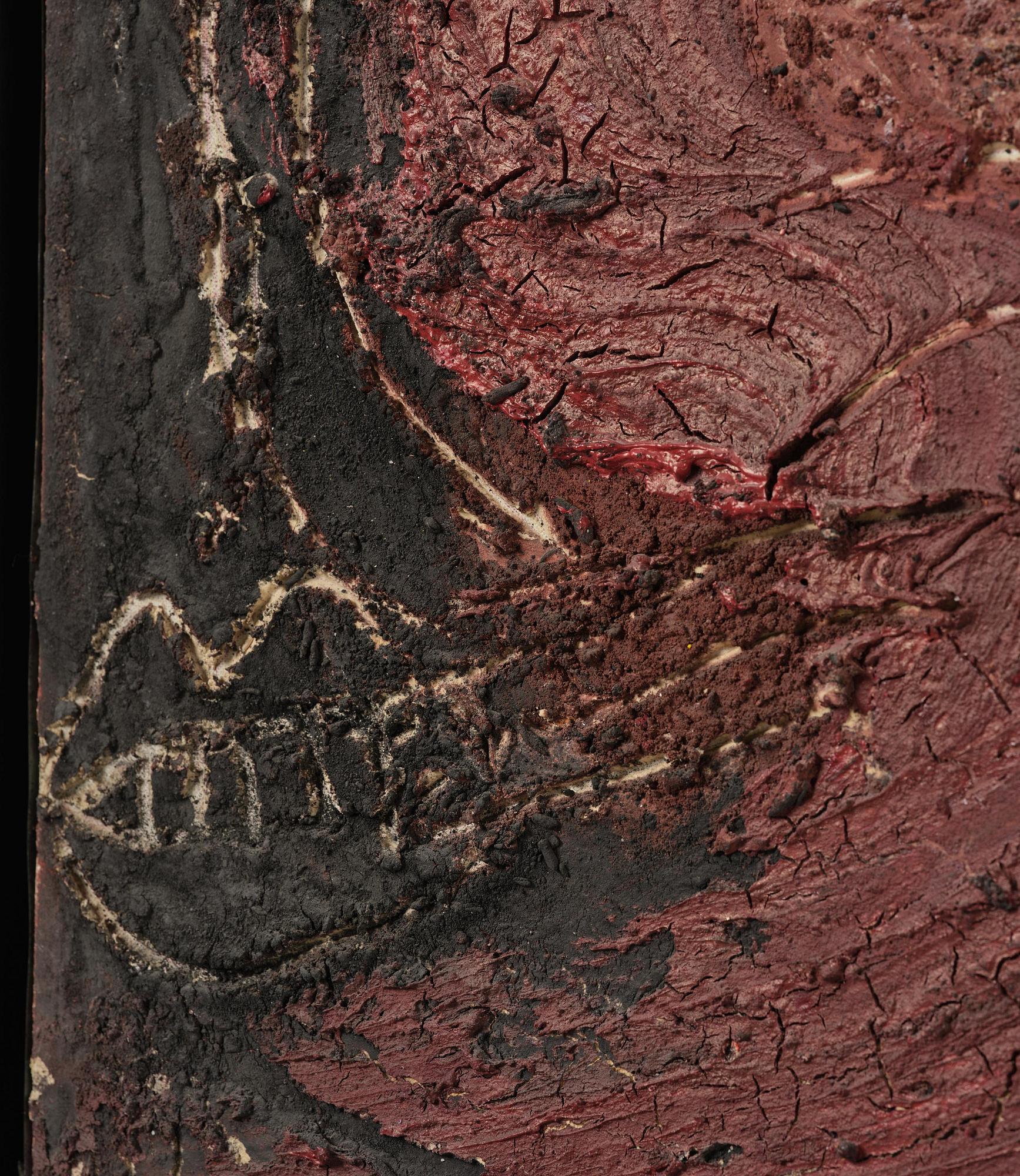
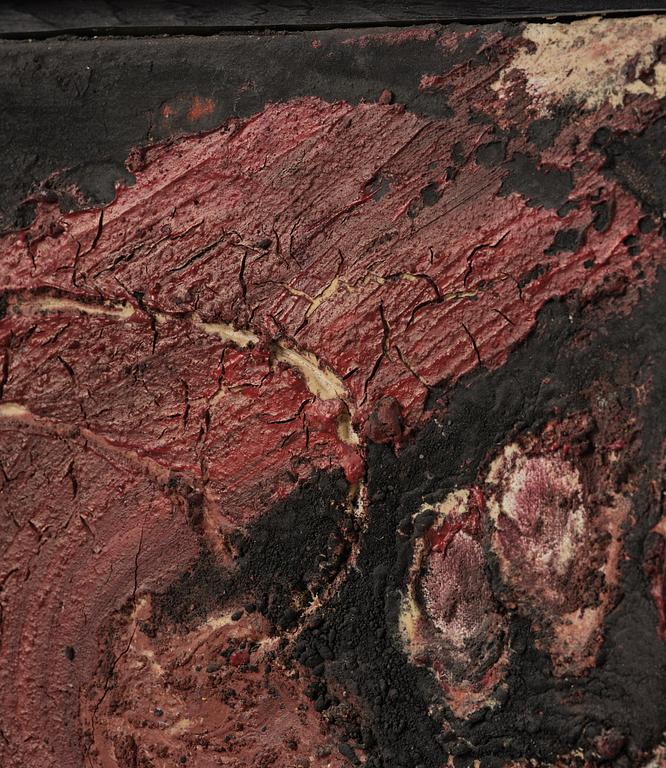
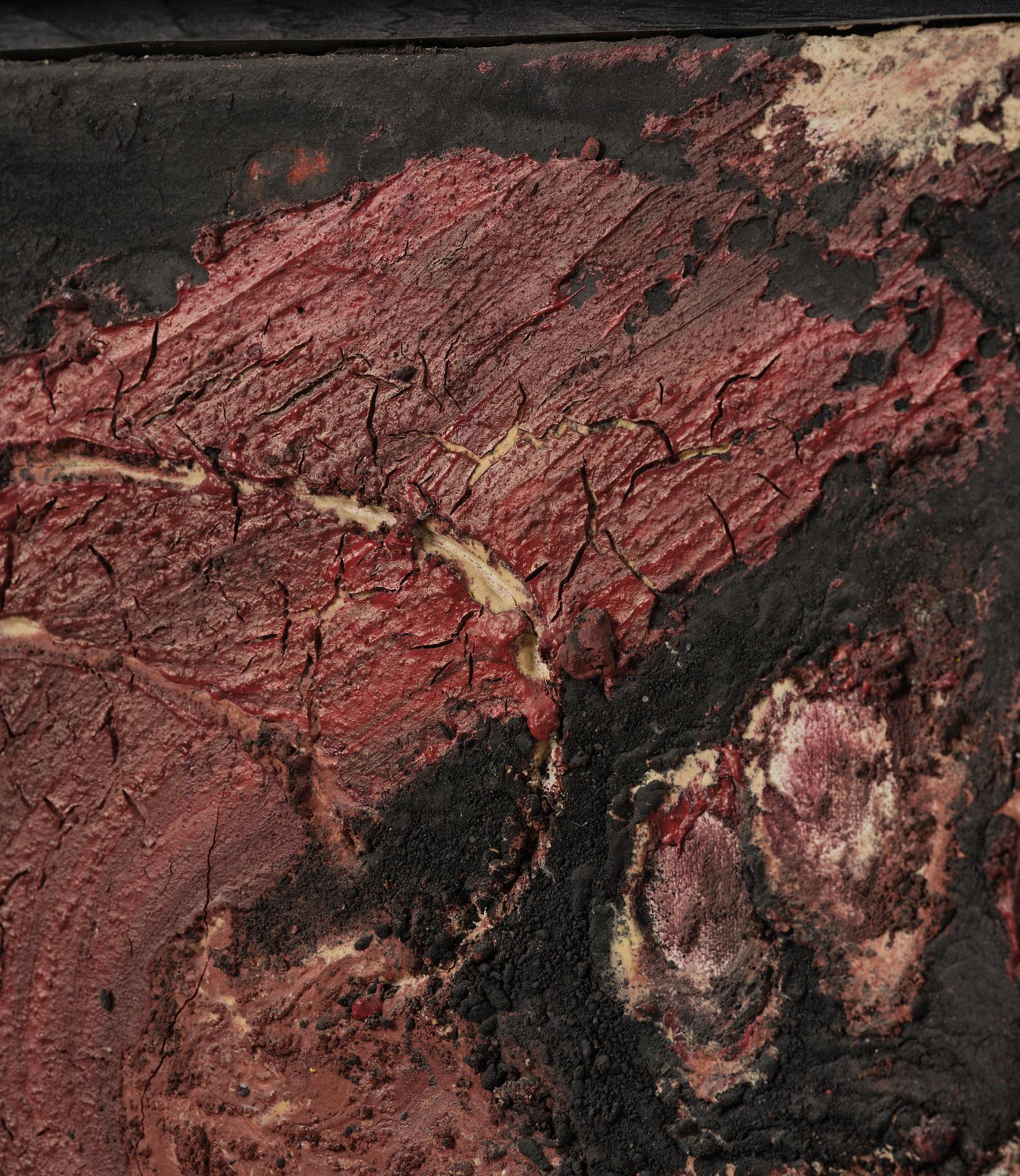
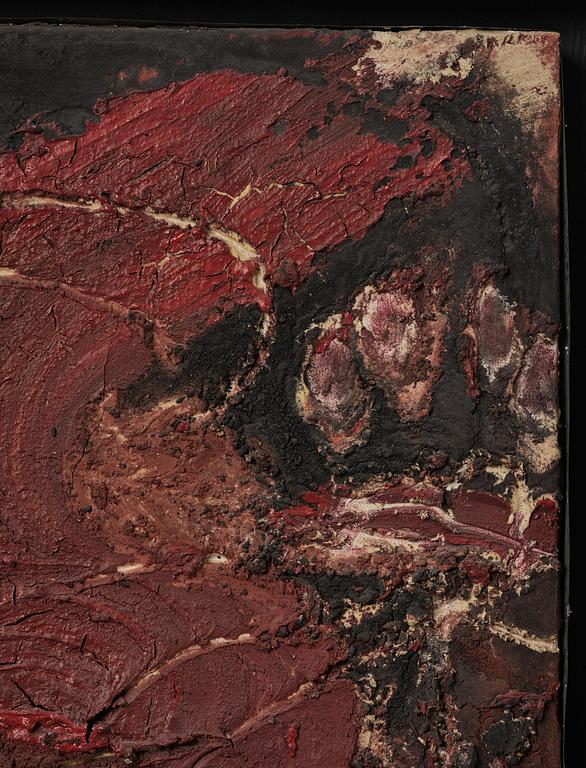
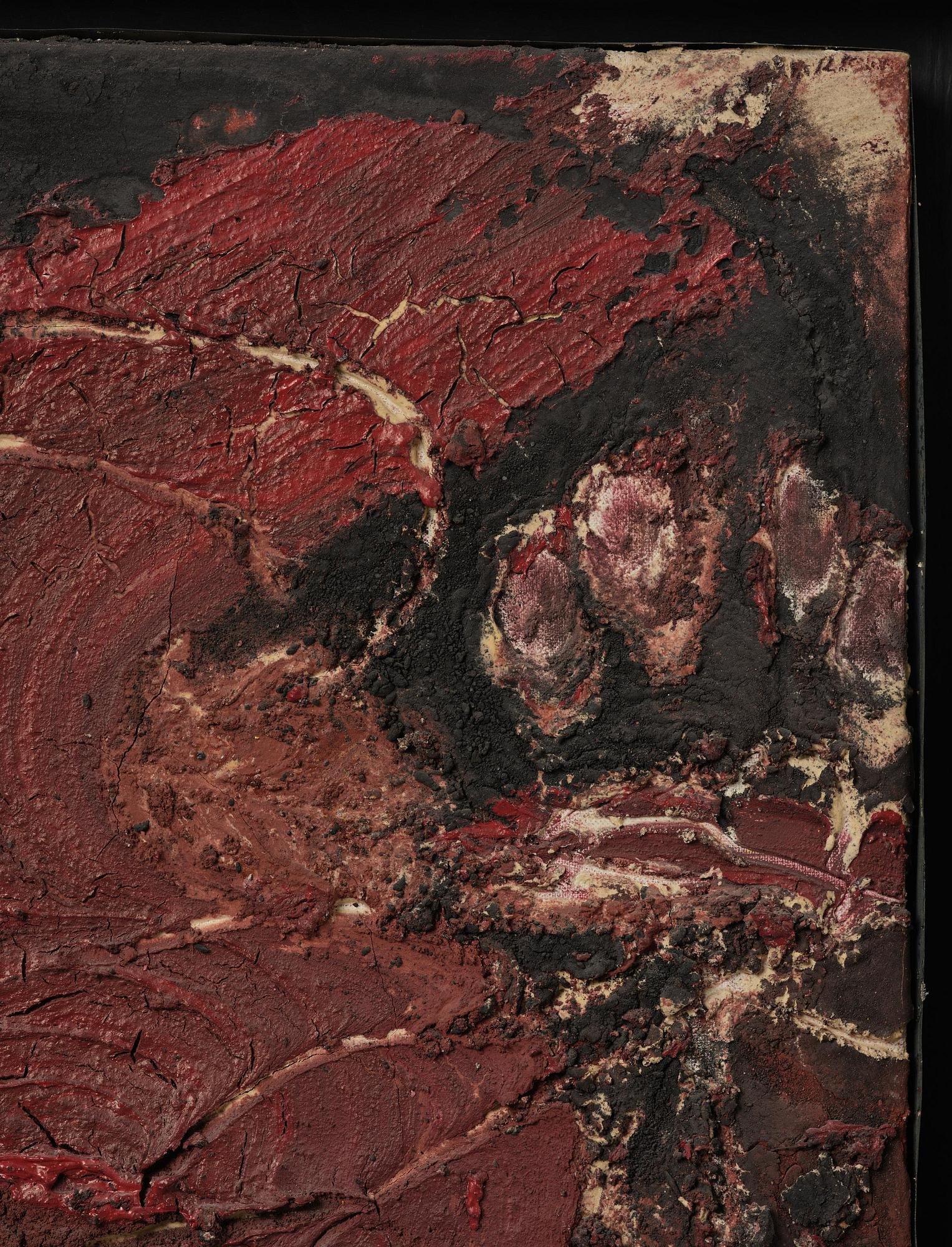
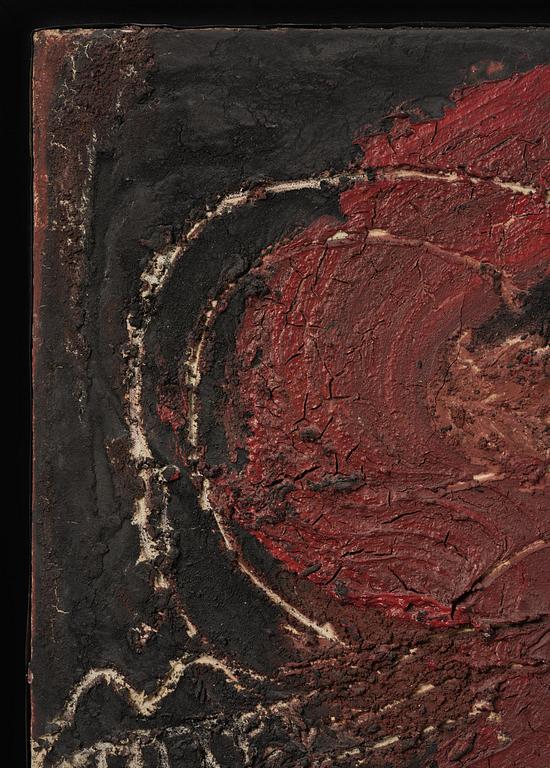
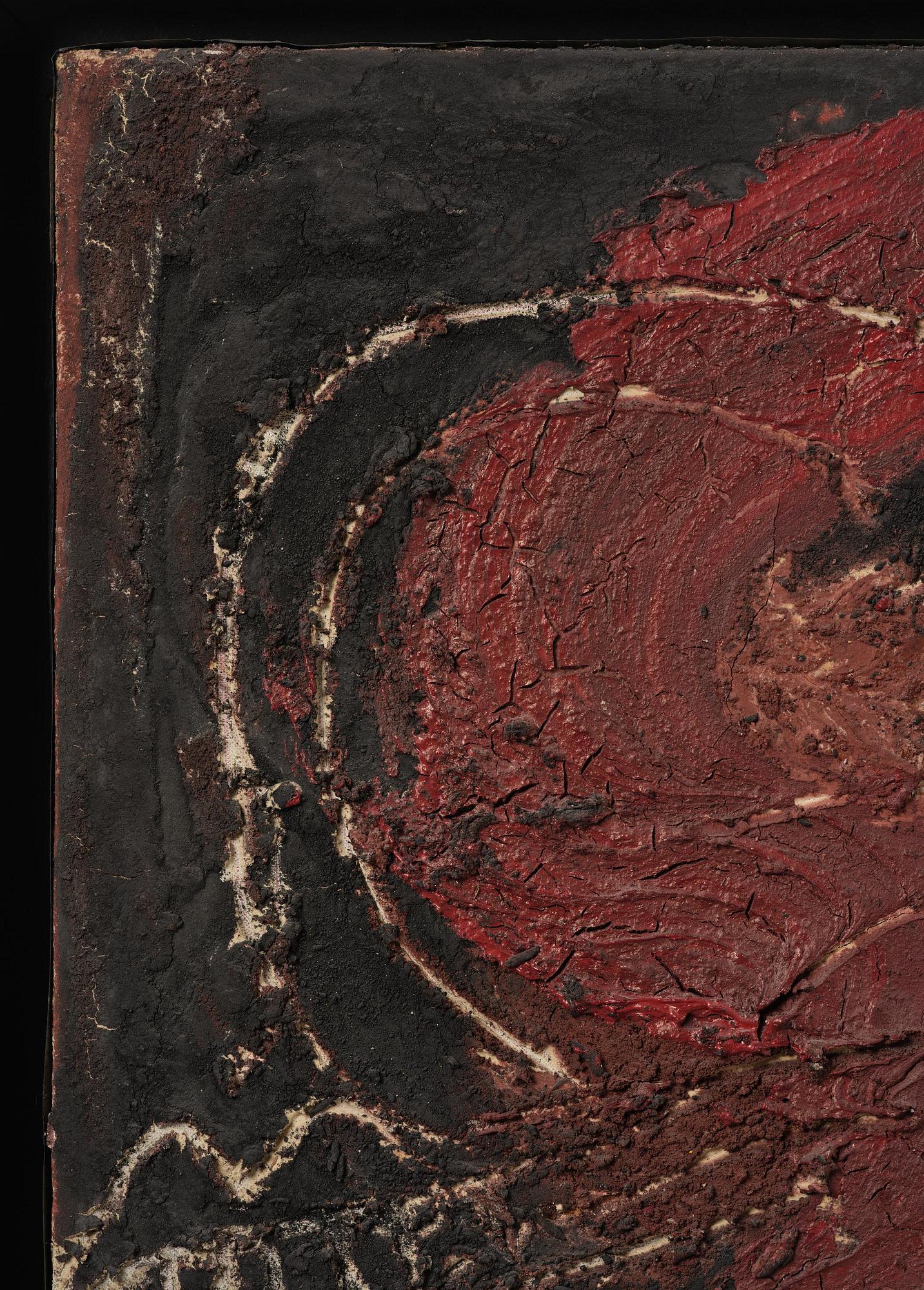
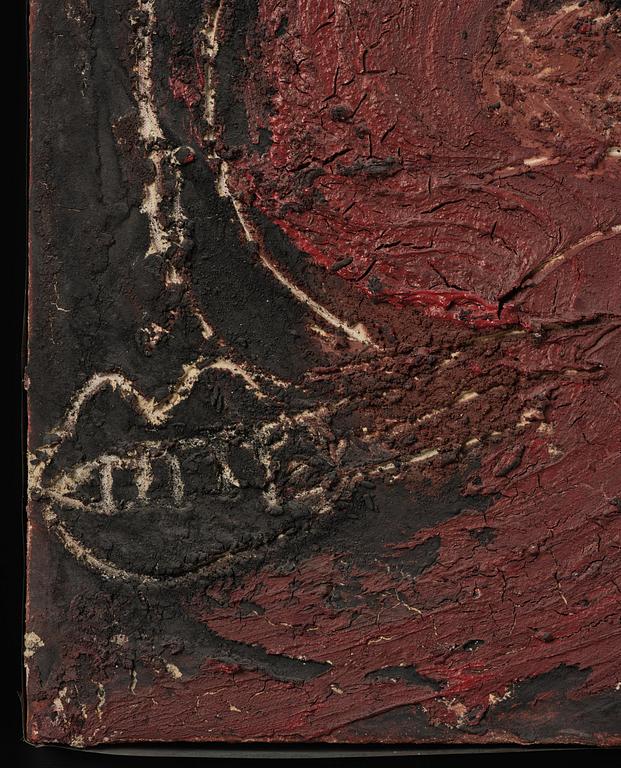
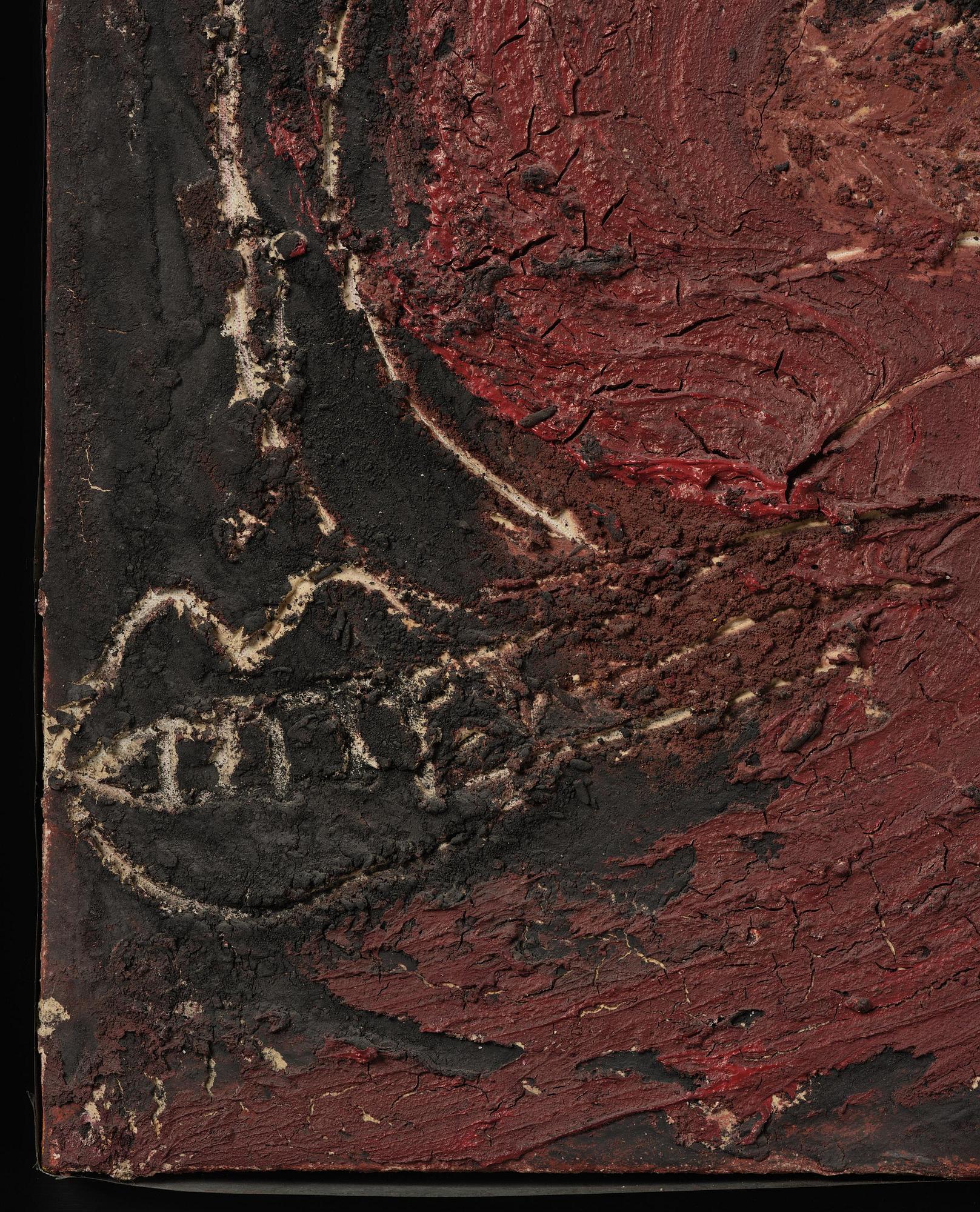
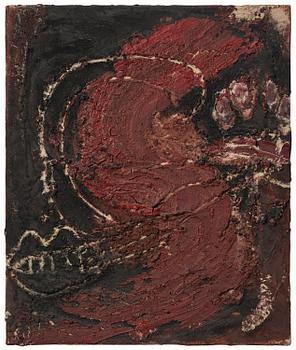
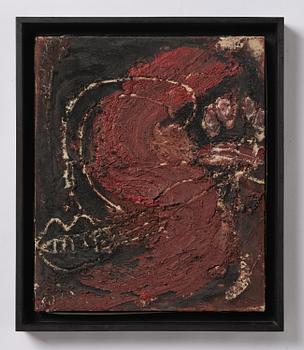
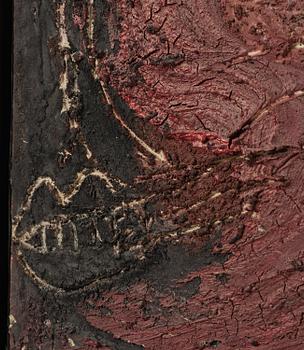
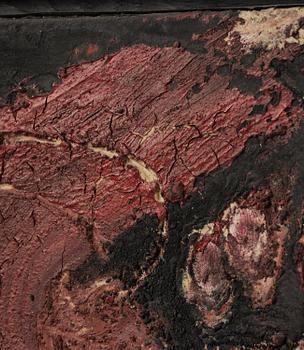
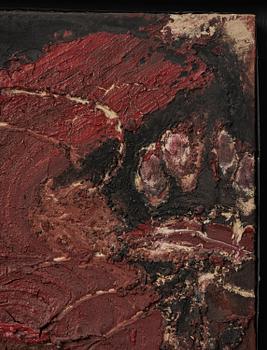
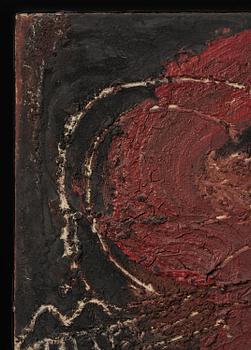
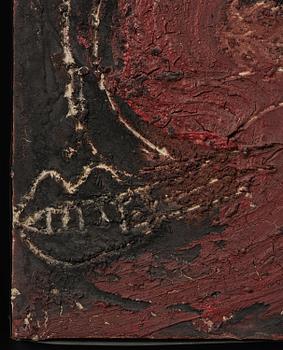
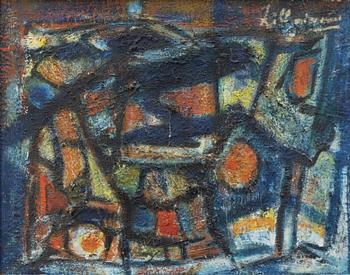
“Petita S vermella”, from 1972, explores Antoni Tàpies’s expressive use of materials and the charge that arises from the encounter between colour, texture and form.
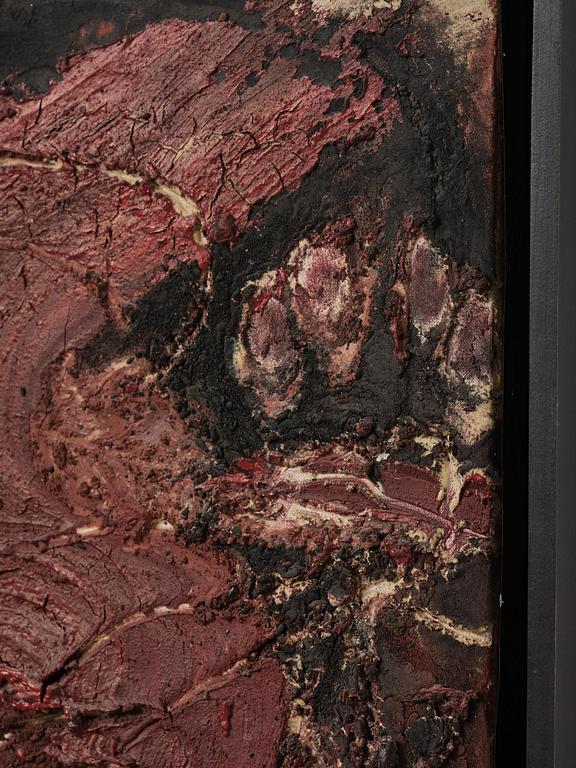
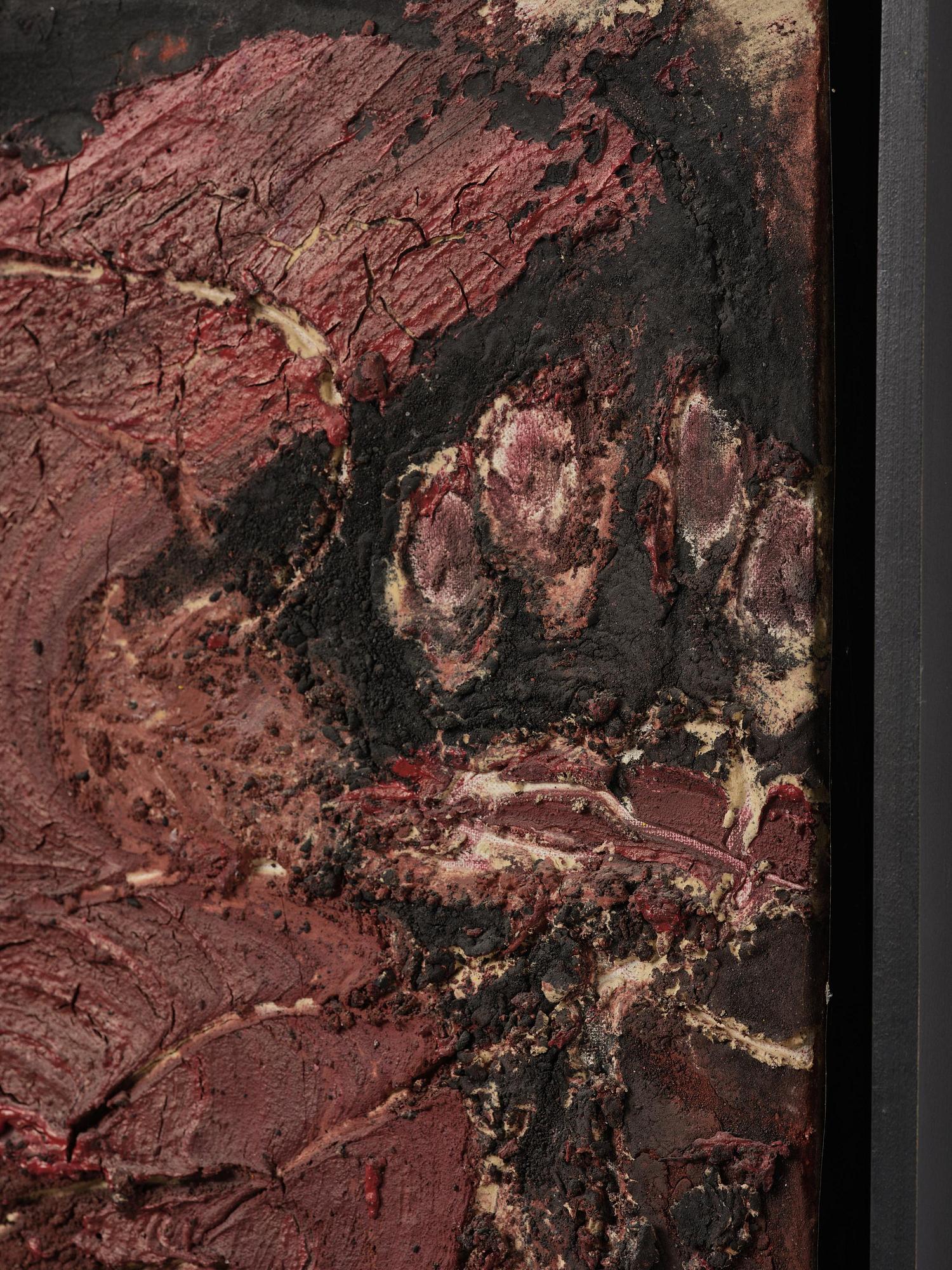
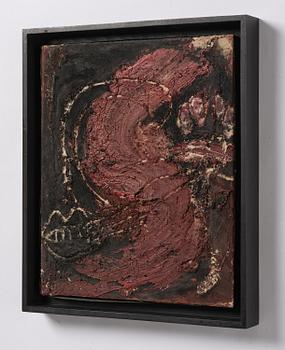
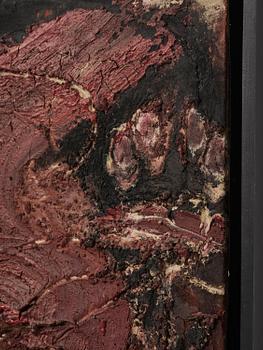
The tactile character of the work is central to Tàpies’s artistic practice. By building up the paint in thick, uneven layers, he approaches the boundary between painting and sculpture.
Tàpies’s artistic practice was shaped in the shadow of the Spanish Civil War and the oppression of the Franco dictatorship that followed. His experiences of violence, destruction and political repression came to inform his visual language, in which damaged walls, cracks and broken surfaces often function as metaphors for the vulnerability of both the individual and civilisation.
Tàpies was one of the foremost representatives of Art Informel, in which spontaneous expression, the inherent qualities of the material and the physical working process assumed decisive importance. By freeing himself from traditional notions of the beauty and craftsmanship of painting, he created works that challenge the viewer to see the seemingly insignificant anew. In Petit “S” Rouge, the rough, almost monumental surface becomes the vehicle for an expression that moves between destruction and creation, between the material and the symbolic. The result is a work in which colour and texture do not merely form an image, but also convey a sense of history.
For condition report contact specialist

What will the transport cost?
Shipping can only be arranged by contacting specialdelivery@bukowskis.com.
Covered by droit de suite
Image rights
The artworks in this database are protected by copyright and may not be reproduced without the permission of the rights holders. The artworks are reproduced in this database with a license from Bildupphovsrätt.