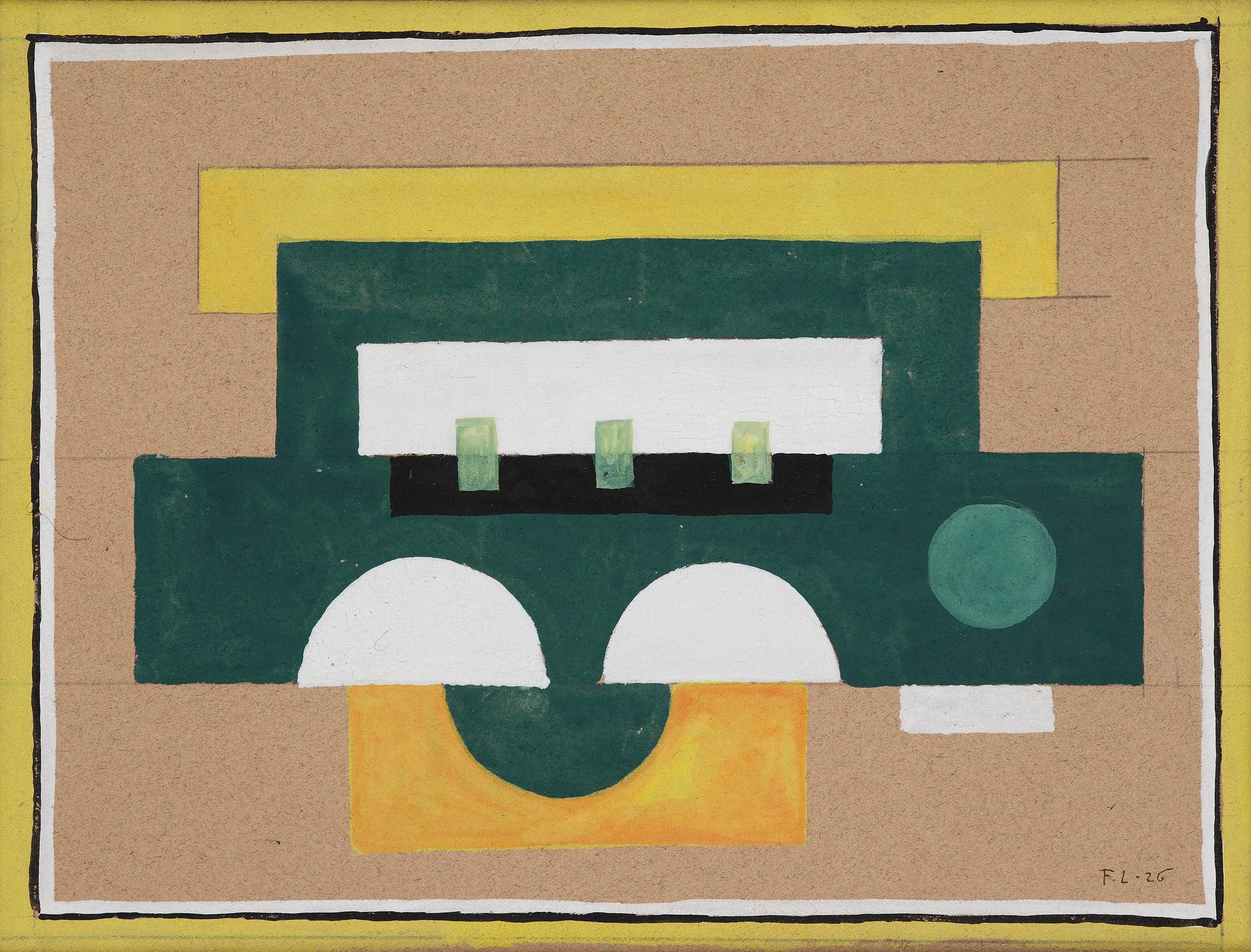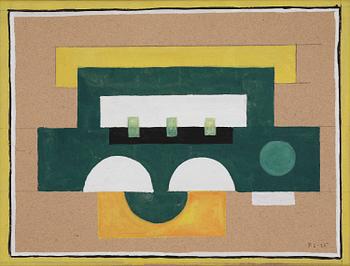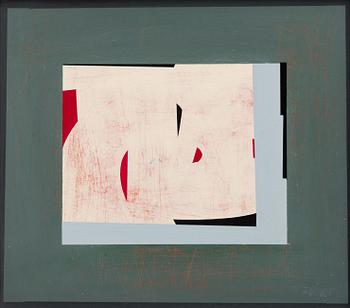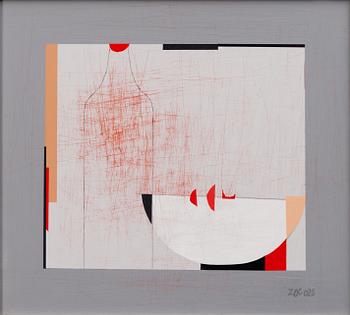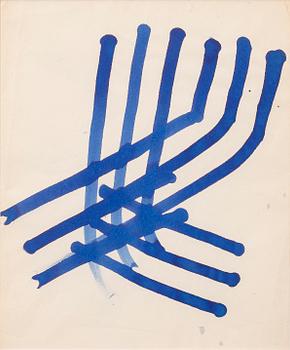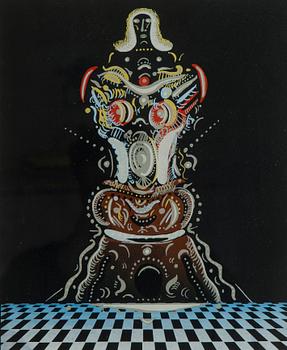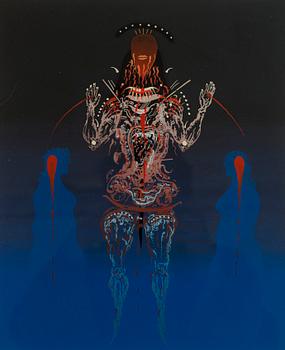
Composition (study for "Jaune II")
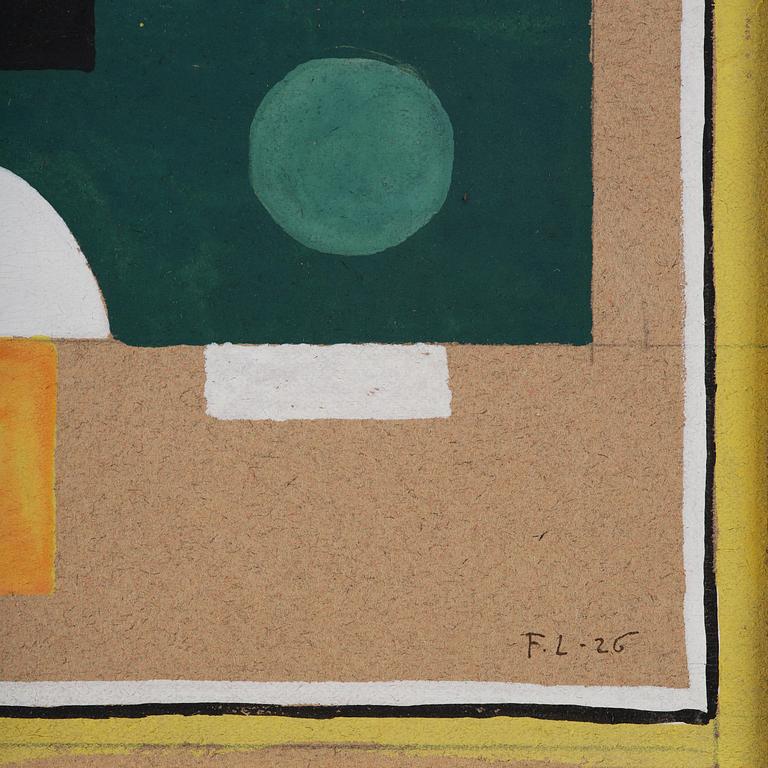
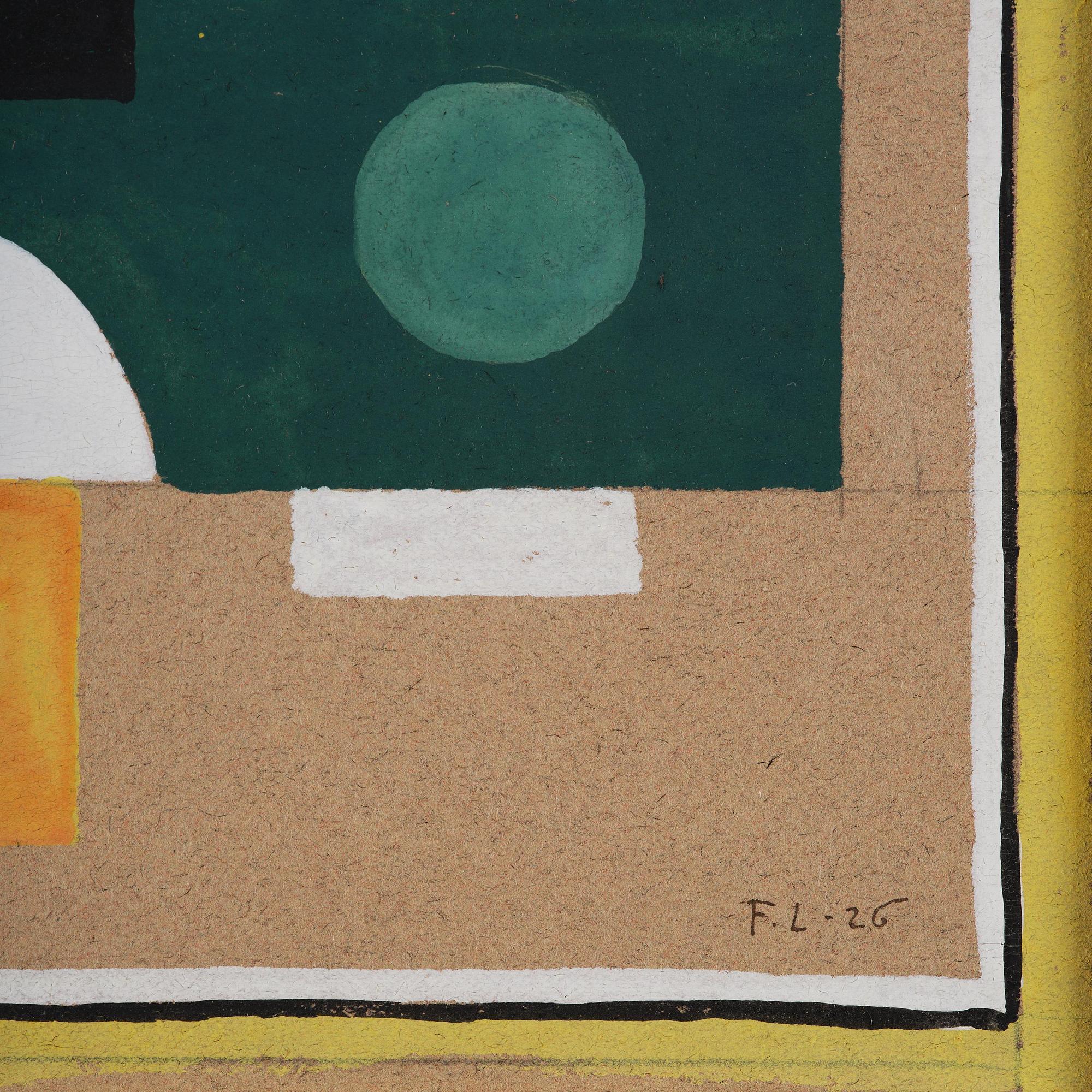
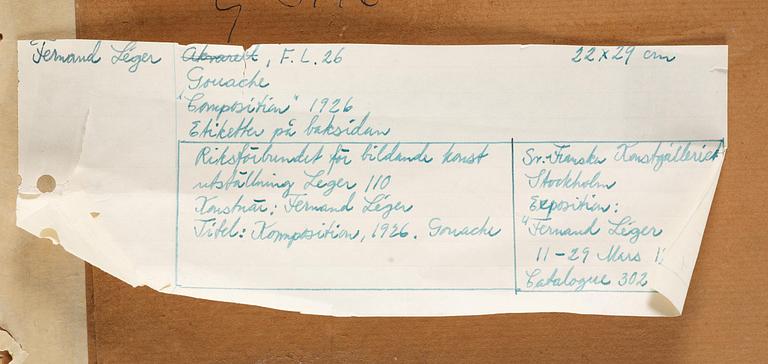
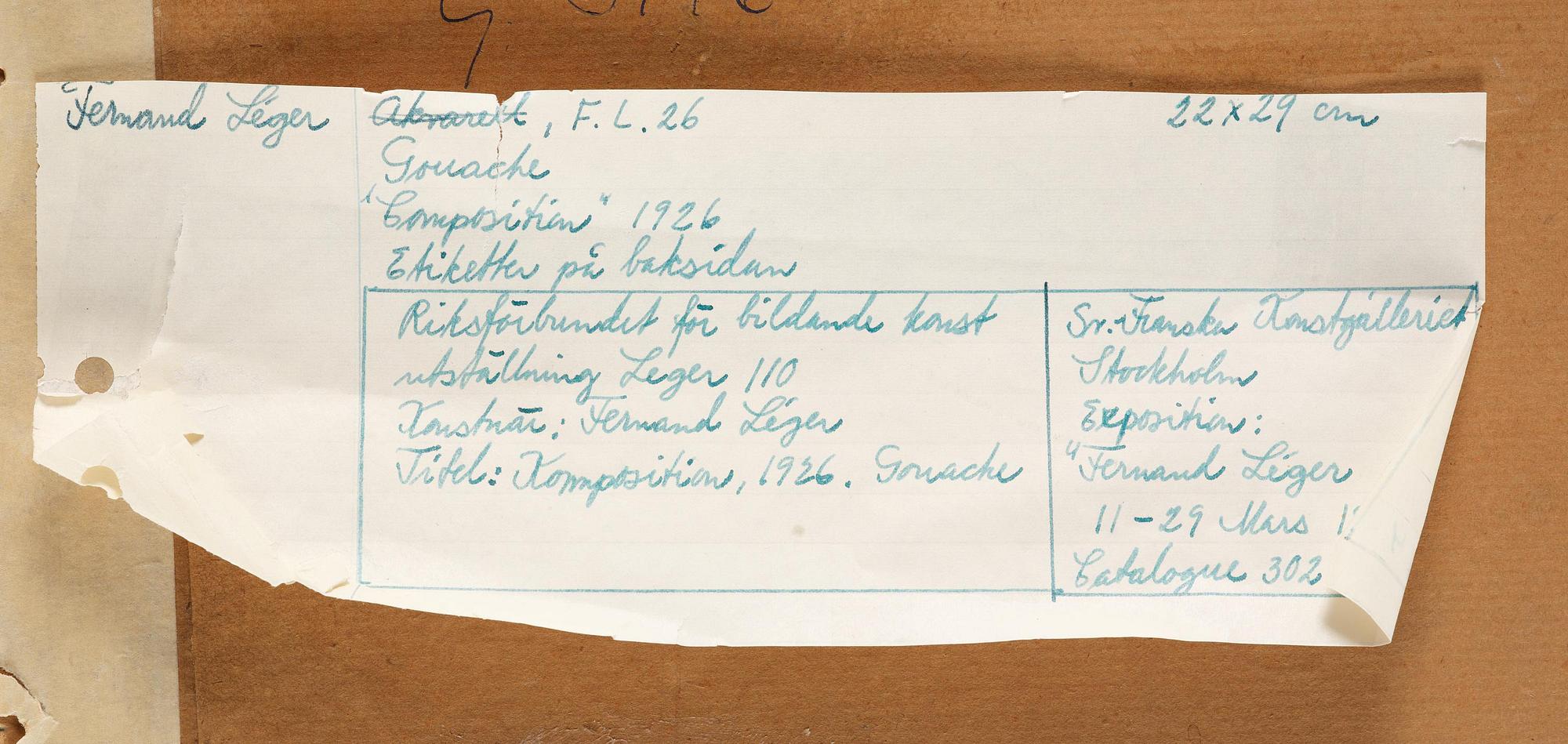
Signed F.L and dated -26. Gouache 22 x 29 cm. Certificate issued by Irus Hansma, Paris, dated October 19, 2013 included with the lot.
Provenance
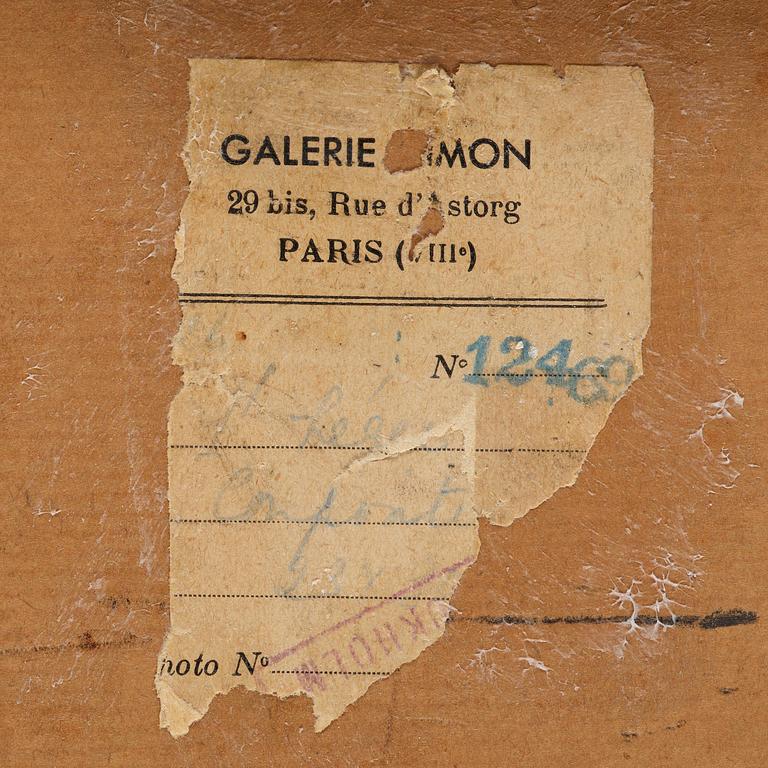
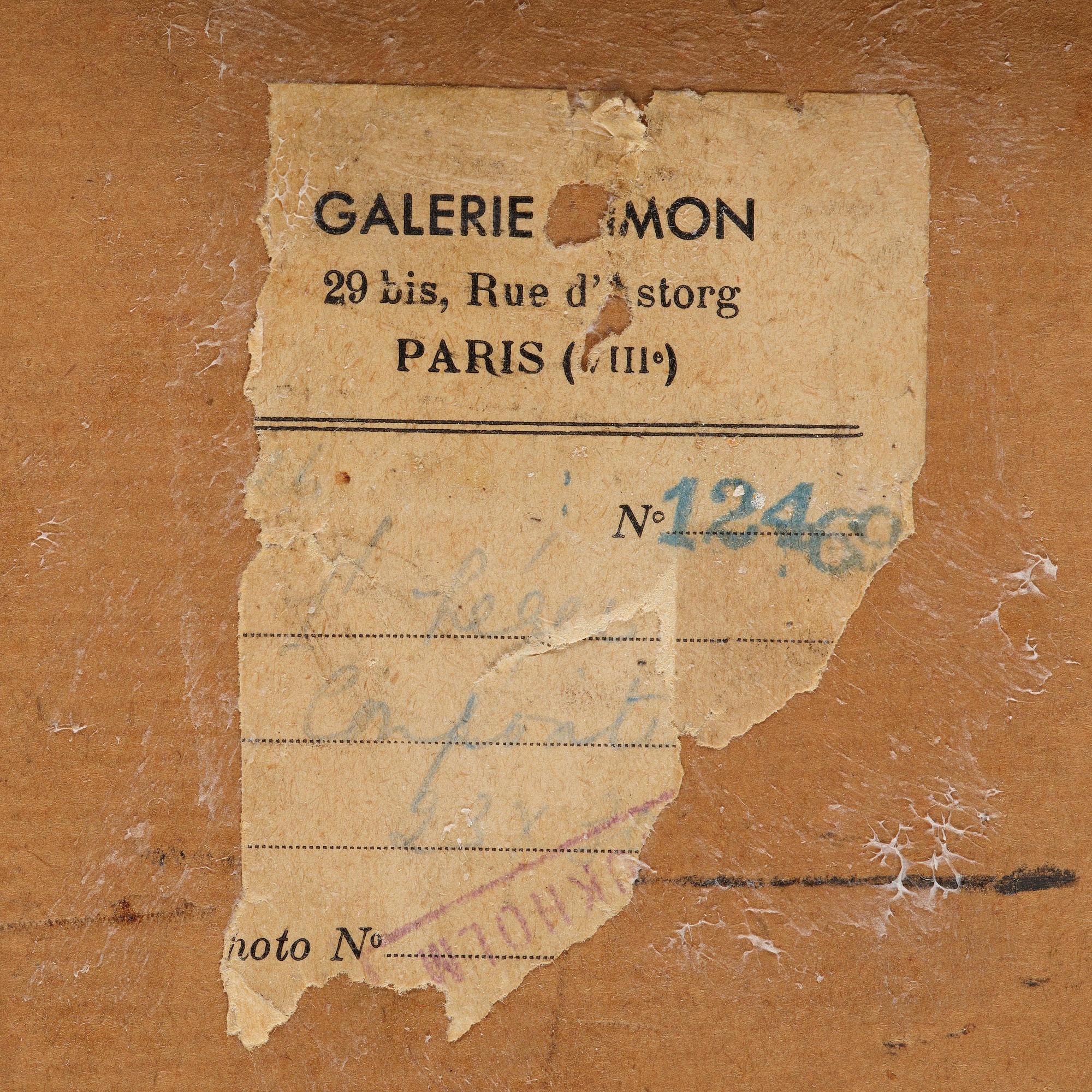
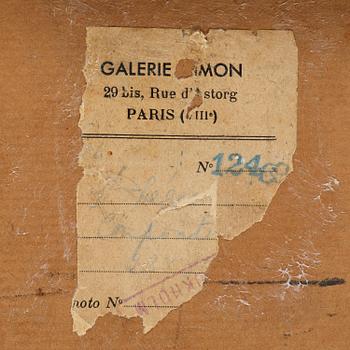
Galerie Simon, Paris.
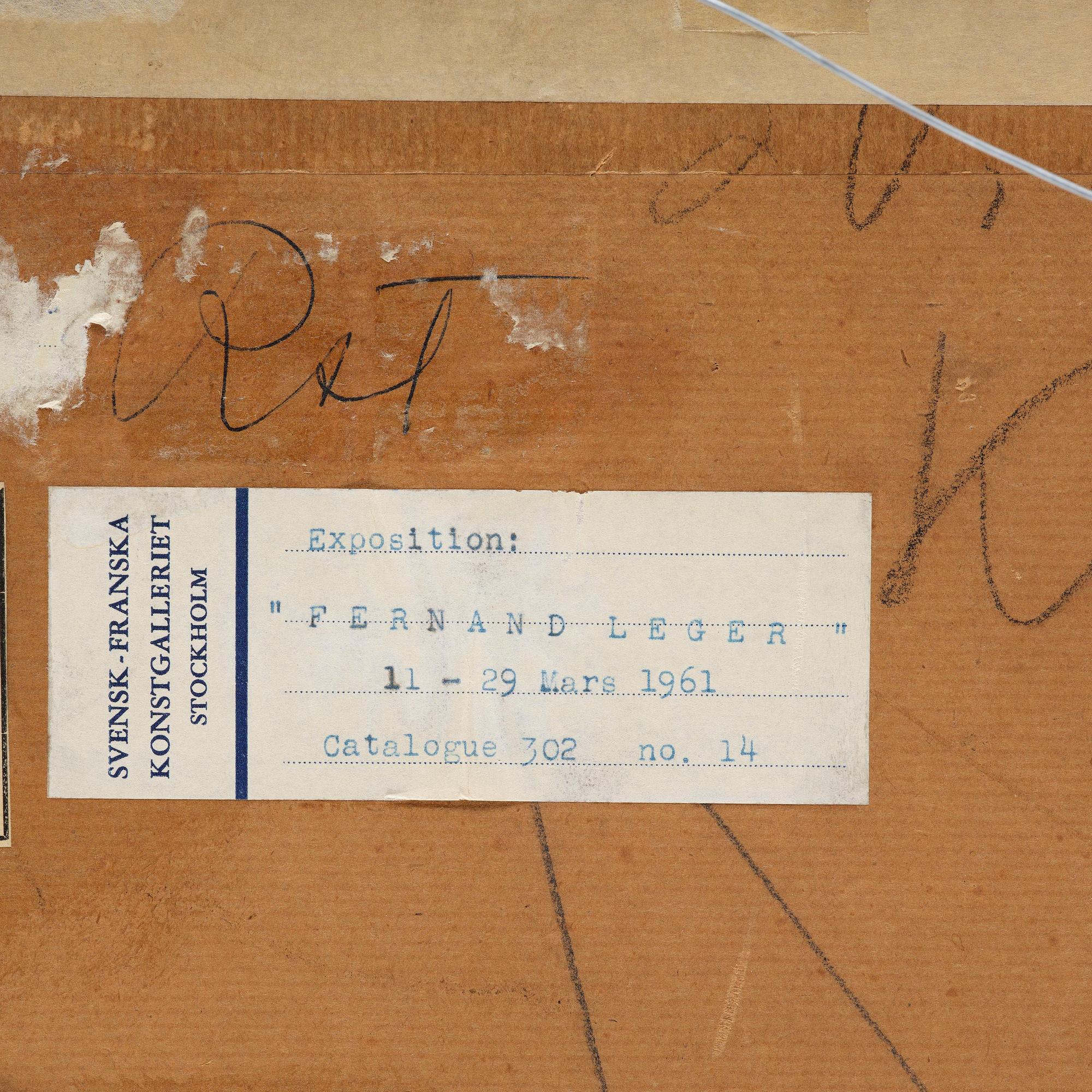
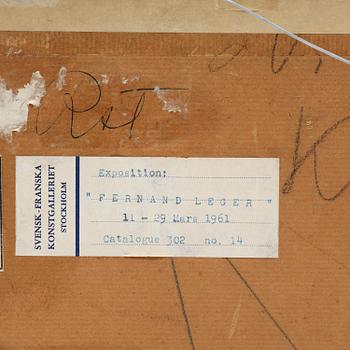
Svensk-Franska Konstgalleriet, Stockholm.
Private Collection, Sweden.
Bukowski Auctions, Modern Art + Design 620, 26 November 2019, lot 624.
Exhibitions
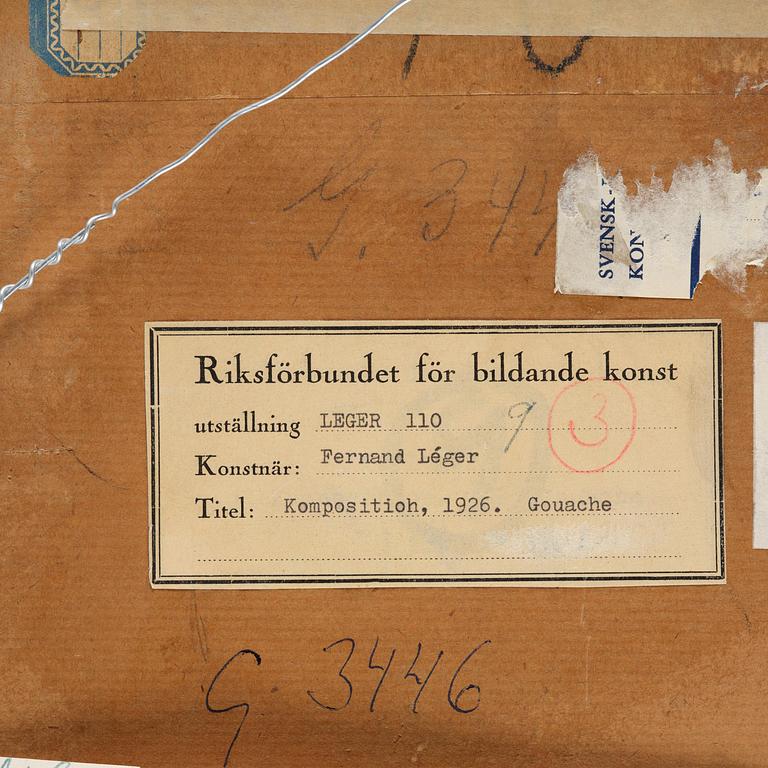
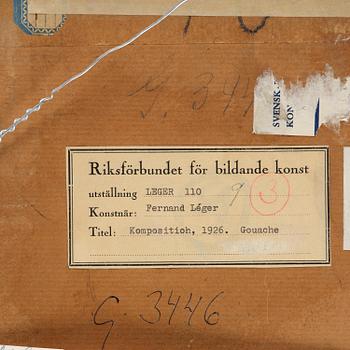
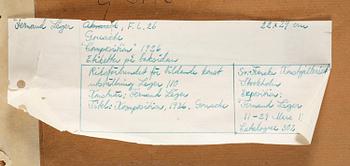
Riksförbundet för bildande konst, exhibition n:o 110, "Léger och nordisk Postkubism. Berg, Carlsund, Clausen m. fl", 1952-53.
Svensk-Franska Konstgalleriet, Stockholm, "Fernand Legér", 11 - 29 mars 1961, cat. no 14.
More information
Fernand Léger’s Jaune II, executed in gouache in 1926, exemplifies the artist’s distinctive approach to modern composition, in which geometric form, bold colour and structural clarity take precedence over conventional representation. A leading figure of the European avant-garde, Léger developed a visual language characterised by emphatic contours, simplified forms and an aesthetic shaped by the rhythms of modern industrial life.
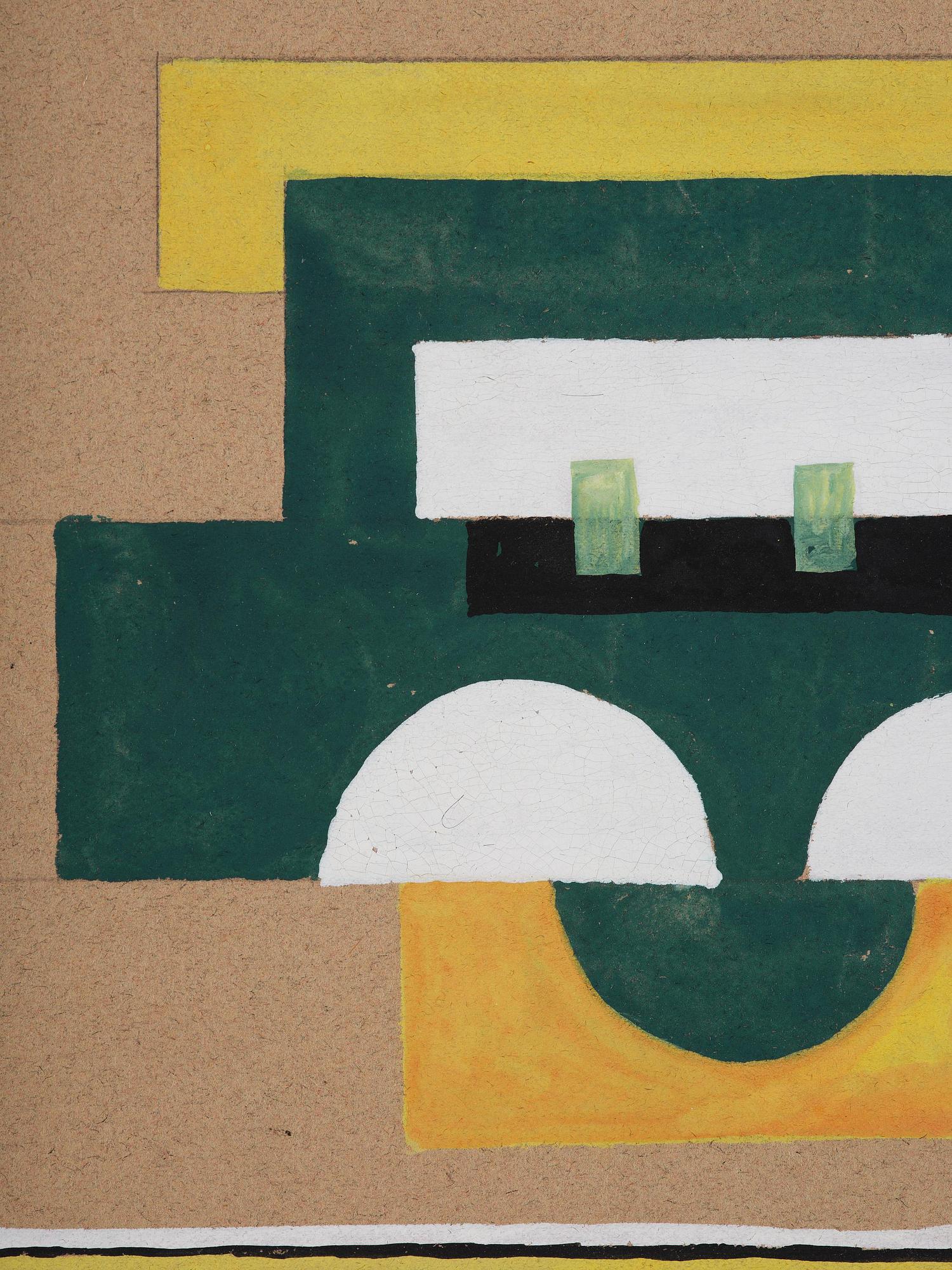
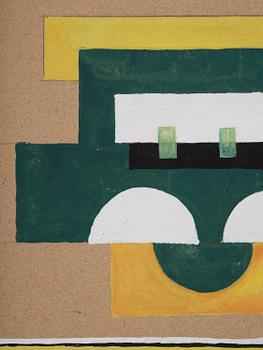
In the present work, dark green rectangles intersect with white and green semicircles and areas of yellow, arranged around a horizontal axis to create a carefully balanced composition. The interplay of contrasting shapes suggests mechanical components, yet resists any definitive reading as a representation of a specific object. Instead, the forms assert their independence, their relationships governed by proportion, colour and placement. This tension between abstraction and suggestion is central to Léger’s artistic vision.
As Otto G. Carlsund observed in his essay “Det fristående föremålet”, published in the catalogue for the major Léger exhibition at Moderna Museet in 1968, Léger regarded even the simplest form or isolated detail as possessing an intrinsic beauty, determined by its proportions and relationships. Ulf Linde, in “Konstruktören”, further distinguished Léger’s constructive approach from Picasso’s transformation of observed reality. For Léger, the canvas constituted a reality in itself, organised through contrasts of colour, tone and geometric form.
Jaune II is also closely associated with Léger’s collaboration with Marie Cuttoli, the influential patron who championed the translation of modern art into textiles. Through her Parisian enterprise Maison Mybor, Cuttoli commissioned designs from leading artists, including Picasso, Braque and Léger. Between 1925 and 1927, she commissioned five designs from Léger, and the present gouache is likely a preparatory study for one of the earliest, subsequently realised as a tapestry with a more subdued palette against a vivid yellow ground.
The work thus captures Léger’s ambition to extend his modernist vocabulary beyond painting into the applied arts. Its precise geometry, rhythmic arrangement and assertive colour demonstrate the adaptability of his visual language, while offering insight into the creative process behind Jaune II and its translation from gouache to woven form.
For condition report contact specialist

What will the transport cost?
Shipping can only be arranged by contacting specialdelivery@bukowskis.com.
Covered by droit de suite