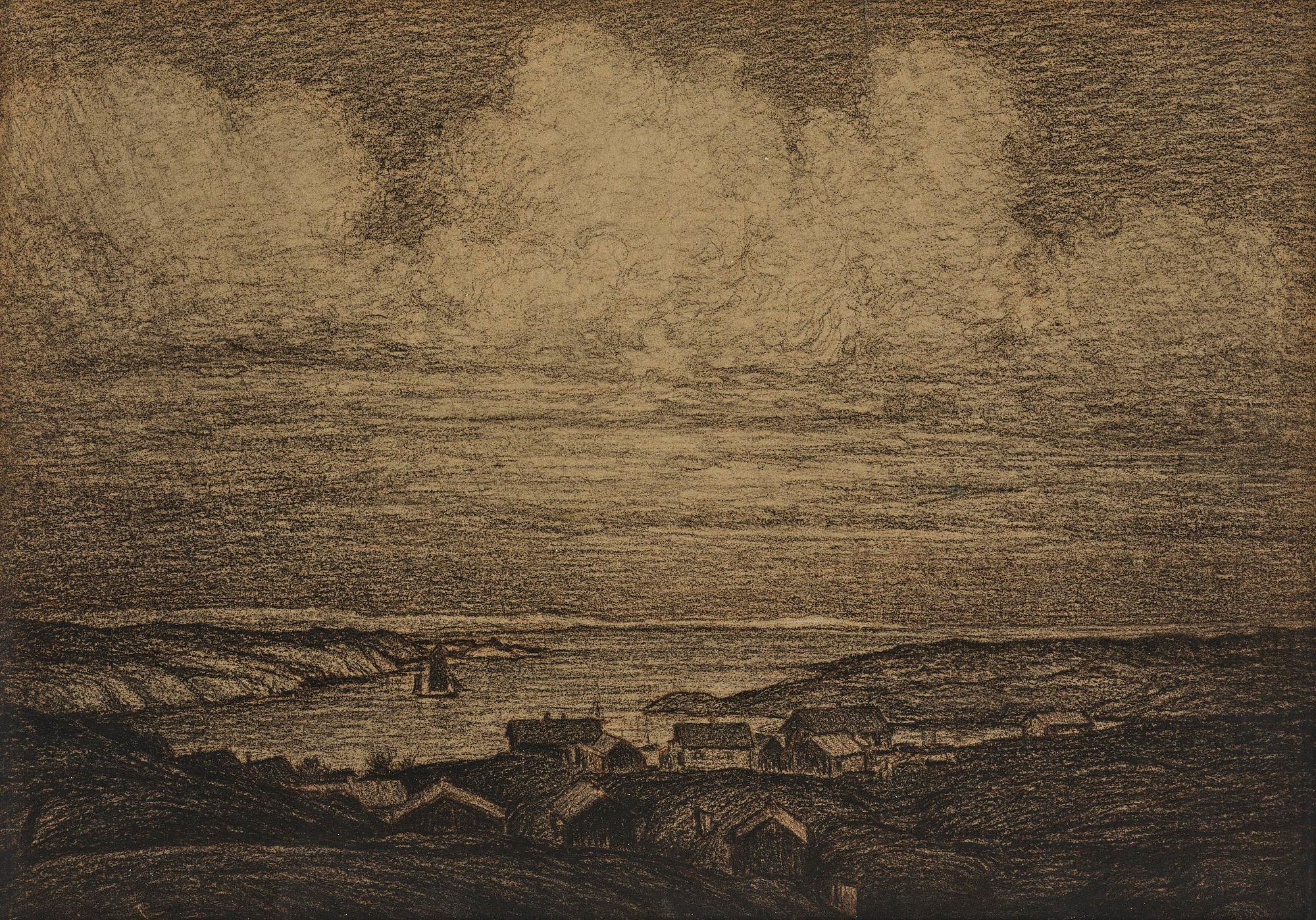
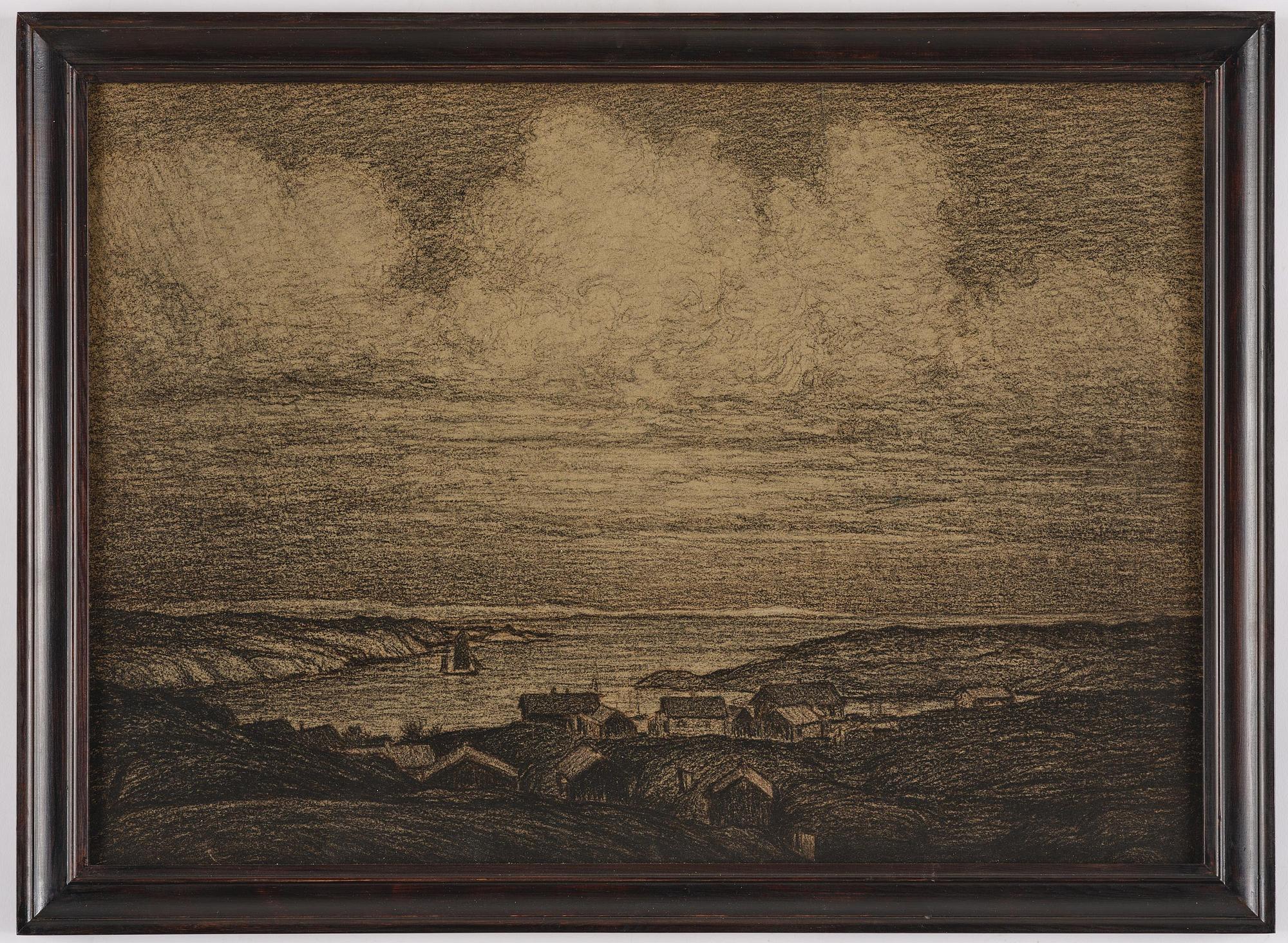
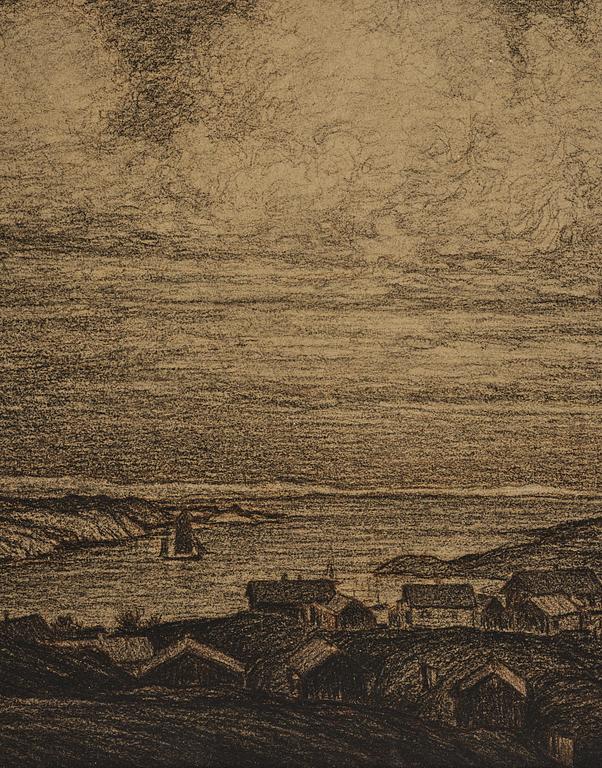
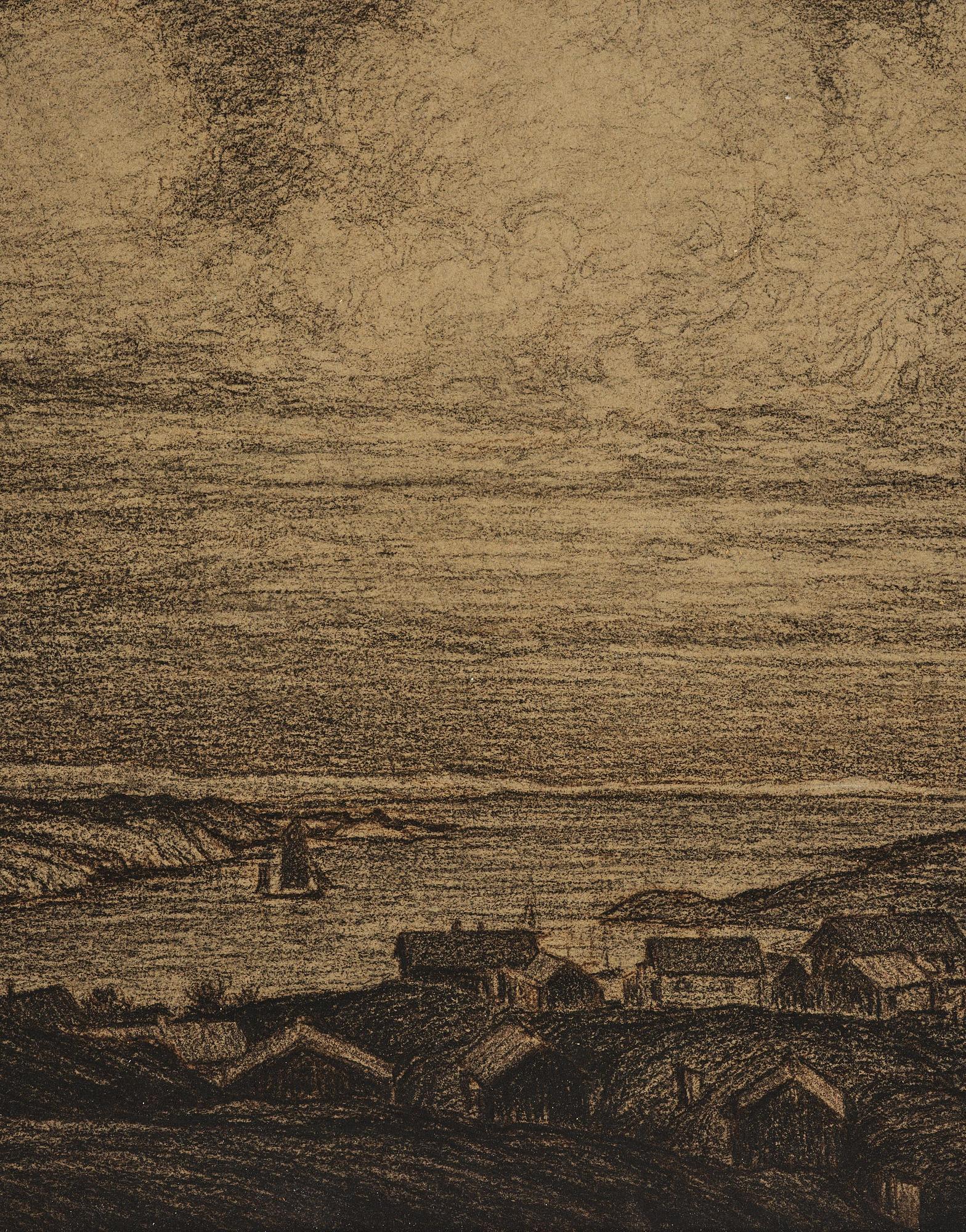
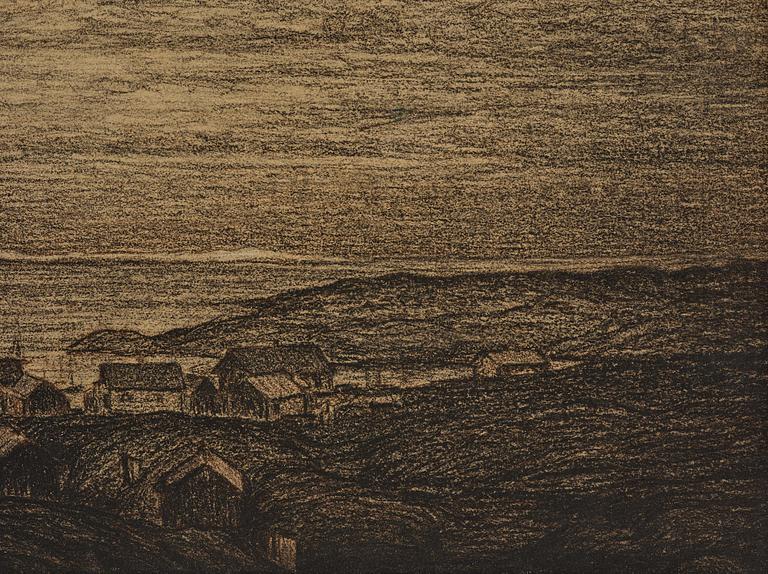
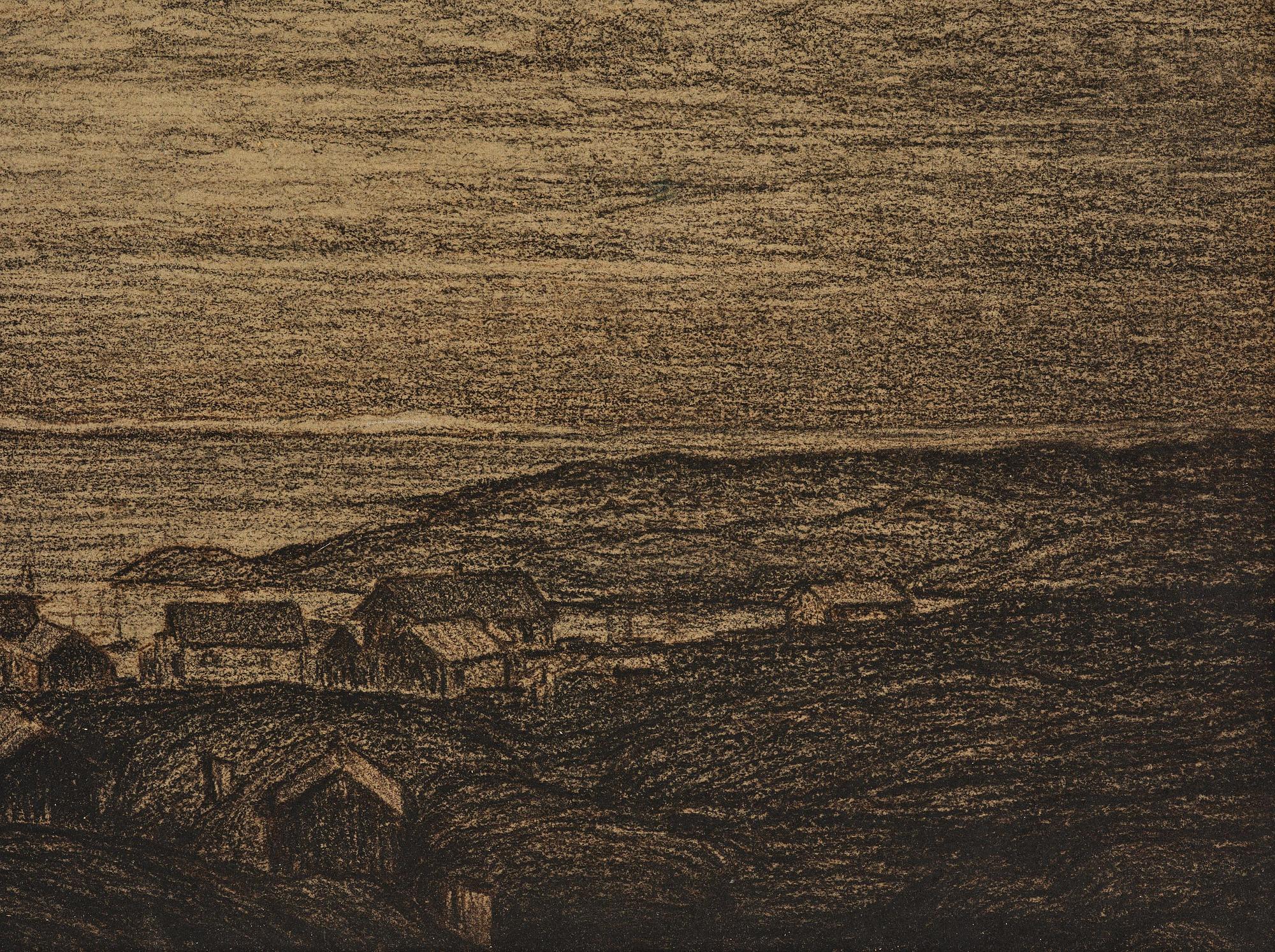
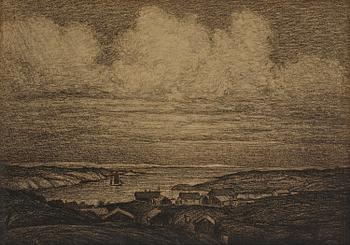
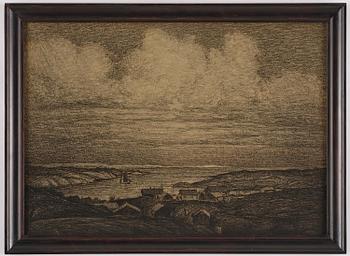
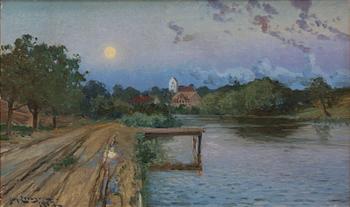
Karl Nordström (Sweden, 1855-1923) Kyrkesund, Tjörn, Bohuslän
Kyrkesund, Tjörn, Bohuslän
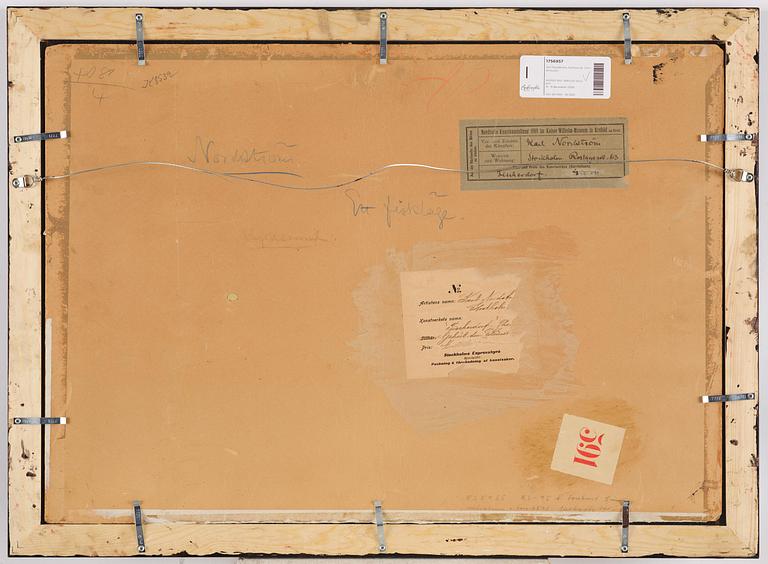
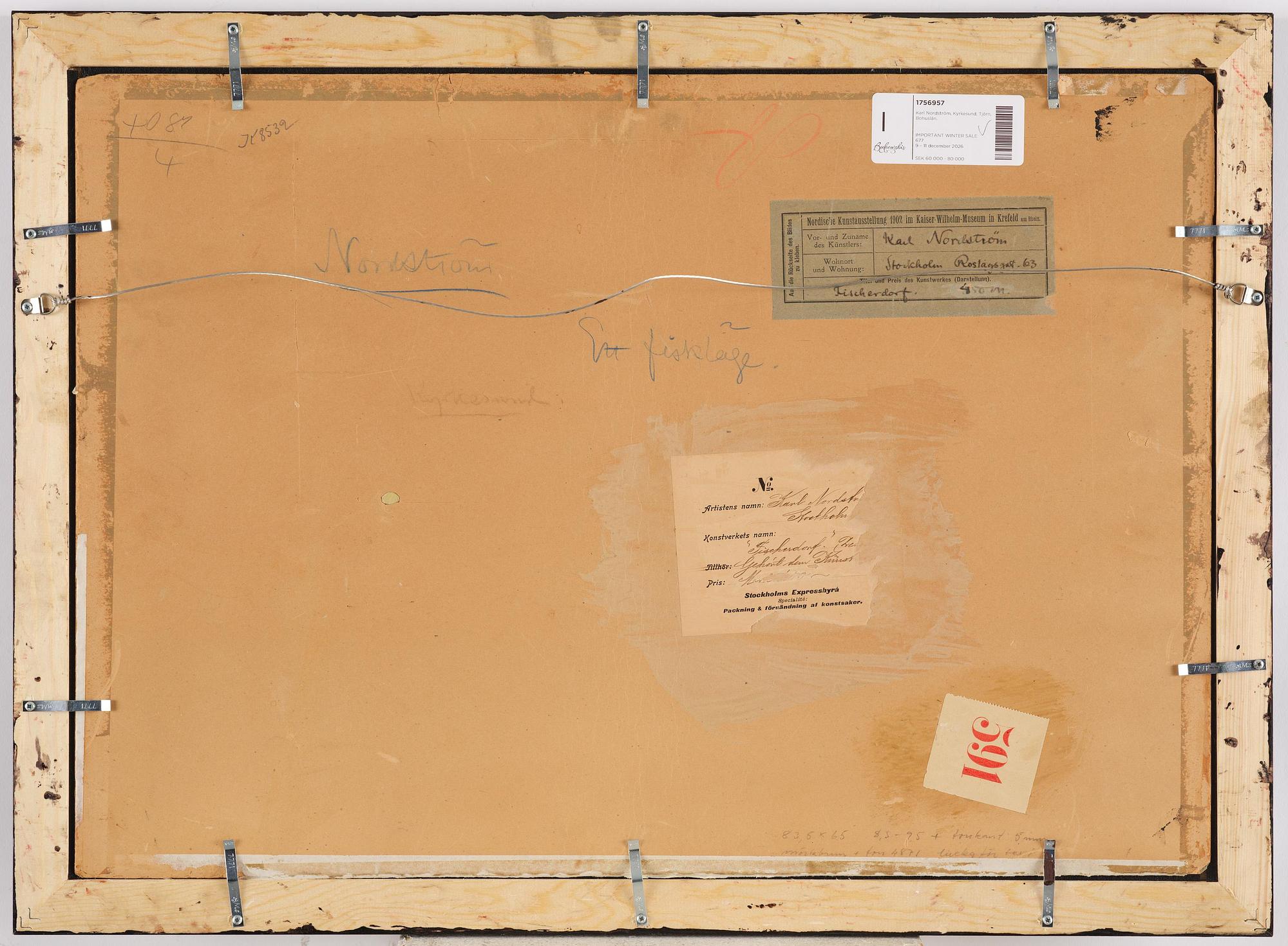
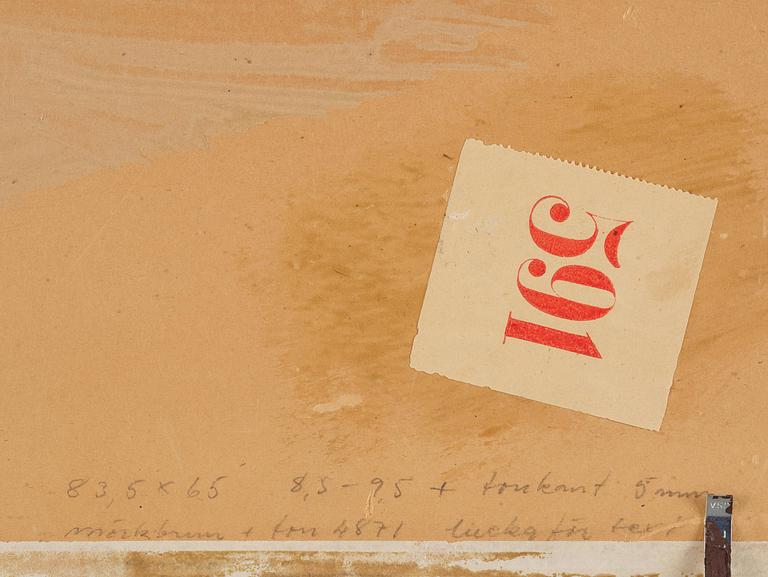
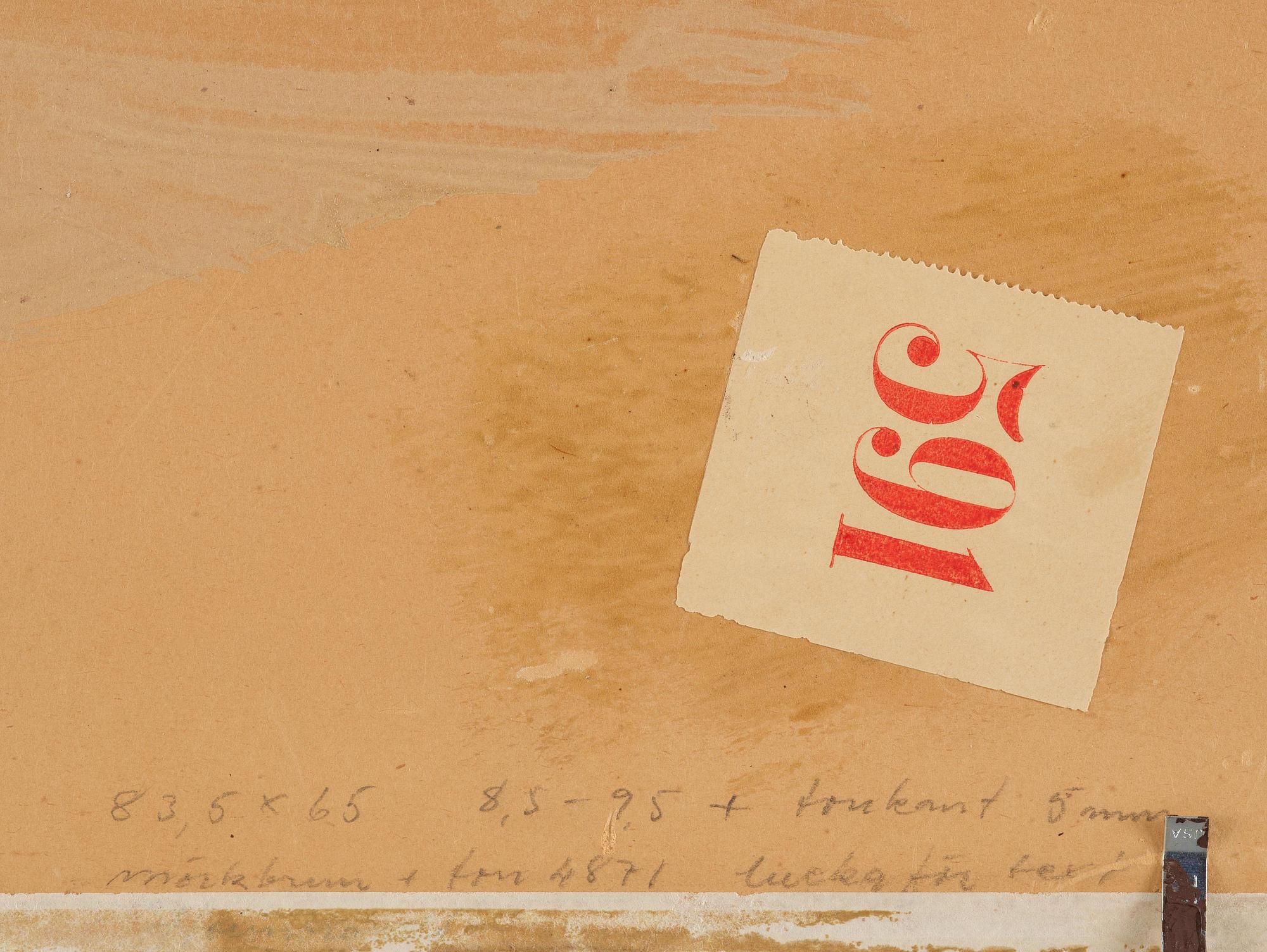
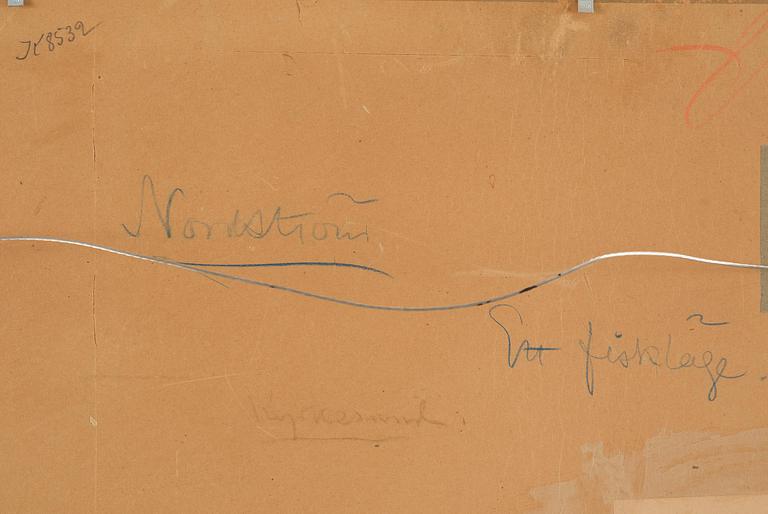
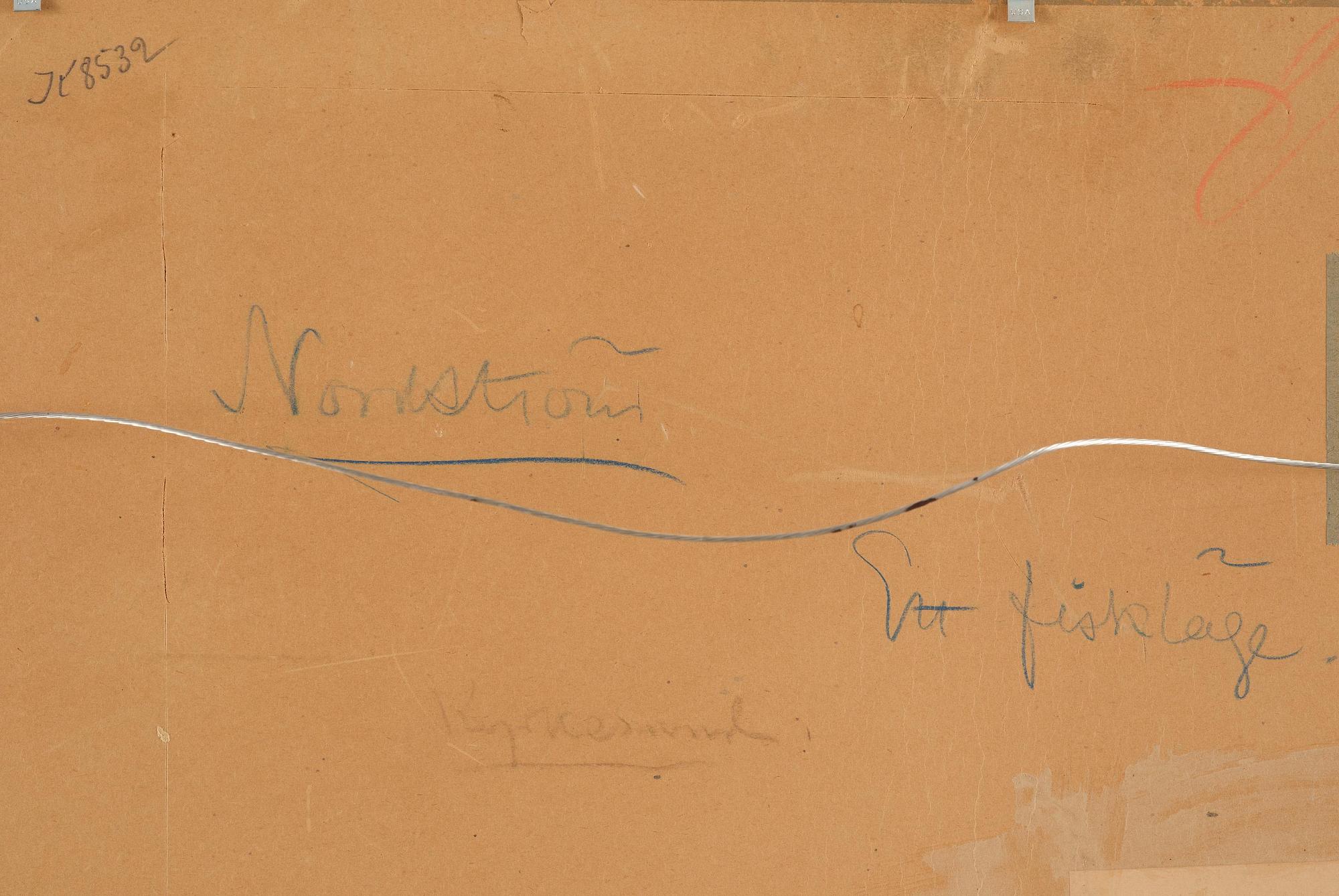
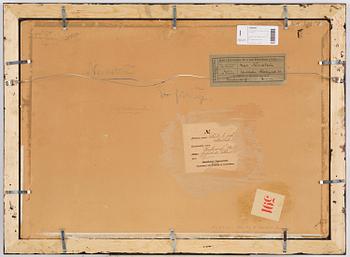
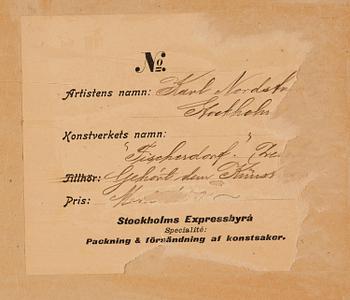
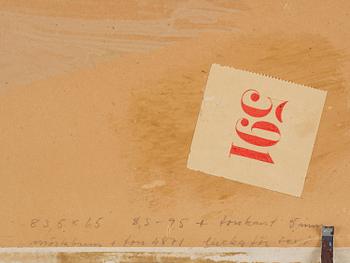
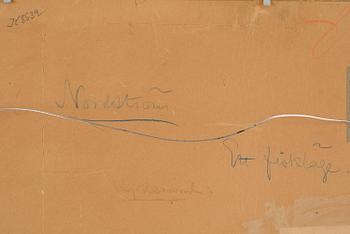
Signed “Ett fiskeläge Nordström” in blue chalk verso and titled “Kyrkösund” in pencil. Charcoal on paper with touches of red and blue chalk, laid down on cardboard, 46.5 × 66.5 cm.
Exhibitions
Stockholm, "Konstnärsförbundets 14:de utställning", March - April 1902, no. 81.
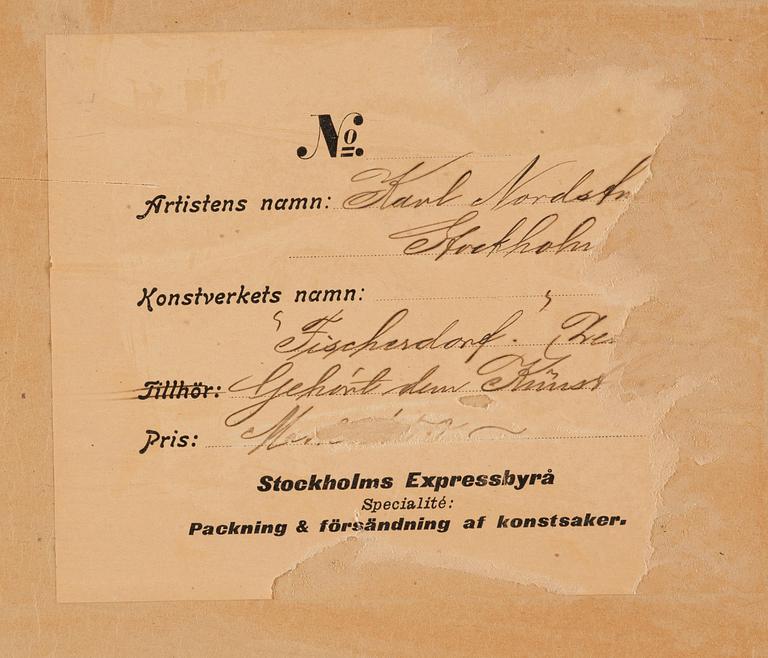
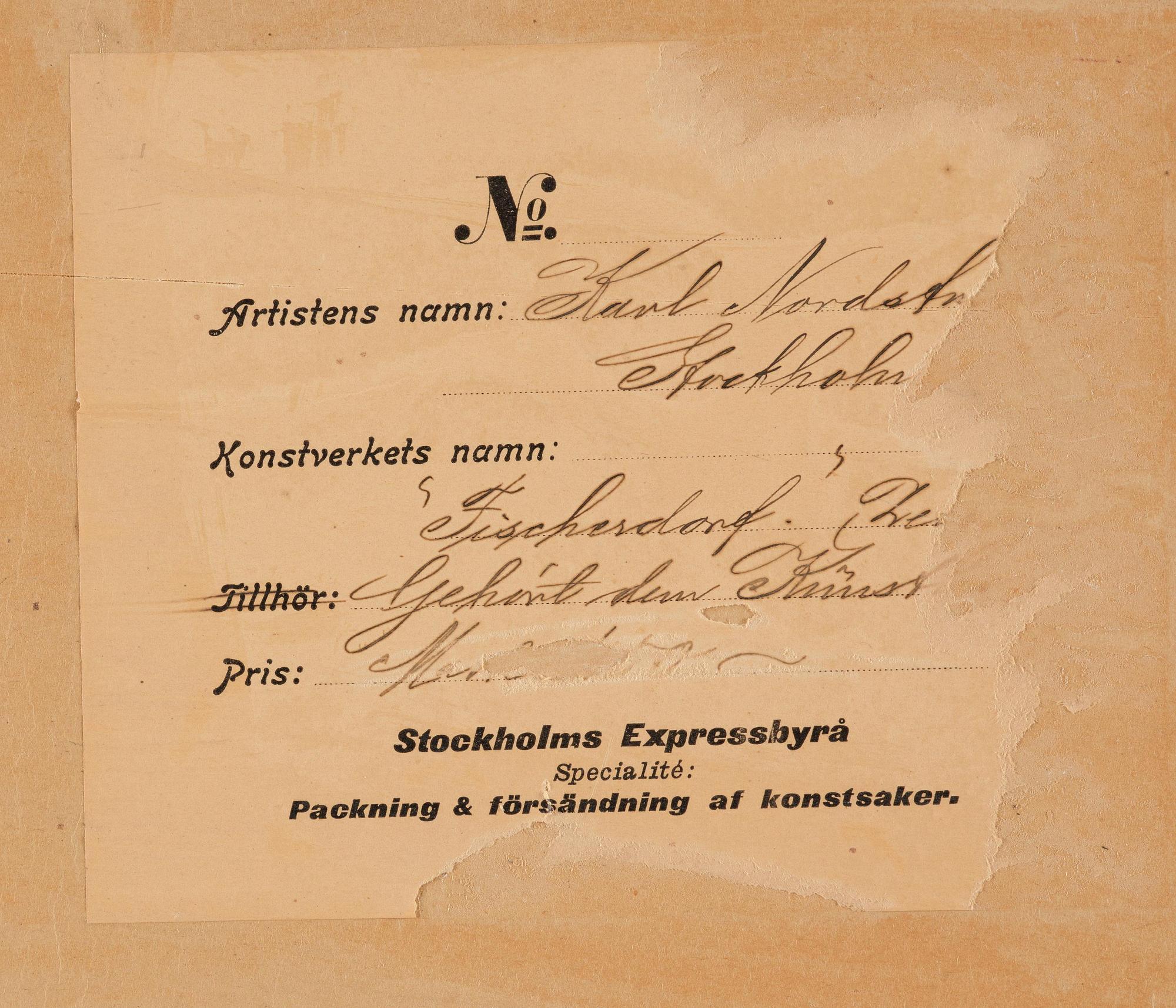
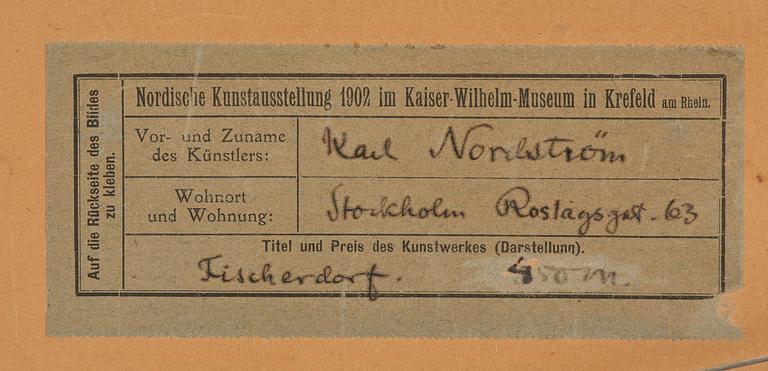
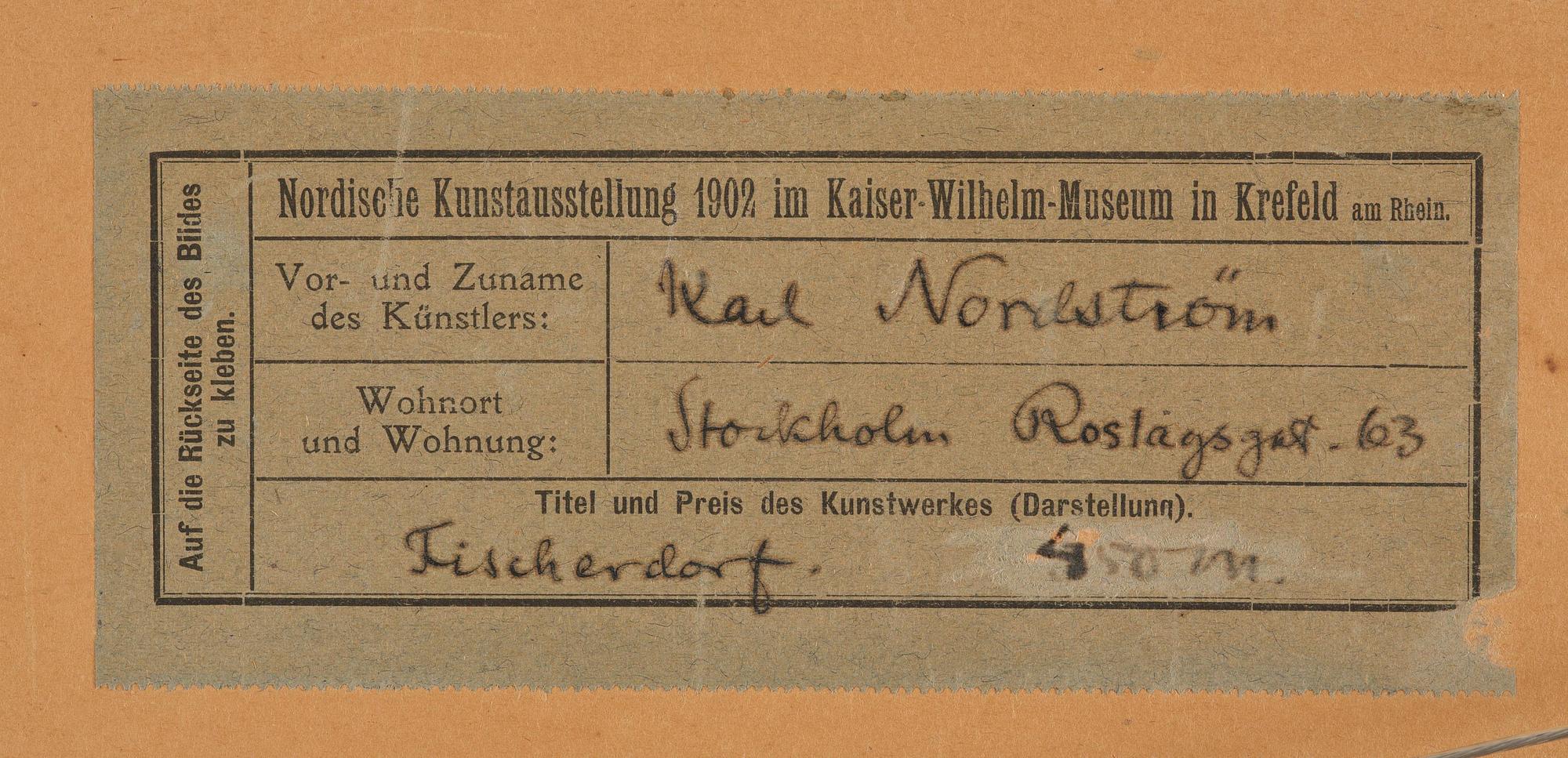
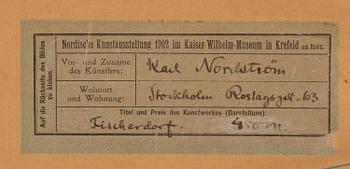
Kaiser Wilhelm Museum, Krefeld um Rhein, "Nordische Kunstaustellung 1902", 5 May - 20 September 1902, cat. no. 592.
Konstnärsförbundet, Stockholm, "Karl Nordström-utställning", March 1908, under Bohuslän, no. 73.
Galerie Moderne, Stockholm, "Carl l Wilhelmson, Richard Bergh, Gösta von Hennings, Karl Nordström", 1928, no. 99.
Svensk-Franska Konstgalleriet, "Karl Nordström", 4-20 November 1944, no. 67 or 73.
Färg och Form, Stockholm, "Karl Nordström 1855-1923", 3-20 oOctober 1953, under 1901-1910, no. 25.
More information
Probably executed in the summer of 1901.
From the mid-1890s until 1918, Karl Nordström and his family spent their summers on Härön, outside Kyrkesund, where they rented a “garden house” from the local merchant Alexis Lachonius (1872–1935).
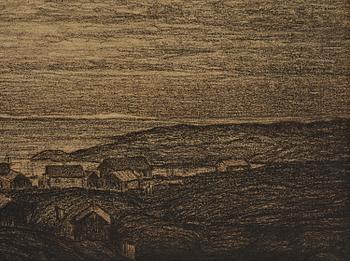
Kyrkesund is one of a series of fishing and seafaring communities along the Bohuslän coast, established around the many sheltered natural harbours that the coastline has to offer. The buildings are densely clustered on either side of the narrow sound, a settlement pattern that may be said to have taken shape during the major herring-fishing period in the second half of the eighteenth century. During this period, there were no fewer than five archipelago establishments along the sound, most of them combining tar production with herring salting. The present-day buildings, however, date mainly from the latter part of the nineteenth century, and a large proportion of the houses were built during the heyday of coastal freight sailing. At around the same time, bathing tourism also began to play an increasingly important role in the community’s livelihood and physical development. Today, the majority of the buildings are holiday homes.
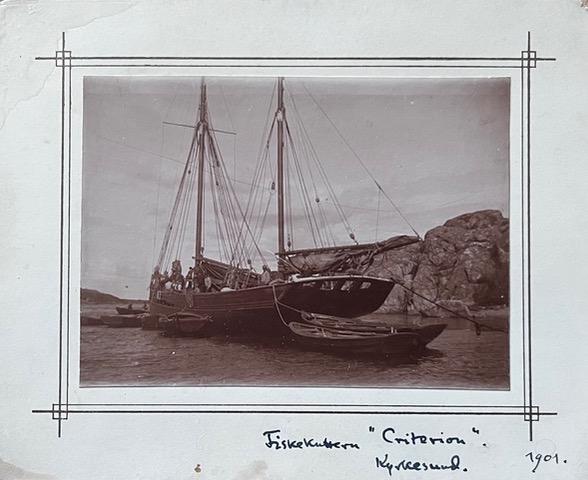
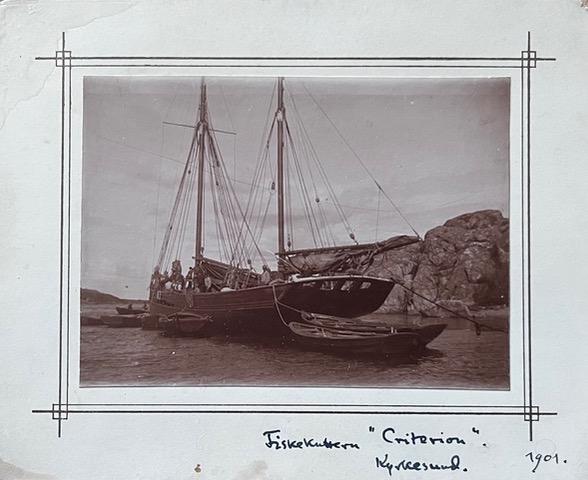
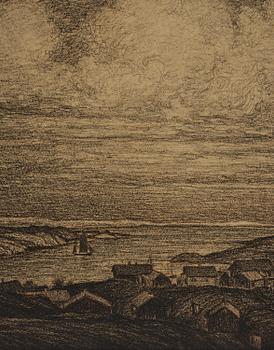
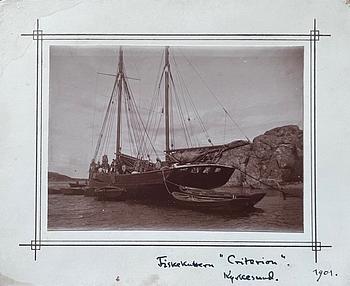
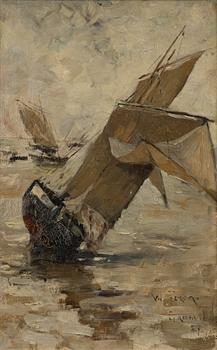
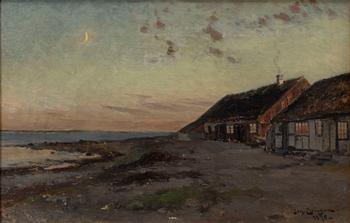
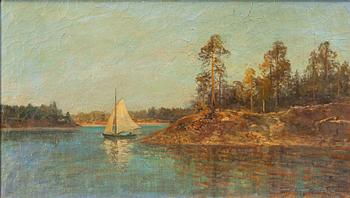
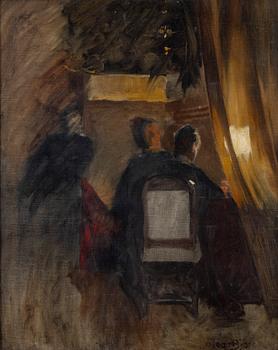
Sailing ships and sailing boats were a common sight at Kyrkesund and were used for herring fishing. Nordström’s sketchbooks from this period contain numerous studies of sailing and sealing vessels, and he took a number of photographs of sailing ships passing in and out of Kyrkesund, which he later used in his art (see fig.). Around 1902, Nordström became interested in acquiring a boat of his own. In a letter to Lachonius dated 13 May 1903, he asked him to find a boat, preferably a sailing boat (Karl Nordström och Härön. Brev som berättar, Föreningen Karl Nordström). Over the years, Karl Nordström executed a number of oil paintings with motifs from Kyrksund. The present work is one of the earliest known examples.
The Nordic exhibition at the Kaiser Wilhelm Museum in 1902 was of great importance for the international recognition of Swedish turn-of-the-century art. The museum’s director, Dr Deneken, wrote: “Many discerning men, thanks to the profound impression they received here, have come to the conviction that Nordic art is destined to take its rightful place alongside modern English and French art.” (S. Strömbom, Förbundets deltagande i stora allmänna utställningar utanför Sverige, in Nationalromantik och radikalism, Konstnärsförbundets historia 1891–1920, 1965, p. 240). On 11 June 1902, the editor of "Neue Freie Presse", Franz Servaes, wrote about Nordström’s works in the exhibition: “Thus I stood admiring Nordström’s landscapes, in which light and clarity reign to an extent one otherwise never sees. There I encountered nature’s most immediate breath.” (op. cit., p. 294).
From around 1894, charcoal became Karl Nordström’s most common medium for his drawings. R. Sturgeon-Becker wrote in "Aftonbladet" on 24 August 1912: “The most sensitive and, for Nordström, most suitable way of expressing his thoughts on canvas is through charcoal drawing, and as a draughtsman in charcoal, Karl Nordström ranks foremost among our artists” (quoted in the exhibition catalogue, Nationalmuseum, Konstnärsförbundet 1891–1920, February–March 1948, p. 88).
For condition report contact specialist
What will the transport cost?