Modern Art & Design presents Näfveqvarn | November 18–19
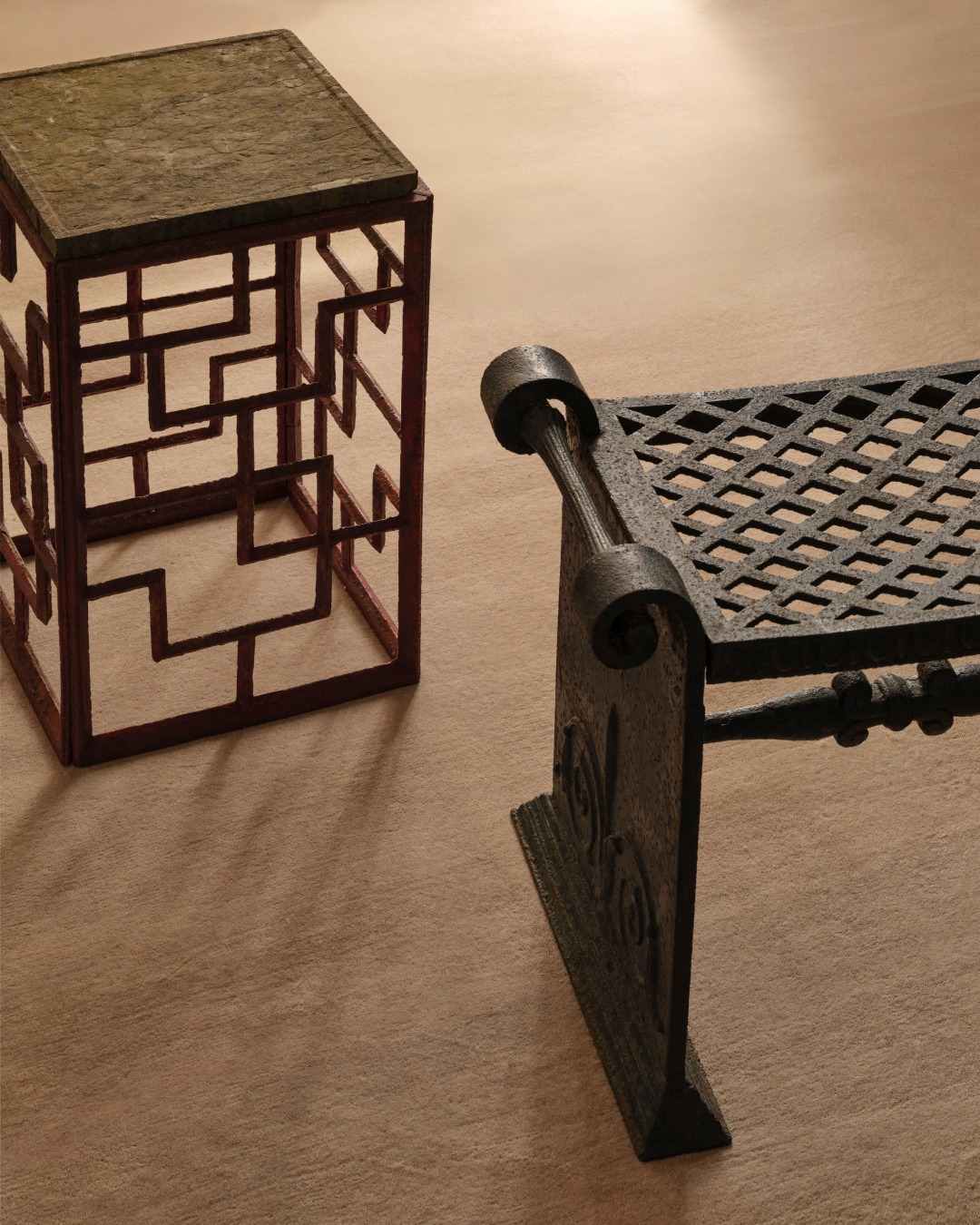
Näfveqvarns bruk (Näfveqvarn foundry), situated on the shores of the Bråviken bay in Nävekvarn, Södermanland county, holds a prominent place in the history of Swedish industry and design. For this season’s Modern Art & Design, Bukowskis presents a curated selection of objects from Näfveqvarns bruk.
Founded in the 17th century, the foundry evolved over time into a significant center for iron production and casting. During the late 19th and early 20th centuries, artistically designed iron objects gained increasing importance. Through collaborations between the foundry’s technical expertise and prominent architects and designers, pieces were created that bridged the realms of craftsmanship, art, and industrial manufacturing. The capacity of cast iron to render intricate ornamentation and sculptural forms made the material exceptionally well-suited for this type of artistic industrial production. The 1920s marked a golden age for the foundry; its products were showcased and acclaimed at events such as the 1923 Gothenburg Tercentennial Jubilee Exposition, the 1925 International Exhibition of Modern Decorative and Industrial Arts in Paris, and the 1927 exhibition of industrial arts in New York. These objects fused classicist forms, decorative reliefs, and sculptural motifs with the robust character of cast iron.
Weekdays 11 AM – 6 PM
Weekends 11 AM – 4 PM
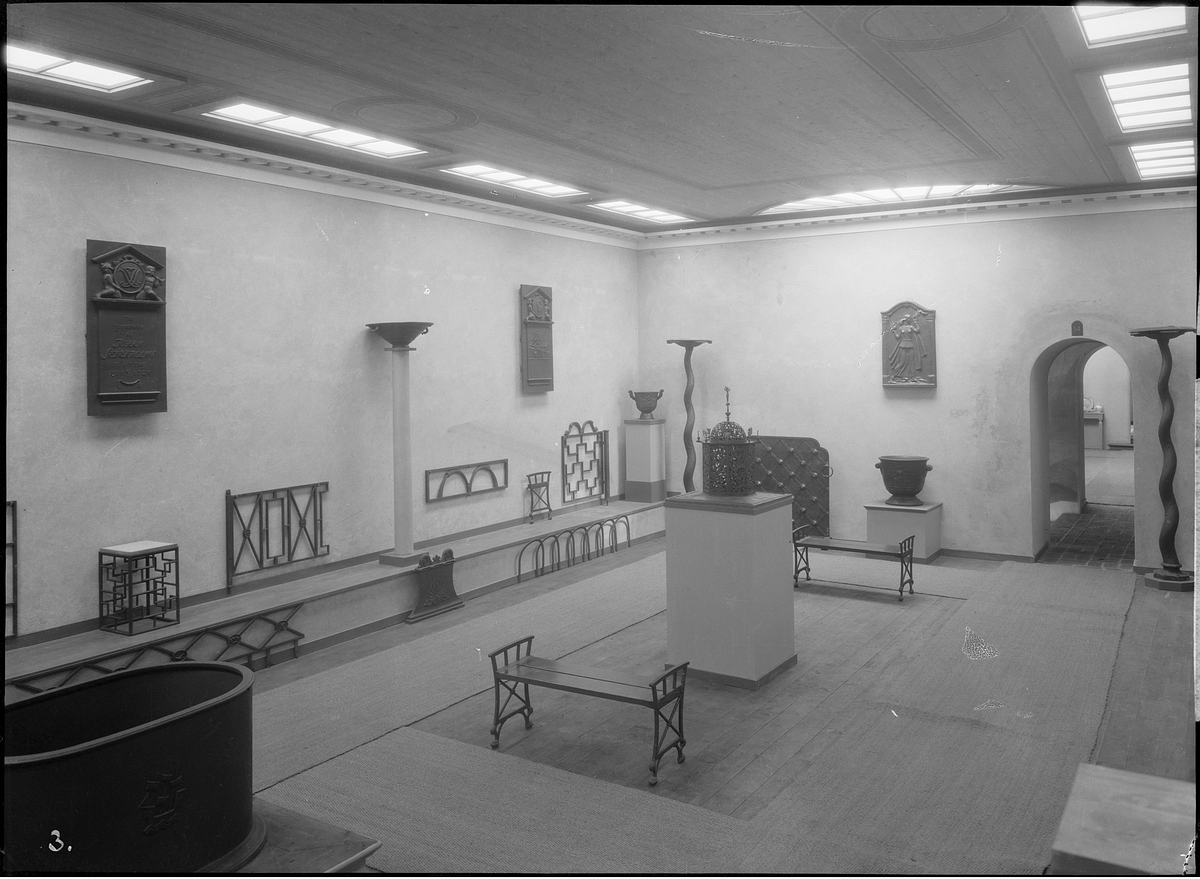
The present sale features several unusual and highly sought-after models cast at the Näfveqvarn foundry, including Folke Bensow’s “Bord N:r 10” table and “Taburett N:r 1” stool. The latter—along with the exceptionally rare “Blomster” (Flower) table, designed by Carl Hörvik and Ernst Spolén—comes from the Ellesøhus estate, north of Copenhagen, Denmark. All the items reflect an era when industrial expertise, artistic vision, and a design approach deeply attuned to the nature of materials converged in an extraordinary way.

The Selection at Modern Art & Design
Enquiries and Condition Reports