
Important Spring Sale presents Pelle Swedlund | June 10–12
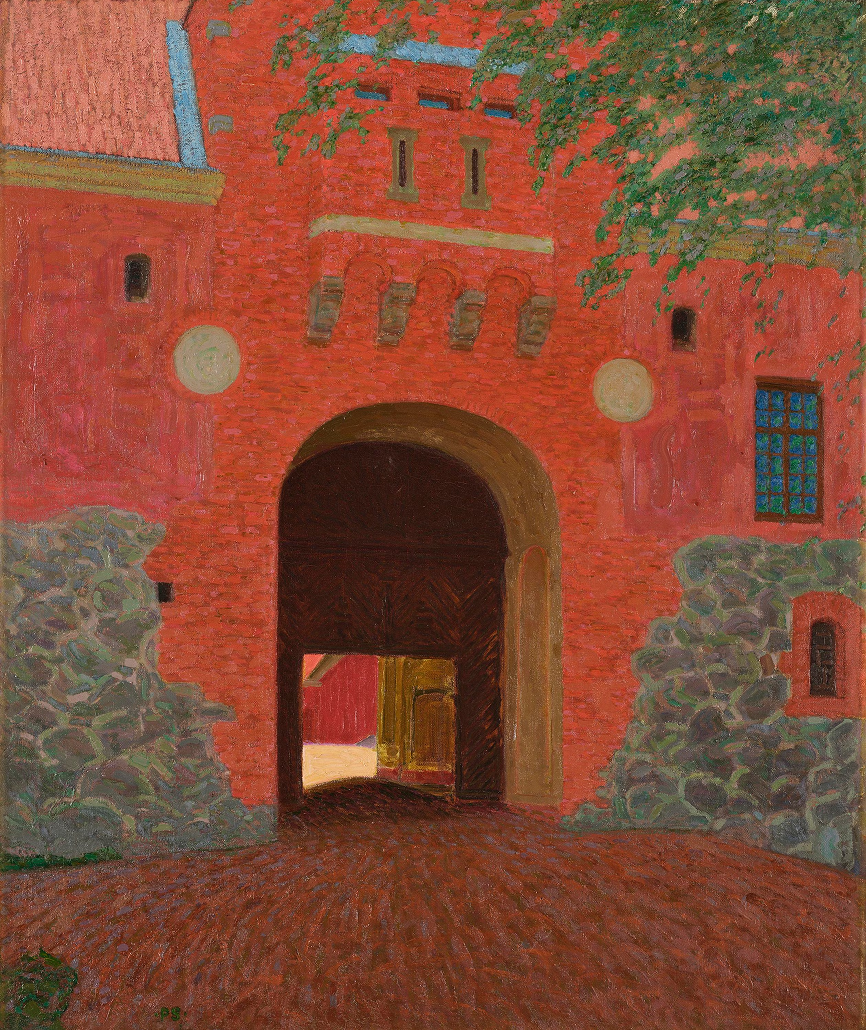
Pelle Swedlund belongs to the Swedish artists around the turn of the 20th century who were most strongly influenced by the mood-laden and spiritual imagery of symbolism.
His painting often navigates the border between reality and vision: landscapes, urban motifs, and twilight scenes become for him carriers of emotions, memories, and melancholic moods rather than mere observations of nature. In his art, there is a clear interest in the dreamlike and enigmatic, something that connects him to the European symbolism that emerged in Paris and Belgium during the late 19th century.
After studying at the Royal Academy of Fine Arts in Stockholm from 1889 to 1892, Swedlund travelled to France, where he stayed in both Paris and Brittany. There, he came into contact with the synthetic and symbolist ideas that developed around Paul Gauguin and the artist group Nabis. These influences are evident in Swedlund's simplified forms, clear contours, and use of large fields of colour, where colour not only describes nature but also expresses an inner emotional state. He was also inspired by symbolists such as Gustave Moreau, whose art was characterised by mysticism and allegorical undertones.
Weekdays 11 AM – 6 PM
Weekends 11 AM – 4 PM
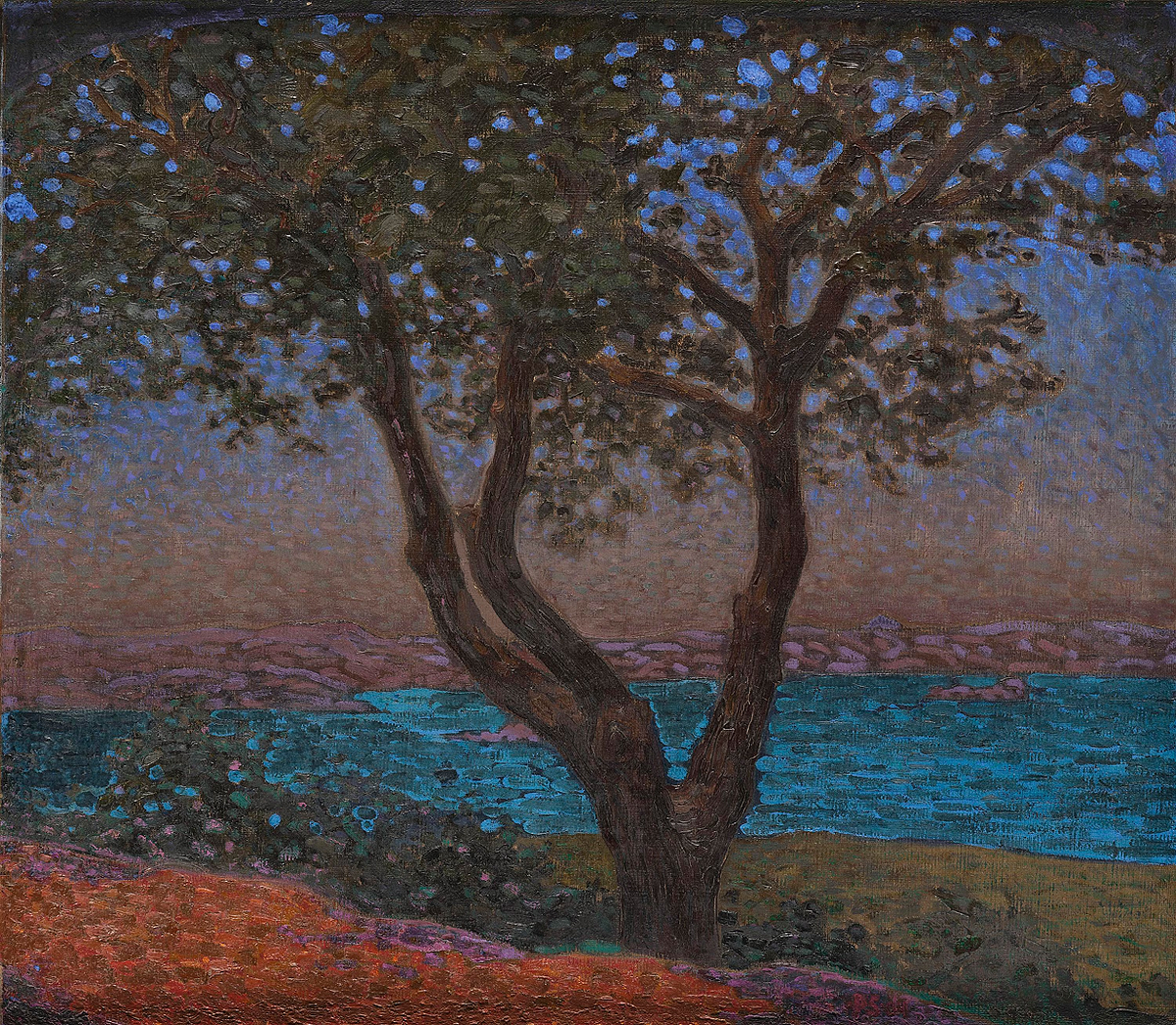
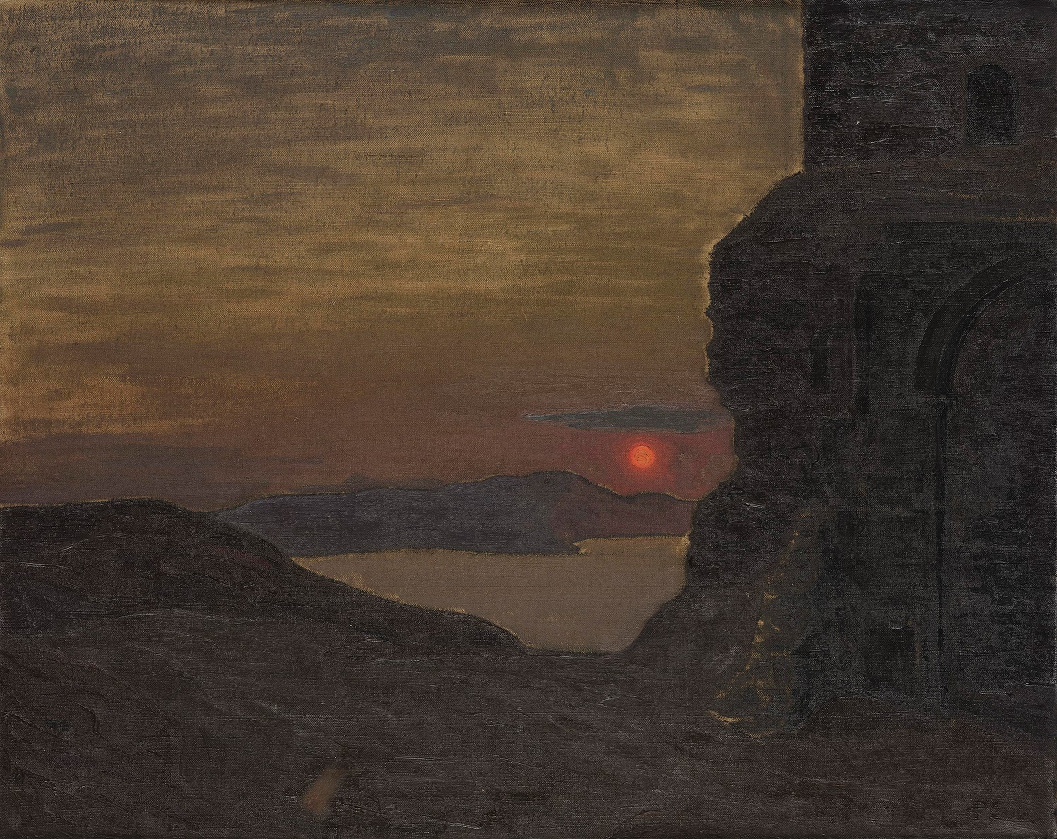
A particularly important place for Swedlund became Bruges, which he began to visit around the turn of the century. The medieval city had then become something of a cult place for symbolism after Georges Rodenbach's novel Bruges-la-Morte, where the city is portrayed as a dreamlike and almost supernatural realm filled with silence, fog, and memories. For Swedlund, Bruges became an ideal environment for his poetic painting. He painted canal scenes, churches, and evening moods where the architectural landscape almost dissolves into a wistful light. Here, he developed his most characteristic expression: a lyrical and suggestive painting where the city appears as a symbol of solitude, stillness, and inner contemplation.
Swedlund also spent long periods in Italy between 1903 and 1912. There, he was fascinated by evening light, historical urban environments, and southern colour palettes. The Italian paintings differ somewhat from the Bruges motifs in that they are often warmer and more glowing in tone, but even here, the symbolist mood predominates: twilight, stillness, and an almost meditative relationship with the place. His sunsets and evening scenes from Italian cities show how light became for him an emotional and spiritual means of expression rather than a realistic phenomenon.
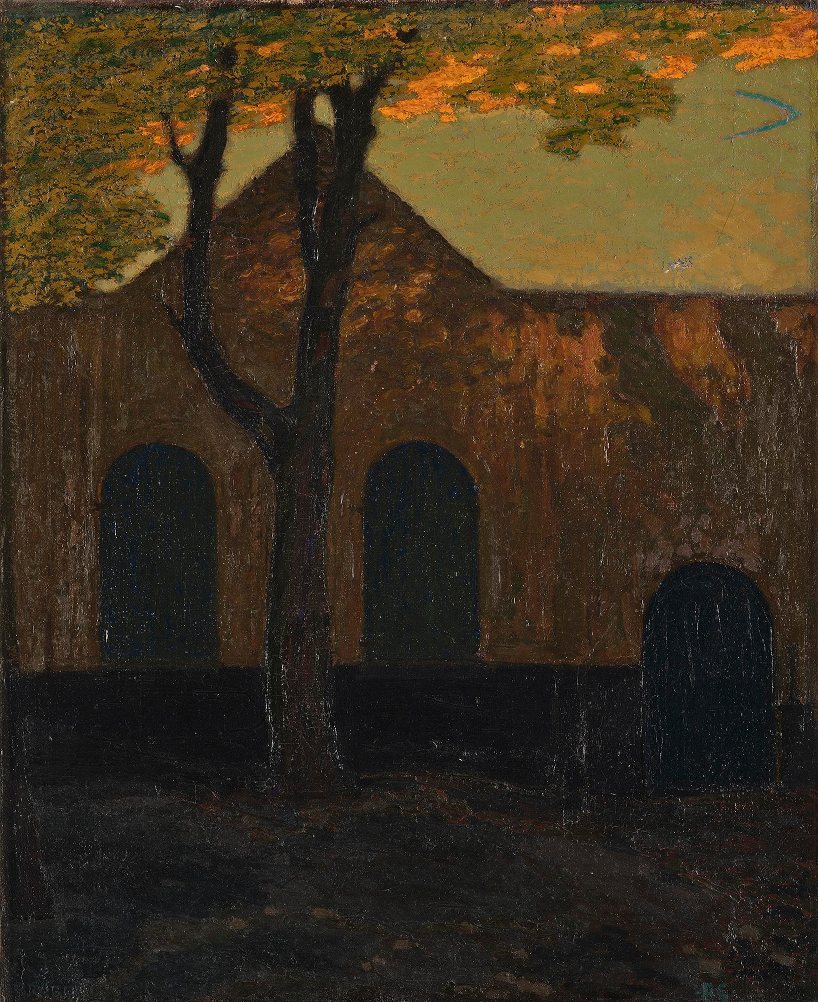
Even in Sweden, Swedlund sought environments with historical and mystical resonance. He painted in Gotland, particularly in Visby, whose medieval ruins and seaside evening light reminded him of Bruges' poetic atmosphere. He also spent time in Jämtland, in Stockholm, and along the Swedish west coast. Regardless of the motif, the same symbolist fundamental idea recurs: nature and the city are not merely depicted places but reflections of the human inner life. Swedlund's art is therefore characterised by a subdued yet intense emotional register where solitude, dreams, and quiet melancholy take visual form through colour and light.
Pelle Swedlund at Important Spring Sale
Enquiries and Condition Reports