Important Winter Sale presents Johann Carl Loth | December 9–11
Vulcanus Casting His Net over Mars and Venus
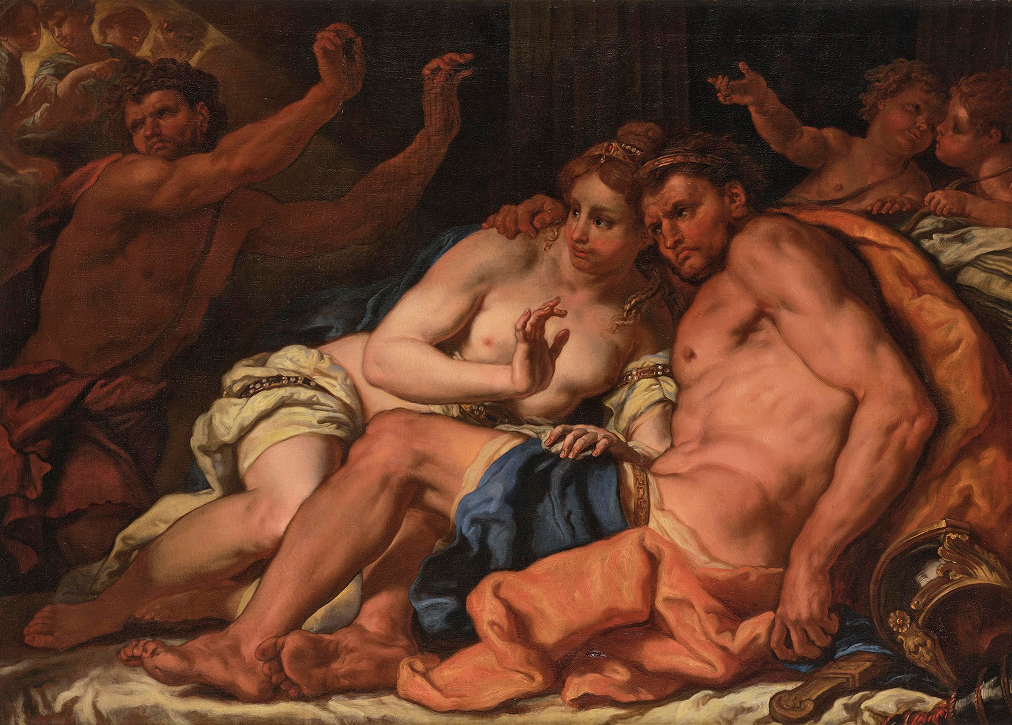
Johann Carl Loth grew up in an artistic family. His father, Johann Ulrich Loth, was a painter himself and provided him with his first artistic training. In 1653, he travelled to Italy to further develop his skills. During his stay in Rome, he was influenced, among others, by the celebrated artist Caravaggio and his dramatic use of light and shadow. He subsequently settled in Venice, where he developed his distinctive personal style and gained considerable recognition.
His work is characterised by strong contrasts of light and darkness, powerful figures and dramatic compositions. These were typical features of the Baroque visual language, in which artists sought to evoke movement, emotion and drama. Loth primarily painted religious subjects, historical events and narratives drawn from classical mythology. His paintings often feature large-scale human figures positioned close to the viewer, creating a powerful sense of presence and intensity.
Weekdays 11 AM – 6 PM
Weekends 11 AM – 4 PM
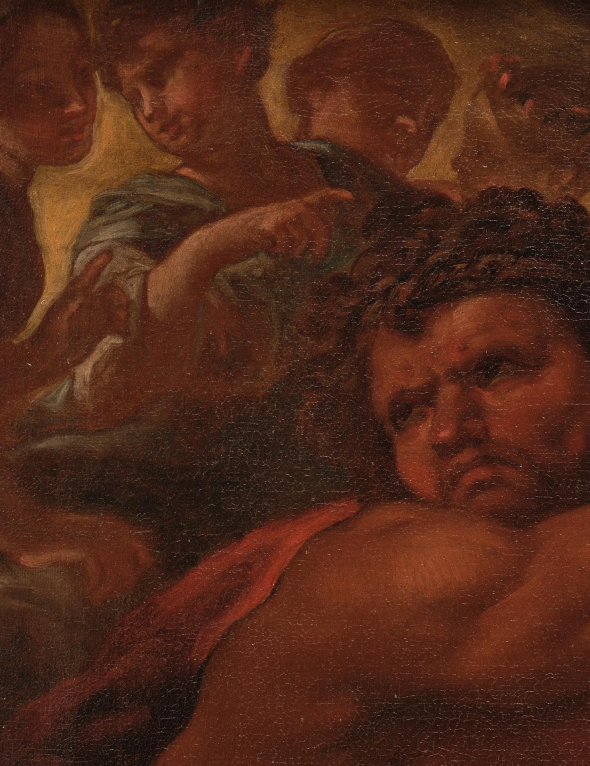
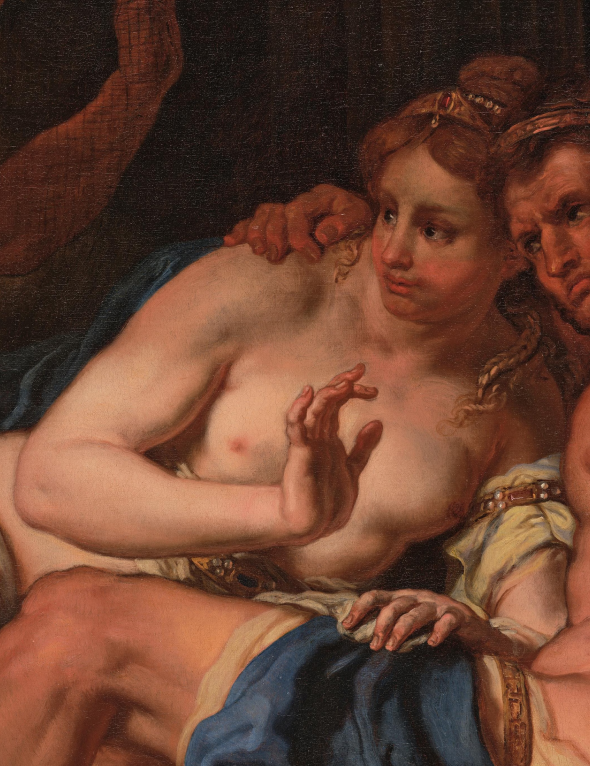
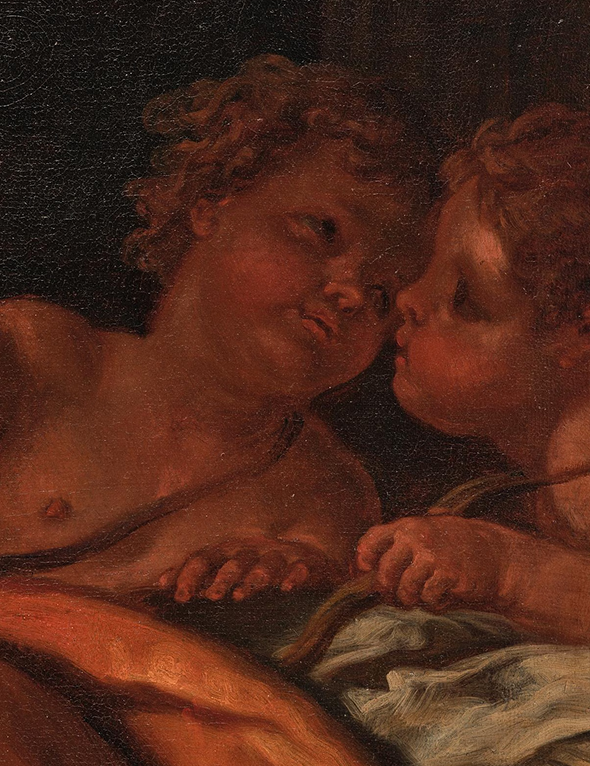
During his lifetime, Johann Carl Loth was regarded as one of the leading painters in Venice. His work played an important role in the development of South German Baroque painting. Although his name is not as widely recognised today as that of some other Baroque artists, his paintings remain important examples of the dramatic and emotionally charged art that characterised the Baroque period.
Loth died in Venice in 1698, aged 66. His artistic career clearly demonstrates how Italian and German artistic traditions could be brought together to create a distinctive and expressive visual language.
Johann Carl Loth at Important Winter Sale
Enquiries and Condition Reports