Lilla Bukowskis – The Popular Spring Auction Is Back
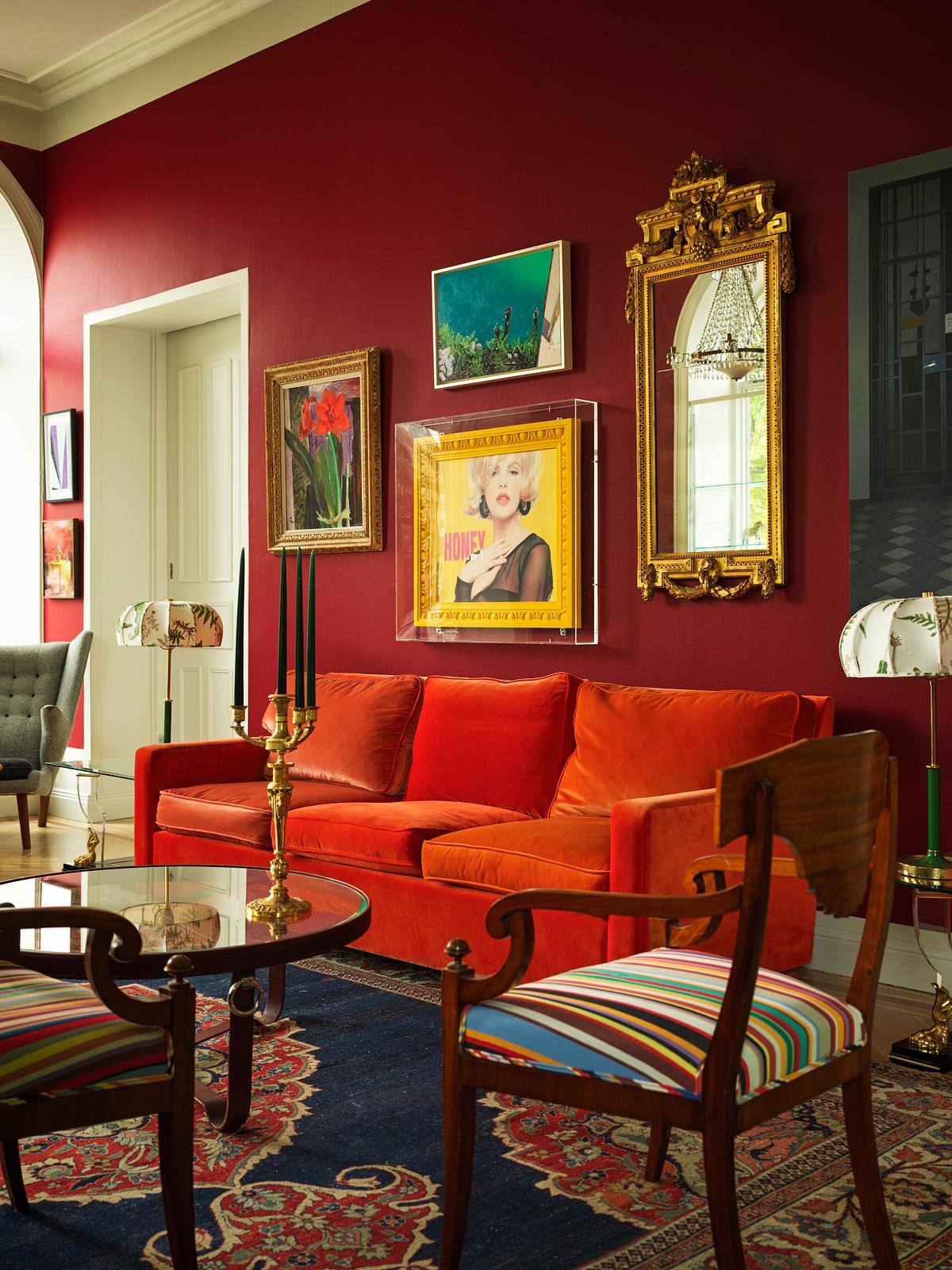
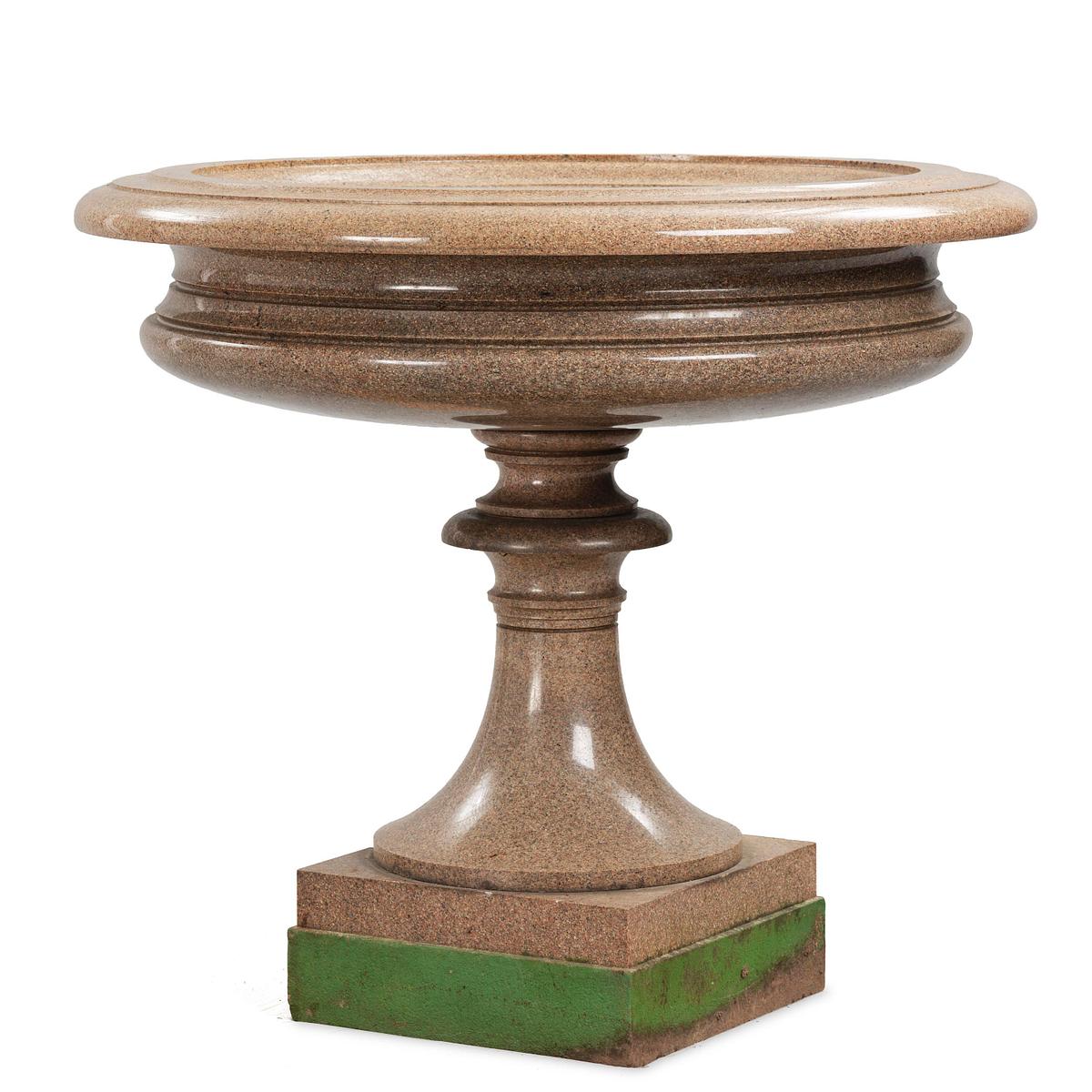
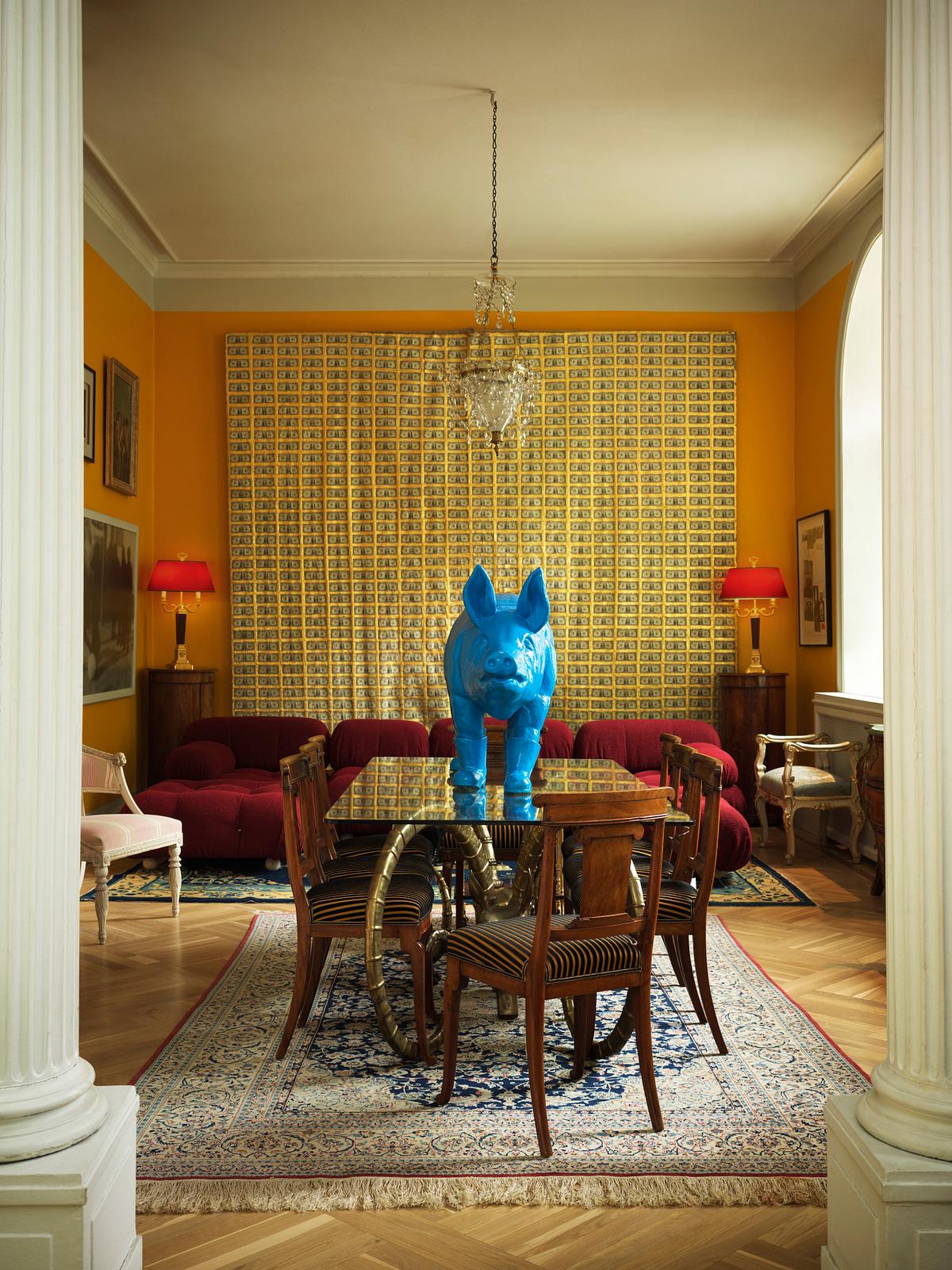
In spring 2026, Lilla Bukowskis returned – the much-loved auction from the 1990s, with a focus on quality and character. The auction brings together bold colours, sculptural forms and classic details in a contemporary whole.
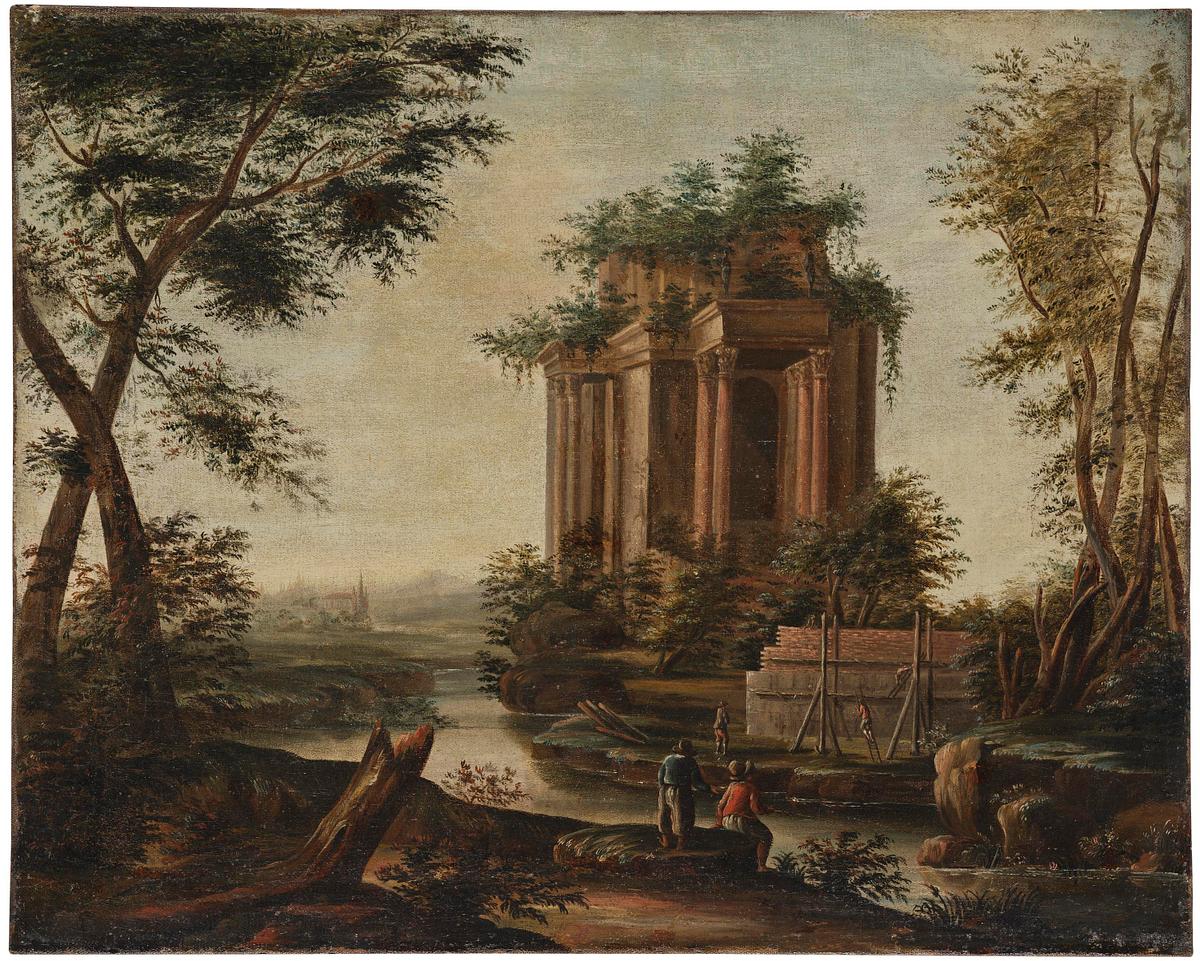
The autumn edition presents a personal and varied selection of art, design and antiques. Expressive pieces sit alongside timeless classics, chosen for their quality, character and ability to create unexpected encounters.
Lilla Bukowskis continues to be a place for the personal and the unexpected – where different periods, materials and expressions come together to create a vibrant whole.
Weekdays 11 AM – 5 PM
Weekends 11 AM – 4 PM
Live Auction: September 28, Starting at 1 PM
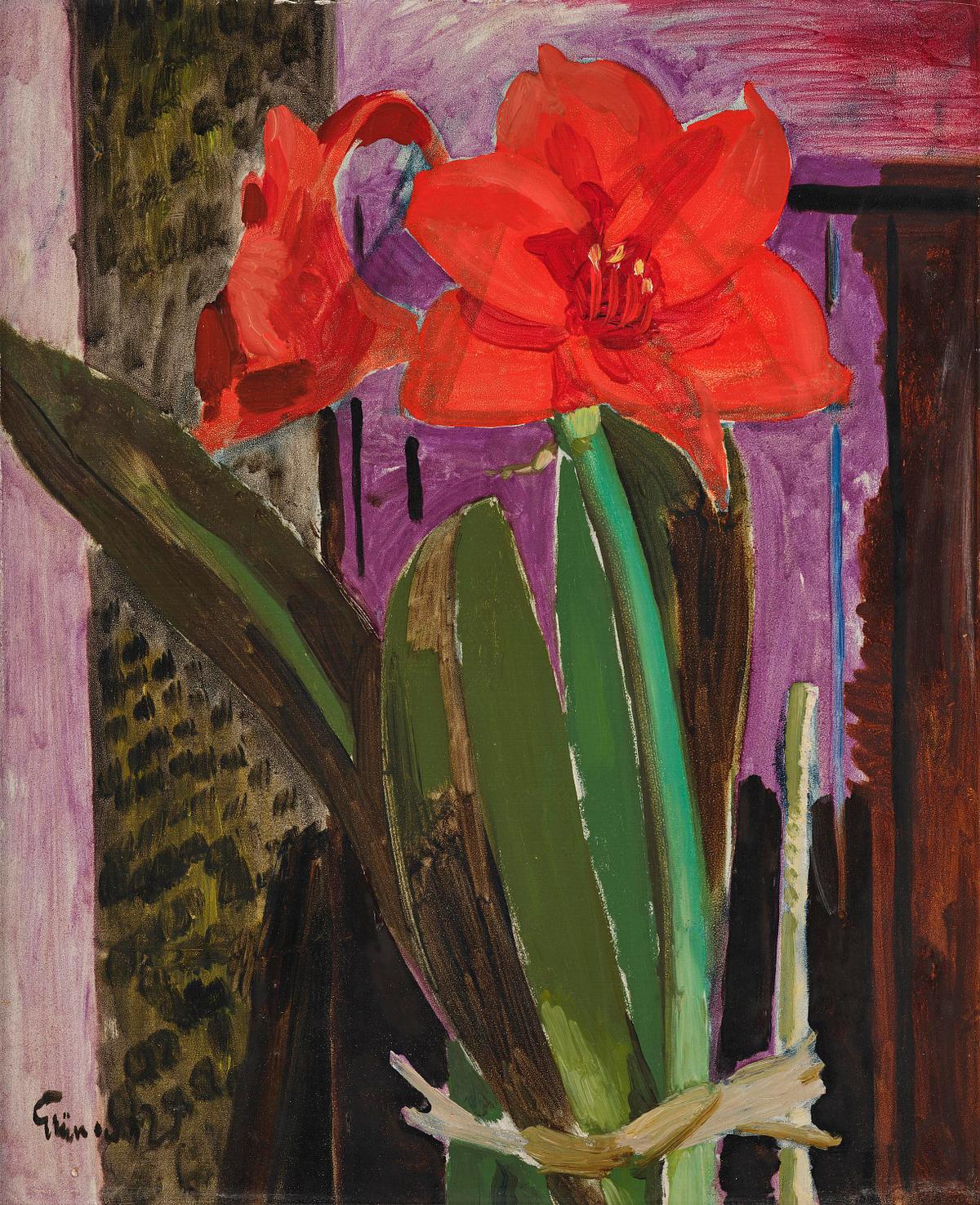
Isaac Grünewald found a response to his intense longing for colour in the hues of flowers, particularly those of the blood-red amaryllis. To him, flowers were not merely living beings with emotional responses and distinct characters; they were colour itself brought to life. Nothing elicited his joy in painting as directly as flowers. Flower painting did not enjoy the same esteem as figure compositions among contemporary critics, something that scarcely concerned Grünewald. He was criticised for his overly bold experimentation with colour. In 1915, newly returned from France and Germany, he exhibited flowers exclusively at Gummesons Konstgalleri, an exhibition that was greatly appreciated by the public.
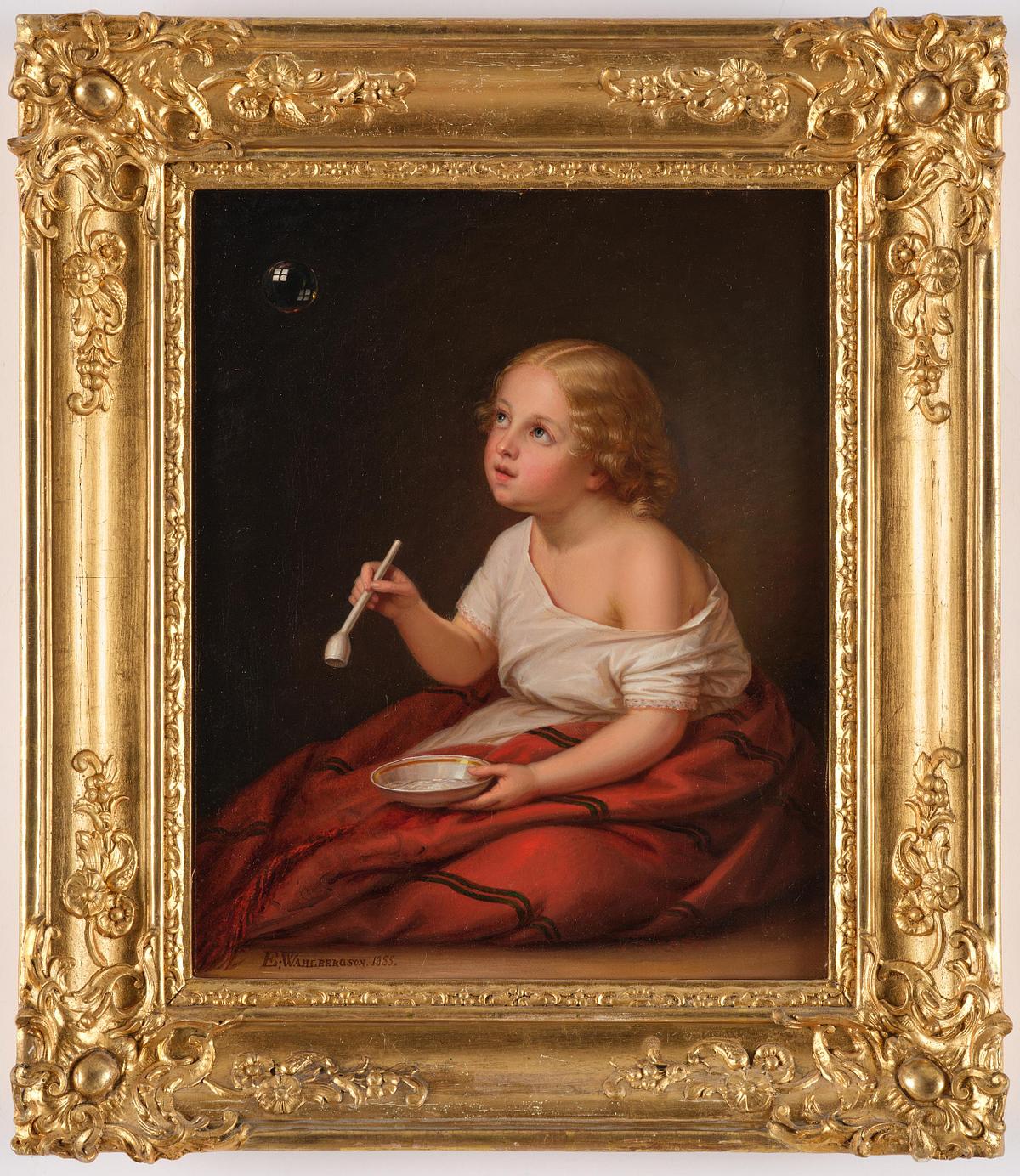
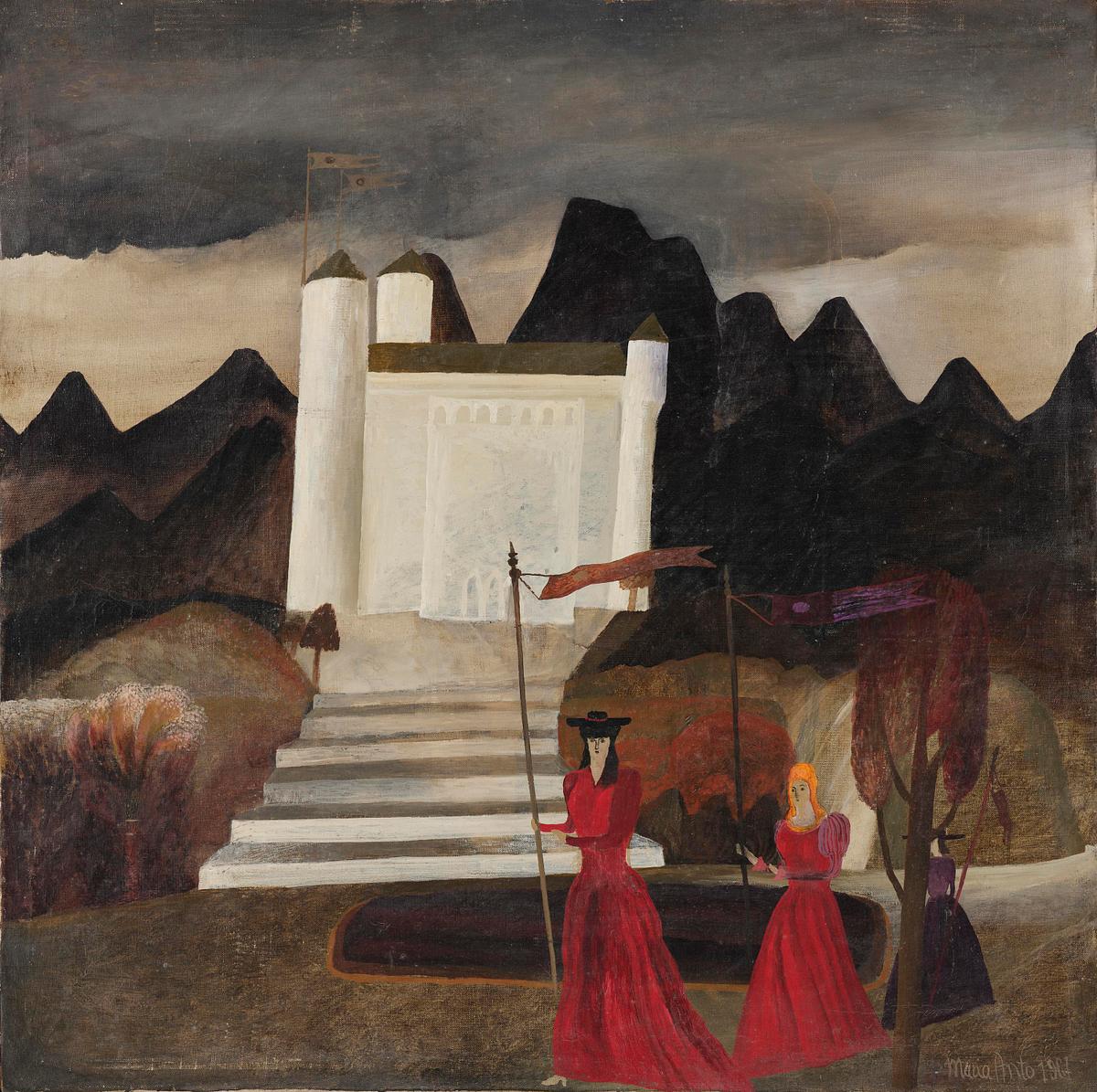
Maria Anto occupies a distinctive position in Polish post-war art. At a time marked by abstraction and the emergence of conceptual art, she chose an independent path, developing a figurative visual language incorporating elements of Surrealism, fantastical art and magic realism.
Anto’s paintings are populated by people, animals, plants and buildings in enigmatic landscapes where everyday life and fantasy merge. Family members, self-portraits and familiar places in Warsaw recur, as do factories and industrial areas transformed into dreamlike, sometimes threatening environments. Behind the fairy-tale surface of the images lies a psychological tension between security and unease, darkness and wonder. Her childhood in German-occupied Warsaw, shaped by war and loss, provides an important background to this visual world.
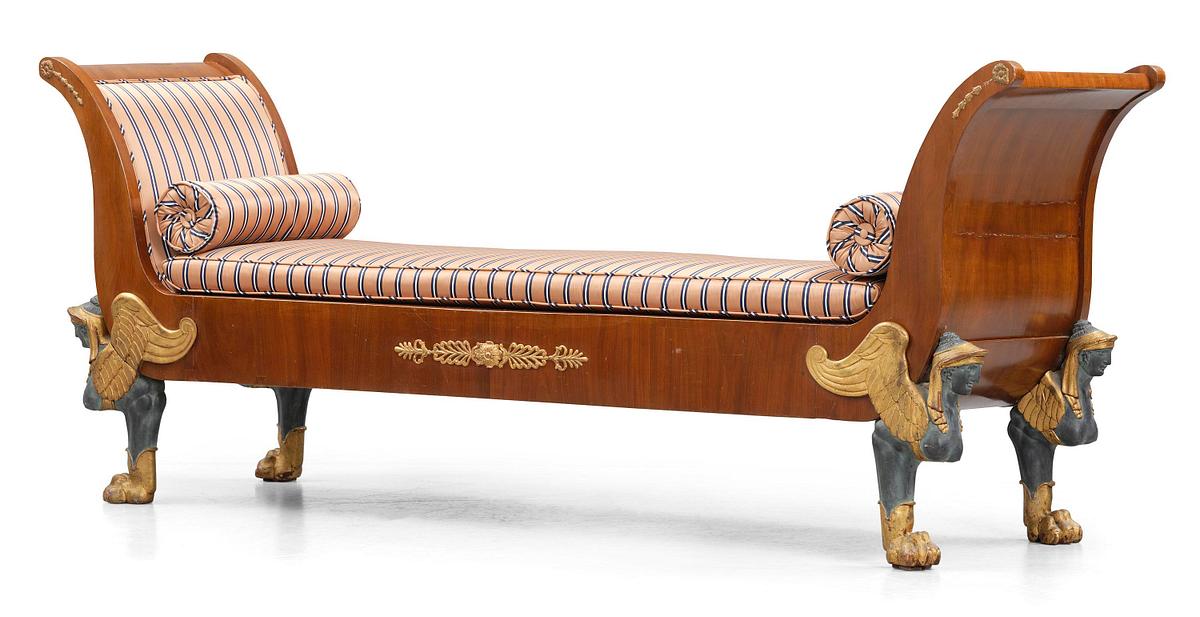
"Abstrakt stilleben"
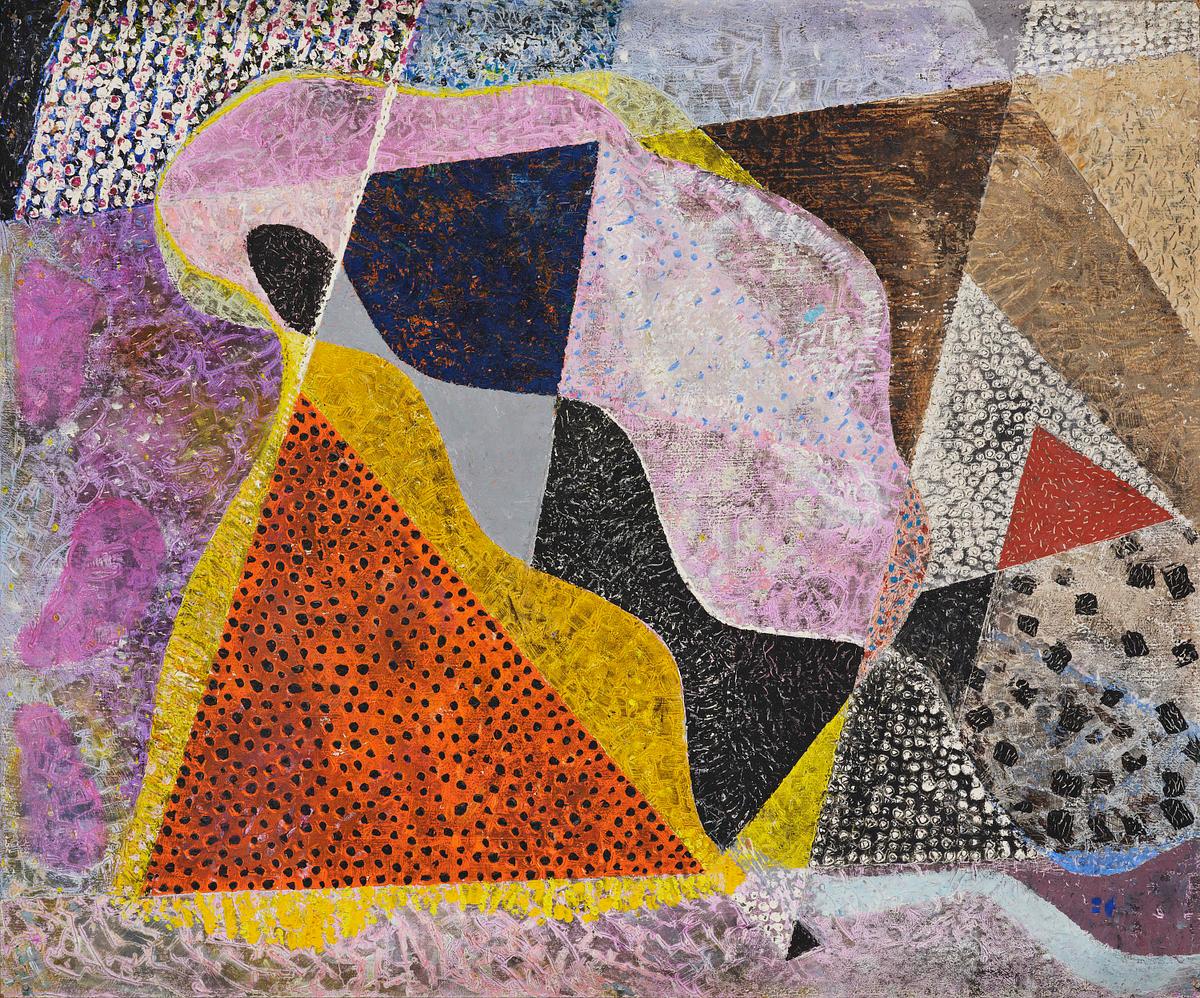
Ingegerd Torhamn (1898–1994) was one of the earliest and most prominent Swedish Concrete artists. Her major breakthrough came when she participated in the legendary Stockholm Exhibition of 1930. Torhamn was drawn to the clean, geometric lines of Functionalism, and her paintings often feature seemingly simple, non-figurative motifs.
Lilla Bukowskis presents seven works by Ingegerd Torhamn, along with a collection of works by Concrete and Cubist artists from Sweden and the Nordics.

Enquiries and Condition Reports