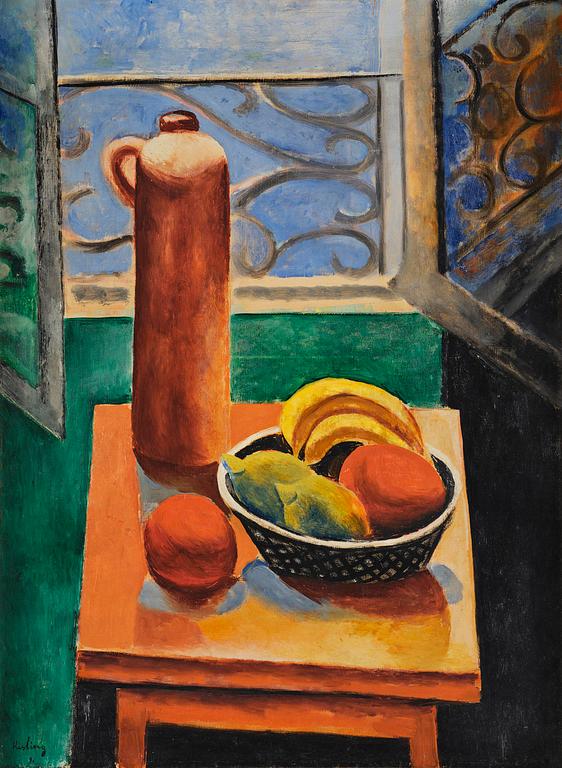
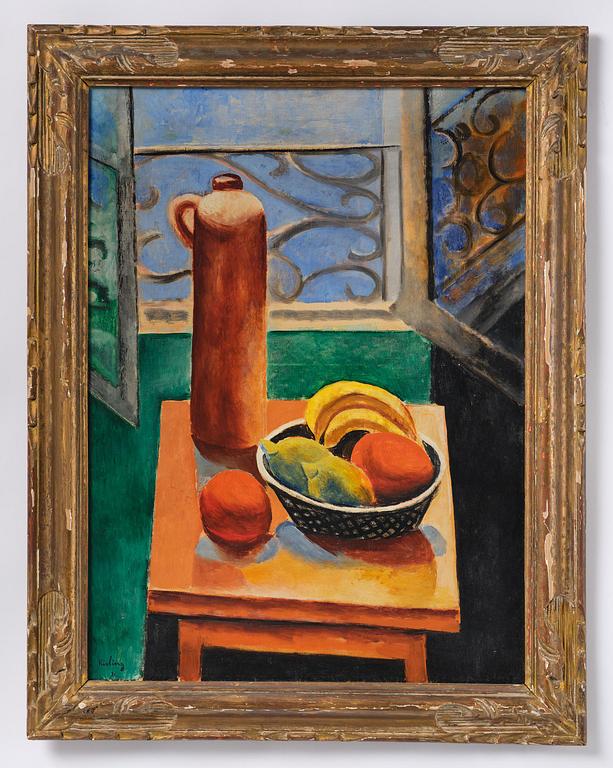
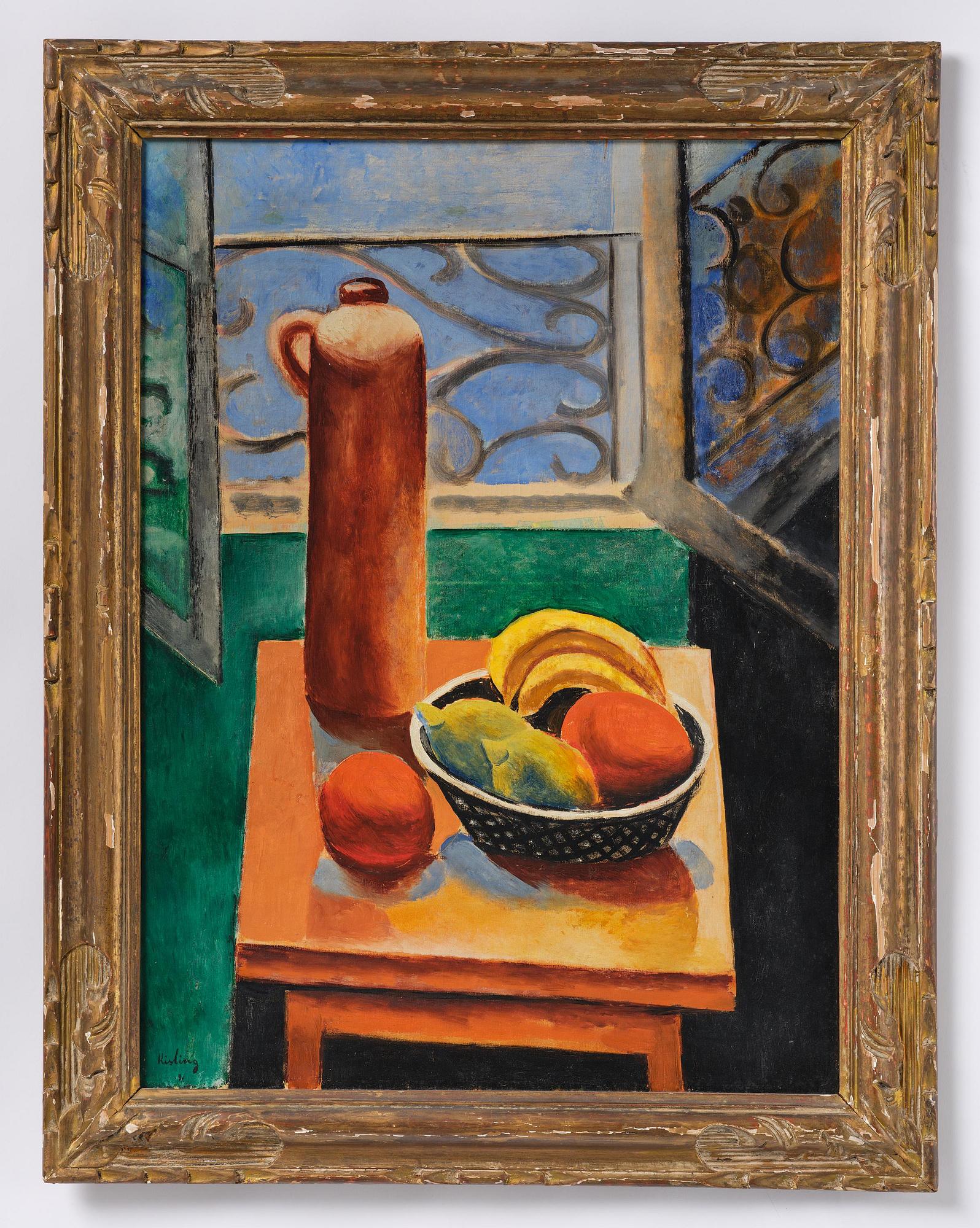
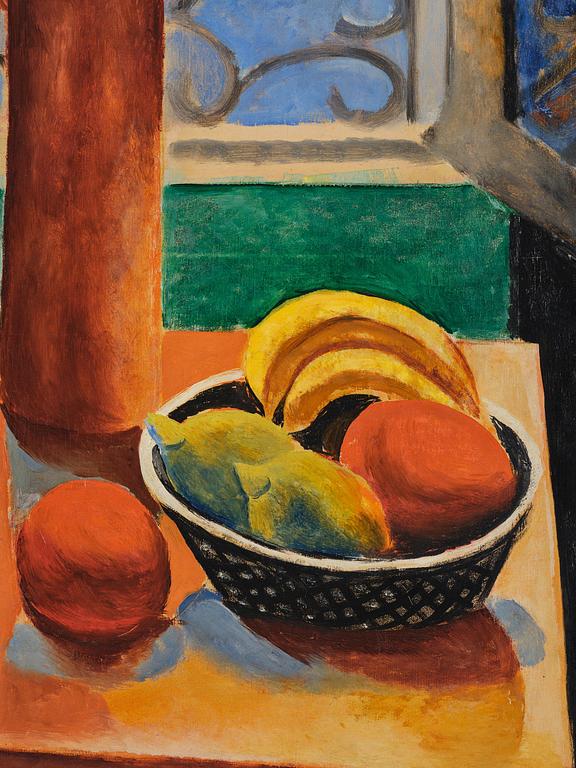
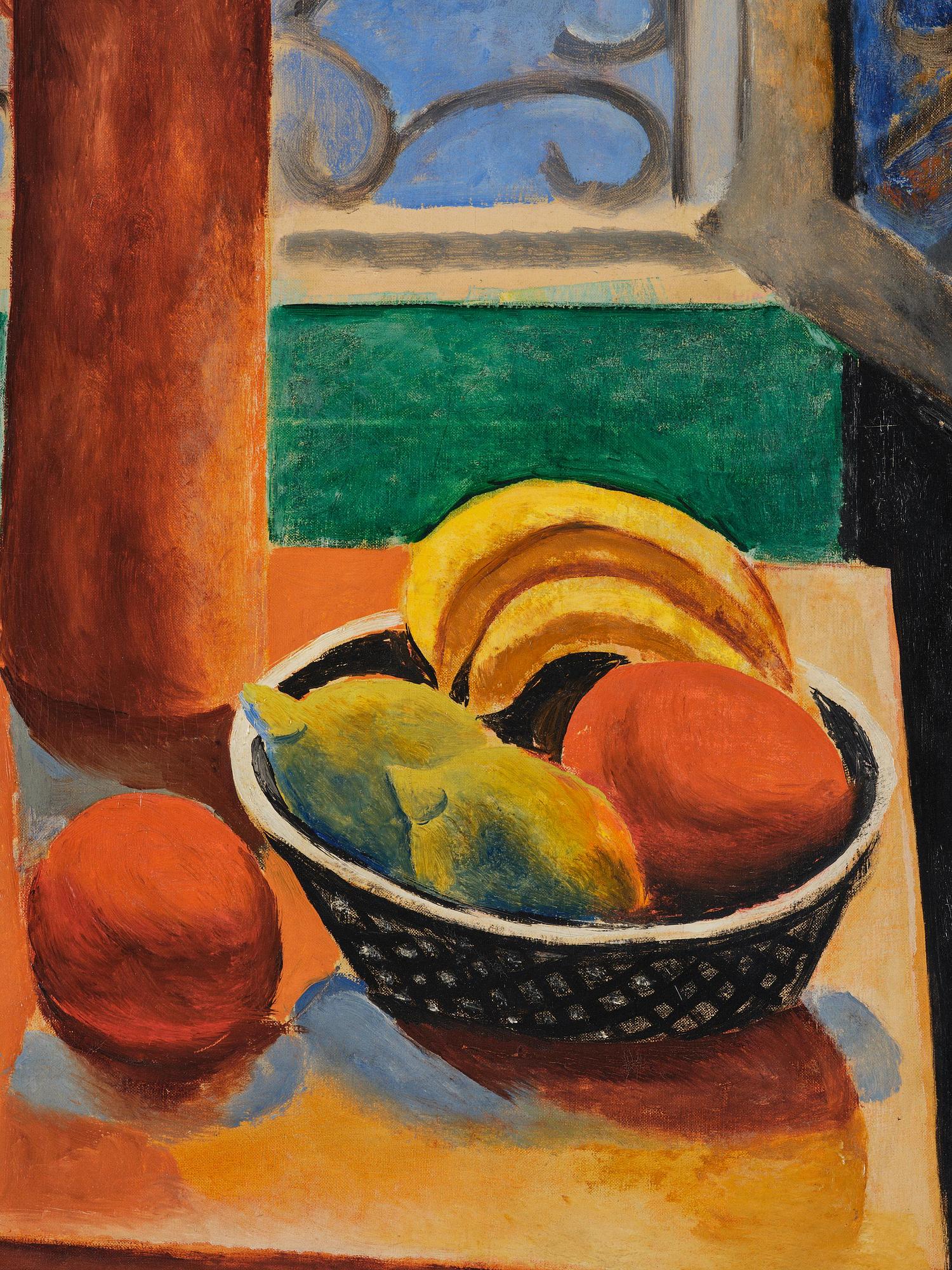
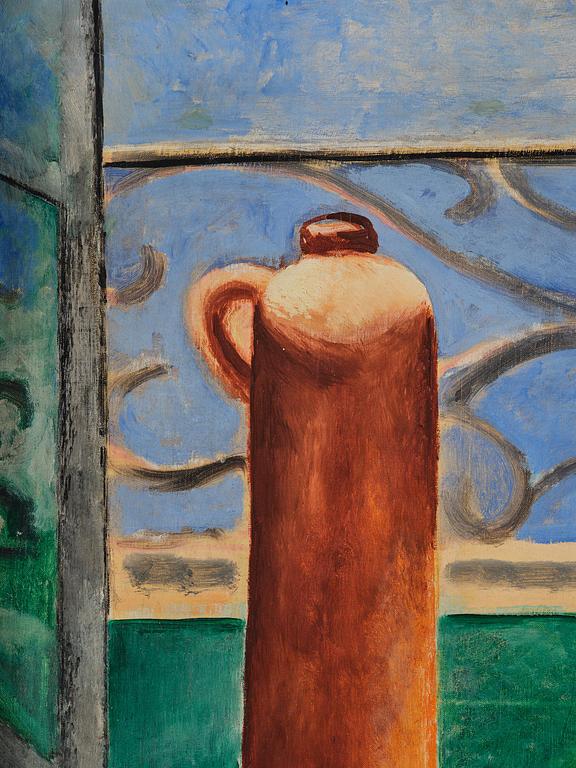
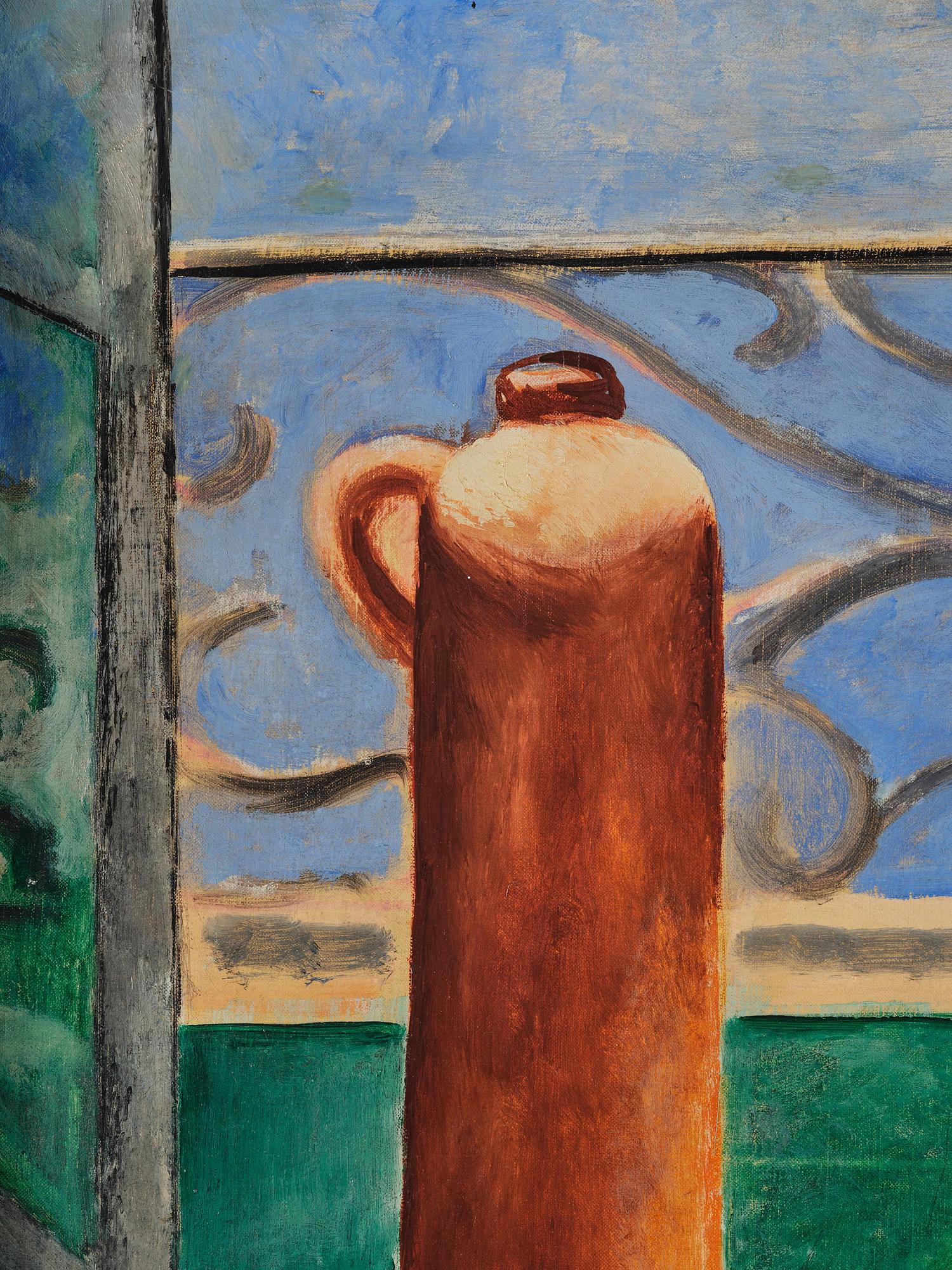
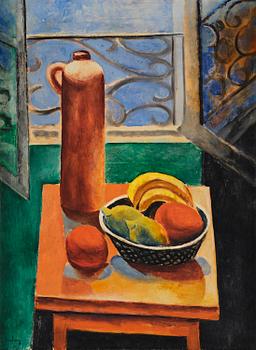
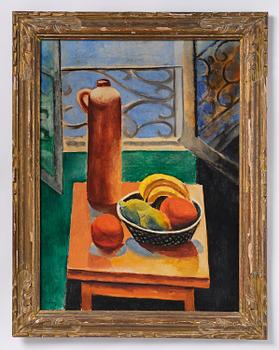
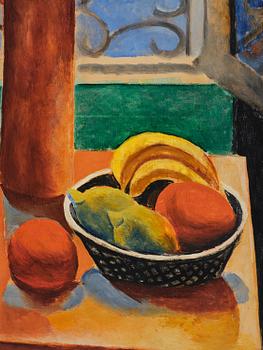
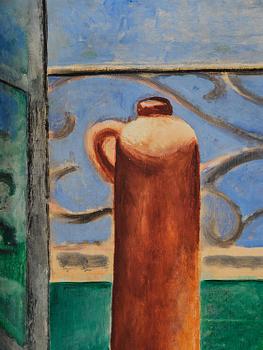
Nature morte à la coupe de fruits (Still life with bowl of fruits)
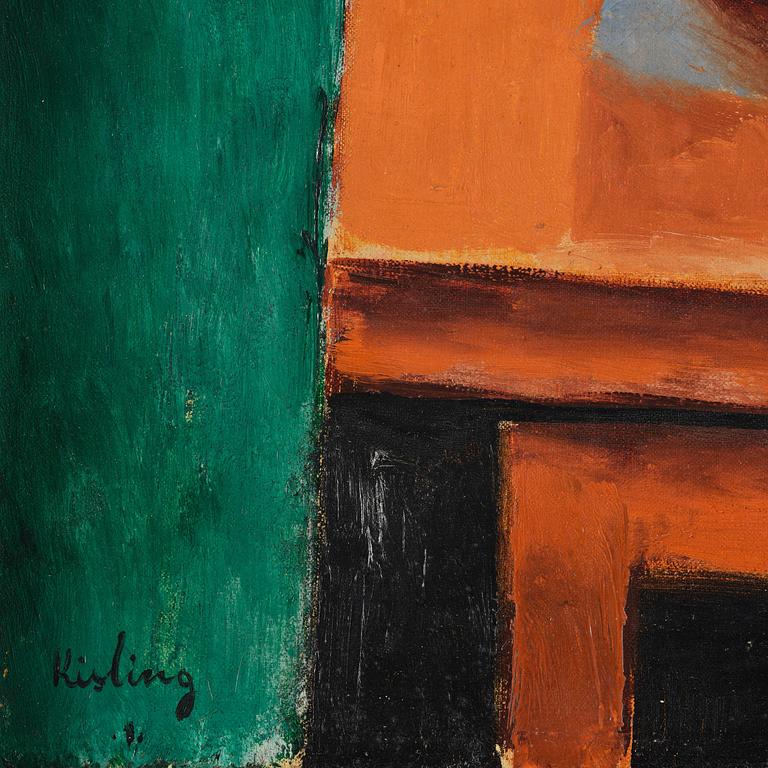
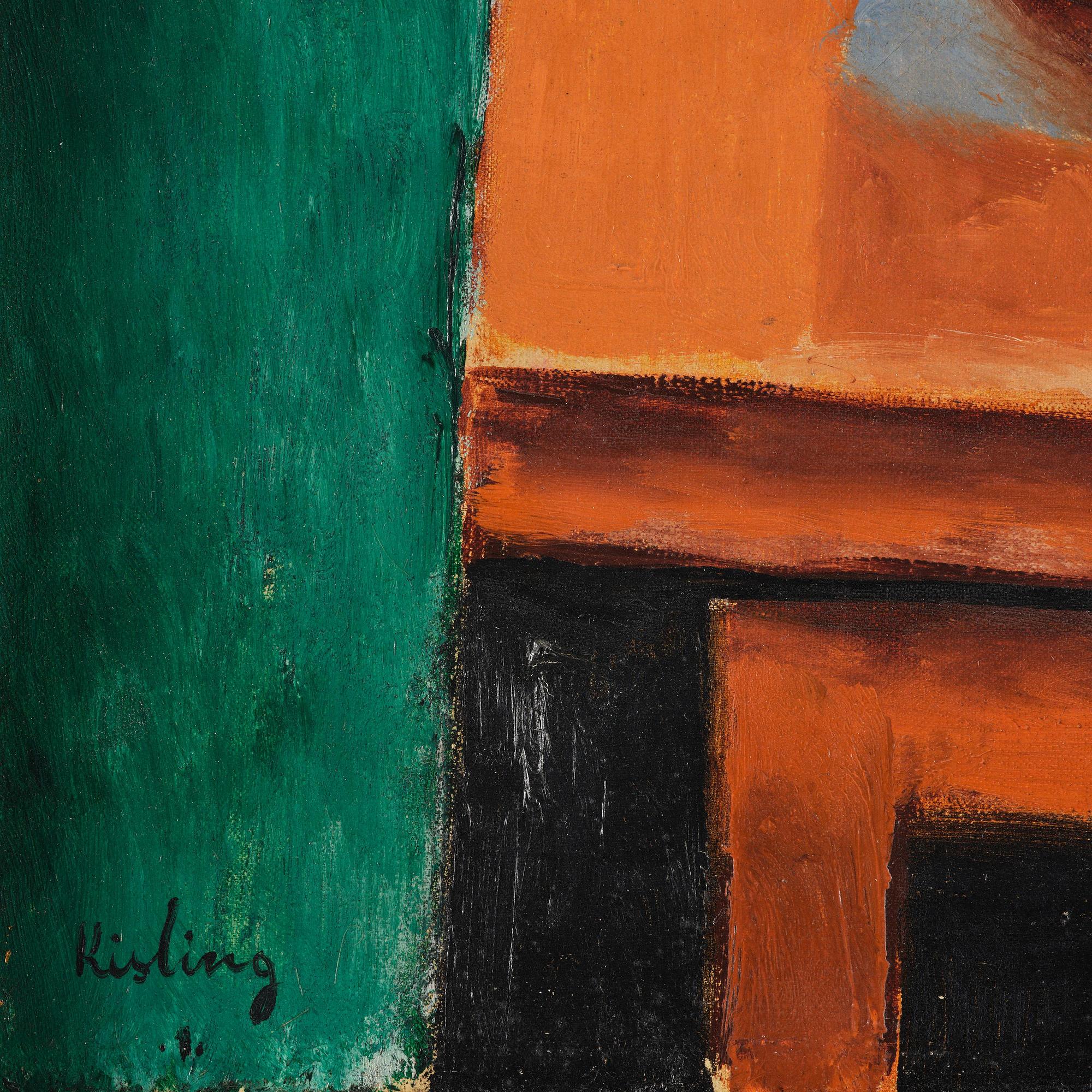
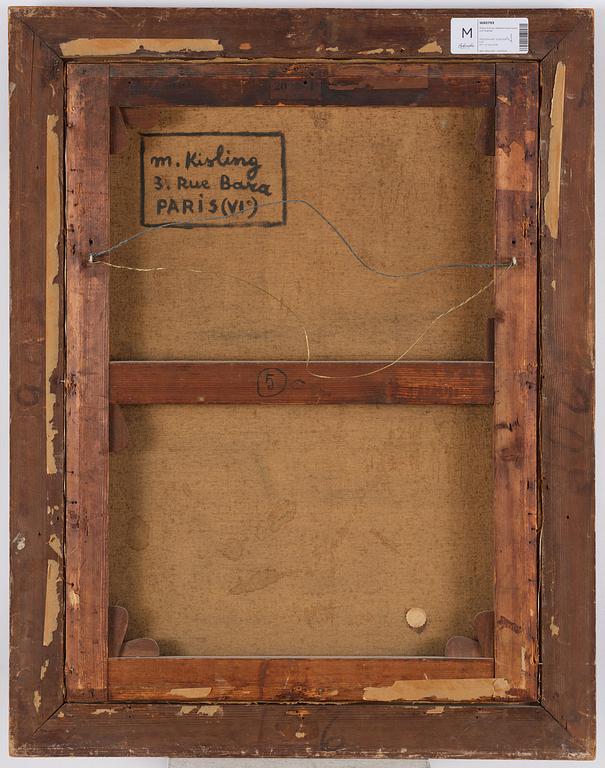
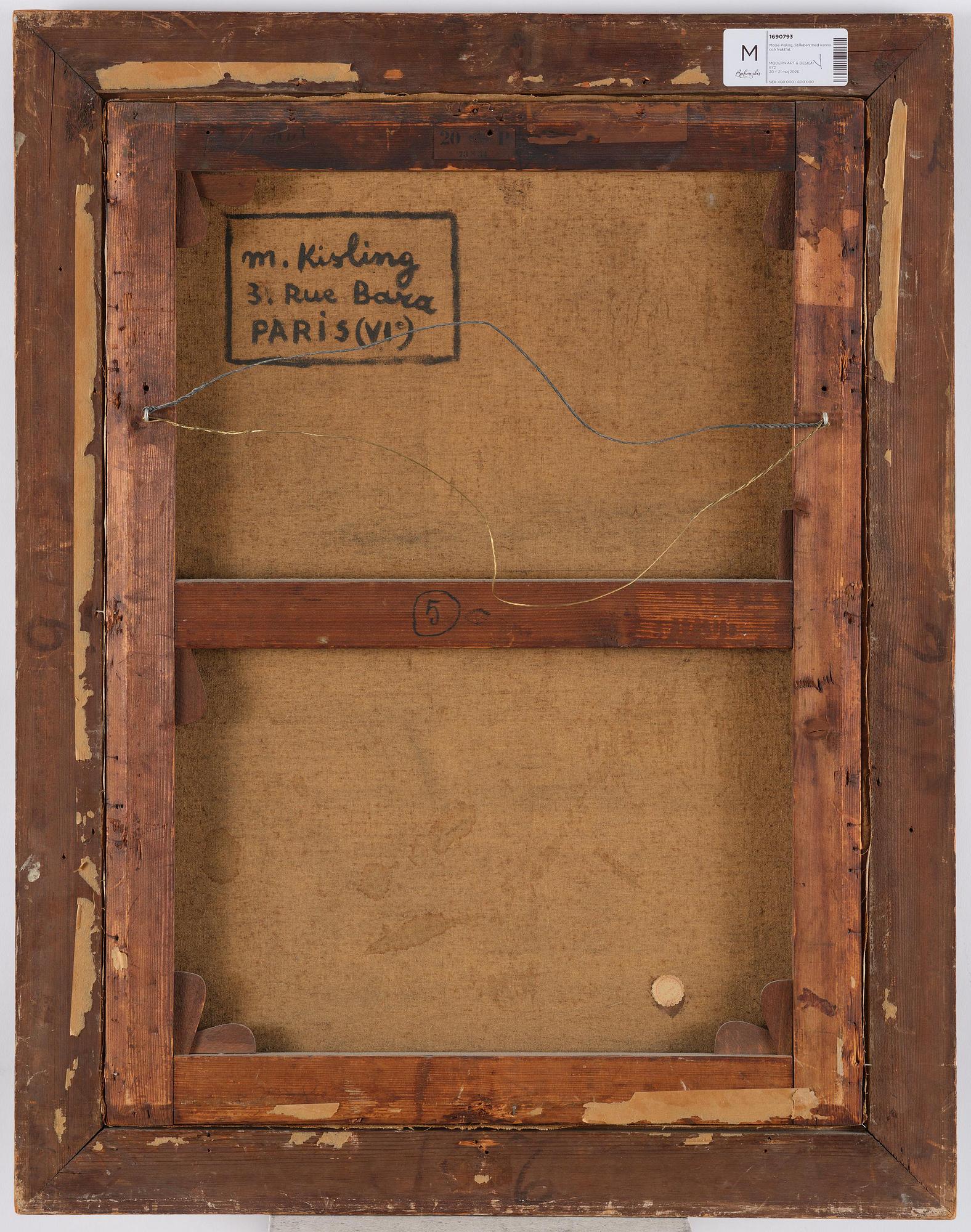
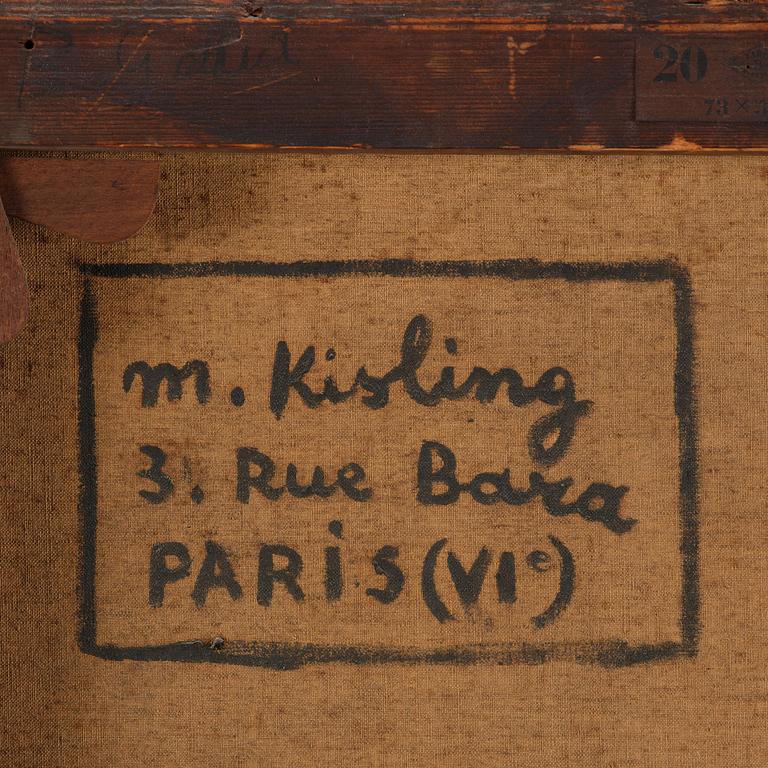
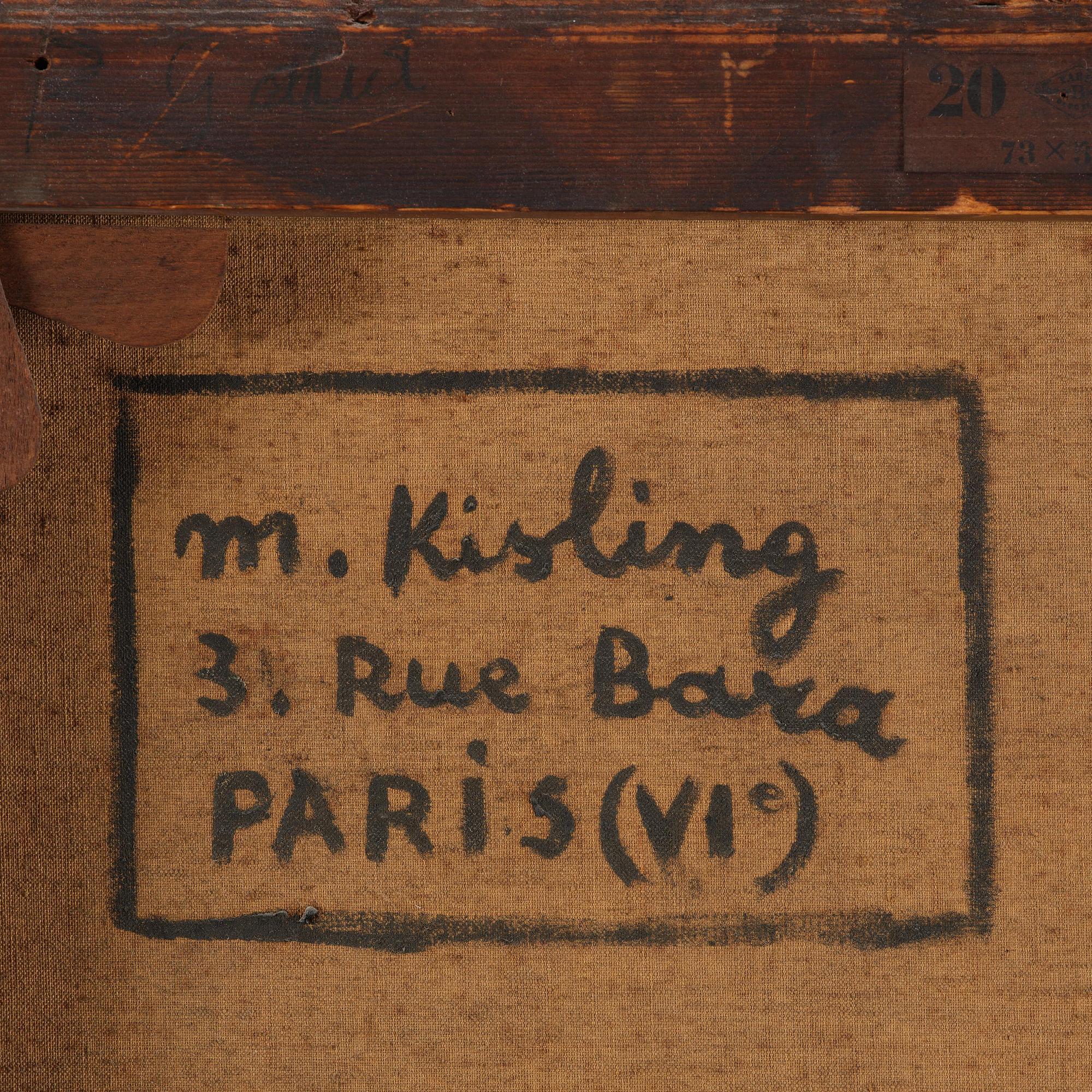
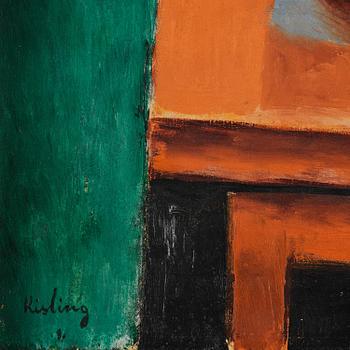
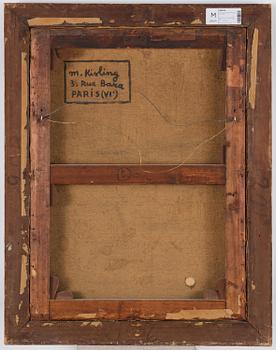
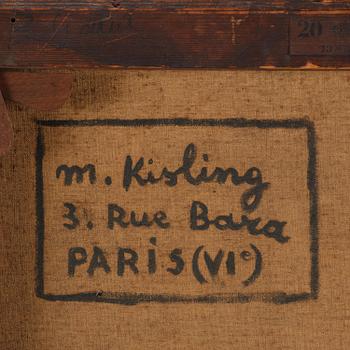
Signed Kisling. Countersigned and annoted "Paris" on the back. Executed circa 1917. Oil on canvas 73 x 54 cm. A certificate issued by Marc Ottavi, Paris, 2026 is included. This work will be included in the "Volume IV and Additions to Volumes I, II and III" of the Catalogue Raisonné of the Work of Moïse Kisling currently in preparation by Marc Ottavi.
Alkuperä - Provenienssi
The collection of businessman Joseph Gruss (1903-1993), New York, acquired directly from the artist.
A Swedish Private Collection, presented as a gift from the above.
Muut tiedot
In Paris, during the early decades of the twentieth century, la vie de bohème found its most colourful exponent in the painter Moïse Kisling, a man whose zest for life was matched only by his passion for painting.
Kisling looked to France as the only country in which a painter could live, work, and grow; he left his native Poland in 1910 and spent the next forty years between Paris and the Mediterranean town of Sanary-sur-Mer. Amedeo Modigliani, Jules Pascin, Georges Braque, and Chaïm Soutine were among his closest companions, yet his warmth and unbridled exuberance extended far beyond this circle, becoming legendary in Montmartre and Montparnasse. For Kisling, mere participation in life was not enough; he revelled in it, inspiring others to join in his celebration of the pleasures of living and creating.
Kisling’s paintings reflect this irrepressible vitality. They are vividly coloured evocations of his world—landscapes, portraits, still lifes, flowers, and above all women—rendered with a distinctive clarity and sensuality. He worked in saturated, undiluted hues, conscious of painting for posterity and of time’s inevitable softening of colour. The luminous floral compositions, the languid nudes set against richly patterned textiles, and the refined, wide-eyed portraits all testify to a deeply personal and immediately recognisable vision.
As noted by the writer and critic Joseph Kessel, Kisling’s oeuvre reads as a radiant memoir of a life intensely lived.
In the years following the World War II, after a period of exile in the United States spent far from his family, the artist returned to France and settled permanently in Sanary-sur-Mer, in the villa he had built at the end of the 1930s. There, surrounded by the light and tranquillity of the Mediterranean, Kisling spent his final years, continuing to paint with undiminished intensity until his death in 1953.
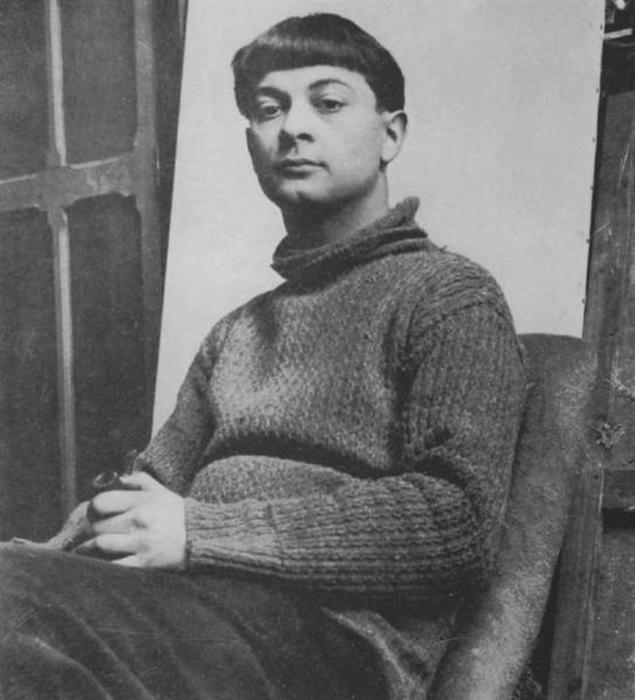
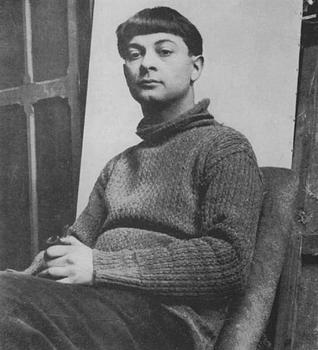
Photo: Moïse Kisling, c.1916, unknown photographer.
Lisätietoja ja kuntoraportit

Tietoa ostamisesta
Muiden katsomia kohteita