"Bobby Short"
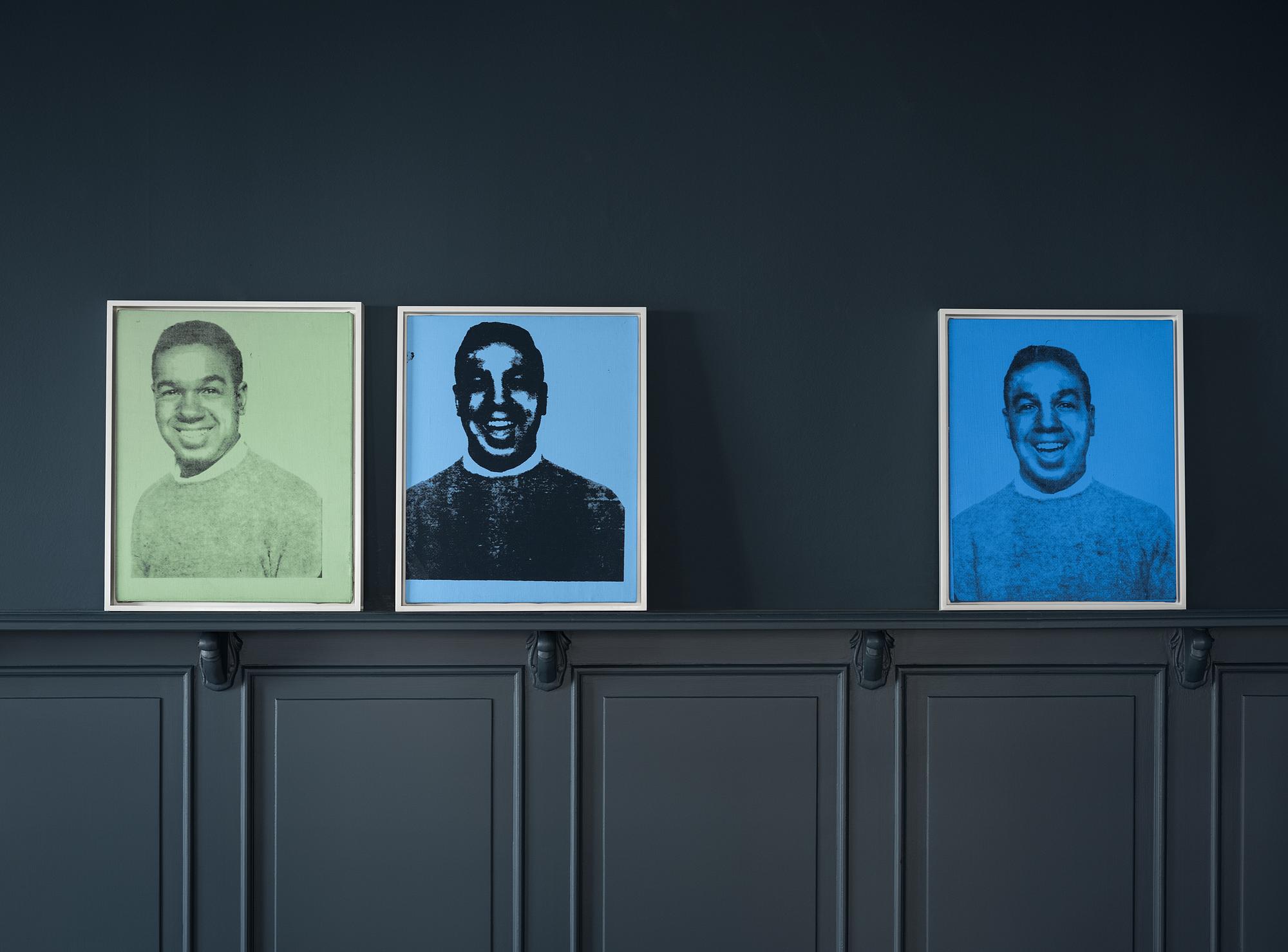
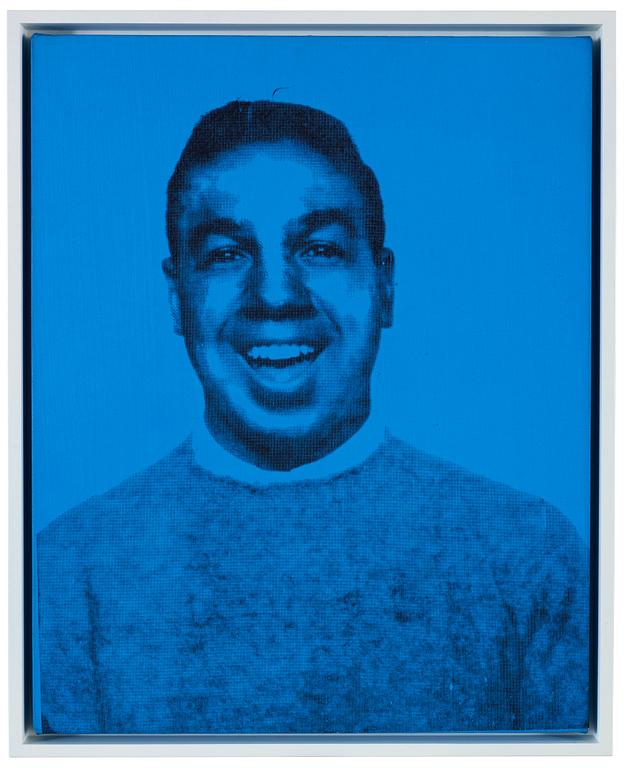
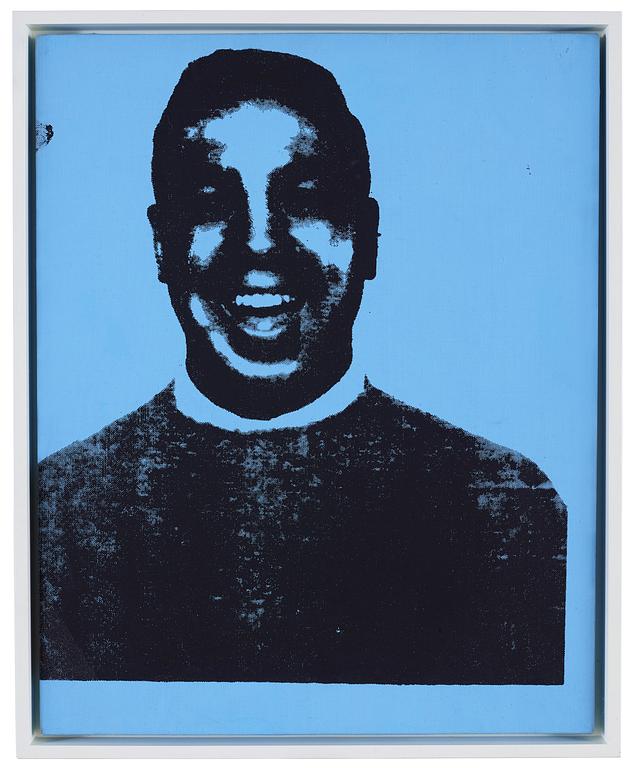
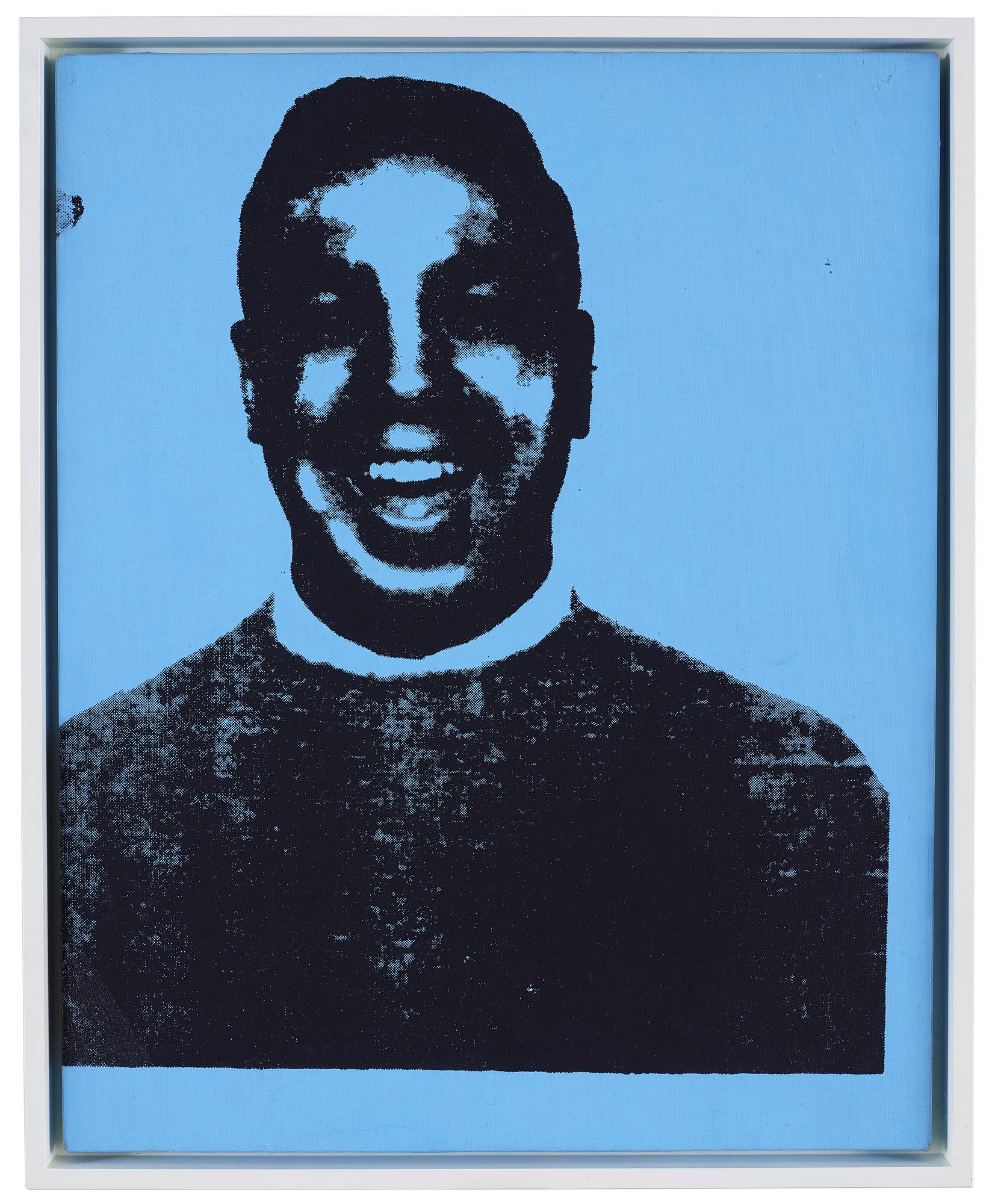
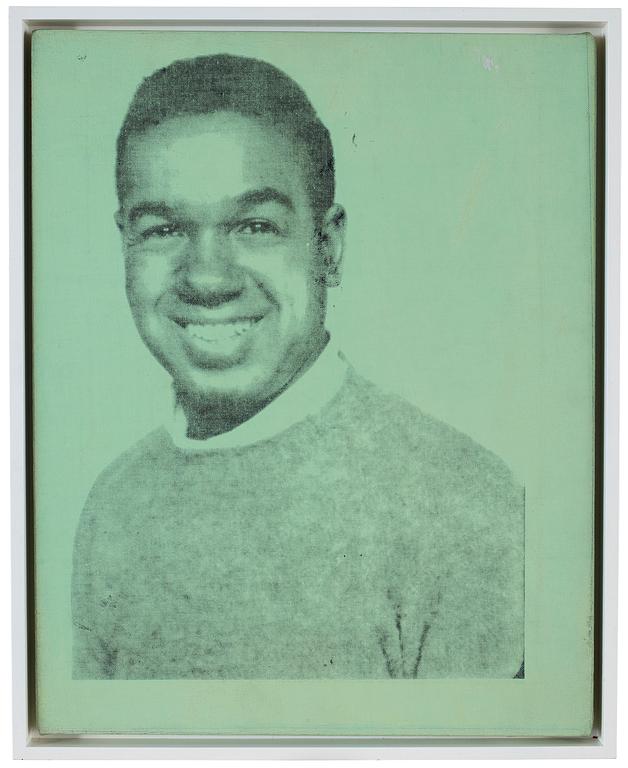
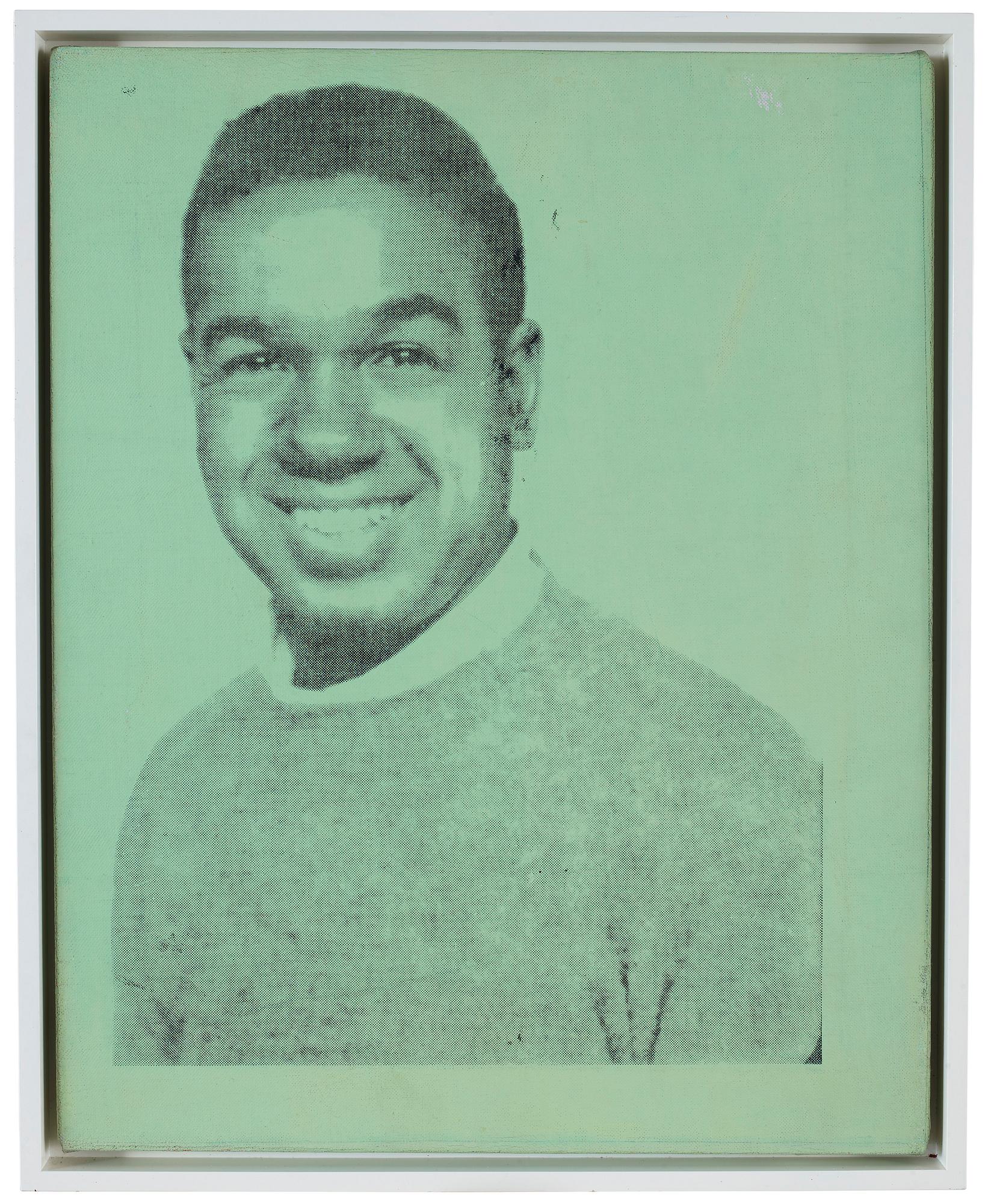
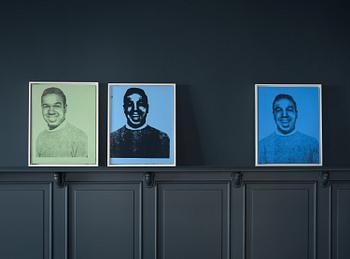
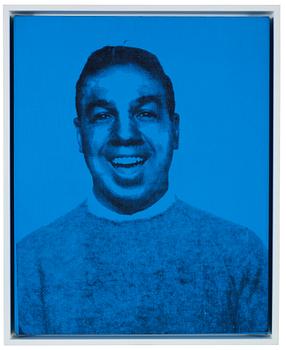
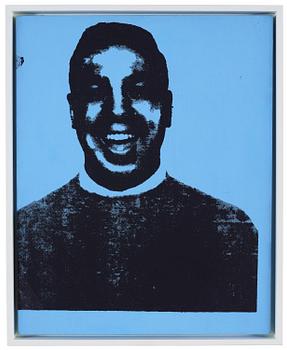
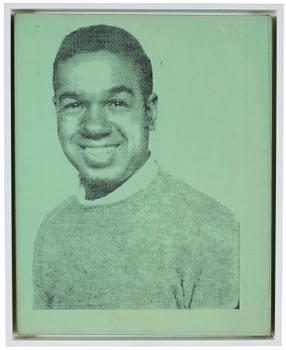
Three paintings ("Bobby Short" [phthalo green], PA 55.029; "Bobby Short" [cerulean blue], PA 55.023 and "Bobby Short" [cerulean blue], PA 55.026). Executed in October-November 1963. Acrylic and silkscreen ink on linen 51 x 40.5; 51 x 40.5 and 50.5 x 40.5 cm.
Provenance
The Andy Warhol Foundation for the Visual Arts, Inc. , New York.
Lang Fine Art and Jane Holzer.
Private collection, Sweden.
Exhibitions
Tony Shafrazi Gallery, New York, "Andy Warhol, Portraits", 5 December 2005 - 10 January 2006.
Literature
Georg Frei and Neil Printz (Editors), "The Andy Warhol Catalogue Raisonné. Paintings and Sculpture 1961 - 1963", Vol. 1, 2002/2012, PA 55.029, illustrated in colour, p. 424 and listed on p. 425, no. 485; PA 55.023, illustrated in colour, p. 423 and listed on p. 425, no. 482; PA 55.026, illustrated in colour, p. 424 and listed on p. 425, no. 484.
"Andy Warhol 'Giant Size' " (Edited by Phaidon), 2006, PA 55.029 and PA 55.026, illustrated in colour p. 262.
"Andy Warhol Portraits" (Edited by Tony Shafrazi), 2007/2010, illustrated in colour p. 38.
More information
PA 55.029; PA 55.023 and PA 55.026.
More about Andy Warhol
American artist, printmaker, and filmmaker. He studied at the Carnegie Institute of Technology from 1945 to 1949 and began his career as an art director for the magazines Vogue and Harper’s Bazaar. His success in the advertising industry led to the Art Directors Club Medal in 1957.
Warhol is considered one of the leading figures of Pop Art. His artistic practice consists largely of portraits, often of well-known individuals, executed in silkscreen technique. He also worked with reproduced documentary images as well as installations in which everyday consumer objects, such as packaging, were given a central role. The underlying idea was that beauty and energy can be found everywhere in modern society, even in things often regarded as banal. As a result, detergent boxes and soup cans became artistic motifs. Campbell’s soup cans and Brillo boxes were transformed through his work into some of the most iconic artworks of the 20th century.
From 1963 onward, he produced and participated in a large number of films in his own studio, The Factory, which simultaneously developed into an important meeting place for New York’s artistic and bohemian scene. Warhol continuously documented his surroundings with a film camera and later also a Polaroid camera. In his so-called Screen Tests, he filmed a number of internationally known figures, including Mick Jagger, Bob Dylan, Marcel Duchamp, and Salvador Dalí. According to his will, The Andy Warhol Foundation for the Visual Arts was established in New York in 1987, and in 1994 The Andy Warhol Museum opened in Pittsburgh.
Read moreImage rights
The artworks in this database are protected by copyright and may not be reproduced without the permission of the rights holders. The artworks are reproduced in this database with a license from Bildupphovsrätt.

Others have also viewed