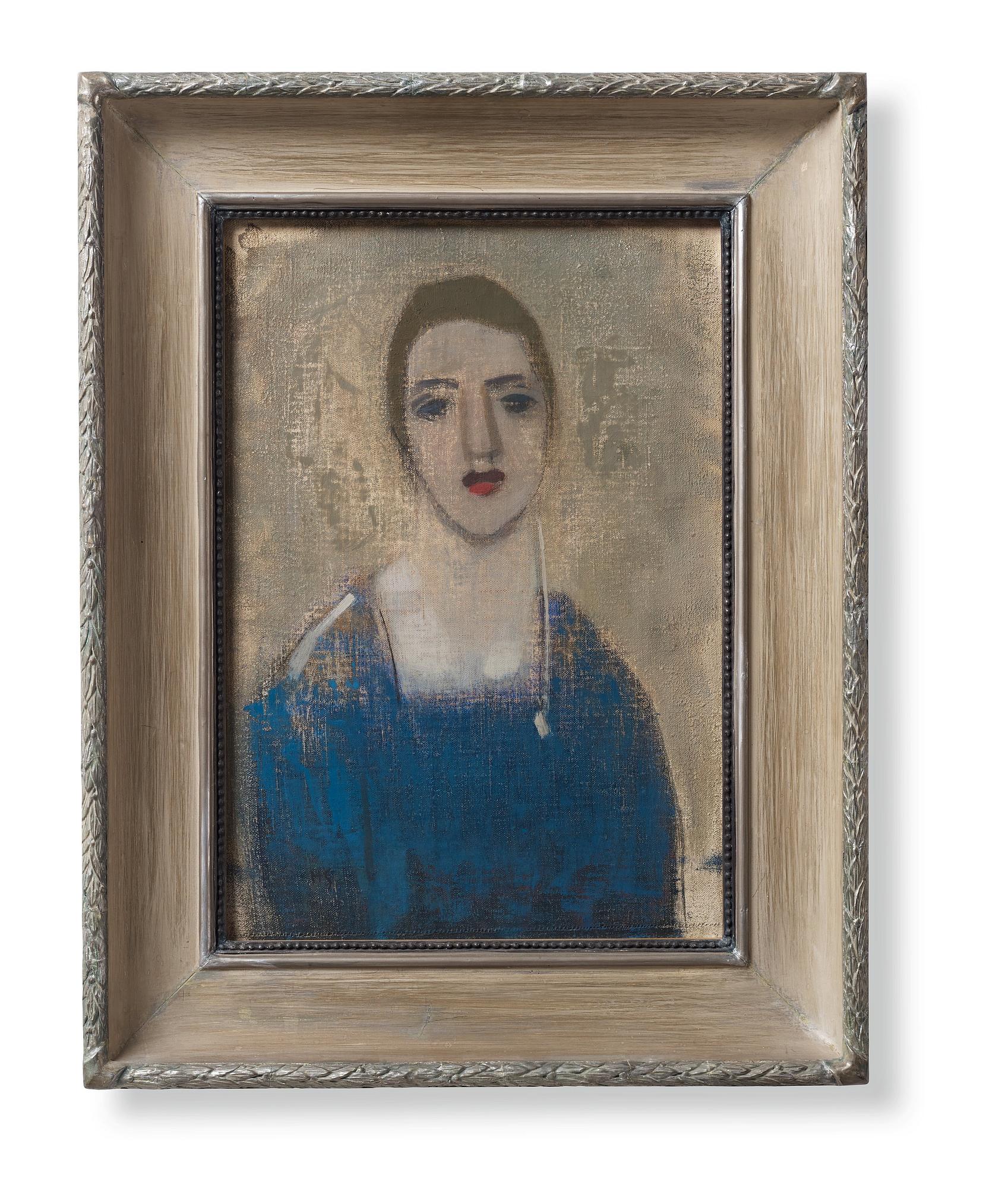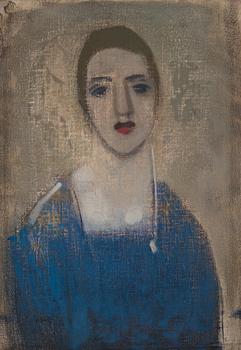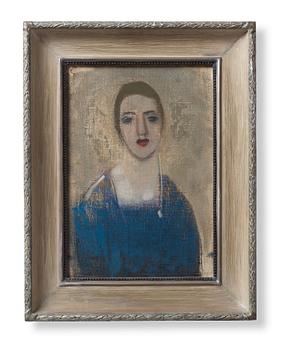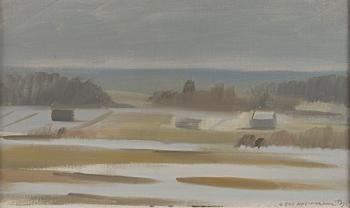
'Jenny'
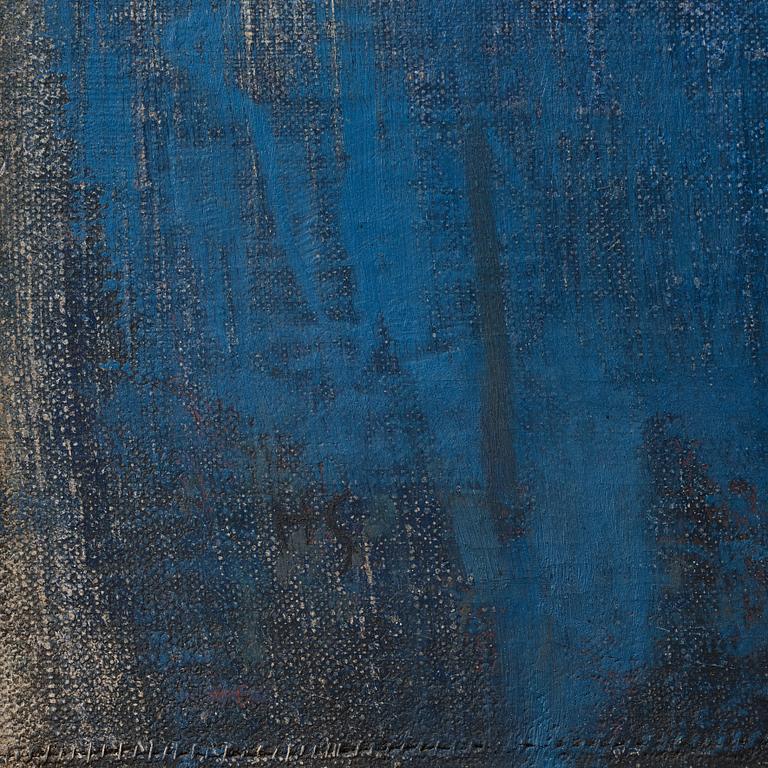
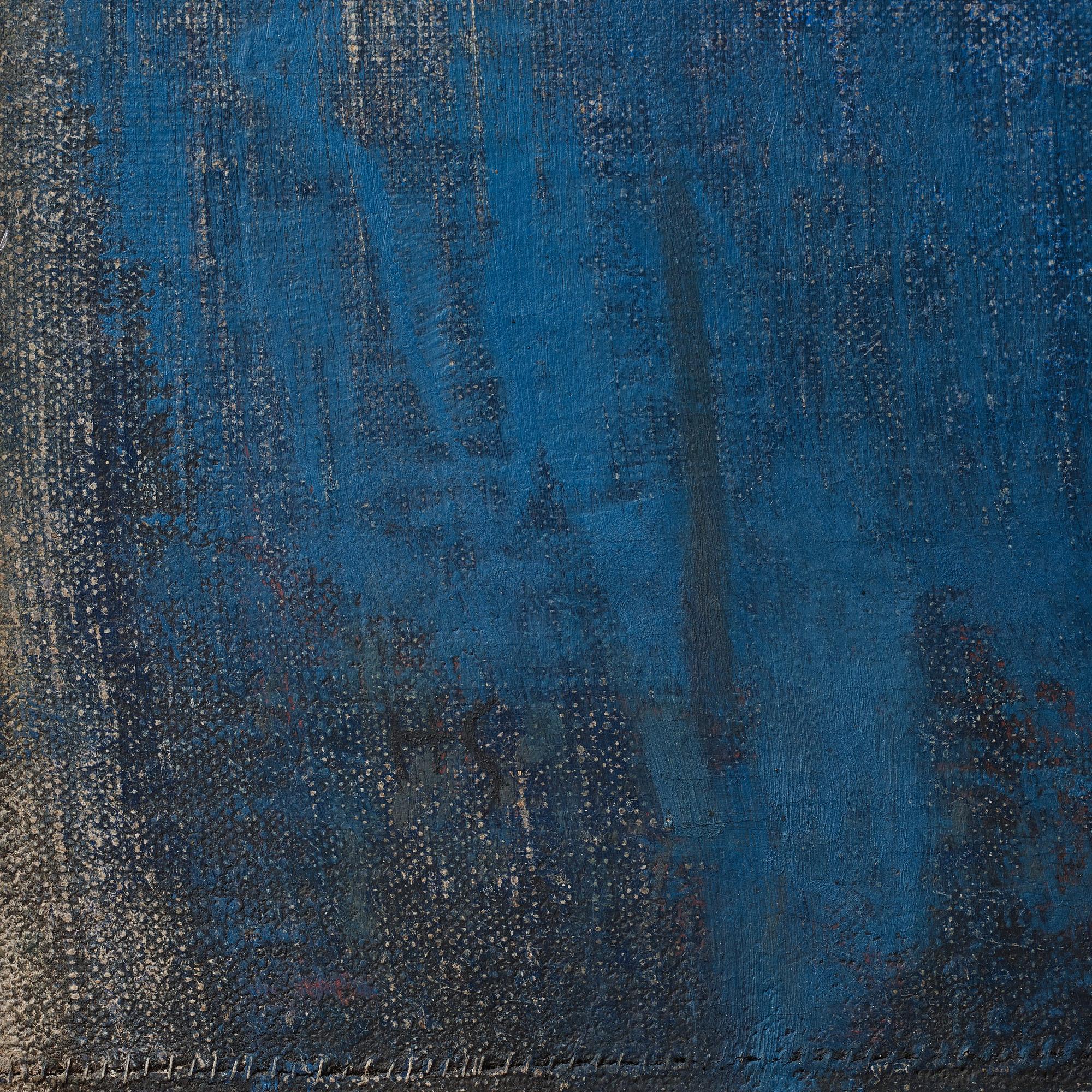
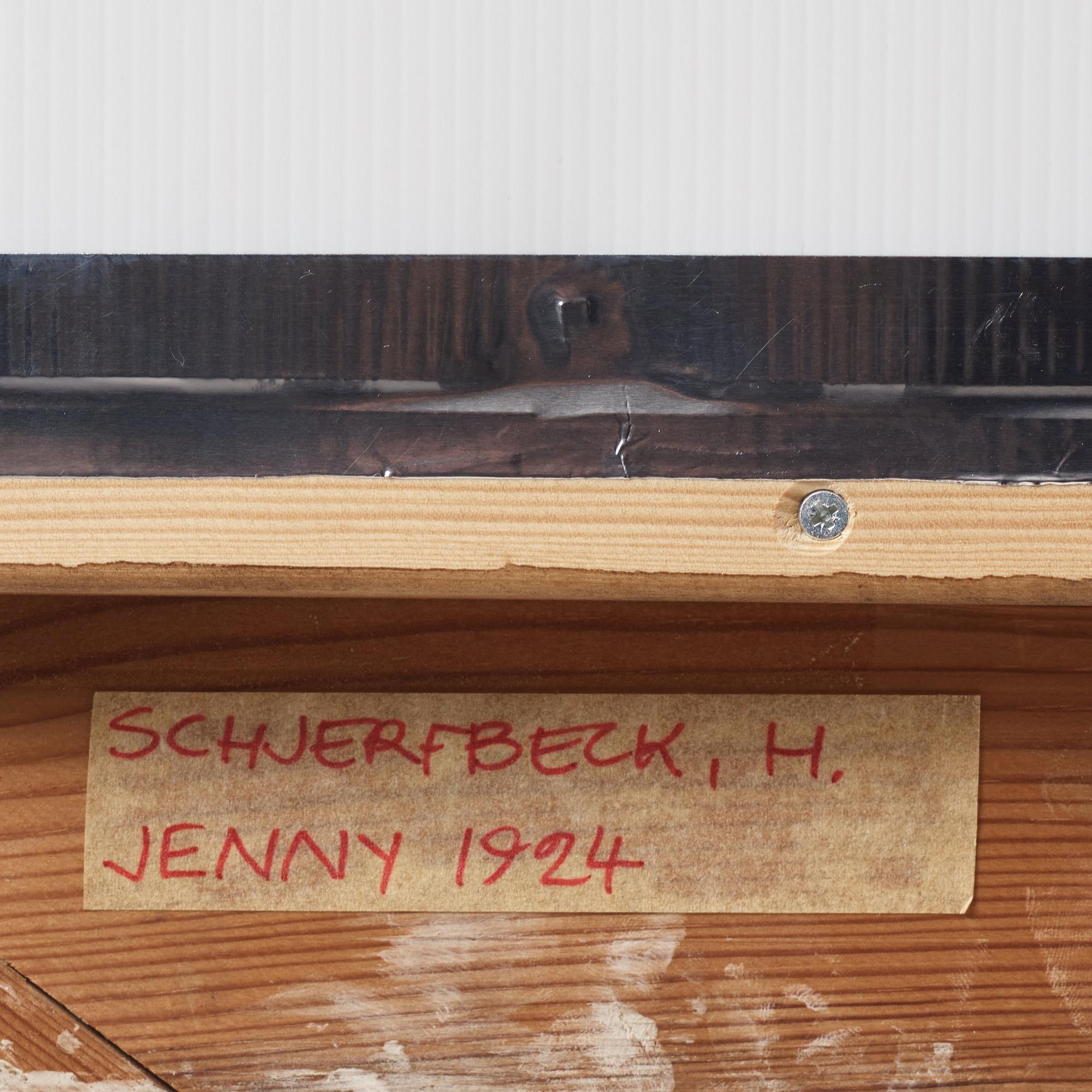
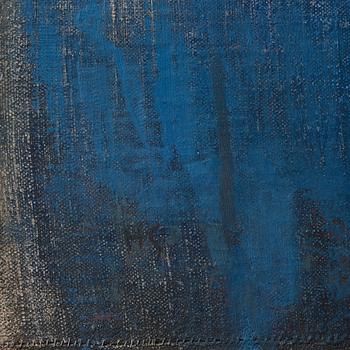
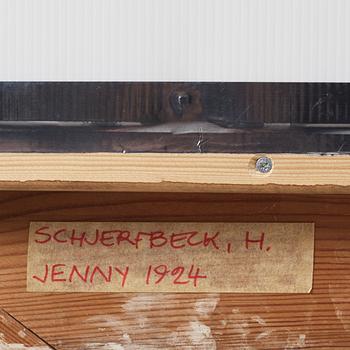
Signed HS and dated 1924. Canvas 60 x 41 cm.
Provenance
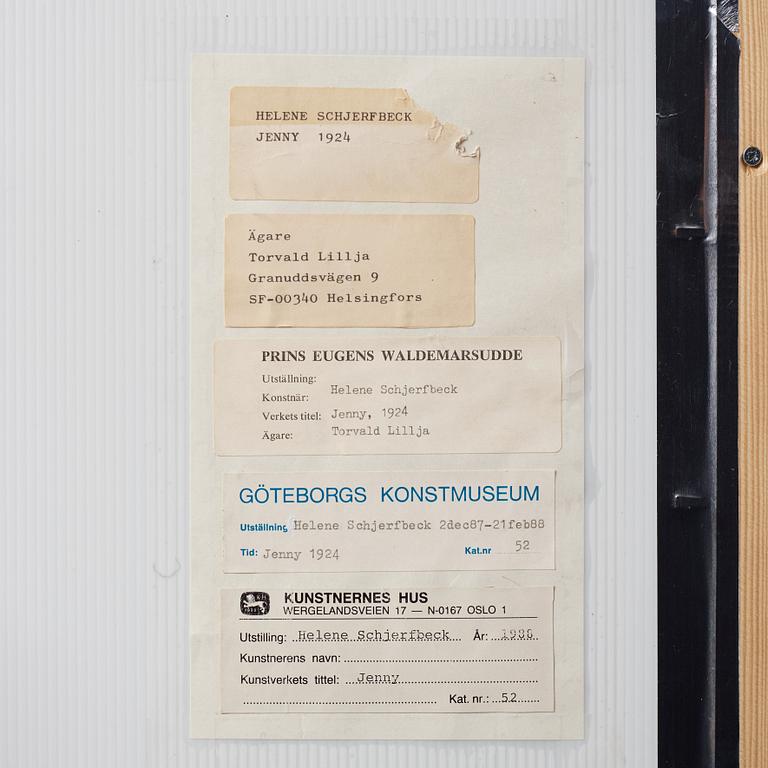
Industrirådet Torvald Lillja (1907-2001) Collection, Finland; Thence by descent to the present owner.
Exhibitions
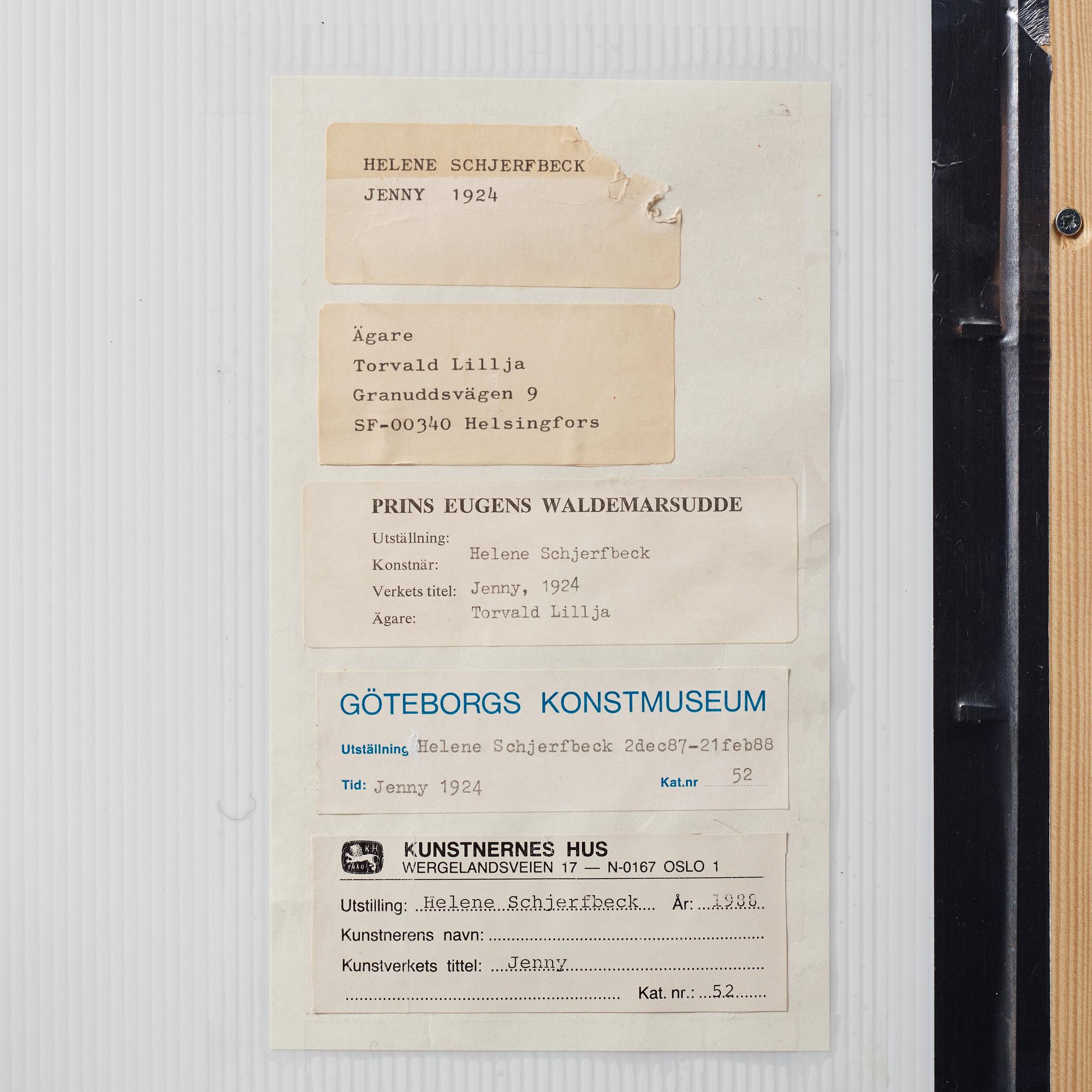
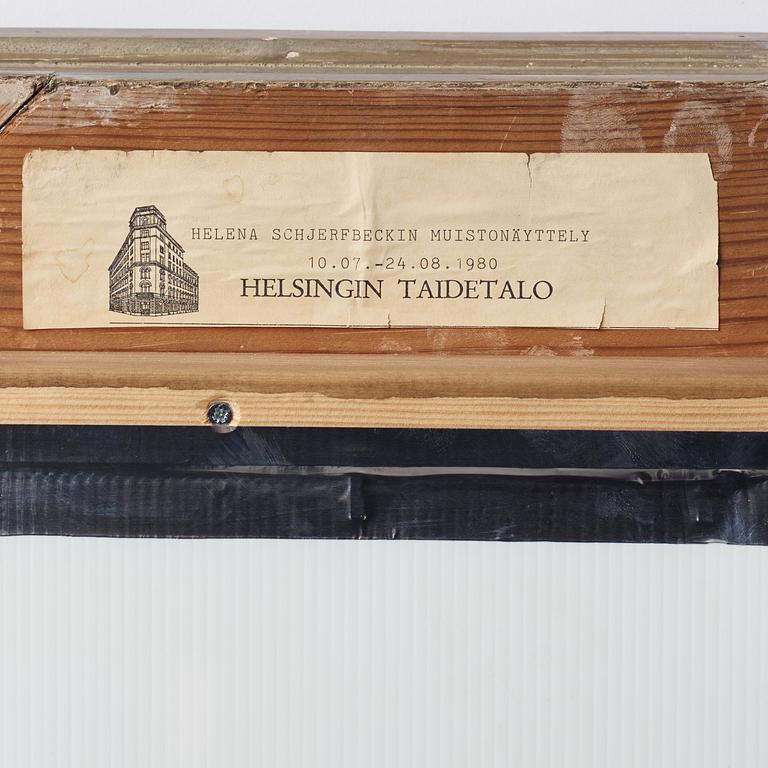
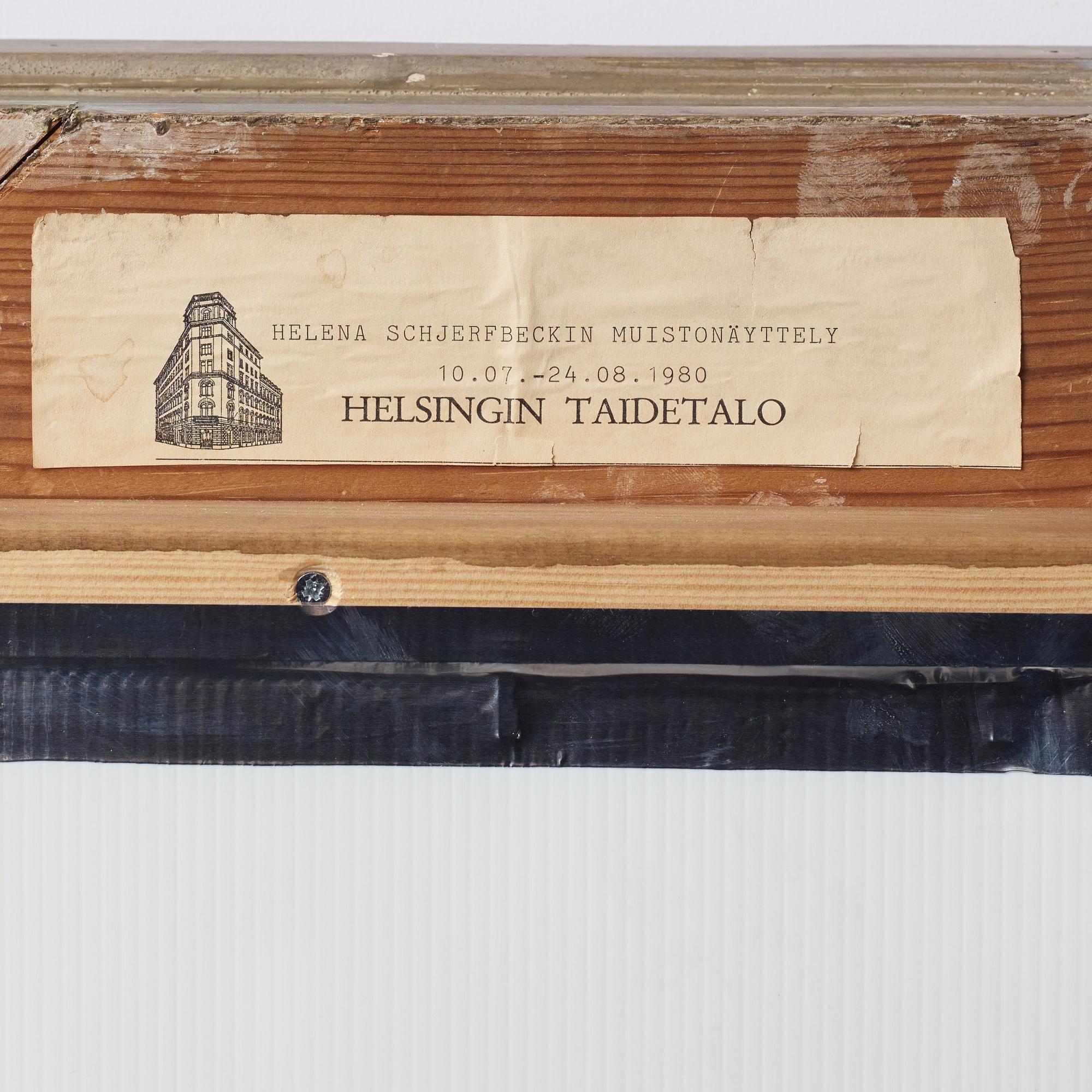
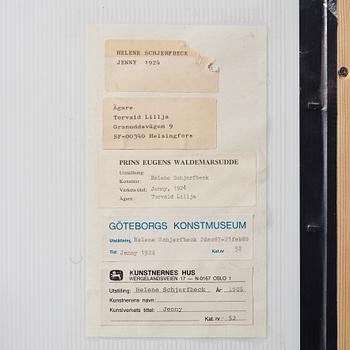
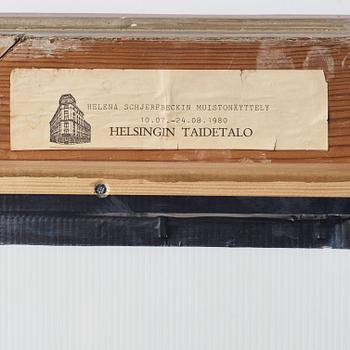
Helsinki Art House, 'Helena Schjerfbeck', 1980, cat. No. 47; Prins Eugens Waldermarsudde, Stockholm, Göteborgs Konstmuseum, Gothenburg, Kunstnerernes Hus, Oslo, Norway, 'Helen Schjerfbeck', 1987-88, cat. no 52; The Finnish National Gallery Ateneum, Helsinki, 'Helene Schjerfbeck', 1992, cat. no 327; The Finnish National Gallery Ateneum, Helsinki, 'Helene Schjerfbeck - 150 år', 2012, cat. no 464.
Literature
Lena Holger, 'Helene Schjerfbeck - Liv och konstnärskap', Stockholm, 1987, illustrated on full page in colour as no 52 in the catalogue and mentioned on p. 143; Ahtela, 1953, No. 584.
More information
Art historical references are a recurrent theme in artist Helene Schjerfbeck’s work. Early on in her career, she was sent by ‘Konstföreningen’ (what is now the Ateneum Art Museum in Helsinki) on assignments to St Petersburg and Vienna, among other places, in order to copy the great masters. The resulting drawings and paintings were later used in teaching as templates for students. It was in parallel to this that her own daring formal experiments emerged. These were initially put to one side, re-emerging much later when the artist, as well as the time, was more ready for them.
In 1902 Schjerfbeck moved to Hyvinge to care for her ageing mother. She found the models for her paintings in her immediate environment. Everyday life was the focus of her work: she portrayed woodcutters, female workers and her neighbours’ children, and what we have come to recognise as ‘Schjerfbeckian’ crystallised as her isolation from the outside world grew.
Her great interest in the old masters, particularly Renaissance painters such as Cimabue and Fra Angelico, as well as the slightly later El Greco, came, at this period of her artistic practice, to play an increasingly important part in her work.
The 1920s turned out to be Schjerfbeck’s most productive decade since her youth in the 1880s. Her production is extensive and encompasses reworkings of earlier subjects, experiments with form, as well as her desire to move away from the conventional. She would often return to the same subject several years later. Her method was time-consuming. She painted, then scraped off paint, in order to find the expression she wanted.
Schjerfbeck was highly critical of her own art and believed that the work “ought to be painted with antennae, not with brushes and fingers”. Unfortunately, her health stopped her from painting to the extent that she would have wished. This resulted in Schjerfbeck seeking solace in other artists’ worlds and in the reproductions of famous artworks that she had bought during her youthful travels. In her solitude books about art became a way of looking outwards, and her little library was added to when on his visits Gösta Stenman, amongst others, brought her books. During the 1920s and 30s, she continued to be inspired by Italian renaissance imagery. In her notes and letters, she would often mention artists that she was reading about or studying, and who inspired her. In one letter Schjerfbeck writes how Cimabue represents something pure and how his art possesses a quietness that is to be strived for.
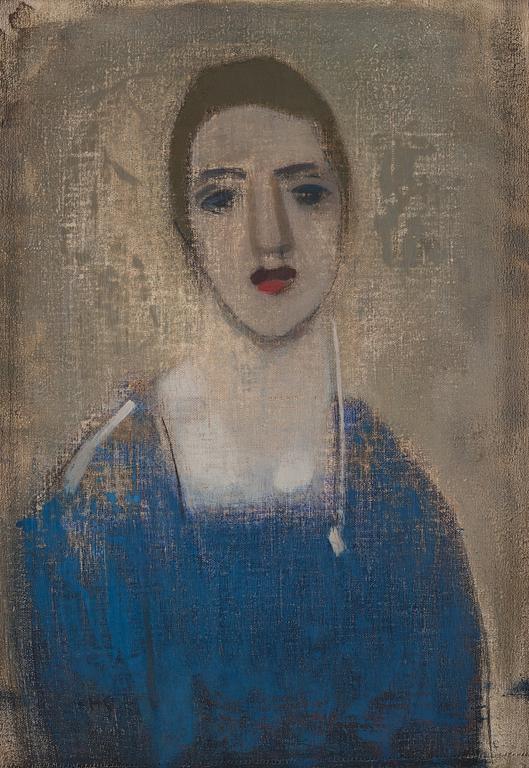
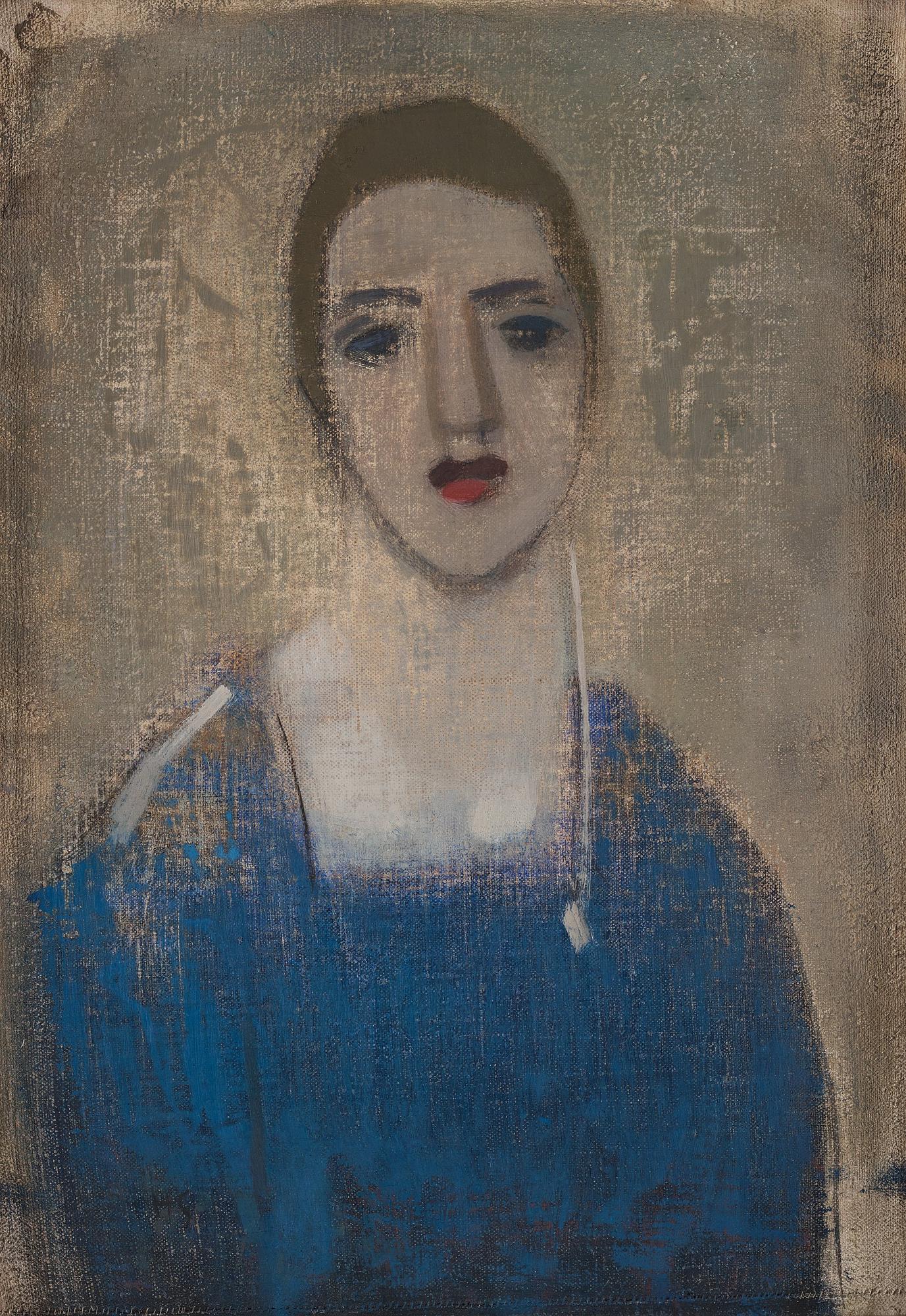
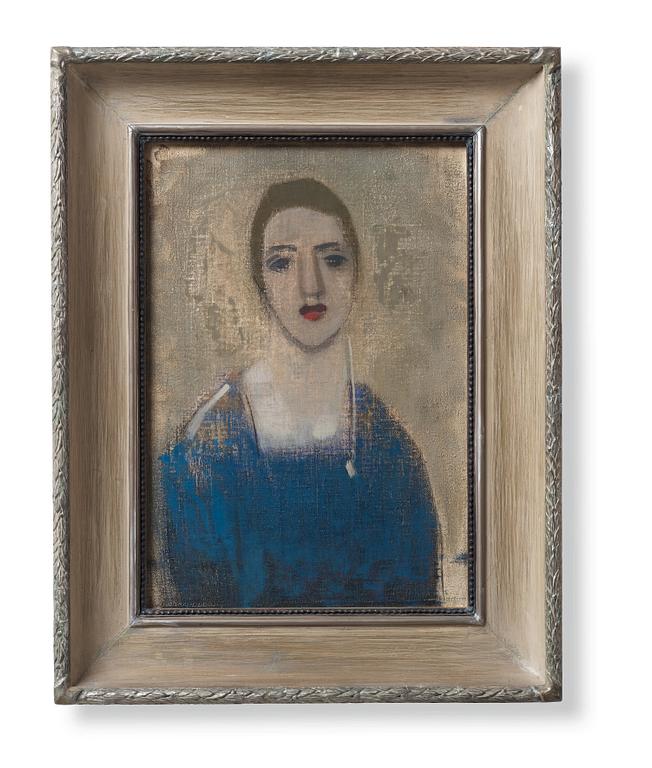
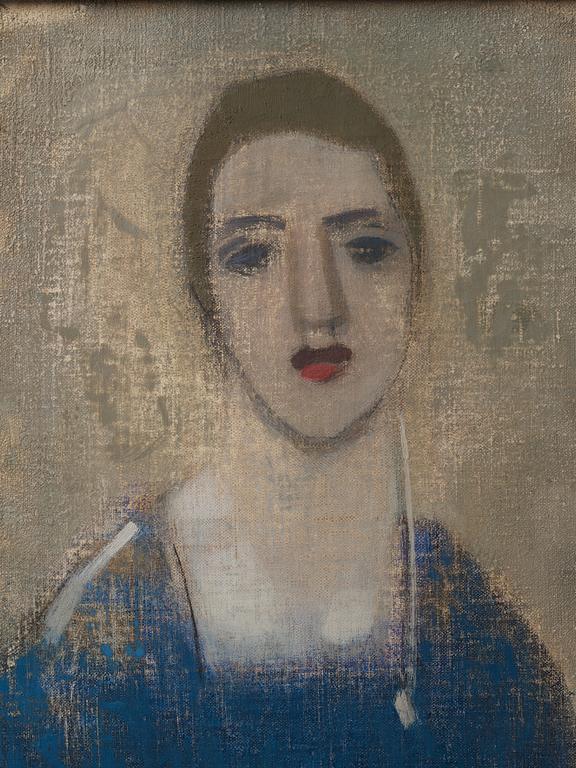
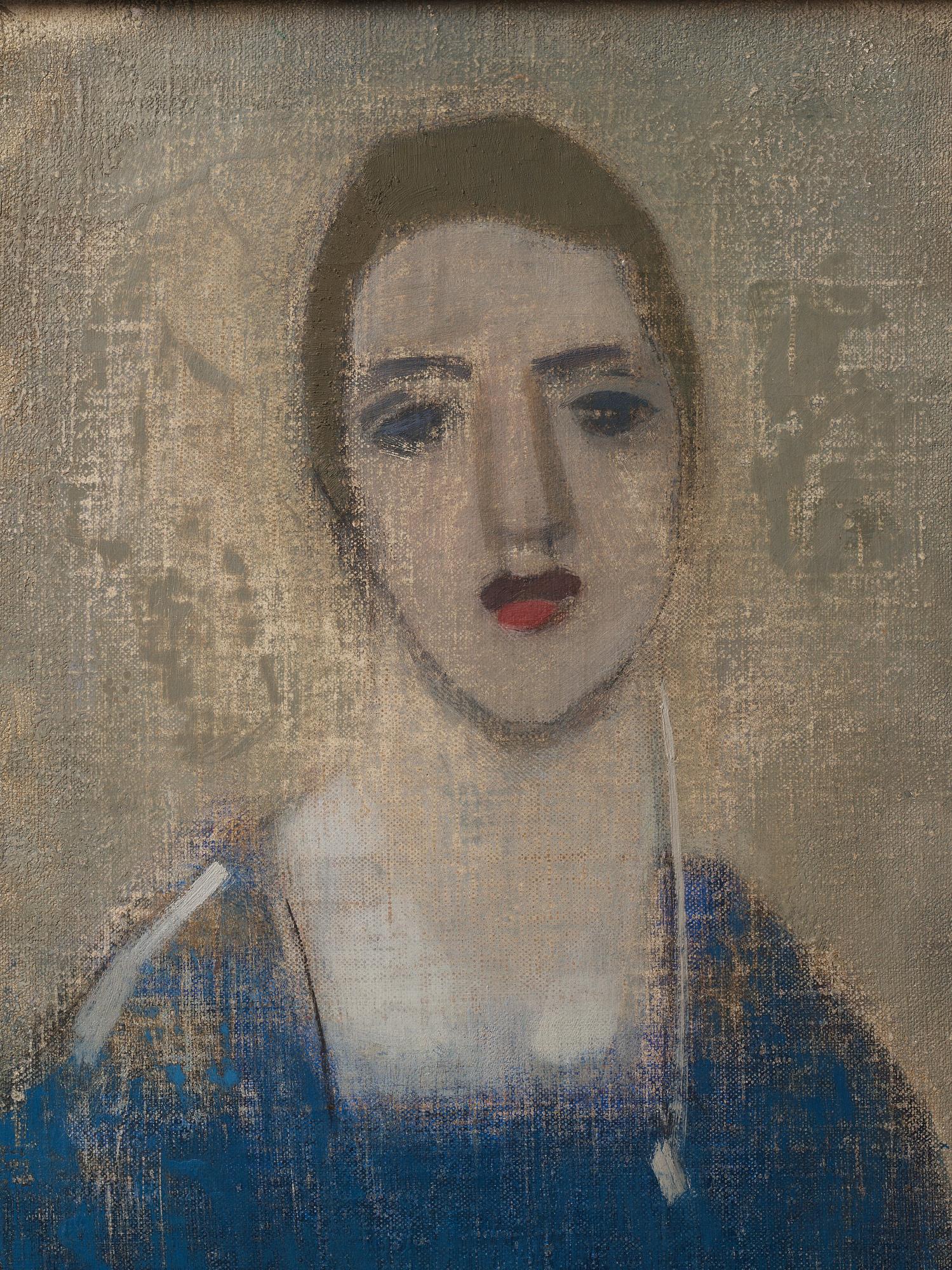
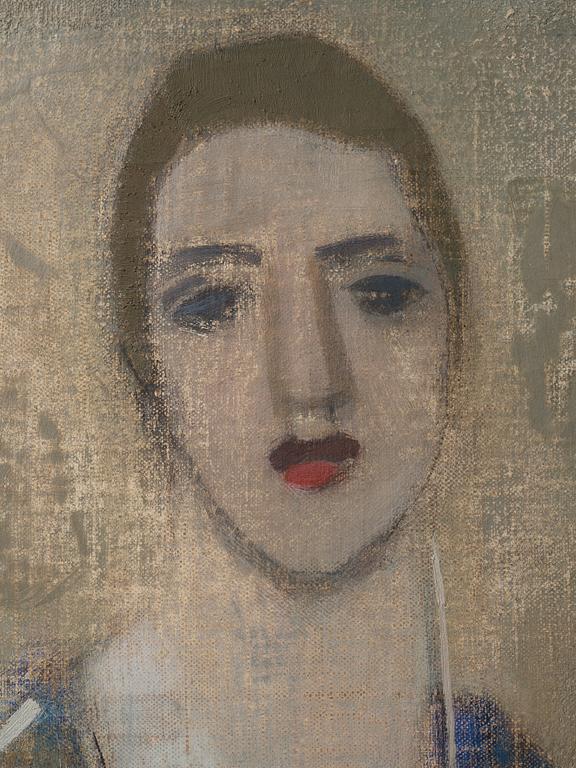
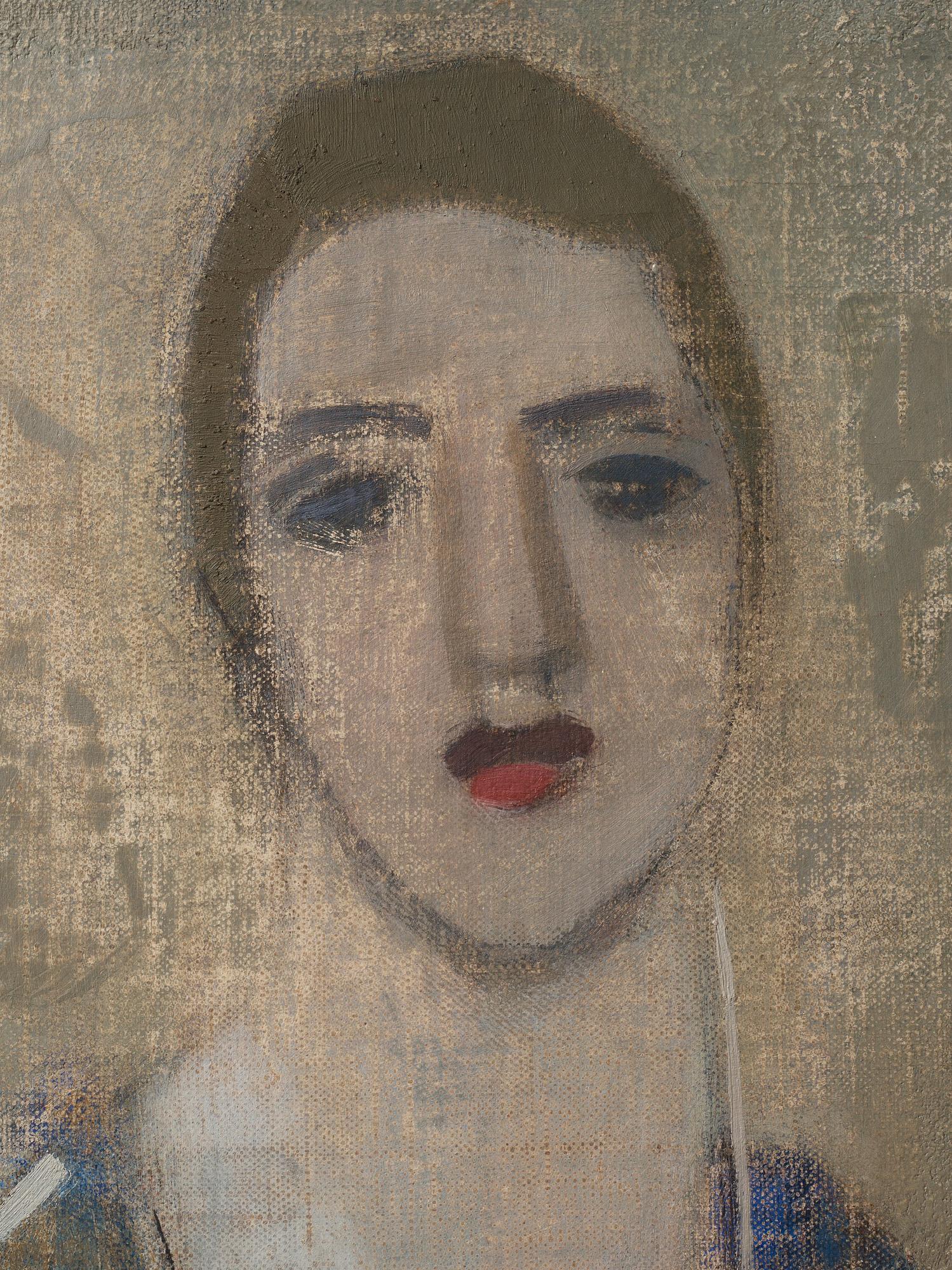
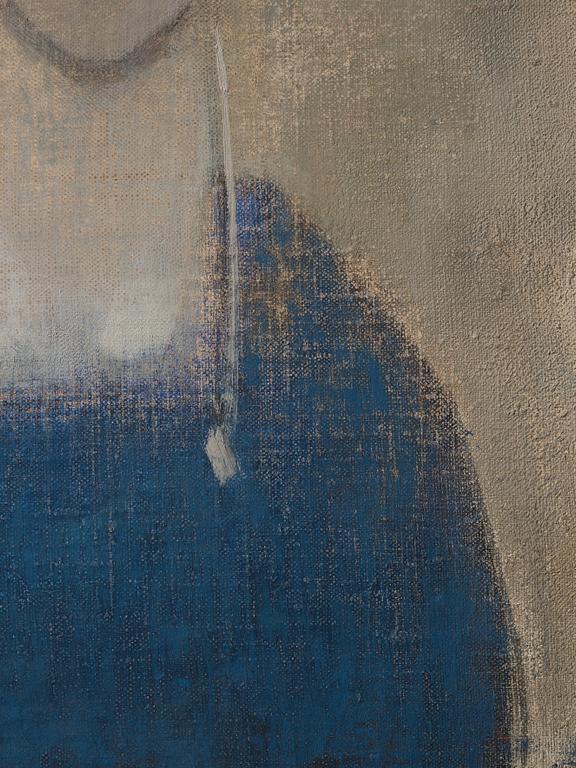
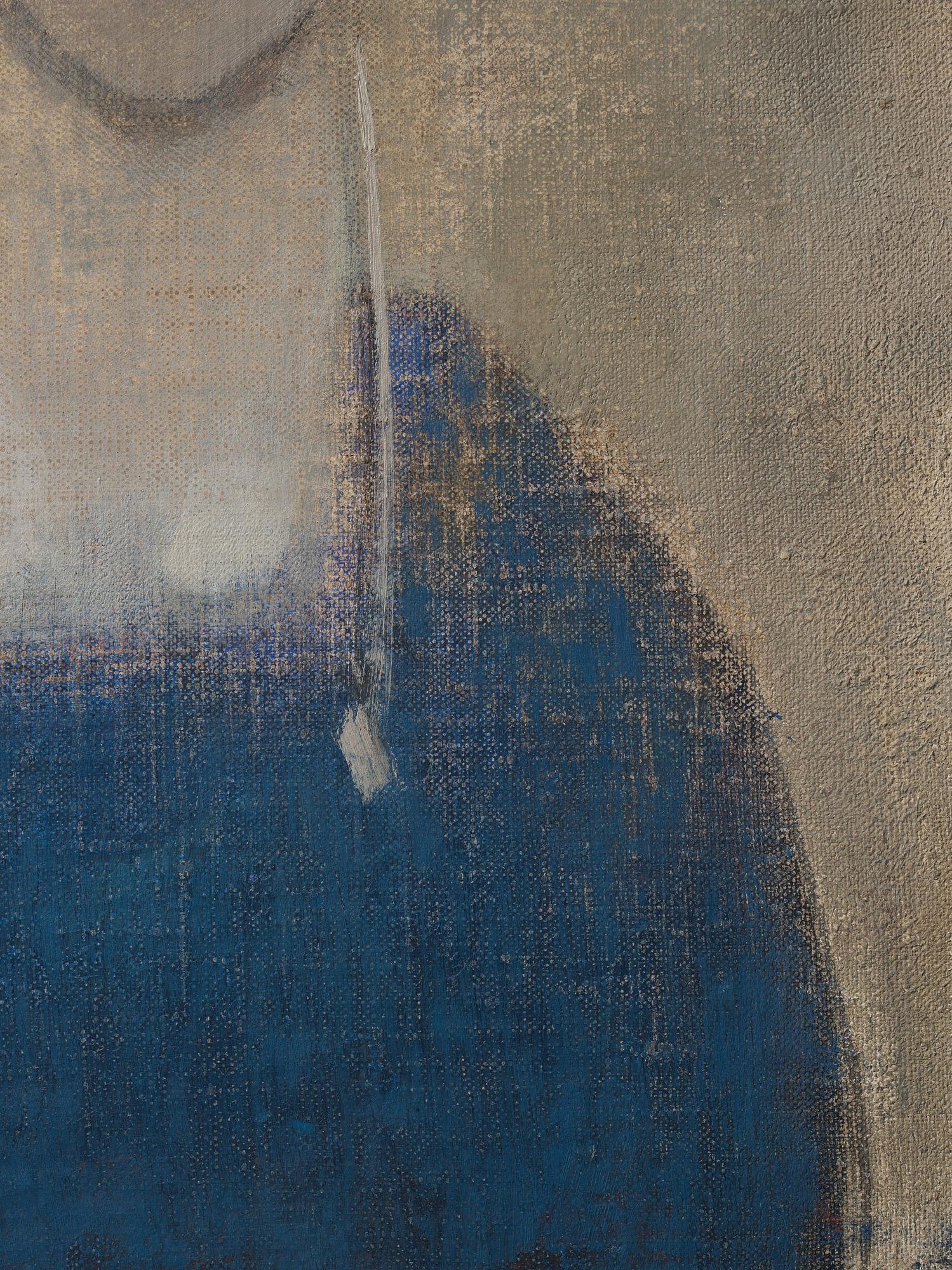
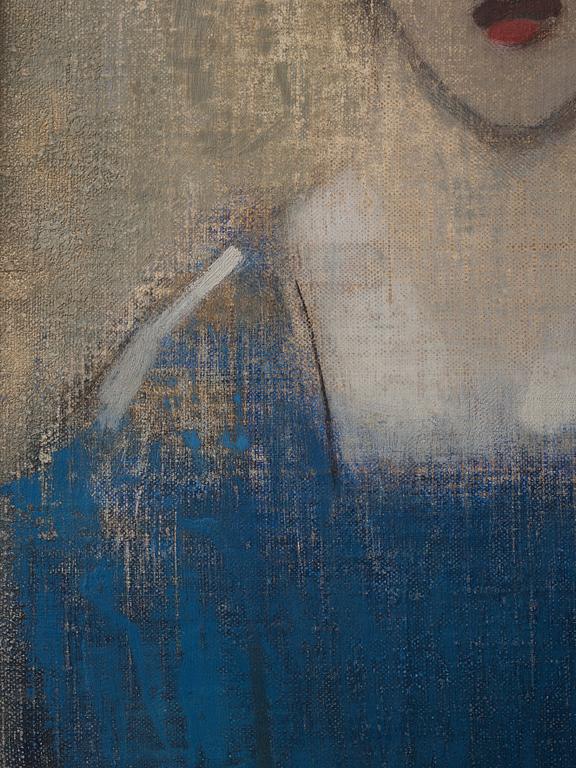
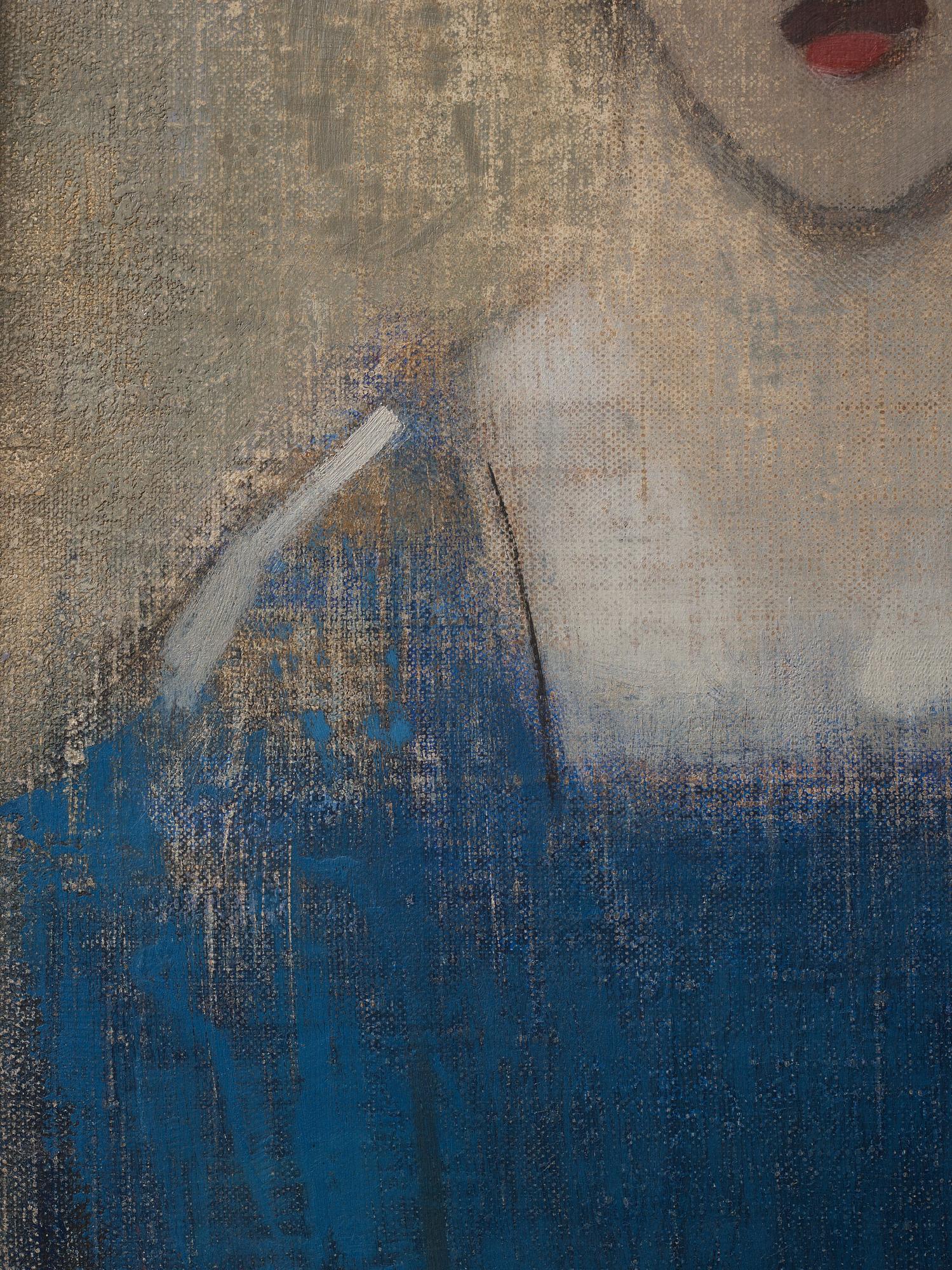
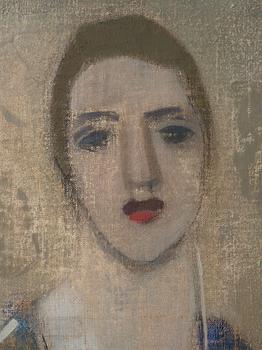
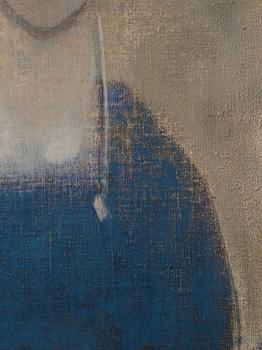
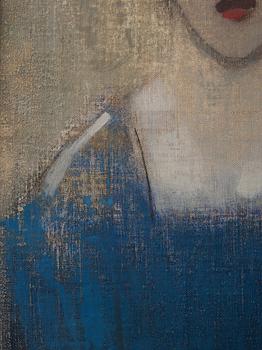
The present lot was executed in 1924, during the artist’s time in Hyvinge. The model, Jenny, emanates a contemplative calmness and the connection to Cimabue’s work is further enhanced by her Madonna-like appearance. Schjerfbeck has skilfully worked the background so that one almost perceives it as shimmering. The face is sketched using dark contours and the mouth is clearly highlighted, in Schjerfbeck’s typical manner, with a bright vermilion colour. The deep blue of her dress evokes the Renaissance period when gold and blue were the most precious colours – blue being the symbol of the sky, truth, eternity and wisdom. At the shoulders of the figure, the canvas shines through, giving the illusion of speckles of gold. The white neck is modernistically defined by a bold vertical line, finished in a short brush stroke.
'Jenny' was first exhibited in 1980 at the Helsinki Art House and since then has been loaned for a number of exhibitions in Finland, Sweden and Norway. The painting in the auction was part of the collection of Mr Torvald Lillja. Lillja was an industrialist, holding the honorary title of Industriråd, operating in the Finnish textile business. Apart from sailing, art collecting was one of his great interests, Helene Schjerfbeck’s work in particular. In total there were about a dozen of Schjerfbeck’s paintings in his collection. Lillja had a close collaboration with Gösta Stenman, whom he knew as a friend. Work by Akseli Gallen-Kallela and Tyko Sallinen, for example, as well as international prints, were also part of his collection.
For condition report contact specialist