Untitled
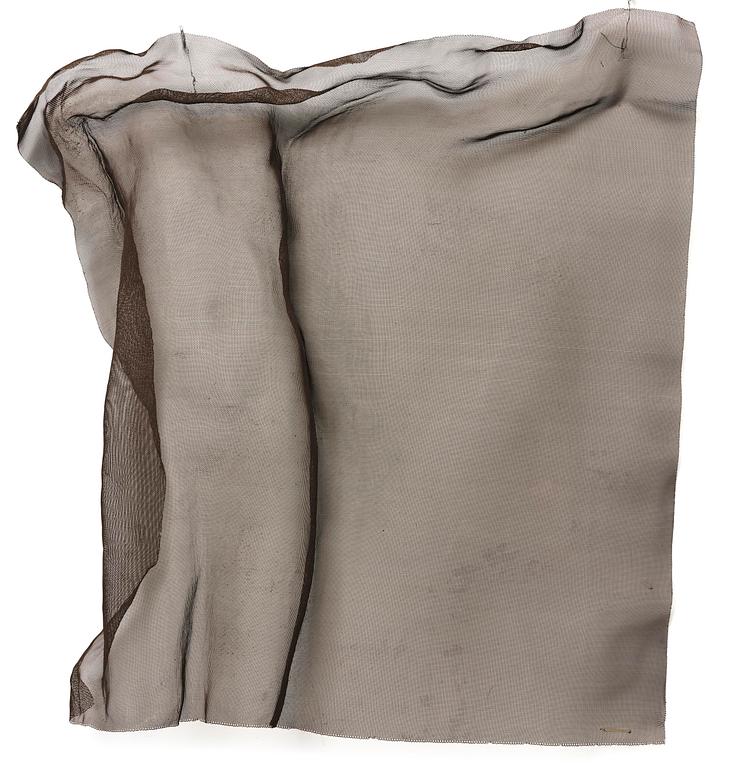
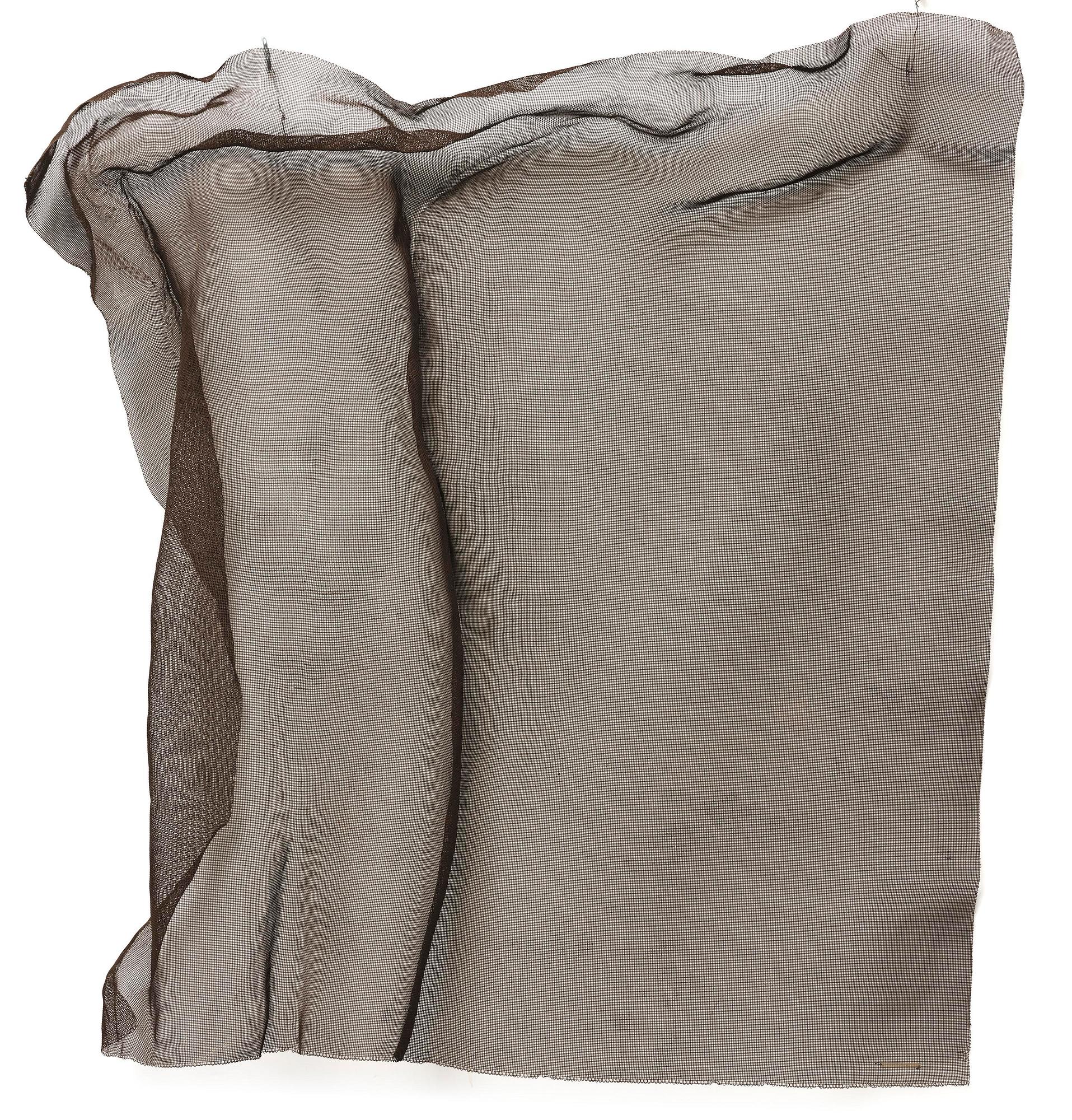
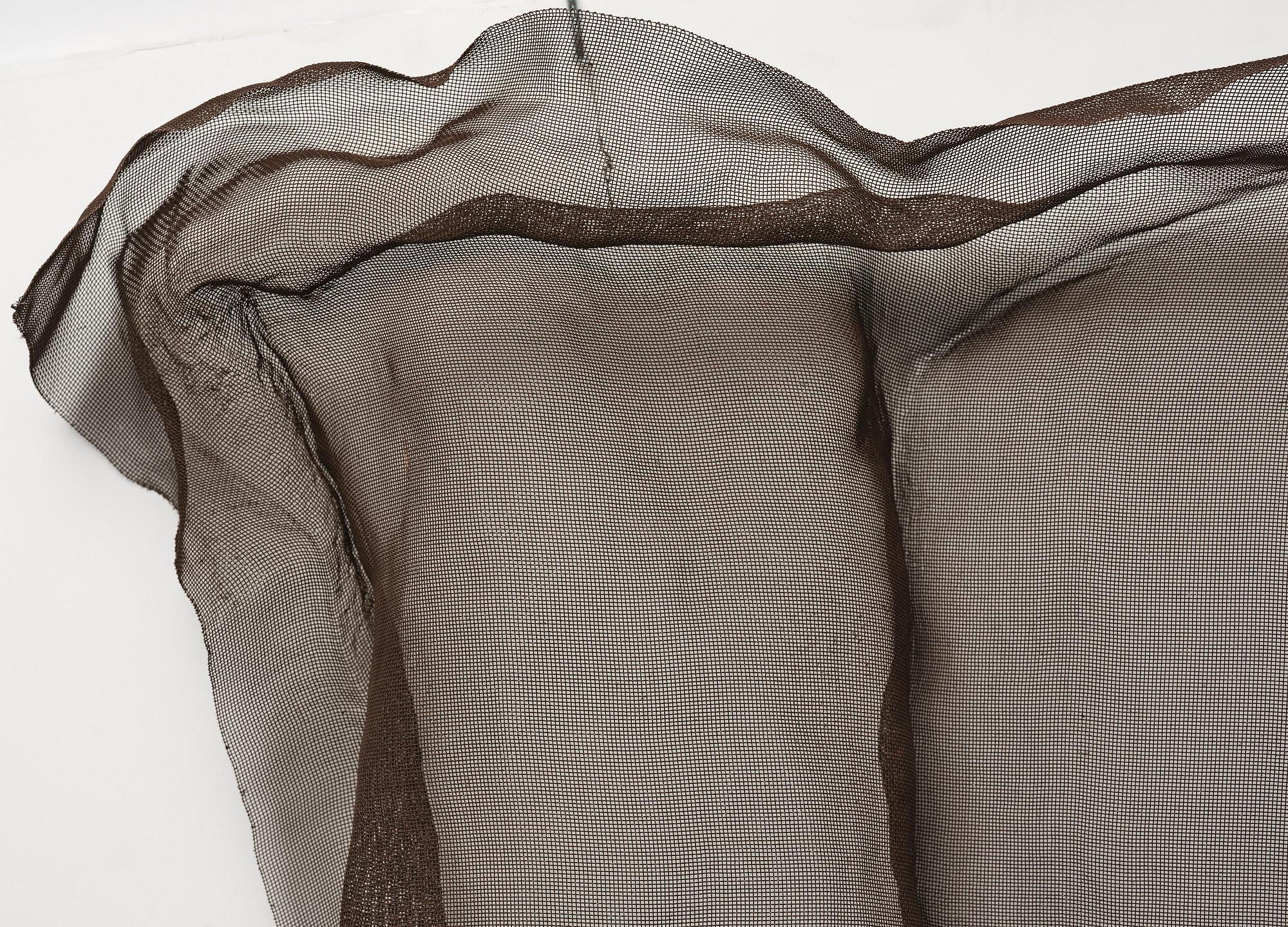
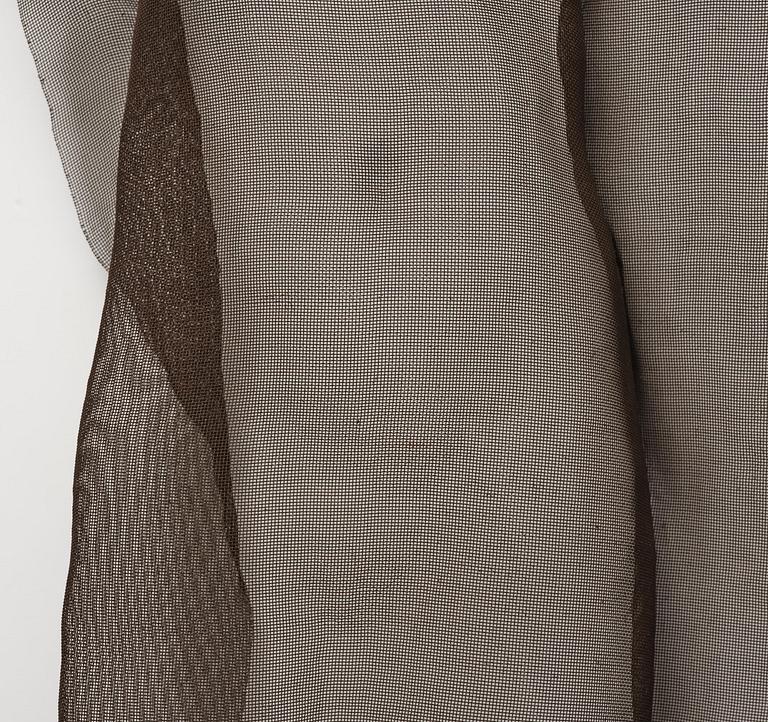
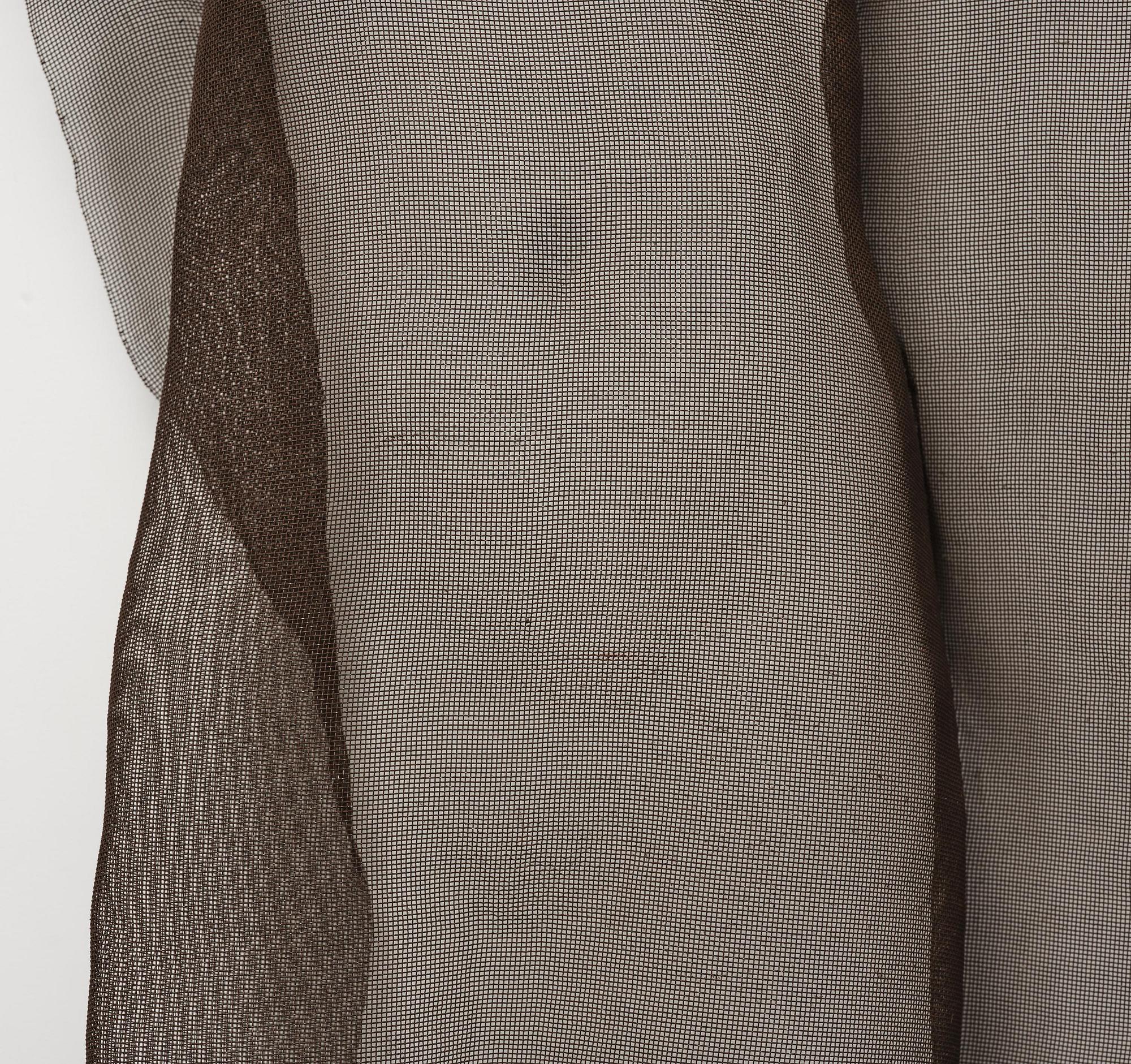
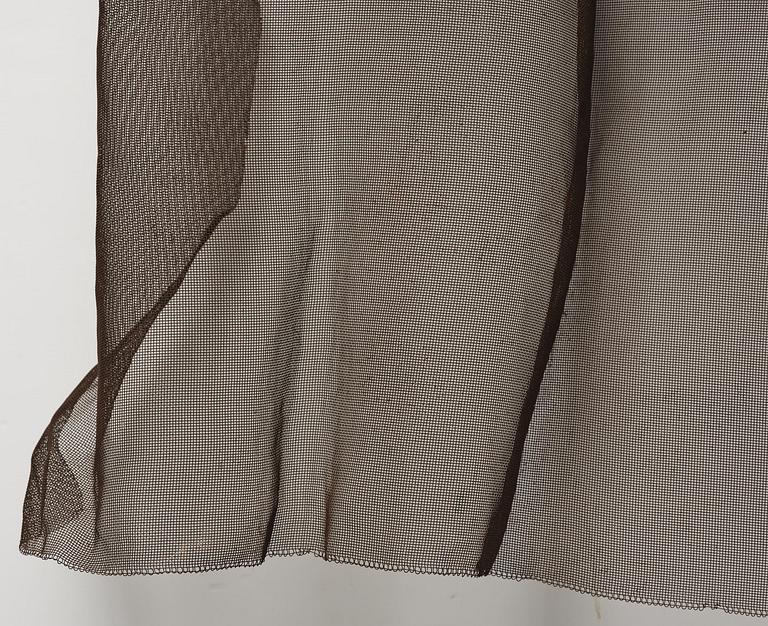
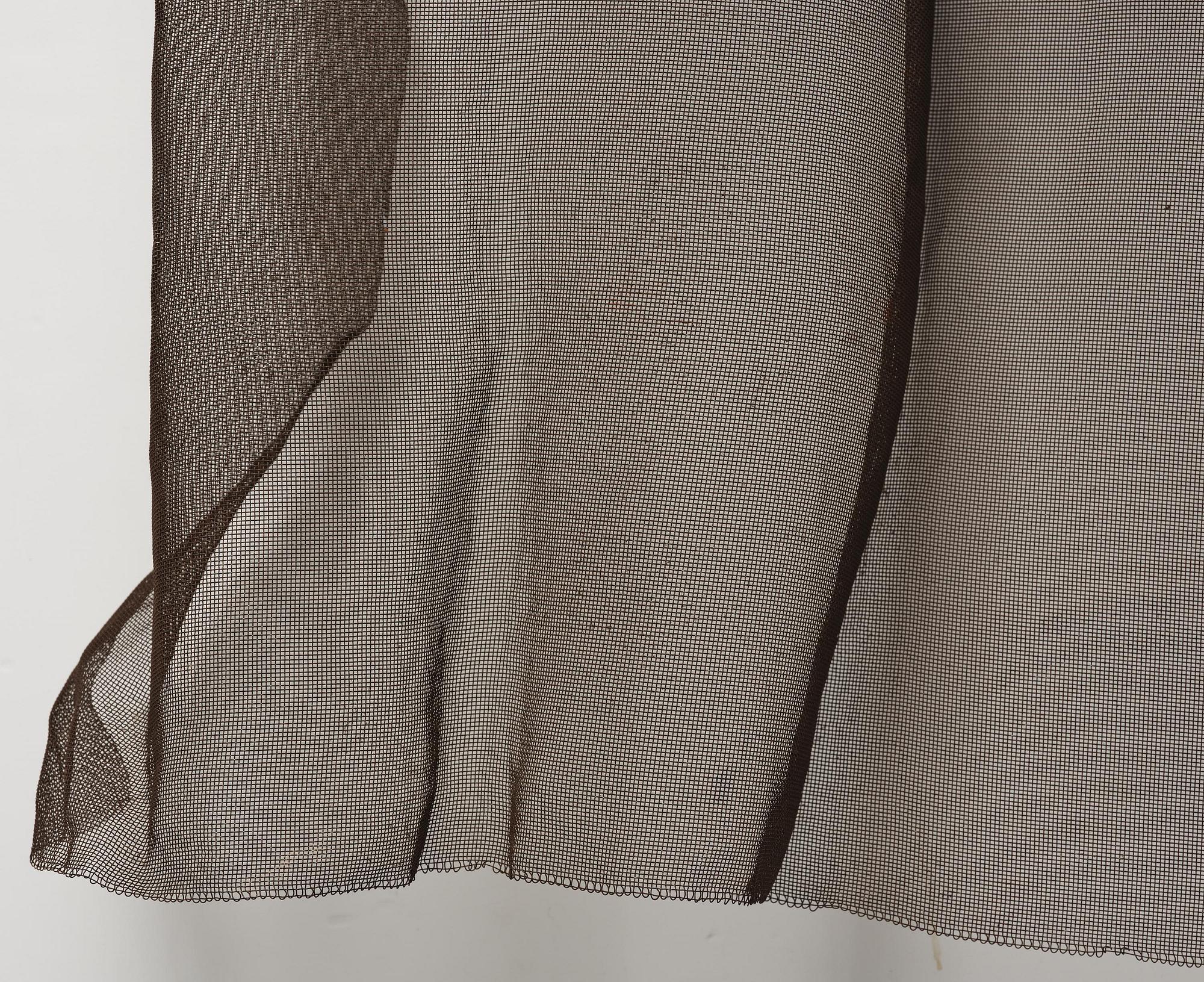
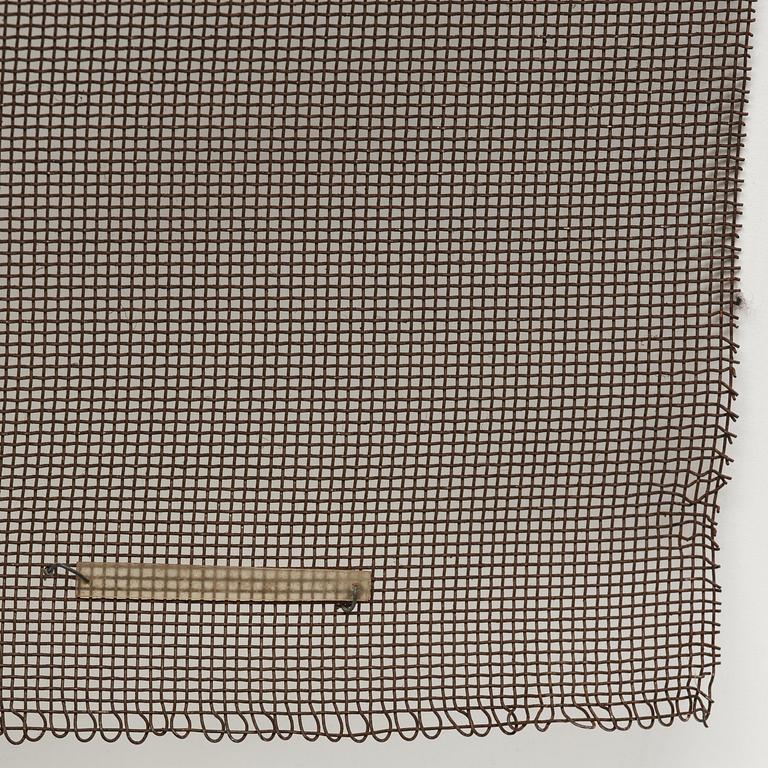
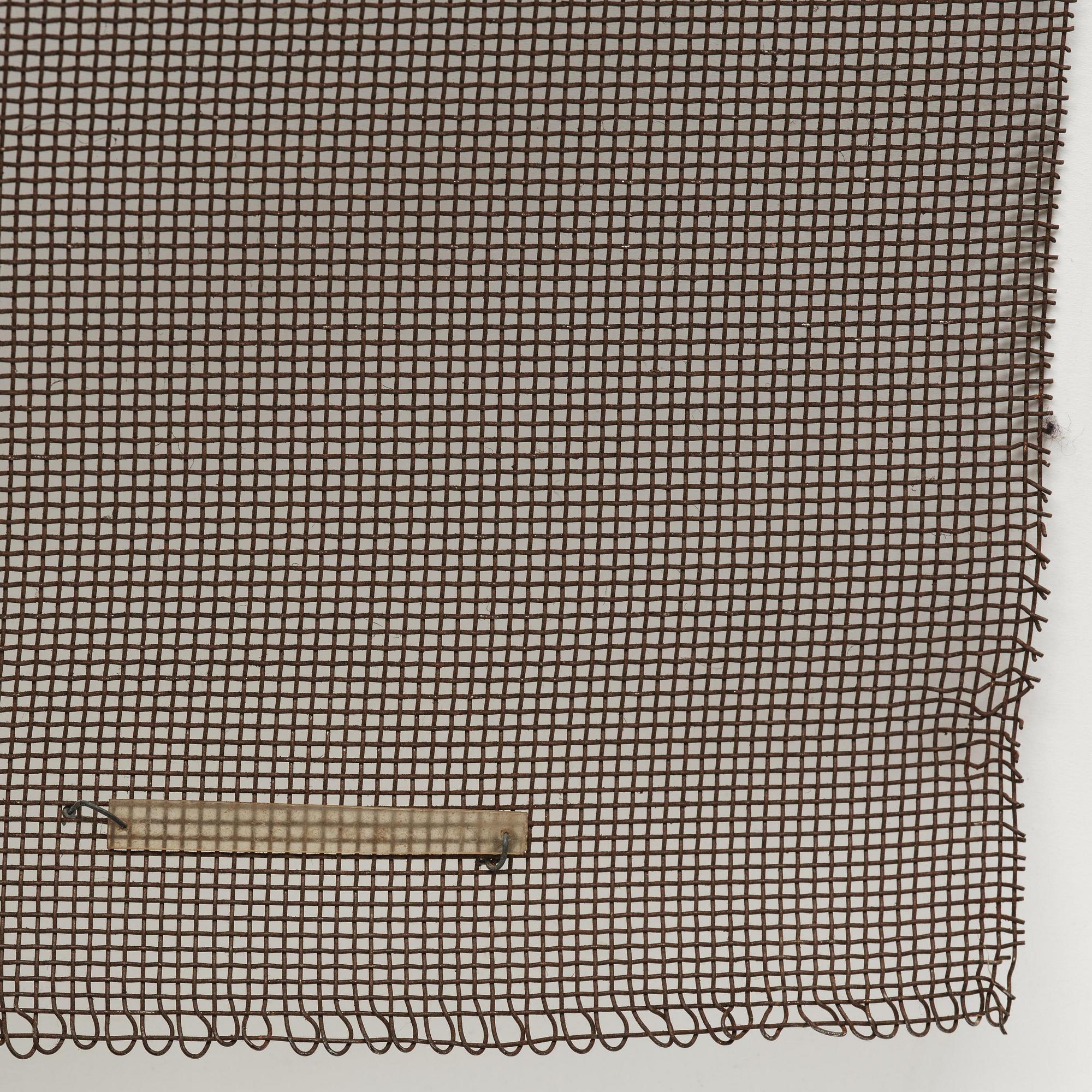
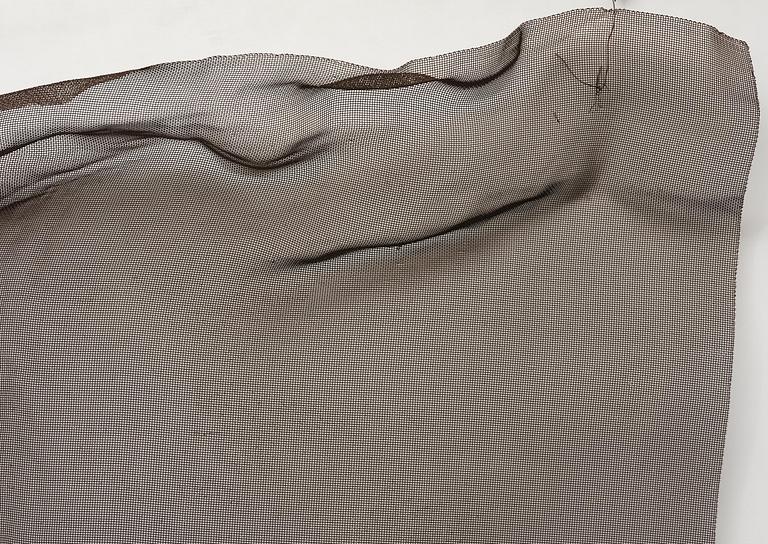
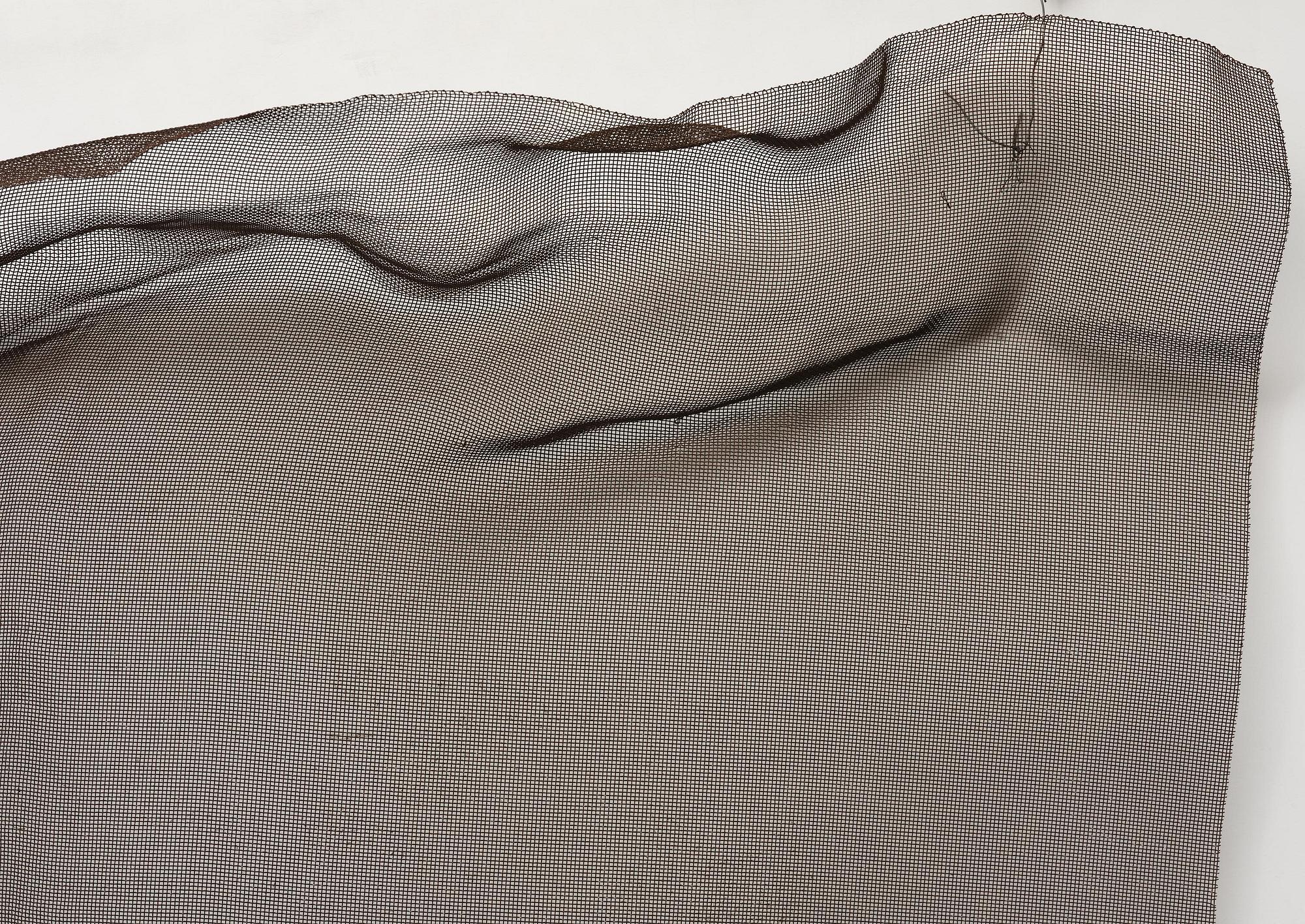
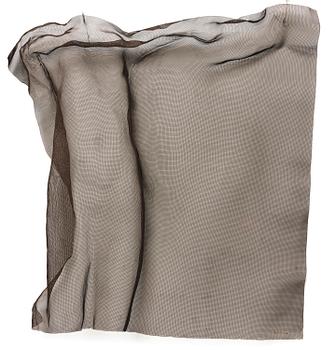
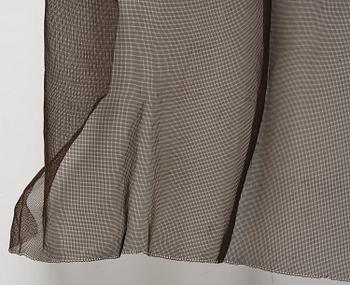
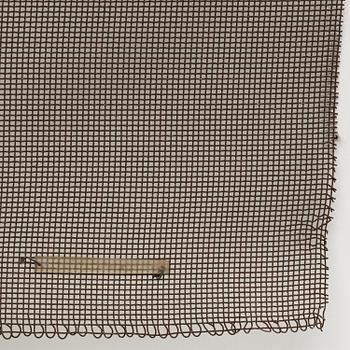
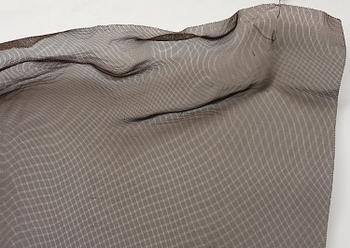
Signed Barbro Bäckström and dated 1981. Iron net 120 x 100 cm.
Provenance
Acquired directly from the artist by the present owner during the 1980s.
More information
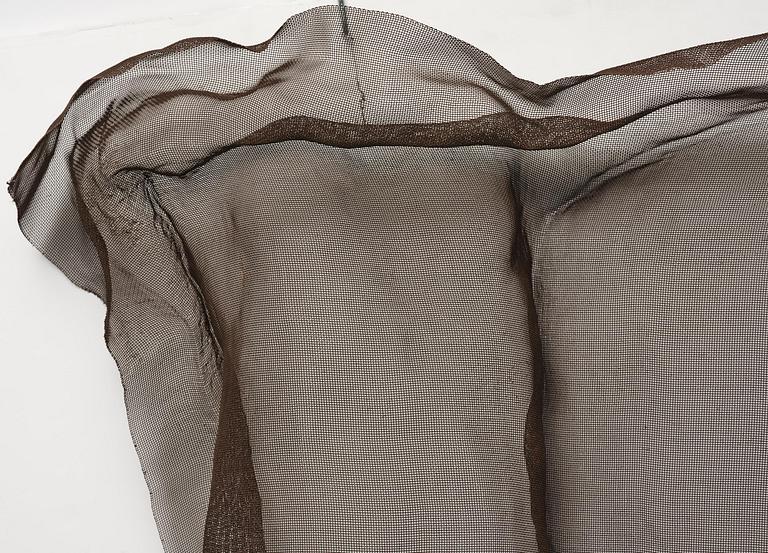
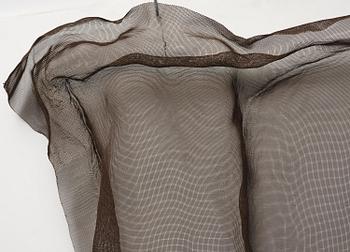
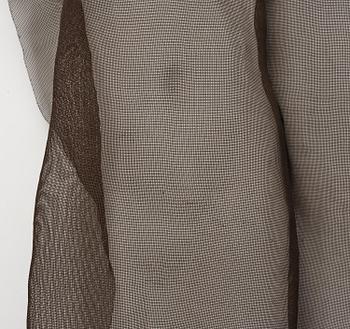
Barbro Bäckström is chiefly known for her sculptures and reliefs in iron mesh, a material in which she discovered a very particular potential. Here, sculpture and drawing, volume and line, converge in a single expression. The motifs are often fragments of naked human bodies, their forms suggesting a rhythmic, undulating movement. The bodies seem almost to come to life through the interplay of shadows created as the viewer moves in front of them. In many ways, this was an expression that challenged traditional notions of what a sculpture could be.
The formal language is pared back, but its simplicity is deceptive. Behind the reduced forms lies a highly concentrated and physically demanding process. The iron mesh was shaped, bent and worked by hand and with tools until it could capture precisely the movement and presence Bäckström was seeking.
In 1991, one year after her death, Malmö Konsthall presented a retrospective exhibition spanning three decades of her artistic career, from the 1960s to the 1980s. The exhibition text aptly captured the encounter between the human form, the hard material and the timeless motifs:
‘The sculptor’s interest is usually in the relationship between volume and mass, but Barbro Bäckström’s sculptures are consistently shells, vessels, casings and skin – seed cases that carry life, stomachs, backs, wings, hands.’
The forms were executed in a wide range of materials – from aluminium and plastic to iron mesh and metal wire, but also in more solid materials such as bronze. The iron mesh sculptures in particular appear as drawings in space: classical in form, yet so light that they seem almost to have been shaped by the air surrounding the body. The exhibition text aptly likened them to ‘the headwind’ that had settled around the human body.
Yet the seemingly effortless lightness was the result of extensive craftsmanship, involving a ball-peen hammer, chisel and considerable manual force. After nearly twenty years of developing her figurative mesh drawings towards ever greater freedom and precision, Bäckström suddenly abandoned this mode of expression. In a newspaper interview, she described her quest in her own words: ‘I want to arrive at a form that is alive’, a form that ‘feels close and is close to us all’. She did not need to describe the entire body. ‘A small piece at a time is enough.’
Perhaps it is precisely there, in the fragment, that much of the particular power of Bäckström’s artistic practice lies. The body does not need to be depicted in its entirety in order to become present. A back, a stomach, a hand or a wing-like form may be enough to suggest a whole human being. At the same time, the hard iron becomes something skin-like, permeable and alive.
Barbro Bäckström studied at Konstfack in Stockholm from 1960 to 1964 and also trained as an art teacher. After completing her education, she settled in Lund with her husband, the artist Holger Bäckström. Moderna Museet’s collections include both her sculptures and drawings.
In 1998, nearly 300 works by Barbro Bäckström were donated to the collections of Malmö Konstmuseum. The works span the period from the mid-1960s until her death in 1990 and provide a comprehensive picture of her artistic development. In connection with the donation, financial funds were also transferred to the museum, the proceeds from which are intended to finance a significant art scholarship in her name.
More about Barbro Bäckström
Barbo Bäckström was a Swedish sculptor and visual artist born in Djurö in Stockholm’s archipelago. She studied at Konstfack in Stockholm. She is most known for her sculptures and reliefs made of iron mesh. She has created numerous public sculptures, many of which can be found in Malmö and Lund. The forms which Bäckström works with are derived from nature. Using iron mesh, Bäckström creates human figures, often women, and details of bodies into poetic visions. Light and delicate like thin fabric, they hang freely in the space, the light protruding through the mesh, formulating an unique assortment of shadows, depth and beauty. The material is often aluminium, bronze and iron.
Read moreFor condition report contact specialist
What will the transport cost?
Shipping can only be arranged by contacting specialdelivery@bukowskis.com.
Covered by droit de suite
Image rights
The artworks in this database are protected by copyright and may not be reproduced without the permission of the rights holders. The artworks are reproduced in this database with a license from Bildupphovsrätt.
Others have also viewed