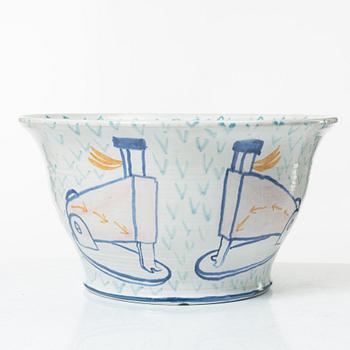
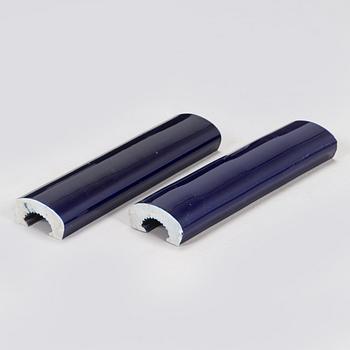
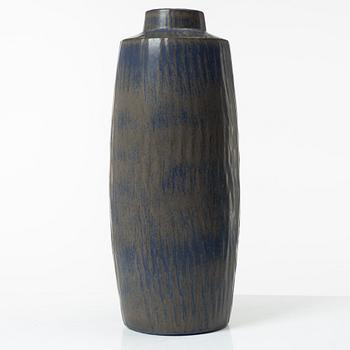
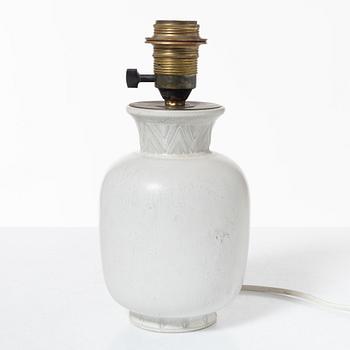
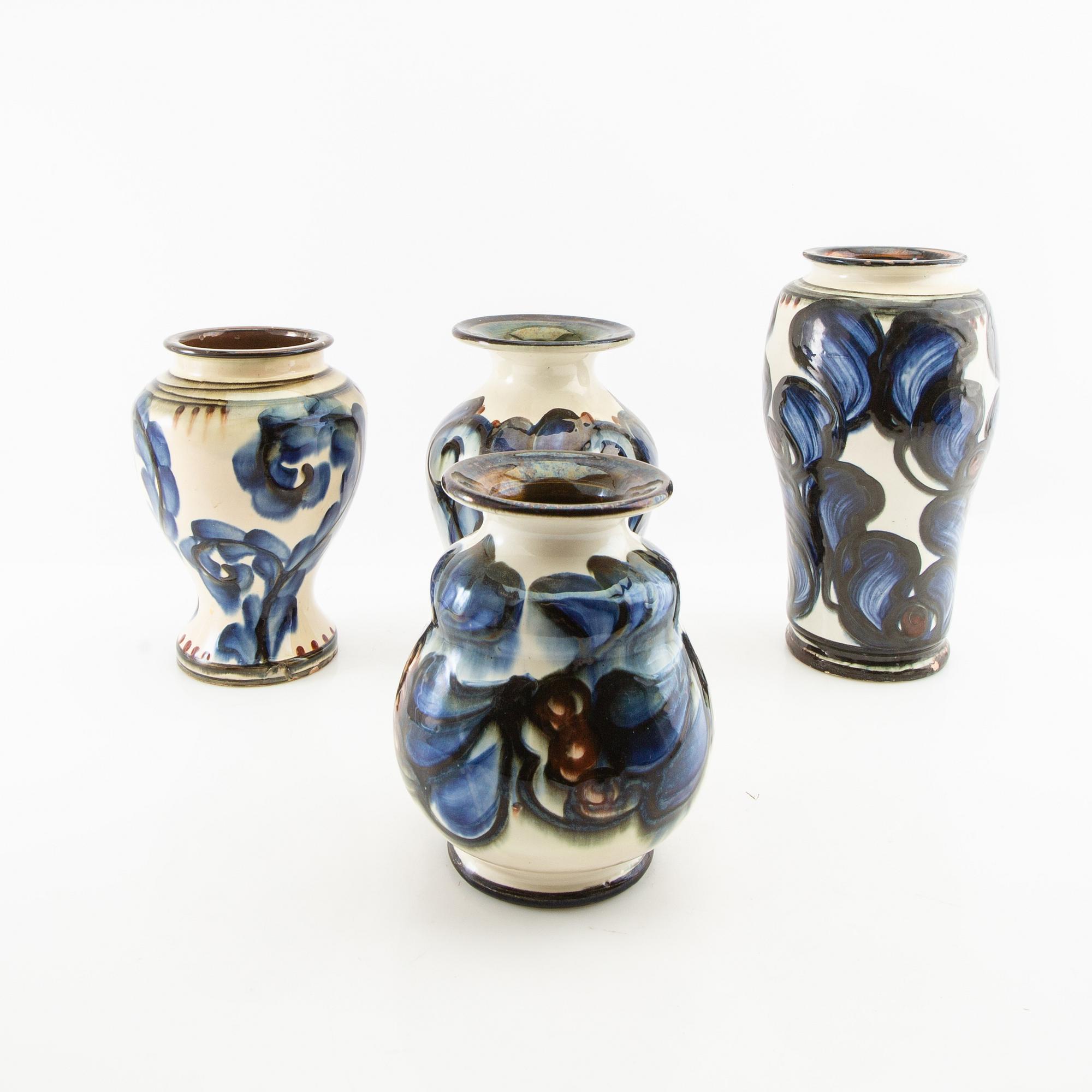
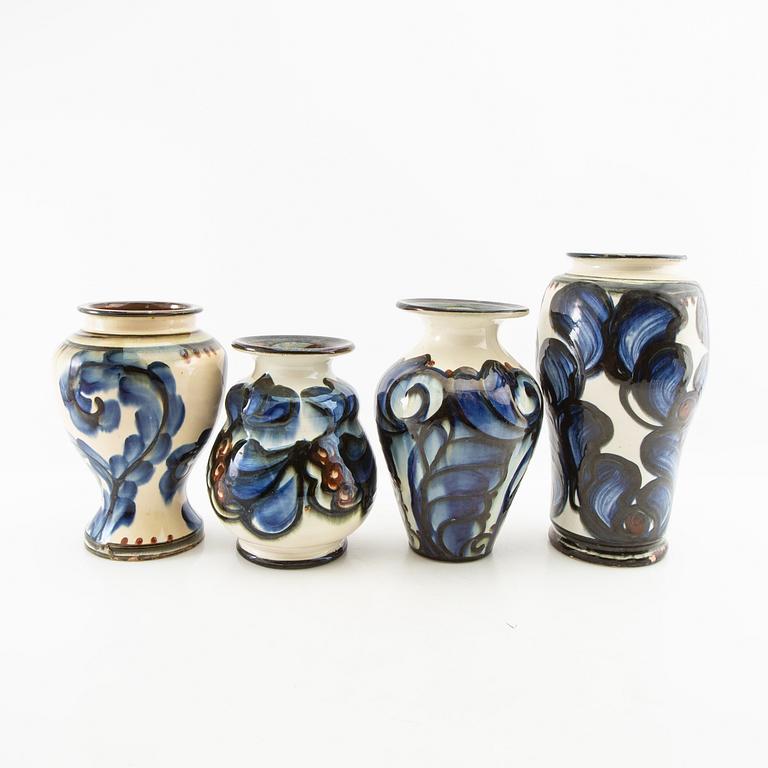
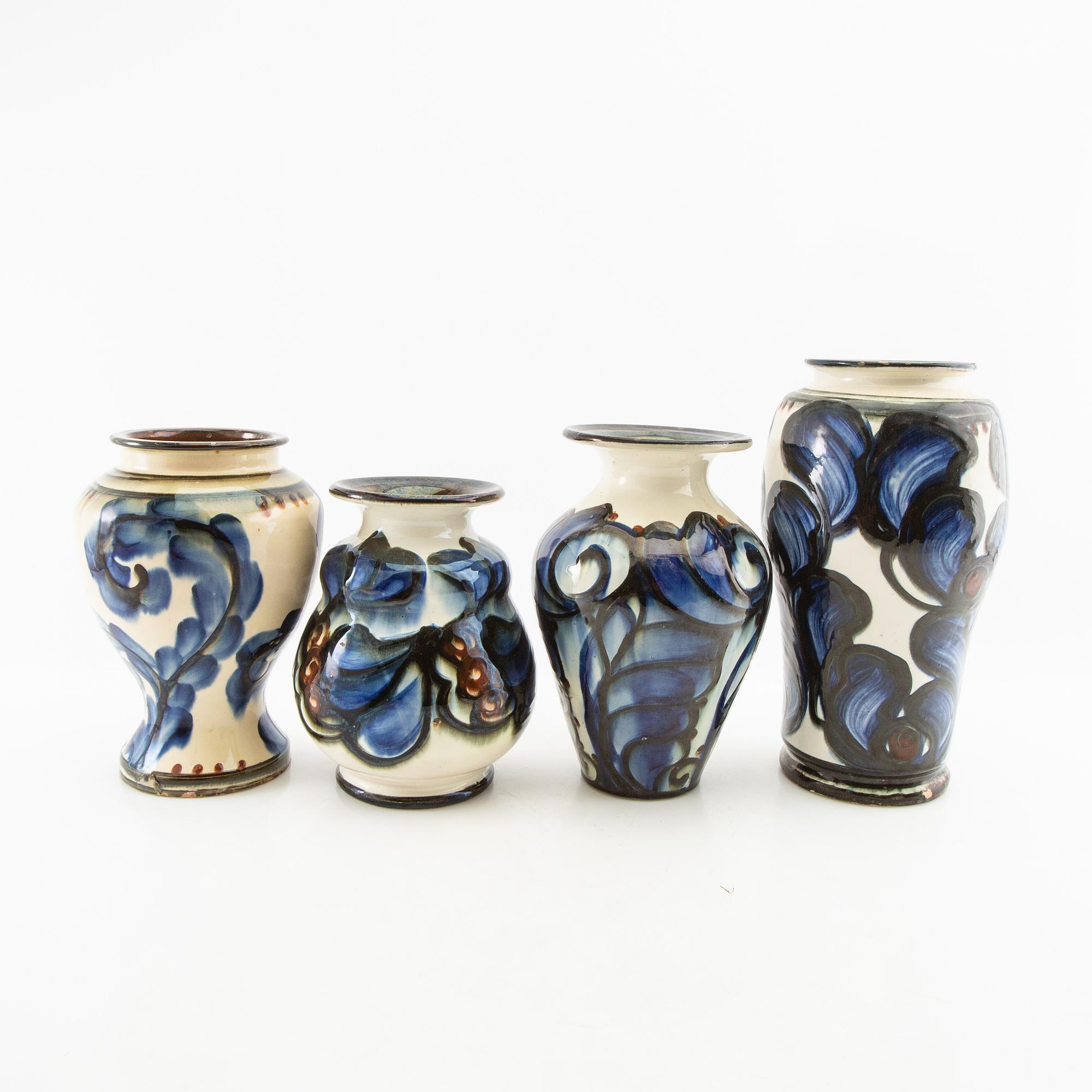
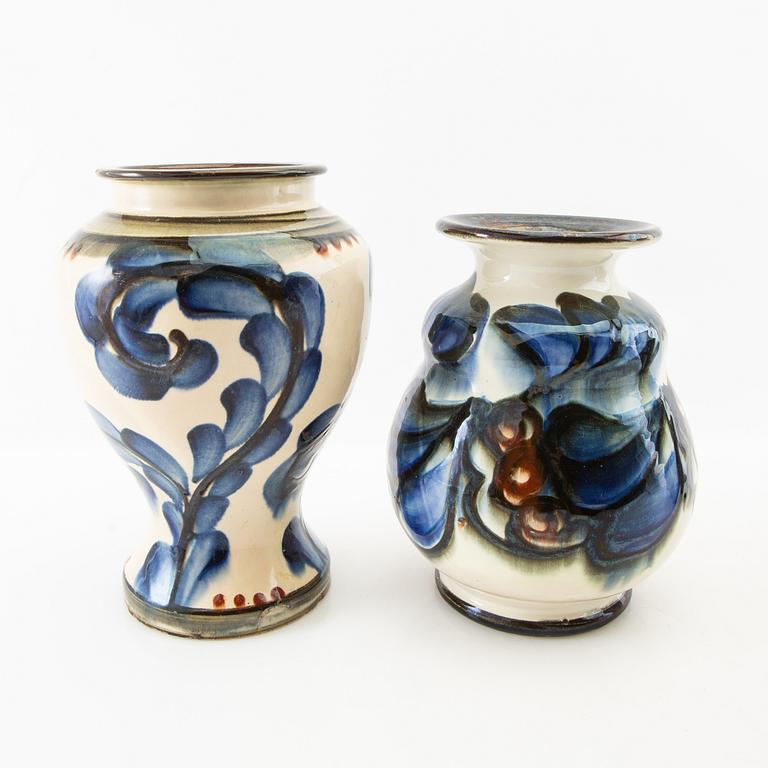
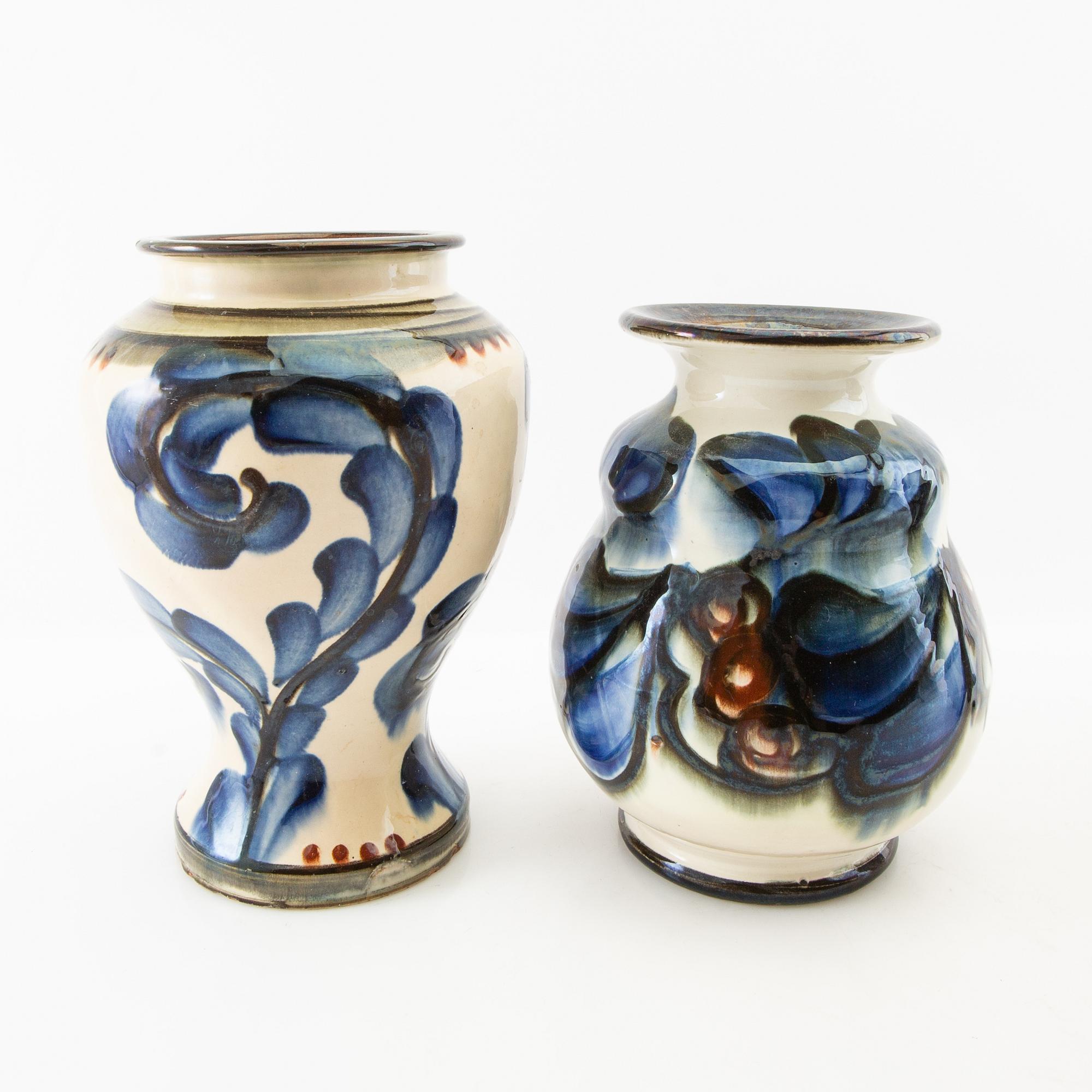
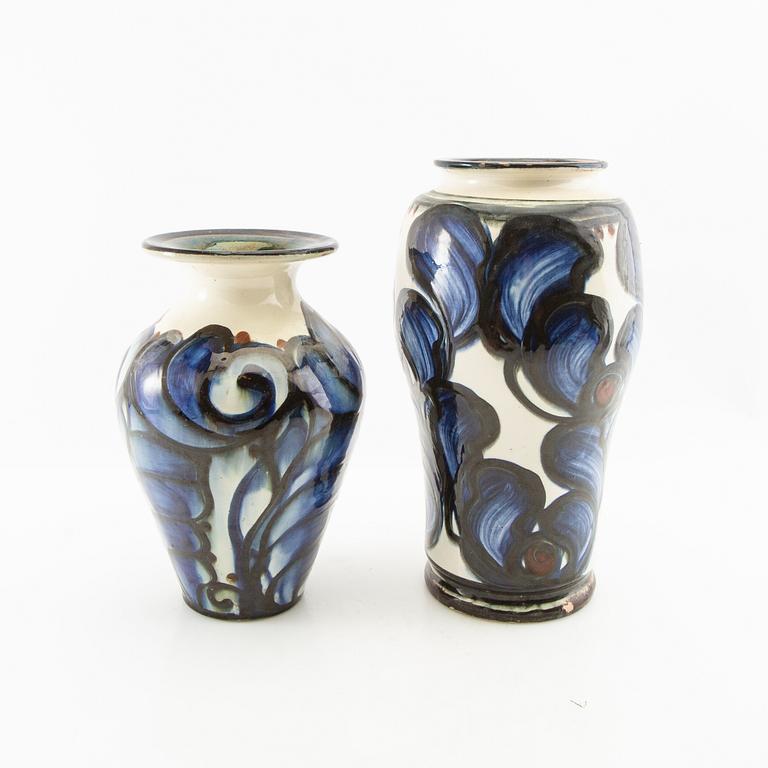
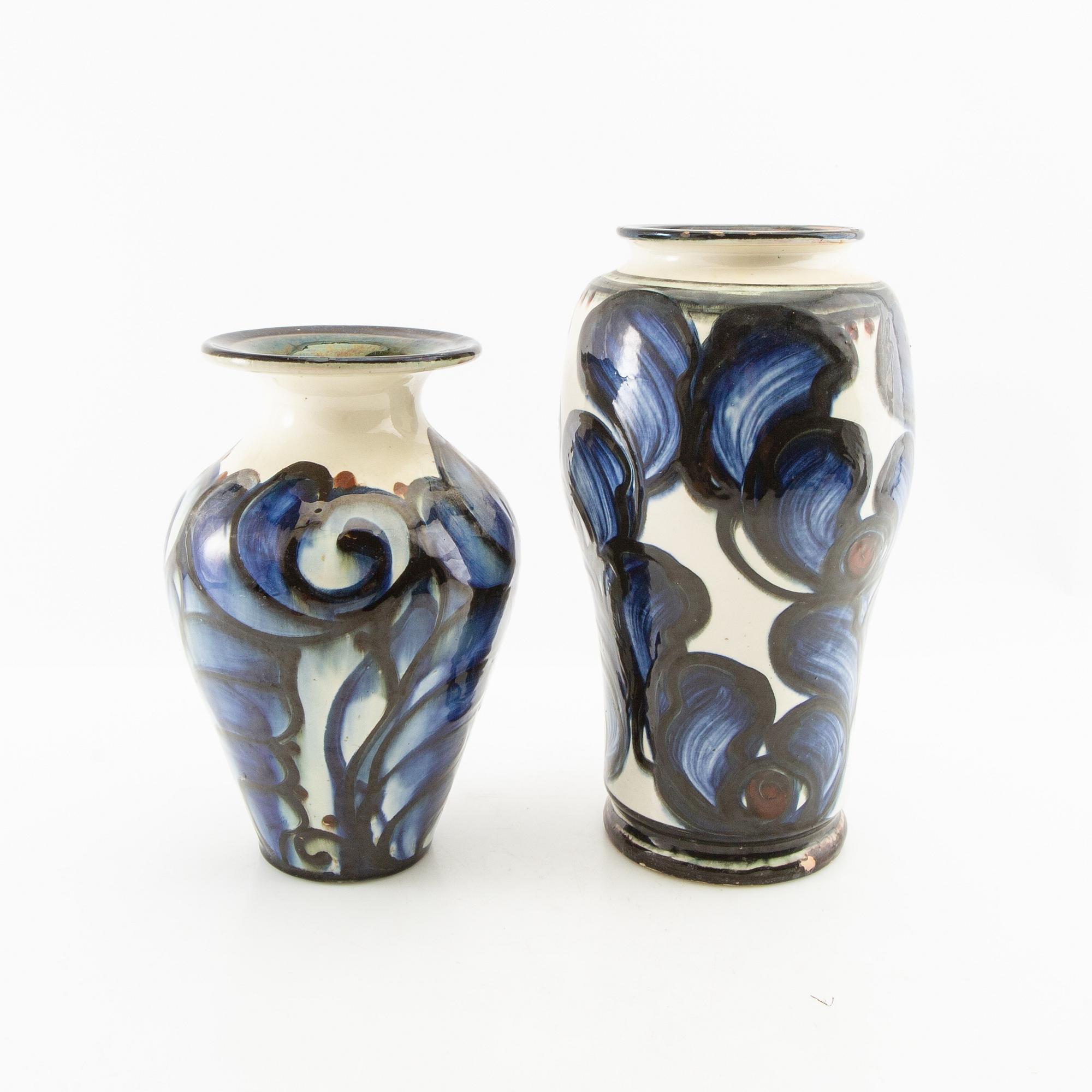
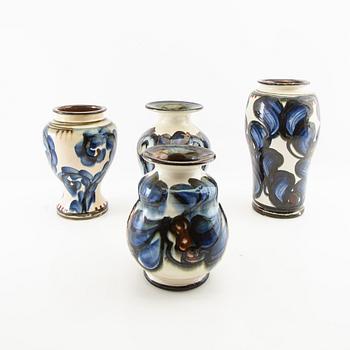
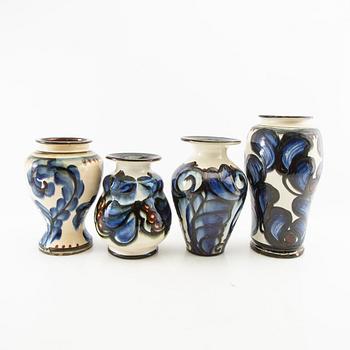
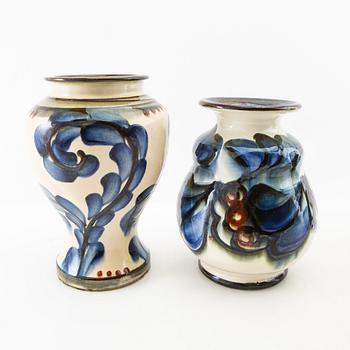
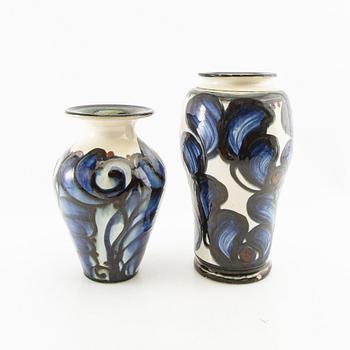
Height approx. 19-27 cm
Wear commensurate with age and use.
More information
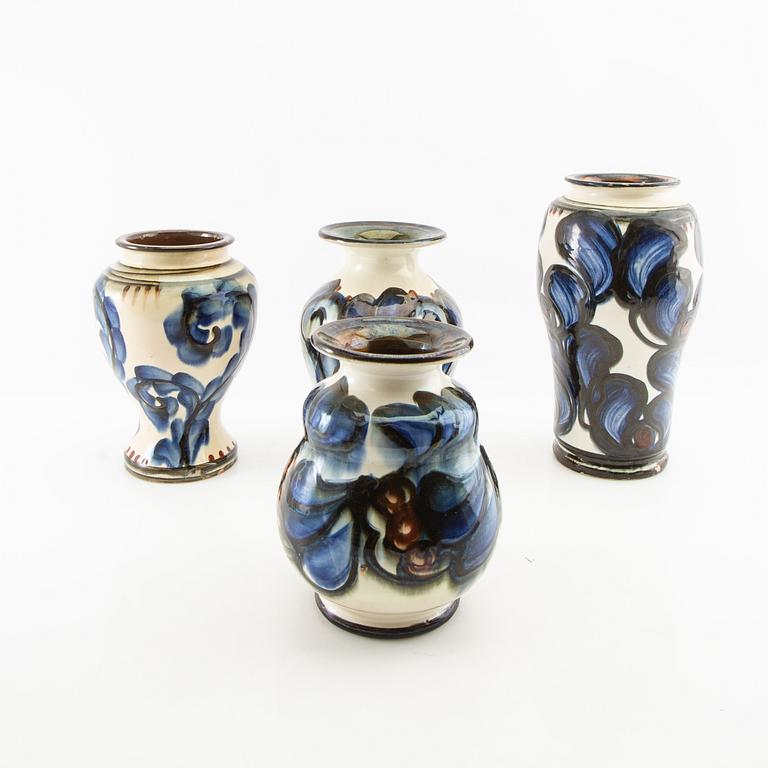
Annashaab Stoneware Factory was a Danish ceramics factory founded in 1891 by the potter Jens Holm Rasmussen and his wife Johanne in Egebjerg, near Horsens. The factory initially produced everyday ceramics such as jam jars and even pots for the local prison. Later, around the 1920s, the factory began producing decorative ceramics in the so-called "shoemaker style," which is the Danish variant of Art Nouveau. This shift in production was inspired by the artist Eiler Løndal, who had also worked for Danico, another well-known ceramics factory in the area.
Annashaab's products were often decorated with horn glaze and were characterised by simple yet elegant patterns in pastel colours. They were often opaque and resembled products from Kähler or Danico. The factory closed in 1958, but its ceramics are now sought after by collectors.
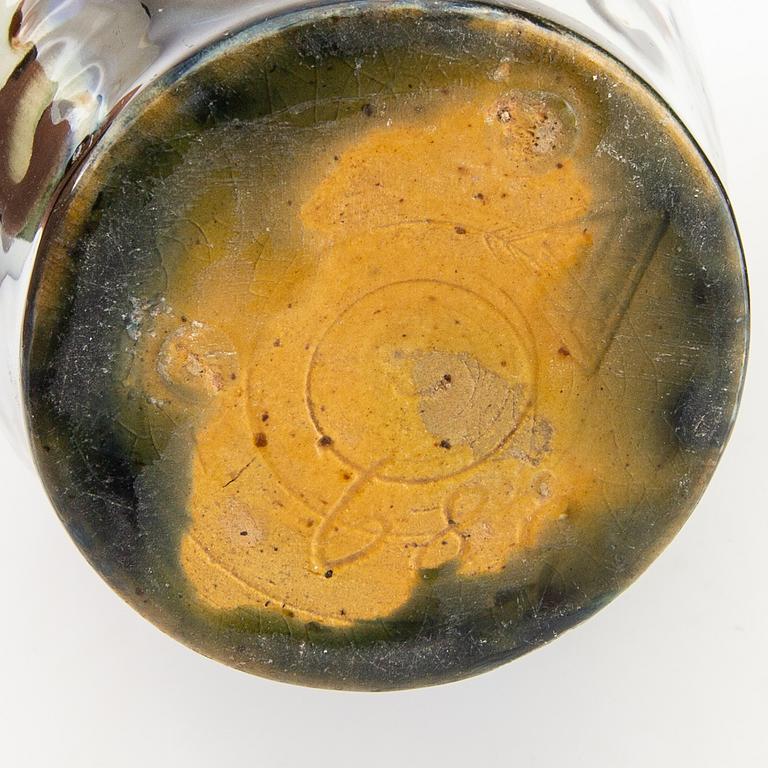
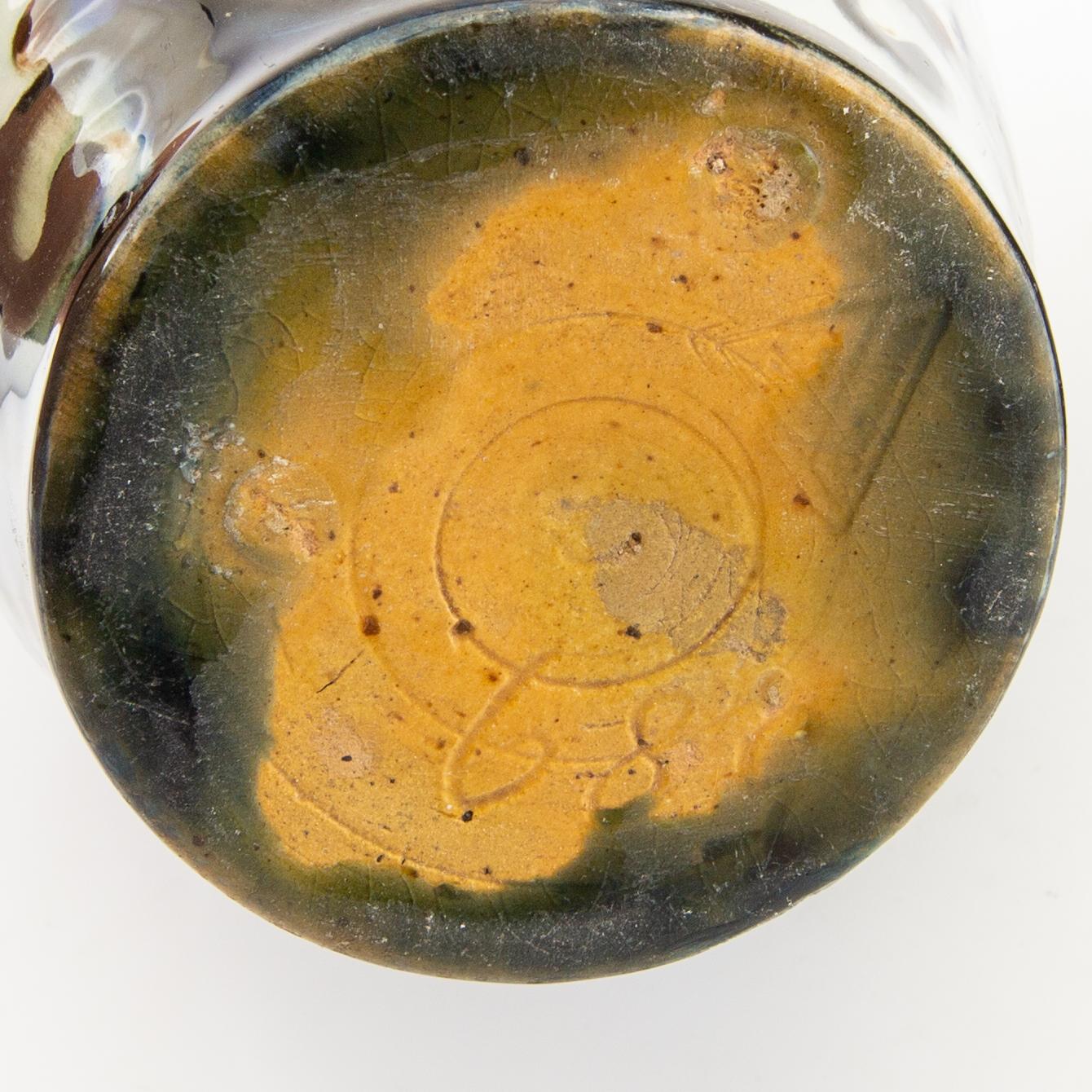
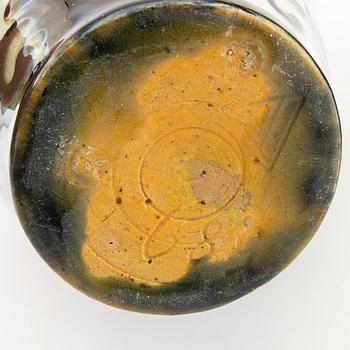
A distinctive feature of Annashaab's ceramics is the factory mark, which was a triangle symbolising "L" for stoneware factory. However, many of their products do not bear this mark, making it difficult to distinguish them from those of other factories, especially if they are not numbered.
Contact

Customer service
Please contact Customer Support for inquiries regarding transport, payment and other questions.
Sweden
Telephone hours: Monday – Friday 9 am – 12 pm
+46 8-614 08 00
Finland
Telephone hours: Monday – Friday 10 am – 1 pm
+358-9-668 91 10
Others have also viewed