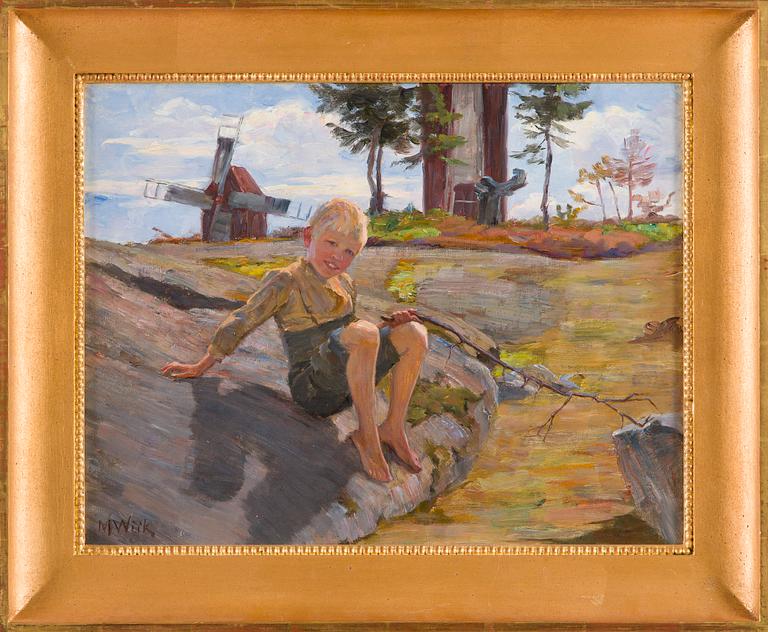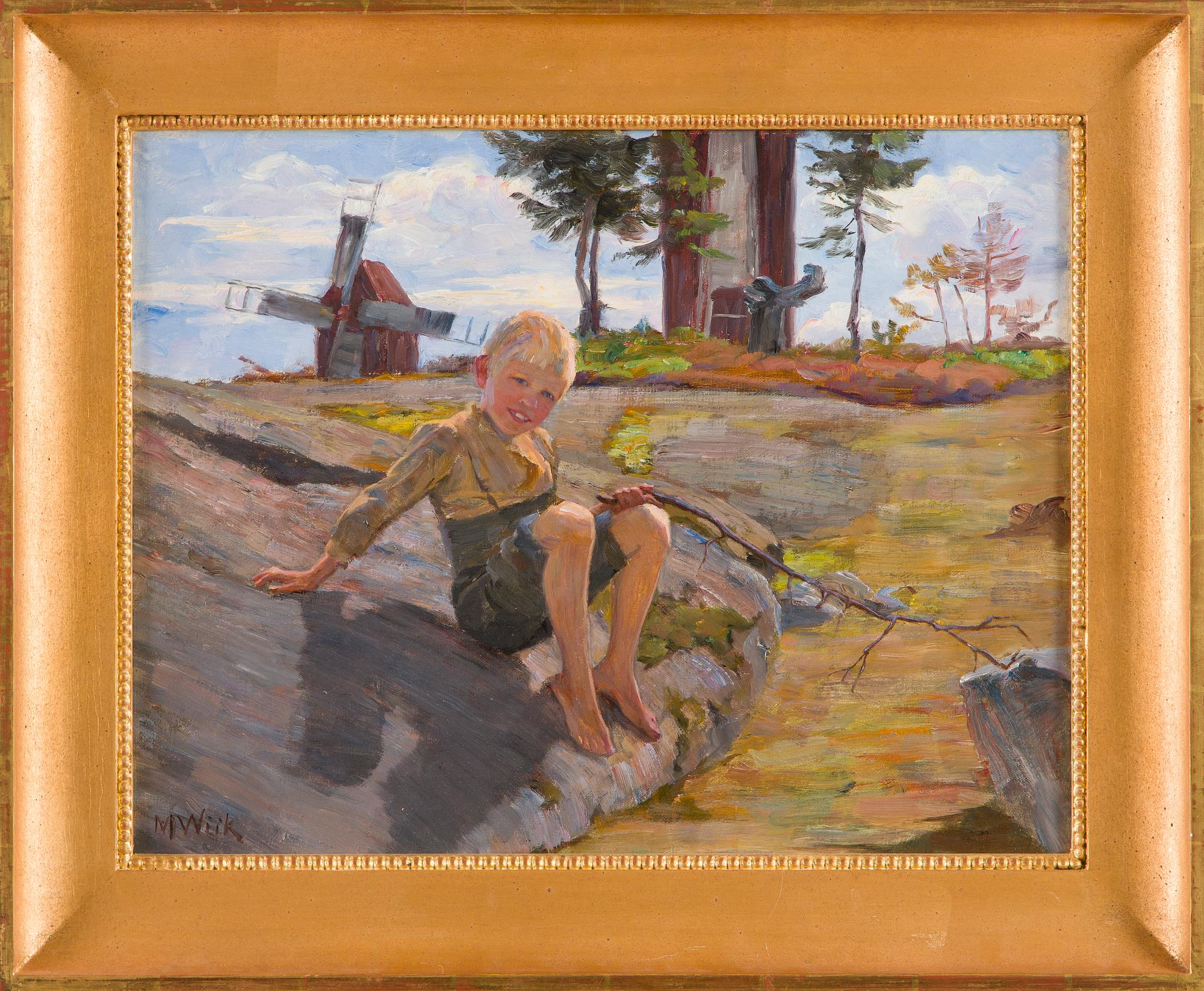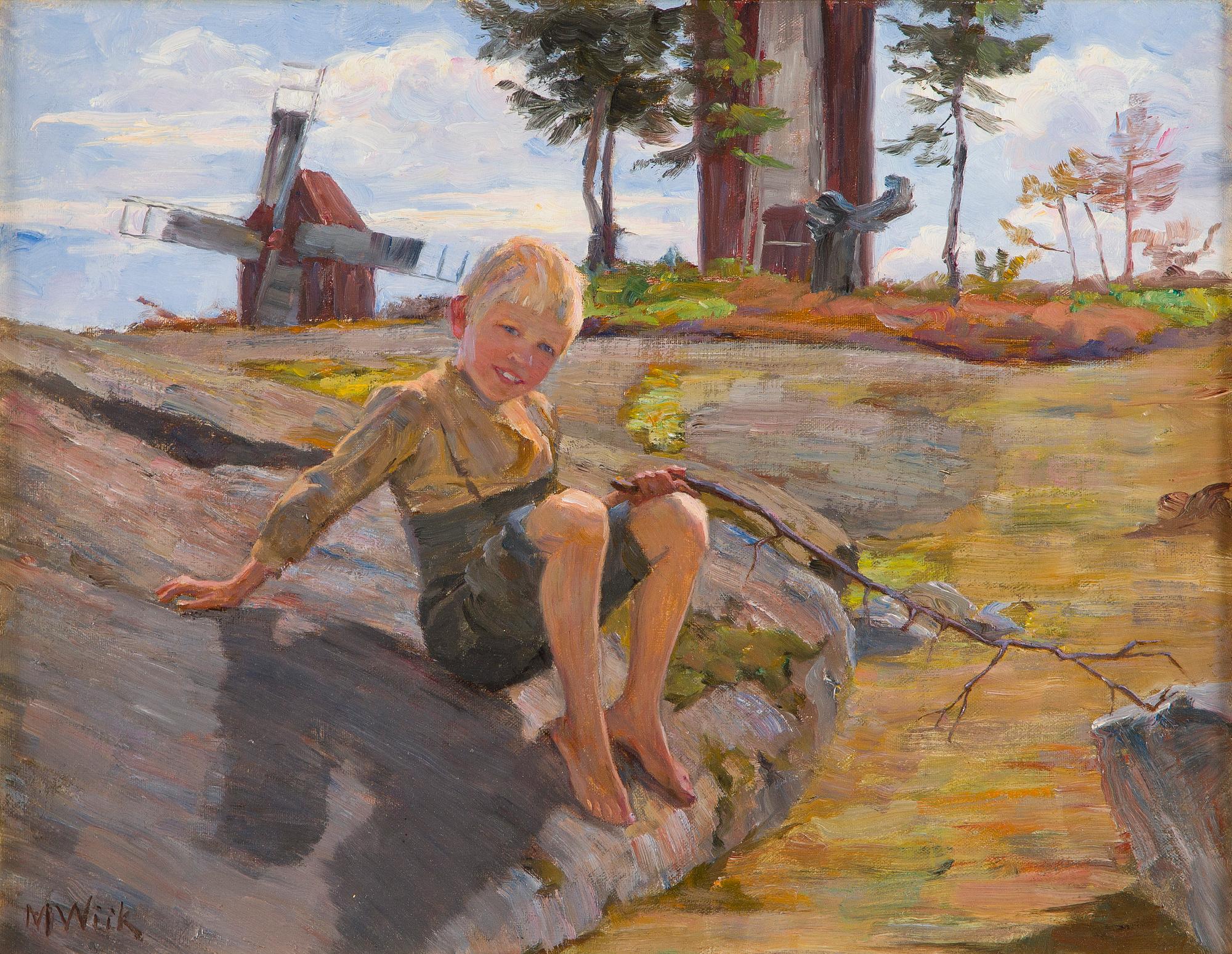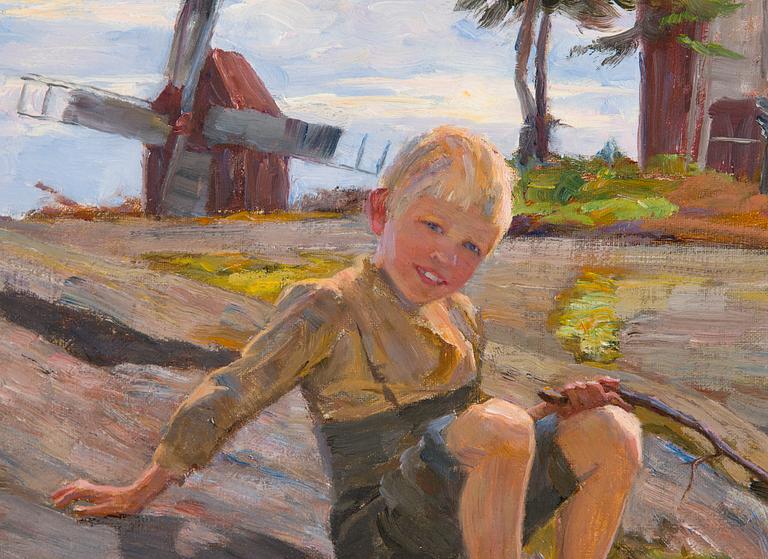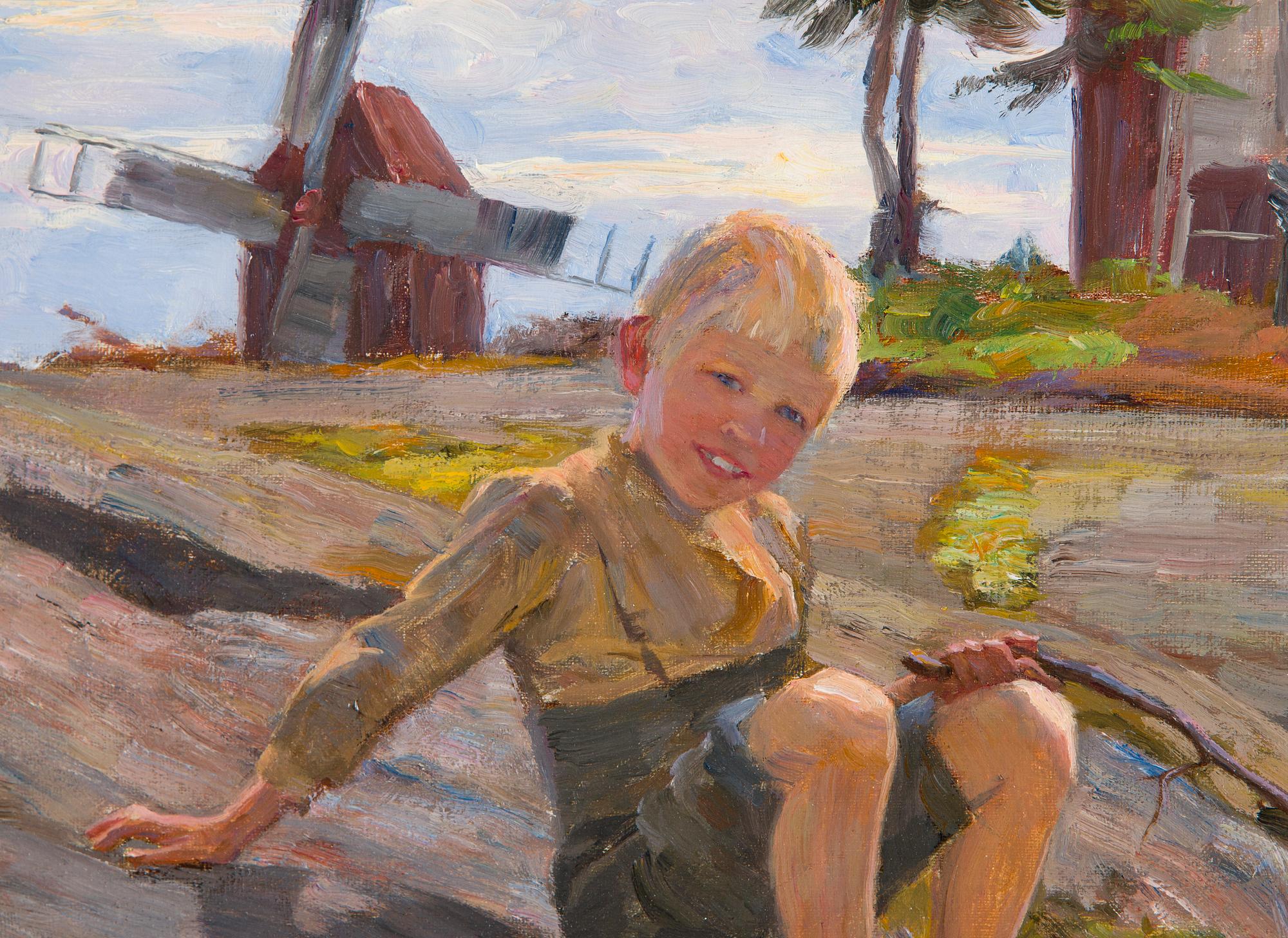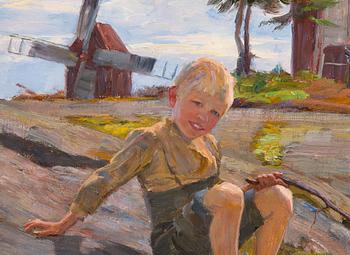
Maria Wiik, "At Kvarnbacken"
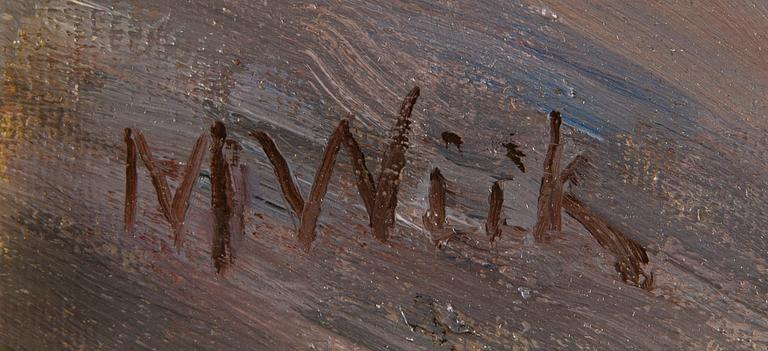
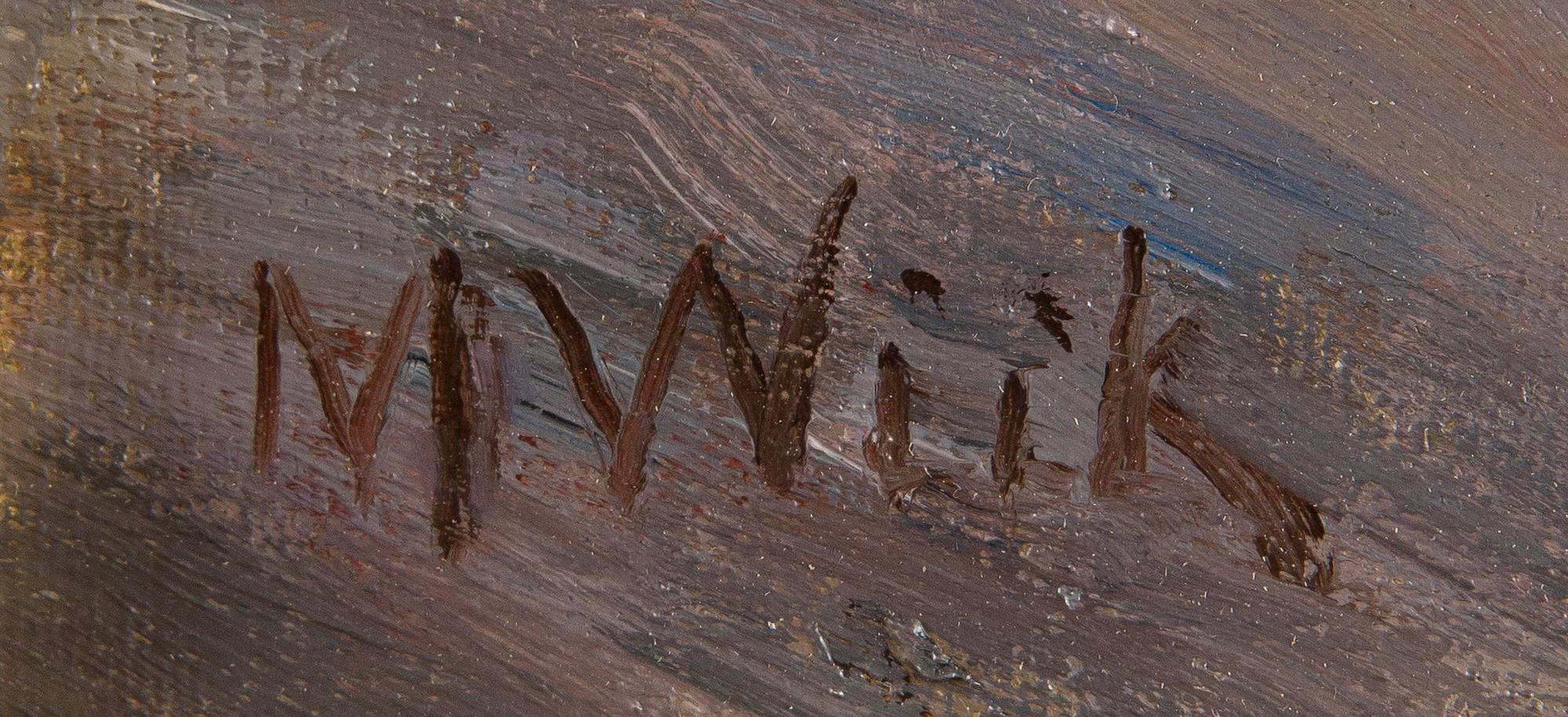
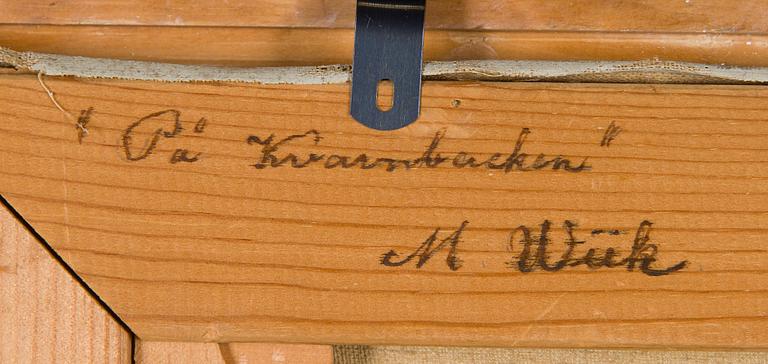
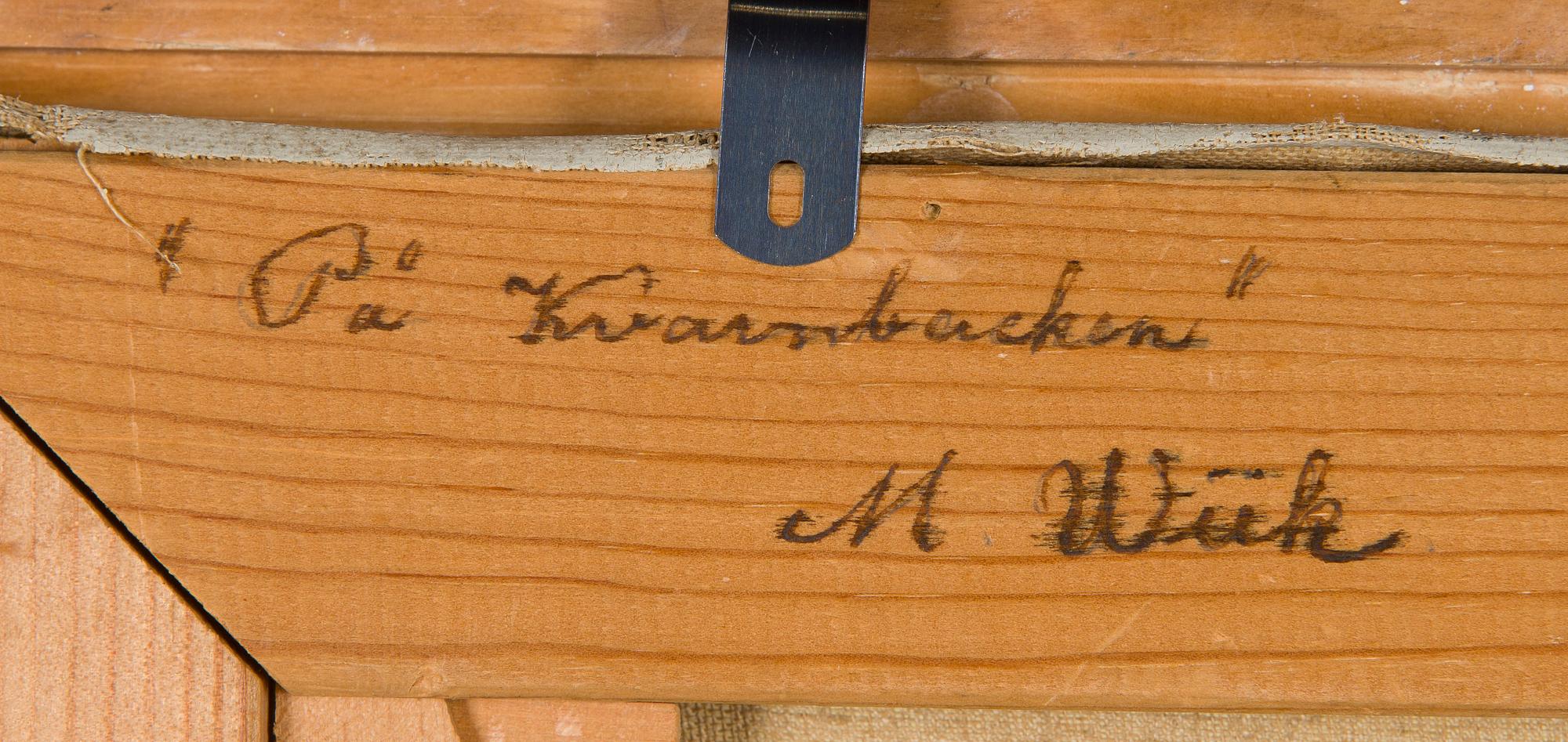
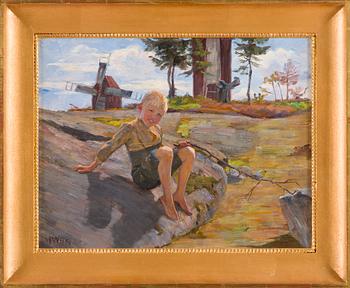
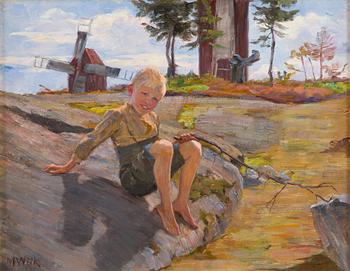
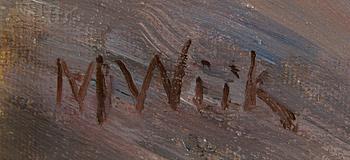
Signed M.Wiik. Oil on canvas, 37x47 cm.
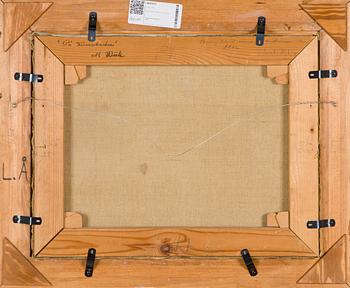
Wear due to age and use. The general impression is good.
Provenance
Miss Thorborg Schnitt (1895-1982), Turku, Finland. The painting was won by her in the Turku Art Society's lottery in 1902, from which it was collected by her father, Karl Louis Schnitt, who was then the factory manager at the Littoinen Clothing Factory outside Turku;
Henrik Christensen, Finland (by descent from the above); by descent to another private collection,
Finland
Exhibitions
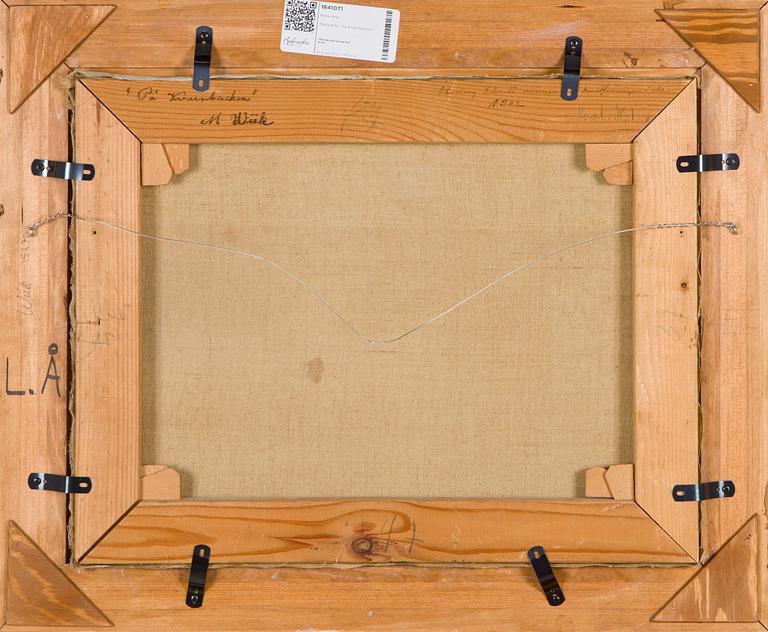
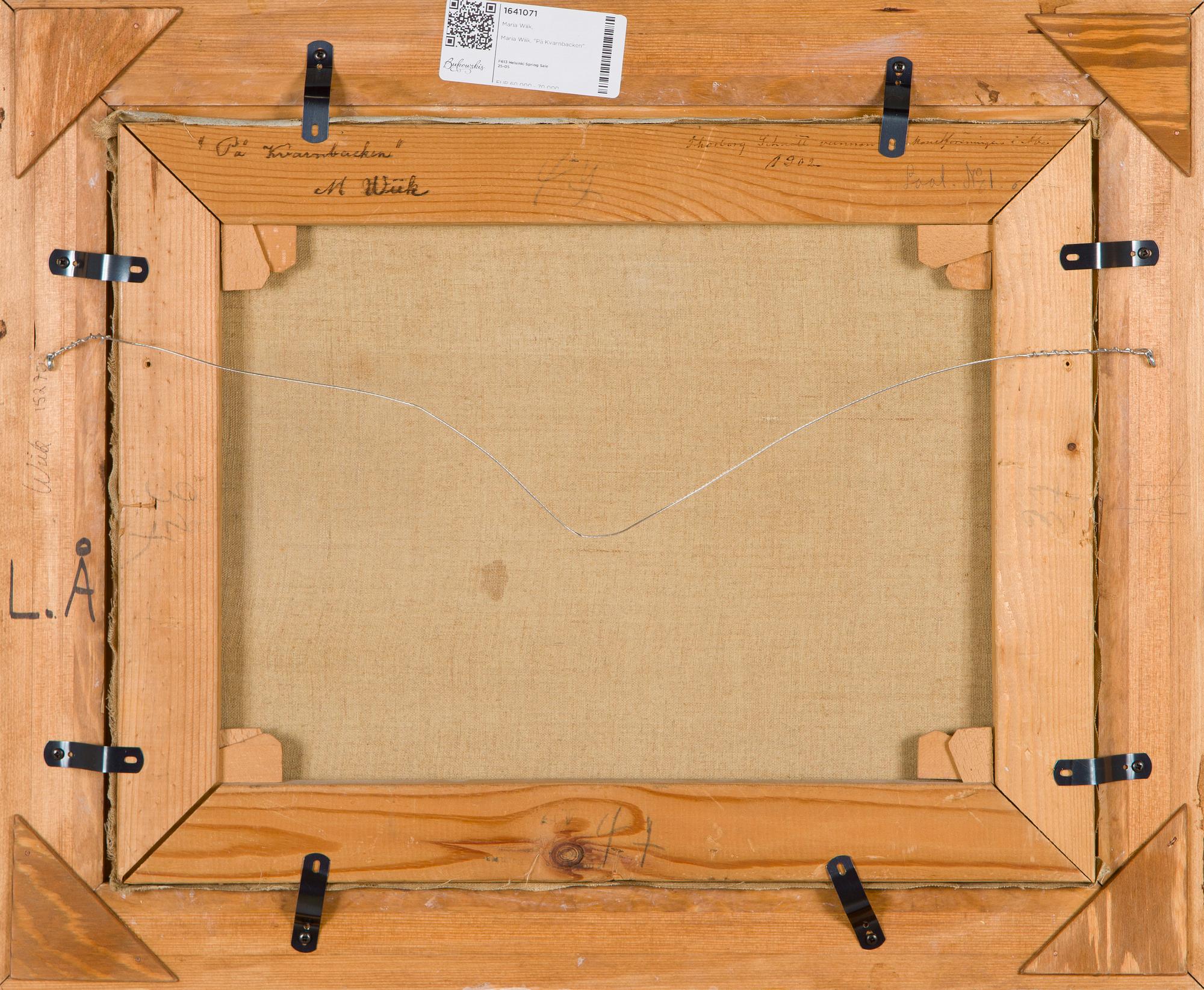
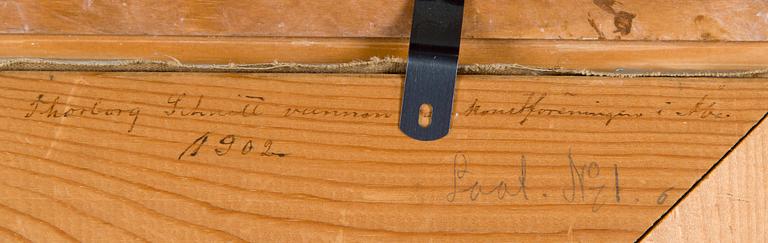
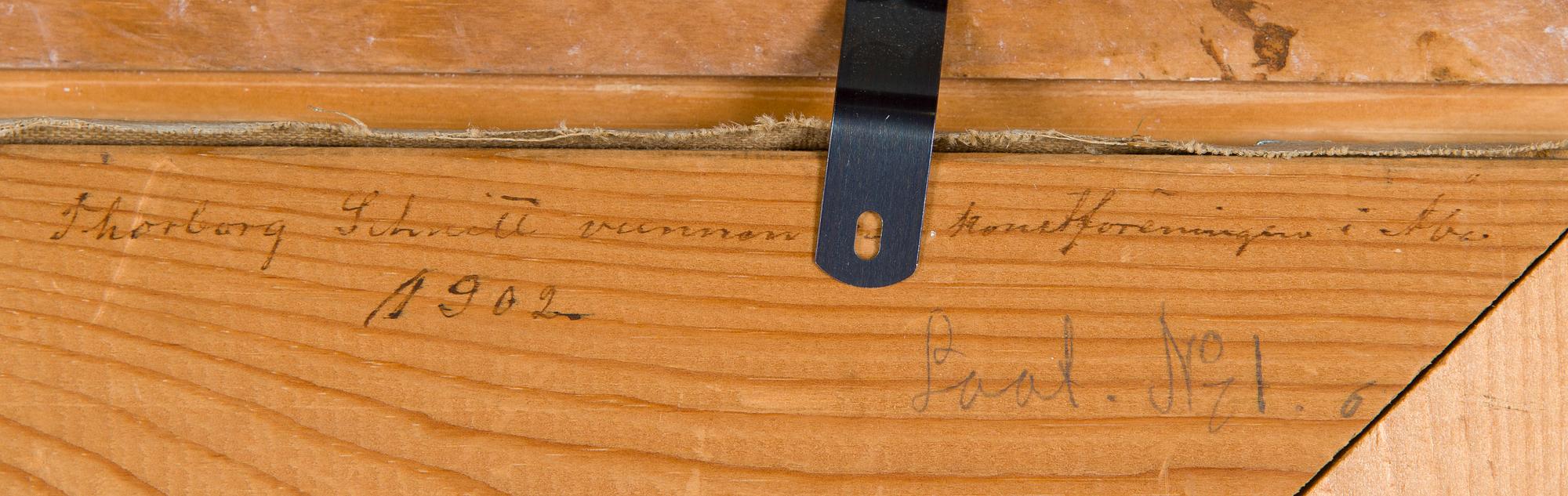
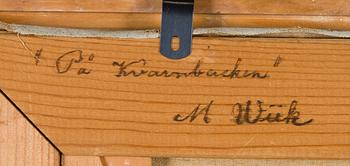
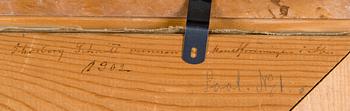
The Art Association in Turku, 1902 (according to a handwritten note on the stretcher).
More information
Maria Wiik was one of the true pioneers among Finnish women artists. After basic studies at the Art Society's school in Helsinki in the 1870s and later at Adolf Becker's private painting school, she travelled to Paris as early as 1875. Wiik thus became the first of several talented Finnish women artists to stay in Paris well into the 1880s, all of whom became her close friends: Amélie Lundahl, Helena Westermarck, Helene Schjerfbeck and Elin Danielsson-Gambogi.
In Paris at the time, there were several private academies that welcomed female students and where new tendencies in painting were not only tolerated, but promoted. For our Finnish women, all of whom had a bourgeois upbringing and whose earlier studies were characterised by a traditional, academic view of art, the encounter with Paris's varied art scene was overwhelming. In France, plein air painting was already well established among the art public, and Impressionism, which to Finnish eyes was still perceived as radical, had begun to make inroads on a broad front.
For Maria Wiik, the transition to “plainairism” was gradual. During her first years in France, she studied at the Academie Julian, where the academic history and genre painter Tony Robert-Fleury was a member of the teaching staff. Despite his demanding and strict attitude, Wiik greatly appreciated him, and she was extremely proud when he once remarked about one of her drawings ‘Cela va bien’ (L. Fogelström/L. Robbart (eds), De drogo till Paris, Stockholm 1988, p. 224). However, it was not Robert-Fleury who had the greatest influence on Maria Wiik's future artistic career, but the popular private tutor Pierre Puvis de Chavanne, whom Wiik got to know in the late 1880s. He stood for a style that is usually regarded as a kind of salon-style compromise between naturalism in the academic sense and a “rawer” realism in terms of subject matter. For many northerners, who aspired to paint “truth”, this golden mean became the new ideal for plein air painting.
Like Helene Schjerfbeck, with whom she shared a studio in Paris for a time, Maria Wiik remained unmarried and had to support herself, among other things by periodically teaching at the Art Society's drawing school in Helsinki. In France she received several prizes and awards, both at the Salon and at the World Exhibition in Paris in 1889. In Finland, from the beginning of the 1890s, she became one of the country's most popular portrait painters, with many commissions from the boards of schools, companies and associations.
According to a handwritten note on the picture frame, the painting ‘At Kvarnbacken’ was included in a raffle organised by the Turku Art Association in 1902. It is possible that the painting was made specifically for that purpose, but it may also have been made earlier and later donated by the artist to the association. The subject is somewhat reminiscent of the genre paintings that Wiik's much-admired compatriot Albert Edelfelt was doing at the same time. The painting depicts a blond little boy sitting on a smooth stone slab in a rather harsh landscape with a mill in the background. The boy is barefoot and his tanned legs, which protrude from under his shorts, are pulled up high against his body. In his hand, in typical boyish fashion, he holds a long stick. He turns his open, smiling face towards the artist and seems completely confident and relaxed in his role as a model.
‘At Kvarnbacken’ is a well-made, wonderfully spontaneous and unpretentious painting, which feels very representative of Maria Wiik's oeuvre. Although she remained childless, Wiik had a particular fondness for painting children. Several of her paintings of children are now part of the collections of the Finnish National Museum Ateneum. In general, Maria Wiik is now represented in most Finnish (and many international) museums. She was also one of the artists in whom the prominent Finnish art collector Gösta Stenman took a particular interest.