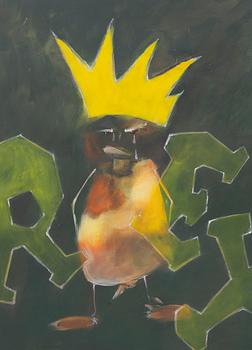
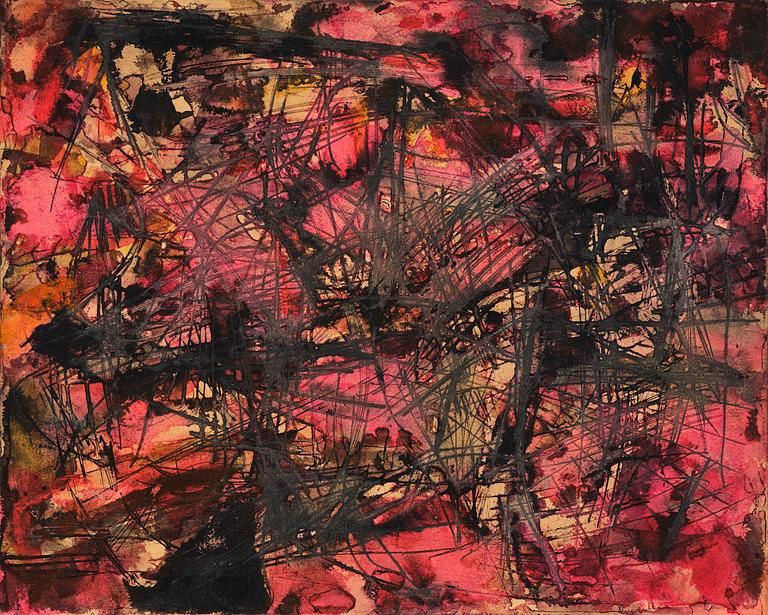
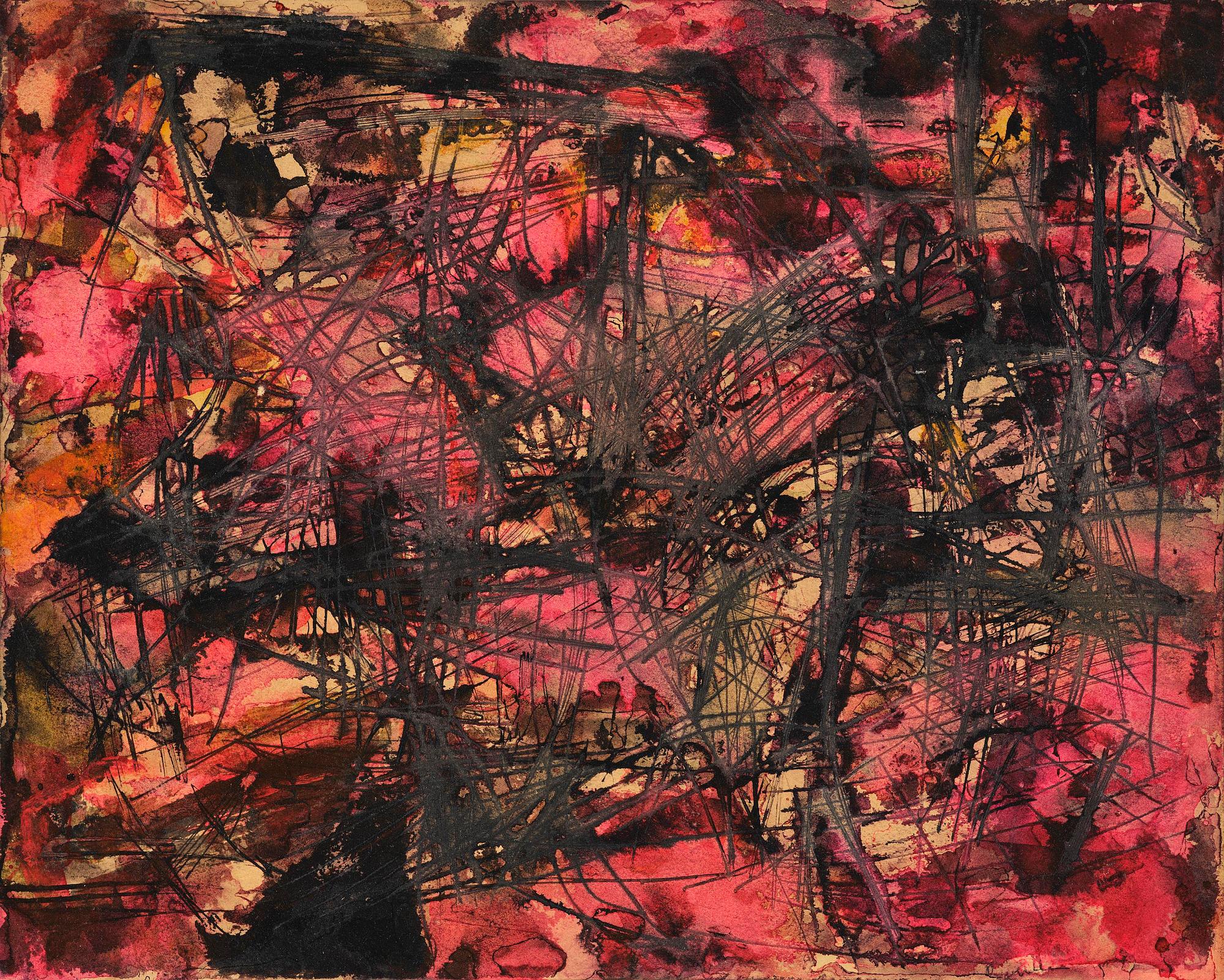
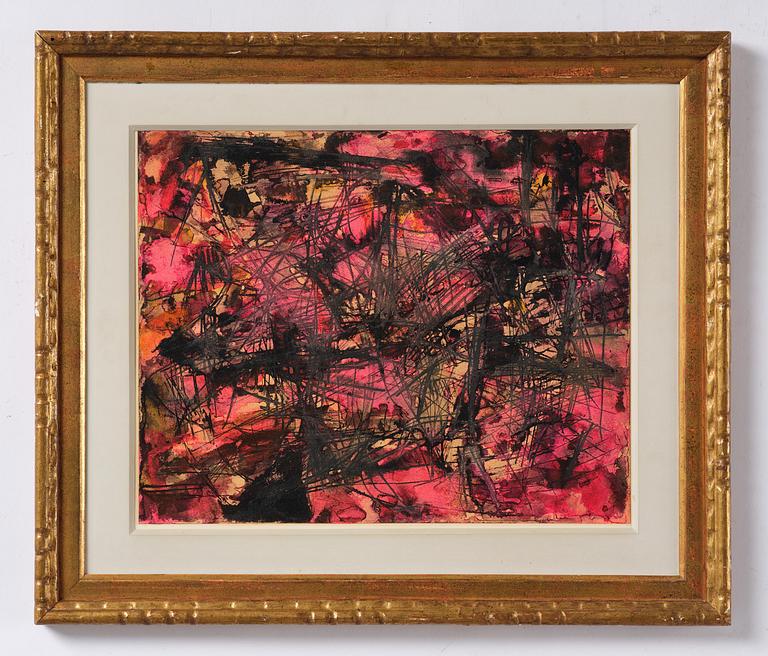
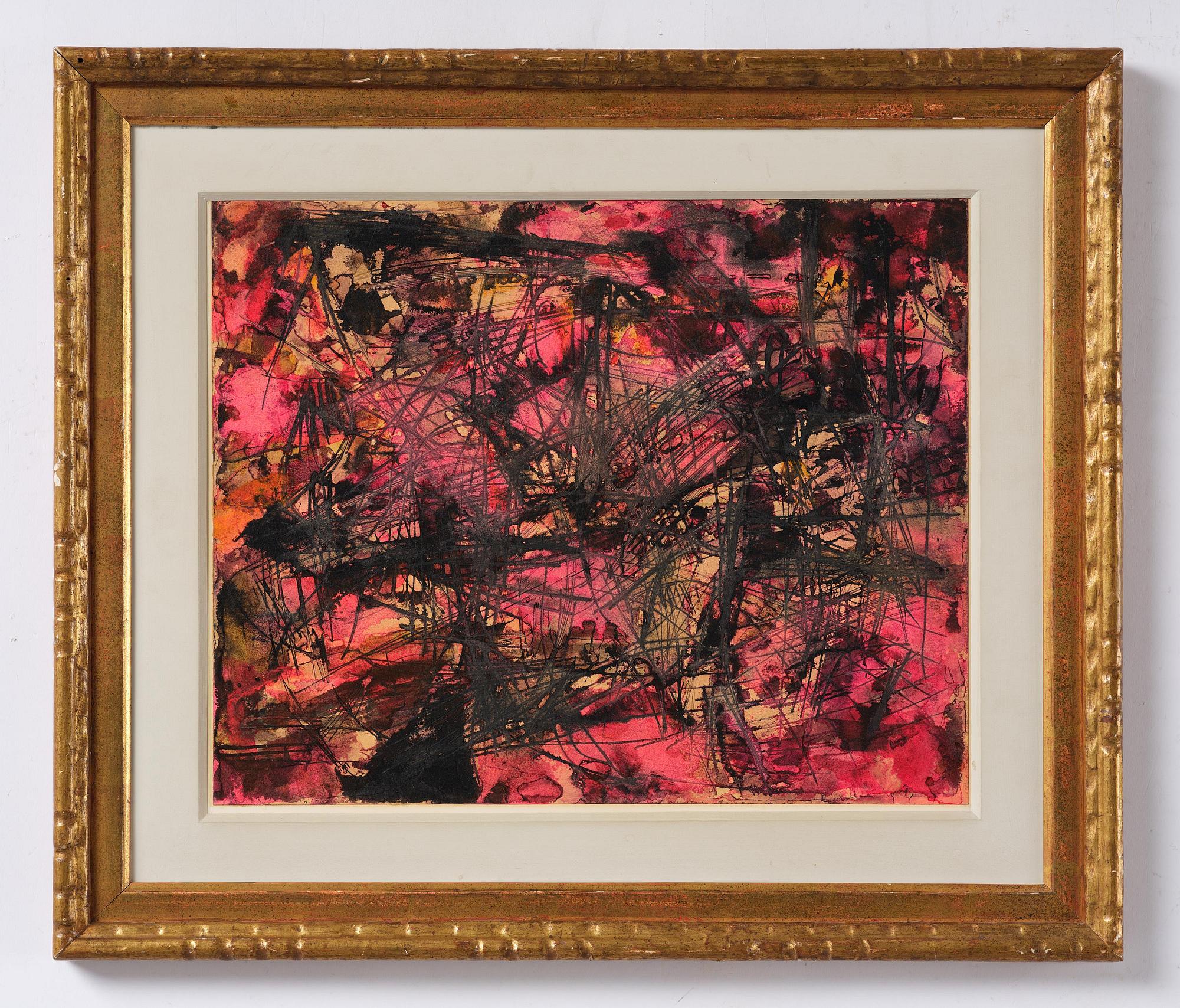
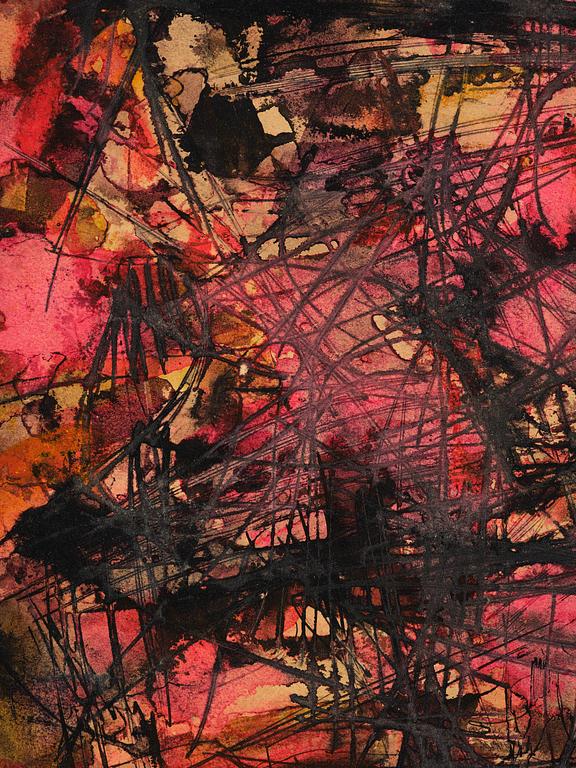
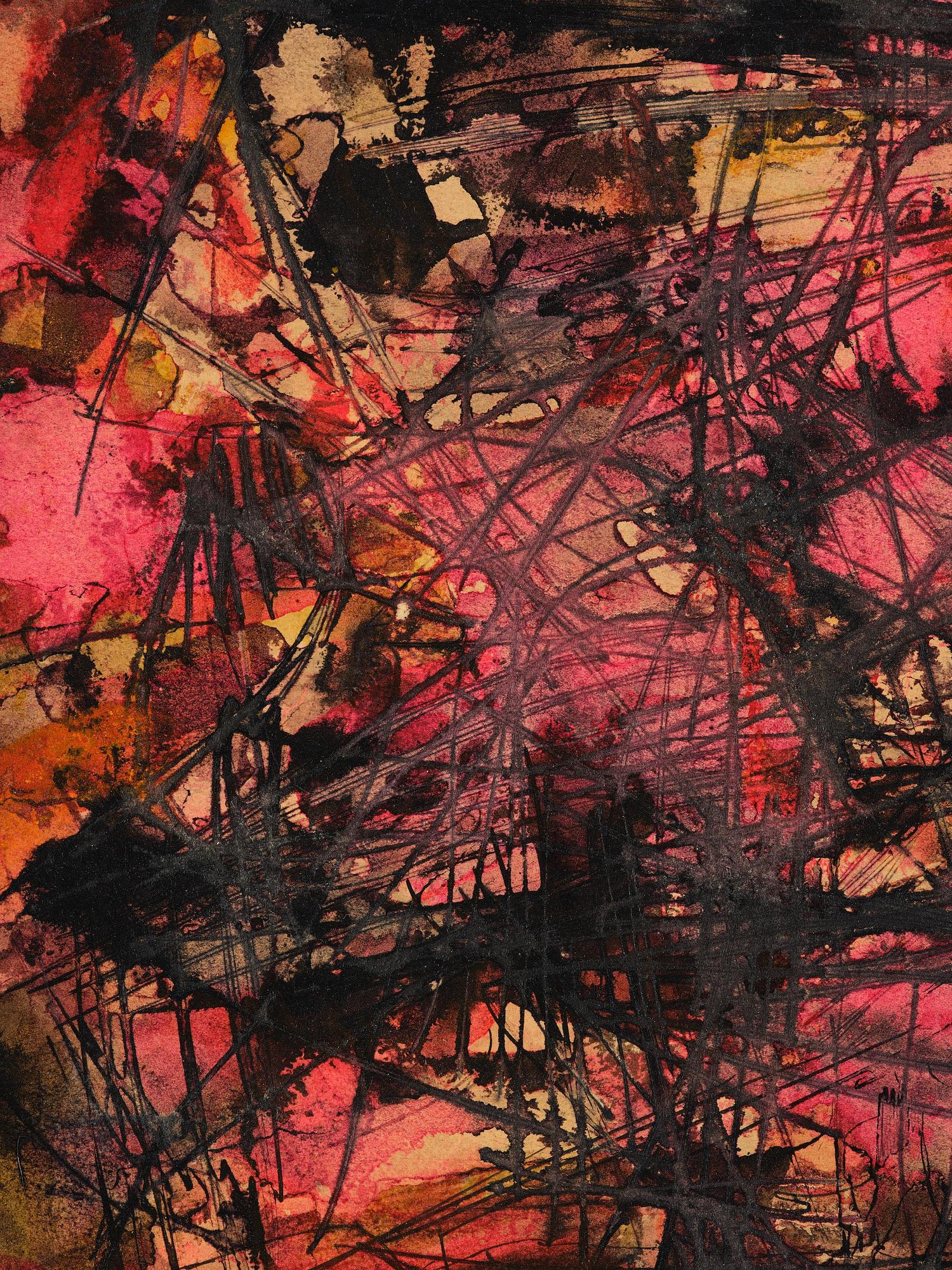
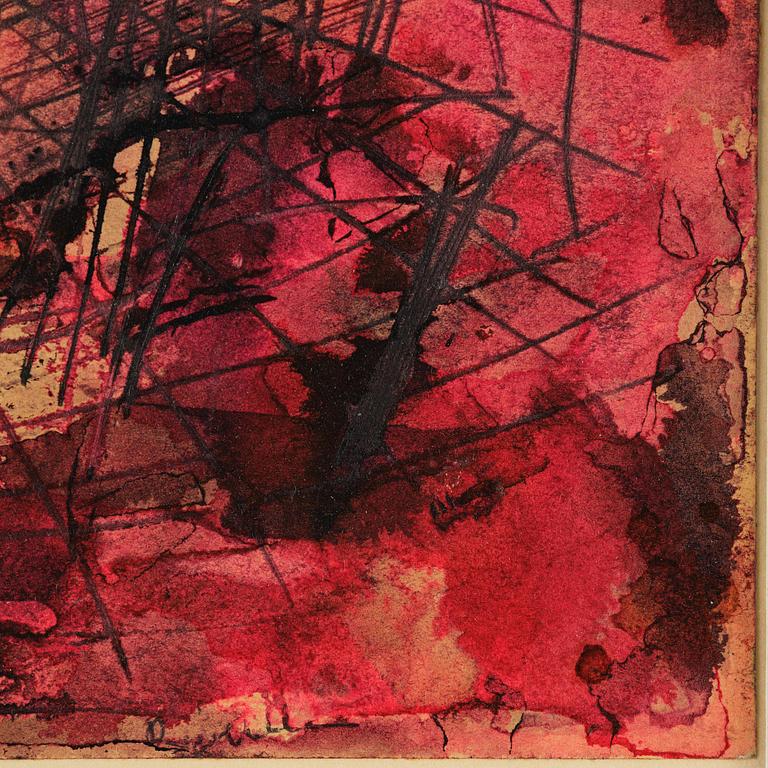
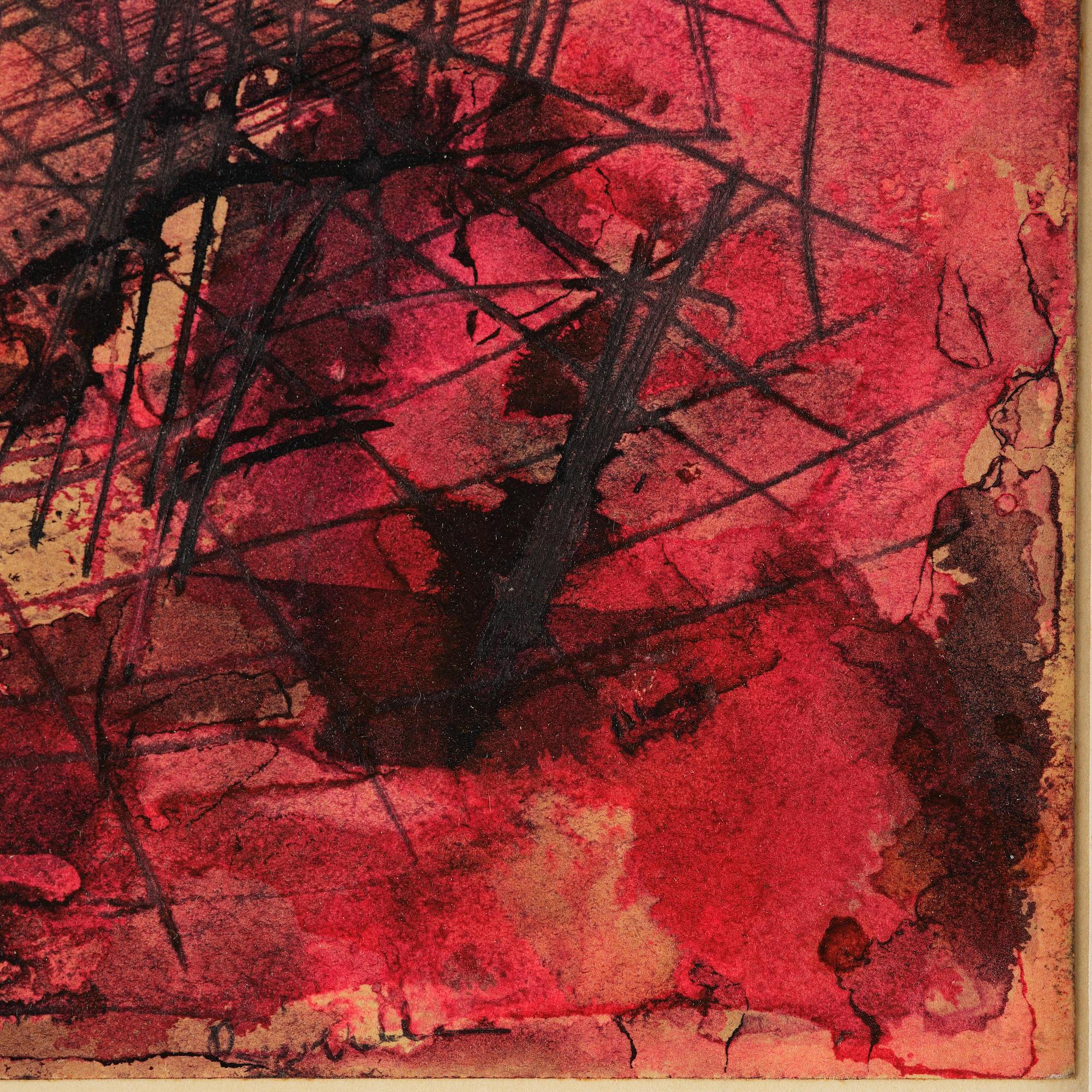
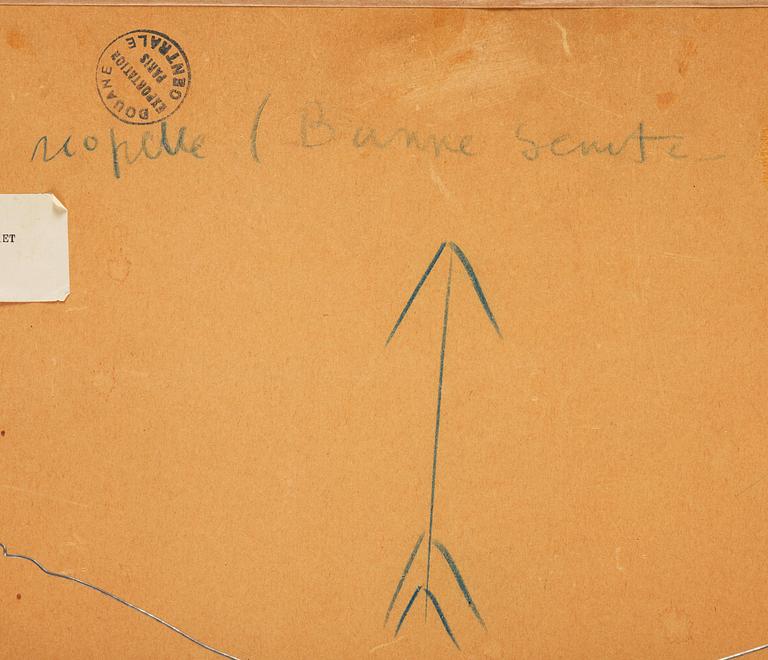
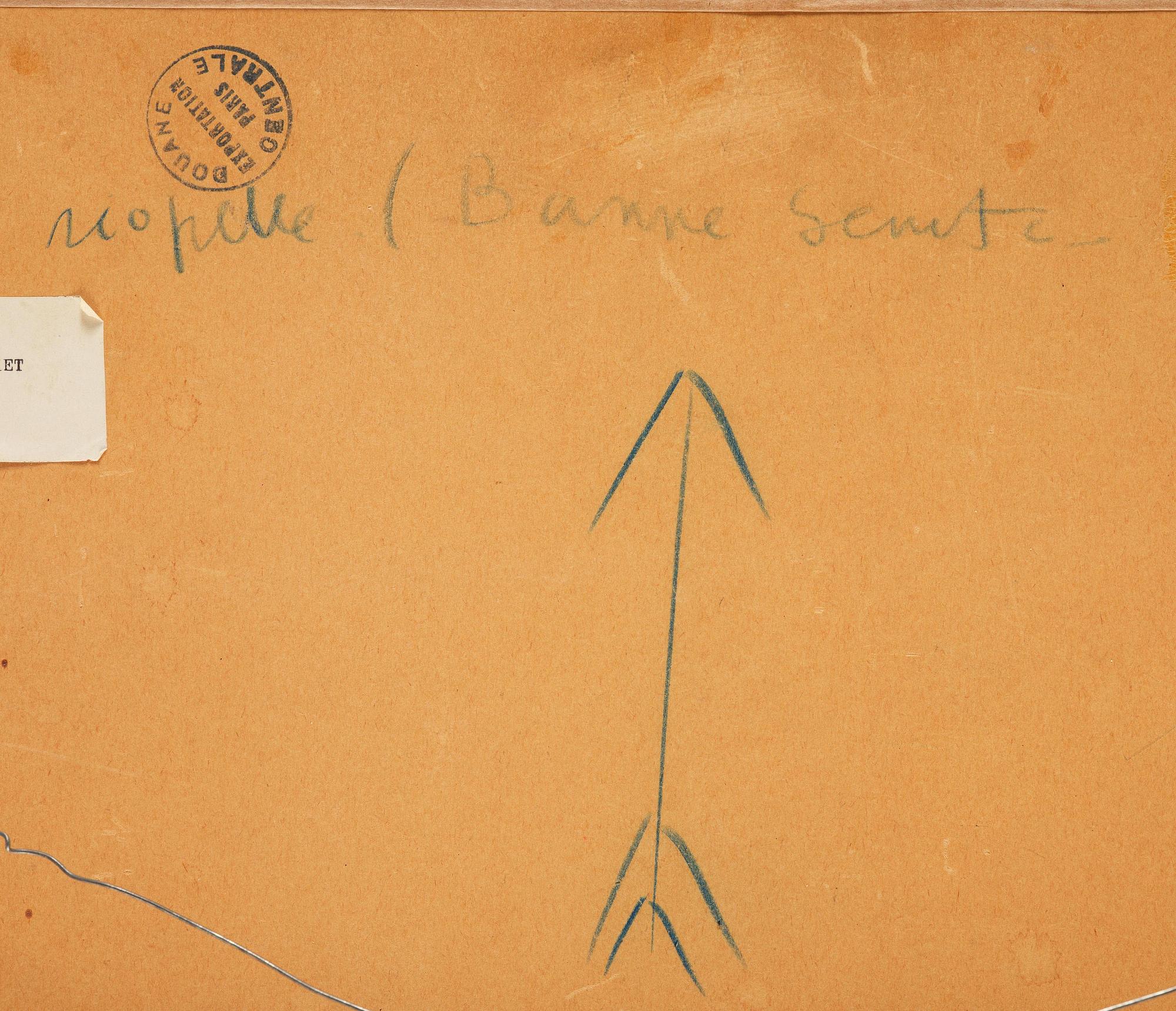
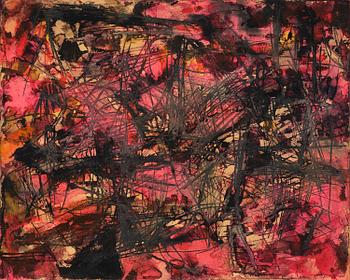
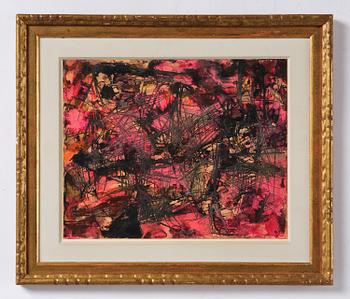
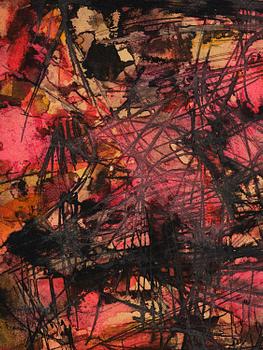
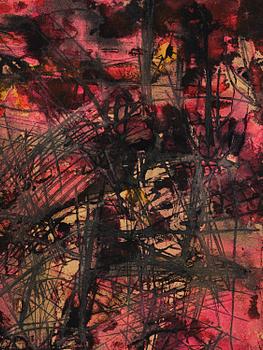
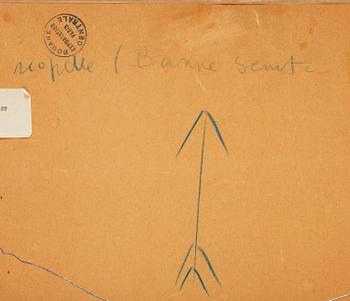
"Bonne Senite".
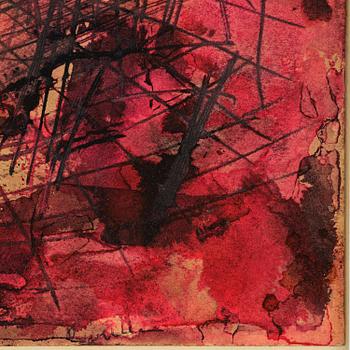
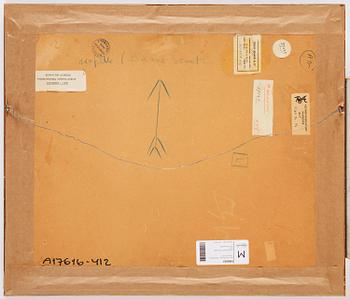
Signed Riopelle. Mixed media on paper mounted on cardboard 33 x 41 cm.
The authenticity is confirmed by Yseult Riopelle, and a certificate can be issued to the buyer for a fee.
Provenance
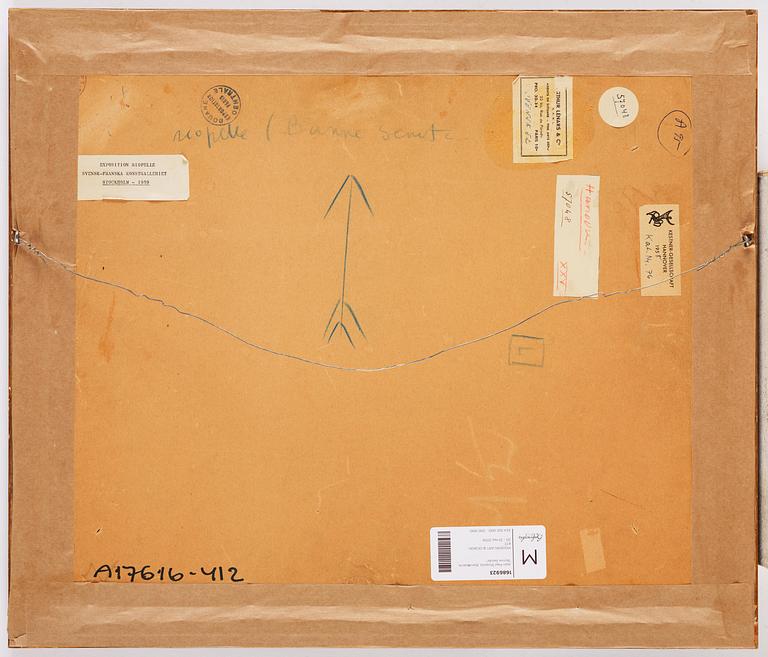
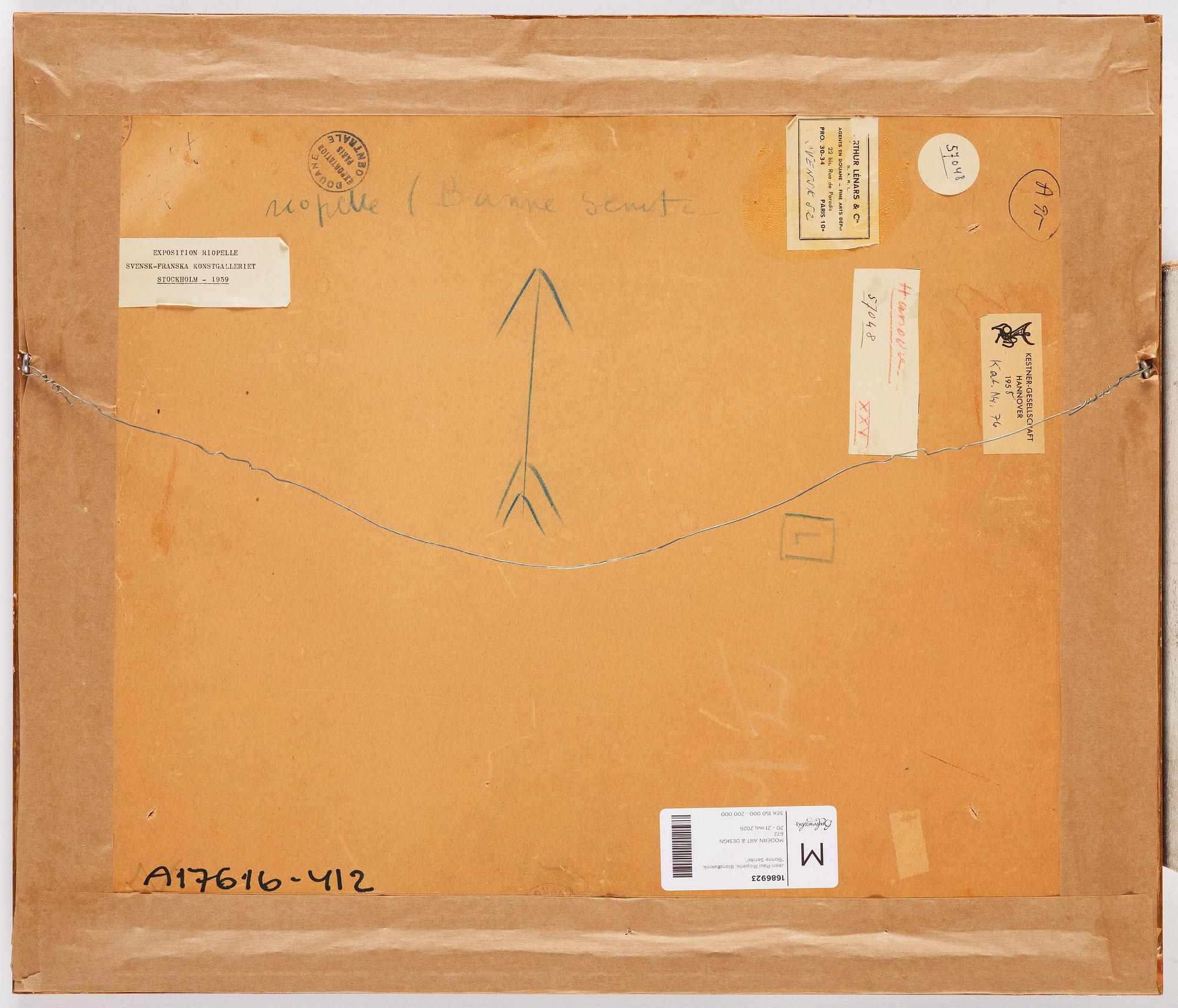
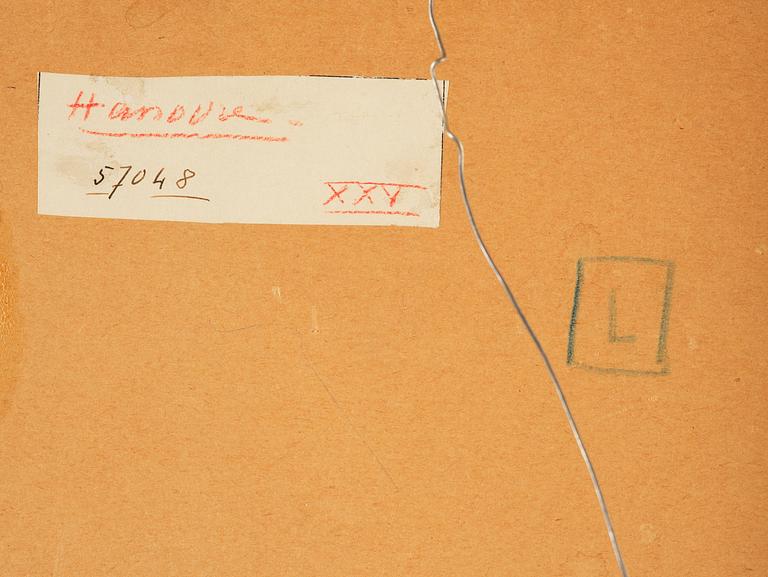
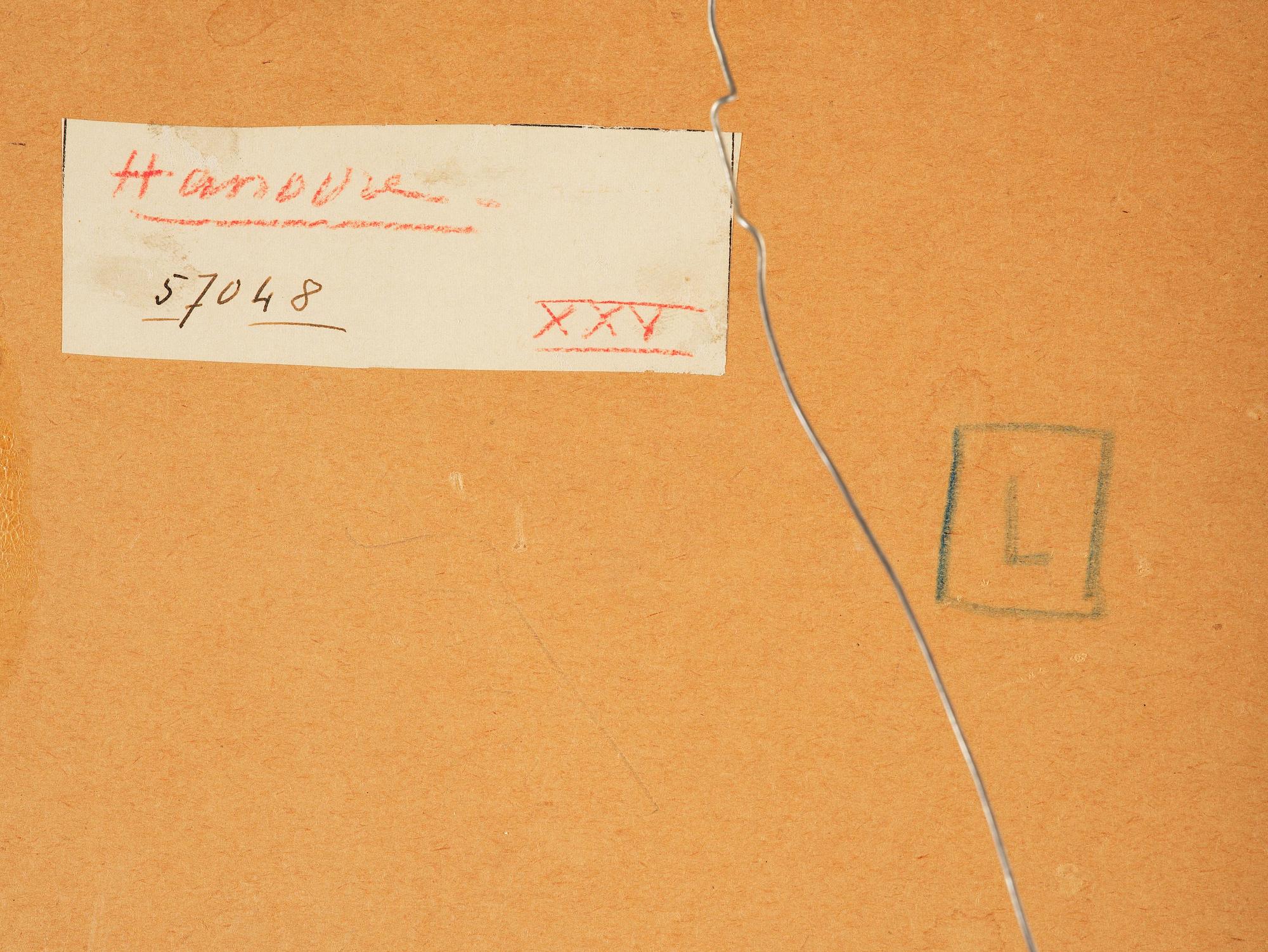
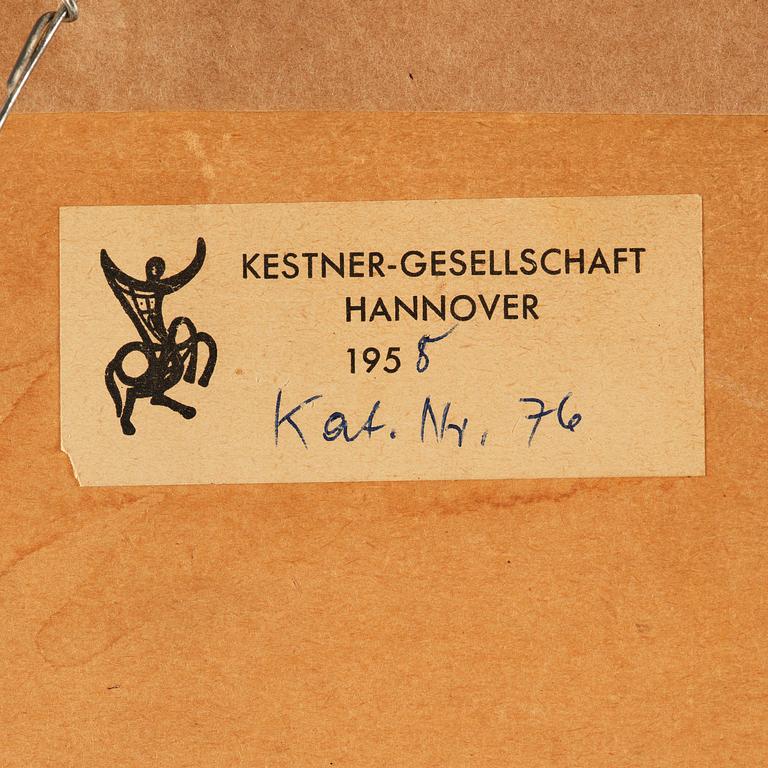
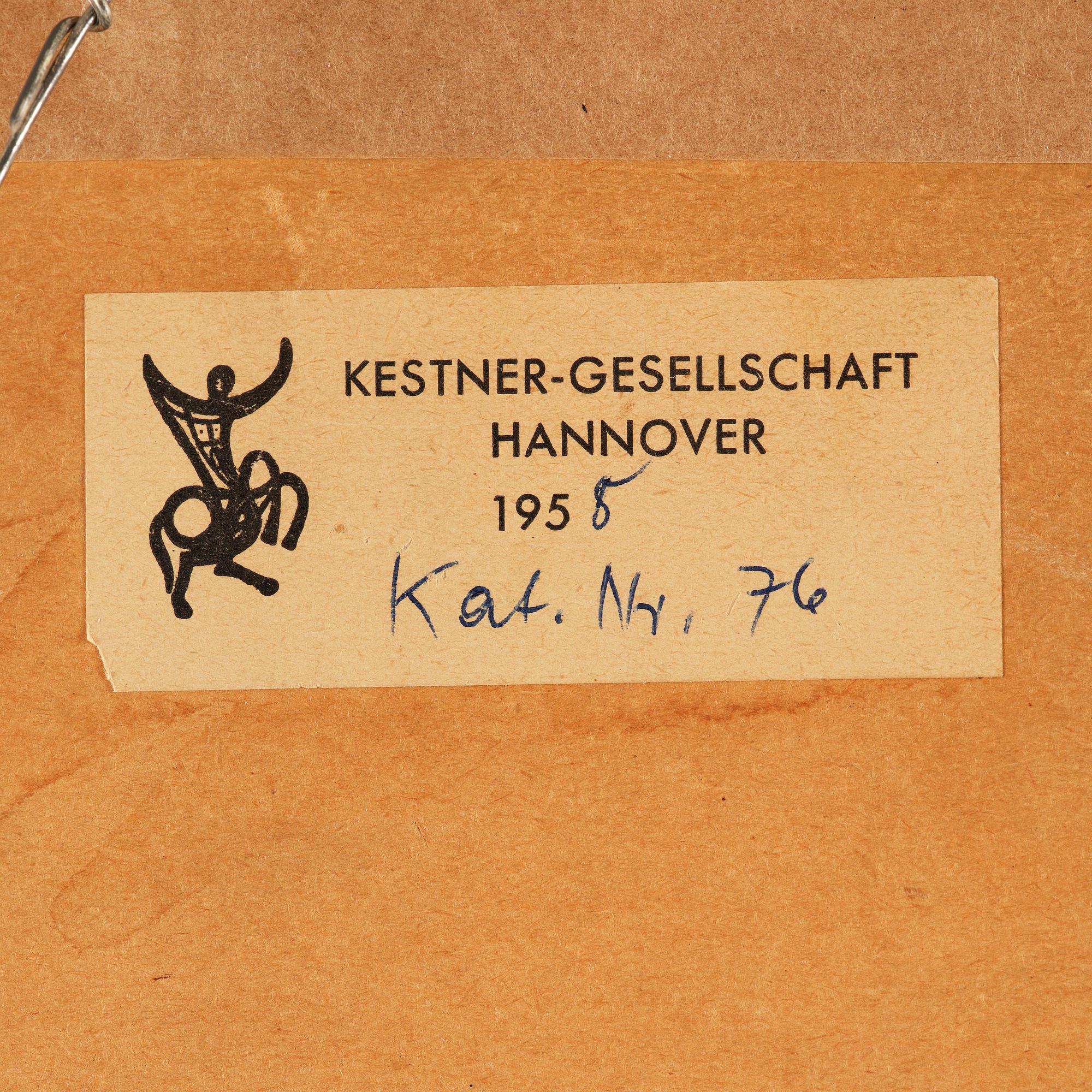
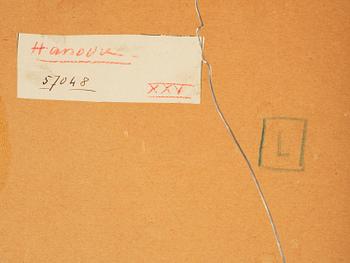
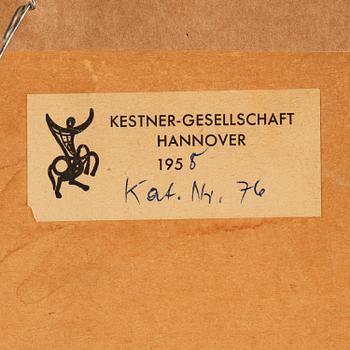
Kestner-Gesellschaft Hannover, Germany.
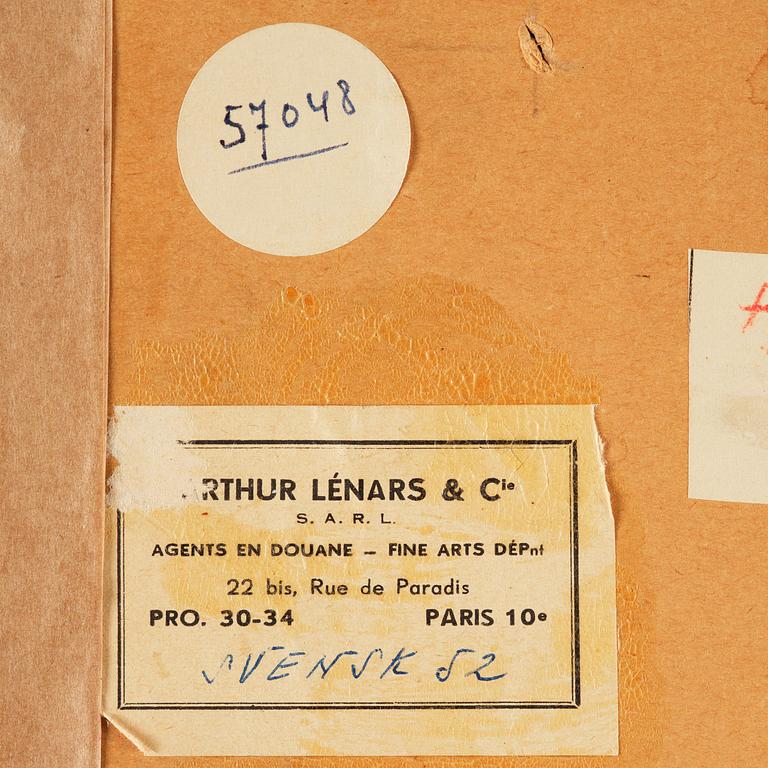
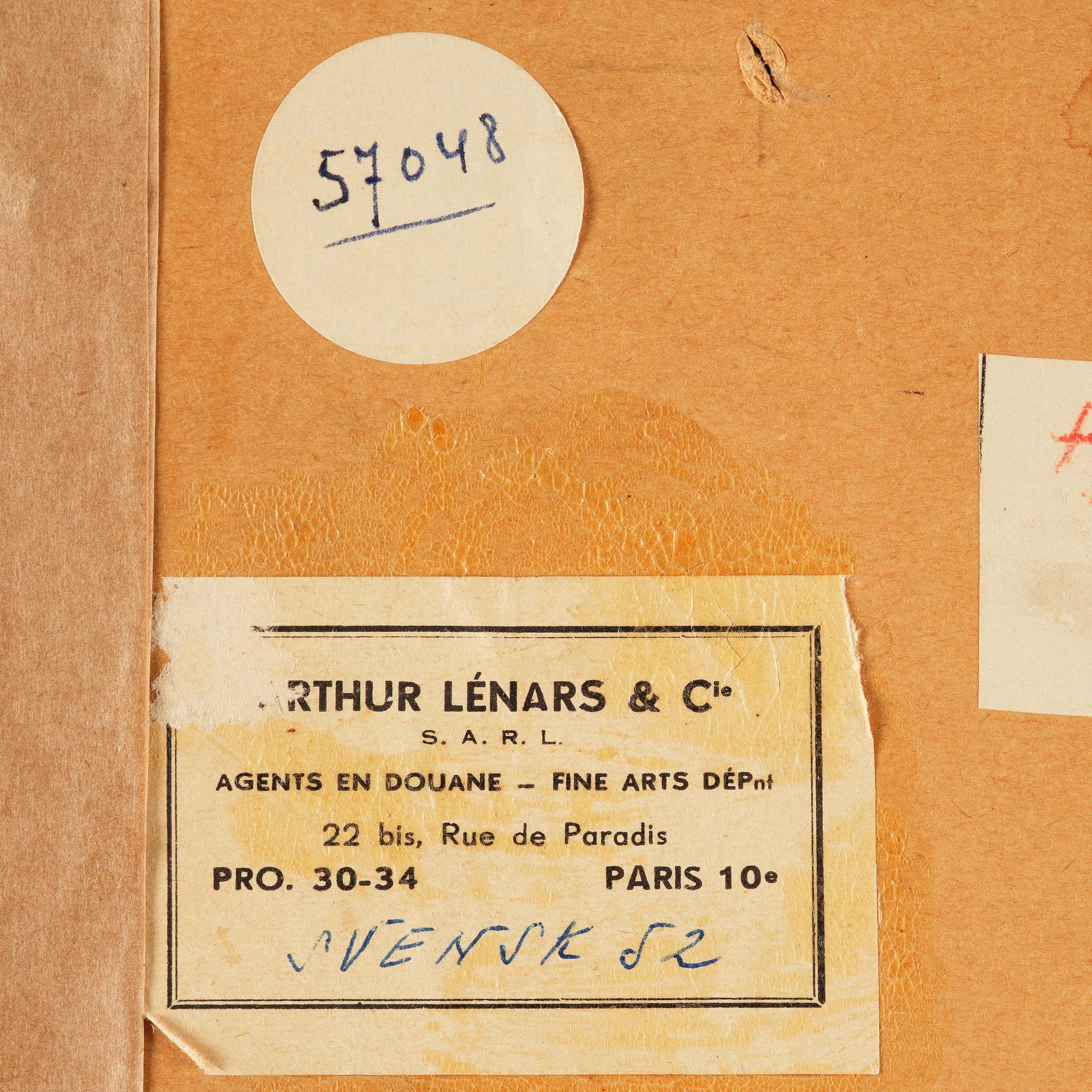
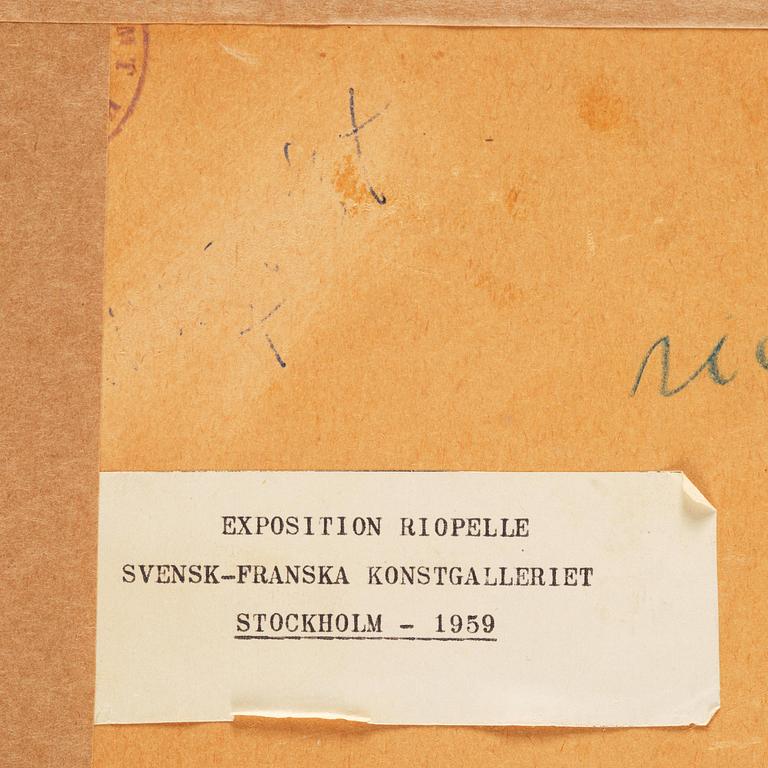
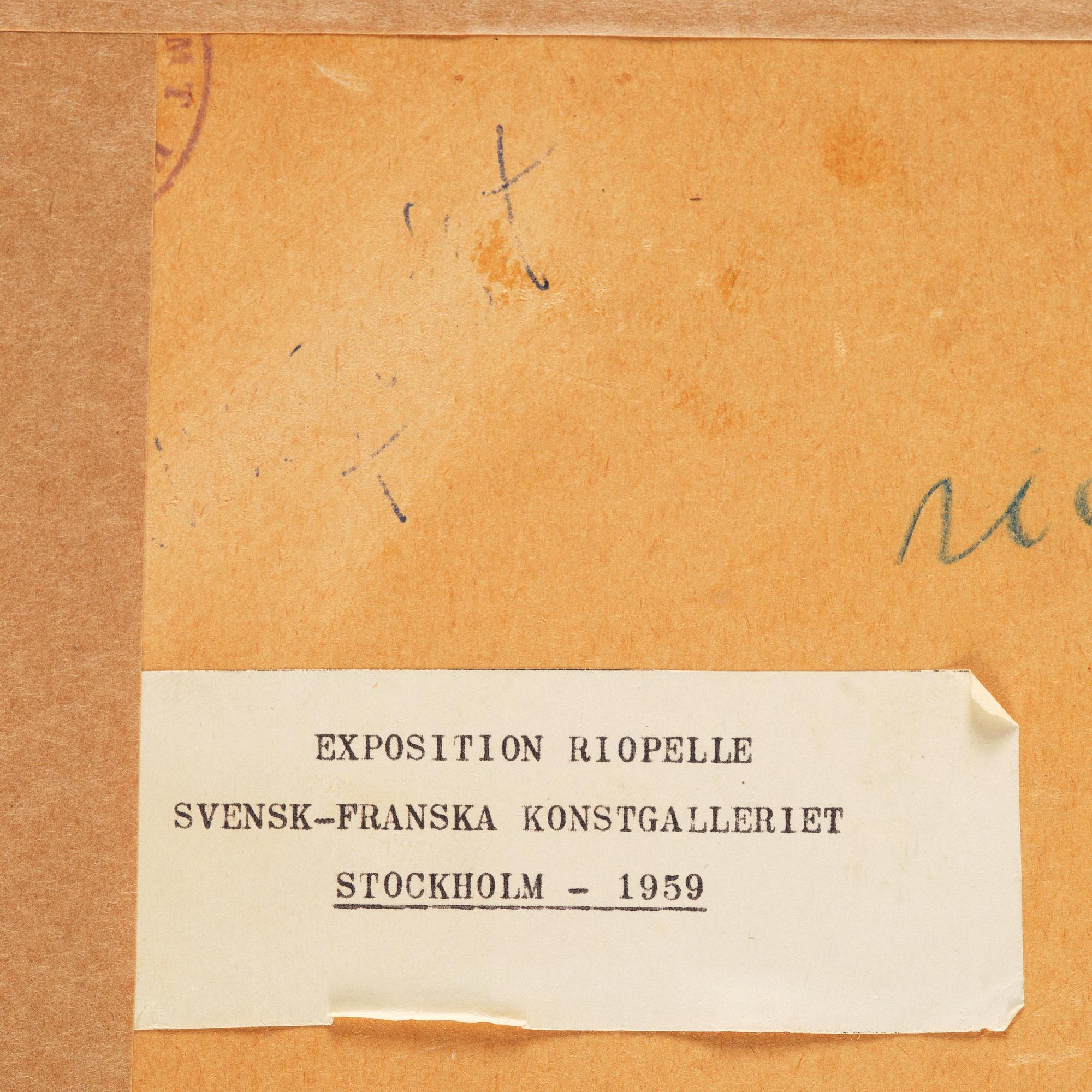
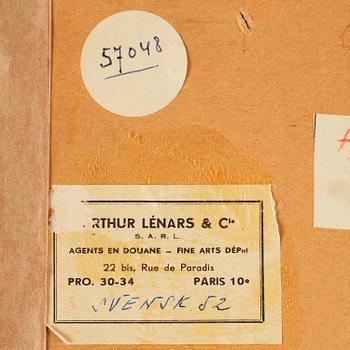
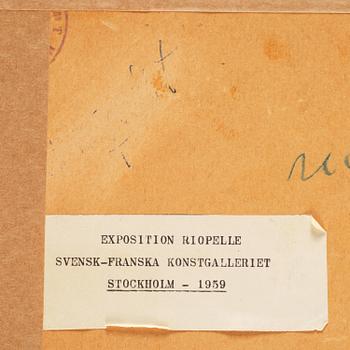
Svensk-franska konstgalleriet, Stockholm, 1959.
Pivate Collection, Sweden.
Exhibitions
Kestner-Gesellschaft Hannover, 1958, cat. no. 76.
Svensk-franska konstgalleriet, Stockholm, "Jean-Paul Riopelle", 1959.
More information
The Canadian Jean-Paul Riopelle is undoubtedly one of the foremost representatives of spontaneity. Layer upon layer, colours are applied to one another in large swathes, and on top of that, lighter strands of colour create strong contrasts.
Riopelle was born in Montreal, where in the 1930s he took drawing lessons alongside his studies in architecture, photography, and construction engineering. In the 1940s, he continued his studies at the École des Beaux-Arts and became a member of the movement "Les Automatistes." After reading André Breton's Le Surréalisme et la Peinture, he began experimenting with "non-objective" paintings. Riopelle then moved to Paris, where he was the only Canadian to exhibit alongside the surrealists and became known as the "wild Canadian." His first solo exhibition was at Galerie La Dragonne in Paris, where he also met his soulmate in the American artist Joan Mitchell. Their relationship was fruitful both intellectually and artistically, but unfortunately also very tumultuous, marked by significant alcohol problems. In 1979, Joan Mitchell passed away, a tragedy that Jean-Paul Riopelle took very hard; as late as 1992, he painted the work that is now considered his greatest in his oeuvre: Hommage à Rosa Luxemburg, a tribute to love and Joan Mitchell.
Riopelle created his artworks in one sweep; before starting a painting, he prepared all the colours he thought he would need in order to concentrate entirely on the canvas. He described the process like this: "I would even go as far to say—obviously I don't use a palette, but the idea of a palette or a selection of colours that is not mine makes me uncomfortable, because when I work, I can't waste my time searching for them. It has to work right away."
"Bonne Senite" was purchased at the Svensk Franska Konstgalleriet in Stockholm in 1959. The gallery had made a name for itself by introducing significant international artists such as Pablo Picasso, Paul Cézanne, Henri Matisse, among others, to the Swedish public during the 20th century in Stockholm. Riopelle exhibited at the Swedish-French Art Gallery in 1959, an exhibition that, along with a show at the Pierre Matisse Gallery in New York, contributed to creating a great demand for Riopelle's works worldwide in the 1960s. Jean-Paul Riopelle is undoubtedly regarded as one of Canada's most important artists of the 20th century. He became famous during the post-war scene in Paris, where he worked alongside his artist friends and colleagues André Breton, Sam Francis, and Samuel Beckett.
More about Jean-Paul Riopelle
– Riopelle succeeds where memory fails. The intangible is given a body, desire a pictorial life. Objects astray, discarded impressions, forgotten emotions are put together in a cocktail-shaker and are poured out on the rocks in a Venetian glass of exquisite transparency in a splendid explosion.” (P. Boudreau, foreword, exhibition catalogue, Riopelle, London 1959)
French-Canadian artist Riopelle exhibited at the “Véhemences Confrontées” exhibition in 1951. The title roughly means “opposing forces” and is an apt one for this powerful individualist. Riopelle moved to Paris in 1947 where he came into contact with the Surrealism movement, although he deliberately did not join it. With his North American heritage, it is easy to draw parallels with American abstract expressionists such as Willem de Kooning and Jackson Pollock but Riopelle distanced himself from these movements too. His art is not intended to be rational or representational but is derived from an autonomous process that goes beyond the conscious, sometimes termed lyrical abstraction.
In the early 1950s Riopelle started to experiment by dropping and throwing oil paint on canvas. He developed this technique to eventually apply the paint with a palette knife in thick, very distinct fields of colour with a very impasto, sculptural surface.
In the 1950s Riopelle also made an international breakthrough, exhibiting at the Sao Paolo Biennial, Guggenheim NY and the Venice Biennale.
Read moreFor condition report contact specialist

Image rights
The artworks in this database are protected by copyright and may not be reproduced without the permission of the rights holders. The artworks are reproduced in this database with a license from Bildupphovsrätt.
Others have also viewed