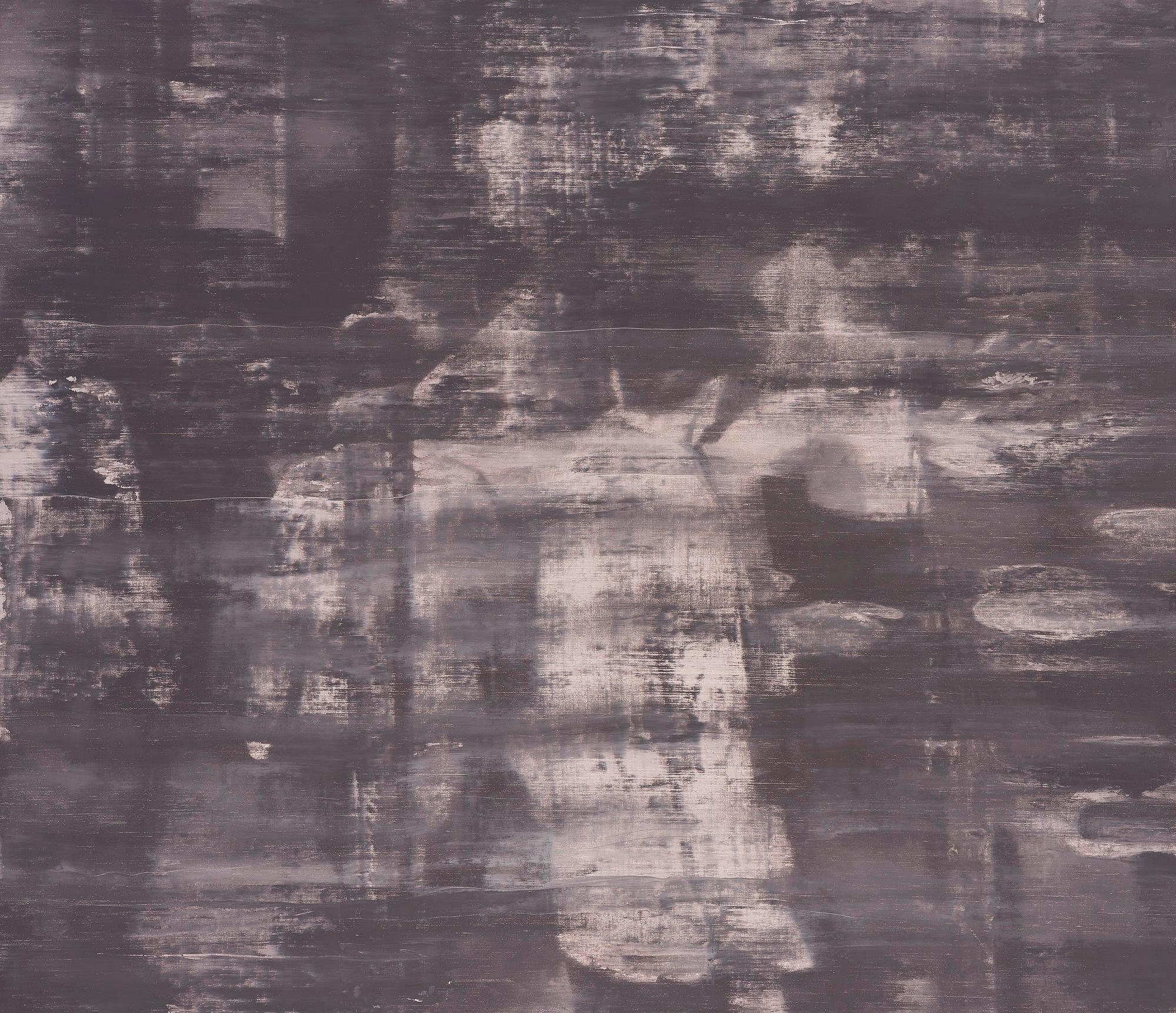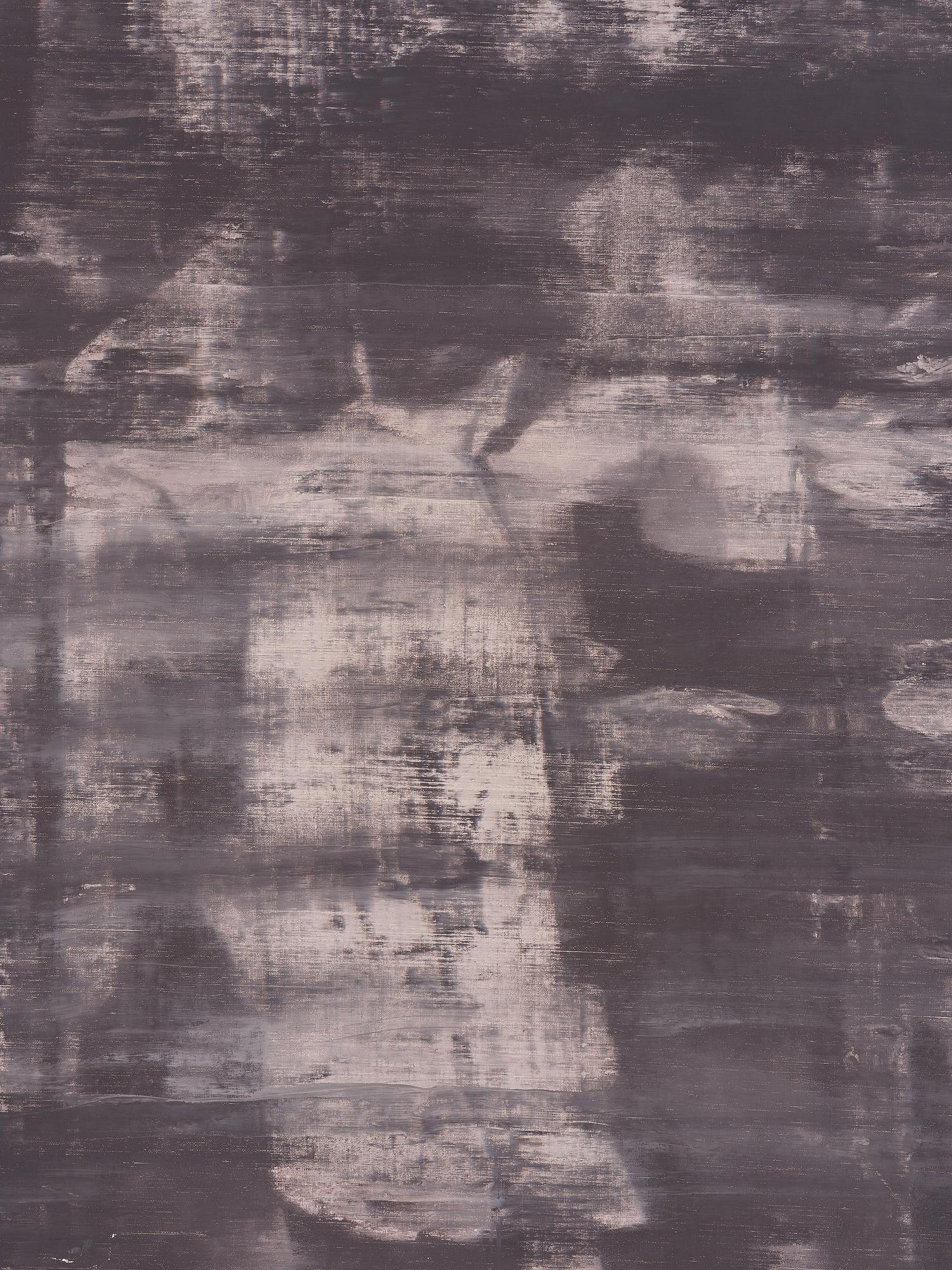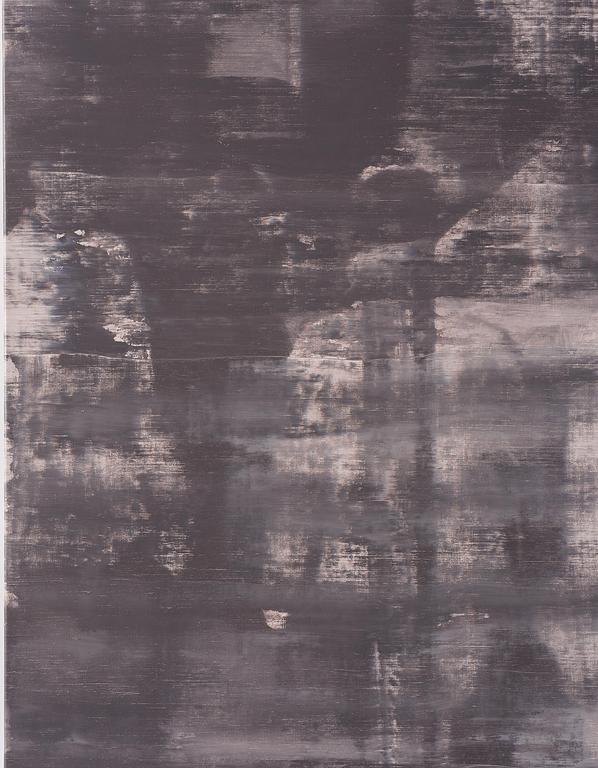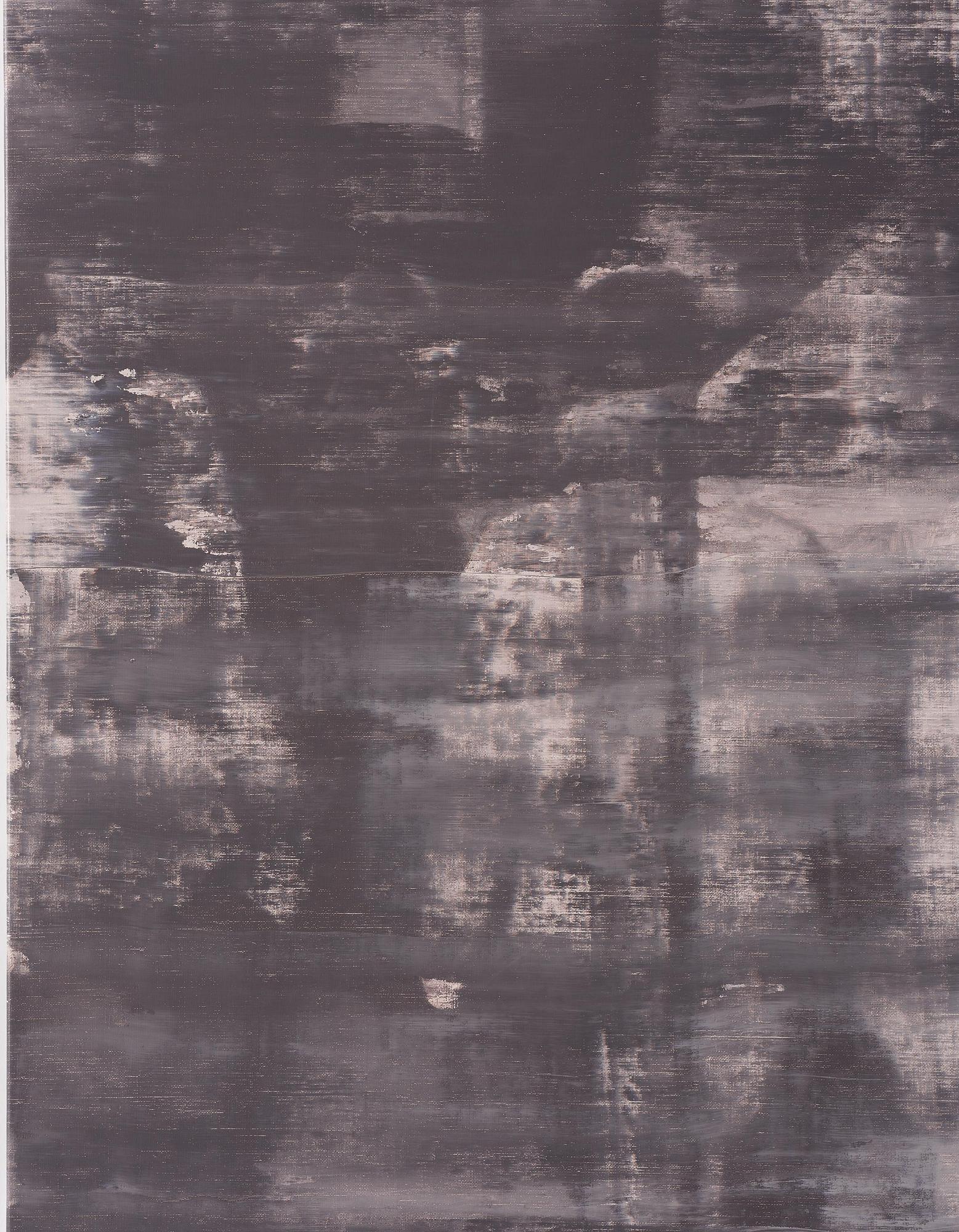
"Restauranginteriör, Paris" ("Restaurant, Paris")
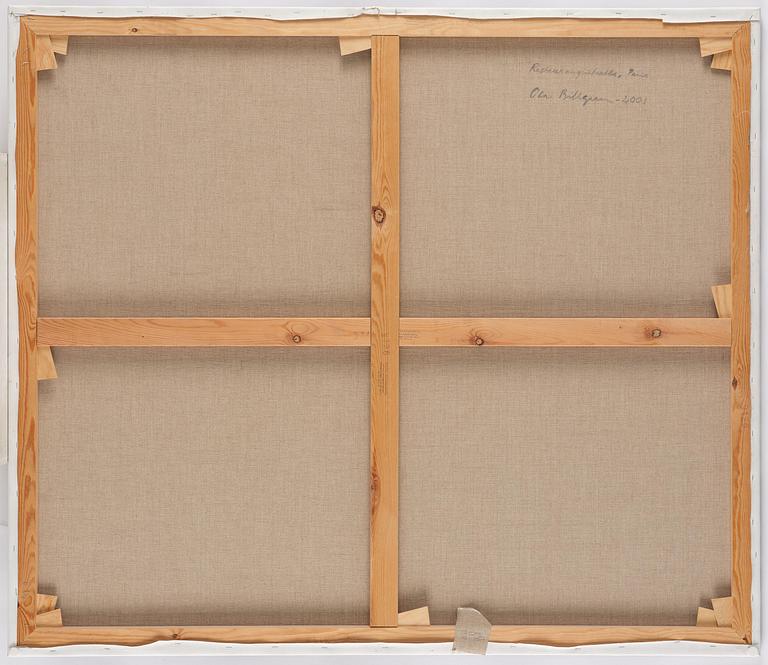
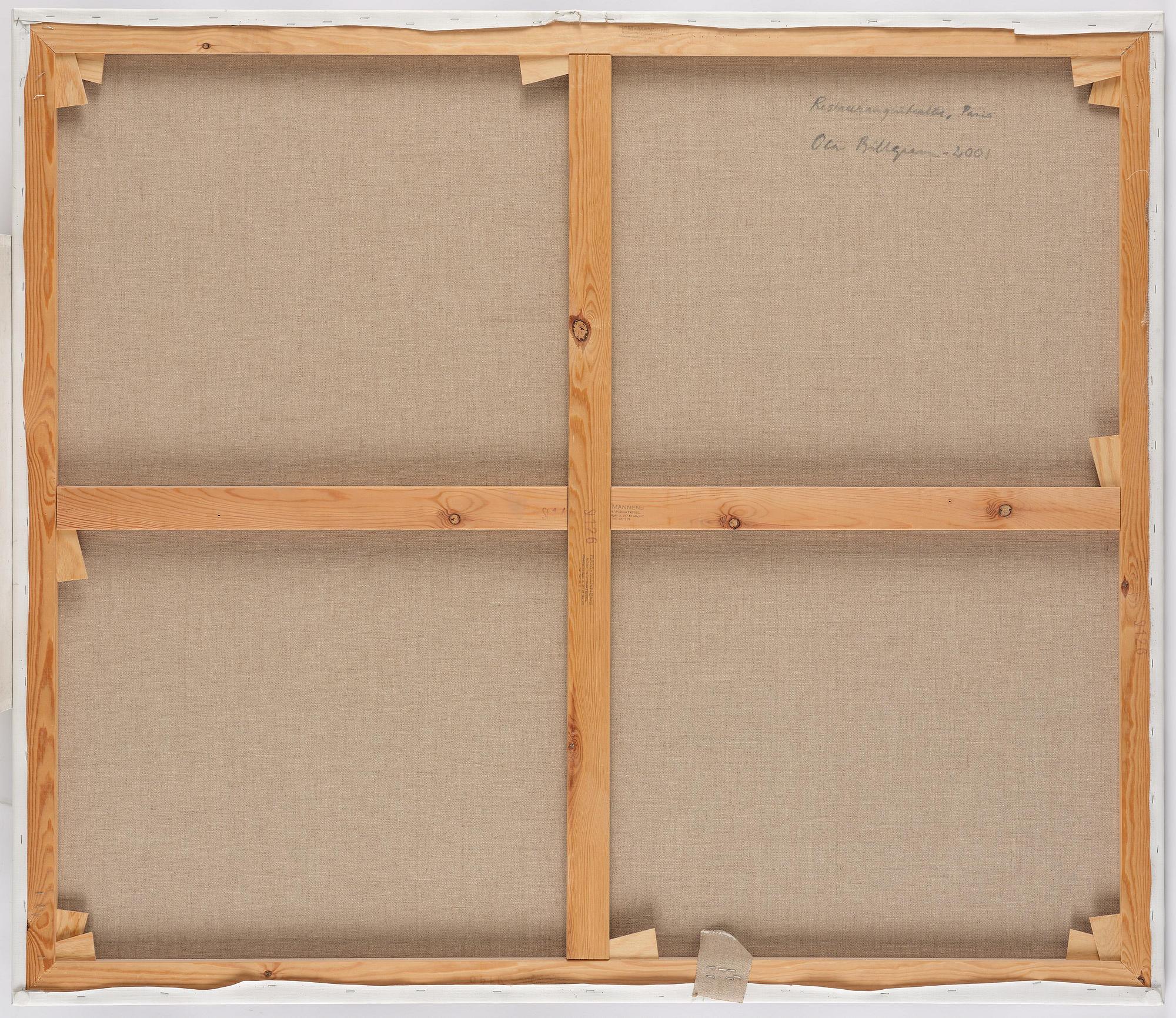
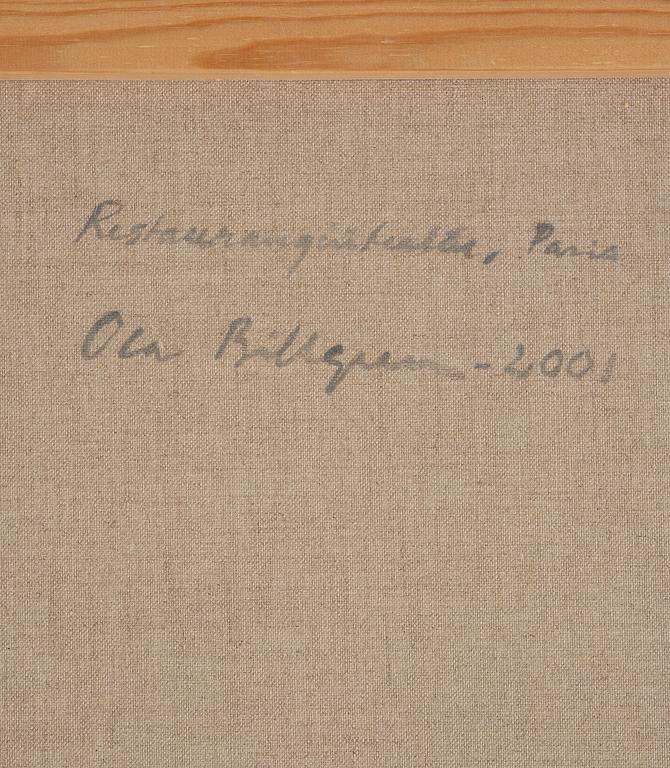
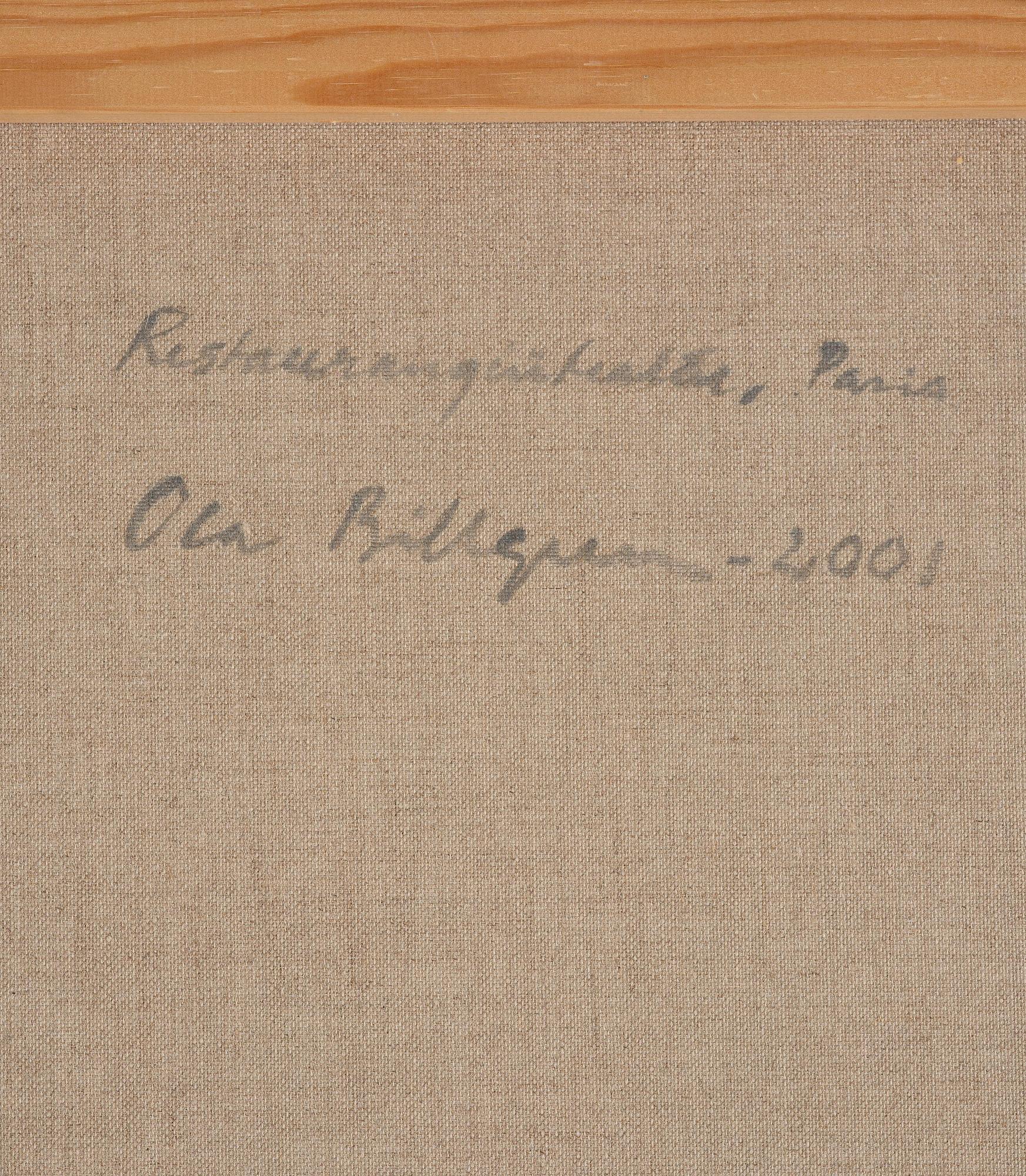
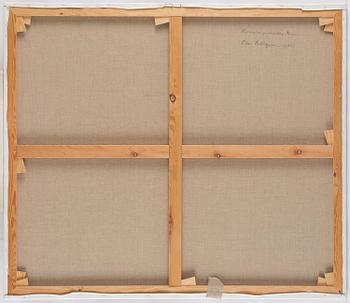
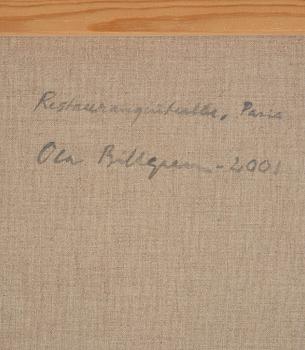
Signed Ola Billgren and dated 2001 verso. Oil on canvas 126 x 146 cm.
More information
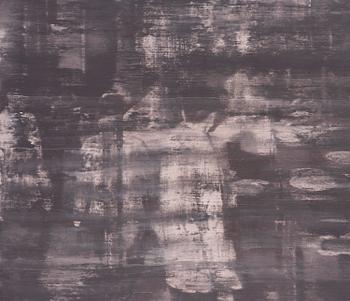
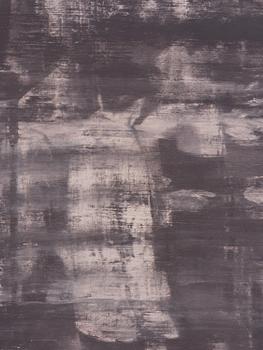
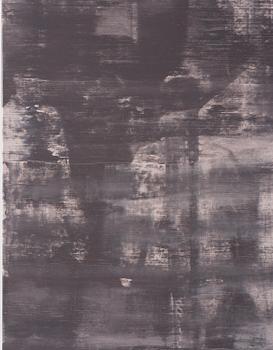
Around the turn of the millennium, Ola Billgren executed several motifs from restaurants and cafés, still lifes with table settings, as well as interiors, both as paintings and graphic works. He found inspiration during his travels to Paris and Venice. "Restauranginteriör, Paris" was created during Billgren's last years, the same year he exhibited three paintings at the art fair in Basel. The painting is an example of Billgren's renowned painting technique, where he first creates a realistic motif and then goes over it with a razor blade, selectively blurring the image and leaving behind an almost abstract final result. The technique required that the image be started and completed in a single session, and he considered it virtually impossible to retouch later. It was thus a very demanding process that stemmed from the photographs Billgren himself took during his travels. The paintings featuring motifs from countries such as France, Italy, and Spain testify to how he valued travel and the significance of the impressions Ola Billgren brought back to Sweden.
The sober grey tones in "Restauranginteriör, Paris" can also be found in his earlier work "Café Window, Venice" and the paintings in the series "Pompeian Interior." All executed during the late 1990s, a period when Billgren's palette seems to oscillate between two poles - the calm grey colour and the sharp crimson shades. Behind the veiling layers of colour often lie intimate everyday motifs or romantic undertones. In the auction's painting, we discern a typical French waiter making his way between the restaurant tables, one of the many snapshots that lingered with Billgren and that form the narrative of his life and artistry.
More about Ola Billgren
Ola Billgren was born in 1940 in Copenhagen but based his career in Sweden. Billgren was self-taught, having only been trained by his parents Hans and Grete Billgren. Ola worked within the mediums of graphic art, watercolour, collage, photography, film, and scenography. He was also an author and culture critic. Known for his versatility, Billgren cultivated a relationship between art and reality in his work.
During the 1960s, he transitioned from abstract expressionism to photographic realism. Over time, his paintings evolved into a fusion of abstract and photorealistic styles, resulting in romantic landscapes where he examined the interplay of light and color. Forms dissolved, and colors were reduced to monochrome, single-colored surfaces that were richly worked and varied.
In the late 1980s, he returned to urban environments in large cityscapes, often painted from a high perspective but maintaining the impressionistic approach seen in his landscapes. Ola Billgren's influence on recent decades of art has been significant. His work is represented in institutions such as Musée National d'art Moderne Centre George Pompidou in Paris and Moderna Museet in Stockholm.
For condition report contact specialist

Covered by droit de suite
Image rights
The artworks in this database are protected by copyright and may not be reproduced without the permission of the rights holders. The artworks are reproduced in this database with a license from Bildupphovsrätt.