

Studio Visit
The Sculptor Kim Simonsson
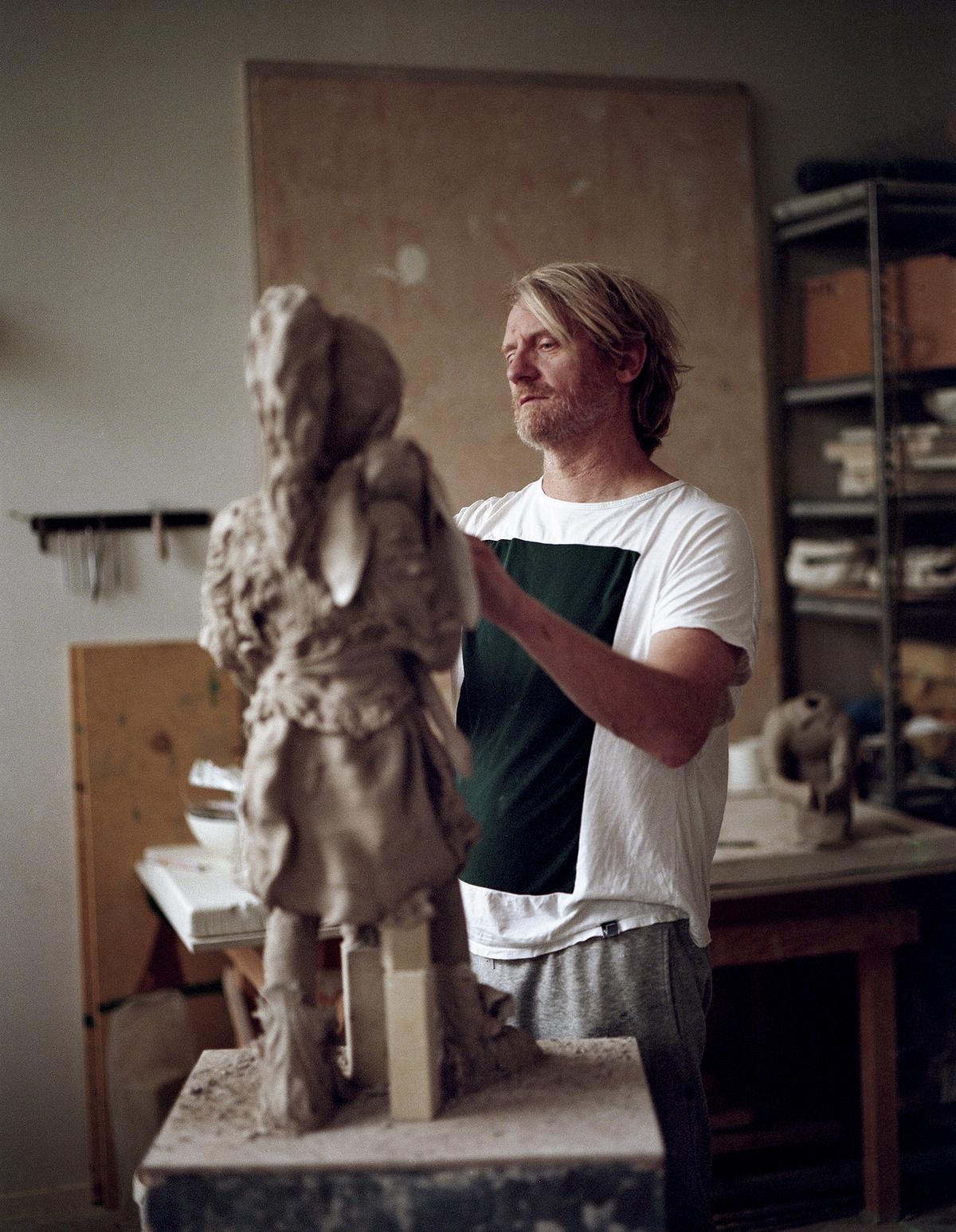
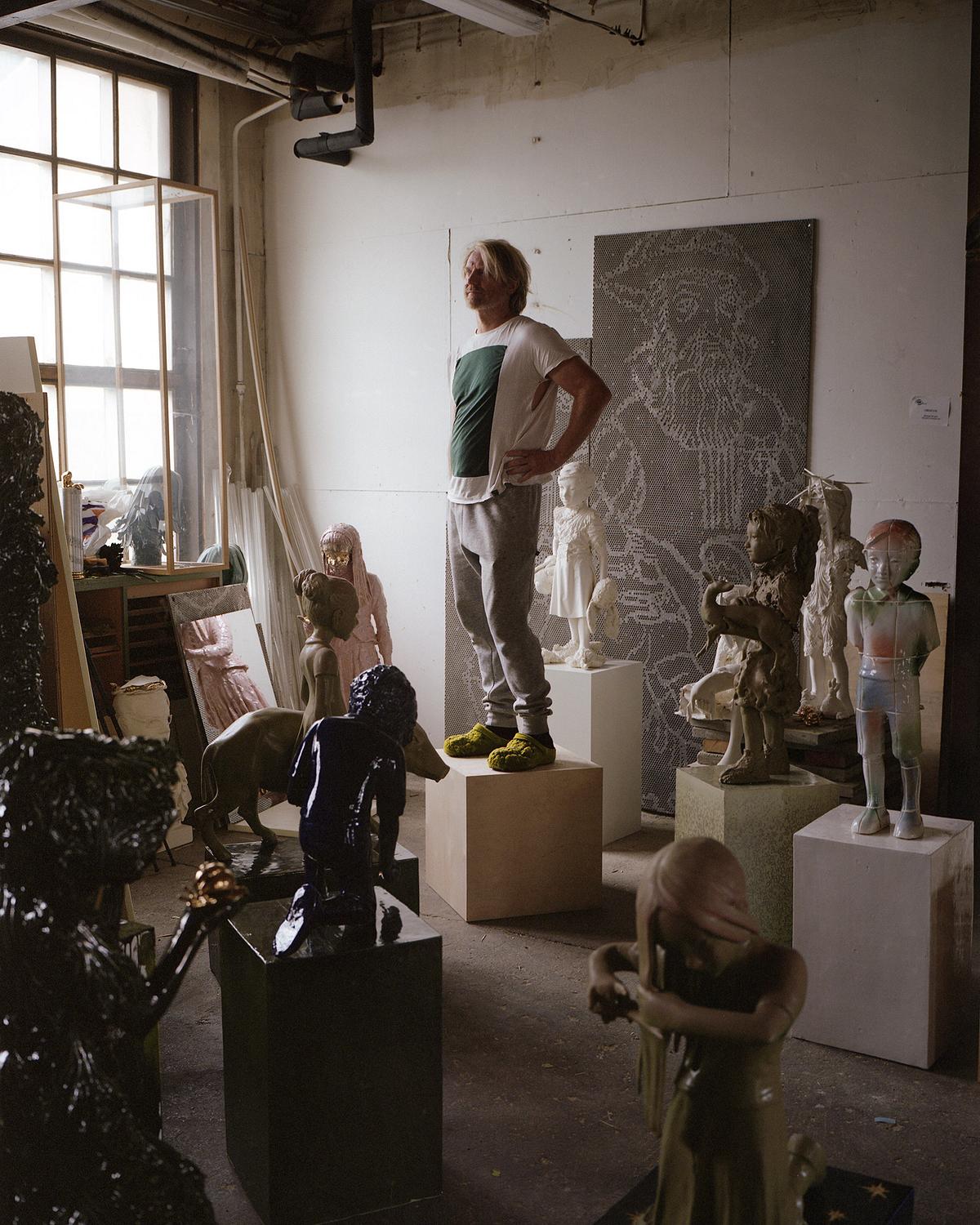
In the Studio Visit series, we visit artists and designers in their studios and workspaces — the environments where their work takes shape. Each visit offers a closer look at their process, materials, and the context in which the works emerge. This time, we meet the Finnish artist Kim Simonsson.
Simonsson is known for his figurative works and distinctive Moss People. His practice combines ceramic traditions with influences from popular culture, fantasy and storytelling. Simonsson’s work has gained broad international recognition and has been exhibited around the world.
I love making things and sculpting. It’s my passion, so I see myself very much as a craftsman. Earlier, it was very important to me that I was a sculptor and not a ceramicist. Now I don’t care so much about those titles anymore. I’ve come to understand that this is what I am – essentially, a craftsman.
I make works that have a little twist to them, and I try to bring some life or emotion into them. To me, that is more important than anything overly intellectual. The process itself is very important.
Earlier, it was very important to me that I was a sculptor and not a ceramicist. Now I don’t care so much about those titles anymore. I’ve come to understand that this is what I am – essentially, a craftsman.
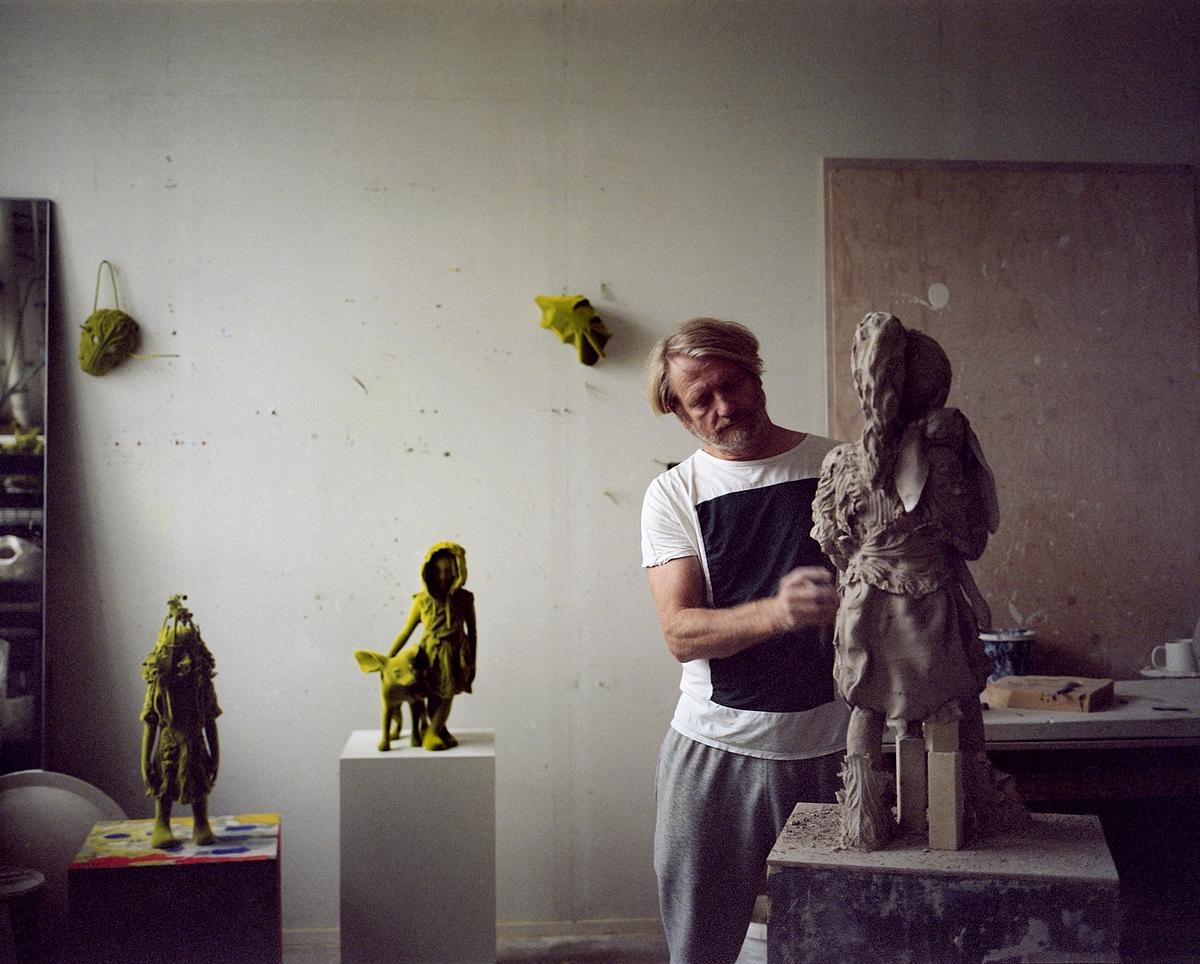
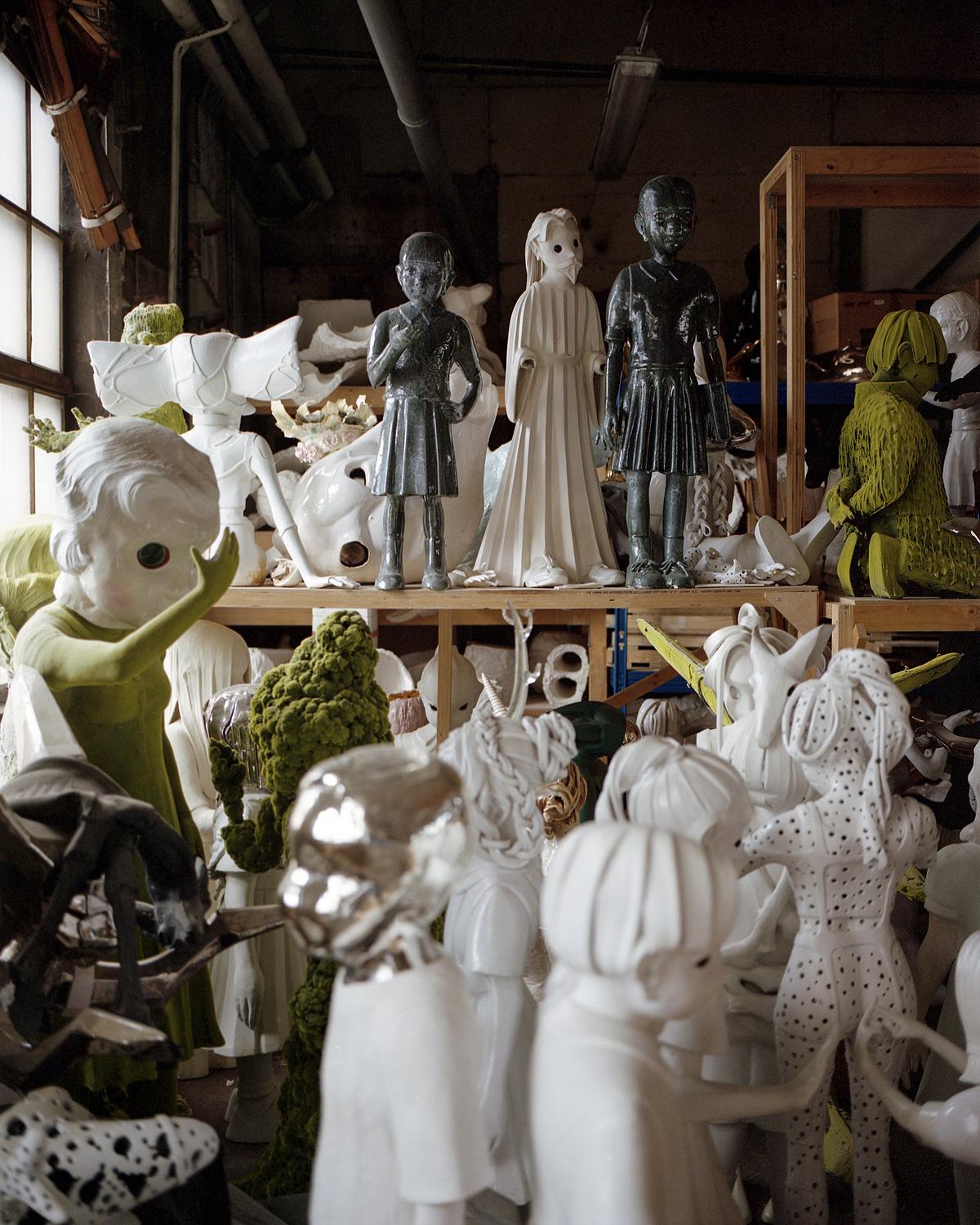
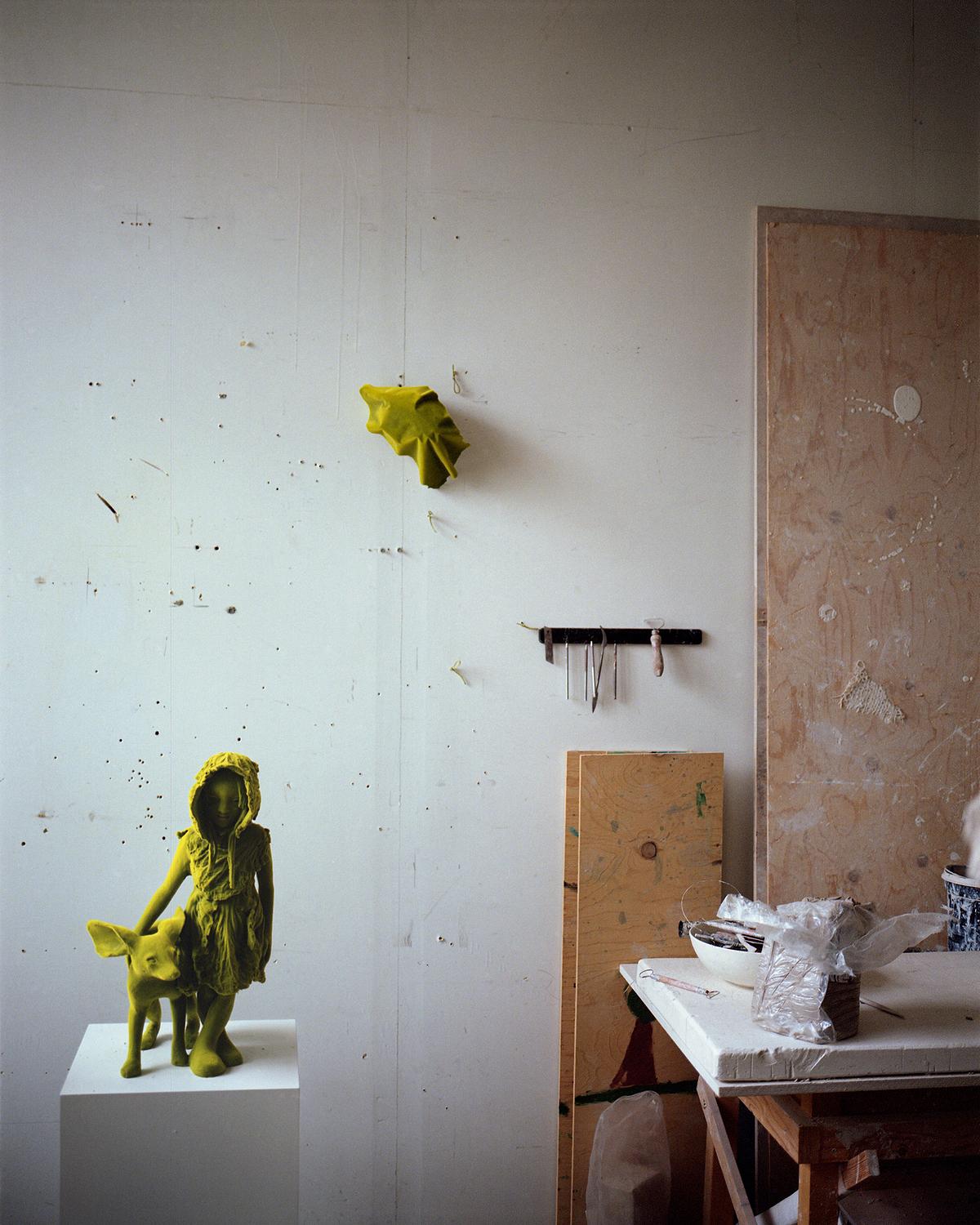
I usually start working straight away. I choose a style or an idea that I want to work from, and often it develops into a group of works that share the same idea. Then I start working on it. With unique works, they can share the same elements but still remain individual. I also make some works in editions, and in those cases they naturally need to stay fairly close to one another.
It was actually an accident. I had come across the flocking technique earlier, when I was living in Toronto in the early 2000s. Later, while I was at a residency in a nature reserve, I started thinking about the technique again and ordered different colours and fibres to experiment with.
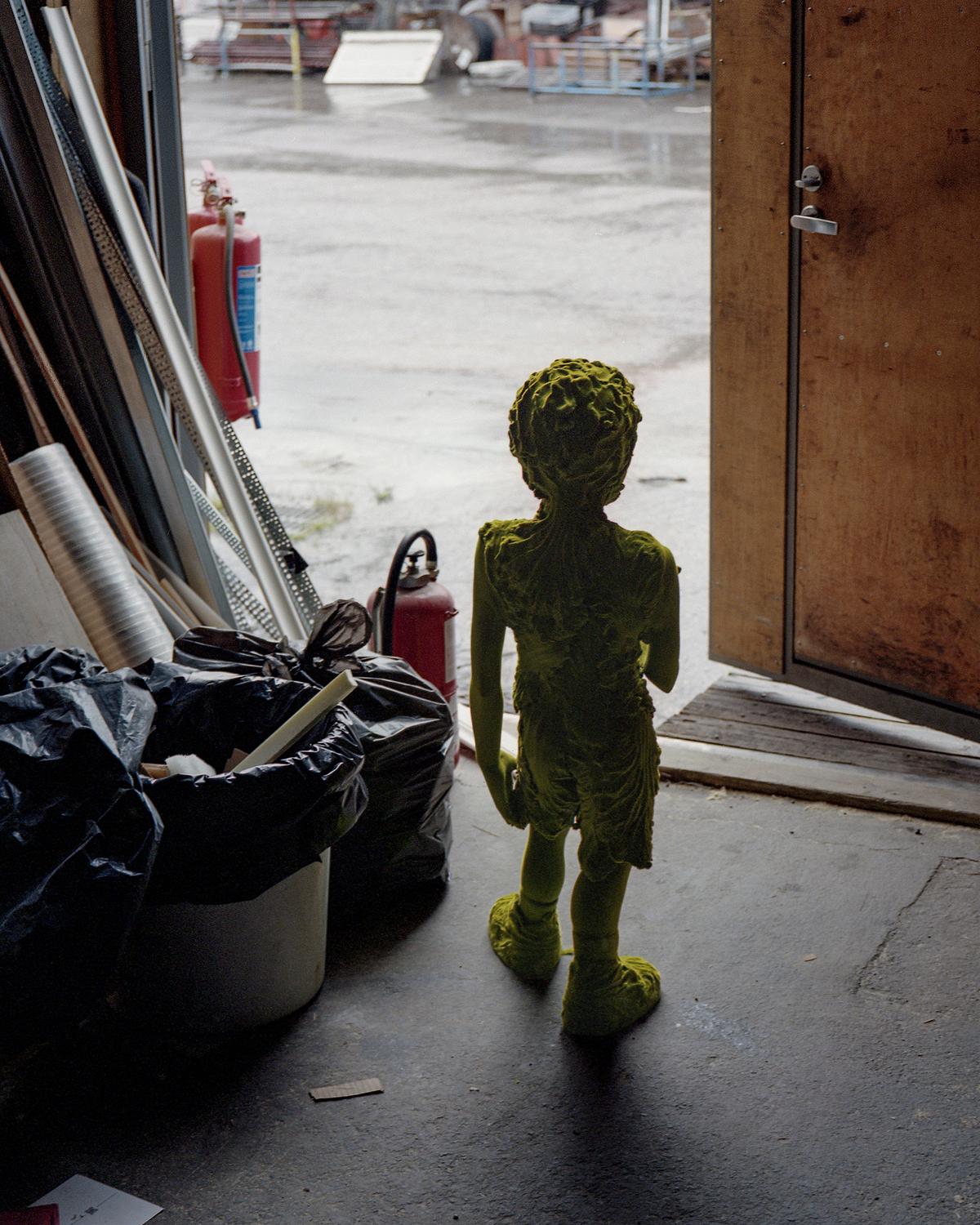
For some strange reason, I had ordered neon yellow fibre. I applied it to a black sculpture that I liked, and suddenly it looked as though a strange kind of moss had appeared on the sculpture.
There were old deciduous trees at the residency with beautiful moss growing on them. I was already making these child figures, which had previously been more influenced by popular culture – anarchic, spitting girls and things like that. I started thinking, why not make these kinds of troll or forest figures with this type of surface? That’s where it all started.
It has always been important to me to have a personal touch and a style of my own. I’m not really sure where that comes from – maybe it’s quite a childlike way of thinking, that you should have your own style. But I still see it as important.
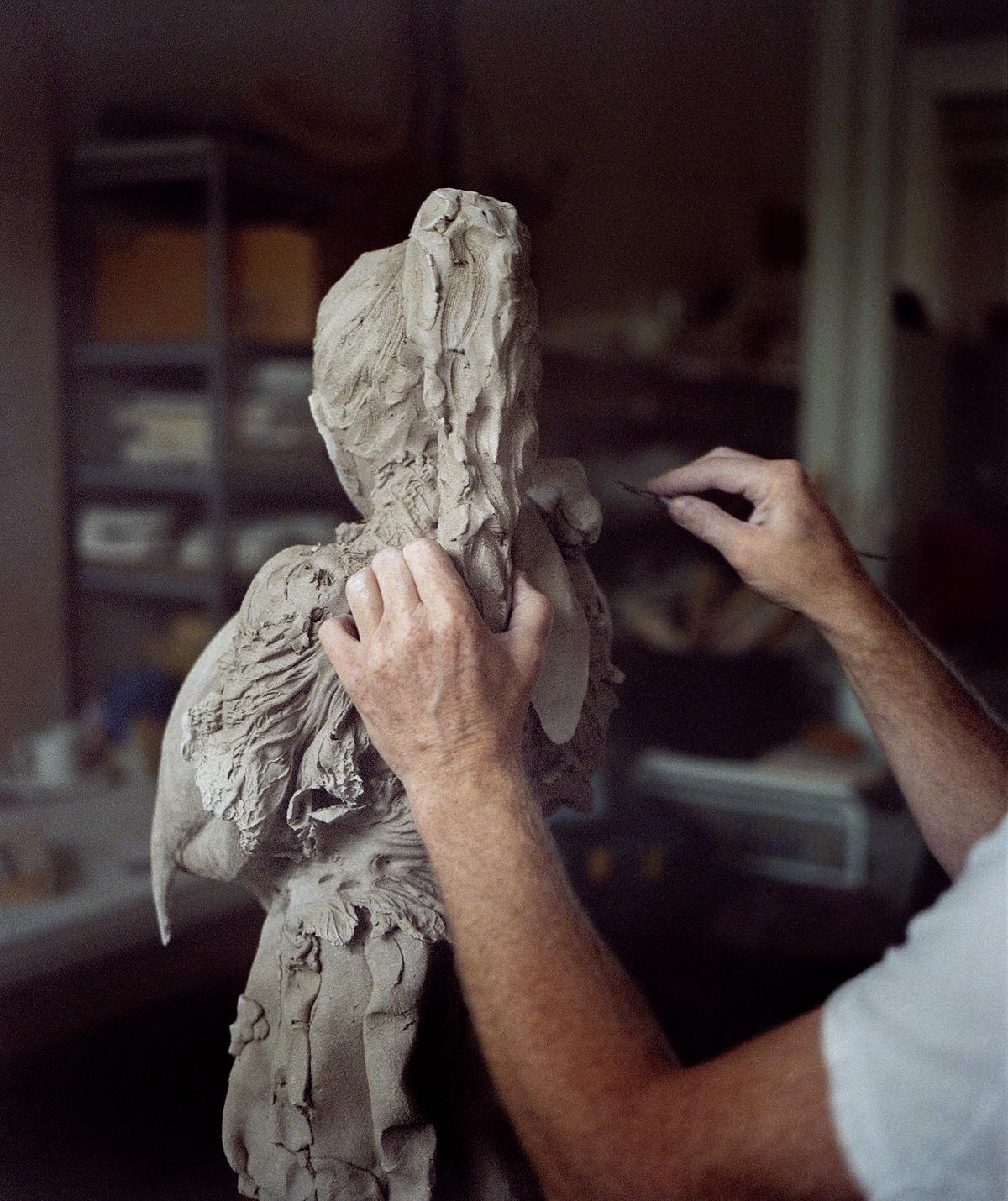
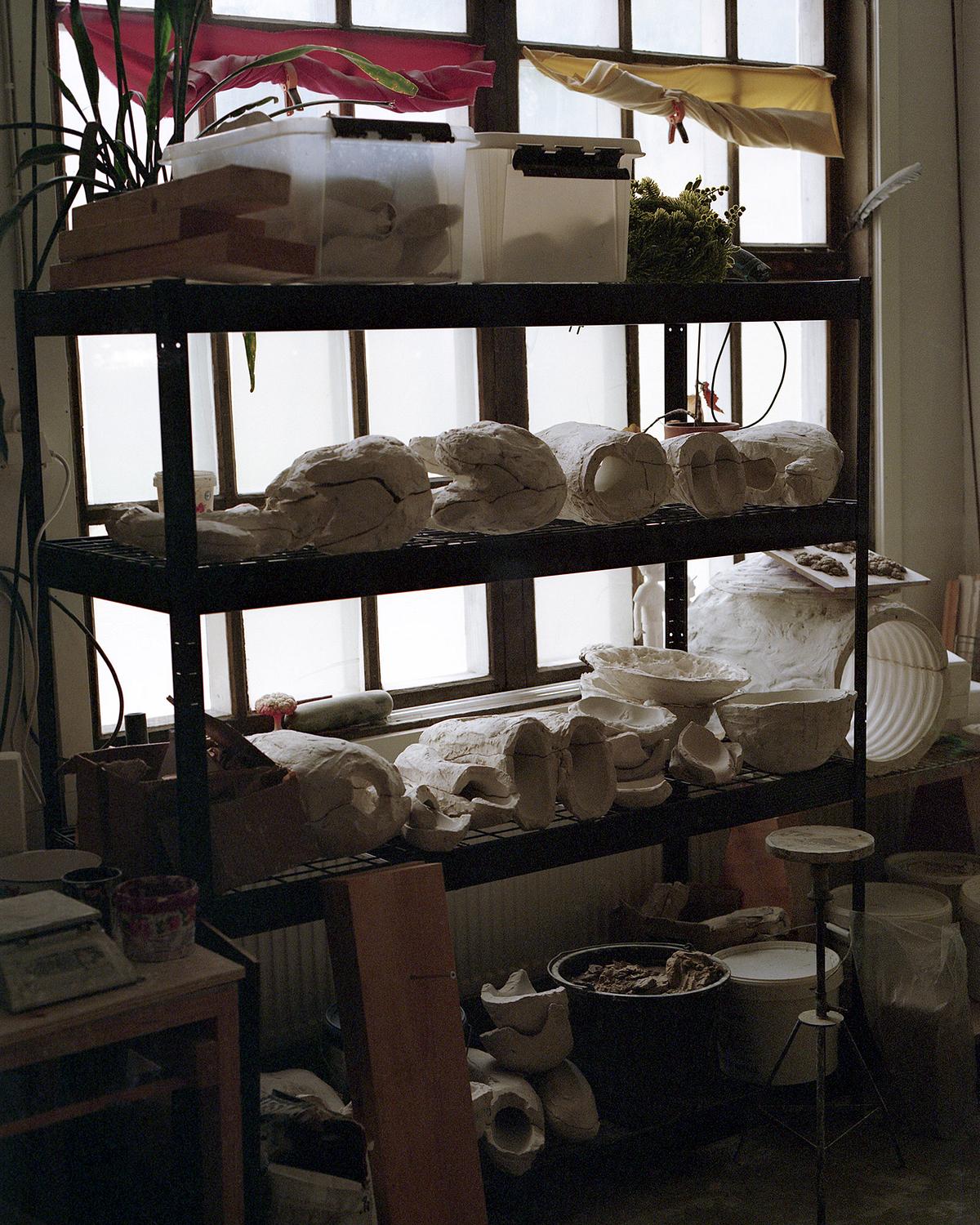
There are many. As a sculptor, Rodin is probably the most important one for me. Whenever I’m in Paris, I try to visit his museum. I think he was the greatest sculptor. When I was younger, Jeff Koons inspired me. He was so different and simply did whatever he wanted. Takashi Murakami’s sculptures have also inspired me, and Ron Mueck is absolutely brilliant as a sculptor.
It has always been important to me to have a personal touch and a style of my own. I’m not really sure where that comes from – maybe it’s quite a childlike way of thinking, that you should have your own style. But I still see it as important.
I would probably say that it evokes emotion. When I was in Paris, I saw an exhibition of ceramics by Lucio Fontana. He is of course best known for his paintings, but he also worked with ceramics. You could see how much he enjoyed working the clay and digging into it – there was a real joy in the act of making. The works had something childlike about them, but at the same time they were very sophisticated. It was as pure a form of ceramics as you can get. You could see the fingerprints and the making itself.
Follow Simonsson's work on Instagram: @kimsimonsson.
Production / Images: Bukowskis
Photographer: Anton Reenpää
Previously sold works by Kim Simonsson