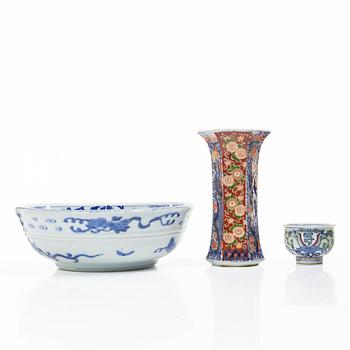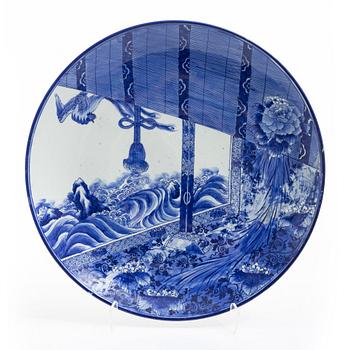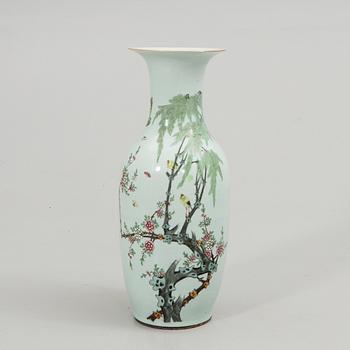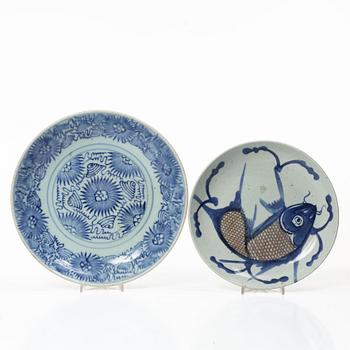
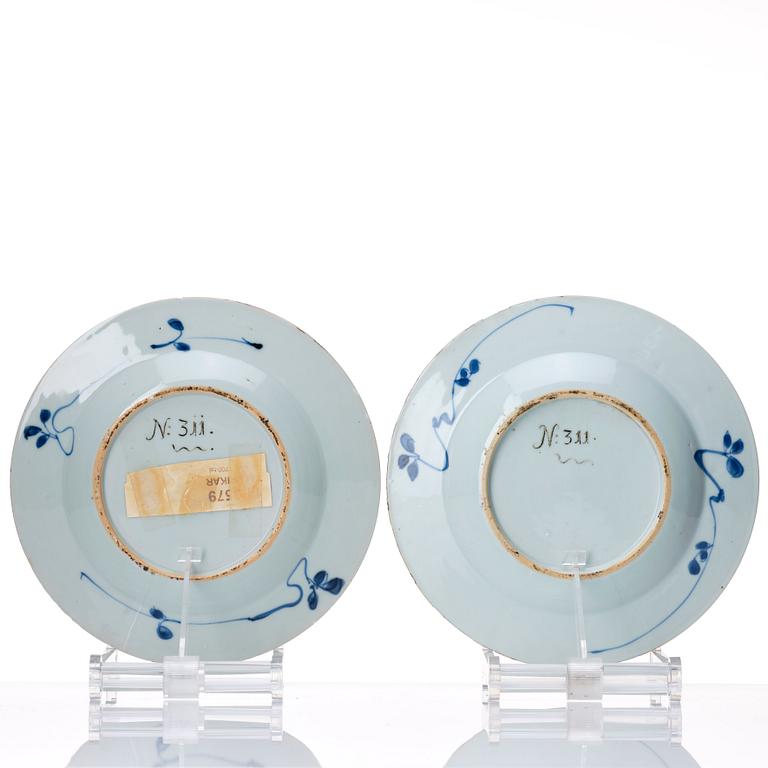
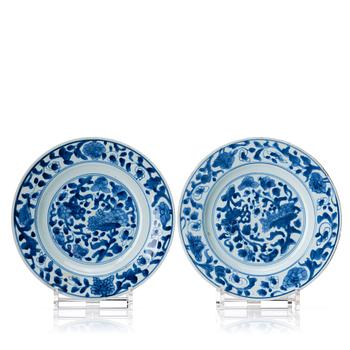
Marked with Johanneummark N: 3ii. Decorated with flowers. Diameter 22 cm.
Chips, wear.
Alkuperä - Provenienssi
Inventory marks added to porcelain belonging to the collection of August the Strong (1694-1733) of Saxony. The first inventory was made in 1721.
The inventory numbers are painted in black, or cut through the glaze with a glass cuter's wheel and blackened. In some cases the number have only been drawn in ink and have by natural causes washed away. In rare cases, in old and museum collections, they can be found inside lids and sometimes on unglazed porcelain bases.
A second inventory list of the porcelain collection at Dresden was made between 1770-1779. The second list comprises five volumes recording the original information of the 1721 inventory and the alterations depending on new acquisitions were added.
After the death of Augustus the Strong in 1733, the porcelain was packed away in the cellars of the unfinished "Japanische Palace".
The term "Johanneum" was taken from the building in Dresden to which the royal collection was moved in 1875-76.
Lisätietoja ja kuntoraportit

Tietoa ostamisesta







Muiden katsomia kohteita