Ei yhteyttä palvelimeen
Online-teemahuutokaupat
Classical Antiques F757
Huutokauppa:
Contemporary Art Online – Winter Exhibition F710
Huutokauppa:
Modern Art Online – Winter Exhibition F768
Huutokauppa:
Selected Antique Silver F785
Huutokauppa:
Prints & Multiples F778
Huutokauppa:
Curated Timepieces – February F759
Huutokauppa:
Flowering Folk Art E1281
Huutokauppa:
On the Table: Vases E1286
Huutokauppa:
Live-huutokaupat
Contemporary Art & Design 670
Huutokauppa: 21.−22. huhtikuuta 2026
Important Timepieces 671
Huutokauppa: 21. huhtikuuta 2026
Modern Art & Design 672
Huutokauppa: 20.−21. toukokuuta 2026
Important Spring Sale 673
Huutokauppa: 10.−12. kesäkuuta 2026
342
1581178

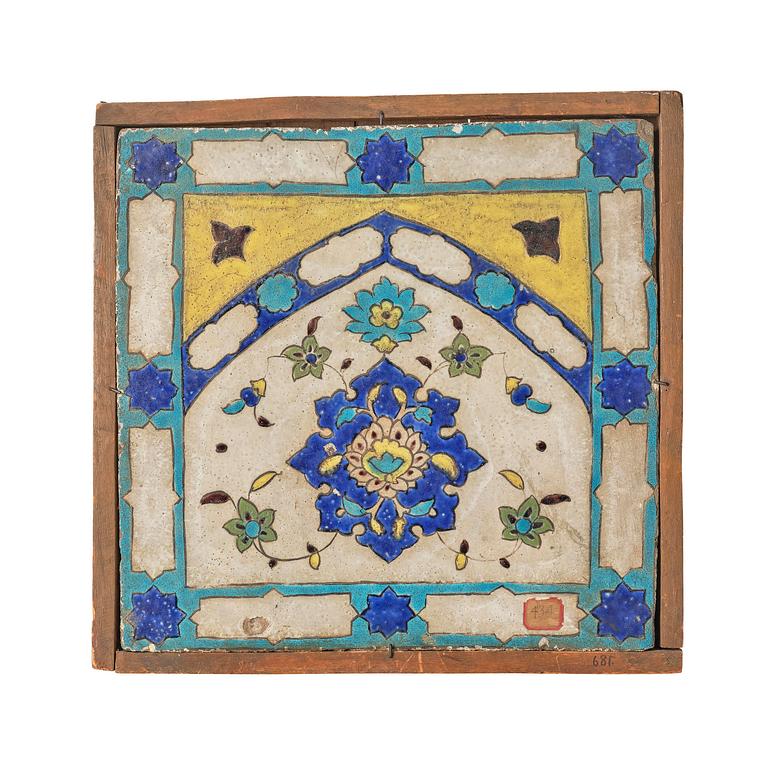
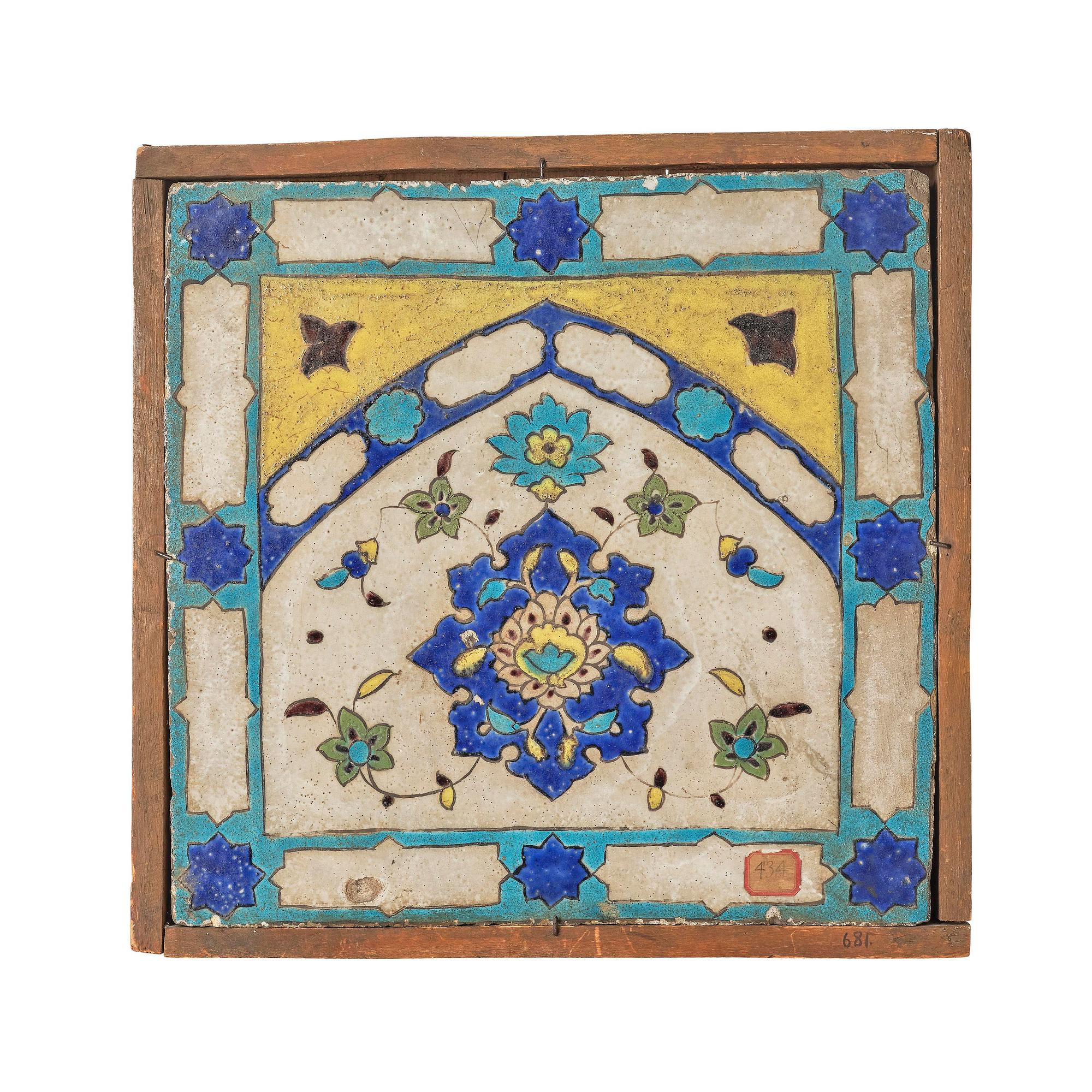
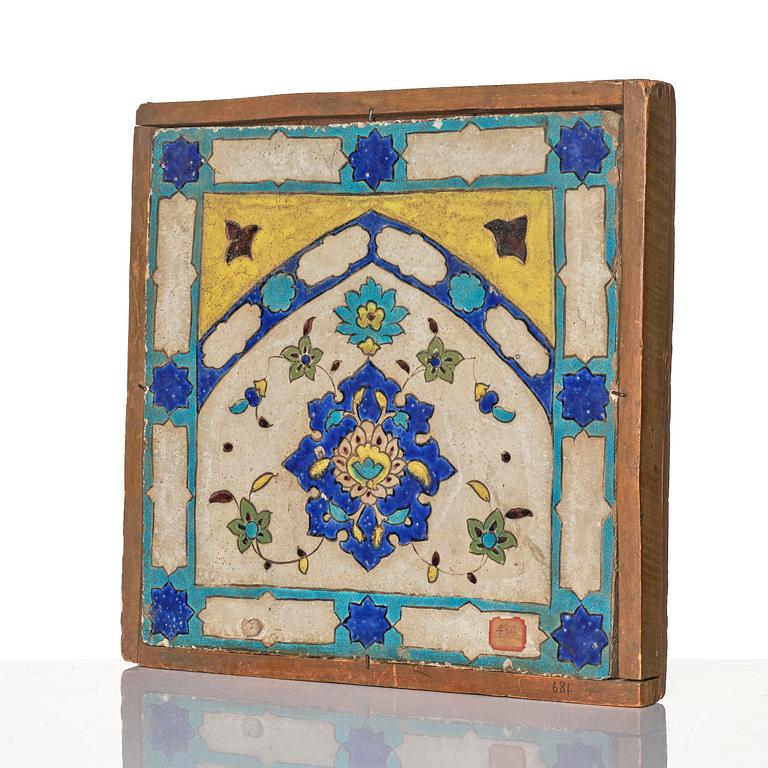
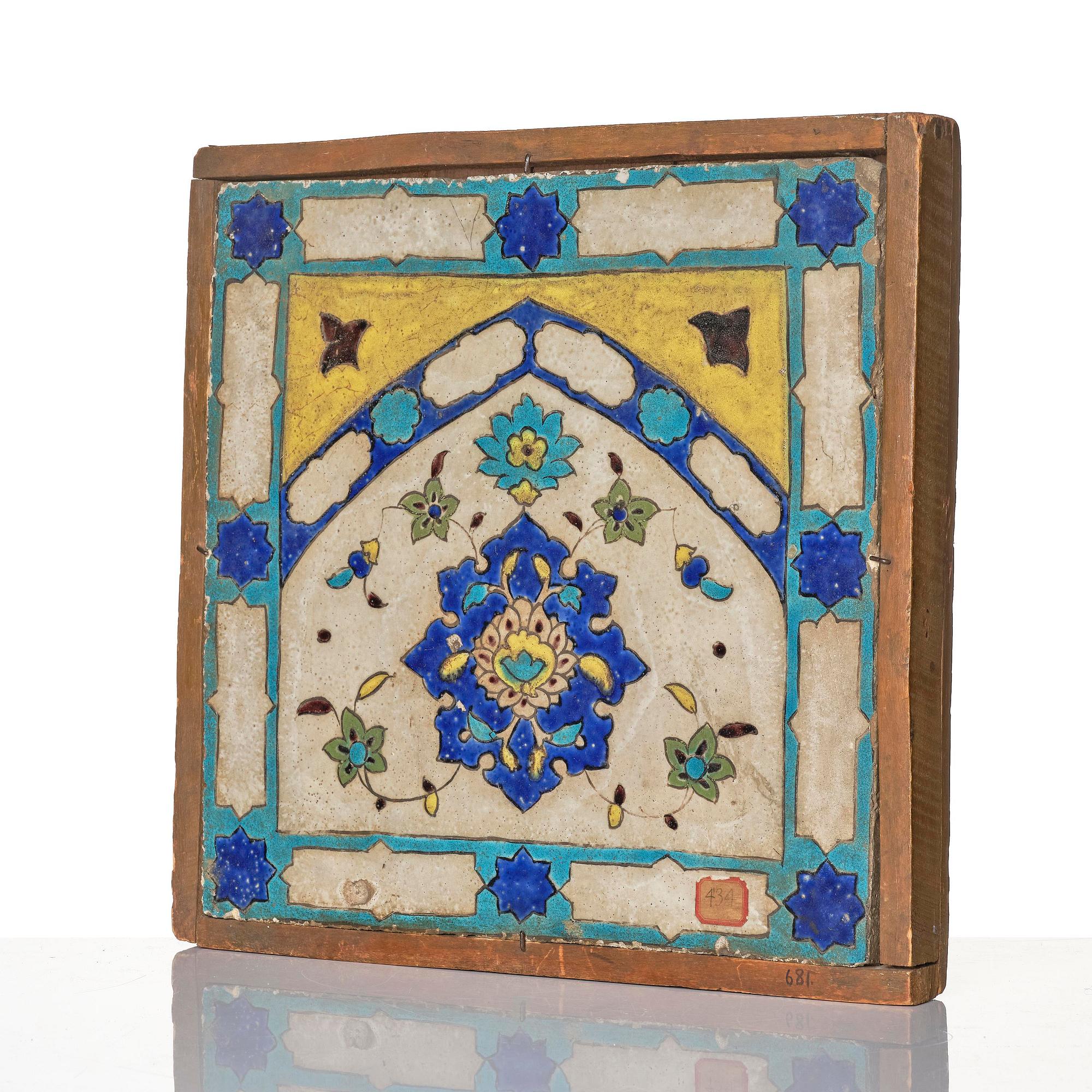
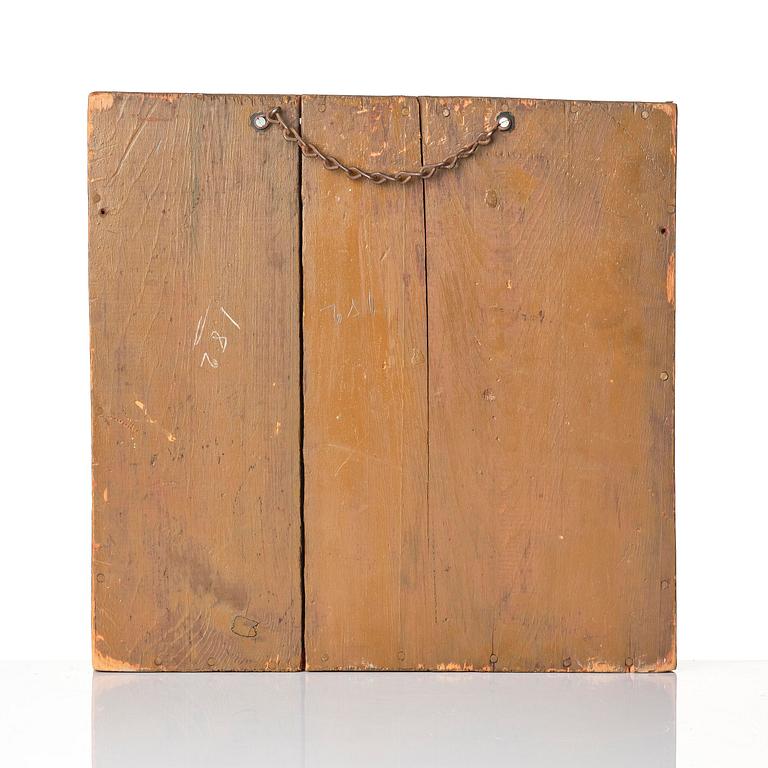
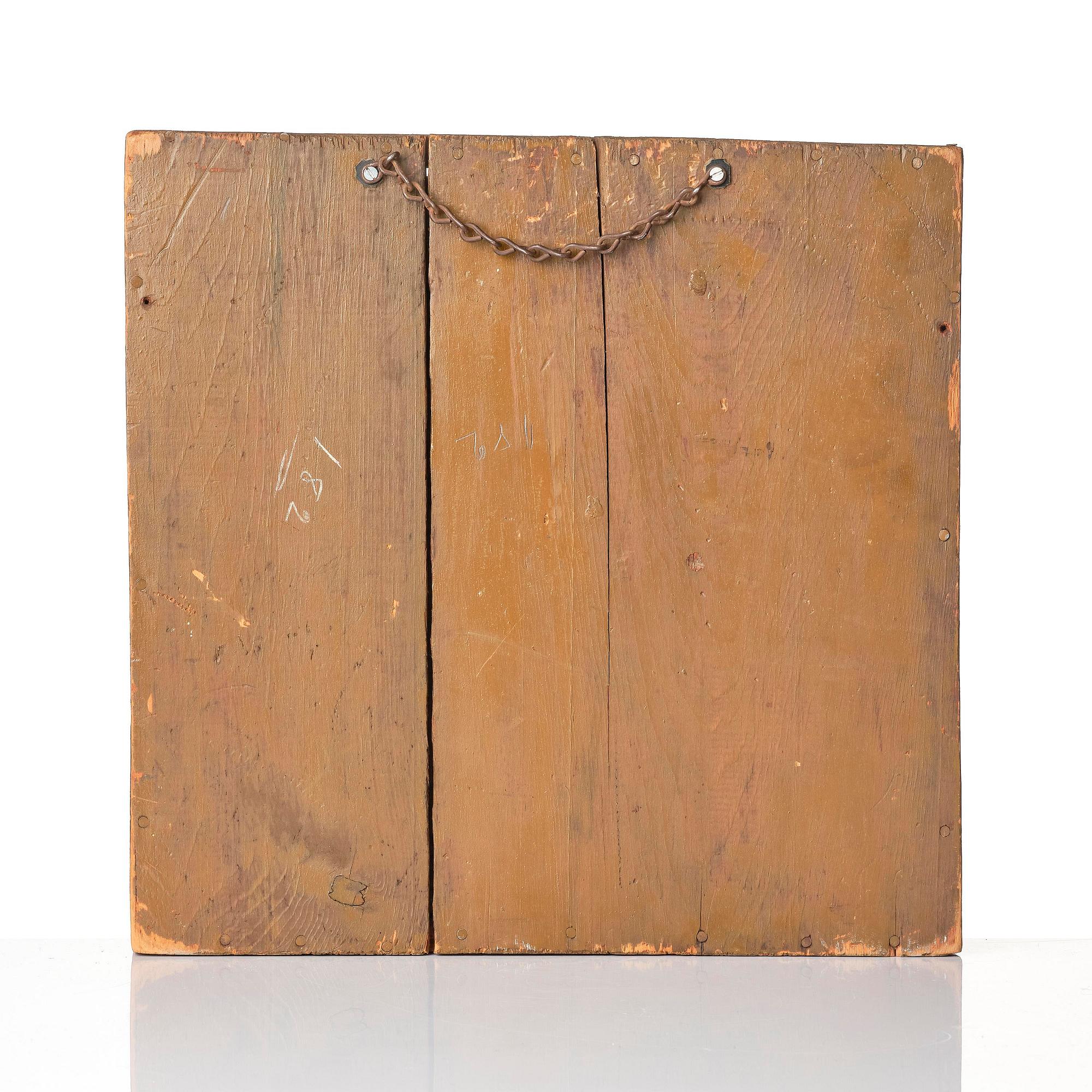
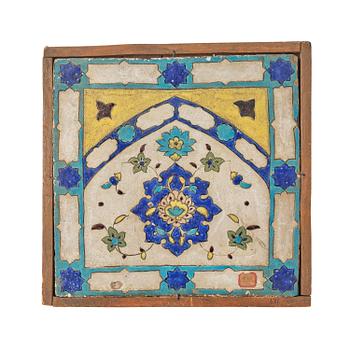
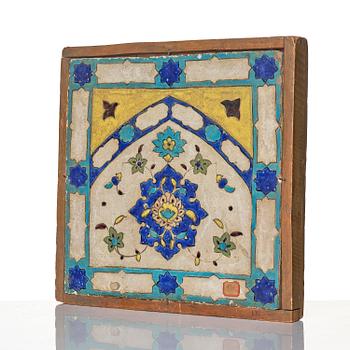
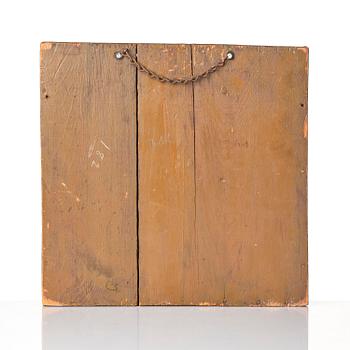
A 'cuerda seca' pottery tile, c. 39 x 40 cm (with mounting 44 x 44 cm), Persia (Iran), the Qajar dynasty (1789–1925).

Lähtöhinta
4 000 - 5 000 SEK
384 - 479 EUR
441 - 551 USD
Vasarahinta
3 000 SEK
Tarjouksen tekeminen vaatii erillisen hyväksynnän
Tietoa ostamisesta
Lisätietoja ja kuntoraportit
Christopher Stålhandske
Tukholma
Christopher Stålhandske
Asiantuntija matot, tekstiilit, islamilainen taidekäsityö
+46 (0)708 19 12 58
A 'cuerda seca' pottery tile, c. 39 x 40 cm (with mounting 44 x 44 cm), Persia (Iran), the Qajar dynasty (1789–1925).

An ivory ground with a large polychrome niche with palmettes and flowers.

Alkuperä - Provenienssi

The Lennart Heyman (1918 – 1974) collection. Lennart Heyman was trained in oriental rugs from his father's wholesale firm Heyman & Olesen in Stockholm. Heyman was a collector and dealer of both antiques and oriental carpets and took assignments as a valuer of carpets in Sweden and abroad, including for Sotheby's and Christie's in London. The business premises were located at Birger Jarlsgatan 3 until his death.

Muut tiedot

This tile panel is created using the cuerda seca technique (Spanish for "dry cord"), which was one of the most commonly used forms of tile decoration in Safavid Iran. This practice developed alongside tile mosaic in the late 14th century in Central Asia. It was a quick method and became particularly popular during Shah 'Abbas's reign (1588-1628).