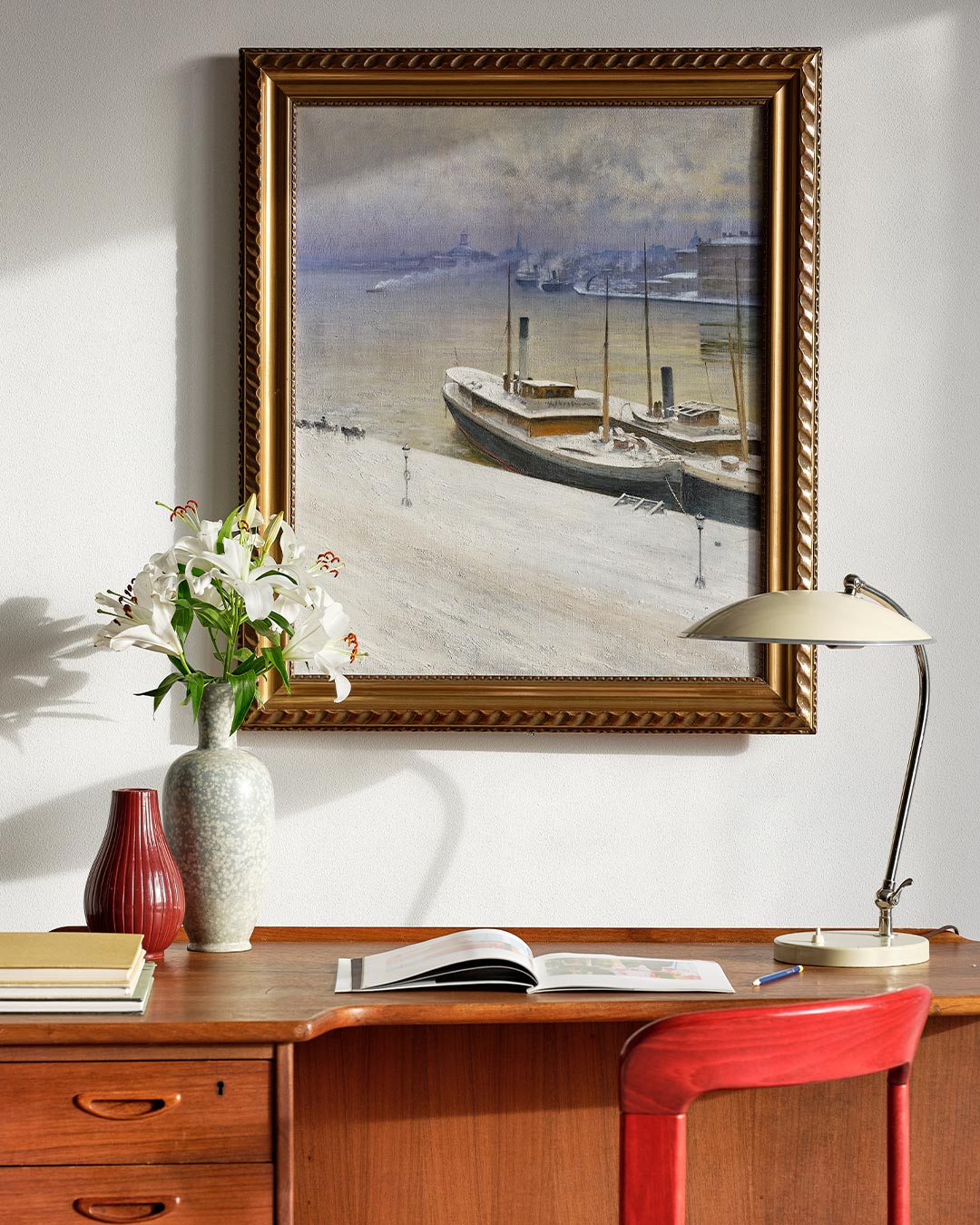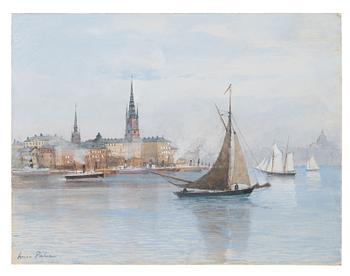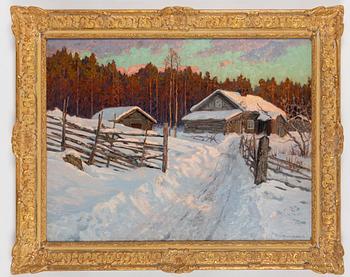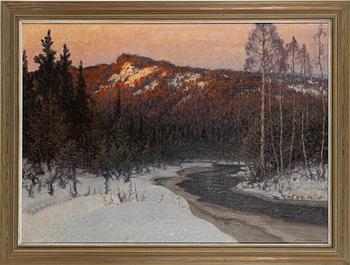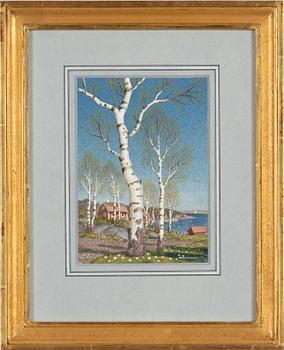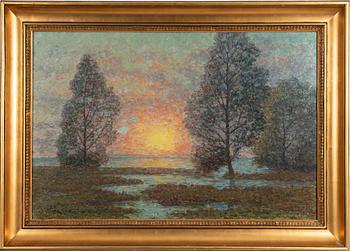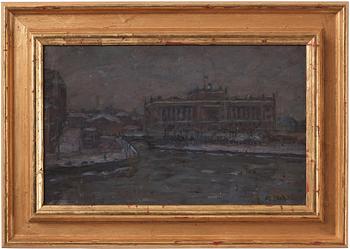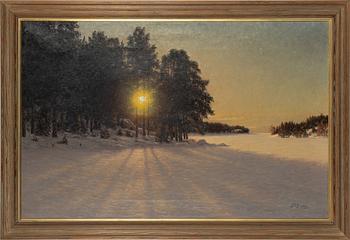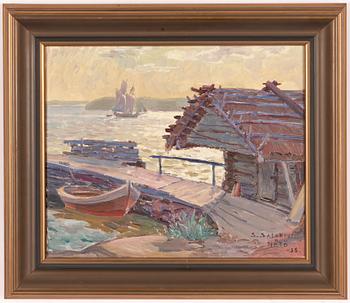
Nordic Light
The late 19th century was a time of radical development in Nordic art. Young talents, dissatisfied with the stiff art academies left the north and travelled to France, and especially to Paris, to seek a freer approach to painting. Not least the female artists faced better conditions in Paris than at home. Urbanization brought people into the city, but artists sought new impressions and inspiration in the countryside.
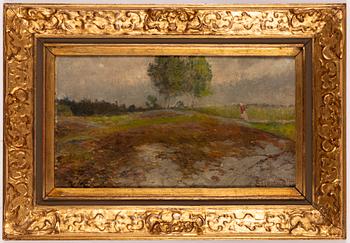
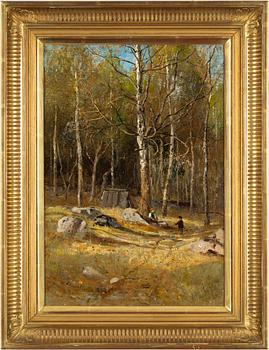
This gave rise to plein air painting, one of the most influential movements in art history. New technology with oil paints in tubes, enabled a new generation of artist to gradually abandon the studio to paint entire compositions outdoors. They set their easels in forests, in meadows or on paths and created their works with quick brushstrokes in small formats that captured the magic of the moment.
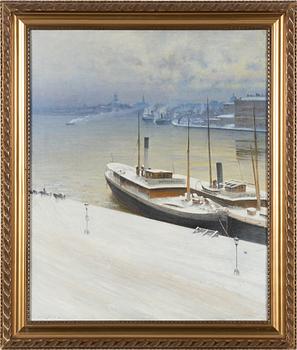
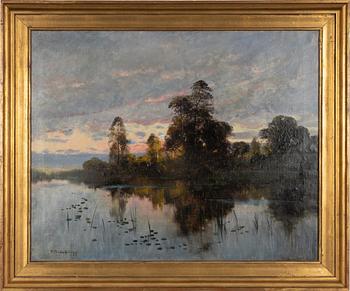
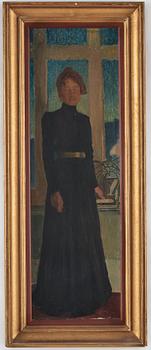
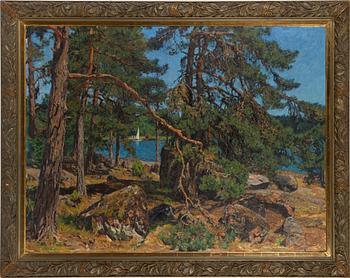
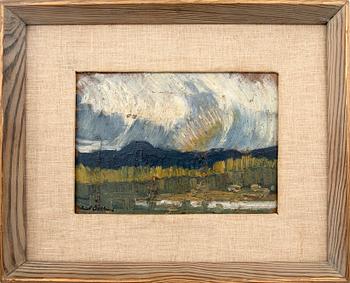
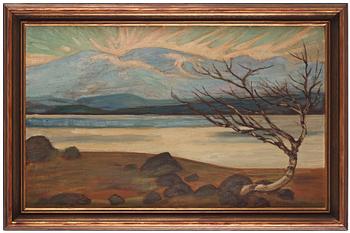
At the end of the 19th century, a more nationalistic Nordic art was called for, and many artists returned to their home countries. Realism and impressionism gave way to nationally characterized landscapes where emotion was central. The lyrical depictions of landscapes follow the Nordic light and go from dawn and daylight to blue dusk and softly glowing summer evenings. This also influenced portrait painting where light plays an important role in the composition.