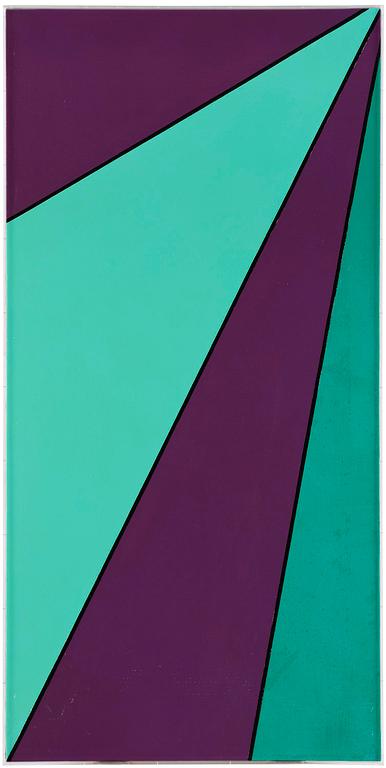
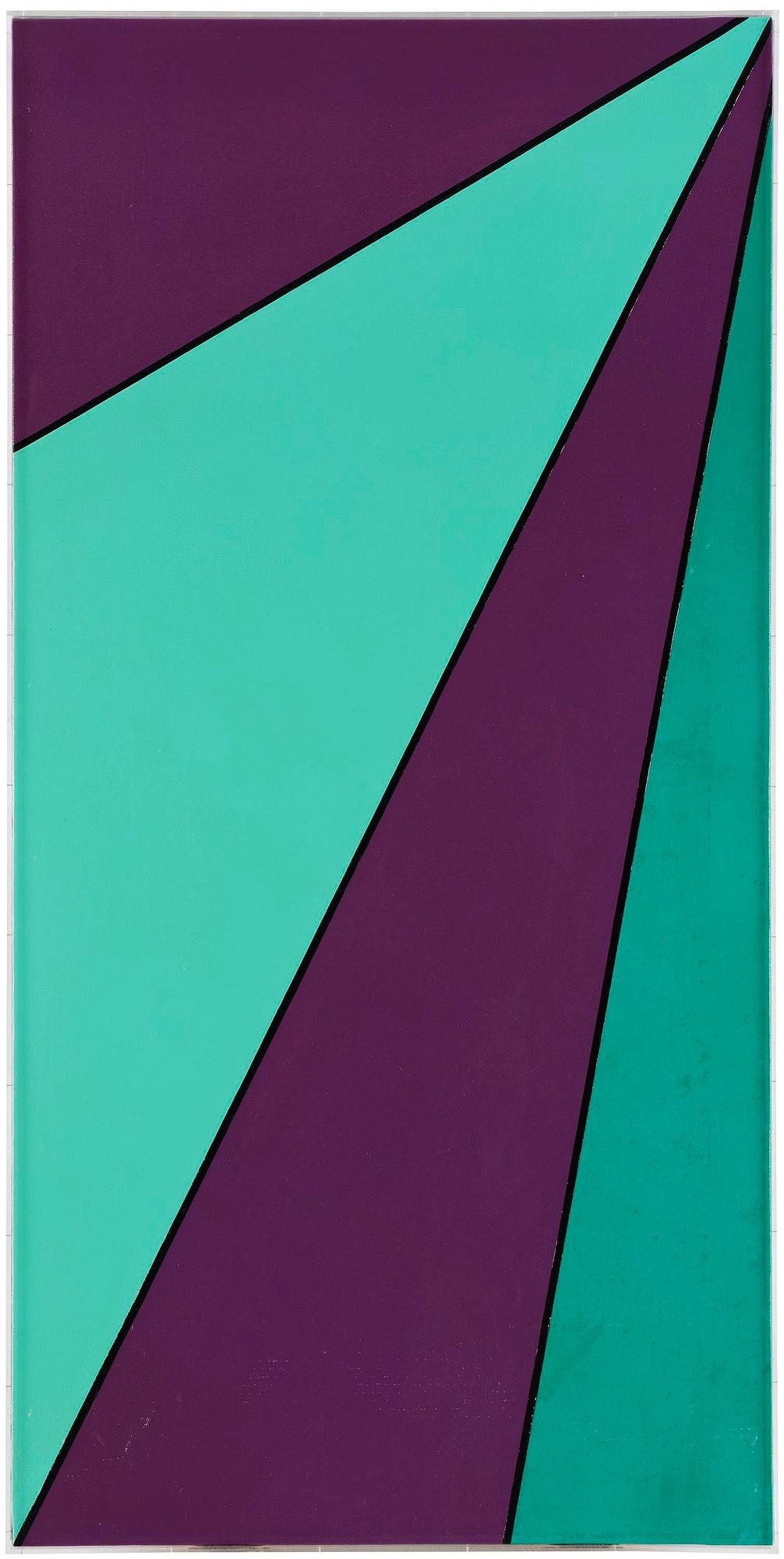
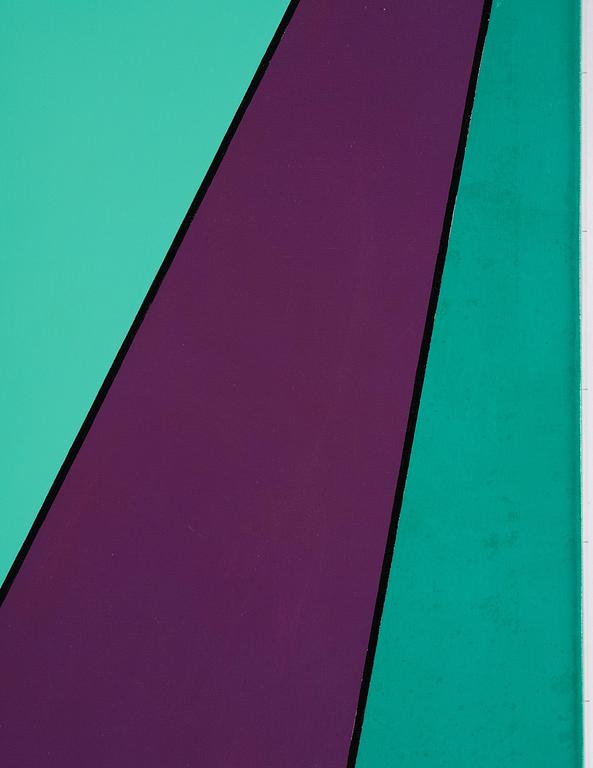
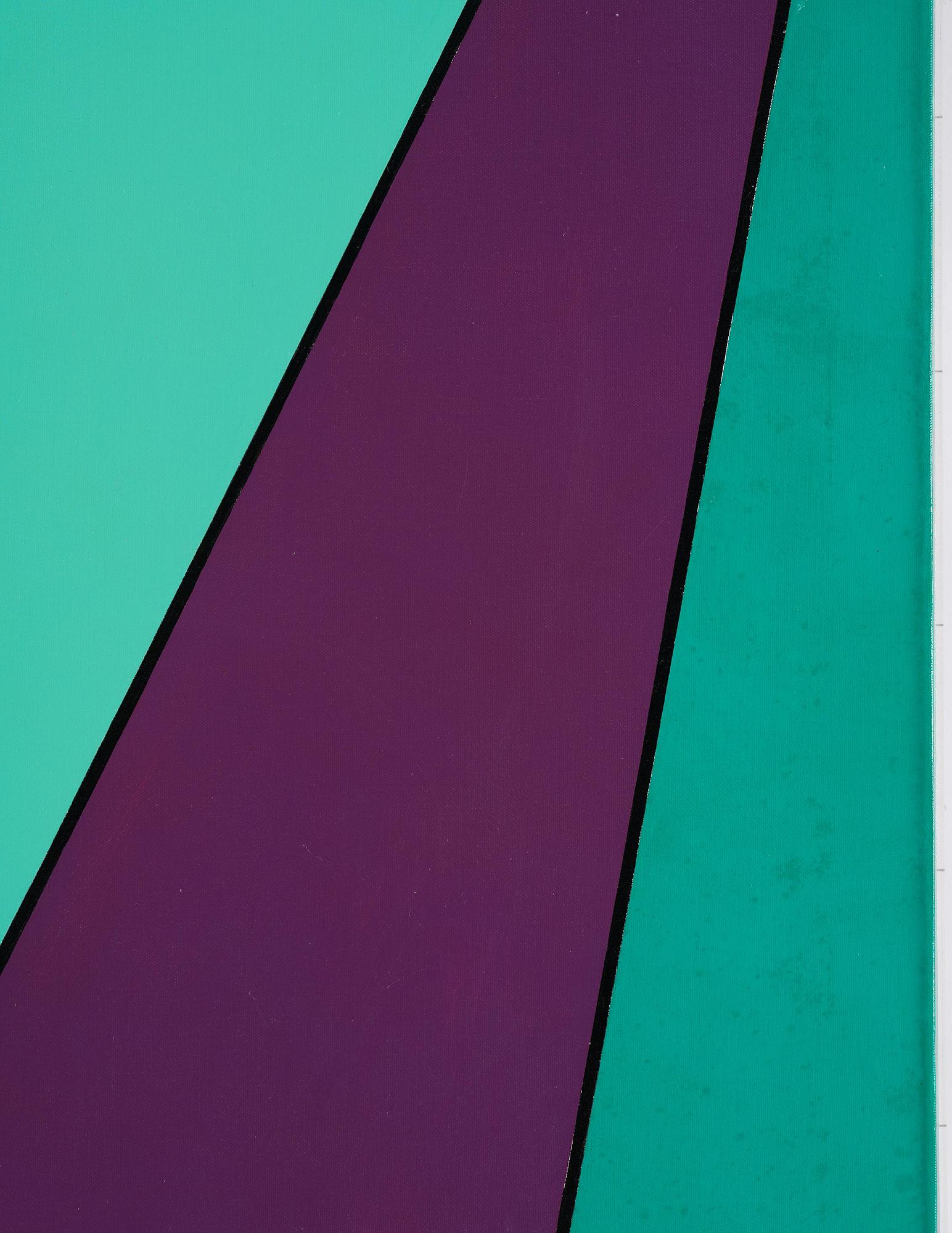
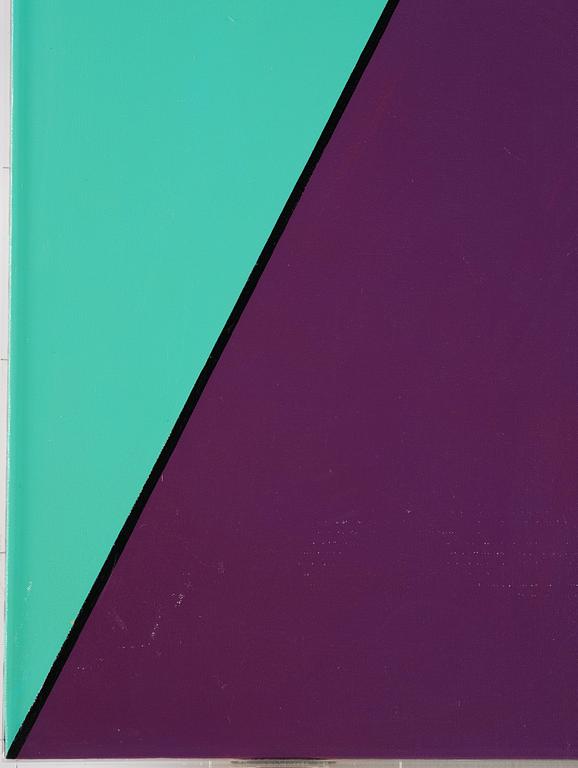
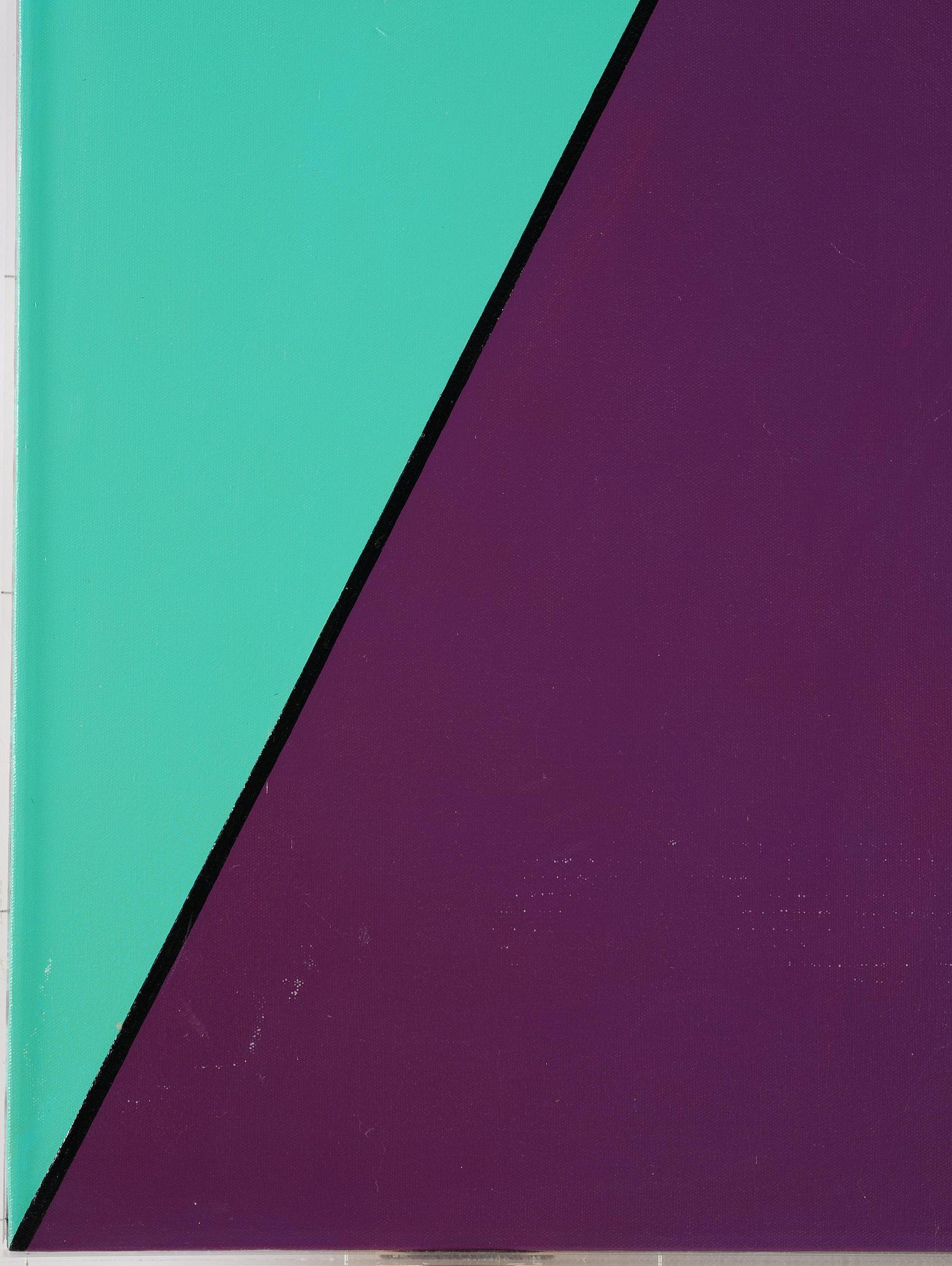
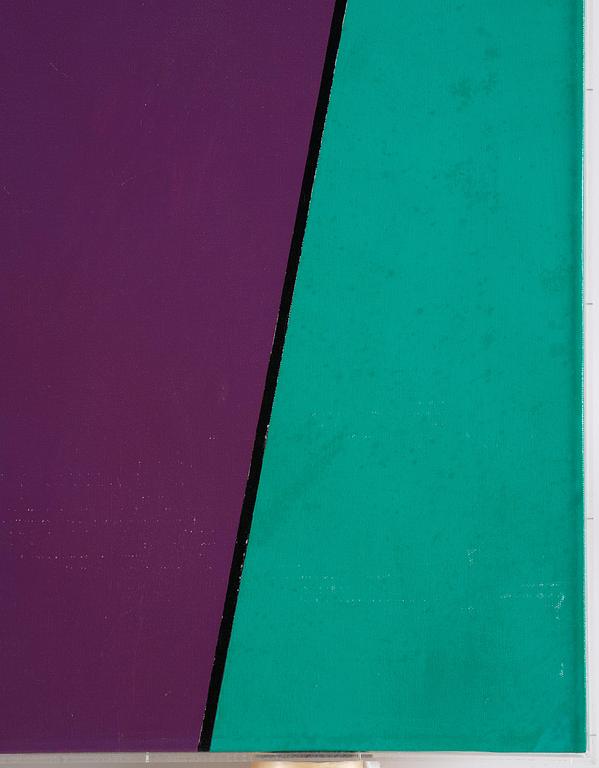
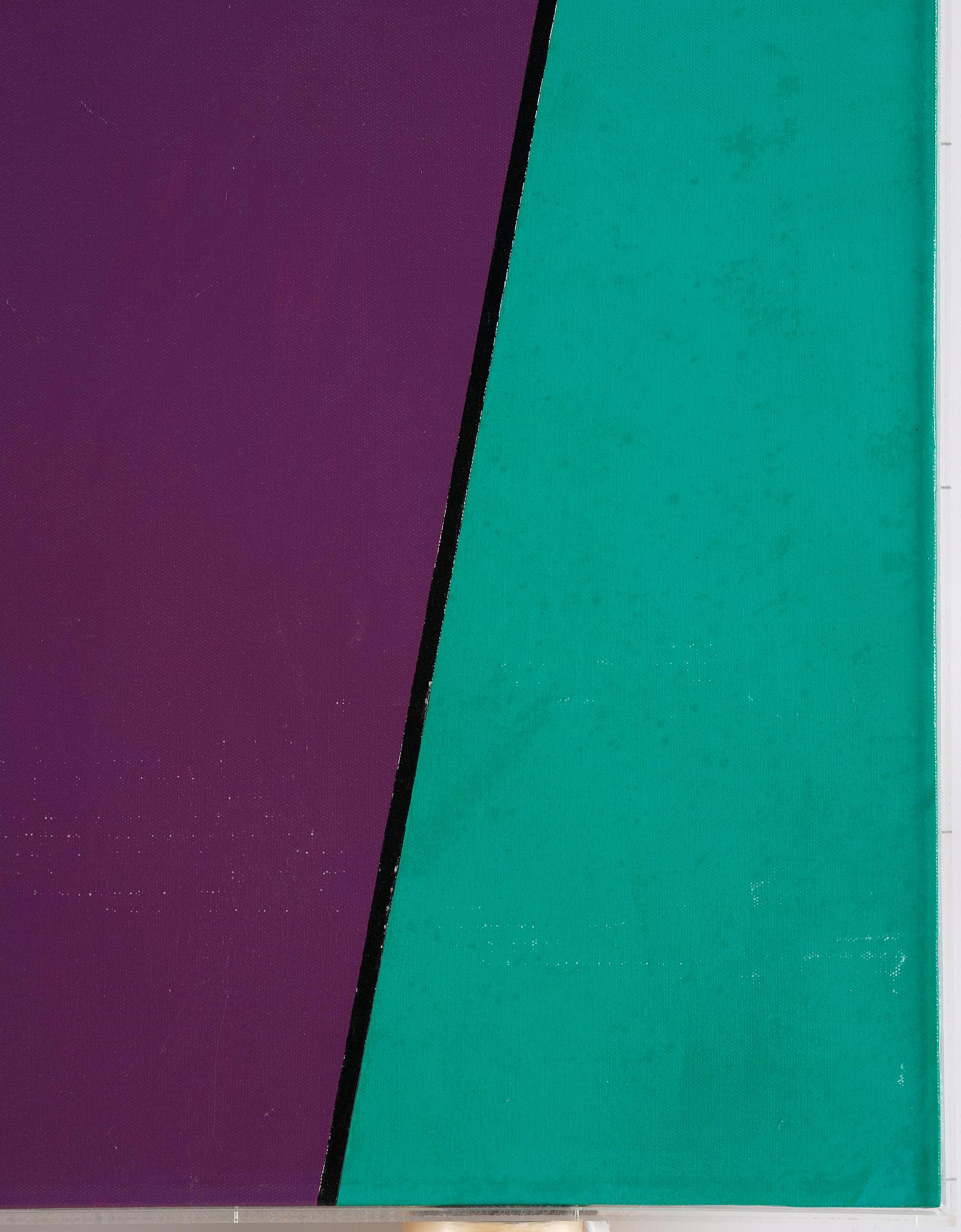
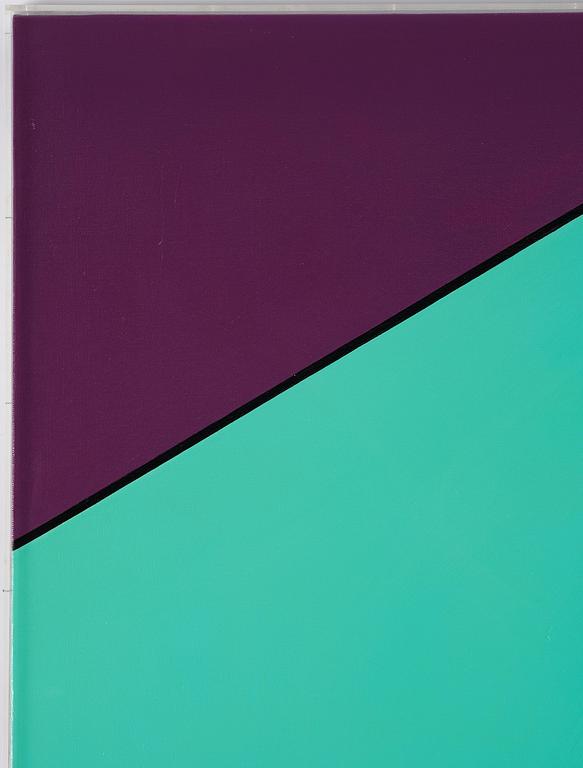
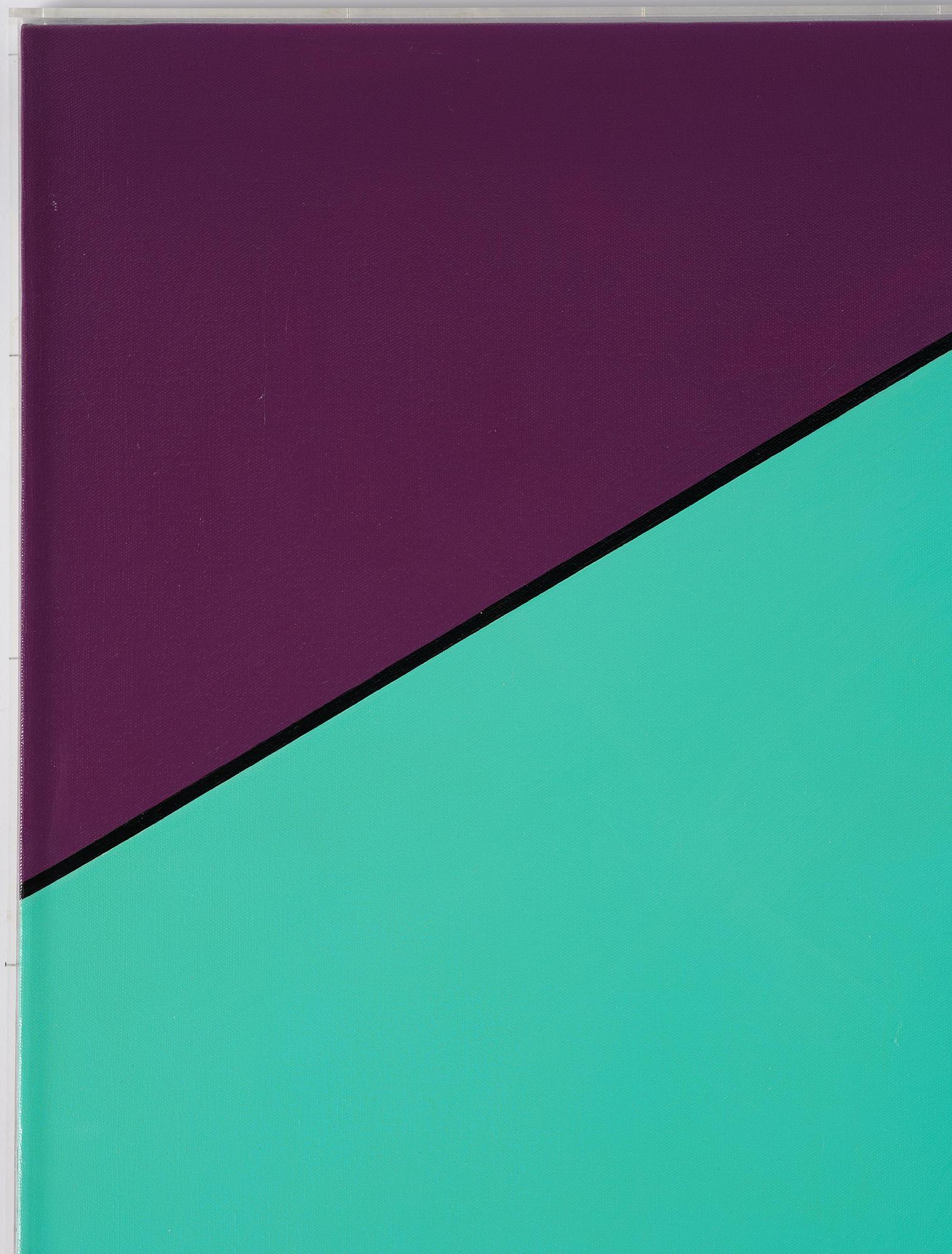
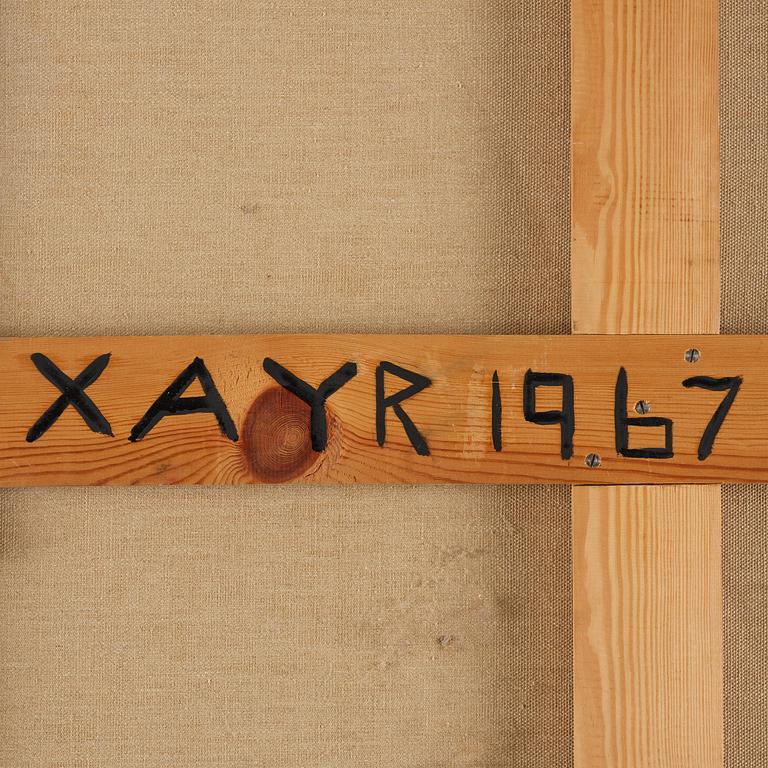
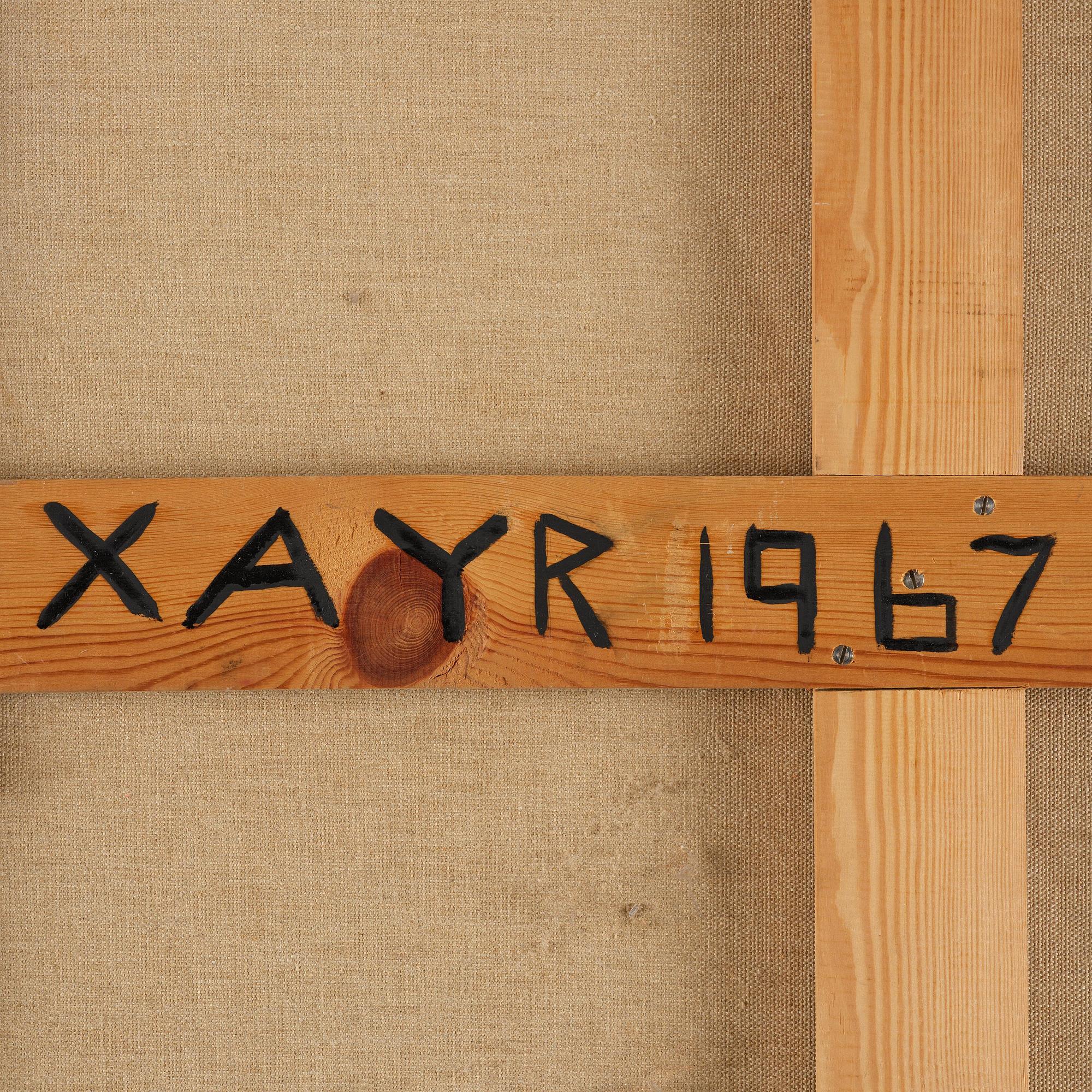
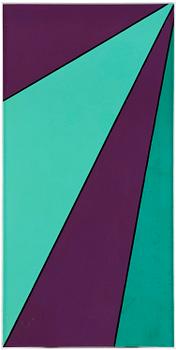
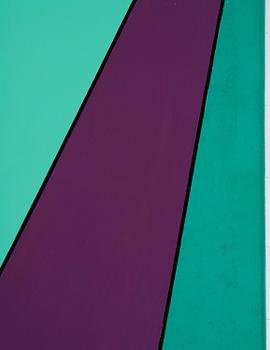
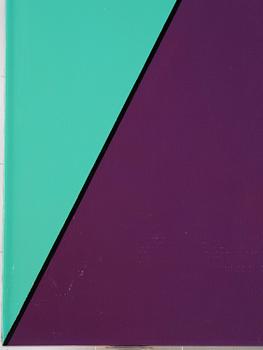
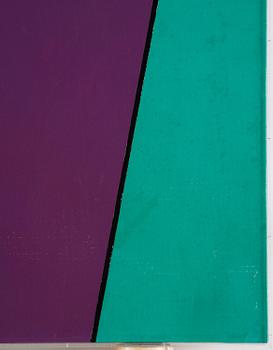
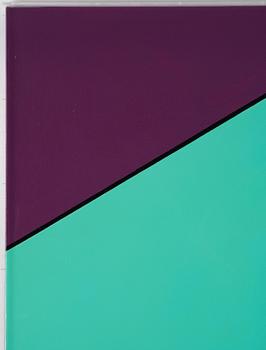
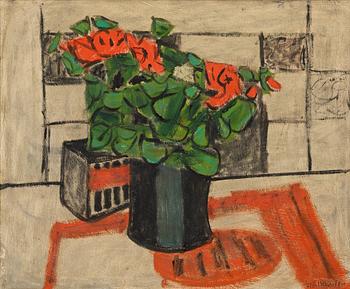
"XAYR"
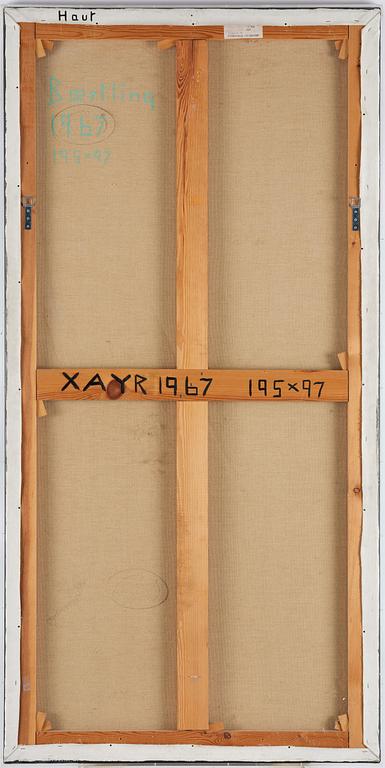
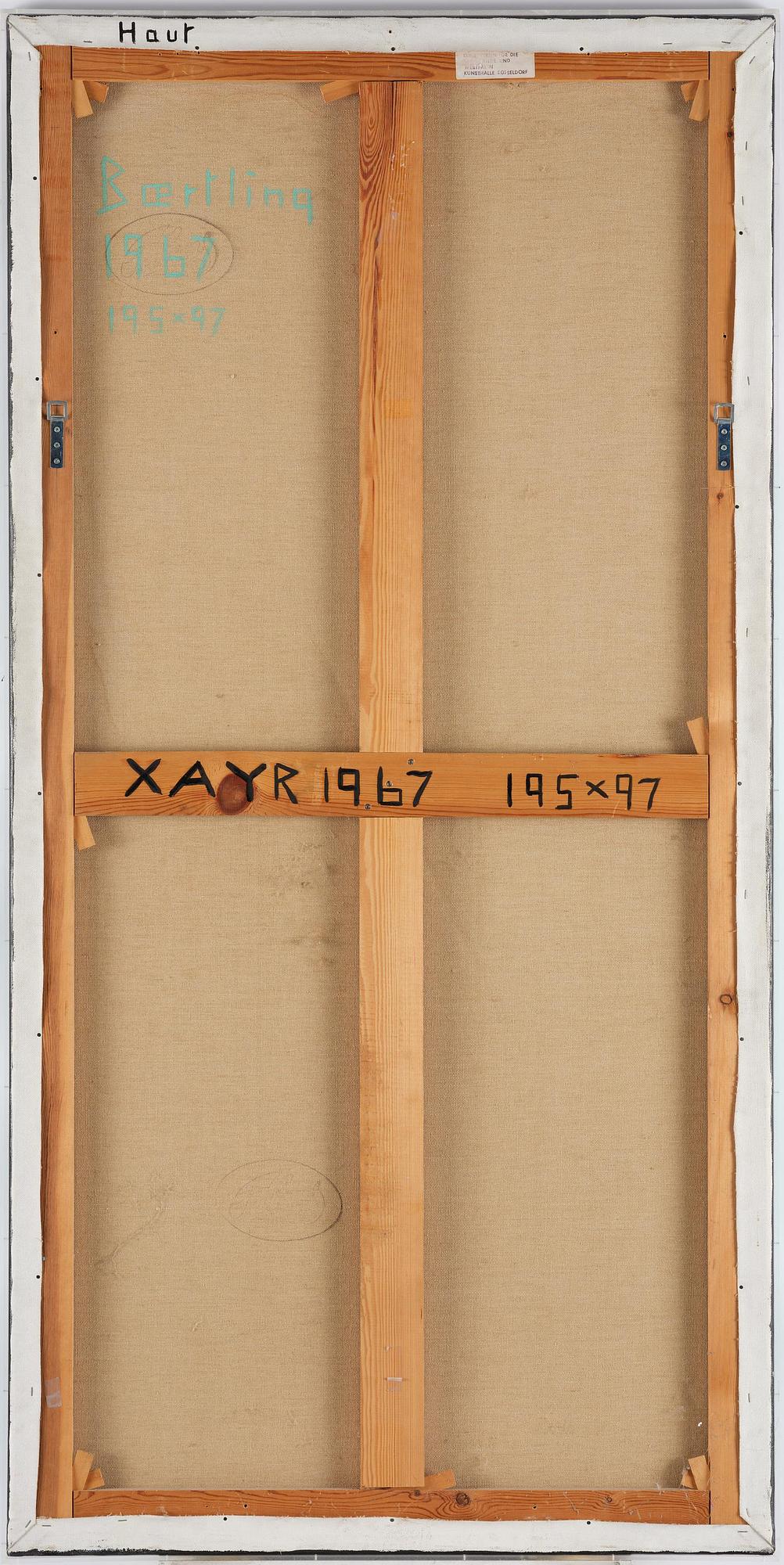
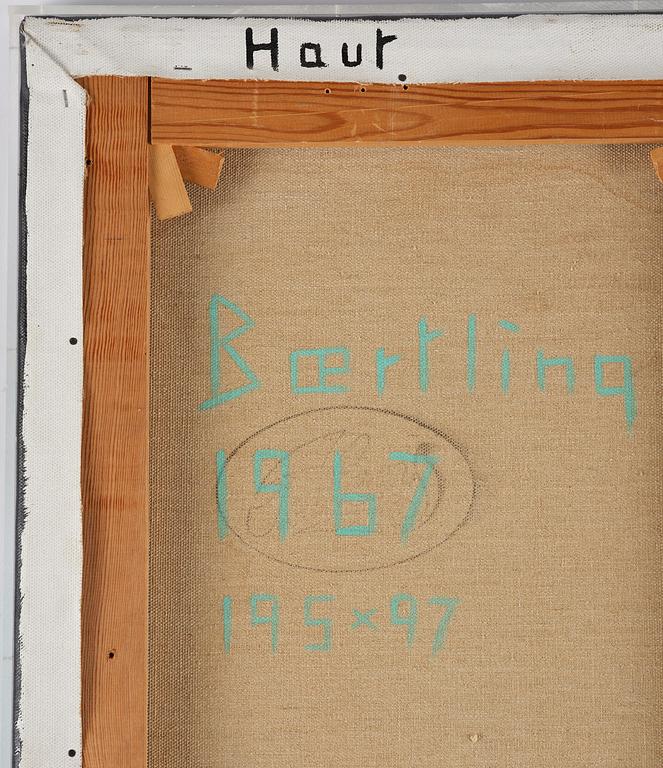
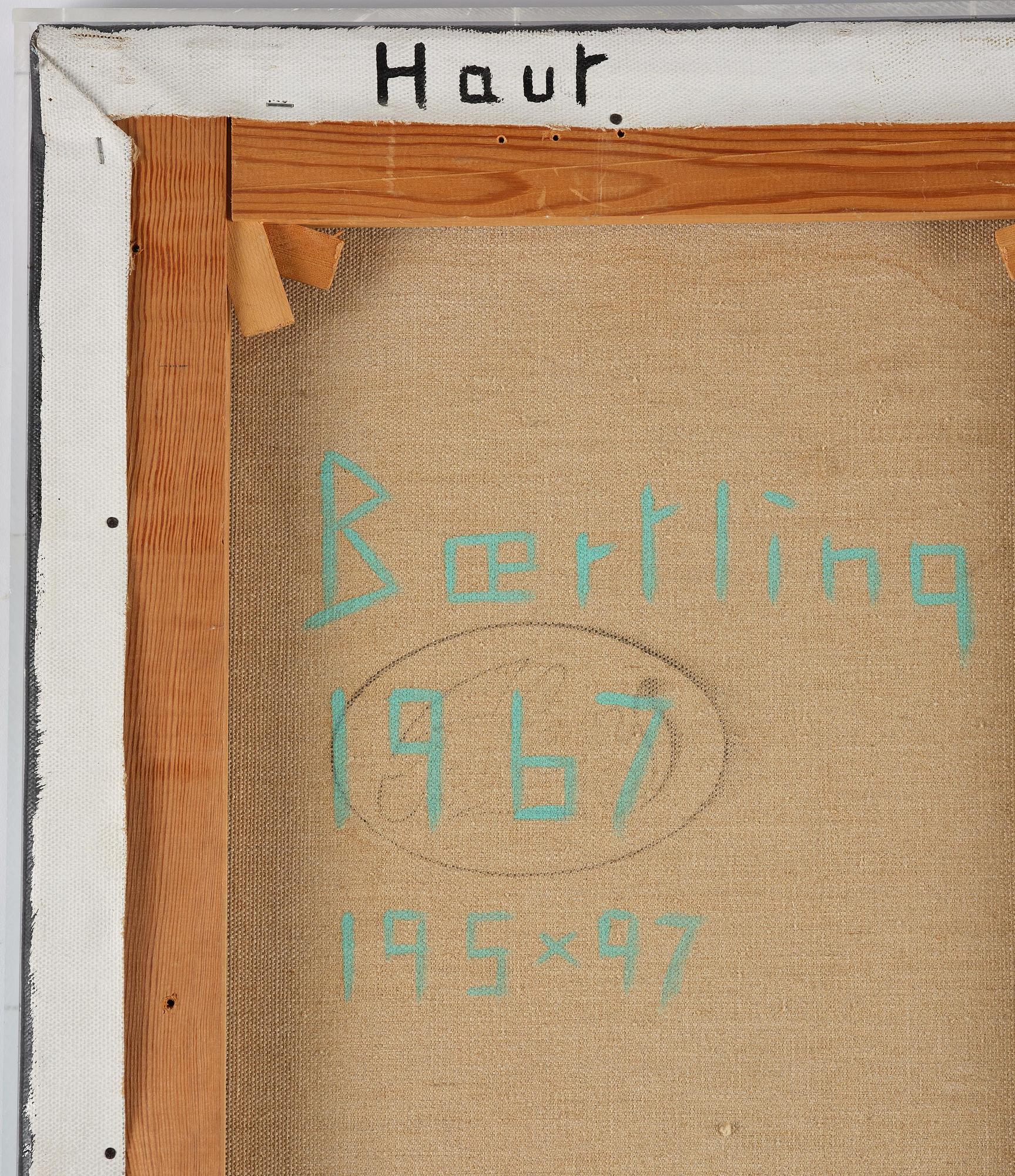
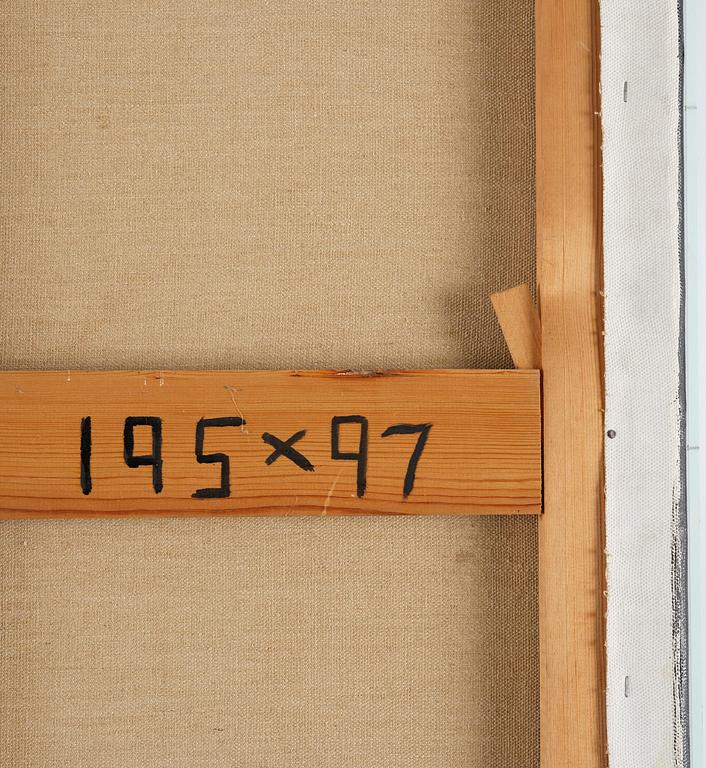
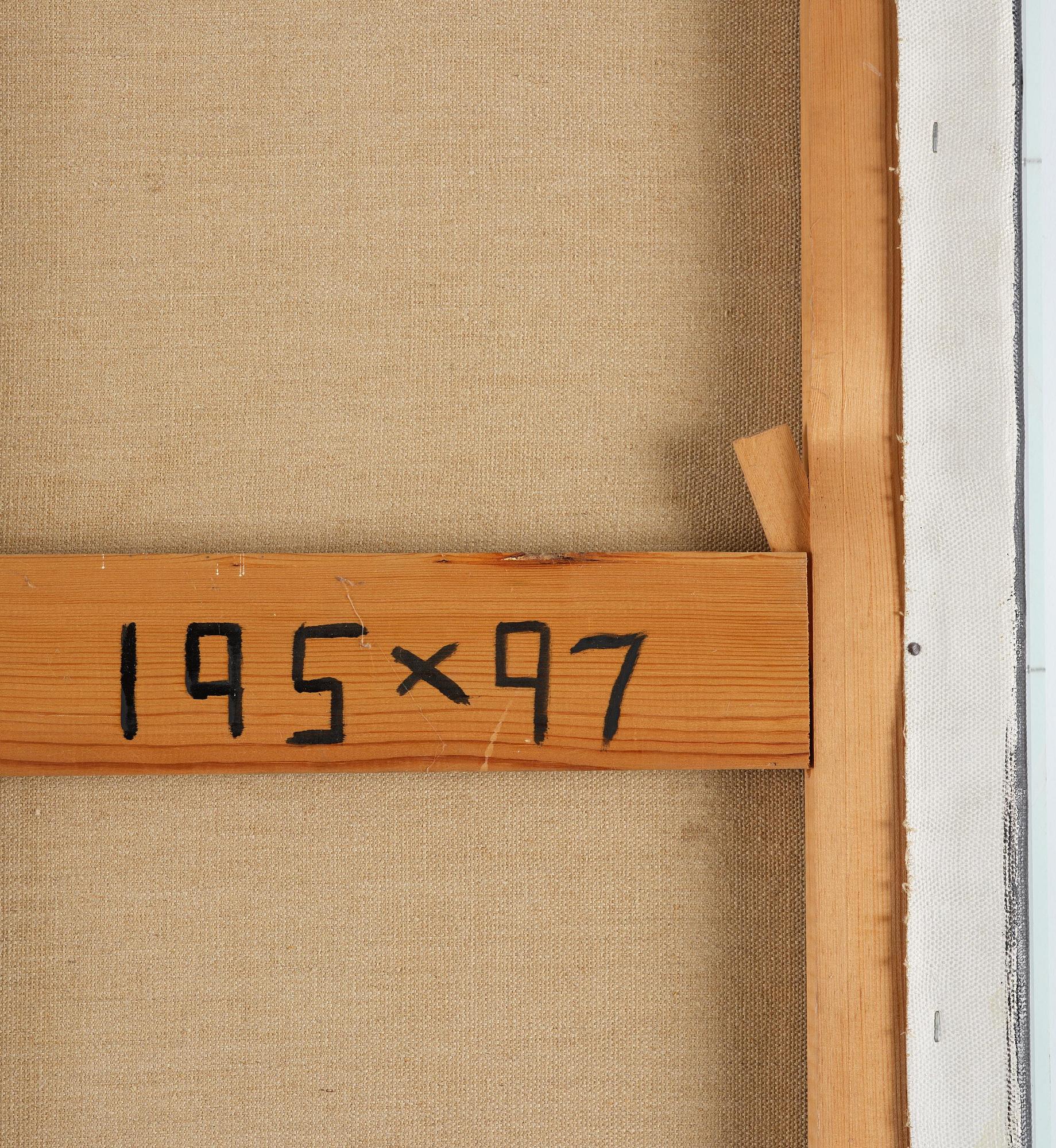
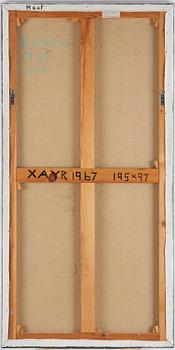
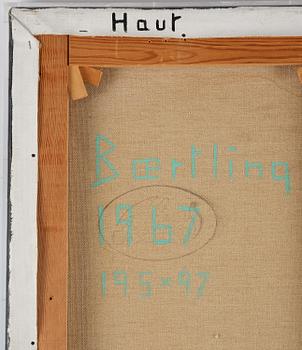
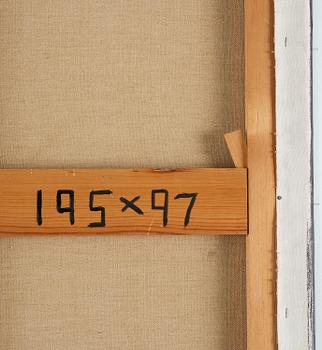
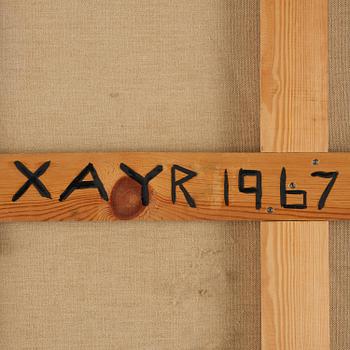
Signed Baertling and dated 1967 verso. Oil on canvas 195 x 97 cm.
Provenance
Galerie Nordenhake, Stockholm.
Exhibitions
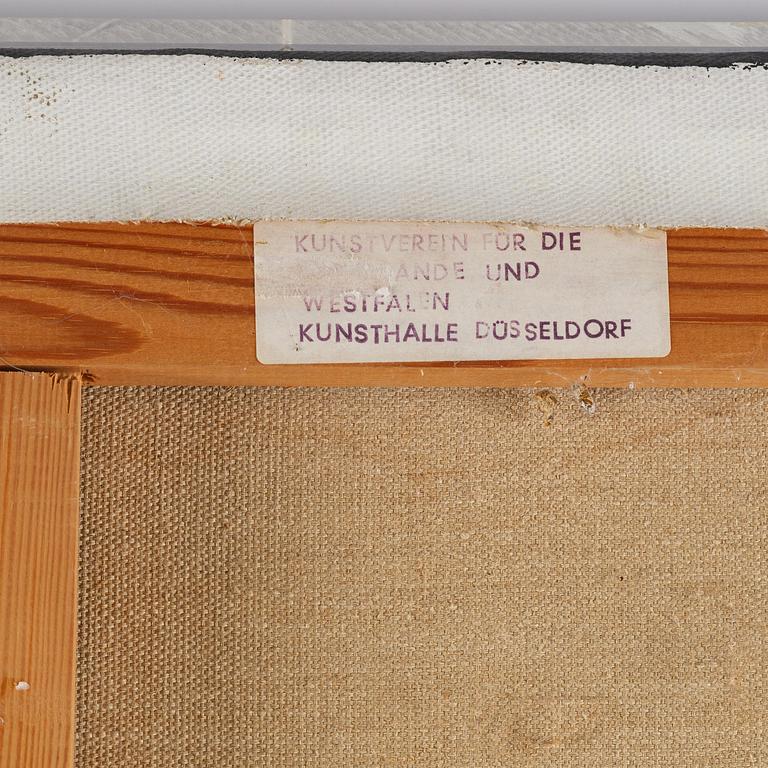
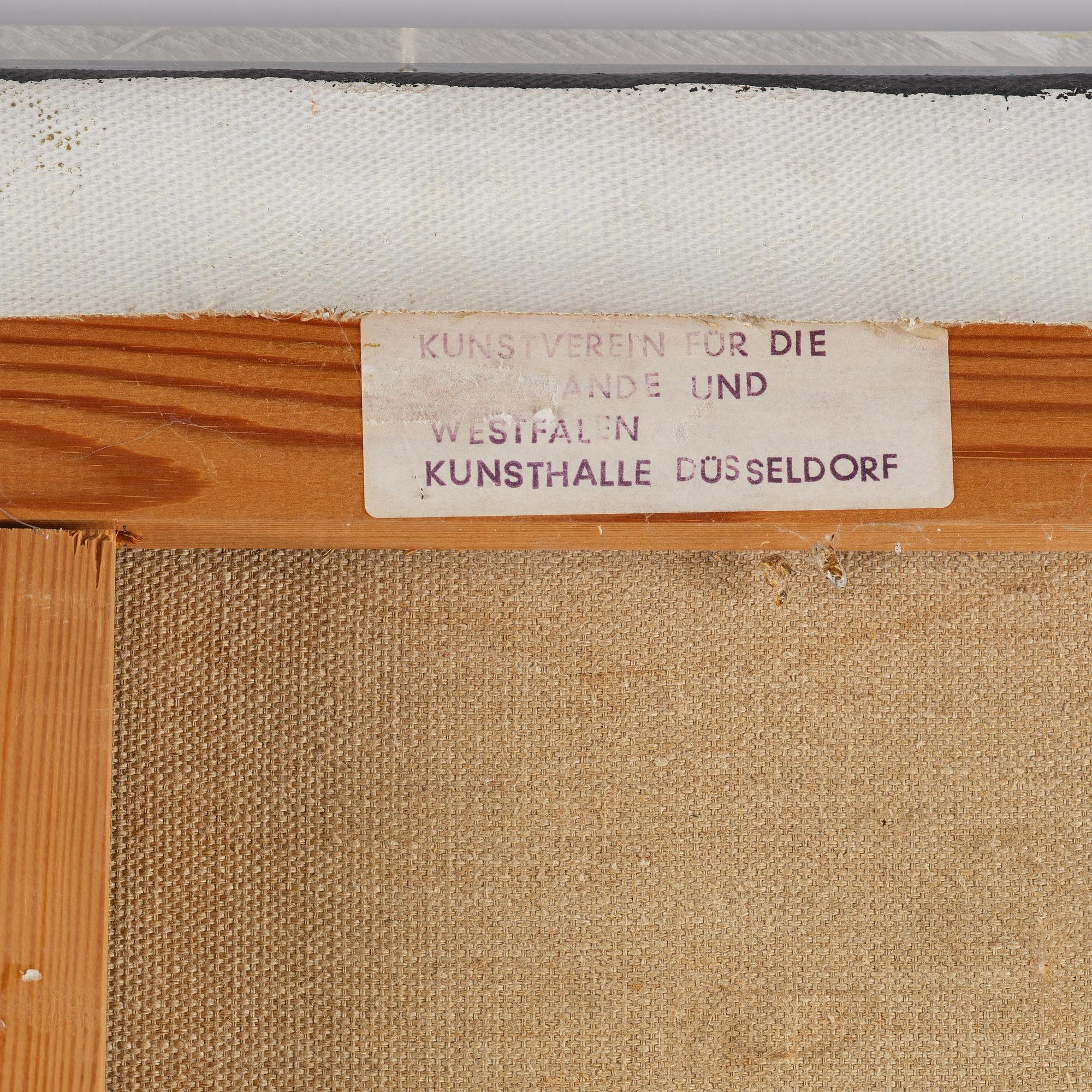
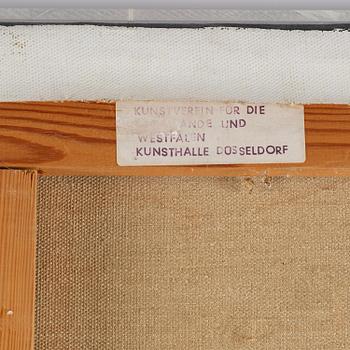
Kunsthalle Düsseldorf, Kunstverein für die Rheinlande und Westfalen, Olle Baertling retrospectiv 1977.
Malmö Konsthall, "Baertling - the creator of the open form", 4 September - 18 October 1981, cat. no 66.
Literature
Ingvar Claeson, Eje Högestätt (ed.), "Baertling - the creator of the open form", exhibition catalogue, 1981, illustrated.
More information
Olle Baertling was an eccentric but also an innovator in both Swedish and international art. The large number of exhibitions around the world that Baertling participated in over the years attests to the fact that he managed to make a name for himself abroad even during his lifetime. It was not until the 1960s that Baertling began to gain serious recognition in his home country of Sweden. During this time, he also collaborated on major projects with leading architects of the day, such as Peter Celsing in the Kulturhuset and David Helldén in Hötorgscity and Frescati.
After starting to paint in a figurative style in the 1930s, alongside his work as a bank clerk, he arrived in Paris in 1948 and studied there with André Lhote and Fernand Léger. Baertling maintained good contacts with Paris and soon became involved with the group around the gallerist Denise René. After 1950, Baertling completely abandoned representational painting to devote himself to concrete art. It was also during the 1950s that he found his style, which he would work on and develop for the rest of his life. Gradually, Baertling came to refer to his compositional system as open form.
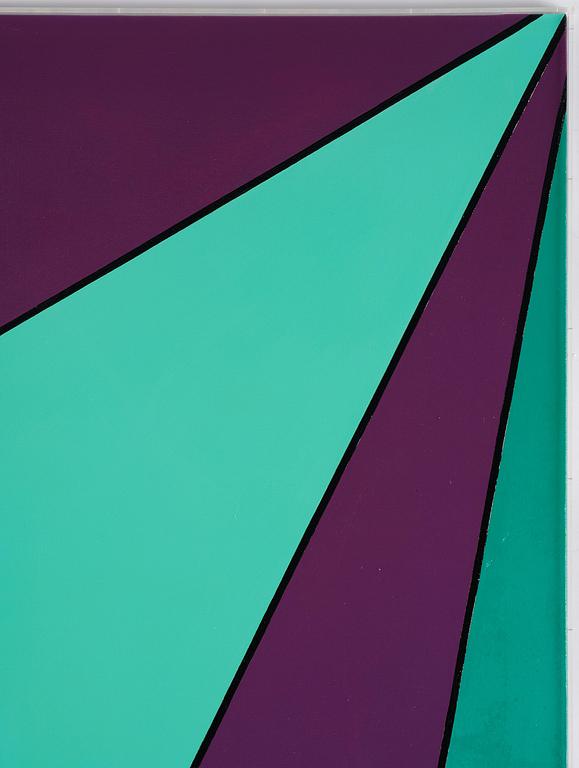
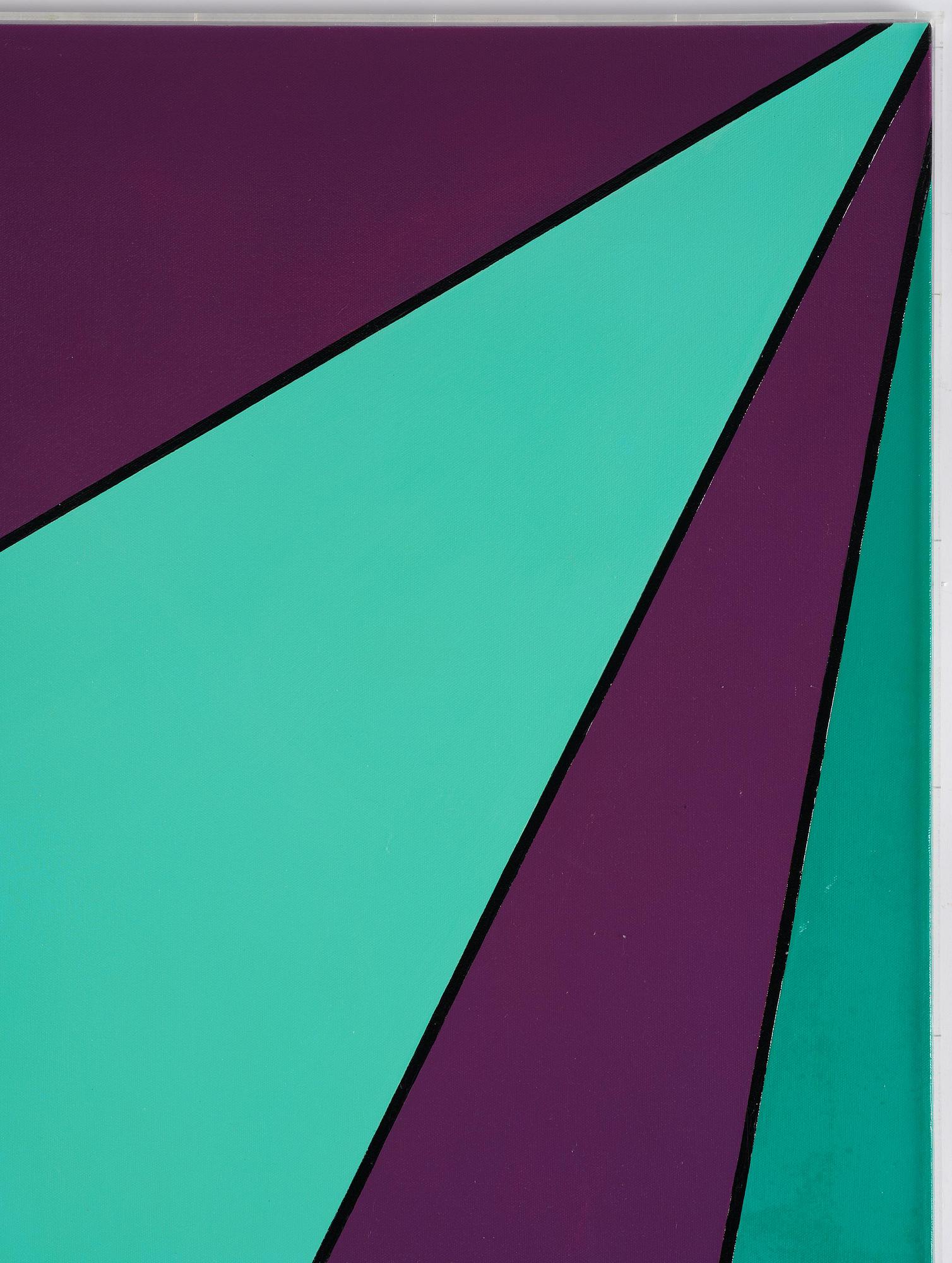
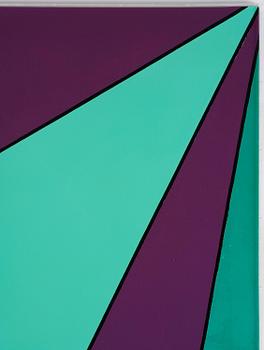
The definition of open form is that every part of the composition extends to the edge of the frame. The black diagonals thus create free colour fields that, with the help of the viewer, can continue beyond the painting's picture plane and create an illusion of movement. Ideally, Baertling believed that the works should hang without a frame, or with a transparent plastic strip, so that the effect would be even clearer. The surfaces can be seen as background or foreground depending on the viewer's free choice. The non-representational aspect of the painting was reinforced by his choice of colours. He deliberately mixed the colours so that they could not be associated with anything representational. Blue was not to resemble water or sky, green was not to resemble grass, and so on. The lines are always black; according to Baertling, black was the most abstract colour upon which all his art was built. The force of the various colour fields never crosses the black line; instead, it bounces back.
More about Olle Bærtling
Olle Bærtling was born in Halmstad in Sweden and is most notable for his painting and sculpture. Bærtling studied like Bengt Lindström in Paris for André Lhote and Fernand Léger. His first exhibition took place in Stockholm in 1949. Bærtling works foremost in a geometric, non-figurative style, approaching his art as a scientist would his research. In 1956 Bærtling discovered his open form, the open trangle with sharp angles which express speed. When in 1956 he positioned the apex of the triangle beyond the boundaries of the frame, the canvas became merely a segment of an event occurring beyond our visual field. The sense of speed is emphasized by the colour, which gives the impression of higher velocities the closer to the triangle’s apex. Black outlines are strong characteristics of Bærtling’s art, while they may seem straight, they actually bend inwards towards the large fields, counteracting their outward pressure. Colour was also essential to Bærtling’s work, whereby it was imperative that they could not be found in nature and were not associated to any form or object. Thus Bærtling only utilised secondary colours: violet, orange, green, and Bærtling-white (a week green-tinted colour). His open form is most evident in the sculptures he made from 1958 onwards. Bærtling consistently delved into the interplay between colors and shapes, remaining unaffected by external artistic trends throughout his life. Today, we can see how artists such as Ann Edholm have been inspired by Bærtling's creations.
Read moreFor condition report contact specialist
Covered by droit de suite
Image rights
The artworks in this database are protected by copyright and may not be reproduced without the permission of the rights holders. The artworks are reproduced in this database with a license from Bildupphovsrätt.