




Olle Bærtling
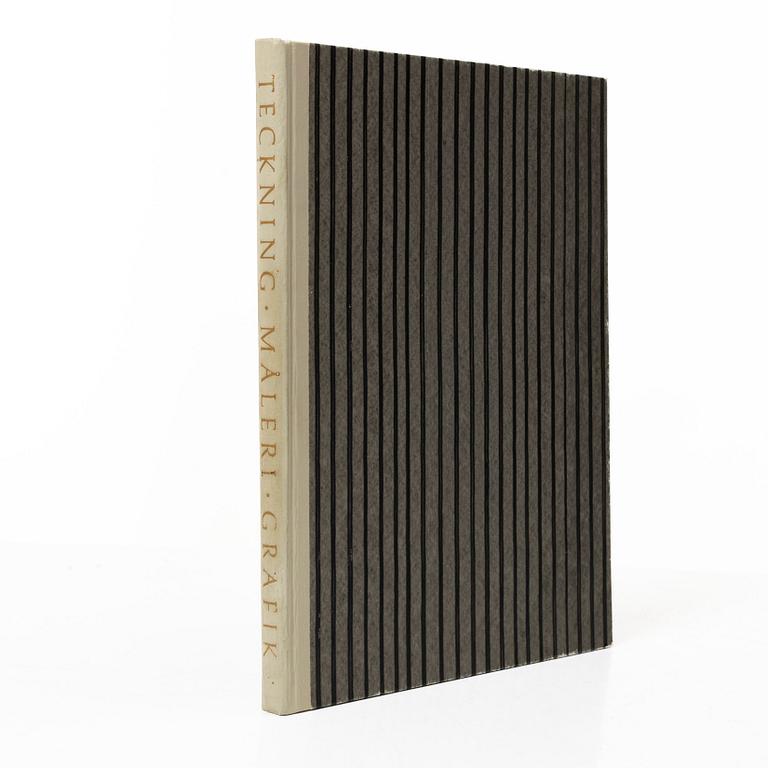
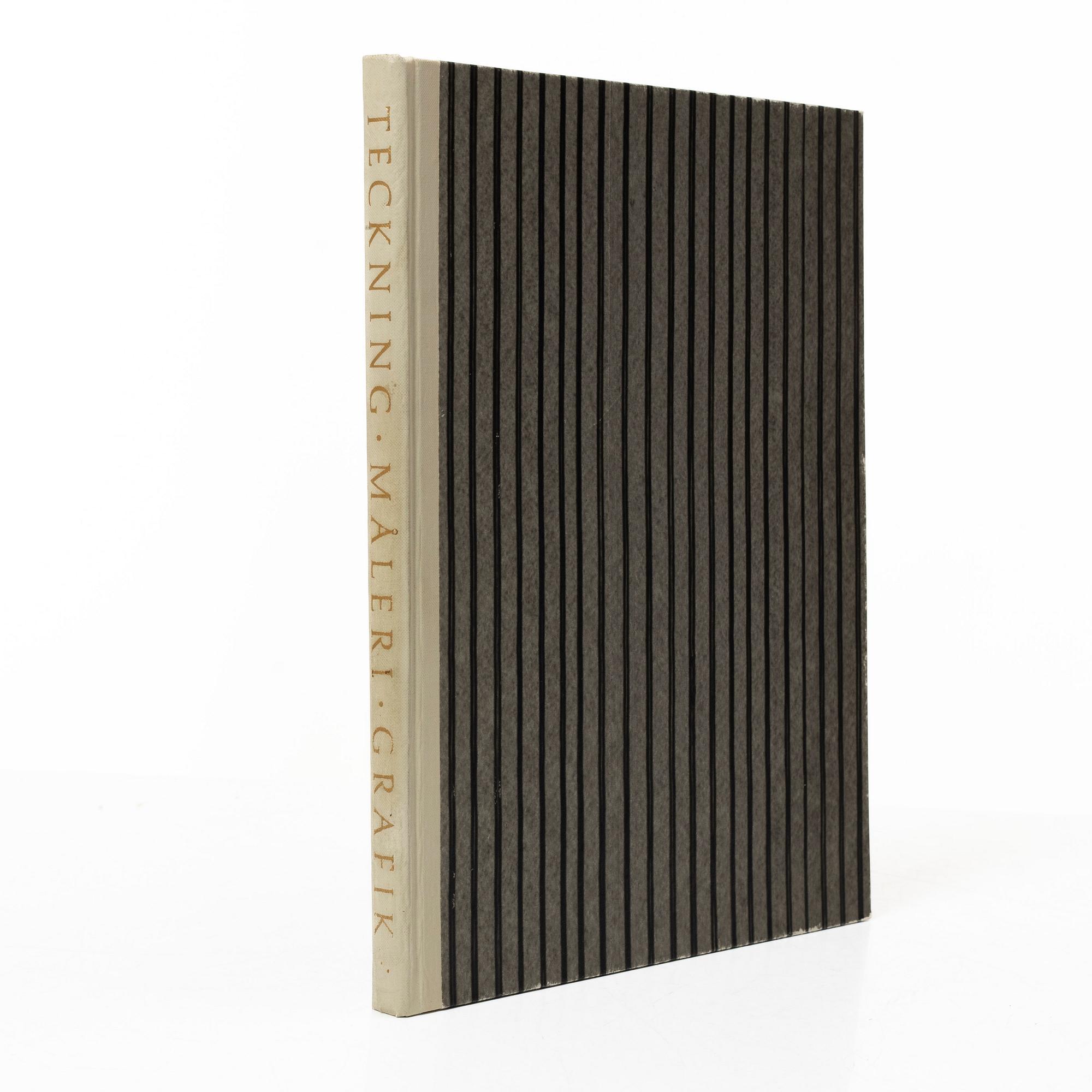
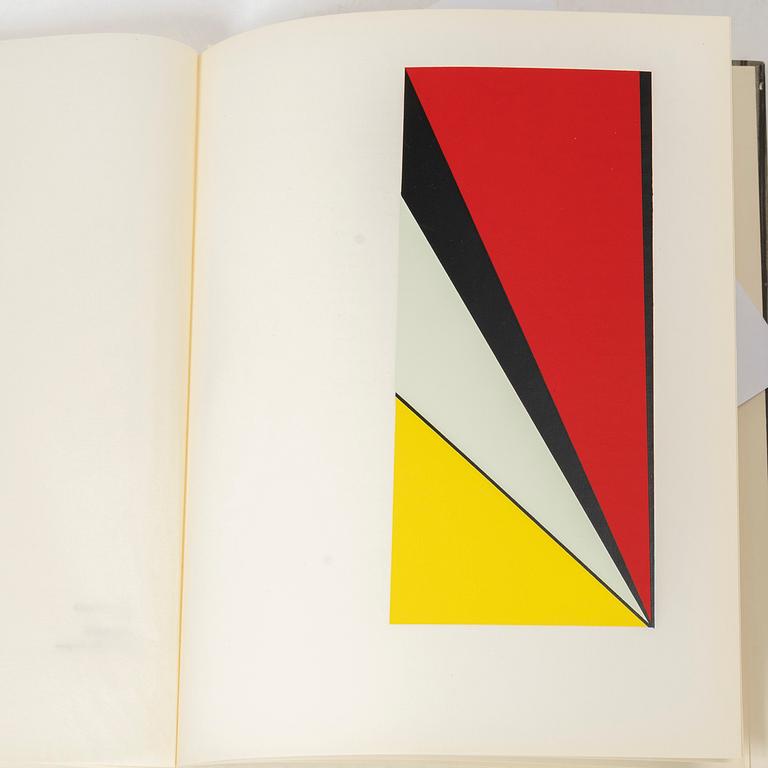
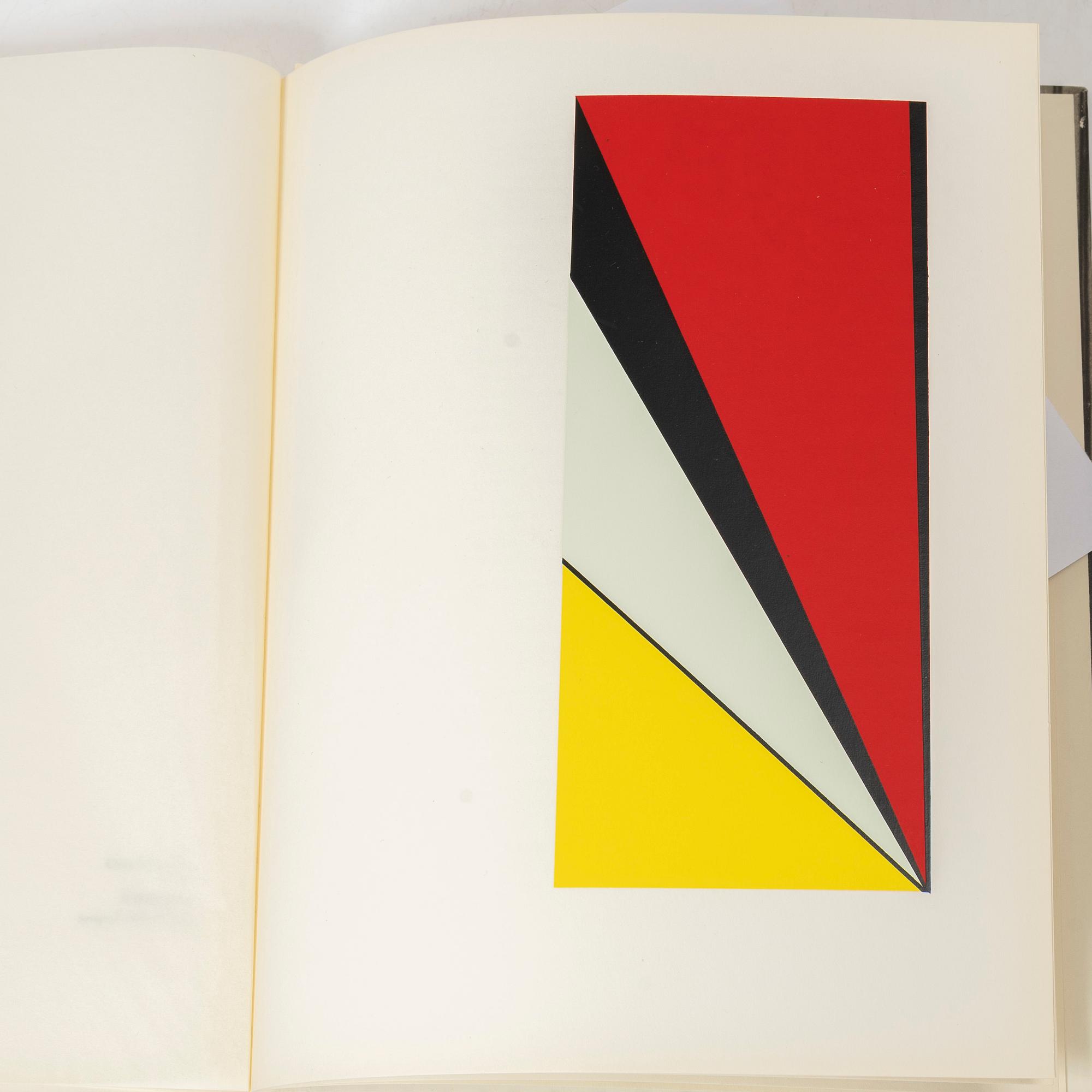
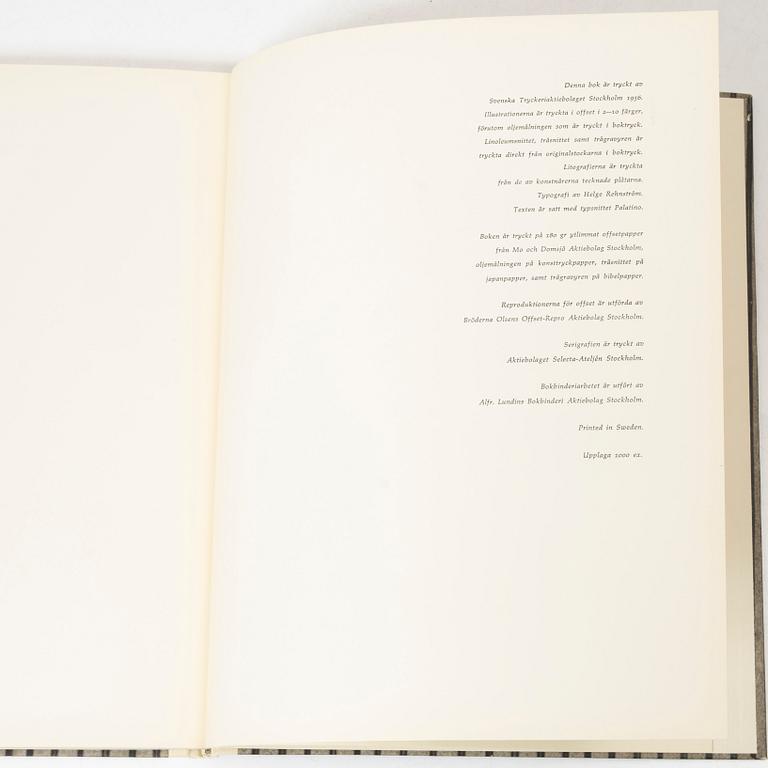
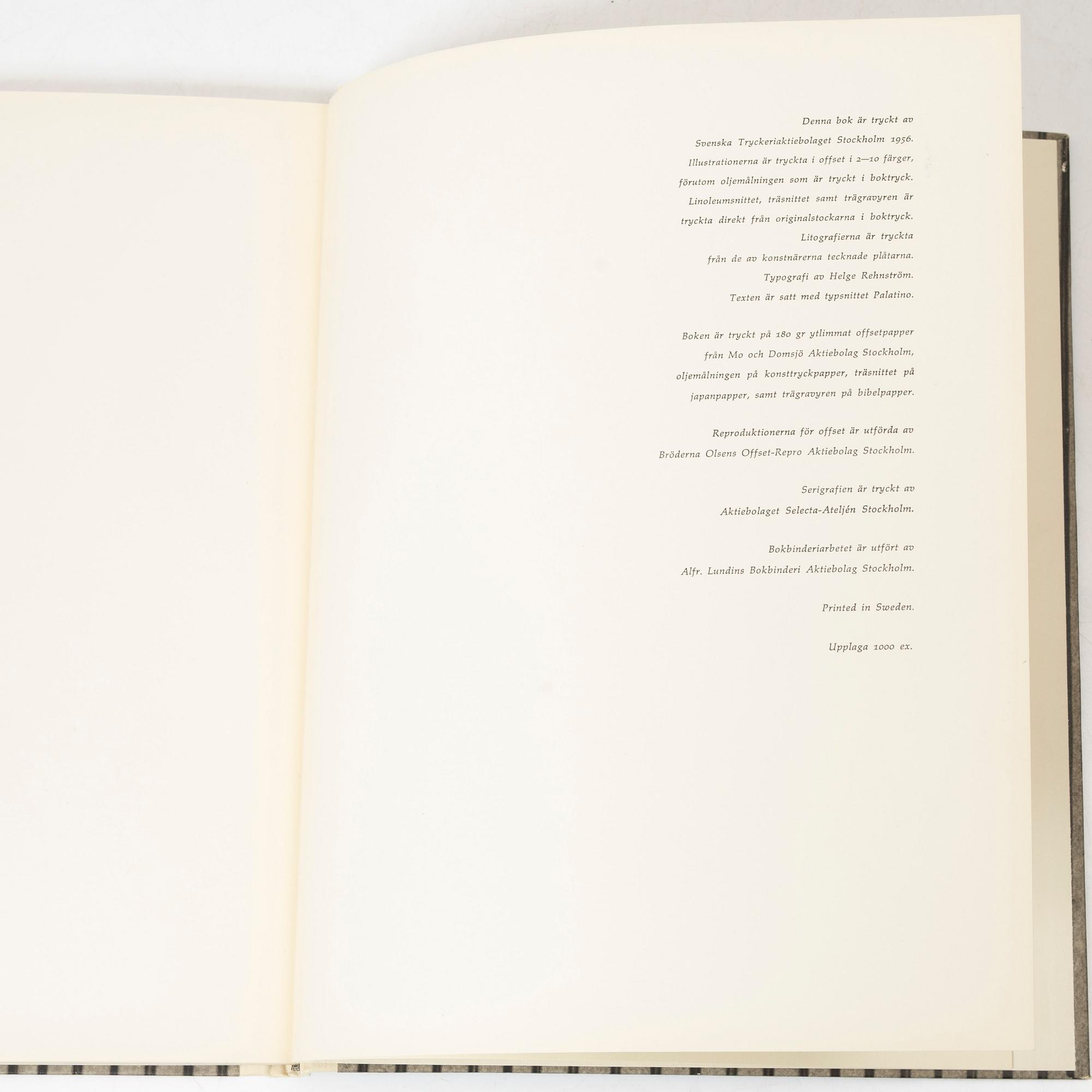
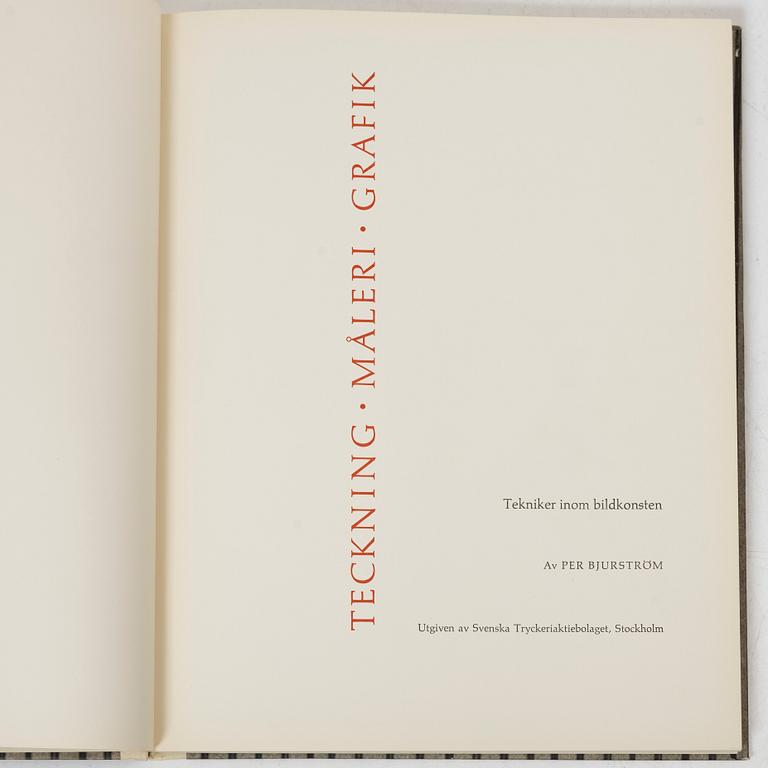
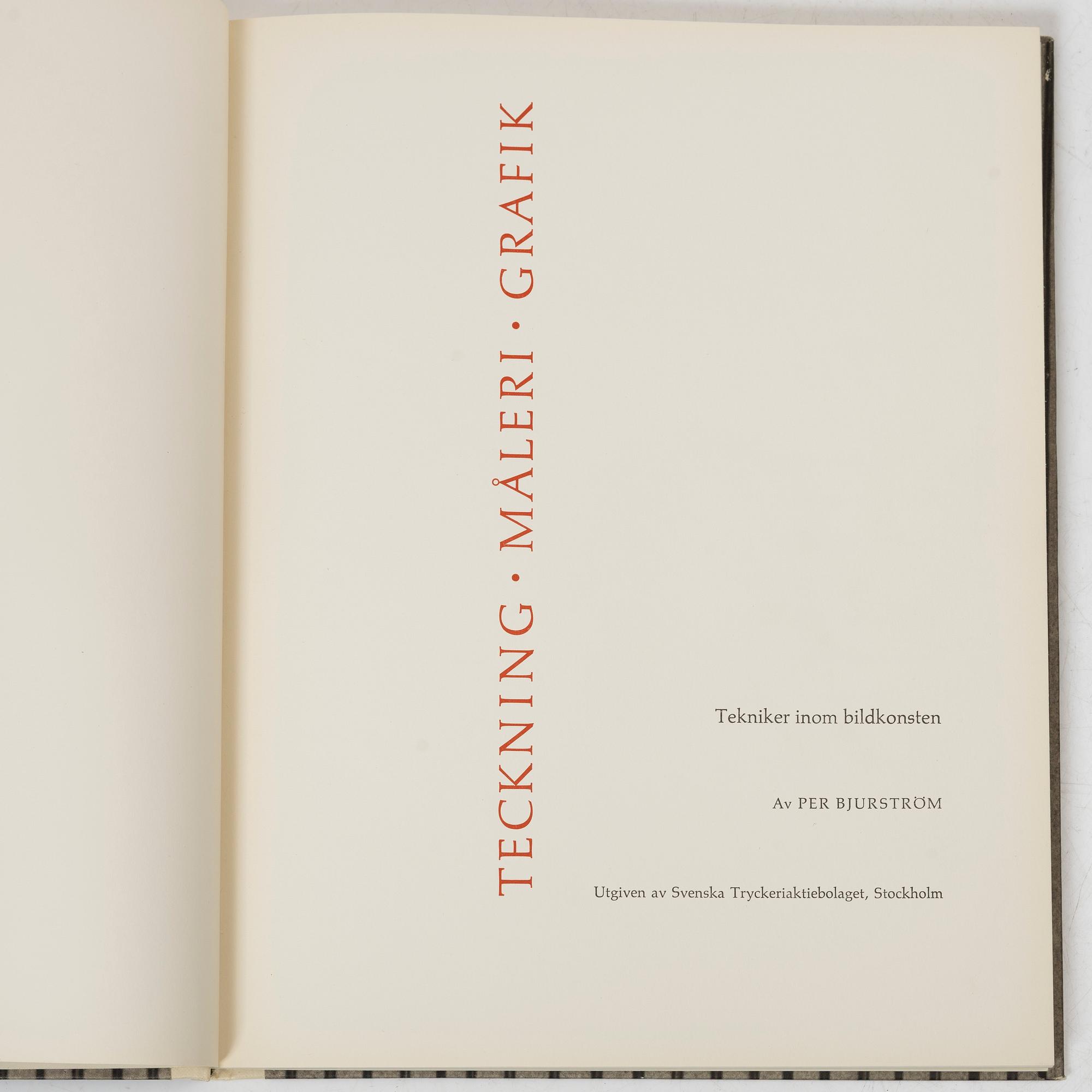
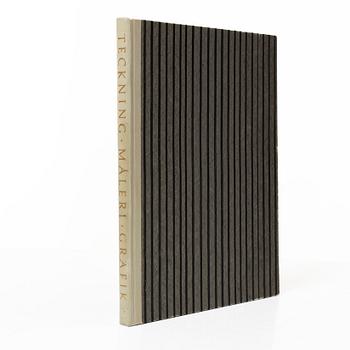
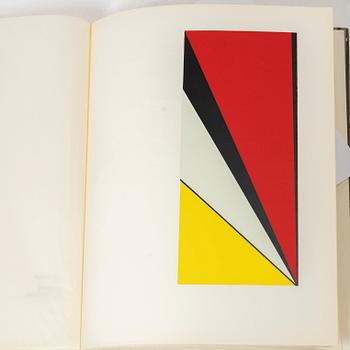
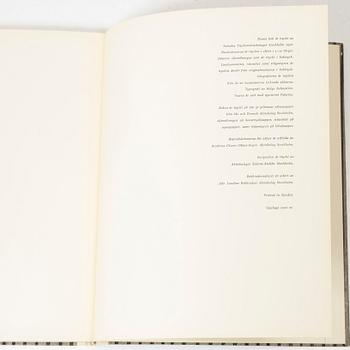
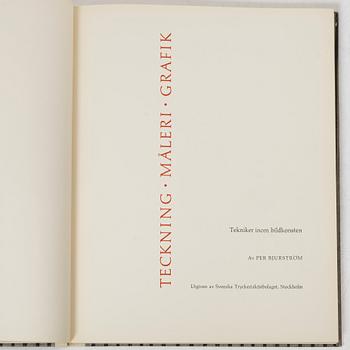
A book by Per Bjurström, 'Tekniker i grafiken' with an original silkscreen print by Olle Baertling. Ed 1000.
Published by Svenska Tryckeriaktiebolaget, Stockholm, 1956, edition of 1000 copies. Page size 30 x 24 cm.
The silkscreenprint by Olle Beartling is printed by Aktiebolaget Selecta-Ateljén, Stockholm, the image measures 22.5 x 10 cm.
The screen print is in good condition. The book has not been fully examined but appears to be in good condition.
More about Olle Bærtling
Olle Bærtling was born in Halmstad in Sweden and is most notable for his painting and sculpture. Bærtling studied like Bengt Lindström in Paris for André Lhote and Fernand Léger. His first exhibition took place in Stockholm in 1949. Bærtling works foremost in a geometric, non-figurative style, approaching his art as a scientist would his research. In 1956 Bærtling discovered his open form, the open trangle with sharp angles which express speed. When in 1956 he positioned the apex of the triangle beyond the boundaries of the frame, the canvas became merely a segment of an event occurring beyond our visual field. The sense of speed is emphasized by the colour, which gives the impression of higher velocities the closer to the triangle’s apex. Black outlines are strong characteristics of Bærtling’s art, while they may seem straight, they actually bend inwards towards the large fields, counteracting their outward pressure. Colour was also essential to Bærtling’s work, whereby it was imperative that they could not be found in nature and were not associated to any form or object. Thus Bærtling only utilised secondary colours: violet, orange, green, and Bærtling-white (a week green-tinted colour). His open form is most evident in the sculptures he made from 1958 onwards. Bærtling consistently delved into the interplay between colors and shapes, remaining unaffected by external artistic trends throughout his life. Today, we can see how artists such as Ann Edholm have been inspired by Bærtling's creations.
Read moreImage rights
The artworks in this database are protected by copyright and may not be reproduced without the permission of the rights holders. The artworks are reproduced in this database with a license from Bildupphovsrätt.
What will the transport cost?
Packaging and insurance
All items sent from Bukowskis are fully insured and carefully inserted in discreet packaging to protect your unique item.
How do I book a transport?
When the payment is settled, you're welcome to book transport on My Pages
When will my item be delivered?
Your order will be prepared within 2-5 days after the transport is booked. You will receive a message by mail, text or phone when your item is on its way. Please note, when making payment via Klarna, that the address for home delivery must be the same as your invoicing address.
Contact
Customer service
Please contact Customer Support for inquiries regarding transport, payment and other questions.
Sweden
Telephone hours: Monday – Friday 9 am – 12 pm
+46 8-614 08 00
Finland
Telephone hours: Monday – Friday 10 am – 1 pm
+358-9-668 91 10