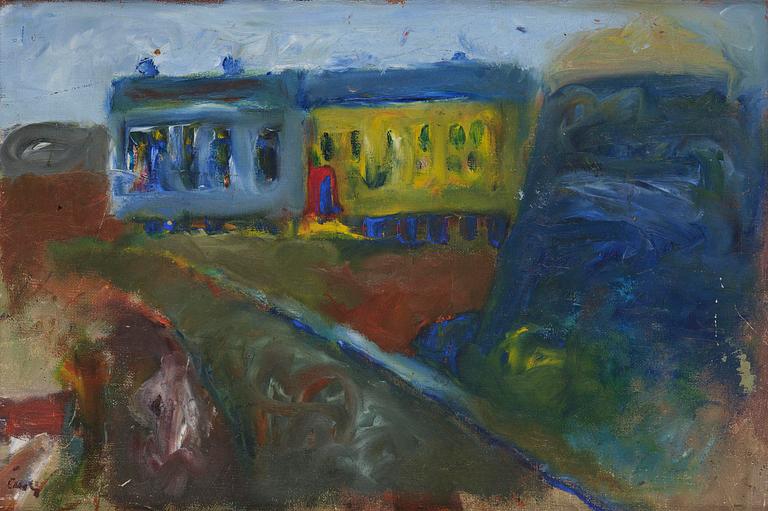
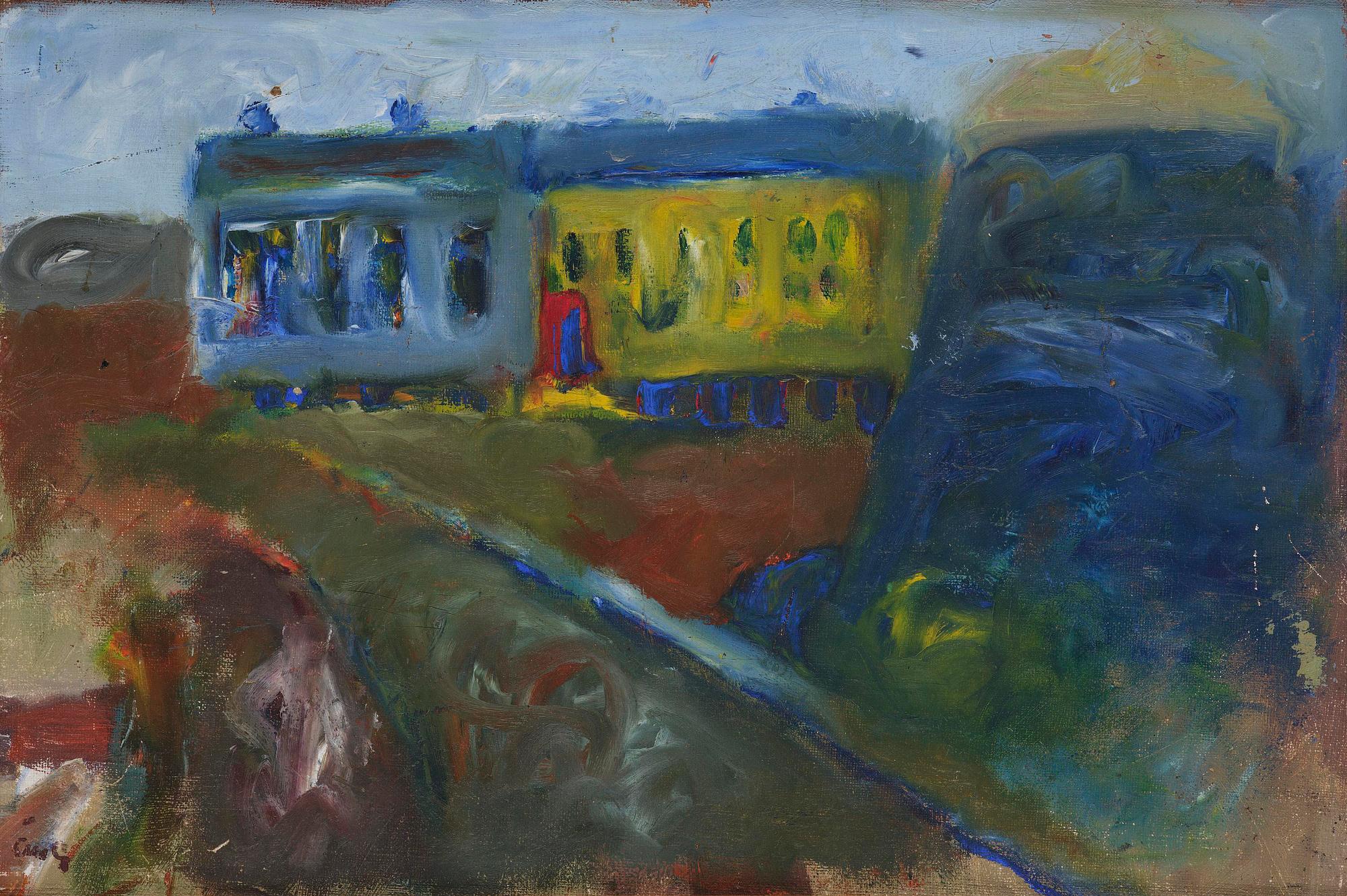
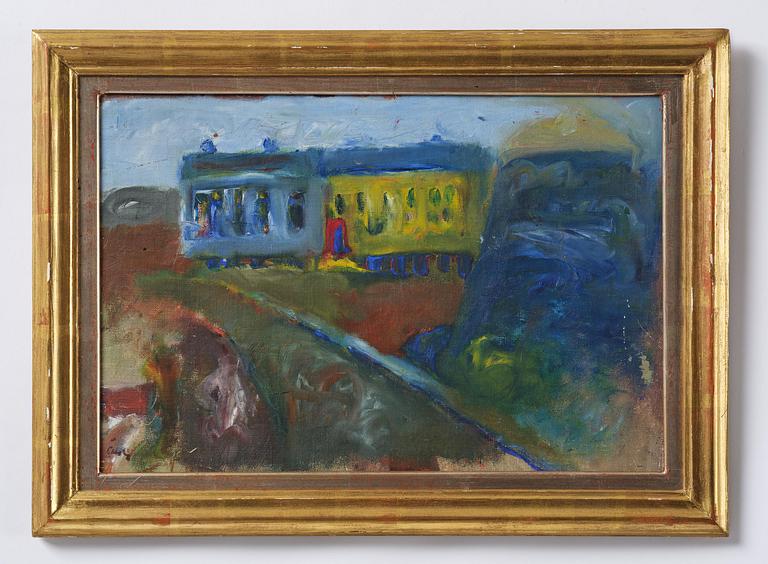
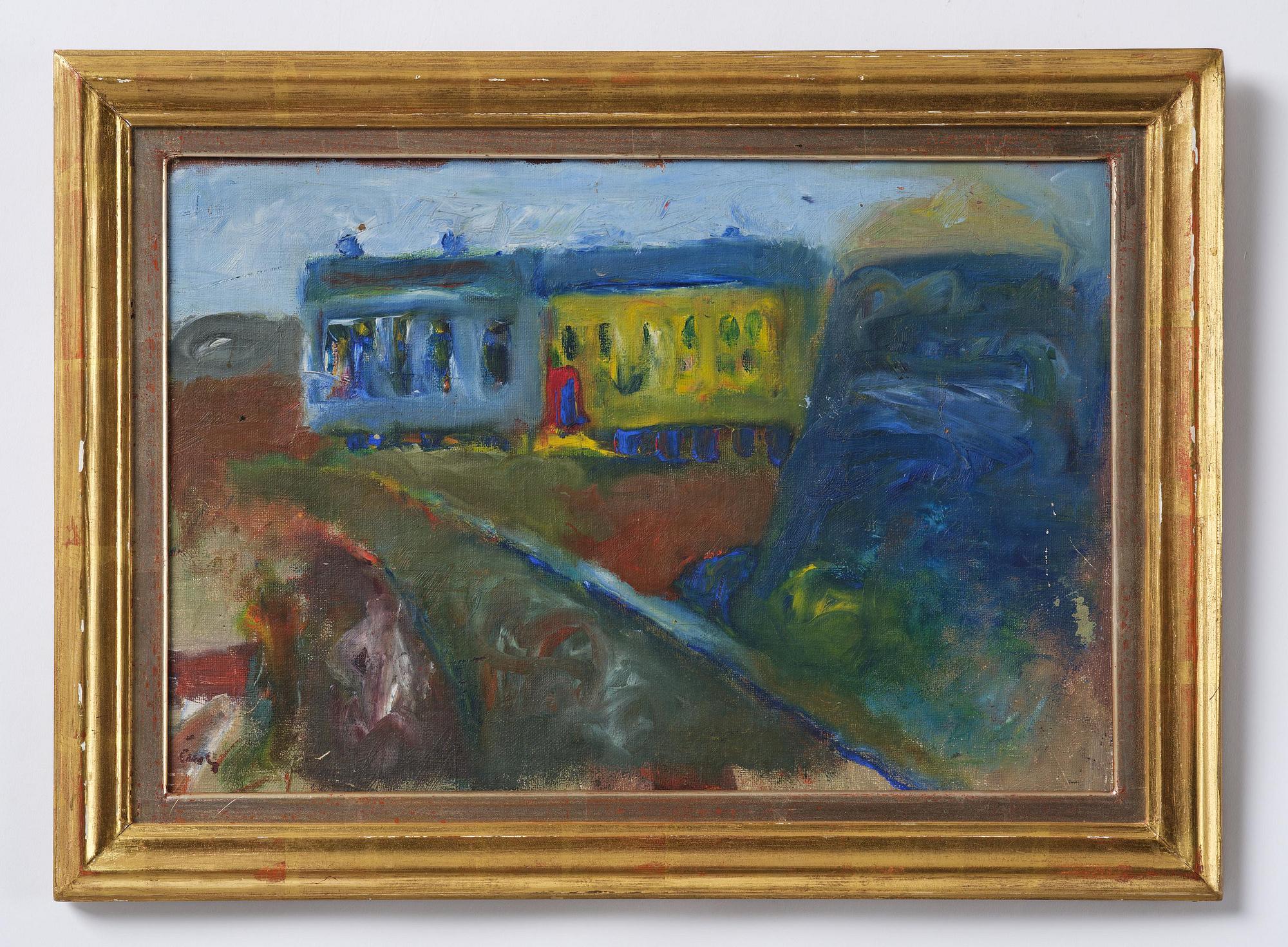
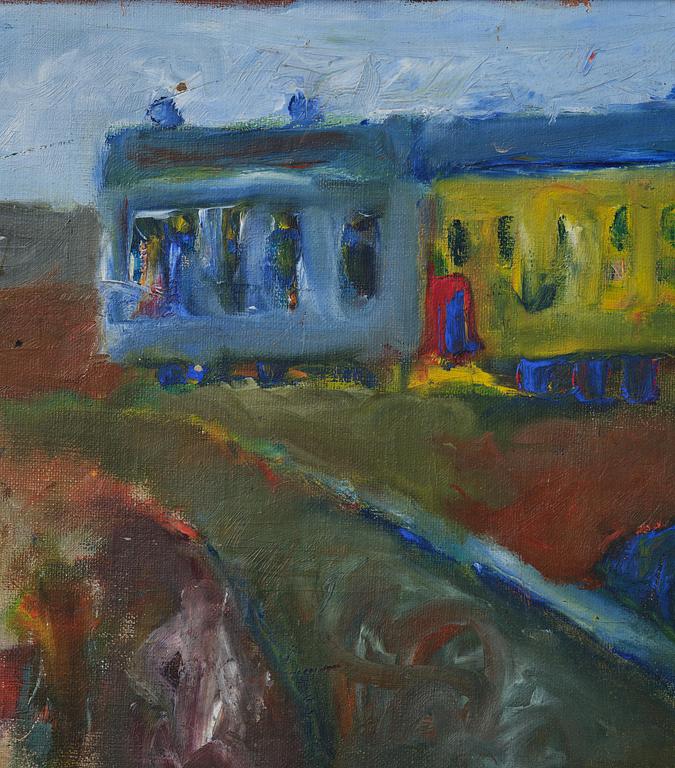
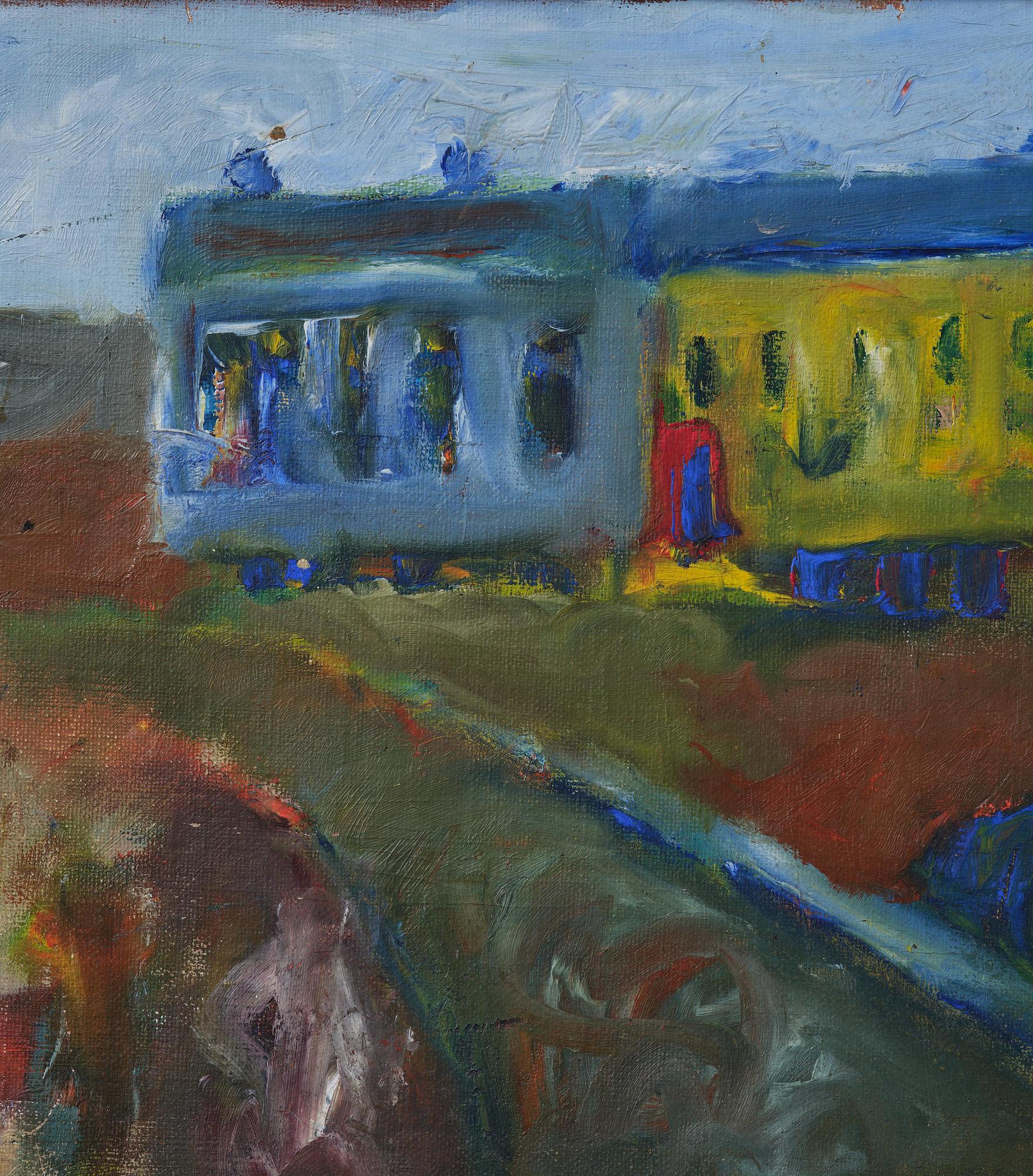
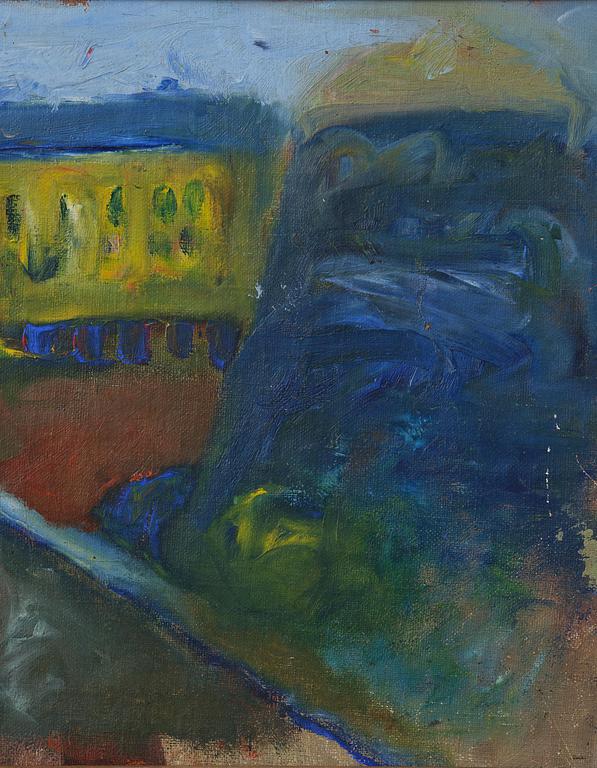
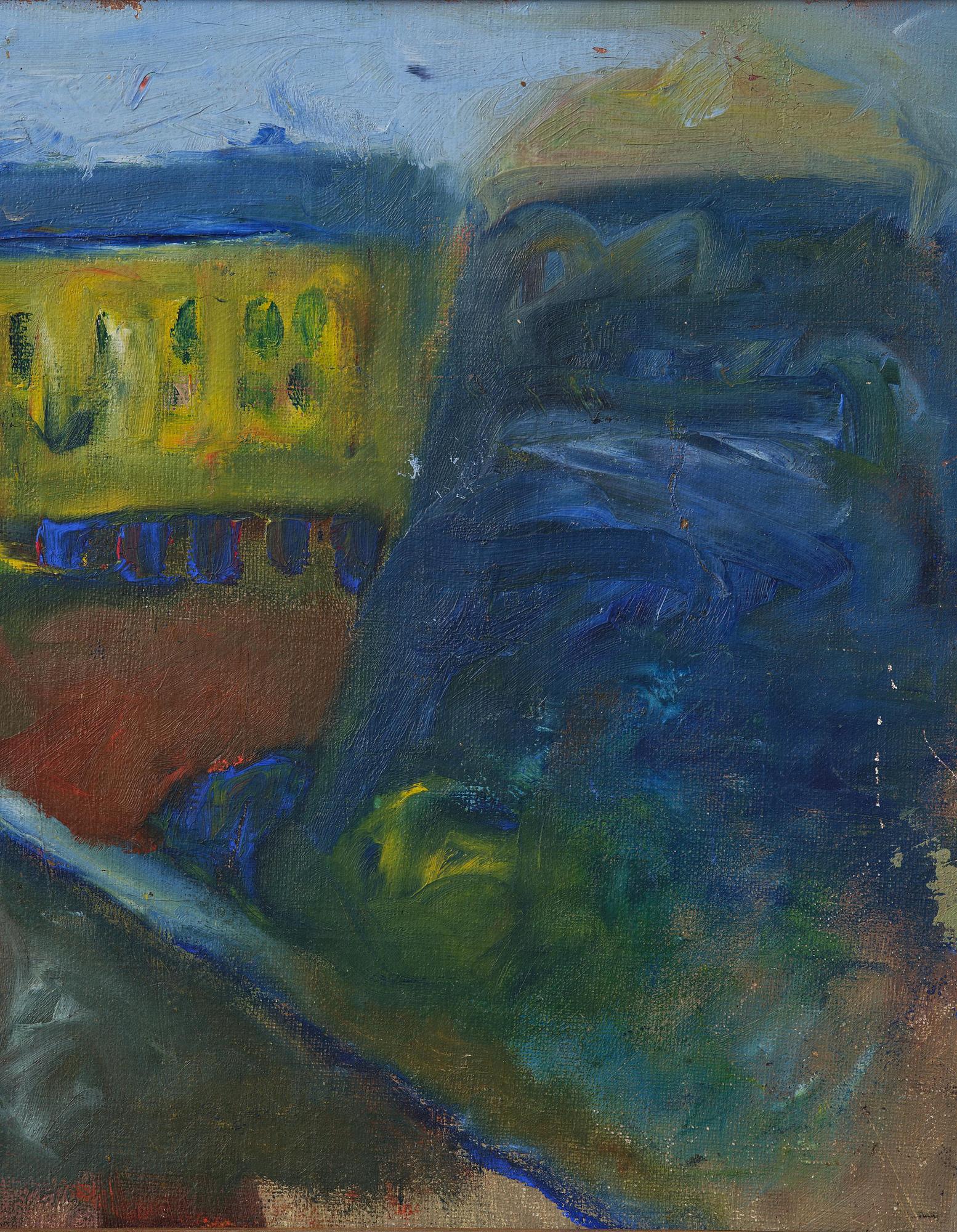
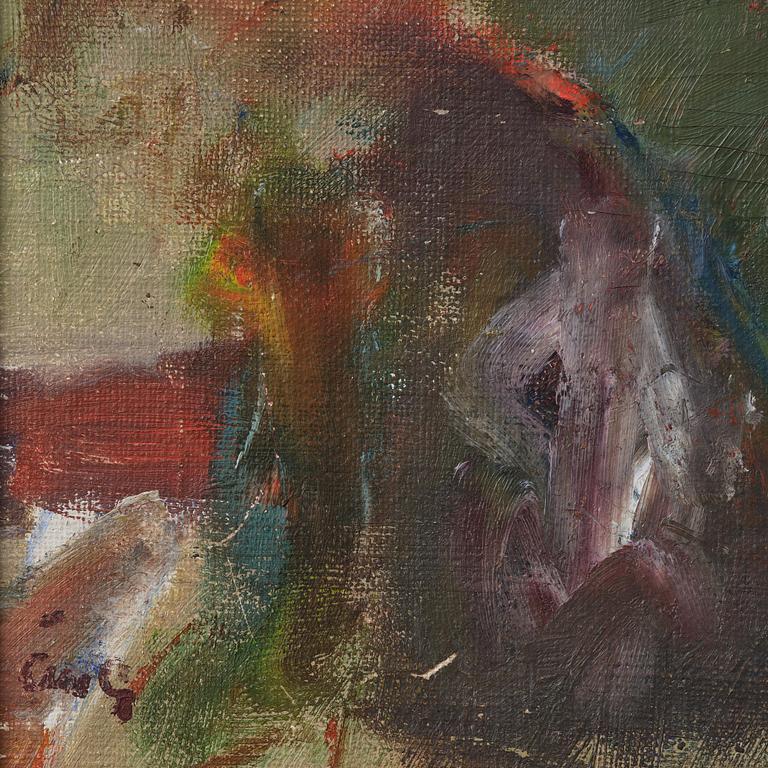
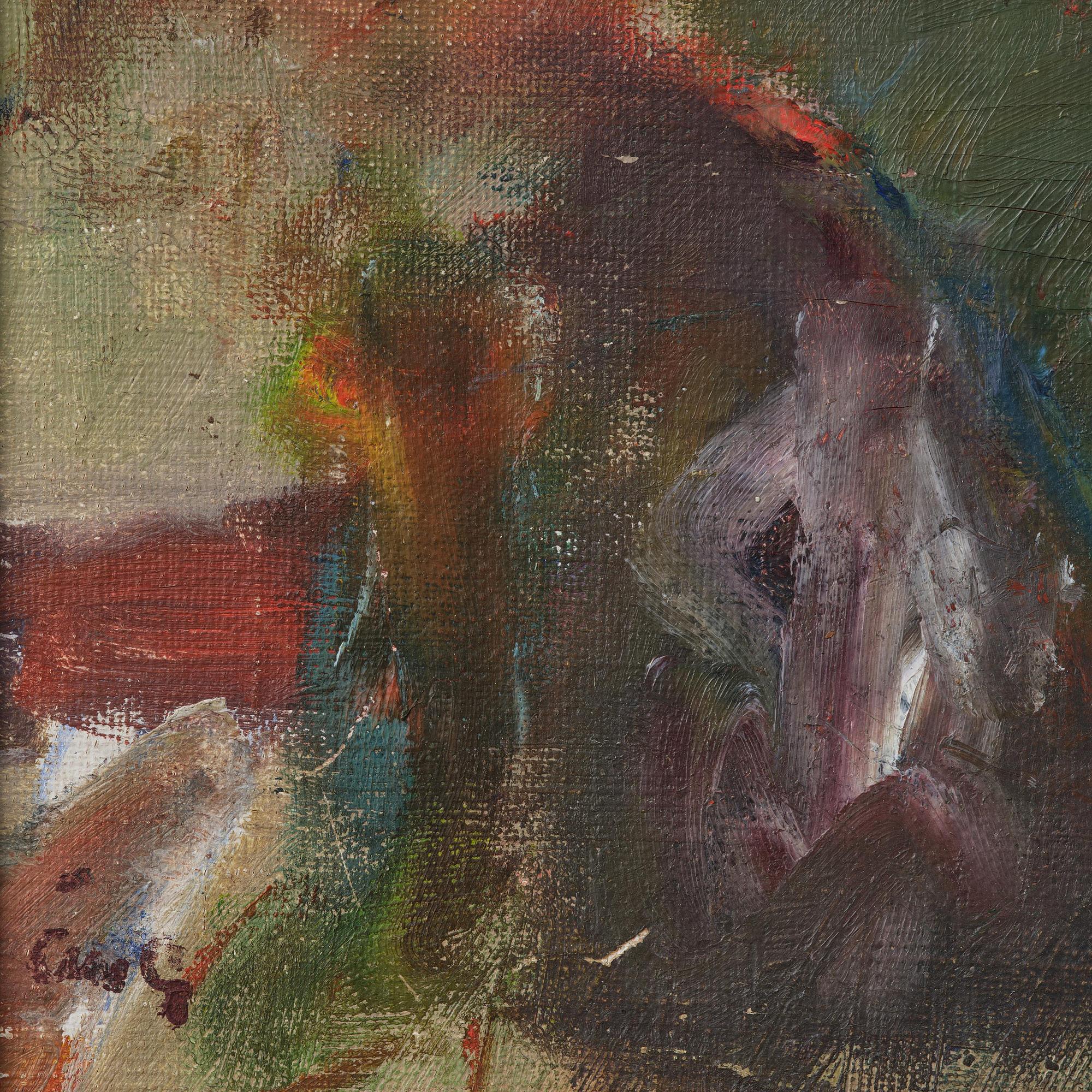
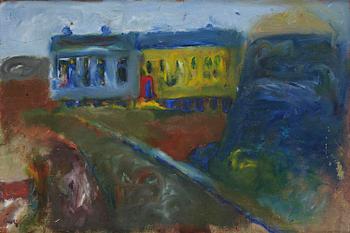
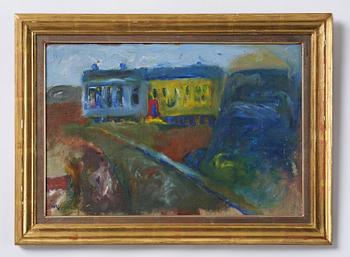
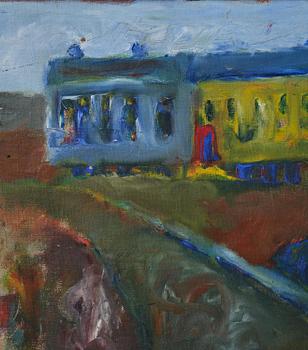
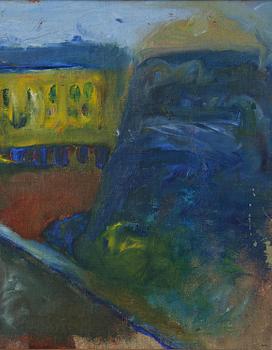
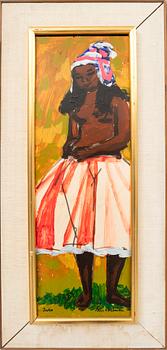
"Gatan, blått hus, gult hus"
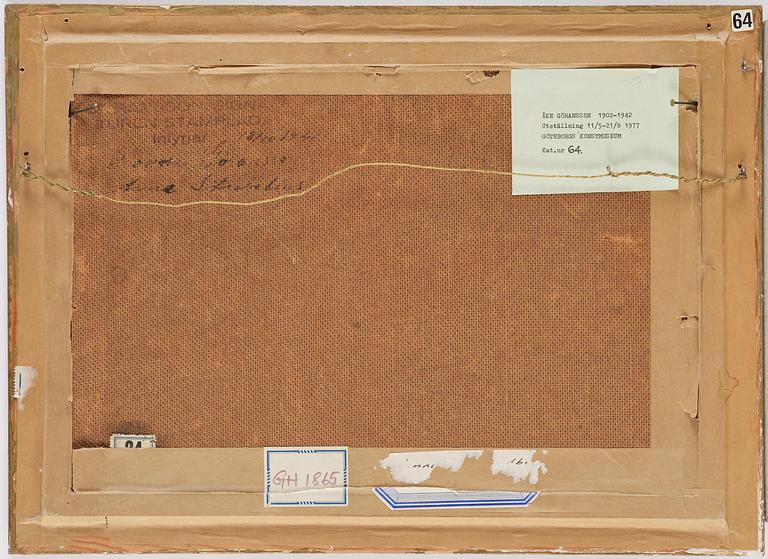
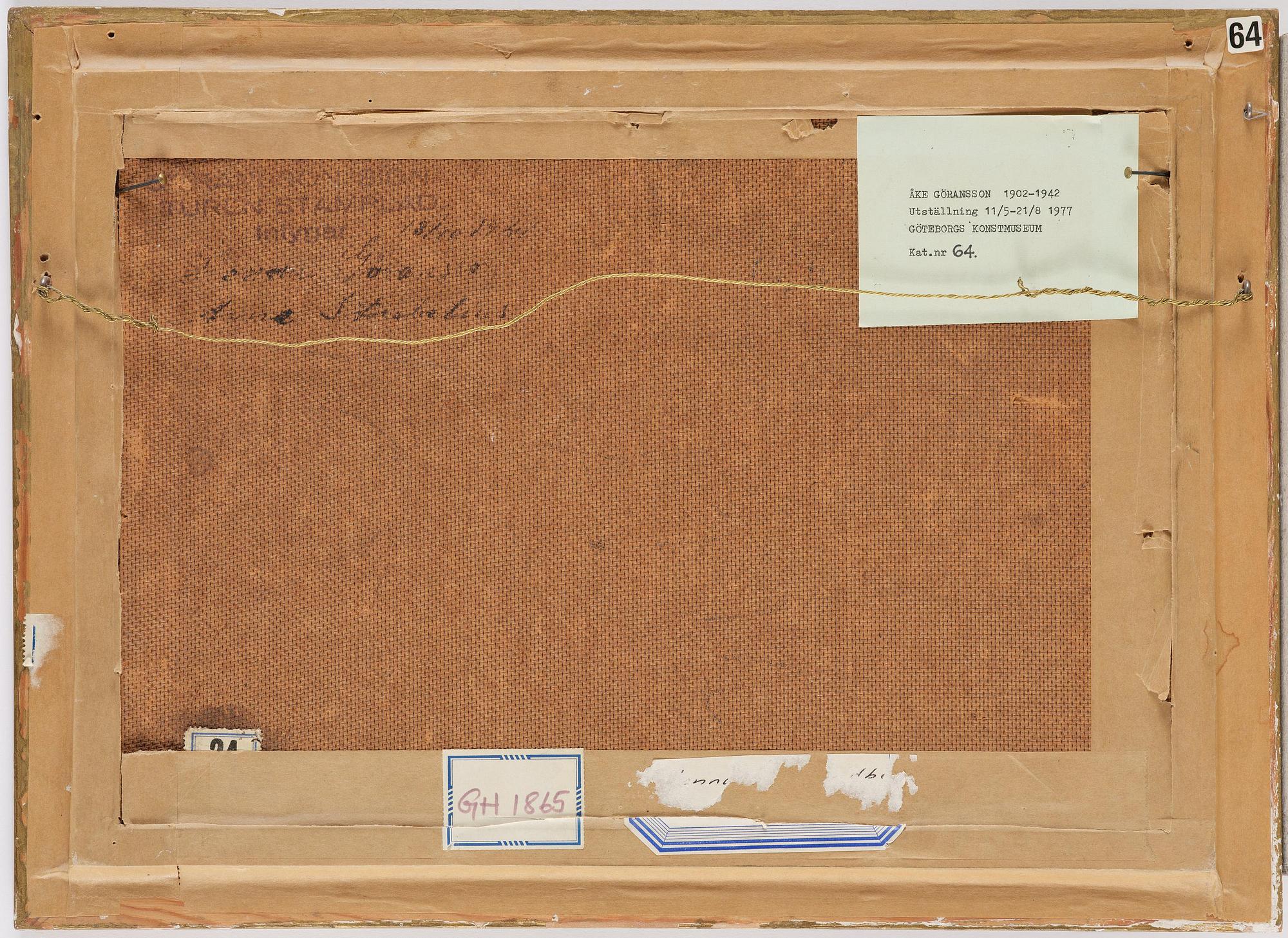
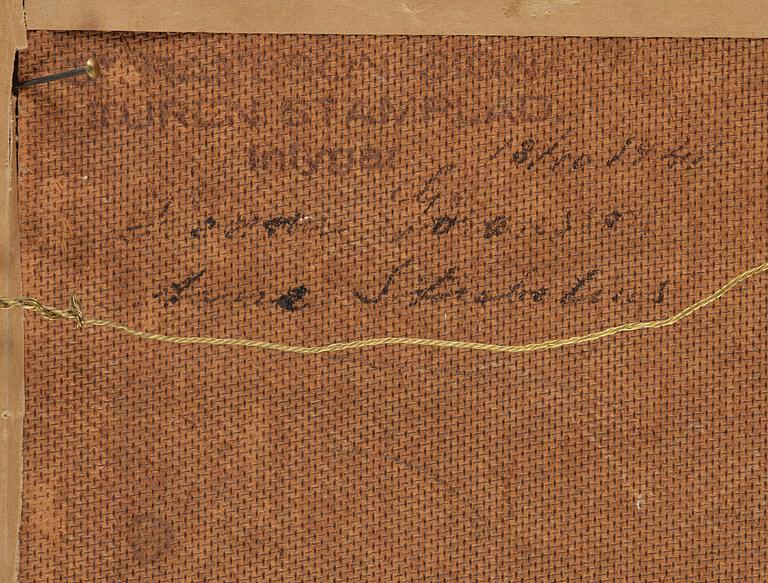
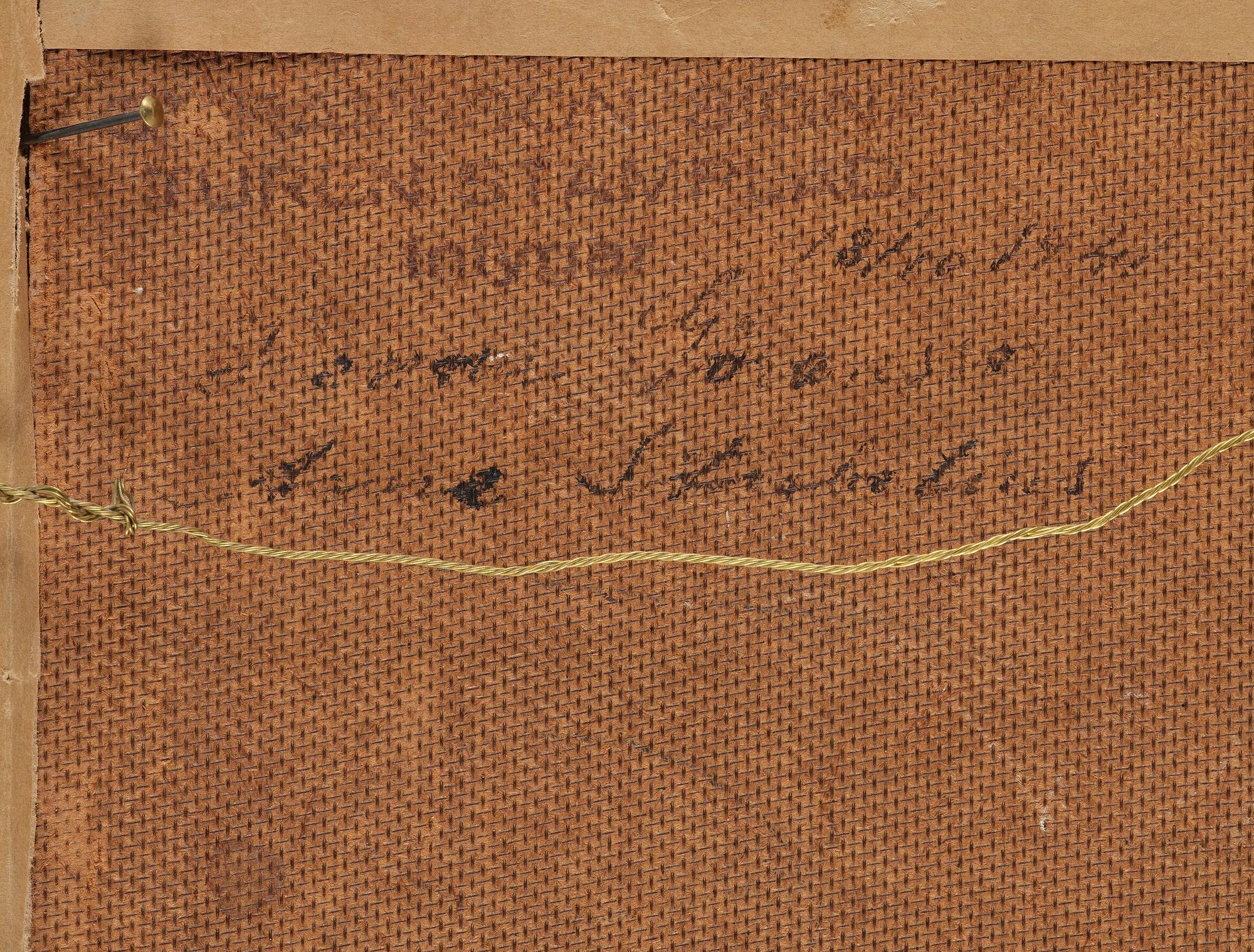
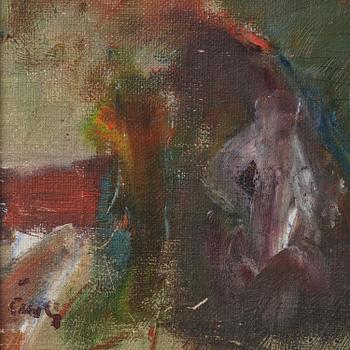
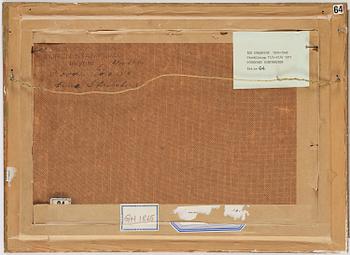
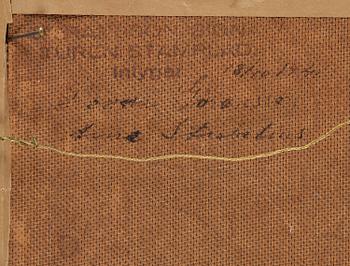
Stamp-signed Åke G. Executed in 1932/33. Verso certified by Hanna Göransson and Arne Stubelius. Oil on canvas mounted on panel, 26 x 38.5 cm.
Provenance
Purchased in the 1970s by the current owner.
Exhibitions
Modern konst i hemmiljö, Stockholm, 1941, cat. no. 109.
Konsthallen, Gothenburg, 1942, cat. no. 123.
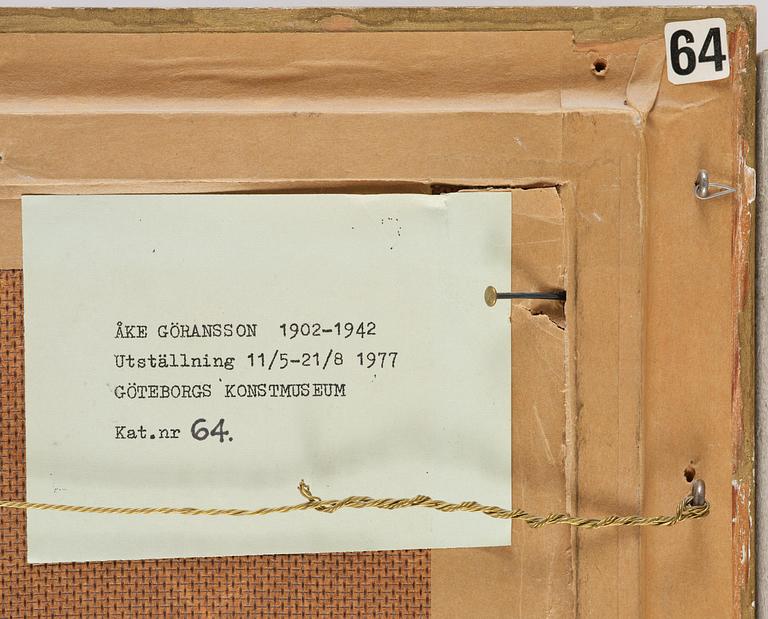
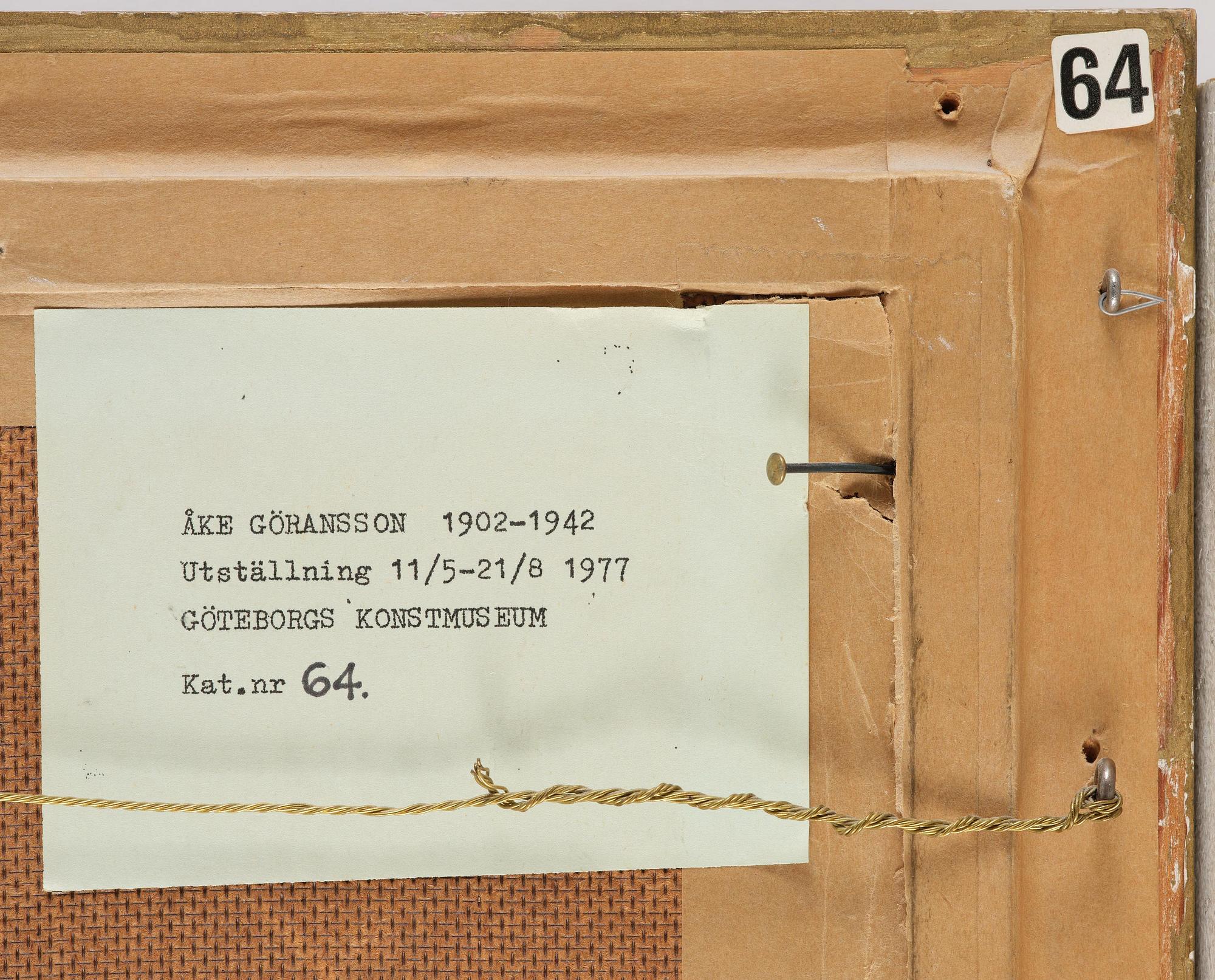
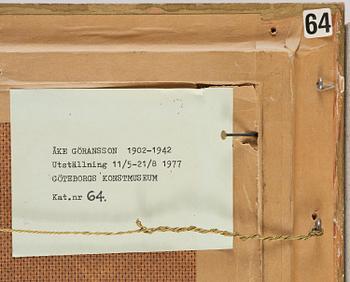
Gothenburg Museum of Art, Varberg Museum, Norrköping Art Museum, 1977, cat. no. 64.
Liljevalchs konsthall, Stockholm, "Åke Göransson", 25 November 1977 - 8 January 1978, cat. no. 70.
Literature
Björn Axlund, "Färgformen - Åke Göranssons liv och konst", 2002, mentiones p. 128, illustrated p. 118, included in the oeuvre catalogue as no. 162.
More information
There is something remarkable about Åke Göransson's artistic career; it is constantly being rediscovered! This was the case when the Swedish Travelling Exhibitions held a comprehensive exhibition in 1978, at Millesgården in 1992, at the Gothenburg Museum of Art and Prince Eugen's Waldemarsudde in 2003, coinciding with the centenary of his birth and the sixtieth anniversary of his death, and most recently when Göransson's extraordinary artistry was brought to light with an exhibition at Liljevalchs konsthall in Stockholm titled "The Comfort of Colour" in 2022-2023, along with a film by Pontus Hjortén called "Life is Short, Art is Long." Both Göransson's tragic and brief life and his peculiar painting have created a myth that continues to fascinate.
After working as an apprentice in a barbershop from the age of 13, lathering chins from eight in the morning until nine in the evening, he eventually became a qualified barber in his hometown of Gothenburg. In 1923, he spent a year in Dals-Ed with the only barber in the tourist town, Gustafsson, who also became his friend and model. In the small community, Åke met the only love of his life and mother of his children, Inga Andersson. Alongside his arduous work, he studied correspondence courses in drawing and painting. In 1924, he became a part-time student at Valand and joined the young artists who gathered around their teacher Tor Bjurström. After a brief period of joy and belonging with other artists, signs of mental illness began to emerge. From 1932 onwards, he barely went outside and took refuge in his mother's flat in Landala, where the most remarkable and intense artworks were created. In 1937, he was admitted to Lillhagen, Gothenburg's new mental hospital. He was in poor condition, both mentally and physically, weighing only 48 kilos and suffering from tuberculosis in his lungs and fully developed schizophrenia. Åke Göransson remained at Lillhagen for five years before tuberculosis took his life.
Göransson's artistic career would likely have sunk into obscurity had it not been for Arne Stubelius's spontaneous visit to Göransson's mother, Hanna, one summer day in 1940. Stubelius was working on a monograph about Ivan Ivarson and wanted to verify some facts. By chance, he asked if there were any works by Göransson left in the home. After some complications, his mother asked him to rise from the kitchen sofa, and they lifted the lid. There lay a dense collection of paintings, rolled up, some overpainted and stuck together. This marked the beginning of Åke Göransson's artistic legacy finally being brought to light. Through purchases, Gösta Stenman facilitated the rescue of the works. They were restored, mounted on panels, and framed. The exhibition at Modern Art in Domestic Environment on Strandvägen in Stockholm in 1941 was very well received and marked the beginning of significant attention for Göransson's artistry.
While the Gothenburg Colourists are associated with explosions of colour, Åke Göransson stands out as an exception within that group of artists. His presence at Valand's painting school was at times very sporadic, as his meagre financial situation forced him to work part-time as a barber's assistant, and he was also somewhat of a recluse. Göransson's early, small landscape paintings in muted colour palettes are primarily considered inspired by Cézanne and to some extent Aguéli. However, he soon found a very personal style where the colours green and violet, seen in a luminous colour haze, played a significant role. Erling Ärlingsson recounts how his friend laid out the colours on the palette based on careful theoretical speculations: "He had only light cadmium yellow, vermilion, emerald green, ultramarine blue, and zinc white on his palette. Occasionally, he likely added gold ochre. Three of the first four plus white, mixed in various proportions, always recurred in all the colour areas that together built up the model. He started from the premise that yellow was the highest warmth and blue the greatest cold. I remember that Schiöler and especially Magnusson and I admired his consistent technique in laying out the model." (Arne Stubelius "Åke Göransson", p. 32).
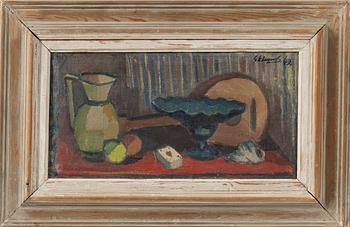
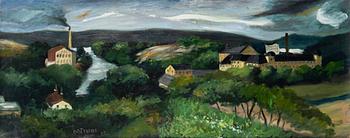
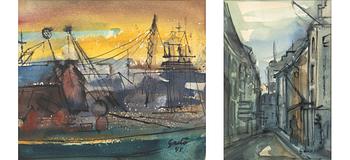
The auction's painting "Street, Blue House, Yellow House" was created during the years 1932-33 when Göransson painted a series of Gothenburg streets. Here we encounter the colour haze and the muted colour palette, which in its parts shines with vermilion and ochre set against the ultramarine building masses – a declaration of love for his own colour poetry and for his hometown of Gothenburg. Everything becomes crumbling, sliding, and at the same time perfectly balanced colour blocks, flooded and internally illuminated by the light that only Göransson could conjure.
More about Åke Göransson
Åke Göransson was born in Veddige in Halland 1902. His parents were shoemaker Sven GÖransson and his wife Hanna. Sven Göransson died when Åke was only three years od and thus his mother Hanna came to play a big role in Åke's life, both as a breadwinner and a support system. Åke eventually starts working as a barbor, drawing and painting on the side for Hermods. He eventually got engaged to Inga Andersson. In 1924, Åke becomes a part time student at Valand's art school, but his tricky economic situation forces him to work halftime as a barbor. He became somewhat of a hermit, but at school he spent time with other artists who railed around their teacher Tor Bjurström. After a short period of stability begins the tendancies of poor mental health show itself. From 1932 his health deteriorates, he is deemed mentally insane, and he finds himself to leave his mothers apartment in Landala. It is from this period that the most interesting and intensive paintings were made. Torn from the world, Göransson continuously paints new versions of his view of Egnahemsvägenin Landala, interiors from the studio flat, with Hannah often lurking in the photographs. His friends from his studies find themselves intranced by his canvas paintings, and his friend Ivan Ivarson convinces Göransson to lend three artworks to the collection exhibition of 1933 at Paletten in Gothenburg. The exhibition is greatly received and brings national fame to Göransson's art. However, he is simultaneously experiencing an internal crisis and depression, and it becomes impossible for im to continue painting, and thus cannot continue to support his wife and daughter Ingrid. After this his artworks fluctuates with his state of mind, the dark is contrasted with the light, light with darkness. In the long run, his mother can no longer continue to support him with all of the art supplies he needs, and he instead begins to paint over old canvases. In 1937 Göransson was finally emitted into Gothenburgs new mental hospital. He was in terrible form, both mentally and physically, since he suffered from tuberkulosis, weighed only 48 kilos, and had full fledged schizophrenia. He remained at the hospital until his death in 1942.
Åke Göransson's artistic career would likely have faded into obscurity if Arne Stubelius had not made a spontaneous visit to Göransson's mother, Hanna, one summer day in 1940.Stublius worked with monographs like Ivan Ivarson and wanted to verify some facts. One time, Stublius asked if there were any more of Göransson's art left in the home. Göransson's mother asked her son to mobe off the sofa, where upon opening the sofa cover, they found the home of Göransson's art. This marked the beginning of Åke Göransson’s artistic career being brought into the spotlight. Through purchases, Gösta Stenman enabled the rescue of the works. They were restored, mounted on panels, and framed. The exhibition at Modern Konst i Hemmiljö on Strandvägen in Stockholm in 1941 was received very positively and marked the start of significant attention towards Göransson’s work. Only a few paintings were created in the hospital the following year before Åke Göransson passed away from mental exhaustion and tuberculosis in 1942.
Read moreFor condition report contact specialist